

The DOI matches its Crossref record; 42 of the 42 references it cites were found in a registry or an index.
A machine learning model to predict the risk of 30-day readmissions in patients with heart failure: a retrospective analysis of electronic medical records data
Open accessAbstract
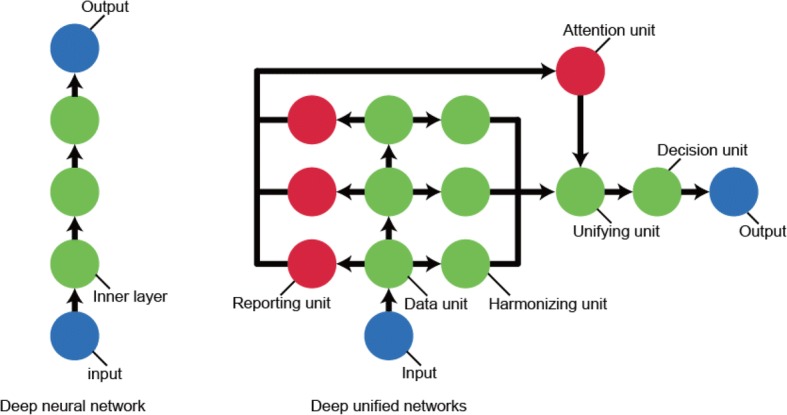
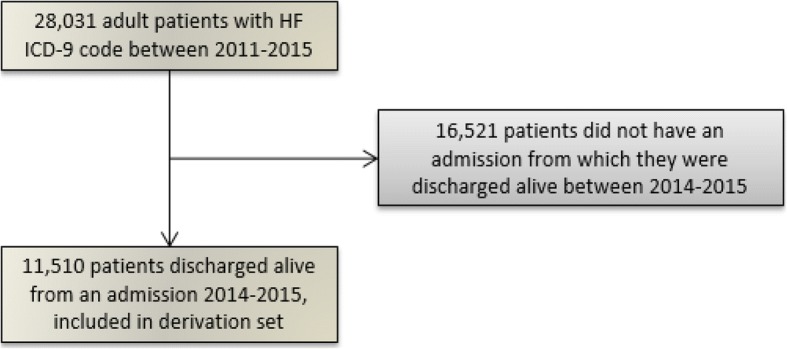
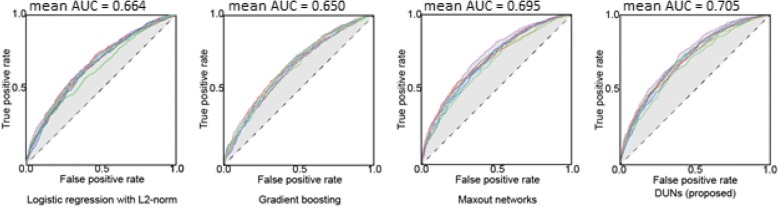
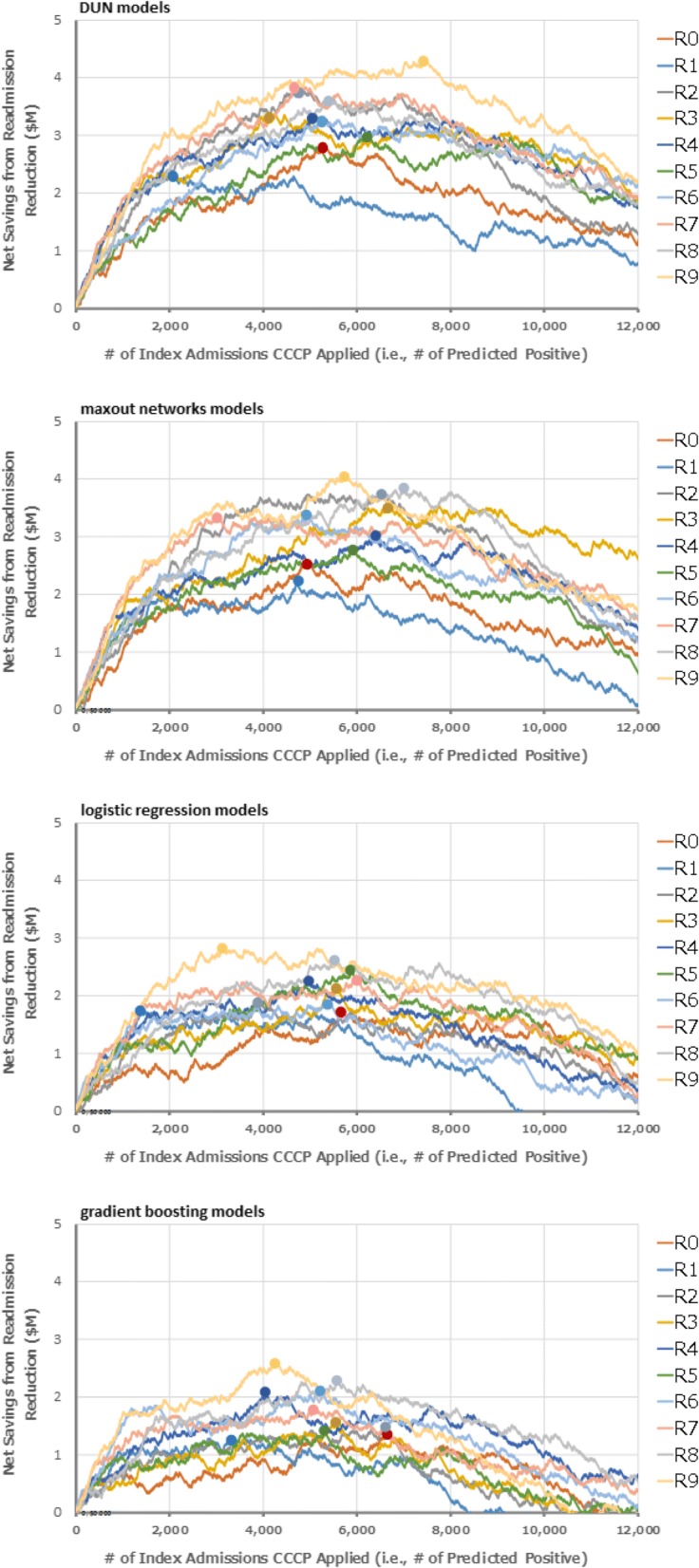
BACKGROUND: Heart failure is one of the leading causes of hospitalization in the United States. Advances in big data solutions allow for storage, management, and mining of large volumes of structured and semi-structured data, such as complex healthcare data. Applying these advances to complex healthcare data has led to the development of risk prediction models to help identify patients who would benefit most from disease management programs in an effort to reduce readmissions and healthcare cost, but the results of these efforts have been varied. The primary aim of this study was to develop a 30-day readmission risk prediction model for heart failure patients discharged from a hospital admission. METHODS: We used longitudinal electronic medical record data of heart failure patients admitted within a large healthcare system. Feature vectors included structured demographic, utilization, and clinical data, as well as selected extracts of un-structured data from clinician-authored notes. The risk prediction model was developed using deep unified networks (DUNs), a new mesh-like network structure of deep learning designed to avoid over-fitting. The model was validated with 10-fold cross-validation and results compared to models based on logistic regression, gradient boosting, and maxout networks. Overall model performance was assessed using concordance statistic. We also selected a discrimination threshold based on maximum projected cost saving to the Partners Healthcare system. RESULTS: Data from 11,510 patients with 27,334 admissions and 6369 30-day readmissions were used to train the model. After data processing, the final model included 3512 variables. The DUNs model had the best performance after 10-fold cross-validation. AUCs for prediction models were 0.664 ± 0.015, 0.650 ± 0.011, 0.695 ± 0.016 and 0.705 ± 0.015 for logistic regression, gradient boosting, maxout networks, and DUNs respectively. The DUNs model had an accuracy of 76.4% at the classification threshold that corresponded with maximum cost saving to the hospital. CONCLUSIONS: Deep learning techniques performed better than other traditional techniques in developing this EMR-based prediction model for 30-day readmissions in heart failure patients. Such models can be used to identify heart failure patients with impending hospitalization, enabling care teams to target interventions at their most high-risk patients and improving overall clinical outcomes.
Overview
The claims and statistics of this paper haven’t been checked yet.
Run the check — free, no account needed. It reads the open-access text and checks the sources it cites.
Integrity signals
Registry
Cites
Statistics
Figures
Verification
Claims the paper makes
The claims and statistics of this paper haven’t been checked yet.
Run the check — free, no account needed. It reads the open-access text and checks the sources it cites.
Claims other papers make about this one
Each is checked against this paper’s own text: does it say what the citing paper says it does?
The source backs part of the claim, not all of it — or backs it for a different population, condition or comparison.
In the citing paper
“Missing data were usually ignored by dropping data or imputing, if not dealt with appropriately can skew the results68,106,173.”
From Multimodal machine learning in precision health: A scoping review (2022) · cites this paper as [106]
Experimental — accuracy not yet measured
Self-check
Percentages, sums and reported differences re-computed from the paper’s own numbers.
The self-check needs the paper’s full text.
Citations
Cites
XGBoost: A Scalable Tree Boosting System
Chen, T., & Guestrin, C. (2016) · Proceedings of the 22nd ACM SIGKDD International Conference on Knowledge Discovery and Data Mining · doi:10.1145/2939672.2939785 · Cited by 54,569
The Elements of Statistical Learning
Hastie, T., Friedman, J., & Tibshirani, R. (2001) · Springer Series in Statistics · doi:10.1007/978-0-387-21606-5 · Cited by 24,162
"Why Should I Trust You?": Explaining the Predictions of Any Classifier
Ribeiro, M. T., Singh, S., & Guestrin, C. (2016) · Proceedings of the 22nd ACM SIGKDD International Conference on Knowledge Discovery and Data Mining · doi:10.1145/2939672.2939778 · Cited by 17,555
Layer NormalizationPreprint
Ba, J., Kiros, J., & Hinton, G. E. (2016) · arXiv.org · doi:10.48550/arxiv.1607.06450 · Cited by 13,762
2013 ACCF/AHA Guideline for the Management of Heart Failure
Yancy, C. W., Jessup, M., Bozkurt, B., Butler, J., Casey, D. E., Drazner, M. H., Fonarow, G. C., Geraci, S. A., Horwich, T., Januzzi, J. L., et al. (2013) · Journal of the American College of Cardiology · doi:10.1016/j.jacc.2013.05.019 · Cited by 12,536
Heart Disease and Stroke Statistics—2016 Update: A Report From the American Heart Association
Mozaffarian, D., Benjamin, E. J., Go, A. S., Arnett, D. K., Blaha, M. J., Cushman, M., Das, S. R., de Ferranti, S., Després, J.-P., Fullerton, H. J., et al. (2016) · Circulation · doi:10.1161/cir.0000000000000350 · Cited by 6,596
Rehospitalizations among Patients in the Medicare Fee-for-Service Program
Jencks, S. F., Williams, M. V., & Coleman, E. A. (2009) · New England Journal of Medicine · doi:10.1056/nejmsa0803563 · Cited by 5,164
2013 ACC/AHA Guideline on the Assessment of Cardiovascular Risk
Goff, D. C., Lloyd-Jones, D. M., Bennett, G., Coady, S., D’Agostino, R. B., Gibbons, R., Greenland, P., Lackland, D. T., Levy, D., O’Donnell, C. J., et al. (2014) · Journal of the American College of Cardiology · doi:10.1016/j.jacc.2013.11.005 · Cited by 4,945
Goff, D. C., Lloyd-Jones, D. M., Bennett, G., Coady, S., D’Agostino, R. B., Gibbons, R., Greenland, P., Lackland, D. T., Levy, D., O’Donnell, C. J., et al. (2014) · Circulation · doi:10.1161/01.cir.0000437741.48606.98 · Cited by 3,697
Cited by
Sorted by citations
Items 201–287 of 287
Kim, G. M., Cha, S., Jung, M., & Kim, S. K. (2025) · Frontiers in Public Health · doi:10.3389/fpubh.2025.1666084 · Cited by 2
Xu, Q. (2023) · Academic Journal of Medicine & Health Sciences · doi:10.25236/ajmhs.2023.041202 · Cited by 2
Arnold, M., Liou, L., & Boland, M. R. (2024) · BioData Mining · doi:10.1186/s13040-024-00387-9 · Cited by 2
Crump, C., Wernz, C., Schlachta-Fairchild, L., Steidle, E., Duncan, A., & Cathers, L. A. (2020) · Telemedicine Journal and e-Health · doi:10.1089/tmj.2020.0334 · Cited by 2
Zanetti, C., George, A. E., Stiegmann, R. A., & Phelan, D. (2019) · Advances in medical education, research, and ethics (AMERE) book series · doi:10.4018/978-1-7998-1468-9.ch021 · Cited by 2
Shepherd, H. M., Heaton, J., Marghitu, T., Bai, Y. Z., Subramanian, M. P., Roberts, S. H., McGilvray, M. M. O., Pawale, A. A., Ewald, G. A., Cupps, B. P., et al. (2024) · medRxiv · doi:10.1101/2024.03.27.24304999 · Cited by 2
Maisonnave, M., Rajabi, E., Taghavi, M., & Vanberkel, P. T. (2025) · Computers in Biology and Medicine · doi:10.1016/j.compbiomed.2025.110024 · Cited by 1
Persily, J. B., Chang, S. L., Chen, C., Neshatvar, Y., Desiraju, S., Ranganath, R., Murray, K. S., Feldman, A. S., Dahl, D. M., Taneja, S. S., et al. (2025) · JCO Clinical Cancer Informatics · doi:10.1200/cci-25-00086 · Cited by 1
Hajjo, R., Abusara, O. H., Sabbah, D. A., Zidan, R., & Bardaweel, S. K. (2026) · Journal of the American Pharmacists Association · doi:10.1016/j.japh.2026.103490 · Cited by 1
How Chinese digital healthcare is different from the United States? A systematic review
Khushk, A., Xu, Y., Liu, Z., & Seow, R. Y. C. (2025) · Technology Analysis and Strategic Management · doi:10.1080/09537325.2025.2469671 · Cited by 1
Chae, R. H., Zhou, J., Chou, O. H. I., Yang, B., Pu, H., Tse, G., Cheung, B. M. Y., Zhu, T., Car, J., & Lü, L. (2026) · Methods · doi:10.1016/j.ymeth.2026.02.007 · Cited by 1
Fensore, C. M., Deshpande, A., Carrillo-Larco, R. M., Patel, S. A., & Ho, J. C. (2026) · Journal of the American Heart Association · doi:10.1161/jaha.125.043735 · Cited by 1
Croon, P. M., Dhingra, L. S., Pedroso, A. F., & Khera, R. (2026) · Current Heart Failure Reports · doi:10.1007/s11897-026-00764-x · Cited by 1
Pazarcı, Ö., Torun, Y., & Akkoyun, S. (2020) · Cumhuriyet Science Journal · doi:10.17776/csj.730441 · Cited by 1
Proposed A Web-Based Intelligent System to Manage the Blood Bank in Zakho District
Ramadhan, M. H., & Al-Zebari, A. (2023) · Qalaai Zanist Scientific Journal · doi:10.25212/lfu.qzj.8.3.52 · Cited by 1
Brosula, R. J., Corbin, C. K., & Chen, J. H. (2024) · PubMed Central · Cited by 1
Rizinde, T., Ngaruye, I., & Cahill, N. D. (2024) · African Journal Of Applied Research · doi:10.26437/ajar.v10i1.695 · Cited by 1
Compositional and Hierarchical Semantic Learning Model for Hospital Readmission Prediction
Gao, W., Gao, X., & Chen, Y. (2024) · ACM International Conference on Information and Knowledge Management (CIKM) · doi:10.1145/3627673.3679814 · Cited by 1
Intelligent IoT Biomedical Bluetooth Data Acquisition System
Modran, H. A., Ursuțiu, D., Samoilă, C., & Chamunorwa, T. (2022) · Lecture notes in networks and systems · doi:10.1007/978-3-030-96296-8_88 · Cited by 1
Kaur, G., & Kaur, J. (2023) · International Conference on Augmented Intelligence and Sustainable Systems (ICAISS) · doi:10.1109/icaiss58487.2023.10250682 · Cited by 1
Every Bit Counts: Using Deep Learning and Vectorization to Analyze Healthcare Big DataPreprint
Wang, W., Chen, M., Gao, G. G., & McCullough, J. S. (2019) · SSRN Electronic Journal · doi:10.2139/ssrn.3378896 · Cited by 1
Shibahara, T., Wada, C., Yamashita, Y., Fujita, K., Sato, M., Okamoto, A., & Ono, Y. (2021) · Research Square · doi:10.21203/rs.3.rs-598333/v1 · Cited by 1
Self-citationAn evidence-based data science perspective on the prediction of heart failure readmissionsPreprint
Locey, K. J., Webb, T. A., & Hota, B. N. (2021) · medRxiv · doi:10.1101/2021.05.10.21256926 · Cited by 1
Wehbe, R. M. (2021) · Circulation Heart Failure · doi:10.1161/circheartfailure.121.009278 · Cited by 1
Machine Learning Techniques for Predicting and Managing Heart Failure
Plati, D. K., Tripoliti, E. E., Karanasiou, G. S., Rammos, A., Bechlioulis, A., Watson, C. J., McDonald, K., Ledwidge, M. T., Goletsis, Y., Naka, K. Κ., et al. (2022) · Wiley eBooks · doi:10.1002/9781119813040.ch9 · Cited by 1
Borba, M. F. (2023) · Digital Library of Theses and Dissertations (Universidade de São Paulo) · doi:10.11606/t.6.2023.tde-05022024-163230 · Cited by 2
Predictive Modeling of Hospital Readmissions with Sparse Bayesian Extreme Learning Machine
Liu, N., Low, L. L., Lam, S. S. W., Thumboo, J., & Ong, M. E. H. (2019) · Proceedings in adaptation, learning and optimization · doi:10.1007/978-3-030-23307-5_21
Prediction of Hospital Readmission for Heart Disease: A Deep Learning Approach
Da, J., Yan, D., Zhou, S., Liu, Y., Li, X., Shi, Y., Yan, J., & Wang, Z. (2019) · Lecture notes in computer science · doi:10.1007/978-3-030-34482-5_2
Assessing Clinical Usefulness of Readmission Risk Prediction Model
Teo, K., Yong, C. W., Chuah, J. H., Hasikin, K. B., Salim, M. I. M., Hum, Y. C., & Lai, K. W. (2022) · World Congress on Medical Physics and Biomedical Engineering, September 7 - 12, 2009, Munich, Germany · doi:10.1007/978-3-030-90724-2_42
A prediction model of microcirculation disorder in myocardium based on ultrasonic images
Tian, M.-J., Zheng, M.-J., Qiu, S., & Song, Y. (2022) · Journal of Ambient Intelligence and Humanized Computing · doi:10.1007/s12652-022-04440-5
Big Data Applications in Healthcare Administration
Kasten, J. E. (2021) · IGI Global eBooks · doi:10.4018/978-1-6684-3662-2.ch048
[Advances in heart failure clinical research based on deep learning].
Lei, Y., Liu, S., Wu, Y., Li, C., & Liu, J. (2023) · PubMed Central · doi:10.7507/1001-5515.202208060
Empowering Health With an Advanced Multi-Disease Prediction System and Medical Encyclopaedia
Paul, S., Pal, S., & Ghosh, L. (2023) · Advances in civil and industrial engineering book series · doi:10.4018/979-8-3693-0044-2.ch010
Artificial intelligence in heart failure
Alkhatib, D. A., & Jefferies, J. L. (2023) · Elsevier eBooks · doi:10.1016/b978-0-323-90534-3.00053-6
Vergara-Lozano, V., Lagos-Ortíz, K., Urbina, J. C. C., & García, C. R. (2023) · Communications in computer and information science · doi:10.1007/978-3-031-45682-4_2
A System Approach to Detect Medical Errors in Operational Data in Hospitals
Aldoihi, S. A., Alblalaihid, K. S., Alzemaia, F. A., Almoajel, A. M., Hammami, O., & Alwablely, S. (2023) · IEEE/ACS International Conference on Computer Systems and Applications (AICCSA) · doi:10.1109/aiccsa59173.2023.10479263
Tieliwaerdi, X., Abuduweili, A., Mutabi, E., Manalo, K., & Lander, M. (2024) · medRxiv · doi:10.1101/2024.07.08.24310102
Interpolating and Forecasting Wound Trajectory using Machine Learning Approaches
Paddo, A. R., Shukla, S., Mathew‐Steiner, S. S., Purkayastha, S., & Sen, C. K. (2024) · Proceedings - IEEE Symposium on Computer-Based Medical Systems · doi:10.1109/cbms61543.2024.00032
Building interpretable predictive model for hospital readmission
Miswan, N. H., Nazar, R. M., & Seng, C. C. (2024) · AIP conference proceedings · doi:10.1063/5.0229090
Emergence of Artificial Intelligence in Cardiology - The Future
(2024) · International Journal of Integrative Cardiology · doi:10.47275/2690-862x-139
Improving Heart Disease Monitoring Through Intelligent Hybrid Inference Systems
Singh, J., & Singh, D. (2024) · International Conference on Electrical Electronics and Computing Technologies (ICEECT) · doi:10.1109/iceect61758.2024.10738988
Enhancing the heart failure survival prediction by using artificial intelligence
Ayesha, & Farooq, M. K. (2025) · Communications in Statistics - Simulation and Computation · doi:10.1080/03610918.2025.2459295
Healthcare Reimagined: The Impact of AI on Data Analytics
Dehankar, P., & Das, S. (2025) · Information systems engineering and management · doi:10.1007/978-3-031-76152-2_2
Brimacombe, M. B. (2025) · International Journal of Statistics and Probability · doi:10.5539/ijsp.v14n1p58
Brimacombe, M. B. (2025) · International Journal of Statistics and Probability · doi:10.5539/ijsp.v14n1p53
Artificial intelligence in cardiovascular practice
Farquhar-Snow, M., Simone, A. E., Singh, S. V., & Bushardt, R. L. (2025) · The Nurse Practitioner · doi:10.1097/01.npr.0000000000000312
Shiota, M., Nemoto, S., Ikegami, R., Tanegashima, T., Blas, L., Miyake, H., Takahashi, M., Oya, M., Tsuchiya, N., Masumori, N., et al. (2025) · JCO Clinical Cancer Informatics · doi:10.1200/cci-24-00167
Health Data Modeling Using Machine Learning Approaches
Kaliyaperumal, G., Pendyala, S. S., Gupta, M., Al-Rubaye, T. M. K., Madhavi, A., & Meheta, A. (2025) · International Conference on Next Generation Communication & Information Processing (INCIP) · doi:10.1109/incip64058.2025.11019318
Mao, J., Goodney, P. P., Banerjee, S., Kostić, Z., Smolderen, K. G. E., Mena‐Hurtado, C., & Matheny, M. E. (2025) · BMJ Surgery Interventions & Health Technologies · doi:10.1136/bmjsit-2025-000387
He, Y. (2025) · Journal of Computational Methods in Sciences and Engineering · doi:10.1177/14727978251355807
Electronic Health Records Unleashed
Bhardwaj, K., Tipara, A., & Garima (2025) · IGI Global eBooks · doi:10.4018/979-8-3373-2043-4.ch009
Huang, J., Lu, S.-J., & Huang, M. (2025) · BMC Psychiatry · doi:10.1186/s12888-025-07252-x
Intelligent Decision Support System Facilitating Early Detection of Cardiovascular DiseasePreprint
Nandi, D., Kaur, K. N., Mohanan, L., Ramachandran, K., Muthukumar, K., Ganesan, A., Ranjan, P., Mohandas, S., Ramkumar, K. M., Kumar, R., et al. (2025) · medRxiv · doi:10.1101/2025.10.07.25337464
Handa, H., Ishida, T., Ozaki, S., Iida, S., Wattanakamolkul, K., Sakai, C., Kato, K., Wu, D. B.-C., Yu, D. Y., Nemoto, S., et al. (2025) · JMIR Cancer · doi:10.2196/75586
Self-citationCardiovascular Disease Risk Assessment using Random Forest Classifier
Gowri, K. N., Lokesh, G., Sabera, G., Rahamathunnisa, N., Priyanka, P., & Nagadivya, B. (2025) · International Conference on Innovative Mechanisms for Industry Applications · doi:10.1109/icimia67127.2025.11200885
Banerjee, A., Chen, S., Fatemifar, G., Zeina, M., Lumbers, R. T., Mielke, J., Gill, S. K., Kotecha, D., Freitag, D. F., Denaxas, S., et al. (2021) · Figshare · doi:10.6084/m9.figshare.14374671
Banerjee, A., Chen, S., Fatemifar, G., Zeina, M., Lumbers, R. T., Mielke, J., Gill, S. K., Kotecha, D., Freitag, D. F., Denaxas, S., et al. (2021) · Figshare · doi:10.6084/m9.figshare.14374662
Banerjee, A., Chen, S., Fatemifar, G., Zeina, M., Lumbers, R. T., Mielke, J., Gill, S. K., Kotecha, D., Freitag, D. F., Denaxas, S., et al. (2021) · Figshare · doi:10.6084/m9.figshare.14374677
Banerjee, A., Chen, S., Fatemifar, G., Zeina, M., Lumbers, R. T., Mielke, J., Gill, S. K., Kotecha, D., Freitag, D. F., Denaxas, S., et al. (2021) · Figshare · doi:10.6084/m9.figshare.14374674
Huang, Y., Talwar, A., Chatterjee, S., & Aparasu, R. R. (2021) · Figshare · doi:10.6084/m9.figshare.14544760
Banerjee, A., Chen, S., Fatemifar, G., Zeina, M., Lumbers, R. T., Mielke, J., Gill, S. K., Kotecha, D., Freitag, D. F., Denaxas, S., et al. (2021) · Figshare · doi:10.6084/m9.figshare.14374665
Banerjee, A., Chen, S., Fatemifar, G., Zeina, M., Lumbers, R. T., Mielke, J., Gill, S. K., Kotecha, D., Freitag, D. F., Denaxas, S., et al. (2021) · Figshare · doi:10.6084/m9.figshare.14374668
Banerjee, A., Chen, S., Fatemifar, G., Zeina, M., Lumbers, R. T., Mielke, J., Gill, S. K., Kotecha, D., Freitag, D. F., Denaxas, S., et al. (2021) · Figshare · doi:10.6084/m9.figshare.14374656
Huang, Y., Talwar, A., Chatterjee, S., & Aparasu, R. R. (2021) · Figshare · doi:10.6084/m9.figshare.14544751
Chushig-Muzo, D., Soguero-Ruiz, C., de Miguel-Bohoyo, P., & Mora-Jiménez, I. (2022) · Figshare · doi:10.6084/m9.figshare.20968073
Banerjee, A., Chen, S., Fatemifar, G., Zeina, M., Lumbers, R. T., Mielke, J., Gill, S. K., Kotecha, D., Freitag, D. F., Denaxas, S., et al. (2021) · Figshare · doi:10.6084/m9.figshare.14374659
Banerjee, A., Chen, S., Fatemifar, G., Zeina, M., Lumbers, R. T., Mielke, J., Gill, S. K., Kotecha, D., Freitag, D. F., Denaxas, S., et al. (2021) · Figshare · doi:10.6084/m9.figshare.14374680
Zhang, Z., Qiu, H., Li, W., & Chen, Y. (2020) · Figshare · doi:10.6084/m9.figshare.13467271
Additional file 1 of Effective hospital readmission prediction models using machine-learned features
Davis, S., Zhang, J., Lee, I., Rezaei, M., Greiner, R., McAlister, F. A., & Padwal, R. (2022) · Figshare · doi:10.6084/m9.figshare.21629034
Huang, Y., Talwar, A., Chatterjee, S., & Aparasu, R. R. (2021) · Figshare · doi:10.6084/m9.figshare.14544757
Zhang, Z., Qiu, H., Li, W., & Chen, Y. (2020) · Figshare · doi:10.6084/m9.figshare.13467267
Huang, Y., Talwar, A., Chatterjee, S., & Aparasu, R. R. (2021) · Figshare · doi:10.6084/m9.figshare.14544754
Oloko-Oba, M., Aslam, A., Echols, M. R., Onwuanyi, A., & Idris, M. Y. (2026) · medRxiv · doi:10.64898/2026.02.26.26346970
Alajlouni, Y. Y., Zayed, Y. S., Nofal, Y. R., Musleh, A. M., & Ghannam, M. (2026) · International Journal of Medical Informatics · doi:10.1016/j.ijmedinf.2026.106484
Advances in machine learning for cardiac event prediction: where can we still improve?
East, S.-A., Maganti, K., & Sengupta, P. P. (2026) · Expert Review of Cardiovascular Therapy · doi:10.1080/14779072.2026.2674710
Artificial Intelligence in Surgery: Current Applications and Future Prospects
Josiah, P. A., Nwosu-Ijiomah, C., & Eboh, N. A. (2026) · Epidemiology and Health Data Insights · doi:10.63946/ehdi/18696
Flok, A., Rodrigues, P. K., Pohurskyy, S., & Teuteberg, F. (2026) · BMC Medical Informatics and Decision Making · doi:10.1186/s12911-026-03560-8
Machine Learning Prediction of Heart Failure Readmissions
Goel, V., Scanlon, L., Lambrakis, K., Lim, A., Rao, S., Lankaputhra, M., Verjans, J. W. H., Khan, E., Stub, D. A., Fanning, J. P., et al. (2026) · JACC Advances · doi:10.1016/j.jacadv.2026.102931
Natural language processing methods to classify unplanned returns following dental extractions
Pethani, F., Kummerfeld, J. K., Yaacoub, A., Dai, X., Conway, D. M., Kumar, T., Karimi, S., Spallek, H., & Dunn, A. G. (2026) · BMC Digital Health · doi:10.1186/s44247-026-00273-w
Selder, J. L., Witteman, O. V., van der Meer, O. M., Boonstra, M., van der Zwaard, S., Asselbergs, F. W., Schijven, M. P., van Rossum, A. C., & Allaart, C. P. (2026) · European Heart Journal - Digital Health · doi:10.1093/ehjdh/ztag109
Sultan, M. (2026) · The Paris Conference on Education, official conference proceedings · doi:10.22492/issn.2758-0962.2026.42
A Systems-Level Architecture for AI-Enabled Hospital Readmission Risk Governance
Meyer, L., Schmid, A., & Braun, S. (2022) · Journal of Artificial Intelligence for Healthcare Systems · doi:10.68159/o899413995
Transforming heart failure care through AI: Advances and future directions
Junapudi, S., Khan, M., Junapudi, S. S., Maduri, M., Pamu, T., Pranathi, K., Arora, S., Chopra, S., & Chopra, H. (2026) · Scripta Medica · doi:10.5937/scriptamed57-62859
Ali, H., Farooq, M., & Shah, U. (2025) · Journal of Health Informatics and Digital Systems · doi:10.68159/c689657840
Torres, A., & Fernandez, M. (2024) · Journal of Health Informatics and Digital Systems · doi:10.68159/j256166969
Metadata
- Authors
- Golas, S. B., Shibahara, T., Agboola, S., Otaki, H., Sato, J., Nakae, T., Hisamitsu, T., Kojima, G., Felsted, J., Kakarmath, S., Kvedar, J., & Jethwani, K.
- Affiliations
- Partners HealthCare Connected Health (US)
- Hitachi (Japan) (JP)
- Harvard University (US)
- Corresponding author
- Golas, Sara Bersche
- ORCID
- Venue
- BMC Medical Informatics and Decision Making
- Published
- 2018-06-22
- Volume
- 18
- Issue
- 1
- Pages
- 44-44
- ISSN
- 1472-6947 (ISSN-L)
- PMC
- PMC6013959
- OpenAlex
- W2808897169
- Cited by
- 287
- References
- 42
- Citations by year
- 2026: 17 · 2025: 39 · 2024: 37 · 2023: 37 · 2022: 40 · 2021: 59 · 2020: 35 · 2019: 21 · 2018: 2
- FWCI
- 16.47
- Type
- journal article
- Language
- en
- Open access
- gold
- doi.org
- Licence
- Locations
- BMC Medical Informatics and Decision Making (publishedVersion, cc-by)
- Europe PMC (PubMed Central) (publishedVersion, other-oa)
- PubMed Central (publishedVersion, cc-by)
- PubMed (publishedVersion)
- DOAJ (DOAJ: Directory of Open Access Journals) (submittedVersion, cc-by-sa)
- Funders
- Central Research Laboratory, Hitachi, Ltd.
- Topics
- Physical Sciences › Computer Science › Artificial Intelligence › Machine Learning in Healthcare
- Health Sciences › Health Professions › Health Information Management › Artificial Intelligence in Healthcare
- Health Sciences › Medicine › Cardiology and Cardiovascular Medicine › Heart Failure Treatment and Management
- Keywords
- heart failure, 30-day readmission, readmission prediction, electronic health records, clinical notes, hospital readmission, healthcare cost reduction, disease management programs, deep learning prediction
- MeSH terms
- Deep Learning, Aged, Aged, 80 and over, Female, Heart Failure, Humans, Male, Middle Aged, Models, Theoretical, Patient Readmission, Prognosis, Retrospective Studies, Electronic Health Records
About these checks
Registry, retraction, Cites and statistics results are computed, not judged, with one exception: a printed reference that no index lists is read once by a model before it counts as a citation error. Claims are extracted by a model and kept only when their quote appears verbatim in the text; each cited source is then checked, with a model’s help, for whether it says what the claim relies on. Those verdicts can be wrong — read the claim’s quote and the cited source before relying on one.
Statistics and arithmetic are recomputed, not judged.
Confidence bands are shown only for fields calibrated on our annotated test set. None is calibrated yet, so no band is shown.
What counts as a claim ›How we measure confidence ›How we check this ›
Are you an author, or do you see a problem with this page? Request a review
