

My hands are running away – learning a complex nursing skill via virtual reality simulation: a randomised mixed methods study
Open accessThe DOI matches its Crossref record; 41 of the 41 references it cites were found in a registry or an index.
Abstract
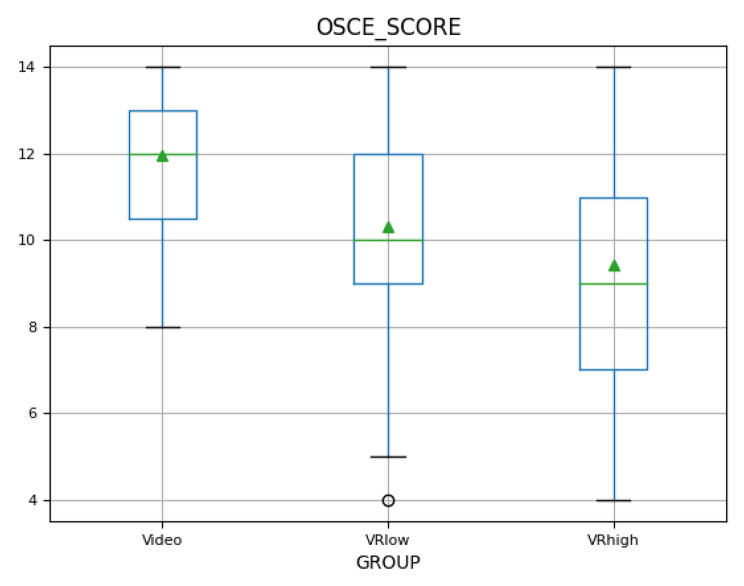
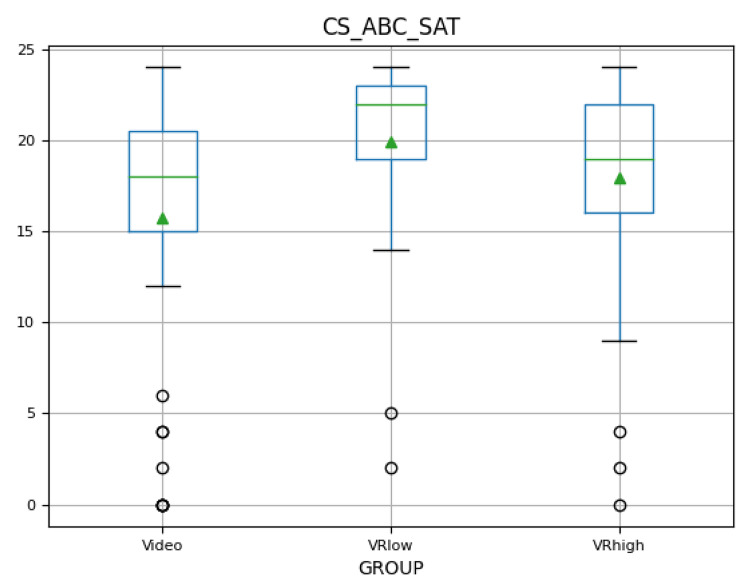
Background: Clinical skills training is an essential component of nursing education. However, sometimes education does not sufficiently prepare nurses for the real world. Virtual reality (VR) is an innovative method to complement existing learning strategies, yet few studies investigate its effectiveness. This study compared educational outcomes achieved by three groups learning with either of two different VR simulation variants, with varying technological features, or a video training on the endotracheal suctioning skill. Methods: The investigated outcomes were knowledge and skill acquisition, learner satisfaction, and technology acceptance. 131 undergraduate nursing students were randomised into three groups, based on the interventions they received. Knowledge was assessed through a pre-post-test design, skill through a post-intervention objective structured clinical examination on a manikin, learning satisfaction and technology acceptance through standardised questionnaires, and qualitative feedback through focus groups. Results: All interventions led to a significant knowledge acquisition, with no significant difference between the groups. The video intervention group performed significantly better than the VR groups in skill demonstration. One of the two VR intervention groups had a significantly higher learner satisfaction than the video group. Technology acceptance was high for both VR groups, with the simpler VR simulation resulting in higher technology acceptance than the one with more experimental features. Students described the VR experience as realistic, interactive, and immersive, and saw the opportunity to practise skills in a safe environment, learn from mistakes, and increase knowledge and confidence. Conclusions: For the development of VR trainings, we recommend keeping them simple and targeting a specific educational outcome since trying to optimise for multiple outcomes is resource intensive and hard to achieve. Psychomotor skills were easier for participants to learn by watching a video on the procedure rather than practically learning it with the VR hardware, which is a more abstract representation of reality. We therefore recommend using VR as a complementing resource to skills labs, rather than replacing existing learning strategies. Perhaps VR is not ideal for practising practical psychomotor skills at the moment, but it can increase knowledge, satisfaction, motivation, confidence and prepare for further practical training. Trial registration: Not applicable.
Overview
The claims and statistics of this paper haven’t been checked yet.
Free: it reads the open-access text and checks the first 5 claims that cite a source we can check. Create a free account to check every claim.
Integrity signals
Registry
Cites
Statistics
Figures
Verification
Claims the paper makes
The claims and statistics of this paper haven’t been checked yet.
Free: it reads the open-access text and checks the first 5 claims that cite a source we can check. Create a free account to check every claim.
Claims other papers make about this one
Each is checked against this paper’s own text: does it say what the citing paper says it does?
The source backs part of the claim, not all of it — or backs it for a different population, condition or comparison.
In the citing paper
“Notwithstanding, VSs are cost-effective alternatives that enable learners to repeat the training freely without worrying about time, space, and patient harm [61].”
From Effectiveness of Virtual Simulations Versus Mannequins and Real Persons in Medical and Nursing Education: Meta-Analysis and Trial Sequential Analysis of Randomized Controlled Trials (2024) · cites this paper as [61]
Experimental — accuracy not yet measured
Self-check
Percentages, sums and reported differences re-computed from the paper’s own numbers.
The self-check needs the paper’s full text.
Citations
Cites
Statistical power analyses using G∗Power 3.1: tests for correlation and regression analyses
Faul, F., Erdfelder, E., Buchner, A., & Lang, A.-G. (2009) · Behavior Research Methods · doi:10.3758/brm.41.4.1149 · Cited by 37,615 · cited 1×
“The calculation of the sample size was carried out with the software G * Power 3 [25].”
MethodMeasuring Presence in Virtual Environments: A Presence Questionnaire
Witmer, B. G., & Singer, M. J. (1998) · Presence: Teleoperators and Virtual Environments · doi:10.1162/105474698565686 · Cited by 6,371 · cited 1×
“The capability of VR to immerse users into a simulated environment can generate a sense of presence, an emotional reaction that creates the illusion of ‘being there’, although physically in a different location [14].”
BackgroundMakransky, G., & Petersen, G. B. (2021) · Educational Psychology Review · doi:10.1007/s10648-020-09586-2 · Cited by 1,438 · cited 1×
“Other definitions add that specialised eye-and ear-wear is required to experience it [6, 9], which is referred to as immersive VR (iVR) in newer publications [10, 11].”
BackgroundLearning science in immersive virtual reality.
Parong, J., & Mayer, R. E. (2018) · Journal of Educational Psychology · doi:10.1037/edu0000241 · Cited by 1,088
Kyaw, B. M., Saxena, N., Posadzki, P., Vseteckova, J., Nikolaou, C. K., George, P. P., Divakar, U., Masiello, I., Kononowicz, A. A., Zary, N., et al. (2019) · Journal of Medical Internet Research · doi:10.2196/12959 · Cited by 859 · cited 1×
“On the other hand, knowledge and skill acquisition appear to benefit from more interactive and high-fidelity interaction VR simulations [44].”
BackgroundINACSL Standards of Best Practice: SimulationSM Simulation Design
(2016) · Clinical Simulation in Nursing · doi:10.1016/j.ecns.2016.09.005 · Cited by 694
Use of simulation-based learning in undergraduate nurse education: An umbrella systematic review
Cant, R. P., & Cooper, S. J. (2017) · Nurse Education Today · doi:10.1016/j.nedt.2016.11.015 · Cited by 616 · cited 1×
“Simulation-based learning with high-and low-fidelity manikins in skills labs is a widely used and recognised strategy, which has been validated to some extent [5].”
BackgroundMcCutcheon, K., Lohan, M., Traynor, M., & Martin, D. (2015) · Journal of Advanced Nursing · doi:10.1111/jan.12509 · Cited by 615 · cited 1×
“To counter this deficit, several learning methods and teaching strategies, including digital, online, simulation-based, and virtual environments, have been proposed in recent years [4].”
BackgroundWu, B., Yu, X., & Gu, X. (2020) · British Journal of Educational Technology · doi:10.1111/bjet.13023 · Cited by 544 · cited 1×
“Other definitions add that specialised eye-and ear-wear is required to experience it [6, 9], which is referred to as immersive VR (iVR) in newer publications [10, 11].”
BackgroundEffectiveness of virtual reality in nursing education: meta-analysis
Chen, F.-Q., Leng, Y.-F., Ge, J.-F., Wang, D.-W., Li, C., Chen, B., & Sun, Z.-L. (2020) · Journal of Medical Internet Research · doi:10.2196/18290 · Cited by 535 · cited 3×
“However, empirical evidence on the effectiveness of VR simulations in nursing education is limited [15–17].”
Background
Research works printed but not linked: 2
- 31. Kuckartz U Qualitative inhaltsanalyse: Methoden, Praxis, Computerunterstützung 2016 3 Weinheim, Bergstr Beltz Juventa
- 41. Appel L Peisachovich E Sinclair D Outcomes from an exploratory pilot program incorporating virtual reality into existing curricula and evaluating its impact on empathy-building and experiential education Can J Nurs Inf 2021 16 1 12
Cited by
Effectiveness of Virtual Reality in Healthcare Education: Systematic Review and Meta-Analysis
Sung, H.-K., Kim, M., Park, J.-K., Shin, N., & Han, Y. (2024) · Sustainability · doi:10.3390/su16198520 · Cited by 166
Llanos-Ruiz, D., García, V. A., & Villaverde, V. A. (2025) · Societies · doi:10.3390/soc15090251 · Cited by 104
Chatzea, V., Logothetis, I., Kalogiannakis, M., Rovithis, M., & Vidakis, N. (2024) · Information · doi:10.3390/info15070410 · Cited by 52
Lin, M., Huang, M.-Z., & Lai, P.-C. (2024) · Nurse Education in Practice · doi:10.1016/j.nepr.2024.104182 · Cited by 48
Fugate, J. M. B., Tonsager, M. J., & Macrine, S. L. (2025) · Behavioral Sciences · doi:10.3390/bs15040468 · Cited by 42
Jiang, N., Zhang, Y., Liang, S., Lyu, X., Chen, S., Huang, X., & Pan, H. (2024) · Journal of Medical Internet Research · doi:10.2196/56195 · Cited by 28
“Notwithstanding, VSs are cost-effective alternatives that enable learners to repeat the training freely without worrying about time, space, and patient harm [61].”
Chang, W., Lin, C., Crilly, J. L., Lee, H.-L., Chen, L., & Han, C.-Y. S. (2025) · JMIR Medical Education · doi:10.2196/64780 · Cited by 32
“[23,24,43], skills [21,23,24], confidence [23], and engagement [4].”
Hou, M., Lu, Y., Liu, Y., Luo, W. F., Xue, H., Yuan, H., & Zhang, X. (2024) · Nurse Education Today · doi:10.1016/j.nedt.2024.106553 · Cited by 28
The use of metaverse in medical education: A systematic review
Li, Q., Duan, H., Zhou, X., Sun, X., Tao, L., & Lu, X. (2025) · Clinical Medicine · doi:10.1016/j.clinme.2025.100315 · Cited by 26
Quah, T. C. S., Lau, Y., Ang, W. W., & Lau, S. T. (2025) · Nurse Education Today · doi:10.1016/j.nedt.2025.106625 · Cited by 20
Yoon, H. (2024) · CIN Computers Informatics Nursing · doi:10.1097/cin.0000000000001141 · Cited by 10
Extended reality for enhancing communication skills in nursing education: a scoping review
Li, X., Wei, R., Slatyer, S., & Rappa, N. A. (2025) · Teaching and learning in nursing · doi:10.1016/j.teln.2025.01.012 · Cited by 13
Odame-Amoabeng, S., Akalın, A., D’haenens, F., Tricas‐Sauras, S., & Chang, Y. (2025) · Nurse Education Today · doi:10.1016/j.nedt.2025.106679 · Cited by 17
Guillén-Aguinaga, L., Rayón-Valpuesta, E., Guillén-Aguinaga, S., Rodriguez-Diaz, B., Montejo, R., Alas-Brun, R., Aguinaga-Ontoso, E., Onambele, L., Guillen-Aguinaga, M., Guillén‐Grima, F., et al. (2025) · Nursing Reports · doi:10.3390/nursrep15050137 · Cited by 17
Immersive Virtual Reality Simulation for Learning Fundamental Nursing Skills: A Mixed-Methods Study
Wong, I. Y. F., Kwok, T. T.-O., Leung, L. Y. L., Lam, Y. H. L., & So, G. L. H. (2024) · Nurse Educator · doi:10.1097/nne.0000000000001675 · Cited by 13
“Students’ inexperience with operating handheld controllers and the panel intuitively could precipitate their resistance to the use of simulation technology 3 , 17 , 23 and undermine students’ motivation to learn.”
InfluentialGeorge, R., & Titus, S. K. (2024) · Nurse Educator · doi:10.1097/nne.0000000000001660 · Cited by 13
“3 To produce more effective learning outcomes, educators must incorporate best practices when integrating VR. 1 , 13 , 26 Mapping assignments to existing curricula and aligning these to the AACN Essentials help provide competency-based learning outcomes.”
Zahran, H., Malak, M. Z., El-Qirem, F. A., & Asfour, B. Y. (2024) · Teaching and learning in nursing · doi:10.1016/j.teln.2024.07.023 · Cited by 13
Dong, C., Shin, C., McDonagh, J., & Champ-Gibson, E. (2025) · Clinical Simulation in Nursing · doi:10.1016/j.ecns.2025.101710 · Cited by 11
Kim, H. J., Oh, J., & Lee, S. (2024) · CIN Computers Informatics Nursing · doi:10.1097/cin.0000000000001105 · Cited by 12
Wang, M., Xiao, L., Jiao, J., Sun, M., Ni, Z., Xiao, J., Tan, M., Zhang, H., Liu, W., & Ding, J. (2026) · Nurse Education Today · doi:10.1016/j.nedt.2026.107008 · Cited by 6
Effects of virtual reality-based disaster simulation education on nursing students
Kim, K.-J., Choi, M.-J., & Kim, M. (2025) · PLoS ONE · doi:10.1371/journal.pone.0329563 · Cited by 7
“This aligns with prior studies showing that repeated learning in a realistic VR environment enhances nursing performance confidence [34,35].”
Wang, X., Hsu, Y., Xu, R., Zhang, Z., & Dawei, F. (2025) · Interactive Learning Environments · doi:10.1080/10494820.2025.2479179 · Cited by 6
“Research suggests that IVR holds certain advantages over DVR in enhancing learning outcomes, particularly in courses requiring high levels of hands-on practice and engagement (Crockatt et al., 2023; Farr et al., 2023; Plotzky et al., 2023).”
Sripadungkul, D., Boonmak, S., Somjit, M., Plailaharn, N., Sriraj, W., & Boonmak, P. (2026) · JMIR Medical Education · doi:10.2196/80097 · Cited by 4
Liu, Y., Li, R., Diao, Y., Hou, M., Yuan, H., & Zhang, X. (2024) · Education and Information Technologies · doi:10.1007/s10639-024-13149-1 · Cited by 5
“(Gao & Zhu, 2023; Plotzky et al., 2023; Saab et al., 2023; Wang & Zhang, 2023).”
InfluentialYew, S. Q., & Ismail, M. F. (2025) · BMC Medical Education · doi:10.1186/s12909-025-07618-5 · Cited by 6
“Other assessment methods such as learning satisfaction [32] and confidence level [33, 34] over time can also be investigated.”
Gwag, M., & Yoo, J. (2024) · Healthcare · doi:10.3390/healthcare12141448 · Cited by 7
“It has been shown to be effective in helping individuals with the understanding of complex subjects and procedures through the enhancement of their engagement with other educational interventions [17,22,33].”
BackgroundZhang, N., Liu, Y., Yang, C., Zeng, P., Gong, T., Tao, L., Zheng, Y., & Ye, G. (2025) · Prehospital Emergency Care · doi:10.1080/10903127.2025.2465718 · Cited by 3
Tutu, D. O., Habibiabad, S., Noortgate, W. V. D., Saldien, J., & Bombeke, K. (2025) · Sensors · doi:10.3390/s25175498 · Cited by 4
“Still, VR is best seen as a supplement—not a replacement—for real-world practice, especially for tasks requiring fine motor skills [15].”
Jans, C., Lucas, C., & Levett-Jones, T. L. (2025) · Clinical Simulation in Nursing · doi:10.1016/j.ecns.2025.101807 · Cited by 4
Li, X., Hu, Y., Peng, H., Luo, S., Yang, C., Luo, B., Wan, X., & Li, Y. (2026) · Journal of Nursing Management · doi:10.1155/jonm/4686851 · Cited by 4
“Nine studies evaluated satisfaction [18, 30–34, 38, 39, 41], and the random-efects meta-analysis indicated that IVR did not significantly enhance nursing students’ satisfaction compared with conventional educational methods (Hedges’ g = 0.88, 95% CI: − 0.18–1.94), though very high heterogeneity was…”
InfluentialRETRACTED: Effect of moulage on nursing students' endotracheal suctioning knowledge and skills
Özden, D., Yılmaz, İ., & Sönmez, S. (2025) · Nurse Education in Practice · doi:10.1016/j.nepr.2025.104262 · Cited by 3
RetractedVirtual Reality With Sensory Feedback Gloves: A Pedagogical Strategy for Medical Training
Maraza-Quispe, B., & Palo-Rosas, J. A. (2025) · IEEE Revista Iberoamericana de Tecnologias del Aprendizaje · doi:10.1109/rita.2025.3634990 · Cited by 2
“Research in [10], [11], and [12] demonstrates that tactile simulation facilitates skill transfer to clinical settings, reinforcing our educational approach.”
Dellafiore, F., Servi, P., Durante, Á., & Nitto, M. D. (2025) · Clinical Simulation in Nursing · doi:10.1016/j.ecns.2025.101865 · Cited by 4
Sarpdağı, Y., Kaplan, E., Sir, Ö., Aşkan, F., & Yıldız, M. (2025) · Nurse Education in Practice · doi:10.1016/j.nepr.2025.104695 · Cited by 2
Use of virtual reality in nursing education: a scoping review
Silva, S. D. O., Soares, S. G., Paiva, F. M. D. S., de Lima, V. R., Ribeiro, K. R. B., Diniz, K. D., & Dantas, D. V. (2025) · Acta Paulista de Enfermagem · doi:10.37689/acta-ape/2025ar0001196i · Cited by 2
“(7,11,17) These results can be attributed to the requirement of additional devices in the immersive approach, such as the VR headsets themselves and other sensory devices, which promote a more intense physical interaction.”
Multi-metric assessment of hand motion with multi-camera for puncture technique training
Li, Z., Kanazuka, A., Hojo, A., Nomura, Y., & Nakaguchi, T. (2025) · Measurement · doi:10.1016/j.measurement.2025.116865 · Cited by 2
Integration of Artificial Intelligence in Virtual Reality-Based Learning
Shabir, A., Herwin, H., Asriadi, A., Nurhayati, R., Prasojo, L. D., & Dahalan, S. C. (2025) · Data & Metadata · doi:10.56294/dm2025859 · Cited by 4
Factors Influencing the Quality of Virtual Reality in Nursing Education: A Systematic Review
Hu, Q., Chen, H., Wang, C., Li, S., Cao, H., & Jiang, Y. R. (2025) · CIN Computers Informatics Nursing · doi:10.1097/cin.0000000000001287 · Cited by 1
Harder, N., Turner, S., & Workum, K. (2026) · Clinical Simulation in Nursing · doi:10.1016/j.ecns.2025.101893 · Cited by 2
Nurse training in the era of Industry 5.0: Evidence from a systematic literature review(2015–2024)
Murthy, M. N., Lakshminarayanan, S., & Alagarsamy, S. (2026) · Nurse Education in Practice · doi:10.1016/j.nepr.2026.104769 · Cited by 2
Borromeo, A. S., Soyosa, M. D., Mendoza, J. P. E., Yambao, M. J. C., & Wider, W. (2026) · Clinical Simulation in Nursing · doi:10.1016/j.ecns.2026.101911 · Cited by 3
Serrão, A. S. R., Teixeira, L. D. A., Serrão, G. D. M. P., Comarú, M. W., Pierini, M. F., Mota, F. B., & Lopes, R. M. (2026) · Nurse Education in Practice · doi:10.1016/j.nepr.2026.104905 · Cited by 1
Health Assessment in the Light of 360° Immersive VR Video Simulation Technologies: A Case Study
Lazarević, B., & Bumbach, M. D. (2026) · Applied Sciences · doi:10.3390/app16136749 · Cited by 1
Application of Handheld Augmented Reality in Nursing Education
Fu, S., Niu, Y., Kang, R., Tong, L., Wang, Y., Xiao, Q., & Xie, Z. (2025) · Nurse Educator · doi:10.1097/nne.0000000000001831 · Cited by 1
Chang, W., Lin, C., Crilly, J. L., Lee, H.-L., Chen, L., & Han, C.-Y. S. (2024) · doi:10.2196/preprints.64780 · Cited by 1
Scientific and Clinical Abstracts From WOCNext® 2025
(2025) · Journal of Wound Ostomy and Continence Nursing · doi:10.1097/won.0000000000001193
Schultz, C. M., Nepomuceno, A., & Kim, I. (2025) · Nurse Education in Practice · doi:10.1016/j.nepr.2025.104562
Siqueira, A. C., Bernardino, F. B. S., & Ferreira, G. E. (2025) · Revista Contemporânea · doi:10.56083/rcv5n10-020
Ou, L., McMahan, T., & Parsons, T. D. (2025) · Cyberpsychology Behavior and Social Networking · doi:10.1177/21522715251401335 · Cited by 1
“20 Removing each outlier individually yielded attenuated effects that remained signi fi cant in most cases, except after excluding Yildiz and Demiray, 36 where the effect was borderline non-signi fi cant (SMD = 0.34; 95% CI: – 0.01 to 0.68; p = 0.05).”
InfluentialUso da realidade virtual no ensino de enfermagem: revisão de escopo
Silva, S. D. O., Soares, S. G., Paiva, F. M. D. S., de Lima, V. R., Ribeiro, K. R. B., Diniz, K. D., & Dantas, D. V. (2025) · Acta Paulista de Enfermagem · doi:10.37689/acta-ape/2025ar0001196 · Cited by 3
Aydın, A., Güler, S., & Bulut, H. (2026) · Journal of Public Health · doi:10.1007/s10389-026-02698-z
A social cognitive perspective on virtual reality simulation in nursing education
Mufidah, E. F., Badiah, L. I., Pravesti, C. A., Toding, N., & Setiawan, A. (2026) · Clinical Simulation in Nursing · doi:10.1016/j.ecns.2026.101919
Peoples, A. M., Ross, J. G., Furman, G. E., & Moriarty, H. (2026) · CIN Computers Informatics Nursing · doi:10.1097/cin.0000000000001524
Yi, L., Dong, Z., Zeng, J., Ou, J., & Zhao, E. (2026) · International Journal of Women s Health · doi:10.2147/ijwh.s590972
“19 Similarly, dental education has benefited from VR simulations that improve clinical skills and confidence in procedures, such as local anesthesia administration and implant surgery.”
Rosa‐Salas, V. L., Juango, L. S., Castillo-Ocaña, A., Pereira-Sánchez, M., Benitez, E., Fernández-Sangil, P., Domingo‐Osle, M., & Lizarbe-Chocarro, M. (2026) · Nurse Education Today · doi:10.1016/j.nedt.2026.107125 · Cited by 2
Staff and student perspectives of digitally enhanced practical teaching in health science education
O’Brien, A., & Forde, C. (2026) · Physiotherapy Practice and Research · doi:10.1177/22130683261439576
“26,29 These results attest to the fact that there is a need for greater emphasis on the teaching presence when using digital tools to support the acquisition of practical competencies, something which our work found was lacking.”
Bayram, S., Gülnar, E., Çalışkan, N., Özyurt, H., & Bayram, A. (2026) · CIN Computers Informatics Nursing · doi:10.1097/cin.0000000000001581 · Cited by 1
Bullone, M., Battegazzorre, E., Bonini, F., Lorenzis, F. D., Memoli, G., Pratticò, F. G., & Lamberti, F. (2026) · Journal of Educational Computing Research · doi:10.1177/07356331261456126
“…that have demonstrated that, depending on the learning context, conventional and less interactive instructional formats (e.g., classroom lectures supplemented with video-based materials or observational learning) can yield comparable learning outcomes (Plotzky et al., 2023; Shao et al., 2024).”
Prelicensure nursing students’ experiences using immersive virtual reality: An integrative review
Peoples, A. M., Ross, J. G., & Furman, G. E. (2026) · Clinical Simulation in Nursing · doi:10.1016/j.ecns.2026.102015
Aydın, A., Güler, S., & Bulut, H. (2026) · BMC Nursing · doi:10.1186/s12912-026-04858-8
“Furthermore, IVR training programs provide a secure and immersive setting for students to practice a range of nursing procedures, which has been shown to result in enhanced knowledge, satisfaction, and motivation [32].”
Kirkpatrick Model Evaluation of New Graduate Nurse Residency Programs: A Scoping Review
Song, Y., & Lee, S. (2026) · Nursing Forum · doi:10.1155/nuf/2598477
Mermer, G., Karaköse, C., Gürtekin, B., & Celik, M. (2026) · Hemşirelik Bilimi Dergisi · doi:10.54189/hbd.1808499
Akyüz, E., Erbaş, A., Ergöl, Ş., Erdem, Y., Lüy, M., Güngüneş, R., Yalçınkaya, F., Ateş, V., & Aydın, G. (2026) · Education and Information Technologies · doi:10.1007/s10639-026-14130-w
“These findings are consistent with several studies in the litera - ture (Babaita et al., 2024 ; Liu et al., 2023; Plotzky et al., 2023), and the current body of evidence remains inconclusive regarding whether IVR provides superior learn - ing outcomes compared with other instructional approaches.”
Nisiforou, E. A., Puig, B., Cadarso, Á., Lazar, G. O., Mylona, P., Dafli, E., Dratsiou, I., Bamidis, E. N., & Nicolaou, S. A. (2026) · Social Sciences & Humanities Open · doi:10.1016/j.ssaho.2026.103769
Fang, S., Ren, X., Yuehua, Z. H. U., Deng, Y., Wu, B., & Li, H. (2026) · Nurse Education Today · doi:10.1016/j.nedt.2026.107413
Sawesi, S., Dolezel, D. M., Soltana, M. I., Presingu, P., Rashrash, B. M.-E., & Adamczak, A. (2026) · International Medical Education · doi:10.3390/ime5040115
Metadata
- Authors
- Plotzky, C., Loessl, B., Kuhnert, B., Friedrich, N., Kugler, C., König, P., & Kunze, C.
- Affiliations
- Furtwangen University (DE)
- Murdoch University (AU)
- University of Freiburg (DE)
- Corresponding author
- Plotzky, Christian
- Venue
- BMC Nursing
- Published
- 2023-06-27
- Volume
- 22
- Issue
- 1
- Pages
- 222-222
- ISSN
- 1472-6955 (ISSN-L)
- PMC
- PMC10294322
- OpenAlex
- W4382196930
- Semantic Scholar
- fb90f85c34705f6a912f273078402f21716794a9
- Cited by
- 66
- References
- 41
- Citations by year
- 2026: 24 · 2025: 29 · 2024: 13
- FWCI
- 11.72
- Type
- journal article
- Language
- en
- Open access
- gold
- doi.org
- Licence
- cc-by
- creativecommons.org/licenses/by/4.0 (tdm)
- creativecommons.org/licenses/by/4.0 (vor)
- Locations
- BMC Nursing (publishedVersion, cc-by)
- PubMed Central (publishedVersion, cc-by)
- PubMed (publishedVersion)
- Repository of Futwangen University of Applied Sciences (Furtwangen University) (submittedVersion, cc-by)
- DOAJ (DOAJ: Directory of Open Access Journals) (submittedVersion, cc-by-sa)
- Funders
- Hochschule Furtwangen
- Topics
- Social Sciences › Education › Simulation-Based Education in Healthcare
- Health Sciences › Medicine › Surgery › Surgical Simulation and Training
- Physical Sciences › Computer Science › Human-Computer Interaction › Virtual Reality Applications and Impacts
- Keywords
- virtual reality simulation, nursing skills training, endotracheal suctioning, psychomotor skills, video-based training, undergraduate nursing students, technology acceptance, student satisfaction, simulation-based education
About these checks
Registry, retraction, Cites and statistics results are computed, not judged, with one exception: a printed reference that no index lists is read once by a model before it counts as a citation error. Claims are extracted by a model and kept only when their quote appears verbatim in the text; each cited source is then checked, with a model’s help, for whether it says what the claim relies on. Those verdicts can be wrong — read the claim’s quote and the cited source before relying on one.
Statistics and arithmetic are recomputed, not judged.
Confidence bands are shown only for fields calibrated on our annotated test set. None is calibrated yet, so no band is shown.
What counts as a claim ›How we measure confidence ›How we check this ›
Are you an author, or do you see a problem with this page? Request a review
Data sources
Bibliographic data: Semantic Scholar, OpenAlex, Crossref.
Contains information from the Semantic Scholar Academic Graph Datasets, made available under the ODC Attribution License (ODC-BY 1.0).
Semantic Scholar’s data is described in: Kinney, R., et al. (2023). The Semantic Scholar Open Data Platform. arXiv:2301.10140.
