

Effect of using a mobile drug management application on medication adherence and hospital readmission among elderly patients with polypharmacy: a randomized controlled trial
Open accessPublished version of a preprint
The DOI matches its Crossref record; 31 of the 31 references it cites were found in a registry or an index.
Abstract
Background: Adherence to complex drug regimens and polypharmacy are among the challenges of old age, which may negatively affect their motivation to continue drug therapy or lead to incorrect drug consumption. The present study was conducted to evaluate the effect of using a mobile drug management application on medication adherence and hospital readmission among polypharmacy older adults. Methods: In this randomized controlled trial study conducted in 2022, with Trial Registration Number (IRCT20191231045966N1) (18/07/2021), 192 Iranian older adults with polypharmacy were selected according to the inclusion criteria and allocated to case and control groups using the block randomization method. The data collection tools included a demographic questionnaire, case report form, and Morisky Medication Adherence Scale. The intervention was done using a mobile drug management application. Drug adherence was measured at baseline and both with hospital readmission were measured after 8 weeks. The collected data were entered into the SPSS software version 22 and analyzed using descriptive (frequency, percentage, mean, standard deviation) and inferential (Chi-square, Fisher’s exact test, independent t-test) statistics. Results: The case and control groups were homogeneous in terms of demographic variables and drug adherence level before the intervention. A significant difference was found in the drug adherence level after using the app (p < 0.001). Moreover, a significant difference was found in adverse events, including re-hospitalization due to disease aggravation, re-hospitalization due to error in medication consumption, falling, hypo or hypertension, and hypo or hyperglycemia, and medication use accuracy between the groups after the intervention (p < 0.05). Conclusion: The results showed that using a mobile drug management application that meets the specifications of older adults can improve drug adherence, reduce the adverse events and pave the way for a better disease period management.
Overview
The claims and statistics of this paper haven’t been checked yet.
Free: it reads the open-access text and checks the first 5 claims that cite a source we can check. Create a free account to check every claim.
Integrity signals
Registry
Cites
Statistics
Figures
Verification
Claims the paper makes
The claims and statistics of this paper haven’t been checked yet.
Free: it reads the open-access text and checks the first 5 claims that cite a source we can check. Create a free account to check every claim.
Claims other papers make about this one
Each is checked against this paper’s own text: does it say what the citing paper says it does?
The source backs part of the claim, not all of it — or backs it for a different population, condition or comparison.
In the citing paper
“Electronic health involvements such as mobile apps provide personalized support and significantly enhance adherence and health outcomes [10,20].”
From Multilevel Interventions to Improve Medication Adherence in Older Adults: A Systematic Review and Meta-Analysis of Cognitive, Digital, Behavioral, and Socioeconomic Strategies (2015–2025) (2026) · cites this paper as [20]
Experimental — accuracy not yet measuredThe source backs part of the claim, not all of it — or backs it for a different population, condition or comparison.
In the citing paper
“Digital health technologies can help older adults manage complex regimens, cognitive challenges, and socioeconomic barriers by enabling personalized care and improving adherence [13,20,21].”
From Multilevel Interventions to Improve Medication Adherence in Older Adults: A Systematic Review and Meta-Analysis of Cognitive, Digital, Behavioral, and Socioeconomic Strategies (2015–2025) (2026) · cites this paper as [20]
Experimental — accuracy not yet measuredThe source backs part of the claim, not all of it — or backs it for a different population, condition or comparison.
In the citing paper
“Poorcheraghi et al. (2023) found that a medication management app enhanced adherence and reduced rehospitalizations and medication errors in Iranian older adults with polypharmacy [20].”
From Multilevel Interventions to Improve Medication Adherence in Older Adults: A Systematic Review and Meta-Analysis of Cognitive, Digital, Behavioral, and Socioeconomic Strategies (2015–2025) (2026) · cites this paper as [20]
Experimental — accuracy not yet measuredThe source backs part of the claim, not all of it — or backs it for a different population, condition or comparison.
In the citing paper
“Involving older adults in development helps address cognitive, physical, and digital literacy barriers, improving effectiveness [13,20,21].”
From Multilevel Interventions to Improve Medication Adherence in Older Adults: A Systematic Review and Meta-Analysis of Cognitive, Digital, Behavioral, and Socioeconomic Strategies (2015–2025) (2026) · cites this paper as [20]
Experimental — accuracy not yet measuredThe cited source says what the claim attributes to it.
In the citing paper
“Poorcheraghi et al. (2023) found that a medication management app enhanced adherence and reduced rehospitalizations and medication errors in Iranian older adults with polypharmacy [20].”
1 more claim about this paper
Create a free account to see every claim other papers make about this one.
Self-check
Percentages, sums and reported differences re-computed from the paper’s own numbers.
The self-check needs the paper’s full text.
Citations
Cites
1 retracted
Retracted: Predictive Validity of a Medication Adherence Measure in an Outpatient Setting
Morisky, D. E., Ang, A., Krousel‐Wood, M., & Ward, H. J. (2008) · The Journal of Clinical Hypertension · doi:10.1111/j.1751-7176.2008.07572.x · Cited by 2,877 · cited 2×
“The Morisky Medication Adherence Scale was developed to evaluate medication adherence by Morisky et al. in 2008 [21].”
BackgroundMethodRetractedMorawski, K., Ghazinouri, R., Krumme, A., Lauffenburger, J. C., Lu, Z., Durfee, E., Oley, L., Lee, J., Mohta, N., Haff, N., et al. (2018) · JAMA Internal Medicine · doi:10.1001/jamainternmed.2018.0447 · Cited by 333 · cited 1×
“However, despite improving medication adherence among the elderly, the mobile application did not provide features such as information about the drug use instructors [17].”
BackgroundAssociation between polypharmacy and falls in older adults: a longitudinal study from England
Dhalwani, N. N., Fahami, R., Sathanapally, H., Seidu, S., Davies, M. J., & Khunti, K. (2017) · BMJ Open · doi:10.1136/bmjopen-2017-016358 · Cited by 261
Designing mobile technology for elderly. A theoretical overview
Iancu, I., & Iancu, B. (2020) · Technological Forecasting and Social Change · doi:10.1016/j.techfore.2020.119977 · Cited by 200 · cited 1×
“Use of mobile phone facilitates monitoring of treatment process and health care providers-clients’ relationship [12].”
BackgroundPeng, Y., Wang, H., Fang, Q., Xie, L., Shu, L., Sun, W., & Liu, Q. (2020) · Journal of Managed Care & Specialty Pharmacy · doi:10.18553/jmcp.2020.26.4.550 · Cited by 149 · cited 1×
“Most of older adults suffer from impaired vision and hearing and have tough problems for using smartphones, which are usually ignored in designing these apps [15].”
BackgroundMárquez Contreras, E., Márquez Rivero, S., Rodríguez García, E., López-García-Ramos, L., Carlos Pastoriza Vilas, J., Baldonedo Suárez, A., Gracia Diez, C., Gil Guillén, V., Martell Claros, N., & Compliance Group of Spanish Society of Hypertension (SEH-LELHA) (2019) · Current Medical Research and Opinion · doi:10.1080/03007995.2018.1549026 · Cited by 137 · cited 2×
“However, many apps that are designed for the general population are not customized for using by the elderly, which comprise a large population with various health needs so little interaction is observed between them and these apps [14].”
BackgroundSanto, K., Singleton, A., Rogers, K., Thiagalingam, A., Chalmers, J., Chow, C. K., & Redfern, J. (2019) · Heart · doi:10.1136/heartjnl-2018-313479 · Cited by 112 · cited 1×
“Mean score of medication adherence was significantly higher in app users compared to control group, which is similar to the present study [27].”
ResultPark, C., Otobo, E. O., Ullman, J., Rogers, J., Fasihuddin, F., Garg, S., Kakkar, S., Goldstein, M., Chandrasekhar, S. V., Pinney, S., et al. (2019) · JMIR Medical Informatics · doi:10.2196/13353 · Cited by 73 · cited 1×
“The results showed that overall 30-day readmission rate was 10% in these patients, while the mean readmission rate was 25% across the country indicating a significant reduction [30], which was consistent with results of pres-ent study.”
ResultKooshiar, H., Shoorvazi, M., Dalir, Z., & Hosseini, S. M. (2014) · Majallah-i dānishgāh-i ̒ulūm-i pizishkī-i Māzandarān/Journal of Mazandaran University of Medical Sciences · Cited by 70
Polypharmacy among the elderly
Zabihi, A., Hosseini, S., Jafarian Amiri, S., & Bijani, A. (2018) · Journal of Mid-life Health · doi:10.4103/jmh.jmh_87_17 · Cited by 60 · cited 1×
“The mean prevalence of polypharmacy is 23.1% in Iranian older adults [32.7% in women and 15.2% in men) [5].”
BackgroundInfluentialSartori, A. C., Rodrigues Lucena, T. F., Lopes, C. T., Picinin Bernuci, M., & Yamaguchi, M. U. (2020) · Telemedicine and e-Health · doi:10.1089/tmj.2019.0305 · Cited by 54 · cited 1×
“Data analysis 16 weeks after initiating the intervention showed no significant difference between the two groups [31].”
BackgroundLi, A., Del Olmo, M. G., Fong, M., Sim, K., Lymer, S. J., Cunich, M., & Caterson, I. (2021) · BMJ Open · doi:10.1136/bmjopen-2020-047041 · Cited by 51
Eyigör, S., Kutsal, Y. G., Toraman, F., Durmuş, B., Gökkaya, N. K. O., Aydeniz, A., Paker, N., & Borman, P. (2020) · Experimental Aging Research · doi:10.1080/0361073x.2020.1846949 · Cited by 47 · cited 1×
“Polypharmacy has a direct relationship with reduced physical activity, motion disorder, decreased appetite, and depression in the elderly, and may seriously affect their medication adherence and quality of life [6].”
BackgroundPratiwi, H., Kristina, S. A., Widayanti, A. W., Prabandari, Y. S., & Kusuma, I. Y. (2023) · International Journal of Environmental Research and Public Health · doi:10.3390/ijerph20010803 · Cited by 41 · cited 1×
“These features can be used to overcome problems such as forgetfulness, so it’s one of the most popular method among technology-based strategies for drug use management [13].”
MethodDrug consumption and futile medication prescribing in the last year of life: an observational study
Curtin, D., O’Mahony, D., & Gallagher, P. (2018) · Age and Ageing · doi:10.1093/ageing/afy054 · Cited by 35 · cited 1×
“In this period of life, chronic diseases threaten the elderly person’s health so that the elderly population is the largest drug consumer in different societies [2].”
BackgroundChandler, J., Sox, L., Diaz, V., Kellam, K., Neely, A., Nemeth, L., & Treiber, F. (2020) · International Journal of Environmental Research and Public Health · doi:10.3390/ijerph17061955 · Cited by 33 · cited 2×
“The mean prevalence of polypharmacy is 23.1% in Iranian older adults [32.7% in women and 15.2% in men) [5].”
BackgroundInfluentialPopulation and mortality profile in the Islamic Republic of Iran, 2006–2035
Aghamohamadi, S., Hajinabi, K., Jahangiri, K., Asl, I. M., & Dehnavieh, R. (2018) · Eastern Mediterranean Health Journal · doi:10.26719/2018.24.5.469 · Cited by 28 · cited 1×
“Population ageing has turned into one of the most important public health challenges in recent years, a phenomenon that has affected Iran at a higher speed compared to other countries [1].”
BackgroundAdherence to abiraterone or enzalutamide in elderly metastatic castration-resistant prostate cancer
Banna, G. L., Urzia, V., Benanti, C., Pitrè, A., Lipari, H. M. A., Quattro, R. D., Giorgi, U. D., Schepisi, G., Basso, U., Bimbatti, D., et al. (2020) · Supportive Care in Cancer · doi:10.1007/s00520-020-05311-5 · Cited by 27 · cited 1×
“…are divided to two categories of intentional non-adherence including self-drug discontinuance and unintentional non-adherence including problems such as forgetfulness, visual impairment, and inability to move, among which forgetting is a very important cause of poor medication adherence [8].”
BackgroundCheong, V., Sowter, J., Scally, A., Hamilton, N., Ali, A., & Silcock, J. (2019) · Research in Social and Administrative Pharmacy · doi:10.1016/j.sapharm.2019.02.001 · Cited by 22 · cited 1×
“Poor drug adherence is associated with worsening of the elderly patients’ health condition, increased hospitalization period, and risk of disease progression, disability, and death [11].”
BackgroundHabib, B., Buckeridge, D. L., Bustillo, M., Marquez, S. N., Thakur, M., Tran, T., Weir, D. L., & Tamblyn, R. M. (2021) · JAMIA Open · doi:10.1093/jamiaopen/ooab050 · Cited by 21 · cited 1×
“According to the results, the medication adherence rate was 83.7% in the intervention group and 77.8% in the control group, indicating no significant difference [29].”
ResultInfluentialMehdinia, A., Loripoor, M., Dehghan, M., & Heidari, S. (2020) · International Electronic Journal of Medicine · doi:10.34172/iejm.2020.07 · Cited by 19 · cited 2×
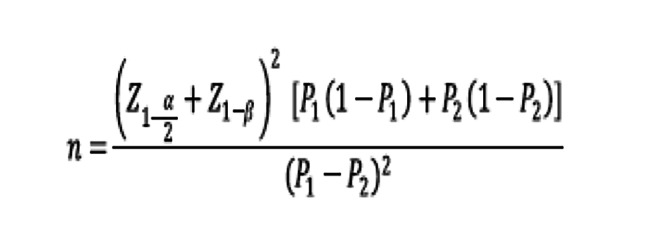
“To calculate the sample size, for an intervention that could reduce poor adherence by 20% with a confidence interval of 95% and power of 80%, 86 participants were needed in each group [10].”
BackgroundMethodHartman, L. M., Cutolo, M., Bos, R., Opriș-Belinski, D., Kok, M. R., Griep-Wentink, H. R. M., Klaasen, R., Allaart, C. F., Bruyn, G. A. W., Raterman, H. G., et al. (2021) · Rheumatology · doi:10.1093/rheumatology/keab207 · Cited by 16 · cited 1×
“Medication correct use was defined as having value ≥ 0/85 − 1 [23, 24].”
BackgroundPedersini, R., & Vietri, J. (2014) · Value in Health · doi:10.1016/j.jval.2014.03.1066 · Cited by 15
Self-Reported Medication Adherence Among Older People Admitted to Hospital: A Descriptive Study
Irshaidat, S., Gustafsson, M. V., & Norberg, H. (2023) · Drugs - Real World Outcomes · doi:10.1007/s40801-023-00352-8 · Cited by 14 · cited 1×
“Poor medication adherence has been reported in 26–59% in older adults, depending on the population and methods used to assess drug adherence [9].”
BackgroundMedication Use Leading to Hospital Readmission in Frail Elders
Shapiro, J. S., McCoy, R. G., Takahashi, P. Y., Thorsteinsdottir, B., Peterson, S. M., Naessens, J. M., Rahman, P., Chandra, A., Hanson, G. J., Havyer, R. D. A., et al. (2017) · The Journal for Nurse Practitioners · doi:10.1016/j.nurpra.2017.08.015 · Cited by 9 · cited 2×
“Effective medication adherence reduces treatment costs, accelerates the recovery process, stops disease progression, and prevents re-hos-pitalization [7].”
BackgroundAthilingam, P. R., Labrador, M. A., & Redding, B. A. (2021) · Cardiology & Vascular Research · doi:10.33425/2639-8486.1107 · Cited by 5 · cited 1×
“Preliminary results showed the potential effectiveness of app in reducing readmission and improving self-care in heart failure patients [33], which was similar to the results of the present study.”
ResultEngaging older adults to inform diabetes medication adherence mobile application selection
Conway, C., Kelechi, T. J., & Nemeth, L. S. (2018) · Healthy Aging Research · doi:10.1097/hxr.0000000000000020 · Cited by 4 · cited 1×
“In other words, a drug management app should be designed in such a way that even those who are only able to read and write, can use it [16].”
BackgroundHosseinpanah, F., Nazari, M. A., Moradi, O., & Soleimani, S. (2018) · Cited by 2
Engaging older adults to inform diabetes medication adherence mobile application selection
Conway, C., Kelechi, T. J., & Nemeth, L. S. (2018) · Healthy Aging Research · doi:10.12715/har.2018.7.7 · Cited by 1
Effect of Mobile Educational Application on Adherence to Treatment in Elderly with Hypertension
Baghei, D., Poortaghi, S., Sahebi, L., Majdabadi, Z. A., & Nikpeyma, N. (2022) · DOAJ (DOAJ: Directory of Open Access Journals) · Cited by 1
A simple method for converting an odds ratio to effect size for use in meta-analysis
Chinn, S. (2000) · Statistics in Medicine · doi:10.1002/1097-0258(20001130)19:22<3127::aid-sim784>3.0.co;2-m · cited 1×
“According to the Cramer’s statistic, the effect size of the intervention on drug adherence was above moderate [25] (Table 3).”
Background
Research works printed but not linked: 2
- 3. Poorcheraghi H, Valieiny N, Pashaeypoor S, Mirzadeh FS. Polypharmacy Management Strategies in older adults; a scoping review. Iran J Nurs Res. 2022;17(5):71-87.
- 25. Vakilian F, THE IMPACT OF USING A SMARTPHONE-BASED APPLICATION, ON MEDICATION ADHERENCE IN PEOPLE WITH HEART FAILURE. Nurs Midwifery J. 2019;17(6):494-504.
Cited by
Van Gelder, I. C., Rienstra, M., Bunting, K. V., Casado-Arroyo, R., Caso, V., Crijns, H. J. G. M., De Potter, T. J. R., Dwight, J., Guasti, L., Hanke, T., et al. (2024) · European Heart Journal · doi:10.1093/eurheartj/ehae176 · Cited by 3,024
Gelder, I. C. V., Rienstra, M., Bunting, K. V., Casado-Arroyo, R., Caso, V., Crijns, H. J. G. M., Potter, T. J. R. D., Dwight, J., Guasti, L., Hanke, T., et al. (2025) · Giornale Ialiano di Cardiologia · doi:10.1714/4419.44150 · Cited by 42
Exploration of Features of Mobile Applications for Medication Adherence in Asia: Narrative Review
Wang, T., Huang, Y., & Chan, H. (2024) · Journal of Medical Internet Research · doi:10.2196/60787 · Cited by 28
Medication Non-adherence in Older Adults: Underlying Factors, Potential Interventions and Outcomes
Raj, E. A., Vilakkathala, R., & George, J. (2025) · Drugs & Aging · doi:10.1007/s40266-025-01249-7 · Cited by 20
“A medication management app customised for the special conditions of older adults has been shown to improve medication adherence and reduce adverse events [77].”
Wang, Q., Zhang, J., Li, K., Miao, X., Wang, Y., & Zhang, L. (2025) · Research in Social and Administrative Pharmacy · doi:10.1016/j.sapharm.2025.05.011 · Cited by 12
Metadata
- Authors
- Poorcheraghi, H., Negarandeh, R., Pashaeypoor, S., & Jorian, J.
- Affiliations
- Tehran University of Medical Sciences (IR)
- Islamic Azad University, Mashhad (IR)
- Corresponding author
- Pashaeypoor, Shahzad
- Venue
- BMC Health Services Research
- Published
- 2023-11-02
- Volume
- 23
- Issue
- 1
- Pages
- 1192-1192
- ISSN
- 1472-6963 (ISSN-L)
- PMC
- PMC10621100
- OpenAlex
- W4388232551
- Cited by
- 27
- References
- 31
- Citations by year
- 2026: 13 · 2025: 10 · 2024: 4
- FWCI
- 8.29
- Type
- journal article
- Language
- en
- Open access
- gold
- doi.org
- Licence
- cc-by
- creativecommons.org/licenses/by/4.0 (tdm)
- creativecommons.org/licenses/by/4.0 (vor)
- Locations
- BMC Health Services Research (publishedVersion, cc-by)
- Research Square (acceptedVersion, cc-by)
- PubMed Central (publishedVersion, cc-by)
- PubMed (publishedVersion)
- DOAJ (DOAJ: Directory of Open Access Journals) (submittedVersion, cc-by-sa)
- Funders
- Tehran University of Medical Sciences and Health Services (IR.TUMS.FNM.REC.1400.068)
- Topics
- Health Sciences › Medicine › Family Practice › Medication Adherence and Compliance
- Health Sciences › Medicine › Geriatrics and Gerontology › Pharmaceutical Practices and Patient Outcomes
- Health Sciences › Health Professions › General Health Professions › Mobile Health and mHealth Applications
- Keywords
- medication adherence, hospital readmission, polypharmacy, older adults, medication errors, adverse drug reactions, digital health interventions
- MeSH terms
- Aged, Humans, Iran, Patient Readmission, Polypharmacy, Medication Adherence, Mobile Applications
About these checks
Registry, retraction, Cites and statistics results are computed, not judged, with one exception: a printed reference that no index lists is read once by a model before it counts as a citation error. Claims are extracted by a model and kept only when their quote appears verbatim in the text; each cited source is then checked, with a model’s help, for whether it says what the claim relies on. Those verdicts can be wrong — read the claim’s quote and the cited source before relying on one.
Statistics and arithmetic are recomputed, not judged.
Confidence bands are shown only for fields calibrated on our annotated test set. None is calibrated yet, so no band is shown.
What counts as a claim ›How we measure confidence ›How we check this ›
Are you an author, or do you see a problem with this page? Request a review
Data sources
Bibliographic data: Semantic Scholar, OpenAlex, Crossref.
Contains information from the Semantic Scholar Academic Graph Datasets, made available under the ODC Attribution License (ODC-BY 1.0).
Semantic Scholar’s data is described in: Kinney, R., et al. (2023). The Semantic Scholar Open Data Platform. arXiv:2301.10140.
