Cited by 108Global Health and EpidemiologyHealthcare Systems and Public HealthGlobal Public Health Policies and Epidemiology

The DOI matches its Crossref record; 102 of the 103 references it cites were found in a registry or an index.

Remembering the forgotten non-communicable diseases

Open access

Abstract

The forthcoming post-Millennium Development Goals era will bring about new challenges in global health. Low- and middle-income countries will have to contend with a dual burden of infectious and non-communicable diseases (NCDs). Some of these NCDs, such as neoplasms, COPD, cardiovascular diseases and diabetes, cause much health loss worldwide and are already widely recognised as doing so. However, 55% of the global NCD burden arises from other NCDs, which tend to be ignored in terms of premature mortality and quality of life reduction. Here, experts in some of these 'forgotten NCDs' review the clinical impact of these diseases along with the consequences of their ignoring their medical importance, and discuss ways in which they can be given higher global health priority in order to decrease the growing burden of disease and disability.

Overview

The claims and statistics of this paper haven’t been checked yet.

Run the check — free, no account needed. It reads the open-access text and checks the sources it cites.

A few free checks a day · papers already verified open instantly · results are public

Integrity signals

Registry

Crossref · 10.1186/s12916-014-0200-8

Cites

102 of 102 references verified0 citation errors · 0 not checkable

Statistics

Figures

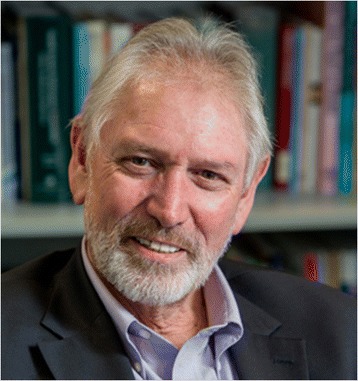
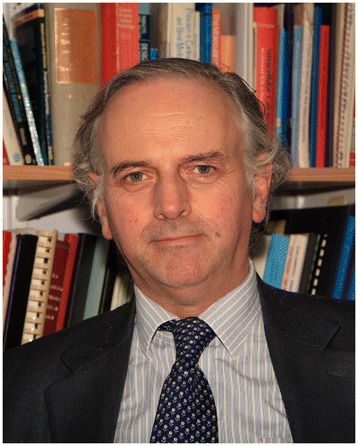
Figure 1 Alan Lopez is a Melbourne Laureate Professor and the Rowden-White Chair of Global Health and Burden of Disease Measurement at The University of Melbourne. He is also Director of the Global Burden of Disease Group in the Melbourne School of Population and Global Health.
Figure 1 Alan Lopez is a Melbourne Laureate Professor and the Rowden-White Chair of Global Health and Burden of Disease Measurement at The University of Melbourne. He is also Director of the Global Burden of Disease Group in the Melbourne School of Population and Global Health.CC BY · PubMed Central
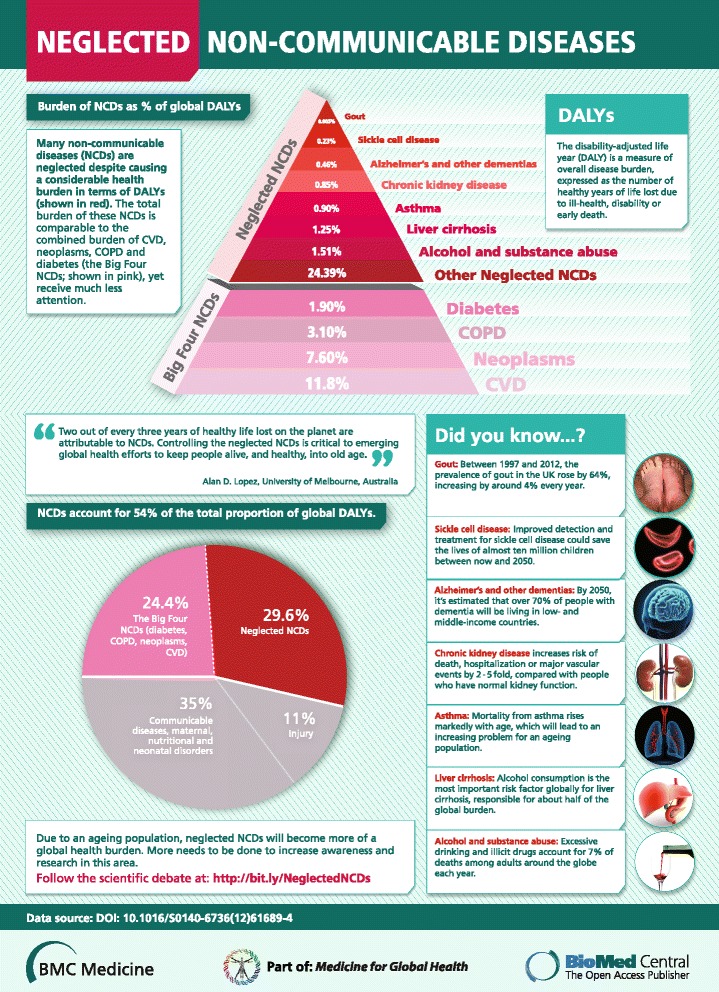
Figure 2 Comparison of global disease burden (in DALYs) with a focus on neglected non-communicable diseases. Pyramid: Neoplasms, COPD, cardiovascular diseases and diabetes (the ‘big four’) lead to the highest proportion of disease burden among all NCDs. However, many other NCDs lead to a comparable proportion of disease burden, yet do not receive as much attention as the ‘big four’. We have discussed seven of these neglected NCDs (alcohol and substance abuse, liver cirrhosis, asthma, chronic kidney disease, Alzheimer’s and other dementias, sickle cell disease and gout) and reviewed their disease burden. Pie chart: NCDs account for 54% of total proportion of global DALYs. Although the ‘big four’ comprise just under half of this burden (45% of the burden of NCDs; 24.4% of the total global DALY burden) all other NCDs (i.e. the neglected NCDs) account for 55% of the burden of NCDs; 29.6% of the total global DALY burden. Data for this infographic derived from [13]. The figure has been prepared by BioMed Central.
Figure 2 Comparison of global disease burden (in DALYs) with a focus on neglected non-communicable diseases. Pyramid: Neoplasms, COPD, cardiovascular diseases and diabetes (the ‘big four’) lead to the highest proportion of disease burden among all NCDs. However, many other NCDs lead to a comparable proportion of disease burden, yet do not receive as much attention as the ‘big four’. We have discussed seven of these neglected NCDs (alcohol and substance abuse, liver cirrhosis, asthma, chronic kidney disease, Alzheimer’s and other dementias, sickle cell disease and gout) and reviewed their disease burden. Pie chart: NCDs account for 54% of total proportion of global DALYs. Although the ‘big four’ comprise just under half of this burden (45% of the burden of NCDs; 24.4% of the total global DALY burden) all other NCDs (i.e. the neglected NCDs) account for 55% of the burden of NCDs; 29.6% of the total global DALY burden. Data for this infographic derived from [13]. The figure has been prepared by BioMed Central.CC BY · PubMed Central
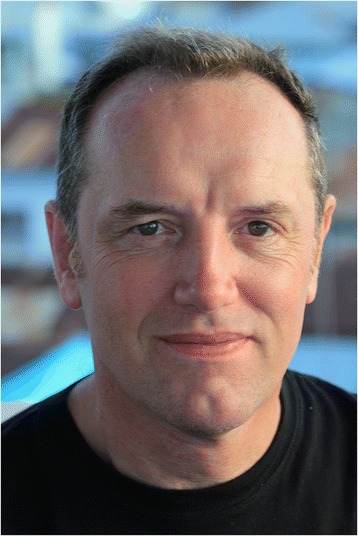
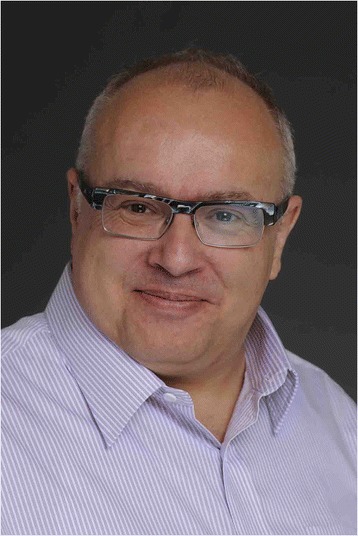
Figure 3 Tom Williams is Professor of Haemoglobinopathy Research at Imperial College London. As a clinical academic he has been studying the epidemiology of haemoglobin disorders for more than 20 years, both in terms of the malaria protective effects of carrier forms and the global burden and consequences of homozygosity, particularly in relation to sickle cell disease. Based in Kenya for the last 15 years, he has recognised the growing importance of sickle cell disease as the country has entered its epidemiological transition. He co-chairs the Infectious Diseases Working Group of the Global Sickle Cell Disease Network.
Figure 3 Tom Williams is Professor of Haemoglobinopathy Research at Imperial College London. As a clinical academic he has been studying the epidemiology of haemoglobin disorders for more than 20 years, both in terms of the malaria protective effects of carrier forms and the global burden and consequences of homozygosity, particularly in relation to sickle cell disease. Based in Kenya for the last 15 years, he has recognised the growing importance of sickle cell disease as the country has entered its epidemiological transition. He co-chairs the Infectious Diseases Working Group of the Global Sickle Cell Disease Network.CC BY · PubMed Central
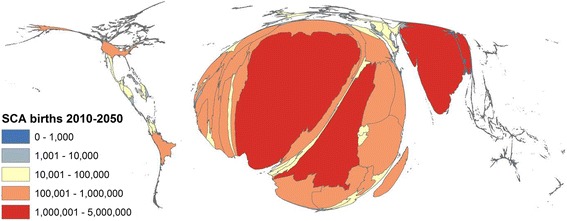
Figure 4 Cartogram showing the estimated number of newborns with SCA by country. Cartogram showing the estimated total number of babies that will be born globally, by country, between 2010 and 2050. Figure adapted from Figure 3 within reference [11] drawn and contributed by Dr FB Piel.
Figure 4 Cartogram showing the estimated number of newborns with SCA by country. Cartogram showing the estimated total number of babies that will be born globally, by country, between 2010 and 2050. Figure adapted from Figure 3 within reference [11] drawn and contributed by Dr FB Piel.CC BY · PubMed Central
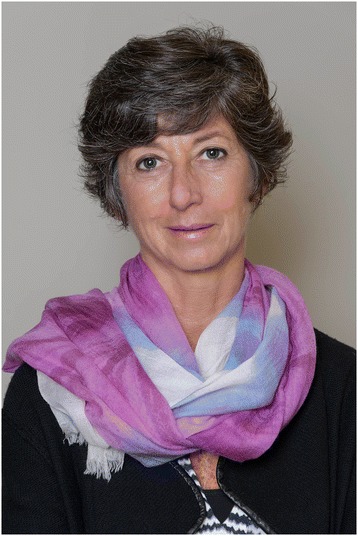
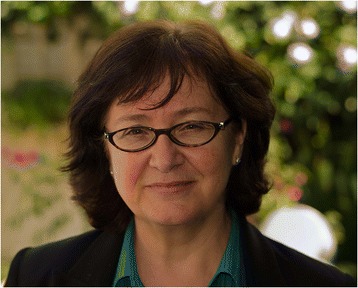
Figure 5 Adeera Levin is Professor of Medicine and Head of the Division of Nephrology, University of British Columbia, in Vancouver Canada. She is the Executive Director of the BC Provincial Renal Agency, and President Elect of the International Society of Nephrology.
Figure 5 Adeera Levin is Professor of Medicine and Head of the Division of Nephrology, University of British Columbia, in Vancouver Canada. She is the Executive Director of the BC Provincial Renal Agency, and President Elect of the International Society of Nephrology.CC BY · PubMed Central
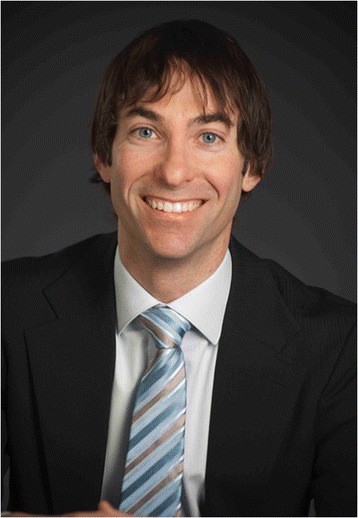
Figure 6 Marcello Tonelli is Professor of Medicine and Associate Vice President (Health Research) at the University of Calgary in Calgary, Canada. He is Past President of the Canadian Society of Nephrology and Chair of the Research and Prevention Committee, and council member of the International Society of Nephrology.
Figure 6 Marcello Tonelli is Professor of Medicine and Associate Vice President (Health Research) at the University of Calgary in Calgary, Canada. He is Past President of the Canadian Society of Nephrology and Chair of the Research and Prevention Committee, and council member of the International Society of Nephrology.CC BY · PubMed Central
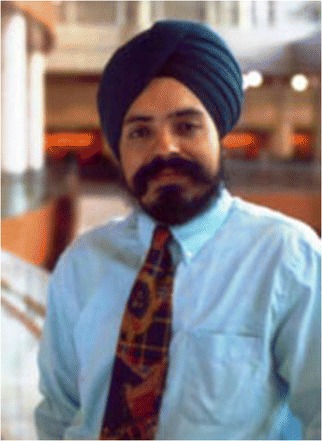
Figure 7 Jasvinder Singh is an Associate Professor of Medicine at the University of Alabama at Birmingham and a staff physician at the Birmingham Veterans Affairs medical center. He is an epidemiologist and a clinician with 14 years of experience in treating rheumatic conditions. His research focus is health services and outcomes research in patients with arthritis with a focus on gout, osteoarthritis and arthroplasty. Another area of interest is systematic reviews and meta-analyses, with a focus on Network Meta-analyses. He is the Director of the UAB Cochrane Musculoskeletal Group Satellite Center and serves on several national and International organizations.
Figure 7 Jasvinder Singh is an Associate Professor of Medicine at the University of Alabama at Birmingham and a staff physician at the Birmingham Veterans Affairs medical center. He is an epidemiologist and a clinician with 14 years of experience in treating rheumatic conditions. His research focus is health services and outcomes research in patients with arthritis with a focus on gout, osteoarthritis and arthroplasty. Another area of interest is systematic reviews and meta-analyses, with a focus on Network Meta-analyses. He is the Director of the UAB Cochrane Musculoskeletal Group Satellite Center and serves on several national and International organizations.CC BY · PubMed Central
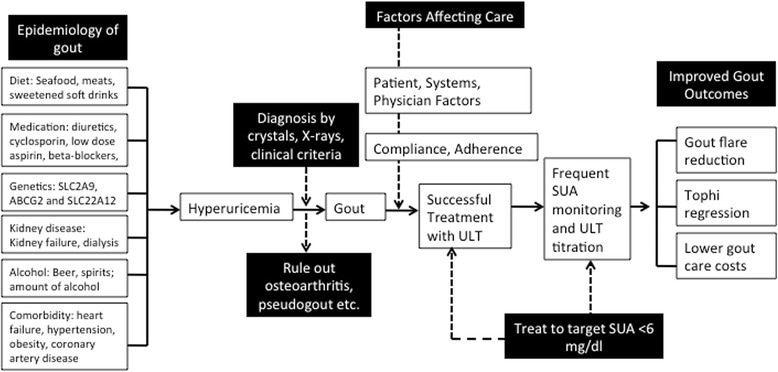
Figure 8 Epidemiology, diagnosis and optimal management of gout.
Figure 8 Epidemiology, diagnosis and optimal management of gout.CC BY · PubMed Central
Figure 9 Peter Burney is Professor of Respiratory Epidemiology and Public Health at the National Heart and Lung Institute, Imperial College London. Until 2006 he was Chair of Public Health and Primary Care at King’s College London. In the late 1980s he started the European Community Respiratory Health Survey to study asthma and allergies in adults, mostly in Western Europe. Currently he co-ordinates the Burden of Obstructive Lung Disease Study, a study of chronic obstructive lung disease mostly in low and middle income countries.
Figure 9 Peter Burney is Professor of Respiratory Epidemiology and Public Health at the National Heart and Lung Institute, Imperial College London. Until 2006 he was Chair of Public Health and Primary Care at King’s College London. In the late 1980s he started the European Community Respiratory Health Survey to study asthma and allergies in adults, mostly in Western Europe. Currently he co-ordinates the Burden of Obstructive Lung Disease Study, a study of chronic obstructive lung disease mostly in low and middle income countries.CC BY · PubMed Central
Figure 10 Jürgen Rehm, Ph.D. has been appointed the Inaugural Chair for Addiction Policy at the Dalla Lana School of Public Health of the University of Toronto. In addition he holds positions at the Centre for Addiction and Mental Health (Toronto, Canada) as Director of the Social and Epidemiological Research Department and Head of the PAHO WHO Collaborating Centre, and at the Institute for Clinical Psychology and Psychotherapy of the Technical University Dresden (Germany). Dr. Rehm has published more than 600 peer-reviewed publications in addiction research, comprising studies in epidemiology, economics and clinical research, the latter especially in the area of treatment evaluation. He is listed among the ISI/Thompson Reuters most highly cited in the fields of social research and epidemiology and has been awarded the Jellinek Award, the most prestigious award in alcohol research. He has served as public health consultant to many countries, and is currently member of the WHO Expert Advisory Panel on Drug Dependence and Alcohol Problems.
Figure 10 Jürgen Rehm, Ph.D. has been appointed the Inaugural Chair for Addiction Policy at the Dalla Lana School of Public Health of the University of Toronto. In addition he holds positions at the Centre for Addiction and Mental Health (Toronto, Canada) as Director of the Social and Epidemiological Research Department and Head of the PAHO WHO Collaborating Centre, and at the Institute for Clinical Psychology and Psychotherapy of the Technical University Dresden (Germany). Dr. Rehm has published more than 600 peer-reviewed publications in addiction research, comprising studies in epidemiology, economics and clinical research, the latter especially in the area of treatment evaluation. He is listed among the ISI/Thompson Reuters most highly cited in the fields of social research and epidemiology and has been awarded the Jellinek Award, the most prestigious award in alcohol research. He has served as public health consultant to many countries, and is currently member of the WHO Expert Advisory Panel on Drug Dependence and Alcohol Problems.CC BY · PubMed Central
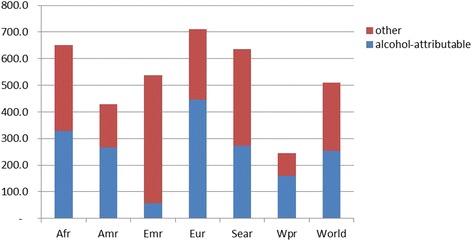
Figure 11 Disability adjusted life years due to liver cirrhosis per 100,000 population in WHO regions in 2012. Afr: African region. Amr: Americas. Emr: Eastern Mediterranean region. Eur: Europe. Sear: South East Asian Region (including India). Wpr: Western Pacific Region.
Figure 11 Disability adjusted life years due to liver cirrhosis per 100,000 population in WHO regions in 2012. Afr: African region. Amr: Americas. Emr: Eastern Mediterranean region. Eur: Europe. Sear: South East Asian Region (including India). Wpr: Western Pacific Region.CC BY · PubMed Central
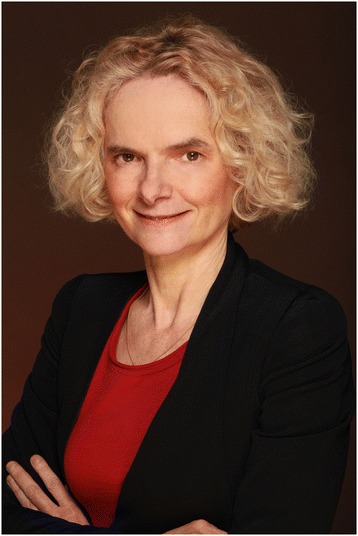
Figure 12 Nora D Volkow is Director of the National Institute on Drug Abuse; a position she had held since 2003. Her research transformed the drug addiction field by providing the first evidence for specific molecular (loss of striatal D2 receptors) and functional (impaired frontal control circuitry) changes in brains of addicted individuals that link to compulsivity and loss of control. She has also made ground-breaking discoveries in the neurobiology of ADHD and obesity.
Figure 12 Nora D Volkow is Director of the National Institute on Drug Abuse; a position she had held since 2003. Her research transformed the drug addiction field by providing the first evidence for specific molecular (loss of striatal D2 receptors) and functional (impaired frontal control circuitry) changes in brains of addicted individuals that link to compulsivity and loss of control. She has also made ground-breaking discoveries in the neurobiology of ADHD and obesity.CC BY · PubMed Central
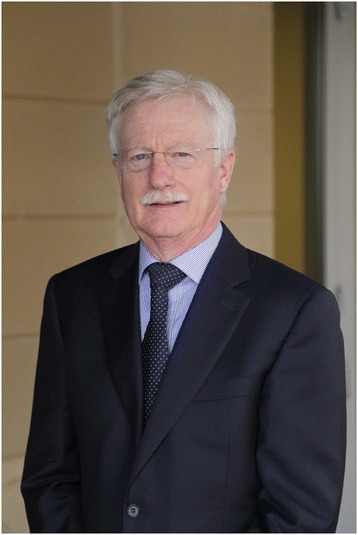
Figure 13 George F. Koob was recently appointed Director of the National Institute on Alcohol Abuse and Alcoholism after 30 years at The Scripps Research Institute in La Jolla California. His research has focused on the dysregulation of the brain arousal and stress systems that drive compulsive drug and alcohol seeking. He has made significant contributions to our understanding of the neurocircuitry of negative emotional states and their role in pathophysiology.
Figure 13 George F. Koob was recently appointed Director of the National Institute on Alcohol Abuse and Alcoholism after 30 years at The Scripps Research Institute in La Jolla California. His research has focused on the dysregulation of the brain arousal and stress systems that drive compulsive drug and alcohol seeking. He has made significant contributions to our understanding of the neurocircuitry of negative emotional states and their role in pathophysiology.CC BY · PubMed Central
Figure 14 Cleusa P. Ferri is an Affiliated Professor at the Universidade Federal de Sao Paulo in the post-graduation program of the Psychobiology Department, supported by Associação Fundo de Incentivo a Pesquisa (AFIP), and a Senior Epidemiologist at the Institute of Education and Health Sciences at the Hospital Alemao Oswaldo Cruz, Brazil. She worked as an international specialist on dementia for the Global Burden of Disease 2010 Project. In the same capacity, she was also involved with the MHGap project with the WHO. For 10 years Dr Ferri worked at the Institute of Psychiatry, King's College London. During this period, apart from her teaching and other research activities, she worked with the 10/66 Dementia Research Group, studying the epidemiology of dementia in low- and middle-income countries. She returned to Brazil, her home country, in 2013 and is now focusing her work on the epidemiology of ageing and dementia in Brazil and Latin America.
Figure 14 Cleusa P. Ferri is an Affiliated Professor at the Universidade Federal de Sao Paulo in the post-graduation program of the Psychobiology Department, supported by Associação Fundo de Incentivo a Pesquisa (AFIP), and a Senior Epidemiologist at the Institute of Education and Health Sciences at the Hospital Alemao Oswaldo Cruz, Brazil. She worked as an international specialist on dementia for the Global Burden of Disease 2010 Project. In the same capacity, she was also involved with the MHGap project with the WHO. For 10 years Dr Ferri worked at the Institute of Psychiatry, King's College London. During this period, apart from her teaching and other research activities, she worked with the 10/66 Dementia Research Group, studying the epidemiology of dementia in low- and middle-income countries. She returned to Brazil, her home country, in 2013 and is now focusing her work on the epidemiology of ageing and dementia in Brazil and Latin America.CC BY · PubMed Central

Verification

Claims the paper makes

The claims and statistics of this paper haven’t been checked yet.

Run the check — free, no account needed. It reads the open-access text and checks the sources it cites.

A few free checks a day · papers already verified open instantly · results are public

Claims other papers make about this one

Each is checked against this paper’s own text: does it say what the citing paper says it does?

Self-check

Percentages, sums and reported differences re-computed from the paper’s own numbers.

The self-check needs the paper’s full text.

Citations

Cites

Show all 103 references

Research works printed but not linked: 1

  1. United Nations press office. Press conference on raising awareness of sickle-cell anaemia: [], [ http://www.un.org/News/briefings/docs/2009/090619_Anaemia.doc.htm ]

Cited by

Sorted by citations

See all 108

Metadata

Authors
Lopez, A. D., Williams, T. N., Levin, A., Tonelli, M., Singh, J. A., Burney, P. G., Rehm, J., Volkow, N. D., Koob, G., & Ferri, C. P.
Affiliations
  • Kenya Medical Research Institute (KE)
  • University of British Columbia (CA)
  • Mayo Clinic (US)
  • Imperial College London (GB)
  • Centre for Addiction and Mental Health (CA)
  • National Institutes of Health (US)
  • Hospital Alemão Oswaldo Cruz (BR)
Venue
BMC Medicine
Published
2014-10-22
Volume
12
Issue
1
Pages
200-200
ISSN
1741-7015 (ISSN-L)
OpenAlex
W2004073357
Cited by
108
References
103
Citations by year
2026: 3 · 2025: 5 · 2024: 8 · 2023: 7 · 2022: 9 · 2021: 9 · 2020: 23 · 2019: 13 · 2018: 8 · 2017: 9 · 2016: 9 · 2015: 5
FWCI
14.01
Type
journal article
Language
en
Open access
Locations
  • BMC Medicine (publishedVersion, cc-by)
  • Europe PMC (PubMed Central) (publishedVersion, cc-by)
  • PubMed Central (publishedVersion, cc-by)
  • PubMed (publishedVersion)
  • TSpace (University of Toronto) (submittedVersion)
  • Americanae (AECID Library) (submittedVersion, other-oa)
  • Minerva Access (University of Melbourne) (submittedVersion, cc-by)
  • LA Referencia (Red Federada de Repositorios Institucionales de Publicaciones Científicas) (submittedVersion, other-oa)
Funders
  • Patient-Centered Outcomes Research Institute (research contract CE-1304-6631, CE-1304-6631)
  • Wellcome Trust (091758)
  • National Institutes of Health (AR-060772)
  • Agency for Healthcare Research and Quality (U19HS021110)
  • National Institute on Aging (U01AG018947)
  • National Cancer Institute (U10-CA-149950)
  • National Institute of Arthritis and Musculoskeletal and Skin Diseases (U34AR062891, AR‐06‐0772, P50AR060772, P50 AR060772 and U34 AR062891)
Topics
  • Health Sciences › Medicine › Public Health, Environmental and Occupational Health › Global Health and Epidemiology
  • Health Sciences › Medicine › Epidemiology › Healthcare Systems and Public Health
  • Health Sciences › Medicine › Public Health, Environmental and Occupational Health › Global Public Health Policies and Epidemiology
Keywords
non-communicable diseases, neglected diseases, global health burden, disease burden, premature mortality, quality of life, health loss, low- and middle-income countries, global health priorities
MeSH terms
Adult, Cardiovascular Diseases, Diabetes Mellitus, Goals, Persons with Disabilities, Disabled Persons, Humans, Neoplasms, Poverty, Quality of Life, Global Health, Health Care Costs, Cost of Illness, Pulmonary Disease, Chronic Obstructive, Neglected Diseases

About these checks

Registry, retraction, Cites and statistics results are computed, not judged, with one exception: a printed reference that no index lists is read once by a model before it counts as a citation error. Claims are extracted by a model and kept only when their quote appears verbatim in the text; each cited source is then checked, with a model’s help, for whether it says what the claim relies on. Those verdicts can be wrong — read the claim’s quote and the cited source before relying on one.

Statistics and arithmetic are recomputed, not judged.

Confidence bands are shown only for fields calibrated on our annotated test set. None is calibrated yet, so no band is shown.

What counts as a claim ›How we measure confidence ›How we check this ›

Are you an author, or do you see a problem with this page? Request a review