

The DOI matches its Crossref record; 103 of the 103 references it cites were found in a registry or an index.
Body mass index and outcome in renal transplant recipients: a systematic review and meta-analysis
Open accessAbstract
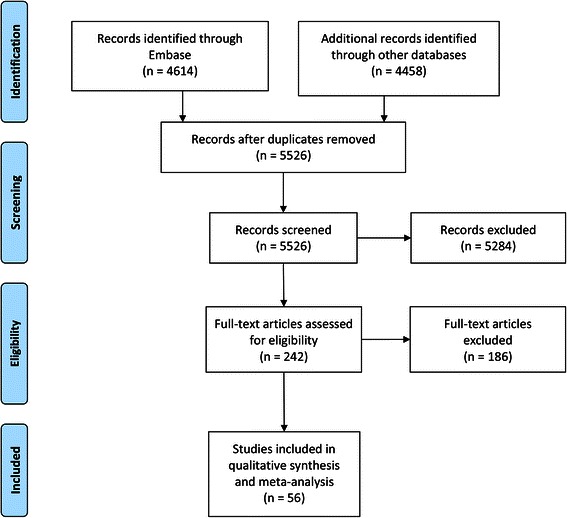
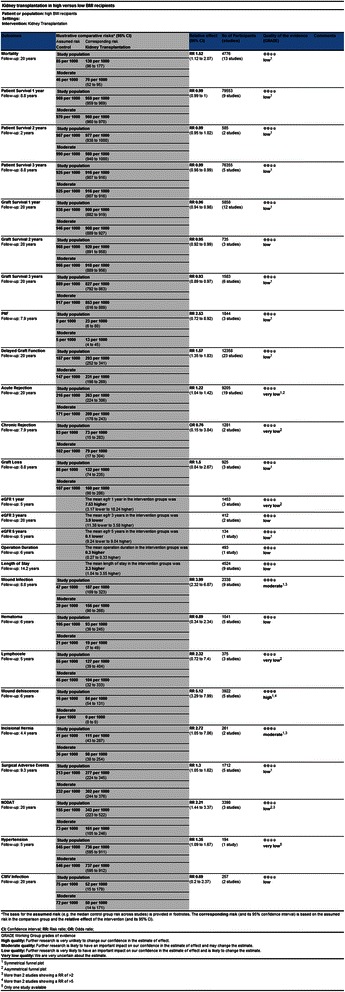
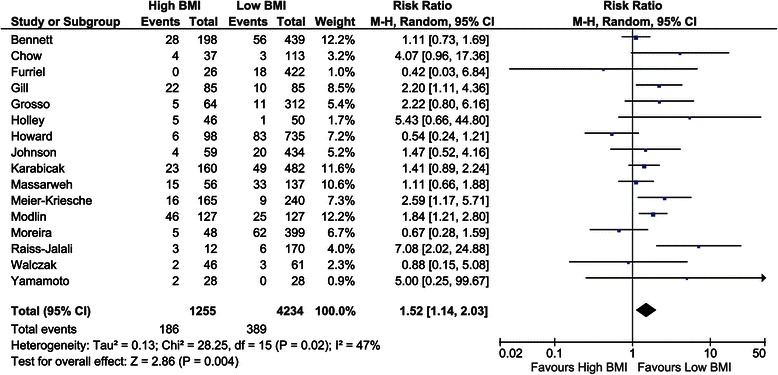
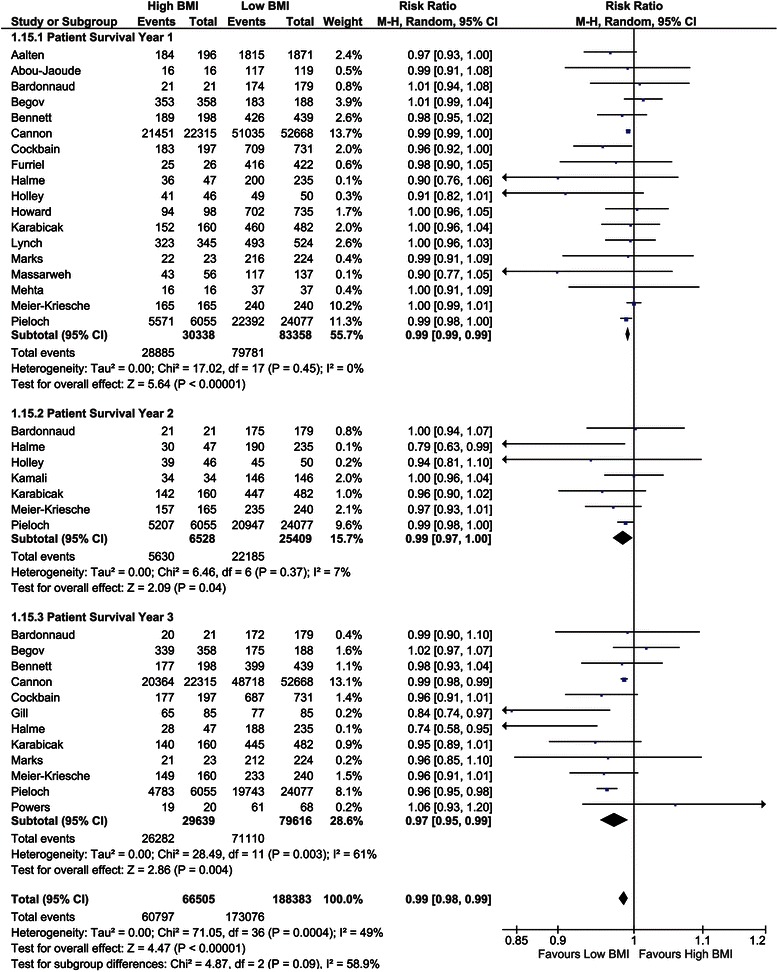
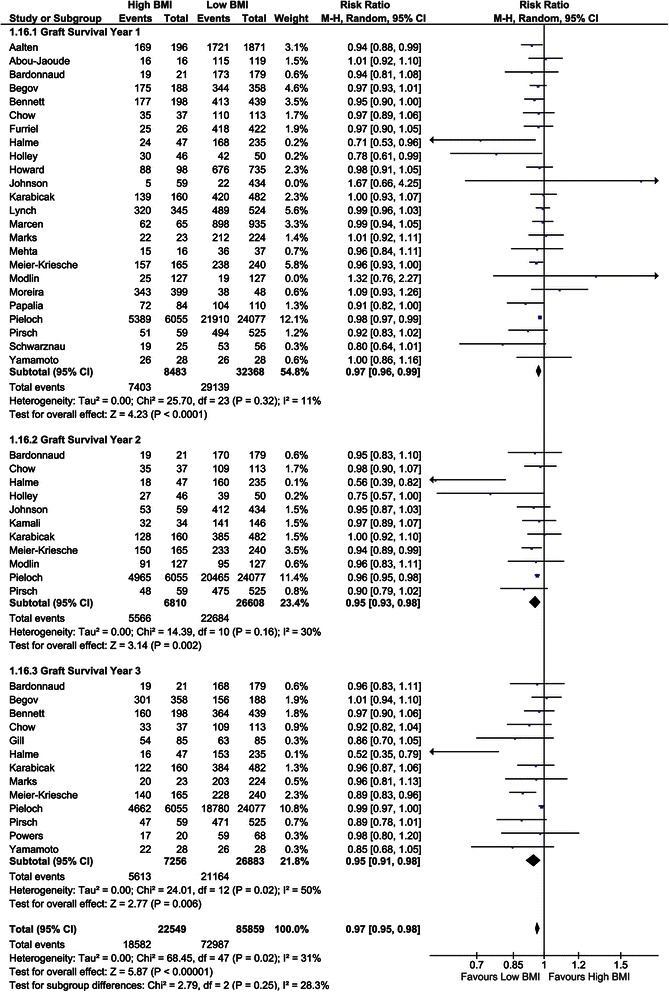
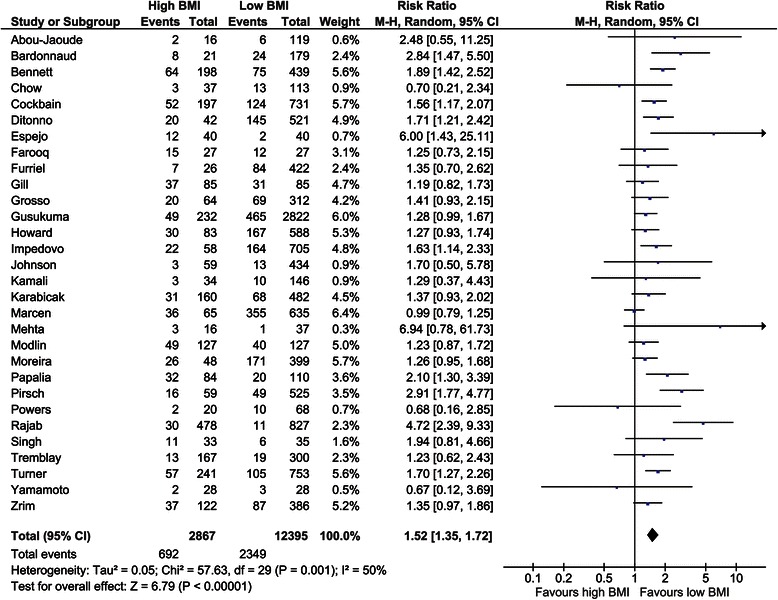
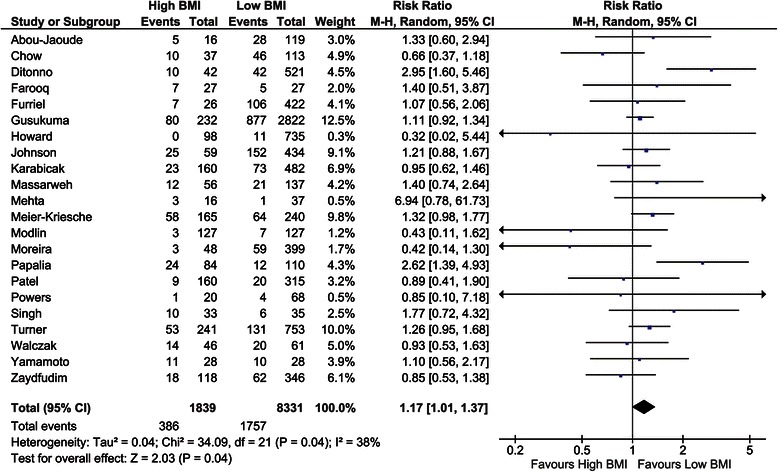
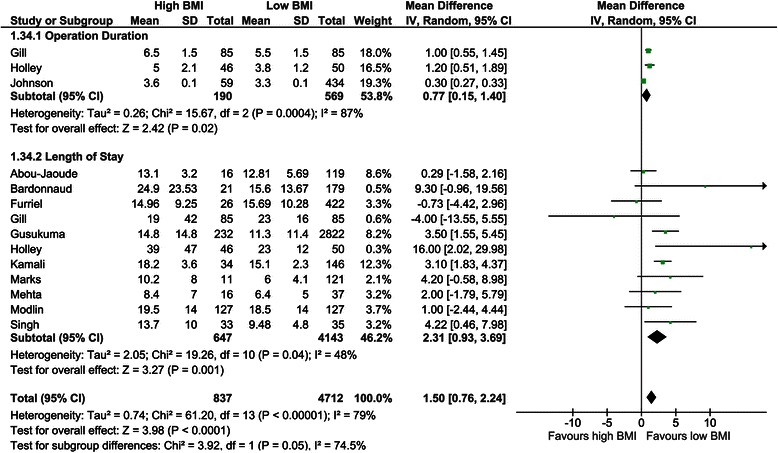
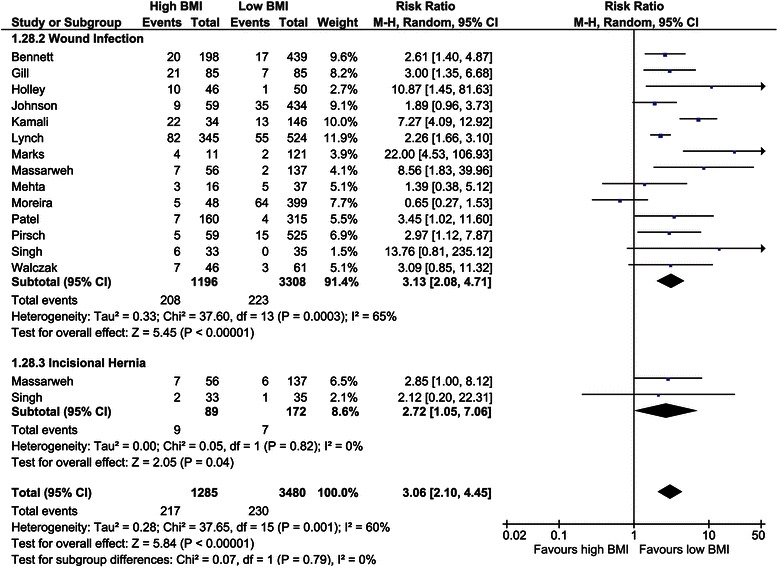
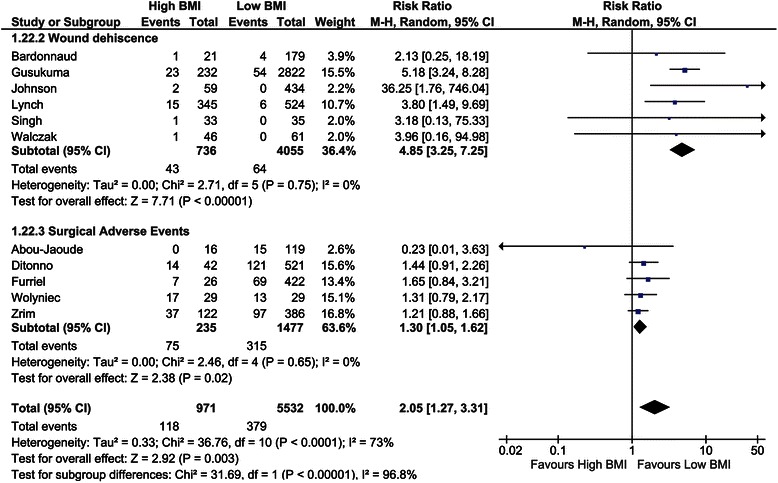
BACKGROUND: Whether overweight or obese end stage renal disease (ESRD) patients are suitable for renal transplantation (RT) is often debated. The objective of this review and meta-analysis was to systematically investigate the outcome of low versus high BMI recipients after RT. METHODS: Comprehensive searches were conducted in MEDLINE OvidSP, Web of Science, Google Scholar, Embase, and CENTRAL (the Cochrane Library 2014, issue 8). We reviewed four major guidelines that are available regarding (potential) RT recipients. The methodology was in accordance with the Cochrane Handbook for Systematic Reviews of Interventions and written based on the PRISMA statement. The quality assessment of studies was performed by using the GRADE tool. A meta-analysis was performed using Review Manager 5.3. Random-effects models were used. RESULTS: After identifying 5,526 studies addressing this topic, 56 studies were included. We extracted data for 37 outcome measures (including data of more than 209,000 RT recipients), of which 26 could be meta-analysed. The following outcome measures demonstrated significant differences in favour of low BMI (<30) recipients: mortality (RR = 1.52), delayed graft function (RR = 1.52), acute rejection (RR = 1.17), 1-, 2-, and 3-year graft survival (RR = 0.97, 0.95, and 0.97), 1-, 2-, and 3-year patient survival (RR = 0.99, 0.99, and 0.99), wound infection and dehiscence (RR = 3.13 and 4.85), NODAT (RR = 2.24), length of hospital stay (2.31 days), operation duration (0.77 hours), hypertension (RR = 1.35), and incisional hernia (RR = 2.72). However, patient survival expressed in hazard ratios was in significant favour of high BMI recipients. Differences in other outcome parameters were not significant. CONCLUSIONS: Several of the pooled outcome measurements show significant benefits for 'low' BMI (<30) recipients. Therefore, we postulate that ESRD patients with a BMI >30 preferably should lose weight prior to RT. If this cannot be achieved with common measures, in morbidly obese RT candidates, bariatric surgery could be considered.
Overview
The claims and statistics of this paper haven’t been checked yet.
Run the check — free, no account needed. It reads the open-access text and checks the sources it cites.
Integrity signals
Registry
Cites
Statistics
Figures
Verification
Claims the paper makes
The claims and statistics of this paper haven’t been checked yet.
Run the check — free, no account needed. It reads the open-access text and checks the sources it cites.
Claims other papers make about this one
Each is checked against this paper’s own text: does it say what the citing paper says it does?
The source backs part of the claim, not all of it — or backs it for a different population, condition or comparison.
In the citing paper
“Overweight and obesity after KTx are strongly associated with adverse outcomes.”
From Cognitive-behavioral and dietary weight loss intervention in adult kidney transplant recipients with overweight and obesity: Results of a pilot RCT study (Adi-KTx) (2023) · cites this paper as [12]
Experimental — accuracy not yet measuredThe source backs part of the claim, not all of it — or backs it for a different population, condition or comparison.
In the citing paper
“They reported higher rates of complications early after transplantation, including delayed graft functioning and surgical complications as well as a higher rate of adverse long-term complications such as cardiovascular diseases.”
From Cognitive-behavioral and dietary weight loss intervention in adult kidney transplant recipients with overweight and obesity: Results of a pilot RCT study (Adi-KTx) (2023) · cites this paper as [12]
Experimental — accuracy not yet measuredThe cited source says what the claim attributes to it.
In the citing paper
“Regarding the association between obesity and graft loss as well as morbidity, the findings are controversial (6, 10–13).”
The cited source says what the claim attributes to it.
In the citing paper
“Additionally, an association between overweight and the development of new-onset diabetes after transplantation (NODAT) and hypertension has been described (12).”
Self-check
Percentages, sums and reported differences re-computed from the paper’s own numbers.
The self-check needs the paper’s full text.
Citations
Cites
Preferred Reporting Items for Systematic Reviews and Meta-Analyses: the PRISMA statement
Moher, D., Liberati, A., Tetzlaff, J., Altman, D. G., & for the PRISMA Group (2009) · BMJ · doi:10.1136/bmj.b2535 · Cited by 83,823
Preferred reporting items for systematic reviews and meta-analyses: the PRISMA Statement.
(2009) · PubMed Central · Cited by 44,859
Bariatric Surgery: A Systematic Review and Meta-analysis
Buchwald, H., Avidor, Y., Braunwald, E., Jensen, M. D., Pories, W., Fahrbach, K., & Schoelles, K. (2004) · JAMA · doi:10.1001/jama.292.14.1724 · Cited by 6,800
Special Issue: KDIGO Clinical Practice Guideline for the Care of Kidney Transplant Recipients
Eckardt, K., Kasiske, B. L., & Zeier, M. G. (2009) · American Journal of Transplantation · doi:10.1111/j.1600-6143.2009.02834.x · Cited by 1,574
Meta-Analysis: Surgical Treatment of Obesity
Maggard, M. A., Shugarman, L. R., Suttorp, M. J., Maglione, M., Sugerman, H. J., Livingston, E. H., Nguyen, N. T., Li, Z., Mojica, W., Hilton, L. G., et al. (2005) · Annals of Internal Medicine · doi:10.7326/0003-4819-142-7-200504050-00013 · Cited by 1,567
Perioperative safety in the longitudinal assessment of bariatric surgery
(2009) · New England Journal of Medicine · doi:10.1056/nejmoa0901836 · Cited by 1,392
Frey, S., Mir, A. R., & Lucas, M. (1999) · Journal of Renal Nutrition · doi:10.1016/s1051-2276(99)90003-1 · Cited by 835
American Heart Association Call to Action: Obesity as a Major Risk Factor for Coronary Heart Disease
Eckel, R. H., & Krauss, R. M. (1998) · Circulation · doi:10.1161/01.cir.97.21.2099 · Cited by 807
(1992) · The American Journal of Clinical Nutrition · doi:10.1093/ajcn/55.2.615s · Cited by 748
Association between obesity and kidney disease: A systematic review and meta-analysis
Wang, Y., Chen, X., Song, Y., Caballero, B. H., & Cheskin, L. J. (2007) · Kidney International · doi:10.1038/sj.ki.5002586 · Cited by 693
Research works printed but not linked: 12
- Turner C, Nogueira J. The effect of obesity on allograft outcomes in a single-center cohort of living renal transplant recipients. Am J Transplant. 2007;7:464.
- Higgins JPT, Green S, editors. Cochrane Handbook for Systematic Reviews of Interventions Version 5.1.0 [updated March 2011]. The Cochrane Collaboration. 2011.
- Begov I, Akkina S, Benedetti E, Tang I. Obesity does not adversely affect the outcomes of kidney transplantation. Am J Transplant. 2013;13:261.
- Farooq U, Alshraideh Y, Orlando G, Rogers J, Farney A, Stratta R. Does high recipient BMI influence outcomes in deceased donor kidney transplantation? A paired donor kidney analysis. Am J Transplant. 2014;14:74.
- Gusukuma LW, Harada KM, Baptista APM, Alencar MRP, Freitas TVS, Tedesco-Silva H, et al. Clinical outcomes in obese kidney transplantation. Am J Transplant. 2011;11:364.
- Impedovo SV, Palazzo S, Bettocchi C, Grandaliano G, Schena FP, Gesualdo L, et al. Effect of obesity on long-term results of renal transplantation: a single center experience. Am J Transplant. 2012;12:249.
- Powers BD, Sifontis NM, Yung E, Spurrier D, Constantinescu S, Lee I, et al. 3 year outcomes of renal transplantation in high-risk obese recipients. Am J Transplant. 2010;10:64.
- Rajab A, Warrick J, Pelletier RP, Henry ML, Elkhammas EA, Bumgardner GL, et al. The effects of obesity on renal transplant recipients. Am J Transplant. 2007;7:464.
- Ravindra K, Irish W, Vikraman D, Castleberry A, Barbas A, Sanoff S, et al. Impact of recipient BMI: implications for ECD renal transplantation. Am J Transplant. 2013;13:195.
- Walczak DA, Campara M, Walczak D, McClure E, Oberholzer J, Akkina S, et al. Effect of obesity on the outcomes of ABO incompatible and positive crossmatch kidney transplants. Am J Transplant. 2010;10:437.
- Wolyniec Z, Debska-Slizien A, Rutkowski B. The influence of obesity on renal transplant outcomes - a paired kidneys analysis. Transpl ant Int. 2011;24:285.
- Molnar MZ, Kalantar-Zadeh K. Body composition and outcomes in dialysis patients and renal transplant recipients. Nephro Urol Mon. 2011;3:155–63.
Cited by
Sorted by citations
De Luca, M., Angrisani, L., Himpens, J., Busetto, L., Scopinaro, N., Weiner, R., Sartori, A., Stier, C., Lakdawala, M., Bhasker, A. G., et al. (2016) · Obesity Surgery · doi:10.1007/s11695-016-2271-4 · Cited by 296
“Outcome measures of more than 209,000 renal transplant recipients demonstrated significant differences in favor of factors such as lower BMI (<30 kg/ m(2)); lower mortality; delayed graft function; acute rejection; 1-, 2-, and 3-year graft survival; 1-, 2-, and 3-year patient survival; wound infection and dehiscence;…”
BackgroundClinical practice guideline exercise and lifestyle in chronic kidney disease
Baker, L. A., March, D. S., Wilkinson, T. J., Billany, R. E., BISHOP, N. C., Castle, E. M., Chilcot, J., Davies, M. D., Graham-Brown, M. P. M., Greenwood, S. A., et al. (2022) · BMC Nephrology · doi:10.1186/s12882-021-02618-1 · Cited by 289
Ladhani, M., Craig, J. C., Irving, M. J., Clayton, P. A., & Wong, G. (2016) · Nephrology Dialysis Transplantation · doi:10.1093/ndt/gfw075 · Cited by 187
“|| || || || || || || || || || || || || || || || || || || || || || || || || || || || || || || || || || || || || || || || || || || || || || || || || || || || || || || || || || || || || || || || || || || || || || || || || || || || || || || || || || || || || || advantage at 1, 2 and 3 years after transplantation compared…”
Lafranca, J. A., IJzermans, J. N. M., Betjes, M. G. H., & Dor, F. J. M. F. (2015) · BMC Medicine · doi:10.1186/s12916-015-0387-3 · Cited by 115
“Erratum Authors’ corrected note: Jan NM IJzermans last name was incorrectly spelled in the author list and was indicated as Jan NM IJermans in our published article [1].”
BackgroundObesity Paradox in Advanced Kidney Disease: From Bedside to the Bench
Naderi, N., Kleine, C., Park, C., Hsiung, J., Soohoo, M., Tantisattamo, E., Streja, E., Kalantar‐Zadeh, K., & Moradi, H. (2018) · Progress in Cardiovascular Diseases · doi:10.1016/j.pcad.2018.07.001 · Cited by 113
Management of Obesity in Adults with CKD
Friedman, A. N., Kaplan, L. M., le Roux, C. W., & Schauer, P. R. (2021) · Journal of the American Society of Nephrology · doi:10.1681/asn.2020101472 · Cited by 99
A Nephrologist Perspective on Obesity: From Kidney Injury to Clinical Management
García-Carro, C., Vergara, A., Bermejo, S., Azancot, M. A., Sellarés, J., & Soler, M. J. (2021) · Frontiers in Medicine · doi:10.3389/fmed.2021.655871 · Cited by 91
Long-term outcomes in patients with obesity and renal disease after sleeve gastrectomy
Kassam, A., Mirza, A., Kim, Y., Hanseman, D. J., Woodle, E. S., Quillin, R. C., Johnson, B. L., Govil, A., Cardi, M. A., Schauer, D. P., et al. (2019) · American Journal of Transplantation · doi:10.1111/ajt.15650 · Cited by 84
Oniscu, G. C., Abramowicz, D., Bolignano, D., Gandolfini, I., Hellemans, R., Maggiore, U., Nistor, I., O’Neill, S., Sever, M. Ş., Koobasi, M., et al. (2021) · Nephrology Dialysis Transplantation · doi:10.1093/ndt/gfab310 · Cited by 90
“All the analyses were unadjusted for confounding factors [24].”
Cohen, J. B., Lim, M. A., Tewksbury, C. M., Torres-Landa, S. R., Trofe‐Clark, J., Abt, P. L., Williams, N. N., Dumon, K. R., & Göral, S. (2019) · Surgery for Obesity and Related Diseases · doi:10.1016/j.soard.2019.04.002 · Cited by 73
“In kidney transplant recipients, obesity has been associated with longer hospital stays, increased perioperative 30-day mortality, poor wound healing, delayed graft function, increased incidence of post-transplant diabetes, and worse allograft outcomes (3-7).”
BackgroundRecipient obesity as a risk factor in kidney transplantation
Scheuermann, U., Babel, J., Pietsch, U., Weimann, A., Lyros, O., Semmling, K. S., Hau, H., Seehofer, D., Rademacher, S., & Sucher, R. (2022) · BMC Nephrology · doi:10.1186/s12882-022-02668-z · Cited by 70
“In reviewing the literature, wound complications were among the most common post-operative complications in obese patients after KT [25], and in accordance with the present results, previous publications have demonstrated that lymphoceles occur more often in obese patients after KT [26–28].”
ResultMohammed, M. A., Moles, R. J., Hilmer, S. N., O’Donnell, L. K., & Chen, T. F. (2018) · BMJ Open · doi:10.1136/bmjopen-2017-018880 · Cited by 69
Hemamy, M., Pahlavani, N., Amanollahi, A., Islam, S. M. S., McVicar, J., Askari, G., & Malekahmadi, M. (2021) · BMC Pediatrics · doi:10.1186/s12887-021-02631-1 · Cited by 62
Laparoscopic sleeve gastrectomy: gateway to kidney transplantation
Kienzl‐Wagner, K., Weißenbacher, A., Gehwolf, P., Wykypiel, H. F., Öfner, D., & Schneeberger, S. (2017) · Surgery for Obesity and Related Diseases · doi:10.1016/j.soard.2017.01.005 · Cited by 59
“85-fold in high versus low BMI recipients [12].”
BackgroundWu, D., Robb, M. L., Forsythe, J. L. R., Bradley, C., Cairns, J., Draper, H., Dudley, C. R. K., Johnson, R., Metcalfe, W., Ravanan, R., et al. (2019) · Transplantation · doi:10.1097/tp.0000000000002931 · Cited by 59
“26 27-30 Our results are keeping with this evidence; with obesity conferring a 6% increased risk of graft failure among DDKT recipients.”
Prudhomme, T., Beauval, J., Lesourd, M., Roumiguié, M., Decaestecker, K., Vignolini, G., Campi, R., Serni, S., Territo, A., Gausa, L., et al. (2020) · World Journal of Urology · doi:10.1007/s00345-020-03309-6 · Cited by 55
Martin, W. P., White, J. P., López-Hernández, F. J., Docherty, N. G., & le Roux, C. W. (2020) · Frontiers in Endocrinology · doi:10.3389/fendo.2020.00289 · Cited by 49
Beckmann, S., Nikolic, N., Denhaerynck, K., Binet, I., Koller, M., Boely, E., Geest, S. D., & the Psychosocial Interest Group, S. T. C. S. (2016) · Clinical Transplantation · doi:10.1111/ctr.12896 · Cited by 45
Ladhani, M., Lade, S., Alexander, S. I., Baur, L. A., Clayton, P. A., McDonald, S. P., Craig, J. C., & Wong, G. (2017) · Pediatric Nephrology · doi:10.1007/s00467-017-3636-1 · Cited by 44
Bilirubin, a new therapeutic for kidney transplant?
Sundararaghavan, V. L., Binepal, S., Stec, D. E., Sindhwani, P., & Hinds, T. D. (2018) · Transplantation Reviews · doi:10.1016/j.trre.2018.06.003 · Cited by 44
“found that of the 56 studies they analyzed that there were significant benefits in renal allograft recipients with a BMI <30 in terms of mortality, delayed graft function, acute rejection and three-year survival rate [23].”
Outcomes of underweight, overweight, and obese pediatric kidney transplant recipients
Kaur, K., Jun, D., Grodstein, E. I., Singer, P. S., Castellanos, L., Teperman, L. W., Molmenti, E. P., Fahmy, A., Frank, R., Infante, L., et al. (2018) · Pediatric Nephrology · doi:10.1007/s00467-018-4038-8 · Cited by 45
Andrews, L. M., de Winter, B. C. M., Tang, J., Shuker, N., Bouamar, R., van Schaik, R. H. N., Koch, B. C. P., van Gelder, T., & Hesselink, D. A. (2017) · Transplantation Direct · doi:10.1097/txd.0000000000000644 · Cited by 41
Puttarajappa, C. M., Schinstock, C. A., Wu, C. M., Leca, N., Kumar, V., Vasudev, B. S., & Hariharan, S. (2021) · American Journal of Kidney Diseases · doi:10.1053/j.ajkd.2020.11.017 · Cited by 43
“Patients with obesity have a higher risk of death, delayed graft function, rejection, wound complications, and prolonged hospitalization stays compared with those without obesity.(31) Thus, obesity remains an important issue for potential transplant candidates.”
BackgroundResultInfluentialRecipient Obesity and Kidney Transplant Outcomes: A Mate-Kidney Analysis
Sureshkumar, K. K., Chopra, B., Josephson, M. A., Shah, P., & McGill, R. L. (2021) · American Journal of Kidney Diseases · doi:10.1053/j.ajkd.2021.02.332 · Cited by 40
Hameed, A. M., Yao, J., Allen, R. D. M., Hawthorne, W. J., Pleass, H. C. C., & Lau, H. M. H. (2018) · Transplantation · doi:10.1097/tp.0000000000002328 · Cited by 39
Khan, M. N., Russo, J. E., Spivack, J., Pool, C., Likhterov, I., Teng, M. S., Genden, E. M., & Miles, B. A. (2017) · JAMA Otolaryngology–Head & Neck Surgery · doi:10.1001/jamaoto.2016.4304 · Cited by 38
Obesity and listing for renal transplantation: weighing the evidence for a growing problem
Hossain, M. A., Woywodt, A., Augustine, T., & Sharma, V. (2017) · Clinical Kidney Journal · doi:10.1093/ckj/sfx022 · Cited by 37
“[33], in a 2015 paper on the topic, also suggested a categorical BMI cut-off of 30.”
BackgroundInfluentialWeight gain after renal transplant: Incidence, risk factors, and outcomes
Altheaby, A., Alajlan, N., Shaheen, M. F., Abosamah, G., Ghallab, B., Aldawsari, B., Rashidi, A., Gafar, M., & Arabi, Z. (2022) · PLoS ONE · doi:10.1371/journal.pone.0268044 · Cited by 36
Obesity and kidney transplantation
Chang, J., Mushailov, V., & Mohan, S. (2023) · Current Opinion in Organ Transplantation · doi:10.1097/mot.0000000000001050 · Cited by 35
“Although some groups have suggested an associationwith an increased risk of acute rejection [17,26], others have not [18,25,27].”
Kanbay, M., Güldan, M., Özbek, L., Çöpür, S., Covic, A. S., & Covic, A. C. (2024) · European Journal of Internal Medicine · doi:10.1016/j.ejim.2024.07.014 · Cited by 39
Influence of the recipient body mass index on the outcomes after kidney transplantation
Liese, J., Bottner, N., Büttner, S., Reinisch, A., Woeste, G., Wortmann, M., Hauser, I. A., Bechstein, W. O., & Ulrich, F. (2017) · Langenbeck s Archives of Surgery · doi:10.1007/s00423-017-1584-7 · Cited by 35
Obesity and bariatric intervention in patients with chronic renal disease
Bellini, M. I., Paoletti, F., & Herbert, P. E. (2019) · Journal of International Medical Research · doi:10.1177/0300060519843755 · Cited by 33
“The recently published National Institute for Health and Care Excellence guidelines claim that transplantation provides better survival and higher quality of life in overweight patients undergoing dialysis and that there is not enough evidence to recommend exclusion based only on the BMI.3 However, a high BMI is an im…”
InfluentialBeckmann, S., Drent, G., Ruppar, T. M., Nikolić, N., & Geest, S. D. (2019) · Transplantation · doi:10.1097/tp.0000000000002811 · Cited by 32
The role of bariatric surgery on kidney transplantation: A systematic review and meta-analysis
Lee, Y., Raveendran, L., Lovrics, O., Tian, C., Khondker, A., Koyle, M. A., Farcas, M. A., Doumouras, A. G., & Hong, D. (2021) · Canadian Urological Association Journal · doi:10.5489/cuaj.7109 · Cited by 31
Obesity-Associated Adipose Tissue Inflammation and Transplantation
Wu, D., Dawson, N. A. J., & Levings, M. K. (2016) · American Journal of Transplantation · doi:10.1111/ajt.13578 · Cited by 29
Dobrzycka, M., Proczko-Stepaniak, M., Kaska, Ł., Wilczyński, M., Dębska-Ślizień, A. M., & Kobiela, J. (2020) · Obesity Surgery · doi:10.1007/s11695-020-04555-8 · Cited by 29
Camilleri, B., Bridson, J.-M., Sharma, A. K., & Halawa, A. M. (2016) · Transplantation Reviews · doi:10.1016/j.trre.2016.07.006 · Cited by 29
Cron, D. C., Noon, K. A., Cote, D. R., Terjimanian, M. N., Augustine, J. J., Wang, S. C., Englesbe, M. J., & Woodside, K. J. (2017) · Clinical Transplantation · doi:10.1111/ctr.13040 · Cited by 29
Obesity as a barrier to kidney transplantation: Time to eliminate the body weight bias?
MacLaughlin, H. L., & Campbell, K. L. (2019) · Seminars in Dialysis · doi:10.1111/sdi.12783 · Cited by 29
“supported by the systematic review of findings using multivariate analyses adjusted for likely confounding variables.(7,8)”
BackgroundMethodInfluentialTumors after kidney transplantation: a population study
Ietto, G., Gritti, M., Pettinato, G., Carcano, G., & Gasperina, D. D. (2023) · World Journal of Surgical Oncology · doi:10.1186/s12957-023-02892-3 · Cited by 28
UK renal transplant outcomes in low and high BMI recipients: the need for a national policy
Kostakis, I. D., Kassimatis, T. I., Bianchi, V., Paraskeva, P., Flach, C., Callaghan, C. J., Phillips, B. L., Karydis, N., Kessaris, N., Calder, F. R., et al. (2019) · Journal of Nephrology · doi:10.1007/s40620-019-00654-7 · Cited by 28
Cardiovascular Risk after Kidney Transplantation: Causes and Current Approaches to a Relevant Burden
Reggiani, F., Moroni, G. L., & Ponticelli, C. (2022) · Journal of Personalized Medicine · doi:10.3390/jpm12081200 · Cited by 31
Hypertension guidelines: How do they apply to kidney transplant recipients
Aziz, F., Clark, D. F., Garg, N., Mandelbrot, D. A., & Djamali, A. (2018) · Transplantation Reviews · doi:10.1016/j.trre.2018.06.002 · Cited by 27
Renal transplantation outcomes in obese patients: a French cohort-based study
Foucher, Y., Lorent, M., Albano, L., Roux, S., Pernin, V., Quintrec, M. L., Legendre, C., Buron, F., Morélon, E., Girerd, S., et al. (2021) · BMC Nephrology · doi:10.1186/s12882-021-02278-1 · Cited by 27
Hypertension in kidney transplant recipients
Alexandrou, M. E., Ferro, C. J., Boletis, I. N., Papagianni, A. A., & Sarafidis, P. A. (2022) · World Journal of Transplantation · doi:10.5500/wjt.v12.i8.211 · Cited by 27
Epidemiology of Obesity and Pharmacologic Treatment Options
Shettar, V., Patel, S., & Kidambi, S. (2017) · Nutrition in Clinical Practice · doi:10.1177/0884533617713189 · Cited by 26
“Obesity is an independent risk factor for the development and progression of chronic kidney disease.204 Intentional weight loss in obese subjects (by lifestyle interventions, antiobesity agents, or weight loss surgery) with altered glomerular filtration rate or proteinuria improves proteinuria, albuminuria, and normal…”
BackgroundFernando, S., Varma, J., Dengu, F., Menon, V., Malik, S., & O'Callaghan, J. M. (2023) · Transplantation Reviews · doi:10.1016/j.trre.2023.100777 · Cited by 26
Obesity after kidney transplantation-results of a KTx360° substudy
Nöhre, M., Schieffer, E., Hanke, A., Pape, L., Schiffer, L., Schiffer, M., & de Zwaan, M. (2020) · Frontiers in Psychiatry · doi:10.3389/fpsyt.2020.00399 · Cited by 27
Shi, B., Ying, T., Xu, J., Wyburn, K., Laurence, J. M., & Chadban, S. J. (2023) · Transplant International · doi:10.3389/ti.2023.11107 · Cited by 25
Role of hypertension in kidney transplant recipients
Loutradis, C., Sarafidis, P. A., Marinaki, S., Berry, M., Borrows, R., Sharif, A., & Ferro, C. J. (2021) · Journal of Human Hypertension · doi:10.1038/s41371-021-00540-5 · Cited by 25
Obesity and Post-Transplant Diabetes Mellitus in Kidney Transplantation
Martín-Moreno, P. L., Shin, H. S., & Chandraker, A. K. (2021) · Journal of Clinical Medicine · doi:10.3390/jcm10112497 · Cited by 25
“recommended that obese kidney transplant candidates with a BMI > 40 kg/m2, or >35 kg/m2 plus associated comorbidities, should be considered for bariatric surgery [31].”
BackgroundVerde, L., Lucà, S., Cernea, S., Sulu, C., Yumuk, V., Jenssen, T. G., Savastano, S., Sarno, G., Colao, A., Barrea, L., et al. (2023) · Current Obesity Reports · doi:10.1007/s13679-023-00500-9 · Cited by 27
Bariatric surgery before and after kidney transplant: a propensity score–matched analysis
Fang, Y., Outmani, L., de Joode, A. A. E., Kimenai, H. J. A. N., Roodnat, J. I., Hart, J. W. H. '., Biter, U., Klaassen, R. A., de Bruin, R. W. F., IJzermans, J. N. M., et al. (2022) · Surgery for Obesity and Related Diseases · doi:10.1016/j.soard.2022.11.010 · Cited by 24
Whelan, A. M., Johansen, K. L., Copeland, T. P., McCulloch, C. E., Nallapothula, D., Lee, B. K., Roll, G. R., Weir, M. R., Adey, D., & Ku, E. (2022) · American Journal of Transplantation · doi:10.1111/ajt.17031 · Cited by 24
Martin, W. P., Bauer, J., Coleman, J., Dellatorre‐Teixeira, L., Reeve, J. L., Twomey, P. J., Docherty, N. G., O’Riordan, A., Watson, A. J., le Roux, C. W., et al. (2020) · Clinical Obesity · doi:10.1111/cob.12402 · Cited by 24
“In addition, recipient obesity increases the risk of kidney allograft complications and is a major barrier to kidney transplantation; most transplant centres consider a BMI ≥35 kg/m(2) a relative contraindication to kidney transplantation.(37,38) Studies of intentional weight loss in advanced CKD should also evaluate…”
BackgroundObesity in kidney transplantation
Cocco, P. D., Okoye, O. T., Almario, J., Benedetti, E., Tzvetanov, I. G., & Spaggiari, M. (2019) · Transplant International · doi:10.1111/tri.13547 · Cited by 23
Lavenburg, L.-M. U., Kim, Y., Weinhandl, E. D., Johansen, K. L., & Harhay, M. N. (2022) · Transplantation · doi:10.1097/tp.0000000000004243 · Cited by 22
Combined Donor-Recipient Obesity and the Risk of Graft Loss After Kidney Transplantation
Jarrar, F., Tennankore, K., & Vinson, A. J. (2022) · Transplant International · doi:10.3389/ti.2022.10656 · Cited by 21
Anti-obesity pharmacotherapy in adults with chronic kidney disease
Taber-Hight, E., Gilmore, A. C., & Friedman, A. N. (2023) · Kidney International · doi:10.1016/j.kint.2023.10.014 · Cited by 21
Veasey, T. M., Fleming, J. N., Strout, S. E., Miller, R., Pilch, N. A., Meadows, H. B., Mardis, C. R., Mardis, B. A., Shenvi, S. D., McGillicuddy, J. W., et al. (2017) · The American Journal of Surgery · doi:10.1016/j.amjsurg.2017.05.009 · Cited by 21
Puttarajappa, C. M., Urbanski, M. A., Fallahzadeh, M. K., Budhiraja, P., Balaraman, V., Butsch, W. S., Morford, H. J., Anand, P. M., Woodside, K. J., Orandi, B. J., et al. (2025) · American Journal of Transplantation · doi:10.1016/j.ajt.2025.05.033 · Cited by 20
Soliman, B., Tariq, N., Law, Y. Y., Yi, S. G., Nwana, N., Bosetti, R., Kash, B., Moore, L. W., Gaber, A. O., & Sherman, V. (2021) · Obesity Surgery · doi:10.1007/s11695-021-05435-5 · Cited by 20
“The risks associated with obesity in kidney transplant include longer operative times, more intraoperative blood loss, higher rate of surgical complications, increased surgical infections, and prolonged length of stay [9].”
BackgroundRate, Factors, and Outcome of Delayed Graft Function After Kidney Transplantation of Deceased Donors
Jahn, L., R..ster, C., Schlosser, M., Winkler, Y., Foller, S., Grimm, M., Wolf, G., & Busch, M. (2021) · Transplantation Proceedings · doi:10.1016/j.transproceed.2021.01.006 · Cited by 19
Yin, S., Wu, L., Huang, Z., Fan, Y., Lin, T., & Song, T. (2021) · Surgery · doi:10.1016/j.surg.2021.10.024 · Cited by 19
Lau, N., Ahmadi, N., & Verran, D. J. (2019) · BMC Surgery · doi:10.1186/s12893-019-0468-x · Cited by 19
“A higher BMI has been found to be associated with not only fascial dehiscence and superficial breakdown [15, 16] but also surgical site infections [17–19], and hence the rates of wound complications overall [20–22].”
BackgroundPrudhomme, T., Bento, L., Frontczak, A., Timsit, M., & Boissier, R. (2023) · European Urology Focus · doi:10.1016/j.euf.2023.11.003 · Cited by 18
Flabouris, K., Chadban, S. J., Ladhani, M., Cervelli, M. J., & Clayton, P. A. (2019) · Nephrology Dialysis Transplantation · doi:10.1093/ndt/gfz095 · Cited by 18
Outmani, L., Kimenai, H. J. A. N., Roodnat, J. I., Leeman, M., Biter, U., Klaassen, R. A., IJzermans, J. N. M., & Minnee, R. C. (2020) · Clinical Transplantation · doi:10.1111/ctr.14208 · Cited by 18
Transitions in frailty state 12 months after kidney transplantation: a prospective cohort study
Mantovani, M. D. S., de Carvalho, N. C., Minicucci, M. F., de Andrade, L. G. M., Cavalcante, R. D. S., de Almeida, G. B., Costa, N. A., da Silva, J. D. F., & Almeida, R. A. M. D. B. (2022) · Journal of Nephrology · doi:10.1007/s40620-022-01436-4 · Cited by 18
“Obesity was also associated with other complications in KTx, such as delayed graft function, surgical complications, acute rejection, decreasing estimated glomerular filtration rate, dyslipidemia, diabetes mellitus, and cardiovascular diseases [31, 32].”
BackgroundPuttarajappa, C. M., Smith, K. J., Ahmed, B. H., Bernardi, K., Lavenburg, L.-M. U., Hoffman, W., & Molinari, M. (2024) · American Journal of Transplantation · doi:10.1016/j.ajt.2024.07.024 · Cited by 19
Nutrition in the Management of Kidney Transplant Recipients
Stoler, S. T., Chan, M., & Chadban, S. J. (2023) · Journal of Renal Nutrition · doi:10.1053/j.jrn.2023.07.001 · Cited by 17
Kidney Transplant Outcomes in the Super Obese: A National Study From the UNOS Dataset
Kanthawar, P., Mei, X., Daily, M. F., Chandarana, J., Shah, M. B., Berger, J., Castellanos, A. L., Martí, F., & Gedaly, R. (2016) · World Journal of Surgery · doi:10.1007/s00268-016-3615-x · Cited by 16
“While it has been published that kidney transplantation confers a survival benefit for obese patients compared to dialysis, limited data are available regarding the perioperative and long-term outcomes for kidney transplantation among the super obese [1, 2, 7, 8].”
BackgroundNutrition Trends in Patients Over the Long Term After Kidney Transplantation
Kluch, M., Kurnatowska, I., Matera, K., Łokieć, K., Puzio, T., Czkwianianc, E., & Grzelak, P. (2020) · Transplantation Proceedings · doi:10.1016/j.transproceed.2019.12.055 · Cited by 15
Assessment and management of chronic kidney disease in people living with obesity
Jacob, P., & McCafferty, K. (2023) · Clinical Medicine · doi:10.7861/clinmed.2023-0195 · Cited by 15
Warzyszyńska, K., Zawistowski, M., Karpeta, E., Ostaszewska, A., Jonas, M., & Kosieradzki, M. (2020) · Transplantation Proceedings · doi:10.1016/j.transproceed.2020.02.110 · Cited by 15
Echocardiographic Pulmonary Hypertension Predicts Post-transplantation Renal Allograft Failure
Foderaro, A. E., Baird, G. L., Bazargan-Lari, A., Morrissey, P., Gohh, R., Poppas, A., Klinger, J. R., & Ventetuolo, C. E. (2017) · Transplantation Proceedings · doi:10.1016/j.transproceed.2017.01.085 · Cited by 15
Altheaby, A., Dalbhi, S. A., Alghamdi, Y., Almigbal, T. H., Alotaibi, K. N., Batais, M. A., Alodhayani, A. A., Alkhushail, A., Alhantoushi, M., & Alsaad, S. M. (2019) · PubMed Central · Cited by 14
Obesity in Renal Transplantation
Quero, M., Montero, N., Rama, I., Codina, S., Couceiro, C., & Cruzado, J. M. (2021) · The Nephron journals/Nephron journals · doi:10.1159/000515786 · Cited by 14
Dobrzycka, M., Bzoma, B., Bieniaszewski, K., Dębska-Ślizień, A. M., & Kobiela, J. (2022) · Journal of Clinical Medicine · doi:10.3390/jcm11154393 · Cited by 14
“Another recent metanalysis (of 209,000 patients) of KTRs with BMI < 30 kg/m2 revealed lower mortality, incidence of DGF, AR, infectious complication rate and better 1-, 2- and 3-year graft survival [7].”
BackgroundTurgut, F. H., & Abdel‐Rahman, E. M. (2017) · The Nephron journals/Nephron journals · doi:10.1159/000479118 · Cited by 14
Panniculectomy at the time of living donor renal transplantation: An 8-year experience
Ngaage, L. M., Elegbede, A. I., Tadisina, K. K., Gebran, S. G., Masters, B. M., Rada, E. M., Nam, A. J., Scalea, J. R., Niederhaus, S. V., Singh, D. P., et al. (2019) · American Journal of Transplantation · doi:10.1111/ajt.15285 · Cited by 14
“Median duration of dialysis/mo (range) 19 (1-204)”
Schmid‐Mohler, G., Zala, P., Graf, N., Witschi, P., Mueller, T., Wuthrich, R. P., Huber, L., Fehr, T. H., & Spirig, R. (2019) · Transplantation Direct · doi:10.1097/txd.0000000000000936 · Cited by 14
Obesity Management in Kidney Transplant Candidates: Current Paradigms and Gaps in Knowledge
Lee, J. H., McDonald, E. O., & Harhay, M. N. (2021) · Advances in Chronic Kidney Disease · doi:10.1053/j.ackd.2021.09.009 · Cited by 14
Bellini, M. I., Koutroutsos, K., Galliford, J. W., & Herbert, P. E. (2017) · Transplantation Direct · doi:10.1097/txd.0000000000000747 · Cited by 14
Chronic Kidney Allograft Disease: New Concepts and Opportunities
Codina, S., Manonelles, A., Tormo, M. J., Solà, A., & Cruzado, J. M. (2021) · Frontiers in Medicine · doi:10.3389/fmed.2021.660334 · Cited by 15
Thongprayoon, C., Mao, S. A., Jadlowiec, C. C., Mao, M. A., Leeaphorn, N., Kaewput, W., Vaitla, P. K., Pattharanitima, P., Tangpanithandee, S., Krisanapan, P., et al. (2022) · Journal of Clinical Medicine · doi:10.3390/jcm11123288 · Cited by 13
Kostro, J., Bzoma, B., Proczko-Stepaniak, M., Hellmann, A. R., Hać, S., Kaska, Ł., & Dębska-Ślizień, A. M. (2022) · Transplantation Proceedings · doi:10.1016/j.transproceed.2022.03.014 · Cited by 13
Pencovich, N., Long, J. J., Smith, B. H., Kinzelman-Vesely, E. A., Sudhindran, V., Ryan, R. J., Stegall, M. D., Kukla, A., & Diwan, T. S. (2023) · Transplantation · doi:10.1097/tp.0000000000004680 · Cited by 13
“4-11, 52 Accordingly, the Kidney The fact that only 18 studies evaluating the outcome of KT in patients who underwent BS were identified suggests that this is still a relatively young field of research.”
BackgroundRobotic Kidney Transplant: The Modern Era Technical Revolution.
Tzvetanov, I. G., Tulla, K. A., Cocco, P. D., Spaggiari, M., & Benedetti, E. (2022) · PubMed · doi:10.1097/tp.0000000000003881 · Cited by 5
Roboterassistierte Nierentransplantation
Zeuschner, P., Siemer, S., & Stöckle, M. (2019) · Der Urologe · doi:10.1007/s00120-019-01085-9 · Cited by 12
Moreau, K., Desseix, A., Germain, C., Merville, P., Couzi, L., Thiébaut, R., & Chauveau, P. (2021) · BMC Nephrology · doi:10.1186/s12882-020-02214-9 · Cited by 12
Hirzel, C., Projer, L., Atkinson, A., Surial, B., Mueller, N. J., Manuel, O., Mombelli, M., van Delden, C., Hirsch, H. H., Boggian, K., et al. (2022) · Transplantation · doi:10.1097/tp.0000000000004109 · Cited by 12
Metabolic Risk Profile and Graft Function Deterioration 2 Years After Kidney Transplant
Yan, J., Yang, X., Wang, J., Cai, H., Che, X., Ying, L., Zhang, T., Chen, Q., Xia, J., Gu, L., et al. (2023) · JAMA Network Open · doi:10.1001/jamanetworkopen.2023.49538 · Cited by 11
Taha, M., Davis, N. F., POWER, R. E., Mohan, P., Forde, J., Smyth, G. P., & Little, D. M. (2017) · Clinical Transplantation · doi:10.1111/ctr.12960 · Cited by 11
Meal replacements as a strategy for weight loss in obese hemodialysis patients
Lassemillante, A. M., Oliver, V., Hickman, I. J., Murray, E., & Campbell, K. L. (2016) · Hemodialysis International · doi:10.1111/hdi.12419 · Cited by 11
Al‐Adra, D. P., Lambadaris, M., Barbas, A. S., Li, Y., Selzner, M., Singh, S. K. S., Famure, O., Kim, S. J., & Ghanekar, A. (2018) · World Journal of Urology · doi:10.1007/s00345-018-2595-x · Cited by 11
Heng, A.-É., Aniort, J., Pereira, B., Fervenza, F. C., Boirie, Y., & Prieto, M. (2018) · Experimental and Clinical Transplantation · doi:10.6002/ect.2018.0124 · Cited by 11
Update on Treatment of Hypertension After Renal Transplantation
Chatzikyrkou, C., Schmieder, R. E., & Schiffer, M. (2021) · Current Hypertension Reports · doi:10.1007/s11906-021-01151-8 · Cited by 11
Barchfeld, D. C., Vagi, R.-K., Lüdtke, K., Schieffer, E., Güler, F., Einecke, G., Jäger, B., de Zwaan, M., & Nöhre, M. (2023) · Frontiers in Psychiatry · doi:10.3389/fpsyt.2023.1071705 · Cited by 10
“Additionally, an association between overweight and the development of new-onset diabetes after transplantation (NODAT) and hypertension has been described (12).”
BackgroundGillespie, H., O’Neill, S., Curtis, R. M. K., Callaghan, C. J., & Courtney, A. E. (2023) · Transplant International · doi:10.3389/ti.2023.11428 · Cited by 10
“And third, there is a higher likelihood of adverse outcomes related to long-term immunosuppression following transplantation, such as hypertension and diabetes mellitus [14 – 16].”
Influential
Metadata
- Authors
- Lafranca, J. A., IJermans, J. N., Betjes, M. G., & Dor, F. J.
- Affiliations
- Erasmus MC (NL)
- Corresponding author
- Dor, Frank JMF
- Venue
- BMC Medicine
- Published
- 2015-05-12
- Volume
- 13
- Issue
- 1
- Pages
- 111-111
- ISSN
- 1741-7015 (ISSN-L)
- PMC
- PMC4427990
- OpenAlex
- W4211251578
- Cited by
- 222
- References
- 103
- Citations by year
- 2026: 20 · 2025: 15 · 2024: 15 · 2023: 26 · 2022: 31 · 2021: 34 · 2020: 14 · 2019: 22 · 2018: 13 · 2017: 18 · 2016: 9 · 2015: 2
- FWCI
- 3.05
- Type
- journal article
- Language
- en
- Update notices
- erratum (2015-06-15)
- Open access
- gold
- doi.org
- Locations
- BMC Medicine (publishedVersion, cc-by)
- Europe PMC (PubMed Central) (publishedVersion, cc-by)
- PubMed Central (publishedVersion, cc-by)
- PubMed (publishedVersion)
- EUR Research Repository (Erasmus University Rotterdam) (submittedVersion, cc-by)
- Topics
- Health Sciences › Medicine › Transplantation › Renal Transplantation Outcomes and Treatments
- Health Sciences › Medicine › Public Health, Environmental and Occupational Health › Organ Donation and Transplantation
- Health Sciences › Medicine › Surgery › Transplantation: Methods and Outcomes
- Keywords
- body mass index, kidney transplantation, obesity, end-stage renal disease, transplant outcomes, graft survival, mortality, delayed graft function, acute rejection, wound infection, bariatric surgery, weight loss, morbid obesity
- MeSH terms
- Female, Humans, Obesity, Morbid, Body Mass Index, Kidney Transplantation, Treatment Outcome, Transplant Recipients
About these checks
Registry, retraction, Cites and statistics results are computed, not judged, with one exception: a printed reference that no index lists is read once by a model before it counts as a citation error. Claims are extracted by a model and kept only when their quote appears verbatim in the text; each cited source is then checked, with a model’s help, for whether it says what the claim relies on. Those verdicts can be wrong — read the claim’s quote and the cited source before relying on one.
Statistics and arithmetic are recomputed, not judged.
Confidence bands are shown only for fields calibrated on our annotated test set. None is calibrated yet, so no band is shown.
What counts as a claim ›How we measure confidence ›How we check this ›
Are you an author, or do you see a problem with this page? Request a review
