

Epigenetic profiling of human brain differential DNA methylation networks in schizophrenia
Open accessThe DOI matches its Crossref record; 126 of the 126 references it cites were found in a registry or an index.
Abstract
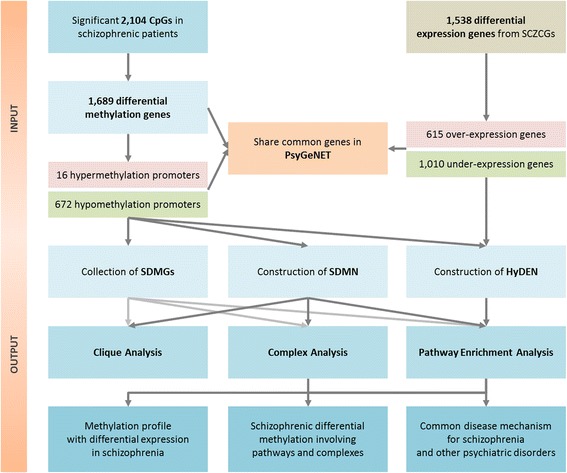
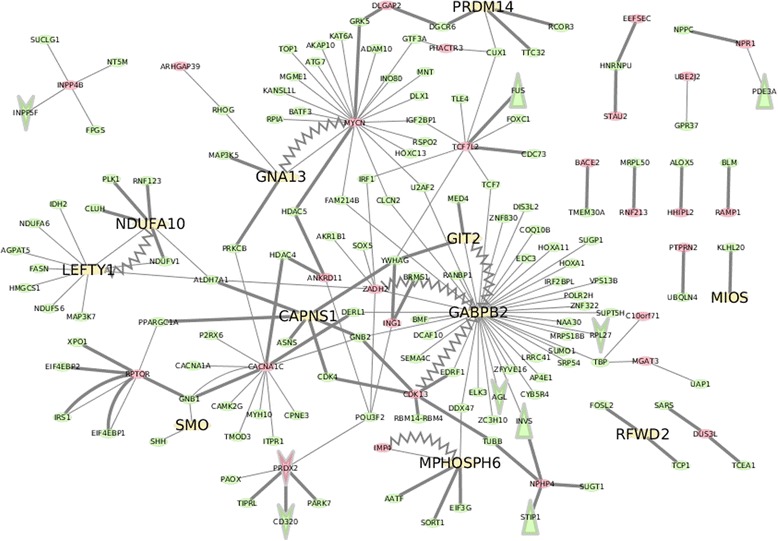
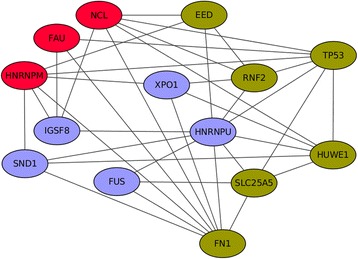
BACKGROUND: Epigenetics of schizophrenia provides important information on how the environmental factors affect the genetic architecture of the disease. DNA methylation plays a pivotal role in etiology for schizophrenia. Previous studies have focused mostly on the discovery of schizophrenia-associated SNPs or genetic variants. As postmortem brain samples became available, more and more recent studies surveyed transcriptomics of the diseases. In this study, we constructed protein-protein interaction (PPI) network using the disease associated SNP (or genetic variants), differentially expressed disease genes and differentially methylated disease genes (or promoters). By combining the different datasets and topological analyses of the PPI network, we established a more comprehensive understanding of the development and genetics of this devastating mental illness. RESULTS: We analyzed the previously published DNA methylation profiles of prefrontal cortex from 335 healthy controls and 191 schizophrenic patients. These datasets revealed 2014 CpGs identified as GWAS risk loci with the differential methylation profile in schizophrenia, and 1689 schizophrenic differential methylated genes (SDMGs) identified with predominant hypomethylation. These SDMGs, combined with the PPIs of these genes, were constructed into the schizophrenic differential methylation network (SDMN). On the SDMN, there are 10 hypermethylated SDMGs, including GNA13, CAPNS1, GABPB2, GIT2, LEFTY1, NDUFA10, MIOS, MPHOSPH6, PRDM14 and RFWD2. The hypermethylation to differential expression network (HyDEN) were constructed to determine how the hypermethylated promoters regulate gene expression. The enrichment analyses of biochemical pathways in HyDEN, including TNF alpha, PDGFR-beta signaling, TGF beta Receptor, VEGFR1 and VEGFR2 signaling, regulation of telomerase, hepatocyte growth factor receptor signaling, ErbB1 downstream signaling and mTOR signaling pathway, suggested that the malfunctioning of these pathways contribute to the symptoms of schizophrenia. CONCLUSIONS: The epigenetic profiles of DNA differential methylation from schizophrenic brain samples were investigated to understand the regulatory roles of SDMGs. The SDMGs interplays with SCZCGs in a coordinated fashion in the disease mechanism of schizophrenia. The protein complexes and pathways involved in SDMN may be responsible for the etiology and potential treatment targets. The SDMG promoters are predominantly hypomethylated. Increasing methylation on these promoters is proposed as a novel therapeutic approach for schizophrenia.
Overview
The claims and statistics of this paper haven’t been checked yet.
Free: it reads the open-access text and checks the first 5 claims that cite a source we can check. Create a free account to check every claim.
Integrity signals
Registry
Cites
Statistics
Figures
Verification
Claims the paper makes
The claims and statistics of this paper haven’t been checked yet.
Free: it reads the open-access text and checks the first 5 claims that cite a source we can check. Create a free account to check every claim.
Claims other papers make about this one
Each is checked against this paper’s own text: does it say what the citing paper says it does?
In the citing paper
“Broadly disrupted DNA methylation profiles are also reported in SZ PFC 199.”
From Mechanisms of synaptic transmission dysregulation in the prefrontal cortex: pathophysiological implications (2022) · cites this paper as [199]
Self-check
Percentages, sums and reported differences re-computed from the paper’s own numbers.
The self-check needs the paper’s full text.
Citations
Cites
Cytoscape: A software Environment for integrated models of biomolecular interaction networks
Shannon, P., Markiel, A., Ozier, O., Baliga, N. S., Wang, J. T., Ramage, D., Amin, N., Schwikowski, B., & Ideker, T. (2003) · Genome Research · doi:10.1101/gr.1239303 · Cited by 51,888 · cited 12×
“It reveals that those vital mental illnesses in PsyGeNET may share common marker genes with the SCZCGs.”
BackgroundMethodInfluentialBioGRID: a general repository for interaction datasets
Stark, C. (2006) · Nucleic Acids Research · doi:10.1093/nar/gkj109 · Cited by 3,960 · cited 3×
“collects BIND [26], BioGRID [27], CTD [28], DIP [29],”
BackgroundPhosphoSitePlus, 2014: mutations, PTMs and recalibrations
Hornbeck, P. V., Zhang, B., Murray, B., Kornhauser, J. M., Latham, V., & Skrzypek, E. (2015) · Nucleic Acids Research · doi:10.1093/nar/gku1267 · Cited by 3,411 · cited 3×
“Hornbeck PV, et al. PhosphoSitePlus, 2014: mutations, PTMs and recalibrations.”
BackgroundCaspi, R., Billington, R., Ferrer, L., Foerster, H., Fulcher, C. A., Keseler, I. M., Kothari, A., Krummenacker, M., Latendresse, M., Mueller, L. A., et al. (2016) · Nucleic Acids Research · doi:10.1093/nar/gkv1164 · Cited by 3,395
Data, information, knowledge and principle: back to metabolism in KEGG
Kanehisa, M., Goto, S., Sato, Y., Kawashima, M., Furumichi, M., & Tanabe, M. (2014) · Nucleic Acids Research · doi:10.1093/nar/gkt1076 · Cited by 3,092 · cited 3×
“Kanehisa M, et al. Data, information, knowledge and principle: back to metabolism in KEGG.”
BackgroundBird, A. (2007) · Nature · doi:10.1038/nature05913 · Cited by 3,011
A Human Protein-Protein Interaction Network: A Resource for Annotating the Proteome
Stelzl, U., Worm, U., Lalowski, M., Haenig, C., Brembeck, F. H., Goehler, H., Stroedicke, M., Zenkner, M., Schoenherr, A., Koeppen, S., et al. (2005) · Cell · doi:10.1016/j.cell.2005.08.029 · Cited by 2,387 · cited 1×
“interacts with TP53, which has imporatnt biological functions in schizophrenia pathology [65].”
BackgroundDrugBank 4.0: shedding new light on drug metabolism
Law, V., Knox, C., Djoumbou, Y., Jewison, T., Guo, A. C., Liu, Y., Maciejewski, A., Arndt, D., Wilson, M., Neveu, V., et al. (2014) · Nucleic Acids Research · doi:10.1093/nar/gkt1068 · Cited by 1,993 · cited 3×
“MiRTarBase [41], DrugBank [42], Recon 2 [43], and WikiPathways databases [44] contain 34,661 molecular”
BackgroundInfluentialStability and flexibility of epigenetic gene regulation in mammalian development
Reik, W. (2007) · Nature · doi:10.1038/nature05918 · Cited by 1,963 · cited 1×
“fers long-term epigenetic silencing which could be reprogrammed by demethylation of DNA repair [98].”
BackgroundThe MIntAct project—IntAct as a common curation platform for 11 molecular interaction databases
Orchard, S., Ammari, M., Aranda, B., Breuza, L., Briganti, L., Broackes-Carter, F., Campbell, N. H., Chavali, G., Chen, C., del-Toro, N., et al. (2014) · Nucleic Acids Research · doi:10.1093/nar/gkt1115 · Cited by 1,831 · cited 3×
“Orchard S, et al. The MIntAct project–IntAct as a common curation platform for 11 molecular interaction databases.”
Background
Cited by
Yan, Z., & Rein, B. (2022) · Molecular Psychiatry · doi:10.1038/s41380-021-01092-3 · Cited by 300
Pisanu, C., Papadima, E. M., Melis, C., Congiu, D., Loizedda, A., Orrù, N., Calza, S., Orrù, S., Carcassi, C., Severino, G., et al. (2019) · International Journal of Molecular Sciences · doi:10.3390/ijms20236040 · Cited by 44
“Previous studies have shown that CAPNS1 was underexpressed [30] and hypermethylated [31] in the prefrontal cortex of patients with SCZ compared to healthy controls.”
BackgroundZebrafish models of epigenetic regulation of CNS functions
Lakstygal, A. M., de Abreu, M. S., & Kalueff, A. V. (2018) · Brain Research Bulletin · doi:10.1016/j.brainresbull.2018.08.022 · Cited by 39
Milesi, M. M., Varayoud, J., Ramos, J. G., & Luque, E. H. (2017) · Molecular and Cellular Endocrinology · doi:10.1016/j.mce.2017.05.028 · Cited by 39
“…both hyper- and hypomethylation, appears to 501 play a complementary role in the developing of several diseases, like mental disorders or cancer, 502 and that the balance between both stages determines the global or predominant DNA methylation 503 status (Chan et al., 2005; Lee and Huang, 2016).”
Guerrero‐Bosagna, C., Pértille, F., Gómez, Y., Rezaei, S., Gebhardt‐Henrich, S. G., Vögeli, S., Stratmann, A., Voelkl, B., & Toscano, M. J. (2020) · Comparative Biochemistry and Physiology Part D Genomics and Proteomics · doi:10.1016/j.cbd.2020.100700 · Cited by 42
“Interestingly, RFWD2, which is hypermethylated in the promoter regions of low entropy chickens (Suppl Table S5), is also hypermethylated in the prefrontal cortex (the mammalian equivalent to the bird nidopallium) of schizophrenia human patients [65].”
BackgroundAging-related modifications to G protein-coupled receptor signaling diversity
van Gastel, J., Leysen, H., Boddaert, J., Vangenechten, L., Luttrell, L. M., Martin, B., & Maudsley, S. R. (2020) · Pharmacology & Therapeutics · doi:10.1016/j.pharmthera.2020.107793 · Cited by 32
Deciphering Depression: Epigenetic Mechanisms and Treatment Strategies
Aljabali, A. A. A., Alkaraki, A. K., Gammoh, O., Tambuwala, M. M., Mishra, V. K., Mishra, Y., Hassan, S. S., & El‐Tanani, M. (2024) · Biology · doi:10.3390/biology13080638 · Cited by 33
Research Progress on the Correlation Between Epigenetics and Schizophrenia
Chen, Q., Li, D., Jin, W., Shi, Y., Li, Z., Ma, P., Sun, J., Chen, S., Li, P., & Lin, P. (2021) · Frontiers in Neuroscience · doi:10.3389/fnins.2021.688727 · Cited by 30
Venugopal, D., Shivakumar, V., Subbanna, M., Kalmady, S. V., Amaresha, A. C., Agarwal, S. M., Narayanaswamy, J. C., Banerjee, M., Debnath, M., & Venkatasubramanian, G. (2018) · Journal of Psychiatric Research · doi:10.1016/j.jpsychires.2018.07.002 · Cited by 29
van der Merwe, C., Jahanshad, N., Cheung, J. W., Mufford, M. S., Groenewold, N. A., Koen, N., Ramesar, R., Dalvie, S., Knowles, J. A., Hibar, D. P., et al. (2018) · Journal of Affective Disorders · doi:10.1016/j.jad.2018.11.082 · Cited by 30
The Relaxin-3 Receptor, RXFP3, Is a Modulator of Aging-Related Disease
Leysen, H., Walter, D., Clauwaert, L., Hellemans, L., van Gastel, J., Vasudevan, L., Martin, B., & Maudsley, S. R. (2022) · International Journal of Molecular Sciences · doi:10.3390/ijms23084387 · Cited by 20
Cataloging Recent Advances in Epigenetic Alterations in Major Mental Disorders and Autism
Abdolmaleky, H. M., Zhou, J., & Thiagalingam, S. (2021) · Epigenomics · doi:10.2217/epi-2021-0074 · Cited by 21
Moghadam, B. T., Etemadikhah, M., Rajkowska, G., Stockmeier, C. A., Grabherr, M. G., Komorowski, J., Feuk, L., & Carlström, E. L. (2019) · Journal of Psychiatric Research · doi:10.1016/j.jpsychires.2019.04.001 · Cited by 20
“Several methylation studies in brain tissue from subjects diagnosed with schizophrenia have been published during the last years using this technology (Gagliano et al. 2016; Lee and Huang 2016; McKinney et al. 2017; Montano et al. 2016; Ruzicka, Subburaju, and Benes 2017).”
MethodAlfimova, M. V., Kondratiev, N. V., Golov, A. K., & Golimbet, V. E. (2018) · Molecular Biology · doi:10.1134/s0026893318050023 · Cited by 16
van Gastel, J., Hendrickx, J. O., Leysen, H., Martin, B., Veenker, L., Beuning, S., Coppens, V., Morrens, M., & Maudsley, S. R. (2019) · Methods in molecular biology · doi:10.1007/978-1-4939-9554-7_39 · Cited by 17
Integrative In Silico Analysis of Genome-Wide DNA Methylation Profiles in Schizophrenia
Forero, D. A., & González‐Giraldo, Y. (2020) · Journal of Molecular Neuroscience · doi:10.1007/s12031-020-01585-w · Cited by 16
“Previously, Lee et al. extracted significant genes from a single EWAS for SZ and explored their convergence with other datasets (Lee and Huang 2016).”
BackgroundLizano, P. L., Lutz, O., Ling, G., Padmanabhan, J. L., Tandon, N., Sweeney, J. A., Tamminga, C. A., Pearlson, G. D., Ruaño, G., Kocherla, M., et al. (2018) · Translational Psychiatry · doi:10.1038/s41398-018-0271-y · Cited by 16
Li, Y., Wang, K., Zhang, P., Huang, J., An, H., Wang, N., Yang, F. D., Wang, Z., Tan, S., Chen, S., et al. (2018) · Scientific Reports · doi:10.1038/s41598-018-35718-4 · Cited by 15
Алфимова, М. В., Кондратьев, Н. В., Golov, A. K., & Голимбет, В. Е. (2018) · Molecular Biology · doi:10.1134/s0026898418050026 · Cited by 13
Niego, A., & Benítez‐Burraco, A. (2020) · Autism · doi:10.1177/1362361320965074 · Cited by 13
Rittenhouse, A., Ortiz-Miranda, S., & Jurczyk, A. (2021) · Neuronal Signaling · doi:10.1042/ns20180122 · Cited by 10
“Also important accessory channel subunits were identified including CACNB2, CACNA2D1 [5,6,132–134], CACNG4, CACNG5, CACNG6, and CACNG8 [135–141].”
Epigenetics and Pharmacoepigenetics of Neurodevelopmental and Neuropsychiatric Disorders
Cacabelos, R. (2019) · Elsevier eBooks · doi:10.1016/b978-0-12-813939-4.00022-x · Cited by 13
Altered Expression of a Unique Set of Genes Reveals Complex Etiology of Schizophrenia
Kumar, A., Singh, H. N., Pareek, V., Raza, K., Pavan, K., Faiq, M. A., Mochan, S., Dantham, S., & Upadhyaya, A. D. (2019) · Frontiers in Psychiatry · doi:10.3389/fpsyt.2019.00906 · Cited by 16
Intersection of the Orphan G Protein-Coupled Receptor, GPR19, with the Aging Process
Maudsley, S. R., Walter, D., Schrauwen, C., Loon, N. V., Harputluoğlu, İ., Lenaerts, J., & McDonald, P. H. (2022) · International Journal of Molecular Sciences · doi:10.3390/ijms232113598 · Cited by 9
Altered DNA methylation of CYP2E1 gene in schizophrenia patients with tardive dyskinesia
Zhang, P., Li, Y., Wang, K., Huang, J., Su, B., Xu, C. D., Wang, Z., Tan, S., Yang, F., & Tan, Y. (2022) · BMC Medical Genomics · doi:10.1186/s12920-022-01404-8 · Cited by 9
Loureiro, C. M., Fachim, H., Zuelli, F. M. D. G. C., Shuhama, R., Menezes, P. R., Dalton, C., Del‐Ben, C. M., Reynolds, G. P., & Louzada‐Júnior, P. (2021) · Epigenomics · doi:10.2217/epi-2020-0451 · Cited by 10
Zhong, G., Fang, Z., Sun, T., Ying, M., Wang, A., Chen, Y., Wang, H., Ma, C., Wang, C., Ge, R., et al. (2024) · Biochimica et Biophysica Acta (BBA) - Molecular Basis of Disease · doi:10.1016/j.bbadis.2024.167319 · Cited by 5
Modified Electroconvulsive Therapy Normalizes Plasma GNA13 Following Schizophrenic Relapse
Zhang, H., Li, H., Yu, M., Yu, M., Feng, S., Tingting, W., Yu, Y., Zhang, J. C., Liu, K., Tan, Y., et al. (2024) · Journal of Ect · doi:10.1097/yct.0000000000001050 · Cited by 4
Ketharanathan, T., Pereira, A., & Sundram, S. (2024) · Schizophrenia · doi:10.1038/s41537-024-00488-8 · Cited by 3
“Speci fi cally, two ligands, neuregulin1 24 – 27 and EGF 23,28 , their respective cognate receptors, ErbB4 24,25,29 and ErbB1 (EGFR) 21,23 and downstream signalling molecules 30,31 have been implicated.”
BackgroundCiobanu, A. M., Geza, L., David, I. G., Popa, D. E., Buleandră, M., Ciucu, A. A., & Dehelean, L. (2021) · Experimental and Therapeutic Medicine · doi:10.3892/etm.2021.10320 · Cited by 4
“Studies have shown the presence of the following biomarkers in CSF from the patients diagnosed with schizophrenia: Fibronectin 1 (FN1) (9), glutathione peroxidase 1 (GPX1) (26,27), chromogranin A (CHGA) (28,29), immunoglobulin superfamily member 8 (IGSF8) (30), microtubule‐associated protein 2 (MAP2) (31,32), neurofas…”
BackgroundPyrosequencing analysis of IRS1 methylation levels in schizophrenia with tardive dyskinesia
Li, Y., Wang, K., Zhang, P., Huang, J., Liu, Y., Wang, Z., Lu, Y., Tan, S., Yang, F., & Tan, Y. (2020) · Molecular Medicine Reports · doi:10.3892/mmr.2020.10984 · Cited by 4
“Previously, several studies have reported the association between dna methylation and ScZ (8-12) and Td (13,14).”
BackgroundGlial changes in schizophrenia: Genetic and epigenetic approach
Ramos-Rosales, D. F., Vázquez-Alaníz, F., Norma, E., Madai, M.-H. E., & Marcelo, B. (2022) · Indian Journal of Psychiatry · doi:10.4103/indianjpsychiatry.indianjpsychiatry_104_21 · Cited by 3
“[33] Another notable feature in SCZ is the decreased density in cortical layer III oligodendrocytes and a decrease in the white matter in schizophrenic human brains; [43] this progressive reduction of white matter has been associated with greater negative SCZ symptom severity.”
Genome-wide DNA methylation analysis in schizophrenia with tardive dyskinesia: a preliminary study
Zhang, P., Lu, Y., Li, Y., Wang, K., An, H., & Tan, Y. (2023) · Genes & Genomics · doi:10.1007/s13258-023-01414-5 · Cited by 2
“1 3 Previous studies have investigated the genome-wide DNA methylation profiling for SCZ (Nishioka et al. 2012; Wockner et al. 2014; Hannon et al. 2016; Lee and Huang 2016; Forero et al. 2020; Li et al. 2021a, b, c; Shen et al. 2021).”
BackgroundResult2016 update on APBioNet’s annual international conference on bioinformatics (InCoB)
Schönbach, C., Verma, C. S., Wee, L. J., Bond, P. J., & Ranganathan, S. (2016) · BMC Genomics · doi:10.1186/s12864-016-3362-2 · Cited by 2
Andirkó, A., & Boeckx, C. A. (2019) · bioRxiv (Cold Spring Harbor Laboratory) · doi:10.1101/771816 · Cited by 2
Sorlí, J. V., Ortega‐Azorín, C., Coltell, Ó., Fernández-Carrión, R., Asensio, E. M., Portolés, O., Fidalgo, J. A. P., Sabio, J. B. R., Saiz, J. G., Costa, J. A., et al. (2025) · Nutrients · doi:10.3390/nu17233791 · Cited by 2
“…new studies with multidisciplinary teams are needed to extend these findings and better understand the relationship between personality traits, adherence to the Mediterranean diet, and their genetic and environmental modulations, thereby advancing the emerging field of precision nutrition.”
Transcriptome Analysis of Systems Biology for Schizophrenia
Huang, K.-C., Tsao, T. T.-H., Wang, T., & Lee, S. (2016) · InTech eBooks · doi:10.5772/66864 · Cited by 1
“However, the top-ranked complexes represented in SDMGs include SRB/MED-containing cofactor complex (SMCC complex), mediator complex, Nop56p-associated pre-rRNA complex, CDC5L complex, CF IIAm complex, and 55S mitochondrial ribosome complex [65].”
Self-citationEpigenetics in mental and neurodegenerative disorders: The unusual suspects
Iatrou (2018) · Research Publications (Maastricht University) · doi:10.26481/dis.20180712ai · Cited by 1
Laere, E., Chow, T. J., Tang, P. Y., Loh, S. Y., Yong, H.-S., Kadir, A. K. A., Bakar, A. B. A., & Tee, S. F. (2020) · Sains Malaysiana · doi:10.17576/jsm-2020-4903-18
Loci Associated with Postpartum Depression: A Genome-Wide Association StudyPreprint
Tomita, H., Li, X., Takahashi, N., Narita, A., Nakamura, Y., Sakurai‐Yageta, M., Murakami, K., Ishikuro, M., Obara, T., Kikuya, M., et al. (2023) · Research Square · doi:10.21203/rs.3.rs-2612367/v1
Tissue-specific atlas of trans-models for gene regulation elucidates complex regulation patterns
D’Agostino, R. D., & Gottlieb, A. (2024) · BMC Genomics · doi:10.1186/s12864-024-10317-y
“Finally, PRDM14 has key role in modulating specific regulatory functions in schizophrenia [49], suggesting a possible mechanism for these three TFs to affect these conditions through NDUFV1.”
BackgroundHypotheses of the Pathophysiology of Schizophrenia Spectrum Disorders
Gallo, M. B. C. (2024) · Springer eBooks · doi:10.1007/978-3-031-59028-3_1 · Cited by 1
Gallego, J. A., Palade, J., Alsop, E. B., Hutchins, E. D., Hsieh, M., Logerman, A., Bilagody, C., Reiman, R. A., Meechoovet, B., Terraf, P., et al. (2025) · medRxiv · doi:10.1101/2025.01.31.25321299 · Cited by 1
Epigenetics and pharmacoepigenetics of neuropsychiatric disorders
Cacabelos, R., Cacabelos, N., Iglesias, O.-M., Tellado, I., & Naidoo, V. (2025) · Elsevier eBooks · doi:10.1016/b978-0-443-18722-3.00020-7
Fan, R., Pu, J., Zhang, J., Yu, M., Wang, T., Geng, X., Dong, W., Ma, R., Wang, B., Wu, J., et al. (2025) · Schizophrenia Bulletin · doi:10.1093/schbul/sbaf131
Transcription Factors in the Pathogenesis of Schizophrenia
Helaly, A. M., & Al‐Emam, A. (2026) · Life · doi:10.3390/life16050773
“PRDM14 promoter is hypermethylated in a large-scale SCZ population [131].”
Casas, B. S., Acevedo, E., Maluenda, M., Celis, R., Letelier-Naritelli, C., Pola-Véliz, V., Rehen, S. K., Palma, V., & Montecino, M. A. (2026) · bioRxiv (Cold Spring Harbor Laboratory) · doi:10.64898/2026.08.14.744920
“Importantly, many of these altered processes overlap with differentially methylated patterns at gene regulatory sequences observed both in postmortem brain samples and in peripheral cells from SZ [21, 22].”
Metadata
- Authors
- Lee, S.-A., & Huang, K.-C.
- Affiliations
- Kainan University (TW)
- Tri-Service General Hospital (TW)
- Corresponding author
- Huang, Kuo-Chuan
- ORCID
- Lee, Sheng-An
- Venue
- BMC Medical Genomics
- Published
- 2016-12
- Volume
- 9
- Issue
- S3
- Pages
- 68-68
- ISSN
- 1755-8794 (ISSN-L)
- PMC
- PMC5260790
- OpenAlex
- W2559857311
- Semantic Scholar
- 9d144675fafba95df426f30e0b2e36a24858a0e0
- Cited by
- 46
- References
- 126
- Citations by year
- 2026: 1 · 2025: 4 · 2024: 6 · 2023: 2 · 2022: 4 · 2021: 6 · 2020: 6 · 2019: 6 · 2018: 8 · 2017: 1 · 2016: 2
- FWCI
- 2.94
- Type
- journal article
- Language
- en
- Open access
- gold
- doi.org
- Licence
- cc-by
- Locations
- BMC Medical Genomics (publishedVersion, cc-by)
- Europe PMC (PubMed Central) (publishedVersion, cc-by)
- PubMed Central (publishedVersion, cc-by)
- PubMed (publishedVersion)
- Funders
- Ministry of Science and Technology, Taiwan (MOST105-2221-E424-004)
- Tri-Service General Hospital
- Topics
- Life Sciences › Biochemistry, Genetics and Molecular Biology › Molecular Biology › Epigenetics and DNA Methylation
- Health Sciences › Medicine › Psychiatry and Mental health › Schizophrenia research and treatment
- Life Sciences › Biochemistry, Genetics and Molecular Biology › Molecular Biology › Bioinformatics and Genomic Networks
- Keywords
- schizophrenia, DNA methylation, differentially methylated genes, prefrontal cortex, protein-protein interaction network, hypermethylation, hypomethylation, promoter methylation, gene expression regulation, GWAS risk loci, schizophrenia candidate genes, signaling pathways, therapeutic target
- MeSH terms
- Brain, Humans, Schizophrenia, DNA Methylation, Polymorphism, Single Nucleotide, Gene Expression Profiling, Epigenesis, Genetic, Protein Interaction Maps
About these checks
Registry, retraction, Cites and statistics results are computed, not judged, with one exception: a printed reference that no index lists is read once by a model before it counts as a citation error. Claims are extracted by a model and kept only when their quote appears verbatim in the text; each cited source is then checked, with a model’s help, for whether it says what the claim relies on. Those verdicts can be wrong — read the claim’s quote and the cited source before relying on one.
Statistics and arithmetic are recomputed, not judged.
Confidence bands are shown only for fields calibrated on our annotated test set. None is calibrated yet, so no band is shown.
What counts as a claim ›How we measure confidence ›How we check this ›
Are you an author, or do you see a problem with this page? Request a review
Data sources
Bibliographic data: Semantic Scholar, OpenAlex, Crossref.
Contains information from the Semantic Scholar Academic Graph Datasets, made available under the ODC Attribution License (ODC-BY 1.0).
Semantic Scholar’s data is described in: Kinney, R., et al. (2023). The Semantic Scholar Open Data Platform. arXiv:2301.10140.
