

PDGF-BB regulates the pulmonary vascular tone: impact of prostaglandins, calcium, MAPK- and PI3K/AKT/mTOR signalling and actin polymerisation in pulmonary veins of guinea pigs
Open accessThe DOI matches its Crossref record; 136 of the 138 references it cites were found in a registry or an index.
Abstract
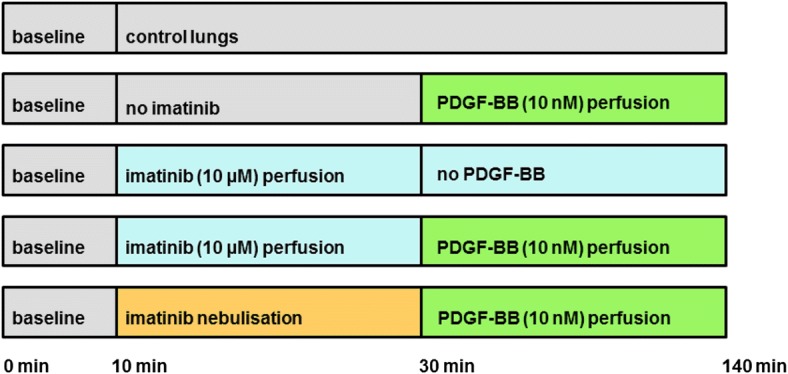
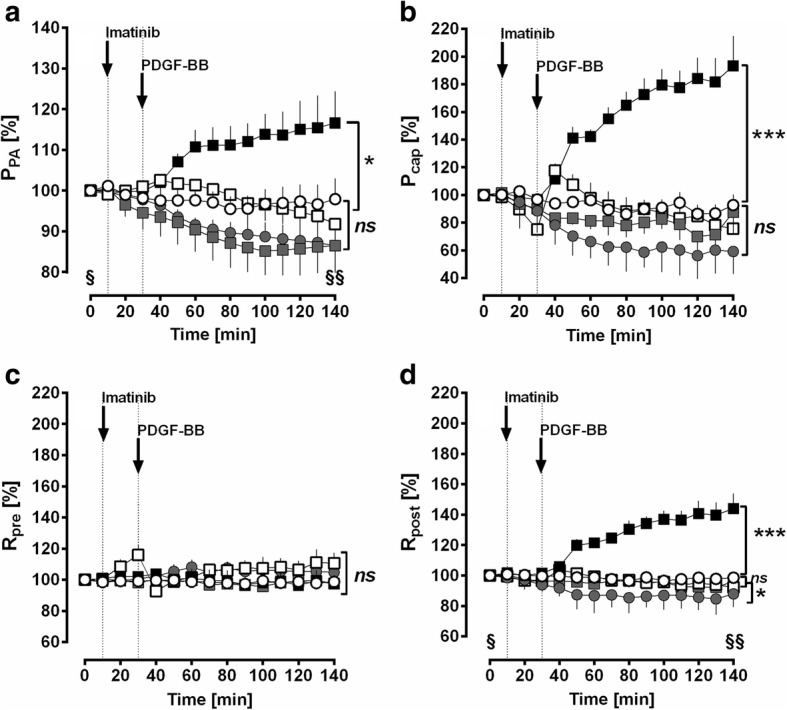
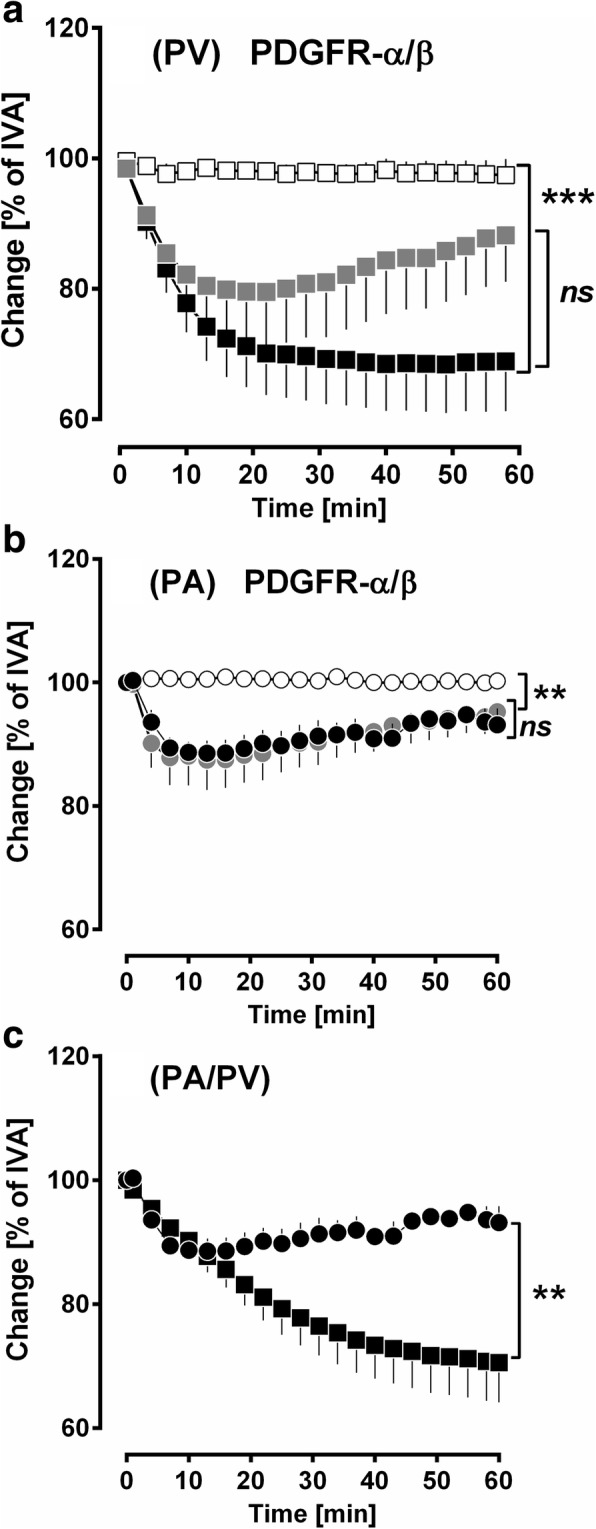
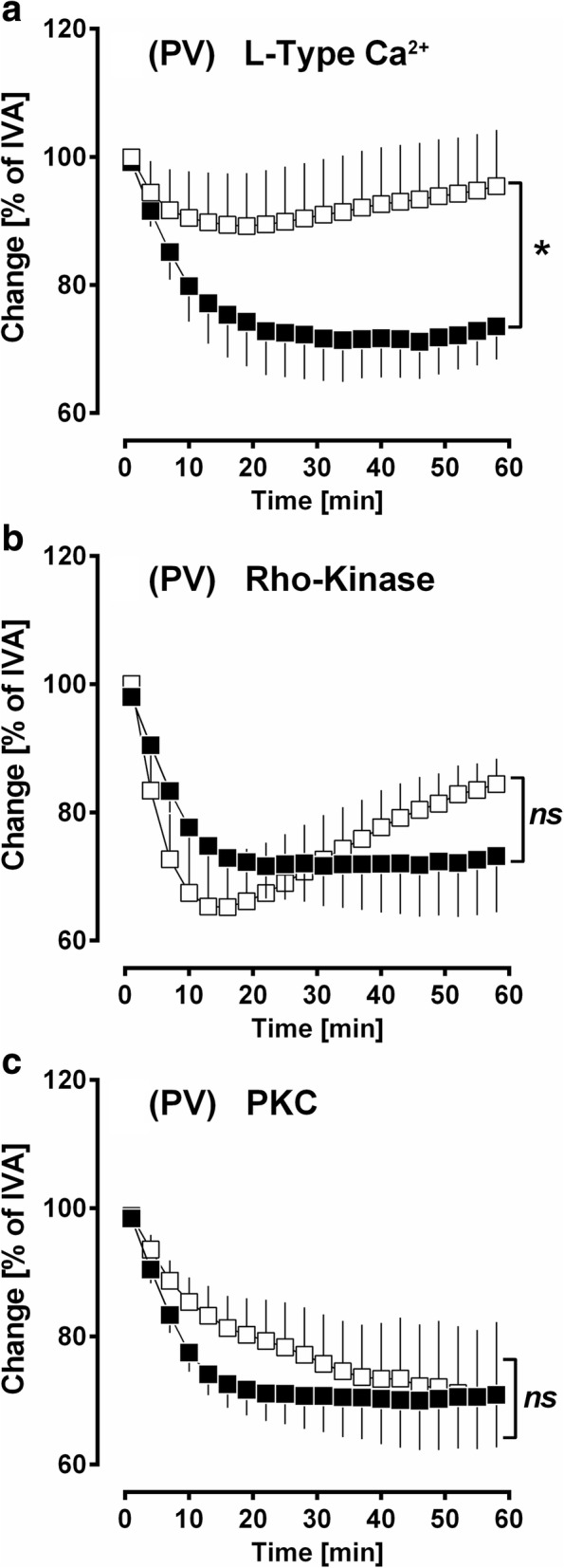
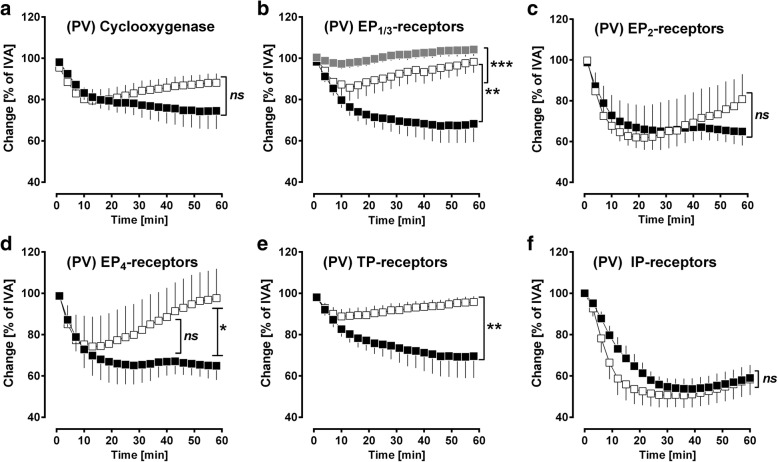
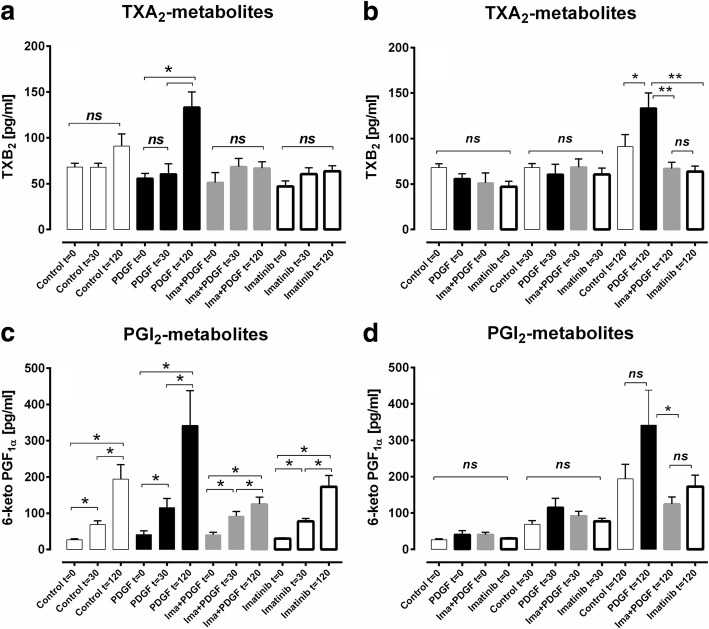
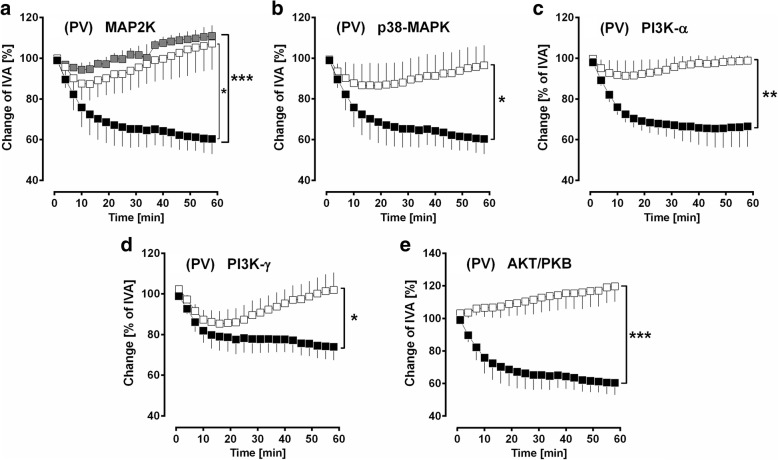
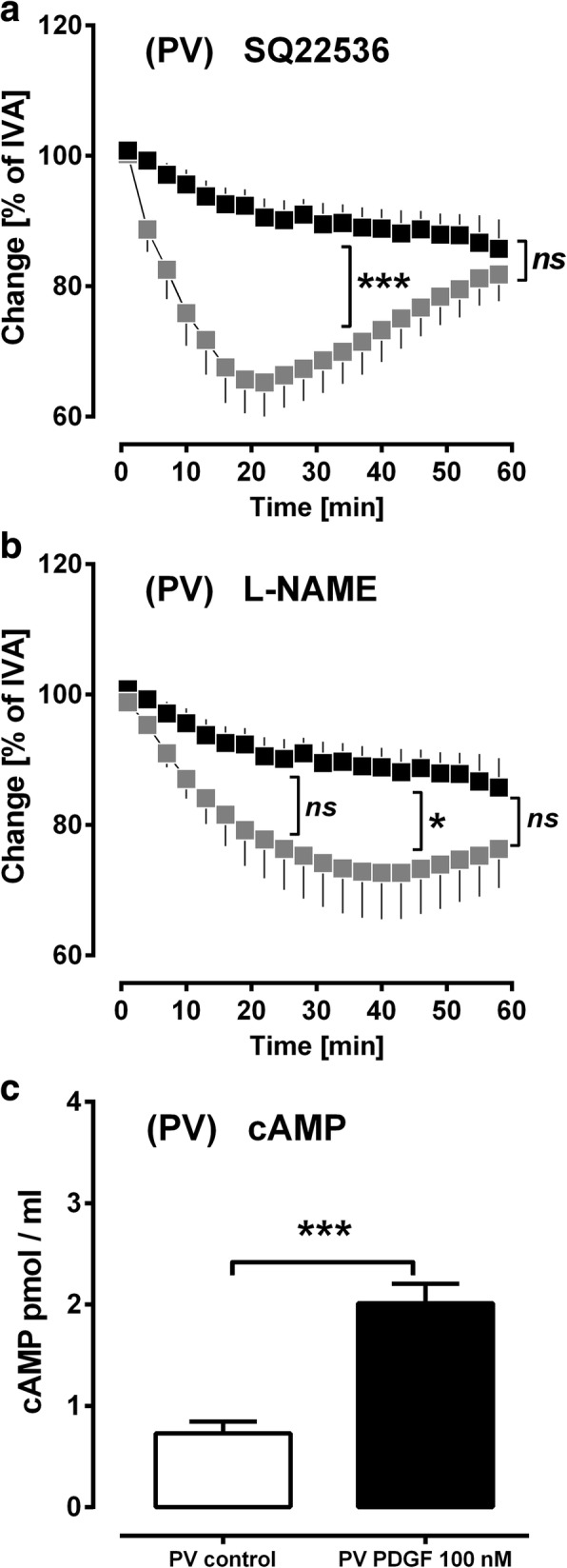
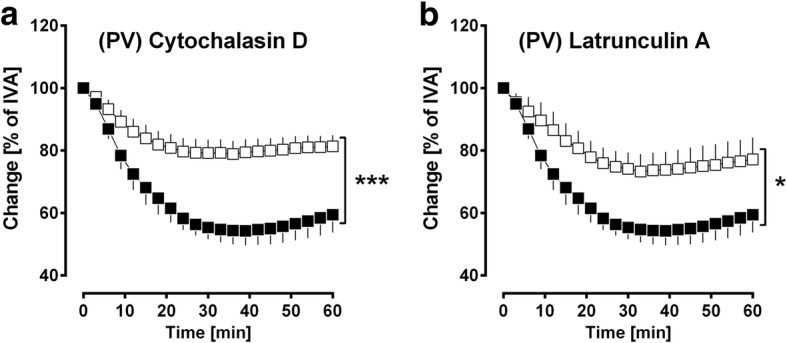
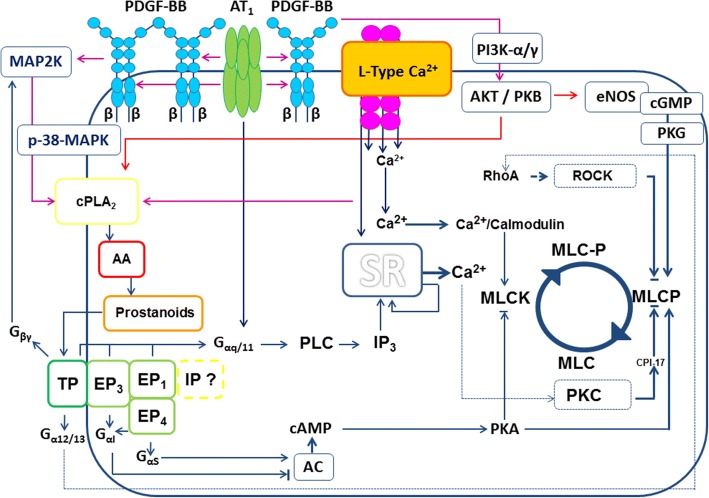
Platelet-derived growth factor (PDGF)-BB and its receptor PDGFR are highly expressed in pulmonary hypertension (PH) and mediate proliferation. Recently, we showed that PDGF-BB contracts pulmonary veins (PVs) and that this contraction is prevented by inhibition of PDGFR-β (imatinib/SU6668). Here, we studied PDGF-BB-induced contraction and downstream-signalling in isolated perfused lungs (IPL) and precision-cut lung slices (PCLS) of guinea pigs (GPs). In IPLs, PDGF-BB was perfused after or without pre-treatment with imatinib (perfused/nebulised), the effects on the pulmonary arterial pressure (P PA ), the left atrial pressure (P LA ) and the capillary pressure (P cap ) were studied and the precapillary (R pre ) and postcapillary resistance (R post ) were calculated. Perfusate samples were analysed (ELISA) to detect the PDGF-BB-induced release of prostaglandin metabolites (TXA 2 /PGI 2 ). In PCLS, the contractile effect of PDGF-BB was evaluated in pulmonary arteries (PAs) and PVs. In PVs, PDGF-BB-induced contraction was studied after inhibition of PDGFR-α/β, L-Type Ca 2+ -channels, ROCK/PKC, prostaglandin receptors, MAP2K, p38-MAPK, PI3K-α/γ, AKT/PKB, actin polymerisation, adenyl cyclase and NO. Changes of the vascular tone were measured by videomicroscopy. In PVs, intracellular cAMP was measured by ELISA. In IPLs, PDGF-BB increased P PA , P cap and R post . In contrast, PDGF-BB had no effect if lungs were pre-treated with imatinib (perfused/nebulised). In PCLS, PDGF-BB significantly contracted PVs/PAs which was blocked by the PDGFR-β antagonist SU6668. In PVs, inhibition of actin polymerisation and inhibition of L-Type Ca 2+ -channels reduced PDGF-BB-induced contraction, whereas inhibition of ROCK/PKC had no effect. Blocking of EP 1/3 - and TP-receptors or inhibition of MAP2K-, p38-MAPK-, PI3K-α/γ- and AKT/PKB-signalling prevented PDGF-BB-induced contraction, whereas inhibition of EP 4 only slightly reduced it. Accordingly, PDGF-BB increased TXA 2 in the perfusate, whereas PGI 2 was increased in all groups after 120 min and inhibition of IP-receptors did not enhance PDGF-BB-induced contraction. Moreover, PDGF-BB increased cAMP in PVs and inhibition of adenyl cyclase enhanced PDGF-BB-induced contraction, whereas inhibition of NO-formation only slightly increased it. PDGF-BB/PDGFR regulates the pulmonary vascular tone by the generation of prostaglandins, the increase of calcium, the activation of MAPK- or PI3K/AKT/mTOR signalling and actin remodelling. More insights in PDGF-BB downstream-signalling may contribute to develop new therapeutics for PH.
Overview
The claims and statistics of this paper haven’t been checked yet.
Free: it reads the open-access text and checks the first 5 claims that cite a source we can check. Create a free account to check every claim.
Integrity signals
Registry
Cites
Statistics
Figures
Verification
Claims the paper makes
The claims and statistics of this paper haven’t been checked yet.
Free: it reads the open-access text and checks the first 5 claims that cite a source we can check. Create a free account to check every claim.
Claims other papers make about this one
Each is checked against this paper’s own text: does it say what the citing paper says it does?
The source backs part of the claim, not all of it — or backs it for a different population, condition or comparison.
In the citing paper
“PDGF binds to its receptors, particularly PDGFRα and PDGFRβ, on the surface of fibroblasts and smooth muscle cells in the penile tissue.This binding activates intracellular signaling pathways, such as the mitogen-activated protein kinase (MAPK) pathway and the PI3K (phosphatidylinositol 3-kinase)/Akt pathway, which promote fibroblast proliferation and migration.”
From Research advances in Peyronie's disease: a comprehensive review on genomics, pathways, phenotypic manifestation, and therapeutic targets. (2024) · cites this paper as [58]
Experimental — accuracy not yet measured
Self-check
Percentages, sums and reported differences re-computed from the paper’s own numbers.
The self-check needs the paper’s full text.
Citations
Cites
Mizgerd, J. P., Kubo, H., Kutkoski, G. J., Bhagwan, S. D., Scharffetter-Kochanek, K., Beaudet, A. L., & Doerschuk, C. M. (1997) · The Journal of Experimental Medicine · doi:10.1084/jem.186.8.1357 · Cited by 7,306
Alessi, D. R., Cuenda, A., Cohen, P., Dudley, D. T., & Saltiel, A. R. (1995) · Journal of Biological Chemistry · doi:10.1074/jbc.270.46.27489 · Cited by 3,393 · cited 1×
“[51]; MAP2K: 5 μM U0126 (IC50: 58–72 nM) [52]; p38-MAPK: 5 μM SB203580 (IC50: 0.”
Identification of a Novel Inhibitor of Mitogen-activated Protein Kinase Kinase
Favata, M. F., Horiuchi, K. Y., Manos, E. J., Daulerio, A. J., Stradley, D. A., Feeser, W. S., Van Dyk, D. E., Pitts, W. J., Earl, R. A., Hobbs, F., et al. (1998) · Journal of Biological Chemistry · doi:10.1074/jbc.273.29.18623 · Cited by 3,015 · cited 1×
“[51]; MAP2K: 5 μM U0126 (IC50: 58–72 nM) [52]; p38-MAPK: 5 μM SB203580 (IC50: 0.”
Role of platelet-derived growth factors in physiology and medicine
Andrae, J., Gallini, R., & Betsholtz, C. (2008) · Genes & Development · doi:10.1101/gad.1653708 · Cited by 2,438 · cited 7×
“PDGFR-α is involved in organogenesis (lungs, skin, gonads or central nervous system), whereas PDGFR-β is responsible for the formation of vessel [3] and for proliferation in pulmonary vascular remodelling [1].”
BackgroundInfluentialACCF/AHA 2009 Expert Consensus Document on Pulmonary Hypertension
McLaughlin, V. V., Archer, S. L., Badesch, D. B., Barst, R. J., Farber, H. W., Lindner, J. R., Mathier, M. A., McGoon, M. D., Park, M. H., Rosenson, R. S., et al. (2009) · Journal of the American College of Cardiology · doi:10.1016/j.jacc.2009.01.004 · Cited by 2,360
(1995) · FEBS Letters · doi:10.1016/0014-5793(95)00357-f · Cited by 2,086 · cited 1×
“5 μM, for AKT/ PKB 3–5 μM) [53, 54]; PI3K-α: 100 nM GSK 1059625 (IC50: 2 nM); PI3K-γ: 100 nM AS252424 (IC50: 33 nM) [55]; AKT/PKB: 10 μM 10-DEBC (IC50: 2 μM) [56]; actin polymerisation: 10 μM cytochalasin D (IC50: 100 nM) [57] or 1 μM latrunculin A [58]; adenyl cyclase (AC): 100 μM SQ22536 (IC50: 1.”
Angiotensin II cell signaling: physiological and pathological effects in the cardiovascular system
Mehta, P. K., & Griendling, K. K. (2007) · American Journal of Physiology-Cell Physiology · doi:10.1152/ajpcell.00287.2006 · Cited by 1,924 · cited 1×
“transactivation of AT1-receptors and PDGFR [101] is described leading to the increase of calcium [134].”
BackgroundDiversity of group types, regulation, and function of phospholipase A2.
Dennis, E. A. (1994) · Journal of Biological Chemistry · doi:10.1016/s0021-9258(17)36794-7 · Cited by 1,436 · cited 1×
“Increased intracellular calcium-levels activate cPLA2 [19] leading to the formation of arachidonic acid (AA) [131].”
BackgroundO'Hare, T., Shakespeare, W. C., Zhu, X., Eide, C. A., Rivera, V. M., Wang, F., Adrian, L. T., Zhou, T., Huang, W.-S., Xu, Q., et al. (2009) · Cancer Cell · doi:10.1016/j.ccr.2009.09.028 · Cited by 1,259
Sugimoto, Y., & Narumiya, S. (2007) · Journal of Biological Chemistry · doi:10.1074/jbc.r600038200 · Cited by 1,196 · cited 10×
“Moreover, EP4-receptors also couple to Gαi representing the counter player of Gαs [25, 88].”
BackgroundInfluential
Cited by
Pandey, P., Khan, F., Upadhyay, T. K., Seungjoon, M., Park, M. N., & Kim, B. (2023) · Biomedicine & Pharmacotherapy · doi:10.1016/j.biopha.2023.114491 · Cited by 161
Pan, L., Cheng, Y., Yang, W., Wu, X., Zhu, H., Hu, M., Zhang, Y., & Zhang, M. (2023) · Inflammation · doi:10.1007/s10753-023-01825-2 · Cited by 157
Su, H., Xu, X., Yan, C., Shi, Y., Hu, Y., Dong, L., Ying, S., Ying, K., & Zhang, R. (2018) · Respiratory Research · doi:10.1186/s12931-018-0956-z · Cited by 108
Koziol‐White, C. J., Gebski, E. B., Cao, G., & Panettieri, R. A. (2024) · Respiratory Research · doi:10.1186/s12931-024-02855-6 · Cited by 85
Bailey, K. E., Pino, C. J., Lennon, M. L., Lyons, A. C., Jacot, J. G., Lammers, S. R., Königshoff, M., & Magin, C. M. (2019) · American Journal of Respiratory Cell and Molecular Biology · doi:10.1165/rcmb.2019-0232ma · Cited by 66
“Initial PLCS studies focused on airway constriction that is characteristic of asthma (7), and this technology has since been validated in studies of idiopathic pulmonary fibrosis (IPF) (8, 9), pulmonary hypertension (10, 11), and COPD (12, 13).”
BackgroundPathobiology of pulmonary artery hypertension: role of long non-coding RNAs
Zahid, K. R., Raza, U., Chen, J., Raj, U. J., & Gou, D. (2020) · Cardiovascular Research · doi:10.1093/cvr/cvaa050 · Cited by 66
Irisin promotes fracture healing by improving osteogenesis and angiogenesis
Kan, T., He, Z., Du, J., Xu, M., Cui, J., Han, X., Tong, D., Li, H., Yan, M., & Yu, Z. (2022) · Journal of Orthopaedic Translation · doi:10.1016/j.jot.2022.07.006 · Cited by 60
Skeleton-secreted PDGF-BB mediates arterial stiffening
Santhanam, L., Liu, G., Jandu, S., Su, W., Wodu, B. P., Savage, W., Poe, A., Liu, X., Alexander, L. M., Cao, X., et al. (2021) · Journal of Clinical Investigation · doi:10.1172/jci147116 · Cited by 49
“This is particularly interesting in this study, as PDGF-BB also acts as a 442 vasoconstrictor (75, 80, 81).”
BackgroundMargaroli, C., Benson, P. V., Sharma, N., Madison, M. C., Robison, S. W., Arora, N., Ton, K., Liang, Y., Zhang, L., Patel, R. P., et al. (2020) · Cell Reports Medicine · doi:10.1016/j.xcrm.2021.100242 · Cited by 63
Signaling pathways and targeted therapy for pulmonary hypertension
Adu‐Amankwaah, J., Shi, Y., Song, H., Ma, Y., Liu, J., Wang, H., Yuan, J., Sun, K., Hu, Q., & Tan, R. (2025) · Signal Transduction and Targeted Therapy · doi:10.1038/s41392-025-02287-8 · Cited by 63
Jiao, X., Yu, H., Du, Z., Li, L., Hu, C., Du, Y., Zhang, J., Zhang, X., Lv, Q., Li, F., et al. (2023) · Cardiovascular Research · doi:10.1093/cvr/cvad089 · Cited by 41
Halofuginone, a promising drug for treatment of pulmonary hypertension
Jain, P., Zhao, T., Xiong, M., Song, S., Lai, N., Zheng, Q., Chen, J., Carr, S. G., Babicheva, A., Izadi, A., et al. (2021) · British Journal of Pharmacology · doi:10.1111/bph.15442 · Cited by 39
Zhang, M., Chang, Z., Zhang, P., Jing, Z., Yan, L., Feng, J., Hu, Z., Xu, Q., Zhou, W. P., Ma, P., et al. (2019) · Chemico-Biological Interactions · doi:10.1016/j.cbi.2019.108749 · Cited by 35
Tyrosine kinase inhibitors relax pulmonary arteries in human and murine precision-cut lung slices
Rieg, A. D., Bünting, N. A., Cranen, C., Suleiman, S., Spillner, J. W., Schnöring, H., Schröder, T., von Stillfried, S. F., Braunschweig, T. A., Manley, P. W., et al. (2019) · Respiratory Research · doi:10.1186/s12931-019-1074-2 · Cited by 32
Self-citationSolinc, J., Ribot, J., Soubrier, F., Pavoine, C., Dierick, F., & Nadaud, S. (2022) · Life · doi:10.3390/life12050658 · Cited by 37
“This effect was mediated by the generation of prostaglandins, the increase in calcium and cAMP, the activation of MAPK or PI3K/AKT/mTOR signaling and actin remodeling [37].”
BackgroundNiu, Z., Lin, J., Hao, C., Xu, X., Wang, C., Dai, K., Deng, X., Deng, M., Guo, Y., & Yao, W. (2022) · International Journal of Environmental Research and Public Health · doi:10.3390/ijerph19148743 · Cited by 32
Mu, Z., He, Q., Xin, L., Li, Y., Yuan, S., Zou, H., Shu, L., Song, J., Huang, Y., & Chen, T. (2020) · PubMed · Cited by 31
Rieg, A. D., Suleiman, S., Bünting, N. A., Verjans, E., Spillner, J. W., Schnöring, H., Kalverkamp, S., Schröder, T., von Stillfried, S. F., Braunschweig, T. A., et al. (2020) · PLoS ONE · doi:10.1371/journal.pone.0233176 · Cited by 26
Self-citationPDGF-loaded microneedles promote tendon healing through p38/cyclin D1 pathway mediated angiogenesis
Liu, X., Li, Y., Wang, S., Lu, M., Zou, J., Shi, Z., Xu, B., Wang, W., Hu, B., Jin, T., et al. (2022) · Materials Today Bio · doi:10.1016/j.mtbio.2022.100428 · Cited by 27
Zhou, Z., Ma, X., Xiong, W., Ren, Z., Jiang, M., Deng, N.-H., Zhou, B.-B., Liu, H., Zhou, K., Hu, H.-J., et al. (2023) · Atherosclerosis · doi:10.1016/j.atherosclerosis.2023.117430 · Cited by 24
Chang, Z., Zhang, P., Zhang, M., Jun, F., Hu, Z., Yang, J., Wu, Y., & Zhou, R. (2019) · The Chinese Journal of Physiology · doi:10.4103/cjp.cjp_27_19 · Cited by 24
Jiang, F., Li, S., Jiang, Y., Chen, Z., Wang, T., & Liu, W. (2021) · Molecular Medicine Reports · doi:10.3892/mmr.2021.12044 · Cited by 30
NLRC3 inhibits MCT‐induced pulmonary hypertension in rats via attenuating PI3K activation
Zha, L., Zhou, J., Li, T., Luo, H., Zhang, M., Li, S., & Yu, Z. (2019) · Journal of Cellular Physiology · doi:10.1002/jcp.28255 · Cited by 23
“PDGF‐BB is a mitogenic and promigratory stimulus for PASMC proliferation and further promoting pulmonary vascular remodeling (Rieg et al., 2018; Schermuly et al., 2005).”
BackgroundDeng, L., Chen, J., Chen, B., Wang, T., Yang, L., Liao, J., Yi, J., Chen, Y., Wang, J., Linneman, J., et al. (2022) · American Journal of Respiratory Cell and Molecular Biology · doi:10.1165/rcmb.2020-0480oc · Cited by 22
Oikari, L. E., Yu, C., Okolicsanyi, R. K., Avgan, N., Peall, I. W., Griffiths, L. R., & Haupt, L. M. (2020) · Journal of Neuroscience Research · doi:10.1002/jnr.24666 · Cited by 20
“PDGF-B in contrast has been reported to induce Ca2+ signaling in cells, suggesting it may have the same effect in hNSC-derived neurons and potentially subtype specification (Egan, Wainwright, Wadsworth, & Nixon, 2005; Rieg et al., 2018).”
BackgroundBürgisser, G. M., Evrova, O., Heuberger, D. M., Wolint, P., Rieber, J., Miescher, I., Schüpbach, R. A., Giovanoli, P., Calcagni, M., & Buschmann, J. (2021) · Scientific Reports · doi:10.1038/s41598-021-02780-4 · Cited by 20
Hsu, H.-W., Lin, T.-Y., Liu, Y., Yeh, J., & Hsu, J. (2021) · International Journal of Molecular Sciences · doi:10.3390/ijms22063238 · Cited by 21
“Regulation of PDGF-BB and its receptor has been known to play a role in pulmonary hypertension’s pathogenesis [87].”
BackgroundWang, M., Gu, S., Liu, Y., Yang, Y., Yan, J., Zhang, X., An, X., Gao, J., Hu, X., & Su, P. (2019) · International Heart Journal · doi:10.1536/ihj.18-479 · Cited by 19
Xu, W., Deng, M., Meng, X., Sun, X., Tao, X., Wang, D., Zhang, S., Zhen, Y., Liu, X., & Liu, M. (2022) · Frontiers in Cardiovascular Medicine · doi:10.3389/fcvm.2022.961305 · Cited by 20
“Previous studies have found that activation of the MAPK signal can regulate pulmonary vascular tension and plays an important role in hypoxia-induced PH development (48, 49).”
BackgroundChi, J., Bi, W., Lou, K., Ma, J., Wu, J., & Cui, Y. (2024) · Sexual Medicine Reviews · doi:10.1093/sxmrev/qeae006 · Cited by 14
The Emerging Therapeutic Role of Prostaglandin E2 Signaling in Pulmonary Hypertension
Ye, L., Wang, B., Xu, H., & Zhang, X. (2023) · Metabolites · doi:10.3390/metabo13111152 · Cited by 14
Zhu, Y., Li, F., Shi, W., Zhai, C., Wang, J., Yan, X., Wang, Q., Zhang, Q., Yang, L., Gao, L., et al. (2018) · Experimental Cell Research · doi:10.1016/j.yexcr.2018.08.032 · Cited by 13
Caglayan, E., Trappiel, M., Behringer, A., Berghausen, E. M., Odenthal, M., Wellnhofer, E., & Kappert, K. (2019) · Respiratory Research · doi:10.1186/s12931-019-1003-4 · Cited by 9
Rieg, A. D., Suleiman, S., Anker, C., Bünting, N. A., Verjans, E., Spillner, J. W., Kalverkamp, S., von Stillfried, S. F., Braunschweig, T. A., Uhlig, S., et al. (2022) · Respiratory Research · doi:10.1186/s12931-022-02101-x · Cited by 12
Self-citationZhang, K., Yao, E., Aung, T., & Chuang, P. (2024) · Current topics in developmental biology/Current Topics in Developmental Biology · doi:10.1016/bs.ctdb.2024.01.002 · Cited by 12
An Analysis of the Anti‐Neuropathic Effects of Qi She Pill Based on Network Pharmacology
Song, Y.-J., Bao, J.-M., Zhou, L., Li, G., Sng, K. S., Wang, Y., Shi, Q., & Cui, X. (2020) · Evidence-based Complementary and Alternative Medicine · doi:10.1155/2020/7193832 · Cited by 10
“Key molecules in the calcium signaling pathway have a variety of biological functions, among which calcium ions play an important role in maintaining biopotential [39], maintaining normal nerve conduction function [40], and regulating physiological actions including intracellular enzyme activity, muscle contraction an…”
BackgroundFu, M., Li, Y., Liu, J., Liu, J., Wei, J., Qiao, Y., Zhong, H., Han, D., Lu, H., & Li, Y. (2024) · Chinese Medicine · doi:10.1186/s13020-024-01039-0 · Cited by 8
Retracted : CD248 as a novel therapeutic target in pulmonary arterial hypertension
Xu, T., Shao, L., Wang, A., Liang, R., Lin, Y., Wang, G., Zhao, Y., Hu, J. R., & Liu, S. (2020) · Clinical and Translational Medicine · doi:10.1002/ctm2.175 · Cited by 8
RetractedEndothelial Function Biomarkers in Hypertension
Vlachakis, P. K., Theofilis, P., Manios, E. D., Tentolouris, A., Drakopoulou, M. I., Karakasis, P., Vordoni, A., Korompoki, E., Oikonomou, E., Tsioufis, C. P., et al. (2025) · Current Medicinal Chemistry · doi:10.2174/0109298673349473250410132823 · Cited by 11
Noh, M., Mitra, A., Krebes, L., Schmitz, W., Dudek, J., Agarwal, S., Maack, C., Arias-Loza, P.-A., Higuchi, T., Aleksić, I., et al. (2025) · Communications Biology · doi:10.1038/s42003-025-08661-0 · Cited by 7
Zhan, Z., Luo, X., Shi, J., Chen, L., Ye, M., & Jin, X. (2025) · Experimental and Therapeutic Medicine · doi:10.3892/etm.2025.12832 · Cited by 6
Role of TRPC6 in apoptosis of skeletal muscle ischemia/reperfusion injury
Xie, D.-G., Li, J.-H., Zhong, Y., Han, H., Zhang, J.-J., Zhang, Z.-Q., & Li, S.-T. (2024) · Cellular Signalling · doi:10.1016/j.cellsig.2024.111289 · Cited by 5
Lipid metabolism, microglia, and stroke
Chen, L., Zhang, M., Wei, W., Li, Q., Wang, L., Zhao, M., He, L., Xu, H., Yang, P., & Zhang, P. (2025) · Neural Regeneration Research · doi:10.4103/nrr.nrr-d-24-01523 · Cited by 9
“Elevated intracellular calcium levels, coupled with oxidative stress resulting from ischemia-reperfusion in rats, activate enzymes such as calcium-dependent cytoplasmic phospholipase A2, leading to a rapid release of arachidonic acid (Rieg et al., 2018).”
Jasińska-Stroschein, M., & Glajzner, P. (2024) · International Journal of Molecular Sciences · doi:10.3390/ijms252312858 · Cited by 5
Avecilla, V., Doke, M., Das, M., Alcazar, O., Appunni, S., Rech Tondin, A., Watts, B., Ramamoorthy, V., Rubens, M., & Das, J. K. (2024) · International Journal of Molecular Sciences · doi:10.3390/ijms25084502 · Cited by 4
Novel Insights Into Receptor Tyrosine Kinases in Pulmonary Arterial Hypertension
Wu, W., Kong, F., Chen, Z., Huang, L., Nie, X., & Bian, J. (2025) · Journal of the American Heart Association · doi:10.1161/jaha.125.042713 · Cited by 4
“44 To sum up, PDGF/PDGFR signaling has been regarded as a significant mechanism in PAH progression as it induces EndMT, PASMCs hyperproliferation, and vasoconstriction.”
Klein, V. A., Michely, A., Hempel, P., Katona, I., Tenbrock, K., Martin, C., & Verjans, E. (2025) · Scientific Reports · doi:10.1038/s41598-025-16935-0 · Cited by 3
Self-citationA systems genetics approach to revealing the Pdgfb molecular network of the retina.
Li, S., Xu, F., Liu, L., Ju, R., Bergquist, J., Zheng, Q. Y., Mi, J., Lu, L., Li, X., & Tian, G. (2020) · Molecular vision · Cited by 3
Studley, W., Lamanna, E., Nold‐Petry, C. A., Qin, C. X., & Bourke, J. E. (2025) · Respiratory Research · doi:10.1186/s12931-025-03290-x · Cited by 5
Targeting Epigenetics in Pulmonary Arterial Hypertension
Rahman, K. M. T., Islam, T., Islam, M. F., Carbone, R. G., Butzin, N. C., & Ali, M. K. (2023) · Springer eBooks · doi:10.1007/978-981-99-4780-5_14 · Cited by 2
The Effect of lncRNA in Vascular Smooth Muscle Cells of Pulmonary Hypertension
凌, 振. (2023) · Hans Journal of Biomedicine · doi:10.12677/hjbm.2024.141001 · Cited by 1
Angiogenesis: Biological Mechanisms and In Vitro Models
Brunmaier, L. A. E., Özdemir, T., & Walker, T. W. (2025) · Annals of Biomedical Engineering · doi:10.1007/s10439-025-03721-2 · Cited by 1
“PDGF effects on mural cells was also found to cause vasoconstriction, induce proliferation, and enhance recruitment by ECs [206, 221, 222].”
Li, Y., Han, D., Liu, J., Qiao, Y., Jiaoxia, W. E. I., Lu, H., & Yao, L. (2026) · Chinese Medicine · doi:10.1186/s13020-026-01362-8 · Cited by 1
“To investigate the functional metabolite C10:2 in PASMCs proliferation phenotype in PH, the classic in vitro model of PH induced with PDGF-BB was employed [21], then cell viability and C10:2 concentration were examined in PASMCs exposed to PDGF-BB for 24 h, 48 h and 72 h, respectively.”
Obode, O. C., Adebayo, A. H., Yakubu, O. F., & Li, C. (2025) · Springer eBooks · doi:10.1007/978-3-031-86002-7_30
Wu, X., Deng, X., Liu, S., Xie, A., Yang, Y., Wang, H., Zhu, Y., & Tang, M. (2026) · Journal of Ovarian Research · doi:10.1186/s13048-026-02019-8
“Disrupted PI metabolism impairs this pathway, contributing to endothelial dysfunction, vascular inflammation, and hypertension [44].”
An improved precision-cut lung slices technique for pulmonary vasoconstriction
Luo, S., Liao, P., Song, X., Yue, X., Wu, X., Xiao, R., Zhu, L., & Hu, Q. (2026) · Respiratory Research · doi:10.1186/s12931-026-03600-x
Expression et rôle du facteur de croissance des nerfs NGF dans l’hypertension pulmonaire
Bouchet, C. (2024) · theses.fr (ABES) · doi:10.70675/38119436z82bez4d08z87f8z67db7c18ad93
Mokhtar, F. A., El‐Gazzar, N. S., Mahgoub, S., Fadel, N. A., El‐Hazek, R. M., & El‐Sabbagh, W. A. (2026) · Journal of Pharmaceutical Innovation · doi:10.1007/s12247-026-10863-w
Targeting ZIP12-mediated Zn 2+ signaling as a treatment for pulmonary hypertension
Zhao, L., Hopley, S., Chen, C.-N., Kibreab, I., Xie, C., Baxan, N., Ashek, A., Zhao, L., Fellows, A., Kostyunina, D. S., et al. (2026) · Science Translational Medicine · doi:10.1126/scitranslmed.aee0680
Metadata
- Authors
- Rieg, A. D., Suleiman, S., Anker, C., Verjans, E., Rossaint, R., Uhlig, S., & Martin, C.
- Affiliations
- RWTH Aachen University (DE)
- Corresponding author
- Rieg, Annette D.
- Venue
- Respiratory Research
- Published
- 2018-06-19
- Volume
- 19
- Issue
- 1
- Pages
- 120-120
- ISSN
- 1465-9921 (ISSN-L)
- 1465-993X
- PMC
- PMC6009037
- OpenAlex
- W2809056942
- Cited by
- 59
- References
- 136
- Citations by year
- 2026: 5 · 2025: 10 · 2024: 8 · 2023: 7 · 2022: 7 · 2021: 6 · 2020: 7 · 2019: 7 · 2018: 2
- FWCI
- 4.14
- Type
- journal article
- Language
- en
- Open access
- gold
- doi.org
- Licence
- cc-by
- creativecommons.org/licenses/by/4.0/ (tdm)
- Locations
- Respiratory Research (publishedVersion, cc-by)
- Europe PMC (PubMed Central) (publishedVersion, other-oa)
- PubMed Central (publishedVersion, cc-by)
- PubMed (publishedVersion)
- RWTH Publications (RWTH Aachen) (submittedVersion, cc-by)
- DOAJ (DOAJ: Directory of Open Access Journals) (submittedVersion, cc-by-sa)
- RWTH Publications (RWTH Aachen)
- Funders
- RWTH Aachen University (109/14 (691440))
- Topics
- Health Sciences › Medicine › Pulmonary and Respiratory Medicine › Pulmonary Hypertension Research and Treatments
- Health Sciences › Medicine › Surgery › Cardiovascular, Neuropeptides, and Oxidative Stress Research
- Life Sciences › Biochemistry, Genetics and Molecular Biology › Biochemistry › Eicosanoids and Hypertension Pharmacology
- Keywords
- PDGF-BB, pulmonary vascular tone, pulmonary hypertension, pulmonary veins, pulmonary artery, imatinib, SU6668, PDGFRβ, prostaglandins, thromboxane A2, prostacyclin, L-type calcium channels, actin polymerization, p38 MAPK, PI3K/AKT/mTOR signalling, cAMP signaling
- MeSH terms
- Becaplermin, Phosphoinositide-3 Kinase Inhibitors, Actins, Animals, Calcium, Female, Guinea Pigs, Prostaglandins, Pulmonary Veins, Vasomotor System, Phosphatidylinositol 3-Kinases, Proto-Oncogene Proteins c-sis, MAP Kinase Signaling System, Angiogenesis Inducing Agents, Protein Kinase Inhibitors, Proto-Oncogene Proteins c-akt, Polymerization, TOR Serine-Threonine Kinases
About these checks
Registry, retraction, Cites and statistics results are computed, not judged, with one exception: a printed reference that no index lists is read once by a model before it counts as a citation error. Claims are extracted by a model and kept only when their quote appears verbatim in the text; each cited source is then checked, with a model’s help, for whether it says what the claim relies on. Those verdicts can be wrong — read the claim’s quote and the cited source before relying on one.
Statistics and arithmetic are recomputed, not judged.
Confidence bands are shown only for fields calibrated on our annotated test set. None is calibrated yet, so no band is shown.
What counts as a claim ›How we measure confidence ›How we check this ›
Are you an author, or do you see a problem with this page? Request a review
Data sources
Bibliographic data: Semantic Scholar, OpenAlex, Crossref.
Contains information from the Semantic Scholar Academic Graph Datasets, made available under the ODC Attribution License (ODC-BY 1.0).
Semantic Scholar’s data is described in: Kinney, R., et al. (2023). The Semantic Scholar Open Data Platform. arXiv:2301.10140.
