

Pemafibrate (K-877), a novel selective peroxisome proliferator-activated receptor alpha modulator for management of atherogenic dyslipidaemia
Open accessThe DOI matches its Crossref record; 72 of the 72 references it cites were found in a registry or an index.
Abstract
Despite best evidence-based treatment including statins, residual cardiovascular risk poses a major challenge for clinicians in the twenty first century. Atherogenic dyslipidaemia, in particular elevated triglycerides, a marker for increased triglyceride-rich lipoproteins and their remnants, is an important contributor to lipid-related residual risk, especially in insulin resistant conditions such as type 2 diabetes mellitus. Current therapeutic options include peroxisome proliferator-activated receptor alpha (PPARα) agonists, (fibrates), but these have low potency and limited selectivity for PPARα. Modulating the unique receptor-cofactor binding profile to identify the most potent molecules that induce PPARα-mediated beneficial effects, while at the same time avoiding unwanted side effects, offers a new therapeutic approach and provides the rationale for development of pemafibrate (K-877, Parmodia™), a novel selective PPARα modulator (SPPARMα). In clinical trials, pemafibrate either as monotherapy or as add-on to statin therapy was effective in managing atherogenic dyslipidaemia, with marked reduction of triglycerides, remnant cholesterol and apolipoprotein CIII. Pemafibrate also increased serum fibroblast growth factor 21, implicated in metabolic homeostasis. There were no clinically meaningful adverse effects on hepatic or renal function, including no relevant serum creatinine elevation. A major outcomes study, PROMINENT, will provide definitive evaluation of the role of pemafibrate for management of residual cardiovascular risk in type 2 diabetes patients with atherogenic dyslipidaemia despite statin therapy.
Overview
The claims and statistics of this paper haven’t been checked yet.
Free: it reads the open-access text and checks the first 5 claims that cite a source we can check. Create a free account to check every claim.
Integrity signals
Registry
Cites
Statistics
Figures
Verification
Claims the paper makes
The claims and statistics of this paper haven’t been checked yet.
Free: it reads the open-access text and checks the first 5 claims that cite a source we can check. Create a free account to check every claim.
Claims other papers make about this one
Each is checked against this paper’s own text: does it say what the citing paper says it does?
The source backs part of the claim, not all of it — or backs it for a different population, condition or comparison.
In the citing paper
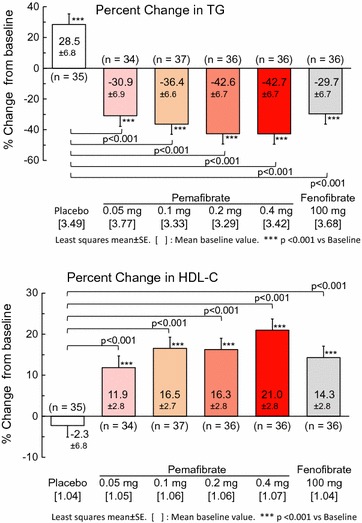
“Phase 2 studies have shown that, as compared with PPARα agonists such as fenofibrate, pemafibrate had greater triglyceride-lowering and HDL cholesterol-raising actions with fewer off-target effects. 9-14”
From Triglyceride Lowering with Pemafibrate to Reduce Cardiovascular Risk (2022) · cites this paper as [9]
Experimental — accuracy not yet measuredThe cited source says what the claim attributes to it.
In the citing paper
“Pemafibrate, a selective peroxisome proliferator-activated receptor α modulator, reduces triglyceride levels and improves other lipid levels.”
From Triglyceride Lowering with Pemafibrate to Reduce Cardiovascular Risk (2022) · cites this paper as [9]
The cited source says what the claim attributes to it.
In the citing paper
“we conducted a double-blind, randomized, placebo-controlled trial to evaluate cardiovascular outcomes in patients who received pemafibrate, 9 a potent and selective peroxisome proliferator-activated receptor α (PPARα) modulator.”
From Triglyceride Lowering with Pemafibrate to Reduce Cardiovascular Risk (2022) · cites this paper as [9]
The check wasn’t confident either way, so it gives no verdict — never disputed.
In the citing paper
“As a consequence of its mechanism of action, lomitapide has been shown to be associated with increased aminotransferase levels, which most likely reflects the increased fat in the liver, as well as poor GI tolerability [301,302].”
From 2019 ESC/EAS guidelines for the management of dyslipidaemias: lipid modification to reduce cardiovascular risk (2019) · cites this paper as [301]
Experimental — accuracy not yet measuredIn the citing paper
“In an open-label, single-arm titration study evaluating lomitapide as adjunct therapy to statins, with or without apheresis and a lowfat diet [301], LDL-C was reduced by 50% from baseline at 26 weeks and by 44% at 56 weeks.”
From 2019 ESC/EAS guidelines for the management of dyslipidaemias: lipid modification to reduce cardiovascular risk (2019) · cites this paper as [301]
Self-check
Percentages, sums and reported differences re-computed from the paper’s own numbers.
The self-check needs the paper’s full text.
Citations
Cites
Stone, N. J., Robinson, J. G., Lichtenstein, A. H., Bairey Merz, C. N., Blum, C. B., Eckel, R. H., Goldberg, A. C., Gordon, D., Levy, D., Lloyd-Jones, D. M., et al. (2014) · Circulation · doi:10.1161/01.cir.0000437738.63853.7a · Cited by 7,081
Evolocumab and Clinical Outcomes in Patients with Cardiovascular Disease
Sabatine, M. S., Giugliano, R. P., Keech, A. C., Honarpour, N., Wiviott, S. D., Murphy, S. A., Kuder, J. F., Wang, H., Liu, T., Wasserman, S. M., et al. (2017) · New England Journal of Medicine · doi:10.1056/nejmoa1615664 · Cited by 6,138
Ezetimibe Added to Statin Therapy after Acute Coronary Syndromes
Cannon, C. P., Blazing, M. A., Giugliano, R. P., McCagg, A., White, J. A., Theroux, P., Darius, H., Lewis, B. S., Ophuis, T. O., Jukema, J. W., et al. (2015) · New England Journal of Medicine · doi:10.1056/nejmoa1410489 · Cited by 4,487
Stone, N. J., Robinson, J. G., Lichtenstein, A. H., Bairey Merz, C. N., Blum, C. B., Eckel, R. H., Goldberg, A. C., Gordon, D., Levy, D., Lloyd-Jones, D. M., et al. (2014) · Journal of the American College of Cardiology · doi:10.1016/j.jacc.2013.11.002 · Cited by 3,845 · cited 15×
“Despite improvement in CVD mortality in developed regions, low to middle-income countries have a growing burden of CVD mortality and disability, driven by increasing rates of obesity, diabetes and dyslipidaemia [1–3].”
BackgroundInfluential2016 ESC/EAS Guidelines for the Management of Dyslipidaemias
Catapano, A. L., Graham, I., De Backer, G., Wiklund, O., Chapman, M. J., Drexel, H., Hoes, A. W., Jennings, C. S., Landmesser, U., Pedersen, T. R., et al. (2016) · European Heart Journal · doi:10.1093/eurheartj/ehw272 · Cited by 3,162
Effects of torcetrapib in patients at high risk for coronary events
Barter, P. J., Caulfield, M., Eriksson, M., Grundy, S. M., Kastelein, J. J. P., Komajda, M., Lopez-Sendon, J., Mosca, L., Tardif, J.-C., Waters, D. D., et al. (2007) · New England Journal of Medicine · doi:10.1056/nejmoa0706628 · Cited by 3,139
Effects of dalcetrapib in patients with a recent acute coronary syndrome
Schwartz, G. G., Olsson, A. G., Abt, M., Ballantyne, C. M., Barter, P. J., Brumm, J., Chaitman, B. R., Holme, I. M., Kallend, D., Leiter, L. A., et al. (2012) · New England Journal of Medicine · doi:10.1056/nejmoa1206797 · Cited by 2,022
(2012) · RePEc: Research Papers in Economics · Cited by 1,951
Mechanism of Action of Fibrates on Lipid and Lipoprotein Metabolism
Staels, B., Dallongeville, J., Auwerx, J., Schoonjans, K., Leitersdorf, E., & Fruchart, J.-C. (1998) · Circulation · doi:10.1161/01.cir.98.19.2088 · Cited by 1,786 · cited 2×
“macrophages and the large intestine, and PPARβ in virtually all tissues and cell types [23, 30, 31].”
BackgroundSelf-citation2016 ESC/EAS Guidelines for the Management of Dyslipidaemias
Catapano, A. L., Graham, I., De Backer, G., Wiklund, O., Chapman, M. J., Drexel, H., Hoes, A. W., Jennings, C. S., Landmesser, U., Pedersen, T. R., et al. (2016) · Atherosclerosis · doi:10.1016/j.atherosclerosis.2016.08.018 · Cited by 1,582
Research works printed but not linked: 4
- Arai H Ishibashi S Yamashita S Araki E Yokote K Kodama T The novel highly potent and specific peroxisome proliferator-activated receptor alpha agonist K-877 improved liver enzymes and lipid profile without adversely affecting renal functions; integrated analysis of phase 2 and phase 2/3 double blind clinical trials Circulation 2013 128 A13118
- Kastelein JP Senko Y Hounslow N Hovingh GK Ginsberg HN K-877, a selective PPAR alpha modulator (SPPARM alpha), ameliorates dyslipidaemia in patients with well-controlled LDL cholesterol levels on statin therapy, without increases in serum creatinine Eur Heart J 2015 36 Abstract Supplement 1048
- Kastelein JJP Senko Y Hounslow N Nojima T Suganami H Hovingh GK K-877, a selective PPAR alpha modulator (SPPARM alpha), improves dyslipidaemia in statin-treated patients with type 2 diabetes mellitus Eur Heart J 2015 36 Abstract Supplement 1048
- Ishibashi S Yamashita S Arai H Araki E Yokote K Kodama T Efficacy and safety of K-877, a potent and selective PPAR-a agonist, in Japanese patients with dyslipidemia Circulation 2013 128 A10718
Cited by
Items 101–148 of 148
Peptide Helix-Y12 as Potential Effector for Peroxisome Proliferator-Activated Receptors
Carrillo‐Tripp, M., Reyes, Y., Delgado‐Coello, B., Mas‐Oliva, J., & Gutiérrez‐Vidal, R. (2023) · PPAR Research · doi:10.1155/2023/8047378 · Cited by 5
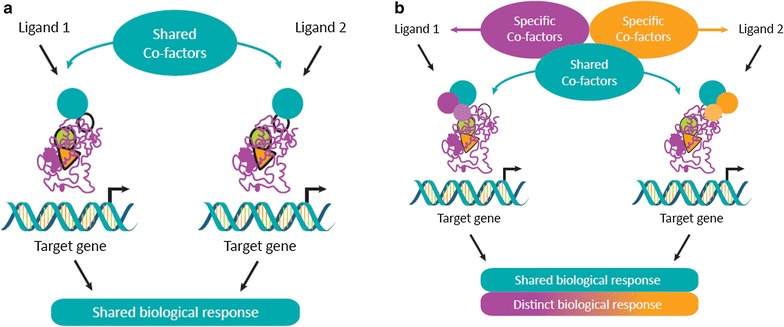
“Each ligand promotes a unique conformational change, leading to differential pattern of coregulator recruitment, which in turn might cause gene selective effects [62].”
BackgroundHida, Y., Imamura, T., & Kinugawa, K. (2023) · Journal of Clinical Medicine · doi:10.3390/jcm12216915 · Cited by 5
“Pemafibrate is a recently introduced selective peroxisome proliferator-activated receptor alpha (PPAR α ) activator [9].”
BackgroundRelationship of fibroblast growth factor 21, Klotho, and diabetic retinopathy: a meta-analysis
Jiang, Y., Zhang, W., Xu, Y., Zeng, X., & Sun, X. (2024) · Frontiers in Endocrinology · doi:10.3389/fendo.2024.1390035 · Cited by 5
Microbial 10-oxostearic acid protects mice against colitis via the nuclear receptor PPARα
Liu, J., Li, H., Tian, Y., Guo, M., Sahin, C., Kamata, S., Honda, A., Campbell, J., Shi, J., Yurtal, E. D., et al. (2026) · Nature Microbiology · doi:10.1038/s41564-026-02321-7 · Cited by 4
“However, the oxygen moieties at the C 10 positions of 10-oxoSA and 10-HSA form additional ionic bonds with Thr279, Lys331, Ala333 and several intervening H 2 O molecules, similar to those previously seen with the synthetic PPARα-selective agonist, pemafibrate 23 (Extended Data Fig.”
Ooba, N., Takahashi, M., Nagamura, M., Ushida, M., Kawakami, E., Kimura, M., Sato, T., Takahashi, Y., Tokuyoshi, J., Hashiba, H., et al. (2022) · Current Drug Safety · doi:10.2174/1574886317666220224142511 · Cited by 4
“Fenofibrate as a treatment has been marketed in some countries, including the United Kingdom and the United States, whereas pemafibrate, with the profile of a novel selective peroxisome proliferator-activated receptor α modulator (SPPARMα) [13], is approved only in Japan as of May 2021 (Fig.”
BackgroundIwakura, T., Yasu, T., Tomoe, T., Ueno, A., Sugiyama, T., Otani, N., Kawamoto, S., & Nakajima, H. (2023) · Journal of Clinical Medicine · doi:10.3390/jcm12041481 · Cited by 4
Treatment of Hypertriglyceridemia: A Review of Therapies in the Pipeline
Xu, J., & Ashjian, E. J. (2021) · Journal of Pharmacy Practice · doi:10.1177/08971900211053489 · Cited by 4
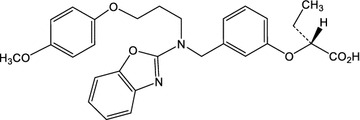
“Structurally, the benzoxazole and phenoxyalkyl side-chains of pemafibrate create a Y-configuration with improved fit within the binding pocket, resulting in increased PPARα potency and selectivity compared to fenofibrate.(44,45) Additionally, transcriptome analysis shows pemafibrate upregulates genes that encode manno…”
BackgroundTanaka, N., & Honda, A. (2022) · Hepatology Research · doi:10.1111/hepr.13770 · Cited by 4
“It is also intriguing to evaluate that PEM might affect NR signaling other than PPARα.”
BackgroundInfluentialMarinho, L. L., Ribeiro, M. L., Lawler, P. R., Iatan, I., Godoy, L. C., Rached, F. H., & Maranhão, R. C. (2025) · Current Atherosclerosis Reports · doi:10.1007/s11883-025-01292-0 · Cited by 3
“Selective PPAR-α modulators, such as pemafibrate, exhibit enhanced potency and improved selectivity for PPAR-α compared to fenofibric acid, the active metabolite of fenofibrate [ 48].”
Liang, Z., Chen, L., Liao, Z., Mao, J., Liu, Y., & Li, Z. (2025) · Journal of Medicinal Chemistry · doi:10.1021/acs.jmedchem.5c01825 · Cited by 3
Elbahloul, M. A., Elgadi, A. T., Fayed, H., Ramadan, M., Kasser, M. E., Hussein, A., Amine, H., & Labieb, F. (2025) · Annals of Medicine and Surgery · doi:10.1097/ms9.0000000000003264 · Cited by 3
Zambon, A., Gentile, L., Galimberti, F., Manzato, E., Giaccari, A., Sesti, G., Belfiore, A., Norata, G. D., Temporelli, P. L., Frulloni, L., et al. (2025) · Nutrition Metabolism and Cardiovascular Diseases · doi:10.1016/j.numecd.2025.104214 · Cited by 3
Werba, J. P., Vigo, L., Veglia, F., Marenzi, G., Tremoli, E., & Baldassarre, D. (2019) · Clinical Pharmacology & Therapeutics · doi:10.1002/cpt.1436 · Cited by 3
Kobayashi, J., Minamizuka, T., Koshizaka, M., Maezawa, Y., Ono, H., & Yokote, K. (2021) · Clinica Chimica Acta · doi:10.1016/j.cca.2021.07.003 · Cited by 3
Yang, R., & Fan, J. (2023) · Cardiology Plus · doi:10.1097/cp9.0000000000000067 · Cited by 3
“The highly potent and selective PPAR α agonist K-877 has shown beneficial effects on atherogenic dyslipidemia and the absence of some adverse effects seen with fibrates [77] .”
BackgroundTanaka, Y., Takagi, R., Mitou, S., Shimmura, M., Hasegawa, T., Amarume, J., Shinohara, M., Kageyama, Y., Sasase, T., Ohta, T., et al. (2024) · Biological and Pharmaceutical Bulletin · doi:10.1248/bpb.b23-00872 · Cited by 3
Relevanz von Fibraten in der Diabetestherapie
Klose, G. (2018) · Der Diabetologe · doi:10.1007/s11428-018-0393-0 · Cited by 2
Kitamura, S., Murao, N., Yokota, S., Shimizu, M., Ono, T., Seino, Y., Suzuki, A., Maejima, Y., & Shimomura, K. (2023) · BMC Research Notes · doi:10.1186/s13104-023-06489-7 · Cited by 2
“Clinically, pemafibrate has also been reported to have a significantly greater effect on decreasing TG levels compared to fenofibrate [7].”
BackgroundTratamiento de la hipertrigliceridemia leve-moderada
Pérez‐Martínez, P., & Pérez‐Jiménez, F. (2021) · Clínica e Investigación en Arteriosclerosis · doi:10.1016/j.arteri.2020.12.012 · Cited by 5
Omega-3 Polyunsaturated Fatty Acids in Patients with Hypertriglyceridemias and Atherosclerosis
Susekov, A. V. (2021) · Kardiologiia · doi:10.18087/cardio.2021.6.n1578 · Cited by 2
Improvement of vanishing bile duct syndrome with hyperlipidemia
Yamauchi, R., Takata, K., Fukunaga, A., Tanaka, T., Yokoyama, K., Shakado, S., Nabeshima, K., Yoshimitsu, K., & Hirai, F. (2022) · Clinical Journal of Gastroenterology · doi:10.1007/s12328-022-01650-4 · Cited by 2
Kakita, N., Jono, M., Tsumuro, H., Satake, S., Iwatani, S., Aoi, K., & Katayama, K. (2025) · Clinical Journal of Gastroenterology · doi:10.1007/s12328-025-02185-0 · Cited by 1
“Pemafibrate, a selective peroxisome proliferator-activated receptor alpha (PPAR-α) modulator—classified as a selective PPAR modulator (SPPARMα), has shown triglyceride-lowering effects and potential hepatic benefits in patients with MASLD and dyslipidemia [5, 6].”
Watanabe, M., Nakanishi, M., Shingaki, W., Gunji, R., Makinose, Y., Kanno, T., & Ishibashi, S. (2025) · Advances in Therapy · doi:10.1007/s12325-025-03294-5 · Cited by 2
Jang, A. Y., Kim, B. J., Jeong, Y. W., Kang, D. R., Koh, K. K., Nordestgaard, B. G., & Han, S. H. (2026) · Journal of Lipid Research · doi:10.1016/j.jlr.2026.101024 · Cited by 1
“However, this potency may have inadvertently induced modest increases in LDL cholesterol and apoB levels (41), likely due to enhanced lipolysis of VLDL particles combined with relatively inefficient clearance of the resulting LDL particles (43).”
Kihara, H. (2022) · Journal of Nihon University Medical Association · doi:10.4264/numa.81.2_99 · Cited by 1
Exploring emerging pharmacotherapies for type 2 diabetes patients with hypertriglyceridemia
Tomlinson, B., & Chan, P. (2025) · Expert Opinion on Pharmacotherapy · doi:10.1080/14656566.2025.2451752 · Cited by 2
“Pemafibrate was developed as a novel selective peroxisome proliferator-activated receptor alpha (PPARalpha) modulator (SPPARMalpha) to be more selective than other fibrates and to avoid the elevations in creatinine and liver enzymes sometimes seen with fibrates [33].”
Okamoto, A., Yokokawa, H., Nagamine, T., Goto, K., Fukuda, H., Hisaoka, T., & Naito, T. (2025) · BMC Endocrine Disorders · doi:10.1186/s12902-025-01872-w · Cited by 1
Farnier, M. (2021) · EMC - Tratado de Medicina · doi:10.1016/s1636-5410(21)45461-9
Murata, Y., Kataoka, Y., Asaumi, Y., & Noguchi, T. (2023) · Cardiovascular Diagnosis and Therapy · doi:10.21037/cdt-22-401
Chung, H. (2023) · Hepatology Research · doi:10.1111/hepr.13903
Pulipati, V. P., & Brinton, E. A. (2023) · Elsevier eBooks · doi:10.1016/b978-0-323-88286-6.00023-6
Etude du lien entre la MASLD et l'athérosclérose : implication du récepteur nucléaire PPARα
Henry, D. (2024) · theses.fr (ABES) · doi:10.70675/573969cdz9f43z407fz8775zbacc66020c5a
Miyoshi, T., Matsuzawa, Y., Doi, M., Yuasa, S., & Sugiyama, S. (2025) · Cureus · doi:10.7759/cureus.81104
“Pemafibrate is novel selective peroxisome proliferator-activated receptor-α modulator [7,8].”
Tamai, H., & Okamura, J. (2025) · Clinical and Experimental Hepatology · doi:10.5114/ceh.2025.155314
“Among potential therapeutic agents, pemafibrate, a novel fibrate developed as a selective peroxisome proliferator-activated receptor α modulator, has shown promise in enhancing efficacy while minimizing the adverse effects seen with conventional fibrates [5, 6].”
Qi, Y.-Y., Yan, L., Wang, Z.-M., Wang, X., Meng, H., Li, W.-B., Chen, D.-C., Li, M., Liu, J., & An, S.-T. (2021) · Figshare · doi:10.6084/m9.figshare.13668158
Zhang, J., Wang, G., Shi, Y., Liu, X., Liu, S., Chen, W., Ning, Y., Cao, Y., Zhao, Y., & Li, M. (2024) · Figshare · doi:10.6084/m9.figshare.25770410
Qi, Y.-Y., Yan, L., Wang, Z.-M., Wang, X., Meng, H., Li, W.-B., Chen, D.-C., Li, M., Liu, J., & An, S.-T. (2021) · Figshare · doi:10.6084/m9.figshare.13668161
Li, Z., Gao, Y., Lu, Q., Yin, Z., Zhang, S., Zhang, W., Sui, Y., Xu, Y., Li, J., Dou, K., et al. (2024) · Figshare · doi:10.6084/m9.figshare.25770293
How to Evaluate and Reduce Micro- and/or Macrovascular Residual Risk?
Hermans, M. P., Lurquin, F. O., Ahn, S. A., Rousseau, M. F., & (R3i), O. B. O. T. R. R. R. I. (2026) · Springer eBooks · doi:10.1007/978-3-031-82232-2_24
Li, H., Yu, H., & Sohouli, M. H. (2026) · European Journal of Clinical Pharmacology · doi:10.1007/s00228-026-04113-8
A case of lipoprotein glomerulopathy in which complete remission was achieved by pemafibrate therapy
Tomita, C., Sato, T., Suzuki, Y., まゆみ, 荒., Shimizu, Y., Suzuki, Y., Yasuda, H., & Misaki, T. (2026) · CEN Case Reports · doi:10.1007/s13730-026-01148-9
“Pemafibrate is a novel selective PPAR-α modulator that has been in clinical use since 2018 [33].”
Hishiki, T., Honda, A., Tanaka, R., Minomo, Y., Minamisawa, O., Konno, T., Kamata, S., Kamichatani, W., Tokuoka, S. M., Kita, Y., et al. (2026) · Biomolecules · doi:10.3390/biom16081078
“Recently, a next-generation fibrate pemafibrate (hepatic metabolism type) was developed as a selective PPAR α modulator (SPPARM α ) [25,26] containing a distinctive Y-shaped structure unlike other fibrates.”
Horikawa, T. (2021) · Institutional Repositories DataBase (IRDB)
Kitsunai, H., Kito, K., Omori, K., Cho, K. Y., Nakamura, A., Takeuchi, J., NAGAI, S., Sakuma, I., & Nomoto, H. (2026) · Journal of Diabetes Investigation · doi:10.1111/jdi.70456
Inoue, S., Kamiya, T., Kanemori, S., Fujita, R., Morita, A., & Yasuda, H. (2026) · Internal Medicine · doi:10.2169/internalmedicine.8208-26
Okuma, H. (2026) · Diabetology International · doi:10.1007/s13340-026-00945-y
Metadata
- Authors
- Fruchart, J.-C.
- Corresponding author
- Fruchart, Jean-Charles
- Venue
- Cardiovascular Diabetology
- Published
- 2017-10-04
- Volume
- 16
- Issue
- 1
- Pages
- 124-124
- ISSN
- 1475-2840 (ISSN-L)
- PMC
- PMC5628452
- OpenAlex
- W2762341782
- Semantic Scholar
- a55451cf380a76fd559ff48ec541ecd2020a8c3d
- Cited by
- 141
- References
- 72
- Citations by year
- 2026: 8 · 2025: 10 · 2024: 11 · 2023: 19 · 2022: 16 · 2021: 20 · 2020: 20 · 2019: 24 · 2018: 13
- FWCI
- 1.48
- Type
- journal article
- Language
- en
- Open access
- gold
- doi.org
- Licence
- cc-by
- Locations
- Cardiovascular Diabetology (publishedVersion, cc-by)
- Europe PMC (PubMed Central) (publishedVersion, cc-by)
- PubMed Central (publishedVersion, cc-by)
- PubMed (publishedVersion)
- DOAJ (DOAJ: Directory of Open Access Journals) (submittedVersion)
- Topics
- Life Sciences › Biochemistry, Genetics and Molecular Biology › Molecular Biology › Peroxisome Proliferator-Activated Receptors
- Health Sciences › Medicine › Cardiology and Cardiovascular Medicine › Lipoproteins and Cardiovascular Health
- Health Sciences › Medicine › Cardiology and Cardiovascular Medicine › Lipid metabolism and disorders
- Keywords
- pemafibrate, atherogenic dyslipidemia, hypertriglyceridemia, triglyceride-rich lipoproteins, remnant cholesterol, apolipoprotein C-III, type 2 diabetes, residual cardiovascular risk, statin therapy, FGF21, PPARα agonist, fibrates
- MeSH terms
- Animals, Benzoxazoles, Butyrates, Cholesterol, Humans, Lipids, Disease Management, PPAR alpha, Dyslipidemias, Atherosclerosis
About these checks
Registry, retraction, Cites and statistics results are computed, not judged, with one exception: a printed reference that no index lists is read once by a model before it counts as a citation error. Claims are extracted by a model and kept only when their quote appears verbatim in the text; each cited source is then checked, with a model’s help, for whether it says what the claim relies on. Those verdicts can be wrong — read the claim’s quote and the cited source before relying on one.
Statistics and arithmetic are recomputed, not judged.
Confidence bands are shown only for fields calibrated on our annotated test set. None is calibrated yet, so no band is shown.
What counts as a claim ›How we measure confidence ›How we check this ›
Are you an author, or do you see a problem with this page? Request a review
Data sources
Bibliographic data: Semantic Scholar, OpenAlex, Crossref.
Contains information from the Semantic Scholar Academic Graph Datasets, made available under the ODC Attribution License (ODC-BY 1.0).
Semantic Scholar’s data is described in: Kinney, R., et al. (2023). The Semantic Scholar Open Data Platform. arXiv:2301.10140.
