

Pemafibrate (K-877), a novel selective peroxisome proliferator-activated receptor alpha modulator for management of atherogenic dyslipidaemia
Open accessThe DOI matches its Crossref record; 72 of the 72 references it cites were found in a registry or an index.
Abstract
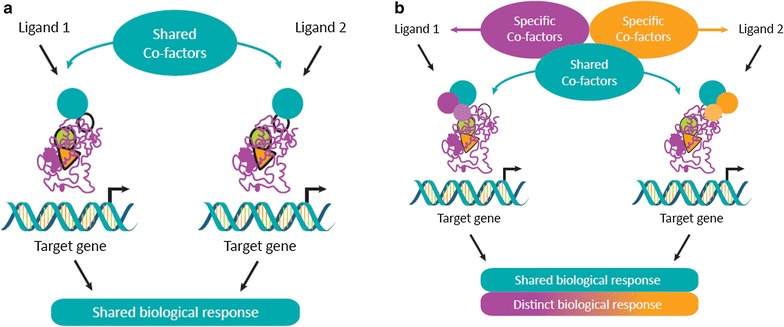
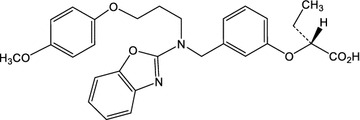
Despite best evidence-based treatment including statins, residual cardiovascular risk poses a major challenge for clinicians in the twenty first century. Atherogenic dyslipidaemia, in particular elevated triglycerides, a marker for increased triglyceride-rich lipoproteins and their remnants, is an important contributor to lipid-related residual risk, especially in insulin resistant conditions such as type 2 diabetes mellitus. Current therapeutic options include peroxisome proliferator-activated receptor alpha (PPARα) agonists, (fibrates), but these have low potency and limited selectivity for PPARα. Modulating the unique receptor-cofactor binding profile to identify the most potent molecules that induce PPARα-mediated beneficial effects, while at the same time avoiding unwanted side effects, offers a new therapeutic approach and provides the rationale for development of pemafibrate (K-877, Parmodia™), a novel selective PPARα modulator (SPPARMα). In clinical trials, pemafibrate either as monotherapy or as add-on to statin therapy was effective in managing atherogenic dyslipidaemia, with marked reduction of triglycerides, remnant cholesterol and apolipoprotein CIII. Pemafibrate also increased serum fibroblast growth factor 21, implicated in metabolic homeostasis. There were no clinically meaningful adverse effects on hepatic or renal function, including no relevant serum creatinine elevation. A major outcomes study, PROMINENT, will provide definitive evaluation of the role of pemafibrate for management of residual cardiovascular risk in type 2 diabetes patients with atherogenic dyslipidaemia despite statin therapy.
Overview
The claims and statistics of this paper haven’t been checked yet.
Free: it reads the open-access text and checks the first 5 claims that cite a source we can check. Create a free account to check every claim.
Integrity signals
Registry
Cites
Statistics
Figures
Verification
Claims the paper makes
The claims and statistics of this paper haven’t been checked yet.
Free: it reads the open-access text and checks the first 5 claims that cite a source we can check. Create a free account to check every claim.
Claims other papers make about this one
Each is checked against this paper’s own text: does it say what the citing paper says it does?
The source backs part of the claim, not all of it — or backs it for a different population, condition or comparison.
In the citing paper
“Phase 2 studies have shown that, as compared with PPARα agonists such as fenofibrate, pemafibrate had greater triglyceride-lowering and HDL cholesterol-raising actions with fewer off-target effects. 9-14”
From Triglyceride Lowering with Pemafibrate to Reduce Cardiovascular Risk (2022) · cites this paper as [9]
Experimental — accuracy not yet measuredThe cited source says what the claim attributes to it.
In the citing paper
“Pemafibrate, a selective peroxisome proliferator-activated receptor α modulator, reduces triglyceride levels and improves other lipid levels.”
From Triglyceride Lowering with Pemafibrate to Reduce Cardiovascular Risk (2022) · cites this paper as [9]
The cited source says what the claim attributes to it.
In the citing paper
“we conducted a double-blind, randomized, placebo-controlled trial to evaluate cardiovascular outcomes in patients who received pemafibrate, 9 a potent and selective peroxisome proliferator-activated receptor α (PPARα) modulator.”
From Triglyceride Lowering with Pemafibrate to Reduce Cardiovascular Risk (2022) · cites this paper as [9]
The check wasn’t confident either way, so it gives no verdict — never disputed.
In the citing paper
“As a consequence of its mechanism of action, lomitapide has been shown to be associated with increased aminotransferase levels, which most likely reflects the increased fat in the liver, as well as poor GI tolerability [301,302].”
From 2019 ESC/EAS guidelines for the management of dyslipidaemias: lipid modification to reduce cardiovascular risk (2019) · cites this paper as [301]
Experimental — accuracy not yet measuredIn the citing paper
“In an open-label, single-arm titration study evaluating lomitapide as adjunct therapy to statins, with or without apheresis and a lowfat diet [301], LDL-C was reduced by 50% from baseline at 26 weeks and by 44% at 56 weeks.”
From 2019 ESC/EAS guidelines for the management of dyslipidaemias: lipid modification to reduce cardiovascular risk (2019) · cites this paper as [301]
Self-check
Percentages, sums and reported differences re-computed from the paper’s own numbers.
The self-check needs the paper’s full text.
Citations
Cites
Stone, N. J., Robinson, J. G., Lichtenstein, A. H., Bairey Merz, C. N., Blum, C. B., Eckel, R. H., Goldberg, A. C., Gordon, D., Levy, D., Lloyd-Jones, D. M., et al. (2014) · Circulation · doi:10.1161/01.cir.0000437738.63853.7a · Cited by 7,081
Evolocumab and Clinical Outcomes in Patients with Cardiovascular Disease
Sabatine, M. S., Giugliano, R. P., Keech, A. C., Honarpour, N., Wiviott, S. D., Murphy, S. A., Kuder, J. F., Wang, H., Liu, T., Wasserman, S. M., et al. (2017) · New England Journal of Medicine · doi:10.1056/nejmoa1615664 · Cited by 6,138
Ezetimibe Added to Statin Therapy after Acute Coronary Syndromes
Cannon, C. P., Blazing, M. A., Giugliano, R. P., McCagg, A., White, J. A., Theroux, P., Darius, H., Lewis, B. S., Ophuis, T. O., Jukema, J. W., et al. (2015) · New England Journal of Medicine · doi:10.1056/nejmoa1410489 · Cited by 4,487
Stone, N. J., Robinson, J. G., Lichtenstein, A. H., Bairey Merz, C. N., Blum, C. B., Eckel, R. H., Goldberg, A. C., Gordon, D., Levy, D., Lloyd-Jones, D. M., et al. (2014) · Journal of the American College of Cardiology · doi:10.1016/j.jacc.2013.11.002 · Cited by 3,845 · cited 15×
“Despite improvement in CVD mortality in developed regions, low to middle-income countries have a growing burden of CVD mortality and disability, driven by increasing rates of obesity, diabetes and dyslipidaemia [1–3].”
BackgroundInfluential2016 ESC/EAS Guidelines for the Management of Dyslipidaemias
Catapano, A. L., Graham, I., De Backer, G., Wiklund, O., Chapman, M. J., Drexel, H., Hoes, A. W., Jennings, C. S., Landmesser, U., Pedersen, T. R., et al. (2016) · European Heart Journal · doi:10.1093/eurheartj/ehw272 · Cited by 3,162
Effects of torcetrapib in patients at high risk for coronary events
Barter, P. J., Caulfield, M., Eriksson, M., Grundy, S. M., Kastelein, J. J. P., Komajda, M., Lopez-Sendon, J., Mosca, L., Tardif, J.-C., Waters, D. D., et al. (2007) · New England Journal of Medicine · doi:10.1056/nejmoa0706628 · Cited by 3,139
Effects of dalcetrapib in patients with a recent acute coronary syndrome
Schwartz, G. G., Olsson, A. G., Abt, M., Ballantyne, C. M., Barter, P. J., Brumm, J., Chaitman, B. R., Holme, I. M., Kallend, D., Leiter, L. A., et al. (2012) · New England Journal of Medicine · doi:10.1056/nejmoa1206797 · Cited by 2,022
(2012) · RePEc: Research Papers in Economics · Cited by 1,951
Mechanism of Action of Fibrates on Lipid and Lipoprotein Metabolism
Staels, B., Dallongeville, J., Auwerx, J., Schoonjans, K., Leitersdorf, E., & Fruchart, J.-C. (1998) · Circulation · doi:10.1161/01.cir.98.19.2088 · Cited by 1,786 · cited 2×
“macrophages and the large intestine, and PPARβ in virtually all tissues and cell types [23, 30, 31].”
BackgroundSelf-citation2016 ESC/EAS Guidelines for the Management of Dyslipidaemias
Catapano, A. L., Graham, I., De Backer, G., Wiklund, O., Chapman, M. J., Drexel, H., Hoes, A. W., Jennings, C. S., Landmesser, U., Pedersen, T. R., et al. (2016) · Atherosclerosis · doi:10.1016/j.atherosclerosis.2016.08.018 · Cited by 1,582
Research works printed but not linked: 4
- Arai H Ishibashi S Yamashita S Araki E Yokote K Kodama T The novel highly potent and specific peroxisome proliferator-activated receptor alpha agonist K-877 improved liver enzymes and lipid profile without adversely affecting renal functions; integrated analysis of phase 2 and phase 2/3 double blind clinical trials Circulation 2013 128 A13118
- Kastelein JP Senko Y Hounslow N Hovingh GK Ginsberg HN K-877, a selective PPAR alpha modulator (SPPARM alpha), ameliorates dyslipidaemia in patients with well-controlled LDL cholesterol levels on statin therapy, without increases in serum creatinine Eur Heart J 2015 36 Abstract Supplement 1048
- Kastelein JJP Senko Y Hounslow N Nojima T Suganami H Hovingh GK K-877, a selective PPAR alpha modulator (SPPARM alpha), improves dyslipidaemia in statin-treated patients with type 2 diabetes mellitus Eur Heart J 2015 36 Abstract Supplement 1048
- Ishibashi S Yamashita S Arai H Araki E Yokote K Kodama T Efficacy and safety of K-877, a potent and selective PPAR-a agonist, in Japanese patients with dyslipidemia Circulation 2013 128 A10718
Cited by
Mach, F., Baigent, C., Catapano, A. L., Koskinas, K. C., Casula, M., Badimon, L., Chapman, M. J., De Backer, G. G., Delgado, V., Ference, B. A., et al. (2020) · European Heart Journal · doi:10.1093/eurheartj/ehz455 · Cited by 8,961
Mach, F., Baigent, C., Catapano, A. L., Koskinas, K. C., Casula, M., Badimon, L., Chapman, M. J., De Backer, G. G., Delgado, V., Ference, B. A., et al. (2019) · Atherosclerosis · doi:10.1016/j.atherosclerosis.2019.08.014 · Cited by 4,854
“The ongoing PROMINENT trial is exploring the efficacy of pemafibrate, a new selective PPAR-a modulator, in reducing CVD outcomes in 10 000 diabetic patients with atherogenic dyslipidaemia on a statin.(317,423) There are limited data on the impacts on CVD of adding omega-3 fatty acids to statin therapy in patients with…”
BackgroundMethodTriglyceride Lowering with Pemafibrate to Reduce Cardiovascular Risk
Das Pradhan, A., Glynn, R. J., Fruchart, J.-C., MacFadyen, J. G., Zaharris, E. S., Everett, B. M., Campbell, S. E., Oshima, R., Amarenco, P., Blom, D. J., et al. (2022) · New England Journal of Medicine · doi:10.1056/nejmoa2210645 · Cited by 749
Self-citationDuan, Y., Gong, K., Xu, S., Zhang, F., Meng, X., & Han, J. (2022) · Signal Transduction and Targeted Therapy · doi:10.1038/s41392-022-01125-5 · Cited by 538
Duran, E. K., Aday, A. W., Cook, N. R., Buring, J. E., Ridker, P. M., & Pradhan, A. D. (2020) · Journal of the American College of Cardiology · doi:10.1016/j.jacc.2020.02.059 · Cited by 334
“Recent evidence related to the efficacy of pemafibrate, a novel selective peroxisome proliferator-activated receptor alpha modulator (63), may also be informative.”
BackgroundPradhan, A. D., Paynter, N. P., Everett, B. M., Glynn, R. J., Amarenco, P., Elam, M., Ginsberg, H., Hiatt, W. R., Ishibashi, S., Koenig, W., et al. (2018) · American Heart Journal · doi:10.1016/j.ahj.2018.09.011 · Cited by 319
“exhibits N2500-fold more potency than fenofibric acid (the active metabolite of fenofibrate) for human PPAR-α with N5000-fold greater activity for PPAR-α than either PPAR-γ or -δ, thus requiringmuch lower doses for lipid effects and thus limiting unwanted effects.(59)”
BackgroundSelf-citationCardiomyopathy in obesity, insulin resistance and diabetes
Nakamura, M., & Sadoshima, J. (2020) · The Journal of Physiology · doi:10.1113/jp276747 · Cited by 286
“Pemafibrate monotherapy or add-on to statin therapy is effective for dyslipidaemia, with marked reduction of triglycerides in patients with diabetes and hypertriglyceridaemia (Fruchart, 2017; Araki et al. 2018).”
BackgroundExploration and Development of PPAR Modulators in Health and Disease: An Update of Clinical Evidence
Cheng, H. S., Tan, W. R., Low, Z. S., Marvalim, C., Lee, J. Y. H., & Tan, N. S. (2019) · International Journal of Molecular Sciences · doi:10.3390/ijms20205055 · Cited by 264
PPAR Agonists and Metabolic Syndrome: An Established Role?
Botta, M., Audano, M., Sahebkar, A., Sirtori, C., Mitro, N., & Ruscica, M. (2018) · International Journal of Molecular Sciences · doi:10.3390/ijms19041197 · Cited by 253
“, TG reduction and HDL-C increment, in preclinical studies as well as in phase 1 and phase 2 clinical trials (previously reviewed [73,81]) led to the planning of the PROMINENT (pemafibrate to reduce cardiovascular outcomes by reducing triglycerides in patients with diabetes) trial (registered as NCT03071692).”
Background2023 Chinese guideline for lipid management
Li, J.-J., Zhao, S.-P., Zhao, D., Lu, G.-P., Peng, D.-Q., Liu, J., Chen, Z.-Y., Guo, Y.-L., Wu, N.-Q., Yan, S.-K., et al. (2023) · Frontiers in Pharmacology · doi:10.3389/fphar.2023.1190934 · Cited by 223
“Pema fi brate is a novel PPAR α agonist that modulates PPAR α expression by selectively binding to PPAR α receptors, thereby reducing serum TG levels (Fruchart, 2017).”
Nakajima, A., Eguchi, Y., Yoneda, M., Imajo, K., Tamaki, N., Suganami, H., Nojima, T., Tanigawa, R., Iizuka, M., Iida, Y., et al. (2021) · Alimentary Pharmacology & Therapeutics · doi:10.1111/apt.16596 · Cited by 213
Yamashita, S., Masuda, D., & Matsuzawa, Y. (2020) · Current Atherosclerosis Reports · doi:10.1007/s11883-020-0823-5 · Cited by 191
Fruchart, J.-C., Santos, R. D., Aguilar-Salinas, C., Aikawa, M., Al Rasadi, K., Amarenco, P., Barter, P. J., Ceska, R., Corsini, A., Després, J.-P., et al. (2019) · Cardiovascular Diabetology · doi:10.1186/s12933-019-0864-7 · Cited by 140
Self-citationYe, X., Kong, W., Zafar, M. I., & Chen, L.-L. (2019) · Cardiovascular Diabetology · doi:10.1186/s12933-019-0851-z · Cited by 138
Kaul, U., Parmar, D., Manjunath, K., Shah, M., Parmar, K., Patil, K. P., & Jaiswal, A. (2019) · Cardiovascular Diabetology · doi:10.1186/s12933-019-0884-3 · Cited by 134
Arai, H., Yamashita, S., Yokote, K., Araki, E., Suganami, H., Ishibashi, S., & on behalf of the K-877 Study Group (2018) · Journal of Atherosclerosis and Thrombosis · doi:10.5551/jat.44412 · Cited by 136
Targeting FGF21 in cardiovascular and metabolic diseases: from mechanism to medicine
Tan, H., Tong, Y. A., Chen, Z., Wu, W., Xu, S., & Weng, J. (2022) · International Journal of Biological Sciences · doi:10.7150/ijbs.73936 · Cited by 133
“Peroxisome proliferator-activated receptor alpha (PPARα) modulator (Pemafibrate/K-877) PPARα ↑-FGF21 ↑ Management of atherogenic dyslipidaemia Type 2 diabetes (T2DM) patients [21]”
Background2023 China Guidelines for Lipid Management
Li, J., Zhao, S., Zhao, D., Lü, G., Peng, D., Liu, J., Chen, Z., Guo, Y., Wu, N., Yan, S.-K., et al. (2023) · 老年心脏病学杂志:英文版 · doi:10.26599/1671-5411.2023.09.008 · Cited by 131
MiR-30c/PGC-1β protects against diabetic cardiomyopathy via PPARα
Yin, Z., Zhao, Y., He, M., Li, H., Fan, J., Nie, X., Yan, M., Chen, C., & Wang, D. W. (2019) · Cardiovascular Diabetology · doi:10.1186/s12933-019-0811-7 · Cited by 120
Impact of peroxisome proliferator-activated receptor-α on diabetic cardiomyopathy
Wang, L., Cai, Y., Jian, L., Cheung, C. W., Zhang, L., & Xia, Z. (2021) · Cardiovascular Diabetology · doi:10.1186/s12933-020-01188-0 · Cited by 121
“PPARα-related drugs that might be safe in treating DCM Different from conventional fibrates, pemafibrate (K-877, ParmodiaTM), a novel selective PPARα modulator, is mainly metabolized by the liver [150, 151], and is 2500 times effective in activating PPARα than the conventional fibrates [41, 150] and having a better tr…”
BackgroundResultUpdates on the Current Treatments for Diabetic Retinopathy and Possibility of Future Oral Therapy
Tomita, Y., Lee, D., Tsubota, K., Negishi, K., & Kurihara, T. (2021) · Journal of Clinical Medicine · doi:10.3390/jcm10204666 · Cited by 123
Orringer, C. E., Jacobson, T. A., & Maki, K. C. (2019) · Journal of Clinical Lipidology · doi:10.1016/j.jacl.2019.10.014 · Cited by 103
Yokote, K., Yamashita, S., Arai, H., Araki, E., Suganami, H., & Ishibashi, S. (2019) · International Journal of Molecular Sciences · doi:10.3390/ijms20030706 · Cited by 79
Cardiovascular Disease and Diabetic Kidney Disease
Maqbool, M., Cooper, M. E., & Jandeleit-Dahm, K. A. M. (2018) · Seminars in Nephrology · doi:10.1016/j.semnephrol.2018.02.003 · Cited by 80
Yamashita, S., Masuda, D., & Matsuzawa, Y. (2019) · Journal of Atherosclerosis and Thrombosis · doi:10.5551/jat.48918 · Cited by 66
Ida, S., Kaneko, R., & Murata, K. (2019) · Cardiovascular Diabetology · doi:10.1186/s12933-019-0845-x · Cited by 61
Qin, Z., Zhou, K., Li, Y.-P., Wang, J.-L., Cheng, W.-J., Hu, C.-P., Shi, C., He, H., & Zhou, Y.-J. (2019) · Cardiovascular Diabetology · doi:10.1186/s12933-019-0819-z · Cited by 56
“Previous studies have confirmed that empagliflozin [29] and pemafibrate [30] lower remnant-like particle cholesterol, indicating that they have a good curative effect and are recommended to delay the progression of coronary atherosclerosis.”
Burris, T. P., de Vera, I. M. S., Côté, I., Flaveny, C. A., Wanninayake, U. S., Chatterjee, A., Walker, J. K., Steinauer, N., Zhang, J., Coons, L. A., et al. (2023) · Pharmacological Reviews · doi:10.1124/pharmrev.121.000436 · Cited by 56
Lipotoxicity as a therapeutic target in obesity and diabetic cardiomyopathy
Nakamura, M. (2024) · Journal of Pharmacy & Pharmaceutical Sciences · doi:10.3389/jpps.2024.12568 · Cited by 62
Yamashita, S., Arai, H., Yokote, K., Araki, E., Suganami, H., & Ishibashi, S. (2018) · Journal of Clinical Lipidology · doi:10.1016/j.jacl.2018.06.010 · Cited by 51
Yamashita, S., Arai, H., Yokote, K., Araki, E., Matsushita, M., Nojima, T., Suganami, H., & Ishibashi, S. (2019) · International Journal of Molecular Sciences · doi:10.3390/ijms20225537 · Cited by 48
“Pemafibrate is a potent selective PPARα modulator (SPPARMα) that has a favorable benefit-risk balance and may be safer than conventional PPARα agonists [7,8].”
BackgroundYokote, K., Yamashita, S., Arai, H., Araki, E., Matsushita, M., Nojima, T., Suganami, H., & Ishibashi, S. (2021) · Cardiovascular Diabetology · doi:10.1186/s12933-021-01291-w · Cited by 52
“Pemafibrate, also known as K-877, was developed as a selective PPARα modulator (SPPARMα), which provides a favorable benefit-risk ratio superior to that of other conventional PPARα agonists [10, 11].”
BackgroundGinsberg, H. N., Hounslow, N. J., Senko, Y., Suganami, H., Bogdanski, P., Ceska, R., Kalina, A., Libis, R. A., Supryadkina, T. V., & Hovingh, G. K. (2022) · Diabetes Care · doi:10.2337/dc21-1288 · Cited by 48
Pemafibrate Protects Against Retinal Dysfunction in a Murine Model of Diabetic Retinopathy
Tomita, Y., Lee, D., Miwa, Y., Jiang, X., Ohta, M., Tsubota, K., & Kurihara, T. (2020) · International Journal of Molecular Sciences · doi:10.3390/ijms21176243 · Cited by 52
“for PPARα activation than fenofibrate [6,61,62].”
Ouchi, G., Komiya, I., Taira, S., Wakugami, T., & Ohya, Y. (2022) · Lipids in Health and Disease · doi:10.1186/s12944-021-01612-8 · Cited by 48
“Pemafibrate, a selective peroxisome proliferatoractivated receptor alpha modulator, allows control of serum TG levels and sd-LDL, which were previously inadequate with conventional treatment [10, 11].”
BackgroundTada, H., Nohara, A., & Kawashiri, M.-A. (2018) · Nutrients · doi:10.3390/nu10111789 · Cited by 45
“Moreover, a novel peroxisome proliferator-activated receptor α (PPARα) modulator (SPPARMα) called pemafibrate showed higher potency and selectivity for activation of PPARα compared with fenofibrate [28].”
BackgroundLaghezza, A., Piemontese, L., Cerchia, C., Montanari, R., Capelli, D., Giudici, M., Crestani, M., Tortorella, P., Peiretti, F., Pochetti, G., et al. (2018) · Journal of Medicinal Chemistry · doi:10.1021/acs.jmedchem.8b00835 · Cited by 48
Kanno, K., Koseki, M., Chang, J., Saga, A., Inui, H., Okada, T., Tanaka, K., Asaji, M., Zhu, Y., Ide, S., et al. (2022) · Scientific Reports · doi:10.1038/s41598-022-06542-8 · Cited by 45
Kalliora, C., & Drosatos, K. (2020) · Journal of Cardiovascular Pharmacology · doi:10.1097/fjc.0000000000000891 · Cited by 45
Yamashita, S., Rizzo, M., Su, T., & Masuda, D. (2023) · Metabolites · doi:10.3390/metabo13050626 · Cited by 44
“JAS has classified pemafibrate into a novel category of drug therapy for dyslipidemia “SPPARMα”, which is completely different from fibrates [48].”
BackgroundInfluentialTargeting apoC-III and ANGPTL3 in the treatment of hypertriglyceridemia
Nurmohamed, N. S., Dallinga‐Thie, G. M., & Stroes, E. S. G. (2020) · Expert Review of Cardiovascular Therapy · doi:10.1080/14779072.2020.1768848 · Cited by 45
“Currently, pemafibrate, a selective fibrate targeting peroxisome proliferator-activated receptor alpha (PPARα) with a more favorable side-effect profile, has entered a phase III outcomes study [28].”
BackgroundPPARα Agonist Oral Therapy in Diabetic Retinopathy
Tomita, Y., Lee, D., Tsubota, K., & Kurihara, T. (2020) · Biomedicines · doi:10.3390/biomedicines8100433 · Cited by 47
The Fibrates Story — A Tepid End to a PROMINENT Drug
Virani, S. S. (2022) · New England Journal of Medicine · doi:10.1056/nejme2213208 · Cited by 40
Sasaki, Y., Raza-Iqbal, S., Tanaka, T., Murakami, K., Anai, M., Osawa, T., Matsumura, Y., Sakai, J., & Kodama, T. (2019) · International Journal of Molecular Sciences · doi:10.3390/ijms20225682 · Cited by 43
“In preclinical studies, pemafibrate exhibited a greater TG-lowering effect than fenofibrate in normolipidemic and hypertriglyceridemic rodent models [15,20,21].”
BackgroundTargeted DNA demethylation of the Fgf21 promoter by CRISPR/dCas9-mediated epigenome editing
Hanzawa, N., Hashimoto, K., Yuan, X., Kawahori, K., Tsujimoto, K., Hamaguchi, M., Tanaka, T., Nagaoka, Y., Nishina, H., Morita, S., et al. (2020) · Scientific Reports · doi:10.1038/s41598-020-62035-6 · Cited by 41
Gomaraschi, M., Fracanzani, A. L., Dongiovanni, P., Pavanello, C., Giorgio, E., Dalt, L. D., Norata, G. D., Calabresi, L., Consonni, D., Lombardi, R., et al. (2019) · Biochimica et Biophysica Acta (BBA) - Molecular and Cell Biology of Lipids · doi:10.1016/j.bbalip.2019.158523 · Cited by 42
Zhang, J., Wang, G., Shi, Y., Liu, X., Liu, S., Chen, W., Ning, Y., Cao, Y., Zhao, Y., & Li, M. (2024) · Cardiovascular Diabetology · doi:10.1186/s12933-024-02258-3 · Cited by 37
Murakami, K., Sasaki, Y., Asahiyama, M., Yano, W., Takizawa, T., Kamiya, W., Matsumura, Y., Anai, M., Osawa, T., Fruchart, J., et al. (2022) · Cells · doi:10.3390/cells11040720 · Cited by 36
Self-citationRecent advances in synthetic pharmacotherapies for dyslipidaemias
Sirtori, C. R., Yamashita, S., Greco, M. F., Corsini, A., Watts, G. F., & Ruscica, M. (2019) · European Journal of Preventive Cardiology · doi:10.1177/2047487319845314 · Cited by 35
“It is primarily liver eliminated, whereas fenofibrate, gemfibrozil and bezafibrate have a predominant kidney elimination.(77)”
Treatment of dyslipidemia in kidney transplantation
Ponticelli, C. E., Arnaboldi, L., Moroni, G. L., & Corsini, A. (2020) · Expert Opinion on Drug Safety · doi:10.1080/14740338.2020.1732921 · Cited by 35
Horinouchi, Y., Murashima, Y., Yamada, Y., Yoshioka, S., Fukushima, K., Kure, T., Sasaki, N., Imanishi, M., Fujino, H., Tsuchiya, K., et al. (2023) · Life Sciences · doi:10.1016/j.lfs.2023.121590 · Cited by 32
Fruchart, J., Hermans, M. P., Fruchart‐Najib, J., & Kodama, T. (2021) · Current Atherosclerosis Reports · doi:10.1007/s11883-020-00897-x · Cited by 30
Self-citationHassan, R. M., Aboutabl, M. E., Bozzi, M., El‐Behairy, M. F., Kerdawy, A. M. E., Sampaolese, B., Desiderio, C., Vincenzoni, F., Sciandra, F., & Ghannam, I. A. Y. (2021) · Bioorganic Chemistry · doi:10.1016/j.bioorg.2021.105170 · Cited by 29
Kawasaki, M., Kambe, A., Yamamoto, Y., Arulmozhiraja, S., Ito, S., Nakagawa, Y., Tokiwa, H., Nakano, S., & Shimano, H. (2020) · International Journal of Molecular Sciences · doi:10.3390/ijms21010361 · Cited by 31
“The activity was confirmed by in vitro and in vivo assay analysis—in cell-based assays, pemafibrate is shown to have over 2500-fold higher potency than that of the fenofibric acid [28].”
BackgroundHypertriglyceridemia Therapy: Past, Present and Future Perspectives
Canfora, I., & Pierno, S. (2024) · International Journal of Molecular Sciences · doi:10.3390/ijms25179727 · Cited by 31
Cardioprotective Properties of HDL: Structural and Functional Considerations
Pappa, E. T., Elisaf, M., Kostara, C. E., Bairaktari, E. T., & Tsimihodimos, V. (2019) · Current Medicinal Chemistry · doi:10.2174/0929867326666190201142321 · Cited by 30
Residual cardiovascular risk among people with diabetes
Dash, S., & Leiter, L. A. (2019) · Diabetes Obesity and Metabolism · doi:10.1111/dom.13646 · Cited by 27
Kąpa, M., Koryciarz, I., Kustosik, N., Jurowski, P., & Pniakowska, Z. (2025) · Journal of Clinical Medicine · doi:10.3390/jcm14030683 · Cited by 25
Genomics of hypertriglyceridemia
Tada, H., Takamura, M., & Kawashiri, M. (2020) · Advances in clinical chemistry · doi:10.1016/bs.acc.2019.12.005 · Cited by 25
Review of recent clinical trials and their impact on the treatment of hypercholesterolemia
Parham, J. S., & Goldberg, A. C. (2022) · Progress in Cardiovascular Diseases · doi:10.1016/j.pcad.2022.11.011 · Cited by 24
Shinkai, Y., Sasaki, K., Tamura, R., Ike, T., Takahashi, A., Osaki, Y., Ishiuchi, N., Maeoka, Y., Nakashima, A., & Masaki, T. (2024) · Scientific Reports · doi:10.1038/s41598-024-74340-5 · Cited by 24
“We therefore hypothesized that pemafibrate, a potent and selective PPARα modulator 19 , might also have a suppressive effect on peritoneal fibrosis.”
BackgroundAomura, D., Harada, M., Yamada, Y., Nakajima, T., Hashimoto, K., Tanaka, N., & Kamijo, Y. (2021) · Metabolites · doi:10.3390/metabo11060372 · Cited by 21
“In vivo experimental models have shown superior lipid-modifying activity with PEM as compared with other fibrates in terms of lowering triglyceride (TG) levels and raising high-density lipoprotein (HDL) levels [12].”
BackgroundEmerging drugs for the treatment of hypercholesterolemia
Bove, M., Cicero, A. F. G., & Borghi, C. (2019) · Expert Opinion on Emerging Drugs · doi:10.1080/14728214.2019.1591372 · Cited by 21
“oxisome proliferator-activated receptors type α (PPARα) that is able to improve the atherogenic dyslipidemia [65].”
BackgroundRastogi, A., Dunbar, R. L., Thacker, H. P., Bhatt, J. K., Parmar, K., & Parmar, D. V. (2020) · Acta Diabetologica · doi:10.1007/s00592-020-01487-8 · Cited by 25
Konishi, H., Miyauchi, K., Ōnishi, A., Suzuki, S., Fuchimoto, D., Shitara, J., Endo, H., Wada, H., Doi, S., Naito, R., et al. (2020) · PLoS ONE · doi:10.1371/journal.pone.0241195 · Cited by 21
“Administration of pemafibrate in mice resulted in the event of vascular disorders, there was reduced neointimal formation and suppressed macrophage accumulation [18].”
BackgroundCurrent pharmacotherapy for the treatment of dyslipidemia associated with HIV infection
Gebhardt, A., & Fichtenbaum, C. J. (2019) · Expert Opinion on Pharmacotherapy · doi:10.1080/14656566.2019.1636033 · Cited by 20
Lipids, Apolipoproteins, and Inflammatory Biomarkers of Cardiovascular Risk: What Have We Learned?
Rhainds, D., Brodeur, M. R., & Tardif, J. (2018) · Clinical Pharmacology & Therapeutics · doi:10.1002/cpt.1114 · Cited by 19
“This is the focus of the ongoing PROMINENT study of pemafibrate in diabetic patients receiving a statin.(47) Niacin is another drug that increases HDL-C and exerts multiple other lipid-modulating effects such as decreasing LDL-C and TG levels.”
BackgroundRecent Advances in the Management of Dyslipidemia: A Systematic Review
Feng, H. J. X., Yousaf, A., Moon, J., Ramiz, A., Krishma, U., & Pemminati, S. (2025) · Cureus · doi:10.7759/cureus.81034 · Cited by 22
Fruchart, J., Hermans, M. P., & Fruchart‐Najib, J. (2020) · Current Atherosclerosis Reports · doi:10.1007/s11883-020-00860-w · Cited by 19
Self-citationPPARα Modulation-Based Therapy in Central Nervous System Diseases
Lee, D., Tomita, Y., Allen, W., Tsubota, K., Negishi, K., & Kurihara, T. (2021) · Life · doi:10.3390/life11111168 · Cited by 19
Recent Updates in Hypertriglyceridemia Management for Cardiovascular Disease Prevention
Quispe, R., Sweeney, T. E., Varma, B., Agarwala, A., & Michos, E. D. (2022) · Current Atherosclerosis Reports · doi:10.1007/s11883-022-01052-4 · Cited by 18
SPPARM alpha: the Lazarus effect
Fruchart, J., & Santos, R. D. (2019) · Current Opinion in Lipidology · doi:10.1097/mol.0000000000000640 · Cited by 19
Self-citationYoshida, M., Nakamura, K., Miyoshi, T., Yoshida, M., Kondo, M., Akazawa, K., Kimura, T., Ohtsuka, H., Ohno, Y., Miura, D., et al. (2020) · Cardiovascular Diabetology · doi:10.1186/s12933-020-01132-2 · Cited by 17
Komiya, I., Yamamoto, A., Sunakawa, S., & Wakugami, T. (2021) · Lipids in Health and Disease · doi:10.1186/s12944-021-01434-8 · Cited by 18
“Pemafibrate selectively regulates target genes involved in lipid metabolism among these PPARαregulated genes [14].”
BackgroundPharmacokinetics of current and emerging treatments for hypercholesterolemia
Tomlinson, B., Chan, P., Zhang, Y., Liu, Z., & Lam, C. W. K. (2020) · Expert Opinion on Drug Metabolism & Toxicology · doi:10.1080/17425255.2020.1749261 · Cited by 17
“) is a novel potent and highly selective PPAR-α modulator (SPPARM-α) which has been developed to avoid the adverse effects on hepatic or renal function sometimes seen with other fibrates [70,71].”
BackgroundKetone body and FGF21 coordinately regulate fasting-induced oxidative stress response in the heart
Kawakami, R., Sunaga, H., Iso, T., Kaneko, R., Koitabashi, N., Obokata, M., Harada, T., Matsui, H., Yokoyama, T., & Kurabayashi, M. (2022) · Scientific Reports · doi:10.1038/s41598-022-10993-4 · Cited by 16
Dong, T., Lyu, J., Imachi, H., Kobayashi, T., Fukunaga, K., Sato, S., Ibata, T., Yoshimoto, T., Yonezaki, K., Iwama, H., et al. (2018) · European Journal of Pharmacology · doi:10.1016/j.ejphar.2018.09.015 · Cited by 16
“In vitro assays demonstrated that K-877 is> 2500-fold more potent than the active metabolite of fenofibrate as well as fenofibric acid for enhancing the activity of human PPARα (Fruchart, 2017).”
BackgroundResultInfluentialSuto, K., Fukuda, D., Shinohara, M., Ganbaatar, B., Yagi, S., Kusunose, K., Yamada, H., Soeki, T., Hirata, K., & Sata, M. (2021) · Journal of Atherosclerosis and Thrombosis · doi:10.5551/jat.61101 · Cited by 15
The effect of lipid-lowering therapy on lipid-related residual risk factors: a prospective study
Li, Z., Gao, Y., Lu, Q., Yin, Z., Zhang, S., Zhang, W., Sui, Y., Xu, Y.-L., Li, J., Dou, K., et al. (2024) · Lipids in Health and Disease · doi:10.1186/s12944-024-02078-0 · Cited by 15
“…the novel peroxisome proliferator-activated receptor (PPAR)-α agonist pemafibrate has been found to regulate PPARα expression through its selective affinity for PPARα receptors, which effectively decreases plasma levels of RC and TG, either as mono-therapy or in combination with statins [41, 42].”
BackgroundSmall-Molecule Modulation of PPARs for the Treatment of Prevalent Vascular Retinal Diseases
Dou, X., & Duerfeldt, A. S. (2020) · International Journal of Molecular Sciences · doi:10.3390/ijms21239251 · Cited by 15
“Moreover, unique genes that are involved in regulation of the innate immune system and inflammation, such as mannose-binding lectin 2 (MBL2), glutamyl aminopeptidase (ENPEP), and fibroblast growth factor 21 (FGF21), are induced following pemafibrate administration [98].”
BackgroundDrug Discovery for Coronary Artery Disease
Wan, Q., Qian, S., Yonghu, H., Zhang, Y., Peng, Z., Li, Q., Shu, B., Zhu, L., & Wang, M. (2020) · Advances in experimental medicine and biology · doi:10.1007/978-981-15-2517-9_8 · Cited by 13
Treating Dyslipidemia in Type 2 Diabetes
Nelson, A. J., & Nicholls, S. J. (2018) · Cardiology Clinics · doi:10.1016/j.ccl.2017.12.005 · Cited by 14
Horikawa, T., Kawanami, T., Hamaguchi, Y., Tanaka, Y., Kita, S., Ryorin, R., Takashi, Y., Takahashi, H., Tanabe, M., Yanase, T., et al. (2020) · Heliyon · doi:10.1016/j.heliyon.2020.e05431 · Cited by 12
Khan, M. S., Ghumman, G. M., Baqi, A., Shah, J., Aziz, M., Mir, T., Tahir, A., Katragadda, S., Singh, H., Taleb, M., et al. (2023) · American Journal of Cardiovascular Drugs · doi:10.1007/s40256-023-00593-6 · Cited by 11
“The increased activity of LPL occurs in the capillary endothelium of muscles and adipose tissues, leading to hydrolysis of very low-density lipoproteins (VLDL) and chylomicrons triglycerides [37].”
BackgroundBentanachs, R., Miró, L., Sánchez, R. M., Ramírez-Carrasco, P., Amat, C., Alegret, M., Pérez, A., Roglans, N., & Laguna, J. C. (2024) · Biomedicine & Pharmacotherapy · doi:10.1016/j.biopha.2024.117067 · Cited by 11
“PemA, as a SPPARM α [32], shares a core PPAR α -mediated response with classical fibrates, modulating the expression of genes involved in the metabolism of TG-rich lipoproteins ( apoCIII and lpl ) and fatty acid catabolism ( cptI and aco ).”
Hassan, M. M., Al-Obaidi, H. O., Karrick, M., Merza, N., Nawras, Y., Saab, O. N., Al‐Obaidi, A. D., Merza, F. A., Hashim, H. T., Zubaidi, K. A., et al. (2024) · Gastroenterology Research · doi:10.14740/gr1750 · Cited by 11
“Pemafibrate, designed as a selective PPARα modulator, boasts enhanced selectivity, a more potent TG-reducing effect, and a superior safety profile, showcasing fewer side effects such as liver dysfunction and increased creatine kinase compared to traditional fibrate formulations [8, 10, 11, 28].”
BackgroundThe roles ofPPARsin human diseases
Li, J., & Liu, Y. (2018) · Nucleosides Nucleotides & Nucleic Acids · doi:10.1080/15257770.2018.1475673 · Cited by 13
“Recent studies concentrated on the effect of pemafibrate (k877), a novel selective peroxisome proliferatoractivated receptor a modulator (SPPARMa), was designed to possess higher PPARa potency and selectivity than existing PPARa ligands.([70]) Ishibashi et al.”
BackgroundPoststatin era in atherosclerosis management: lessons from epidemiologic and genetic studies
Yvan‐Charvet, L., & Cariou, B. (2018) · Current Opinion in Lipidology · doi:10.1097/mol.0000000000000505 · Cited by 10
Yoshida, M., Nakamura, K., Miyoshi, T., Yoshida, M., Kondo, M., Akazawa, K., Kimura, T., Ohtsuka, H., Ohno, Y., Miura, D., et al. (2020) · Cardiovascular Diabetology · doi:10.1186/s12933-020-01181-7 · Cited by 10
Selective activation of PPARα maintains thermogenic capacity of beige adipocytes
Egusa, G., Ohno, H., Nagano, G., Sagawa, J., Shinjo, H., Yamamoto, Y., Himeno, N., Morita, Y., Kanai, A., Baba, R., et al. (2023) · iScience · doi:10.1016/j.isci.2023.107143 · Cited by 12
Tokgözoğlu, L. S., Pirillo, A., & Catapano, A. L. (2023) · European Heart Journal · doi:10.1093/eurheartj/ehad485 · Cited by 9
Remnant Cholesterol and the Risk of Coronary Artery Disease in Patients With Type 2 Diabetes
Wang, K., Ding, Y., Wang, R., Yang, J., Liu, X., Han, H., Shen, H., Sun, Y., Zhou, Y., & Ge, H. (2022) · Angiology · doi:10.1177/00033197221121008 · Cited by 11
Ishikawa, T., Terai, N., Igarashi, T., Yamazaki, S., Kobayashi, T., Sato, T., Iwanaga, A., Sano, T., Yokoyama, J., & Honma, T. (2023) · Clinical and Experimental Hepatology · doi:10.5114/ceh.2023.127813 · Cited by 8
“Pemafibrate was developed as a selective PPARα modulator, with higher selectivity, a stronger TG-lowering effect, and a higher safety profile, including fewer adverse effects such as hepatic dysfunction and elevation of creatine kinase, than conventional fibrate formulations [15-18].”
BackgroundAbuobeid, R., Herrera-Marcos, L. V., Arnal, C., Bidooki, S. H., Sánchez-Marco, J., Lasheras, R., Surra, J. C., Rodriguez‐Yoldi, M. J., Martínez‐Beamonte, R., & Osada, J. (2023) · International Journal of Molecular Sciences · doi:10.3390/ijms241612552 · Cited by 8
“However, PPARα modulators that are used as triglyceride-lowering agents induce hepatic expression of ENPEP [45,46] and ENPEP peptidase protects against hypertriglyceridemia [47].”
BackgroundPark, J. E., Shitara, Y., Lee, W., Morita, S., Sahi, J., Toshimoto, K., & Sugiyama, Y. (2020) · Journal of Pharmaceutical Sciences · doi:10.1016/j.xphs.2020.10.016 · Cited by 10
Bujo, S., Toko, H., Ito, K., Koyama, S., Ishizuka, M., Umei, M., Yanagisawa‐Murakami, H., Guo, J., Zhai, B., Zhao, C., et al. (2023) · Scientific Reports · doi:10.1038/s41598-023-30821-7 · Cited by 10
Treatment with fibrates is associated with higher LAL activity in dyslipidemic patients
Pavanello, C., Baragetti, A., Branchi, A., Grigore, L., Castelnuovo, S., Giorgio, E., Catapano, A. L., Calabresi, L., & Gomaraschi, M. (2019) · Pharmacological Research · doi:10.1016/j.phrs.2019.104362 · Cited by 7
Qi, Y., Li, Y., Wang, Z., Wang, X., Meng, H., Li, W., Chen, D.-C., Li, M., Liu, J., & An, S. (2021) · Diabetology & Metabolic Syndrome · doi:10.1186/s13098-021-00626-7 · Cited by 7
“Pemafibrate is also a novel, highly selective peroxisome proliferatoractivated receptor (PPAR)-α modulator (SPPARM) that can modulate lipid metabolism to decrease plasma triglyceride levels and increase high-density lipoprotein cholesterol levels[57, 58].”
BackgroundLaghezza, A., Falbo, E., Gilardi, F., Thomas, A., Brunetti, L., Leuci, R., Piemontese, L., Tortorella, P., Biswas, A., Singh, R. P., et al. (2025) · European Journal of Medicinal Chemistry · doi:10.1016/j.ejmech.2025.117494 · Cited by 6
Bando, H., Taneda, S., & Manda, N. (2021) · JMA Journal · doi:10.31662/jmaj.2020-0104 · Cited by 6
“It may also be safer than conventional PPARα agonists (5), ((6)).”
Background
Metadata
- Authors
- Fruchart, J.-C.
- Corresponding author
- Fruchart, Jean-Charles
- Venue
- Cardiovascular Diabetology
- Published
- 2017-10-04
- Volume
- 16
- Issue
- 1
- Pages
- 124-124
- ISSN
- 1475-2840 (ISSN-L)
- PMC
- PMC5628452
- OpenAlex
- W2762341782
- Cited by
- 141
- References
- 72
- Citations by year
- 2026: 8 · 2025: 10 · 2024: 11 · 2023: 19 · 2022: 16 · 2021: 20 · 2020: 20 · 2019: 24 · 2018: 13
- FWCI
- 1.48
- Type
- journal article
- Language
- en
- Open access
- gold
- doi.org
- Licence
- cc-by
- Locations
- Cardiovascular Diabetology (publishedVersion, cc-by)
- Europe PMC (PubMed Central) (publishedVersion, cc-by)
- PubMed Central (publishedVersion, cc-by)
- PubMed (publishedVersion)
- DOAJ (DOAJ: Directory of Open Access Journals) (submittedVersion)
- Topics
- Life Sciences › Biochemistry, Genetics and Molecular Biology › Molecular Biology › Peroxisome Proliferator-Activated Receptors
- Health Sciences › Medicine › Cardiology and Cardiovascular Medicine › Lipoproteins and Cardiovascular Health
- Health Sciences › Medicine › Cardiology and Cardiovascular Medicine › Lipid metabolism and disorders
- Keywords
- pemafibrate, atherogenic dyslipidemia, hypertriglyceridemia, triglyceride-rich lipoproteins, remnant cholesterol, apolipoprotein C-III, type 2 diabetes, residual cardiovascular risk, statin therapy, FGF21, PPARα agonist, fibrates
- MeSH terms
- Animals, Benzoxazoles, Butyrates, Cholesterol, Humans, Lipids, Disease Management, PPAR alpha, Dyslipidemias, Atherosclerosis
About these checks
Registry, retraction, Cites and statistics results are computed, not judged, with one exception: a printed reference that no index lists is read once by a model before it counts as a citation error. Claims are extracted by a model and kept only when their quote appears verbatim in the text; each cited source is then checked, with a model’s help, for whether it says what the claim relies on. Those verdicts can be wrong — read the claim’s quote and the cited source before relying on one.
Statistics and arithmetic are recomputed, not judged.
Confidence bands are shown only for fields calibrated on our annotated test set. None is calibrated yet, so no band is shown.
What counts as a claim ›How we measure confidence ›How we check this ›
Are you an author, or do you see a problem with this page? Request a review
Data sources
Bibliographic data: Semantic Scholar, OpenAlex, Crossref.
Contains information from the Semantic Scholar Academic Graph Datasets, made available under the ODC Attribution License (ODC-BY 1.0).
Semantic Scholar’s data is described in: Kinney, R., et al. (2023). The Semantic Scholar Open Data Platform. arXiv:2301.10140.
