

Omega-3 polyunsaturated fatty acids favourably modulate cardiometabolic biomarkers in type 2 diabetes: a meta-analysis and meta-regression of randomized controlled trials
Open accessThe DOI matches its Crossref record; 60 of the 64 references it cites were found in a registry or an index.
Abstract
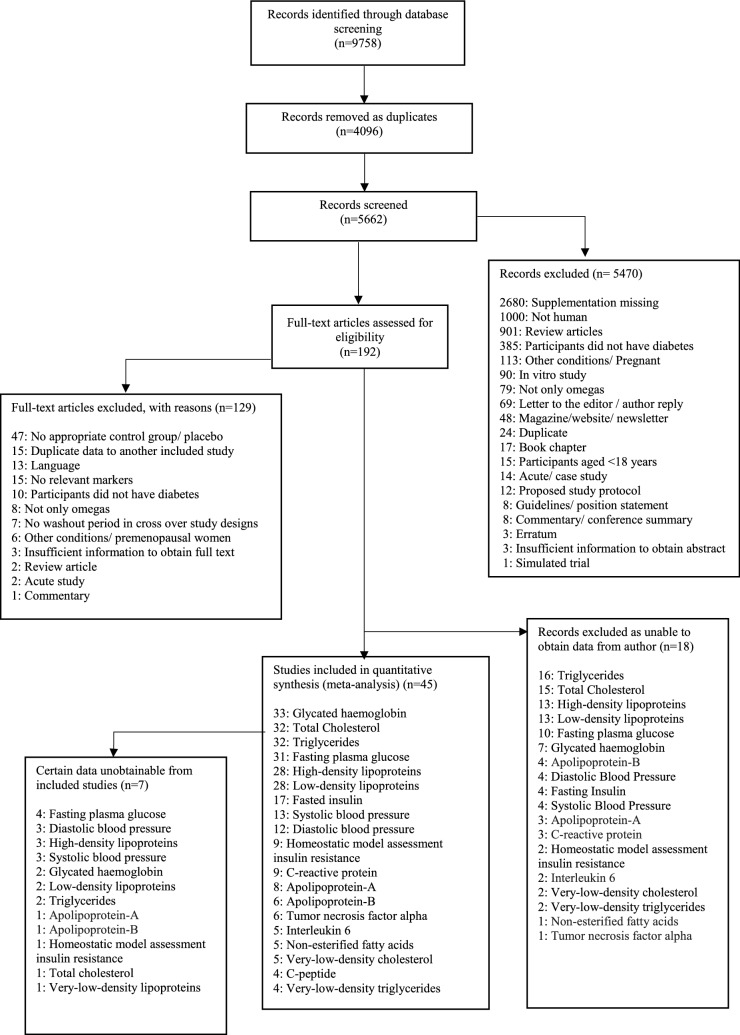
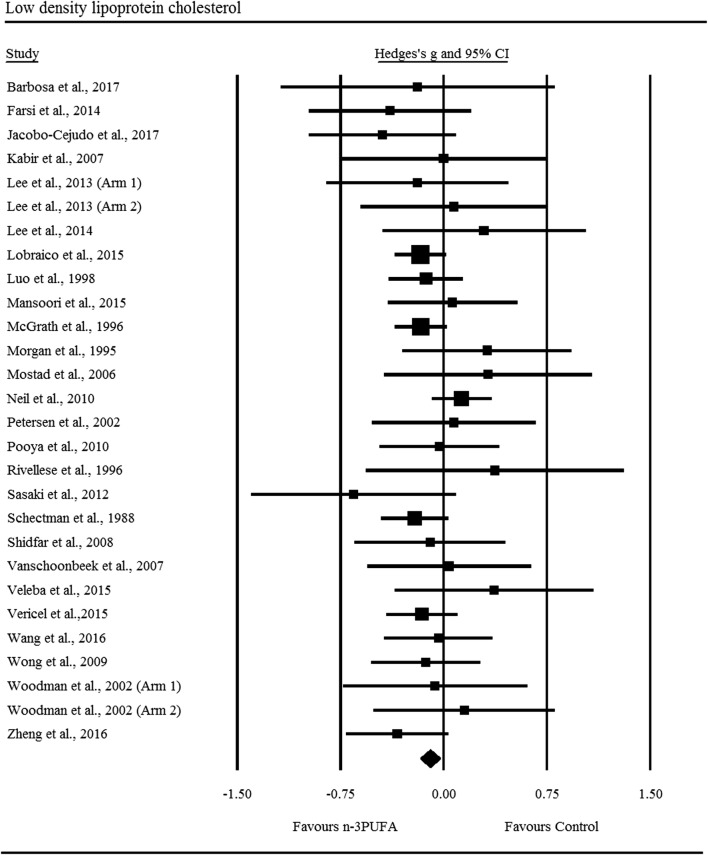
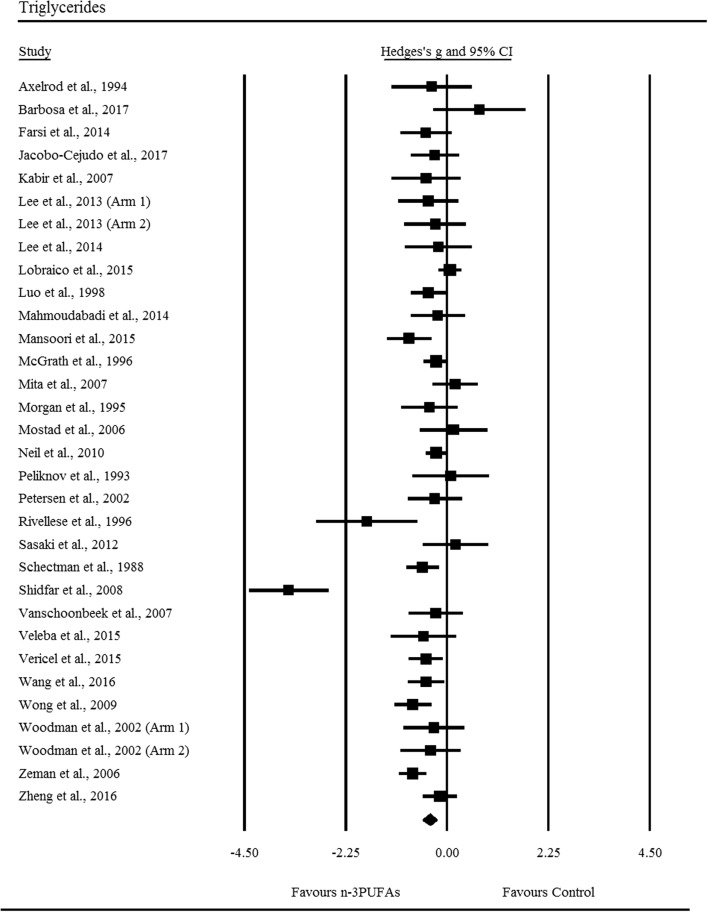
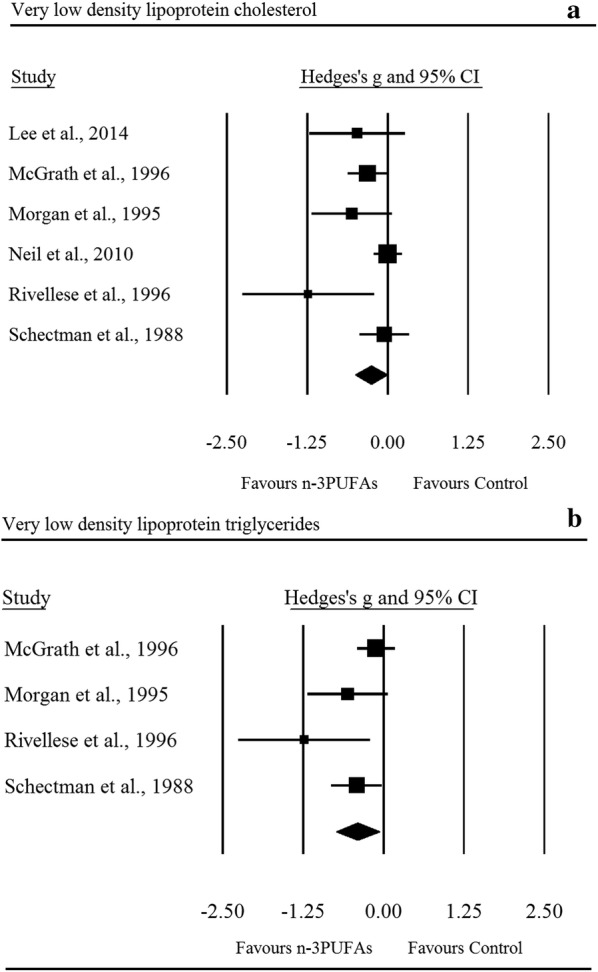
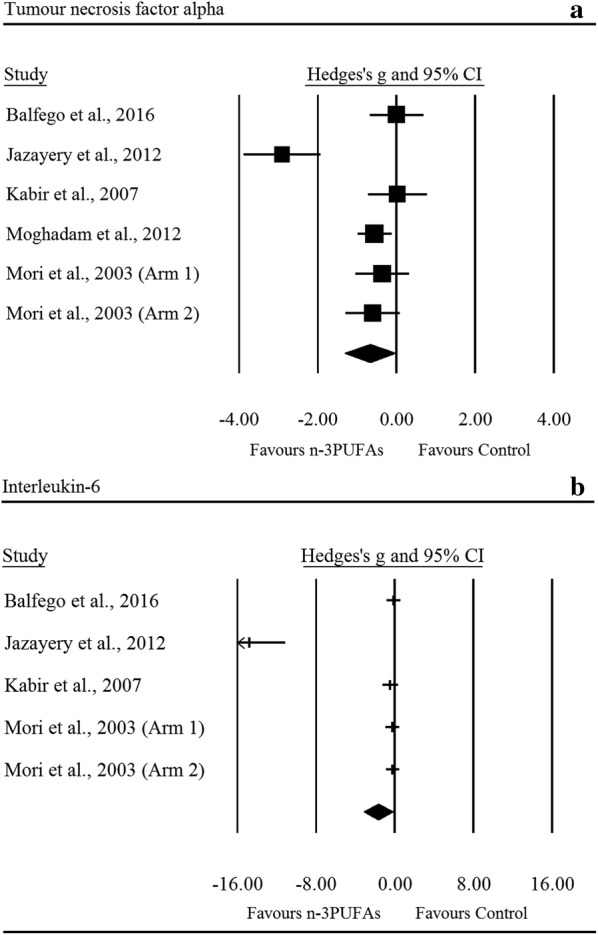
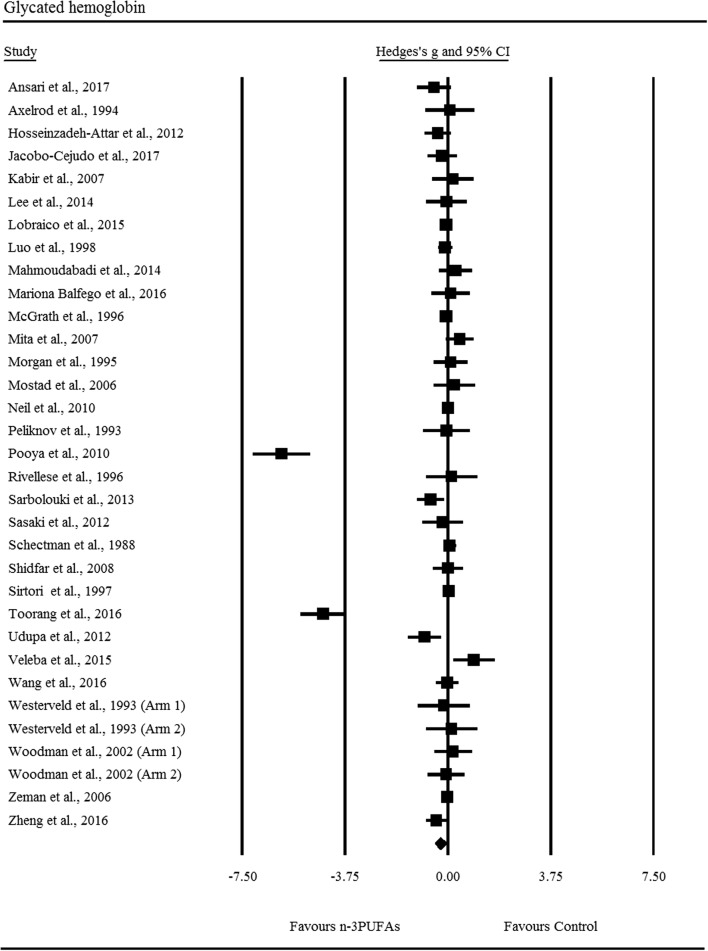
Background: Randomized controlled trials (RCTs) suggest that supplementation with omega-3 polyunsaturated fatty acids (n-3PUFAs) may favourably modify cardiometabolic biomarkers in type 2 diabetes (T2DM). Previous meta-analyses are limited by insufficient sample sizes and omission of meta-regression techniques, and a large number of RCTs have subsequently been published since the last comprehensive meta-analysis. Updated information regarding the impact of dosage, duration or an interaction between these two factors is therefore warranted. The objective was to comprehensively assess the effect of n-3PUFAs supplementation on cardiometabolic biomarkers including lipid profiles, inflammatory parameters, blood pressure, and indices of glycaemic control, in people with T2DM, and identify whether treatment dosage, duration or an interaction thereof modify these effects. Methods: Databases including PubMed and MEDLINE were searched until 13th July 2017 for RCTs investigating the effect of n-3PUFAs supplementation on lipid profiles, inflammatory parameters, blood pressure, and indices of glycaemic control. Data were pooled using random-effects meta-analysis and presented as standardised mean difference (Hedges g) with 95% confidence intervals (95% CI). Meta-regression analysis was performed to investigate the effects of duration of supplementation and total dosage of n-3PUFAs as moderator variables where appropriate. Results: A total of 45 RCTs were identified, involving 2674 people with T2DM. n-3PUFAs supplementation was associated with significant reductions in LDL [ES: − 0.10, (95% CI − 0.17, − 0.03); p = 0.007], VLDL (ES: − 0.26 (− 0.51, − 0.01); p = 0.044], triglycerides (ES: − 0.39 (− 0.55, − 0.24; p ≤ 0.001] and HbA1c (ES: − 0.27 (− 0.48, − 0.06); p = 0.010]. Moreover, n-3PUFAs supplementation was associated with reduction in plasma levels of TNF-α [ES: − 0.59 (− 1.17, − 0.01); p = 0.045] and IL-6 (ES: − 1.67 (− 3.14, − 0.20); p = 0.026]. All other lipid markers, indices of glycaemic control, inflammatory parameters, and blood pressure remained unchanged (p > 0.05). Conclusions: n-3PUFAs supplementation produces favourable hypolipidemic effects, a reduction in pro-inflammatory cytokine levels and improvement in glycaemia. Neither duration nor dosage appear to explain the observed heterogeneity in response to n-3PUFAs. Trial registration This trial was registered at http://www.crd.york.ac.uk as CRD42016050802
Overview
The claims and statistics of this paper haven’t been checked yet.
Free: it reads the open-access text and checks the first 5 claims that cite a source we can check. Create a free account to check every claim.
Integrity signals
Registry
Cites
Statistics
Figures
Verification
Claims the paper makes
The claims and statistics of this paper haven’t been checked yet.
Free: it reads the open-access text and checks the first 5 claims that cite a source we can check. Create a free account to check every claim.
Claims other papers make about this one
Each is checked against this paper’s own text: does it say what the citing paper says it does?
The source backs part of the claim, not all of it — or backs it for a different population, condition or comparison.
In the citing paper
“an increase in foods containing the long-chain omega-3 fatty acids EPA and docosahexaenoic acid (DHA), such as are found in fatty fi sh, is recommended for individuals with diabetes because of their benefi cial effects on lipoproteins, prevention of heart disease, and associations with positive health outcomes in observational studies (302,303).”
From Nutrition Therapy for Adults With Diabetes or Prediabetes: A Consensus Report (2019) · cites this paper as [302]
Experimental — accuracy not yet measured
Self-check
Percentages, sums and reported differences re-computed from the paper’s own numbers.
The self-check needs the paper’s full text.
Citations
Cites
Quantifying heterogeneity in a meta‐analysis
Higgins, J. P. T., & Thompson, S. G. (2002) · Statistics in Medicine · doi:10.1002/sim.1186 · Cited by 36,763 · cited 1×
“Heterogeneity between RCTs was assessed using the I2 statistic, where 0–20% suggests heterogeneity may be trivial, 20–50% represents low heterogeneity, 50–75% represent moderate heterogeneity, and 75% and above represents high heterogeneity [29].”
The Cochrane Collaboration's tool for assessing risk of bias in randomised trials
Higgins, J. P. T., Altman, D. G., Gotzsche, P. C., Juni, P., Moher, D., Oxman, A. D., Savovic, J., Schulz, K. F., Weeks, L., Sterne, J. A. C., et al. (2011) · BMJ · doi:10.1136/bmj.d5928 · Cited by 33,817
Liberati, A., Altman, D. G., Tetzlaff, J., Mulrow, C., Gøtzsche, P. C., Ioannidis, J. P. A., Clarke, M., Devereaux, P. J., Kleijnen, J., & Moher, D. (2009) · PLoS Medicine · doi:10.1371/journal.pmed.1000100 · Cited by 28,164
Liberati, A., Altman, D. G., Tetzlaff, J., Mulrow, C., Gotzsche, P. C., Ioannidis, J. P. A., Clarke, M., Devereaux, P. J., Kleijnen, J., & Moher, D. (2009) · BMJ · doi:10.1136/bmj.b2700 · Cited by 17,648
Borenstein, M., Hedges, L. V., Higgins, J. P. T., & Rothstein, H. R. (2009) · doi:10.1002/9780470743386 · Cited by 14,225
Wan, X., Wang, W., Liu, J., & Tong, T. (2014) · BMC Medical Research Methodology · doi:10.1186/1471-2288-14-135 · Cited by 11,735 · cited 1×
“Data synthesis and analysis If not reported, standard deviations were calculated from standard errors, confidence intervals (CI), or interquartile ranges [26].”
Borenstein, M., Hedges, L. V., Higgins, J. P. T., & Rothstein, H. R. (2021) · doi:10.1002/9781119558378 · Cited by 9,799
Turner, R. C., Fox, C., Matthews, McElroy, H. H., Cull, C. A., Holman, R. R., Neil, P., Hadden, D. R., Wright, D., Manley, E., et al. (1998) · The Lancet · Cited by 8,419
Effects of Intensive Glucose Lowering in Type 2 Diabetes
(2008) · New England Journal of Medicine · doi:10.1056/nejmoa0802743 · Cited by 7,888
Cited by
Items 101–165 of 165
Fatty acids: a role for Africa?
Delarue, J. (2019) · Proceedings of The Nutrition Society · doi:10.1017/s0029665119000508 · Cited by 7
Empfehlungen zur Ernährung von Personen mit Typ-2-Diabetes mellitus
Skurk, T., Bosy‐Westphal, A., Grünerbel, A., Kabisch, S., Keuthage, W., Kronsbein, P., Müssig, K., Nussbaumer, H., Pfeiffer, A. F. H., Simon, M., et al. (2023) · Die Diabetologie · doi:10.1007/s11428-023-01041-4 · Cited by 7
Liu, S., Lin, W., Tzeng, H.-P., & Chiang, M. (2023) · Journal of Food and Drug Analysis · doi:10.38212/2224-6614.3468 · Cited by 8
Khalafi, M., Maleki, A. H., Symonds, M. E., Rosenkranz, S. K., Ehsanifar, M., & Dinani, S. M. (2025) · Clinical Nutrition ESPEN · doi:10.1016/j.clnesp.2025.01.022 · Cited by 6
AEG‐AESPANC‐OPGE‐SIED‐SPG Ibero‐Latin American Guidelines on Acute Pancreatitis (iLATAM‐AP)
Cárdenas‐Jaén, K., Guilabert, L., Martínez-Moneo, E., Carla Mancilla, A., Bispo, M., Moutinho-Ribeiro, P., Mansilla, R., Rei, A., de Paredes, A. G. G., López‐Serrano, A., et al. (2026) · United European Gastroenterology Journal · doi:10.1002/ueg2.70190 · Cited by 9
Empfehlungen zur Ernährung von Personen mit Diabetes mellitus Typ 2
Skurk, T., Bosy‐Westphal, A., Grünerbel, A., Kabisch, S., Keuthage, W., Kronsbein, P., Müssig, K., Pfeiffer, A. F. H., Simon, M., Tombek, A., et al. (2022) · Die Diabetologie · doi:10.1007/s11428-022-00908-2 · Cited by 6
Abdissa, D. (2021) · Nutrition and Dietary Supplements · doi:10.2147/nds.s298870 · Cited by 6
Howard, E., Attenbourgh, A., O’Mahoney, L. L., Sakar, A., Ke, L., & Campbell, M. D. (2021) · Nutrition Metabolism and Cardiovascular Diseases · doi:10.1016/j.numecd.2021.05.021 · Cited by 6
Self-citationEncapsulated Omega-3 Delivery Systems in Functional Foods
Das, S., Agarwal, P. N., Mishra, S., Sivamani, Y., Hegde, S., Ganesan, S., & Elayaperumal, S. (2024) · Methods and protocols in food science · doi:10.1007/978-1-0716-4346-4_13 · Cited by 8
Li, R., Wang, Y., Xu, J., Yu, J., & Li, B. (2025) · Reviews in Cardiovascular Medicine · doi:10.31083/rcm25882 · Cited by 6
“The consumption of n-3 PUFAs led to a decrease in LDL levels, which is consistent with the findings of a previous study [42].”
Dietary Recommendations for Persons with Type 2 Diabetes Mellitus
Skurk, T., Bosy‐Westphal, A., Grünerbel, A., Kabisch, S., Keuthage, W., Kronsbein, P., Müssig, K., Nussbaumer, H., Pfeiffer, A. F. H., Simon, M., et al. (2024) · Experimental and Clinical Endocrinology & Diabetes · doi:10.1055/a-2166-6772 · Cited by 5
Dietary Treatments to Reduce Insulin Resistance and Inflammation in Type-2 Diabetic Patients
Fernández, M. L., & Murillo, A. G. (2022) · Medical Research Archives · doi:10.18103/mra.v10i4.2768 · Cited by 5
Serhiyenko, V. A., Serhiyenko, L. M., Ajmi, S., & Serhiyenko, A. A. (2019) · Clinical Research and Trials · doi:10.15761/crt.1000274 · Cited by 4
Role of omega-3 polyunsaturated fatty acids in cardiovascular risk management
Podzolkov, V. I., & Владимирович, П. М. (2020) · CARDIOVASCULAR THERAPY AND PREVENTION · doi:10.15829/1728-8800-2020-2589 · Cited by 4
Gao, J., Li, C., Chen, H., Li, Z., You, F., Song, W.-Q., Zhong, W.-F., Chen, P., Yang, J., Huang, Q., et al. (2024) · Nutrients · doi:10.3390/nu16132071 · Cited by 4
“Previous population-based studies have shown that dietary UPF intake is associated with a reduced risk of death and cardiovascular events [3,6–8].”
BackgroundChen, B., Wu, Q., Liu, S., Di, H., Hu, W., Qin, T., Wang, Y., Chen, R., Wang, H., Chen, Y., et al. (2025) · Journal of Diabetes · doi:10.1111/1753-0407.70110 · Cited by 4
Higuchi, Y., Kajiyama, S., Kitta, K., Miyawaki, T., Matsumoto, S., Ozasa, N., KAJIYAMA, S., Hashimoto, Y., Fukui, M., & Imai, S. (2025) · Journal of Nutritional Science and Vitaminology · doi:10.3177/jnsv.71.133 · Cited by 3
Danesi, F., Larsen, B. D., Nunzio, M. D., Nielsen, R., de Biase, D., Valli, V., Mandrup, S., & Bordoni, A. (2020) · Nutrients · doi:10.3390/nu12102952 · Cited by 4
Harris, W. S., Leonard, D. S., Radford, N. B., Barlow, C. E., Steele, M. R., Farrell, S. W., Pavlovic, A., Willis, B. L., & DeFina, L. F. (2020) · Journal of clinical lipidology · doi:10.1016/j.jacl.2020.11.011 · Cited by 3
Mieszkowski, J., Konert, M., Kochanowicz, A., Niespodziński, B., Brzezinska, P. B., Stankiewicz, B., Piskorska, E., Żołądkiewicz, K., Antosiewicz, J., Śledziński, T., et al. (2024) · Journal of Functional Foods · doi:10.1016/j.jff.2024.106427 · Cited by 3
Hua, R., Lam, C. S., Chu, N. H. S., Yang, A., Chow, E., & Cheung, Y. T. (2024) · Journal of Nutrition · doi:10.1016/j.tjnut.2024.11.012 · Cited by 3
Chiarot, A., Minhas, M., de Maat, N. M., Doan, J., Nilsson, M. I., Hettinga, B. P., Faghih, M., Neal, M. S., Nederveen, J. P., & Tarnopolsky, M. A. (2025) · Biomolecules · doi:10.3390/biom15091258 · Cited by 2
“…omega-3 fatty acids (n-3 PUFAs; EPA and DHA) reduces oxidative stress [28,29] and inflammation [30–32] and improves risk factors associated with cardiometabolic disease [33,34], metabolic syndrome (MetS) [35,36], type 2 diabetes (T2DM) [37,38], and polycystic ovary syndrome (PCOS) [39–41].”
Pesapane, A., Scisciola, L., Basilicata, M. G., Fontanella, R. A., Balzano, N., Capuano, A., Zia, A., Arshad, M., Ulfat, Z., Tortorella, G., et al. (2025) · Cardiovascular Diabetology · doi:10.1186/s12933-025-03033-8 · Cited by 2
“…have been shown to improve cardiometabolic biomarkers in patients with type 2 diabetes mellitus (T2DM), producing beneficial effects on lipid profiles, reducing pro-inflammatory cytokines and enhancing glycaemic control, thereby contributing to a reduced cardiovascular risk and mortality [3, 4].”
Chen, C., Li, X., Yan, H., Liu, J., Cao, Y., Zhao, H., Liu, S., Wang, Y., Sun, Y., Jia, B., et al. (2025) · Nutrition Metabolism and Cardiovascular Diseases · doi:10.1016/j.numecd.2025.104488 · Cited by 3
Dietary lipids and hypertension
Hu, X., & Yang, B. (2022) · Elsevier eBooks · doi:10.1016/b978-0-12-823914-8.00016-1 · Cited by 2
Delarue, J. (2022) · Bulletin de l Académie Nationale de Médecine · doi:10.1016/j.banm.2022.04.028 · Cited by 2
Empfehlungen zur Ernährung von Personen mit Typ-2-Diabetes mellitus
Skurk, T., Bosy‐Westphal, A., Grünerbel, A., Kabisch, S., Keuthage, W., Kronsbein, P., Müssig, K., Nussbaumer, H., Pfeiffer, A. F. H., Simon, M., et al. (2022) · Diabetologie und Stoffwechsel · doi:10.1055/a-1886-3959 · Cited by 2
Diabetes Mellitus Types I and II
Murray, M. T. (2020) · Elsevier eBooks · doi:10.1016/b978-0-323-43044-9.00165-5 · Cited by 2
Empfehlungen zur Ernährung von Personen mit Typ-2-Diabetes mellitus
Skurk, T., Bosy‐Westphal, A., Grünerbel, A., Kabisch, S., Keuthage, W., Kronsbein, P., Müssig, K., Nussbaumer, H., Pfeiffer, A. F. H., Simon, M., et al. (2023) · Diabetologie und Stoffwechsel · doi:10.1055/a-1997-7924 · Cited by 3
Shen, J., Li, K., Yu, H., Ding, B., Xiao, R., & Ma, W. (2021) · Research Square · doi:10.21203/rs.3.rs-577863/v1 · Cited by 2
Serhiyenko, V. A., & Serhiyenko, A. A. (2023) · INTERNATIONAL JOURNAL OF ENDOCRINOLOGY (Ukraine) · doi:10.22141/2224-0721.19.3.2023.1275 · Cited by 1
Kanwar, J. (2025) · IntechOpen eBooks · doi:10.5772/intechopen.1009255 · Cited by 1
The Health Benefits of Eating Seafood: A Systematic Review of the Evidence
Hunt, W., & McManus, A. (2026) · European Journal of Nutrition & Food Safety · doi:10.9734/ejnfs/2026/v18i42003 · Cited by 1
Inflammation and lipid metabolism as a strong background connecting psoriasis and liver diseases
Kozłowska, D., Myśliwiec, H., & Flisiak, I. (2020) · Dermatology Review · doi:10.5114/dr.2020.97819 · Cited by 3
Fried, R., & Carlton, R. M. (2023) · CRC Press eBooks · doi:10.1201/b23284 · Cited by 2
The role of omega PUFAs in the complex prevention and treatment of certain skin diseases
Prokopenko, E. V., Орлова, С. В., Никитина, Е. А., Vodolazkaya, A. N., Balashova, N. V., & Pigareva, Y. A. (2023) · Medical alphabet · doi:10.33667/2078-5631-2023-8-53-63 · Cited by 2
Britten‐Jones, A. C., Calder, G. L., Busija, L., Kamel, J. T., Roberts, L. J., MacIsaac, R. J., & Downie, L. E. (2023) · Cochrane Database of Systematic Reviews · doi:10.1002/14651858.cd014623 · Cited by 2
Natural compounds as therapeutic agents: Addressing global health challenges
Gozzo, Â. M., Demczuk, B., Cardoso, F. A. R., Marques, L. L. M., Leone, R. D. S., & Lima, M. V. D. S. (2024) · Studies in natural products chemistry · doi:10.1016/b978-0-443-22214-6.00019-3 · Cited by 1
Effects of omega-3 on androgenic activity in cadmium-induced hypertensive rats
Gallaly, D. Q. (2019) · Zanco Journal of Medical Sciences · doi:10.15218/zjms.2019.048
“The supplementation of omega-3 has many beneficial effects in patients with hyperlipidemia and diabetes.(14) Several recent studies documented antioxidant, anti”
BackgroundShen, J., Li, K., Yu, H., Ding, B., Xiao, R., & Ma, W. (2021) · Research Square · doi:10.21203/rs.3.rs-577863/v2
Serhiyenko, V. A., Hotsko, M. E., Azhmi, S., & Serhiyenko, O. (2021) · Lviv clinical bulletin · doi:10.25040/lkv2021.03-04.008
Shen, J., Li, K., Yu, H., Ding, B., Xiao, R., & Ma, W. (2021) · Research Square · doi:10.21203/rs.3.rs-577863/v3
Uusitupa, M. I. J. (2022) · Diabetes Research and Clinical Practice · doi:10.1016/j.diabres.2022.110072
Prosolenko, K., Panchenko, G. Y., & Vizir, M. (2023) · Modern Gastroenterology · doi:10.30978/mg-2023-2-5
Empfehlungen zur Ernährung von Personen mit Typ-2-Diabetes mellitus
Skurk, T., Bosy‐Westphal, A., Grünerbel, A., Kabisch, S., Keuthage, W., Kronsbein, P., Müssig, K., Nussbaumer, H., Pfeiffer, A. F. H., Simon, M., et al. (2024) · Die Diabetologie · doi:10.1007/s11428-024-01174-0
Ngatu, N. R., Hossain, A., Mruo, N., Akumwami, S., Rahman, A., Eitoku, M., Kanda, K., Nangana, L. S., Daniel-Tonduangu, K., Nishiyama, A., et al. (2024) · Preprints.org · doi:10.20944/preprints202404.0632.v1
Rogalski, J. K., Pokrywka, K., & Tomczak, T. (2024) · Environmental Medicine · doi:10.26444/ms/187881
NBF2, an Algal Fiber-Rich Formula, Reverses Diabetic Dyslipidemia and Hyperglycemia In Vivo
Ngatu, N. R., Hossain, A., Maruo, N., Akumwami, S., Rahman, A., Eitoku, M., Kanda, K., Nishiyama, A., Suganuma, N., & Hirao, T. (2024) · International Journal of Molecular Sciences · doi:10.3390/ijms251910828
“…Radix astragali [9,10] and omega-3 poly-unsaturated fatty acids have been reported to modulate APN production and improve the metabolic health markers of high-risk subjects [11]. acids have been reported to modulate APN production and improve the metabolic health markers of high-risk subjects [11].”
Background(2025) · Frontiers research topics · doi:10.3389/978-2-8325-5896-6
Hornero‐Ramirez, H. (2024) · theses.fr (ABES) · doi:10.70675/25440a39ze2faz44d5z8b45z12f82a1ab67b · Cited by 1
Zhuravlyova, L., Кривоносова, О. М., & Zhuravlyova, A. K. (2025) · PROBLEMS OF ENDOCRINE PATHOLOGY · doi:10.21856/j-pep.2025.2.07
Chiu, H., Zhuang, S. R., Shen, Y., Thangaleela, S., & Wang, C. (2025) · Nutrients · doi:10.3390/nu17152433 · Cited by 1
“The lipid-modulating effects of ω -3 fatty acid supplementation have been demonstrated across various populations, including healthy individuals, patients with dys-Nutrients lipidemia, and those with diabetes [44–47].”
Rasheed, S., Ejaz, M., Khalid, S., Fayyaz, S., Sadiq, M., Aslam, M., Irfan, T., Sahar, K., & Zubair, R. (2021) · International Journal of Biosciences (IJB) · doi:10.12692/ijb/19.2.180-195
Xu, B., Chen, S., & Ou, J. (2025) · Journal of Oleo Science · doi:10.5650/jos.ess25171
Hu, C., Zhou, Y., Wu, X., Jia, X., Zhu, Y., Zheng, R., Wang, S., Lin, L., Qi, H., Lin, H., et al. (2024) · Figshare · doi:10.6084/m9.figshare.26595413
Hu, C., Zhou, Y., Wu, X., Jia, X., Zhu, Y., Zheng, R., Wang, S., Lin, L., Qi, H., Lin, H., et al. (2024) · Figshare · doi:10.6084/m9.figshare.26595419
Wang, X., Zhang, Y., Tan, H., Wang, P., Zha, X., Chong, W., Zhou, L., & Fang, F. (2020) · Figshare · doi:10.6084/m9.figshare.12799011
Effects of Japan tallow on gut microbiota in type 2 diabetic mice
Xie, K., Zhang, Y., Yu, L. J. Z., Yu, X., He, J., & Su, Y. (2026) · Nutrition & Metabolism · doi:10.1186/s12986-026-01079-3
“Previous studies have shown that certain unsaturated lipids can improve metabolic parameters in diabetes [27, 28]; while JT contains unsaturated ceramides (Cer t18:1_22:1) and OAHFA (42:7), further research is needed to establish their specific mechanisms in this model.”
Rijjal, D. A. (2022) · TSpace (University of Toronto)
Tani, S., Suzuki, Y., Yagi, T., & Takahashi, A. (2026) · Prostaglandins Leukotrienes and Essential Fatty Acids · doi:10.1016/j.plefa.2026.102750
Considerations for Dietary Supplements after GLP-1RA Treatment: A Narrative Review
Johnson, B. V. B. (2026) · Journal of Nutrition · doi:10.1016/j.tjnut.2026.101695
Wang, M. E., Britton, A. R., Katsoulis, M., Chang, K., Vamos, E. P., & Llewellyn, C. H. (2026) · BMC Medicine · doi:10.1186/s12916-026-05081-7 · Cited by 1
Alyami, H. H., Eldin, T. G., Chathoth, S., Albaker, W. I., Alsunni, A. A., Bamosa, A. O., Alsaadi, S. M., & Al-Hariri, M. T. (2026) · Sci · doi:10.3390/sci8080206
“By comparison, curcumin shows glycaemic benefit but less consistent lipid effects [22], cinnamon’s effects are mixed and dose-dependent [23], and omega-3 fatty acids principally lower triglycerides with modest glycaemic impact [24].”
(2026) · Journal of Biosciences and Public Health · doi:10.5455/jbph.2026.21
Роль омега ПНЖК в комплексной профилактике и лечении некоторых заболеваний кожи
Валерьевна, П. Е., Владимировна, О. С., Александровна, Н. Е., Николаевна, В. А., Валерьевна, Б. Н., & Анатольевна, П. Ю. (2023) · Medical alphabet
Metadata
- Authors
- O’Mahoney, L. L., Matu, J., Price, O. J., Birch, K. M., Ajjan, R. A., Farrar, D., Tapp, R., West, D. J., Deighton, K., & Campbell, M. D.
- Affiliations
- Leeds Beckett University (GB)
- University of Leeds (GB)
- Bradford Royal Infirmary (GB)
- University of London (GB)
- Newcastle University (GB)
- Corresponding author
- Campbell, Matthew D.
- ORCID
- Venue
- Cardiovascular Diabetology
- Published
- 2018-07-07
- Volume
- 17
- Issue
- 1
- Pages
- 98-98
- ISSN
- 1475-2840 (ISSN-L)
- PMC
- PMC6035402
- OpenAlex
- W2818923169
- Cited by
- 157
- References
- 64
- Citations by year
- 2026: 5 · 2025: 15 · 2024: 18 · 2023: 25 · 2022: 26 · 2021: 26 · 2020: 23 · 2019: 17 · 2018: 2
- FWCI
- 2.18
- Type
- journal article
- Language
- en
- Open access
- gold
- doi.org
- Licence
- cc-by
- creativecommons.org/licenses/by/4.0 (tdm)
- creativecommons.org/licenses/by/4.0 (vor)
- Locations
- Cardiovascular Diabetology (publishedVersion, cc-by)
- Europe PMC (PubMed Central) (publishedVersion, other-oa)
- PubMed Central (publishedVersion, cc-by)
- PubMed (publishedVersion)
- Leeds Beckett Repository (Leeds Beckett University) (acceptedVersion, other-oa)
- White Rose Research Online (University of Leeds, The University of Sheffield, University of York) (acceptedVersion)
- St George's Online Research Archive (St George's University of London) (acceptedVersion)
- Sunderland Repository (University of Sunderland) (acceptedVersion)
- Minerva Access (University of Melbourne) (submittedVersion, cc-by)
- DOAJ (DOAJ: Directory of Open Access Journals) (submittedVersion, cc-by-sa)
- Newcastle University ePrints (Newcastle Univesity) (cc-by)
- Funders
- Leeds Beckett University
- National Institute for Health and Care Research (PDF-2014-07-019)
- Topics
- Health Sciences › Nursing › Nutrition and Dietetics › Fatty Acid Research and Health
- Health Sciences › Medicine › Public Health, Environmental and Occupational Health › Nutritional Studies and Diet
- Health Sciences › Medicine › Endocrinology, Diabetes and Metabolism › Diabetes Treatment and Management
- Keywords
- omega-3 polyunsaturated fatty acids, type 2 diabetes, dietary supplementation, cardiometabolic biomarkers, lipid profile, LDL cholesterol, triglycerides, HbA1c, glycemic control, inflammatory markers, TNF-α, blood pressure, duration of supplementation, dosage, dose-response relationship, n-6/n-3 ratio
- MeSH terms
- Blood Glucose, Cardiovascular Diseases, Diabetes Mellitus, Type 2, Glycated Hemoglobin, Humans, Lipids, Risk Factors, Biomarkers, Fatty Acids, Omega-3, Randomized Controlled Trials as Topic, Cytokines, Treatment Outcome, Inflammation Mediators, Dietary Supplements, Metabolic Syndrome, Protective Factors
About these checks
Registry, retraction, Cites and statistics results are computed, not judged, with one exception: a printed reference that no index lists is read once by a model before it counts as a citation error. Claims are extracted by a model and kept only when their quote appears verbatim in the text; each cited source is then checked, with a model’s help, for whether it says what the claim relies on. Those verdicts can be wrong — read the claim’s quote and the cited source before relying on one.
Statistics and arithmetic are recomputed, not judged.
Confidence bands are shown only for fields calibrated on our annotated test set. None is calibrated yet, so no band is shown.
What counts as a claim ›How we measure confidence ›How we check this ›
Are you an author, or do you see a problem with this page? Request a review
Data sources
Bibliographic data: Semantic Scholar, OpenAlex, Crossref.
Contains information from the Semantic Scholar Academic Graph Datasets, made available under the ODC Attribution License (ODC-BY 1.0).
Semantic Scholar’s data is described in: Kinney, R., et al. (2023). The Semantic Scholar Open Data Platform. arXiv:2301.10140.
