

Omega-3 polyunsaturated fatty acids favourably modulate cardiometabolic biomarkers in type 2 diabetes: a meta-analysis and meta-regression of randomized controlled trials
Open accessThe DOI matches its Crossref record; 62 of the 64 references it cites were found in a registry or an index.
Abstract
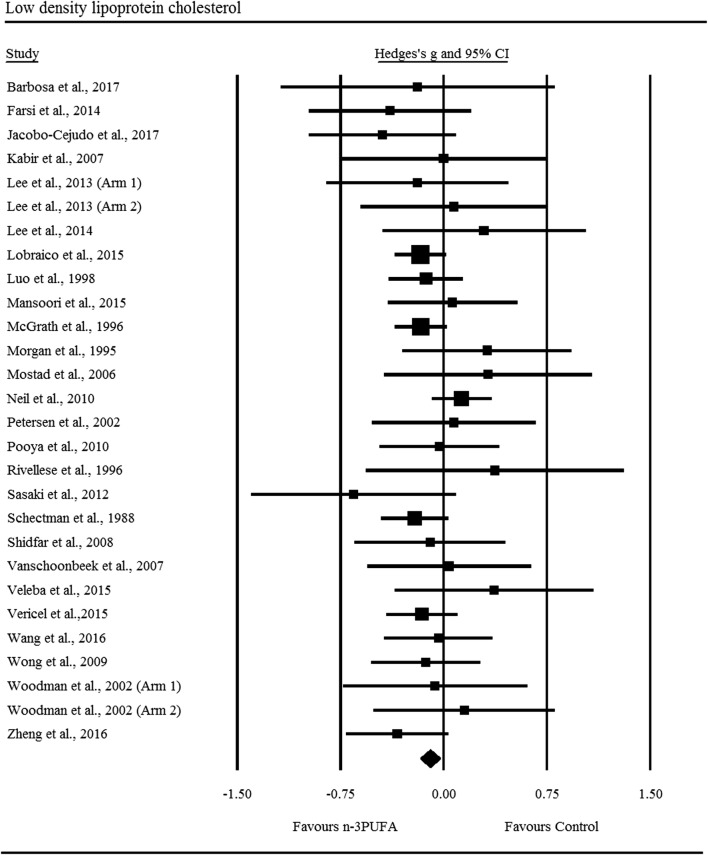
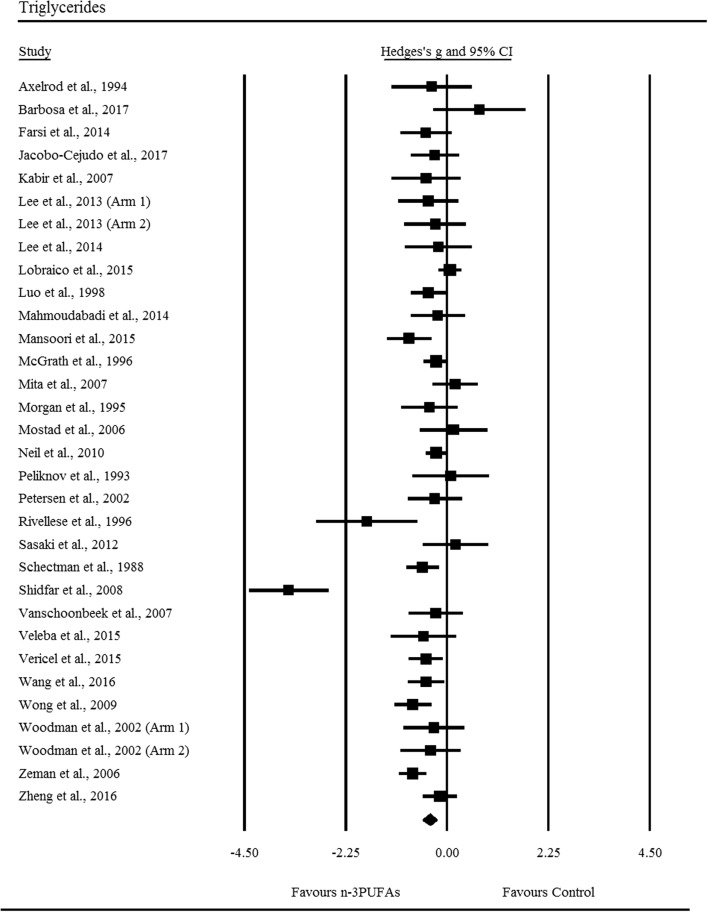
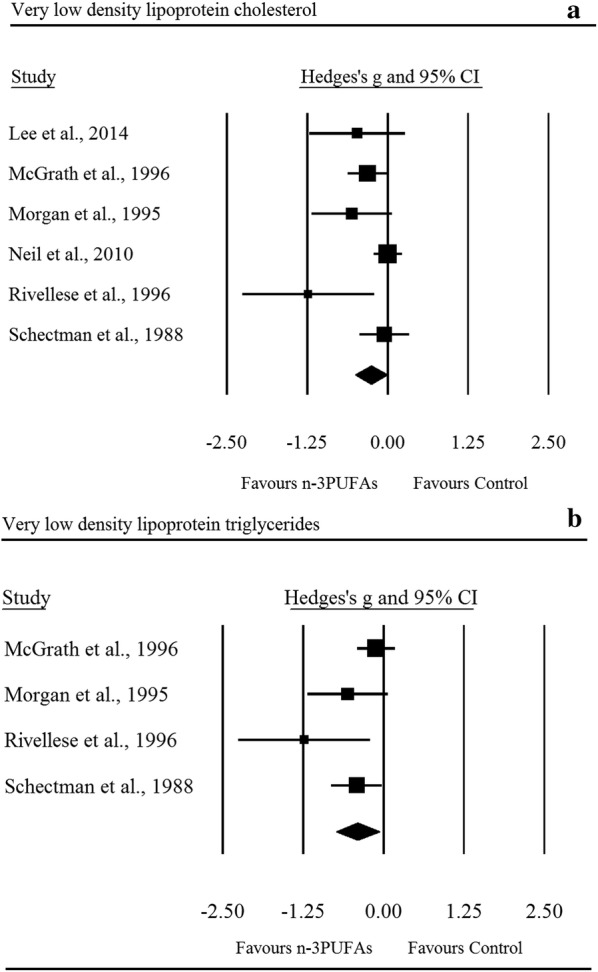
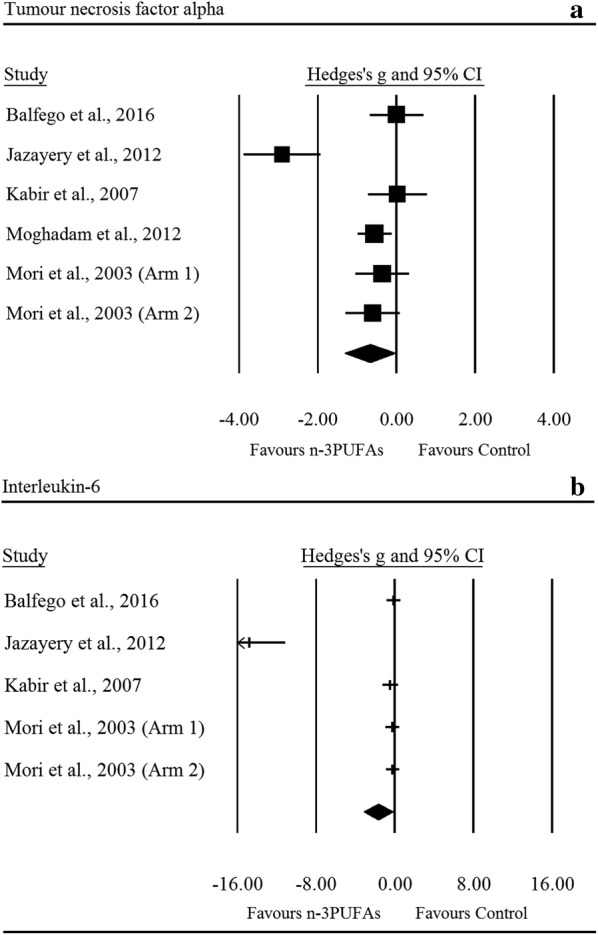
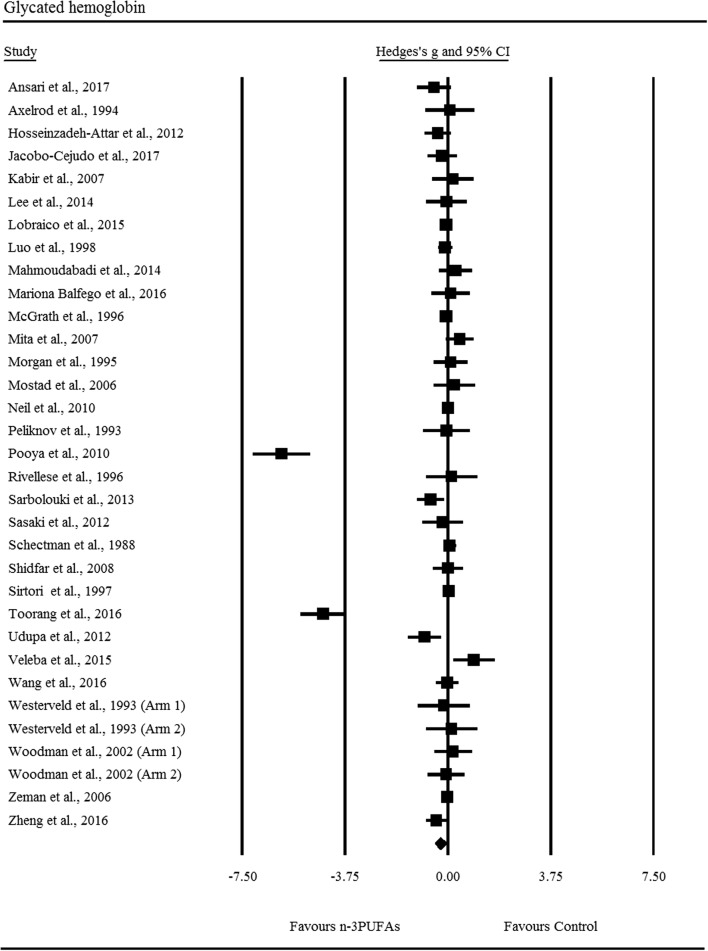
Background: Randomized controlled trials (RCTs) suggest that supplementation with omega-3 polyunsaturated fatty acids (n-3PUFAs) may favourably modify cardiometabolic biomarkers in type 2 diabetes (T2DM). Previous meta-analyses are limited by insufficient sample sizes and omission of meta-regression techniques, and a large number of RCTs have subsequently been published since the last comprehensive meta-analysis. Updated information regarding the impact of dosage, duration or an interaction between these two factors is therefore warranted. The objective was to comprehensively assess the effect of n-3PUFAs supplementation on cardiometabolic biomarkers including lipid profiles, inflammatory parameters, blood pressure, and indices of glycaemic control, in people with T2DM, and identify whether treatment dosage, duration or an interaction thereof modify these effects. Methods: Databases including PubMed and MEDLINE were searched until 13th July 2017 for RCTs investigating the effect of n-3PUFAs supplementation on lipid profiles, inflammatory parameters, blood pressure, and indices of glycaemic control. Data were pooled using random-effects meta-analysis and presented as standardised mean difference (Hedges g) with 95% confidence intervals (95% CI). Meta-regression analysis was performed to investigate the effects of duration of supplementation and total dosage of n-3PUFAs as moderator variables where appropriate. Results: A total of 45 RCTs were identified, involving 2674 people with T2DM. n-3PUFAs supplementation was associated with significant reductions in LDL [ES: − 0.10, (95% CI − 0.17, − 0.03); p = 0.007], VLDL (ES: − 0.26 (− 0.51, − 0.01); p = 0.044], triglycerides (ES: − 0.39 (− 0.55, − 0.24; p ≤ 0.001] and HbA1c (ES: − 0.27 (− 0.48, − 0.06); p = 0.010]. Moreover, n-3PUFAs supplementation was associated with reduction in plasma levels of TNF-α [ES: − 0.59 (− 1.17, − 0.01); p = 0.045] and IL-6 (ES: − 1.67 (− 3.14, − 0.20); p = 0.026]. All other lipid markers, indices of glycaemic control, inflammatory parameters, and blood pressure remained unchanged (p > 0.05). Conclusions: n-3PUFAs supplementation produces favourable hypolipidemic effects, a reduction in pro-inflammatory cytokine levels and improvement in glycaemia. Neither duration nor dosage appear to explain the observed heterogeneity in response to n-3PUFAs. Trial registration This trial was registered at http://www.crd.york.ac.uk as CRD42016050802
Overview
The claims and statistics of this paper haven’t been checked yet.
Free: it reads the open-access text and checks the first 5 claims that cite a source we can check. Create a free account to check every claim.
Integrity signals
Registry
Cites
Statistics
Figures
Verification
Claims the paper makes
The claims and statistics of this paper haven’t been checked yet.
Free: it reads the open-access text and checks the first 5 claims that cite a source we can check. Create a free account to check every claim.
Claims other papers make about this one
Each is checked against this paper’s own text: does it say what the citing paper says it does?
The source backs part of the claim, not all of it — or backs it for a different population, condition or comparison.
In the citing paper
“an increase in foods containing the long-chain omega-3 fatty acids EPA and docosahexaenoic acid (DHA), such as are found in fatty fi sh, is recommended for individuals with diabetes because of their benefi cial effects on lipoproteins, prevention of heart disease, and associations with positive health outcomes in observational studies (302,303).”
From Nutrition Therapy for Adults With Diabetes or Prediabetes: A Consensus Report (2019) · cites this paper as [302]
Experimental — accuracy not yet measured
Self-check
Percentages, sums and reported differences re-computed from the paper’s own numbers.
The self-check needs the paper’s full text.
Citations
Cites
Quantifying heterogeneity in a meta‐analysis
Higgins, J. P. T., & Thompson, S. G. (2002) · Statistics in Medicine · doi:10.1002/sim.1186 · Cited by 36,763 · cited 1×
“Heterogeneity between RCTs was assessed using the I2 statistic, where 0–20% suggests heterogeneity may be trivial, 20–50% represents low heterogeneity, 50–75% represent moderate heterogeneity, and 75% and above represents high heterogeneity [29].”
The Cochrane Collaboration's tool for assessing risk of bias in randomised trials
Higgins, J. P. T., Altman, D. G., Gotzsche, P. C., Juni, P., Moher, D., Oxman, A. D., Savovic, J., Schulz, K. F., Weeks, L., Sterne, J. A. C., et al. (2011) · BMJ · doi:10.1136/bmj.d5928 · Cited by 33,817
Liberati, A., Altman, D. G., Tetzlaff, J., Mulrow, C., Gøtzsche, P. C., Ioannidis, J. P. A., Clarke, M., Devereaux, P. J., Kleijnen, J., & Moher, D. (2009) · PLoS Medicine · doi:10.1371/journal.pmed.1000100 · Cited by 28,164
Liberati, A., Altman, D. G., Tetzlaff, J., Mulrow, C., Gotzsche, P. C., Ioannidis, J. P. A., Clarke, M., Devereaux, P. J., Kleijnen, J., & Moher, D. (2009) · BMJ · doi:10.1136/bmj.b2700 · Cited by 17,648
Borenstein, M., Hedges, L. V., Higgins, J. P. T., & Rothstein, H. R. (2009) · doi:10.1002/9780470743386 · Cited by 14,225
Wan, X., Wang, W., Liu, J., & Tong, T. (2014) · BMC Medical Research Methodology · doi:10.1186/1471-2288-14-135 · Cited by 11,735 · cited 1×
“Data synthesis and analysis If not reported, standard deviations were calculated from standard errors, confidence intervals (CI), or interquartile ranges [26].”
Borenstein, M., Hedges, L. V., Higgins, J. P. T., & Rothstein, H. R. (2021) · doi:10.1002/9781119558378 · Cited by 9,799
Turner, R. C., Fox, C., Matthews, McElroy, H. H., Cull, C. A., Holman, R. R., Neil, P., Hadden, D. R., Wright, D., Manley, E., et al. (1998) · The Lancet · Cited by 8,419
Effects of Intensive Glucose Lowering in Type 2 Diabetes
(2008) · New England Journal of Medicine · doi:10.1056/nejmoa0802743 · Cited by 7,888
Cited by
Nutrition Therapy for Adults With Diabetes or Prediabetes: A Consensus Report
Evert, A. B., Dennison, M., Gardner, C. D., Garvey, W. T., Lau, K. H. K., MacLeod, J., Mitri, J., Pereira, R. F., Rawlings, K., Robinson, S., et al. (2019) · Diabetes Care · doi:10.2337/dci19-0014 · Cited by 1,496
Djuricic, I., & Calder, P. C. (2021) · Nutrients · doi:10.3390/nu13072421 · Cited by 1,015
“Furthermore, meta-analyses of RCTs with EPA and DHA confirm reductions in the concentrations of C-reactive protein [145,146] and several cytokines [147].”
MethodChanges in Plasma Free Fatty Acids Associated with Type-2 Diabetes
I. S. Sobczak, A., A. Blindauer, C., & J. Stewart, A. (2019) · Nutrients · doi:10.3390/nu11092022 · Cited by 304
“A large body of work has been dedicated to long-chain n-3 PUFAs [69,71,128,134,265,266], whilst less information is available for MUFAs [145,267] and n-6 PUFAs [208].”
BackgroundThe Influence of Dietary Fatty Acids on Immune Responses
Radzikowska, U., Rinaldi, A. O., Çelebi Sözener, Z., Karaguzel, D., Wojcik, M., Cypryk, K., Akdis, M., Akdis, C. A., & Sokolowska, M. (2019) · Nutrients · doi:10.3390/nu11122990 · Cited by 306
“In contrast, a 2018 meta-analysis of 45 RCTs, involving 2674 subjects with T2DM, revealed the beneficial effects of n-3 PUFA supplementation on lipid profile, markers of inflammation, and glycaemia in diabetic patients [361].”
Barrea, L., Muscogiuri, G., Frias-Toral, E., Laudisio, D., Pugliese, G., Castellucci, B., Garcia-Velasquez, E., Savastano, S., & Colao, A. (2021) · Critical Reviews in Food Science and Nutrition · doi:10.1080/10408398.2020.1792826 · Cited by 195
“…of omega-6 fatty acids is greater and favors a higher production of pro-inflammatory cytokines and procoagulant factors that increase the risk of chronic diseases such as diabetes mellitus and atherosclerosis (Marklund et al. 2019; O’Mahoney et al. 2018; Schwingshackl, Morze, and Hoffmann 2020).”
BackgroundEncapsulation and Protection of Omega-3-Rich Fish Oils Using Food-Grade Delivery Systems
Venugopalan, V. K., Gopakumar, L. R., Ajeeshkumar, K. K., Chatterjee, N. S., Soman, V., Peeralil, S., Mathew, S., McClements, D. J., & Nagarajarao, R. C. (2021) · Foods · doi:10.3390/foods10071566 · Cited by 167
“A meta-analysis of 45 RCTs involving 2674 people with Type 2 diabetes reported that omega-3 PUFA supplementation had a favorable hypolipidemic effect being associated with significant reductions in blood low density lipoprotein (LDL), Very low density lipoprotein (VLDL), and triglyceride levels [25].”
BackgroundKavyani, Z., Musazadeh, V., Fathi, S., Hossein Faghfouri, A., Dehghan, P., & Sarmadi, B. (2022) · International Immunopharmacology · doi:10.1016/j.intimp.2022.109104 · Cited by 137
Jayedi, A., & Shab-Bidar, S. (2020) · Advances in Nutrition · doi:10.1093/advances/nmaa029 · Cited by 124
Blood omega-3 fatty acids and death from COVID-19: A pilot study
Asher, A., Tintle, N. L., Myers, M., Lockshon, L., Bacareza, H., & Harris, W. S. (2021) · Prostaglandins, Leukotrienes and Essential Fatty Acids · doi:10.1016/j.plefa.2021.102250 · Cited by 118
Clinical Advances in Immunonutrition and Atherosclerosis: A Review
Ruiz-León, A. M., Lapuente, M., Estruch, R., & Casas, R. M. (2019) · Frontiers in Immunology · doi:10.3389/fimmu.2019.00837 · Cited by 106
Mesinovic, J., Fyfe, J. J., Talevski, J., Wheeler, M. J., Leung, G. K. W., George, E. S., Hunegnaw, M. T., Glavas, C., Jansons, P., Daly, R. M., et al. (2023) · Diabetes & Metabolism Journal · doi:10.4093/dmj.2023.0112 · Cited by 114
“Furthermore, the benefits on HbA1c became non-significant in a sensitivity analysis omitting two outliers showing very large treatment effects [109].”
BackgroundNutritional Strategies for the Management of Type 2 Diabetes Mellitus: A Narrative Review
Minari, T. P., Tácito, L. H. B., Yugar, L. B. T., Ferreira‐Melo, S. E., Manzano, C. F., Pires, A. C., Moreno, H., Vilela-Martin, J. F., Cosenso‐Martin, L. N., & Yugar‐Toledo, J. C. (2023) · Nutrients · doi:10.3390/nu15245096 · Cited by 104
Endothelial dysfunction in neuroprogressive disorders—causes and suggested treatments
Morris, G., Puri, B. K., OLIVE, L. S., Carvalho, A. F., Berk, M., Walder, K. R., Gustad, L. T., & Maes, M. H. J. (2020) · BMC Medicine · doi:10.1186/s12916-020-01749-w · Cited by 93
Coconut oil intake and its effects on the cardiometabolic profile – A structured literature review
Santos, H. O., Howell, S. L., Earnest, C. P., & Teixeira, F. J. (2019) · Progress in Cardiovascular Diseases · doi:10.1016/j.pcad.2019.11.001 · Cited by 91
Qian, F., Ardisson Korat, A. V., Imamura, F., Marklund, M., Tintle, N., Virtanen, J. K., Zhou, X., Bassett, J. K., Lai, H., Hirakawa, Y., et al. (2021) · Diabetes Care · doi:10.2337/dc20-2426 · Cited by 78
Dietary manipulation of the gut microbiome in inflammatory bowel disease patients: Pilot study
Olendzki, B. C., Bucci, V., Cawley, C., Maserati, R., McManus, M. M., Olednzki, E., Madziar, C., Chiang, D., Ward, D. V., Pellish, R. S., et al. (2022) · Gut Microbes · doi:10.1080/19490976.2022.2046244 · Cited by 87
Bae, J. H., Lim, H., & Lim, S. (2023) · Advances in Nutrition · doi:10.1016/j.advnut.2023.03.014 · Cited by 78
Yan, C. H., Rathor, A., Krook, K. A., Ma, Y., Rotella, M. R., Dodd, R. L., Hwang, P. H., Nayak, J. V., Oyesiku, N. M., DelGaudio, J. M., et al. (2019) · Neurosurgery · doi:10.1093/neuros/nyz559 · Cited by 77
Neuenschwander, M., HOFFMANN, G. E., Schwingshackl, L., & Schlesinger, S. (2019) · European Journal of Epidemiology · doi:10.1007/s10654-019-00534-1 · Cited by 77
Chang, S.-C., Goh, K. K., & Lu, M. (2021) · World Journal of Psychiatry · doi:10.5498/wjp.v11.i10.696 · Cited by 78
Nutrition, Bioenergetics, and Metabolic Syndrome
García‐García, F. J., Monistrol-Mula, A., Cardellach, F., & Garrabou, G. (2020) · Nutrients · doi:10.3390/nu12092785 · Cited by 87
“6 g/day (ALA) Uncoupli g β-oxidation mit chondrial biogenesis hypolipidemic effects H [140,143,144] ↑ insulin sensitivity H [142,144]”
BackgroundInfluentialJerab, D., Blangero, F., da Costa, P. C. T., Alves, J. L. D. B., Kéfi, R., Jamoussi, H., Morio, B., & Eljaafari, A. (2025) · Nutrients · doi:10.3390/nu17071253 · Cited by 76
“Consumption of n -3 PUFAs may confer several benefits in terms of both the prevention and treatment of T2D, primarily through modulation of inflammation and insulin sensitivity [72]. n -3 PUFAs act on glucose metabolism through multiple interconnected pathways in T2D.”
Wang, X., Zhang, Y., Tan, H., Wang, P., Zha, X., Chong, W., Zhou, L., & Fang, F. (2020) · Cardiovascular Diabetology · doi:10.1186/s12933-020-01101-9 · Cited by 59
The Role of Omega- 3 Polyunsaturated Fatty Acids in Diabetes Mellitus Management: A Narrative Review
Bayram, S. Ş., & Kızıltan, G. (2024) · Current Nutrition Reports · doi:10.1007/s13668-024-00561-9 · Cited by 66
“This recommendation aligns with the general public's advice [128, 129].”
BackgroundEffect of low-ratio n-6/n-3 PUFA on blood glucose: a meta-analysis
Li, N., Yue, H., Jia, M., Liu, W., Qiu, B., Hou, H., Huang, F., & Xu, T. (2019) · Food & Function · doi:10.1039/c9fo00323a · Cited by 62
Khalili, L., Valdés‐Ramos, R., & Harbige, L. S. (2021) · Metabolites · doi:10.3390/metabo11110742 · Cited by 68
Zagkos, L., Dib, M., Pinto, R. C., Gill, D., Koskeridis, F., Drenos, F., Markozannes, G., Elliott, P., Zuber, V., Tsilidis, K. K., et al. (2022) · PLoS Medicine · doi:10.1371/journal.pmed.1004141 · Cited by 68
Gao, C., Liu, Y., Gan, Y., Bao, W., Peng, X., Xing, Q., Gao, H., Lai, J., Liu, L., Wang, Z., et al. (2020) · Lipids in Health and Disease · doi:10.1186/s12944-020-01214-w · Cited by 60
Jamilian, M., Tabassi, Z., Reiner, Ž., Panahandeh, I., Naderi, F., Aghadavod, E., Amirani, E., Taghizadeh, M., Shafabakhsh, R., Sattari, M., et al. (2020) · British Journal Of Nutrition · doi:10.1017/s0007114519003416 · Cited by 53
The effects of omega-3 fatty acids in type 2 diabetes: A systematic review and meta-analysis
Xiao, Y., Zhang, Q., Liao, X., Elbelt, U., & Weylandt, K. H. (2022) · Prostaglandins, Leukotrienes and Essential Fatty Acids · doi:10.1016/j.plefa.2022.102456 · Cited by 50
Nutrients, Physical Activity, and Mitochondrial Dysfunction in the Setting of Metabolic Syndrome
Lemos, G., Torrinhas, R. S., & Waitzberg, D. L. (2023) · Nutrients · doi:10.3390/nu15051217 · Cited by 63
Golmohammadi, M., Ayremlou, P., & Zarrin, R. (2019) · International Journal for Vitamin and Nutrition Research · doi:10.1024/0300-9831/a000596 · Cited by 51
Huang, L., Zhang, F., Xu, P., Zhou, Y., Liu, Y., Zhang, H., Tan, X., Ge, X., Xu, Y., Guo, M., et al. (2023) · Advances in Nutrition · doi:10.1016/j.advnut.2023.04.009 · Cited by 49
Chewcharat, A., Chewcharat, P., Rutirapong, A., & Papatheodorou, S. (2020) · PLoS ONE · doi:10.1371/journal.pone.0228315 · Cited by 49
Xu, F., Fan, W., Wang, W., Tang, W., Yang, F., Zhang, Y., Cai, J., Song, L., & Zhang, C. (2018) · Psychopharmacology · doi:10.1007/s00213-018-5136-9 · Cited by 51
Polycystic ovary syndrome and obesity: clinical aspects and nutritional management
FRIAS-TORAL, E., GARCIA-VELASQUEZ, E., de los ANGELES CARIGNANO, M., RODRIGUEZ-VEINTIMILLA, D., ALVARADO-AGUILERA, I., & BAUTISTA-LITARDO, N. (2022) · Minerva Endocrinology · doi:10.23736/s2724-6507.21.03349-6 · Cited by 40
Santos, H. O., May, T. L., & Bueno, A. A. (2023) · Frontiers in Nutrition · doi:10.3389/fnut.2023.1107475 · Cited by 47
Musazadeh, V., Kavyani, Z., Naghshbandi, B., Dehghan, P., & Vajdi, M. (2022) · Frontiers in Nutrition · doi:10.3389/fnut.2022.985451 · Cited by 46
Food groups in dietary prevention of type 2 diabetes
Basiak-Rasała, A., Różańska, D., & Zatońska, K. (2019) · Roczniki Państwowego Zakładu Higieny · doi:10.32394/rpzh.2019.0086 · Cited by 49
Choi, G. Y., & Calder, P. C. (2024) · Frontiers in Nutrition · doi:10.3389/fnut.2024.1423228 · Cited by 41
dos Santos, N. C. C., FURUKAWA, M. V., Oliveira‐Cardoso, I., Cortelli, J. R., Feres, M., Dyke, T. E. V., & Rovai, E. S. (2022) · Journal of Periodontal Research · doi:10.1111/jre.12984 · Cited by 41
O’Mahoney, L. L., Dunseath, G. J., Churm, R., Holmes, M. J., Boesch, C., Stavropoulos‐Kalinoglou, A., Ajjan, R., Birch, K. M., Orsi, N. M., Mappa, G., et al. (2020) · Cardiovascular Diabetology · doi:10.1186/s12933-020-01094-5 · Cited by 37
Self-citationLu, J., Liu, R., Ren, H., Wang, S., Hu, C., Shi, Z., Li, M., Liu, W., Wan, Q., Su, Q., et al. (2024) · Med · doi:10.1016/j.medj.2024.07.024 · Cited by 40
Gkiouras, K., Grammatikopoulou, M. G., Myrogiannis, I. S., Papamitsou, T., Rigopoulou, E. I., Sakkas, L. I., & Bogdanos, D. P. (2022) · Critical Reviews in Food Science and Nutrition · doi:10.1080/10408398.2022.2104210 · Cited by 40
“…therapy for many conditions, including depression (Bai et al. 2018), muscular dystrophy (Sitzia et al. 2019), eye conditions (Giannaccare et al. 2019), type 2 diabetes mellitus (O’Mahoney et al. 2018; Bahreini et al. 2018) and metabolic (dysfaction)-associated fatty liver disease (Yan et al. 2018).”
BackgroundPolyunsaturated fatty acids and metabolic health: novel insights
Djuricic, I. D., & Calder, P. C. (2022) · Current Opinion in Clinical Nutrition & Metabolic Care · doi:10.1097/mco.0000000000000865 · Cited by 44
Dong, Y., Zhu, H., Chen, L., Huang, Y., Christen, W. G., Cook, N. R., Copeland, T., Mora, S., Buring, J. E., Lee, I.-M. M., et al. (2022) · Nutrients · doi:10.3390/nu14245307 · Cited by 38
“Marine omega-3 fatty acid (fish oil) supplementation has also been shown to reduce CRP in randomized trials among maintenance hemodialysis patients [18] and those with end-stage renal disease [19], and to reduce TNF-α and interleukin (IL)-6 among patients with diabetes [20] and chronic heart failure [21].”
BackgroundEffect of low-ratio n-6/n-3 PUFA on blood lipid level: a meta-analysis
Li, N., Jia, M., Deng, Q., Wang, Z., Huang, F., Hou, H., & Xu, T. (2020) · HORMONES · doi:10.1007/s42000-020-00248-0 · Cited by 35
Companys, J., Calderón-Pérez, L., Pla‐Pagà, L., Llauradó, E., Sandoval-Ramírez, B. A., Gosalbes, M. J., Arregui, A., Barandiaran, M., Caimari, A., Bas-Prior, J. M. D., et al. (2022) · European Journal of Nutrition · doi:10.1007/s00394-022-02904-0 · Cited by 35
Liu, H., Wang, F., Liu, X., Xie, Y., Xia, H., Wang, S., & Sun, G. (2022) · Lipids in Health and Disease · doi:10.1186/s12944-022-01630-0 · Cited by 37
“The reduction of IL-6 after EPA and DHA supplementation was significant in T2DM patients [27].”
BackgroundResultOmega-3 fatty acids coordinate glucose and lipid metabolism in diabetic patients
Mone, P., Varzideh, F., Kansakar, U., Infante, C., Lombardi, A., Donato, A. D., Frullone, S., & Santulli, G. (2022) · Lipids in Health and Disease · doi:10.1186/s12944-022-01642-w · Cited by 32
Nutraceuticals use and type 2 diabetes mellitus
Le, Y., Wang, B., & Xue, M. (2022) · Current Opinion in Pharmacology · doi:10.1016/j.coph.2021.12.004 · Cited by 30
Tenenbaum, A., & Fisman, E. Z. (2018) · Cardiovascular Diabetology · doi:10.1186/s12933-018-0766-0 · Cited by 36
Yang, B., Shi, M.-Q., Li, Z.-H., Shi, L., Wang, A.-M., Guo, X.-J., & Li, D. (2019) · Food & Function · doi:10.1039/c8fo01707g · Cited by 28
Liu, W., Gao, M., Yang, S., Sun, C., Bi, Y., Li, Y., Wang, J., & Yuan, X. (2023) · Journal of Diabetes and its Complications · doi:10.1016/j.jdiacomp.2023.108451 · Cited by 26
Zákány, F., Szabó, M., Batta, G., Kárpáti, L., Mándity, I. M., Fülöp, P., Varga, Z., Panyi, G., Nagy, P., & Kovács, T. (2021) · Frontiers in Cell and Developmental Biology · doi:10.3389/fcell.2021.647300 · Cited by 24
Ma, T., He, L., Luo, Y., Li, J., Zhang, G., Cheng, X., & Bai, Y. (2022) · European Journal of Nutrition · doi:10.1007/s00394-022-02889-w · Cited by 23
Barbaresko, J., Lang, A., Szczerba, E., Bächle, C., Beckhaus, J., Schwingshackl, L., Neuenschwander, M., & Schlesinger, S. (2023) · Diabetes Care · doi:10.2337/dc22-1018 · Cited by 24
Penson, P. E., & Banach, M. (2020) · Current Atherosclerosis Reports · doi:10.1007/s11883-020-00887-z · Cited by 28
Khorshidi, M., Hazaveh, Z. S., Alimohammadi-kamalabadi, M., Jamshidi, S., Moghaddam, O. M., Olang, B., Hatefi, S., Hosseini, A., Jamilian, P., Zarezadeh, M., et al. (2023) · Nutrition Journal · doi:10.1186/s12937-022-00826-5 · Cited by 22
Dynamics of Fatty Acid Composition in Lipids and Their Distinct Roles in Cardiometabolic Health
Toncan, F., Raj, R. R., & Lee, M. (2025) · Biomolecules · doi:10.3390/biom15050696 · Cited by 24
Elbarbary, N. S., Ismail, E. A. R., & Mohamed, S. A. (2023) · Clinical Nutrition · doi:10.1016/j.clnu.2023.10.007 · Cited by 24
Djuricic, I. D., & Calder, P. C. (2024) · Nutrients · doi:10.3390/nu16070962 · Cited by 25
Ma, Y., Xiong, J., Zhang, X., Qiu, T., Pang, H., Li, X., Zhu, J., Wang, J., Pan, C., Yang, X., et al. (2020) · Journal of Diabetes Investigation · doi:10.1111/jdi.13443 · Cited by 22
Fong, C., Alesi, S., Mousa, A., Moran, L., Deed, G., Grant, S., Tapia, K. A., & Ee, C. (2022) · Nutrients · doi:10.3390/nu14112295 · Cited by 30
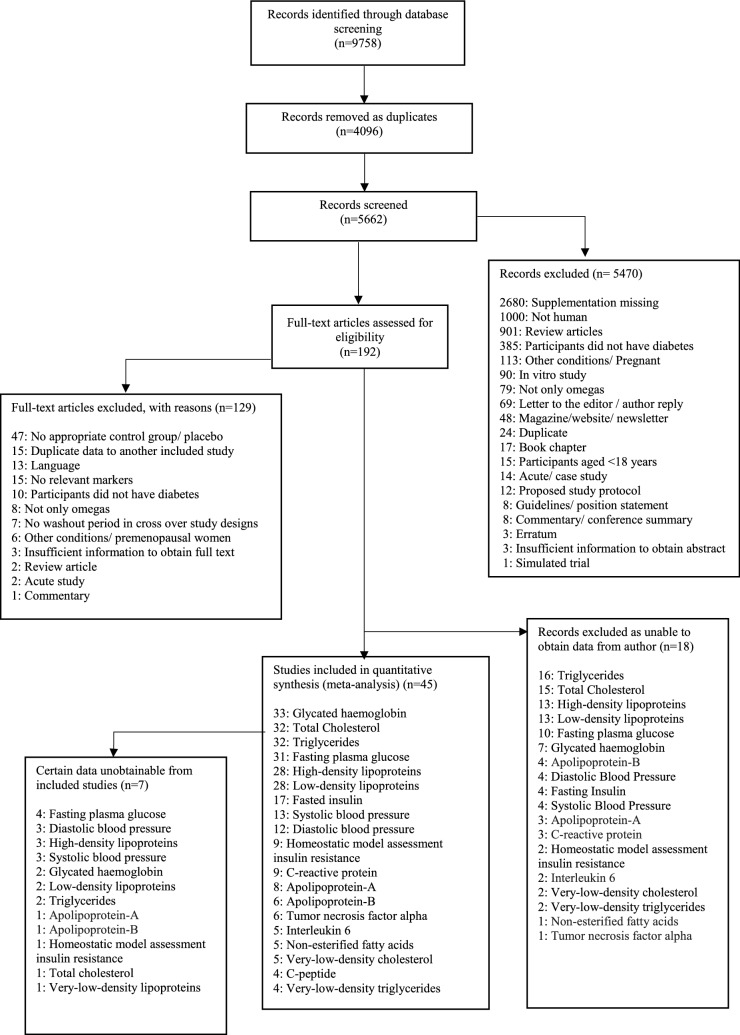
“2018 [36] (MA and MR) Inception–July 2017 N = 1187 T2D (45 total, 31 with glycaemic outcomes) P = Parallel or cross-over RCTs in people with T2D; I = n3-PUFAs including in diet as long as dosage and duration could be determined; C = placebo; FBG, HbA1c, fasting insulin, HOMA-IR and C-peptide, lipid profile, inflammato…”
BackgroundRijjal, D. A., Liu, Y., Lai, M., Song, Y., Danaei, Z., Wu, A., Mohan, H., Li, W., Schopfer, F. J., Dai, F. F., et al. (2021) · iScience · doi:10.1016/j.isci.2021.102909 · Cited by 21
Ciobârcă, D., Cătoi, A. F., Gavrilaș, L., Banc, R., Miere, D., & Filip, L. A. (2025) · Pharmaceuticals · doi:10.3390/ph18020279 · Cited by 18
Amirani, E., Asemi, Z., Asbaghi, O., Milajerdi, A., Reiner, Ž., Mansournia, M. A., Hallajzadeh, J., Moazzami, B., & Chaichian, S. (2020) · Journal of Diabetes & Metabolic Disorders · doi:10.1007/s40200-020-00558-5 · Cited by 18
Shen, J., Yu, H., Li, K., Ding, B., Xiao, R., & Ma, W. (2022) · Diabetes Metabolic Syndrome and Obesity · doi:10.2147/dmso.s353449 · Cited by 19
“Therefore, we investigated whether there was a correlation between the plasma fatty acids, inflammatory cytokine levels, and cognitive test scores in Chinese patients with T2DM.”
BackgroundInfluentialInterplay between fish oil, obesity and cardiometabolic diabetes
Damaiyanti, D. W., Tsai, Z.-Y., Masbuchin, A. N., Huang, C., & Liu, P. (2023) · Journal of the Formosan Medical Association · doi:10.1016/j.jfma.2023.03.013 · Cited by 19
The oral microbiome in the context of systemic disease
Leonov, G. E., Varaeva, Y. R., Николаевна, Л. Е., & Starodubova, A. V. (2023) · Voprosy Pitaniya · doi:10.33029/0042-8833-2023-92-4-6-19 · Cited by 20
X chromosome dosage drives statin-induced dysglycemia and mitochondrial dysfunction
Zhang, P., Munier, J. J., Wiese, C. B., Vergnes, L., Link, J. C., Abbasi, F., Ronquillo, E., Scheker, K., Muñoz, A., Kuang, Y., et al. (2024) · Nature Communications · doi:10.1038/s41467-024-49764-2 · Cited by 17
“Reduced w-3 fatty acid levels have previously been associated with glucose intolerance and insulin resistance (Abbott et al., 2016; Eguchi et al., 2011; Flachs et al., 2014; Lamping et al., 2013; Lepretti et al., 2018; O’Mahoney et al., 2018; Ramel et al., 2008).”
Franck, M., de Toro‐Martín, J., Guénard, F., Rudkowska, I., Lemieux, S., Lamarche, B., Couture, P., & Vohl, M. (2019) · Lifestyle Genomics · doi:10.1159/000504022 · Cited by 17
Costabile, G., Pepa, G. D., Vetrani, C., Vitaglione, P., Griffo, E., Giacco, R., Vitale, M., Salamone, D., Rivellese, A. A., Annuzzi, G., et al. (2021) · Molecules · doi:10.3390/molecules26113369 · Cited by 19
“However, trials with LCn3 have generated contrasting results [11,12].”
ResultUnderstanding the prevalence, progression, and management of metabolic syndrome in Saudi Arabia
Alshehri, F. F. (2023) · Saudi Medical Journal · doi:10.15537/smj.2023.44.10.20230450 · Cited by 18
“76 Higher omega-3 dosage and a reduced omega-6/omega-3 proportion have been related to a decreased incidence of MetS in animal and human studies.”
BackgroundDavis, D. W., Crew, J., Planinić, P., Alexander, J. M., & Basu, A. (2020) · International Journal of Environmental Research and Public Health · doi:10.3390/ijerph17207528 · Cited by 15
“Moreover, a 2018 meta-analysis reported decreased biomarkers of inflammation and lipemia in patients with T2DM who ingested n-3 fatty acids, demonstrating that these dietary bioactive compounds may mitigate inflammation [78].”
BackgroundHu, C., Zhou, Y., Wu, X., Jia, X., Zhu, Y., Zheng, R., Wang, S., Lin, L., Qi, H., Lin, H., et al. (2023) · Journal of Translational Medicine · doi:10.1186/s12967-023-04202-7 · Cited by 15
“Although trials investigating the effect of omega-3 fatty acids interventions on T2DM suggested potential benefit of lipid metabolism [45, 46], inconsistent effects on glycemic control and T2DM risks were reported [9, 41].”
BackgroundDing, D., Li, Y., Xiao, M., Dong, H., Lin, J.-S., Chen, G., Chen, Z.-Y., Tang, X., & Chen, Y. (2020) · Journal of Nutrition · doi:10.1093/jn/nxaa039 · Cited by 15
Xie, J., Wang, Z., Wang, J., Feng, W. Q., Shan, T., Jing, S., Xiao, S., Li, W. L., Liu, N., & Liu, Y. (2022) · Acta Diabetologica · doi:10.1007/s00592-022-02003-w · Cited by 15
Associations between fatty acid intake and diabetic retinopathy in a Japanese population
Sasaki, M., Yuki, K., Hanyuda, A., Yamagishi, K., Motomura, K., Kurihara, T., Tomita, Y., Mori, K., Ozawa, N., Ozawa, Y., et al. (2023) · Scientific Reports · doi:10.1038/s41598-023-39734-x · Cited by 14
“Omega-3 PUFA supplementation favorably modified cardiometabolic biomarkers, lipids, glycemia, and pro-inflammatory cytokines in type 2 diabetes 14 .”
BackgroundShould We “RESPECT EPA” More Now? EPA and DHA for Cardiovascular Risk Reduction
Kelsey, M. D., & Pagidipati, N. J. (2023) · Current Cardiology Reports · doi:10.1007/s11886-023-01972-w · Cited by 15
“Multiple meta-analyses have shown a reduction in inflammatory markers such as C-reactive protein (CRP), interleukin-6, and tumor necrosis factor-alpha after EPA and DHA supplementation [26, 27].”
BackgroundDietary recommendations for persons with type 2 diabetes mellitus
Skurk, T., Bosy‐Westphal, A., Grünerbel, A., Kabisch, S., Keuthage, W., Kleinridders, A., Kronsbein, P., Müssig, K., Nussbaumer, H., Pfeiffer, A. F. H., et al. (2022) · Experimental and Clinical Endocrinology & Diabetes · doi:10.1055/a-1624-5095 · Cited by 13
von Schacky, C. (2019) · Der Internist · doi:10.1007/s00108-019-00687-x · Cited by 21
Dietary fatty acids, lipid mediators, immunity, and inflammation
Calder, P. C. (2023) · Elsevier eBooks · doi:10.1016/b978-0-443-15327-3.00003-3 · Cited by 16
Selma-Gracia, R., Haros, C. M., & Laparra, J. M. (2020) · Food & Function · doi:10.1039/d0fo01453b · Cited by 12
Martins, I. C. A., Contieri, L. S., do Amaral, C. L., COSTA, S. O., Souza, A. C. P., Ignácio-Souza, L. M., Milanski, M., Torsoni, A. S., & Torsoni, M. A. (2021) · Mediators of Inflammation · doi:10.1155/2021/5526940 · Cited by 13
Mendes, N. P., Ribeiro, P. V. D. M., & Alfenas, R. D. C. G. (2021) · Nutrition Reviews · doi:10.1093/nutrit/nuab095 · Cited by 12
Önal, M. A., Fentoğlu, Ö., Aksoy, F., Calapoğlu, M., Varol, E., & Orhan, H. (2021) · Journal of Periodontal Research · doi:10.1111/jre.12861 · Cited by 12
Current evidence on dietary intakes of fatty acids and mortality
Naghshi, S., & Sadeghi, O. (2021) · BMJ · doi:10.1136/bmj.n2379 · Cited by 13
Cubas-Basterrechea, G., Elío, I., Cano, S. S., Obregón, S. A., Antón, C. G., & Muñoz, P. (2022) · International Journal of Environmental Research and Public Health · doi:10.3390/ijerph19031256 · Cited by 11
Tian, S., Guo, T., Qian, F., Qiu, Z., Lu, Q., Li, R., Zhu, K., Li, L., Yu, H., Li, R., et al. (2024) · The Journal of Clinical Endocrinology & Metabolism · doi:10.1210/clinem/dgae482 · Cited by 12
Algal Derived Functional Lipids and their Role in Promoting Health
Terme, N., Chénais, B., Fournière, M., Bourgougnon, N., & Bedoux, G. (2021) · Wiley eBooks · doi:10.1002/9781119542650.ch13 · Cited by 16
“A decrease of TAG and increase of HDLcholesterol in blood were also reported in type 2 diabetes patients receiving 460 mg of EPA and 380 mg of DHA ethyl esters per day for eight weeks (Valdivielso, Rioja, García-Arias, Sánchez-Chaparro, & González-Santos, 2009) and similar conclusions have been drawn from a meta-analy…”
BackgroundEmpfehlungen zur Ernährung von Personen mit Typ-2-Diabetes mellitus
Skurk, T., Bosy‐Westphal, A., Grünerbel, A., Kabisch, S., Keuthage, W., Kronsbein, P., Müssig, K., Pfeiffer, A. F. H., Simon, M., Tombek, A., et al. (2021) · Diabetologie und Stoffwechsel · doi:10.1055/a-1543-1293 · Cited by 11
Breeze, P. R., Sworn, K., McGrane, E., Abraham, S., & Cantrell, A. J. (2024) · BMJ Nutrition Prevention & Health · doi:10.1136/bmjnph-2023-000666 · Cited by 9
“36 Increasing PUFA to replace carbohydrate or saturated fat was associated with a decrease in HbA1c (overall range: −0.02% to −0.33%), 41 42 52 54 59 and the relationships were statistically significant in one study.”
InfluentialNUTRACÊUTICOS: ASPECTOS LEGAIS E CIENTÍFICOS
Machado, G., Puton, B. F., & Bertol, C. D. (2019) · Revista Eletrônica de Farmácia · doi:10.5216/ref.v16i0.47950 · Cited by 9
Yamaguchi, T. F., Ozato, N., Katashima, M., Sawada, K., Katsuragi, Y., Ihara, K., & Nakaji, S. (2020) · Frontiers in Nutrition · doi:10.3389/fnut.2019.00194 · Cited by 9
Beneficial effects of long-chain n-3 fatty acids on insulin-resistance: basic and clinical aspects
Delarue, J. (2025) · Biochimie · doi:10.1016/j.biochi.2025.09.014 · Cited by 183
Bazı Popüler Diyetlerin İmmünite Üzerine Etkileri
Adıgüzel, E., KILIÇ, Ş. N., YILMAZ, A., YURDAKUL, G., BİLEN, Ü. D., TENİL, A., & YILMAZ, İ. (2023) · Black Sea Journal of Health Science · doi:10.19127/bshealthscience.1194776 · Cited by 4
Lipid profile disturbances may predispose psoriatic patients to liver dysfunction
Kozłowska, D., Harasim‐Symbor, E., Myśliwiec, H., Milewska, A. J., Chabowski, A., & Flisiak, I. (2021) · Advances in Dermatology and Allergology · doi:10.5114/ada.2021.106209 · Cited by 9
Liu, X., Li, Y., Wan, X., Zhuang, P., Wu, Y., Zhang, L., Yang, A., Yao, J., Zhang, Y., & Jiao, J. (2023) · Nutrients · doi:10.3390/nu15143176 · Cited by 7
Effects of polyunsaturated fatty acid–rich diets and risk of non-communicable diseases
Singh, R. B., Watanabe, S., Li, D., Nakamura, T., Juneja, L. R., Takahashi, T., Wichansawakun, S., Wilczyńska, A., Jantan, I., Sulaeman, A., et al. (2021) · Elsevier eBooks · doi:10.1016/b978-0-12-819815-5.00011-2 · Cited by 9
Metadata
- Authors
- O’Mahoney, L. L., Matu, J., Price, O. J., Birch, K. M., Ajjan, R. A., Farrar, D., Tapp, R., West, D. J., Deighton, K., & Campbell, M. D.
- Affiliations
- Leeds Beckett University (GB)
- University of Leeds (GB)
- Bradford Royal Infirmary (GB)
- University of London (GB)
- Newcastle University (GB)
- Corresponding author
- Campbell, Matthew D.
- ORCID
- Venue
- Cardiovascular Diabetology
- Published
- 2018-07-07
- Volume
- 17
- Issue
- 1
- Pages
- 98-98
- ISSN
- 1475-2840 (ISSN-L)
- PMC
- PMC6035402
- OpenAlex
- W2818923169
- Cited by
- 157
- References
- 64
- Citations by year
- 2026: 5 · 2025: 15 · 2024: 18 · 2023: 25 · 2022: 26 · 2021: 26 · 2020: 23 · 2019: 17 · 2018: 2
- FWCI
- 2.18
- Type
- journal article
- Language
- en
- Open access
- gold
- doi.org
- Licence
- cc-by
- creativecommons.org/licenses/by/4.0 (tdm)
- creativecommons.org/licenses/by/4.0 (vor)
- Locations
- Cardiovascular Diabetology (publishedVersion, cc-by)
- Europe PMC (PubMed Central) (publishedVersion, other-oa)
- PubMed Central (publishedVersion, cc-by)
- PubMed (publishedVersion)
- Leeds Beckett Repository (Leeds Beckett University) (acceptedVersion, other-oa)
- White Rose Research Online (University of Leeds, The University of Sheffield, University of York) (acceptedVersion)
- St George's Online Research Archive (St George's University of London) (acceptedVersion)
- Sunderland Repository (University of Sunderland) (acceptedVersion)
- Minerva Access (University of Melbourne) (submittedVersion, cc-by)
- DOAJ (DOAJ: Directory of Open Access Journals) (submittedVersion, cc-by-sa)
- Newcastle University ePrints (Newcastle Univesity) (cc-by)
- Funders
- Leeds Beckett University
- National Institute for Health and Care Research (PDF-2014-07-019)
- Topics
- Health Sciences › Nursing › Nutrition and Dietetics › Fatty Acid Research and Health
- Health Sciences › Medicine › Public Health, Environmental and Occupational Health › Nutritional Studies and Diet
- Health Sciences › Medicine › Endocrinology, Diabetes and Metabolism › Diabetes Treatment and Management
- Keywords
- omega-3 polyunsaturated fatty acids, type 2 diabetes, dietary supplementation, cardiometabolic biomarkers, lipid profile, LDL cholesterol, triglycerides, HbA1c, glycemic control, inflammatory markers, TNF-α, blood pressure, duration of supplementation, dosage, dose-response relationship, n-6/n-3 ratio
- MeSH terms
- Blood Glucose, Cardiovascular Diseases, Diabetes Mellitus, Type 2, Glycated Hemoglobin, Humans, Lipids, Risk Factors, Biomarkers, Fatty Acids, Omega-3, Randomized Controlled Trials as Topic, Cytokines, Treatment Outcome, Inflammation Mediators, Dietary Supplements, Metabolic Syndrome, Protective Factors
About these checks
Registry, retraction, Cites and statistics results are computed, not judged, with one exception: a printed reference that no index lists is read once by a model before it counts as a citation error. Claims are extracted by a model and kept only when their quote appears verbatim in the text; each cited source is then checked, with a model’s help, for whether it says what the claim relies on. Those verdicts can be wrong — read the claim’s quote and the cited source before relying on one.
Statistics and arithmetic are recomputed, not judged.
Confidence bands are shown only for fields calibrated on our annotated test set. None is calibrated yet, so no band is shown.
What counts as a claim ›How we measure confidence ›How we check this ›
Are you an author, or do you see a problem with this page? Request a review
Data sources
Bibliographic data: Semantic Scholar, OpenAlex, Crossref.
Contains information from the Semantic Scholar Academic Graph Datasets, made available under the ODC Attribution License (ODC-BY 1.0).
Semantic Scholar’s data is described in: Kinney, R., et al. (2023). The Semantic Scholar Open Data Platform. arXiv:2301.10140.
