

GLP-1 receptor agonists and cardiorenal outcomes in type 2 diabetes: an updated meta-analysis of eight CVOTs
Open accessThe DOI matches its Crossref record; 36 of the 37 references it cites were found in a registry or an index; 1 of the 10 sources its claims cite were checked for support.
Abstract
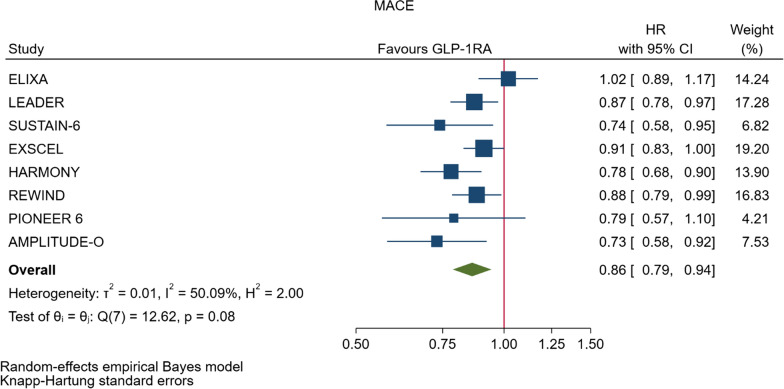
Background: A meta-analysis is presented of cardiovascular outcome trials (CVOTs) comparing glucagon-like peptide-1 receptor agonists (GLP-1RA) versus placebo on cardiorenal outcomes in patients with type 2 diabetes mellitus (T2DM). Methods: We did an electronic search up to June 30, 2021, for eligible trials. We did a meta-analysis of available trial data using a random-effects model to calculate overall hazard ratios (HRs) and 95% CI (confidence intervals). We included data from 8 CVOTs and 60,080 patients (72.4% with established cardiovascular disease). Results: GLP-1RA reduced major cardiovascular events (MACE) by 14% (HR = 0.86, 95% CI 0.79–0.94, P = 0.006) with a non-significant heterogeneity between subgroups of patients with and without cardiovascular disease (P = 0.127). GLP-1RA also reduced the risk of cardiovascular death by 13% (P = 0.016), nonfatal stroke by 16% (P = 0.007), hospitalization for heart failure by 10% (P = 0.023), all-cause mortality by 12% (P = 0.012), and the broad composite kidney outcome by 17% (P = 0.012), which was driven by a reduction in macroalbuminuria only (HR = 0.74, 0.67–0.82, P < 0.001). Conclusions: GLP-1RA have moderate benefits on MACE, and also reduce hospitalization for heart failure and all-cause mortality; they also have robust benefits on reducing the incidence of macroalbuminuria.
Overview
CoChat Summary
TL;DR
In an updated random-effects meta-analysis of 8 CVOTs and 60,080 patients with type 2 diabetes, GLP-1 receptor agonists reduced MACE by 14% and improved several cardiorenal outcomes, with the largest relative reduction in new macroalbuminuria. Benefits appeared greater in patients with prior cardiovascular disease (16% MACE reduction) than without (6%), but the subgroup interaction was not statistically significant.
Key findings
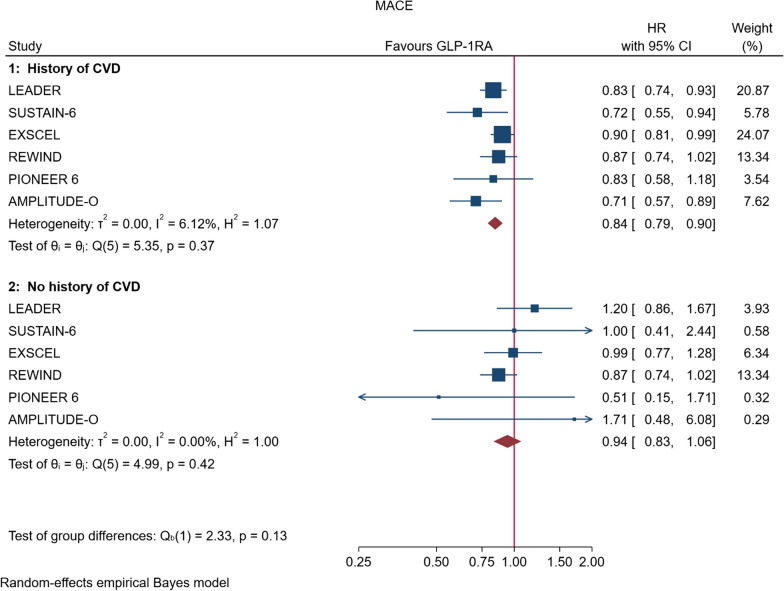
- GLP-1RA reduced MACE by 14% overall (HR = 0.86, 95% CI 0.79–0.94, P = 0.006). In 6 CVOTs reporting subgroups, MACE was reduced by 16% in patients with prior CVD (HR = 0.84, 95% CI 0.79–0.90, P < 0.001) and by 6% in those without prior CVD (HR = 0.94, 95% CI 0.83–1.06, P = 0.330), with no significant between-subgroup heterogeneity (P = 0.127).
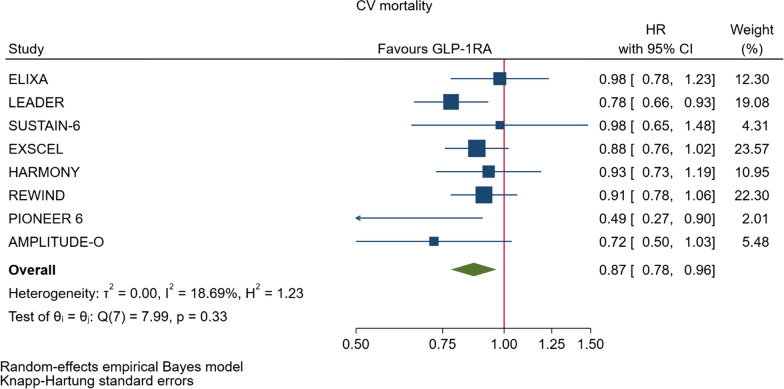
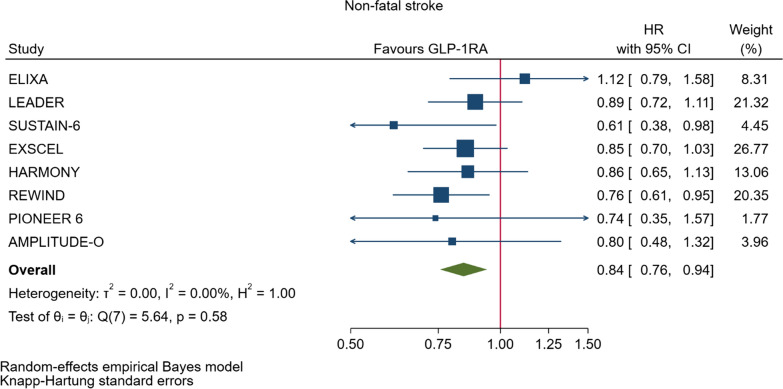
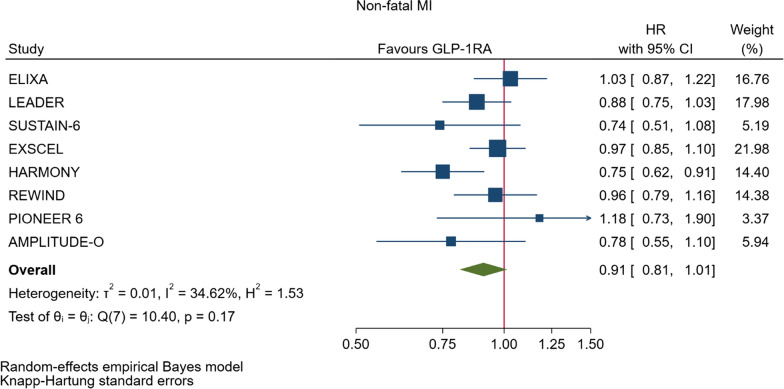
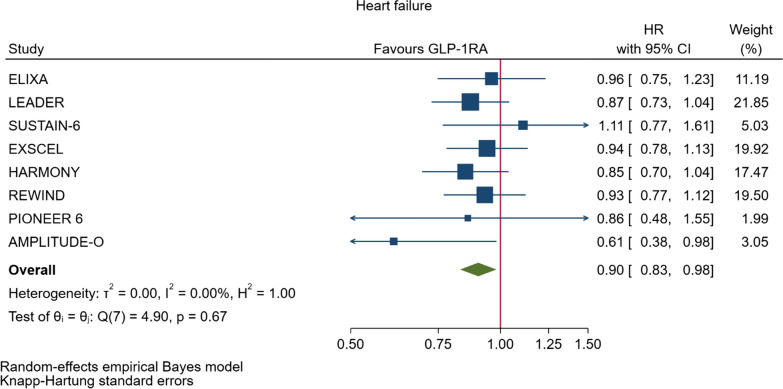
- GLP-1RA reduced cardiovascular mortality by 13% (HR = 0.87, 95% CI 0.78–0.96, P = 0.016), nonfatal stroke by 16% (HR = 0.84, 95% CI 0.76–0.94, P = 0.007), hospitalization for heart failure by 10% (HR = 0.90, 95% CI 0.83–0.98, P = 0.023), and all-cause mortality by 12% (HR = 0.88, 95% CI 0.80–0.96, P = 0.012). Nonfatal myocardial infarction showed a nonsignificant 9% decrease (HR = 0.91, 95% CI 0.81–1.01, P = 0.078).
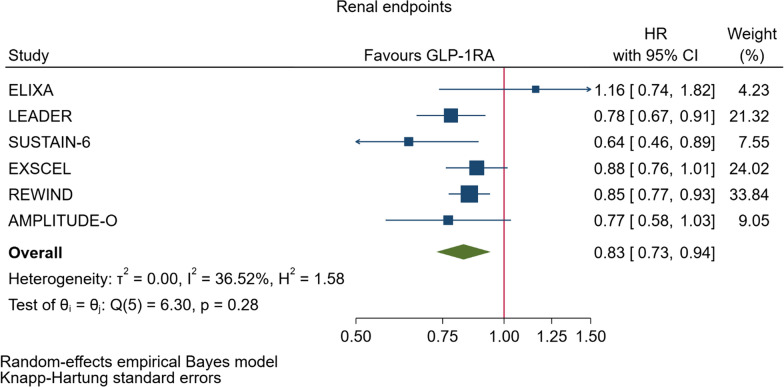
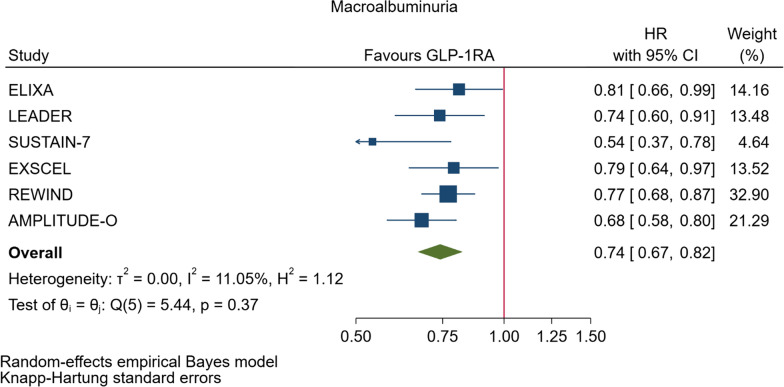
- In 6 CVOTs, the broad composite kidney outcome was reduced by 17% (HR = 0.83, 95% CI 0.73–0.94, P < 0.012), driven by a reduction in macroalbuminuria only (HR = 0.74, 95% CI 0.67–0.82, P < 0.001), corresponding to a 26% reduction.
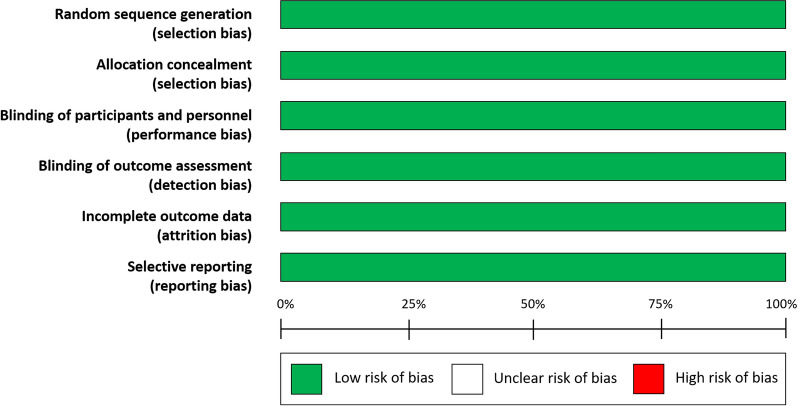
- MACE heterogeneity was I² = 50.0% (P = 0.08); the authors report no major risk of bias in any study.
Methods
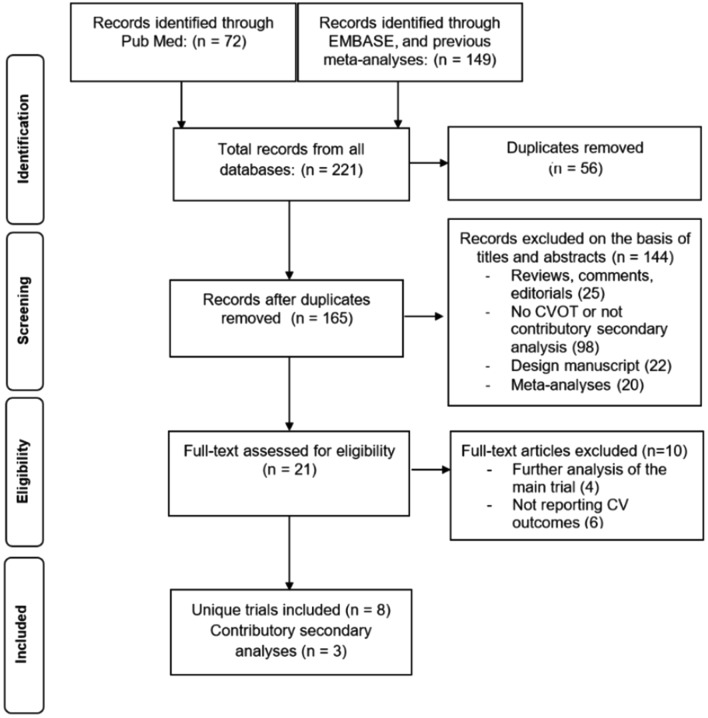
- Systematic review and meta-analysis following PRISMA, searching PubMed, EMBASE, Cochrane Database of Systematic Reviews, and ClinicalTrials.gov up to June 30, 2021. Eligible trials compared GLP-1RA with placebo in adults with T2DM and included cardiorenal outcomes; 8 CVOTs and 3 secondary analyses were included, totaling 60,080 patients (72.4% with established CVD; mean age 64.0 ± 1.97 years; 62.8% male; follow-up 1.3–5.4 years).
- Random-effects meta-analysis calculated pooled hazard ratios and 95% CIs using the empirical Bayes/Paule-Mandel method with Hartung-Knapp confidence interval adjustment. Heterogeneity was assessed with Cochran’s Q and I²; publication bias was not assessed because fewer than ten trials were included. Analyses used Stata version 16.0.
Limitations
- The authors state that this is a meta-analysis of aggregate trial data, not patient-level data, which limits subgroup investigation and warrants caution about observed treatment-effect differences between patients with and without pre-existing CVD. They did not explore effects by gender, and note that women are generally underrepresented in CVOTs, potentially reducing statistical power.
- The authors also state that inclusion/exclusion criteria and endpoint definitions differed slightly across trials, especially for renal endpoints, and that head-to-head trials would be needed to demonstrate possible superiority within the GLP-1RA class. Publication bias was not assessed because the number of trials was below ten.
- Evident from the text: the protocol was not registered in any platform, all included trials were industry-sponsored, and the small number of trials led to use of a Hartung-Knapp adjustment.
Model-written summary. Check it against the paper before relying on it.
Integrity signals
Registry
Cites
Statistics
Figures
Verification
Claims the paper makes
1 Valid · 0 Not valid · 6 Not checked · 24 Own results and interpretations
A result the paper reports from its own data — it cites no other source for it, so there is none to check. The quote shows it is in the paper.
In the paper
“GLP-1RA reduced major cardiovascular events (MACE) by 14% (HR = 0.86, 95% CI 0.79–0.94, P = 0.006)”
- Also stated in: § Outcomes · plain
“In the overall analysis, the risk of MACE was reduced by 14% (HR = 0.86, 95% CI, 0.79–0.94, P = 0.006) compared with placebo”
- Also stated in: § Conclusions · plain
“GLP1-RA reduce the risk of MACE by 14% in eight CVOTs with 60,080 patients with T2DM over a period ranging from 1.3 to 5.4 years.”
§ GLP-1 receptor agonists and cardiorenal outcomes in type 2 diabetes: an updated meta-analysis of eight CVOTs > Abstract > Results
plainstates a causen = 60,080 ·- Asserted: passes — The authors put it forward as true.
- Checkable: passes — It can be checked against evidence.
- Load-bearing: passes — The paper’s conclusions depend on it.
- Based: passes — The paper gives a reason why it holds.
- Also stated in: § Outcomes · plain
A result the paper reports from its own data — it cites no other source for it, so there is none to check. The quote shows it is in the paper.
In the paper
“compared with placebo, treatment with GLP-1RA was associated with a 16% and 6% lower risk of MACE in patients with or without preexisting CV disease, respectively (Table 2).”
- Also stated in: § Outcomes · plain
“No prior CVD | 6 | 0.94 | 0.83–1.06 | 0.330 | 0.0 | 0.420”
§ GLP-1 receptor agonists and cardiorenal outcomes in type 2 diabetes: an updated meta-analysis of eight CVOTs > Results > Outcomes
plainstates an association- Asserted: passes — The authors put it forward as true.
- Checkable: passes — It can be checked against evidence.
- Load-bearing: passes — The paper’s conclusions depend on it.
- Based: passes — The paper gives a reason why it holds.
- Also stated in: § Outcomes · plain
A result the paper reports from its own data — it cites no other source for it, so there is none to check. The quote shows it is in the paper.
In the paper
“compared with placebo, treatment with GLP-1RA was associated with a 16% and 6% lower risk of MACE in patients with or without preexisting CV disease, respectively (Table 2).”
- Also stated in: § Outcomes · plain
“Prior CVD | 6 | 0.84 | 0.79–0.90 | < 0.001 | 6.1 | 0.370”
§ GLP-1 receptor agonists and cardiorenal outcomes in type 2 diabetes: an updated meta-analysis of eight CVOTs > Results > Outcomes
plainstates a cause- Asserted: passes — The authors put it forward as true.
- Checkable: passes — It can be checked against evidence.
- Load-bearing: passes — The paper’s conclusions depend on it.
- Based: passes — The paper gives a reason why it holds.
- Also stated in: § Outcomes · plain
A result the paper reports from its own data — it cites no other source for it, so there is none to check. The quote shows it is in the paper.
In the paper
“with no significant heterogeneity between trials (I2 = 50.0%, P = 0.08)”
§ GLP-1 receptor agonists and cardiorenal outcomes in type 2 diabetes: an updated meta-analysis of eight CVOTs > Results > Outcomes
plain- Asserted: passes — The authors put it forward as true.
- Checkable: passes — It can be checked against evidence.
- Load-bearing: unclear — It is unclear whether the paper’s conclusions depend on it.
- Based: passes — The paper gives a reason why it holds.
A result the paper reports from its own data — it cites no other source for it, so there is none to check. The quote shows it is in the paper.
In the paper
“hospitalization for heart failure by 10% (P = 0.023)”
- Also stated in: § Outcomes · plain
“The risks of hospitalization for heart failure (HR = 0.90, Fig. 8, Table 2) and of all-cause mortality (HR = 0.88, Table 2) were also significantly reduced.”
- Also stated in: § Outcomes · plain
“Heart failure | 8 | 0.90 | 0.83–0.98 | 0.023 | 0.0 | 0.670”
§ GLP-1 receptor agonists and cardiorenal outcomes in type 2 diabetes: an updated meta-analysis of eight CVOTs > Abstract > Results
plainstates a cause- Asserted: passes — The authors put it forward as true.
- Checkable: passes — It can be checked against evidence.
- Load-bearing: passes — The paper’s conclusions depend on it.
- Based: passes — The paper gives a reason why it holds.
- Also stated in: § Outcomes · plain
14 more claims
Create a free account to see all 31 claims and to verify the 9 references still open.
- Probably not a substantial claim. 7
- The quote only partly states this claim. 1
- It may state two separate claims as one. 5
Claims other papers make about this one
Each is checked against this paper’s own text: does it say what the citing paper says it does?
The source backs part of the claim, not all of it — or backs it for a different population, condition or comparison.
In the citing paper
“In line with this, subcutaneous semaglutide 0.5 and 1.0 mg once weekly, like other GLP‐1RAs [15], has been shown to reduce major adverse CV events (MACE) in patients with type 2 diabetes and high CV risk [16].”
From Semaglutide for cardiovascular event reduction in people with overweight or obesity: SELECT study baseline characteristics (2023) · cites this paper as [16]
Experimental — accuracy not yet measuredThe source backs part of the claim, not all of it — or backs it for a different population, condition or comparison.
In the citing paper
“The study uses standard‐of‐care preventive measures along with semaglutide 2.4 mg subcutaneous once‐weekly treatment, which has been demonstrated to provide significant and sustained mean weight loss of up to 16% [10, 11, 12, 13, 24, 25], significant CV risk factor improvements, and proven CV benefit in patients with diabetes and prior CV events [16, 26].”
From Semaglutide for cardiovascular event reduction in people with overweight or obesity: SELECT study baseline characteristics (2023) · cites this paper as [16]
Experimental — accuracy not yet measuredThe source backs part of the claim, not all of it — or backs it for a different population, condition or comparison.
In the citing paper
“In addition to improving glucose levels and weight, subcutaneous glucagon-like peptide-1 receptor agonists (GLP-1 RAs) have produced meaningful reductions in major adverse cardiovascular events (MACE) [3].”
From Treatment with orforglipron, an oral glucagon-like peptide-1 receptor agonist, is associated with improvements of CV risk biomarkers in participants with type 2 diabetes or obesity without diabetes (2025) · cites this paper as [3]
Experimental — accuracy not yet measuredThe source backs part of the claim, not all of it — or backs it for a different population, condition or comparison.
In the citing paper
“These pharmacological agents exhibit beneficial effects on glycemic regulation, weight management, and cardiovascular outcomes, thereby establishing their essential roles in contemporary diabetes management [3-5].”
From Exploring the Side Effects of GLP-1 Receptor Agonist: To Ensure Its Optimal Positioning (2025) · cites this paper as [4]
Experimental — accuracy not yet measuredThe cited source says what the claim attributes to it.
In the citing paper
“Data from cardiovascular outcome trials and meta-analyses indicate that GLP-1RAs (glucagon-like peptide 1 receptor agonists) reduce the risk of stroke in individuals with type 2 diabetes.”
From Benefits of GLP-1 (Glucagon-Like Peptide 1) Receptor Agonists for Stroke Reduction in Type 2 Diabetes: A Call to Action for Neurologists (2022) · cites this paper as [47]
1 more claim about this paper
Create a free account to see every claim other papers make about this one.
Self-check
Percentages, sums and reported differences re-computed from the paper’s own numbers.
Each contradiction between two passages listed here was confirmed by an independent check.
Rated minor: it would not touch a result — a value no result rests on, a p-value that stays on the same side of the significance level, or a conflict that is clerical, resolved elsewhere in the paper, or outside its own findings.
In the paper
“| ELIXA | Lixisenatide | 6068 | 60.3 | 3174 (69.3%) | 6068 (100%) | 1922 (20.3%) | 1407 (23.2%) |”
§ GLP-1 receptor agonists and cardiorenal outcomes in type 2 diabetes: an updated meta-analysis of eight CVOTs > Results > Search results and study characteristics
Reported 20.3 · recomputed 31.674357
Rated minor: it would not touch a result — a value no result rests on, a p-value that stays on the same side of the significance level, or a conflict that is clerical, resolved elsewhere in the paper, or outside its own findings.
In the paper
§ GLP-1 receptor agonists and cardiorenal outcomes in type 2 diabetes: an updated meta-analysis of eight CVOTs > Results > Outcomes
“with no significant heterogeneity between trials (I2 = 50.0%, P = 0.08)”
§ GLP-1 receptor agonists and cardiorenal outcomes in type 2 diabetes: an updated meta-analysis of eight CVOTs > Methods > Statistical analysis
“P values of less than 0.10 representing significant heterogeneity.”
Rated minor: it would not touch a result — a value no result rests on, a p-value that stays on the same side of the significance level, or a conflict that is clerical, resolved elsewhere in the paper, or outside its own findings.
In the paper
“| ELIXA | Lixisenatide | 6068 | 60.3 | 3174 (69.3%) | 6068 (100%) | 1922 (20.3%) | 1407 (23.2%) |”
§ GLP-1 receptor agonists and cardiorenal outcomes in type 2 diabetes: an updated meta-analysis of eight CVOTs > Results > Search results and study characteristics
Reported 69.3 · recomputed 52.307185
Rated minor: it would not touch a result — a value no result rests on, a p-value that stays on the same side of the significance level, or a conflict that is clerical, resolved elsewhere in the paper, or outside its own findings.
In the paper
“37,117 were male (62.8%)”
§ GLP-1 receptor agonists and cardiorenal outcomes in type 2 diabetes: an updated meta-analysis of eight CVOTs > Results > Search results and study characteristics
Reported 62.8 · recomputed 61.779294
Rated minor: it would not touch a result — a value no result rests on, a p-value that stays on the same side of the significance level, or a conflict that is clerical, resolved elsewhere in the paper, or outside its own findings.
In the paper
§ GLP-1 receptor agonists and cardiorenal outcomes in type 2 diabetes: an updated meta-analysis of eight CVOTs > Results > Outcomes
“Figure: Fig. 10 Forest plots of meta-analysis of the eight CVOTs with GLP-1RA on incidence of new macroalbuminuria”
§ GLP-1 receptor agonists and cardiorenal outcomes in type 2 diabetes: an updated meta-analysis of eight CVOTs > Results > Outcomes
“| New macro | 6 | 0.74 | 0.67–0.82 | < 0.001 | 11.0 | 0.370 |”
2 more findings
Create a free account to see every finding of this check.
Citations
Cites
The Cochrane Collaboration's tool for assessing risk of bias in randomised trials
Higgins, J. P. T., Altman, D. G., Gotzsche, P. C., Juni, P., Moher, D., Oxman, A. D., Savovic, J., Schulz, K. F., Weeks, L., Sterne, J. A. C., et al. (2011) · BMJ · doi:10.1136/bmj.d5928 · Cited by 33,817
Liberati, A., Altman, D. G., Tetzlaff, J., Mulrow, C., Gøtzsche, P. C., Ioannidis, J. P. A., Clarke, M., Devereaux, P. J., Kleijnen, J., & Moher, D. (2009) · PLoS Medicine · doi:10.1371/journal.pmed.1000100 · Cited by 28,164 · cited 1×
“Search strategy and study selection This systematic review was based on PRISMA (Preferred Reporting Items for Systematic Reviews and Meta-Analyses) guidelines [9].”
MethodDermyshi, E., Wang, Y., Yan, C., Hong, W., Qiu, G., Gong, X., & Zhang, T. (2017) · Neonatology · doi:10.1159/000454668 · Cited by 24,451
Liberati, A., Altman, D. G., Tetzlaff, J., Mulrow, C., Gøtzsche, P. C., Ioannidis, J. P. A., Clarke, M., Devereaux, P. J., Kleijnen, J., & Moher, D. (2009) · Annals of Internal Medicine · doi:10.7326/0003-4819-151-4-200908180-00136 · Cited by 10,349
Liraglutide and Cardiovascular Outcomes in Type 2 Diabetes
Marso, S. P., Daniels, G. H., Brown-Frandsen, K., Kristensen, P., Mann, J. F. E., Nauck, M. A., Nissen, S. E., Pocock, S., Poulter, N. R., Ravn, L. S., et al. (2016) · New England Journal of Medicine · doi:10.1056/nejmoa1603827 · Cited by 7,629
Semaglutide and Cardiovascular Outcomes in Patients with Type 2 Diabetes
Marso, S. P., Bain, S. C., Consoli, A., Eliaschewitz, F. G., Jódar, E., Leiter, L. A., Lingvay, I., Rosenstock, J., Seufert, J., Warren, M. L., et al. (2016) · New England Journal of Medicine · doi:10.1056/nejmoa1607141 · Cited by 6,900 · cited 1×
“SUSTAIN-6 compared semaglutide to placebo in 3297 patients with T2DM and established CV disease or CV risk factors only [17].”
BackgroundGerstein, H. C., Colhoun, H. M., Dagenais, G. R., Diaz, R., Lakshmanan, M., Pais, P., Probstfield, J., Riesmeyer, J. S., Riddle, M. C., Rydén, L., et al. (2019) · The Lancet · doi:10.1016/s0140-6736(19)31149-3 · Cited by 3,163 · cited 1×
“REWIND compared dulaglutide to placebo in 9901 patients with T2DM and previous CV events or CV risk factors only [20].”
MethodLixisenatide in Patients with Type 2 Diabetes and Acute Coronary Syndrome
Pfeffer, M. A., Claggett, B., Diaz, R., Dickstein, K., Gerstein, H. C., Køber, L. V., Lawson, F. C., Ping, L., Wei, X., Lewis, E. F., et al. (2015) · New England Journal of Medicine · doi:10.1056/nejmoa1509225 · Cited by 2,409 · cited 1×
“ELIXA compared lixisenatide to placebo in 6068 patients with T2DM who had suffered a recent acute coronary event [15].”
MethodEinarson, T. R., Acs, A., Ludwig, C., & Panton, U. H. (2018) · Cardiovascular Diabetology · doi:10.1186/s12933-018-0728-6 · Cited by 2,312 · cited 1×
“Because the prevalence of CVD in the population with T2DM is around 32% [33], at least one fourth of the average patient with T2DM is possible a candidate for the use of the GLP-1RA, or sodium-glucose transporter-2 inhibitors [34], to improve the MACE outcome.”
BackgroundEffects of once-weekly exenatide on cardiovascular outcomes in type 2 diabetes
Holman, R. R., Bethel, M. A., Mentz, R. J., Thompson, V. P., Lokhnygina, Y., Buse, J. B., Chan, J. C., Choi, J., Gustavson, S. M., Iqbal, N., et al. (2017) · New England Journal of Medicine · doi:10.1056/nejmoa1612917 · Cited by 2,162 · cited 1×
“EXSCEL compared extended release exenatide to placebo in 14,752 patients with T2DM and established CV disease or CV risk factors only [18].”
Method
Cited by
Mancia, G., Kreutz, R., Brunström, M., Burnier, M., Grassi, G., Januszewicz, A., Muiesan, M. L., Tsioufis, K., Agabiti-Rosei, E., Algharably, E. A. E., et al. (2023) · Journal of Hypertension · doi:10.1097/hjh.0000000000003480 · Cited by 3,473
2023 ESC guidelines for the management of cardiovascular disease in patients with diabetes.
Marx, N., Federici, M., Schütt, K., Müller-Wieland, D., Ajjan, R. A., Antunes, M. J., Christodorescu, R. M., Crawford, C., Di Angelantonio, E., Eliasson, B., et al. (2023) · European Heart Journal · doi:10.1093/eurheartj/ehad192 · Cited by 1,642
Hypertension management in patients with cardiovascular comorbidities
Lauder, L., Mahfoud, F., Azizi, M., Bhatt, D. L., Ewen, S., Kario, K., Parati, G., Rossignol, P., Schlaich, M. P., Teo, K. K., et al. (2023) · European Heart Journal · doi:10.1093/eurheartj/ehac395 · Cited by 210
2024 Clinical practice guidelines for Hypertension in adults
Kobalava, Z. D., Konradi, A. O., Nedogoda, S. V., Shlyakhto, E. V., Arutyunov, G. P., Baranova, E. I., Barbarash, O. L., Bobkova, N. V., Boytsov, S. A., Bubnova, M. G., et al. (2024) · Russian Journal of Cardiology · doi:10.15829/1560-4071-2024-6117 · Cited by 211
2024 Clinical practice guidelines for Chronic heart failure
Galyavich, A. S., Tereshchenko, S. N., Uskach, T. M., Ageev, F. T., Aronov, D. M., Arutyunov, G. P., Begrambekova, Y. L., Belenkov, Y. N., Boytsov, S. A., Bubnova, M. G., et al. (2024) · Russian Journal of Cardiology · doi:10.15829/1560-4071-2024-6162 · Cited by 204
Direct cardiac effects of SGLT2 inhibitors
Chen, S., Coronel, R., Hollmann, M. W., Weber, N. C., & Zuurbier, C. J. (2022) · Cardiovascular Diabetology · doi:10.1186/s12933-022-01480-1 · Cited by 174
“Although the benefit of SGLT-2 inhibitors surpass that obtained with glucagon-like peptide-1 receptor agonists (GLP-1RA), it does seem that the gap between the cardiac benefits of SGLT-2 and GLP1RA is narrowing [53, 54].”
BackgroundRivera, F. B., Cruz, L. L. A., Magalong, J. V., Ruyeras, J. M. M. J., Aparece, J. P., Bantayan, N. R. B., Lara-Breitinger, K., & Gulati, M. (2024) · American Journal of Preventive Cardiology · doi:10.1016/j.ajpc.2024.100679 · Cited by 155
“Giugliano, et al. (2021) [20] cited in a meta-analysis that patients with diabetes experienced greater reduction in MACE compared to non-diabetics, which is similar to our findings.”
ResultGiugliano, D., Longo, M., Signoriello, S., Maiorino, M. I., Solerte, B., Chiodini, P., & Esposito, K. (2022) · Cardiovascular Diabetology · doi:10.1186/s12933-022-01474-z · Cited by 153
“Our analysis also confirms that GLP-1RA, when compared with placebo, reduce the risk of MACE, total death, HHF, and the composite renal outcome [12].”
BackgroundResultInfluentialSelf-citationRecent Advances in Incretin-Based Pharmacotherapies for the Treatment of Obesity and Diabetes
Tan, Q., Akindehin, S. E., Orsso, C. E., Waldner, R. C., DiMarchi, R. D., Müller, T. D., & Haqq, A. M. (2022) · Frontiers in Endocrinology · doi:10.3389/fendo.2022.838410 · Cited by 146
“It demonstrated that GLP-1R agonists reduce the risk of a major adverse cardiovascular event (MACE) by 14%, death by 13%, non-fatal stroke by 12%, and broad composite kidney outcome by 17% (144).”
BackgroundGourdy, P., Darmon, P., Dievart, F., Halimi, J.-M., & Guerci, B. (2023) · Cardiovascular Diabetology · doi:10.1186/s12933-023-01798-4 · Cited by 127
“The SUSTAIN-6 CVOT [67], performed in 3,297 patients with T2DM and ASCVD/CKD, has shown that compared to placebo, semaglutide was associated with increased retinopathy complications (3.0% versus 1.8%; HR, 1.76; 95% CI, 1.11–2.78; p = 0.02), but mainly among those with pre-existing retinopathy at baseline [67].”
BackgroundInfluentialLingvay, I., Brown‐Frandsen, K., Colhoun, H. M., Deanfield, J., Emerson, S. S., Esbjerg, S., Hardt‐Lindberg, S., Hovingh, G. K., Kahn, S. E., Kushner, R. F., et al. (2023) · Obesity · doi:10.1002/oby.23621 · Cited by 113
Cardiorenal diseases in type 2 diabetes mellitus: clinical trials and real-world practice
Lim, L.-L., Chow, E., & Chan, J. C. N. (2023) · Nature Reviews Endocrinology · doi:10.1038/s41574-022-00776-2 · Cited by 91
Goldenberg, R. M., Cheng, A. Y. Y., Fitzpatrick, T., Gilbert, J. D., Verma, S., & Hopyan, J. J. (2022) · Stroke · doi:10.1161/strokeaha.121.038151 · Cited by 82
Neves, J. S., Vasques‐Nóvoa, F., Borges‐Canha, M., Leite, A. R., Sharma, A., Carvalho, D., Packer, M., Zannad, F., Leite‐Moreira, A., & Ferreira, J. P. (2023) · Diabetes, Obesity and Metabolism · doi:10.1111/dom.14862 · Cited by 80
Advances in the management of type 2 diabetes in adults
Galindo, R. J., Trujillo, J. M., Wang, C. C. L., & McCoy, R. G. (2023) · BMJ Medicine · doi:10.1136/bmjmed-2022-000372 · Cited by 112
Role of glucagon-like peptide-1 receptor agonists in Alzheimer’s disease and Parkinson’s disease
Hong, C.-T., Chen, J.-H., & Hu, C.-J. (2024) · Journal of Biomedical Science · doi:10.1186/s12929-024-01090-x · Cited by 78
“Several landmark cardiovascular outcome trials have demonstrated that GLP-1RAs can significantly reduce the risk of major adverse cardio-vascular events (MACE), which include cardiovascular death, nonfatal myocardial infarction (heart attack), and nonfatal stroke [43].”
BackgroundCardiovascular outcomes trials: a paradigm shift in the current management of type 2 diabetes
Davies, M. J., Drexel, H., Jornayvaz, F. R., Pataky, Z., Seferovic, P. M., & Wanner, C. (2022) · Cardiovascular Diabetology · doi:10.1186/s12933-022-01575-9 · Cited by 83
“for short‐acting and oral long‐acting medications A meta-analysis of eight CVOTs recently demonstrated reductions in 3P/4P-MACE and CV death of 14% and 13%, respectively, across the GLP-1 RA class, compared with placebo [65].”
BackgroundExploring the Side Effects of GLP-1 Receptor Agonist: To Ensure Its Optimal Positioning
Kim, J. A., & Yoo, H. J. (2025) · Diabetes & Metabolism Journal · doi:10.4093/dmj.2025.0242 · Cited by 71
Battistella, S., D’Arcangelo, F., Grasso, M., Zanetto, A., Gambato, M., Germani, G., Senzolo, M., Russo, F. P., & Burra, P. (2022) · Clinical and Molecular Hepatology · doi:10.3350/cmh.2022.0392 · Cited by 84
“Promising results are expecting from the new antidiabetic drugs, such as agonist of GLP-1 receptor and SGLT2 inhibitors, which both have not only cardioprotective and nephroprotective benefits, but also effects on weight loss.(64,65) However specific interactions with immunosuppressive drugs need to be further investi…”
BackgroundVolpe, S., Lisco, G., Racaniello, D., Fanelli, M., Colaianni, V., Vozza, A., Triggiani, V., Sabbà, C., Tortorella, C., De Pergola, G., et al. (2022) · Nutrients · doi:10.3390/nu14122414 · Cited by 67
Ferreira, J. P., Saraiva, F., Sharma, A., Vasques‐Nóvoa, F., Angélico‐Gonçalves, A., Leite, A. R., Borges‐Canha, M., Carvalho, D., Packer, M., Zannad, F., et al. (2023) · Diabetes, Obesity and Metabolism · doi:10.1111/dom.14997 · Cited by 65
Karakasis, P., Patoulias, D., Fragakis, N., Klisic, A., & Rizzo, M. (2024) · Diabetes, Obesity and Metabolism · doi:10.1111/dom.15410 · Cited by 65
“41 GLP-1RA treatment in T2DM has also been associated with a significant decrease in albuminuria levels, compared with control, according to a relevant, recent meta-analysis, although the absolute numeric change seems to be inferior to that achieved with SGLT2 inhibitors and tirzepatide.”
ResultDual GIP/GLP-1 receptor agonists: new advances for treating type-2 diabetes
Scheen, A. J. (2023) · Annales d'Endocrinologie · doi:10.1016/j.ando.2022.12.423 · Cited by 63
Stefanou, M.-I., Theodorou, A., Malhotra, K., Aguiar de Sousa, D., Katan, M., Palaiodimou, L., Katsanos, A. H., Koutroulou, I., Lambadiari, V., Lemmens, R., et al. (2024) · European Stroke Journal · doi:10.1177/23969873241234238 · Cited by 60
Caruso, P., Maiorino, M. I., Longo, M., Porcellini, C., Matrone, R., Selvaggio, L. D., Gicchino, M., Carbone, C., Scappaticcio, L., Bellastella, G., et al. (2024) · JAMA Network Open · doi:10.1001/jamanetworkopen.2024.1545 · Cited by 67
Self-citationTime-dependent effect of GLP-1 receptor agonists on cardiovascular benefits: a real-world study
Piccini, S., Favacchio, G., Panico, C., Morenghi, E., Folli, F., Mazziotti, G., Lania, A. G., & Mirani, M. (2023) · Cardiovascular Diabetology · doi:10.1186/s12933-023-01800-z · Cited by 49
DPP-4 inhibitors and GLP-1RAs: cardiovascular safety and benefits
Razavi, M. A., Wei, Y., Rao, X., & Zhong, J. (2022) · Military Medical Research · doi:10.1186/s40779-022-00410-2 · Cited by 58
Sawami, K., Tanaka, A., & Node, K. (2024) · Cardiovascular Diabetology · doi:10.1186/s12933-024-02500-y · Cited by 44
“Moreover, in a meta-analysis of eight trials, GLP-1RAs reduced MACE by 14% (HR 0.86, 95% CI 0.79–0.94), cardiovascular death by 13% (HR 0.87, 95% CI 0.78–0.96), and stroke by 16% (HR 0.84, 95% CI 0.76–0.94) [22] (Table 2).”
InfluentialHuixing, L., Di, F., & Daoquan, P. (2023) · Clinical Therapeutics · doi:10.1016/j.clinthera.2022.12.006 · Cited by 42
Lin, Y., Wang, T.-H., Tsai, M., Wu, V. C., Tseng, C.-J., Lin, M., Li, Y., Chang, C., Chou, T., Tsai, T., et al. (2023) · Cardiovascular Diabetology · doi:10.1186/s12933-023-01793-9 · Cited by 57
“Cardiovascular outcomes GLP-1RAs have been associated with a significant reduction in composite cardiovascular outcomes in type 2 diabetes patients with relatively fair kidney function (eGFR > 30) [9, 10, 26], whereas neutral composite cardiovascular outcomes have been reported in patients with poor kidney function (e…”
BackgroundWei, J., Yang, B., Wang, R., Ye, H., Wang, Y., Wang, L., & Zhang, X. (2022) · Frontiers in Endocrinology · doi:10.3389/fendo.2022.1007980 · Cited by 44
Arvanitakis, K., Koufakis, T., Kotsa, K., & Germanidis, G. S. (2022) · Cancers · doi:10.3390/cancers14194651 · Cited by 63
Wei, J., Wang, R., Ye, H., Wang, Y., Wang, L., & Zhang, X. (2022) · Frontiers in Endocrinology · doi:10.3389/fendo.2022.910256 · Cited by 43
Wu, S., Lu, W., Chen, Z., Dai, Y., Chen, K., & Zhang, S. (2022) · Diabetology & Metabolic Syndrome · doi:10.1186/s13098-022-00970-2 · Cited by 50
Mannucci, E., Gallo, M., Giaccari, A., Candido, R., Pintaudi, B., Targher, G., Monami, M., & Diabetes, T. S. J. P. F. I. G. O. T. O. T. 2. (2023) · Diabetes, Obesity and Metabolism · doi:10.1111/dom.14888 · Cited by 43
Gasbjerg, L. S., Rosenkilde, M. M., Meier, J. J., Holst, J. J., & Knop, F. K. (2023) · Diabetes, Obesity and Metabolism · doi:10.1111/dom.15216 · Cited by 41
GLP-1 receptor agonists vs. SGLT-2 inhibitors: the gap seems to be leveling off
Giugliano, D., Scappaticcio, L., Longo, M., Bellastella, G., & Esposito, K. (2021) · Cardiovascular Diabetology · doi:10.1186/s12933-021-01400-9 · Cited by 40
Self-citationAbdin, A., Böhm, M., Shahim, B., Karlström, P., Kulenthiran, S., Skouri, H. N., & Lund, L. H. (2024) · International Journal of Cardiology · doi:10.1016/j.ijcard.2024.132304 · Cited by 53
Comorbidity of patients with noncommunicable diseases in general practice. Eurasian guidelines
Drapkina, O. M., Васильевна, К. А., Калинина, А. М., Avdeev, S. N., Викторович, А. М., Алексеева, Л. И., Almazova, I. I., Andreenko, Е. Y., Antipushina, D. N., Balanova, Y. А., et al. (2024) · CARDIOVASCULAR THERAPY AND PREVENTION · doi:10.15829/1728-8800-2024-3996 · Cited by 65
Arvanitakis, K., Koufakis, T., Popovic, D. S., Maltese, G., Mustafa, O. G., Doumas, M. N., Γιουλεμέ, Ό., Kotsa, K., & Germanidis, G. S. (2023) · Current Obesity Reports · doi:10.1007/s13679-023-00506-3 · Cited by 41
Hosseinpour, A., Sood, A., Kamalpour, J., Zandi, E., Pakmehr, S., Hosseinpour, H., Sood, A., Agrawal, A., & Gupta, R. (2024) · Clinical Cardiology · doi:10.1002/clc.24314 · Cited by 40
“Beyond glucose regulation, these agonists exert vasodilatory effects, reduce inflammation, improve endothelial function, and potentially stabilize plaques — factors crucial in averting adverse cardiovascular events [36 – 38].”
Vasdeki, D., Koufakis, T., Tsamos, G., Busetto, L., Zebekakis, P. E., & Kotsa, K. (2022) · Nutrients · doi:10.3390/nu14224801 · Cited by 33
Hoffman, S., ALVARES, D. C. L., & Adeli, K. (2022) · Molecular Metabolism · doi:10.1016/j.molmet.2022.101590 · Cited by 47
“GLP-1R agonists are currently one of the most effective treatments used in T2D to improve glycemic control [16].”
MethodPresent and future directions in diabetic kidney disease
Limonte, C. P., Kretzler, M., Pennathur, S., Pop‐Busui, R., & de Boer, I. H. (2022) · Journal of Diabetes and its Complications · doi:10.1016/j.jdiacomp.2022.108357 · Cited by 39
Yuan, D., Sharma, H., Krishnan, A., Vangaveti, V., & Malabu, U. H. (2022) · Diabetes Obesity and Metabolism · doi:10.1111/dom.14776 · Cited by 41
Slipczuk, L. N., Blankstein, R., Bucciarelli‐Ducci, C., Braun, L. T., Phillips, L. M., Piña, P., Shaw, L. J., Tamis‐Holland, J. E., Williamson, E. E., & Virani, S. S. (2025) · Circulation · doi:10.1161/cir.0000000000001394 · Cited by 47
Tang, Y., Zhang, L., Zeng, Y., Wang, X., & Zhang, M. (2022) · Frontiers in Pharmacology · doi:10.3389/fphar.2022.1016639 · Cited by 38
Emerging Frontiers in GLP-1 Therapeutics: A Comprehensive Evidence Base (2025)
Patel, S., & Niazi, S. K. (2025) · Pharmaceutics · doi:10.3390/pharmaceutics17081036 · Cited by 54
“…major adverse cardiovascular events (MACEs) by 14% (HR = 0.86, 95% CI 0.79–0.94) in patients with type 2 diabetes, with additional significant benefits including 13% reduction in cardiovascular death, 16% reduction in nonfatal stroke, and 10% reduction in hospitalization for heart failure [85].”
InfluentialAlexiadou, K., Hartley, A., Tan, T. M.-M., & Khamis, R. (2024) · Trends in Cardiovascular Medicine · doi:10.1016/j.tcm.2024.03.003 · Cited by 31
Body image and interest in GLP-1 weight loss medications
Markey, C. N., August, K. J., Malik, D., & Richeson, A. L. (2025) · Body Image · doi:10.1016/j.bodyim.2025.101890 · Cited by 38
Clinical pharmacology of antidiabetic drugs: What can be expected of their use?
Scheen, A. J. (2022) · La Presse Médicale · doi:10.1016/j.lpm.2022.104158 · Cited by 29
Arvanitakis, K., Koufakis, T., Kalopitas, G., Papadakos, S. P., Kotsa, K., & Germanidis, G. S. (2023) · Diabetes & Metabolic Syndrome Clinical Research & Reviews · doi:10.1016/j.dsx.2023.102935 · Cited by 35
Parab, P. T., Chaudhary, P., Mukhtar, S., Moradi, A., Kodali, A., Okoye, C., Klein, D., Mohamoud, I., Olanisa, O. O., & Hamid, P. (2023) · Cureus · doi:10.7759/cureus.45487 · Cited by 52
“GLP-1 RAs have been found to significantly reduce the risk of non-fatal stroke when compared with placebo [17,19,21].”
BackgroundMethodRroji, M., Spahia, N., Figurek, A., & Spasovski, G. B. (2025) · Biomedicines · doi:10.3390/biomedicines13030728 · Cited by 35
“Recent meta-analyses suggest these therapies are associated with a 12–14% decrease in MACE among individuals with T2D and pre-existing CV disease [193,194].”
GLP-1 Receptor Agonists Confer No Increased Rates of IBD Exacerbation Among Patients With IBD
Levine, I., Sekhri, S., Schreiber-Stainthorp, W., Locke, B., Delau, O., Elhawary, M., Pandit, K., Meng, X., & Axelrad, J. E. (2024) · Inflammatory Bowel Diseases · doi:10.1093/ibd/izae250 · Cited by 36
Iannone, A., Natale, P., Palmer, S. C., Nicolucci, A., Rendina, M., Giorgino, F., Laviola, L., Di Leo, A., & Strippoli, G. F. M. (2023) · Diabetes, Obesity and Metabolism · doi:10.1111/dom.15138 · Cited by 27
Henney, A. E., Riley, D. R. J., Hydes, T., Anson, M., Ibarburu, G. H., Frost, F., Alam, U., & Cuthbertson, D. J. (2024) · Thorax · doi:10.1136/thorax-2024-221906 · Cited by 40
“6 7 Other specific pathways involved in SGLT2i-induced amelioration of incident pneumonia may include optimisation of haematocrit and haemoglobin, which can improve oxygen delivery to the lung parenchyma.”
Pharmacologic Glycemic Management of Type 2 Diabetes in Adults---2024 Update
Shah, B. R., BAJAJ, H. S., Butalia, S., Dasgupta, K., Eurich, D. T., Jain, R., Leung, K., Mansell, K. D., & Simpson, S. H. (2024) · Canadian Journal of Diabetes · doi:10.1016/j.jcjd.2024.08.002 · Cited by 44
Cardiovascular effects of incretins: focus on glucagon-like peptide-1 receptor agonists
Madsbad, S., & Holst, J. J. (2022) · Cardiovascular Research · doi:10.1093/cvr/cvac112 · Cited by 39
Li, X., Song, Y., Guo, T., Xiao, G., & Li, Q. (2022) · Diabetes & Metabolism · doi:10.1016/j.diabet.2022.101366 · Cited by 33
Bushi, G., Khatib, M. N., Rohilla, S., Singh, M. P., Uniyal, N., Ballal, S., Bansal, P., Bhopte, K., Gupta, M., Gaidhane, A. M., et al. (2025) · Diabetes/Metabolism Research and Reviews · doi:10.1002/dmrr.70037 · Cited by 27
Wharton, S., Rosenstock, J., Konige, M., Lin, Y., Duffin, K., Wilson, J., Banerjee, H., Pirro, V., Kazda, C., & Mather, K. (2025) · Cardiovascular Diabetology · doi:10.1186/s12933-025-02781-x · Cited by 26
“In addition to improving glucose levels and weight, subcutaneous glucagon-like peptide-1 receptor agonists (GLP-1 RAs) have produced meaningful reductions in major adverse cardio-vascular events (MACE) [3].”
Lai, H.-W., See, C. Y., Chen, J.-Y., & Wu, V.-C. (2024) · Cardiovascular Diabetology · doi:10.1186/s12933-024-02364-2 · Cited by 25
“Nonetheless, only 20–30% of the study population in the GLP-1RAs cardiovascular outcome trials (CVOTs) published from the year 2015 to 2021 had CKD, and patients with advanced kidney disease (eGFR less than 30 ml/min/1.73 m 2 ) were even fewer than 3% [7, 8, 11].”
BackgroundInfluentialGLP-1 Receptor Agonists and Coronary Arteries: From Mechanisms to Events
de Mortanges, A. P., Sinaci, E., Salvador, D., Bally, L., Muka, T., Wilhelm, M., & Bano, A. (2022) · Frontiers in Pharmacology · doi:10.3389/fphar.2022.856111 · Cited by 26
Pharmacomicrobiomics and type 2 diabetes mellitus: A novel perspective towards possible treatment
Jia, L., Huang, S., Sun, B., Shang, Y., & Zhu, C. (2023) · Frontiers in Endocrinology · doi:10.3389/fendo.2023.1149256 · Cited by 29
“GLP-1 RAs, a new type of hypoglycemic drugs, mimic the effects of endogenous GLP-1, as well as improve glycemic control and cardiovascular outcomes for T2DM patients (86, 87).”
BackgroundThe Global Burden of Resistant Hypertension and Potential Treatment Options
Buso, G., Rosei, C. A., Lemoli, M., Corvini, F., & Muiesan, M. L. (2024) · European Cardiology Review · doi:10.15420/ecr.2023.51 · Cited by 41
“83–85 In a sub-analysis of the GATEWAY trial, including patients with hypertension and a BMI between 30 and 39.9 kg/m 2 , RH prevalence significantly decreased following randomisation to bariatric surgery.”
BackgroundInfluentialLee, J., Hong, S., Kim, M., Moon, S. J., Kwon, H., Park, S. E., Rhee, E., & Lee, W. (2024) · Diabetes & Metabolism Journal · doi:10.4093/dmj.2022.0363 · Cited by 31
“6).”
Lecis, D., Prandi, F. R., Barone, L., Belli, M., Sergi, D., Longo, S., Muscoli, S., Romeo, F., Federici, M., Lerakis, S., et al. (2023) · Biomolecules · doi:10.3390/biom13121695 · Cited by 23
“The GLP-1RAs were shown to have pleiotropic CV effects [41] including reduction in blood pressure (BP) [42].”
Managing thrombotic risk in patients with diabetes
Camm, A. J., Sabbour, H. M., Schnell, O., Summaria, F., & Verma, A. (2022) · Cardiovascular Diabetology · doi:10.1186/s12933-022-01581-x · Cited by 28
“These studies were not in the setting of AF [117, 118].”
BackgroundSemaglutide-eye-catching results
Berković, M. C., & Strollo, F. (2023) · World Journal of Diabetes · doi:10.4239/wjd.v14.i4.424 · Cited by 24
Wang, J., Guo, R., Ma, X., Wang, Y., Zhang, Q., Zheng, N., Zhang, J., & Li, C. (2022) · Cell and Tissue Banking · doi:10.1007/s10561-022-10021-9 · Cited by 20
“For instance, a recent meta-analysis summarized the GLP-1 receptor agonists including liraglutide observably decreased major cardiovascular events (MACE), nonfatal stroke, the risk of cardiovascular death, hospitalization for heart failure and all-cause mortality (Giugliano et al., 2021).”
Muzurović, E. M., Katsiki, N., Volčanšek, Š., Plescia, F., Rizzo, M., & Mantzoros, C. S. (2026) · Metabolism · doi:10.1016/j.metabol.2026.156494 · Cited by 25
Liu, Z., Yu, S., Jin, X., Sheng, L., Rouzi, M. R. Y., Gao, J., Lü, J., & Lei, T. (2025) · Drug Design Development and Therapy · doi:10.2147/dddt.s559919 · Cited by 35
“197 Semaglutide is recognized as the most efficacious GLP-1RAs for glycemic control, HbA1c reduction, and weight loss, 198 and has demonstrated cardio-vascular benefits in the SUSTAIN-6 trial.”
Chazova, I. E., Михайловна, Ч. Н., Blinova, N. V., Владимировна, А. А., Alekseeva, T. A., Ambatiello, L. G., Balanova, Y. А., Bragina, A. E., Danilov, N. M., Drapkina, O. M., et al. (2024) · Systemic Hypertension · doi:10.38109/2075-082x-2024-4-5-109 · Cited by 28
Quagliariello, V., Canale, M. L., Bisceglia, I., Iovine, M., Giordano, V., Giacobbe, I., Scherillo, M., Gabrielli, D., Maurea, C., Barbato, M., et al. (2024) · International Journal of Molecular Sciences · doi:10.3390/ijms252011299 · Cited by 23
“…the key role of cAMP and PI3K/Akt pathways in cardio-renal diseases, obesity, and T2DM, GLP-1 RA could be a potential pharmacological tool in a wide range of patients, including those with cancer and associated cardiovascular diseases [24,25]. effects of GLP1-RA on pancreatic cells [22].”
Resistant hypertension: Diagnosis, evaluation, and treatment practical approach
Parodi, R., Brandani, L., Romero, C. R., & Klein, M. (2024) · European Journal of Internal Medicine · doi:10.1016/j.ejim.2023.12.026 · Cited by 24
Longo, M., Meo, I. D., Caruso, P., Muscio, M. F., Scappaticcio, L., Maio, A., Maiorino, M. I., Bellastella, G., Signoriello, G., Knop, F. K., et al. (2023) · Diabetes Research and Clinical Practice · doi:10.1016/j.diabres.2023.110688 · Cited by 20
Self-citationYang, C., Yao, W., Ou, H., & Kuo, S. (2023) · Diabetes Research and Clinical Practice · doi:10.1016/j.diabres.2023.110625 · Cited by 18
Yeo, J. L., Gulsin, G. S., Brady, E. M., Dattani, A., Bilak, J. M., Marsh, A.-M., Sian, M., Athithan, L., Parke, K. S., Wormleighton, J. V., et al. (2022) · Cardiovascular Diabetology · doi:10.1186/s12933-022-01528-2 · Cited by 18
Khoo, C. M. (2023) · Elsevier eBooks · doi:10.1016/b978-0-323-99967-0.00079-x · Cited by 17
Martin, W. P., Malmodin, D., Pedersen, A., Wallace, M., Fändriks, L., Aboud, C. M., Petry, T. B. Z., da Silveira, L. P. C., Silva, A. C. C. D. C., COHEN, R. V., et al. (2022) · Metabolites · doi:10.3390/metabo12020139 · Cited by 20
“Recently, two new drug classes have been added to the pharmacological armamentarium, namely sodium–glucose co-transporter-2 inhibitors [5,6] and GLP-1 receptor analogues [7].”
BackgroundThe Expanding Scope of GLP-1 Receptor Agonists: Six Uses Beyond Diabetes
Sheth, K., Kim, S., Porterfield, L. R., Virani, S. S., Wadhwani, S., & Vaughan, E. M. (2025) · Current Atherosclerosis Reports · doi:10.1007/s11883-025-01319-6 · Cited by 23
“Meta-analyses of studies in populations with diabetes have found a correlation between reductions in HbA1c and GLP-1RA-mediated MACE risk reduction [41, 42].”
Aristizábal-Colorado, D., Corredor-Rengifo, D., Sierra-Castillo, S., López-Corredor, C., Trujillo, D. A. V., Weir-Restrepo, D., Izquierdo‐Condoy, J. S., Ortiz‐Prado, E., Rico-Fontalvo, J. E., Gomez‐Mesa, J., et al. (2025) · Frontiers in Endocrinology · doi:10.3389/fendo.2025.1605746 · Cited by 37
The multifaceted role of mitochondria in cardiac function: insights and approaches
Ravindran, S., & Rau, C. D. (2024) · Cell Communication and Signaling · doi:10.1186/s12964-024-01899-x · Cited by 19
“A recent meta-analysis to date also supported GLP1Ra therapy to have only a moderate benefit in treating coronary lesions (MACE-Trial) [174].”
MethodWilliams, D. M., Atkinson, M., & Evans, M. (2023) · Stroke · doi:10.1161/strokeaha.122.042109 · Cited by 18
Semaglutide-Associated Acute Interstitial Nephritis: A Case Report
Borkum, M. S., Lau, W., Blanco, P. L., & Farah, M. (2022) · Kidney Medicine · doi:10.1016/j.xkme.2022.100561 · Cited by 16
“Glucagon-like peptide 1 receptor agonists (GLP-1RAs), a newer class of antidiabetic agents, have been demonstrated to have pleiotropic benefits including cardioprotection, treatment of obesity, and suggested kidney protective effects.(1) A dedicated kidney outcome randomized controlled trial (the FLOW study, NCT038191…”
BackgroundSawami, K., Tanaka, A., & Node, K. (2022) · Cardiovascular Diabetology · doi:10.1186/s12933-022-01611-8 · Cited by 15
“A meta-analysis including other GLP-1RAs also showed a 14% reduction in MACE and a 13% reduced risk of cardiovascular mortality when compared to placebo in patients with diabetes [22].”
BackgroundTheofilis, P., Oikonomou, E. K., Lazaros, G. A., Vogiatzi, G., Anastasiou, Μ., Mystakidi, V. C., Goliopoulou, A., Christoforatou, E., Bourouki, E., Vavouranaki, G., et al. (2021) · Nutrition Metabolism and Cardiovascular Diseases · doi:10.1016/j.numecd.2021.12.013 · Cited by 15
Chen, Y., Wang, L., Zhou, Y., Wang, Y., Qin, W., Wang, M., Liu, B., Tian, Q., Xu, H., Shen, H., et al. (2025) · Basic Research in Cardiology · doi:10.1007/s00395-025-01096-y · Cited by 18
“Preclinical studies have reported that GLP-1RAs possess neuroprotective and anti-inflammatory properties in CNS disorders [14, 17, 29, 35], and experimental data suggest that their role in acute ischemic stroke (AIS) includes reducing oxidative stress, inflammation, cerebral edema,…”
Ferrari, F., Scheffel, R. S., Martins, V. M., Santos, R. D., & Stein, R. (2021) · American Journal of Cardiovascular Drugs · doi:10.1007/s40256-021-00515-4 · Cited by 18
“[50] analyzed the same studies and number of patients”
BackgroundPasqualotto, E., Ferreira, R. O. M., Chavez, M. P., Hohl, A., Ronsoni, M. F., Pasqualotto, T., Moraes, F. C. A. D., Hespanhol, L., Figueiredo Watanabe, J. M., Lütkemeyer, C., et al. (2024) · Metabolism Open · doi:10.1016/j.metop.2024.100321 · Cited by 15
Mechanisms and treatment of obesity-related hypertension—Part 2: Treatments
Parvanova, A. I., Abbate, M., Reseghetti, E., & Ruggenenti, P. L. (2025) · Clinical Kidney Journal · doi:10.1093/ckj/sfaf035 · Cited by 23
“Currently, GLP-1RAs are first-line treatment for T2D and MACE reduction [89 , 90 ].”
Zhang, S., Sidra, F. N. U., Álvarez, C. A., Kinaan, M., Lingvay, I., & Mansi, I. A. (2024) · Nature Communications · doi:10.1038/s41467-024-54009-3 · Cited by 20
Lee, K., Noh, J. H., Park, S., Choi, K. M., Kang, S., Won, K. C., Cho, H., Moon, M. K., & Korean Society of Heart Failure (2023) · Diabetes & Metabolism Journal · doi:10.4093/dmj.2022.0420 · Cited by 14
“In a meta-analysis of eight randomized trials, GLP-1 RA reduced the risk of hospitalization for HF by 10% (HR, 0.90; 95% CI, 0.83 to 0.98) [78].”
InfluentialZhu, H., Yang, B., Lu, L., Li, Y., Sui, R., Liu, K., Tan, S., Wang, L., Qiu, J., Zhong, J., et al. (2025) · JAMA Internal Medicine · doi:10.1001/jamainternmed.2025.5684 · Cited by 24
Chinese expert consensus on the management of hypertension in adults with type 2 diabetes
Pan, X., He, H., Bao, Y., Bi, Y., Chen, L., Chen, X., Fang, H., Feng, W., Gao, L., Guo, L., et al. (2024) · Journal of Evidence-Based Medicine · doi:10.1111/jebm.12655 · Cited by 14
Banerjee, M., Pal, R., Maisnam, I., & Mukhopadhyay, S. (2024) · Diabetes & Metabolic Syndrome Clinical Research & Reviews · doi:10.1016/j.dsx.2024.102943 · Cited by 14
Pleiotropic effects of GLP‐1 receptor agonists on peripheral artery disease: Is there any hope?
Caruso, P., Maiorino, M. I., Bellastella, G., Esposito, K., & Giugliano, D. (2023) · Diabetes/Metabolism Research and Reviews · doi:10.1002/dmrr.3627 · Cited by 13
Self-citationGiugliano, D., Longo, M., Signoriello, S., et al. (2022) · Research Square · doi:10.21203/rs.3.rs-1267799/v1 · Cited by 13
Self-citationSemaglutide and heart failure: Updated meta-analysis.
Barbagelata, L., Masson, W. M., Lobo, M., & Bluro, I. M. (2024) · Current Problems in Cardiology · doi:10.1016/j.cpcardiol.2024.102721 · Cited by 13
Metadata
- Authors
- Giugliano, D., Scappaticcio, L., Longo, M., Caruso, P., Maiorino, M. I., Bellastella, G., Ceriello, A., Chiodini, P., & Esposito, K.
- Affiliations
- University of Campania "Luigi Vanvitelli" (IT)
- MultiMedica (IT)
- Corresponding author
- Giugliano, Dario
- ORCID
- Venue
- Cardiovascular Diabetology
- Published
- 2021-09-15
- Volume
- 20
- Issue
- 1
- Pages
- 189-189
- ISSN
- 1475-2840 (ISSN-L)
- PMC
- PMC8442438
- OpenAlex
- W3200446817
- Cited by
- 263
- References
- 37
- Citations by year
- 2026: 34 · 2025: 54 · 2024: 66 · 2023: 48 · 2022: 56 · 2021: 5
- FWCI
- 6.75
- Type
- journal article
- Language
- en
- Open access
- gold
- doi.org
- Licence
- cc-by
- creativecommons.org/licenses/by/4.0 (tdm)
- creativecommons.org/licenses/by/4.0 (vor)
- Locations
- Cardiovascular Diabetology (publishedVersion, cc-by)
- Europe PMC (PubMed Central) (publishedVersion, other-oa)
- PubMed Central (publishedVersion, cc-by)
- PubMed (publishedVersion)
- DOAJ (DOAJ: Directory of Open Access Journals) (submittedVersion, cc-by-sa)
- Archivio Istituzionale della Ricerca - Università degli Studi della Campania "Luigi Vanvitelli" (submittedVersion)
- Topics
- Health Sciences › Medicine › Endocrinology, Diabetes and Metabolism › Diabetes Treatment and Management
- Health Sciences › Medicine › Cardiology and Cardiovascular Medicine › Heart Failure Treatment and Management
- Health Sciences › Medicine › Nephrology › Chronic Kidney Disease and Diabetes
- Keywords
- GLP-1 receptor agonists, type 2 diabetes, cardiovascular outcome trials, major adverse cardiovascular events, cardiovascular mortality, stroke, heart failure hospitalization, all-cause mortality, renal outcomes, macroalbuminuria, cardiorenal outcomes
- MeSH terms
- Glucagon-Like Peptide-1 Receptor, Glucagon-Like Peptide-1 Receptor Agonists, Aged, Cardiovascular Diseases, Cause of Death, Clinical Trials as Topic, Diabetes Mellitus, Type 2, Female, Hospitalization, Humans, Hypoglycemic Agents, Kidney Diseases, Male, Middle Aged, Risk Factors, Incidence, Treatment Outcome, Risk Assessment, Incretins, Cardio-Renal Syndrome
About these checks
Registry, retraction, Cites and statistics results are computed, not judged, with one exception: a printed reference that no index lists is read once by a model before it counts as a citation error. Claims are extracted by a model and kept only when their quote appears verbatim in the text; each cited source is then checked, with a model’s help, for whether it says what the claim relies on. Those verdicts can be wrong — read the claim’s quote and the cited source before relying on one.
A language model drew the claims from the paper on 2026-10-04, under version 3 of the claim definition (model deepseek-v4.1-flash, prompt extract-v3).
A second model labelled each claim on 2026-10-04 (model jev-1.13-20260917, definition revision gold-guideline-v0.2).
Statistics and arithmetic are recomputed, not judged.
Confidence bands are shown only for fields calibrated on our annotated test set. None is calibrated yet, so no band is shown.
What counts as a claim ›How we measure confidence ›How we check this ›
Are you an author, or do you see a problem with this page? Request a review
Data sources
Bibliographic data: Semantic Scholar, OpenAlex, Crossref.
Contains information from the Semantic Scholar Academic Graph Datasets, made available under the ODC Attribution License (ODC-BY 1.0).
Semantic Scholar’s data is described in: Kinney, R., et al. (2023). The Semantic Scholar Open Data Platform. arXiv:2301.10140.
