

The DOI matches its Crossref record; 59 of the 59 references it cites were found in a registry or an index.
The PI3K subunits, P110α and P110β are potential targets for overcoming P-gp and BCRP-mediated MDR in cancer
Open accessAbstract
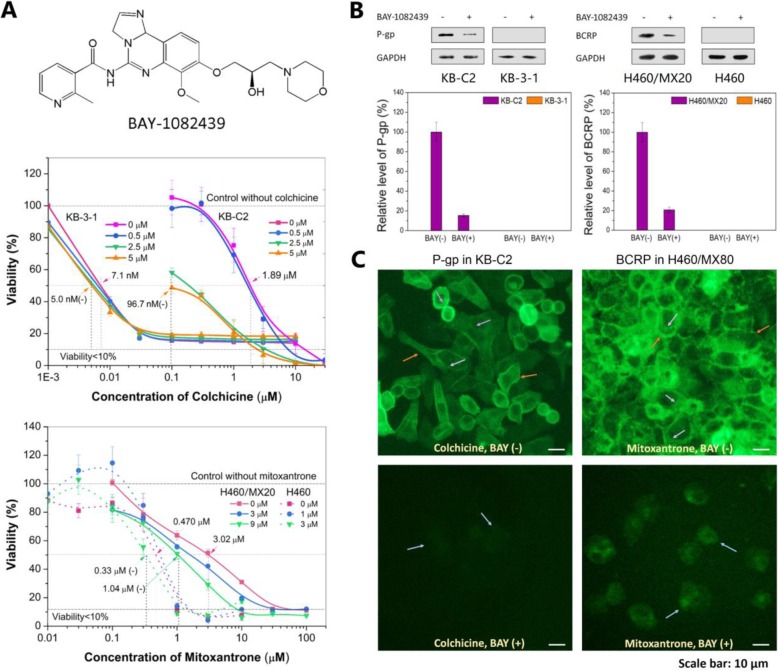
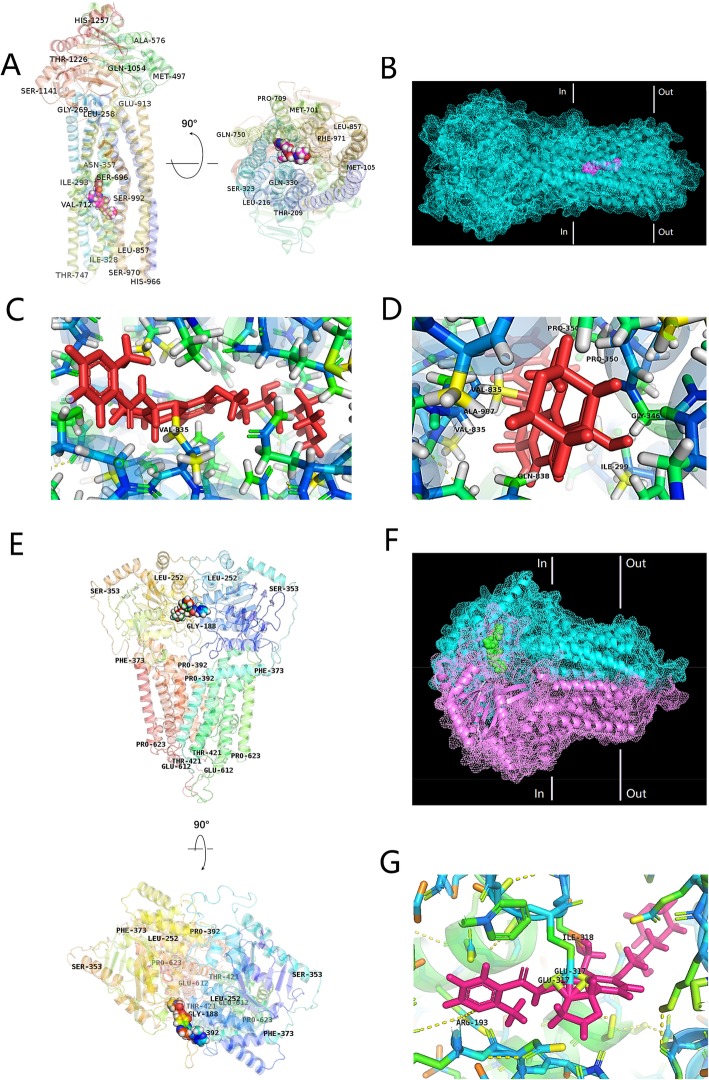
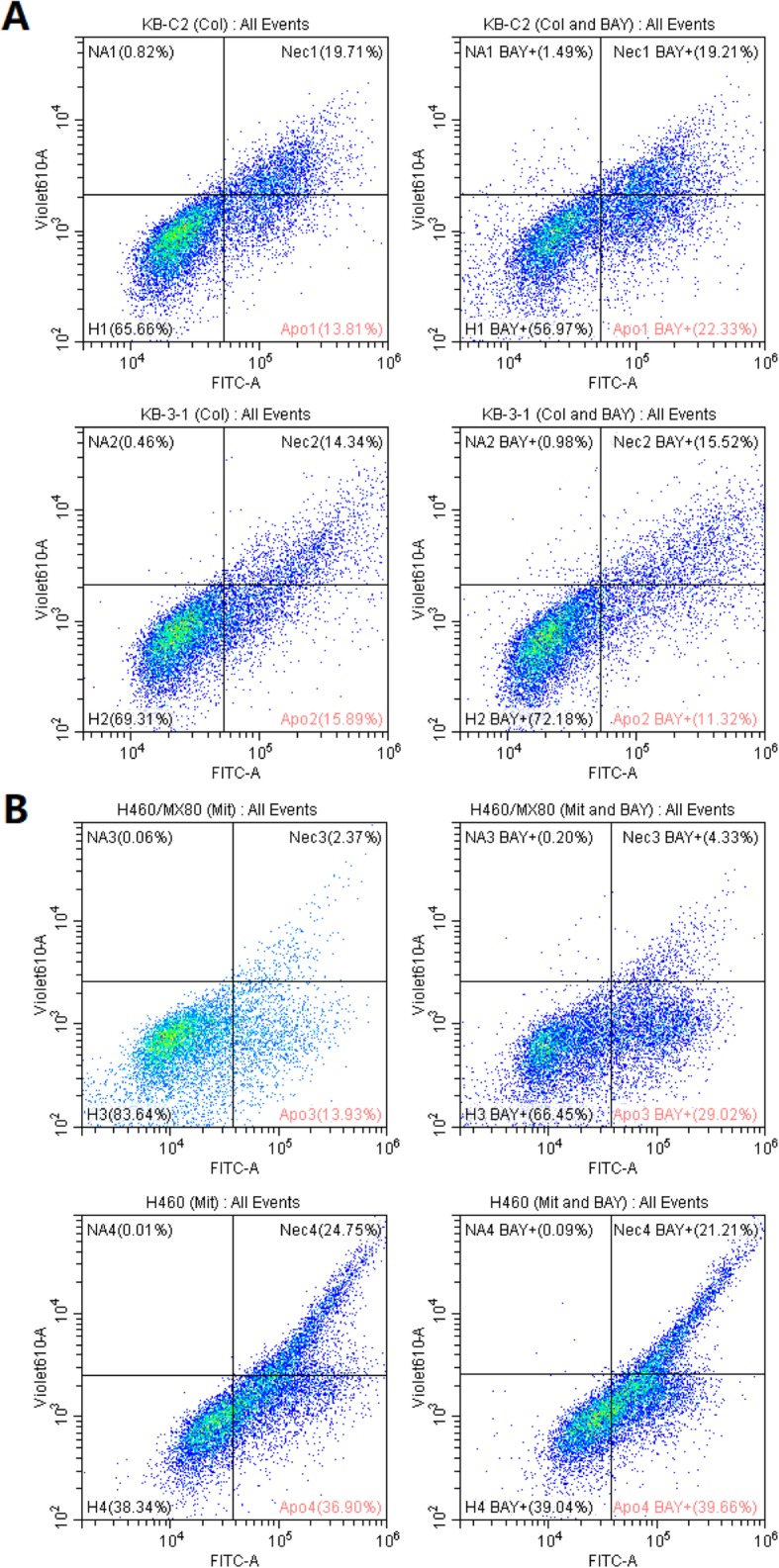
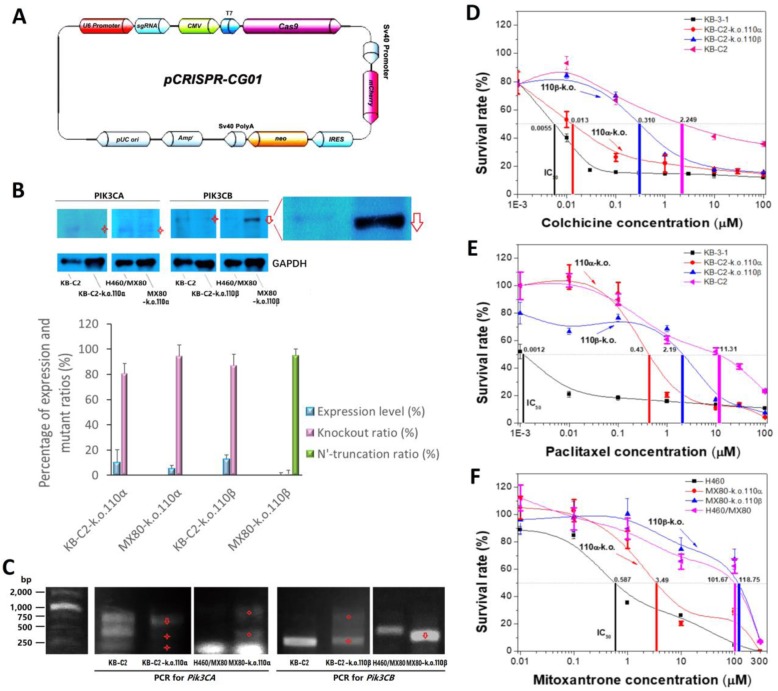
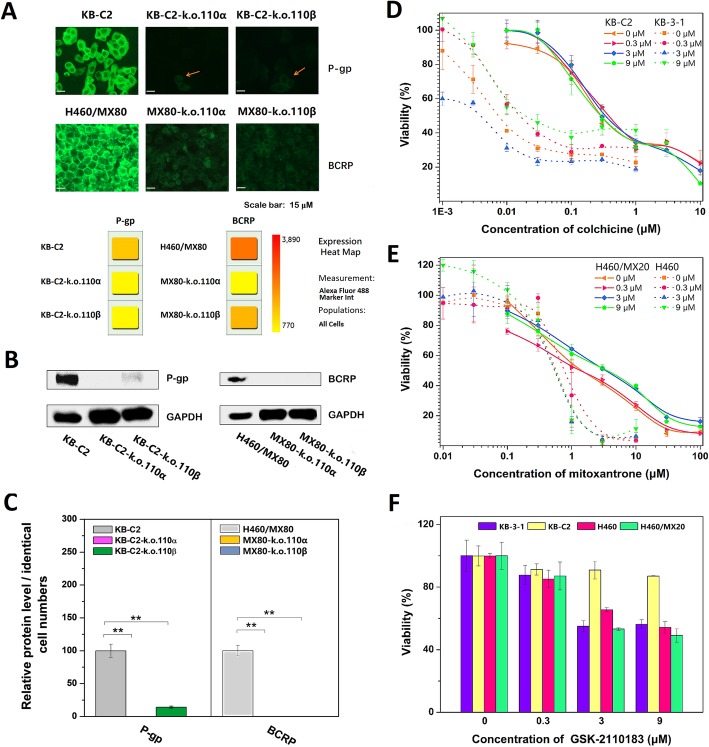
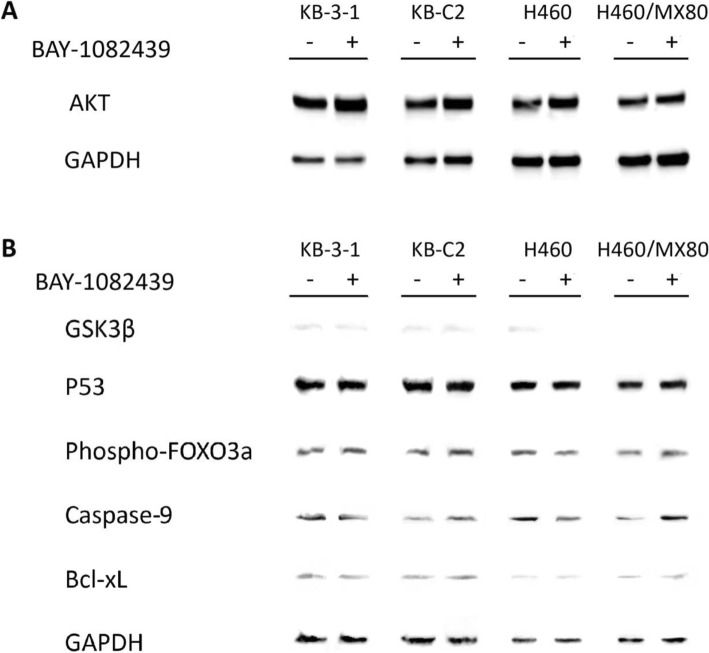
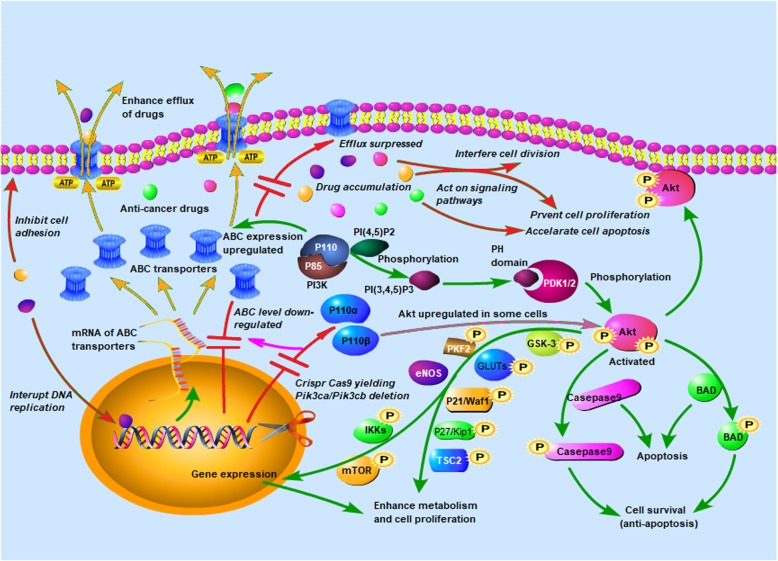
Background: PI3K/AKT is a vital signaling pathway in humans. Recently, several PI3K/AKT inhibitors were reported to have the ability to reverse cancer multidrug resistance (MDR); however, specific targets in the PI3K/AKT pathways and the mechanisms associated with MDR have not been found because many of the inhibitors have multiple targets within a large candidate protein pool. AKT activation is one presumed mechanism by which MDR develops during cancer treatment. Methods: The effects of inhibiting PI3K 110α and 110β by BAY-1082439 treatment and CRISPR/Cas9 knockout were examined to determine the possible functions of BAY-1082439 and the roles of PI3K 110α and 110β in the reversal of MDR that is mediated by the downregulation of P-gp and BCRP. Inhibition of AKT with GSK-2110183 showed that the downregulation of P-gp and BCRP is independent of generalized AKT inactivation. Immunofluorescence, immunoprecipitation, MTT, flow cytometry and JC-1 staining analyses were conducted to study the reversal of MDR that is mediated by P-gp and BCRP in cancer cells. An ATPase assay and a structural analysis were also used to analyze the potential mechanisms by which BAY-1082439 specifically targets PI3K 110α and 110β and nonspecifically influences P-gp and BCRP. Results: By inhibiting the activation of the PI3K 110α and 110β catalytic subunits through both the administration of BAY-1082439 and the CRISPR/Cas9 deletion of Pik3ca and Pik3cb , the ATP-binding cassette transporters P-gp/ABCB1 and BCRP/ABCG2 were downregulated, thereby reestablishing the drug sensitivity of human epidermoid carcinoma and non-small cell lung cancer (NSCLC) MDR cells. Inhibition of AKT did not reverse the MDR mediated by P-gp or BCRP. The ABC family proteins and AKT may play MDR-enhancing roles independently. Conclusions: The reversal of the dual functions of ABC-transporter-mediated and AKT-activation-enhanced MDR through the inhibition or knockout of PI3K 110α or 110β promises to improve current strategies based on combined drug treatments to overcome MDR challenges.
Overview
The claims and statistics of this paper haven’t been checked yet.
Run the check — free, no account needed. It reads the open-access text and checks the sources it cites.
Integrity signals
Registry
Cites
Statistics
Figures
Verification
Claims the paper makes
The claims and statistics of this paper haven’t been checked yet.
Run the check — free, no account needed. It reads the open-access text and checks the sources it cites.
Claims other papers make about this one
Each is checked against this paper’s own text: does it say what the citing paper says it does?
The source backs part of the claim, not all of it — or backs it for a different population, condition or comparison.
In the citing paper
“Multidrug resistance (MDR) has emerged to be a major hindrance in cancer therapy, which contributes to the reduced sensitivity of cancer cells toward chemotherapeutic drugs mainly owing to the over-expression of drug efflux transporters.”
From Nucleolin-Targeting AS1411 Aptamer-Modified Micelle for the Co-Delivery of Doxorubicin and miR-519c to Improve the Therapeutic Efficacy in Hepatocellular Carcinoma Treatment (2021) · cites this paper as [10]
Experimental — accuracy not yet measuredIn the citing paper
“The phenomenon was mainly attributed to the over-expression of ATP-binding cassette (ABC) transporter family in cancer cells, including ABCG1, ABCC1 and ABCG2.8–10”
Self-check
Percentages, sums and reported differences re-computed from the paper’s own numbers.
The self-check needs the paper’s full text.
Citations
Cites
1 retracted
Shi, G., Zhang, H., Yu, Q., Hu, C., & Ji, Y. (2019) · OncoTargets and Therapy · doi:10.2147/ott.s198750 · Cited by 2
Self-citationRetractedPI3K pathway alterations in cancer: variations on a theme
Yuan, T. L., & Cantley, L. C. (2008) · Oncogene · doi:10.1038/onc.2008.245 · Cited by 1,845
Smiley, S. T., Reers, M., Mottola-Hartshorn, C., Lin, M., Chen, A. B., Smith, T. W., Steele, G., & Chen, L. B. (1991) · Proceedings of the National Academy of Sciences · doi:10.1073/pnas.88.9.3671 · Cited by 1,629
Targeting the PI3K pathway in cancer: are we making headway?
Janku, F., Yap, T. A., & Meric-Bernstam, F. (2018) · Nature Reviews Clinical Oncology · doi:10.1038/nrclinonc.2018.28 · Cited by 1,033
Zeng, L., Gupta, P., Chen, Y., Wang, E., Ji, L., Chao, H., & Chen, Z. (2017) · Chemical Society Reviews · doi:10.1039/c7cs00195a · Cited by 1,027
Self-citationKathawala, R. J., Gupta, P., Ashby, C. R., & Chen, Z. (2014) · Drug Resistance Updates · doi:10.1016/j.drup.2014.11.002 · Cited by 798
Self-citationSignalling through phosphoinositide 3-kinases: the lipids take centre stage
Leevers, S. J., Vanhaesebroeck, B., & Waterfield, M. D. (1999) · Current Opinion in Cell Biology · doi:10.1016/s0955-0674(99)80029-5 · Cited by 690
Zhang, Y., Xia, M., Jin, K., Wang, S., Wei, H., Fan, C., Wu, Y., Li, X., Li, X., Li, G., et al. (2018) · Molecular Cancer · doi:10.1186/s12943-018-0796-y · Cited by 593
Self-citationCancer metabolism and the Warburg effect: the role of HIF-1 and PI3K
Courtnay, R., Ngo, D. C., Malik, N., Ververis, K., Tortorella, S. M., & Karagiannis, T. C. (2015) · Molecular Biology Reports · doi:10.1007/s11033-015-3858-x · Cited by 590
PI3K/Akt signaling transduction pathway, erythropoiesis and glycolysis in hypoxia (Review)
Xie, Y., Shi, X., Sheng, K., Han, G., Li, W., Zhao, Q., Jiang, B., Feng, J., Li, J., & Gu, Y. (2018) · Molecular Medicine Reports · doi:10.3892/mmr.2018.9713 · Cited by 505
Cited by
Sorted by citations
Fu, K., Xie, F., Wang, F., & Fu, L. (2022) · Journal of Hematology & Oncology · doi:10.1186/s13045-022-01391-4 · Cited by 432
Activation of PI3K/AKT/mTOR Pathway Causes Drug Resistance in Breast Cancer
Dong, C., Wu, J., Chen, Y., Nie, J., & Chen, C. (2021) · Frontiers in Pharmacology · doi:10.3389/fphar.2021.628690 · Cited by 404
Zou, Y., Zheng, S., Xie, X., Ye, F., Hu, X., Tian, Z., Yang, L., Yang, L., Tang, Y., Tang, Y., et al. (2022) · Nature Communications · doi:10.1038/s41467-022-30217-7 · Cited by 230
Self-citationMechanism of multidrug resistance to chemotherapy mediated by P‑glycoprotein (Review)
Tian, Y., Lei, Y., Wang, Y., Lai, J., Wang, J., & Xia, F. (2023) · International Journal of Oncology · doi:10.3892/ijo.2023.5567 · Cited by 211
Khezri, M. R., Jafari, R., Yousefi, K., & Zolbanin, N. M. (2022) · Experimental and Molecular Pathology · doi:10.1016/j.yexmp.2022.104787 · Cited by 137
Metadata
- Authors
- Zhang, L., Li, Y., Wang, Q., Chen, Z., Li, X., Wu, Z., Hu, C., Liao, D., Zhang, W., & Chen, Z.-S.
- Affiliations
- St. John's University (US)
- Chinese Academy of Sciences (CN)
- Fujian Agriculture and Forestry University (CN)
- Weifang Medical University (CN)
- Corresponding author
- Chen, Zhuo
- Chen, Zhe-Sheng
- Venue
- Molecular Cancer
- Published
- 2020-01-17
- Volume
- 19
- Issue
- 1
- Pages
- 10-10
- ISSN
- 1476-4598 (ISSN-L)
- PMC
- PMC6966863
- OpenAlex
- W3004667471
- Cited by
- 152
- References
- 59
- Citations by year
- 2026: 12 · 2025: 20 · 2024: 23 · 2023: 16 · 2022: 45 · 2021: 21 · 2020: 13
- FWCI
- 8.58
- Type
- journal article
- Language
- en
- Open access
- gold
- doi.org
- Locations
- Molecular Cancer (publishedVersion, cc-by)
- PubMed Central (publishedVersion, cc-by)
- PubMed (publishedVersion)
- DOAJ (DOAJ: Directory of Open Access Journals) (submittedVersion, cc-by-sa)
- Funders
- National Institute of Health - USA (1R15GM116043−01)
- China Scholarship Council
- St. John’s University Research Seed Grant (579−1110−7002)
- National Nature Science Foundation of China (21877113, 31300650, 31771723)
- Fujian Provincial Department of Science and Technology (2013N0039, 2017J01456)
- Topics
- Health Sciences › Medicine › Oncology › Drug Transport and Resistance Mechanisms
- Life Sciences › Biochemistry, Genetics and Molecular Biology › Molecular Biology › PI3K/AKT/mTOR signaling in cancer
- Health Sciences › Medicine › Microbiology (medical) › Antibiotic Resistance in Bacteria
- Keywords
- PI3K p110α, PI3K p110β, multidrug resistance, P-glycoprotein, ABCG2, ABC transporters, AKT inhibition, drug resistance reversal
- MeSH terms
- ATP Binding Cassette Transporter, Subfamily G, Member 2, Carcinoma, Squamous Cell, Humans, Neoplasm Proteins, Tumor Cells, Cultured, Biomarkers, Tumor, Gene Expression Regulation, Neoplastic, Apoptosis, Drug Resistance, Multiple, ATP Binding Cassette Transporter, Subfamily B, Drug Resistance, Neoplasm, Protein Kinase Inhibitors, Cell Proliferation, Class I Phosphatidylinositol 3-Kinases
About these checks
Registry, retraction, Cites and statistics results are computed, not judged, with one exception: a printed reference that no index lists is read once by a model before it counts as a citation error. Claims are extracted by a model and kept only when their quote appears verbatim in the text; each cited source is then checked, with a model’s help, for whether it says what the claim relies on. Those verdicts can be wrong — read the claim’s quote and the cited source before relying on one.
Statistics and arithmetic are recomputed, not judged.
Confidence bands are shown only for fields calibrated on our annotated test set. None is calibrated yet, so no band is shown.
What counts as a claim ›How we measure confidence ›How we check this ›
Are you an author, or do you see a problem with this page? Request a review
