

Targeting AURKA in Cancer: molecular mechanisms and opportunities for Cancer therapy
Open accessThe DOI matches its Crossref record; 237 of the 238 references it cites were found in a registry or an index.
Abstract
Aurora kinase A (AURKA) belongs to the family of serine/threonine kinases, whose activation is necessary for cell division processes via regulation of mitosis. AURKA shows significantly higher expression in cancer tissues than in normal control tissues for multiple tumor types according to the TCGA database. Activation of AURKA has been demonstrated to play an important role in a wide range of cancers, and numerous AURKA substrates have been identified. AURKA-mediated phosphorylation can regulate the functions of AURKA substrates, some of which are mitosis regulators, tumor suppressors or oncogenes. In addition, enrichment of AURKA-interacting proteins with KEGG pathway and GO analysis have demonstrated that these proteins are involved in classic oncogenic pathways. All of this evidence favors the idea of AURKA as a target for cancer therapy, and some small molecules targeting AURKA have been discovered. These AURKA inhibitors (AKIs) have been tested in preclinical studies, and some of them have been subjected to clinical trials as monotherapies or in combination with classic chemotherapy or other targeted therapies.
Overview
The claims and statistics of this paper haven’t been checked yet.
Free: it reads the open-access text and checks the first 5 claims that cite a source we can check. Create a free account to check every claim.
Integrity signals
Registry
Cites
Statistics
Figures
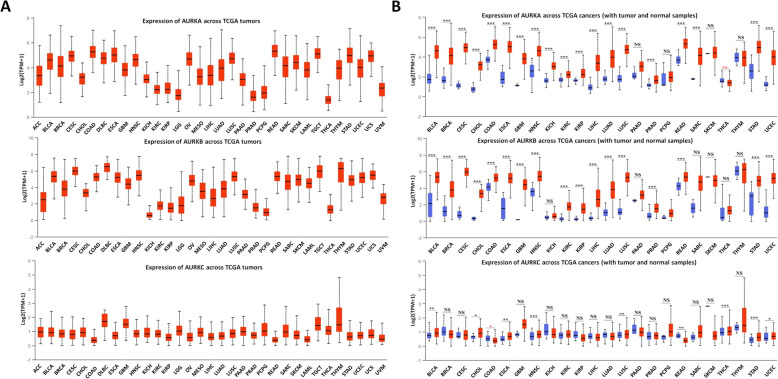
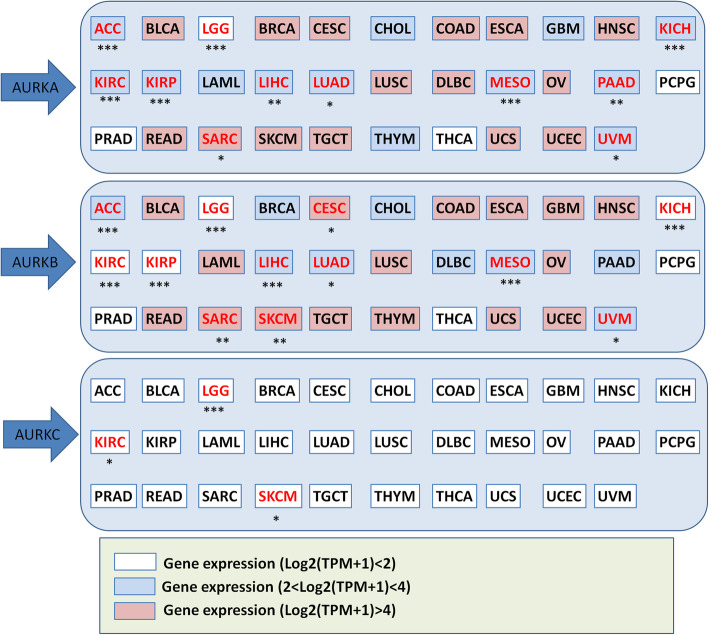
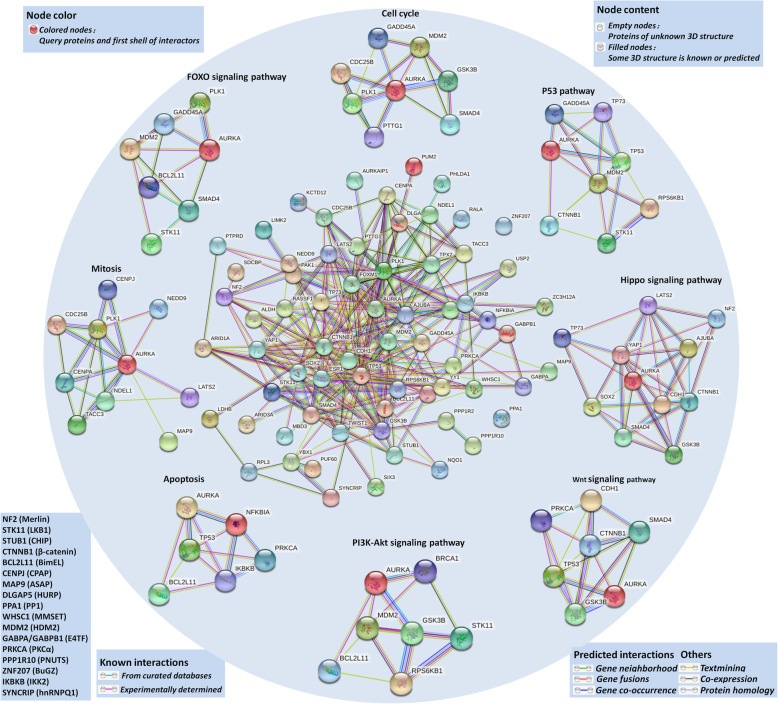
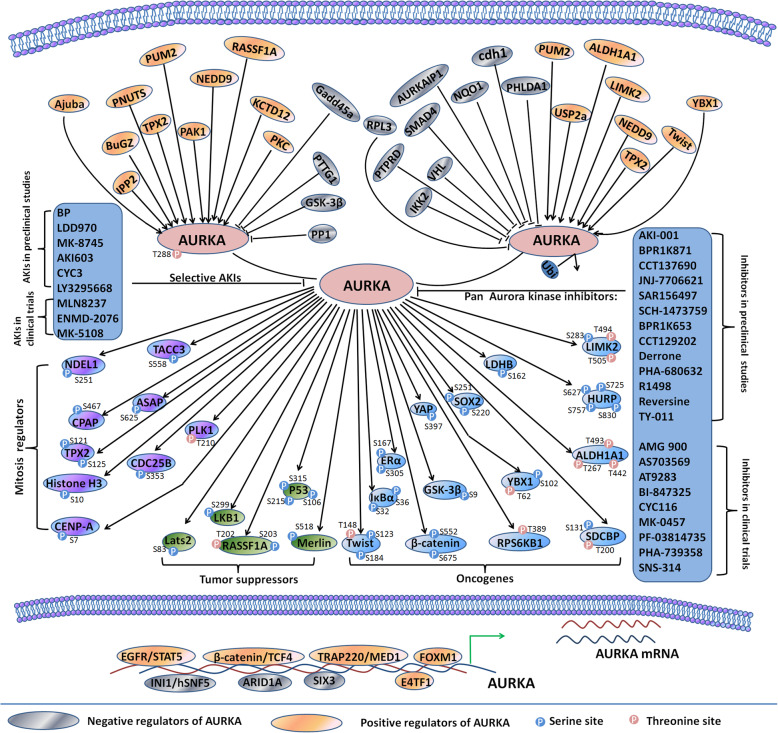
Verification
Claims the paper makes
The claims and statistics of this paper haven’t been checked yet.
Free: it reads the open-access text and checks the first 5 claims that cite a source we can check. Create a free account to check every claim.
Claims other papers make about this one
Each is checked against this paper’s own text: does it say what the citing paper says it does?
The cited source says what the claim attributes to it.
In the citing paper
“AURKA, a member of the AURK family member, is frequently overexpressed in a wide range of cancers and plays a critical role in oncogenesis [127, 128].”
From Differential Response and Resistance to KRAS-Targeted Therapy (2025) · cites this paper as [127]
Self-check
Percentages, sums and reported differences re-computed from the paper’s own numbers.
The self-check needs the paper’s full text.
Citations
Cites
3 retracted
Items 201–237 of 237
Liu, Y., Hawkins, O. E., Vilgelm, A. E., Pawlikowski, J. S., Ecsedy, J., Sosman, J. A., Kelley, M. C., & Richmond, A. J. (2015) · Clinical Cancer Research · doi:10.1158/1078-0432.ccr-15-0293 · Cited by 30 · cited 2×
“A death receptor 5 agonist antibody has been found to initiate significant apoptosis in tumor cells undergoing therapyinduced senescence induced by MLN8237 treatment [227].”
BackgroundSiddiqi, T., Frankel, P., Beumer, J. H., Kiesel, B. F., Christner, S., Ruel, C., Song, J. Y., Chen, R., Kelly, K. R., Ailawadhi, S., et al. (2020) · Leukemia & Lymphoma · doi:10.1080/10428194.2019.1672052 · Cited by 30 · cited 1×
“A phase I study on alisertib in combination with vorinostat in patients with relapsed/ refractory lymphoid malignancies has shown encouraging clinical activity with a manageable safety profile [211].”
BackgroundDonato, N. J., Fang, D., Sun, H., Giannola, D. M., Peterson, L. F., & Talpaz, M. (2009) · Biochemical Pharmacology · doi:10.1016/j.bcp.2009.10.009 · Cited by 28 · cited 1×
“MK-0457 has been confirmed to show efficiency in anaplastic THCA cells [169], chemoresistant ovarian cancer models [170], myeloma cell lines and primary myeloma cell samples [171], and imatinib-resistant chronic myelogenous leukemia [172].”
BackgroundAurora A Phosphorylation of YY1 during Mitosis Inactivates its DNA Binding Activity
Alexander, K. E., & Rizkallah, R. (2017) · Scientific Reports · doi:10.1038/s41598-017-10935-5 · Cited by 28 · cited 1×
“Once YY1 is phosphorylated by AURKA at Ser365, its DNAbinding activity and transcriptional activity are abolished [62].”
BackgroundPUF60/AURKA Axis Contributes to Tumor Progression and Malignant Phenotypes in Bladder Cancer
Qian, L., An, X., Chen, M., Wang, N., Sui, S., Li, Y., Zhang, C., Lee, K., Wang, X., Tian, T., et al. (2020) · Frontiers in Oncology · doi:10.3389/fonc.2020.568015 · Cited by 28 · cited 1×
“As a nucleic acid-binding protein, PUF60 contributes to malignant phenotypes of bladder cancer through binding to AURKA promoter and activating AURKA transcription [3].”
BackgroundPhosphatase 1 Nuclear Targeting Subunit (PNUTS) Regulates Aurora Kinases and Mitotic Progression
Wang, F., Wang, L., Fisher, L. A., Li, C., Wang, W., & Peng, A. (2018) · Molecular Cancer Research · doi:10.1158/1541-7786.mcr-17-0670 · Cited by 28 · cited 3×
“[19] PNUTS Increases AURKA activity Blocks PP1-dependent dephosphorylation of AURKA.”
BackgroundA Translational Regulator, PUM2, Promotes Both Protein Stability and Kinase Activity of Aurora-A
Huang, Y.-H., Wu, C.-C., Chou, C., & Huang, C. F. (2011) · PLoS ONE · doi:10.1371/journal.pone.0019718 · Cited by 28 · cited 5×
“Among the proteins that interact with and activate AURKA, some are wellestablished activators, such as Ajuba, TPX2, NEDD9 and PUM2.”
BackgroundInfluentialSelf-citationQi, D., Wang, Q., Yu, M., Lan, R., Li, S., & Lu, F. (2016) · Cell Cycle · doi:10.1080/15384101.2016.1192729 · Cited by 27 · cited 1×
“After phosphorylation, SOX2 is able to maintain the ratio of stem cell-like cells, while YBX1 is stabilized and enhances EMT, stem cell formation and chemoresistance [17, 64].”
BackgroundIonkina, A. A., Tentler, J. J., Kim, J., Capasso, A., Pitts, T. M., Ryall, K. A., Howison, R. R., Kabos, P., Sartorius, C. A., Tan, A. C., et al. (2017) · Frontiers in Oncology · doi:10.3389/fonc.2017.00094 · Cited by 25 · cited 1×
“ENMD-2076 shows antitumor activity in colorectal cancer [154], multiple myeloma [156] and triple-negative breast cancer [157, 158] both in vitro and in vivo.”
BackgroundDent, S. F., Gelmon, K. A., Chi, K. N., Jonker, D. J., Wainman, N., Capier, C. A., Chen, E. X., Lyons, J. F., & Seymour, L. (2013) · Investigational New Drugs · doi:10.1007/s10637-013-0018-9 · Cited by 25
Park, S. I., Lin, C. P., Ren, N., Angus, S. P., Dittmer, D. P., Foote, M. B., Parton, T., Bhatt, A. P., Fedoriw, Y. D., Roth, D. P., et al. (2019) · Targeted Oncology · doi:10.1007/s11523-019-00662-4 · Cited by 24
Petersen, W., Liu, J., Yuan, L., Zhang, H., Schneiderjan, M., Cho, Y., & MacDonald, T. J. (2014) · Cancer Letters · doi:10.1016/j.canlet.2014.07.038 · Cited by 24 · cited 1×
“sive B-cell lymphoma [164] and medulloblastoma [165].”
Hsu, Y. C., Coumar, M. S., Wang, W.-C., Shiao, H., Ke, Y., Lin, W., Kuo, C., Chang, C.-W., Kuo, F., Chen, P.-Y., et al. (2016) · Oncotarget · doi:10.18632/oncotarget.13369 · Cited by 24 · cited 3×
“[88] Table 3 AKIs in preclinical studies (Continued) Compound names Structures Targets (IC50) Cell-based potency (IC50/EC50/GI50) Animal models (type; concentration; efficiency) Ref BPR1K871 AURKA (22 nM) AURKB (13 nM) FLT3 (19 nM) EC50 values ranged from 34 nM to 7 μM in various cancer cells.”
Self-citationJin, S., Wang, X., Tong, T., Zhang, D., Shi, J., Chen, J., & Zhan, Q. (2014) · Molecular Oncology · doi:10.1016/j.molonc.2014.08.002 · Cited by 23 · cited 3×
“Furthermore, AURKA inhibits the degradation of β-catenin, a known substrate of GSK-3β, by phosphorylating β-catenin at the Ser552 and Ser675 sites [54].”
BackgroundInfluentialJia, L., Lee, H. S., Wu, C. F., Kundu, J., Park, S. G., Kim, R. N., Wang, L., Erkin, Ö. C., Choi, J., Chae, S. W., et al. (2014) · Molecular Cancer Research · doi:10.1158/1541-7786.mcr-14-0191 · Cited by 21 · cited 3×
“The tumor suppressor SMAD4 interacts with AURKA and inhibits the expression of AURKA via proteasomal degradation which is independent of TGFβ signaling [33].”
BackgroundDurbas, M., Pabisz, P., Wawak, K., Wiśniewska, A., Boratyn, E., Nowak, I., Horwacik, I., Woźnicka, O., & Rokita, H. (2018) · APOPTOSIS · doi:10.1007/s10495-018-1472-9 · Cited by 20
Graux, C., Sonet, A., Maertens, J. A., Duyster, J., Greiner, J., Chalandon, Y., Martinelli, G., Hess, D., Heim, D. A., Giles, F. J., et al. (2013) · Leukemia Research · doi:10.1016/j.leukres.2013.04.025 · Cited by 20
A phase I study of two dosing schedules of oral BI 847325 in patients with advanced solid tumors
Schöffski, P., Aftimos, P. G., Dumez, H., Deleporte, A., Block, K. D., Costermans, J., Billiet, M., Meeus, M.-A., Lee, C., Schnell, D., et al. (2015) · Cancer Chemotherapy and Pharmacology · doi:10.1007/s00280-015-2914-5 · Cited by 19 · cited 3×
“Other drugs including AMG900 [102, 103], AS703569 [104–106], BI-847325 [112], CYC116, PF-03814735 [126], and SNS-314 are also in phase I clinical trials.”
Mita, M. M., Gordon, M. S., Rejeb, N., Gianella-Borradori, A., Jego, V., Mita, A. C., Sarantopoulos, J., Sankhala, K. K., & Mendelson, D. S. (2013) · Targeted Oncology · doi:10.1007/s11523-013-0288-3 · Cited by 19
Cheung, C. H. A., Lin, W., Hsu, J. T., Hour, T., Yeh, T., Ko, S., Lien, T., Coumar, M. S., Liu, J.-F., Lai, W.-Y., et al. (2011) · PLoS ONE · doi:10.1371/journal.pone.0023485 · Cited by 19 · cited 2×
“Other Aurora kinase inhibitors with IC50 values> 50 nM against kinase activity, such as BPR1K653 [87], CCT129202 [96], derrone [91], PHA680632 [99], R1498 [94], reversine [101] and TY-011 [88], have also been tested in preclinical studies, and the preliminary data are shown in Table 3.”
BackgroundZhang, C., Wu, X., Zhang, M., Zhu, L., Zhao, R., Xu, D., Lin, Z., Liang, C., Chen, T., Chen, L., et al. (2013) · PLoS ONE · doi:10.1371/journal.pone.0065264 · Cited by 18 · cited 3×
“Other Aurora kinase inhibitors with IC50 values> 50 nM against kinase activity, such as BPR1K653 [87], CCT129202 [96], derrone [91], PHA680632 [99], R1498 [94], reversine [101] and TY-011 [88], have also been tested in preclinical studies, and the preliminary data are shown in Table 3.”
BackgroundInfluentialIn Vitro Characterization of Derrone as an Aurora Kinase Inhibitor
Nhung, H. T. M., Phuong, T. T., Nguyen, T. T. N., Yến, T. T. H., Nguyen, A. T. N., Nguyen, T. L., & Bui, K. T. V. (2016) · Biological and Pharmaceutical Bulletin · doi:10.1248/bpb.b15-00835 · Cited by 18 · cited 2×
“Other Aurora kinase inhibitors with IC50 values> 50 nM against kinase activity, such as BPR1K653 [87], CCT129202 [96], derrone [91], PHA680632 [99], R1498 [94], reversine [101] and TY-011 [88], have also been tested in preclinical studies, and the preliminary data are shown in Table 3.”
BackgroundShionome, Y., Lin, W., Shiao, H., Hsieh, H., Hsu, J. T., & Ouchi, T. (2013) · International Journal of Biological Sciences · doi:10.7150/ijbs.5806 · Cited by 18 · cited 2×
“[80] BPR1K0609S1(BP) AURKA (43 nM) HCT116 (400 nM) Parental and BP-resistant HCT116 Puma(−), Bax(−), Chk2(−) and p53(−) cells were transplanted into nude mice; these BP-resistant cells did not show faster tumor development compared to their parental cells, respectively.”
BackgroundInchanalkar, S., Deshpande, N. U., Kasherwal, V., Jayakannan, M., & Balasubramanian, N. (2018) · Molecular Pharmaceutics · doi:10.1021/acs.molpharmaceut.8b00163 · Cited by 17 · cited 1×
“This drug delivery technology has been applied to MLN8237 and the polysaccharide nanovesicle efficiently delivers low concentrations of MLN8237 to inhibit AURKA and disrupt the anchorage-independent growth of MCF-7 cell than free MLN8237 [232].”
BackgroundLiu, W., Lu, Y., Chai, X., Liu, X., Zhu, T., Wu, X., Fang, Y., Liu, X., & Zhang, X. (2016) · Journal of Experimental & Clinical Cancer Research · doi:10.1186/s13046-016-0464-2 · Cited by 17 · cited 2×
“Other Aurora kinase inhibitors with IC50 values> 50 nM against kinase activity, such as BPR1K653 [87], CCT129202 [96], derrone [91], PHA680632 [99], R1498 [94], reversine [101] and TY-011 [88], have also been tested in preclinical studies, and the preliminary data are shown in Table 3.”
BackgroundInfluentialRaymond, É., Alexandre, J., Faivre, S. J., Goldwasser, F., Besse‐Hammer, T., Gianella-Borradori, A., Jego, V., Trandafir, L., Rejeb, N., & Awada, A. H. (2013) · Investigational New Drugs · doi:10.1007/s10637-013-9950-y · Cited by 16 · cited 1×
“In patients with solid tumors, AS703569 in combination with the standard dose of gemcitabine produces preliminary signs of efficacy [106].”
BackgroundSak, M., Zumbar, C. T., King, P. D., Li, X., Mifsud, C. S., Usubalieva, A., Anderson, C. D., Chesnick, H. M., McElroy, J. P., Chakravarti, A., et al. (2019) · Journal of Neuro-Oncology · doi:10.1007/s11060-019-03164-5 · Cited by 16 · cited 1×
“The combination of alisertib and carboplatin is selectively effective in glioblastoma patients with high tumor O(6)-methylguanine DNA methyltransferase expression who are resistant to standard therapy [193].”
BackgroundSelf-citationIdentification of pVHL as a Novel Substrate for Aurora-A in Clear Cell Renal Cell Carcinoma (ccRCC)
Martin, B., Chesnel, F., Delcros, J., Jouan, F., Couturier, A., Dugay, F., Goff, X. L., Patard, J., Fergelot, P., Vigneau, C. M., et al. (2013) · PLoS ONE · doi:10.1371/journal.pone.0067071 · Cited by 12 · cited 8×
“[59] VHL S72 In vitro kinase assay, MS, autoradiography NA [60] PHLDA1 S98 In vitro kinase assay, consensus motif, autoradiography Negatively regulates PHLDA1 by promoting PHLDA1 degradation.”
BackgroundMethodInfluentialShionome, Y., Li, Y., Liu, S., Saeki, T., & Ouchi, T. (2013) · PLoS ONE · doi:10.1371/journal.pone.0055457 · Cited by 12 · cited 2×
“[81, 82] LDD970 AURKA (0.37 μM) IC50: HT29 (4.22 μM) NA [83] MK-8745 AURKA (0.6 nM) NA HCT116, HCT116 p53(−), HCT116 Puma(−), HCT116 p21(−) and HCT116 Chk2(−) xenografts; MK-8745 (800 nM) was directly s.c. injected daily; HCT116 p53(−) tumorigenesis was weakly inhibited, HCT116 Puma(−), HCT116 p21(−), HCT116 Bax(−) an…”
BackgroundInfluentialPhosphorylation of Merlin by Aurora A kinase appears necessary for mitotic progression
Mandati, V., Maestro, L. D., Dingli, F., Lombard, B., Loew, D., Molinié, N., Romero, S., Bouvard, D., Louvard, D., Gautreau, A. M., et al. (2019) · Journal of Biological Chemistry · doi:10.1074/jbc.ra118.006937 · Cited by 11 · cited 1×
“Merlin suppresses tumor development through distinct mechanisms and is a substrate of AURKA that is phosphorylated at its main regulatory site, Ser518, during mitosis [46].”
BackgroundA phase II study of ENMD-2076 in advanced soft tissue sarcoma (STS)
Veitch, Z. W. N., Zer, A., Loong, H. H.-F., Salah, S. H., Masood, M., Gupta, A. A., Bradbury, P. A., Hogg, D., Wong, A., Kandel, R. A., et al. (2019) · Scientific Reports · doi:10.1038/s41598-019-43222-6 · Cited by 11
Ndolo, K. M., Park, K. R., Lee, H., Yoon, K. B., Kim, Y., & Han, S. (2017) · Immune Network · doi:10.4110/in.2017.17.2.110 · Cited by 11 · cited 2×
“[81, 82] LDD970 AURKA (0.37 μM) IC50: HT29 (4.22 μM) NA [83] MK-8745 AURKA (0.6 nM) NA HCT116, HCT116 p53(−), HCT116 Puma(−), HCT116 p21(−) and HCT116 Chk2(−) xenografts; MK-8745 (800 nM) was directly s.c. injected daily; HCT116 p53(−) tumorigenesis was weakly inhibited, HCT116 Puma(−), HCT116 p21(−), HCT116 Bax(−) an…”
BackgroundInfluentialMCPIP1 ribonuclease can bind and cleave AURKA mRNA in MYCN -amplified neuroblastoma cells
Nowak, I., Boratyn, E., Student, S., Bernhart, S. F., Fallmann, J., Durbas, M., Stadler, P. F., & Rokita, H. (2020) · RNA Biology · doi:10.1080/15476286.2020.1804698 · Cited by 11 · cited 3×
“Apart from the regulation of AURKA transcription through interaction with AURKA promoter, it was reported that ribonuclease MCPIP1 destabilized AURKA mRNA [30].”
BackgroundInfluentialNQO1 prevents radiation-induced aneuploidy by interacting with Aurora-A
Park, M., Oh, E., Song, M.-J., Lee, H., Choi, E. K., & Park, H. J. (2013) · Carcinogenesis · doi:10.1093/carcin/bgt225 · Cited by 10
Casari, I., Domenichini, A., Sestito, S., Capone, E., Sala, G., Rapposelli, S., & Falasca, M. (2019) · Cancers · doi:10.3390/cancers11111695 · Cited by 10 · cited 1×
“Other molecules, such as SRC [217], CHEK1 [218], mTOR [219, 220], WEE1 [221], PDK1 [222, 223], and MEK [224], have also been chosen as targets together with AURKA in preclinical studies.”
BackgroundShiomitsu, K., Sajo, E., Rubin, C., & Sehgal, I. (2013) · Veterinary and Comparative Oncology · doi:10.1111/vco.12046 · Cited by 10 · cited 1×
“Two other AURKA inhibitors, MLN8237 and ENMD-2076, also enhance radiation sensitivity in cancer cells [200, 201].”
BackgroundToji, S., Yabuta, N., Hosomi, T., Nishihara, S., Kobayashi, T., Suzuki, S., Tamai, K. K., & Nojima, H. (2004) · Cited by 10
Cited by
Surface plasmon resonance technology: Recent advances, applications and experimental cases
Capelli, D., Scognamiglio, V., & Montanari, R. (2023) · TrAC Trends in Analytical Chemistry · doi:10.1016/j.trac.2023.117079 · Cited by 239
Clinical significance of FBXW7 loss of function in human cancers
Fan, J., Bellon, M., Ju, M., Zhao, L., Wei, M., Fu, L., & Nicot, C. (2022) · Molecular Cancer · doi:10.1186/s12943-022-01548-2 · Cited by 172
Aurora kinase A, a synthetic lethal target for precision cancer medicine
Mou, P. K., Yang, E. J., Shi, C., Ren, G., Tao, S., & Shim, J. S. (2021) · Experimental & Molecular Medicine · doi:10.1038/s12276-021-00635-6 · Cited by 163
Genetic Heterogeneity, Tumor Microenvironment and Immunotherapy in Triple-Negative Breast Cancer
Kúdelová, E., Smolár, M., Holubeková, V., Horňáková, A., Dvorská, D., Lučanský, V., Koklesová, L., Kúdela, E., & Kubatka, P. (2022) · International Journal of Molecular Sciences · doi:10.3390/ijms232314937 · Cited by 136
Ren, L., Yang, Y., Li, W., Zheng, X., Liu, J., Li, S., Yang, H. S., Zhang, Y., Ge, B., Zhang, S., et al. (2022) · Journal of Translational Medicine · doi:10.1186/s12967-022-03641-y · Cited by 124
“CDK1 facilitated the EMT of ACC cells via Slug and Twist and regulated the G2/M phase transition of ACC cells through interactions with UBE2C and AURKA/B. CDK1 regulated the apoptosis, pyroptosis, and necroptosis (PANoptosis) of ACC cells through binding with the PANoptosome in a ZBP1dependent way.”
BackgroundInfluential
Metadata
- Authors
- Du, R., Huang, C., Liu, K., Li, X., & Dong, Z.
- Affiliations
- Zhengzhou University (CN)
- Corresponding author
- Du, Ruijuan
- Li, Xiang
- Dong, Zigang
- Venue
- Molecular Cancer
- Published
- 2021-01-15
- Volume
- 20
- Issue
- 1
- Pages
- 15-15
- ISSN
- 1476-4598 (ISSN-L)
- PMC
- PMC7809767
- OpenAlex
- W3123995258
- Cited by
- 586
- References
- 238
- Citations by year
- 2026: 71 · 2025: 118 · 2024: 145 · 2023: 124 · 2022: 100 · 2021: 26
- FWCI
- 12.94
- Type
- journal article
- Language
- en
- Open access
- gold
- doi.org
- Licence
- cc-by
- creativecommons.org/licenses/by/4.0/ (tdm)
- creativecommons.org/licenses/by/4.0/ (vor)
- Locations
- Molecular Cancer (publishedVersion, cc-by)
- PubMed Central (publishedVersion, cc-by)
- PubMed (publishedVersion)
- DOAJ (DOAJ: Directory of Open Access Journals) (submittedVersion, cc-by-sa)
- Funders
- National Natural Science Foundation of China (81802795, 82073075, 31301144)
- Topics
- Life Sciences › Biochemistry, Genetics and Molecular Biology › Cell Biology › Microtubule and mitosis dynamics
- Life Sciences › Biochemistry, Genetics and Molecular Biology › Cancer Research › Cancer Mechanisms and Therapy
- Health Sciences › Medicine › Oncology › Cancer-related Molecular Pathways
- Keywords
- AURKA, AURKA inhibitors, cancer therapy, mitosis regulation, serine/threonine kinase, oncogenic signaling, small-molecule kinase inhibitors, combination chemotherapy, targeted therapy
- MeSH terms
- Animals, Humans, Neoplasms, Substrate Specificity, Survival Analysis, Protein Kinase Inhibitors, Molecular Targeted Therapy, Aurora Kinase A
About these checks
Registry, retraction, Cites and statistics results are computed, not judged, with one exception: a printed reference that no index lists is read once by a model before it counts as a citation error. Claims are extracted by a model and kept only when their quote appears verbatim in the text; each cited source is then checked, with a model’s help, for whether it says what the claim relies on. Those verdicts can be wrong — read the claim’s quote and the cited source before relying on one.
Statistics and arithmetic are recomputed, not judged.
Confidence bands are shown only for fields calibrated on our annotated test set. None is calibrated yet, so no band is shown.
What counts as a claim ›How we measure confidence ›How we check this ›
Are you an author, or do you see a problem with this page? Request a review
Data sources
Bibliographic data: Semantic Scholar, OpenAlex, Crossref.
Contains information from the Semantic Scholar Academic Graph Datasets, made available under the ODC Attribution License (ODC-BY 1.0).
Semantic Scholar’s data is described in: Kinney, R., et al. (2023). The Semantic Scholar Open Data Platform. arXiv:2301.10140.
