

Targeting AURKA in Cancer: molecular mechanisms and opportunities for Cancer therapy
Open accessThe DOI matches its Crossref record; 237 of the 238 references it cites were found in a registry or an index.
Abstract
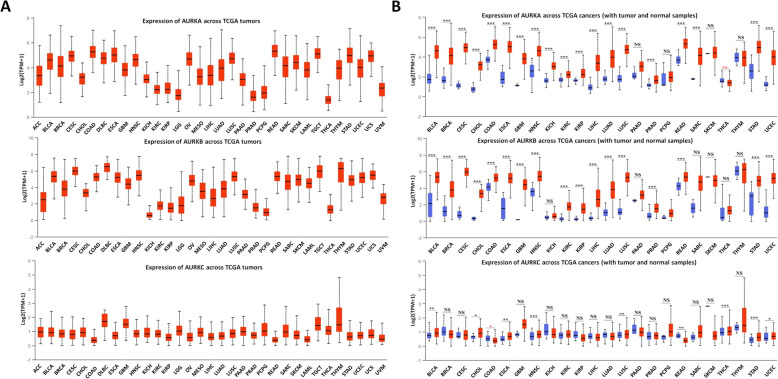
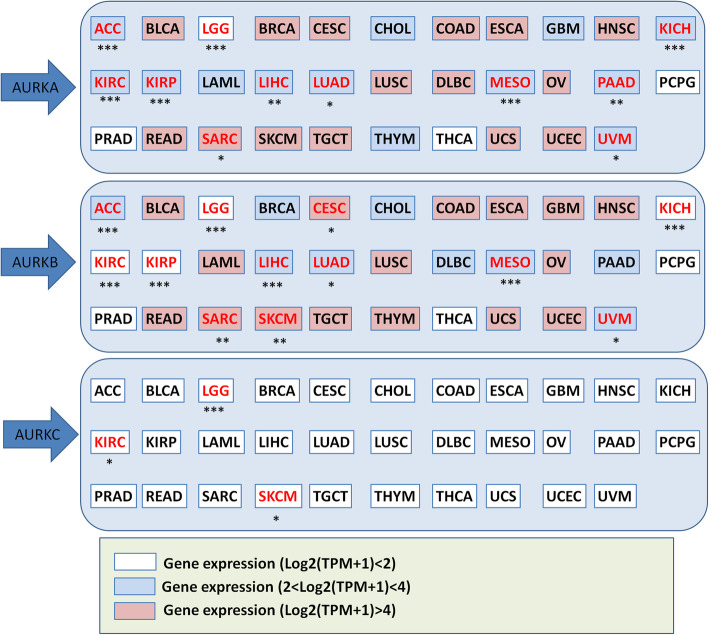
Aurora kinase A (AURKA) belongs to the family of serine/threonine kinases, whose activation is necessary for cell division processes via regulation of mitosis. AURKA shows significantly higher expression in cancer tissues than in normal control tissues for multiple tumor types according to the TCGA database. Activation of AURKA has been demonstrated to play an important role in a wide range of cancers, and numerous AURKA substrates have been identified. AURKA-mediated phosphorylation can regulate the functions of AURKA substrates, some of which are mitosis regulators, tumor suppressors or oncogenes. In addition, enrichment of AURKA-interacting proteins with KEGG pathway and GO analysis have demonstrated that these proteins are involved in classic oncogenic pathways. All of this evidence favors the idea of AURKA as a target for cancer therapy, and some small molecules targeting AURKA have been discovered. These AURKA inhibitors (AKIs) have been tested in preclinical studies, and some of them have been subjected to clinical trials as monotherapies or in combination with classic chemotherapy or other targeted therapies.
Overview
The claims and statistics of this paper haven’t been checked yet.
Free: it reads the open-access text and checks the first 5 claims that cite a source we can check. Create a free account to check every claim.
Integrity signals
Registry
Cites
Statistics
Figures
Verification
Claims the paper makes
The claims and statistics of this paper haven’t been checked yet.
Free: it reads the open-access text and checks the first 5 claims that cite a source we can check. Create a free account to check every claim.
Claims other papers make about this one
Each is checked against this paper’s own text: does it say what the citing paper says it does?
The cited source says what the claim attributes to it.
In the citing paper
“AURKA, a member of the AURK family member, is frequently overexpressed in a wide range of cancers and plays a critical role in oncogenesis [127, 128].”
From Differential Response and Resistance to KRAS-Targeted Therapy (2025) · cites this paper as [127]
Self-check
Percentages, sums and reported differences re-computed from the paper’s own numbers.
The self-check needs the paper’s full text.
Citations
Cites
3 retracted
Zhou, S.-F., Ding, Y.-H., Zhou, Z.-W., Ha, C., Zhang, X.-Y., Pan, S.-T., He, Z.-X., Edelman, J. L., Wang, D., Yang, Y.-X., et al. (2015) · Drug Design Development and Therapy · doi:10.2147/dddt.s74062 · Cited by 87 · cited 1×
“process is also impeded by MLN8237 treatment in human epithelial ovarian and pancreatic cancer cells [134].”
BackgroundRetractedAurora-A is a determinant of tamoxifen sensitivity through phosphorylation of ERα in breast cancer
Zheng, X.-Q., Guo, J., Yang, H., Kanai, M., He, L. L., Li, Y. Y., Koomen, J., Minton, S., Gao, M., Ren, X. B., et al. (2013) · Oncogene · doi:10.1038/onc.2013.444 · Cited by 44 · cited 1×
“Ser167 and Ser305, leading to an increase in the DNAbinding ability of ERα and the transcriptional activity of ERα toward its target cyclin D1 [55].”
BackgroundRetractedZhou, S.-F., Li, J.-P., Yang, Y.-X., Liu, Q., Zhou, Z.-W., Pan, S., He, Z., Zhang, X., Yang, T., Pan, S.-Y., et al. (2015) · Drug Design Development and Therapy · doi:10.2147/dddt.s74412 · Cited by 36 · cited 1×
“PHA-739358 also induces cell cycle arrest, apoptosis and autophagy and suppresses the EMT process [176, 177].”
BackgroundRetractedHarrington, E. A., Bebbington, D., Moore, J., Rasmussen, R. K., Ajose-Adeogun, A. O., Nakayama, T., Graham, J. A., Demur, C., Hercend, T., Diu-Hercend, A., et al. (2004) · Nature Medicine · doi:10.1038/nm1003 · Cited by 965 · cited 1×
“MK-0457, a pyrazoloquinazoline compound, inhibits all three Aurora kinases [166] and inhibits FLT-3 and Abl kinases [167].”
BackgroundDai, Y., Xu, C., Sun, X., & Chen, X. (2017) · Chemical Society Reviews · doi:10.1039/c6cs00592f · Cited by 931 · cited 1×
“Furthermore, development of nanoparticle therapeutic carriers that are passively targeted to tumors through the enhanced permeability and retention effect may be helpful [231].”
BackgroundPolo-like kinase-1 is activated by aurora A to promote checkpoint recovery
Macůrek, L., Lindqvist, A., Lim, D., Lampson, M. A., Klompmaker, R., Freire, R., Clouin, C., Taylor, S. S., Yaffe, M. B., & Medema, R. H. (2008) · Nature · doi:10.1038/nature07185 · Cited by 710 · cited 1×
“It has been reported that AURKA is responsible for the Thr210 phosphorylation of PLK1, which is required for checkpoint recovery [58].”
BackgroundMitotic Phosphorylation of Histone H3: Spatio-Temporal Regulation by Mammalian Aurora Kinases
Crosio, C., Fimia, G. M., Loury, R., Kimura, M., Okano, Y., Zhou, H., Sen, S., Allis, C. D., & Sassone-Corsi, P. (2002) · Molecular and Cellular Biology · doi:10.1128/mcb.22.3.874-885.2002 · Cited by 666 · cited 1×
“phosphorylates Ser10 both in vitro and in vivo [61].”
BackgroundStructural Basis of Aurora-A Activation by TPX2 at the Mitotic Spindle
Bayliss, R., Sardon, T., Vernos, I., & Conti, E. (2003) · Molecular Cell · doi:10.1016/s1097-2765(03)00392-7 · Cited by 636 · cited 1×
“The Nterminal domain of TPX2 binds to AURKA and protects AURKA from dephosphorylation according to experimental and structural analyses [10, 11].”
BackgroundHirota, T., Kunitoku, N., Sasayama, T., Marumoto, T., Zhang, D., Nitta, M., Hatakeyama, K., & Saya, H. (2003) · Cell · doi:10.1016/s0092-8674(03)00642-1 · Cited by 628 · cited 2×
“The LIM protein Ajuba efficiently stimulates AURKA autophosphorylation at Thr288 and increases kinase activity toward histone H3 in the late G2 phase [25].”
BackgroundPhosphorylation by aurora kinase A induces Mdm2-mediated destabilization and inhibition of p53
Katayama, H., Sasai, K., Kawai, H., Yuan, Z.-M., Bondaruk, J., Suzuki, F., Fujii, S., Arlinghaus, R. B., Czerniak, B. A., & Sen, S. (2004) · Nature Genetics · doi:10.1038/ng1279 · Cited by 588 · cited 1×
“It has been reported that AURKA phosphorylates p53 at Ser315, after which p53 is destabilized and the G2-M transition is enhanced [72].”
Background
Cited by
Surface plasmon resonance technology: Recent advances, applications and experimental cases
Capelli, D., Scognamiglio, V., & Montanari, R. (2023) · TrAC Trends in Analytical Chemistry · doi:10.1016/j.trac.2023.117079 · Cited by 239
Clinical significance of FBXW7 loss of function in human cancers
Fan, J., Bellon, M., Ju, M., Zhao, L., Wei, M., Fu, L., & Nicot, C. (2022) · Molecular Cancer · doi:10.1186/s12943-022-01548-2 · Cited by 172
Aurora kinase A, a synthetic lethal target for precision cancer medicine
Mou, P. K., Yang, E. J., Shi, C., Ren, G., Tao, S., & Shim, J. S. (2021) · Experimental & Molecular Medicine · doi:10.1038/s12276-021-00635-6 · Cited by 163
Genetic Heterogeneity, Tumor Microenvironment and Immunotherapy in Triple-Negative Breast Cancer
Kúdelová, E., Smolár, M., Holubeková, V., Horňáková, A., Dvorská, D., Lučanský, V., Koklesová, L., Kúdela, E., & Kubatka, P. (2022) · International Journal of Molecular Sciences · doi:10.3390/ijms232314937 · Cited by 136
Ren, L., Yang, Y., Li, W., Zheng, X., Liu, J., Li, S., Yang, H. S., Zhang, Y., Ge, B., Zhang, S., et al. (2022) · Journal of Translational Medicine · doi:10.1186/s12967-022-03641-y · Cited by 124
“CDK1 facilitated the EMT of ACC cells via Slug and Twist and regulated the G2/M phase transition of ACC cells through interactions with UBE2C and AURKA/B. CDK1 regulated the apoptosis, pyroptosis, and necroptosis (PANoptosis) of ACC cells through binding with the PANoptosome in a ZBP1dependent way.”
BackgroundInfluentialVromman, M., Anckaert, J., Bortoluzzi, S., Buratin, A., Chen, C.-Y., Chu, Q., Chuang, T., Dehghannasiri, R., Dieterich, C., Dong, X., et al. (2023) · Nature Methods · doi:10.1038/s41592-023-01944-6 · Cited by 121
Emergence of Cardiac Glycosides as Potential Drugs: Current and Future Scope for Cancer Therapeutics
Kumavath, R., Paul, S., Pavithran, H., Paul, M. K., Ghosh, P., Barh, D., & Azevedo, V. (2021) · Biomolecules · doi:10.3390/biom11091275 · Cited by 101
Cdc2-like kinases: structure, biological function and therapeutic targets for diseases
Song, M., Pang, L., Zhang, M., Qu, Y., Laster, K. V., & Dong, Z. (2023) · Signal Transduction and Targeted Therapy · doi:10.1038/s41392-023-01409-4 · Cited by 71
Self-citationSargazi, S., Zeybekler, S. E., Gelen, S. S., Rahdar, A., Bilal, M., Arshad, R., Ajalli, N., Khan, M. F., & Pandey, S. (2022) · Journal of Drug Delivery Science and Technology · doi:10.1016/j.jddst.2022.103605 · Cited by 98
MYCN Impact on High-Risk Neuroblastoma: From Diagnosis and Prognosis to Targeted Treatment
Bartolucci, D., Montemurro, L., Raieli, S., Lampis, S., Pession, A., Hrelia, P., & Tonelli, R. (2022) · Cancers · doi:10.3390/cancers14184421 · Cited by 74
“AURKA expression was found to be altered in many cancers, making it a good candidate for therapy [279,280].”
BackgroundMishra, D., Mishra, A., Nand, S., Vamanu, E., & Singh, M. P. (2023) · Diagnostics · doi:10.3390/diagnostics13061142 · Cited by 69
“AURKA, an oncogene from the serine/threonine kinase family, is responsible for activating the process of cell division through mitosis regulation and promoting tumorigenesis and metastasis in different cancer types, and this property qualifies AURKA as a potential target in cancer treatment [33,34].”
BackgroundMishra, D., Mishra, A., Nand, S., Vamanu, E., & Singh, M. P. (2023) · Diagnostics · doi:10.3390/diagnostics13050965 · Cited by 63
“This gene was involved in cancer metastases in the case of HCC [55].”
BackgroundVasilev, B., & Atanasova, M. (2025) · Applied Sciences · doi:10.3390/app15031206 · Cited by 68
Kahl, I., Mense, J., Finke, C., Boller, A.-L., Lorber, C., Győrffy, B., Greve, B., Götte, M., & Espinoza‐Sánchez, N. A. (2022) · Journal of Cellular Biochemistry · doi:10.1002/jcb.30205 · Cited by 58
“new AURKA inhibitors are being evaluated in different clinical trials.(79) In conclusion, AURKA is a potential target in cancer therapy and can provide an important prognostic value.”
MethodAurora kinases signaling in cancer: from molecular perception to targeted therapies
Vats, P., Saini, C., Baweja, B., Srivastava, S. K., Kumar, A., Kushwah, A. S., & Nema, R. (2025) · Molecular Cancer · doi:10.1186/s12943-025-02353-3 · Cited by 60
“AURKB inhibitors can demonstrate synergistic effects when used in conjunction with chemotherapy or radiotherapy by targeting mitotic pathways, hindering DNA repair, and inducing death in cancer cells [110].”
InfluentialChromosomal Instability in Gastric Cancer: Role in Tumor Development, Progression, and Therapy
Nemtsova, M. V., Kuznetsova, E., & Bure, I. V. (2023) · International Journal of Molecular Sciences · doi:10.3390/ijms242316961 · Cited by 55
“Phosphorylation of β -catenin by the active kinase GSK-3ß leads to ubiquitination and proteasomal degradation of β -catenin [86].”
BackgroundPBK/TOPK: An Effective Drug Target with Diverse Therapeutic Potential
Huang, H., Lee, M., Liu, K., Dong, Z., Ryoo, Z., & Kim, M. O. (2021) · Cancers · doi:10.3390/cancers13092232 · Cited by 53
Self-citationOxidative stress-mediated protein sulfenylation in human diseases: Past, present, and future
Mu, B., Zeng, Y., Luo, L., & Wang, K. (2024) · Redox Biology · doi:10.1016/j.redox.2024.103332 · Cited by 54
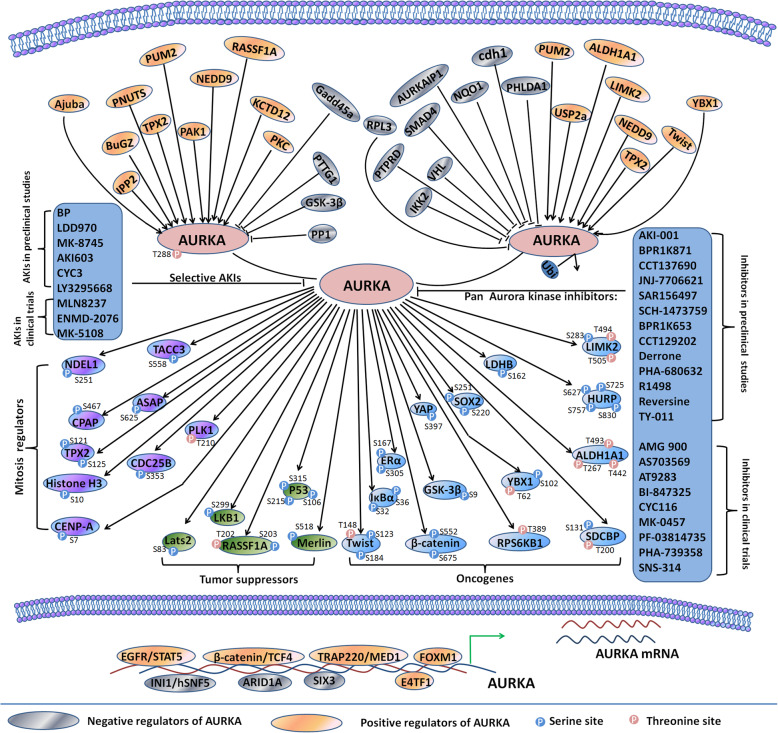
“…apoptosis, migration, invasion, and epithelial-mesenchymal transition (EMT) by phosphorylating mitosis regulators and tumor suppressors such as p53, ras association domain family member 1A (RASSF1A), liver kinase B1 (LKB1), neuro-fibromin 2 (NF2), and large tumor suppressor kinase 2 (Lats2) [193].”
BackgroundJin, W., Tan, H., Wu, J., He, G., & Liu, B. (2021) · Drug Discovery Today · doi:10.1016/j.drudis.2021.08.007 · Cited by 50
Stanciu, I.-M., Paroșanu, A. I., Orlov-Slavu, C. M., Iaciu, C. I., Popa, A. M., Olaru, M., Pirlog, C. F., Vrabie, R. C., & Niţipir, C. (2023) · Diagnostics · doi:10.3390/diagnostics13050987 · Cited by 51
“AURKA shows significantly higher expression in cancer tissues than in normal control tissues for multiple tumor types [59].”
BackgroundCPEB1 directs muscle stem cell activation by reprogramming the translational landscape
Zeng, W., Yue, L., Lam, K. S. W., Zhang, W., So, W., Tse, E. H. Y., & Cheung, T. H. (2022) · Nature Communications · doi:10.1038/s41467-022-28612-1 · Cited by 48
Liu, F., Wang, X., Duan, J., Hou, Z., Wu, Z., Liu, L., Lei, H., Huang, D., Ren, Y., Wang, Y., et al. (2022) · Advanced Science · doi:10.1002/advs.202104823 · Cited by 52
Self-citationPredicting drug response from single-cell expression profiles of tumours
Pellecchia, S., Viscido, G., Franchini, M., & Gambardella, G. (2023) · BMC Medicine · doi:10.1186/s12916-023-03182-1 · Cited by 50
Imidazopyridine-based kinase inhibitors as potential anticancer agents: A review
Peytam, F., Emamgholipour, Z., Mousavi, A., Moradi, M., Foroumadi, R., Firoozpour, L., Divsalar, F., Safavi, M., & Foroumadi, A. (2023) · Bioorganic Chemistry · doi:10.1016/j.bioorg.2023.106831 · Cited by 48
Stabilization of AURKA by the E3 ubiquitin ligase CBLC in lung adenocarcinoma
Hong, S., Lu, Y., Hsiao, S.-H., Kao, Y.-R., Lee, M.-H., Lin, Y.-P., Wang, C., & Wu, C. (2022) · Oncogene · doi:10.1038/s41388-022-02180-6 · Cited by 45
“Furthermore, accumulating preclinical studies and clinical trials have shown that AURKA inhibitors have promising antitumor activity when used in combination with chemotherapies, radiotherapies and targeted therapies [29].”
BackgroundA comprehensive review on role of Aurora kinase inhibitors (AKIs) in cancer therapeutics
Gupta, D., Kumar, M., Saifi, S., Rawat, S., Ethayathulla, A. S., & Kaur, P. (2024) · International Journal of Biological Macromolecules · doi:10.1016/j.ijbiomac.2024.130913 · Cited by 51
Functional roles of lncRNA-TUG1 in hepatocellular carcinoma
Farzaneh, M., Ghasemian, M., Ghaedrahmati, F., Poodineh, J., Najafi, S., Masoodi, T., Kurniawan, D., Shahab Uddin, M. S., & Azizidoost, S. (2022) · Life Sciences · doi:10.1016/j.lfs.2022.120974 · Cited by 45
Chen, G., Yu, M., Cao, J., Zhao, H., Dai, Y., Cong, Y., & Qiao, G. (2021) · Bioengineered · doi:10.1080/21655979.2021.1960775 · Cited by 46
FBXW7 in breast cancer: mechanism of action and therapeutic potential
Chen, S., Leng, P., Guo, J., & Zhou, H. (2023) · Journal of Experimental & Clinical Cancer Research · doi:10.1186/s13046-023-02767-1 · Cited by 44
“Several AURKA inhibitors, an alternative target of FBXW7, have entered phase II/III clinical trials [133] (Fig.”
BackgroundMiralaei, N., Majd, A., Ghaedi, K., Peymani, M., & Safaei, M. (2021) · Cancer Medicine · doi:10.1002/cam4.4161 · Cited by 46
MUMA: A Multi-Omics Meta-Learning Algorithm for Data Interpretation and Classification
Huang, H., Shu, J., & Liang, Y. Q. (2024) · IEEE Journal of Biomedical and Health Informatics · doi:10.1109/jbhi.2024.3363081 · Cited by 42
“One study found that targeting AURKA, a protein interacting with APC/C, could inhibit ACC cell proliferation and induce apoptosis [34].”
BackgroundSeize the engine: Emerging cell cycle targets in breast cancer
Fuentes‐Antrás, J., Bedard, P. L., & Cescon, D. W. (2024) · Clinical and Translational Medicine · doi:10.1002/ctm2.1544 · Cited by 43
Meng, J., Wei, Y., Deng, Q., Li, L., & Li, X. (2022) · Cancer Cell International · doi:10.1186/s12935-021-02439-0 · Cited by 41
“have identified AURKA as a target for cancer treatment, and have identified small molecule [21] that targets AURKA.”
BackgroundSelf-citationChen, X., Ma, J., Wang, X., Zi, T., Qian, D., Li, C., & Xu, C. (2022) · Frontiers in Endocrinology · doi:10.3389/fendo.2022.1106175 · Cited by 39
“Similar to CCNB1, Aurora kinase A (AURKA) is also a cell cycleregulated kinase that is involved in microtubule formation or stabilization at the spindle pole during chromosome segregation (30).”
BackgroundRole of c-Myc in lung cancer: Progress, challenges, and prospects
Wallbillich, N. J., & Lu, H. (2023) · Chinese Medical Journal - Pulmonary and Critical Care Medicine · doi:10.1016/j.pccm.2023.07.001 · Cited by 41
Ye, Y., Xu, L., Zhang, L., Zhao, P., Cai, W., Fu, G., Wang, T., Tao, Z., Shi, W., Gu, W. J., et al. (2024) · Redox Biology · doi:10.1016/j.redox.2024.103137 · Cited by 40
“Previous studies have identified several transcriptional factors, including FOXM1, ARID3A, PUF60, STAT5 and TCF4, that can regulate AURKA transcription [9].”
BackgroundInfluentialGrisetti, L., Garcia, C. J. C., Saponaro, A. A., Tiribelli, C., & Pascut, D. (2024) · Cell Proliferation · doi:10.1111/cpr.13641 · Cited by 39
Griger, J., Widholz, S. A., Jesinghaus, M., Krätzig, N. D. A., Lange, S., Engleitner, T., Montero, J. J., Zhigalova, E., Öllinger, R., Suresh, V., et al. (2022) · Cancer Cell · doi:10.1016/j.ccell.2023.06.001 · Cited by 39
Anti-tumor pharmacology of natural products targeting mitosis
Huang, M., Liu, C., Shao, Y., Zhou, S., Hu, G., Yin, S., Pu, W., & Yu, H. (2022) · Cancer Biology and Medicine · doi:10.20892/j.issn.2095-3941.2022.0006 · Cited by 41
A biophysical framework for double-drugging kinases
Kim, C., Ludewig, H., Hadzipasic, A., Kutter, S., Nguyen, V., & Kern, D. (2023) · Proceedings of the National Academy of Sciences · doi:10.1073/pnas.2304611120 · Cited by 39
“Common obstacles faced by orthosteric inhibitors for AurA and Abl include cytotoxicity, off-target effects, and emergence of resistance mutants (3, 4, 20, 21).”
Anti-cancer drug molecules targeting cancer cell cycle and proliferation
Patra, D., Bhavya, K., Ramprasad, P., Kalia, M., & Pal, D. (2023) · Advances in protein chemistry and structural biology · doi:10.1016/bs.apcsb.2022.11.011 · Cited by 39
Yi, Y., Wang, Z., Liu, X., Han, S., Li, J., Zhang, Y., & Zhao, L. (2023) · Brain Circulation · doi:10.4103/bc.bc_40_23 · Cited by 37
“[35] AURKA is a critical upstream regulator of HIF1 transcription complex, [36] and its expression is common under metabolic stress including hypoxia and glucose starvation.”
BackgroundTargeting N-Myc in neuroblastoma with selective Aurora kinase A degraders
Tang, J., Moorthy, R., Hirsch, L. E., Demir, Ö., Baker, Z. D., Naumann, J. A., Jones, K. F. M., Grillo, M. J., Haefner, E. S., Shi, K., et al. (2025) · Cell chemical biology · doi:10.1016/j.chembiol.2024.12.006 · Cited by 37
Contribution of AurkA/TPX2 Overexpression to Chromosomal Imbalances and Cancer
Polverino, F., Mastrangelo, A., & Guarguaglini, G. (2024) · Cells · doi:10.3390/cells13161397 · Cited by 37
“AurkA inhibitors directed at the ATP binding site have been largely evaluated in pre-clinical studies and clinical trials, and extensively reviewed elsewhere [17,103].”
Gene-based burden tests of rare germline variants identify six cancer susceptibility genes
Ivarsdottir, E. V., Guðmundsson, J., Tragante, V., Sveinbjörnsson, G., Kristmundsdóttir, S., Stacey, S., Halldorsson, G. H., Magnusson, M. I., Oddsson, Á., Walters, G. B., et al. (2024) · Nature Genetics · doi:10.1038/s41588-024-01966-6 · Cited by 36
“AURKB has been reported to be overexpressed in various tumors and the function of aurora kinases in cancer has been studied extensively 75 .”
Recent studies on protein kinase signaling inhibitors based on thiazoles: review to date
Ebaid, M. S., Ibrahim, H. A. A., Kassem, A. F., & Sabt, A. (2024) · RSC Advances · doi:10.1039/d4ra05601a · Cited by 37
“63,64 Gray and colleagues have developed novel compounds utilizing aminothiazole as speci c Aurora kinase inhibitors.”
Insights into the Regulation of Ciliary Disassembly
Patel, M. M., & Tsiokas, L. (2021) · Cells · doi:10.3390/cells10112977 · Cited by 36
Liang, B., Zhou, Y., Jiao, J., Xu, L., Yan, Y., Wu, Q., Tong, X., & Yan, H. (2022) · Frontiers in Oncology · doi:10.3389/fonc.2022.875521 · Cited by 34
Sun, Y., Xue, Y., Sun, P., Mu, S., Liu, H., Sun, Y., Wang, L., Wang, J., Wu, T., Yin, W., et al. (2023) · Journal of Medicinal Chemistry · doi:10.1021/acs.jmedchem.3c00505 · Cited by 33
SUMOylation and DeSUMOylation: Prospective therapeutic targets in cancer
Wu, W., & Huang, C. (2023) · Life Sciences · doi:10.1016/j.lfs.2023.122085 · Cited by 33
Self-citationEpidermal growth factor receptor dual-target inhibitors as a novel therapy for cancer: A review
Wang, C., Zhang, Y., Zhang, T., Xu, J., Yan, S., Liang, B., & Xing, D. (2023) · International Journal of Biological Macromolecules · doi:10.1016/j.ijbiomac.2023.127440 · Cited by 35
Targeting Senescence as a Therapeutic Opportunity for Triple-Negative Breast Cancer
de Paula, B., Kieran, R., Koh, S. S. Y., Crocamo, S., Abdelhay, E. S. F. W., & Muñoz‐Espín, D. (2023) · Molecular Cancer Therapeutics · doi:10.1158/1535-7163.mct-22-0643 · Cited by 36
“Its effects are mediated via DNA damage/p53 pathway, survival/NF-kB pathway, estrogen pathway, STAT pathway, and PI3K/Akt pathways (33).”
BackgroundAURKA inhibition induces Ewing’s sarcoma apoptosis and ferroptosis through NPM1/YAP1 axis
Chen, H., Hu, J., Xiong, X., Chen, H., Lin, B., Chen, Y., Li, Y., Cheng, D., & Li, Z. (2024) · Cell Death and Disease · doi:10.1038/s41419-024-06485-0 · Cited by 31
“Meanwhile, AURKA was reported to act as an oncogene in a variety of cancers [15, 16].”
Ferreira, L. A. P., Caruso, L., Nadur, N. F., Franco, D. P., Sousa, G. L. S., Lacerda, R. B., & Kümmerle, A. E. (2026) · ACS Omega · doi:10.1021/acsomega.5c08365 · Cited by 31
phosaa14SB and phosaa19SB: Updated Amber Force Field Parameters for Phosphorylated Amino Acids
Raguette, L. E., Cuomo, A. E., Belfon, K. A. A., Tian, C., Hazoglou, V., Witek, G., Telehany, S. M., Wu, Q., & Simmerling, C. L. (2024) · Journal of Chemical Theory and Computation · doi:10.1021/acs.jctc.4c00732 · Cited by 30
The significant others of aurora kinase a in cancer: combination is the key
Nikhil, K., & Shah, K. (2024) · Biomarker Research · doi:10.1186/s40364-024-00651-4 · Cited by 34
“Amplification of the AURKA locus has been reported in a wide variety of tumors, including breast, prostate, pancreatic, ovarian, esophageal, colon, liver, lung, neuroblastoma, bladder and cervical cancer [31].”
BackgroundPediatric Acute Lymphoblastic Leukemia Emerging Therapies—From Pathway to Target
Ivanov, A. V., Alecsa, M., Popescu, R. M., Stârcea, I. M., Mocanu, A., Rusu, C., & Miron, I. C. (2023) · International Journal of Molecular Sciences · doi:10.3390/ijms24054661 · Cited by 32
“Additionally, animal studies and clinical studies emphasized the efficiency of AKIs as a single agent or in combination with other standard chemotherapeutic drugs, such as paclitaxel, cisplatin, or combined with targeted therapies [52].”
BackgroundShao, Y., Li, H., Wu, Y., Wang, X., Meng, J., Hu, Z., Xia, L., Cao, S., Tian, W., Zhang, Y., et al. (2023) · Cancer Letters · doi:10.1016/j.canlet.2023.216241 · Cited by 30
The Kv10.1 Channel: A Promising Target in Cancer
Luis, E., Anaya‐Hernández, A., León-Sánchez, P., & Durán-Pastén, M. L. (2022) · International Journal of Molecular Sciences · doi:10.3390/ijms23158458 · Cited by 29
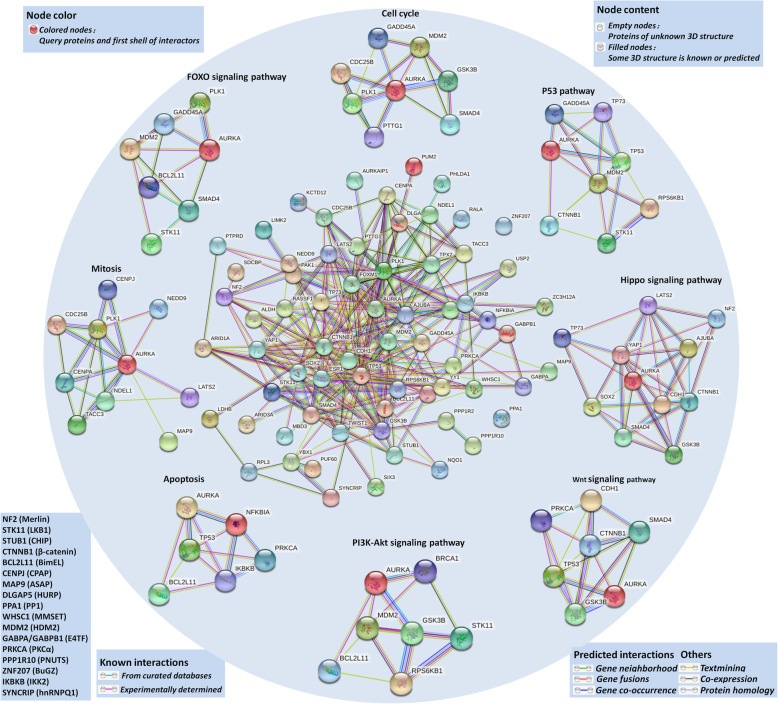
“Otherwise, according to an AURKA interactome inspired by The Cancer Genome Atlas Program (TCGA), it is reported that AURKA can establish interactions between a large number of proteins involved in different oncogenic-related pathways such as FOXO, PI3K-AKt, Hippo signaling pathway, and apoptosis [95].”
BackgroundMatsuura, T., Ueda, Y., Harada, Y., Hayashi, K., Horisaka, K., Yano, Y., So, S., Kido, M., Fukumoto, T., Kodama, Y., et al. (2023) · British Journal of Cancer · doi:10.1038/s41416-023-02408-6 · Cited by 31
“Although PGCCs in some cancers have been reported to exhibit stem cell features [21], PGCCs positive for the oncofetal protein AFP was relatively rare among polyploid HCCs (Fig.”
Gao, W., Sun, L., Gai, J., Cao, Y., & Zhang, S. (2024) · PLoS ONE · doi:10.1371/journal.pone.0297260 · Cited by 29
TPX2 lactylation is required for the cell cycle regulation and hepatocellular carcinoma progression
Liu, S., Cai, J. L., Qian, X., Zhang, J., Zhang, Y., Meng, X., Wang, M., Gao, P., & Zhong, X. (2025) · Life Science Alliance · doi:10.26508/lsa.202402978 · Cited by 30
“The mitotic kinase AURKA has gained much attention as a potential therapeutic target against cancer because of its essential role in the cell cycle (Yan et al, 2016; Du et al, 2021).”
Fan, X., Ou, Y., Liu, H., Zhan, L., Zhu, X., Cheng, M., Li, Q., Yin, D., & Liao, L. (2021) · Frontiers in Genetics · doi:10.3389/fgene.2021.732211 · Cited by 30
Metselaar, D. S., du Chatinier, A., Meel, M. H., ter Huizen, G., Waranecki, P., Goulding, J. R., Bugiani, M., Köster, J., Kaspers, G. J. L., & Hulleman, E. (2022) · iScience · doi:10.1016/j.isci.2022.104398 · Cited by 29
“However, inhibition of AURKA has only been shown effective in selective malignancies, indicating that many cancers do not fully rely on AURKA for mitosis (Du et al., 2021).”
BackgroundNovel, highly potent PROTACs targeting AURORA-A kinase
Božilović, J., Eing, L., Berger, B., Adhikari, B., Weckesser, J., Berner, N., Wilhelm, S., Küster, B., Wolf, E., & Knapp, S. (2022) · Current Research in Chemical Biology · doi:10.1016/j.crchbi.2022.100032 · Cited by 30
Gao, J., Lu, F., Yan, J., Wang, R., Xia, Y., Wang, L., Li, L., Li, C., & Li, W. (2022) · Frontiers in Immunology · doi:10.3389/fimmu.2022.992626 · Cited by 27
Shen, H., Zhang, D., Xiao, P., Qu, B., & Sun, Y. (2023) · Cancer Gene Therapy · doi:10.1038/s41417-023-00607-0 · Cited by 27
“Here, KDM4A-AS1 is a relatively novel lncRNA and is considered an oncogene [30].”
BackgroundRobinson, J., Flint, G., Garner, I., Galli, S., Maher, T. E., Kuimova, M. K., Vilar, R., McNeish, I. A., Brown, R., Keun, H. C., et al. (2025) · Genome biology · doi:10.1186/s13059-025-03654-y · Cited by 27
High-throughput organo-on-pillar (high-TOP) array system for three-dimensional ex vivo drug testing
Jun, H. R., Kang, H. J., Ju, S. H., Kim, J. E., Jeon, S. Y., Ku, B., Lee, J.-J., Kim, M., Kim, M. J., Choi, J., et al. (2023) · Biomaterials · doi:10.1016/j.biomaterials.2023.122087 · Cited by 26
AURKAIP1 actuates tumor progression through stabilizing DDX5 in triple negative breast cancer
Tian, W., Tang, Y., Luo, Y., Xie, J., Zheng, S., Zou, Y., Huang, X., Wu, L., Zhang, J., Sun, Y., et al. (2023) · Cell Death and Disease · doi:10.1038/s41419-023-06115-1 · Cited by 26
“Apart from these contradictory fi ndings, an even more surprising discovery was that cells overexpressing AURKAIP1 could still survive and proliferate, even though AURKAIP1 negatively regulated Aurora-A kinase which has a signi fi cant role in tumorigenesis [10, 14].”
Self-citationBao, Z., Li, A., Lu, X., Wang, Z., Yin, Y., Wu, W., Zhao, L., Li, B., Wu, X., Laster, K. V., et al. (2022) · Cell Death and Disease · doi:10.1038/s41419-022-04642-x · Cited by 25
“Some of them have already been investigated in clinical trials [41].”
Self-citationCK1 Is a Druggable Regulator of Microtubule Dynamics and Microtubule-Associated Processes
Roth, A., Gihring, A., Bischof, J., Pan, L., Oswald, F., & Knippschild, U. (2022) · Cancers · doi:10.3390/cancers14051345 · Cited by 27
Evolutionary dynamics of predicted G-quadruplexes in human and other great apes
Mohanty, S. K., Chiaromonte, F., & Makova, K. D. (2025) · Genome biology · doi:10.1186/s13059-025-03635-1 · Cited by 24
Sur, S., Steele, R., Ko, B. C. B., Zhang, J., & Ray, R. B. (2022) · Journal of Biological Chemistry · doi:10.1016/j.jbc.2022.101895 · Cited by 24
“(2022) 298(5) 101895 as compared to respective normal tissues (13, 14, 31).”
Apigenin impedes cell cycle progression at G2 phase in prostate cancer cells
Hnit, S. S. T., Yao, M., Xie, C., Bi, L., Wong, M., Liu, T., SOUZA, P. D., Li, Z., & Dong, Q. (2022) · Discover Oncology · doi:10.1007/s12672-022-00505-1 · Cited by 25
Wang, F., Zhang, H., Wang, H., Qiu, T., He, B., & Yang, Q. (2022) · Medical Oncology · doi:10.1007/s12032-022-01777-x · Cited by 24
AurkA nuclear localization is promoted by TPX2 and counteracted by protein degradation
Asteriti, I. A., Polverino, F., Stagni, V., Sterbini, V., Ascanelli, C., Naso, F. D., Mastrangelo, A., Rosa, A., Paiardini, A., Lindon, C., et al. (2023) · Life Science Alliance · doi:10.26508/lsa.202201726 · Cited by 26
“and partial specificity of action are observed (14, 15, 16, 17, 18).”
BackgroundThe role of USP1 deubiquitinase in the pathogenesis and therapy of cancer
Antonenko, S. V., Zavelevich, M. P., & Телегеев, Г. Д. (2023) · Acta Biochimica Polonica · doi:10.18388/abp.2020_6636 · Cited by 30
“…cells by interacting with and deubiquitinating Aurora B, a key cell cycle regulator that ensures correct chromosome segregation and normal mitosis, its dysfunction is associated with tumorigenesis in many types of cancer, including solid tumors and hematological malignancies (Du et al. , 2021).”
BackgroundBeyond Psychotropic: Potential Repurposing of Fluoxetine toward Cancer Therapy
Kadasah, S. F., Alqahtani, A. M. S., Alkhammash, A., & Radwan, M. O. (2024) · International Journal of Molecular Sciences · doi:10.3390/ijms25126314 · Cited by 24
Peindl, M., Göttlich, C., Crouch, S. A. W., Hoff, N., Lüttgens, T., Schmitt, F., Pereira, J. G. N., May, C., Schliermann, A., Kronenthaler, C., et al. (2022) · Cancers · doi:10.3390/cancers14092176 · Cited by 25
“This inhibitor has been tested in clinical trials for multiple cancers and is the only one that reached phase III (Reviewed in [80,82,84]).”
BackgroundEpigenetics regulation of prostate cancer: Biomarker and therapeutic potential
Ragavi, R., Muthukumaran, P., Nandagopal, S., Ahirwar, D. K., Tomo, S., Misra, S., Guerriero, G., & Shukla, K. K. (2023) · Urologic Oncology Seminars and Original Investigations · doi:10.1016/j.urolonc.2023.03.005 · Cited by 23
Alam, W., Tayara, H., & Chong, K. T. (2024) · Computers in Biology and Medicine · doi:10.1016/j.compbiomed.2024.108007 · Cited by 24
Tozasertib activates anti-tumor immunity through decreasing regulatory T cells in melanoma
Wang, Q., Liu, W., Zhou, H., Lai, W., Hu, C., Dai, Y., Li, G., Zhang, R., & Zhao, Y. (2024) · Neoplasia · doi:10.1016/j.neo.2024.100966 · Cited by 25
“Another study revealed that AURKA deletion or pharmacological inhibition slowed tumor growth, which was accompanied by an increase in tumor-infiltrating CD8 + T cells, and that anti-tumor effects were diminished in the absence of CD8 + T cells [37,38].”
BackgroundGillman, A. S., Helmuth, T. B., Koljack, C. E., Hutchison, K. E., Kohrt, W. M., & Bryan, A. D. (2021) · Cancers · doi:10.3390/cancers13164128 · Cited by 23
“These genes included BRCA1, a tumor suppressor gene that normally functions to repair double-stranded DNA breaks [18]; RUNX3, a tumor suppressor that has been shown to be inactivated in the early stages of breast cancer [31]; PAX6, a transcription factor/tumor suppressor which has been shown to be highly expressed in…”
BackgroundGao, Q., Fan, L., Chen, Y., & Cai, J. (2022) · Frontiers in Molecular Biosciences · doi:10.3389/fmolb.2022.1000847 · Cited by 23
“It was reported that the expression of AURKA was aberrantly high in HCC (Du et al., 2021).”
BackgroundLiu, Z., Wu, B., Liu, X., Wu, X., Du, J., Xia, G., Cai, J.-N., Zhu, H., Sheng, X., Zhang, M., et al. (2023) · International Journal of Biological Sciences · doi:10.7150/ijbs.80461 · Cited by 22
Genome-wide transcriptional responses of osteoblasts to different titanium surface topographies
Komatsu, K., Matsuura, T., Suzumura, T., & Ogawa, T. (2023) · Materials Today Bio · doi:10.1016/j.mtbio.2023.100852 · Cited by 27
“Although this approach is a staple in pathophysiological and pharmacological research [85,86], its application to the fields of biomaterials and implantology represents a novel and pioneering direction.”
BackgroundMusyayyadah, H., Wulandari, F., Nangimi, A. F., Anggraeni, A., Ikawati, M., & Meiyanto, E. (2021) · Asian Pacific Journal of Cancer Prevention · doi:10.31557/apjcp.2021.22.9.2929 · Cited by 30
Ingebriktsen, L. M., Humlevik, R. O. C., Svanøe, A. A., Sæle, A. K. M., Winge, I., Toska, K., Kalvenes, M. B., Davidsen, B., Heie, A., Knutsvik, G., et al. (2024) · Breast Cancer Research · doi:10.1186/s13058-024-01882-x · Cited by 25
“The Aurora kinase family consists of the three highly conserved serine-threonine kinases A, B and C (gene names AURKA , AURKB and AURKC ), being intracellular enzymes with essential roles during cell division, regulating cell proliferation and growth [1, 2].”
BackgroundResultHong, O., Kang, S. Y., Noh, E., Yu, H., Jang, H., Kim, S., Hong, J., Chung, E. Y., & Kim, J. (2022) · BMB Reports · doi:10.5483/bmbrep.2022.55.2.169 · Cited by 21
Wang, Y., Zhong, Y., Zheng, X., Cheng, N., Yang, Y., Ye, Y., Wang, F., Zhuang, Q., Huang, Y., Guo, W., et al. (2023) · Cell Death Discovery · doi:10.1038/s41420-023-01620-w · Cited by 21
“AURKA shows signi fi cantly higher expression in cancer tissues than in normal tissues for multiple tumor types including HCC [12].”
Chung, S., Sperier, E., Graciano, K., Hu, X. P., Guo, H., & Xu, J. (2025) · Bioorganic Chemistry · doi:10.1016/j.bioorg.2025.108633 · Cited by 23
da Silva, J. L., Oliveira, L. J. D. C., de Resende, C. A. A., Reinert, T., de Albuquerque, L. Z., Leite, L. F., & Mano, M. S. (2025) · Therapeutic Advances in Medical Oncology · doi:10.1177/17588359251353623 · Cited by 21
Marrocco, I., Giri, S., Nieves, A. S., Gupta, N., Rudnitsky, A., Haga, Y., Romaniello, D., Sekar, A., Zerbib, M., Oren, R., et al. (2023) · Cell Reports Medicine · doi:10.1016/j.xcrm.2023.101142 · Cited by 22
Targeting Key Players of Neuroendocrine Differentiation in Prostate Cancer
Zamora, I., Freeman, M. R., Encío, I., & Rotinen, M. (2023) · International Journal of Molecular Sciences · doi:10.3390/ijms241813673 · Cited by 21
“The precise underlying mechanism by which AURKA drives NEPC remains unclear, but its amplification is associated with deregulated proliferation and aggressive tumor behavior [34].”
BackgroundVarshney, N., Murmu, S., Baral, B., Kashyap, D., Singh, S., Kandpal, M., Bhandari, V., Chaurasia, A., Kumar, S., & Jha, H. C. (2023) · Virology · doi:10.1016/j.virol.2023.109901 · Cited by 20
Liu, H., Zhang, Y., Zhu, A., Sun, Z., & Luo, J. (2024) · Computers in Biology and Medicine · doi:10.1016/j.compbiomed.2024.107997 · Cited by 23
Lv, C., Wang, Y., Kong, L., Guo, J., Chen, X., Guo, F., Dong, Z., Li, Z., Yang, X., Yang, M., et al. (2024) · Phytomedicine · doi:10.1016/j.phymed.2024.155735 · Cited by 21
Self-citationSun-Zhang, A., Juhlin, C. C., Carling, T., Scholl, U. I., Schott, M., Larsson, C., & Bajalica‐Lagercrantz, S. (2024) · ESMO Open · doi:10.1016/j.esmoop.2024.103617 · Cited by 23
“26,27 28-30 AURKA was also shown to interact with POLD1, an important protein for DNA repair and replication.”
Nirgude, S., Desai, S. S., & Choudhary, B. (2022) · Cancer Reports · doi:10.1002/cnr2.1596 · Cited by 25
“AURKA and AURKB were downregulated upon curcumin treatment and both promote tumorigenesis in both solid and hematological malignancies.(127) Both are highly expressed in breast cancer and are associated with poor patient survival and worst prognosis.”
Background
Metadata
- Authors
- Du, R., Huang, C., Liu, K., Li, X., & Dong, Z.
- Affiliations
- Zhengzhou University (CN)
- Corresponding author
- Du, Ruijuan
- Li, Xiang
- Dong, Zigang
- Venue
- Molecular Cancer
- Published
- 2021-01-15
- Volume
- 20
- Issue
- 1
- Pages
- 15-15
- ISSN
- 1476-4598 (ISSN-L)
- PMC
- PMC7809767
- OpenAlex
- W3123995258
- Cited by
- 586
- References
- 238
- Citations by year
- 2026: 71 · 2025: 118 · 2024: 145 · 2023: 124 · 2022: 100 · 2021: 26
- FWCI
- 12.94
- Type
- journal article
- Language
- en
- Open access
- gold
- doi.org
- Licence
- cc-by
- creativecommons.org/licenses/by/4.0/ (tdm)
- creativecommons.org/licenses/by/4.0/ (vor)
- Locations
- Molecular Cancer (publishedVersion, cc-by)
- PubMed Central (publishedVersion, cc-by)
- PubMed (publishedVersion)
- DOAJ (DOAJ: Directory of Open Access Journals) (submittedVersion, cc-by-sa)
- Funders
- National Natural Science Foundation of China (81802795, 82073075, 31301144)
- Topics
- Life Sciences › Biochemistry, Genetics and Molecular Biology › Cell Biology › Microtubule and mitosis dynamics
- Life Sciences › Biochemistry, Genetics and Molecular Biology › Cancer Research › Cancer Mechanisms and Therapy
- Health Sciences › Medicine › Oncology › Cancer-related Molecular Pathways
- Keywords
- AURKA, AURKA inhibitors, cancer therapy, mitosis regulation, serine/threonine kinase, oncogenic signaling, small-molecule kinase inhibitors, combination chemotherapy, targeted therapy
- MeSH terms
- Animals, Humans, Neoplasms, Substrate Specificity, Survival Analysis, Protein Kinase Inhibitors, Molecular Targeted Therapy, Aurora Kinase A
About these checks
Registry, retraction, Cites and statistics results are computed, not judged, with one exception: a printed reference that no index lists is read once by a model before it counts as a citation error. Claims are extracted by a model and kept only when their quote appears verbatim in the text; each cited source is then checked, with a model’s help, for whether it says what the claim relies on. Those verdicts can be wrong — read the claim’s quote and the cited source before relying on one.
Statistics and arithmetic are recomputed, not judged.
Confidence bands are shown only for fields calibrated on our annotated test set. None is calibrated yet, so no band is shown.
What counts as a claim ›How we measure confidence ›How we check this ›
Are you an author, or do you see a problem with this page? Request a review
Data sources
Bibliographic data: Semantic Scholar, OpenAlex, Crossref.
Contains information from the Semantic Scholar Academic Graph Datasets, made available under the ODC Attribution License (ODC-BY 1.0).
Semantic Scholar’s data is described in: Kinney, R., et al. (2023). The Semantic Scholar Open Data Platform. arXiv:2301.10140.
