

Chemical composition, anti-biofilm activity and potential cytotoxic effect on cancer cells of Rosmarinus officinalis L. essential oil from Tunisia
Open accessThe DOI matches its Crossref record; 59 of the 60 references it cites were found in a registry or an index.
Abstract
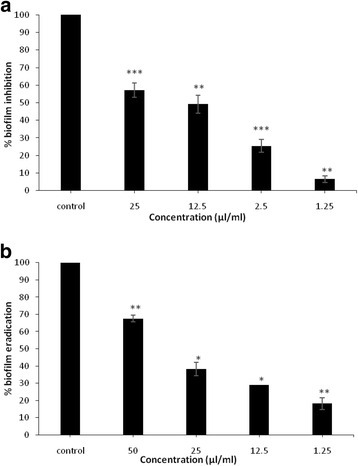
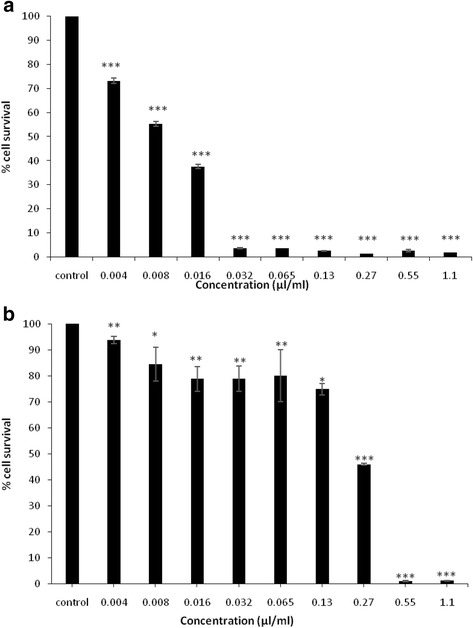
Rosmarinus officinalis L. from Tunisia, popularly known as rosemary, is of a considerable importance for its medicinal uses and aromatic value. The aim of this study was to examine the chemical composition of Rosmarinus officinalis essential oil (ROEO) and to evaluate its antibiofilm activity on biofilm-forming bacterium and its anticancer activity on cancer cell lines. The chemical composition of Rosmarinus officinalis essential oil (ROEO) was analyzed by GC-MS and its antibacterial activity was evaluated by micro-dilution method. The antibofilm activity of ROEO was evaluated using the crystal violet test and the cytotoxicity activity was determined by the MTT assay. In this research, thirty-six compounds were identified in ROEO using GC-MS analyses. The main components were 1,8-cineole (23.56%), camphene (12.78%), camphor (12.55%) and β-pinene (12.3%). The antibacterial activity of ROEO was evaluated by micro-dilution method. The oil exhibited inhibition and bactericidal effect against two strains: Staphylococcus aureus ATCC 9144 and Staphylococcus epidermidis S61. It was found that the minimum inhibitory concentration (MIC) obtained for S. aureus and S. epidermidis ranged from 1.25 to 2.5 and from 0.312 to 0.625 μl ml−1, respectively and the minimum bactericidal concentration (MBC) were in the order of 5 and 2.5 μl ml−1, respectively. Furthermore, this oil showed a S. epidermidis biofilm inhibition more than 57% at a concentration of 25 μl ml−1. The eradication of 67% of the established biofilm was observed at a concentration of 50 μl ml−1 of ROEO, whereas the dose of 25 μl ml−1 removed only 38% of preformed biofilm. ROEO strongly inhibited the proliferation of Hela and MCF-7 cells with IC50 values of 0.011 and 0.253 μl ml−1, respectively. Our results demonstrate that ROEO could have a potential role in the treatment of diseases related to infection by microorganisms or proliferation of cancer cells.
Overview
The claims and statistics of this paper haven’t been checked yet.
Free: it reads the open-access text and checks the first 5 claims that cite a source we can check. Create a free account to check every claim.
Integrity signals
Registry
Cites
Statistics
Figures
Verification
Claims the paper makes
The claims and statistics of this paper haven’t been checked yet.
Free: it reads the open-access text and checks the first 5 claims that cite a source we can check. Create a free account to check every claim.
Claims other papers make about this one
Each is checked against this paper’s own text: does it say what the citing paper says it does?
The cited source says what the claim attributes to it.
In the citing paper
“However, some researchers determined absence of limonene in rosemary oil samples from different locations.18,19”
From Evaluation of Marketed Rosemary Essential Oils (Rosmarinus officinalis L.) in Terms of European Pharmacopoeia 10.0 Criteria (2023) · cites this paper as [19]
Self-check
Percentages, sums and reported differences re-computed from the paper’s own numbers.
The self-check needs the paper’s full text.
Citations
Cites
Mosmann, T. (1983) · Journal of Immunological Methods · doi:10.1016/0022-1759(83)90303-4 · Cited by 56,104 · cited 2×
“Cell viability of MCF-7 (human breast adenocarcinoma) and Hela (human cervical carcinoma) cell lines was assessed using the MTT assay as previously described by Mosmann [35].”
MethodBacterial biofilms: from the Natural environment to infectious diseases
Hall-Stoodley, L., Costerton, J. W., & Stoodley, P. (2004) · Nature Reviews Microbiology · doi:10.1038/nrmicro821 · Cited by 7,143 · cited 1×
“Indeed, nearly 80% of chronic bacterial infections are associated with the presence of biofilm [14].”
BackgroundSystem, A. R. F. T. N. (2003) · American Journal of Infection Control · doi:10.1016/j.ajic.2003.09.002 · Cited by 2,915
System, A. R. F. T. N. (2004) · American Journal of Infection Control · doi:10.1016/j.ajic.2004.10.001 · Cited by 2,342
Biofilms and Device-Associated Infections
Donlan, R. M. (2001) · Emerging Infectious Diseases · doi:10.3201/eid0702.010226 · Cited by 1,504 · cited 1×
“In addition, biofilms contaminate the majority of medical or prosthetic devices such as vascular prosthesis [15], urinary catheters [16], joint prostheses, pacemakers [17], contact lens [18] and dental plates [19].”
BackgroundRates, S. M. K. (2001) · Toxicon · doi:10.1016/s0041-0101(00)00154-9 · Cited by 1,490
What drives bacteria to produce a biofilm?
Jefferson, K. K. (2004) · FEMS Microbiology Letters · doi:10.1016/j.femsle.2004.06.005 · Cited by 1,059 · cited 1×
“Bacteria, during development, can be present in planktonic or sessile forms known as biofilm [13].”
BackgroundBiofilm formation in food industries: A food safety concern
Srey, S., Jahid, I. K., & Ha, S.-D. (2013) · Food Control · doi:10.1016/j.foodcont.2012.12.001 · Cited by 993 · cited 1×
“They contaminate the surfaces in contact with food while causing an alteration of the organoleptic quality of food products [21].”
BackgroundSkin microbiota: a source of disease or defence?
Cogen, A. L., Nizet, V., & Gallo, R. L. (2008) · British Journal of Dermatology · doi:10.1111/j.1365-2133.2008.08437.x · Cited by 952
Resistance of bacterial biofilms to disinfectants: a review
Bridier, A., Briandet, R., Thomas, V., & Dubois-Brissonnet, F. (2011) · Biofouling · doi:10.1080/08927014.2011.626899 · Cited by 950 · cited 2×
“On the other hand, this resistance can be attributed to the three-dimensional architecture of the mature biofilm and the presence of an exopolysaccharide polymer matrix acting as a physical barrier against the penetration of antimicrobial agents [52].”
Background
Research works printed but not linked: 2
- Faixovà Z Faix Š Biological effects of rosemary (Rosmarinus officinalis L.) essential oil Folia Vet 2008 52 135 139
- Mack D Horstkotte MA Rohde H Knobloch JKM Pace JL Rupp ME Finch RG Coagulase-negative staphylococci, in Biofilms, Infection, and Antimicrobial Therapy 2006 Boca Raton, FL CRC Press 109 153
Cited by
Rosmarinus officinalis L.: an update review of its phytochemistry and biological activity
Andrade, J. M., Faustino, C., Garcia, C., Ladeiras, D., Reis, C. P., & Rijo, P. (2018) · Future Science OA · doi:10.4155/fsoa-2017-0124 · Cited by 357
“Besides the culinary uses due to the characteristic aroma, this plant is also widely employed by indigenous populations, where it grows wild [4].”
BackgroundChassagne, F., Samarakoon, T., Porras, G., Lyles, J. T., Dettweiler, M., Marquez, L., Salam, A. M., Shabih, S., Farrokhi, D. R., & Quave, C. L. (2021) · Frontiers in Pharmacology · doi:10.3389/fphar.2020.586548 · Cited by 292
“aeruginosa and Legionella pneumophila (Chaftar et al., 2015; Jardak et al., 2017; Santos et al., 2017; Lagha et al., 2019).”
Anticancer Activity of Rosmarinus officinalis L.: Mechanisms of Action and Therapeutic Potentials
Allegra, A., Tonacci, A., Pioggia, G., Musolino, C., & Gangemi, S. (2020) · Nutrients · doi:10.3390/nu12061739 · Cited by 156
Lagha, R., Abdallah, F. B., AL-Sarhan, B. O., & Al-Sodany, Y. M. (2019) · Molecules · doi:10.3390/molecules24061161 · Cited by 158
Moumni, S., Elaissi, A., Trabelsi, A., Merghni, A., Chraief, I., Jelassi, B., Chemli, R., & Ferchichi, S. (2020) · BMC Complementary Medicine and Therapies · doi:10.1186/s12906-020-02888-6 · Cited by 95
Napoli, E., Siracusa, L., & Ruberto, G. (2020) · Chemistry & Biodiversity · doi:10.1002/cbdv.201900677 · Cited by 83
“1,8-cineole (24%), camphene (13%), camphor (13%) [97] R.”
Quintero-Rincón, P., Caballero-Gallardo, K., & Olivero‐Verbel, J. (2025) · Natural Products and Bioprospecting · doi:10.1007/s13659-025-00511-0 · Cited by 69
Linghu, K., Wu, G., Fu, L., Yang, H. S., Li, H.-Z., Chen, Y., Yu, H., Tao, L., & Shen, X. (2019) · Frontiers in Pharmacology · doi:10.3389/fphar.2019.00178 · Cited by 62
Válková, V., Ďúranová, H., Galovičová, L., Vuković, N. L., Vukić, M., & Kačániová, M. (2021) · Molecules · doi:10.3390/molecules26133859 · Cited by 71
Lim, A. C., Tang, S. G. H., Zin, N. M., Mutalib, M. A., Ariffin, I. A., Ker, P. J., & Mahlia, T. M. I. (2022) · Molecules · doi:10.3390/molecules27154895 · Cited by 59
Sitarek, P., Merecz-Sadowska, A., Śliwiński, T., Zajdel, R., & Kowalczyk, T. (2020) · Cancers · doi:10.3390/cancers12102957 · Cited by 55
Effects of patchouli and cinnamon essential oils on biofilm and hyphae formation by Candida species
Banu, S. F., Rubini, D., Shanmugavelan, P., Murugan, R., Gowrishankar, S., Pandian, S. K., & Nithyanand, P. (2018) · Journal de Mycologie Médicale · doi:10.1016/j.mycmed.2018.02.012 · Cited by 53
Srivastava, A., Verma, N., Kumar, V., Apoorva, P., & Agarwal, V. K. (2024) · Archives of Microbiology · doi:10.1007/s00203-024-03938-0 · Cited by 48
Jardak, M., Mnif, S., Ayed, R. B., Rezgui, F., & Aifa, S. (2020) · LWT · doi:10.1016/j.lwt.2020.110691 · Cited by 44
Self-citationSuroowan, S., Abdallah, H. H., & Mahomoodally, M. F. (2021) · Food and Chemical Toxicology · doi:10.1016/j.fct.2021.112432 · Cited by 45
Al‐Maharik, N., Jaradat, N. A., Hawash, M., Al-Lahham, S., Qadi, M., Shoman, I., Jaber, S., Rahem, R. A., Hussein, F., & Issa, L. (2022) · Separations · doi:10.3390/separations9110339 · Cited by 47
Anticancer Potential of Dietary Natural Products: A Comprehensive Review
Ahmad, R., Khan, M. A., Srivastava, A., Gupta, A., Srivastava, A., Jafri, T. R., Siddiqui, Z., Chaubey, S., Khan, T., & Srivastava, A. K. (2019) · Anti-Cancer Agents in Medicinal Chemistry · doi:10.2174/1871520619666191015103712 · Cited by 43
Dolghi, A., Coricovac, D. E., Dinu, Ş., Pînzaru, I., Dehelean, C. A., Grosu, C., Chioran, D., Merghes, P. E., & Sarău, C. A. (2022) · Molecules · doi:10.3390/molecules27186106 · Cited by 46
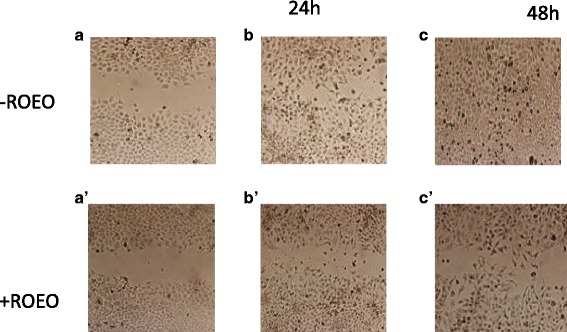
“253 μL/mL, inhibition of proliferation and migration) [23], and ovarian cancer (A2780, K-OV-3 and HO-8910 cell lines, reduction of cell growth) [27,36].”
BackgroundQiu, K., Wang, S., Duan, F., Sang, Z., Wei, S., Liu, H., & Tan, H. (2024) · Comprehensive Reviews in Food Science and Food Safety · doi:10.1111/1541-4337.13273 · Cited by 42
Tang, Z., Qin, Y., Chen, W., Zhao, Z., Lin, W., Xiao, Y., Chen, H., Liu, Y., Chen, H., Bu, T., et al. (2021) · Frontiers in Microbiology · doi:10.3389/fmicb.2021.771000 · Cited by 39
Greff, B., Lakatos, E., Szigeti, J., & Varga, L. (2020) · Critical Reviews in Environmental Science and Technology · doi:10.1080/10643389.2020.1732780 · Cited by 38
Bayleyegn, B., Ozkan, J., Kalaiselvan, P., & Willcox, M. D. P. (2025) · Molecules · doi:10.3390/molecules30193873 · Cited by 38
Rosmarinus plants: Key farm concepts towards food applications
Sharifi‐Rad, J., Ezzat, S. M., Bishbishy, M. H. E., Mnayer, D., Sharopov, F. S., Kılıç, C. S., Neagu, M. T., Constantin, C., Sharifi‐Rad, M., Atanassova, M., et al. (2020) · Phytotherapy Research · doi:10.1002/ptr.6622 · Cited by 41
“…was the most sensitive to rosemary oil, showing a zone of inhibition of 45 mm as evaluated by disc diffusion assay (Roomiani et al., 2013), whereas through the microdilution method, the most sensitive one could be S. epidermidis, with an MIC value as low as 0.312–0.625 μg/ml (Jardak et al., 2017).”
MethodInfluentialWen, J., Okyere, S. K., Wang, J., Huang, R., Ya, W., Liu, L., Nong, X., & Hu, Y. (2023) · Plants · doi:10.3390/plants12030650 · Cited by 35
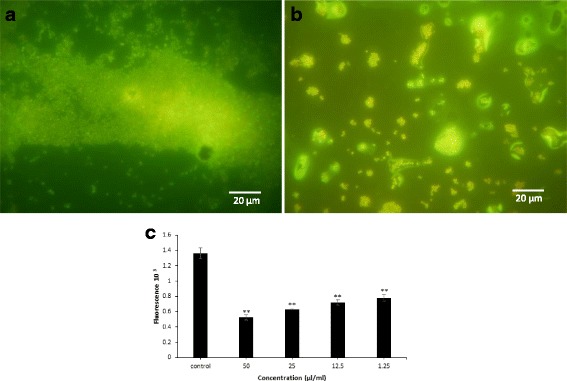
“Fluorescence Microscopy Acridine orange fluorescence stain was used to observe the biofilms of 2MIC fungal ethyl acetate extract-treated E. coli SMU1710, Salmonella SMU3256, and MRSA SMU3194 [37].”
BackgroundInfluentialEvaluation of a strawberry fermented beverage with potential health benefits
Zhao, Z., Wu, X., Chen, H., Liu, Y., Xiao, Y., Chen, H., Tang, Z., Li, Q., & Yao, H. (2021) · PeerJ · doi:10.7717/peerj.11974 · Cited by 30
Contini, A., Bello, D. D., Azzarà, A., Giovanelli, S., D’Urso, G., Piaggi, S., Pinto, B., Pistelli, L., Scarpato, R., & Testi, S. (2020) · Food and Chemical Toxicology · doi:10.1016/j.fct.2020.111205 · Cited by 32
BARAK, T. H., BÖLÜKBAŞ, E., & BARDAKCI, H. (2023) · Turkish Journal of Pharmaceutical Sciences · doi:10.4274/tjps.galenos.2022.78010 · Cited by 29
Biocontrol of Pathogen Microorganisms in Ripened Foods of Animal Origin
Delgado, J., Álvarez, M., Cebrián, E., Martín, I., Roncero, E., & Rodríguez, M. (2023) · Microorganisms · doi:10.3390/microorganisms11061578 · Cited by 29
“aureus with a minimum bactericidal concentration of 5 μL mL−1 [107].”
BackgroundZeineldin, M., Esmael, A., Al-Hindi, R. R., Alharbi, M. G., Ashenafi Bekele, D., & Teklemariam, A. D. (2023) · Life · doi:10.3390/life13020503 · Cited by 27
Using Rosemary Essential Oil as a Potential Natural Preservative during Stirred-like Yogurt Making
Kamel, D. G., Mansour, A. I. A., El-diin, M. A. H. N., Hammam, A. R. A., Mehta, D., & Abdel-Rahman, A. M. (2022) · Foods · doi:10.3390/foods11141993 · Cited by 26
Yang, X., Rajivgandhi, G. N., Ramachandran, G., Alharbi, N. S. H. A., Kadaikunnan, S., Khaled, J. M. A., Almanaa, T. N., Manoharan, N., & viji, R. (2020) · Saudi Journal of Biological Sciences · doi:10.1016/j.sjbs.2020.07.008 · Cited by 26
“pneumoniae at different concentration of AEOF was identified by crystal violet staining assay with some modification (Jardak et al., 2017).”
BackgroundMethodInfluentialKabotso, D. E. K., Neglo, D., Gaba, S. E., Danyo, E. K., Dayie, A. D., Asantewaa, A. A., Kotey, F. C. N., & Dayie, N. T. K. D. (2024) · Pharmaceuticals · doi:10.3390/ph17121653 · Cited by 26
Rossi, C., Maggio, F., Chaves‐López, C., Valbonetti, L., Berrettoni, M., Paparella, A., & Serio, A. (2022) · Journal of Applied Microbiology · doi:10.1111/jam.15376 · Cited by 29
“On the other hand, this resistance can be attributed to the three- dimensional architecture of the mature biofilm and the presence of an extracellular polymeric matrix, acting as a physical barrier against the penetration of antimicrobial agents (Jardak et al., 2017).”
BackgroundOsanloo, M., Yousefpoor, Y., Alipanah, H., Ghanbariasad, A., Jalilvand, M., & Amani, A. (2022) · Jordan Journal of Pharmaceutical Sciences · doi:10.35516/jjps.v15i2.319 · Cited by 23
Rahmani, H., Asad, A. G., Meshkibaf, M. H., molazade, A., Heiran, R., Safari, M., & Osanloo, M. (2023) · Polymer Bulletin · doi:10.1007/s00289-023-04839-w · Cited by 26
“Alpha-pinene is the major compound of rosemary EO, which exhibits antioxidant, anti-inflammatory, and anticancer properties [18, 19].”
Anacarso, I., Sabia, C., Niederhäusern, S. D., Iseppi, R., Condò, C., Bondi, M., & Messi, P. (2017) · Natural Product Research · doi:10.1080/14786419.2017.1399390 · Cited by 23
“& Perry), in particular, are obtained from natural popular spices that could represent a promising alternative to treat infectious diseases or to employ as food preservative (Budri et al. 2015; Vital et al. 2016 ; Jardak et al. 2017; Ugalde et al. 2017).”
Jemil, N., Ouerfelli, M., Almajano, M. P., Elloumi‐Mseddi, J., Nasri, M., & Hmidet, N. (2019) · Food Chemistry · doi:10.1016/j.foodchem.2019.125364 · Cited by 24
Self-citationHaq, A., Badshah, L., Ali, A., Ullah, A., Khan, S. M., & Ullah, I. (2022) · Nordic Journal of Botany · doi:10.1111/njb.03580 · Cited by 27
Bowbe, K. H., Salah, K. B. H., Moumni, S., Ashkan, M. F., & Merghni, A. (2023) · Antibiotics · doi:10.3390/antibiotics12020266 · Cited by 20
Afshar, M., Najafian, S., & Radi, M. (2021) · Natural Product Research · doi:10.1080/14786419.2021.1914615 · Cited by 20
Puiu, R. A., Bîrcă, A. C., Grumezescu, V., Duta, L., Oprea, O., Holban, A. M., Hudiță, A., Gălățeanu, B., Balaure, P. C., Grumezescu, A. M., et al. (2023) · Pharmaceutics · doi:10.3390/pharmaceutics15071882 · Cited by 17
Chokri, S., Younes, S. B., Ellafi, A., Mnif, S., López‐Maldonado, E. A., & Masmoudi, A. S. (2024) · Polymers · doi:10.3390/polym16223180 · Cited by 19
Self-citationEnvironmentally friendly plant essential oil: Liquid gold for human health
Chen, Y., Liu, L., Wang, H., Ma, J., Peng, W., Li, X., Lai, Y., Zhang, B., & Zhang, D. (2021) · Advances in agronomy · doi:10.1016/bs.agron.2021.06.005 · Cited by 17
Elghali, F., Ibrahim, I., Guesmi, M., Frikha, F., & Mnif, S. (2024) · Brazilian Journal of Microbiology · doi:10.1007/s42770-024-01374-2 · Cited by 19
“The difference observed between these EOs is mainly due to the variability in their chemical composition [ 18 , 29 ].”
Self-citationAntibacterial Properties of Rosemary (Rosmarinus Officinalis)
Kloy, A., Ahmad, J., Yusuf, U., & Muhammad, M. (2020) · South Asian Research Journal of Pharmaceutical Sciences · doi:10.36346/sarjps.2020.v02i01.002 · Cited by 16
“Alexander Fleming, a well-known biologist and botanist, first examined the bacterial resistance and won the Nobel Prize in 1945 [1-3].”
BackgroundNartey, D., Accorley, E. D., Opoku, R., Darko, G., & Borquaye, L. S. (2021) · Chemistry Africa · doi:10.1007/s42250-021-00259-3 · Cited by 17
Essential Oils in Cervical Cancer: Narrative Review on Current Insights and Future Prospects
Rashid, N. A., Najib, N. H. M., Jalil, N. A. A., & Teoh, S. L. (2023) · Antioxidants · doi:10.3390/antiox12122109 · Cited by 15
“Treatment with EOs of Dittrichia viscosa , Hedychium coronarium , and Rosmarinus offici-nalis with monoterpenoid 1,8-cineole as the major constituent reported cytotoxicity effects to HeLa cells [63,113,114].”
BackgroundSensitivity of Staphylococcal Biofilm to Selected Compounds of Plant Origin
Swolana, D., Kępa, M., Kabała‐Dzik, A., Dzik, R., & Wojtyczka, R. D. (2021) · Antibiotics · doi:10.3390/antibiotics10050607 · Cited by 15
“epidermidis S61 biofilm production above 57% at a concentration of 25 μL/mL; biofilm eradication at a concentration of 50 μL/mL [60]”
BackgroundInfluentialCarneiro, V. A., Melo, R. S., Pereira, A. M. G., Azevedo, Á. M. A., Matos, M. N. C., Cavalcante, R. M. B., Rocha, R. R., Albuquerque, V. D. Q., Guerrero, J. A. P., & Júnior, F. E. A. C. (2020) · IntechOpen eBooks · doi:10.5772/intechopen.91833 · Cited by 27
Avan, M. (2021) · Uluslararası Doğu Anadolu Fen Mühendislik ve Tasarım Dergisi · doi:10.47898/ijeased.864877 · Cited by 14
Nawaz, M. H., Aizaz, A., Shafique, H., Ropari, A. Q., bin Imran, O., Abbas, M. A. E., & Rehman, M. A. U. (2023) · Progress in Organic Coatings · doi:10.1016/j.porgcoat.2023.107987 · Cited by 14
Al-Shuneigat, J., Al-Sarayreh, S. A., Al‐Qudah, M. A., & Al-saraireh, Y. M. (2020) · Journal of Pharmacy & Pharmacognosy Research · doi:10.56499/jppres19.746_8.2.155 · Cited by 14
“The MBC was defined as the lowest essential oil concentration able to reduce and kill more than 99.9% of the initial inoculum (Jardak et al., 2017).”
BackgroundInfluentialSrivastava, A., Kumar, V., Sharma, D., & Agarwal, V. K. (2023) · Data in Brief · doi:10.1016/j.dib.2023.109145 · Cited by 12
Matricaria chamomilla L: propriedades farmacológicas
Santos, A. R. F. D. C., Cruz, J. H. D. A., Guênes, G. M. T., Filho, A. A. D. O., & Alves, M. A. S. G. (2020) · ARCHIVES OF HEALTH INVESTIGATION · doi:10.21270/archi.v8i12.4654 · Cited by 11
Piegerová, A., Koščová, J., Schusterová, P., Nemcová, R., & Кривцова, М. В. (2019) · Folia veterinaria · doi:10.2478/fv-2019-0007 · Cited by 13
Idm’hand, E., Msanda, F., & Cherifi, K. (2019) · International Journal of Pharmacology Phytochemistry and Ethnomedicine · doi:10.18052/www.scipress.com/ijppe.14.16 · Cited by 11
Antibiofilm Potential of Natural Essential Oils
Nurzyńska-Wierdak, R. (2025) · Applied Sciences · doi:10.3390/app15115847 · Cited by 12
Ataíde, J. O., Deolindo, F. D., Holtz, F. G., Huver, A., Zago, H. B., & Menini, L. (2021) · Agronomía Colombiana · doi:10.15446/agron.colomb.v39n2.94805 · Cited by 10
“%) and camphor (14.79%); similar results were found by Borges et al. (2018) and Jardak et al. (2017) for constituents α-Pinene and camphor.”
ResultInfluentialJardak, M., Lami, R., Saadaoui, O., Jlidi, H., Stien, D., Aifa, S., & Mnif, S. (2024) · Enzyme and Microbial Technology · doi:10.1016/j.enzmictec.2024.110477 · Cited by 13
Self-citationGonçalves, D., Panzarin, C., Gonçalves, C. B., & Rodrigues, C. E. D. C. (2020) · Fluid Phase Equilibria · doi:10.1016/j.fluid.2020.112730 · Cited by 10
Kim, S., Jin, Y. H., & Mah, J. (2025) · Food Research International · doi:10.1016/j.foodres.2025.116078 · Cited by 9
Cintra, T. M. F., de Menezes, R. T., de Carvalho, L. S., Nazario, L. D. M., Hantao, L. W., Marcucci, M. C., de Oliveira, L. D., & Meccatti, V. M. (2025) · BioTech · doi:10.3390/biotech14030061 · Cited by 9
“Another study evaluated R. officinalis oil, which showed biofilm inhibition potential of S. epidermidis that was greater than 57% at a concentration of 25 µ L ml − 1 , and a biofilm eradication of 67% was observed at a concentration of 50 µ L ml − 1 [50].”
Roles of Lamiaceae plants from the arid and desert rangelands of Tunisia in human health and therapy
Gamoun, M., & Louhaichi, M. (2024) · All Life · doi:10.1080/26895293.2024.2381675 · Cited by 9
“…et al. 2009; Ben-incá et al. 2011), antimutagenic effects (Marzouk et al. 2006; Ila and Istifli 2019), cytotoxic capabilities (Hus-sain et al. 2010; Jardak et al. 2017; Al Zuhairi et al. 2020), antiphlogistic activities (Marzouk et al. 2006; Hussain et al. 2010; Okoh et al. 2010; Jardak et al.…”
BackgroundInfluentialChaaban, S. B., Haouel-Hamdi, S., Bachrouch, O., Mahjoubi, K., & Jemâa, J. M. B. (2022) · International Journal of Environmental Health Research · doi:10.1080/09603123.2022.2152431 · Cited by 8
“(Jardak et al. 2017), (55.2% − 59.5”
InfluentialKhemili, A., Bensizerara, D., Chenchouni, H., Gębarowski, T., Bażanów, B., Menasria, T., Tomańska, A., Chwirot, A., & Szumny, A. J. (2025) · Molecules · doi:10.3390/molecules30214182 · Cited by 7
“In the literature, the REO euca-lyptol chemotype inhibited MCF7 cell proliferation with IC 50 values of 0.253 µ L/mL [34], 7.38 µ g/mL [35], 190.1 µ g/mL [36], and >100 µ g/mL [37].”
InfluentialAbidi, M., Hcini, K., Bahi, A., Allagui, I., Bendhifi-Zarroug, M., Kahlaoui, S., Farhat, M. B., Quílez, M., Jordán, M. J., Allagui, M. S., et al. (2024) · Plant Biosystems - An International Journal Dealing with all Aspects of Plant Biology · doi:10.1080/11263504.2024.2415623 · Cited by 6
“…inhibition, which was confirmed by the observed changes in the biofilm structure, validating the hypothesis that the effect of the EO is to disrupt the polysaccharide structure of the biofilm and consequently reduce its resistance (Jardak et al. 2017; Galovičová et al. 2021; Merghni et al. 2023).”
InfluentialMakhammra, J. M. A., Basheer-Salimia, R., & Hejaz, H. A. (2024) · Palestinian medical and pharmaceutical journal/Palestinian medical & pharmaceutical journal · doi:10.59049/2790-0231.1183 · Cited by 6
Effect of Achillea santolina essential oil on bacterial biofilm and its mode of action
Al-Shuneigat, J., Al-Sarayreh, S. A., Al-saraireh, Y. M., & Al‐Qudah, M. A. (2020) · Current Issues in Pharmacy and Medical Sciences · doi:10.2478/cipms-2020-0016 · Cited by 7
Antibiofilm and antioxidant activity of Rosmarinus officinalis essential oil
Galovičová, L., Borotová, P., Válková, V., & Kačániová, M. (2021) · Potravinarstvo Slovak Journal of Food Sciences · doi:10.5219/1693 · Cited by 8
Zhou, Q., Tian, J., Wang, X., Lan, Q., Mu, R., Wang, J., Islam, R., & Tian, Y. (2024) · Scientia Horticulturae · doi:10.1016/j.scienta.2024.113559 · Cited by 5
Kim, G.-J., Jin, Y. H., & Mah, J. (2025) · Food Research International · doi:10.1016/j.foodres.2025.117606 · Cited by 11
Gamoun, M. (2021) · Asian Journal of Health Sciences · doi:10.15419/ajhs.v7i2.491 · Cited by 5
Xu, Z., Gao, P., Ren, X., & Liu, X. (2022) · Energies · doi:10.3390/en15218092 · Cited by 5
Review on Documented Medicinal Plants used for the Treatment of Cancer
Joshi, B. C., Juyal, V., Sah, A. N., Verma, P., & Mukhija, M. (2021) · Current Traditional Medicine · doi:10.2174/2215083807666211011125110 · Cited by 5
Cosme, M. V., Nunes, N. M. F., de Oliveira, A. P., & de Oliveira, E. C. A. (2022) · Acta Scientiarum Biological Sciences · doi:10.4025/actascibiolsci.v44i1.62665 · Cited by 5
Tutar, U. (2018) · Cumhuriyet Science Journal · doi:10.17776/csj.410749 · Cited by 6
“Biofilm formation without essential oil was used as positive control [13].”
MethodDzięcioł, M. (2021) · Green Sciences · doi:10.2478/pjct-2021-0030 · Cited by 6
Tkaczenko, H., Opryshko, M., Antonik, І. І., Михайловна, М. М., Gyrenko, O., Buyun, L., & Kurhaluk, N. (2023) · Scientific Bulletin of Natural Sciences (Biological Sciences) · doi:10.32999/ksu2524-0838/2023-35-5 · Cited by 4
Aydın, Ç., & Pehlivanoğlu, S. (2019) · Süleyman Demirel Üniversitesi Sağlık Bilimleri Dergisi · doi:10.22312/sdusbed.543053 · Cited by 6
“Aynı zamanda yapılan çalışmalarda biberiye özütünün antiproliferatif, antioksidan ve antibakteriyel etkilerinin olduğuda gösterilmiştir (20-22).”
Cruz, J. H. D. A., Moreira, I. C. D. S., Alves, M. D. F. V., de Oliveira, H. M. B. F., Filho, A. A. D. O., & Alves, M. A. S. G. (2020) · ARCHIVES OF HEALTH INVESTIGATION · doi:10.21270/archi.v8i11.4314 · Cited by 4
Plant Extracts With Antibiotic Effect
Gălățanu, M. L., Panţuroiu, M., Popescu, M., & Mihăilescu, C.-M. (2022) · Advances in medical diagnosis, treatment, and care (AMDTC) book series · doi:10.4018/978-1-6684-5129-8.ch004 · Cited by 4
Douhri, B., Draoui, K., Raissouni, I., Hadri, M., Khay, E. O., Farah, A., Senhaji, N. S., Abrini, J., & Douhri, H. (2022) · Materials Today Proceedings · doi:10.1016/j.matpr.2022.08.309 · Cited by 3
Rosmarinus officinalis L.Lamiaceae
Elachouri, M., Ouasti, I., Fakchich, J., & Bussmann, R. W. (2023) · Ethnobotany of mountain regions · doi:10.1007/978-3-031-13933-8_179-1 · Cited by 3
Kalhan, Ö., & Küçükgül, A. (2023) · Journal of Applied Biological Sciences · doi:10.71336/jabs.1084 · Cited by 2
“Jardak et al., [27] reported that rosemary essential oil showed significant cytotoxic activity on mcf7 breast cancer.”
Quispe, E. J., Perez, H., Mauricio, F., Alvítez-Temoche, D., Mauricio‐Vilchez, C., Gallo, W., & Mayta‐Tovalino, F. (2020) · European Journal of General Dentistry · doi:10.4103/ejgd.ejgd_148_20 · Cited by 2
Namita, Panwar, S., Kamath, S. R., Girish, P. M., Panigrahi, S., Saraswati, S., & Chaitra, K. (2024) · Elsevier eBooks · doi:10.1016/b978-0-443-13769-3.00014-5 · Cited by 3
Rosmarinus officinalis L.Lamiaceae
Elachouri, M., Ouasti, I., Fakchich, J., & Bussmann, R. W. (2024) · Ethnobotany of mountain regions · doi:10.1007/978-3-031-43105-0_179 · Cited by 2
Yumrutaş, P., Pehlivan, M., Korkmaz, M., Kahraman, D. T., & Yumrutaş, Ö. (2024) · Bulletin of Biotechnology · doi:10.51539/biotech.1582575 · Cited by 2
Unversity, B., Cajuday, L. A., & Bañares, E. (2020) · Bicol University Research and Development Journal · doi:10.47789/burdj.mbtcbbgs.20192202.5 · Cited by 2
“(Jardak et al. , 2017).”
Bayat, M., Aryaeian, N., Shirani, F., Abolghasemi, J., Heydarian, A., Fallah, S., Tond, S. B., & Karimi, E. (2025) · Journal of Functional Foods · doi:10.1016/j.jff.2025.106878 · Cited by 1
Akkaya, Y., Erdin, B. N., Şenol, F. F., Altunova, H., Toraman, Z. A., & Kılıç, İ. H. (2025) · International Journal of Pharmacology · doi:10.31083/ijp43917 · Cited by 1
“[40] demonstrated the effectiveness of the same essential oils against Staphylococcus epidermidis biofilms.”
Öztürk, Z., Muluk, N. B., Keskin, S. U., Bülbül, M. V., Alaskarov, E., & Cingi, C. (2025) · Journal of Craniofacial Surgery · doi:10.1097/scs.0000000000012300 · Cited by 1
Aragão, K. K. V., Souza, R. P., Barbosa, S. L. M., Neta, E. R. D. S., Araújo, L. É. P. F., Lopes, A. P., SOARES, H. S., Sena, E. P., Azevedo, P. S. D. S., Neto, B. P. D. S., et al. (2026) · South African Journal of Botany · doi:10.1016/j.sajb.2025.12.015 · Cited by 1
Amor, M. G.-B., Culot, A., Mathlouthi, N. E. H., Grosset, N., Técher, C., Jan, S., Baron, F., Sellami, H., Gautier, M., & Gdoura, R. (2026) · Viruses · doi:10.3390/v18030306 · Cited by 1
“Biofilm quantification was performed through a modified colorimetric assay [98].”
Mokni, S., Hassen, W., Mayank, Singh, N., & Dubowski, J. J. (2026) · RSC Advances · doi:10.1039/d6ra00117c · Cited by 1
Effect of Artemisia judaica Essential Oil on Bacterial Biofilm and Its Mode of Action
Al-Sarayreh, S. A., Al-Shuneigat, J., Al-saraireh, Y. M., & Al‐Qudah, M. A. (2021) · Journal of Evolution of Medical and Dental Sciences · doi:10.14260/jemds/2021/367 · Cited by 2
Chronic Administration of Rosmarinus officinalis Essential Oil Decreases Fertility in Female Rats
Motaghi, S., Ahmadusefi, N., Shohreh, B., & Nazem, M. N. (2020) · Journal of Morphological Sciences · doi:10.51929/jms.37.15.2020 · Cited by 1
Taha, M. K., Dalas, M. S., & Saleh, A. H. (2021) · Indian Journal of Forensic Medicine & Toxicology · doi:10.37506/ijfmt.v15i4.16750 · Cited by 1
“officinalis is widely used by indigenous people [3].”
BackgroundLakache, Z., Ounissi, M., hacib, H., Aliboudhar, H., Sadallah, M., Laassami, A., Tounsi, H., & Kameli, A. (2025) · Journal of Biological Research - Bollettino della Società Italiana di Biologia Sperimentale · doi:10.4081/jbr.2025.12778 · Cited by 1
Investigation of Properties of Medicinal Plants Thyme and Cichorium intybus L
Ahmad, J., Yusuf, U., & Muhammad, M. (2020) · South Asian Research Journal of Pharmaceutical Sciences · doi:10.36346/sarjps.2020.v02i02.003 · Cited by 2
“Alexander Fleming, a well-known biologist and botanist, first examined the bacterial resistance and won the Nobel Prize in 1945 [1-3].”
Background
Metadata
- Authors
- Jardak, M., Elloumi-Mseddi, J., Aifa, S., & Mnif, S.
- Affiliations
- Centre of Biotechnology of Sfax (TN)
- Corresponding author
- Mnif, Sami
- Venue
- Lipids in Health and Disease
- Published
- 2017-10-02
- Volume
- 16
- Issue
- 1
- Pages
- 190-190
- ISSN
- 1476-511X (ISSN-L)
- PMC
- PMC5625792
- OpenAlex
- W2759693982
- Cited by
- 119
- References
- 60
- Citations by year
- 2026: 7 · 2025: 15 · 2024: 16 · 2023: 16 · 2022: 14 · 2021: 18 · 2020: 22 · 2019: 7 · 2018: 3 · 2017: 1
- FWCI
- 10.16
- Type
- journal article
- Language
- en
- Open access
- gold
- doi.org
- Licence
- cc-by
- Locations
- Lipids in Health and Disease (publishedVersion, cc-by)
- Europe PMC (PubMed Central) (publishedVersion, cc-by)
- PubMed Central (publishedVersion, cc-by)
- PubMed (publishedVersion)
- DOAJ (DOAJ: Directory of Open Access Journals) (submittedVersion)
- Topics
- Life Sciences › Agricultural and Biological Sciences › Food Science › Essential Oils and Antimicrobial Activity
- Life Sciences › Agricultural and Biological Sciences › Plant Science › Medicinal Plant Research
- Life Sciences › Agricultural and Biological Sciences › Plant Science › Insect Pest Control Strategies
- Keywords
- rosemary essential oil, chemical composition, antibiofilm activity, Staphylococcus aureus, Staphylococcus epidermidis, 1,8-cineole, camphor, camphene, β-pinene, antibacterial activity, cytotoxicity, HeLa cells, MCF-7 cells, anticancer activity, biofilm inhibition
- MeSH terms
- Eucalyptol, Cyclohexane Monoterpenes, Bicyclic Monoterpenes, Polycyclic Sesquiterpenes, Anti-Bacterial Agents, Bridged Bicyclo Compounds, Camphor, Cell Survival, Cyclohexanols, HeLa Cells, Humans, Gas Chromatography-Mass Spectrometry, Microbial Sensitivity Tests, Oils, Volatile, Plants, Medicinal, Sesquiterpenes, Staphylococcus aureus, Staphylococcus epidermidis, Terpenes, Tunisia, Biofilms, Rosmarinus, Monoterpenes, MCF-7 Cells
About these checks
Registry, retraction, Cites and statistics results are computed, not judged, with one exception: a printed reference that no index lists is read once by a model before it counts as a citation error. Claims are extracted by a model and kept only when their quote appears verbatim in the text; each cited source is then checked, with a model’s help, for whether it says what the claim relies on. Those verdicts can be wrong — read the claim’s quote and the cited source before relying on one.
Statistics and arithmetic are recomputed, not judged.
Confidence bands are shown only for fields calibrated on our annotated test set. None is calibrated yet, so no band is shown.
What counts as a claim ›How we measure confidence ›How we check this ›
Are you an author, or do you see a problem with this page? Request a review
Data sources
Bibliographic data: Semantic Scholar, OpenAlex, Crossref.
Contains information from the Semantic Scholar Academic Graph Datasets, made available under the ODC Attribution License (ODC-BY 1.0).
Semantic Scholar’s data is described in: Kinney, R., et al. (2023). The Semantic Scholar Open Data Platform. arXiv:2301.10140.
