

Neuron-derived exosomes-transmitted miR-124-3p protect traumatically injured spinal cord by suppressing the activation of neurotoxic microglia and astrocytes
Open accessThe DOI matches its Crossref record; 51 of the 51 references it cites were found in a registry or an index.
Abstract
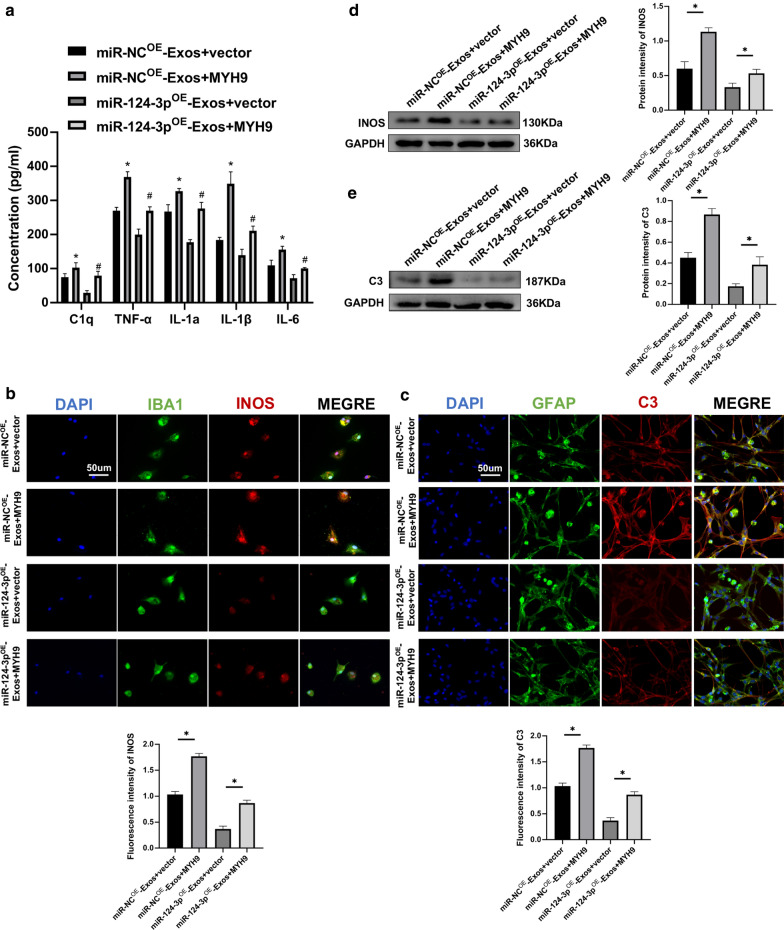
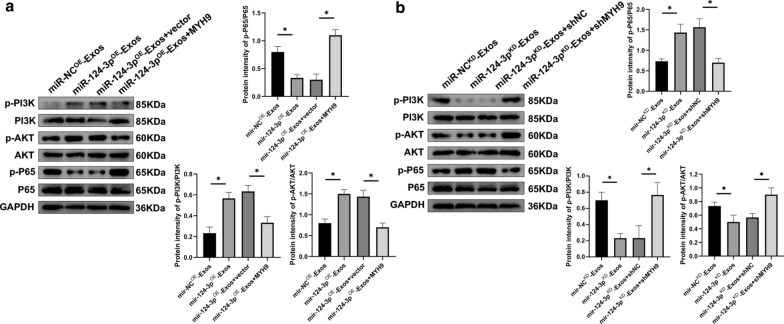
Background: Spinal cord injury (SCI) is a catastrophic injury that can cause irreversible motor dysfunction with high disability. Exosomes participate in the transport of miRNAs and play an essential role in intercellular communication via transfer of genetic material. However, the miRNAs in exosomes which derived from neurons, and the underlying mechanisms by which they contribute to SCI remain unknown. Methods: A contusive in vivo SCI model and a series of in vitro experiments were carried out to explore the therapeutic effects of exosomes. Then, a miRNA microarray analysis and rescue experiments were performed to confirm the role of neuron-derived exosomal miRNA in SCI. Western blot, luciferase activity assay, and RNA-ChIP were used to investigate the underlying mechanisms. Results: The results indicated that neuron-derived exosomes promoted functional behavioral recovery by suppressing the activation of M1 microglia and A1 astrocytes in vivo and in vitro. A miRNA array showed miR-124-3p to be the most enriched in neuron-derived exosomes. MYH9 was identified as the target downstream gene of miR-124-3p. A series of experiments were used to confirm the miR-124-3p/MYH9 axis. Finally, it was found that PI3K/AKT/NF-κB signaling cascades may be involved in the modulation of microglia by exosomal miR-124-3p. Conclusion: A combination of miRNAs and neuron-derived exosomes may be a promising, minimally invasive approach for the treatment of SCI.
Overview
The claims and statistics of this paper haven’t been checked yet.
Free: it reads the open-access text and checks the first 5 claims that cite a source we can check. Create a free account to check every claim.
Integrity signals
Registry
Cites
Statistics
Figures
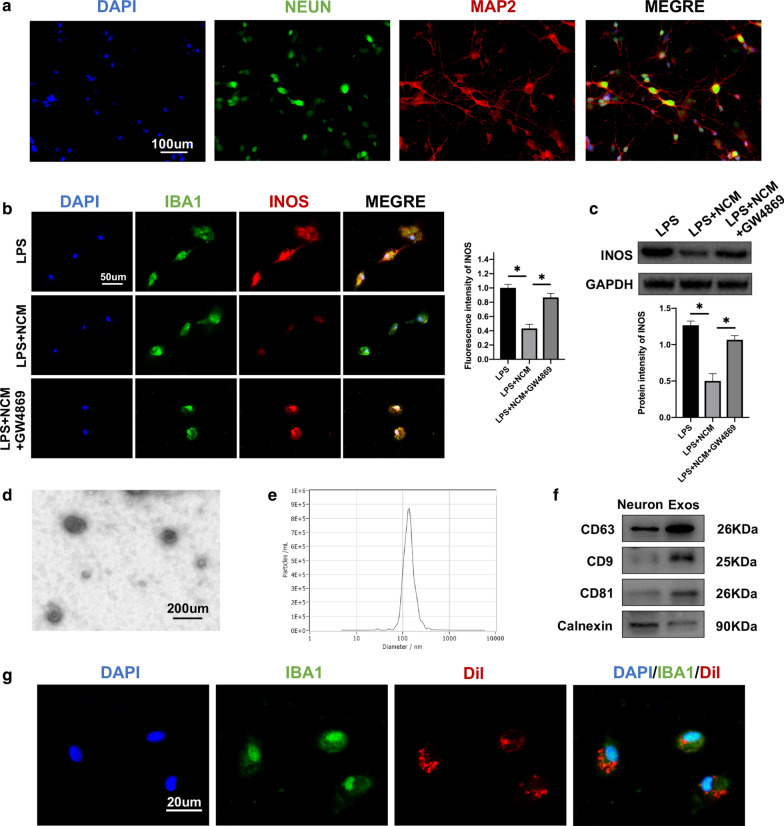
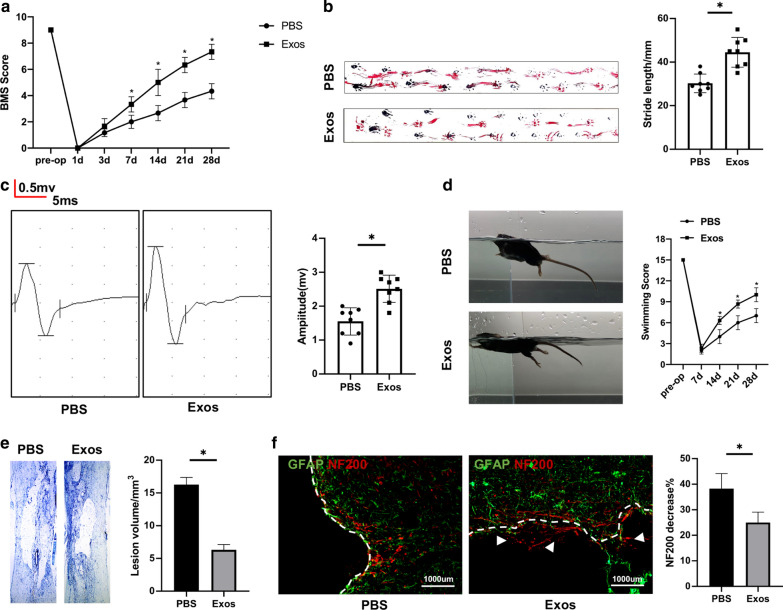
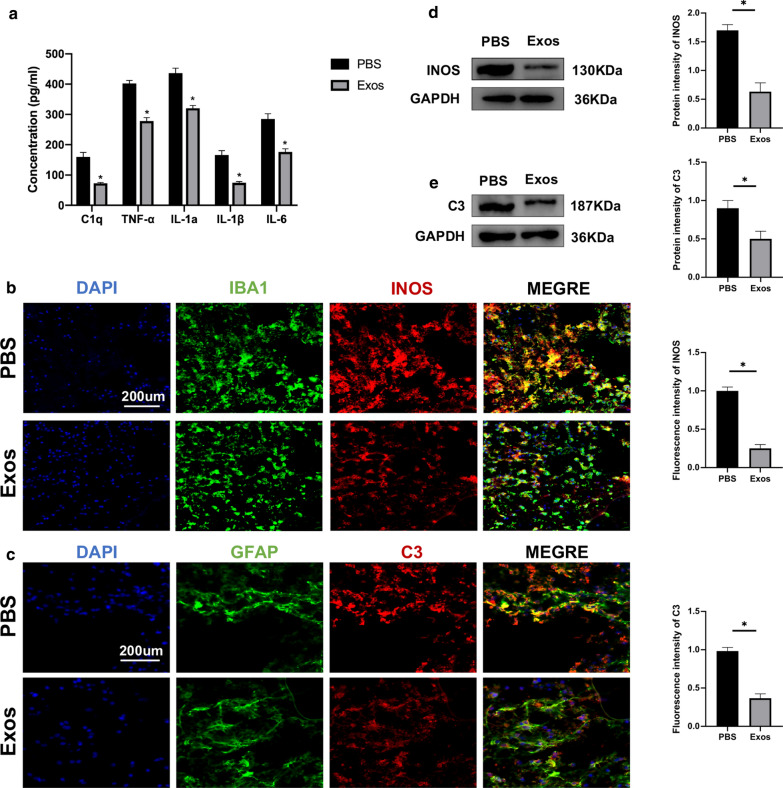
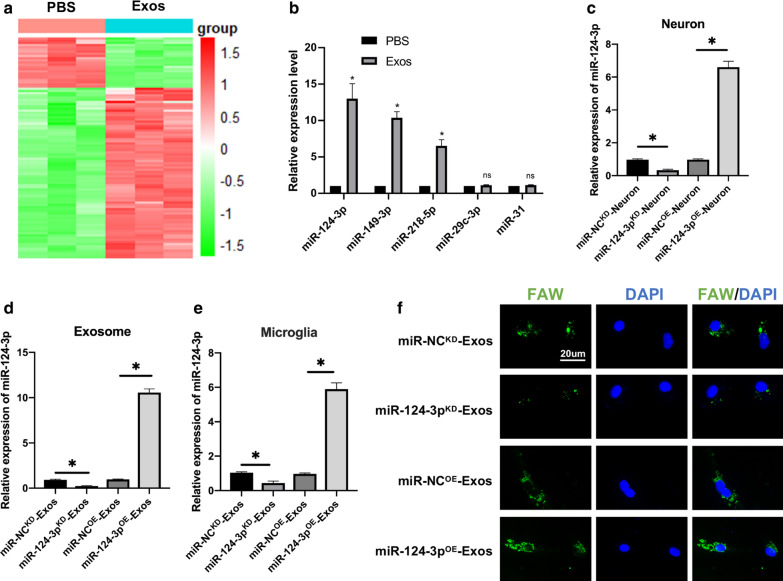
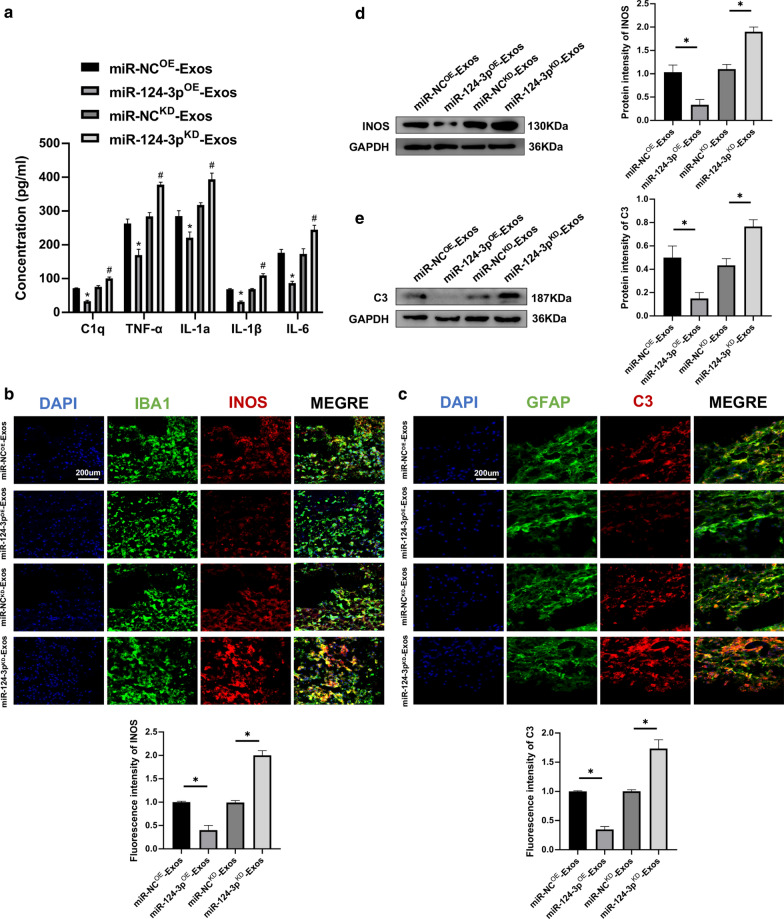
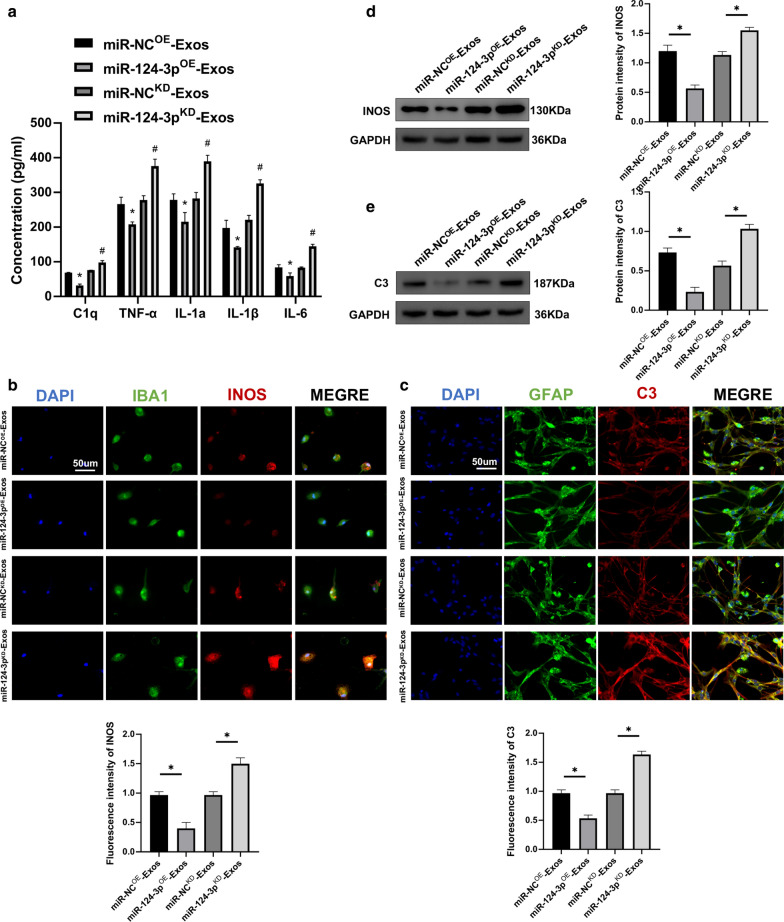
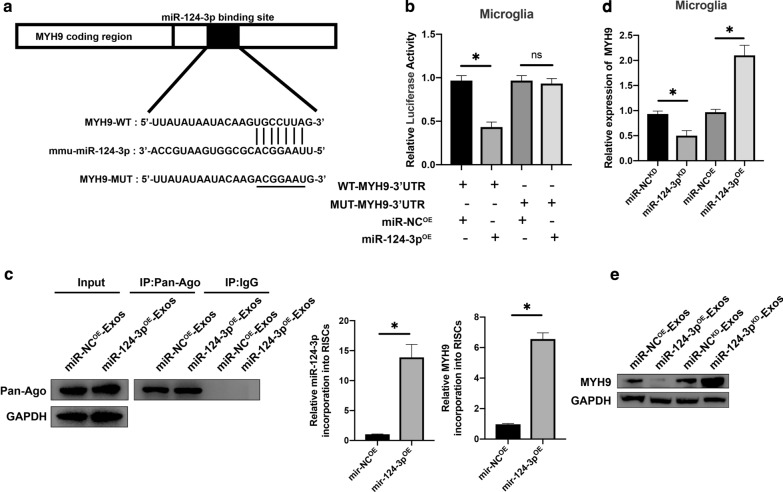
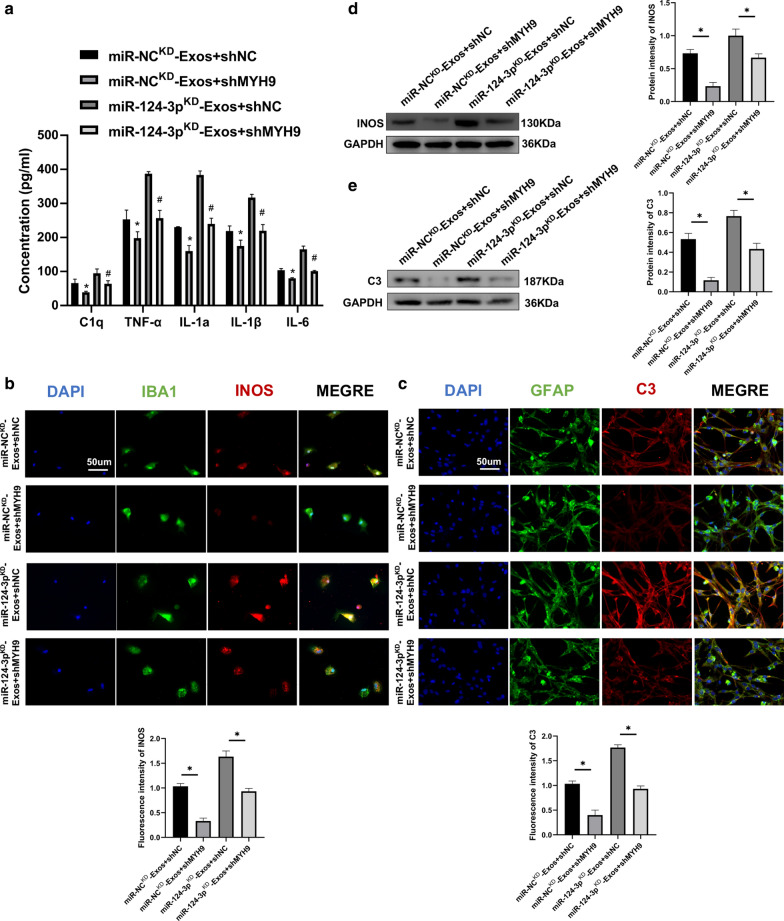
Verification
Claims the paper makes
The claims and statistics of this paper haven’t been checked yet.
Free: it reads the open-access text and checks the first 5 claims that cite a source we can check. Create a free account to check every claim.
Claims other papers make about this one
Each is checked against this paper’s own text: does it say what the citing paper says it does?
The source backs part of the claim, not all of it — or backs it for a different population, condition or comparison.
In the citing paper
“A growing number of studies suggest EVs derived from various cell lines, such as NSCs and MSC are neuroprotective, angiogenic, and immunomodulatory.”
From Extracellular vesicles as nanotheranostic platforms for targeted neurological disorder interventions (2024) · cites this paper as [293]
Experimental — accuracy not yet measured
Self-check
Percentages, sums and reported differences re-computed from the paper’s own numbers.
The self-check needs the paper’s full text.
Citations
Cites
Valadi, H., Ekström, K., Bossios, A., Sjöstrand, M., Lee, J. J., & Lötvall, J. O. (2007) · Nature Cell Biology · doi:10.1038/ncb1596 · Cited by 12,834 · cited 2×
“Previous studies have shown that exosomal miRNAs can exert regulatory effects on target cells and may play an important role in regulation of biological function [18, 19, 25].”
BackgroundNeurotoxic reactive astrocytes are induced by activated microglia
Liddelow, S. A., Guttenplan, K. A., Clarke, L. E., Bennett, F. C., Bohlen, C. J., Schirmer, L., Bennett, M. L., Münch, A. E., Chung, W.-S., Peterson, T. C., et al. (2017) · Nature · doi:10.1038/nature21029 · Cited by 7,971
Astrocytes: Biology and pathology
Sofroniew, M. V., & Vinters, H. V. (2010) · Acta Neuropathologica · doi:10.1007/s00401-009-0619-8 · Cited by 5,196 · cited 1×
“Astrocytes are abundant cells in the CNS which provide trophic support for neurons, promote synapse formation, and prune synapses by phagocytosis, in addition to fulfilling a series of other homeostatic maintenance functions [12, 13].”
BackgroundMathieu, M., Martin-Jaular, L., Lavieu, G., & Théry, C. (2019) · Nature Cell Biology · doi:10.1038/s41556-018-0250-9 · Cited by 3,737 · cited 1×
“Exosomes play an important role in intercellular communication through transfer of genetic material [43].”
BackgroundCeramide Triggers Budding of Exosome Vesicles into Multivesicular Endosomes
Trajkovic, K., Hsu, C., Chiantia, S., Rajendran, L., Wenzel, D., Wieland, F., Schwille, P., Brügger, B., & Simons, M. (2008) · Science · doi:10.1126/science.1153124 · Cited by 3,627 · cited 1×
“The conditioned medium from these neurons was then collected as the neuron-conditioned medium (NCM) or treated with GW4869 (SigmaAldrich), a neutral sphingomyelinase inhibitor known to block exosome secretion [33].”
MethodCommunication by Extracellular Vesicles: Where We Are and Where We Need to Go
Tkach, M., & Théry, C. (2016) · Cell · doi:10.1016/j.cell.2016.01.043 · Cited by 3,444 · cited 3×
“Previous studies have shown that exosomal miRNAs can exert regulatory effects on target cells and may play an important role in regulation of biological function [18, 19, 25].”
BackgroundAhuja, C. S., Wilson, J. R., Nori, S., Kotter, M. R. N., Druschel, C., Curt, A., & Fehlings, M. G. (2017) · Nature Reviews Disease Primers · doi:10.1038/nrdp.2017.18 · Cited by 2,441 · cited 1×
“Several challenges remain to be overcome to change the incidence, prevalence, and years of life lived with disability [1].”
BackgroundCurrent knowledge on exosome biogenesis and release
Hessvik, N. P., & Llorente, A. (2018) · Cellular and Molecular Life Sciences · doi:10.1007/s00018-017-2595-9 · Cited by 2,362 · cited 1×
“Exosomes are nano-sized vesicles released by fusion of an organelle and are important components of the paracrine secretion of cells [17].”
BackgroundExosomes – vesicular carriers for intercellular communication
Simons, M., & Raposo, G. (2009) · Current Opinion in Cell Biology · doi:10.1016/j.ceb.2009.03.007 · Cited by 2,351 · cited 1×
“Exosomes are thought to mediate a novel mechanism of cell-to-cell communication [19, 20].”
BackgroundMicroglial M1/M2 polarization and metabolic states
Orihuela, R., McPherson, C. A., & Harry, G. J. (2016) · British Journal of Pharmacology · doi:10.1111/bph.13139 · Cited by 2,070
Cited by
Items 201–293 of 293
Yang, J., Dong, J., Li, H., Gong, Z., Wang, B., Du, K., Zhang, C., & Chen, L. (2025) · Molecular Neurobiology · doi:10.1007/s12035-025-04813-9 · Cited by 5
Zhao, M.-C., Li, J., Gao, Z., Guo, D. Y., Yang, Y., Wang, F., Wang, L., Yang, Y., He, X., Li, H., et al. (2023) · Neurobiology of Disease · doi:10.1016/j.nbd.2023.106129 · Cited by 5
“miR-124-3p delivered by neuronal exosomes protects the injured spinal cord by inhibiting neurotoxic microglial and astrocyte activation[34].”
MicroRNA and Alzheimer’s disease: Diagnostic biomarkers and potential therapeutic targets
Huang, Y., Chen, Y., He, Z., Lu, W., Lai, H., Wang, Y., & Wang, J. (2025) · Neural Regeneration Research · doi:10.4103/nrr.nrr-d-25-00002 · Cited by 8
“Studies involving transgenic mice show that amyloid deposition amplifies tau-related neuronal damage (Yi et al., 2024), while Aβ-induced hyperexcitability and reactive oxygen species production further exacerbate neurodegeneration (Dhapola et al., 2024).”
Self-citationExtracellular vesicles: A new therapeutic drug for nerve injury repair
Cai, J., Ren, C., Wang, C., Shen, S., Xu, B., & Cui, C. (2025) · Neural Regeneration Research · doi:10.4103/nrr.nrr-d-25-00133 · Cited by 6
“…confirmed that NSC-derived exosomes can significantly inhibit the abnormal activation of neurotoxic microglia by delivering miR-124-3p and effectively regulate the overactivation of astrocytes, thereby accelerating the recovery of motor function in models of spinal cord injury (Jiang et al., 2020).”
Shi, Y., Li, Z., Pu, Y., Wang, Q., Cui, Z., Qi, L., & Sun, Y. (2026) · Frontiers in Cellular Neuroscience · doi:10.3389/fncel.2025.1711454 · Cited by 7
Dual Roles of Exosomes in Tumor Progression and Their Bioengineering as Targeted Drug Carriers
Wu, J., Zhou, Y., Jiang, Y., Xu, W., Yan, T. X., & Ma, S. (2026) · Analytical Chemistry · doi:10.1021/acs.analchem.5c07735 · Cited by 4
Tong, T., Li, Y., Zhou, Y. L., Zeng, X., Cui, X., Cao, S., Wang, C., Li, Z., Zhou, Z., Bai, Q., et al. (2024) · The Journal of Infectious Diseases · doi:10.1093/infdis/jiae573 · Cited by 4
Self-citationDing, R., Gao, L., Wang, X., Yang, J., Han, X., Fei, S., Wang, J., Zhang, X., Wang, H., Shang, X., et al. (2025) · Scientific Reports · doi:10.1038/s41598-025-99355-4 · Cited by 5
“A1s highly up-regulated gene expression in the classical complement pathway may be detrimental to synaptic damage, while A2s up-regulated neurotrophic factor expression, which may have a neuroprotective effect 29,30 .”
Self-citationZhang, S., Liang, Y., Xia, M., Tian, X., Chen, Z., Lin, L., Liang, J., & Liu, Y. (2025) · Frontiers in Immunology · doi:10.3389/fimmu.2025.1554811 · Cited by 5
Wang, Y., Zhong, B., Chen, X., Zhao, Y., Cai, D., Qu, L., & Bai, T. (2025) · Journal of Nanobiotechnology · doi:10.1186/s12951-025-03552-2 · Cited by 4
“In accordance with the manufacturer’s instructions, the levels of IFN-γ and Granzyme B in human tumor cells and mouse tumor tissues were determined using the ELISA kit purchased from Invitrogen (USA), as described in Table S4 [45, 46].”
Yue, X., Gu, M., & Jia, T. (2024) · PubMed · doi:10.14670/hh-18-624 · Cited by 6
miRNA Therapy in Laboratory Models of Acute Spinal Cord Injury in Rodents: A Meta-analysis
Wang, Y., Yi, H., & Song, Y. (2022) · Cellular and Molecular Neurobiology · doi:10.1007/s10571-022-01235-2 · Cited by 4
Evaluation role of miR-124 in neurodegenerative diseases: literature review and in silico analysisPreprint
Amini, J., Bibak, B., Afshar, A. R., & Sahebkar, A. (2021) · bioRxiv (Cold Spring Harbor Laboratory) · doi:10.1101/2021.10.17.464692 · Cited by 4
Effect of microglial Pd1 on glial scar formation after spinal cord injury in mice
Cai, Y., Lin, Z., Shen, X., Li, M., Xing, L., Yang, T., & Chen, G. (2025) · Journal of Biological Chemistry · doi:10.1016/j.jbc.2025.108489 · Cited by 5
“Furthermore, microglia also engage in intercellular communication to exert an indirect in fl uence on the pathogenesis of SCI (16).”
Younis, R. M., Saeedy, D. A., Dozmorov, M. G., Jahr, F. M., Malay, S., Mahdiani, S., Idris, B., Castillo, J., Beardsley, P. M., & McClay, J. L. (2025) · Molecular Neurobiology · doi:10.1007/s12035-025-05199-4 · Cited by 3
“MicroRNAs could also serve as clinical biomarkers of antipsychotic response, whether from lymphocytes or from CNS neuron-derived exosomes in blood [77, 78].”
Chiu, T., Huang, H., Liew, H., Chang, H., Wu, H.-R., & Wang, M.-J. (2025) · International Journal of Molecular Sciences · doi:10.3390/ijms26157099 · Cited by 3
“An increasing number of studies have shown that neuron-derived EVs play a vital role in neuron–microglia interactions [33–36]; for example, neuronal exosome-delivered miRNAs, depending on the source neurons, can either suppress or facilitate the proinflammatory activation of microglia [34,36].”
CPN2 alleviates cryptorchidism by inhibiting the NF-κB pathway and regulating immune responses
Wang, L., Lu, L., Guo, X. N., Shao, F., Ma, H.-J., & Zhou, Y. (2025) · Autoimmunity · doi:10.1080/08916934.2025.2538860 · Cited by 3
“The ELISA protocols were followed as per the manufacturer’s instructions, and the optical density (OD) values were measured using a microplate reader (BioTek, USA) to calculate the concentration of inflammatory factors in the samples [32].”
NcRNAs: a potential treatment for spinal cord injury
Bao, J. Q., Zhi, W., Qi, S., Mo, H., Liu, R., & Guo, C. (2025) · Frontiers in Cellular Neuroscience · doi:10.3389/fncel.2025.1645639 · Cited by 3
Biomimetic nanomaterial-based strategies for spinal cord injury repair
Chen, R.-L., Jiang, L., Teng, H.-B., Yang, J.-L., He, W.-B., Zhang, Y., Ren, Q.-Q., Chen, H.-X., Fan, R., & Xu, J.-G. (2026) · Nano Today · doi:10.1016/j.nantod.2025.102969 · Cited by 3
Jiang, Q., Xue, S., Pan, X., Yu, T., Wei, X., Li, L., Qi, C., Shi, W., Ren, Z., Hu, D., et al. (2025) · Scientific Reports · doi:10.1038/s41598-025-98429-7 · Cited by 3
“In vivo and in vitro studies have demonstrated that miR-124-3p suppresses M1 microglia and A1 astrocyte activation by inhibiting myosin heavy chain 9 (MYH9) activity, significantly promoting functional recovery after SCI 74 .”
Seeing Neurodegeneration in a New Light Using Genetically Encoded Fluorescent Biosensors and iPSCs
Stellon, D., Talbot, J., Hewitt, A. W., King, A. E., & Cook, A. L. (2023) · International Journal of Molecular Sciences · doi:10.3390/ijms24021766 · Cited by 4
Hu, B., Zhao, Y., Chen, C., Wu, B. L., Zhang, H., Liu, B., Zheng, R., & Fang, F. (2024) · Frontiers in Neurology · doi:10.3389/fneur.2024.1406977 · Cited by 4
Exploring exosomes: novel diagnostic and therapeutic frontiers in thyroid cancer
Zhang, S., Yang, Y., Wang, D., Yang, X., Cai, Y., Shui, C., Yang, R., Tian, W., & Li, C. (2024) · Frontiers in Pharmacology · doi:10.3389/fphar.2024.1431581 · Cited by 3
Muñoz‐Galdeano, T., Reigada, D., Gamarra, M., Soto, A., Barreda-Manso, M. A., Novillo, I., Nieto‐Díaz, M., & Maza, R. M. (2024) · International Journal of Molecular Sciences · doi:10.3390/ijms252212374 · Cited by 3
Zhang, K., Zhang, C., Feng, H., Mei, X., & Zhao, H. (2024) · ACS Applied Nano Materials · doi:10.1021/acsanm.4c03228 · Cited by 2
Zhang, C., Feng, L., Zhu, W., He, M., Wang, C., He, Y., Zhang, W., Li, J., Song, H., & Song, W. (2025) · Advanced Healthcare Materials · doi:10.1002/adhm.202500679 · Cited by 3
Pang, L., Qi, L., Wang, H., Zhu, T., & Wang, Y. (2025) · Journal of Orthopaedic Surgery and Research · doi:10.1186/s13018-025-06500-w · Cited by 2
Chen, H., 高, 畠., Ma, F., & Jia, Z. (2026) · International Journal of Molecular Sciences · doi:10.3390/ijms27031459 · Cited by 4
“Also, this transfer of miRNAs between cells inhibits the activation of neurotoxic microglia and astrocytes, which protects damaged neurons from secondary injury following IS [48].”
Mosleh, H., Bahrami, M., Tahmasebinia, F., Abdi, S., Khajavi, M., Jalali, M., Tasa, D., Abbaszadeh, H., & Keramatinia, A. (2025) · Journal of lasers in medical sciences · doi:10.34172/jlms.2025.68 · Cited by 2
Extracellular vesicle-based therapeutic strategies for spinal cord injury
Liu, J., Gong, X., Sun, Y., Wang, Y., & Wang, Y. (2026) · Extracellular Vesicles and Circulating Nucleic Acids · doi:10.20517/evcna.2025.142 · Cited by 2
Yang, M., Tian, M., Wang, J., Ma, Z., Chen, R., & Ben, X. (2026) · Frontiers in Cell and Developmental Biology · doi:10.3389/fcell.2026.1934352 · Cited by 3
“This blocks phosphorylation of the PI3K/AKT/NF-κ B pathway and suppresses classical M1 microglial activation and A1 reactive astrocyte proliferation (Jiang et al., 2020) (Level 4).”
Self-citationYang, H.-B., Lu, D.-C., Shu, M., Li, J., & Ma, Z. (2025) · International Immunopharmacology · doi:10.1016/j.intimp.2025.114049 · Cited by 2
Exosomes in cancer: Innovative modification strategies for diagnostics and targeted therapy
Ilango, B., Palaniyandi, T., Baskar, G., Surendran, H., Rab, S. O., Saeed, M., & Natarajan, S. (2025) · Journal of Drug Delivery Science and Technology · doi:10.1016/j.jddst.2025.107381 · Cited by 4
Role and Therapeutic Potential of Non-coding RNAs in Astrocytes during Neonatal Brain InjuryPreprint
Ye, Z., & Yuan, T. (2023) · Preprints.org · doi:10.20944/preprints202312.0927.v1 · Cited by 2
Potential Regulatory Role of miR-21 on Alzheimer’s Disease by Targeting GSK-3β Signaling
Ding, H. (2023) · Galen Medical Journal · doi:10.31661/gmj.v12i.3027 · Cited by 1
Expression of CLDN1 and EGFR in PTC
Wu, J., Wang, Y., Yan, L., & Dong, Y. (2024) · Discover Oncology · doi:10.1007/s12672-024-01428-9 · Cited by 1
“IFN-γ (ab174443, Abcam) and Granzyme B (ab235635, Abcam) levels in the extracellular model were measured using ELISA kits according to the manufacturer’s instructions [29].”
MethodExosome-Based Liquid Biopsy for Real-Time Diagnosis and Assessment in Acute Stroke and Its Subtypes
Thamizhoviya, G. (2025) · Advances in Modern Biomedicine · doi:10.63623/y95rcx12 · Cited by 1
Hu, Y., Liu, P., Tang, X.-L., Li, B., Yuan, L., Dou, F.-F., Zhao, L., & Zhang, B.-M. (2025) · Cellular Signalling · doi:10.1016/j.cellsig.2025.112134 · Cited by 1
Yang, L., 杨保仲, Xue, Y., Fang, J., & Cui, C. (2026) · Molecular Pain · doi:10.1177/17448069261417109 · Cited by 1
“32 Pericyte-derived exosomes (PC-Exos) can reduce vascular leakage, inhibit inflammatory responses, and promote angiogenesis after spinal cord injury, which in turn improving neurological recovery, potentially by maintaining blood-nerve barrier integrity to alleviate neuropathic pain.”
Sun, Z., Amjad, N., Muhammad, M., & Li, Z. (2026) · International Journal of Molecular Medicine · doi:10.3892/ijmm.2026.5731 · Cited by 1
Yang, S., Guan, Y., Yu, Q., Zheng, C., Xia, X., Ma, X., & Jiang, J. (2026) · Experimental Cell Research · doi:10.1016/j.yexcr.2026.114926 · Cited by 1
Aderinto, N., Babawale, E. A., Olatunji, G. D., Kokori, E., Babarinde, F. O., Donaldy, W., Oyesiji, O. W., Vande-Pallen, F. V., Andibanbang, F., Obaje, A. A., et al. (2026) · The Egyptian Journal of Neurology Psychiatry and Neurosurgery · doi:10.1186/s41983-026-01094-4 · Cited by 1
“Studies have shown that upregulation of miR-124 can suppress microglial and astrocyte activation, thereby decreasing the release of pro-inflammatory cytokines such as tumor necrosis factor-alpha (TNF-α), interleukin-1 beta (IL-1β), and interleukin-6 (IL-6) [112].”
Xu, Z., Lv, Y., Chen, S., & Wu, Q. (2026) · International Journal of Molecular Sciences · doi:10.3390/ijms27104622 · Cited by 1
“Under chronic pain conditions, the secretion of miR-124 by neurons decreases, and the inhibitory effect on microglia is weakened [50].”
Zhong, L., Fang, S., Wang, A.-Q., Wang, T., Huang, W., Pan, Z., Zhang, H., & Yin, Z. (2020) · Research Square · doi:10.21203/rs.3.rs-105918/v1
Shen, J., Fan, Z., Ren, L., Cheng, Y., & Wu, C.-W. G. (2024) · SSRN Electronic Journal · doi:10.2139/ssrn.4894782
Zha, R., & Hu, M. (2025) · International Immunopharmacology · doi:10.1016/j.intimp.2025.115308
Exosomes: New biomarker and therapeutic candidates in autism spectrum disorder research
Ünal, D., & Özgüven, A. S. (2025) · Acta Neuropsychiatrica · doi:10.1017/neu.2025.10047 · Cited by 1
Poongodi, R., Yang, T.-H., Huang, Y.-H., Yang, K. D., Chen, H.-Z., Chu, T.-Y., Wang, T.-Y., Lin, H.-C., & Cheng, J.-K. (2024) · Figshare · doi:10.6084/m9.figshare.26722806
Guan, P., Fan, L., Zhu, Z., Yang, Q., Kang, X., Li, J., Zhang, Z., Liu, S., Liu, C., Wang, X., et al. (2024) · Figshare · doi:10.6084/m9.figshare.24934231
Poongodi, R., Yang, T.-H., Huang, Y.-H., Yang, K. D., Chen, H.-Z., Chu, T.-Y., Wang, T.-Y., Lin, H.-C., & Cheng, J.-K. (2024) · Figshare · doi:10.6084/m9.figshare.26722833
Wang, Y., Wang, Y., Li, S., Cui, Y., Liang, X., Shan, J., Gu, W., Qiu, J., Li, Y., & Wang, G. (2021) · Figshare · doi:10.6084/m9.figshare.16851192
Zhai, X., Chen, K., Yang, H., Li, B., Zhou, T., Wang, H., Zhou, H., Chen, S., Zhou, X., Wei, X., et al. (2021) · Figshare · doi:10.6084/m9.figshare.16590512
Poongodi, R., Yang, T.-H., Huang, Y.-H., Yang, K. D., Chen, H.-Z., Chu, T.-Y., Wang, T.-Y., Lin, H.-C., & Cheng, J.-K. (2024) · Figshare · doi:10.6084/m9.figshare.26722800
Poongodi, R., Yang, T.-H., Huang, Y.-H., Yang, K. D., Chen, H.-Z., Chu, T.-Y., Wang, T.-Y., Lin, H.-C., & Cheng, J.-K. (2024) · Figshare · doi:10.6084/m9.figshare.25857555
Poongodi, R., Yang, T.-H., Huang, Y.-H., Yang, K. D., Chen, H.-Z., Chu, T.-Y., Wang, T.-Y., Lin, H.-C., & Cheng, J.-K. (2024) · Figshare · doi:10.6084/m9.figshare.26722812
Rong, Y., Ji, C., Wang, Z., Ge, X., Wang, J., Ye, W., Tang, P., Jiang, D., Fan, J., Yin, G., et al. (2021) · Figshare · doi:10.6084/m9.figshare.16608875
Self-citationGe, X., Zhou, Z., Yang, S., Ye, W., Wang, Z., Wang, J., Xiao, C., Cui, M., Zhou, J., Zhu, Y., et al. (2023) · Figshare · doi:10.6084/m9.figshare.22618664
Self-citationPoongodi, R., Yang, T.-H., Huang, Y.-H., Yang, K. D., Chen, H.-Z., Chu, T.-Y., Wang, T.-Y., Lin, H.-C., & Cheng, J.-K. (2024) · Figshare · doi:10.6084/m9.figshare.26722803
Zhai, X., Chen, K., Yang, H., Li, B., Zhou, T., Wang, H., Zhou, H., Chen, S., Zhou, X., Wei, X., et al. (2021) · Figshare · doi:10.6084/m9.figshare.16590509
Zhang, H., Chen, Y., Li, F., Wu, C., Cai, W., Ye, H., Su, H., He, M., Yang, L., Wang, X., et al. (2023) · Figshare · doi:10.6084/m9.figshare.22606232
Self-citationWang, H., Liu, Y., Sun, Y., Dong, J., Xu, X., Wang, H., Zhao, X., Zhang, J., Yao, B., Zhao, L., et al. (2023) · Figshare · doi:10.6084/m9.figshare.22613969
Poongodi, R., Yang, T.-H., Huang, Y.-H., Yang, K. D., Chen, H.-Z., Chu, T.-Y., Wang, T.-Y., Lin, H.-C., & Cheng, J.-K. (2024) · Figshare · doi:10.6084/m9.figshare.25857611
Poongodi, R., Yang, T.-H., Huang, Y.-H., Yang, K. D., Chen, H.-Z., Chu, T.-Y., Wang, T.-Y., Lin, H.-C., & Cheng, J.-K. (2024) · Figshare · doi:10.6084/m9.figshare.26722815
Poongodi, R., Yang, T.-H., Huang, Y.-H., Yang, K. D., Chen, H.-Z., Chu, T.-Y., Wang, T.-Y., Lin, H.-C., & Cheng, J.-K. (2024) · Figshare · doi:10.6084/m9.figshare.26722830
Poongodi, R., Yang, T.-H., Huang, Y.-H., Yang, K. D., Chen, H.-Z., Chu, T.-Y., Wang, T.-Y., Lin, H.-C., & Cheng, J.-K. (2024) · Figshare · doi:10.6084/m9.figshare.26722827
Li, Y., Khan, N., Ritzel, R. M., Lei, Z., Allen, S., Faden, A. I., & Wu, J. (2024) · Figshare · doi:10.6084/m9.figshare.26614090
Lu, X., Lv, C., Zhao, Y., Wang, Y., Li, Y., Ji, C., Wang, Z., Ye, W., Yu, S., Bai, J., et al. (2022) · Figshare · doi:10.6084/m9.figshare.20304668
Self-citationPoongodi, R., Yang, T.-H., Huang, Y.-H., Yang, K. D., Chen, H.-Z., Chu, T.-Y., Wang, T.-Y., Lin, H.-C., & Cheng, J.-K. (2024) · Figshare · doi:10.6084/m9.figshare.26722836
Poongodi, R., Yang, T.-H., Huang, Y.-H., Yang, K. D., Chen, H.-Z., Chu, T.-Y., Wang, T.-Y., Lin, H.-C., & Cheng, J.-K. (2024) · Figshare · doi:10.6084/m9.figshare.26722818
Poongodi, R., Yang, T.-H., Huang, Y.-H., Yang, K. D., Chen, H.-Z., Chu, T.-Y., Wang, T.-Y., Lin, H.-C., & Cheng, J.-K. (2024) · Figshare · doi:10.6084/m9.figshare.26722821
Zhai, X., Chen, K., Yang, H., Li, B., Zhou, T., Wang, H., Zhou, H., Chen, S., Zhou, X., Wei, X., et al. (2021) · Figshare · doi:10.6084/m9.figshare.16590506
Poongodi, R., Yang, T.-H., Huang, Y.-H., Yang, K. D., Chen, H.-Z., Chu, T.-Y., Wang, T.-Y., Lin, H.-C., & Cheng, J.-K. (2024) · Figshare · doi:10.6084/m9.figshare.26722809
Poongodi, R., Yang, T.-H., Huang, Y.-H., Yang, K. D., Chen, H.-Z., Chu, T.-Y., Wang, T.-Y., Lin, H.-C., & Cheng, J.-K. (2024) · Figshare · doi:10.6084/m9.figshare.26722824
Xia, J., Chen, Y., Ren, L., Li, J., Song, X., Tao, L., & Hu, J. (2025) · PubMed · doi:10.12122/j.issn.1673-4254.2025.12.04
Duan, Y., Zhou, S., Zeng, D., Shi, S., Chen, A., Du, F., Wu, Y., Wang, J., Yu, S., & Zhang, J. (2026) · iScience · doi:10.1016/j.isci.2026.115069
“Proteomic analysis revealed that OExo modulates multiple inflammation-related pathways, aligning with reports of exosomes from neurons, 38 astrocytes, 39,40 and”
Self-citationElucidating the Role of Extracellular Vesicles during Spinal Development
Aksamit, S. (2022) · TSpace (University of Toronto)
Exosomes as cellular couriers: the mechanisms of intercellular messaging
Reddy, M. M. S., Srivastava, A. K., & Prabhakaran, M. (2026) · Elsevier eBooks · doi:10.1016/b978-0-443-36390-0.00009-9
Elazab, I. M., El‐Ashmawy, N. E., El-Feky, O. A., & Khedr, E. G. (2026) · The International Journal of Biochemistry & Cell Biology · doi:10.1016/j.biocel.2026.106959
Engineered Exosomes: Innovative Strategies for Precision Drug Delivery in Parkinson’s Disease
Yuan, X., Wang, C., Yan, J., Wang, J., Li, F., You, Y., & Qi, Z. (2026) · Molecular Neurobiology · doi:10.1007/s12035-026-05898-6
“For instance, neuron-derived exosomes enriched with miR-124—3p have been shown to inhibit microglial M1 polarization and the activation of neurotoxic astrocytes through targeting MYH9, thereby mitigating inflammatory responses [78].”
Self-citationStem cells and pyroptosis in spinal injury
Göncü, E. (2026) · Elsevier eBooks · doi:10.1016/b978-0-443-40471-9.00009-4
A Novel MicroRNA-Odorant Receptor Axis Governs Neural Progenitor Cell Proliferation in Zebrafish CNSPreprint
Gupta, S., Jana, S. K., Mandal, S., Biswas, A., & Hui, S. P. (2026) · bioRxiv (Cold Spring Harbor Laboratory) · doi:10.64898/2026.05.26.727982
Leveraging engineered small EVs to mitigate cancer pain: a new paradigm
Sarkar, S., Roy, S., & Choudhury, L. (2026) · Journal of Microencapsulation · doi:10.1080/02652048.2026.2677813
“…upon internalisation by activated microglia, astrocytes, or macrophages in the spinal cord and tMe, lead to the silencing of the respective genes (Jiang et al. 2020; Ghosh and Pearse 2024; liu et al. 2024a,b). this prevents their translation into pro-inflammatory proteins, breaking the positive…”
Sintakova, K., Sprincl, V., Arzhanov, I., Klassen, R., Valihrach, L., & Romanyuk, N. (2026) · Frontiers in Cellular Neuroscience · doi:10.3389/fncel.2026.1835240 · Cited by 1
“…to modulate astrocytic responses and promote anti-apoptotic signaling via the miR-21/JAK2/STAT3 pathway (Yang et al., 2024),while neuron-derived exosomes enriched in miR-124-3p suppress activation of pro-inflammatory astrocytic states via PI3K/Akt/NF-κ B and STAT3 signaling (Jiang et al., 2020).”
Shang, Z., & Wang, X. (2026) · Spinal Cord · doi:10.1038/s41393-026-01227-9
MicroRNA–Ferroptosis–Spinal Cord Injury: A Complex Interplay in Neurodegeneration and Repair
Poongodi, R., Yang, T.-H., Yang, K. D., Lin, H., & Cheng, J. (2026) · International Journal of Molecular Sciences · doi:10.3390/ijms27177711
“In SCI, EVs exert therapeutic effects through diverse mechanisms, including neuroprotection [72], stimulation of nerve tissue regeneration [73,74], attenuation of scar formation [75,76], and regulation of oxidative stress and angiogenesis [77].”
Xu, S., Cai, C., Shao, P., Zhao, Y., Guan, Y., Zhu, Y., & Wang, Y. (2026) · Journal of Pain Research · doi:10.2147/jpr.s611543
“63 Beyond miRNAs, exosomes transport specific proteins that critically regulate neuronal functions.”
Chen, Y., Tang, F., & Li, X. (2026) · Stem Cell Research & Therapy · doi:10.1186/s13287-026-05198-9
“Beyond modulating microglial polarization, miR-124-3p confers neuroprotection via multiple additional mechanisms, such as inhibiting the activation of neurotoxic astrocytes to improve the injury microenvironment [139].”
Yang, Z., Chen, H., Zhang, Z., Wei, X., Han, W., Peng, T., Zhu, D., & Liu, C. (2026) · Molecular Neurobiology · doi:10.1007/s12035-026-06087-1
“Moreover, Jiang et al. demonstrated that modulation of miRNA cargo enhances the biological activity of EXOs, further supporting their therapeutic potential [33].”
Su, H., Tao, D., Teng, J., Zhang, L., Shen, Y., Yang, R., Yang, J., Sun, R., Shen, Z., Chen, P., et al. (2026) · Non-Coding RNA · doi:10.3390/ncrna12050032
“Neuron-derived exosomes containing miR-124-3p can be internalized by astrocytes, inhibiting the activation of M1 microglia and A1 astrocytes, thereby promoting functional behavior recovery and protecting against spinal cord injury [38].”
Sharma, M., & Li, H. (2026) · Journal of Neurotrauma · doi:10.1177/08977151261498691
A Chronologically Programmed Core–Shell Microneedle Patch for Staged Therapy of Spinal Cord Injury
Wang, J., Shao, Z., Yan, L., Xu, Q., Liu, H., Sun, Q., Yang, S., Xue, H., & Cai, L. (2026) · ACS Nano · doi:10.1021/acsnano.6c14287
Self-citationHui, X., Wang, X., Qian, T.-D., Gan, X.-K., & Li, L.-X. (2026) · World Journal of Stem Cells · doi:10.4252/wjsc.123837
Ibrahim, A. E., Subbaram, K., Faiz, R., Ali, S., & Arul, Q. A. (2026) · Advanced Pharmaceutical Bulletin · doi:10.34172/apb.46604
Metadata
- Authors
- Jiang, D., Gong, F., Ge, X., Lv, C., Huang, C., Feng, S., Zhou, Z., Rong, Y., Wang, J., Ji, C., Chen, J., Zhao, W., Fan, J., Liu, W., & Cai, W.
- Affiliations
- Jiangsu Province Hospital (CN)
- Yancheng Third People's Hospital (CN)
- Nanjing University of Chinese Medicine (CN)
- Nanjing Medical University (CN)
- Corresponding author
- Fan, Jin
- Liu, Wei
- Cai, Weihua
- ORCID
- Venue
- Journal of Nanobiotechnology
- Published
- 2020-07-25
- Volume
- 18
- Issue
- 1
- Pages
- 105-105
- ISSN
- 1477-3155 (ISSN-L)
- PMC
- PMC7382861
- OpenAlex
- W3045238854
- Semantic Scholar
- a300329ad127ff2b102344836795d967088dd018
- Cited by
- 282
- References
- 51
- Citations by year
- 2026: 25 · 2025: 58 · 2024: 67 · 2023: 46 · 2022: 46 · 2021: 36 · 2020: 2
- FWCI
- 10.54
- Type
- journal article
- Language
- en
- Open access
- gold
- doi.org
- Licence
- cc-by
- creativecommons.org/licenses/by/4.0 (tdm)
- creativecommons.org/licenses/by/4.0 (vor)
- Locations
- Journal of Nanobiotechnology (publishedVersion, cc-by)
- PubMed Central (publishedVersion, cc-by)
- PubMed (publishedVersion)
- DOAJ (DOAJ: Directory of Open Access Journals) (submittedVersion, cc-by-sa)
- Funders
- National Natural Science Foundation of China (81974335, 81902211)
- Natural Science Foundation of Jiangsu Province (BK20181490, BK20191061)
- Six Talent Peaks Project in Jiangsu Province (TD-SWYY-010)
- Wu Jieping Medical Foundation
- Topics
- Life Sciences › Biochemistry, Genetics and Molecular Biology › Molecular Biology › Extracellular vesicles in disease
- Health Sciences › Medicine › Clinical Neurology › Spinal Cord Injury Research
- Life Sciences › Biochemistry, Genetics and Molecular Biology › Cancer Research › MicroRNA in disease regulation
- Keywords
- spinal cord injury, miR-124-3p, MYH9, microglial activation, astrocyte activation, M1 microglia, A1 astrocytes, PI3K/Akt signaling, NF-κB signaling, exosomal microRNAs, functional recovery, spinal cord contusion
- MeSH terms
- Animals, Astrocytes, Cells, Cultured, Male, Mice, Inbred C57BL, Neurons, Spinal Cord Injuries, Microglia, Myosin Heavy Chains, MicroRNAs, Mice, Exosomes
About these checks
Registry, retraction, Cites and statistics results are computed, not judged, with one exception: a printed reference that no index lists is read once by a model before it counts as a citation error. Claims are extracted by a model and kept only when their quote appears verbatim in the text; each cited source is then checked, with a model’s help, for whether it says what the claim relies on. Those verdicts can be wrong — read the claim’s quote and the cited source before relying on one.
Statistics and arithmetic are recomputed, not judged.
Confidence bands are shown only for fields calibrated on our annotated test set. None is calibrated yet, so no band is shown.
What counts as a claim ›How we measure confidence ›How we check this ›
Are you an author, or do you see a problem with this page? Request a review
Data sources
Bibliographic data: Semantic Scholar, OpenAlex, Crossref.
Contains information from the Semantic Scholar Academic Graph Datasets, made available under the ODC Attribution License (ODC-BY 1.0).
Semantic Scholar’s data is described in: Kinney, R., et al. (2023). The Semantic Scholar Open Data Platform. arXiv:2301.10140.
