

Neuron-derived exosomes-transmitted miR-124-3p protect traumatically injured spinal cord by suppressing the activation of neurotoxic microglia and astrocytes
Open accessThe DOI matches its Crossref record; 51 of the 51 references it cites were found in a registry or an index.
Abstract
Background: Spinal cord injury (SCI) is a catastrophic injury that can cause irreversible motor dysfunction with high disability. Exosomes participate in the transport of miRNAs and play an essential role in intercellular communication via transfer of genetic material. However, the miRNAs in exosomes which derived from neurons, and the underlying mechanisms by which they contribute to SCI remain unknown. Methods: A contusive in vivo SCI model and a series of in vitro experiments were carried out to explore the therapeutic effects of exosomes. Then, a miRNA microarray analysis and rescue experiments were performed to confirm the role of neuron-derived exosomal miRNA in SCI. Western blot, luciferase activity assay, and RNA-ChIP were used to investigate the underlying mechanisms. Results: The results indicated that neuron-derived exosomes promoted functional behavioral recovery by suppressing the activation of M1 microglia and A1 astrocytes in vivo and in vitro. A miRNA array showed miR-124-3p to be the most enriched in neuron-derived exosomes. MYH9 was identified as the target downstream gene of miR-124-3p. A series of experiments were used to confirm the miR-124-3p/MYH9 axis. Finally, it was found that PI3K/AKT/NF-κB signaling cascades may be involved in the modulation of microglia by exosomal miR-124-3p. Conclusion: A combination of miRNAs and neuron-derived exosomes may be a promising, minimally invasive approach for the treatment of SCI.
Overview
The claims and statistics of this paper haven’t been checked yet.
Free: it reads the open-access text and checks the first 5 claims that cite a source we can check. Create a free account to check every claim.
Integrity signals
Registry
Cites
Statistics
Figures
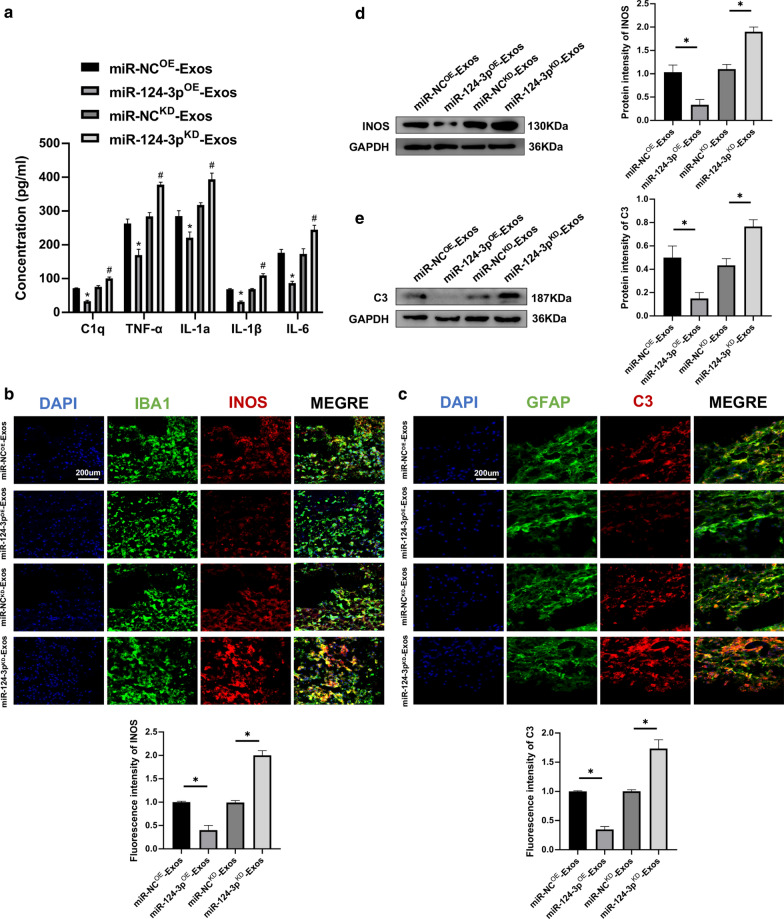
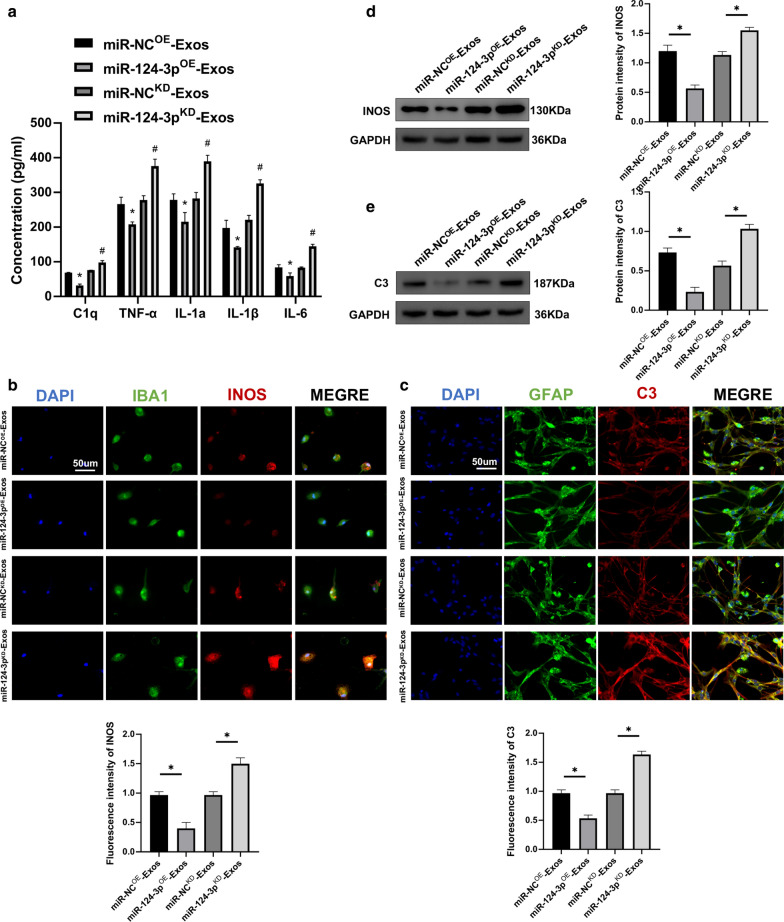
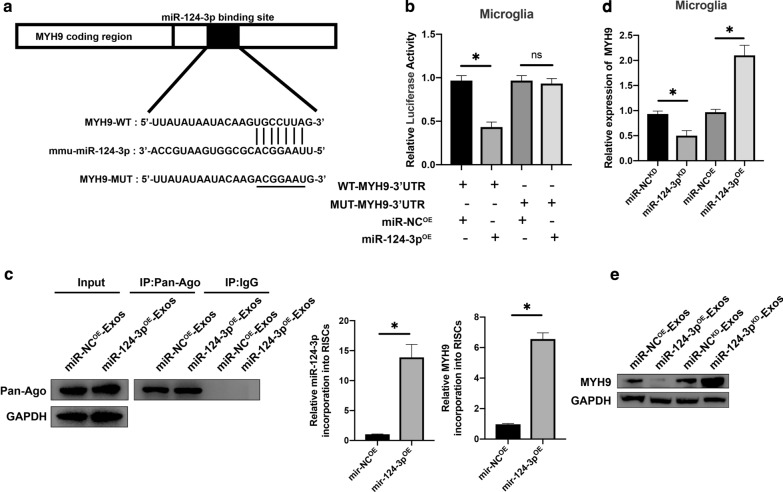
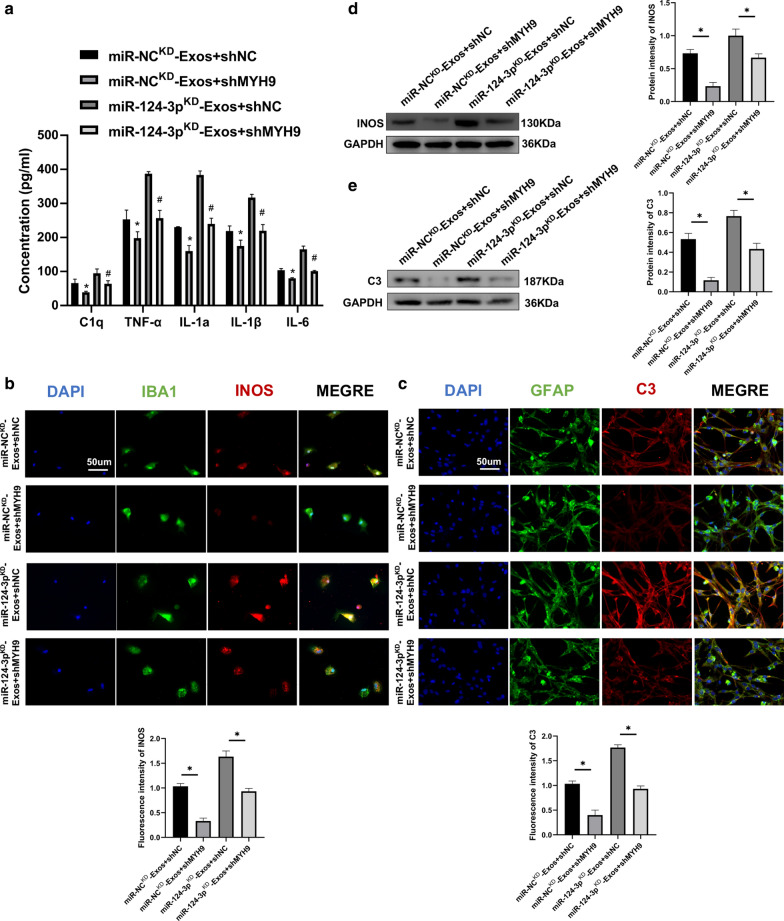
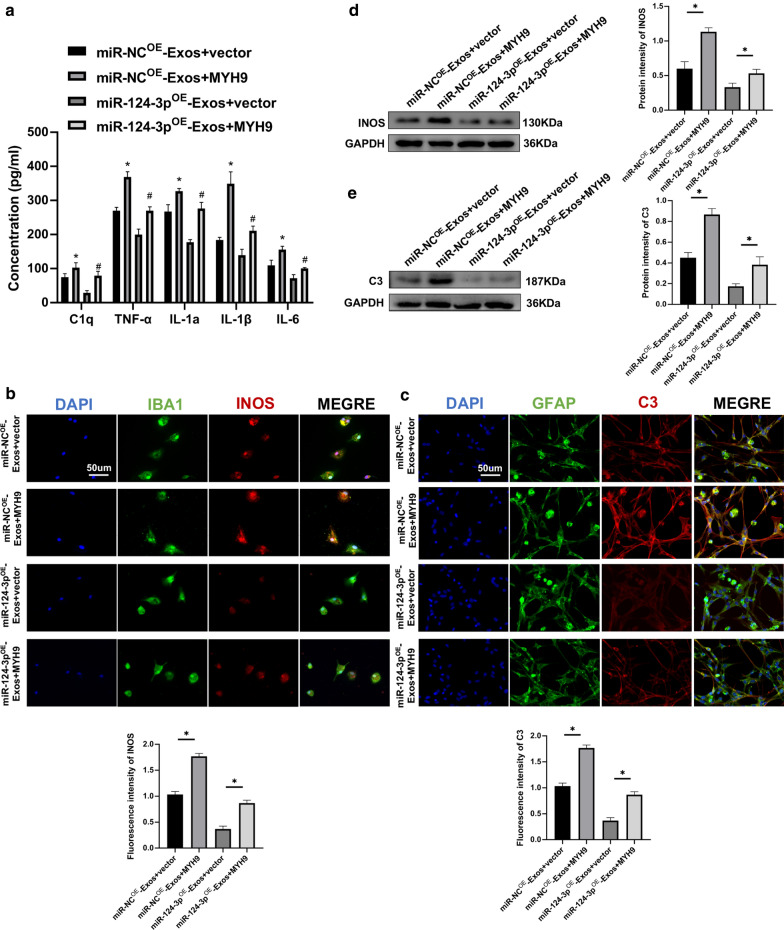
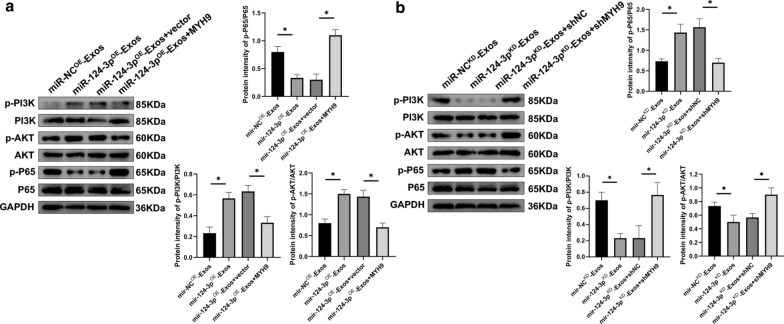
Verification
Claims the paper makes
The claims and statistics of this paper haven’t been checked yet.
Free: it reads the open-access text and checks the first 5 claims that cite a source we can check. Create a free account to check every claim.
Claims other papers make about this one
Each is checked against this paper’s own text: does it say what the citing paper says it does?
The source backs part of the claim, not all of it — or backs it for a different population, condition or comparison.
In the citing paper
“A growing number of studies suggest EVs derived from various cell lines, such as NSCs and MSC are neuroprotective, angiogenic, and immunomodulatory.”
From Extracellular vesicles as nanotheranostic platforms for targeted neurological disorder interventions (2024) · cites this paper as [293]
Experimental — accuracy not yet measured
Self-check
Percentages, sums and reported differences re-computed from the paper’s own numbers.
The self-check needs the paper’s full text.
Citations
Cites
Valadi, H., Ekström, K., Bossios, A., Sjöstrand, M., Lee, J. J., & Lötvall, J. O. (2007) · Nature Cell Biology · doi:10.1038/ncb1596 · Cited by 12,834 · cited 2×
“Previous studies have shown that exosomal miRNAs can exert regulatory effects on target cells and may play an important role in regulation of biological function [18, 19, 25].”
BackgroundNeurotoxic reactive astrocytes are induced by activated microglia
Liddelow, S. A., Guttenplan, K. A., Clarke, L. E., Bennett, F. C., Bohlen, C. J., Schirmer, L., Bennett, M. L., Münch, A. E., Chung, W.-S., Peterson, T. C., et al. (2017) · Nature · doi:10.1038/nature21029 · Cited by 7,971
Astrocytes: Biology and pathology
Sofroniew, M. V., & Vinters, H. V. (2010) · Acta Neuropathologica · doi:10.1007/s00401-009-0619-8 · Cited by 5,196 · cited 1×
“Astrocytes are abundant cells in the CNS which provide trophic support for neurons, promote synapse formation, and prune synapses by phagocytosis, in addition to fulfilling a series of other homeostatic maintenance functions [12, 13].”
BackgroundMathieu, M., Martin-Jaular, L., Lavieu, G., & Théry, C. (2019) · Nature Cell Biology · doi:10.1038/s41556-018-0250-9 · Cited by 3,737 · cited 1×
“Exosomes play an important role in intercellular communication through transfer of genetic material [43].”
BackgroundCeramide Triggers Budding of Exosome Vesicles into Multivesicular Endosomes
Trajkovic, K., Hsu, C., Chiantia, S., Rajendran, L., Wenzel, D., Wieland, F., Schwille, P., Brügger, B., & Simons, M. (2008) · Science · doi:10.1126/science.1153124 · Cited by 3,627 · cited 1×
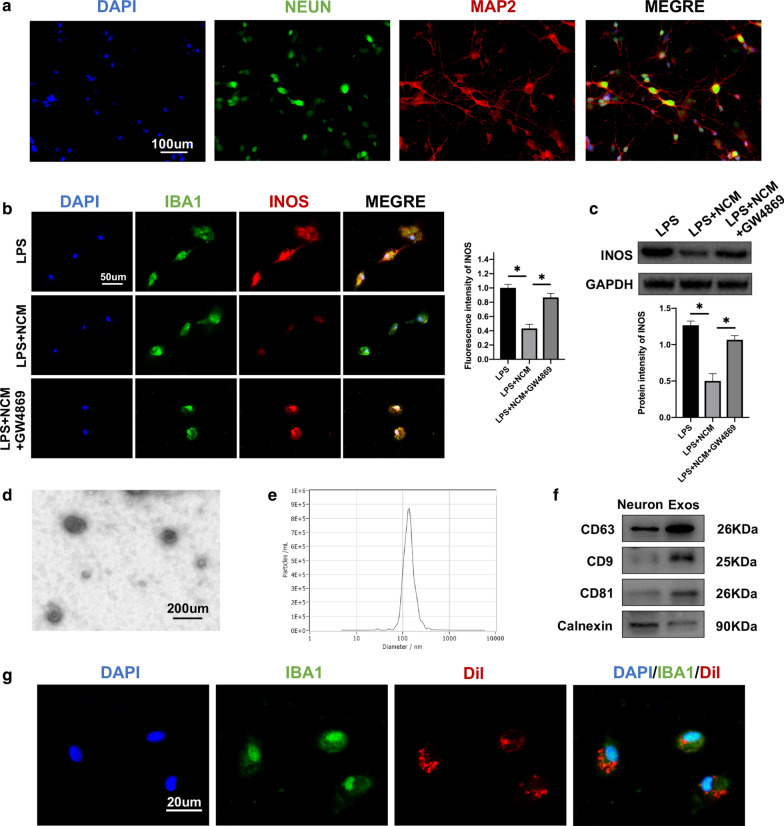
“The conditioned medium from these neurons was then collected as the neuron-conditioned medium (NCM) or treated with GW4869 (SigmaAldrich), a neutral sphingomyelinase inhibitor known to block exosome secretion [33].”
MethodCommunication by Extracellular Vesicles: Where We Are and Where We Need to Go
Tkach, M., & Théry, C. (2016) · Cell · doi:10.1016/j.cell.2016.01.043 · Cited by 3,444 · cited 3×
“Previous studies have shown that exosomal miRNAs can exert regulatory effects on target cells and may play an important role in regulation of biological function [18, 19, 25].”
BackgroundAhuja, C. S., Wilson, J. R., Nori, S., Kotter, M. R. N., Druschel, C., Curt, A., & Fehlings, M. G. (2017) · Nature Reviews Disease Primers · doi:10.1038/nrdp.2017.18 · Cited by 2,441 · cited 1×
“Several challenges remain to be overcome to change the incidence, prevalence, and years of life lived with disability [1].”
BackgroundCurrent knowledge on exosome biogenesis and release
Hessvik, N. P., & Llorente, A. (2018) · Cellular and Molecular Life Sciences · doi:10.1007/s00018-017-2595-9 · Cited by 2,362 · cited 1×
“Exosomes are nano-sized vesicles released by fusion of an organelle and are important components of the paracrine secretion of cells [17].”
BackgroundExosomes – vesicular carriers for intercellular communication
Simons, M., & Raposo, G. (2009) · Current Opinion in Cell Biology · doi:10.1016/j.ceb.2009.03.007 · Cited by 2,351 · cited 1×
“Exosomes are thought to mediate a novel mechanism of cell-to-cell communication [19, 20].”
BackgroundMicroglial M1/M2 polarization and metabolic states
Orihuela, R., McPherson, C. A., & Harry, G. J. (2016) · British Journal of Pharmacology · doi:10.1111/bph.13139 · Cited by 2,070
Cited by
Progression in translational research on spinal cord injury based on microenvironment imbalance
Fan, B., Wei, Z., & Feng, S. (2022) · Bone Research · doi:10.1038/s41413-022-00199-9 · Cited by 240
“Exosomes derived from neurons can suppress M1 microglial and A1 astrocyte polarization and promote functional recovery.(363)”
BackgroundSelf-citationGe, X., Tang, P., Rong, Y., Jiang, D., Lu, X., Ji, C., Wang, J., Huang, C., Duan, A., Liu, Y., et al. (2021) · Redox Biology · doi:10.1016/j.redox.2021.101932 · Cited by 196
Self-citationWang, X., Li, X., Zuo, X., Liang, Z., Ding, T., Li, K., Ma, Y., Li, P., Zhu, Z., Ju, C., et al. (2021) · Journal of Neuroinflammation · doi:10.1186/s12974-021-02312-x · Cited by 149
Role of exosomes in the pathogenesis, diagnosis, and treatment of central nervous system diseases
Fan, Y., Chen, Z., & Zhang, M. (2022) · Journal of Translational Medicine · doi:10.1186/s12967-022-03493-6 · Cited by 134
“The mechanism may be associated with MYH9 (the target downstream gene of miR-124-3p) and PI3K/AKT/NF-κB signaling cascades [113].”
BackgroundIdentification of altered exosomal microRNAs and mRNAs in Alzheimer's disease
Su, L., Li, R., Zhang, Z., Liu, J., Du, J., & Wei, H. (2022) · Ageing Research Reviews · doi:10.1016/j.arr.2021.101497 · Cited by 118
Advances in Biomaterial‐Based Spinal Cord Injury Repair
Shen, H., Fan, C., You, Z., Xiao, Z., Zhao, Y., & Dai, J. (2021) · Advanced Functional Materials · doi:10.1002/adfm.202110628 · Cited by 131
Extracellular Vesicles as an Emerging Frontier in Spinal Cord Injury Pathobiology and Therapy
Dutta, D., Khan, N., Wu, J., & Jay, S. M. (2021) · Trends in Neurosciences · doi:10.1016/j.tins.2021.01.003 · Cited by 112
Reactive Astrocytes in Central Nervous System Injury: Subgroup and Potential Therapy
Yu, G., Zhang, Y., & Ning, B. (2021) · Frontiers in Cellular Neuroscience · doi:10.3389/fncel.2021.792764 · Cited by 113
Exosomes as therapeutic and drug delivery vehicle for neurodegenerative diseases
Nouri, Z., Barfar, A., Perseh, S., Motasadizadeh, H., Maghsoudian, S., Fatahi, Y., Nouri, K., Yektakasmaei, M. P., Dinarvand, R., & Atyabi, F. (2024) · Journal of Nanobiotechnology · doi:10.1186/s12951-024-02681-4 · Cited by 114
“Interestingly, it was also observed that exosomal miR-124-3p specifically targets myosin heavy chain 9 (MYH9), which eventually modulates the signaling mentioned above pathway and substantially inhibits inflammation [145].”
BackgroundEmerging Exosomes and Exosomal MiRNAs in Spinal Cord Injury
Feng, J., Zhang, Y., Zhu, Z., Gu, C., Waqas, A., & Chen, L. (2021) · Frontiers in Cell and Developmental Biology · doi:10.3389/fcell.2021.703989 · Cited by 106
Biosynthesis of Yttrium oxide nanoparticles using Acalypha indica leaf extract
Kannan, S. K., & Sundrarajan, M. (2015) · Bulletin of Materials Science · doi:10.1007/s12034-015-0927-7 · Cited by 101
Extracellular vesicles, from the pathogenesis to the therapy of neurodegenerative diseases
Xia, X., Wang, Y., & Zheng, J. C. (2022) · Translational Neurodegeneration · doi:10.1186/s40035-022-00330-0 · Cited by 92
Rong, Y., Ji, C., Wang, Z., Ge, X., Wang, J., Wu, Y., Tang, P., Jiang, D., Fan, J., Yin, G., et al. (2021) · Journal of Neuroinflammation · doi:10.1186/s12974-021-02268-y · Cited by 106
“Primary microglia were obtained as previously reported [14].”
MethodSelf-citationZhai, X., Chen, K., Yang, H., Li, B., Zhou, T., Wang, H., Zhou, H., Chen, S., Zhou, X., Wei, X., et al. (2021) · Journal of Nanobiotechnology · doi:10.1186/s12951-021-01022-z · Cited by 98
Understanding exosomes: Part 2—Emerging leaders in regenerative medicine
Miron, R. J., Estrin, N. E., Sculean, A., & Zhang, Y. (2024) · Periodontology 2000 · doi:10.1111/prd.12561 · Cited by 99
Emerging role of non-coding RNAs in neuroinflammation mediated by microglia and astrocytes
Yang, R., Yang, B., Liu, W., Tan, C., Chen, H., & Wang, X. (2023) · Journal of Neuroinflammation · doi:10.1186/s12974-023-02856-0 · Cited by 91
“In addition, neuron-derived exosomes loaded with miR-124 facilitated functional behavioral recovery in SCI by inhibiting the activation of microglia and astrocytes [155].”
BackgroundSelf-citationTherapeutic Application of Exosomes in Inflammatory Diseases
Suh, J. H., Joo, H. S., Hong, E. B., Lee, H. J., & Lee, J. M. (2021) · International Journal of Molecular Sciences · doi:10.3390/ijms22031144 · Cited by 94
“reported suppressive effects of neuron-derived exosomal miR-124-3p on activated microglia and astrocytes in a traumatic SCI mouse model [77].”
BackgroundHe, N., Shen, G., Jin, X., Li, H., Wang, J., Xu, L., Chen, J., Cao, X., Fu, C., Shi, D., et al. (2022) · Pharmacological Research · doi:10.1016/j.phrs.2022.106377 · Cited by 90
Self-citationExtracellular vesicles in neuroinflammation: Pathogenesis, diagnosis, and therapy
Ruan, J., Miao, X., Schlüter, D., Li, L., & Wang, X. (2021) · Molecular Therapy · doi:10.1016/j.ymthe.2021.04.020 · Cited by 95
Exosome-mediated delivery and regulation in neurological disease progression
Singh, G., Mehra, A., Arora, S., Gugulothu, D. B., Vora, L. K., Prasad, R., & Khatri, D. K. (2024) · International Journal of Biological Macromolecules · doi:10.1016/j.ijbiomac.2024.130728 · Cited by 90
Guan, P., Fan, L., Zhu, Z., Yang, Q., Kang, X., Li, J., Zhang, Z., Liu, S., Liu, C., Wang, X., et al. (2024) · Journal of Nanobiotechnology · doi:10.1186/s12951-023-02255-w · Cited by 79
“Interest-ingly, Exos present a novel cell-free therapeutic approach that circumvents several limitations associated with cell transplantation, including immunogenicity and potential tumorigenicity [21, 22].”
BackgroundRegulators of cholinergic signaling in disorders of the central nervous system
Winek, K., Soreq, H., & Meisel, A. (2021) · Journal of Neurochemistry · doi:10.1111/jnc.15332 · Cited by 73
Wang, Y., Wang, Y., Li, S., Cui, Y., Liang, X., Shan, J., Gu, W., Qiu, J., Li, Y., & Wang, G. (2021) · Journal of Nanobiotechnology · doi:10.1186/s12951-021-01067-0 · Cited by 78
Zhou, Z. Y., Li, C., Bao, T., Zhao, X., Xiong, W., Luo, C., Yin, G., & Fan, J. (2022) · Journal of Neurotrauma · doi:10.1089/neu.2021.0464 · Cited by 76
“…cord microenvironment inflammatory response after TSCI, reduce PCD levels, 30 inhibit the activation of M1 and pro-inflammatory reactive astrocytes, 31 and promote the transformation of microglia from M1 to M2, 32 all of which reduce the damage of TSCI and promote the recovery of spinal cord nerve…”
Self-citationPang, Q.-M., Chen, S., Xu, Q.-J., Zhang, M., Liang, D.-F., Fu, S.-P., Jiang, Y. P., Liu, Z.-L., Zhang, Q., & Zhang, T. (2022) · International Immunopharmacology · doi:10.1016/j.intimp.2022.108754 · Cited by 73
The Exosome-Mediated PI3K/Akt/mTOR Signaling Pathway in Neurological Diseases
Iranpanah, A., Kooshki, L., Moradi, S. Z., Saso, L., Fakhri, S., & Khan, H. (2023) · Pharmaceutics · doi:10.3390/pharmaceutics15031006 · Cited by 64
Zhang, L., Xin, Y., Wu, Z., Song, R., Miao, H., Zheng, W., Li, Y., Zhang, D., & Zhao, X. (2022) · Journal of Neurochemistry · doi:10.1111/jnc.15678 · Cited by 68
MicroRNA-124: A Key Player in Microglia-Mediated Inflammation in Neurological Diseases
Zhao, J., He, Z., & Wang, J. (2021) · Frontiers in Cellular Neuroscience · doi:10.3389/fncel.2021.771898 · Cited by 66
Self-citationWang, X., Zhang, Z., Zhu, Z., Liang, Z., Zuo, X., Cheng, J., Song, Z., Li, X., Hu, X., & Wang, Z. (2021) · Frontiers in Neuroscience · doi:10.3389/fnins.2021.768262 · Cited by 65
“However, when A1 astrocytes are activated after SCI is controversial, as Qian et al. (2019) and Jiang et al. (2020) reported that A1 astrocytes can be observed only at 28 dpi, but Zhang Y. et al. (2021) claimed that naïve astrocytes transformed into A1 astrocytes at 3 dpi.”
BackgroundRecent advances in nanomaterials for the treatment of spinal cord injury
Gong, W., Zhang, T., Che, M., Wang, Y., He, C., Liu, L., Lv, Z., Xiao, C., Wang, H., & Zhang, S. (2022) · Materials Today Bio · doi:10.1016/j.mtbio.2022.100524 · Cited by 72
“hibit the activation of M1 microglial and A1 astrocytes [162]”
BackgroundMethodNeuroinflammation of traumatic brain injury: Roles of extracellular vesicles
Liu, X., Zhang, L., Cao, Y., Jia, H., Li, X., Li, F., Zhang, S., & Zhang, J. (2023) · Frontiers in Immunology · doi:10.3389/fimmu.2022.1088827 · Cited by 67
Native and engineered exosomes for inflammatory disease
Ma, X., Liu, B., Fan, L., Liu, Y., Zhao, Y., Ren, T., Li, Y., & Li, Y. (2022) · Nano Research · doi:10.1007/s12274-022-5275-5 · Cited by 58
“AD-MSCs Native exosomes Improved neurological functional recovery, inhibited of NOD-like receptor thermal protein domain associated protein 3 (NLRP3) inflammasome activation [64]”
BackgroundmiR-124: A Promising Therapeutic Target for Central Nervous System Injuries and Diseases
Xu, J., Zheng, Y., Wang, L., Liu, Y., Wang, X., Li, Y., & Chi, G. (2022) · Cellular and Molecular Neurobiology · doi:10.1007/s10571-021-01091-6 · Cited by 55
Intercellular Communication in the Brain through Tunneling Nanotubes
Khattar, K. E., Safi, J., Rodriguez, A., & Vignais, M. (2022) · Cancers · doi:10.3390/cancers14051207 · Cited by 58
Exosome-mediated repair of spinal cord injury: a promising therapeutic strategy
Yu, T., Yang, L., Zhou, Y. Y., Wu, M., & Jiao, J. (2024) · Stem Cell Research & Therapy · doi:10.1186/s13287-023-03614-y · Cited by 58
“…play an important role in the activation and regulation of neuroinflammation after SCI. Microglia can be classified as M1 and M2 types based on their functional role in the inflammatory response, and M1 cells are considered proinflammatory, while M2 cells are considered anti-inflammatory [53–55].”
BackgroundZhang, H., Chen, Y., Li, F., Wu, C., Cai, W., Ye, H., Su, H., He, M., Yang, L., Wang, X., et al. (2023) · Journal of Neuroinflammation · doi:10.1186/s12974-023-02690-4 · Cited by 57
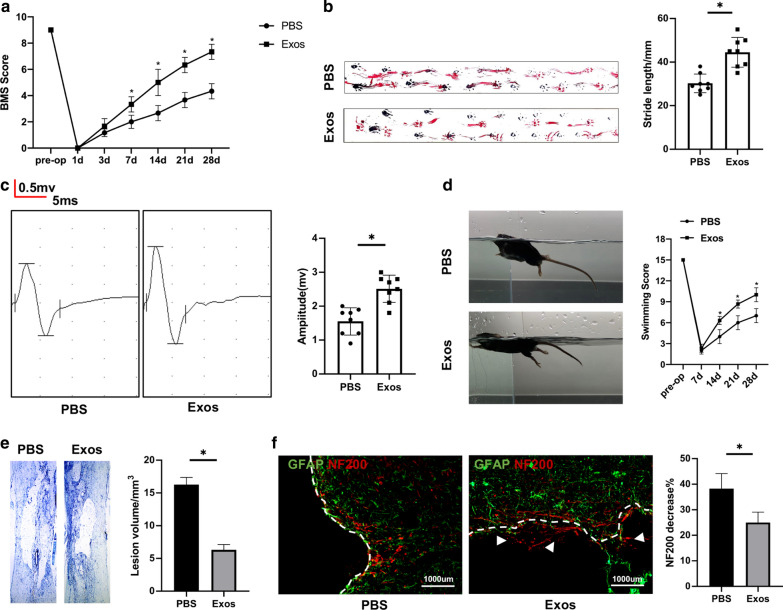
“Mouse forelimbs and hind limbs were stained separately with blue and red dye [42].”
MethodSelf-citationTang, H., Gu, Y., Jiang, L., Zheng, G., Pan, Z., & Jiang, X. (2023) · Frontiers in Immunology · doi:10.3389/fimmu.2022.1070540 · Cited by 57
“After SCI, the traumatized spinal cord is protected by neuron-derived exosome-transmitted miR-124-3p via inhibited activation of neurotoxic microglia and astrocytes (37).”
BackgroundPoongodi, R., Yang, T.-H., Huang, Y.-H., Yang, K. D., Chen, H.-Z., Chu, T.-Y., Wang, T., Lin, H., & Cheng, J. (2024) · Stem Cell Research & Therapy · doi:10.1186/s13287-024-03758-5 · Cited by 53
Regulatory Role of Mesenchymal Stem Cells on Secondary Inflammation in Spinal Cord Injury
Pang, Q.-M., Chen, S.-Y., Fu, S.-P., Zhou, H., Zhang, Q., Ao, J., Luo, X.-P., & Zhang, T. (2022) · Journal of Inflammation Research · doi:10.2147/jir.s349572 · Cited by 53
“A1 astrocytes lose most of their original functions and show new features, including rapidly killing the neurons and mature differentiated oligodendrocytes.(158) Therefore, efforts should be focused on inhibiting the activation of A1 astrocytes for”
BackgroundLiu, Q., Zhou, S., Wang, X. D., Gu, C., Guo, Q., Li, X., Zhang, C., Zhang, N., Zhang, L., & Huang, F. (2022) · Journal of Neuroinflammation · doi:10.1186/s12974-022-02518-7 · Cited by 54
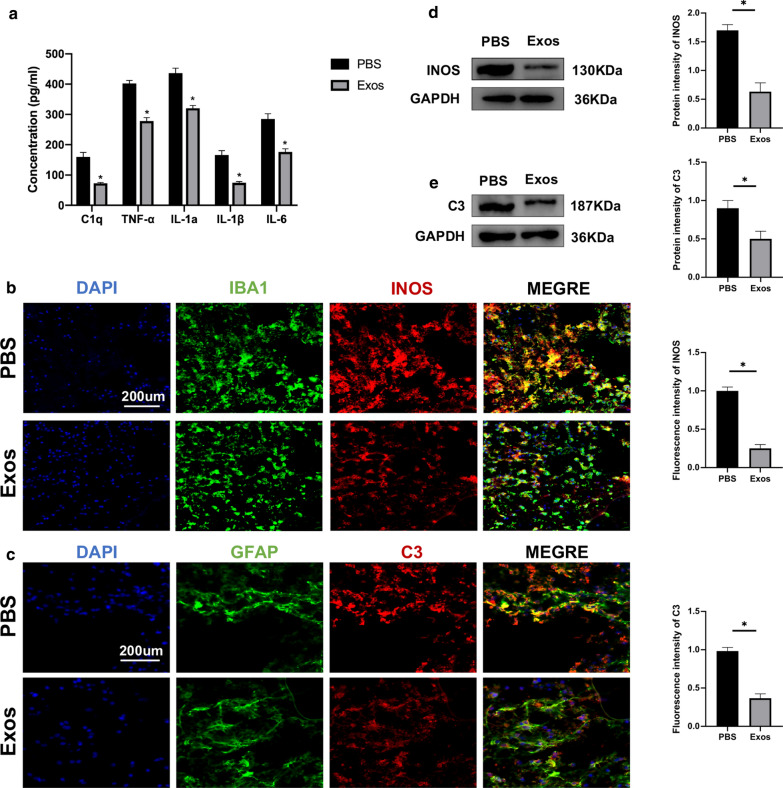
“As previously reported, A1 astrocytes were activated by pro-inflammatory cytokines secreted by activated microglia, such as IL-1, TNF-α, and C1q [9].”
BackgroundInfluentialAβ and Tau Regulate Microglia Metabolism via Exosomes in Alzheimer’s Disease
Zhao, Y., Liu, B., Wang, J., Xu, L., Yu, S., Fu, J., Yan, X., & Su, J. (2022) · Biomedicines · doi:10.3390/biomedicines10081800 · Cited by 53
Self-citationXu, Y. M., Geng, Y., Wang, H., Zhang, H., Qi, J., Li, F., Hu, X., Chen, Y., Si, H., Li, Y., et al. (2023) · Redox Biology · doi:10.1016/j.redox.2023.102767 · Cited by 53
Neuron-Derived Extracellular Vesicles Modulate Microglia Activation and Function
Peng, H., Harvey, B. T., Richards, C. I., & Nixon, K. (2021) · Biology · doi:10.3390/biology10100948 · Cited by 58
“A recent study demonstrated that neuronal exosomes shuttle microRNA‐124‐3p to microglia and mediate the suppression of M1 microglia and A1 astrocyte activation after spinal cord injury [12].”
BackgroundResultInfluentialNie, H., & Jiang, Z. (2021) · Bioengineered · doi:10.1080/21655979.2021.1977562 · Cited by 52
Non-Coding RNA in Microglia Activation and Neuroinflammation in Alzheimer’s Disease
He, C., Li, Z., Yang, M., Yu, W., Luo, R., Zhou, J., He, J., Chen, Q., Song, Z., & Cheng, S. (2023) · Journal of Inflammation Research · doi:10.2147/jir.s422114 · Cited by 52
Huang, Q., Wang, S., Liu, Z., Rao, L., Cheng, K., & Mao, X. (2025) · Theranostics · doi:10.7150/thno.117143 · Cited by 55
“Exosomes carrying miR-124-3p have been shown to suppress neuroinflammation by modulating the MYH9/PI3K/Akt/NF-κB signaling cascade in neurons [183].”
Wei, N., Tan, L., Yang, L., Dong, Y., & Liu, X. (2021) · FEBS Open Bio · doi:10.1002/2211-5463.13203 · Cited by 51
Fan, X., Shi, L., Yang, Z., Li, Y., Zhang, C., Bai, B., Lu, C., Yilihamu, E. E.-Y., Qi, Z., Li, W., et al. (2024) · Advanced Science · doi:10.1002/advs.202309305 · Cited by 45
Self-citationExtracellular vesicle therapy in neurological disorders
Putthanbut, N., Lee, J.-Y., & Borlongan, C. V. (2024) · Journal of Biomedical Science · doi:10.1186/s12929-024-01075-w · Cited by 48
“Cortical neuron-derived EVs suppress pro-inflammatory microglia and astrocytes through miR-124-3p [143].”
BackgroundThe Importance of Using Exosome-Loaded miRNA for the Treatment of Spinal Cord Injury
Shen, Y., & Cai, J. (2022) · Molecular Neurobiology · doi:10.1007/s12035-022-03088-8 · Cited by 47
“First, although many studies have shown a positive effect of exosome-loaded miRNAs on SCI recovery, most of them are rodent-based, especially Sprague Dawley rats (SD rats), and a few are mice [28, 32], and there are anatomical differences between human and rodent spinal cords.”
BackgroundMethodInfluentialThe science of exosomes: Understanding their formation, capture, and role in cellular communication
Hushmandi, K., Saadat, S. H., Raei, M., Aref, A. R., Reiter, R. J., Nabavi, N., Taheriazam, A., & Hashemi, M. (2024) · Pathology - Research and Practice · doi:10.1016/j.prp.2024.155388 · Cited by 43
Geng, Y., Lou, J., Wu, J., Tao, Z., Yang, N., Kuang, J., Wu, Y., Zhang, J., Xiang, L., Shi, J., et al. (2024) · Advanced Science · doi:10.1002/advs.202405759 · Cited by 47
Self-citationPeng, P., Yu, H., Xing, C., Tao, B., Li, C. R., Huang, J., Ning, G., Zhang, B., & Feng, S. (2021) · Biomedicine & Pharmacotherapy · doi:10.1016/j.biopha.2021.112311 · Cited by 42
Self-citationXu, Y. M., Hu, X., Li, F., Zhang, H., Lou, J., Wang, X., Wang, H., Yin, L., Ni, W., Kong, J., et al. (2021) · Oxidative Medicine and Cellular Longevity · doi:10.1155/2021/8186877 · Cited by 43
“Hind limbs (red) and mouse forelimbs (blue) were stained using dyes of various colours [44].”
MethodMicroRNAs: protective regulators for neuron growth and development
Wu, Z., Liu, Z., Xiong, H.-H., Zhou, Z.-P., OuYang, L., XIE, F.-K., Tang, Y.-M., Wu, Z.-D., & Tang, Y. (2022) · Neural Regeneration Research · doi:10.4103/1673-5374.353481 · Cited by 41
“…regulate mammalian neuronal viability Su et al., 2020a miR-124-3p ↑ PI3K/Akt NF-κB ↑ ↓ Suppress the activation of M1 microglia and microglial-induced neuroinflammation to suppress A1 astrocytes Jiang et al., 2020 miR-26a ↑ GSK3β ↓ Regulate both neuronal polarity and axon growth Lucci et al., 2020…”
BackgroundInfluentialSelf-citationLu, X., Lv, C., Zhao, Y., Wang, Y., Li, Y., Ji, C., Wang, Z., Wu, Y., Yu, S., Bai, J., et al. (2022) · Stem Cell Research & Therapy · doi:10.1186/s13287-022-02963-4 · Cited by 40
Self-citationThe rising roles of exosomes in the tumor microenvironment reprogramming and cancer immunotherapy
Wu, Y., Han, W., Dong, H., Liu, X., & Su, X. (2024) · MedComm · doi:10.1002/mco2.541 · Cited by 40
“Neuron-derived exosomes protect the spinal cord from traumatic injury by inhibiting the activation of neurotoxic microglia and astrocytes 178 and promote M1 polarization of microglia by transferring lncRNA Gas5 to mediate sevoflurane-induced neurotoxicity in neonatal mice.”
BackgroundCell-derived extracellular vesicles and membranes for tissue repair
Ding, Y., Li, Y., Sun, Z., Han, X., Chen, Y., Ge, Y., Mao, Z., & Wang, W. (2021) · Journal of Nanobiotechnology · doi:10.1186/s12951-021-01113-x · Cited by 44
“In addition to EVs derived from stem cells, EVs from other cells are employed in the repair process [58], inheriting the tissue repair capacities of their original cells, such as inflammatory cells [59, 60].”
BackgroundAstrocytic microRNAs and transcription factors in Alzheimer’s disease and therapeutic interventions
Nassar, A., Kodi, T., Satarker, S., Chowdari Gurram, P., Upadhya, D., SM, F., Mudgal, J., & Nampoothiri, M. (2022) · Cells · doi:10.3390/cells11244111 · Cited by 38
Rong, Y., Wang, J., Hu, T., Shi, Z., Lang, C., Liu, W., Cai, W., Sun, Y., Zhang, F., & Zhang, W. (2024) · Advanced Science · doi:10.1002/advs.202402114 · Cited by 44
Self-citationGuo, M., Ge, X., Wang, C., Yin, Z., Jia, Z., Hu, T., Li, M., Wang, D., Han, Z., Wang, L., et al. (2023) · Brain Sciences · doi:10.3390/brainsci13040639 · Cited by 37
“Exo-124 protects against spinal cord injury by inhibiting neurotoxic glial activation [16].”
BackgroundSelf-citationPhysiological and pathological consequences of exosomes at the blood–brain-barrier interface
Salimi, L., Seyedaghamiri, F., Karimipour, M., Mobarak, H., Mardi, N., Narmi, M. T., & Rahbarghazi, R. (2023) · Cell Communication and Signaling · doi:10.1186/s12964-023-01142-z · Cited by 37
“From the molecular aspect, this miRNA regulates M1 inflammatory cytokines via engaging the PI3K/Akt/NF-κB axis [86].”
BackgroundGao, G., Li, J., Ma, Y., Xie, M., Luo, J., Wang, K., Peng, C. Y., Yang, H., Chen, T., Zhang, G., et al. (2025) · Exploration · doi:10.1002/exp.70012 · Cited by 42
“Increased ROS production is associated with mitochondrial damage and plays a significant role in accelerating functional dysregulation following SCI [38, 50].”
Ge, X., Wu, Y., Zhu, Y., Cui, M., Zhou, J., Xiao, C., Jiang, D., Tang, P., Wang, J., Wang, Z., et al. (2023) · Journal of Neuroscience · doi:10.1523/jneurosci.1209-22.2023 · Cited by 35
Self-citationRole of Stem Cell-Derived Exosomes and microRNAs in Spinal Cord Injury
Hwang, J., Jang, S., Kim, C., Lee, S., & Jeong, H. (2023) · International Journal of Molecular Sciences · doi:10.3390/ijms241813849 · Cited by 38
“…M2 macrophage polarization and negatively regulates Ern1 to ameliorate SCI [141,143]. miR-124-3p has also been found to suppress A1 astrocytes by inhibiting the activation of M1 microglia and microglia-induced neuroinflammatory responses through the MYH9/PI3K/AKT/NF-κ B signaling pathway [162].”
BackgroundApplications of Stem Cell-Derived Extracellular Vesicles in Nerve Regeneration
Yavuz, B., Mutlu, E. C., Ahmed, Z., Ben‐Nissan, B., & Stamboulis, A. G. (2024) · International Journal of Molecular Sciences · doi:10.3390/ijms25115863 · Cited by 34
“Hence, a greater understanding of EVs in ONI will improve their potential use as therapeutics in ocular injury and disease.”
BackgroundExosome-Based Therapeutics in Dermatology
Lei, L., Zhou, S., Zeng, L., Gu, Q., Xue, H., Wang, F., Feng, J., Cui, S., & Shi, L. (2025) · Biomaterials Research · doi:10.34133/bmr.0148 · Cited by 37
“…that regulate neuronal development by delivering them to target cells, and they also transfer RNA from specific genes into neurons via RNA-containing vectors, thereby regulating neuronal expression at the transcriptional and translational levels, ultimately affecting neuronal development [ 98 ].”
Li, Z., Zhao, J., Li, S., Cao, T.-T., Wang, Y., Guo, Y., & Xi, G. (2021) · Neurochemistry International · doi:10.1016/j.neuint.2021.105190 · Cited by 34
Macrophage polarization in spinal cord injury repair and the possible role of microRNAs: A review
Wang, J., Tian, F., Cao, L., Du, R., Tong, J., Ding, X., Yuan, Y., & Wang, C. (2023) · Heliyon · doi:10.1016/j.heliyon.2023.e22914 · Cited by 35
“Furthermore, Jiang et al. found that the interaction of miR-124-3p with neuron-derived exosomes could prevent M1 microglia activation via the MYH9/PI3K/AKT/NF-κ B signaling pathway, hence enhancing functional recovery after SCI [11].”
BackgroundSelf-citationXu, H., Li, H., Zhang, P., Gao, Y., Ma, H., Gao, T., Liu, H., Hua, W., Zhang, L., Zhang, X., et al. (2023) · Neural Regeneration Research · doi:10.4103/1673-5374.390961 · Cited by 35
“…exosomes containing miR-124-3p inhibited astrocyte activation by targeting myosin heavy chain 9, which acted as carriers for the delivery of biologically functional miR-124-3p into recipient microglia, thereby promoting neurological recovery following SCI in rat models (Jiang et al., 2020).”
Wang, G., Li, Q., Liu, S., Mo, L., Liu, B., Zhao, T., Liu, B., & Chen, Z. (2024) · Materials Today Bio · doi:10.1016/j.mtbio.2024.101250 · Cited by 42
“Moreover, exosome administration enhances functional recovery by suppressing M1 microglial activation, alleviating neuroinflammation, and inhibiting A1 astrocyte activation [13].”
BackgroundRalston, K., Newman, C., Clauson, A. L., Guthrie, J. F., & Buzby, J. C. (2008) · Cited by 100
Exosomes combined with biomaterials in the treatment of spinal cord injury
Zhang, X., Jiang, W., Lu, Y., Mao, T., Gu, Y., Ju, D., & Dong, C. (2023) · Frontiers in Bioengineering and Biotechnology · doi:10.3389/fbioe.2023.1077825 · Cited by 32
“In addition, they have been found to inhibit the activation of M1 microglia and type A1 astrocytes and reduce neuroinflammation (Jiang et al., 2020; Khalatbary, 2021).”
BackgroundGarcia, G., Fernandes, A., Stein, F., & Brites, D. (2022) · Frontiers in Pharmacology · doi:10.3389/fphar.2022.833066 · Cited by 32
“This finding is not without precedent, since multiple therapeutic approaches using EXO-based delivery of miR-124 have been recently developed (Lee et al., 2017; Yang et al., 2017; Jiang et al., 2020).”
BackgroundLv, Z., Xu, J., Cai, X., Wang, Y., Yang, X.-D., Wang, H., Zhu, Y., Feng, B., & Weng, X. (2025) · ACS Nano · doi:10.1021/acsnano.5c05416 · Cited by 34
Potential of different cells-derived exosomal microRNA cargos for treating spinal cord injury
Pan, D., Liu, W., Zhu, S., Fan, B., Yu, N., Ning, G., & Feng, S. (2021) · Journal of Orthopaedic Translation · doi:10.1016/j.jot.2021.09.008 · Cited by 33
“his colleagues also found exosomal miR-124–3p derived from neuron can suppress the activation of M1 microglia and A1 astrocytes by attenuating the activity of myosin heavy chain 9 (MYH9) to promote recovery after SCI through PI3K/AKT/NF-κB signaling cascade in mice [109].”
BackgroundSelf-citationMicroRNAs in spinal cord injury: A narrative review
Zhang, C., Talifu, Z., Xu, X., Liu, W., Ke, H., Pan, Y., Li, Y., Bai, F., Jing, Y.-L., Li, Z., et al. (2023) · Frontiers in Molecular Neuroscience · doi:10.3389/fnmol.2023.1099256 · Cited by 35
Self-citationGe, X., Zhou, Z. Y., Yang, S., Wu, Y., Wang, Z., Wang, J., Xiao, C., Cui, M., Zhou, J., Zhu, Y., et al. (2023) · Cell & Bioscience · doi:10.1186/s13578-023-01011-9 · Cited by 32
“3 cells derived exosomes (Exos) or USP13-deleted exosomes (shUSP13Exos) or corresponding control exosomes (shNC-Exos, 200 μg total protein of exosomes in 200 μL PBS), or an equal volume of PBS (200 μL) through the tail-vein injection post-injury as described previously [17, 18].”
BackgroundMethodSelf-citationAdvances in molecular therapies for targeting pathophysiology in spinal cord injury
Kim, H. N., McCrea, M. R., & Li, S. (2023) · Expert Opinion on Therapeutic Targets · doi:10.1080/14728222.2023.2194532 · Cited by 36
“from cortical neurons could supply neuroprotective miR-124-3p and suppress microglia-mediated neuroinflammation and detriments of reactive astrocytes in SCI mice [89].”
BackgroundWang, Y., Li, D., Zhang, L., Yin, Z., Han, Z., Ge, X., Li, M., Zhao, J. T., Zhang, S., Zuo, Y., et al. (2023) · Neural Regeneration Research · doi:10.4103/1673-5374.391189 · Cited by 31
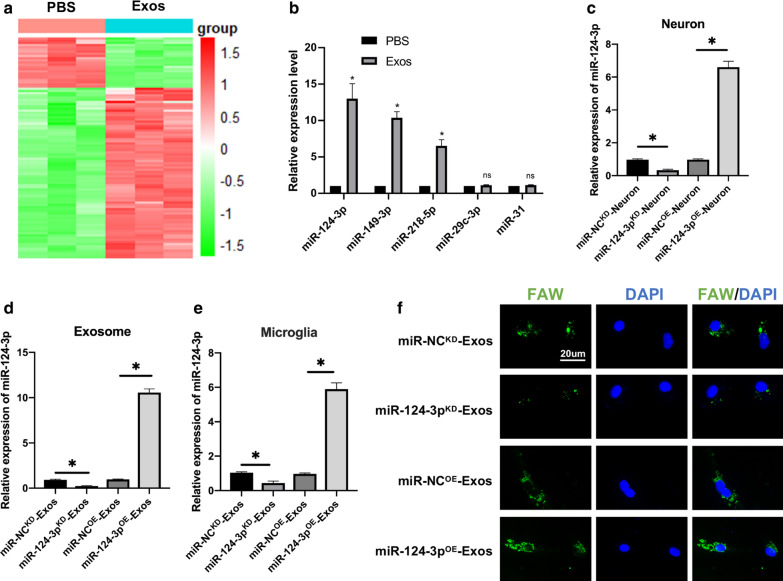
“The most highly expressed miRNA in brain neuronal cells is miR-124-3p, and research has shown that it may play a role in many disorders of the nervous system (Ge et al., 2020; Jiang et al., 2020; Lu et al., 2020).”
Self-citationExosomes in neuron-glia communication: A review on neurodegeneration
Akbari‐Gharalari, N., Khodakarimi, S., Nezhadshahmohammad, F., Karimipour, M., Kalan, A. E., & Wu, J. (2024) · Bioimpacts · doi:10.34172/bi.2023.30153 · Cited by 33
“43 Overexpressing miR-25 by BMSCs-exo protected the spinal cord from transient ischemia.”
BackgroundCancer neuroscience: signaling pathways and new therapeutic strategies for cancer
Zhang, S., Yuan, L., Lin, P., Yang, G., Zhou, X., Jinfu, X., Wu, M., & Huang, Y. (2026) · Signal Transduction and Targeted Therapy · doi:10.1038/s41392-025-02364-y · Cited by 32
Hatakeyama, M., Ninomiya, I., Otsu, Y., Omae, K., Kimura, Y., Onodera, O., Fukushima, M., Shimohata, T., & Kanazawa, M. (2020) · International Journal of Molecular Sciences · doi:10.3390/ijms21176194 · Cited by 32
“Neuron-derived exosomes may promote functional behavioral recovery by suppressing the activation of M1-like microglia and A1 astrocytes in vivo and in vitro after traumatic spinal cord injuries [76].”
BackgroundSong, Q., Cui, Q., Wang, Y.-S., & Zhang, L.-X. (2023) · Neural Regeneration Research · doi:10.4103/1673-5374.367838 · Cited by 31
“EVs can play a role in neuroprotection (Nakazaki et al., 2021), promoting nerve tissue regeneration (Wang et al., 2021; Zhou et al., 2021), reducing scarring (Jiang et al., 2020; Chen et al., 2021), and inhibiting oxidative stress and angiogenesis (Peng et al., 2021) in SCI.”
Chen, K., Ying, J., Zhu, J., Chen, L., Liu, R., Jing, M., Wang, Y., Zhou, K., Wu, L. H., Wu, C., et al. (2025) · International Immunopharmacology · doi:10.1016/j.intimp.2025.114057 · Cited by 31
Jiang, J., Liu, F., Cui, D., Xu, C., Chi, J., Yan, T., & Guo, F. (2025) · 癌症:英文版 · doi:10.1002/cac2.70023 · Cited by 30
“The levels of interferon-gamma (IFN-γ ) and granzyme B (GZMB) were quantified in mouse tumor tissue and In vitro cell models using ELISA kits (Invitrogen) as per the manufacturer’s protocols: IFN-γ (BMS606-2) and GZMB (BMS6029) [69, 70].”
Li, J., Song, J., Jia, L., Wang, M., Ji, X., Meng, R., & Zhou, D. (2024) · Biomolecules · doi:10.3390/biom14121519 · Cited by 29
Zhang, L., Mao, L., & Wang, H. (2022) · Molecular Neurobiology · doi:10.1007/s12035-022-03028-6 · Cited by 28
Li, Y., Khan, N., Ritzel, R. M., Lei, Z., Allen, S., Faden, A. I., & Wu, J. (2023) · Journal of Neuroinflammation · doi:10.1186/s12974-023-02881-z · Cited by 28
“Another study found that miR-124-3p can attenuate neuropathic pain by targeting early growth response 1 (Egr1) [73], which coincides with one of the many DEGs that we were able to derive from our NanoString results.”
ResultQian, H., Gao, F., Wu, X., Lin, D., Huang, Y., Chen, A., Deng, J., Gong, C., Chen, X., & Zheng, X. (2023) · Inflammation Research · doi:10.1007/s00011-023-01804-1 · Cited by 29
“Meanwhile, the PI3K/ Akt/NF-κB signaling pathway plays a pivotal role in modulating microglial M1/M2 polarization and attenuating neuroinflammation [53–55].”
BackgroundBaroudi, M., Rezk, A., Daher, M., Balmaceno-Criss, M., Gregorczyk, J., Sharma, Y. K., McDonald, C. L., Diebo, B. G., & Daniels, A. H. (2024) · Injury · doi:10.1016/j.injury.2024.111472 · Cited by 30
Xiong, W., Li, C., Wan, B., Zheng, Z., Zhang, Y., Wang, S., & Fan, J. (2022) · Frontiers in Immunology · doi:10.3389/fimmu.2022.819080 · Cited by 28
“IDH1 mutation molecular subtypes and Proneural histological types were significantly associated with better survival in glioblastoma, whereas IDH1 wild molecular subtypes and Mesenchymal histological types were significantly associated with worse clinical outcome (25, 26).”
BackgroundSelf-citationCurrent aspects of small extracellular vesicles in pain process and relief
Zhang, L., Liu, J., & Zhou, C. (2023) · Biomaterials Research · doi:10.1186/s40824-023-00417-3 · Cited by 27
“The NDEV-miR-124-3p was observed to be potentially internalized into microglia and astrocytes [46, 57].”
BackgroundExosomes: potential targets for the diagnosis and treatment of neuropsychiatric disorders
Li, H., Yuan, Y., Xie, Q., & Dong, Z. (2024) · Journal of Translational Medicine · doi:10.1186/s12967-024-04893-6 · Cited by 30
“For example, neuron-derived exosomes promote the recovery of functional behavior by inhibiting the activation of M1 microglia and A1 astrocytes [17].”
BackgroundExtracellular vesicles as nanotheranostic platforms for targeted neurological disorder interventions
Choi, H. K., Chen, M., Goldston, L. L., & Lee, K.-B. (2024) · Nano Convergence · doi:10.1186/s40580-024-00426-5 · Cited by 26
Zhang, C., Deng, R., Zhang, G., He, X., Chen, H., Chen, B., Wan, L., & Kang, X. (2022) · Frontiers in Neurology · doi:10.3389/fneur.2022.847444 · Cited by 28
“Six studies reported types of exosomes but did not report specific sources (31, 32, 38, 40, 45, 46).”
BackgroundInfluentialZhang, Y., Yuan, Z. K., Zhang, J., Gao, Y., Gao, X., Li, S., Cui, C., & Yang, G. (2024) · Journal of Proteomics · doi:10.1016/j.jprot.2024.105279 · Cited by 26
Targeting astrocytes polarization after spinal cord injury: a promising direction
Li, H., Liu, Y., Sun, Y., Guo, H., Lv, S., Guo, W., Ren, J., Wang, Y., Zu, J., Yan, J., et al. (2024) · Frontiers in Cellular Neuroscience · doi:10.3389/fncel.2024.1478741 · Cited by 25
Regulation of dynamic spatiotemporal inflammation by nanomaterials in spinal cord injury
Liu, Z., Xiang, C., Zhao, X., Aizawa, T., Niu, R., Zhao, J., Guo, F., Li, Y., Luo, W., Liu, W., et al. (2024) · Journal of Nanobiotechnology · doi:10.1186/s12951-024-03037-8 · Cited by 25
Self-citationGomes‐Duarte, A., Venø, M. T., de Wit, M., Senthilkumar, K., Broekhoven, M. H., van den Herik, J., Heeres, F. R., van Rossum, D., Rybiczka-Tešulov, M., Legnini, I., et al. (2022) · Frontiers in Molecular Neuroscience · doi:10.3389/fnmol.2022.832133 · Cited by 28
Metadata
- Authors
- Jiang, D., Gong, F., Ge, X., Lv, C., Huang, C., Feng, S., Zhou, Z., Rong, Y., Wang, J., Ji, C., Chen, J., Zhao, W., Fan, J., Liu, W., & Cai, W.
- Affiliations
- Jiangsu Province Hospital (CN)
- Yancheng Third People's Hospital (CN)
- Nanjing University of Chinese Medicine (CN)
- Nanjing Medical University (CN)
- Corresponding author
- Fan, Jin
- Liu, Wei
- Cai, Weihua
- ORCID
- Venue
- Journal of Nanobiotechnology
- Published
- 2020-07-25
- Volume
- 18
- Issue
- 1
- Pages
- 105-105
- ISSN
- 1477-3155 (ISSN-L)
- PMC
- PMC7382861
- OpenAlex
- W3045238854
- Semantic Scholar
- a300329ad127ff2b102344836795d967088dd018
- Cited by
- 282
- References
- 51
- Citations by year
- 2026: 25 · 2025: 58 · 2024: 67 · 2023: 46 · 2022: 46 · 2021: 36 · 2020: 2
- FWCI
- 10.54
- Type
- journal article
- Language
- en
- Open access
- gold
- doi.org
- Licence
- cc-by
- creativecommons.org/licenses/by/4.0 (tdm)
- creativecommons.org/licenses/by/4.0 (vor)
- Locations
- Journal of Nanobiotechnology (publishedVersion, cc-by)
- PubMed Central (publishedVersion, cc-by)
- PubMed (publishedVersion)
- DOAJ (DOAJ: Directory of Open Access Journals) (submittedVersion, cc-by-sa)
- Funders
- National Natural Science Foundation of China (81974335, 81902211)
- Natural Science Foundation of Jiangsu Province (BK20181490, BK20191061)
- Six Talent Peaks Project in Jiangsu Province (TD-SWYY-010)
- Wu Jieping Medical Foundation
- Topics
- Life Sciences › Biochemistry, Genetics and Molecular Biology › Molecular Biology › Extracellular vesicles in disease
- Health Sciences › Medicine › Clinical Neurology › Spinal Cord Injury Research
- Life Sciences › Biochemistry, Genetics and Molecular Biology › Cancer Research › MicroRNA in disease regulation
- Keywords
- spinal cord injury, miR-124-3p, MYH9, microglial activation, astrocyte activation, M1 microglia, A1 astrocytes, PI3K/Akt signaling, NF-κB signaling, exosomal microRNAs, functional recovery, spinal cord contusion
- MeSH terms
- Animals, Astrocytes, Cells, Cultured, Male, Mice, Inbred C57BL, Neurons, Spinal Cord Injuries, Microglia, Myosin Heavy Chains, MicroRNAs, Mice, Exosomes
About these checks
Registry, retraction, Cites and statistics results are computed, not judged, with one exception: a printed reference that no index lists is read once by a model before it counts as a citation error. Claims are extracted by a model and kept only when their quote appears verbatim in the text; each cited source is then checked, with a model’s help, for whether it says what the claim relies on. Those verdicts can be wrong — read the claim’s quote and the cited source before relying on one.
Statistics and arithmetic are recomputed, not judged.
Confidence bands are shown only for fields calibrated on our annotated test set. None is calibrated yet, so no band is shown.
What counts as a claim ›How we measure confidence ›How we check this ›
Are you an author, or do you see a problem with this page? Request a review
Data sources
Bibliographic data: Semantic Scholar, OpenAlex, Crossref.
Contains information from the Semantic Scholar Academic Graph Datasets, made available under the ODC Attribution License (ODC-BY 1.0).
Semantic Scholar’s data is described in: Kinney, R., et al. (2023). The Semantic Scholar Open Data Platform. arXiv:2301.10140.
