

The DOI matches its Crossref record; 1 of the 1 references it cites were found in a registry or an index.
Multifunctional elastin-like polypeptide nanocarriers for efficient miRNA delivery in cancer therapy
Abstract
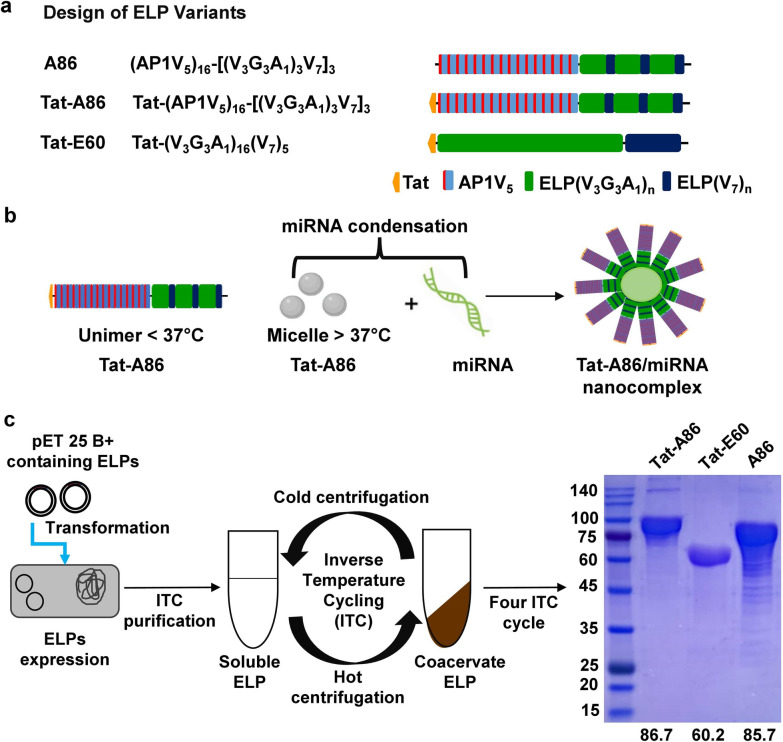
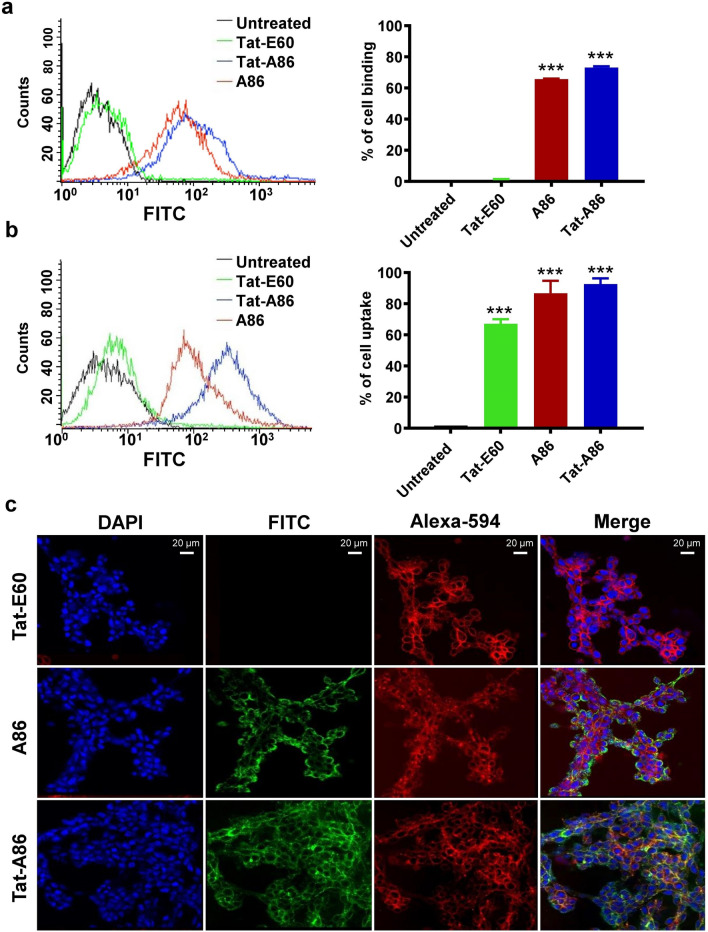
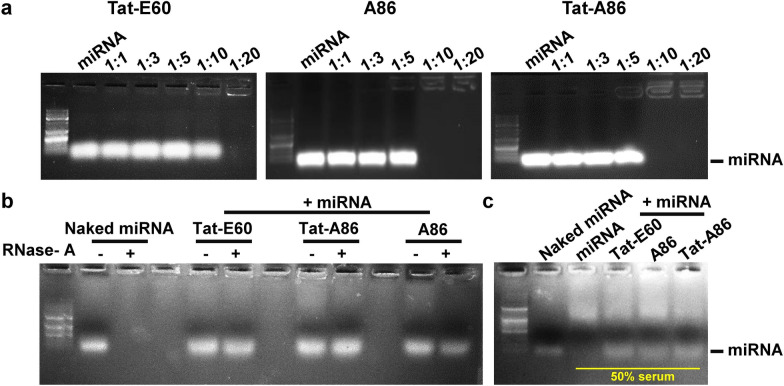
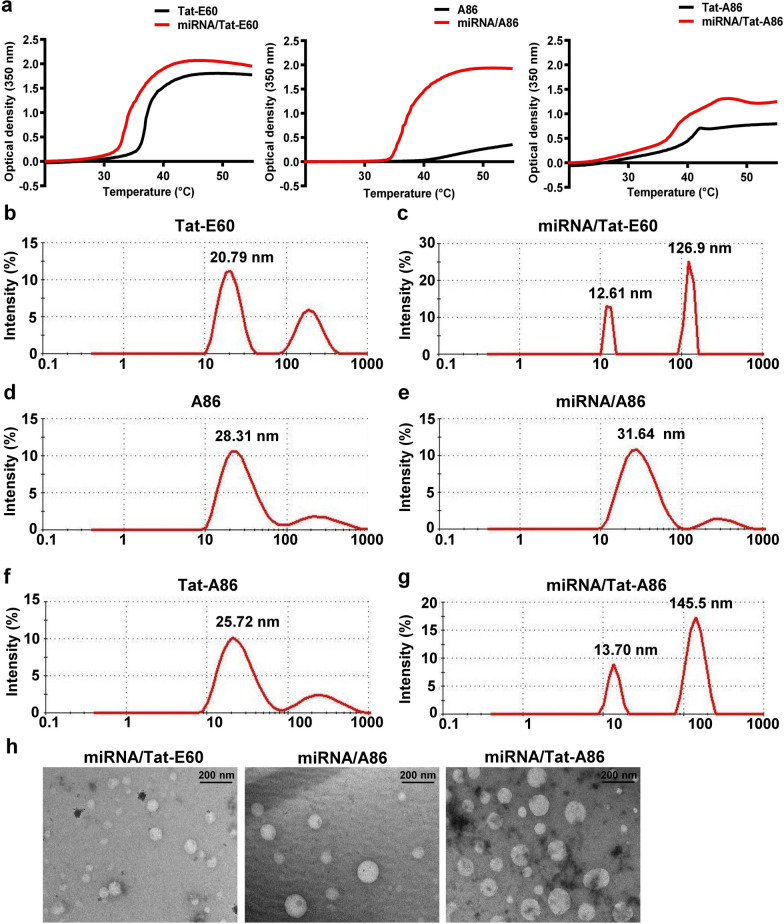
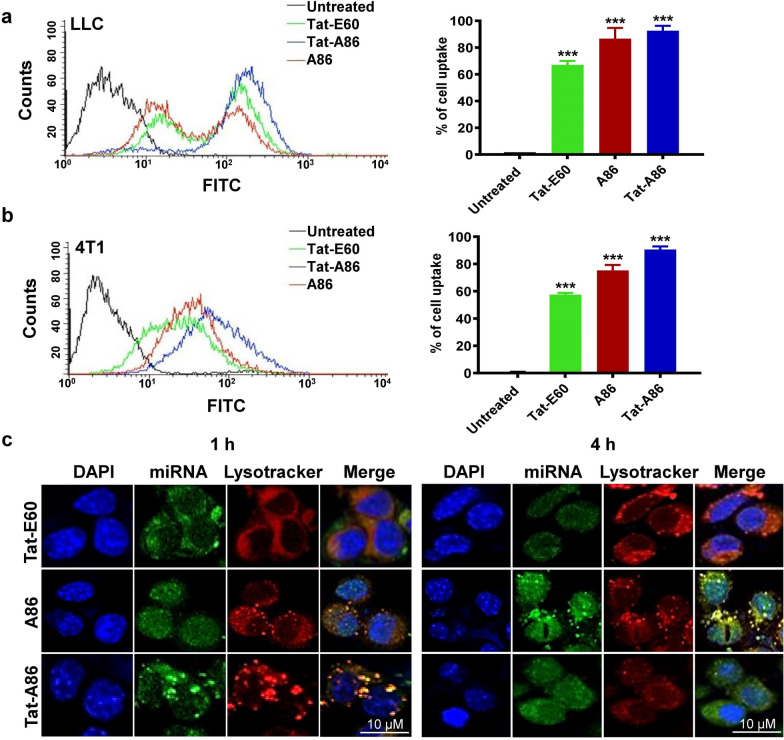
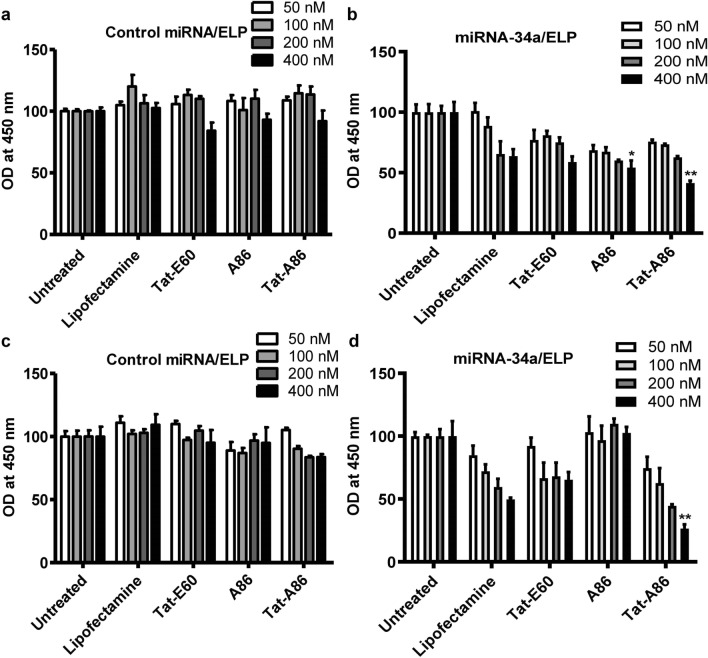
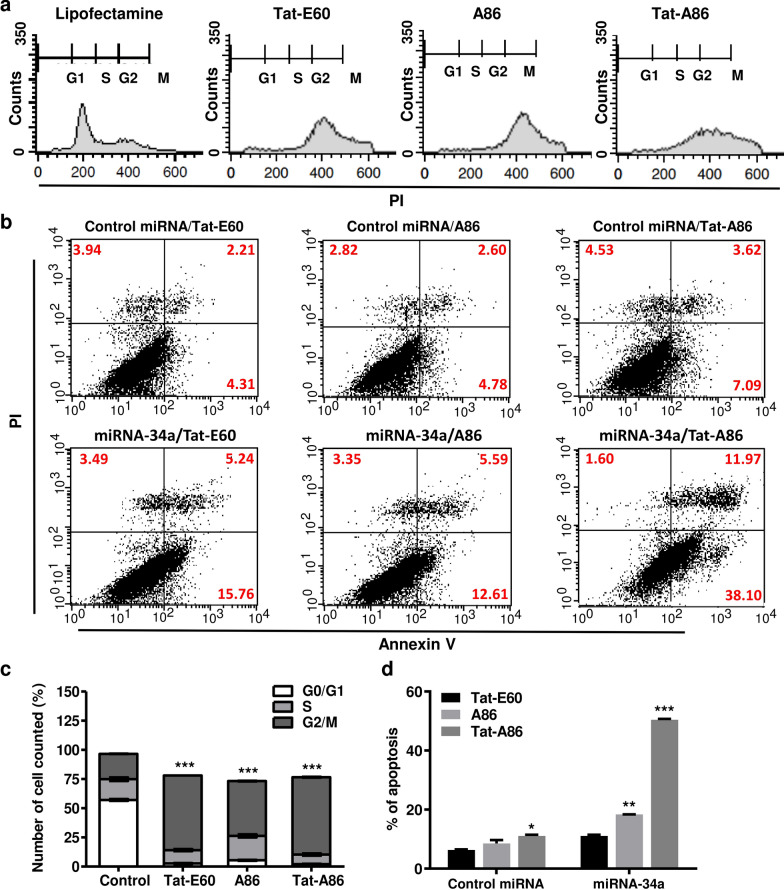
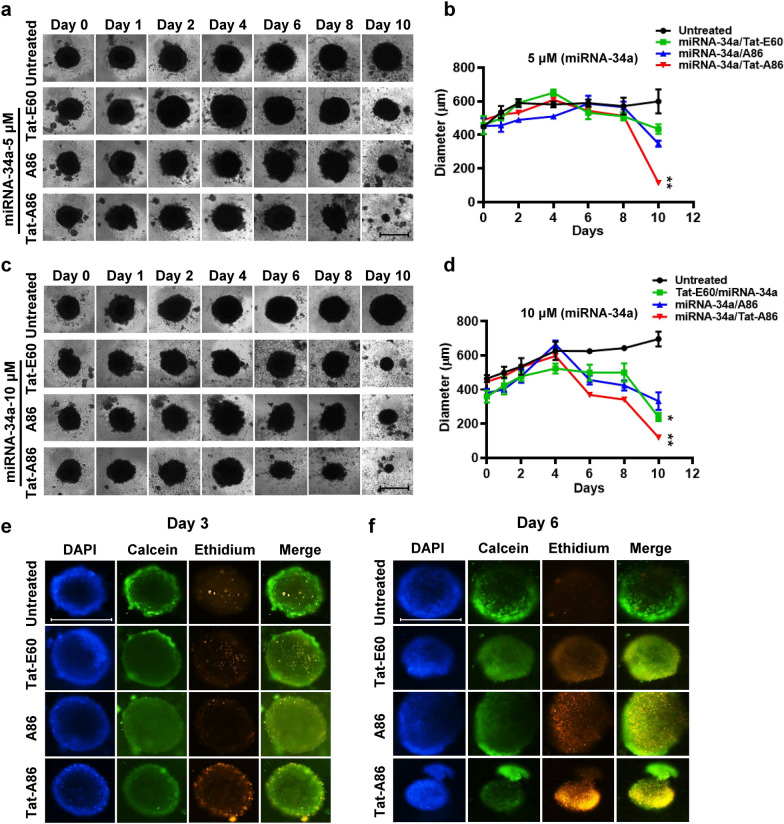
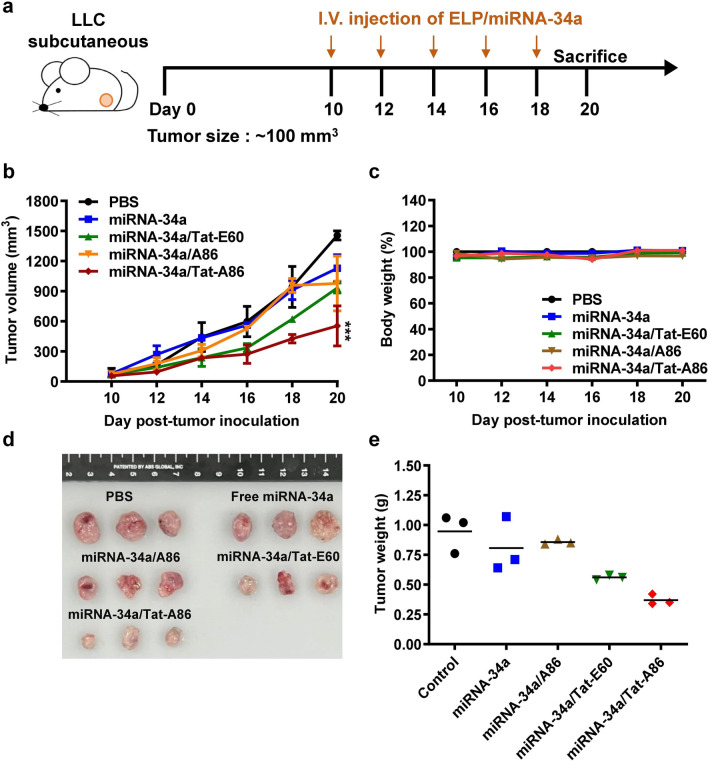
Background: The exogenous delivery of miRNA to mimic and restore miRNA-34a activity in various cancer models holds significant promise in cancer treatment. Nevertheless, its effectiveness is often impeded by challenges, including a short half-life, propensity for off-target accumulation, susceptibility to inactivation by blood-based enzymes, concerns regarding patient safety, and the substantial cost associated with scaling up. As a means of overcoming these barriers, we propose the development of miRNA-loaded Tat-A86 nanoparticles by virtue of Tat-A86's ability to shield the loaded agent from external environmental factors, reducing degradation and inactivation, while enhancing circulation time and targeted accumulation. Results: Genetically engineered Tat-A86, featuring 16 copies of the interleukin-4 receptor (IL-4R)-binding peptide (AP1), Tat for tumor penetration, and an elastin-like polypeptide (ELP) for presenting target ligands and ensuring stability, served as the basis for this delivery system. Comparative groups, including Tat-E60 and A86, were employed to discern differences in binding and penetration. The designed ELP-based nanoparticle Tat-A86 effectively condensed miRNA, forming stable nanocomplexes under physiological conditions. The miRNA/Tat-A86 formulation bound specifically to tumor cells and facilitated stable miRNA delivery into them, effectively inhibiting tumor growth. The efficacy of miRNA/Tat-A86 was further evaluated using three-dimensional spheroids of lewis lung carcinoma (LLC) as in vitro model and LLC tumor-bearing mice as an in vivo model. It was found that miRNA/Tat-A86 facilitates effective cell killing by markedly improving miRNA penetration, leading to a substantial reduction in the size of LLC spheroids. Compared to other controls, Tat-A86 demonstrated superior efficacy in suppressing the growth of 3D cellular aggregates. Moreover, at equivalent doses, miRNA-34a delivered by Tat-A86 inhibited the growth of LLC cells in allograft mice. Conclusions: Overall, these studies demonstrate that Tat-A86 nanoparticles can deliver miRNA systemically, overcoming the basic hurdles impeding miRNA delivery by facilitating both miRNA uptake and stability, ultimately leading to improved therapeutic effects. Graphical Abstract:
Overview
The claims and statistics of this paper haven’t been checked yet.
Run the check — free, no account needed. It reads the open-access text and checks the sources it cites.
Integrity signals
Registry
Cites
Statistics
Figures
Verification
Claims the paper makes
The claims and statistics of this paper haven’t been checked yet.
Run the check — free, no account needed. It reads the open-access text and checks the sources it cites.
Claims other papers make about this one
Each is checked against this paper’s own text: does it say what the citing paper says it does?
In the citing paper
“Tat-A86 elastin-like polypeptide nanoparticles presented AP1 together with a CPP to form stable miRNA complexes, increasing 3D spheroid penetration and suppressing Lewis lung carcinoma (LLC) growth at equivalent doses [67].”
From Overcoming tumor microenvironment barriers: transformable and bioinspired nanomedicine strategies for deep tumor penetration (2026) · cites this paper as [67]
Self-check
Percentages, sums and reported differences re-computed from the paper’s own numbers.
The self-check needs the paper’s full text.
Citations
Cites
The miR-34 family in cancer and apoptosis
Hermeking, H. (2010) · Cell Death & Differentiation · doi:10.1038/cdd.2009.56 · Cited by 1,236 · cited 1×
“miRNA-34 family members, being direct p53 targets, induce apoptosis and cell-cycle arrest [49].”
Background
Research works printed but not linked: 52
- Wery M, Kwapisz M, Morillon A. Noncoding RNAs in gene regulation. Wiley Interdiscip Rev Syst Biol Med. 2011;3:728–38. · DOI
- Esquela-Kerscher A, Slack FJ. Oncomirs—microRNAs with a role in cancer. Nat Rev Cancer. 2006;6:259–69. · DOI · Paper page
- Menon A, Abd-Aziz N, Khalid K, Poh CL, Naidu R. miRNA: a promising therapeutic target in cancer. Int J Mol Sci. 2022;23:11502. · DOI
- Chang T-C, Wentzel EA, Kent OA, Ramachandran K, Mullendore M, Lee KH, et al. Transactivation of miR-34a by p53 broadly influences gene expression and promotes apoptosis. Mol Cell. 2007;26:745–52. · DOI · Paper page
- Corney DC, Hwang C-I, Matoso A, Vogt M, Flesken-Nikitin A, Godwin AK, et al. Frequent downregulation of miR-34 family in human ovarian cancers. Clin Cancer Res. 2010;16:1119–28. · DOI
- Li L, Yuan L, Luo J, Gao J, Guo J, Xie X. MiR-34a inhibits proliferation and migration of breast cancer through down-regulation of Bcl-2 and SIRT1. Clin Exp Med. 2013;13:109–17. · DOI
- Li Y, Guessous F, Zhang Y, DiPierro C, Kefas B, Johnson E, et al. MicroRNA-34a inhibits glioblastoma growth by targeting multiple oncogenes. Can Res. 2009;69:7569–76. · DOI · Paper page
- Subramanian S, Thayanithy V, West RB, Lee CH, Beck AH, Zhu S, et al. Genome-wide transcriptome analyses reveal p53 inactivation mediated loss of miR-34a expression in malignant peripheral nerve sheath tumours. J Pathol. 2010;220:58–70. · DOI
- Tazawa H, Tsuchiya N, Izumiya M, Nakagama H. Tumor-suppressive miR-34a induces senescence-like growth arrest through modulation of the E2F pathway in human colon cancer cells. Proc Natl Acad Sci USA. 2007;104:15472–7. · DOI
- Yang S, Li Y, Gao J, Zhang T, Li S, Luo A, et al. MicroRNA-34 suppresses breast cancer invasion and metastasis by directly targeting Fra-1. Oncogene. 2013;32:4294–303. · DOI
- He L, He X, Lim LP, De Stanchina E, Xuan Z, Liang Y, et al. A microRNA component of the p53 tumour suppressor network. Nature. 2007;447:1130–4. · DOI · Paper page
- Tarasov V, Jung P, Verdoodt B, Lodygin D, Epanchintsev A, Menssen A, et al. Differential regulation of microRNAs by p53 revealed by massively parallel sequencing: miR-34a is a p53 target that induces apoptosis and G1-arrest. Cell Cycle. 2007;6:1586–93. · DOI
- Vogt M, Munding J, Grüner M, Liffers S-T, Verdoodt B, Hauk J, et al. Frequent concomitant inactivation of miR-34a and miR-34b/c by CpG methylation in colorectal, pancreatic, mammary, ovarian, urothelial, and renal cell carcinomas and soft tissue sarcomas. Virchows Arch. 2011;458:313–22. · DOI
- Bc B. Therapeutic inhibition of the miR-34 family attenuates pathological cardiac remodeling and improves heart function. Proc Natl Acad Sci USA. 2012;109:17615–20. · DOI
- Lal A, Thomas MP, Altschuler G, Navarro F, O’Day E, Li XL, et al. Capture of microRNA–bound mRNAs identifies the tumor suppressor miR-34a as a regulator of growth factor signaling. PLoS Genet. 2011;7: e1002363. · DOI
- Sobczak-Kupiec A, Iqbal MJ, Qureshi MZ, Mansoor Q, Nabavi SM, Purenovic J, et al. Role of TRAIL and miR-34a as therapeutic agents in prostate cancer: increasing the armory of micro-musketeers. In: Farooqi AA, Ismail M, editors., et al., Molecular oncology: underlying mechanisms and translational advancements. Cham: Springer; 2017. p. 237–45. · DOI
- Cho WC. MicroRNAs as therapeutic targets for lung cancer. Expert Opin Ther Targets. 2010;14:1005–8. · DOI
- Bader AG, Brown D, Winkler M. The promise of microRNA replacement therapy. Can Res. 2010;70:7027–30. · DOI
- Iqbal MJ, Javed Z, Sadia H, Mehmood S, Akbar A, Zahid B, et al. Targeted therapy using nanocomposite delivery systems in cancer treatment: highlighting miR34a regulation for clinical applications. Cancer Cell Int. 2023;23:84. · DOI
- Ji Q, Hao X, Zhang M, Tang W, Yang M, Li L, et al. MicroRNA miR-34 inhibits human pancreatic cancer tumor-initiating cells. PLoS ONE. 2009;4: e6816. · DOI
- Ji Q, Hao X, Meng Y, Zhang M, DeSano J, Fan D, et al. Restoration of tumor suppressor miR-34 inhibits human p53-mutant gastric cancer tumorspheres. BMC Cancer. 2008;8:1–12. · DOI
- Cheng CJ, Bahal R, Babar IA, Pincus Z, Barrera F, Liu C, et al. MicroRNA silencing for cancer therapy targeted to the tumour microenvironment. Nature. 2015;518:107–10. · DOI
- Fortunato O, Iorio MV. The therapeutic potential of MicroRNAs in cancer: illusion or opportunity? Pharmaceuticals. 2020;13:438. · DOI
- Höbel S, Koburger I, John M, Czubayko F, Hadwiger P, Vornlocher HP, et al. Polyethylenimine/small interfering RNA-mediated knockdown of vascular endothelial growth factor in vivo exerts anti-tumor effects synergistically with Bevacizumab. J Gene Med. 2010;12:287–300. · DOI
- Yang N. An overview of viral and nonviral delivery systems for microRNA. Int J Pharm Investig. 2015;5:179. · DOI
- Lee HJ, Namgung R, Kim WJ, Kim JI, Park I-K. Targeted delivery of microRNA-145 to metastatic breast cancer by peptide conjugated branched PEI gene carrier. Macromol Res. 2013;21:1201–9. · DOI
- Ibrahim AF, Weirauch U, Thomas M, Grünweller A, Hartmann RK, Aigner A. MicroRNA replacement therapy for miR-145 and miR-33a is efficacious in a model of colon carcinoma. Can Res. 2011;71:5214–24. · DOI
- Cosco D, Cilurzo F, Maiuolo J, Federico C, Di Martino MT, Cristiano MC, et al. Delivery of miR-34a by chitosan/PLGA nanoplexes for the anticancer treatment of multiple myeloma. Sci Rep. 2015;5:17579. · DOI
- Saraiva C, Talhada D, Rai A, Ferreira R, Ferreira L, Bernardino L, et al. MicroRNA-124-loaded nanoparticles increase survival and neuronal differentiation of neural stem cells in vitro but do not contribute to stroke outcome in vivo. PLoS ONE. 2018;13: e0193609. · DOI
- Liu Q, Li R-T, Qian H-Q, Wei J, Xie L, Shen J, et al. Targeted delivery of miR-200c/DOC to inhibit cancer stem cells and cancer cells by the gelatinases-stimuli nanoparticles. Biomaterials. 2013;34:7191–203. · DOI
- Chiou G-Y, Cherng J-Y, Hsu H-S, Wang M-L, Tsai C-M, Lu K-H, et al. Cationic polyurethanes-short branch PEI-mediated delivery of Mir145 inhibited epithelial–mesenchymal transdifferentiation and cancer stem-like properties and in lung adenocarcinoma. J Control Release. 2012;159:240–50. · DOI
- Yang Y-P, Chien Y, Chiou G-Y, Cherng J-Y, Wang M-L, Lo W-L, et al. Inhibition of cancer stem cell-like properties and reduced chemoradioresistance of glioblastoma using microRNA145 with cationic polyurethane-short branch PEI. Biomaterials. 2012;33:1462–76. · DOI
- Cun D, Jensen DK, Maltesen MJ, Bunker M, Whiteside P, Scurr D, et al. High loading efficiency and sustained release of siRNA encapsulated in PLGA nanoparticles: quality by design optimization and characterization. Eur J Pharm Biopharm. 2011;77:26–35. · DOI
- Decuzzi P, Godin B, Tanaka T, Lee S-Y, Chiappini C, Liu X, et al. Size and shape effects in the biodistribution of intravascularly injected particles. J Control Release. 2010;141:320–7. · DOI
- Kim SH, Mok H, Jeong JH, Kim SW, Park TG. Comparative evaluation of target-specific GFP gene silencing efficiencies for antisense ODN, synthetic siRNA, and siRNA plasmid complexed with PEI− PEG− FOL conjugate. Bioconjug Chem. 2006;17:241–4. · DOI
- Chen X, Gu S, Chen B-F, Shen W-L, Yin Z, Xu G-W, et al. Nanoparticle delivery of stable miR-199a-5p agomir improves the osteogenesis of human mesenchymal stem cells via the HIF1a pathway. Biomaterials. 2015;53:239–50. · DOI
- Nguyen J, Szoka FC. Nucleic acid delivery: the missing pieces of the puzzle? Acc Chem Res. 2012;45:1153–62. · DOI
- Chen T-HH, Bae Y, Furgeson DY. Intelligent biosynthetic nanobiomaterials (IBNs) for hyperthermic gene delivery. Pharm Res. 2008;25:683–91. · DOI
- Wang J, Dzuricky M, Chilkoti A. The weak link: optimization of the ligand-nanoparticle interface to enhance cancer cell targeting by polymer micelles. Nano Lett. 2017;17:5995–6005. · DOI
- Chilkoti A, Dreher MR, Meyer DE. Design of thermally responsive, recombinant polypeptide carriers for targeted drug delivery. Adv Drug Deliv Rev. 2002;54:1093–111. · DOI
- Monfort DA, Koria P. Recombinant elastin-based nanoparticles for targeted gene therapy. Gene Ther. 2017;24:610–20. · DOI
- Dash BC, Mahor S, Carroll O, Mathew A, Wang W, Woodhouse KA, et al. Tunable elastin-like polypeptide hollow sphere as a high payload and controlled delivery gene depot. J Control Release. 2011;152:382–92. · DOI
- Dreher MR, Raucher D, Balu N, Colvin OM, Ludeman SM, Chilkoti A. Evaluation of an elastin-like polypeptide–doxorubicin conjugate for cancer therapy. J Control Release. 2003;91:31–43. · DOI
- Sarangthem V, Seo B-Y, Yi A, Lee Y-J, Cheon S-H, Kim SK, et al. Effects of molecular weight and structural conformation of multivalent-based elastin-like polypeptides on tumor accumulation and tissue biodistribution. Nanotheranostics. 2020;4:57. · DOI
- Wang X, Zhou J, Han M, Chen C, Zheng Y, He X, et al. MicroRNA-34 a regulates liver regeneration and the development of liver cancer in rats by targeting notch signaling pathway. Oncotarget. 2017;8(8):13264–76. · DOI
- Cai H, Zhou H, Miao Y, Li N, Zhao L, Jia L. MiRNA expression profiles reveal the involvement of miR-26a, miR-548l and miR-34a in hepatocellular carcinoma progression through regulation of ST3GAL5. Lab Invest. 2017;97:530–42. · DOI
- Bader AG. miR-34–a microRNA replacement therapy is headed to the clinic. Front Genet. 2012;3:120. · DOI
- Daige CL, Wiggins JF, Priddy L, Nelligan-Davis T, Zhao J, Brown D. Systemic delivery of a miR34a mimic as a potential therapeutic for liver cancer. Mol Cancer Ther. 2014;13:2352–60. · DOI
- Urry DW. Free energy transduction in polypeptides and proteins based on inverse temperature transitions. Prog Biophys Mol Biol. 1992;57:23–57. · DOI
- Bommer GT, Gerin I, Feng Y, Kaczorowski AJ, Kuick R, Love RE, et al. p53-mediated activation of miRNA34 candidate tumor-suppressor genes. Curr Biol. 2007;17:1298–307. · DOI
- Stark GR, Taylor WR. Analyzing the G2/M checkpoint. In: Schonthal AH, editor. Checkpoint controls and cancer. Reviews and model systems, vol. 1. Cham: Springer; 2004. p. 51–82. · DOI
- Cuddihy AR, O’Connell MJ. Cell-cycle responses to DNA damage in G2. Int Rev Cytol. 2003;222:99–140. · DOI · Paper page
Cited by
Sorted by citations
Sheng, J., Yuan, W., Zhang, M., Chen, Z., Qi, Y., Zhao, Y., & Zhang, S. (2026) · Journal of Nanobiotechnology · doi:10.1186/s12951-026-04028-7 · Cited by 35
Metadata
- Authors
- Hong, J., Sim, D., Lee, B.-H., Sarangthem, V., & Park, R.-W.
- Venue
- Journal of Nanobiotechnology
- Published
- 2024-05-27
- Volume
- 22
- Issue
- 1
- ISSN
- 1477-3155
- PMC
- PMC11131307
- Cited by
- 22
- References
- 1
- Language
- en
- Funders
- National Research Foundation of Korea (2021R1A5A2021614)
- Brain Korea 21(BK21), Republic of Korea (4199990714163)
About these checks
Registry, retraction, Cites and statistics results are computed, not judged, with one exception: a printed reference that no index lists is read once by a model before it counts as a citation error. Claims are extracted by a model and kept only when their quote appears verbatim in the text; each cited source is then checked, with a model’s help, for whether it says what the claim relies on. Those verdicts can be wrong — read the claim’s quote and the cited source before relying on one.
Statistics and arithmetic are recomputed, not judged.
Confidence bands are shown only for fields calibrated on our annotated test set. None is calibrated yet, so no band is shown.
What counts as a claim ›How we measure confidence ›How we check this ›
Are you an author, or do you see a problem with this page? Request a review
How to cite
Cite CoChat for the checks on this page, and the paper for its own findings.
- This page
- CoChat. (2026). Citation check: Multifunctional elastin-like polypeptide nanocarriers for efficient miRNA delivery in cancer therapy. https://app.cochat.ai/papers/10.1186/s12951-024-02559-5
- The paper
- Hong, J., Sim, D., Lee, B.-H., Sarangthem, V., & Park, R.-W. (2024). Multifunctional elastin-like polypeptide nanocarriers for efficient miRNA delivery in cancer therapy. Journal of Nanobiotechnology. https://doi.org/10.1186/s12951-024-02559-5
