

Targeting FGG alleviates cholestatic fibrosis by inhibiting hepatic stellate cell activation and regulating macrophage homeostasis
Open accessThe DOI matches its Crossref record; 51 of the 51 references it cites were found in a registry or an index.
Abstract
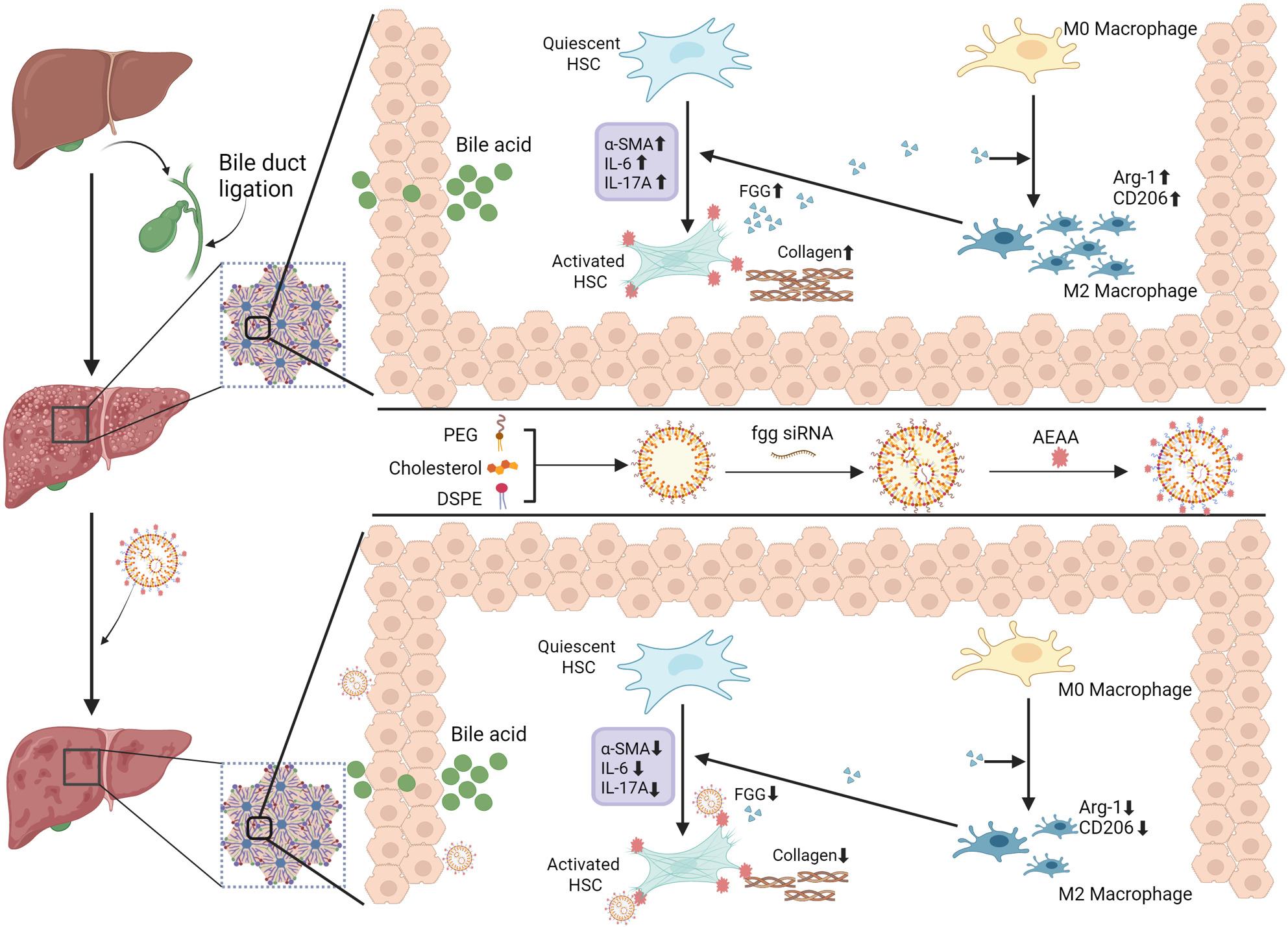
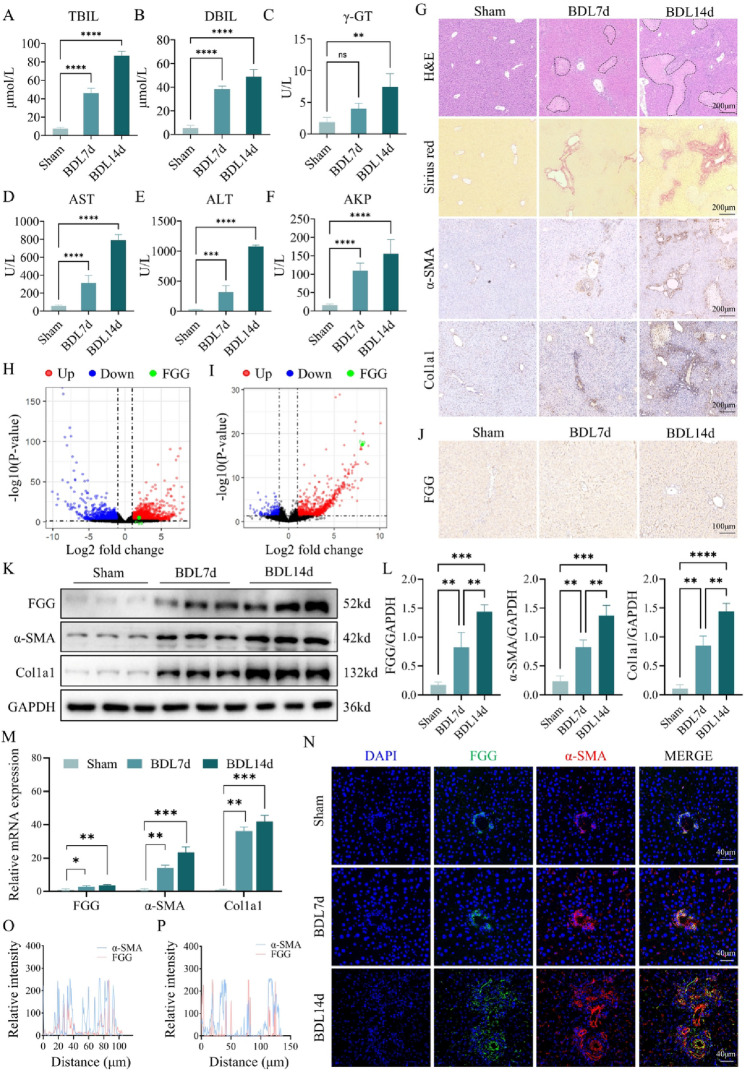
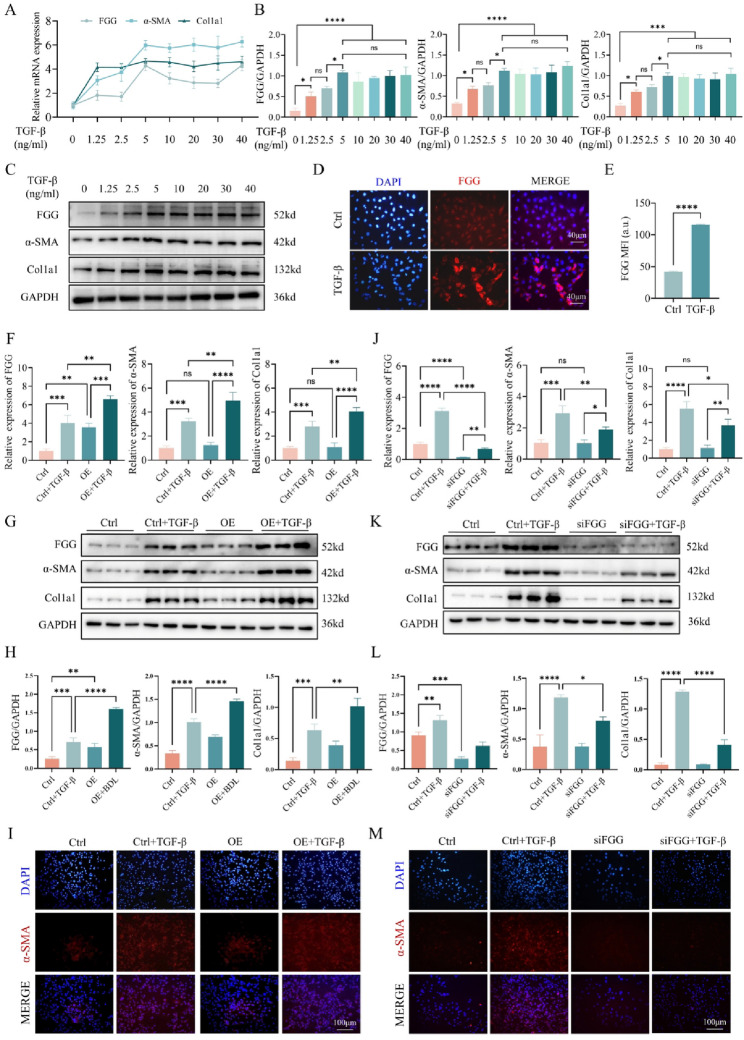
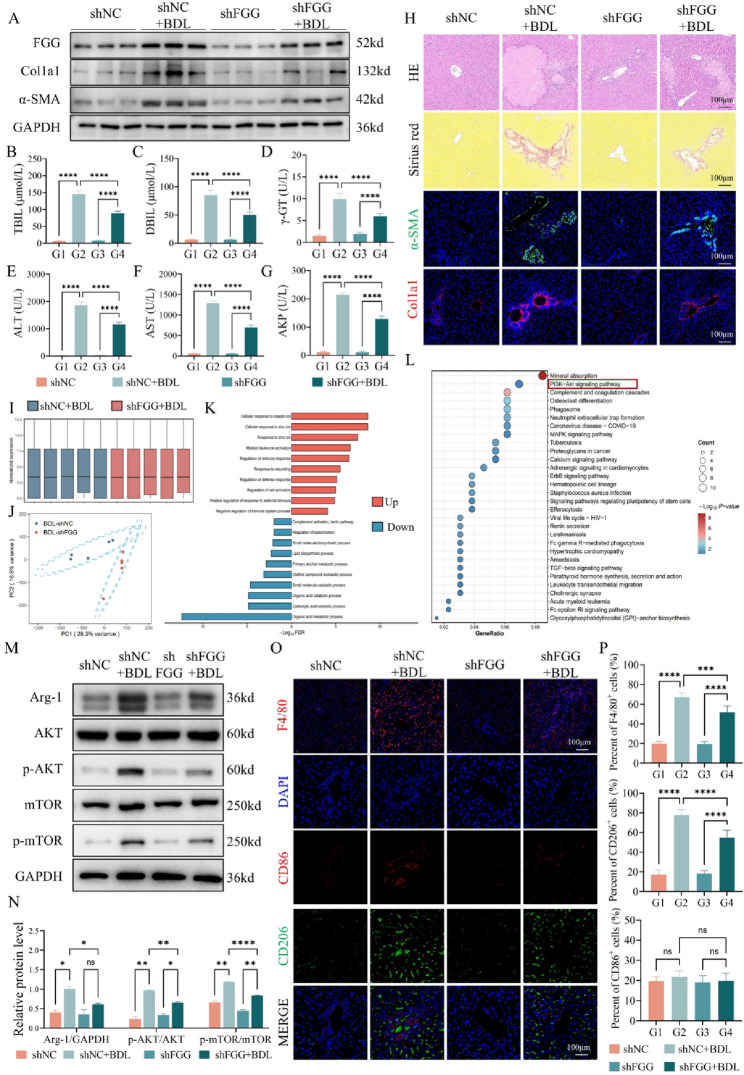
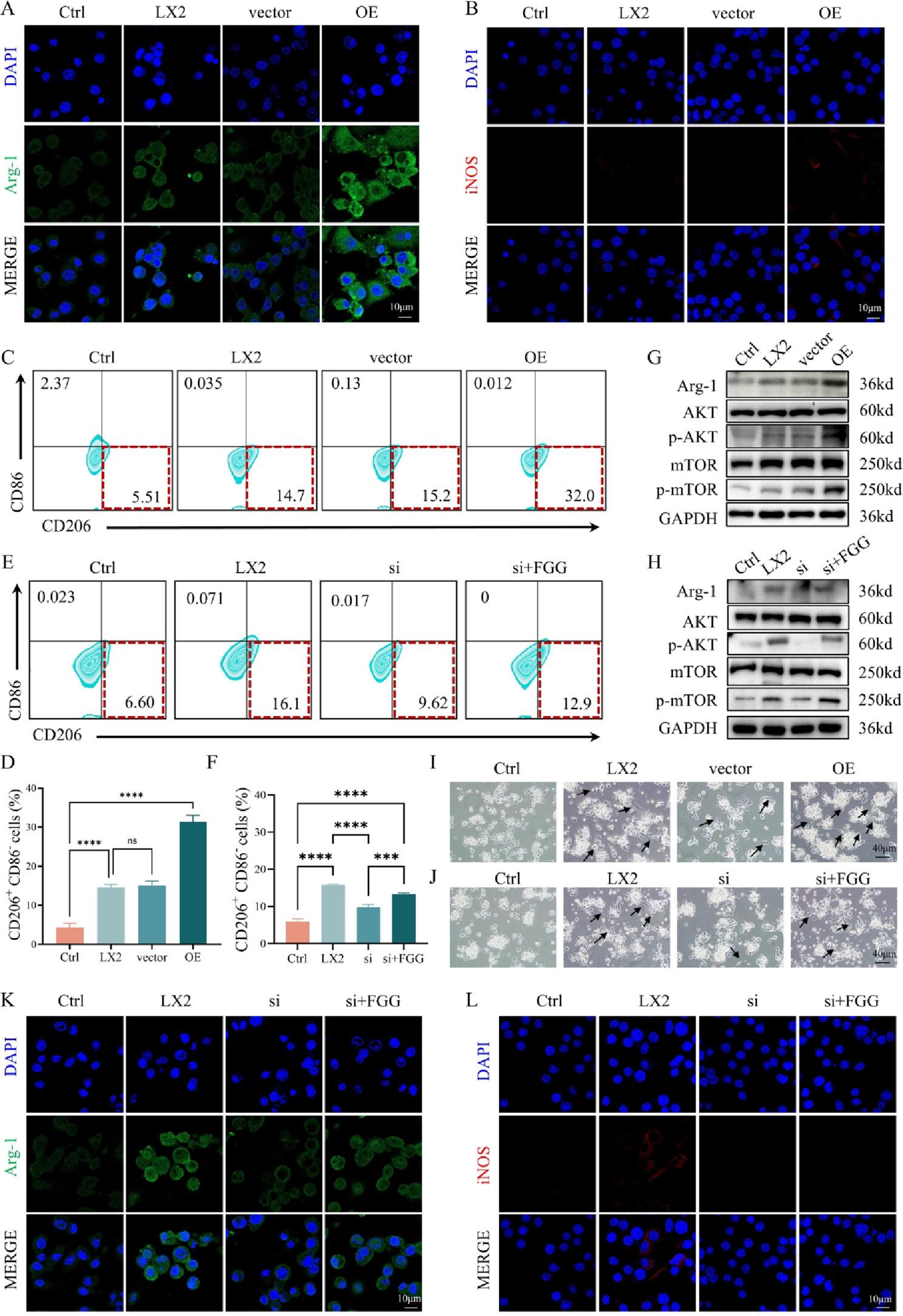
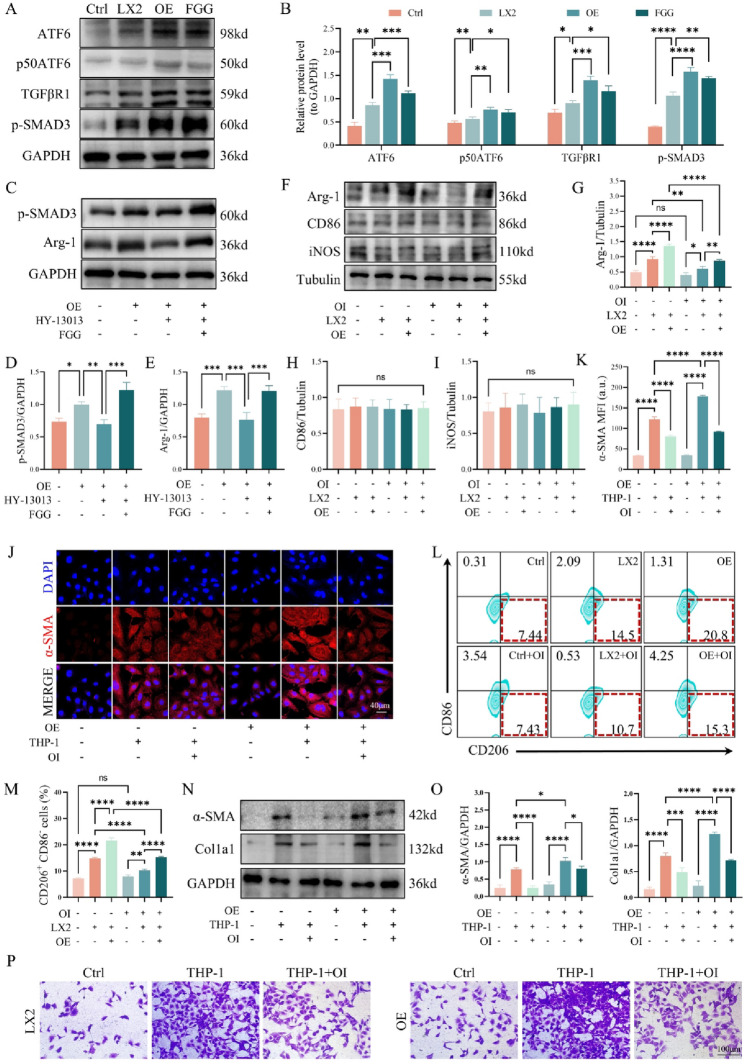
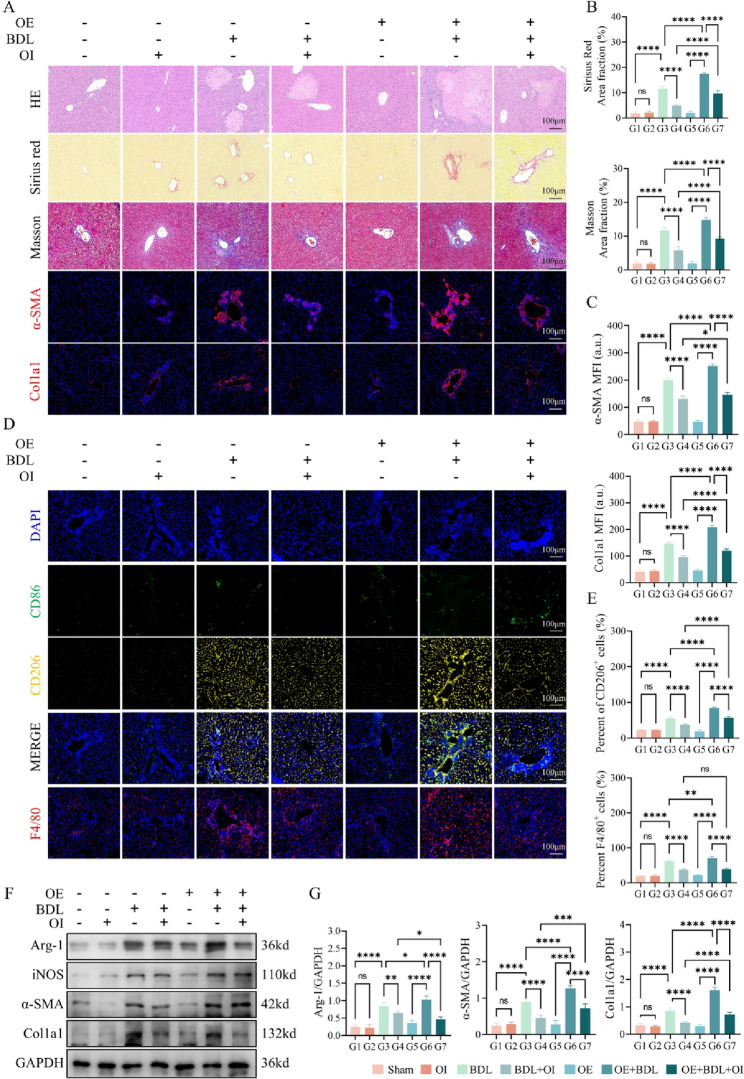
BACKGROUND & AIMS: Cholestatic liver injury is a serious pathological process with limited treatment options. The function of fibrinogen gamma chain (FGG) in the liver is not well defined. This study aims to explore the role of FGG in the progression of cholestatic liver fibrosis, and to find a new target for the treatment of cholestatic liver fibrosis. RESULTS: A BDL induced mouse model and LX2 cell line, as well as a co-culture system of LX2 and THP-1, were used. Gene expression, cell activation and polarization were evaluated by qRT-PCR, Western Blot, RNA-seq, and immunofluorescence. 4-Octyl itaconate (OI) was used to block the M2 polarization, and an AEAA-modified lipid nanoparticle (LNP) was developed as a platform for targeted delivery of siFGG, and its therapeutic efficacy was evaluated in vitro and in vivo. In the BDL mouse, FGG expression was significantly increased and mainly localized to activated hepatic stellate cells (HSCs). In vitro experiments confirmed that FGG directly regulated the activation state of HSCs. Overexpression of FGG in mice significantly promoted the development of liver fibrosis. Further studies revealed that FGG specifically promoted macrophage polarization toward the M2 phenotype. Co-culture experiments demonstrated that FGG was a key factor driving M2 polarization of macrophages. The siFGG delivered by AEAA-LNP effectively knocked down the expression of FGG, thereby inhibiting HSC activation, disrupting the crosstalk between HSC and M2 macrophages, and ultimately significantly alleviating BDL induced liver fibrosis in vitro and in vivo. CONCLUSIONS: This study identifies FGG as a key fibrosis promoter that acts through simultaneous HSC activation and M2 macrophage polarization. Targeting FGG with a novel AEAA-LNP system offers a potent dual-mechanism therapy for liver fibrosis.
Overview
The claims and statistics of this paper haven’t been checked yet.
Free: it reads the open-access text and checks the first 5 claims that cite a source we can check. Create a free account to check every claim.
Integrity signals
Registry
Cites
Statistics
Figures
Verification
Claims the paper makes
The claims and statistics of this paper haven’t been checked yet.
Free: it reads the open-access text and checks the first 5 claims that cite a source we can check. Create a free account to check every claim.
Self-check
Percentages, sums and reported differences re-computed from the paper’s own numbers.
The self-check needs the paper’s full text.
Citations
Cites
Murray, P. J. (2017) · Annual Review of Physiology · doi:10.1146/annurev-physiol-022516-034339 · Cited by 2,981 · cited 2×
“These findings indicate that, while co-culture broadly promotes M2-related cytokine production, FGG specifically enhances the M2a polarization subset, a process critically implicated in liver fibrosis progression [29].”
Molecular and cellular mechanisms of liver fibrosis and its regression
Kisseleva, T., & Brenner, D. (2021) · Nature Reviews Gastroenterology & Hepatology · doi:10.1038/s41575-020-00372-7 · Cited by 2,024 · cited 1×
“Upon activation, HSCs differentiate into α-SMA positive myofibroblasts, which secrete excessive extracellular matrix components and promote collagen deposition, ultimately resulting in pathological scar tissue accumulation [9, 10].”
Macrophages: versatile players in renal inflammation and fibrosis
Tang, P. M.-K., Nikolic-Paterson, D. J., & Lan, H.-Y. (2019) · Nature Reviews Nephrology · doi:10.1038/s41581-019-0110-2 · Cited by 1,033 · cited 1×
“Macrophages demonstrate complex and dynamic dual roles in fibrotic processes across various organ systems [41–43].”
Hepatic inflammatory responses in liver fibrosis
Hammerich, L., & Tacke, F. (2023) · Nature Reviews Gastroenterology & Hepatology · doi:10.1038/s41575-023-00807-x · Cited by 803 · cited 1×
“In the context of liver fibrosis, a reciprocal interaction exists between macrophages and HSCs that collectively influences disease progression [48], though the precise regulatory mechanisms remain incompletely characterized.”
Zhao, S., Mi, Y., Guan, B., Zheng, B., Wei, P., Gu, Y., Zhang, Z., Cai, S., Xu, Y., Li, X., et al. (2020) · Journal of Hematology & Oncology · doi:10.1186/s13045-020-00991-2 · Cited by 778 · cited 1×
“It is well documented that PI3K signaling is linked to inflammatory responses, which play a critical role in fibrogenesis [25–27].”
Fibroblast-macrophage reciprocal interactions in health, fibrosis, and cancer
Buechler, M. B., Fu, W., & Turley, S. J. (2021) · Immunity · doi:10.1016/j.immuni.2021.04.021 · Cited by 494 · cited 1×
“Macrophages demonstrate complex and dynamic dual roles in fibrotic processes across various organ systems [41–43].”
Itaconate and itaconate derivatives target JAK1 to suppress alternative activation of macrophages
Runtsch, M. C., Angiari, S., Hooftman, A., Wadhwa, R., Zhang, Y., Zheng, Y., Spina, J. S., Ruzek, M. C., Argiriadi, M. A., McGettrick, A. F., et al. (2022) · Cell Metabolism · doi:10.1016/j.cmet.2022.02.002 · Cited by 323 · cited 2×
“To investigate the functional consequence of FGG-mediated M2 macrophage polarization, we administered 4-Octyl itaconate (OI) to the co-culture system to specifically inhibit THP-1 M2 polarization [33].”
Self-citationMa, P.-F., Gao, C.-C., Yi, J., Zhao, J.-L., Liang, S.-Q., Zhao, Y., Ye, Y.-C., Bai, J., Zheng, Q.-J., Dou, K.-F., et al. (2017) · Journal of Hepatology · doi:10.1016/j.jhep.2017.05.022 · Cited by 284 · cited 1×
“While some studies indicate that M1 polarization can promote fibrosis through enhanced secretion of inflammatory mediators [44, 45], other investigations demonstrate that M2 polarization similarly contributes to fibrotic progression [13, 18, 46, 47].”
Yang, W., He, H., Wang, T., Su, N., Zhang, F., Jiang, K., Zhu, J., Zhang, C., Niu, K., Wang, L., et al. (2021) · Hepatology · doi:10.1002/hep.31987 · Cited by 250 · cited 1×
“This pathological milieu activates quiescent HSCs, driving their transformation into activated myofibroblasts that disrupt normal liver architecture through excessive extracellular matrix deposition [39, 40].”
MBD2 serves as a viable target against pulmonary fibrosis by inhibiting macrophage M2 program
Wang, Y., Zhang, L., Wu, G.-R., Zhou, Q., Yue, H., Rao, L.-Z., Yuan, T., Mo, B., Wang, F.-X., Chen, L.-M., et al. (2021) · Science Advances · doi:10.1126/sciadv.abb6075 · Cited by 227
Self-citationLigand-tethered lipid nanoparticles for targeted RNA delivery to treat liver fibrosis
Han, X., Gong, N., Xue, L., Billingsley, M. M., El-Mayta, R., Shepherd, S. J., Alameh, M.-G., Weissman, D., & Mitchell, M. J. (2023) · Nature Communications · doi:10.1038/s41467-022-35637-z · Cited by 195 · cited 2×
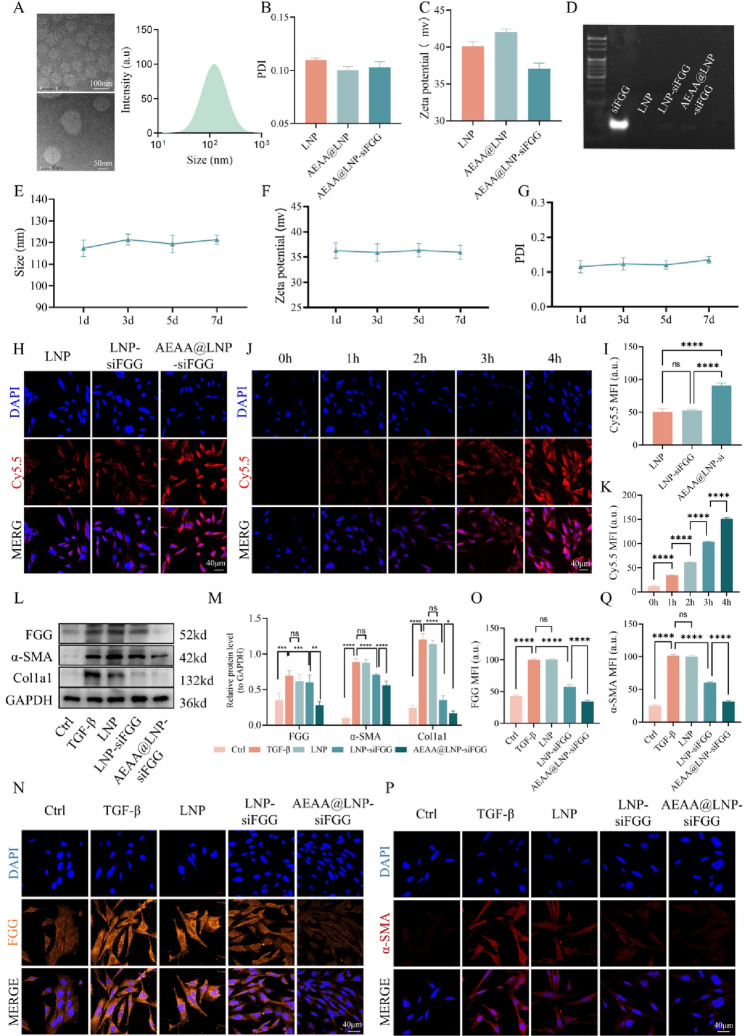
“AEAA is a σ receptor high affinity agent, which can achieve efficient targeting of activated HSCs [21, 22] (Fig.”
Macrophage Polarization and the Regulation of Bone Immunity in Bone Homeostasis
Hu, K., Shang, Z., Yang, X., Zhang, Y., & Cao, L. (2023) · Journal of Inflammation Research · doi:10.2147/jir.s423819 · Cited by 192 · cited 1×
“To further characterize the polarization status of macrophages, mRNA expression levels of M2a/M2c-associated cytokines [28, 29], including IL-4, IL-13, and IL-10, were examined using the same co-culture system (Fig.”
Self-citationHosseini-Kharat, M., Bremmell, K. E., & Prestidge, C. A. (2025) · Molecular Therapy Methods & Clinical Development · doi:10.1016/j.omtm.2025.101436 · Cited by 179 · cited 1×
“While the liver can take up approximately 90% of circulating liposomes, the majority are sequestered by Kupffer cells, substantially limiting delivery to disease-associated cells [36, 37].”
New Treatment Paradigms in Primary Biliary Cholangitis
Levy, C., Manns, M. P., & Hirschfield, G. M. (2023) · Clinical Gastroenterology and Hepatology · doi:10.1016/j.cgh.2023.02.005 · Cited by 166
Shu, B., Zhou, Y., Li, H., Zhang, R., He, C., & Yang, X. (2021) · Cell Death Discovery · doi:10.1038/s41420-021-00756-x · Cited by 155 · cited 1×
“While some studies indicate that M1 polarization can promote fibrosis through enhanced secretion of inflammatory mediators [44, 45], other investigations demonstrate that M2 polarization similarly contributes to fibrotic progression [13, 18, 46, 47].”
Rao, L.-Z., Wang, Y., Zhang, L., Wu, G., Zhang, L., Wang, F.-X., Chen, L.-M., Sun, F., Jia, S., Zhang, S., et al. (2021) · Cell Death & Differentiation · doi:10.1038/s41418-020-00650-6 · Cited by 153 · cited 1×
“To investigate the potential link between these two phenomena, we consulted the relevant literature [18, 30, 31].”
Self-citationNishio, T., Hu, R., Koyama, Y., Liang, S., Rosenthal, S. B., Yamamoto, G., Karin, D., Baglieri, J., Ma, H.-Y., Xu, J., et al. (2019) · Journal of Hepatology · doi:10.1016/j.jhep.2019.04.012 · Cited by 135 · cited 1×
“Upon activation, HSCs differentiate into α-SMA positive myofibroblasts, which secrete excessive extracellular matrix components and promote collagen deposition, ultimately resulting in pathological scar tissue accumulation [9, 10].”
Self-citationJiménez Calvente, C., Sehgal, A., Popov, Y., Kim, Y. O., Zevallos, V., Sahin, U., Diken, M., & Schuppan, D. (2015) · Hepatology · doi:10.1002/hep.27936 · Cited by 133
Precisely Regulating M2 Subtype Macrophages for Renal Fibrosis Resolution
Luo, L., Wang, S., Hu, Y., Wang, L., Jiang, X., Zhang, J., Liu, X., Guo, X., Luo, Z., Zhu, C., et al. (2023) · ACS Nano · doi:10.1021/acsnano.3c05998 · Cited by 117
Self-citationMyD88 in hepatic stellate cells enhances liver fibrosis via promoting macrophage M1 polarization
Zhang, J., Liu, Y., Chen, H., Yuan, Q., Wang, J., Niu, M., Hou, L., Gu, J., & Zhang, J. (2022) · Cell Death & Disease · doi:10.1038/s41419-022-04802-z · Cited by 107 · cited 2×
“Classically activated M1 macrophages typically exert pro-inflammatory, immunostimulatory, and matrix-degrading functions, which may indirectly stimulate HSC activation [16, 17].”
Neutrophil extracellular traps promote MASH fibrosis by metabolic reprogramming of HSC
Xia, Y., Wang, Y., Xiong, Q., He, J., Wang, H., Islam, M., Zhou, X., Kim, A., Zhang, H., Huang, H., et al. (2025) · Hepatology · doi:10.1097/hep.0000000000000762 · Cited by 103 · cited 1×
“Given the well-established etiological diversity of hepatic fibrosis, including toxin exposure, alcohol consumption, and metabolic factors, each with distinct pathogenic mechanisms [50, 51], the generalizability of FGG’s regulatory role across different fibrotic contexts remains to be determined.”
Self-citationKhan, O. F., Zaia, E. W., Yin, H., Bogorad, R. L., Pelet, J. M., Webber, M. J., Zhuang, I., Dahlman, J. E., Langer, R., & Anderson, D. G. (2014) · Angewandte Chemie International Edition · doi:10.1002/anie.201408221 · Cited by 101 · cited 1×
“While the liver can take up approximately 90% of circulating liposomes, the majority are sequestered by Kupffer cells, substantially limiting delivery to disease-associated cells [36, 37].”
Xue, Z., Liu, J., Xing, W., Mu, F., Wu, Y., Zhao, J., Liu, X., Wang, D., Wang, J., Li, X., et al. (2024) · Journal of Nanobiotechnology · doi:10.1186/s12951-024-02888-5 · Cited by 87
Self-citationZhang, K., Zhang, M., Meng, X.-X., Zhu, J., Wang, J.-J., He, Y., Li, Y., Zhao, S., Shi, Z., Zheng, L., et al. (2023) · Military Medical Research · doi:10.1186/s40779-023-00494-4 · Cited by 84 · cited 2×
“Classically activated M1 macrophages typically exert pro-inflammatory, immunostimulatory, and matrix-degrading functions, which may indirectly stimulate HSC activation [16, 17].”
TREM-2 plays a protective role in cholestasis by acting as a negative regulator of inflammation
Labiano, I., Agirre-Lizaso, A., Olaizola, P., Echebarria, A., Huici-Izagirre, M., Olaizola, I., Esparza-Baquer, A., Sharif, O., Hijona, E., Milkiewicz, P., et al. (2022) · Journal of Hepatology · doi:10.1016/j.jhep.2022.05.044 · Cited by 78
Zhang, C., Teng, Y., Li, F., Ho, W., Bai, X., Xu, X., & Zhang, X. (2023) · ACS Nano · doi:10.1021/acsnano.3c03217 · Cited by 68 · cited 2×
“AEAA is a σ receptor high affinity agent, which can achieve efficient targeting of activated HSCs [21, 22] (Fig.”
Li, J., Zhu, X., Zhang, M., Zhang, Y., Ye, S., Leng, Y., Yang, T., Kong, L., & Zhang, H. (2021) · Journal of Hepatology · doi:10.1016/j.jhep.2021.02.035 · Cited by 66 · cited 1×
“Cholestatic liver injury is a progressive hepatic disorder pathologically defined by impaired bile flow and subsequent accumulation of cytotoxic bile acids, which collectively drive hepatocyte injury and may ultimately advance to liver failure [1, 2].”
Self-citationA spatiotemporal atlas of cholestatic injury and repair in mice
Wu, B., Shentu, X., Nan, H., Guo, P., Hao, S., Xu, J., Shangguan, S., Cui, L., Cen, J., Deng, Q., et al. (2024) · Nature Genetics · doi:10.1038/s41588-024-01687-w · Cited by 65 · cited 1×
“Cholestatic liver injury is a progressive hepatic disorder pathologically defined by impaired bile flow and subsequent accumulation of cytotoxic bile acids, which collectively drive hepatocyte injury and may ultimately advance to liver failure [1, 2].”
P4HA2 induces hepatic ductular reaction and biliary fibrosis in chronic cholestatic liver diseases
Zhang, J., Lyu, Z., Li, B., You, Z., Cui, N., Li, Y., Li, Y., Huang, B., Chen, R., Chen, Y., et al. (2023) · Hepatology · doi:10.1097/hep.0000000000000317 · Cited by 58 · cited 1×
“The cytotoxic environment directly damages hepatic cells while generating persistent inflammatory and oxidative stress responses [38].”
Yang, L.-X., Qi, C., Lu, S., Ye, X.-S., Merikhian, P., Zhang, D.-Y., Yao, T., Zhao, J.-S., Wu, Y., Jia, Y., et al. (2025) · Nature Communications · doi:10.1038/s41467-024-55738-1 · Cited by 57 · cited 1×
“To investigate the potential link between these two phenomena, we consulted the relevant literature [18, 30, 31].”
Song, M., Chen, Z., Qiu, R., Zhi, T., Xie, W., Zhou, Y., Luo, N., Chen, F., Liu, F., Shen, C., et al. (2022) · Redox Biology · doi:10.1016/j.redox.2022.102404 · Cited by 49 · cited 1×
“During cholestatic progression, retained bile acids initiate and perpetuate inflammatory responses, promoting activation of pro-fibrotic pathways that culminate in biliary fibrosis, cirrhosis, and portal hypertension [8].”
Bai, Y.-M., Yang, F., Luo, P., Xie, L.-L., Chen, J.-H., Guan, Y.-D., Zhou, H.-C., Xu, T.-F., Hao, H.-W., Chen, B., et al. (2023) · Military Medical Research · doi:10.1186/s40779-023-00441-3 · Cited by 48 · cited 1×
“It is well documented that PI3K signaling is linked to inflammatory responses, which play a critical role in fibrogenesis [25–27].”
Rubbia‐Brandt, L., Neerman‐Arbez, M., Rougemont, A., Malé, P.-J., & Spahr, L. (2006) · The American Journal of Surgical Pathology · doi:10.1097/01.pas.0000209848.59670.2c · Cited by 45 · cited 1×
“FGG has been reported to be associated with hepatic fibrinogen storage disease (HFSD) [19, 20], a disease that can exacerbate potentially mild liver lesions and progress to cirrhosis.”
Deng, L., Ouyang, B., Tang, W., Wang, N., Yang, F., Shi, H., Zhang, Z., Yu, H., Chen, M., Wei, Y., et al. (2024) · Phytomedicine · doi:10.1016/j.phymed.2024.155687 · Cited by 45 · cited 1×
“While some studies indicate that M1 polarization can promote fibrosis through enhanced secretion of inflammatory mediators [44, 45], other investigations demonstrate that M2 polarization similarly contributes to fibrotic progression [13, 18, 46, 47].”
Shen, Y., Chang, N., Li, W., Yang, T., Xue, R., Liu, J., Zhang, L., Yao, X., Chen, Y., Wang, H., et al. (2023) · Cell Death and Disease · doi:10.1038/s41419-023-05615-4 · Cited by 43 · cited 1×
“This challenge is particularly evident in pediatric settings, where congenital biliary atresia poses a significant threat to patient survival [3, 4].”
Kaps, L., Huppertsberg, A., Choteschovsky, N., Klefenz, A., Durak, F., Schrörs, B., Diken, M., Eichler, E., Rosigkeit, S., Schmitt, S., et al. (2022) · Proceedings of the National Academy of Sciences · doi:10.1073/pnas.2122310119 · Cited by 40 · cited 2×
“While some studies indicate that M1 polarization can promote fibrosis through enhanced secretion of inflammatory mediators [44, 45], other investigations demonstrate that M2 polarization similarly contributes to fibrotic progression [13, 18, 46, 47].”
Wang, Y., Huang, S., Kong, W., Wu, C., Zeng, T., Xie, S., Chen, Q., Kuang, S., Zheng, R., Wang, F., et al. (2023) · Phytomedicine · doi:10.1016/j.phymed.2023.155016 · Cited by 40 · cited 1×
“Notably, macrophage phenotypic influence on liver fibrosis is not absolute, as demonstrated by studies in which administration of alendronate-loaded nanogel particles (AL/NPs) promoted repolarization of M2-type macrophages toward an M1-like phenotype, thereby ameliorating fibrosis [13, 14].”
Self-citationTM7SF3 controls TEAD1 splicing to prevent MASH-induced liver fibrosis
Isaac, R., Bandyopadhyay, G. K., Rohm, T. V., Kang, S., Wang, J., Pokhrel, N. P., Sakane, S., Zapata, R. C., Libster, A. M., Vinik, Y., et al. (2024) · Cell Metabolism · doi:10.1016/j.cmet.2024.04.003 · Cited by 40 · cited 1×
“This pathological milieu activates quiescent HSCs, driving their transformation into activated myofibroblasts that disrupt normal liver architecture through excessive extracellular matrix deposition [39, 40].”
Uzzaman, A., Zhang, X., Qiao, Z., Zhan, H., Sohail, A., Wahid, A., Shang, Z., Guan, X., Cao, C., & Xiao, H. (2020) · Biochimie · doi:10.1016/j.biochi.2020.08.013 · Cited by 35 · cited 2×
“Tissues were collected for subsequent experiments 14 days after BDL. OI treatment regimen: The dosage was determined based on the study by Marah C. Runtsch et al. 23 .”
USP25 stabilizes STAT6 to promote IL-4-induced macrophage M2 polarization and fibrosis
Xu, Y., Liu, J., Wang, J., Wang, J., Lan, P., & Wang, T. (2024) · International Journal of Biological Sciences · doi:10.7150/ijbs.99345 · Cited by 32 · cited 4×
“While some studies indicate that M1 polarization can promote fibrosis through enhanced secretion of inflammatory mediators [44, 45], other investigations demonstrate that M2 polarization similarly contributes to fibrotic progression [13, 18, 46, 47].”
InfluentialMacrophage-to-myofibroblast transition and its role in cardiac fibrosis
Shen, S., Wang, L., Liu, Q., Wang, X., Yuan, Q., Zhao, Y., Hu, H., & Ma, L. (2024) · International Immunopharmacology · doi:10.1016/j.intimp.2024.113873 · Cited by 22
Zhang, L., Deng, W., Wang, X., Huang, Q., Liang, S., Ding, Z., Qi, L., Wang, Y., Zhou, T., Xing, L., et al. (2024) · Advanced Science · doi:10.1002/advs.202408898 · Cited by 21 · cited 1×
“…by these findings, targeting FGG in HSCs provides a coordinated interventional approach that simultaneously inhibits HSC activation and blocks the reciprocal interaction between M2 macrophages and activated HSCs, producing synergistic anti-fibrotic efficacy in BDL-induced liver fibrosis [34, 35].”
Self-citationYang, H., Atak, D., Yuan, M., Li, M., Altay, Ö., Demirtas, E., Peltek, İ. B., Ulukan, B., Yiğit, B., Sipahioglu, T., et al. (2025) · Cell Reports Medicine · doi:10.1016/j.xcrm.2025.101935 · Cited by 19 · cited 1×
“Given the well-established etiological diversity of hepatic fibrosis, including toxin exposure, alcohol consumption, and metabolic factors, each with distinct pathogenic mechanisms [50, 51], the generalizability of FGG’s regulatory role across different fibrotic contexts remains to be determined.”
Self-citationWu, J., Liu, Q., Fang, S., Liu, X., Zheng, M., Wang, T.-M., Zhang, H., Liu, P., Zhou, H., & Ma, Y. (2019) · Journal of Proteome Research · doi:10.1021/acs.jproteome.9b00563 · Cited by 16 · cited 1×
“Wu et al. demonstrated that FGG expression was significantly upregulated in liver tissue under cholestatic conditions [24].”
Self-citationAyabe, H., DePasquale, E. A. K., Amarachintha, S. P., Mourya, R., Li, W., Nalluri, S., Fox, S. R., Konishi, K., Shivakumar, P., & Bezerra, J. A. (2025) · Nature Communications · doi:10.1038/s41467-025-61442-5 · Cited by 16 · cited 1×
“While the Kasai procedure (hepatoportoen-terostomy) is widely performed to partially restore biliary drainage, the majority of patients still experience progressive liver fibrosis, necessitating eventual liver transplantation [5].”
Zhang, L., Xie, P., Li, M., Zhang, X., Fei, S., Zhao, N., Li, L., Xie, Q., Xu, Z., Tang, W., et al. (2024) · Hepatology · doi:10.1097/hep.0000000000001003 · Cited by 14 · cited 1×
“This functional plasticity suggests that macrophages act as dynamic modulators whose effects are largely defined by their polarization status [15].”
Self-citationTian, X., Wang, Y., Lu, Y., Wu, B. Y., Chen, S., Du, J. C., Cai, W., & Xiao, Y. (2022) · Cell Death and Disease · doi:10.1038/s41419-022-05450-z · Cited by 12 · cited 1×
“This challenge is particularly evident in pediatric settings, where congenital biliary atresia poses a significant threat to patient survival [3, 4].”
Self-citationAltered fibrinogen γ-chain cross-linking in mutant fibrinogen-γΔ5 mice drives acute liver injury
Poole, L. G., Schmitt, L. R., Schulte, A., Groeneveld, D. J., Cline, H., Sang, Y., Hur, W. S., Wolberg, A. S., Flick, M. J., Hansen, K. C., et al. (2023) · Journal of Thrombosis and Haemostasis · doi:10.1016/j.jtha.2023.04.003 · Cited by 7
Zhu, Z., Xu, Z., Cao, X., Zhao, N., Lei, J., Li, L., Li, X., Li, Y., Li, M., Ren, T., et al. (2025) · JHEP Reports · doi:10.1016/j.jhepr.2025.101517 · Cited by 6 · cited 1×
“pro-inflammatory cytokines, thereby exacerbating hepatic injury [11].”
Self-citationWu, T., Liu, Y., Ma, J., Lu, L., Wang, L., He, M., Hao, Z., Liu, X., Zhang, L., Zhao, C., et al. (2025) · Theranostics · doi:10.7150/thno.109442 · Cited by 6 · cited 1×
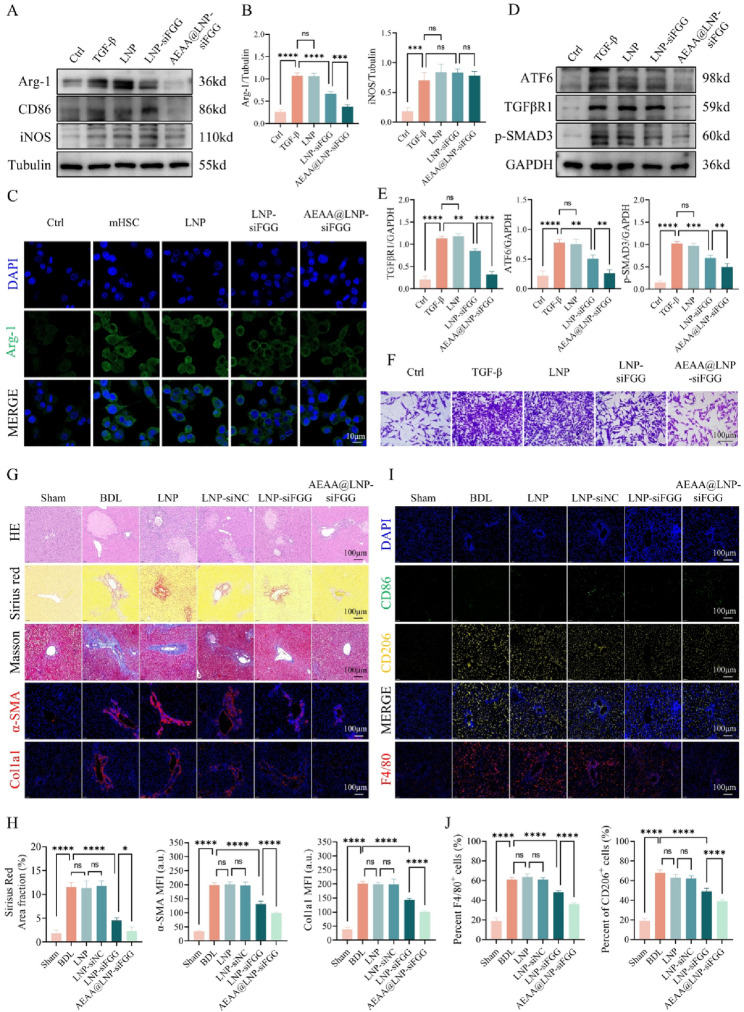
“Regarding downstream fibrotic signaling, Wu et al. demonstrated that ATF6 and SNAI1 reciprocally bind to each other’s promoter regions to activate their transcription [49], thereby driving epithelial-mesenchymal transition, which is closely associated with organ fibrosis.”
Self-citationGuthrie, G. J., Vonderohe, C. E., Hebib, V. M., Stoll, B., & Burrin, D. G. (2025) · JCI Insight · doi:10.1172/jci.insight.189196 · Cited by 2 · cited 1×
“Recruitment of pro-inflammatory macrophages has been consistently observed in patients with biliary atresia and in murine models of bile duct ligation (BDL) [12].”
Cited by
Zhao, X.-T., Li, R.-L., Sun, R.-Q., Cheng, Y., Zeng, X.-Y., Yang, J.-N., Li, L., Zhang, J., Zhao, J.-D., Zhang, H.-Y., et al. (2026) · Journal of Nanobiotechnology · doi:10.1186/s12951-026-04911-3
“The pathogenesis of cholestasis remains incompletely understood, however, autoimmune mechanisms have been implicated and partially characterized [5].”
Metadata
- Authors
- Wei, Q., Li, M., Yang, Q., Ren, M., Liu, X., Cai, X., Shi, J., Huang, C., Wang, Y., Zhang, Y., Yu, D., Guo, W., & Zhang, S.
- Affiliations
- First Affiliated Hospital of Zhengzhou University (CN)
- Xuzhou Central Hospital (CN)
- Corresponding author
- Yu, Dongsheng
- Guo, Wenzhi
- Zhang, Shuijun
- Venue
- Journal of Nanobiotechnology
- Published
- 2026-04-18
- Volume
- 24
- Issue
- 1
- ISSN
- 1477-3155 (ISSN-L)
- PMC
- PMC13227837
- OpenAlex
- W7154844307
- Cited by
- 0
- References
- 51
- FWCI
- 0.00
- Type
- journal article
- Language
- en
- Open access
- gold
- doi.org
- Licence
- cc-by-nc-nd
- creativecommons.org/licenses/by-nc-nd/4.0 (tdm)
- creativecommons.org/licenses/by-nc-nd/4.0 (vor, 45 d)
- Locations
- Journal of Nanobiotechnology (publishedVersion, cc-by-nc-nd)
- PubMed Central (publishedVersion, cc-by-nc-nd)
- PubMed (publishedVersion)
- DOAJ (DOAJ: Directory of Open Access Journals) (submittedVersion, cc-by-sa)
- Funders
- New Round of Xuzhou "Pengcheng Talent Program"-High-level Healthcare Talent Recruitment and Development Project (2025QZ004)
- National Natural Science Foundation of China (82170670)
- Medical Science and Technology Program of Henan (SB201901045)
- Topics
- Health Sciences › Medicine › Hepatology › Liver physiology and pathology
- Health Sciences › Medicine › Hepatology › Liver Disease Diagnosis and Treatment
- Health Sciences › Medicine › Hepatology › Liver Diseases and Immunity
- Keywords
- fibrinogen gamma chain, cholestatic liver fibrosis, hepatic stellate cell activation, M2 macrophage polarization, hepatic macrophages, bile duct ligation, siRNA delivery, lipid nanoparticles
- MeSH terms
- Animals, Cell Line, Cholestasis, Disease Models, Animal, Homeostasis, Humans, Liver Cirrhosis, Macrophages, Male, Mice, Inbred C57BL, Coculture Techniques, Mice, Hepatic Stellate Cells
About these checks
Registry, retraction, Cites and statistics results are computed, not judged, with one exception: a printed reference that no index lists is read once by a model before it counts as a citation error. Claims are extracted by a model and kept only when their quote appears verbatim in the text; each cited source is then checked, with a model’s help, for whether it says what the claim relies on. Those verdicts can be wrong — read the claim’s quote and the cited source before relying on one.
Statistics and arithmetic are recomputed, not judged.
Confidence bands are shown only for fields calibrated on our annotated test set. None is calibrated yet, so no band is shown.
What counts as a claim ›How we measure confidence ›How we check this ›
Are you an author, or do you see a problem with this page? Request a review
Data sources
Bibliographic data: Semantic Scholar, OpenAlex, Crossref.
Contains information from the Semantic Scholar Academic Graph Datasets, made available under the ODC Attribution License (ODC-BY 1.0).
Semantic Scholar’s data is described in: Kinney, R., et al. (2023). The Semantic Scholar Open Data Platform. arXiv:2301.10140.
