

The crosstalk: exosomes and lipid metabolism
Open accessThe DOI matches its Crossref record; 130 of the 130 references it cites were found in a registry or an index.
Abstract
Exosomes have been considered as novel and potent vehicles of intercellular communication, instead of “cell dust”. Exosomes are consistent with anucleate cells, and organelles with lipid bilayer consisting of the proteins and abundant lipid, enhancing their “rigidity” and “flexibility”. Neighboring cells or distant cells are capable of exchanging genetic or metabolic information via exosomes binding to recipient cell and releasing bioactive molecules, such as lipids, proteins, and nucleic acids. Of note, exosomes exert the remarkable effects on lipid metabolism, including the synthesis, transportation and degradation of the lipid. The disorder of lipid metabolism mediated by exosomes leads to the occurrence and progression of diseases, such as atherosclerosis, cancer, non-alcoholic fatty liver disease (NAFLD), obesity and Alzheimer’s diseases and so on. More importantly, lipid metabolism can also affect the production and secretion of exosomes, as well as interactions with the recipient cells. Therefore, exosomes may be applied as effective targets for diagnosis and treatment of diseases.
Overview
The claims and statistics of this paper haven’t been checked yet.
Free: it reads the open-access text and checks the first 5 claims that cite a source we can check. Create a free account to check every claim.
Integrity signals
Registry
Cites
Statistics
Figures
Verification
Claims the paper makes
The claims and statistics of this paper haven’t been checked yet.
Free: it reads the open-access text and checks the first 5 claims that cite a source we can check. Create a free account to check every claim.
Self-check
Percentages, sums and reported differences re-computed from the paper’s own numbers.
The self-check needs the paper’s full text.
Citations
Cites
2 retracted
Exosomes Mediate LTB4 Release during Neutrophil Chemotaxis
Majumdar, R., Tavakoli Tameh, A., & Parent, C. A. (2016) · PLOS Biology · doi:10.1371/journal.pbio.1002336 · Cited by 152
RetractedWu, Q., Sun, S., Li, Z., Yang, Q., Li, B., Zhu, S., Wang, L., Wu, J., Yuan, J., Yang, C., et al. (2018) · Molecular Cancer · doi:10.1186/s12943-018-0899-5 · Cited by 102
RetractedTumour exosome integrins determine organotropic metastasis
Hoshino, A., Costa-Silva, B., Shen, T.-L., Rodrigues, G., Hashimoto, A., Tesic Mark, M., Molina, H., Kohsaka, S., Di Giannatale, A., Ceder, S., et al. (2015) · Nature · doi:10.1038/nature15756 · Cited by 5,101
Silencing of microRNAs in vivo with ‘antagomirs’
Krützfeldt, J., Rajewsky, N., Braich, R., Rajeev, K. G., Tuschl, T., Manoharan, M., & Stoffel, M. (2005) · Nature · doi:10.1038/nature04303 · Cited by 3,949
Ceramide Triggers Budding of Exosome Vesicles into Multivesicular Endosomes
Trajkovic, K., Hsu, C., Chiantia, S., Rajendran, L., Wenzel, D., Wieland, F., Schwille, P., Brügger, B., & Simons, M. (2008) · Science · doi:10.1126/science.1153124 · Cited by 3,627
Reassessment of exosome composition
Jeppesen, D. K., Fenix, A. M., Franklin, J. L., Higginbotham, J. N., Zhang, Q., Zimmerman, L. J., Liebler, D. C., Ping, J., Liu, Q., Evans, R., et al. (2019) · Cell · doi:10.1016/j.cell.2019.02.029 · Cited by 2,975 · cited 1×
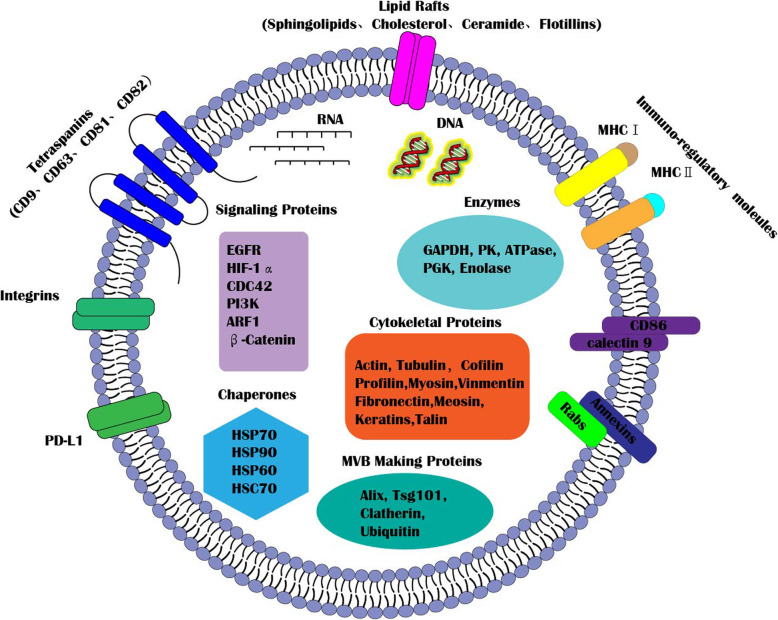
“Endosomes encapsulate annexins [18], flotillins [19], Rab molecules [20] and clathrin [21], etc.”
Johnstone, R. M., Adam, M., Hammond, J. R., Orr, L., & Turbide, C. (1987) · Journal of Biological Chemistry · doi:10.1016/s0021-9258(18)48095-7 · Cited by 2,931
Exosomal PD-L1 contributes to immunosuppression and is associated with anti-PD-1 response
Chen, G., Huang, A. C., Zhang, W., Zhang, G., Wu, M., Xu, W., Yu, Z., Yang, J., Wang, B., Sun, H., et al. (2018) · Nature · doi:10.1038/s41586-018-0392-8 · Cited by 2,813
miR-122 regulation of lipid metabolism revealed by in vivo antisense targeting
Esau, C., Davis, S., Murray, S. F., Yu, X. X., Pandey, S. K., Pear, M., Watts, L., Booten, S. L., Graham, M., McKay, R., et al. (2006) · Cell Metabolism · doi:10.1016/j.cmet.2006.01.005 · Cited by 2,082
Syndecan–syntenin–ALIX regulates the biogenesis of exosomes
Baietti, M. F., Zhang, Z., Mortier, E., Melchior, A., Degeest, G., Geeraerts, A., Ivarsson, Y., Depoortere, F., Coomans, C., Vermeiren, E., et al. (2012) · Nature Cell Biology · doi:10.1038/ncb2502 · Cited by 1,899
Cited by
Items 101–200 of 220
Exosome as a crucial communicator between tumor microenvironment and gastric cancer (Review)
Wang, M., Shu, H., Cheng, X., Xiao, H., Jin, Z., Yao, N., Mao, S., & Zong, Z. (2024) · International Journal of Oncology · doi:10.3892/ijo.2024.5616 · Cited by 18
“These proteins serve as anchor sites for membrane proteins and protect proteins from protease‑related damage (22).”
BackgroundShin, K., Lee, J. H., Chae, S., Goto, K., An, H., Wakefield, J. S., Ha, D. H., Lee, H., Lee, K., Lee, H., et al. (2025) · Journal of Extracellular Vesicles · doi:10.1002/jev2.70121 · Cited by 16
“…enzymes and lipids are produced by various cells in the body and are endocytosed into other cells, then affecting various cellular functions (Wang et al. 2020; Yang, Lee, et al. 2021). sEV content varies, depending upon what type of cell it originates from; and sEVs play a pathological role…”
Wei, Y., Idrees, M., Sidrat, T., Joo, M.-D., Xu, L., Ko, J., & Kong, I. (2022) · Animals · doi:10.3390/ani12040424 · Cited by 20
“These results corroborated the previous finding that Exo improved the metabolism and mitochondrial health in MII-stage bovine oocytes [15,26,27].”
BackgroundResultYu, H., Kim, J. S., Yu, J., Hyun, K.-A., Lim, J., Yoon, Y., Park, S., & Jung, H. (2023) · BioChip Journal · doi:10.1007/s13206-023-00122-2 · Cited by 15
Communication between nonalcoholic fatty liver disease and atherosclerosis: Focusing on exosomes
Zhao, X., Kong, X., Cui, Z., Zhang, Z., Wang, M., Liu, G., Gao, H., Zhang, J., & Qin, W. (2024) · European Journal of Pharmaceutical Sciences · doi:10.1016/j.ejps.2024.106690 · Cited by 14
Shenoy, G. N., Bhatta, M., & Bankert, R. B. (2021) · Cells · doi:10.3390/cells10113155 · Cited by 15
Ye, W., Pan, R., Shi, K., Li, H., Lee, L. P., & Liu, F. (2021) · Biosensors and Bioelectronics X · doi:10.1016/j.biosx.2021.100099 · Cited by 17
Karamichali, E., Foka, P., Papadopoulou, G., Loukaki-Gkountara, D., Andresaki, K., Koskinas, J. S., & Georgopoulou, U. (2022) · International Journal of Molecular Sciences · doi:10.3390/ijms231810862 · Cited by 15
“Overall, the most recent studies emphatically propose a key role for the exosomal lipids in the regulation of the lipid metabolism of target cells, including lipid biosynthesis, transport, clearance, and degradation [62] (and references therein).”
BackgroundLi, L., Wen, J., Li, H., He, Y., Cui, X., Zhang, X., Guan, X., Li, Z., & Cheng, M. (2022) · Life Sciences · doi:10.1016/j.lfs.2022.121223 · Cited by 15
Exosomes and lipid metabolism in metabolic and cardiovascular disorders
Abdin, Z. Z., Geng, A., & Chandy, M. (2023) · Current Opinion in Lipidology · doi:10.1097/mol.0000000000000873 · Cited by 14
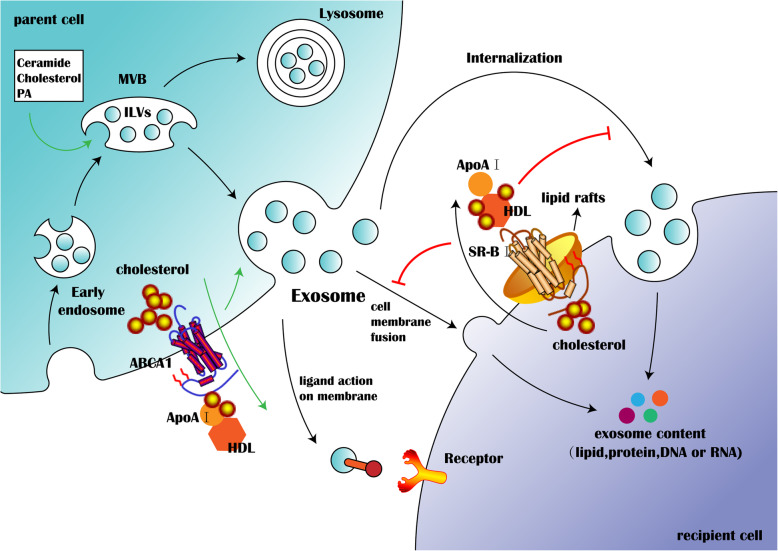
“The fusion of the MVBs with the PM releases the ILVs into the extracellular environment forming exosomes [7,11].”
BackgroundInfluentialKim, E., Ra, K., Lee, M., & Kim, G. A. (2023) · International Journal of Molecular Sciences · doi:10.3390/ijms24129807 · Cited by 14
“These results indicate that pFF and its derivatives closely mediate lipid metabolism, which carries fatty acids and their related factors [6,17,18,42].”
BackgroundAdvances on biological functions of exosomal non‐coding RNAs in osteoarthritis
Chen, J., Yu, X. Y., & Zhang, X. (2021) · Cell Biochemistry and Function · doi:10.1002/cbf.3679 · Cited by 15
Self-citationMüller, G. A., & Müller, T. D. (2023) · Biomolecules · doi:10.3390/biom13060994 · Cited by 15
“Subsequently, exosomes have been attributed a variety of additional functions, among them secretion and immunomodulation [27], inflammation and coagulation [27,28], glucose and lipid metabolism [27,29,30], developmental and reproductive biology [31], drug resistance [23], and other (patho)physiological processes (for…”
BackgroundThe role of exosomes in cancer biology by shedding light on their lipid contents
Fayyazpour, P., Fayyazpour, A., Abbasi, K., Vaez-Gharamaleki, Y., Soltani‐Zangbar, M. S., Raeisi, M., & Mehdizadeh, A. (2023) · Pathology - Research and Practice · doi:10.1016/j.prp.2023.154813 · Cited by 15
Li, G., Zhou, X., Li, W., Wu, Q., Liu, Y., Huang, L., Liu, X., Zhao, J., Xu, X., Xu, L., et al. (2025) · Journal of Nanobiotechnology · doi:10.1186/s12951-025-03612-7 · Cited by 13
“Intriguingly, recent studies have revealed that EVs modulate the expression of lipid transport-related proteins, including ABCA1, ABCG1, LDLR, and CD36, thereby altering cellular lipid uptake capacity [13].”
Shin, D., Han, J., Park, C. K., Lee, N. Y., & Jung, K. I. (2024) · Cells · doi:10.3390/cells13121030 · Cited by 13
“Their double-layered membrane protects their cargo from enzymatic degradation, particularly in the body fluids, and also helps to regulate the interactions between exosomes and recipient cells [24].”
BackgroundTherapeutic potential of HUC-MSC-exos primed with IFN-γ against LPS-induced acute lung injury.
Wang, C., Jiang, C., Yang, Y., Xi, C., Yin, Y., Wu, H., & Qian, C. (2024) · PubMed Central · doi:10.22038/ijbms.2023.74372.16156 · Cited by 18
Hyon, J., Kim, M. W., Hyun, K., Yang, Y., Ha, S., Kim, J. Y., Kim, Y. T., Park, S., Gawk, H., Lee, H., et al. (2025) · Journal of Extracellular Vesicles · doi:10.1002/jev2.70089 · Cited by 14
Xu, S., Yu, C., Qin, M., Zhang, Y., Jiang, J., Liu, W., Pan, Y., Zhang, S., & Zhao, X. (2025) · Molecular Nutrition & Food Research · doi:10.1002/mnfr.70183 · Cited by 12
Jalaludin, I., Nguyen, H., Jang, K., Lee, J., Lubman, D. M., & Kim, J. (2022) · Rapid Communications in Mass Spectrometry · doi:10.1002/rcm.9427 · Cited by 12
Челнокова, И. А., Nikitina, I. A., & Starodubtseva, M. N. (2024) · Micron · doi:10.1016/j.micron.2024.103662 · Cited by 12
Extracellular Vesicles in Asthma: Intercellular Cross-Talk in TH2 Inflammation
Cheema, N. A., Castagna, A., Ambrosani, F., Argentino, G., Friso, S., Zurlo, M., Beri, R., Maule, M., Vaia, R., Senna, G., et al. (2025) · Cells · doi:10.3390/cells14070542 · Cited by 11
“…composed by high concentrations of lipid biomolecules, including (PS), They are characterized by a lipid bilayer membrane surface composed In this scenario, extracellular vesicles (EVs) are gaining growing importance as they play pivotal roles in sphingomyelin, cholesterol, and ceramides [18–20].”
Signaling pathways shaping the field of lipidomics
Ahi, E. P., & House, A. H. (2025) · Prostaglandins & Other Lipid Mediators · doi:10.1016/j.prostaglandins.2025.107053 · Cited by 12
Kulus, J., Kranc, W., Kulus, M., Bukowska, D., Piotrowska‐Kempisty, H., Mozdziak, P. E., Kempisty, B., & Antosik, P. (2023) · International Journal of Molecular Sciences · doi:10.3390/ijms241411873 · Cited by 11
“Exosomes are also involved in the metabolism of lipids, including cholesterol [59].”
Role of Exosomal Modulation of Macrophages in Liver Fibrosis
Fan, B., Xie, H., Tan, Q., Li, Q., Gong, T., He, B., Li, Y., & Chen, L. (2023) · Journal of Clinical and Translational Hepatology · doi:10.14218/jcth.2023.00381 · Cited by 11
“1 As an intercellular material and information transport system, exosomes play an essential role in numerous biological and diseased processes, including metabolism, immune responses, 2 infections, 3,4 cardiovascular diseases, 5,6 and cancers.”
BackgroundExosomes: New Insights into the Pathogenesis of Metabolic Syndrome
Wang, N., Li, J., Hu, Z., Ngowi, E. E., Yan, B., & Qiao, A. (2023) · Biology · doi:10.3390/biology12121480 · Cited by 14
“However, an opposite observation is that circulating exosomes miRNAs in plasma can suppress lipid degradation in white adipose in obesity-related patients by downregulating the expression of the transcription factor PPAR α [88].”
BackgroundExosomal biomarkers: A novel frontier in the diagnosis of gastrointestinal cancers
Zhang, Y., Yue, N.-N., Chen, L., Tian, C., Yao, J., Wang, L., Liang, Y., Wei, D.-R., Ma, H., & Li, D. (2025) · World Journal of Gastrointestinal Oncology · doi:10.4251/wjgo.v17.i4.103591 · Cited by 10
“The specific lipid composition of exosomes [46], including cholesterol, sphingolipids, phosphatidylcholine, phosphatidylethanolamine, ceramide, and glycerophos-pholipids[32], is involved in their formation and release.”
Picatoste, B., Guamán, H. M., Herrero-Matesanz, M., Piñeres, L. V., & Benito‐Martín, A. (2025) · Seminars in Cancer Biology · doi:10.1016/j.semcancer.2025.09.003 · Cited by 11
Feng, T., Zhang, W., & Li, Z. (2022) · Genes · doi:10.3390/genes13111964 · Cited by 11
Yang, K., Fu, W., Ma, Y., Wu, M., Li, X., & Wang, Y. (2024) · Microchimica Acta · doi:10.1007/s00604-024-06864-6 · Cited by 10
“Exosomes derived from cell lines and plasma alike have shown that alterations in cholesterol content within exosomal membrane could result in changes linked to cancer immune suppression, invasion and metastasis, and drug resistance [30].”
Recent Advances in Molecular Diagnosis of Pulmonary Fibrosis for Precision Medicine
Jeong, M. H., Han, H., Lagares, D., & Im, H. (2022) · ACS Pharmacology & Translational Science · doi:10.1021/acsptsci.2c00028 · Cited by 10
Donghia, D., Baldassari, S., Drava, G., Ailuno, G., & Caviglioli, G. (2025) · Pharmaceutics · doi:10.3390/pharmaceutics17070841 · Cited by 10
“Moreover, it has been observed that, in some cases, exosome uptake by cells is mediated by chol-dependent pathways [115]; Wang et al. demonstrated that the high chol content in exosomes favors their binding to CD8 (+) T-cells [116].”
Sen, M. G., Chooi, R., & McMullen, J. R. (2025) · The Journal of Physiology · doi:10.1113/jp287400 · Cited by 9
The Role of LncRNA TUG1 in Obesity-related Diseases
Xue, M., Xia, F., Wang, Y., Zhu, L., Li, Y., Jia, D., Gao, Y. M., Shi, Y., Zhang, C., He, Y., et al. (2022) · Mini-Reviews in Medicinal Chemistry · doi:10.2174/1389557522666220117120228 · Cited by 9
Self-citationZhang, W., Hu, X., & Jiang, Z. (2022) · Cells · doi:10.3390/cells11111780 · Cited by 9
“sEVs can access metabolic information from adjacent or distant cells to facilitate the release of bioactive molecules such as vascular endothelial growth factor (VEGF), lipids, and lactate [49,50].”
BackgroundUrinary exosomes as promising biomarkers for early kidney disease detection
Liu, A.-P. (2025) · American Journal of Clinical and Experimental Urology · doi:10.62347/dake5842 · Cited by 9
“Currently, exosomes have been found in multiple body fluids, such as blood, semen, cerebrospinal fluid, breast milk, saliva, pleural effusion and urine [35].”
Extracellular vesicles in monitoring and modulation of oocyte competence: focus on exosomes
Ezzati, M., & Izadpanah, M. (2025) · Journal of Ovarian Research · doi:10.1186/s13048-025-01850-9 · Cited by 8
Tang, D., Li, Y., Tang, Y., Zheng, H., Luo, W., Li, Y., Li, Y., Wang, Z., & Wu, S. (2022) · Frontiers in Genetics · doi:10.3389/fgene.2022.918705 · Cited by 8
“As the main vehicles for cell communication, exosomes are loaded with many functional proteins, DNA, messenger RNA, and some non-coding RNA by their parent cells (Wang et al., 2020).”
BackgroundRNAs in tumour‐derived extracellular vesicles and their significance in the tumour microenvironment
Bugajová, M., Raudenská, M., Masařík, M., Kalfeřt, D., Betka, J., & Balvan, J. (2024) · International Journal of Cancer · doi:10.1002/ijc.35035 · Cited by 8
Yang, Z., Zhang, Q., Luo, H., Shao, L., Liu, R., Kong, Y., Zhao, X., Geng, Y., Li, C., & Wang, X. (2021) · Frontiers in Oncology · doi:10.3389/fonc.2020.601620 · Cited by 8
Akbar, S., Qadri, S. M., Ashraf, S., Parray, A., Raza, A., Abualainin, W., Dermime, S., & Haik, Y. (2022) · Advances in Cancer Biology - Metastasis · doi:10.1016/j.adcanc.2022.100046 · Cited by 7
Biagini, D., Mrakic‐Sposta, S., Bondi, D., Ghimenti, S., Lenzi, A., Vivaldi, F. M., Santangelo, C., Verratti, V., Pietrangelo, T., Vezzoli, A., et al. (2024) · Talanta · doi:10.1016/j.talanta.2024.126619 · Cited by 7
Nan, F., Liu, B., & Yao, C. (2024) · Molecular Genetics and Genomics · doi:10.1007/s00438-024-02199-2 · Cited by 7
“Exosomal miRNAs and lncRNAs likely regulate processes including the cell cycle, gene expression and epigenetic modification (Donoso-Quezada et al. 2021; Skotland et al. 2019; Wang et al. 2020).”
Cow’s Milk Allergy May Induce Lipid Metabolism Disorder in BALB/c Mice via Exosomes
Ma, X., Xia, J., Gong, D., Zeng, Z., Chen, H., & Li, X. (2024) · Journal of Agricultural and Food Chemistry · doi:10.1021/acs.jafc.3c07154 · Cited by 7
Modulation of adipose tissue metabolism by exosomes in obesity
Xu, Y., Huang, L., Zhuang, Y., & Huang, H. (2024) · American Journal of Physiology-Endocrinology and Metabolism · doi:10.1152/ajpendo.00155.2023 · Cited by 7
Extracellular vesicles as modulators of cancer metabolism and microenvironment
Feltri, V., Sanfilippo, A., Tasso, R., & Ciferri, M. C. (2026) · Extracellular Vesicles and Circulating Nucleic Acids · doi:10.20517/evcna.2025.151 · Cited by 6
Tam, H., Xu, Y., An, J., Schöneberg, T., Schulz, A., Muppidi, J. R., & Cyster, J. G. (2024) · The Journal of Experimental Medicine · doi:10.1084/jem.20240992 · Cited by 6
Ferreira, R. F., Ghaffari, M. H., Ceciliani, F., Fontana, M., Caruso, D., Audano, M., Savoini, G., Agazzi, A., Mrljak, V., & Sauerwein, H. (2025) · PLoS ONE · doi:10.1371/journal.pone.0313683 · Cited by 6
“Chol is one of the major structural components of the plasma membrane of cells and, thus, of EV [82, 83].”
Movahed, Z. G., Mansouri, K., Mohsen, A. H., & Matin, M. M. (2025) · Medical Oncology · doi:10.1007/s12032-025-02632-5 · Cited by 7
“Moreover, studies have indicated that exosomes released by cells are enriched with enzymes such as G6PD [36].”
Wang, Z., & Jiao, P. (2025) · International Journal of Biological Macromolecules · doi:10.1016/j.ijbiomac.2025.141945 · Cited by 7
Lu, R., Yang, L., Zhang, W., Jia, S., Lin, M., Sun, J. H., Zhang, Y., & Nie, G. (2022) · Aquaculture · doi:10.1016/j.aquaculture.2022.738921 · Cited by 7
Hosseinzadeh, M., Postigo, C., & Porte, C. (2024) · The Science of The Total Environment · doi:10.1016/j.scitotenv.2024.170331 · Cited by 6
Wu, Q., Dong, Q.-Q., Wang, S., Lu, Y., Shi, Y., Xu, X., & Chen, W. (2024) · Journal of Inflammation Research · doi:10.2147/jir.s457978 · Cited by 6
“…and metabolites, exhibit immense potential as targeting agents, facilitating intercellular communication within a size range of 30–150 nm. 10 Notably, tumor-derived exosomes have demonstrated the capability to modulate macrophage phenotypes, induce macrophage polarization, and exhibit…”
BackgroundSelf-citationBiofluid Specificity of Long Non-Coding RNA Profile in Hypertension: Relevance of Exosomal Fraction
Riffo‐Campos, Á. L., Perez-Hernandez, J., Martínez-Arroyo, O., Ortega, A., Flores-Chova, A., Redón, J., & Cortés, R. (2022) · International Journal of Molecular Sciences · doi:10.3390/ijms23095199 · Cited by 6
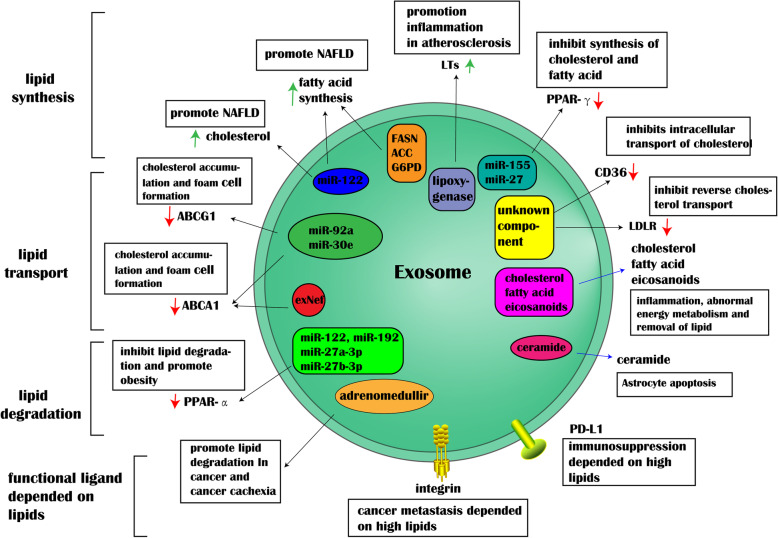
“Exosomes exert remarkable effects on lipid metabolism, including lipid synthesis, transportation, and degradation, and more importantly, lipid metabolism can also affect exosome production and secretion [37].”
BackgroundYang, H., Wang, J., & Huang, G. (2022) · Frontiers in Pharmacology · doi:10.3389/fphar.2022.1009952 · Cited by 6
Usenko, T. S., Мирошникова, В. В., Bezrukova, A. I., Basharova, K. S., Ланда, С. Б., Korobova, Z. R., Liubimova, N. E., Vlasov, I. N., Nikolaev, M. A., Izyumchenko, A. D., et al. (2023) · PLoS ONE · doi:10.1371/journal.pone.0278083 · Cited by 6
Exosomes: A promising new strategy for treating osteoporosis in the future
Hu, S., Liang, Y., & Pan, X. (2024) · Journal of Drug Delivery Science and Technology · doi:10.1016/j.jddst.2024.105571 · Cited by 7
Nobiletin Modulates Adipocyte-Derived Exosomal miRNA to Improve Liver Lipid Metabolism in Obese Mice
Leung, S.-Y., Ho, N.-Y., Ho, C., & Pan, M. (2025) · Journal of Agricultural and Food Chemistry · doi:10.1021/acs.jafc.5c06392 · Cited by 5
Lipolysis gone rogue: the HSL connection in feeding cancer
Hemadri, K., Subramanian, P., Aravindan, S., Periyasamy, L., & Aravindan, N. (2025) · Cell Biology and Toxicology · doi:10.1007/s10565-025-10098-4 · Cited by 5
“Furthermore, exo-some-mediated lipid transfer enables tumors to grasp lipids from distant cells, thereby contributing to lipid supply in non-adipose-rich environments (Wang et al. 2020b).”
InfluentialKahroba, H., Krauskopf, J., Briedé, J. J., Nawrot, T. S., & de Kok, T. M. C. M. (2025) · Environmental Health · doi:10.1186/s12940-025-01238-8 · Cited by 6
Li, H., Pan, H., & Feng, M. (2026) · Journal of Translational Medicine · doi:10.1186/s12967-025-07653-2 · Cited by 5
“These surface molecules can bind to membrane proteins of recipient cells, thereby initiating a series of cell signaling pathways that influence various cellular functions, including cell proliferation, differentiation, and immune responses [77].”
Exosomal RNAs and EZH2: unraveling the molecular dialogue driving tumor progression
Zwamel, A. H., Ahmad, A. T., Altalbawy, F. M. A., Malathi, H., Singh, A., Jabir, M. S., Aminov, Z., Lal, M., Kumar, A., & Jawad, S. F. (2025) · Medical Oncology · doi:10.1007/s12032-025-02648-x · Cited by 5
“By analyzing the metabolomic profiles of these exosomes, researchers can uncover insights into how EZH2 may modulate metabolic rewiring and influence metastatic behaviors in tumors [53].”
Stem Cell Delivery Routes: From Preclinical Models to Clinical Applications
Fagoonee, S. (2021) · BENTHAM SCIENCE PUBLISHERS eBooks · doi:10.2174/97898150401041210101 · Cited by 5
Bioquímica y vías metabólicas de polisacáridos, lípidos y proteínas
Pacheco-Gómez, V., Caballero-Zamora, A., Martínez-González, S., Prado-Rebolledo, O. F., & García-Casillas, A. C. (2021) · Abanico veterinario · doi:10.21929/abavet2021.47 · Cited by 8
Dong, X., Zhu, S., Liu, J., Dong, Z.-H., Guan, F., Xu, A., Zhao, J., & Ge, J. (2022) · Journal of Functional Foods · doi:10.1016/j.jff.2022.105182 · Cited by 5
Shi, C., Hu, S., Liu, S., Jia, X., & Feng, Y. (2024) · Human Cell · doi:10.1007/s13577-024-01158-8 · Cited by 6
“Accumulating evidence suggests that miR-122-containing exosomes disrupt the lipid pool and stimulate the synthesis of cholesterol and fatty acid in hepatocytes, which is involved in the pathogenesis of NASH [74].”
Hu, B., Huang, M., Tao, L., Li, Y., Kuang, Y., Liu, G., & Zhao, S. (2022) · Clinics · doi:10.1016/j.clinsp.2022.100129 · Cited by 6
Mir, R., Jan, U., Barnawi, J., Algehainy, N. A., Jalal, M. M., Altayar, M. A., Almotairi, R., Alnour, T. M. S., Mustafa, S. K., Al-Otaibi, A. S., et al. (2025) · Frontiers in Oncology · doi:10.3389/fonc.2025.1669213 · Cited by 4
Advancements in the study of exosomes in disease diagnosis and treatment
He, T., Wang, Y., Li, X., Xiang, C., Tan, S., Fan, R., Tian, J., Pan, L., Wu, W., Li, D., et al. (2025) · International Journal of Pharmaceutics · doi:10.1016/j.ijpharm.2025.126471 · Cited by 4
Emerging role of engineered exosomes in nonalcoholic fatty liver disease
Ding, J. H., Xu, C., Xu, M., Xiaoyue, H., Li, W., & He, F. (2023) · World Journal of Hepatology · doi:10.4254/wjh.v15.i3.386 · Cited by 5
Effect of adipose‐derived exosome and exosomal miRNA on glycolipid metabolism
Xie, D., Li, J., Jiang, P., Xue, X., & Wu, L. (2022) · Clinical and Translational Discovery · doi:10.1002/ctd2.134 · Cited by 4
Lai, W.-Y., Chuang, C.-W., Huang, Y.-C., & Huang, C. (2025) · Pharmacological Research · doi:10.1016/j.phrs.2025.107795 · Cited by 3
Xie, J., Lan, H., Ma, H., Jiang, D., Yao, H., Su, Y., He, J., Huang, W., Li, T., Shen, Y., et al. (2025) · Nano Research · doi:10.26599/nr.2025.94908148 · Cited by 3
Liu, J., Xia, F., Huang, T., Sheng, Y., Ding, G., Duan, Y., & Lyu, Y. (2026) · The FASEB Journal · doi:10.1096/fj.202503910r · Cited by 3
Zhao, Y., Pan, M., He, S., & Zhou, X. (2026) · Molecular Neurobiology · doi:10.1007/s12035-026-05794-z · Cited by 3
Unveiling the intricacies of exosome biology: from biogenesis to therapeutic applications
Mendonca, A., Acharjee, A., Sansare, Y., & Sundaresan, S. (2025) · Histochemistry and Cell Biology · doi:10.1007/s00418-025-02418-w · Cited by 3
“This method satisfies the demanding requirements for isolating exosomes containing certain target membrane proteins (Zhu et al. 2020).”
β’-COP mediated loading of PPARγ into trophoblast-derived extracellular vesicles
Luo, X., Wang, H., Yin, B., Huang, B., Cao, J., & Qi, H. (2024) · Cellular and Molecular Life Sciences · doi:10.1007/s00018-024-05494-8 · Cited by 3
Hanano, A., Yousfan, A., & Murphy, D. J. (2025) · Plant Biotechnology Journal · doi:10.1111/pbi.70411 · Cited by 2
Ye, W., Yang, Y., Chen, F., Lin, X., Wang, Y., Du, L., Pan, J., Liao, W., Chen, B., Chen, R., et al. (2025) · Frontiers in Immunology · doi:10.3389/fimmu.2025.1587522 · Cited by 2
“This ultimately leads to pathological changes associated with metabolic disorders (19).”
Ibrahim, D., Peț, I., Sherkawy, H. S., Eldoumani, H., Fathy, O. M., Elgamal, A., Gharib, H. S. A., Muhammed, A. A., Metwally, A. S., Ahmadi, M., et al. (2025) · Frontiers in Pharmacology · doi:10.3389/fphar.2025.1621092 · Cited by 2
“These receptors help inhibit or limit in fl ammatory responses and promote anti-in fl ammatory pathways (Wang S. et al., 2012).”
Ding, C., Wang, C., Guo, J., Lai, Y., Wang, Y., & Li, H. (2025) · Cellular Oncology · doi:10.1007/s13402-025-01104-2 · Cited by 2
“…by recipient cells, exosomes contain DNA, mRNA, miRNA, proteins, lipids, and other components that modify transcription and translation programs and regulate signalling pathways, key enzyme reactions, and cell auto-regulation, ultimately affecting the phenotype and function of recipient cells [29].”
Meng, G., Zhang, J., Wu, Z., Song, J., Sun, Q., Zhang, X., Sun, M., Yang, Y., & Xia, G. (2025) · Animals · doi:10.3390/ani15233459 · Cited by 2
“As novel mediators of intercellular and inter-tissue communication, exosomes extensively participate in regulating lipid metabolism within the animal organism through the bioactive factors present within them [20].”
Yakan, A., Özkan, H., Keçeli, H. H., Kaya, U., KARAASLAN, İ., DALKIRAN, S., Ünal, N., ÇAMDEVİREN, B., GÜNGÖR, G., Küçükoflaz, M., et al. (2025) · Food Science & Nutrition · doi:10.1002/fsn3.71336 · Cited by 2
Islam, A. W., Rao, Z. K., Wilkhoo, H. S., Singh, B., Hussain, S., & Kadam, S. (2026) · Exploration of Neuroprotective Therapy · doi:10.37349/ent.2026.1004137 · Cited by 2
Sharma, R., Song, B. S., Rane, R., Paul, D., Singh, B., Verma, T., Mishra, A., Karan, A., & Song, J. J. (2026) · Biomedicine & Pharmacotherapy · doi:10.1016/j.biopha.2026.119297 · Cited by 3
Puthiyattil, N., Varughese, D., Mani, B. M., Babu, R. S., Nair, K. S., George, R. L., Ramitha, P. A., Dogra, N., Mathew, M., Varghese, M. T., et al. (2026) · Ageing Research Reviews · doi:10.1016/j.arr.2026.103178 · Cited by 3
Exosomes in cancer: Innovative modification strategies for diagnostics and targeted therapy
Ilango, B., Palaniyandi, T., Baskar, G., Surendran, H., Rab, S. O., Saeed, M., & Natarajan, S. (2025) · Journal of Drug Delivery Science and Technology · doi:10.1016/j.jddst.2025.107381 · Cited by 4
Yang, L., Lu, R., Cao, K., Chen, M., Xu, X., Cao, X., Zhang, Y., & Nie, G. (2024) · Fish Physiology and Biochemistry · doi:10.1007/s10695-024-01384-9 · Cited by 1
“Studies have confirmed that exosomes were closely related to lipid metabolism (Wang et al. 2020), oxidative stress (Zhang et al. 2022), and inflammatory response (Console et al. 2019).”
Wang, C., Zhang, X., Liu, G., ZHANG, C., Li, P., He, P., Liu, S., Ji, H. L., & Yu, H. (2025) · The Journal of Nutritional Biochemistry · doi:10.1016/j.jnutbio.2025.109907 · Cited by 1
Self-citationLiu, Y., Dong, W., Hu, C., Yu, L., Yan, D., Fu, W., Huang, Y., & Ma, J. (2026) · Coatings · doi:10.3390/coatings16020201 · Cited by 1
B7-H3 (CD276) in exosome biogenesis and the tumor microenvironment: a new therapeutic nexus
Omran, K., Kousar, I., Lu, J., & Tan, M. (2026) · Cell Communication and Signaling · doi:10.1186/s12964-026-02872-6 · Cited by 1
Liu, Y., Yao, Z., Zhu, L., & Peng, W. (2026) · Journal of Nanobiotechnology · doi:10.1186/s12951-026-04705-7 · Cited by 1
“When metabolic stress, systemic inflammation, or increased circulating abnormal protein burden occurs, hepatocytes and non-paren-chymal liver cells may remodel EV release and cargo composition [82].”
Adelipour, M., Gab-Allah, M. A., Kim, M., Lee, S., Kim, K. K., Lee, G. S., Moon, J. H., Lubman, D. M., & Kim, J. (2026) · Biochimie · doi:10.1016/j.biochi.2026.10.003 · Cited by 1
Ceafalan, L. C., Niculae, A. M., Ioghen, O. C., Gherghiceanu, M., & Hinescu, M. E. (2022) · Elsevier eBooks · doi:10.1016/b978-0-12-821789-4.00005-9 · Cited by 1
Exosomes nanovesicles for gene delivery and vaccination
Desai, N., Pande, S., Salave, S., & Vora, L. K. (2024) · Elsevier eBooks · doi:10.1016/b978-0-443-29052-7.00013-1 · Cited by 1
Li, X., Chen, R., Kemper, S., Xu, Z., & Brigstock, D. R. (2025) · Biomedicines · doi:10.3390/biomedicines13020274 · Cited by 2
“…in hepatocytes through mechanisms that involve EV cargo components such as miR-122, which promotes cholesterol and fatty acid synthesis [12]; HMGB1, which is transported in EVs from the intestine to liver, where it promotes steatosis [13]; miR-199a-5p or aldo-keto-reductase Ib7, which…”
Yang, Z., Zhang, Q., Luo, H., Shao, L., Liu, R., Kong, Y., Zhao, X., Geng, Y., Li, C., & Wang, X. (2021) · Frontiers in Oncology · doi:10.3389/fonc.2021.783377
Clinical Applications of Exosomes
Huang, C. F. (2025) · Springer eBooks · doi:10.1007/978-981-96-1261-1_23
Synthetic Mimetics of Exosomal Lipid Profile Enhance Gemcitabine Delivery in Pancreatic CancerPreprint
Napso, T., Schroeder, A., Ginini, L., Amer, M., Regev‐Rudzki, N., Avinoam, O., Wolfenson, H., & Gil, Z. (2025) · bioRxiv (Cold Spring Harbor Laboratory) · doi:10.1101/2025.10.24.684306
“Similar to their role in cells, lipids are the building blocks of exosome membranes, contributing to their architecture, stability, and governing surface curvature [17].”
Saarimaa, S., Juntunen, M., Isosaari, L., Autio, R., Kuuskeri, M., Narkilahti, S., & Miettinen, S. (2025) · Cell Communication and Signaling · doi:10.1186/s12964-025-02544-x
“As the global prevalence of obesity has nearly tripled over the past 30 years [3], obesity has become a pressing health issue, contributing to, e.g., cardiovascular diseases [4], type 2 diabetes [5, 6], certain cancers [7], and neurodegenerative diseases [8].”
Metadata
- Authors
- Wang, W., Zhu, N., Yan, T., Shi, Y.-N., Chen, J., Zhang, C.-J., Xie, X.-J., Liao, D.-F., & Qin, L.
- Affiliations
- Hunan University of Traditional Chinese Medicine (CN)
- First Affiliated Hospital of Hunan University of Traditional Chinese Medicine (CN)
- Chinese People's Liberation Army (CN)
- Corresponding author
- Liao, Duan-Fang
- Venue
- Cell Communication and Signaling
- Published
- 2020-08-03
- Volume
- 18
- Issue
- 1
- Pages
- 119-119
- ISSN
- 1478-811X (ISSN-L)
- PMC
- PMC7398059
- OpenAlex
- W3046668398
- Cited by
- 203
- References
- 130
- Citations by year
- 2026: 18 · 2025: 54 · 2024: 35 · 2023: 37 · 2022: 38 · 2021: 19 · 2020: 2
- FWCI
- 2.30
- Type
- journal article
- Language
- en
- Open access
- gold
- doi.org
- Licence
- cc-by
- creativecommons.org/licenses/by/4.0 (tdm)
- creativecommons.org/licenses/by/4.0 (vor)
- Locations
- Cell Communication and Signaling (publishedVersion, cc-by)
- PubMed Central (publishedVersion, cc-by)
- PubMed (publishedVersion)
- DOAJ (DOAJ: Directory of Open Access Journals) (submittedVersion, cc-by-sa)
- Funders
- National Natural Science Foundation of China (No.81973668 and No.81774130)
- Science Foundation for Distinguished Young Scholars of Hunan Province (No.2018JJ1018)
- National Natural Sciences Foundation of China (No.81670268, No.81603600)
- Topics
- Life Sciences › Biochemistry, Genetics and Molecular Biology › Molecular Biology › Extracellular vesicles in disease
- Life Sciences › Biochemistry, Genetics and Molecular Biology › Cell Biology › Cellular transport and secretion
- Life Sciences › Biochemistry, Genetics and Molecular Biology › Biochemistry › Lipid metabolism and biosynthesis
- Keywords
- exosomes, lipid metabolism, intercellular communication, lipid transport, lipogenesis, lipid degradation, atherosclerosis, cancer, non-alcoholic fatty liver disease, obesity, Alzheimer's disease, exosome secretion
- MeSH terms
- Animals, Humans, Lipids, Models, Biological, Lipid Metabolism, Exosomes
About these checks
Registry, retraction, Cites and statistics results are computed, not judged, with one exception: a printed reference that no index lists is read once by a model before it counts as a citation error. Claims are extracted by a model and kept only when their quote appears verbatim in the text; each cited source is then checked, with a model’s help, for whether it says what the claim relies on. Those verdicts can be wrong — read the claim’s quote and the cited source before relying on one.
Statistics and arithmetic are recomputed, not judged.
Confidence bands are shown only for fields calibrated on our annotated test set. None is calibrated yet, so no band is shown.
What counts as a claim ›How we measure confidence ›How we check this ›
Are you an author, or do you see a problem with this page? Request a review
Data sources
Bibliographic data: Semantic Scholar, OpenAlex, Crossref.
Contains information from the Semantic Scholar Academic Graph Datasets, made available under the ODC Attribution License (ODC-BY 1.0).
Semantic Scholar’s data is described in: Kinney, R., et al. (2023). The Semantic Scholar Open Data Platform. arXiv:2301.10140.
