

The crosstalk: exosomes and lipid metabolism
Open accessThe DOI matches its Crossref record; 130 of the 130 references it cites were found in a registry or an index.
Abstract
Exosomes have been considered as novel and potent vehicles of intercellular communication, instead of “cell dust”. Exosomes are consistent with anucleate cells, and organelles with lipid bilayer consisting of the proteins and abundant lipid, enhancing their “rigidity” and “flexibility”. Neighboring cells or distant cells are capable of exchanging genetic or metabolic information via exosomes binding to recipient cell and releasing bioactive molecules, such as lipids, proteins, and nucleic acids. Of note, exosomes exert the remarkable effects on lipid metabolism, including the synthesis, transportation and degradation of the lipid. The disorder of lipid metabolism mediated by exosomes leads to the occurrence and progression of diseases, such as atherosclerosis, cancer, non-alcoholic fatty liver disease (NAFLD), obesity and Alzheimer’s diseases and so on. More importantly, lipid metabolism can also affect the production and secretion of exosomes, as well as interactions with the recipient cells. Therefore, exosomes may be applied as effective targets for diagnosis and treatment of diseases.
Overview
The claims and statistics of this paper haven’t been checked yet.
Free: it reads the open-access text and checks the first 5 claims that cite a source we can check. Create a free account to check every claim.
Integrity signals
Registry
Cites
Statistics
Figures
Verification
Claims the paper makes
The claims and statistics of this paper haven’t been checked yet.
Free: it reads the open-access text and checks the first 5 claims that cite a source we can check. Create a free account to check every claim.
Self-check
Percentages, sums and reported differences re-computed from the paper’s own numbers.
The self-check needs the paper’s full text.
Citations
Cites
2 retracted
Exosomes Mediate LTB4 Release during Neutrophil Chemotaxis
Majumdar, R., Tavakoli Tameh, A., & Parent, C. A. (2016) · PLOS Biology · doi:10.1371/journal.pbio.1002336 · Cited by 152
RetractedWu, Q., Sun, S., Li, Z., Yang, Q., Li, B., Zhu, S., Wang, L., Wu, J., Yuan, J., Yang, C., et al. (2018) · Molecular Cancer · doi:10.1186/s12943-018-0899-5 · Cited by 102
RetractedTumour exosome integrins determine organotropic metastasis
Hoshino, A., Costa-Silva, B., Shen, T.-L., Rodrigues, G., Hashimoto, A., Tesic Mark, M., Molina, H., Kohsaka, S., Di Giannatale, A., Ceder, S., et al. (2015) · Nature · doi:10.1038/nature15756 · Cited by 5,101
Silencing of microRNAs in vivo with ‘antagomirs’
Krützfeldt, J., Rajewsky, N., Braich, R., Rajeev, K. G., Tuschl, T., Manoharan, M., & Stoffel, M. (2005) · Nature · doi:10.1038/nature04303 · Cited by 3,949
Ceramide Triggers Budding of Exosome Vesicles into Multivesicular Endosomes
Trajkovic, K., Hsu, C., Chiantia, S., Rajendran, L., Wenzel, D., Wieland, F., Schwille, P., Brügger, B., & Simons, M. (2008) · Science · doi:10.1126/science.1153124 · Cited by 3,627
Reassessment of exosome composition
Jeppesen, D. K., Fenix, A. M., Franklin, J. L., Higginbotham, J. N., Zhang, Q., Zimmerman, L. J., Liebler, D. C., Ping, J., Liu, Q., Evans, R., et al. (2019) · Cell · doi:10.1016/j.cell.2019.02.029 · Cited by 2,975 · cited 1×
“Endosomes encapsulate annexins [18], flotillins [19], Rab molecules [20] and clathrin [21], etc.”
Johnstone, R. M., Adam, M., Hammond, J. R., Orr, L., & Turbide, C. (1987) · Journal of Biological Chemistry · doi:10.1016/s0021-9258(18)48095-7 · Cited by 2,931
Exosomal PD-L1 contributes to immunosuppression and is associated with anti-PD-1 response
Chen, G., Huang, A. C., Zhang, W., Zhang, G., Wu, M., Xu, W., Yu, Z., Yang, J., Wang, B., Sun, H., et al. (2018) · Nature · doi:10.1038/s41586-018-0392-8 · Cited by 2,813
miR-122 regulation of lipid metabolism revealed by in vivo antisense targeting
Esau, C., Davis, S., Murray, S. F., Yu, X. X., Pandey, S. K., Pear, M., Watts, L., Booten, S. L., Graham, M., McKay, R., et al. (2006) · Cell Metabolism · doi:10.1016/j.cmet.2006.01.005 · Cited by 2,082
Syndecan–syntenin–ALIX regulates the biogenesis of exosomes
Baietti, M. F., Zhang, Z., Mortier, E., Melchior, A., Degeest, G., Geeraerts, A., Ivarsson, Y., Depoortere, F., Coomans, C., Vermeiren, E., et al. (2012) · Nature Cell Biology · doi:10.1038/ncb2502 · Cited by 1,899
Cited by
Kang, Y., Xu, C., Meng, L., Dong, X., Qi, M., & Jiang, D. (2022) · Bioactive materials · doi:10.1016/j.bioactmat.2022.02.012 · Cited by 253
Ghadami, S., & Dellinger, K. (2023) · Frontiers in Molecular Biosciences · doi:10.3389/fmolb.2023.1198044 · Cited by 246
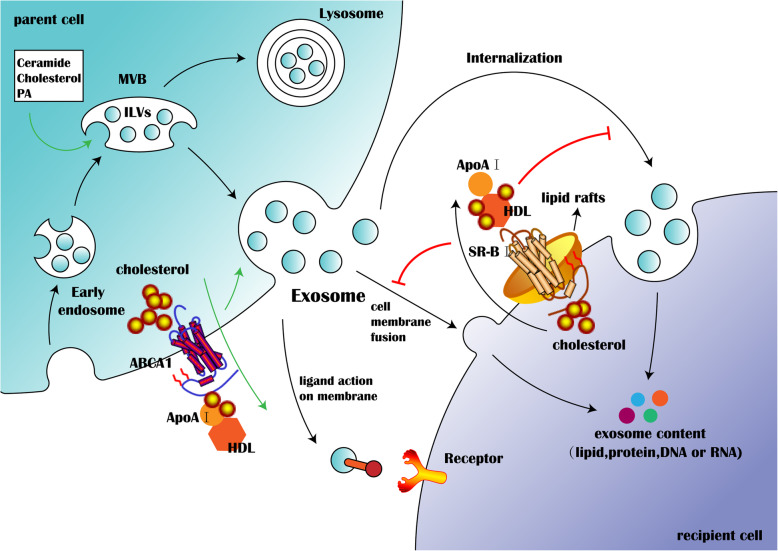
“For example, exosomes released by Mantle cell lymphoma cells were shown to be taken up by B-lymphocytes through proteins associated with cholesterol/ lipid raft microdomains (Wang et al., 2020).”
BackgroundOu, X., Wang, H., Tie, H., Liao, J., Luo, Y., Huang, W., Yu, R., Song, L., & Zhu, J. (2023) · Journal of Nanobiotechnology · doi:10.1186/s12951-023-01919-x · Cited by 229
“Compositional analysis of CLDENs As a biological membrane vesicle, lipid makes up the majority of extracellular vesicles [40].”
MethodExosomal targeting and its potential clinical application
He, J., Ren, W., Wang, W., Han, W., Jiang, L., Zhang, D., & Guo, M. (2022) · Drug Delivery and Translational Research · doi:10.1007/s13346-021-01087-1 · Cited by 199
“Exosomes are vesicles about 30–150 nm in diameter, which can be secreted by a variety of cells [16], including immune cells [17], cancer cells [18], and stem cells [19] and so on.”
BackgroundSelf-citationExosomes in atherosclerosis: performers, bystanders, biomarkers, and therapeutic targets
Wang, C., Li, Z., Liu, Y., & Yuan, L. (2021) · Theranostics · doi:10.7150/thno.56035 · Cited by 187
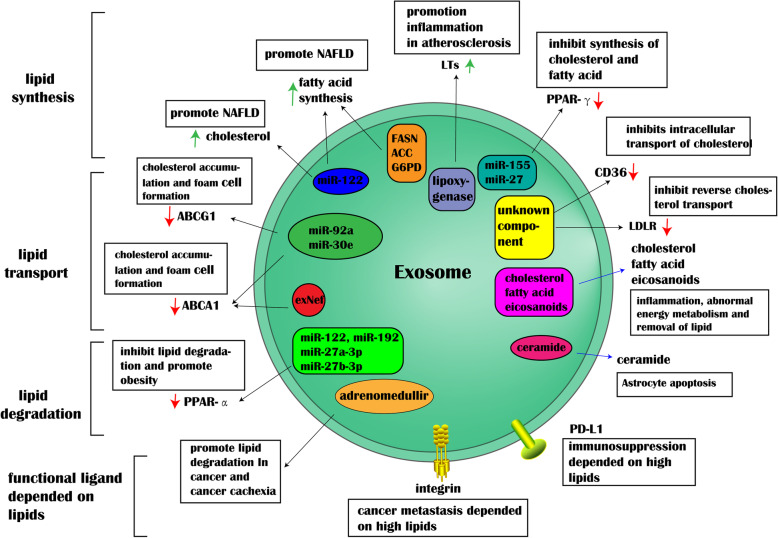
“Exosomes-mediated lipid metabolism covers the process of lipid synthesis, transportation, and degradation, which have been implicated in atherosclerosis [118].”
BackgroundExtracellular Vesicle Preparation and Analysis: A State‐of‐the‐Art Review
Wang, Z., Zhou, X., Kong, Q., He, H., Sun, J., Qiu, W., Zhang, L. N., & Yang, M. (2024) · Advanced Science · doi:10.1002/advs.202401069 · Cited by 152
Role of Ceramides and Lysosomes in Extracellular Vesicle Biogenesis, Cargo Sorting and Release
Horbay, R., Hamraghani, A., Ermini, L., Holcik, S., Beug, S. T., & Yeganeh, B. (2022) · International Journal of Molecular Sciences · doi:10.3390/ijms232315317 · Cited by 131
“Several pieces of evidence demonstrated that EVs can directly transport lipids from donor cells to recipient cells, altering various cellular processes such as metabolism, release of secretory proteins, and activation of immune cells [101,102].”
BackgroundBahadorani, M., Nasiri, M., Dellinger, K., Aravamudhan, S., & Zadegan, R. (2024) · International Journal of Nanomedicine · doi:10.2147/ijn.s464249 · Cited by 121
Spatial transcriptomic clocks reveal cell proximity effects in brain ageing
Sun, E., Zhou, O. Y., Hauptschein, M., Rappoport, N., Xu, L., Negredo, P. N., Liu, L. A., Rando, T. A., Zou, J., & Brunet, A. (2024) · Nature · doi:10.1038/s41586-024-08334-8 · Cited by 132
Plant-nanoparticles enhance anti-PD-L1 efficacy by shaping human commensal microbiota metabolites
Teng, Y., Luo, C., Qiu, X., Mu, J., Sriwastva, M. K., Xu, Q., Liu, M., Hu, X., Xu, F., Zhang, L., et al. (2025) · Nature Communications · doi:10.1038/s41467-025-56498-2 · Cited by 120
Estes, R., Lin, B. C., Khera, A., & Davis, M. Y. (2021) · Frontiers in Molecular Neuroscience · doi:10.3389/fnmol.2021.788695 · Cited by 111
“Both exosomes and synaptic vesicles contain similar cholesterol levels (44% mol) that help maintain the arrangement of phospholipids in the membrane’s bilayer and thereby help maintain the rigidity of the vesicle’s membranes (Wang et al., 2020).”
BackgroundExosome isolation and characterization for advanced diagnostic and therapeutic applications
Mukerjee, N., Bhattacharya, A., Maitra, S., Kaur, M., Ganesan, S., Mishra, S., Ashraf, A., Rizwan, M., Kesari, K. K., Tabish, T. A., et al. (2025) · Materials Today Bio · doi:10.1016/j.mtbio.2025.101613 · Cited by 123
Anđjus, P. R., Kosanović, M., Milicevic, K. D., Gautam, M., Vainio, S. J., Jagečić, D., Kozlova, E. N., Pivoriūnas, A., Chachques, J. C., Sakaj, M., et al. (2020) · International Journal of Molecular Sciences · doi:10.3390/ijms21186859 · Cited by 97
Ma, F., Vayalil, J., Lee, G., Wang, Y., & Peng, G. (2021) · Journal for ImmunoTherapy of Cancer · doi:10.1136/jitc-2021-003217 · Cited by 91
Plant-derived exosome-like nanovesicles: a novel therapeutic perspective for skin diseases
Liu, H., Dong, T., Dong, C., Yang, F., Zhou, Q., Guan, C., & Wang, W. (2025) · Journal of Nanobiotechnology · doi:10.1186/s12951-025-03715-1 · Cited by 87
“As biological membrane vesicles, lipids constitute the primary components of PENs [120] and play crucial roles in promoting nanovesicle formation, enhancing membrane fusion, conferring targeting properties, and maintaining structural integrity [121], providing a theoretical basis for PEN…”
Self-citationDave, K. M., Pinky, P. P., & Manickam, D. S. (2025) · Journal of Controlled Release · doi:10.1016/j.jconrel.2025.114068 · Cited by 84
Zhang, Y., Liang, F., Zhang, D., Qi, S., & Liu, Y. (2022) · Biomedicine & Pharmacotherapy · doi:10.1016/j.biopha.2022.114046 · Cited by 80
Zhou, M., He, X., Mei, C., & Ou, C. (2023) · Biomarker Research · doi:10.1186/s40364-023-00538-w · Cited by 78
“Lipids carried by exosomes, such as PGE1 and arachidonic acid, can be transferred from macrophages to the TME, and this is closely related to tumor invasion, metastasis, and immunosuppression [84].”
BackgroundExosome based miRNA delivery strategy for disease treatment
Fang, Z., Zhang, X., Huang, H. W., & Wu, J. (2021) · Chinese Chemical Letters · doi:10.1016/j.cclet.2021.11.050 · Cited by 76
Mambro, T. D., Pellielo, G., Agyapong, E. D., Carinci, M., Chianese, D., Giorgi, C., Morciano, G., Patergnani, S., Pinton, P., & Rimessi, A. (2023) · International Journal of Molecular Sciences · doi:10.3390/ijms24098181 · Cited by 78
“Even in this case, EVs are implicated in lipid metabolism [190].”
BackgroundExosomes: Another intercellular lipometabolic communication mediators in digestive system neoplasms?
Li, S., Dong, R., 康振华, Li, H., Wu, X., & Li, T. X. (2023) · Cytokine & Growth Factor Reviews · doi:10.1016/j.cytogfr.2023.06.005 · Cited by 75
Akbar, S., Raza, A., Mohsin, R., Kanbour, A., Qadri, S. M., Parray, A., Gul, A. R. Z., Philip, A., Vijayakumar, S., Merhi, M., et al. (2023) · Frontiers in Immunology · doi:10.3389/fimmu.2022.1097117 · Cited by 70
Environmental pollutants and exosomes: A new paradigm in environmental health and disease
Javdani-Mallak, A., & Salahshoori, I. (2024) · The Science of The Total Environment · doi:10.1016/j.scitotenv.2024.171774 · Cited by 62
Ferraz, L. C., Pereira, P., & Ferreira, J. V. (2025) · Advanced Healthcare Materials · doi:10.1002/adhm.202501349 · Cited by 65
Energy Sources for Exosome Communication in a Cancer Microenvironment
Thakur, A., Johnson, A. B., Jacobs, E., Zhang, K., Chen, J., Wei, Z., Lian, Q., & Chen, H. J. (2022) · Cancers · doi:10.3390/cancers14071698 · Cited by 61
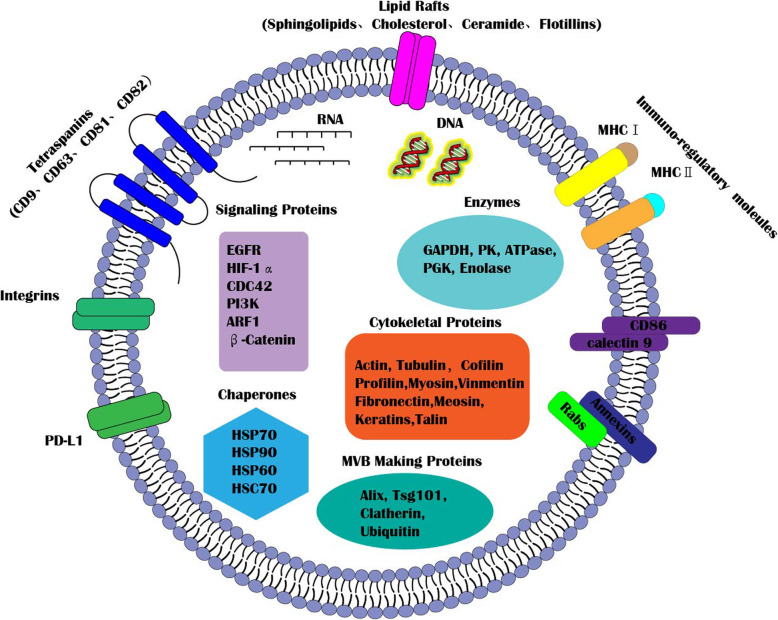
“surface markers such as integrin or PD-L1, which promote cancer metastasis, immunosuppression, and overall disease progression [90].”
BackgroundSelf-citationBeneficial Effects of Bovine Milk Exosomes in Metabolic Interorgan Cross-Talk
García-Martínez, J. A., Pérez-Castillo, Í. M., Salto, R., López-Pedrosa, J. M., Rueda, R., & Girón, M. D. (2022) · Nutrients · doi:10.3390/nu14071442 · Cited by 62
“Beyond tetraspanins, exosomes can contain many different proteins, including membrane transport proteins, cell adhesion proteins, signaling proteins, enzymes, cytoskeletal proteins, and chaperones [15,63].”
BackgroundExosomes-regulated lipid metabolism in tumorigenesis and cancer progression
Ye, L., Li, Y., Zhang, S., Wang, J., & Lei, B. (2023) · Cytokine & Growth Factor Reviews · doi:10.1016/j.cytogfr.2023.05.002 · Cited by 58
The role of exosomal molecular cargo in exosome biogenesis and disease diagnosis
Liu, M., Wen, Z., Zhang, T., Zhang, L., Liu, X., & Wang, M. (2024) · Frontiers in Immunology · doi:10.3389/fimmu.2024.1417758 · Cited by 77
“This conical phospholipid stimulates ILVs to bud independently of the ESCRT mechanism, mainly due to the negative curvature of the PA head group, which is smaller and may form a cone that facilitates intraluminal bud emergence (111, 112).”
BackgroundExpanding Roles of De Novo Lipogenesis in Breast Cancer
Simeone, P., Tacconi, S., Longo, S., Lanuti, P., Bravaccini, S., Pirini, F., Ravaioli, S., Dini, L., & Giudetti, A. M. (2021) · International Journal of Environmental Research and Public Health · doi:10.3390/ijerph18073575 · Cited by 58
“However, a growing number of reports provide evidence that extracellular vesicles can regulate the expression of classical lipid transporters such as CD36, ATP-binding cassette transporter A1 (ABCA1), low-density lipoprotein receptor (LDLR), and ATP-Binding Cassette Subfamily G Member 1 (ABCG1) [134].”
BackgroundDefining tropism and activity of natural and engineered extracellular vesicles
Choi, W., Park, D. J., & Eliceiri, B. P. (2024) · Frontiers in Immunology · doi:10.3389/fimmu.2024.1363185 · Cited by 55
Effects of oral milk extracellular vesicles on the gut microbiome and serum metabolome in mice
Du, C., Quan, S., Nan, X., Zhao, Y., Shi, F., Luo, Q., & Xiong, B. (2021) · Food & Function · doi:10.1039/d1fo02255e · Cited by 54
Extracellular vesicles in vascular remodeling
Ye, C., Zheng, F., Wu, N., Zhu, G., & Li, X. (2022) · Acta Pharmacologica Sinica · doi:10.1038/s41401-021-00846-7 · Cited by 52
“EVs play important roles in modulating lipid metabolism including lipid synthesis, transport, and degradation, which are associated with atherosclerosis [116].”
BackgroundPPARα at the crossroad of metabolic–immune regulation in cancer
Zeng, W., Yin, X., Jiang, Y., Jin, L., & Liang, W. P. (2021) · FEBS Journal · doi:10.1111/febs.16181 · Cited by 56
Extracellular Vesicle‐Based mRNA Therapeutics and Vaccines
Li, Q., Xing, H., Naeem, A., Zhang, K., Zheng, A., Huang, Y., & Lu, M. (2025) · Exploration · doi:10.1002/exp.20240109 · Cited by 66
“Variations in the lipid composition of EVs have been used for both disease diagnosis and treatment [34].”
Zhang, B., Zhao, J., Jiang, M., Peng, D., Dou, X., Song, Y., & Shi, J. (2022) · Frontiers in Immunology · doi:10.3389/fimmu.2022.893617 · Cited by 51
Engineered exosomes as drug and RNA co-delivery system: new hope for enhanced therapeutics?
Chen, H., Yao, H., Chi, J., Li, C., Liu, Y., Yang, J., Yu, J., Wang, J., Ruan, Y., Pi, J., et al. (2023) · Frontiers in Bioengineering and Biotechnology · doi:10.3389/fbioe.2023.1254356 · Cited by 45
Critical considerations in determining the surface charge of small extracellular vesicles
Tamrin, S. H., Phelps, J., Sanati‐Nezhad, A., & Sen, A. (2023) · Journal of Extracellular Vesicles · doi:10.1002/jev2.12353 · Cited by 47
Atherosclerosis and Its Related Laboratory Biomarkers
Corte, V. D., Todaro, F., Cataldi, M., & Tuttolomondo, A. (2023) · International Journal of Molecular Sciences · doi:10.3390/ijms242115546 · Cited by 50
“According to recent evidence, exosomes seem to be essential players in atherosclerosis [25].”
BackgroundThe emerging role of 27-hydroxycholesterol in cancer development and progression: An update
Jasim, S. A., Kzar, H. H., Hamad, M. H., Ahmad, I. S., Al-Gazally, M. E., Ziyadullaev, S., Sivaraman, R., Jawad, M. A., Hammid, A. T., Oudaha, K. H., et al. (2022) · International Immunopharmacology · doi:10.1016/j.intimp.2022.109074 · Cited by 49
Fath, M. K., Azami, J., Jaafari, N., Oryani, M. A., Jafari, N., poor, A. K., Azargoonjahromi, A., Nabi‐Afjadi, M., Payandeh, Z., Zalpoor, H., et al. (2022) · Cellular & Molecular Biology Letters · doi:10.1186/s11658-022-00377-x · Cited by 50
“Exosomes are rich in endosomal pathway proteins via CD9, CD81, and CD82, and their secretion into the extracellular space by various cells has been observed [24].”
BackgroundBaek, A. E., Krawczynska, N., Das Gupta, A., Dvoretskiy, S. V., You, S., Park, J., Deng, Y.-H., Sorrells, J. E., Smith, B. P., Ma, L., et al. (2021) · Endocrinology · doi:10.1210/endocr/bqab095 · Cited by 43
Mun, J., Song, D.-H., Kee, J., & Han, Y. (2025) · Current Issues in Molecular Biology · doi:10.3390/cimb47030144 · Cited by 43
“The lipid composition of plant-derived exosomal membranes is notably rich in cholesterol, sphingolipids, ceramides, and various phospholipids, which confer both stability and functional specificity to these vesicles [9,14–16].”
Extracellular vesicles in cancers: mechanisms, biomarkers, and therapeutic strategies
Ma, Y., Zhang, X., Liu, C., & Zhao, Y. (2024) · MedComm · doi:10.1002/mco2.70009 · Cited by 46
A new urinary exosome enrichment method by a combination of ultrafiltration and TiO 2 nanoparticles
Xiang, X., Guan, F., Jiao, F., Li, H., Zhang, W., Zhang, Y., & Qin, W. (2021) · Analytical Methods · doi:10.1039/d1ay00102g · Cited by 42
Ferreira, R. F., Blees, T., Shakeri, F., Buneß, A., Sylvester, M., Savoini, G., Agazzi, A., Mrljak, V., & Sauerwein, H. (2021) · Journal of Proteomics · doi:10.1016/j.jprot.2021.104338 · Cited by 43
Extracellular Vesicle-Mediated Mitochondrial Reprogramming in Cancer
Carles-Fontana, R., Heaton, N. D., Palma, E., & Khorsandi, S. E. (2022) · Cancers · doi:10.3390/cancers14081865 · Cited by 42
Engineered and Mimicked Extracellular Nanovesicles for Therapeutic Delivery
Poinsot, V., Pizzinat, N., & Ong‐Meang, V. (2024) · Nanomaterials · doi:10.3390/nano14070639 · Cited by 40
“Exosomes are involved in lipid synthesis, transportation, and degradation [37].”
BackgroundPolónia, B. R. G., Xavier, C. P. R., Kopecka, J., Riganti, C., & Vasconcelos, M. H. (2023) · Cytokine & Growth Factor Reviews · doi:10.1016/j.cytogfr.2023.05.001 · Cited by 40
“Of note, PPAR γ can be regulated also by miR-122, miR-192, miR27a-3p and miR27b-3p [140], which are known to be carried by EVs.”
Rani, S., Lai, A., Nair, S., Sharma, S., Handberg, A., Carrión, F., Möller, A., & Salomón, C. (2023) · Cytokine & Growth Factor Reviews · doi:10.1016/j.cytogfr.2023.06.004 · Cited by 39
Delivery of mitochondria-containing extracellular vesicles to the BBB for ischemic stroke therapy
Dave, K. M., Stolz, D. B., & Manickam, D. S. (2023) · Expert Opinion on Drug Delivery · doi:10.1080/17425247.2023.2279115 · Cited by 37
“…composite EV membrane provides rigidity and flexibility to EVs as well as exerts essential roles in protecting encapsulated cargoes from the extracellular environment, EV trafficking, and binding to target cells, fusion/uptake into recipient cells, and endosomal escape of luminal EV cargo [78,79].”
BackgroundExtracellular vesicles in metabolic perspective: mechanism and targeted therapy
Sheng, Q., Wu, Z., Li, W., Wang, L., Xu, H., Wang, W., Yan, Z., Ge, G., Xu, Y., & Geng, D. (2025) · Journal of Nanobiotechnology · doi:10.1186/s12951-025-03763-7 · Cited by 37
“As biocarriers, EVs directly transfer lipids, such as cholesterol and fatty acids, while enzymes and miRNAs can be encapsulated and translocated to engage in lipid metabolism [91].”
Self-citationShi, R., Tan, W., Jin, H., Chan, S. I., Li, W., Lei, S. S., Cui, G., Wang, Y., Yang, D., & Zhong, Z. (2025) · Advanced Science · doi:10.1002/advs.202505921 · Cited by 47
HFpEF and MASLD: converging mechanisms and clinical implications
Capone, F., Häseli, S. P., Liu, L., Strocchi, S., Langenberg, C., Lusis, A. J., Pietzner, M., Muoio, D. M., Rider, O. J., Raman, B., et al. (2026) · Nature Reviews Cardiology · doi:10.1038/s41569-026-01257-z · Cited by 37
“Extracellular vesicles have important roles in intercellular communication and are implicated in various diseases, including metabolic syndrome, because they transfer metabolic information and are intricately connected to cellular lipid metabolism 224 .”
Mitchell, M. I., Ma, J., Carter, C. L., & Loudig, O. D. (2022) · Cancers · doi:10.3390/cancers14143350 · Cited by 37
Engineering of Cell Derived-Nanovesicle as an Alternative to Exosome Therapy
Jang, H., Shim, K.-S., Lee, J., Park, J. H., Kang, S.-J., Shin, Y. M., Lee, J. B., Baek, W., & Yoon, J. (2023) · Tissue Engineering and Regenerative Medicine · doi:10.1007/s13770-023-00610-4 · Cited by 34
Emerging Combination of Hydrogel and Electrochemical Biosensors
Huang, L., Zhou, Y., Hu, X., & Yáng, Z. (2024) · Small · doi:10.1002/smll.202409711 · Cited by 44
Metabolic Signaling in the Tumor Microenvironment
Clay, R., Li, K., & Jin, L. (2025) · Cancers · doi:10.3390/cancers17010155 · Cited by 36
Wang, M., Chen, Y., Xu, B.-Y., Zhu, X., Mou, J., Xie, J., Che, Z., Zuo, L., Li, J., Jia, H., et al. (2025) · Molecular Medicine · doi:10.1186/s10020-025-01200-x · Cited by 33
“In uremic cardiomyopathy mice, CM pyroptosis and hypertrophy can be exacerbated by macrophage-EVs-miR-155, which can promote the progression of cardiomyopathy through inhibiting transcription factors FoxO3 expression (Wang et al. 2020a).”
The biological function of tumor-derived extracellular vesicles on metabolism
Fu, X., Song, J., Yan, W., Downs, B. M., Wang, W., & Li, J. (2023) · Cell Communication and Signaling · doi:10.1186/s12964-023-01111-6 · Cited by 33
Self-citationHayek, H., Rehbini, O., Kośmider, B., Brandt, T., Chatila, W. M., Marchetti, N. T., Criner, G. J., Bolla, S., Kishore, R., Bowler, R. P., et al. (2023) · American Journal of Respiratory Cell and Molecular Biology · doi:10.1165/rcmb.2023-0232oc · Cited by 32
Platelet-derived extracellular vesicles: emerging players in hemostasis and thrombosis
Kubaev, A., Sead, F. F., Pirouzbakht, M., Nazari, M., Riyahi, H., Sargazi-Aval, O., Hasanvand, A., Mousavi, F., & Samarkhazan, H. S. (2025) · Journal of Liposome Research · doi:10.1080/08982104.2025.2495261 · Cited by 31
“This process subsequently affects the biological functions or pathophysiological state of the recipient cell [11].”
Tumor Microenvironment in Metastatic Colorectal Cancer: The Arbitrator in Patients’ Outcome
Galindo-Pumariño, C., Collado, M., Herrera, M., & Peña, C. (2021) · Cancers · doi:10.3390/cancers13051130 · Cited by 31
“Exosomes are extracellular vesicles (40–150 nm) that contain mainly non-coding RNAs, but also proteins, lipids, small DNAs and messenger RNA (mRNA) [25,26].”
BackgroundApplication of cell-derived exosomes in the hematological malignancies therapy
Ghaffari, K., Hasan‐Abad, A. M., Nasab, A. S., Javaheri, J., & Ghasemi, A. (2023) · Frontiers in Pharmacology · doi:10.3389/fphar.2023.1263834 · Cited by 33
Han, G., Zhen, W., Dai, Y., Yu, H., Li, D., & Ma, T. (2022) · Frontiers in Aging Neuroscience · doi:10.3389/fnagi.2022.873929 · Cited by 31
“A reasonable explanation for this might be that AD and NAFLD share some common pathogenesis and mechanism related to abnormal lipid metabolism as demonstrated by many studies (de la Monte, 2017; Wang et al., 2020).”
BackgroundExtracellular Vesicles and Their Membranes: Exosomes vs. Virus-Related Particles
Cortes-Galvez, D., Dangerfield, J. A., & Metzner, C. (2023) · Membranes · doi:10.3390/membranes13040397 · Cited by 30
“During the biogenesis of the vesicles, lipid metabolism is tightly correlated [49].”
BackgroundDeveloping Biomarkers of Mild Traumatic Brain Injury: Promise and Progress of CNS-Derived Exosomes
Vaughn, M. N., Winston, C. N., Levin, N., Rissman, R. A., & Risbrough, V. B. (2022) · Frontiers in Neurology · doi:10.3389/fneur.2021.698206 · Cited by 33
“The clinical utility of blood-based exosomes is predicated on the fact that cargo proteins are protected from degradation via the exosome’s phospholipid bilayer as compared to free circulating proteins and RNA (41, 42).”
BackgroundCai, P.-Y., Zheng, Y.-L., Zhou, Y., Wang, W.-D., Li, M., Shi, Y., Lin, H., & Lin, S. (2022) · Sleep Medicine Reviews · doi:10.1016/j.smrv.2022.101696 · Cited by 29
Self-citationHegde, M., Kumar, A., Girisa, S., Alqahtani, M. S., Abbas, M. A. E., Goel, A., Hui, K. M., Sethi, G., & Kunnumakkara, A. B. (2023) · Cytokine & Growth Factor Reviews · doi:10.1016/j.cytogfr.2023.06.001 · Cited by 29
Li, W., & Yu, L. (2024) · Artificial Cells Nanomedicine and Biotechnology · doi:10.1080/21691401.2024.2360008 · Cited by 30
“Circulating EV levels are often influenced by lipid metabolism, as lipids are involved in EV membrane components, bio-genesis, and cellular release [61].”
Astrocyte-Derived Extracellular Vesicles for Ischemic Stroke: Therapeutic Potential and Prospective
Wang, X., Li, A., Fan, H., Li, Y., Yang, N., & Tang, Y. (2023) · Aging and Disease · doi:10.14336/ad.2023.0823-1 · Cited by 33
“It should be noted that EVs have significant effects on lipid metabolism, including lipid synthesis, transport and degradation [59].”
BackgroundPan, T., Shi, Y., Guo, Y., Mamtimin, A., & Zhu, W. P. (2023) · Biomolecules · doi:10.3390/biom13111652 · Cited by 29
“…vascular diseases; (2) analyzing the relationship between LMD and IA formation; (3) analyzing the relationship between LMD and IA rupture; (4) analyzing the relationship between LMD and SAH after IA rupture; and (5) discussing the possibility of LMD as a biomarker and therapeutic target for IA.”
BackgroundSelf-citationRahgoshay, M., Atashi, A., Vaezi, M., Ajorloo, M., Amini‐Kafiabad, S., & Ahmadvand, M. (2025) · Cancer Nanotechnology · doi:10.1186/s12645-025-00334-1 · Cited by 29
Extracellular Vesicles as Novel Drug-Delivery Systems through Intracellular Communications
Matsuzaka, Y., & Yashiro, R. (2022) · Membranes · doi:10.3390/membranes12060550 · Cited by 29
Exosomal miRNAs and isomiRs: potential biomarkers for type 2 diabetes mellitus
Sou, Y. L., Chilian, W. M., Ratnam, W., Zain, S. M., Kadir, S. Z. S. A., Pan, Y., & Pung, Y. F. (2024) · Precision Clinical Medicine · doi:10.1093/pcmedi/pbae021 · Cited by 26
“…in exosomes , miRNAs ha v e particularl y garner ed m uc h attention due to their ability to alter gene expression in recipient cells, whether in direct vicinity or from distant origins when shuttled in exosomes [ 17–19 ]. miRNAs are one of the k e y regulators in post-translational regulation.”
BackgroundGong, X., Zhao, Q., Zhang, H., Liu, R., Wu, J., Zhang, N., Zou, Y., Zhao, W., Huo, R., & Cui, R. (2024) · International Journal of Nanomedicine · doi:10.2147/ijn.s480901 · Cited by 28
“145,153 Importance of MSC-Exo in Lipid Metabolism MSC-Exo directly transports cholesterol, fatty acids, and other lipids between cells, influencing lipid levels and metabolism in recipient cells.”
BackgroundExosome-Inspired Lipid Nanoparticles for Enhanced Tissue Penetration
Bang, S., Park, B., Park, J. C., Jin, H., Shim, J. S., Koo, J., Lee, K. H., Shim, M. K., & Kim, H. (2025) · ACS Nano · doi:10.1021/acsnano.4c16629 · Cited by 25
Macrophage-driven exosomes regulate the progression of cardiovascular disease
Qi, L., Luo, D.-Z., Li, H., Yan, J., & He, W. (2025) · Frontiers in Pharmacology · doi:10.3389/fphar.2025.1563800 · Cited by 24
Extracellular Vesicles in Cancer Metabolism: Implications for Cancer Diagnosis and Treatment
Zhang, Q., Yang, X., & Liu, H. (2021) · Technology in Cancer Research & Treatment · doi:10.1177/15330338211037821 · Cited by 23
“It has been found that exosomes can transfer cholesterol and fatty acids between different cells.(101) Exosomes from lung cancer cells can be internalized by human adipose tissue-derived mesenchymal stem cells (hAD-MSCs) and have a negative effect on hAD-MSC adipogenic differentiation.”
BackgroundMASTRONIKOLIS, N. S., Kyrodimos, E., Spyropoulou, D., Delides, A., Giotakis, E. I., Piperigkou, Z., & Karamanos, N. K. (2023) · Cancers · doi:10.3390/cancers15072156 · Cited by 24
gougheri, K. A., Ahmadi, A., Ahmadabadi, M. G., Babajani, A., Yazdanpanah, G., Bahrami, S., Hassani, M., & Niknejad, H. (2023) · Biomedicine & Pharmacotherapy · doi:10.1016/j.biopha.2023.115801 · Cited by 23
Voigt, A. L., Dardari, R., Lara, N. D. L. E. M., He, T., Steele, H., Dufour, A., Orwig, K. E., & Dobrinski, I. (2023) · Molecular Human Reproduction · doi:10.1093/molehr/gaad004 · Cited by 21
Zhang, Y., Zhang, C., Wu, N., Feng, Y., Wang, J., Ma, L., & Chen, Y. (2024) · Frontiers in Immunology · doi:10.3389/fimmu.2024.1473030 · Cited by 22
Self-citationAdvances in clinical application of lipidomics in healthy ageing and healthy longevity medicine
Ademowo, O. S., Wenk, M. R., & Maier, A. B. (2024) · Ageing Research Reviews · doi:10.1016/j.arr.2024.102432 · Cited by 22
“Lipids are important in cell signalling and implicated in altered intercellular communication (Galkina et al., 2023; Wang et al., 2020).”
BackgroundCortini, M., Ilieva, E., Stefania, M., Bettini, G., Avnet, S., & Baldini, N. (2024) · Biochimica et Biophysica Acta (BBA) - Molecular Basis of Disease · doi:10.1016/j.bbadis.2024.167576 · Cited by 21
Exosome: an overview on enhanced biogenesis by small molecules
Bavafa, A., Izadpanahi, M., Hosseini, E., Hajinejad, M., Abedi, M., Forouzanfar, F., & Negah, S. S. (2025) · Naunyn-Schmiedeberg s Archives of Pharmacology · doi:10.1007/s00210-024-03762-9 · Cited by 22
“Treatment of NE with deoxyepinephrine upregulates the expression of key genes responsible for exosome synthesis (Wang et al. 2020a).”
InfluentialLiquid biopsy analysis of lipometabolic exosomes in pancreatic cancer
Guo, W., Ying, P., Ma, R., Jing, Z., Ma, G., Long, J., Li, G., & Liu, Z. (2023) · Cytokine & Growth Factor Reviews · doi:10.1016/j.cytogfr.2023.07.006 · Cited by 20
Enigmatic exosomal connection in lung cancer drug resistance
Patra, S. K., Sahoo, R. K., Biswal, S., Panda, S. S., & Biswal, B. K. (2024) · Molecular Therapy — Nucleic Acids · doi:10.1016/j.omtn.2024.102177 · Cited by 21
“79 During the formation of exosomes, lipid molecules can be selectively sorted and incorporated into the exosomal membrane and transported to the neighboring cells.”
BackgroundThe potential diagnostic and therapeutic applications of exosomes in drug-induced liver injury
Zhao, L., Wang, Y., & Zhang, Y. (2020) · Toxicology Letters · doi:10.1016/j.toxlet.2020.11.021 · Cited by 20
Regulation of hepatic lipid metabolism by intestine epithelium-derived exosomes
Feng, T., Liang, Y. J., Sun, L., Feng, L., Min, J., Mulholland, M. W., Yin, Y., & Zhang, W. (2023) · Life Metabolism · doi:10.1093/lifemeta/load044 · Cited by 19
Ceramide Composition in Exosomes for Characterization of Glioblastoma Stem-Like Cell Phenotypes
de Mera, R. M. M.-F., Villaseñor, A., Rojo, D., Carrión-Navarro, J., Gradillas, A., Ayuso‐Sacido, Á., & Barbas, C. (2022) · Frontiers in Oncology · doi:10.3389/fonc.2021.788100 · Cited by 20
Unraveling exosome-mediated cancer therapy resistance: pathways and therapeutic challenges
Sonwane, S., Telrandhe, U. B., Chambhare, N., & Vaidya, S. (2025) · Journal of the Egyptian National Cancer Institute · doi:10.1186/s43046-025-00289-9 · Cited by 19
“Additionally, cholesterol-rich microdo-mains may play a role in the selective sorting of membrane proteins during biogenesis in exosomes [62].”
Metabolic exchanges between the oocyte and its environment: focus on lipids
Uzbekova, S., Bertevello, P. S., Dalbiès‐Tran, R., Elis, S., Labas, V., Monget, P., & Teixeira‐Gomes, A. (2021) · Reproduction Fertility and Development · doi:10.1071/rd21249 · Cited by 18
Askenase, P. W. (2022) · International Journal of Molecular Sciences · doi:10.3390/ijms23116192 · Cited by 19
“Other demonstrated potential exosome surface activators of targeted cells include: antibody (Ab) free light chains [61–64]; αβ-T cell Ag/MHC receptors [65,66]; procoagulants [67,68]; tetraspanins [69,70]; TIM4-binding phosphatidyl serine [71]; heparin-binding proteins [72]; histones; and annexins [73,74]; MHC class I…”
BackgroundMechanisms of function and clinical potential of exosomes in esophageal squamous cell carcinoma
Zhao, L., Yu, L., Wang, X., He, J., Zhu, X., Zhang, R., & Yang, A. (2022) · Cancer Letters · doi:10.1016/j.canlet.2022.215993 · Cited by 19
Xu, F., Zhang, Q., Liu, Y., Tang, R., Li, H., Yang, H., & Lin, L. (2025) · Pharmacological Research · doi:10.1016/j.phrs.2025.107753 · Cited by 18
Therapeutic Strategies and Enhanced Production of Stem Cell-Derived Exosomes for Tissue Regeneration
Kim, H., Kim, D., Kim, W., Lee, S., Gwon, Y., Park, S., & Kim, J. (2023) · Tissue Engineering Part B: Reviews · doi:10.1089/ten.teb.2022.0118 · Cited by 17
“Exosomes can also express unique identifying markers, including MHC-I/II extracted from dendritic cells, PD-L1 from cancer cell-derived exosomes, 14 and adiponectin on the surface of adipocytes, 15 depending on their cells of origin.”
Villazon, J. I., Cruz, N. D., & Shi, L. (2025) · Analytical Chemistry · doi:10.1021/acs.analchem.4c06966 · Cited by 18
Yao, J., Cai, L., Chen, Y., Zhang, J., Zhuang, W., Liang, J., & Li, H. (2022) · Cell Communication and Signaling · doi:10.1186/s12964-022-00949-6 · Cited by 17
“Second, exosomes are involved in the metabolism, transport, and catabolism of lipids in vivo [96], and lipid accumulation and metabolism in VSMCs are also closely related to the development of AS; however, no study on exosomes in VSMC lipid metabolism is available.”
BackgroundHumaira, H., Ahmad, I., Shakir, H. A., Khan, M. T., Franco, M., & Irfan, M. I. (2024) · Journal of Basic Microbiology · doi:10.1002/jobm.202400221 · Cited by 18
Exosome‐Based Vaccines: Pioneering New Frontiers in Combating Infectious Diseases and Cancer
Wang, X., Li, A., Wang, A., He, M., Zeng, Y., Li, D., Rong, R., & Liu, J. (2025) · Small Methods · doi:10.1002/smtd.202402222 · Cited by 19
Metadata
- Authors
- Wang, W., Zhu, N., Yan, T., Shi, Y.-N., Chen, J., Zhang, C.-J., Xie, X.-J., Liao, D.-F., & Qin, L.
- Affiliations
- Hunan University of Traditional Chinese Medicine (CN)
- First Affiliated Hospital of Hunan University of Traditional Chinese Medicine (CN)
- Chinese People's Liberation Army (CN)
- Corresponding author
- Liao, Duan-Fang
- Venue
- Cell Communication and Signaling
- Published
- 2020-08-03
- Volume
- 18
- Issue
- 1
- Pages
- 119-119
- ISSN
- 1478-811X (ISSN-L)
- PMC
- PMC7398059
- OpenAlex
- W3046668398
- Cited by
- 203
- References
- 130
- Citations by year
- 2026: 18 · 2025: 54 · 2024: 35 · 2023: 37 · 2022: 38 · 2021: 19 · 2020: 2
- FWCI
- 2.30
- Type
- journal article
- Language
- en
- Open access
- gold
- doi.org
- Licence
- cc-by
- creativecommons.org/licenses/by/4.0 (tdm)
- creativecommons.org/licenses/by/4.0 (vor)
- Locations
- Cell Communication and Signaling (publishedVersion, cc-by)
- PubMed Central (publishedVersion, cc-by)
- PubMed (publishedVersion)
- DOAJ (DOAJ: Directory of Open Access Journals) (submittedVersion, cc-by-sa)
- Funders
- National Natural Science Foundation of China (No.81973668 and No.81774130)
- Science Foundation for Distinguished Young Scholars of Hunan Province (No.2018JJ1018)
- National Natural Sciences Foundation of China (No.81670268, No.81603600)
- Topics
- Life Sciences › Biochemistry, Genetics and Molecular Biology › Molecular Biology › Extracellular vesicles in disease
- Life Sciences › Biochemistry, Genetics and Molecular Biology › Cell Biology › Cellular transport and secretion
- Life Sciences › Biochemistry, Genetics and Molecular Biology › Biochemistry › Lipid metabolism and biosynthesis
- Keywords
- exosomes, lipid metabolism, intercellular communication, lipid transport, lipogenesis, lipid degradation, atherosclerosis, cancer, non-alcoholic fatty liver disease, obesity, Alzheimer's disease, exosome secretion
- MeSH terms
- Animals, Humans, Lipids, Models, Biological, Lipid Metabolism, Exosomes
About these checks
Registry, retraction, Cites and statistics results are computed, not judged, with one exception: a printed reference that no index lists is read once by a model before it counts as a citation error. Claims are extracted by a model and kept only when their quote appears verbatim in the text; each cited source is then checked, with a model’s help, for whether it says what the claim relies on. Those verdicts can be wrong — read the claim’s quote and the cited source before relying on one.
Statistics and arithmetic are recomputed, not judged.
Confidence bands are shown only for fields calibrated on our annotated test set. None is calibrated yet, so no band is shown.
What counts as a claim ›How we measure confidence ›How we check this ›
Are you an author, or do you see a problem with this page? Request a review
Data sources
Bibliographic data: Semantic Scholar, OpenAlex, Crossref.
Contains information from the Semantic Scholar Academic Graph Datasets, made available under the ODC Attribution License (ODC-BY 1.0).
Semantic Scholar’s data is described in: Kinney, R., et al. (2023). The Semantic Scholar Open Data Platform. arXiv:2301.10140.
