

Animal to human translation: a systematic scoping review of reported concordance rates
Open accessThe DOI matches its Crossref record; 88 of the 88 references it cites were found in a registry or an index; 12 of the 39 sources its claims cite were checked for support.
Abstract
Drug development is currently hampered by high attrition rates; many developed treatments fail during clinical testing. Part of the attrition may be due to low animal-to-human translational success rates; so-called “translational failure”. As far as we know, no systematic overview of published translational success rates exists. The following research question was examined: “What is the observed range of the animal-to-human translational success (and failure) rates within the currently available empirical evidence?”. We searched PubMed and Embase on 16 October 2017. We included reviews and all other types of “umbrella”-studies of meta-data quantitatively comparing the translational results of studies including at least two species with one being human. We supplemented our database searches with additional strategies. All abstracts and full-text papers were screened by two independent reviewers. Our scoping review comprises 121 references, with various units of measurement: compound or intervention (k = 104), study/experiment (k = 10), and symptom or event (k = 7). Diagnostic statistics corresponded with binary and continuous definitions of successful translation. Binary definitions comprise percentages below twofold error, percentages accurately predicted, and predictive values. Quantitative definitions comprise correlation/regression (r 2 ) and meta-analyses (percentage overlap of 95% confidence intervals). Translational success rates ranged from 0 to 100%. The wide range of translational success rates observed in our study might indicate that translational success is unpredictable; i.e. it might be unclear upfront if the results of primary animal studies will contribute to translational knowledge. However, the risk of bias of the included studies was high, and much of the included evidence is old, while newer models have become available. Therefore, the reliability of the cumulative evidence from current papers on this topic is insufficient. Further in-depth “umbrella”-studies of translational success rates are still warranted. These are needed to evaluate the probabilistic evidence for predictivity of animal studies for the human situation more reliably, and to determine which factors affect this process.
Overview
CoChat Summary
TL;DR
This systematic scoping review of 121 references found that reported animal-to-human translational success rates ranged from 0% to 100%, with no clear differences by definition, unit of analysis, research category, species, source, or publication date. The authors conclude the cumulative evidence is inconclusive because of high risk of bias and poor reporting, and that further umbrella studies are warranted.
Key findings
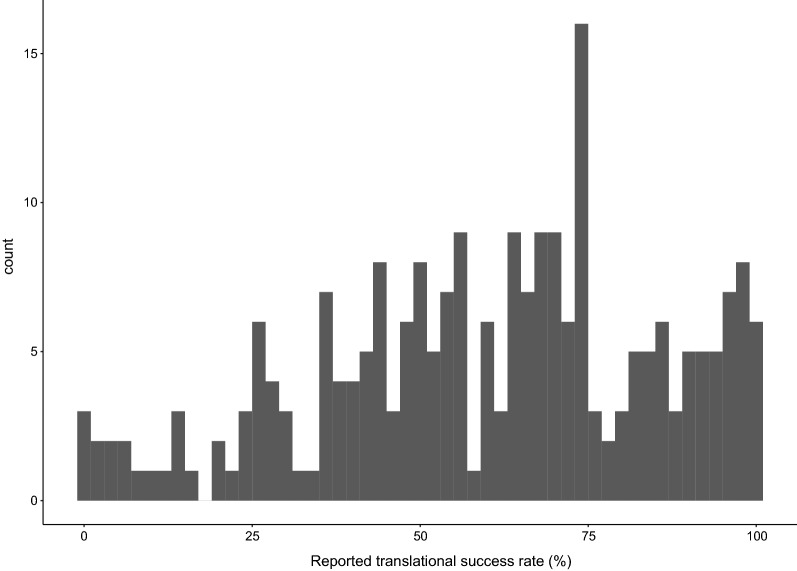
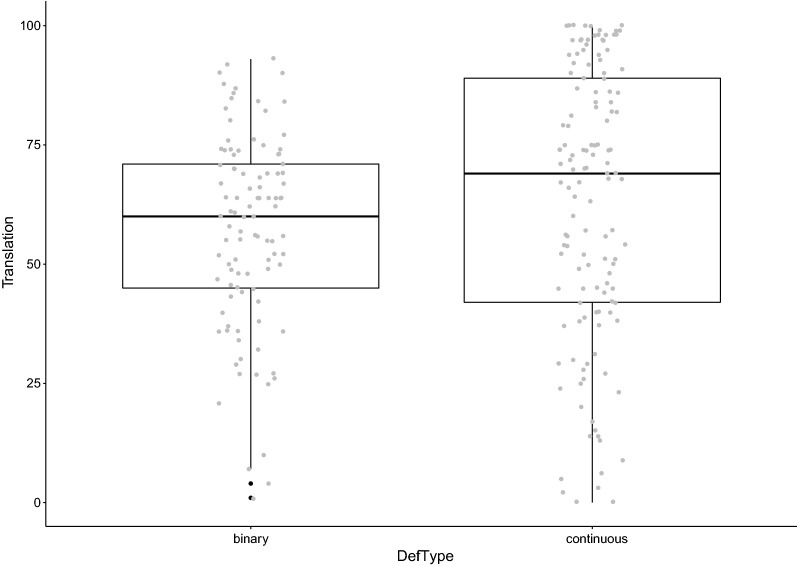
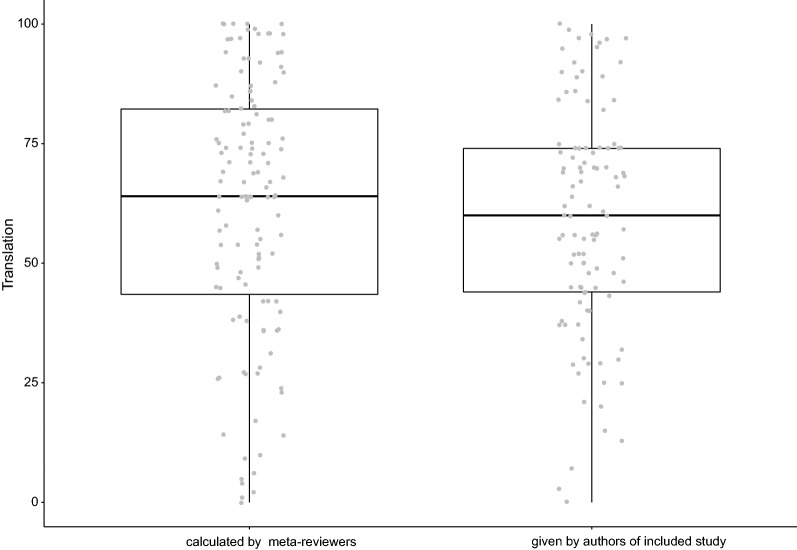
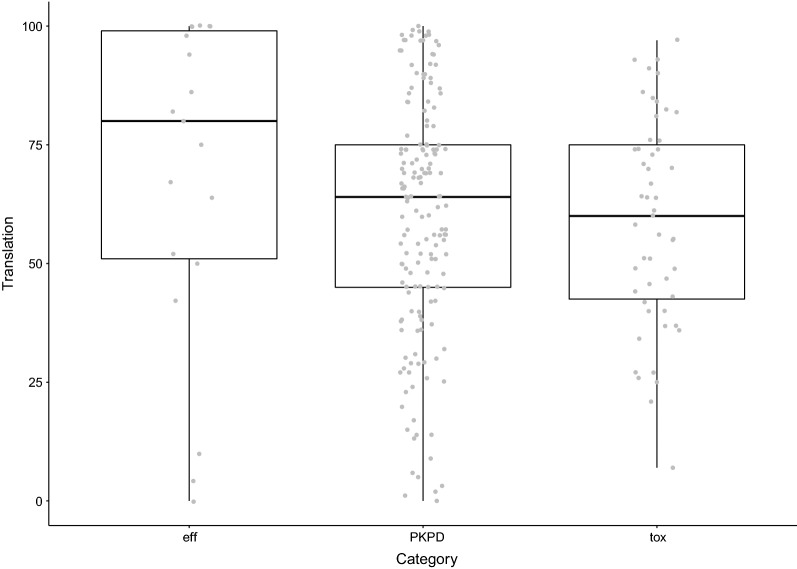
- Across 121 included references, translational success rates ranged from 0% to 100%; binary definitions ranged from 0% to 93%, and continuous definitions from 0% to 100%.
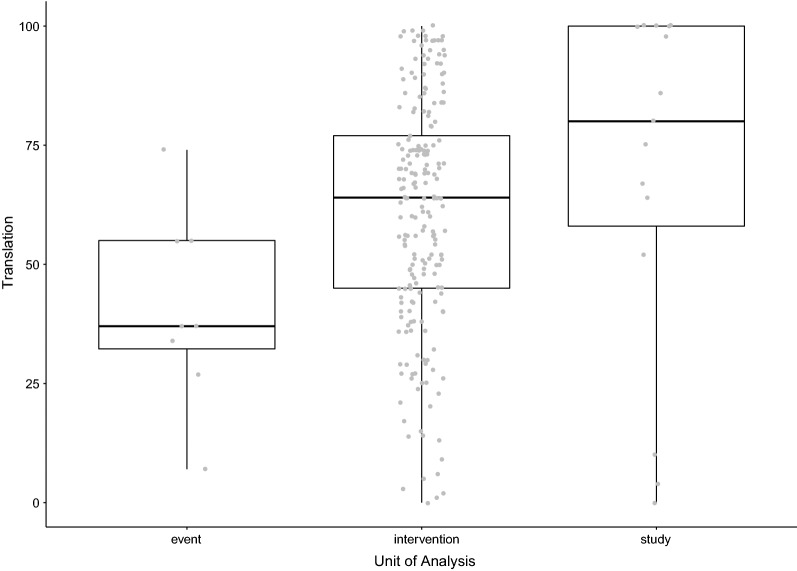
- Units of measurement were compound/intervention (k = 104), study/experiment (k = 10), and symptom/event (k = 7); event-based studies ranged from 7% to 74%, while the other units spanned 0–100%.
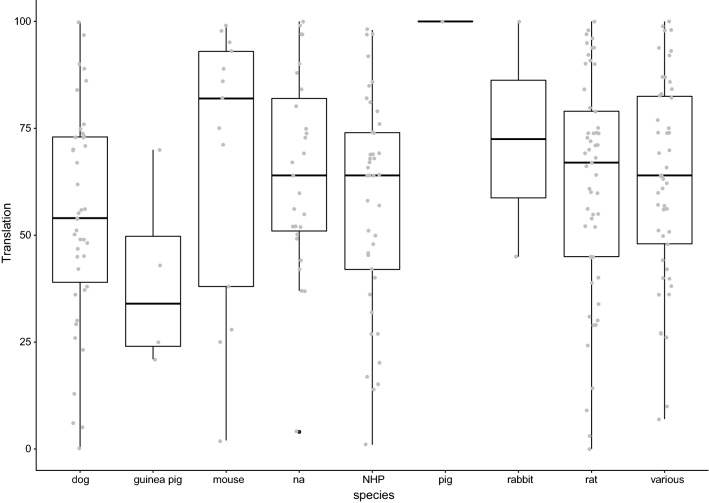
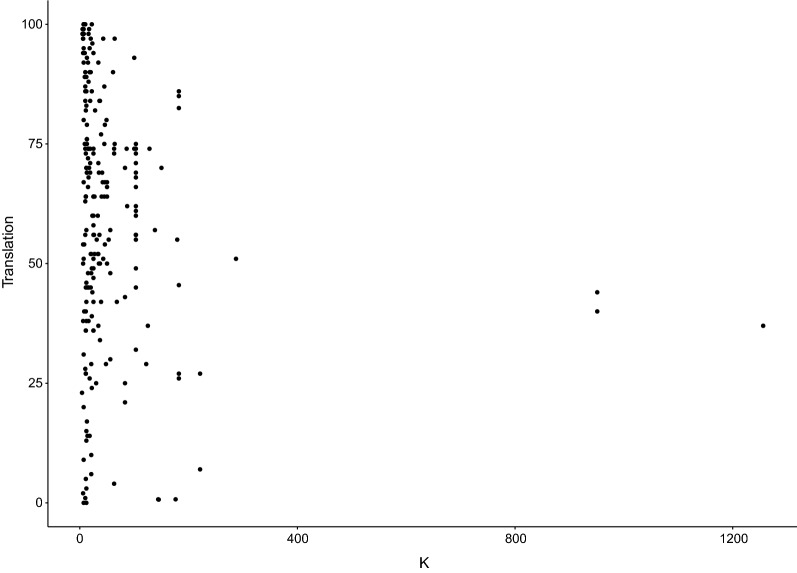
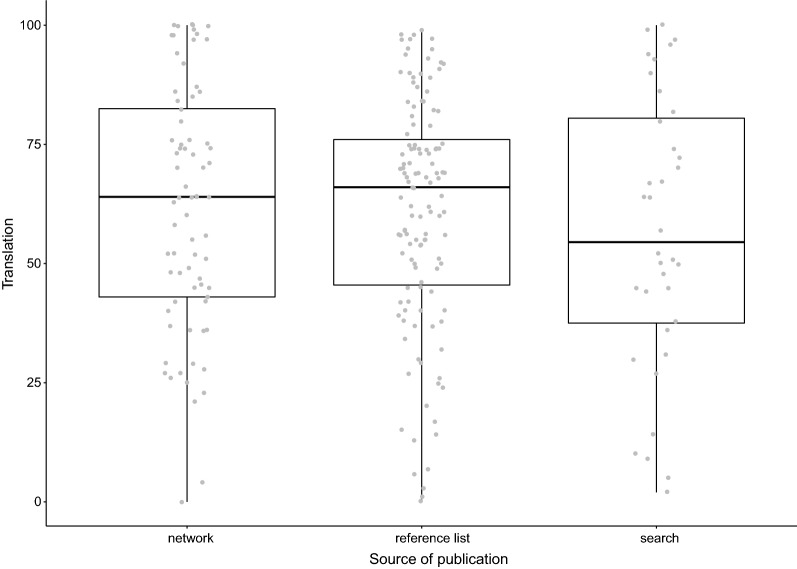
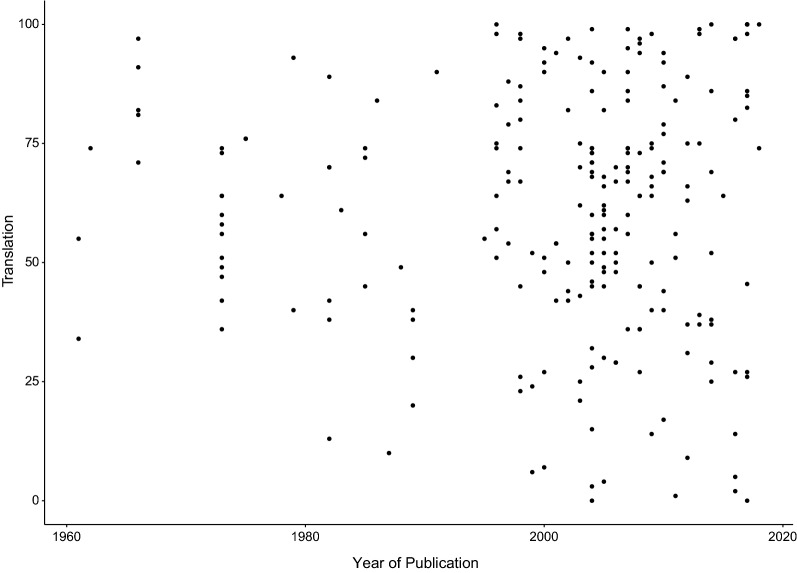
- No clear differences were observed between toxicology, PKPD, and efficacy studies, between species, by paper source, or between binary and continuous definitions; studies with n > 200 were all toxicology studies using binary definitions.
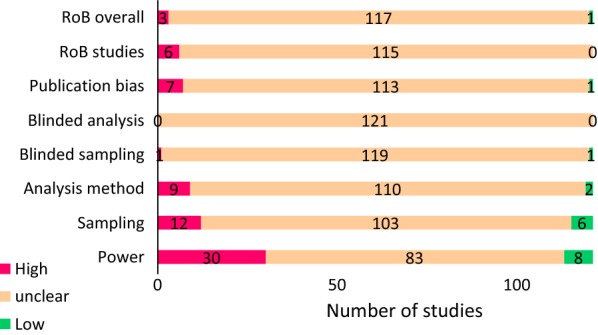
- Risk of bias was overall unclear; high risk of funding bias was scored for 81 of 121 references, high risk for underpowered studies for 30 of 121, and specific eligibility criteria were described in 31 of 121 references (26%) and limitations in 37 of 121 (31%).
Methods
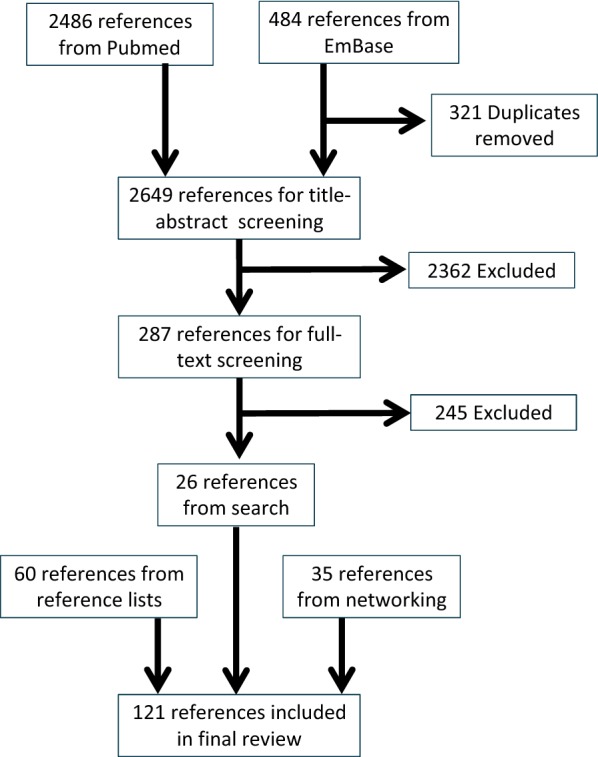
- Systematic scoping review searching PubMed and Embase on 16 October 2017, supplemented by reference-list screening and contacting experts/authors; included reviews and umbrella studies quantitatively comparing at least two species with one being human, yielding 121 references.
- Two independent reviewers screened titles/abstracts and full texts, resolving discrepancies by discussion; the protocol was posted on the SYRCLE website on 27 December 2017 after searches but before paper selection.
- All translation values were expressed as percentages using binary definitions (fold error, accuracy, PPV/NPV) or continuous definitions (r², percentage overlap of 95% CIs); data were tabulated and visualised in R version 3.5.0 with histograms and boxplots, and risk of bias/PRISMA reporting was assessed.
Limitations
- Stated by the authors: the search used MeSH/title words only, omitted modelling/scaling terms, was performed in October 2017, and stopped snowballing after second-line reference lists; data extraction/analysis were unblinded; included measures used different definitions; datasets overlapped; dosing and event incidence were often disregarded; publication bias and high/unclear risk of bias limit the evidence, which is old and should be considered hypothesis-generating only.
- Evident from the text: the included studies are highly heterogeneous in definitions, units, and diagnostic statistics, many included references did not claim to be systematic reviews and showed poor PRISMA compliance, and the authors did not perform a quantitative meta-analysis of the reported rates.
Model-written summary. Check it against the paper before relying on it.
Integrity signals
Registry
Cites
Statistics
Figures
Verification
Claims the paper makes
8 Valid · 5 Not valid · 15 Not checked · 94 Own results and interpretations
The sources with a verdict support this claim; the rest weren’t checked yet, have no full text we could read, or their verdicts aren’t rated yet.
In the paper
“Several scatterplots of pharmacokinetic parameters for a set of drugs in animals versus humans show low correspondence rates, i.e. they do not show an apparent relationship between animal and human data (e.g. [72, 73].”
§ Animal to human translation: a systematic scoping review of reported concordance rates > Results > Studies addressing translational success rates
What the sources say
- Not checked — no full text of the sourcecites [72] Grass GM Sinko PJ Physiologically-based pharmacokinetic simulation modelling Adv Drug Deliv Rev 2002 54 3 433 451 10.1016/S0169-409X(02)00013-3 11922957 source
- Supportedcites [73] Musther H Olivares-Morales A Hatley OJ Liu B Rostami Hodjegan A Animal versus human oral drug bioavailability: do they correlate? Eur J Pharm Sci 2014 57 280 291 10.1016/j.ejps.2013.08.018 23988844 PMC4107270 source
The Results section reports a poor overall correlation between animal and human oral drug bioavailability (R² = 0.342), and the Conclusion states that the data do not show strong predictive linear correlations. The claim is supported as an example concerning oral bioavailability, rather than pharmacokinetic parameters generally. (LLM, conf=0.88)
plain- Asserted: passes — The authors put it forward as true.
- Checkable: passes — It can be checked against evidence.
- Load-bearing: unclear — It is unclear whether the paper’s conclusions depend on it.
- Based: passes — The paper gives a reason why it holds.
The cited sources support only part of this claim — read each source’s verdict below.
In the paper
“As described in our methods, for the included meta-analyses, only one set of CIs, from rats and humans, did not overlap [65].”
§ Animal to human translation: a systematic scoping review of reported concordance rates > Conclusion > Data quality and risk of bias
What the sources say
- Partly supportedcites [65] Sultan SR Millar SA England TJ O’Sullivan SE A systematic review and meta-analysis of the haemodynamic effects of cannabidiol Front Pharmacol. 2017 8 81 10.3389/fphar.2017.00081 28286481 PMC5323388 sourceExperimental — accuracy not yet measured
The Methods (Data analysis; page unavailable) say the meta-analyses were subgrouped by species, including humans and rats, and reported 95% confidence intervals. The Results (Blood pressure and heart rate; page unavailable) report analyses involving both species. Our copy does not state that only one set of their CIs failed to overlap; that appears to be the citing authors’ own comparison. (LLM, conf=0.78)
plain- Asserted: passes — The authors put it forward as true.
- Checkable: passes — It can be checked against evidence.
- Load-bearing: unclear — It is unclear whether the paper’s conclusions depend on it.
- Based: passes — The paper gives a reason why it holds.
- Partly supported
Every source the paper cites for this claim was checked and supports it.
In the paper
“Besides these factors, publication bias (i.e. the relative underreporting of primary studies with negative and neutral results) can obscure translational failure rates [13].”
§ Animal to human translation: a systematic scoping review of reported concordance rates > Conclusion > Data quality and risk of bias
What the sources say
- Supportedcites [13] Martic-Kehl MI Schibli R Schubiger PA Can animal data predict human outcome? Problems and pitfalls of translational animal research Eur J Nucl Med Mol Imaging. 2012 39 9 1492 1496 10.1007/s00259-012-2175-z 22790876 PMC3411287 source
The Publication bias section defines the bias as favoring positive results over negative or inconclusive results and says it leads to overestimated effects in reviews. The Conclusion says reducing publication bias would make analyses more reliable for identifying why animal models fail to predict clinical outcomes. Together, these support the paraphrase that publication bias can obscure translational failure rates. (LLM, conf=0.90)
plainstates a cause- Asserted: passes — The authors put it forward as true.
- Checkable: passes — It can be checked against evidence.
- Load-bearing: passes — The paper’s conclusions depend on it.
- Based: passes — The paper gives a reason why it holds.
- Supported
A result the paper reports from its own data — it cites no other source for it, so there is none to check. The quote shows it is in the paper.
In the paper
“Translational success rates ranged from 0 to 100%.”
§ Animal to human translation: a systematic scoping review of reported concordance rates > Abstract > Systematic scoping review
plain- Asserted: passes — The authors put it forward as true.
- Checkable: passes — It can be checked against evidence.
- Load-bearing: passes — The paper’s conclusions depend on it.
- Based: passes — The paper gives a reason why it holds.
A result the paper reports from its own data — it cites no other source for it, so there is none to check. The quote shows it is in the paper.
In the paper
“However, the risk of bias of the included studies was high”
- Also stated in: § General considerations · plain
“However, the risk of bias of the included studies was high”
§ Animal to human translation: a systematic scoping review of reported concordance rates > Abstract > Conclusion
plain- Asserted: passes — The authors put it forward as true.
- Checkable: passes — It can be checked against evidence.
- Load-bearing: passes — The paper’s conclusions depend on it.
- Based: passes — The paper gives a reason why it holds.
- Also stated in: § General considerations · plain
41 more claims
Create a free account to see all 122 claims and to verify the 1 reference still open.
- Probably not a substantial claim. 46
- It may state two separate claims as one. 47
Self-check
Percentages, sums and reported differences re-computed from the paper’s own numbers.
Each contradiction between two passages listed here was confirmed by an independent check.
Rated major: it would touch a result — a value a result rests on, reported and recomputed p-values on opposite sides of the significance level, two passages that conflict with no sign which is right, or a cited work retracted before this paper was published.
In the paper
§ Animal to human translation: a systematic scoping review of reported concordance rates > Results > Studies addressing translational success rates
“Tamaki_2013 | Adverse events | 37% of adverse drug reactions in humans were predicted from animal studies”
§ Animal to human translation: a systematic scoping review of reported concordance rates > Results > Studies addressing translational success rates
“Tamaki et al. studied 1256 adverse drug reactions after administration of 142 drugs that were approved in Japan from 2001 to 2010 [71]. 48% of the adverse drug reactions could be predicted from the animal data.”
Rated minor: it would not touch a result — a value no result rests on, a p-value that stays on the same side of the significance level, or a conflict that is clerical, resolved elsewhere in the paper, or outside its own findings.
In the paper
§ Animal to human translation: a systematic scoping review of reported concordance rates > Conclusion > Data quality and risk of bias
“81 out of the 122 included references”
§ Animal to human translation: a systematic scoping review of reported concordance rates > Results > Characteristics of the included papers
“Of the 121 included references, 119 were in English, one was in German, and one was in French.”
Citations
Cites
PRISMA Extension for Scoping Reviews (PRISMA-ScR): Checklist and Explanation
Tricco, A. C., Lillie, E., Zarin, W., O'Brien, K. K., Colquhoun, H., Levac, D., Moher, D., Peters, M. D. J., Horsley, T., Weeks, L., et al. (2018) · Annals of Internal Medicine · doi:10.7326/m18-0850 · Cited by 43,565
Wickham, H. (2016) · Use R! · doi:10.1007/978-3-319-24277-4 · Cited by 33,115
ggplot2: Elegant Graphics for Data Analysis
Wickham, H. (2009) · doi:10.1007/978-0-387-98141-3 · Cited by 14,447
Improving Bioscience Research Reporting: The ARRIVE Guidelines for Reporting Animal Research
Kilkenny, C., Browne, W. J., Cuthill, I. C., Emerson, M., & Altman, D. G. (2010) · PLoS Biology · doi:10.1371/journal.pbio.1000412 · Cited by 7,300
Improving bioscience research reporting: The ARRIVE guidelines for reporting animal research
Kilkenny, C., Browne, W. J., Cuthill, I. C., Emerson, M., & Altman, D. G. (2010) · Journal of Pharmacology and Pharmacotherapeutics · doi:10.4103/0976-500x.72351 · Cited by 6,277
Can the pharmaceutical industry reduce attrition rates?
Kola, I., & Landis, J. (2004) · Nature Reviews Drug Discovery · doi:10.1038/nrd1470 · Cited by 4,167
Clinical development success rates for investigational drugs
Hay, M., Thomas, D. W., Craighead, J. L., Economides, C., & Rosenthal, J. (2014) · Nature Biotechnology · doi:10.1038/nbt.2786 · Cited by 2,536
Concordance of the toxicity of pharmaceuticals in humans and in animals
Olson, H., Betton, G., Robinson, D., Thomas, K., Monro, A., Kolaja, G., Lilly, P., Sanders, J., Sipes, G., Bracken, W., et al. (2000) · Regulatory Toxicology and Pharmacology · doi:10.1006/rtph.2000.1399 · Cited by 2,050
Diagnosing the decline in pharmaceutical R&D efficiency
Scannell, J. W., Blanckley, A., Boldon, H., & Warrington, B. (2012) · Nature Reviews Drug Discovery · doi:10.1038/nrd3681 · Cited by 1,981
Believe it or not: how much can we rely on published data on potential drug targets?
Prinz, F., Schlange, T., & Asadullah, K. (2011) · Nature Reviews Drug Discovery · doi:10.1038/nrd3439-c1 · Cited by 1,888
Contradicted and Initially Stronger Effects in Highly Cited Clinical Research
Ioannidis, J. P. A. (2005) · JAMA · doi:10.1001/jama.294.2.218 · Cited by 1,465 · cited 1×
“Besides, reliably determining actual translational success rates is unmanageable as long as the current status of reporting of preclinical research leaves room for improvement [89], and non-reproducibility is such a critical issue in both animal [1] and human [90] studies.”
1,026 Experimental treatments in acute stroke
O'Collins, V. E., Macleod, M. R., Donnan, G. A., Horky, L. L., van der Worp, B. H., & Howells, D. W. (2006) · Annals of Neurology · doi:10.1002/ana.20741 · Cited by 1,460
An analysis of the attrition of drug candidates from four major pharmaceutical companies
Waring, M. J., Arrowsmith, J., Leach, A. R., Leeson, P. D., Mandrell, S., Owen, R. M., Pairaudeau, G., Pennie, W. D., Pickett, S. D., Wang, J., et al. (2015) · Nature Reviews Drug Discovery · doi:10.1038/nrd4609 · Cited by 1,450
Systematic Approaches to a Successful Literature Review
Booth, A., Sutton, A., Clowes, M., & Martyn-St James, M. (2022) · SAGE Publications Ltd eBooks · doi:10.4135/9781036232009 · Cited by 1,172
The economics of reproducibility in preclinical research
Freedman, L. P., Cockburn, I. M., & Simcoe, T. S. (2015) · PLOS Biology · doi:10.1371/journal.pbio.1002165 · Cited by 1,055
Moeller, A., Ask, K., Warburton, D., Gauldie, J., & Kolb, M. (2008) · The International Journal of Biochemistry & Cell Biology · doi:10.1016/j.biocel.2007.08.011 · Cited by 1,007
Systematic Approaches to a Successful Literature Review
MacDonald, J. (2014) · Journal of the Canadian Health Libraries Association / Journal de l'Association des bibliothèques de la santé du Canada · doi:10.5596/c13-009 · Cited by 863
Modeling transformations of neurodevelopmental sequences across mammalian species
Workman, A. D., Charvet, C. J., Clancy, B., Darlington, R. B., & Finlay, B. L. (2013) · The Journal of Neuroscience · doi:10.1523/jneurosci.5746-12.2013 · Cited by 833
Comparison of Treatment Effects between Animal Experiments and Clinical Trials: Systematic Review
Perel, P., Roberts, I., Sena, E., Wheble, P., Briscoe, C., Sandercock, P., Macleod, M., Mignini, L. E., Jayaram, P., & Khan, K. S. (2007) · BMJ · doi:10.1136/bmj.39048.407928.be · Cited by 827
Borah, R., Brown, A. W., Capers, P. L., & Kaiser, K. A. (2017) · BMJ Open · doi:10.1136/bmjopen-2016-012545 · Cited by 737
Translation of Research Evidence From Animals to Humans
Hackam, D. G., & Redelmeier, D. A. (2006) · JAMA · doi:10.1001/jama.296.14.1731 · Cited by 733
Are animal models predictive for humans?
Shanks, N., Greek, R., & Greek, J. (2009) · Philosophy, Ethics, and Humanities in Medicine · doi:10.1186/1747-5341-4-2 · Cited by 677
PREPARE: guidelines for planning animal research and testing
Smith, A. J., Clutton, R. E., Lilley, E., Hansen, K. E. A., & Brattelid, T. (2018) · Laboratory Animals · doi:10.1177/0023677217724823 · Cited by 587
(2003) · PubMed · Cited by 523
Pound, P., & Ritskes-Hoitinga, M. (2018) · Journal of Translational Medicine · doi:10.1186/s12967-018-1678-1 · Cited by 419
Self-citationCao, X., Gibbs, S. T., Fang, L., Miller, H. A., Landowski, C. P., Shin, H.-C., Lennernas, H., Zhong, Y., Amidon, G. L., Yu, L. X., et al. (2006) · Pharmaceutical Research · doi:10.1007/s11095-006-9041-2 · Cited by 388
Translation of highly promising basic science research into clinical applications
Contopoulos-Ioannidis, D. G., Ntzani, E. E., & Ioannidis, J. P. A. (2003) · The American Journal of Medicine · doi:10.1016/s0002-9343(03)00013-5 · Cited by 323
Garner, J. P. (2014) · ILAR Journal · doi:10.1093/ilar/ilu047 · Cited by 221
Ward, K. W., & Smith, B. R. (2004) · Drug Metabolism and Disposition · doi:10.1124/dmd.32.6.603 · Cited by 212
Animal versus human oral drug bioavailability: Do they correlate?
Musther, H., Olivares-Morales, A., Hatley, O. J. D., Liu, B., & Rostami Hodjegan, A. (2014) · European Journal of Pharmaceutical Sciences · doi:10.1016/j.ejps.2013.08.018 · Cited by 211
Life cycle of translational research for medical interventions
Contopoulos-Ioannidis, D. G., Alexiou, G. A., Gouvias, T. C., & Ioannidis, J. P. A. (2008) · Science · doi:10.1126/science.1160622 · Cited by 207 · cited 1×
“[39]) and development times seem to increase over time [2].”
Is animal research sufficiently evidence based to be a cornerstone of biomedical research?
Pound, P., & Bracken, M. B. (2014) · BMJ · doi:10.1136/bmj.g3387 · Cited by 207 · cited 1×
“Besides, reliably determining actual translational success rates is unmanageable as long as the current status of reporting of preclinical research leaves room for improvement [89], and non-reproducibility is such a critical issue in both animal [1] and human [90] studies.”
Look back in anger – what clinical studies tell us about preclinical work
Hartung, T. (2013) · ALTEX · doi:10.14573/altex.2013.3.275 · Cited by 200
Non-animal methods to predict skin sensitization (I): the Cosmetics Europe database
Hoffmann, S., Kleinstreuer, N., Alépée, N., Allen, D., Api, A. M., Ashikaga, T., Clouet, E., Cluzel, M., Desprez, B., Gellatly, N., et al. (2018) · Critical Reviews in Toxicology · doi:10.1080/10408444.2018.1429385 · Cited by 188
Monticello, T. M., Jones, T. W., Dambach, D. M., Potter, D. M., Bolt, M. W., Liu, M., Keller, D. A., Hart, T. K., & Kadambi, V. J. (2017) · Toxicology and Applied Pharmacology · doi:10.1016/j.taap.2017.09.006 · Cited by 186 · cited 1×
“the percentage < twofold error versus the correlation [50], and for the sensitivity, specificity, positive predictive value and negative predictive value [51].”
Translating dosages from animal models to human clinical trials—revisiting body surface area scaling
Blanchard, O. L., & Smoliga, J. M. (2015) · The FASEB Journal · doi:10.1096/fj.14-269043 · Cited by 183
Chiou, W. L., Jeong, H. Y., Chung, S. M., & Wu, T. C. (2000) · Pharmaceutical Research · doi:10.1023/a:1007552927404 · Cited by 182
Translational Medicine definition by the European Society for Translational Medicine
Cohrs, R. J., Martin, T., Ghahramani, P., Bidaut, L., Higgins, P. J., & Shahzad, A. (2014) · European Journal of Molecular & Clinical Medicine · doi:10.1016/j.nhtm.2014.12.002 · Cited by 176
Lennernäs, H., Nylander, S., & Ungell, A.-L. (1997) · Pharmaceutical Research · doi:10.1023/a:1012121632357 · Cited by 173
de Vries, R. B. M., Wever, K. E., Avey, M. T., Stephens, M. L., Sena, E. S., & Leenaars, M. (2014) · ILAR Journal · doi:10.1093/ilar/ilu043 · Cited by 165
Fourches, D., Barnes, J. C., Day, N. C., Bradley, P., Reed, J. Z., & Tropsha, A. (2010) · Chemical Research in Toxicology · doi:10.1021/tx900326k · Cited by 162 · cited 1×
“mined the literature to create a data set of 951 compounds with effects in the liver in different species [69].”
Physiologically-based pharmacokinetic simulation modelling
Grass, G. M., & Sinko, P. J. (2002) · Advanced Drug Delivery Reviews · doi:10.1016/s0169-409x(02)00013-3 · Cited by 160
Whiteside, G. T., Adedoyin, A. B., & Leventhal, L. (2008) · Neuropharmacology · doi:10.1016/j.neuropharm.2008.01.001 · Cited by 155
Caldwell, G. W., Masucci, J. A., Yan, Z., & Hageman, W. (2004) · European Journal of Drug Metabolism and Pharmacokinetics · doi:10.1007/bf03190588 · Cited by 148 · cited 1×
“the percentage < twofold error versus the correlation [50], and for the sensitivity, specificity, positive predictive value and negative predictive value [51].”
Schein, P. S., Davis, R. D., Carter, S., Newman, J., Schein, D. R., & Rall, D. P. (1970) · Clinical Pharmacology & Therapeutics · doi:10.1002/cpt19701113 · Cited by 146
Comparison of minipig, dog, monkey and human drug metabolism and disposition
Dalgaard, L. (2015) · Journal of Pharmacological and Toxicological Methods · doi:10.1016/j.vascn.2014.12.005 · Cited by 132
Treatment of acute pancreatitis
Steinberg, W. M., & Schlesselman, S. E. (1987) · Gastroenterology · doi:10.1016/0016-5085(87)90275-7 · Cited by 125
Brossi, P. M., Moreira, J. J., Machado, T. S., & Baccarin, R. Y. A. (2015) · BMC Veterinary Research · doi:10.1186/s12917-015-0403-z · Cited by 121
Onakpoya, I. J., Heneghan, C. J., & Aronson, J. K. (2016) · Critical Reviews in Toxicology · doi:10.3109/10408444.2016.1149452 · Cited by 119
Introducing Therioepistemology: the study of how knowledge is gained from animal research
Garner, J. P., Gaskill, B. N., Weber, E. M., Dallaire, J. A., & Pritchett‐Corning, K. R. (2017) · Lab Animal · doi:10.1038/laban.1224 · Cited by 115
Can animal data predict human outcome? Problems and pitfalls of translational animal research
Martić-Kehl, M. I., Schibli, R., & Schubiger, P. A. (2012) · European Journal of Nuclear Medicine and Molecular Imaging · doi:10.1007/s00259-012-2175-z · Cited by 110
The absolute oral bioavailability of selected drugs.
Sietsema, W. K. (1989) · PubMed · Cited by 109
Ward, K. W., & Smith, B. R. (2004) · Drug Metabolism and Disposition · doi:10.1124/dmd.32.6.612 · Cited by 105
Valles, C., Ciurana, X. R., Clementini, M., Baglivo, M., Paniagua, B., & Nart, J. (2018) · Clinical Oral Investigations · doi:10.1007/s00784-017-2301-1 · Cited by 100
A Systematic Review and Meta-Analysis of the Haemodynamic Effects of Cannabidiol
Sultan, S. R., Millar, S. A., England, T. J., & O'Sullivan, S. E. (2017) · Frontiers in Pharmacology · doi:10.3389/fphar.2017.00081 · Cited by 95
Prediction of Hepatic Metabolic Clearance: Comparison and Assessment of Prediction Models
Zuegge, J., Schneider, G., Coassolo, P., & Lav??, T. (2001) · Clinical Pharmacokinetics · doi:10.2165/00003088-200140070-00006 · Cited by 92
Transdisciplinary approaches enhance the production of translational knowledge
Ciesielski, T. H., Aldrich, M. C., Marsit, C. J., Hiatt, R. A., & Williams, S. M. (2016) · Translational research · doi:10.1016/j.trsl.2016.11.002 · Cited by 92
Scaling basic toxicokinetic parameters from rat to man.
Bachmann, K., Pardoe, D., & White, D. (1996) · Environmental Health Perspectives · doi:10.1289/ehp.96104400 · Cited by 90
Duyk, G. (2003) · Science · doi:10.1126/science.1090521 · Cited by 87
Tamaki, C., Nagayama, T., Hashiba, M., Fujiyoshi, M., Hizue, M., Kodaira, H., Nishida, M., Suzuki, K., Takashima, Y., Ogino, Y., et al. (2013) · The Journal of Toxicological Sciences · doi:10.2131/jts.38.581 · Cited by 79 · cited 1×
“studied 1256 adverse drug reactions after administration of 142 drugs that were approved in Japan from 2001 to 2010 [71].”
The Nuremberg Code subverts human health and safety by requiring animal modeling
Greek, R., Pippus, A., & Hansen, L. A. (2012) · BMC Medical Ethics · doi:10.1186/1472-6939-13-16 · Cited by 78
Retrospective harm benefit analysis of pre-clinical animal research for six treatment interventions
Pound, P., & Nicol, C. J. (2018) · PLoS ONE · doi:10.1371/journal.pone.0193758 · Cited by 78
Animal Models in Translational Research: Rosetta Stone or Stumbling Block?
Bolker, J. A. (2017) · BioEssays · doi:10.1002/bies.201700089 · Cited by 75
Alden, C. L., Lynn, A., Bourdeau, A., Morton, D., Sistare, F. D., Kadambi, V. J., & Silverman, L. (2011) · Veterinary Pathology · doi:10.1177/0300985811400445 · Cited by 69 · cited 1×
“reviewed drug labels from the physicians’ desk reference, which they searched for any mention of terms related to carcinogenesis [68].”
Pharmacological Basis of Cancer Chemotherapy
Fox, B. W., & Todd, I. D. H. (1976) · British Journal of Cancer · doi:10.1038/bjc.1976.33 · Cited by 68
Yardley, M. M., & Ray, L. A. (2017) · Addiction Biology · doi:10.1111/adb.12349 · Cited by 61
Part XVI. Evaluation of the safety of new drugs by means of tests in animals
Litchfield, J. T. (1962) · Clinical Pharmacology & Therapeutics · doi:10.1002/cpt196235665 · Cited by 59
Kamimura, H., Nakada, N., Suzuki, K., Mera, A., Souda, K., Murakami, Y., Tanaka, K., Iwatsubo, T., Kawamura, A., & Usui, T. (2010) · Drug Metabolism and Pharmacokinetics · doi:10.2133/dmpk.25.223 · Cited by 57
Green, S. B. (2015) · BMC Medical Ethics · doi:10.1186/s12910-015-0043-7 · Cited by 54
Theunissen, P. T., Beken, S., Beyer, B. K., Breslin, W. J., Cappon, G. D., Chen, C. L., Chmielewski, G., Schaepdrijver, L. D., Enright, B. P., Foreman, J. E., et al. (2016) · Critical Reviews in Toxicology · doi:10.1080/10408444.2016.1224807 · Cited by 42
Faggion, C. M., Chambrone, L., Gondim, V., Schmitter, M., & Tu, Y. (2009) · Clinical Oral Implants Research · doi:10.1111/j.1600-0501.2009.01753.x · Cited by 41
Amarasingh, S., Macleod, M. R., & Whittle, I. R. (2008) · Journal of Neuro-Oncology · doi:10.1007/s11060-008-9697-z · Cited by 41
Davis, M. M., Butchart, A. T., Wheeler, J. R. C., Coleman, M. S., Singer, D., & Freed, G. L. (2011) · Vaccine · doi:10.1016/j.vaccine.2011.09.128 · Cited by 40
Greek, R., & Hansen, L. A. (2013) · Progress in Biophysics and Molecular Biology · doi:10.1016/j.pbiomolbio.2013.06.002 · Cited by 38
Evans, C. A., Jolivette, L. J., Nagilla, R., & Ward, K. W. (2006) · Drug Metabolism and Disposition · doi:10.1124/dmd.105.006619 · Cited by 32
Theunissen, P. T., Beken, S., Beyer, B. K., Breslin, W. J., Cappon, G. D., Chen, C. L., Chmielewski, G., Schaepdrijver, L. D., Enright, B. P., Foreman, J. E., et al. (2016) · Critical Reviews in Toxicology · doi:10.1080/10408444.2016.1224808 · Cited by 30
Oerton, E., & Bender, A. (2017) · BMC Neurology · doi:10.1186/s12883-017-0838-x · Cited by 26
Rat and human sensory evoked potentials and the predictability of human neurotoxicity from rat data.
Wk, B. (1994) · PubMed · Cited by 22
Evaluating Animal Models: Some Taxonomic Worries
Degeling, C., & Johnson, J. (2013) · The Journal of Medicine and Philosophy A Forum for Bioethics and Philosophy of Medicine · doi:10.1093/jmp/jht004 · Cited by 20
Prediction of carcinogenic potential of chemicals using repeated-dose (13-week) toxicity data
Woutersen, R. A., Soffers, A. E. M. F., Kroese, E. D., et al. (2016) · Regulatory Toxicology and Pharmacology · doi:10.1016/j.yrtph.2016.09.003 · Cited by 19
Yen, C., Tu, Y., Chen, T., & Lu, H. (2013) · Journal of Periodontal Research · doi:10.1111/jre.12130 · Cited by 17
Complex systems, evolution, and animal models
Greek, R., & Shanks, N. (2011) · Studies in History and Philosophy of Science Part C Studies in History and Philosophy of Biological and Biomedical Sciences · doi:10.1016/j.shpsc.2011.07.001 · Cited by 17
(2005) · PubMed · Cited by 16
Trends in the development of new medicines by UK‐owned pharmaceutical companies (1964‐1980).
Prentis, R., & Walker, S. (1986) · British Journal of Clinical Pharmacology · doi:10.1111/j.1365-2125.1986.tb05219.x · Cited by 16
Animal Models for Human Diseases
Rust, J. H. (1982) · Perspectives in biology and medicine · doi:10.1353/pbm.1982.0067 · Cited by 15
(1973) · PubMed · Cited by 10
Levels of Citation of Nonhuman Animal Studies Conducted at a Canadian Research Hospital
Dagg, A. I., & Seidle, T. (2004) · Journal of Applied Animal Welfare Science · doi:10.1207/s15327604jaws0703_7 · Cited by 4
Brooker, P. (2014) · Alternatives to Laboratory Animals · doi:10.1177/026119291404200207 · Cited by 3
Research works printed but not linked: 2
- Shanks N Greek CR Animal model in light of evolution 2009 Boca Raton BrownWalker Press
- Menon JM, Kouwenaar C, Stafleu F, De Vries RBM, Ritskes-Hoitinga, Meijboom FLB, et al. Quantification of translational success: rates of concordance between the results of animal experiments and human trials—a systematized review [protocol posted online on http://www.SYRCLE.nl]. Nijmegen: SYRCLE; 2017.
Cited by
Bender, A., & Cortés-Ciriano, I. (2021) · Drug Discovery Today · doi:10.1016/j.drudis.2020.12.009 · Cited by 405
McSweeney, K. R., Gadanec, L. K., Qaradakhi, T., Ali, B. A., Zulli, A., & Apostolopoulos, V. (2021) · Cancers · doi:10.3390/cancers13071572 · Cited by 363
“Reproducibility in both animal and human studies has also posed an issue regarding translatability [296].”
BackgroundA framework for establishing scientific confidence in new approach methodologies
van der Zalm, A. J., Barroso, J., Browne, P., Casey, W., Gordon, J., Henry, T. R., Kleinstreuer, N. C., Lowit, A. B., Perron, M., & Clippinger, A. J. (2022) · Archives of Toxicology · doi:10.1007/s00204-022-03365-4 · Cited by 257
Driedonks, T., Jiang, L., Carlson, B., Han, Z., Liu, G., Queen, S. E., Shirk, E. N., Gololobova, O., Liao, Z., Nyberg, L. H., et al. (2022) · Journal of Extracellular Biology · doi:10.1002/jex2.59 · Cited by 198
The Sheep as a Large Animal Model for the Investigation and Treatment of Human Disorders
Banstola, A., & Reynolds, J. N. J. (2022) · Biology · doi:10.3390/biology11091251 · Cited by 162
“A desired endpoint of preclinical research is the translation to clinical investigation of novel effective treatments and possible cures for diseases [1,2].”
Background
Metadata
- Authors
- Leenaars, C. H. C., Kouwenaar, C., Stafleu, F. R., Bleich, A., Ritskes-Hoitinga, M., De Vries, R. B. M., & Meijboom, F. L. B.
- Affiliations
- Utrecht University (NL)
- Medizinische Hochschule Hannover (DE)
- Radboud University Medical Center (NL)
- Corresponding author
- Leenaars, Cathalijn H. C.
- ORCID
- Venue
- Journal of Translational Medicine
- Published
- 2019-07-15
- Volume
- 17
- Issue
- 1
- Pages
- 223-223
- ISSN
- 1479-5876 (ISSN-L)
- PMC
- PMC6631915
- OpenAlex
- W2960989010
- Semantic Scholar
- 70b83aaa28b660a1a9a533e7cad7221eb61d0c4d
- Cited by
- 314
- References
- 88
- Citations by year
- 2026: 55 · 2025: 38 · 2024: 56 · 2023: 50 · 2022: 55 · 2021: 36 · 2020: 21 · 2019: 2
- FWCI
- 7.30
- Type
- journal article
- Language
- en
- Open access
- gold
- doi.org
- Licence
- cc-by
- creativecommons.org/licenses/by/4.0/ (tdm)
- creativecommons.org/licenses/by/4.0/ (vor)
- Locations
- Journal of Translational Medicine (publishedVersion, cc-by)
- PubMed Central (publishedVersion, cc-by)
- PubMed (publishedVersion)
- Radboud Repository (Radboud University) (publishedVersion)
- DOAJ (DOAJ: Directory of Open Access Journals) (submittedVersion)
- Utrecht University Repository (Utrecht University) (submittedVersion, other-oa)
- Radboud Repository (Radboud University) (submittedVersion, other-oa)
- Funders
- ZonMW (40-42600-98-417)
- NWO (313-99-310)
- the Federal State of Lower Saxony (R2N)
- Topics
- Health Sciences › Veterinary › Small Animals › Animal testing and alternatives
- Social Sciences › Decision Sciences › Statistics, Probability and Uncertainty › Meta-analysis and systematic reviews
- Physical Sciences › Mathematics › Statistics and Probability › Statistical Methods in Clinical Trials
- Keywords
- animal-to-human translation, translational failure, drug attrition, animal models, species comparison, risk of bias
- MeSH terms
- Animals, Humans, Periodicals as Topic, Risk, Publication Bias, Translational Research, Biomedical
About these checks
Registry, retraction, Cites and statistics results are computed, not judged, with one exception: a printed reference that no index lists is read once by a model before it counts as a citation error. Claims are extracted by a model and kept only when their quote appears verbatim in the text; each cited source is then checked, with a model’s help, for whether it says what the claim relies on. Those verdicts can be wrong — read the claim’s quote and the cited source before relying on one.
The claim verdicts this report counts are experimental: their accuracy is not yet measured.
A language model drew the claims from the paper on 2026-10-07, under version 3 of the claim definition (model deepseek-v4.1-flash, prompt extract-v3).
A second model labelled each claim on 2026-10-07 (model jev-1.13-20260917, definition revision gold-guideline-v0.2).
Cited sources are checked with a language model’s help (gpt-6-sol).
Statistics and arithmetic are recomputed, not judged.
Confidence bands are shown only for fields calibrated on our annotated test set. None is calibrated yet, so no band is shown.
What counts as a claim ›How we measure confidence ›How we check this ›
Are you an author, or do you see a problem with this page? Request a review
Data sources
Bibliographic data: Semantic Scholar, OpenAlex, Crossref.
Contains information from the Semantic Scholar Academic Graph Datasets, made available under the ODC Attribution License (ODC-BY 1.0).
Semantic Scholar’s data is described in: Kinney, R., et al. (2023). The Semantic Scholar Open Data Platform. arXiv:2301.10140.
