

Animal to human translation: a systematic scoping review of reported concordance rates
Open accessThe DOI matches its Crossref record; 88 of the 88 references it cites were found in a registry or an index; 12 of the 39 sources its claims cite were checked for support.
Abstract
Drug development is currently hampered by high attrition rates; many developed treatments fail during clinical testing. Part of the attrition may be due to low animal-to-human translational success rates; so-called “translational failure”. As far as we know, no systematic overview of published translational success rates exists. The following research question was examined: “What is the observed range of the animal-to-human translational success (and failure) rates within the currently available empirical evidence?”. We searched PubMed and Embase on 16 October 2017. We included reviews and all other types of “umbrella”-studies of meta-data quantitatively comparing the translational results of studies including at least two species with one being human. We supplemented our database searches with additional strategies. All abstracts and full-text papers were screened by two independent reviewers. Our scoping review comprises 121 references, with various units of measurement: compound or intervention (k = 104), study/experiment (k = 10), and symptom or event (k = 7). Diagnostic statistics corresponded with binary and continuous definitions of successful translation. Binary definitions comprise percentages below twofold error, percentages accurately predicted, and predictive values. Quantitative definitions comprise correlation/regression (r 2 ) and meta-analyses (percentage overlap of 95% confidence intervals). Translational success rates ranged from 0 to 100%. The wide range of translational success rates observed in our study might indicate that translational success is unpredictable; i.e. it might be unclear upfront if the results of primary animal studies will contribute to translational knowledge. However, the risk of bias of the included studies was high, and much of the included evidence is old, while newer models have become available. Therefore, the reliability of the cumulative evidence from current papers on this topic is insufficient. Further in-depth “umbrella”-studies of translational success rates are still warranted. These are needed to evaluate the probabilistic evidence for predictivity of animal studies for the human situation more reliably, and to determine which factors affect this process.
Overview
CoChat Summary
TL;DR
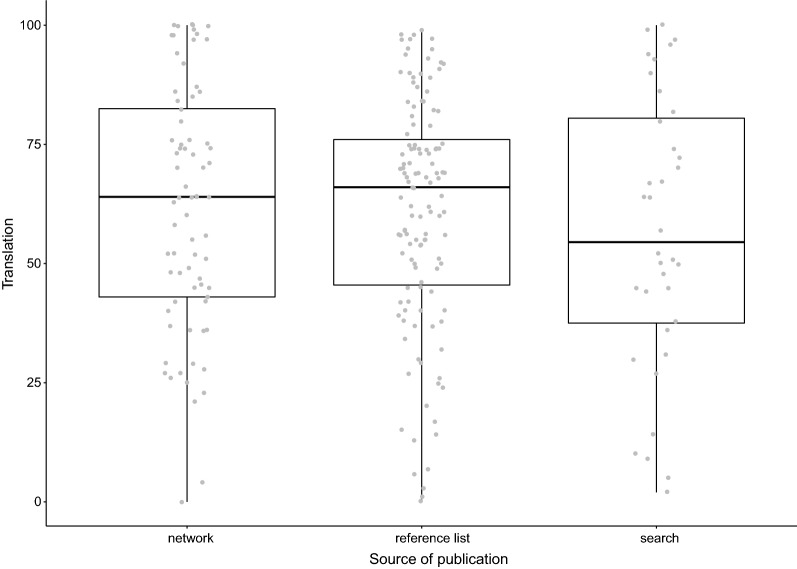
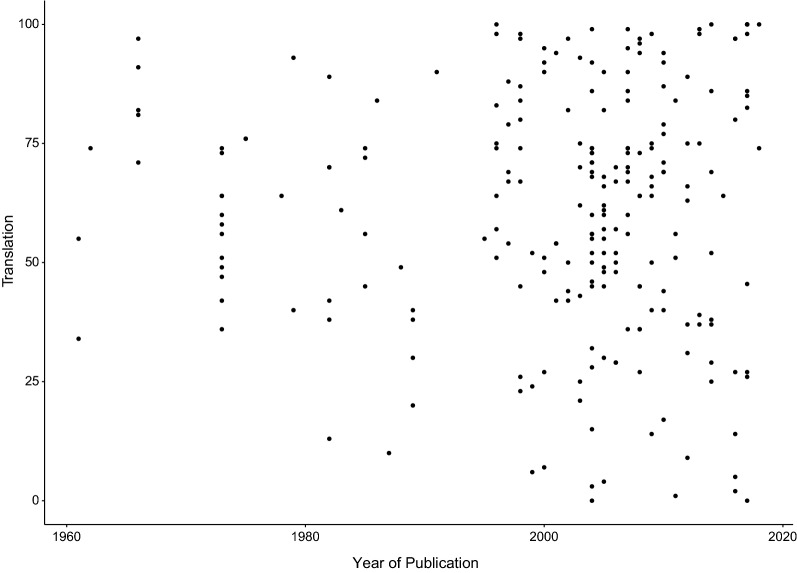
This systematic scoping review of 121 references found that reported animal-to-human translational success rates ranged from 0% to 100%, with no clear differences by definition, unit of analysis, research category, species, source, or publication date. The authors conclude the cumulative evidence is inconclusive because of high risk of bias and poor reporting, and that further umbrella studies are warranted.
Key findings
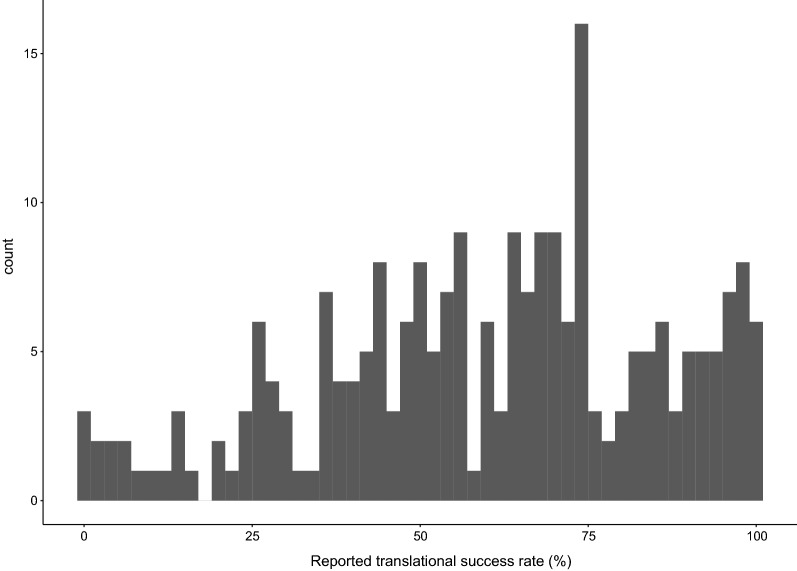
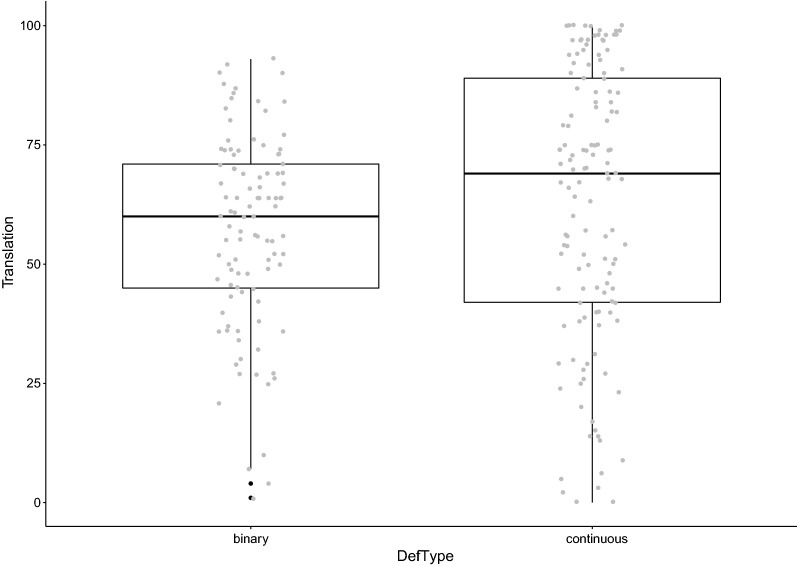
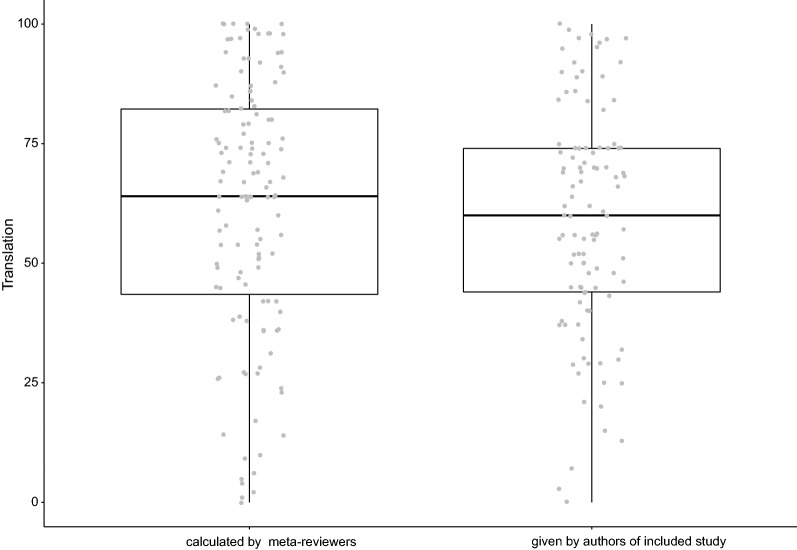
- Across 121 included references, translational success rates ranged from 0% to 100%; binary definitions ranged from 0% to 93%, and continuous definitions from 0% to 100%.
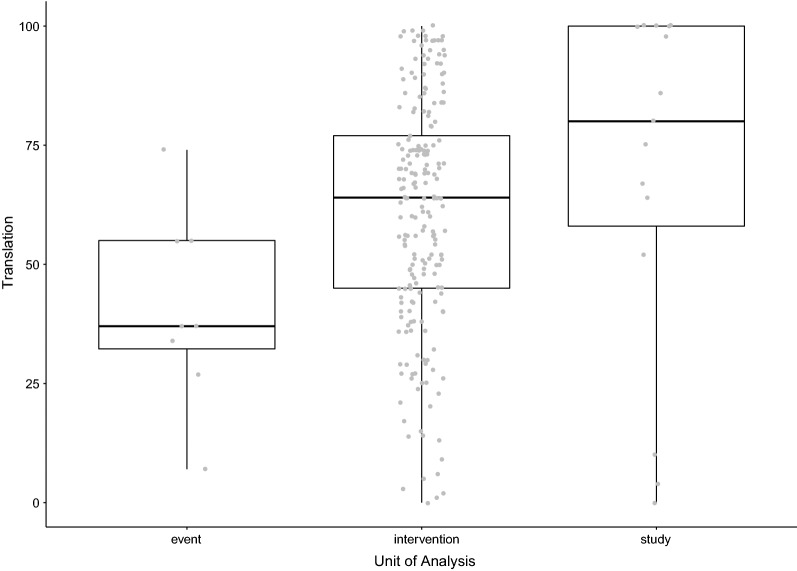
- Units of measurement were compound/intervention (k = 104), study/experiment (k = 10), and symptom/event (k = 7); event-based studies ranged from 7% to 74%, while the other units spanned 0–100%.
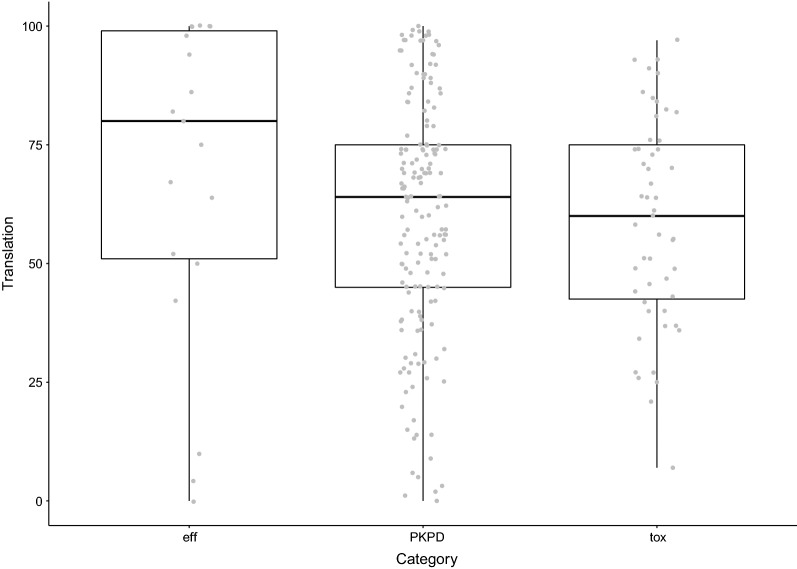
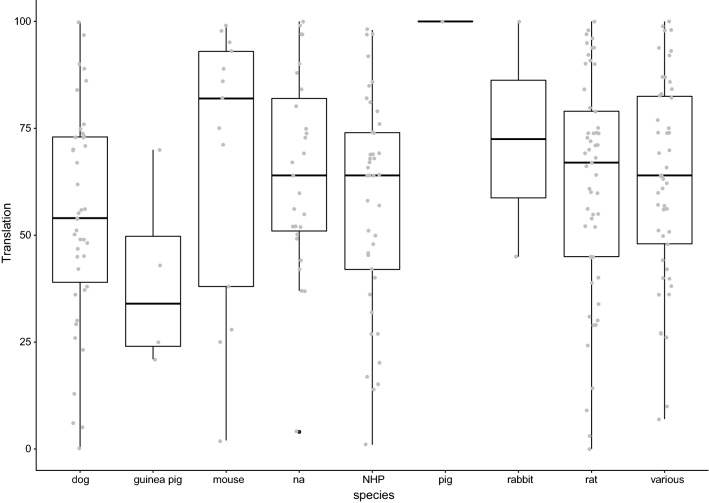
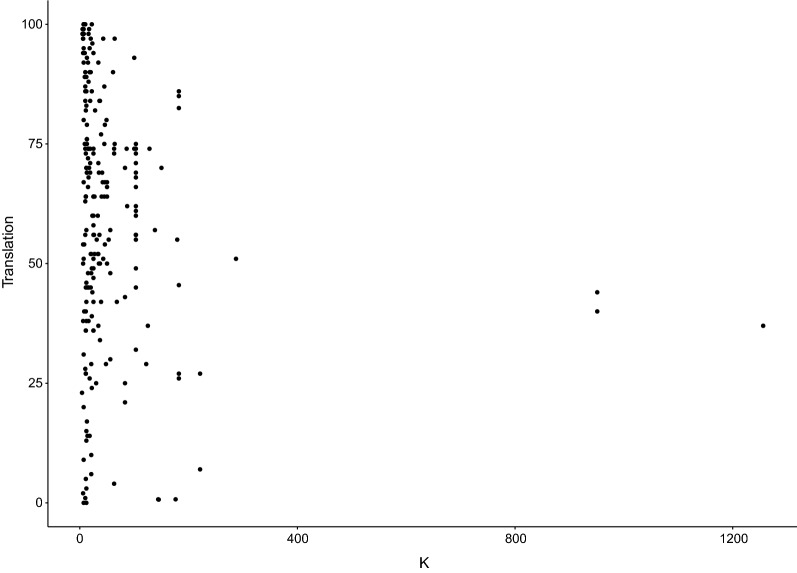
- No clear differences were observed between toxicology, PKPD, and efficacy studies, between species, by paper source, or between binary and continuous definitions; studies with n > 200 were all toxicology studies using binary definitions.
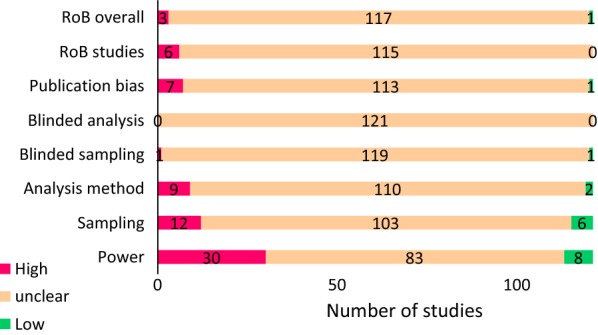
- Risk of bias was overall unclear; high risk of funding bias was scored for 81 of 121 references, high risk for underpowered studies for 30 of 121, and specific eligibility criteria were described in 31 of 121 references (26%) and limitations in 37 of 121 (31%).
Methods
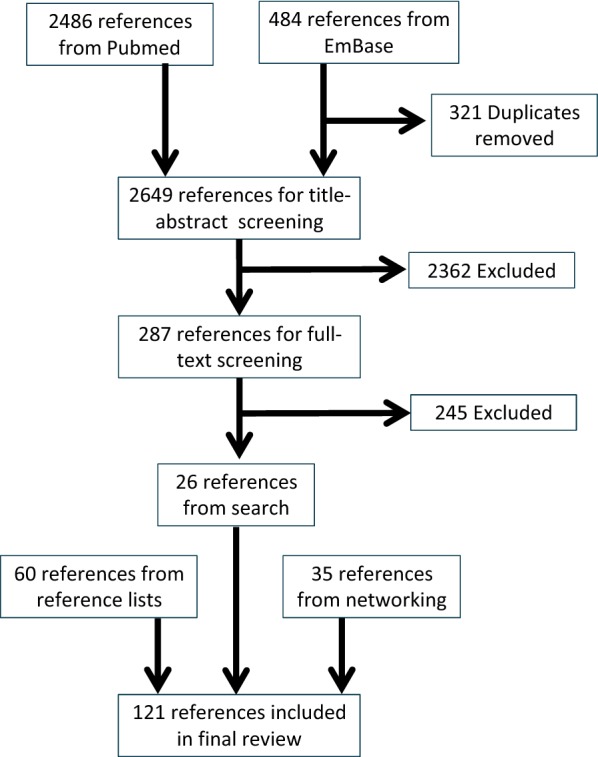
- Systematic scoping review searching PubMed and Embase on 16 October 2017, supplemented by reference-list screening and contacting experts/authors; included reviews and umbrella studies quantitatively comparing at least two species with one being human, yielding 121 references.
- Two independent reviewers screened titles/abstracts and full texts, resolving discrepancies by discussion; the protocol was posted on the SYRCLE website on 27 December 2017 after searches but before paper selection.
- All translation values were expressed as percentages using binary definitions (fold error, accuracy, PPV/NPV) or continuous definitions (r², percentage overlap of 95% CIs); data were tabulated and visualised in R version 3.5.0 with histograms and boxplots, and risk of bias/PRISMA reporting was assessed.
Limitations
- Stated by the authors: the search used MeSH/title words only, omitted modelling/scaling terms, was performed in October 2017, and stopped snowballing after second-line reference lists; data extraction/analysis were unblinded; included measures used different definitions; datasets overlapped; dosing and event incidence were often disregarded; publication bias and high/unclear risk of bias limit the evidence, which is old and should be considered hypothesis-generating only.
- Evident from the text: the included studies are highly heterogeneous in definitions, units, and diagnostic statistics, many included references did not claim to be systematic reviews and showed poor PRISMA compliance, and the authors did not perform a quantitative meta-analysis of the reported rates.
Model-written summary. Check it against the paper before relying on it.
Integrity signals
Registry
Cites
Statistics
Figures
Verification
Claims the paper makes
8 Valid · 5 Not valid · 15 Not checked · 94 Own results and interpretations
The sources with a verdict support this claim; the rest weren’t checked yet, have no full text we could read, or their verdicts aren’t rated yet.
In the paper
“Several scatterplots of pharmacokinetic parameters for a set of drugs in animals versus humans show low correspondence rates, i.e. they do not show an apparent relationship between animal and human data (e.g. [72, 73].”
§ Animal to human translation: a systematic scoping review of reported concordance rates > Results > Studies addressing translational success rates
What the sources say
- Not checked — no full text of the sourcecites [72] Grass GM Sinko PJ Physiologically-based pharmacokinetic simulation modelling Adv Drug Deliv Rev 2002 54 3 433 451 10.1016/S0169-409X(02)00013-3 11922957 source
- Supportedcites [73] Musther H Olivares-Morales A Hatley OJ Liu B Rostami Hodjegan A Animal versus human oral drug bioavailability: do they correlate? Eur J Pharm Sci 2014 57 280 291 10.1016/j.ejps.2013.08.018 23988844 PMC4107270 source
The Results section reports a poor overall correlation between animal and human oral drug bioavailability (R² = 0.342), and the Conclusion states that the data do not show strong predictive linear correlations. The claim is supported as an example concerning oral bioavailability, rather than pharmacokinetic parameters generally. (LLM, conf=0.88)
plain- Asserted: passes — The authors put it forward as true.
- Checkable: passes — It can be checked against evidence.
- Load-bearing: unclear — It is unclear whether the paper’s conclusions depend on it.
- Based: passes — The paper gives a reason why it holds.
The cited sources support only part of this claim — read each source’s verdict below.
In the paper
“As described in our methods, for the included meta-analyses, only one set of CIs, from rats and humans, did not overlap [65].”
§ Animal to human translation: a systematic scoping review of reported concordance rates > Conclusion > Data quality and risk of bias
What the sources say
- Partly supportedcites [65] Sultan SR Millar SA England TJ O’Sullivan SE A systematic review and meta-analysis of the haemodynamic effects of cannabidiol Front Pharmacol. 2017 8 81 10.3389/fphar.2017.00081 28286481 PMC5323388 sourceExperimental — accuracy not yet measured
The Methods (Data analysis; page unavailable) say the meta-analyses were subgrouped by species, including humans and rats, and reported 95% confidence intervals. The Results (Blood pressure and heart rate; page unavailable) report analyses involving both species. Our copy does not state that only one set of their CIs failed to overlap; that appears to be the citing authors’ own comparison. (LLM, conf=0.78)
plain- Asserted: passes — The authors put it forward as true.
- Checkable: passes — It can be checked against evidence.
- Load-bearing: unclear — It is unclear whether the paper’s conclusions depend on it.
- Based: passes — The paper gives a reason why it holds.
- Partly supported
Every source the paper cites for this claim was checked and supports it.
In the paper
“Besides these factors, publication bias (i.e. the relative underreporting of primary studies with negative and neutral results) can obscure translational failure rates [13].”
§ Animal to human translation: a systematic scoping review of reported concordance rates > Conclusion > Data quality and risk of bias
What the sources say
- Supportedcites [13] Martic-Kehl MI Schibli R Schubiger PA Can animal data predict human outcome? Problems and pitfalls of translational animal research Eur J Nucl Med Mol Imaging. 2012 39 9 1492 1496 10.1007/s00259-012-2175-z 22790876 PMC3411287 source
The Publication bias section defines the bias as favoring positive results over negative or inconclusive results and says it leads to overestimated effects in reviews. The Conclusion says reducing publication bias would make analyses more reliable for identifying why animal models fail to predict clinical outcomes. Together, these support the paraphrase that publication bias can obscure translational failure rates. (LLM, conf=0.90)
plainstates a cause- Asserted: passes — The authors put it forward as true.
- Checkable: passes — It can be checked against evidence.
- Load-bearing: passes — The paper’s conclusions depend on it.
- Based: passes — The paper gives a reason why it holds.
- Supported
A result the paper reports from its own data — it cites no other source for it, so there is none to check. The quote shows it is in the paper.
In the paper
“Translational success rates ranged from 0 to 100%.”
§ Animal to human translation: a systematic scoping review of reported concordance rates > Abstract > Systematic scoping review
plain- Asserted: passes — The authors put it forward as true.
- Checkable: passes — It can be checked against evidence.
- Load-bearing: passes — The paper’s conclusions depend on it.
- Based: passes — The paper gives a reason why it holds.
A result the paper reports from its own data — it cites no other source for it, so there is none to check. The quote shows it is in the paper.
In the paper
“However, the risk of bias of the included studies was high”
- Also stated in: § General considerations · plain
“However, the risk of bias of the included studies was high”
§ Animal to human translation: a systematic scoping review of reported concordance rates > Abstract > Conclusion
plain- Asserted: passes — The authors put it forward as true.
- Checkable: passes — It can be checked against evidence.
- Load-bearing: passes — The paper’s conclusions depend on it.
- Based: passes — The paper gives a reason why it holds.
- Also stated in: § General considerations · plain
41 more claims
Create a free account to see all 122 claims and to verify the 2 references still open.
- Probably not a substantial claim. 46
- It may state two separate claims as one. 47
Self-check
Percentages, sums and reported differences re-computed from the paper’s own numbers.
Each contradiction between two passages listed here was confirmed by an independent check.
Rated major: it would touch a result — a value a result rests on, reported and recomputed p-values on opposite sides of the significance level, two passages that conflict with no sign which is right, or a cited work retracted before this paper was published.
In the paper
§ Animal to human translation: a systematic scoping review of reported concordance rates > Results > Studies addressing translational success rates
“Tamaki_2013 | Adverse events | 37% of adverse drug reactions in humans were predicted from animal studies”
§ Animal to human translation: a systematic scoping review of reported concordance rates > Results > Studies addressing translational success rates
“Tamaki et al. studied 1256 adverse drug reactions after administration of 142 drugs that were approved in Japan from 2001 to 2010 [71]. 48% of the adverse drug reactions could be predicted from the animal data.”
Rated minor: it would not touch a result — a value no result rests on, a p-value that stays on the same side of the significance level, or a conflict that is clerical, resolved elsewhere in the paper, or outside its own findings.
In the paper
§ Animal to human translation: a systematic scoping review of reported concordance rates > Conclusion > Data quality and risk of bias
“81 out of the 122 included references”
§ Animal to human translation: a systematic scoping review of reported concordance rates > Results > Characteristics of the included papers
“Of the 121 included references, 119 were in English, one was in German, and one was in French.”
Citations
Cites
PRISMA Extension for Scoping Reviews (PRISMA-ScR): Checklist and Explanation
Tricco, A. C., Lillie, E., Zarin, W., O'Brien, K. K., Colquhoun, H., Levac, D., Moher, D., Peters, M. D. J., Horsley, T., Weeks, L., et al. (2018) · Annals of Internal Medicine · doi:10.7326/m18-0850 · Cited by 43,565
Wickham, H. (2016) · Use R! · doi:10.1007/978-3-319-24277-4 · Cited by 33,115
ggplot2: Elegant Graphics for Data Analysis
Wickham, H. (2009) · doi:10.1007/978-0-387-98141-3 · Cited by 14,447
Improving Bioscience Research Reporting: The ARRIVE Guidelines for Reporting Animal Research
Kilkenny, C., Browne, W. J., Cuthill, I. C., Emerson, M., & Altman, D. G. (2010) · PLoS Biology · doi:10.1371/journal.pbio.1000412 · Cited by 7,300
Improving bioscience research reporting: The ARRIVE guidelines for reporting animal research
Kilkenny, C., Browne, W. J., Cuthill, I. C., Emerson, M., & Altman, D. G. (2010) · Journal of Pharmacology and Pharmacotherapeutics · doi:10.4103/0976-500x.72351 · Cited by 6,277
Can the pharmaceutical industry reduce attrition rates?
Kola, I., & Landis, J. (2004) · Nature Reviews Drug Discovery · doi:10.1038/nrd1470 · Cited by 4,167
Clinical development success rates for investigational drugs
Hay, M., Thomas, D. W., Craighead, J. L., Economides, C., & Rosenthal, J. (2014) · Nature Biotechnology · doi:10.1038/nbt.2786 · Cited by 2,536
Concordance of the toxicity of pharmaceuticals in humans and in animals
Olson, H., Betton, G., Robinson, D., Thomas, K., Monro, A., Kolaja, G., Lilly, P., Sanders, J., Sipes, G., Bracken, W., et al. (2000) · Regulatory Toxicology and Pharmacology · doi:10.1006/rtph.2000.1399 · Cited by 2,050
Diagnosing the decline in pharmaceutical R&D efficiency
Scannell, J. W., Blanckley, A., Boldon, H., & Warrington, B. (2012) · Nature Reviews Drug Discovery · doi:10.1038/nrd3681 · Cited by 1,981
Believe it or not: how much can we rely on published data on potential drug targets?
Prinz, F., Schlange, T., & Asadullah, K. (2011) · Nature Reviews Drug Discovery · doi:10.1038/nrd3439-c1 · Cited by 1,888
Research works printed but not linked: 2
- Shanks N Greek CR Animal model in light of evolution 2009 Boca Raton BrownWalker Press
- Menon JM, Kouwenaar C, Stafleu F, De Vries RBM, Ritskes-Hoitinga, Meijboom FLB, et al. Quantification of translational success: rates of concordance between the results of animal experiments and human trials—a systematized review [protocol posted online on http://www.SYRCLE.nl]. Nijmegen: SYRCLE; 2017.
Cited by
Bender, A., & Cortés-Ciriano, I. (2021) · Drug Discovery Today · doi:10.1016/j.drudis.2020.12.009 · Cited by 405
McSweeney, K. R., Gadanec, L. K., Qaradakhi, T., Ali, B. A., Zulli, A., & Apostolopoulos, V. (2021) · Cancers · doi:10.3390/cancers13071572 · Cited by 363
“Reproducibility in both animal and human studies has also posed an issue regarding translatability [296].”
BackgroundA framework for establishing scientific confidence in new approach methodologies
van der Zalm, A. J., Barroso, J., Browne, P., Casey, W., Gordon, J., Henry, T. R., Kleinstreuer, N. C., Lowit, A. B., Perron, M., & Clippinger, A. J. (2022) · Archives of Toxicology · doi:10.1007/s00204-022-03365-4 · Cited by 257
Driedonks, T., Jiang, L., Carlson, B., Han, Z., Liu, G., Queen, S. E., Shirk, E. N., Gololobova, O., Liao, Z., Nyberg, L. H., et al. (2022) · Journal of Extracellular Biology · doi:10.1002/jex2.59 · Cited by 198
The Sheep as a Large Animal Model for the Investigation and Treatment of Human Disorders
Banstola, A., & Reynolds, J. N. J. (2022) · Biology · doi:10.3390/biology11091251 · Cited by 162
“A desired endpoint of preclinical research is the translation to clinical investigation of novel effective treatments and possible cures for diseases [1,2].”
BackgroundXiao, Y., Pang, Y. X., Yan, Y., Qian, P., Zhao, H., Manickam, S., Wu, T., & Pang, C. H. (2023) · Advanced Science · doi:10.1002/advs.202205292 · Cited by 131
Rosso, M., Wirz, R., Loretan, A. V., Sutter, N., da Cunha, C. T. P., Jarić, I., Würbel, H., & Voelkl, B. (2022) · Neuroscience & Biobehavioral Reviews · doi:10.1016/j.neubiorev.2022.104928 · Cited by 141
“Translational failure can slow down medical advancement in the treatment of human disorders (Kola and Landis 2004; Hay et al. 2014; Leenaars et al. 2019), put patients in clinical trials at risk (Henderson et al.”
Latest Trends in Biosensing for Microphysiological Organs-on-a-Chip and Body-on-a-Chip Systems
Kratz, S., Höll, G., Schuller, P., Ertl, P., & Rothbauer, M. (2019) · Biosensors · doi:10.3390/bios9030110 · Cited by 96
Levelling the Translational Gap for Animal to Human Efficacy Data
Ferreira, G. S., Veening-Griffioen, D. H., Boon, W., Moors, E. H. M., & van Meer, P. J. K. (2020) · Animals · doi:10.3390/ani10071199 · Cited by 107
“Nevertheless, translational meta-analyses are still uncommon [37].”
Harmatz, P., Prada, C. E., Burton, B. K., Lau, H., Kessler, C. M., Cao, L., Falaleeva, M., Villegas, A. G., Zeitler, J., Meyer, K. E., et al. (2022) · Molecular Therapy · doi:10.1016/j.ymthe.2022.10.010 · Cited by 86
“Any event 2 (100) [5] 1 (50.0) [6] 4 (80.0) [22] 7 (77.8) [33] 1 (50.0) [5] 1 (11.1) [5] 8(61.5) [38] Cardiac disorders 0 (0.0) General disorders and administration site conditions Hepatobiliary disorders 0 (0.0 Injury, poisoning, and procedural complications 0 (0.0 Blood pressure systolic…”
InfluentialNewman, H., Catt, S. L., Vining, B., Vollenhoven, B. J., & Horta, F. (2021) · Molecular Human Reproduction · doi:10.1093/molehr/gaab071 · Cited by 96
Path integration in normal aging and Alzheimer’s disease
Segen, V., Ying, J., Morgan, E., Brandon, M. P., & Wolbers, T. (2021) · Trends in Cognitive Sciences · doi:10.1016/j.tics.2021.11.001 · Cited by 74
FRET as the tool for in vivo nanomedicine tracking
Kaeokhamloed, N., Legeay, S., & Roger, E. (2022) · Journal of Controlled Release · doi:10.1016/j.jconrel.2022.06.048 · Cited by 74
Dirnagl, U., Duda, G. N., Grainger, D. W., Reinke, P., & Roubenoff, R. (2022) · Advanced Drug Delivery Reviews · doi:10.1016/j.addr.2022.114118 · Cited by 72
“…pre-clinical evidence that either directly equates animal response to human response, or identifies analogous isolated mechanisms [3,6,8–10], likely also considering also strengths of the probabilistic evidence for model predictivity in addition to possibly relevant mechanistic implications [52].”
BackgroundInfluentialAdvances in Rodent Experimental Models of Sepsis
Cai, L., Rodgers, E. G., Schoenmann, N., & Raju, R. P. (2023) · International Journal of Molecular Sciences · doi:10.3390/ijms24119578 · Cited by 66
Lipocalin 2 receptors: facts, fictions, and myths
Schröder, S. K., Gasterich, N., Weiskirchen, S., & Weiskirchen, R. (2023) · Frontiers in Immunology · doi:10.3389/fimmu.2023.1229885 · Cited by 70
Can prospective systematic reviews of animal studies improve clinical translation?
Pound, P., & Ritskes-Hoitinga, M. J. (2020) · Journal of Translational Medicine · doi:10.1186/s12967-019-02205-x · Cited by 60
Self-citationBang, S., Lee, S., Choi, N., & Kim, H. N. (2021) · Advanced Healthcare Materials · doi:10.1002/adhm.202002119 · Cited by 60
Recommendations for robust and reproducible preclinical research in personalised medicine
Fosse, V., Oldoni, E., Biétrix, F., Budillon, A., Daskalopoulos, E. P., Fratelli, M., Gerlach, B., Groenen, P. M. A., Hölter, S. M., Menon, J. M. L., et al. (2023) · BMC Medicine · doi:10.1186/s12916-022-02719-0 · Cited by 63
“In reality, the currently applied preclinical methods are not always clinically relevant, and their limitations are often overlooked, resulting in a tendency for the overextrapolation of results [11, 31].”
BackgroundSelf-citationIn vitro immunity: an overview of immunocompetent organ-on-chip models
Morrison, A. I., Sjoerds, M. J., Vonk, L. A., Gibbs, S., & Koning, J. J. (2024) · Frontiers in Immunology · doi:10.3389/fimmu.2024.1373186 · Cited by 61
Whittaker, A. L., Liu, Y., & Barker, T. H. (2021) · Animals · doi:10.3390/ani11030673 · Cited by 63
“Firstly, in recent years, there has been growing concern about translational failures from animal studies to the clinic [7].”
BackgroundIs drug repurposing really the future of drug discovery or is new innovation truly the way forward?
Gil, C., & Martínez, A. (2021) · Expert Opinion on Drug Discovery · doi:10.1080/17460441.2021.1912733 · Cited by 58
“Furthermore, translation of results from sophisticated animal and cellular models to the clinical setting is scarce [2].”
BackgroundBahadoran, Z., Mirmiran, P., Kashfi, K., & Ghasemi, A. (2020) · Journal of the American Association for Laboratory Animal Science · doi:10.30802/aalas-jaalas-19-000139 · Cited by 58
A History of Regulatory Animal Testing: What Can We Learn?
Swaters, D., van Veen, A., van Meurs, W. P., Turner, J. E., & Ritskes-Hoitinga, M. J. (2022) · Alternatives to Laboratory Animals · doi:10.1177/02611929221118001 · Cited by 56
Self-citationTurano, E., Scambi, I., Virla, F., Bonetti, B., & Mariotti, R. (2023) · International Journal of Molecular Sciences · doi:10.3390/ijms24032917 · Cited by 58
Johnston, A., & Callanan, A. (2023) · Biomimetics · doi:10.3390/biomimetics8020205 · Cited by 56
Martinez, M. N., Mochel, J. P., Neuhoff, S., & Pade, D. (2021) · The AAPS Journal · doi:10.1208/s12248-021-00590-0 · Cited by 55
Sarachakov, A., Varlamova, A., Svekolkin, V., Galkin, I., Valencia, I., Unkenholz, C., Pannellini, T., Akaeva, A., Smirnova, S., Ovcharov, P., et al. (2023) · Blood · doi:10.1182/blood.2023021280 · Cited by 42
Translational Block in Stroke: A Constructive and “Out-of-the-Box” Reappraisal
Lourbopoulos, A. I., Mourouzis, I. S., Xinaris, C., Zerva, N., Filippakis, K., Pavlopoulos, A., & Pantos, C. I. (2021) · Frontiers in Neuroscience · doi:10.3389/fnins.2021.652403 · Cited by 43
“…or pharmacokinetic responses and drug bioavailability may be a result of differences in molecular pathways between species (Mestas and Hughes, 2004; SchulteHerbruggen et al., 2006; Greek and Shanks, 2011; Bolker, 2017; Stortz et al., 2017; Zeiss and Johnson, 2017; Leenaars et al., 2019).”
BackgroundScientific inertia in animal-based research in biomedicine
Lohse, S. (2021) · Studies in History and Philosophy of Science Part A · doi:10.1016/j.shpsa.2021.06.016 · Cited by 37
A high-throughput gut-on-chip platform to study the epithelial responses to enterotoxins
Morelli, M., Rodríguez, M. C., & Queiroz, K. C. S. (2024) · Scientific Reports · doi:10.1038/s41598-024-56520-5 · Cited by 43
Park, S. B., Jung, W. H., Choi, K. J., Koh, B., & Kim, K. Y. (2022) · Tissue Engineering and Regenerative Medicine · doi:10.1007/s13770-022-00496-8 · Cited by 36
“In addition, there is still a biological complexity gap between human and experimental animals; therefore, in vivo experiments also have limitations [32, 33].”
BackgroundGLP-1R agonists demonstrate potential to treat Wolfram syndrome in human preclinical models
Gorgogietas, V. A., Rajaei, B., Heeyoung, C., Santacreu, B. J., Marín‐Cañas, S., Salpea, P., Sawatani, T., Musuaya, A., Arroyo, M. N., Moreno‐Castro, C., et al. (2023) · Diabetologia · doi:10.1007/s00125-023-05905-8 · Cited by 38
“The translational success of rodent studies to human disease is difficult to predict, as mice and rats often fail to recapitulate key pathophysiological features of human disease and treatment responses [27, 28].”
BackgroundAlbaladejo-García, V., Morán, L., Santos-Coquillat, A., González, M. I., Ye, H., Vázquez Ogando, E., Vaquero, J., Cubero, F. J., Desco, M., & Salinas, B. (2024) · Biomedicine & Pharmacotherapy · doi:10.1016/j.biopha.2024.116381 · Cited by 32
The role of neuroglia in autism spectrum disorders
Scuderi, C., & Verkhratsky, A. (2020) · Progress in molecular biology and translational science · doi:10.1016/bs.pmbts.2020.04.011 · Cited by 31
Martinez, M. G. V., Frauenlob, M., & Rothbauer, M. (2024) · Expert Opinion on Drug Metabolism & Toxicology · doi:10.1080/17425255.2024.2362183 · Cited by 35
“Nonetheless, the dissimila-rities between human and animal biology raise critical questions about the validity of animal models in drug testing [2].”
BackgroundVillamor-Martínez, E., Hundscheid, T. M., Kramer, B. W. W., Hooijmans, C. R., & Villamor, E. (2020) · Frontiers in Pediatrics · doi:10.3389/fped.2020.578984 · Cited by 32
“Therefore, it is imperative that studies report all characteristics of their animal, experimental, and intervention models (62, 64).”
BackgroundMethodInfluentialPound, P. (2020) · Animals · doi:10.3390/ani10122455 · Cited by 35
“animal toxicology studies, because they follow Good Laboratory Practice guidelines [9], would be more predictive when compared with efficacy studies and pharmacokinetic–pharmacodynamic studies using animals, was not confirmed [10].”
ResultSkin Doctor CP: Conformal Prediction of the Skin Sensitization Potential of Small Organic Molecules
Wilm, A., Norinder, U., Agea, M. I., Kops, C. D. B., Stork, C., Kühnl, J., & Kirchmair, J. (2020) · Chemical Research in Toxicology · doi:10.1021/acs.chemrestox.0c00253 · Cited by 29
In Vitro and In Vivo Biological Assessments of 3D-Bioprinted Scaffolds for Dental Applications
Mohd, N., Razali, M., Fauzi, M. B., & Kasim, N. H. A. (2023) · International Journal of Molecular Sciences · doi:10.3390/ijms241612881 · Cited by 34
“Despite the fact that it has managed to provide a proof-of-concept validation use for dental tissue regeneration, results in small animals should be interpreted with caution when the findings are used for human clinical applications [94,95].”
BackgroundImproving Translation by Identifying Evidence for More Human-Relevant Preclinical Strategies
Ritskes-Hoitinga, M. J., Leenaars, C. H. C., Beumer, W., Roo, T. C.-D., Stafleu, F. R., & Meijboom, F. L. B. (2020) · Animals · doi:10.3390/ani10071170 · Cited by 30
“This led to the need to perform a systematic scoping review to create the required overview [13].”
BackgroundInfluentialSelf-citationKalla, J., Pfneissl, J., Mair, T., Tran, L., & Egger, G. (2024) · Cellular Oncology · doi:10.1007/s13402-024-00960-8 · Cited by 34
“However, rodents and mammals are inherently different, which can lead to unexpected discrepancies during translation to the clinic [99, 100].”
Mazuryk, J., Klepacka, K., Kutner, W., & Sharma, P. S. (2024) · Ecotoxicology and Environmental Safety · doi:10.1016/j.ecoenv.2024.115965 · Cited by 31
Circadian regulation of innate immunity in animals and humans and implications for human disease
Poole, J., & Kitchen, G. B. (2022) · Seminars in Immunopathology · doi:10.1007/s00281-022-00921-z · Cited by 36
“This may mean that alterations in their immune systems following ‘resting phase’ interventions by human lab workers could contribute to the well-known failure of pre-clinical studies to translate into successful human therapies [57].”
BackgroundFedi, A., Vitale, C., Fato, M., & Scaglione, S. (2023) · Bioengineering · doi:10.3390/bioengineering10020270 · Cited by 31
Harberts, J. I., Siegmund, M., Schnelle, M., Zhang, T., Lei, Y., Yu, L., Zierold, R., & Blick, R. H. (2021) · Scientific Reports · doi:10.1038/s41598-021-97820-4 · Cited by 27
Animal Models of Human Disease
Green, S. (2024) · Cambridge University Press eBooks · doi:10.1017/9781009025836 · Cited by 31
Anchored Cell Sheet Engineering: A Novel Scaffold‐Free Platform for in vitro Modeling
Shahin‐Shamsabadi, A., & Cappuccitti, J. (2023) · Advanced Functional Materials · doi:10.1002/adfm.202308552 · Cited by 22
Mouse avatars of human cancers: the temporality of translation in precision oncology
Green, S., Dam, M. S., & Svendsen, M. N. (2021) · History & Philosophy of the Life Sciences · doi:10.1007/s40656-021-00383-w · Cited by 26
Advancing predictive toxicology: overcoming hurdles and shaping the future
Masarone, S., Beckwith, K. V., Wilkinson, M. R., Tuli, S., Lane, A., Windsor, S., Lane, J. S., & Hosseini-Gerami, L. (2025) · Digital Discovery · doi:10.1039/d4dd00257a · Cited by 31
“9 In addition, in vivo studies' inherent reliance on animal testing is expensive and raises signi cant ethical concerns.”
Advances in 3D neural, vascular and neurovascular models for drug testing and regenerative medicine
Fernandes, D. C., Reis, R. L., & Oliveira, J. M. (2020) · Drug Discovery Today · doi:10.1016/j.drudis.2020.11.009 · Cited by 23
In vitro generation of peri-islet basement membrane-like structures
Santini-González, J., Simonovich, J. A., Castro-Gutiérrez, R., González-Vargas, Y., Abuid, N. J., Stabler, C. L., Russ, H. A., & Phelps, E. A. (2021) · Biomaterials · doi:10.1016/j.biomaterials.2021.120808 · Cited by 25
Affolter, A., Kern, J., Bieback, K., Scherl, C., Rotter, N., & Lammert, A. (2022) · International Journal of Oncology · doi:10.3892/ijo.2022.5378 · Cited by 23
Albrecht, F. B., Dolderer, V., Nellinger, S., Schmidt, F. F., & Kluger, P. J. (2022) · Gels · doi:10.3390/gels8070420 · Cited by 26
“In addition, it is known that the transferability of animal-based models to humans is limited [39].”
BackgroundKoponen, M. E., & Forget, P. (2022) · Journal of Clinical Medicine · doi:10.3390/jcm11237060 · Cited by 26
“[108] review, preclinical to clinical translational success varies considerably, and the translational success tends to be unpredictable.”
BackgroundSilveira, P. P., & Meaney, M. J. (2023) · Neurobiology of Disease · doi:10.1016/j.nbd.2023.106008 · Cited by 27
Goldsteen, P. A., Sabogal-Guáqueta, A. M., Mulder, P. P. M. F. A., Bos, I. S. T., Eggens, M. L., van der Koog, L., Soeiro, J. T., Halayko, A. J., Mathwig, K., Kistemaker, L. E. M., et al. (2022) · Frontiers in Pharmacology · doi:10.3389/fphar.2022.991072 · Cited by 23
Drude, N., Martinez‐Gamboa, L., Danziger, M., Collazo, A., Kniffert, S., Wiebach, J., Nilsonne, G., Konietschke, F., Piper, S. K., Pawel, S., et al. (2022) · Translational Medicine Communications · doi:10.1186/s41231-022-00130-8 · Cited by 28
Regenerative Endodontic Procedures: An Umbrella Review
Lopes, L. B., Neves, J. A., Botelho, J., Machado, V., & Mendes, J. J. (2021) · International Journal of Environmental Research and Public Health · doi:10.3390/ijerph18020754 · Cited by 29
“However, due to the uncertainty of whether animal studies are reliable scientific sources for human situations, there is some reluctance as to the ethics of this rationale [47].”
BackgroundBell, L., Simonneau, C., Zanini, C., Kassianidou, E., Zundel, C., Neff, R., Steinhuber, B., Tecilla, M., Odermatt, A., Villaseñor, R., et al. (2024) · Heliyon · doi:10.1016/j.heliyon.2024.e40813 · Cited by 23
“Part of the attrition challenge is attributed to low animal-to-human translational success rates, so-called “ translational failure ” [2].”
Mocan, L. P., Crăciun, R., Grapa, C. M., Melincovici, C. S., Rusu, I., Hajjar, N. A., Sparchez, Z. A., Leucuta, D., Ilies, M., Spârchez, M., et al. (2022) · Cancer Immunology Immunotherapy · doi:10.1007/s00262-022-03309-y · Cited by 20
“The strength of our findings should be tested in further clinical trials [45, 46].”
BackgroundSex differences in preclinical models of hypertension
Olivera, S., & Graham, D. (2022) · Journal of Human Hypertension · doi:10.1038/s41371-022-00770-1 · Cited by 25
“Even though the translational success rate from animal to human experiments appears to be variable [12], it can be improved by carrying out systematic reviews a priori [13].”
BackgroundErstling, J. A., Bag, N., Gardinier, T. C., Kohle, F. F. E., DomNwachukwu, N., Butler, S. D., Kao, T., Ma, K., Turker, M. Z., Feuer, G. B., et al. (2023) · Advanced Materials · doi:10.1002/adma.202305937 · Cited by 22
Giblin, K. A., Basili, D., Afzal, A. M., Rosenbrier-Ribeiro, L., Greene, N., Barrett, I., Hughes, S. J., & Bender, A. (2021) · Chemical Research in Toxicology · doi:10.1021/acs.chemrestox.0c00311 · Cited by 18
Beyond day and night: The importance of ultradian rhythms in mouse physiology
Škop, V., Liu, N., Xiao, C., Stinson, E. J., Chen, K. Y., Hall, K. D., Piaggi, P., Gavrilova, O., & Reitman, M. L. (2024) · Molecular Metabolism · doi:10.1016/j.molmet.2024.101946 · Cited by 22
“Mice are a frequently used animal model for studying human disease, with approximately 100,000 articles published each year, but use of mice is hampered by inconsistent translation into medicines for humans [1 e 3].”
Actionable Predictions of Human Pharmacokinetics at the Drug Design Stage
Komissarov, L., Manevski, N., Zbinden, K. G., Schindler, T., Žitnik, M., & Sach-Peltason, L. (2024) · Molecular Pharmaceutics · doi:10.1021/acs.molpharmaceut.4c00311 · Cited by 23
Leenaars, C. H. C., Stafleu, F. R., de Jong, D., van Berlo, M., Geurts, T., Roo, T. C.-D., Prins, J., Kempkes, R. W. M., Elzinga, J., Bleich, A., et al. (2020) · Animals · doi:10.3390/ani10061047 · Cited by 21
“Our recent systematic scoping review shows that animal‐to‐human translational success rates vary from 0% to 100% and that they did not clearly correlate with species, study size, methods used to calculate translational success, overall research field, or year of publication [1].”
BackgroundSelf-citationExploring rabbit as a nonrodent species for general toxicology studies
Sokolowski, K., Turner, P. V., Lewis, E., Wange, R. L., & Fortin, M. C. (2024) · Toxicological Sciences · doi:10.1093/toxsci/kfae022 · Cited by 17
Meijboom, F. L. B., Kostrzewa, E., & Leenaars, C. H. C. (2020) · Philosophy Ethics and Humanities in Medicine · doi:10.1186/s13010-019-0085-4 · Cited by 17
Self-citationDiet quality and anxiety: a critical overview with focus on the gut microbiome
Basso, M., Zorzan, I., Johnstone, N., Barberis, M., & Kadosh, K. C. (2024) · Frontiers in Nutrition · doi:10.3389/fnut.2024.1346483 · Cited by 20
Takeda, M., Miyagawa, S., Ito, E., Harada, A., Mochizuki‐Oda, N., Matsusaki, M., Akashi, M., & Sawa, Y. (2021) · Scientific Reports · doi:10.1038/s41598-021-85261-y · Cited by 18
Bourque, K., Jones-Tabah, J., Pétrin, D., Martin, R., Tanny, J. C., & Hébert, T. E. (2023) · Scientific Reports · doi:10.1038/s41598-023-39525-4 · Cited by 17
Ulivieri, A., Lavra, L., Magi, F., Morgante, A., Calò, L., Polisca, P., Salehi, L. B., & Sciacchitano, S. (2022) · Scientific Reports · doi:10.1038/s41598-021-04659-w · Cited by 16
Ritskes-Hoitinga, M. J., & Pound, P. (2022) · Journal of the Royal Society of Medicine · doi:10.1177/01410768221100970 · Cited by 17
“found that rates of translation from animal to human studies ranged from 0 to 100 and appeared to be random, with no indication of factors that might increase its likelihood.(31) At a symposium in 2019 to mark the end of the project, epidemiologist John Ioannidis stated his view that animal testing could be reduced by…”
BackgroundSelf-citationExamining litter specific variability in mice and its impact on neurodevelopmental studies
Valiquette, V., Guma, E., Cupo, L., Gallino, D., Anastassiadis, C., Snook, E., Devenyi, G. A., & Chakravarty, M. M. (2023) · NeuroImage · doi:10.1016/j.neuroimage.2023.119888 · Cited by 23
Filiz, Y., Arslan, Y., Duran, E., Saglam‐Metiner, P., Horozoglu, S., Paradiso, A., Martinez, D. C., Takanlou, M. S., Heljak, M. K., Jaroszewicz, J., et al. (2023) · Applied Materials Today · doi:10.1016/j.apmt.2023.102015 · Cited by 18
Mitochondrial Respiration of Human Platelets in Young Adult and Advanced Age – Seahorse or O2k?
Jedlička, J., KUNC, R., & Kuncová, J. (2021) · Physiological Research · doi:10.33549/physiolres.934812 · Cited by 19
Bioelectronic Interfaces and Sensors for Neural Organoids
Wang, Q., Dong, X., Jiang, D., Tian, S., Qiu, Y. L., Zhu, Y., Wu, J., Shang, S., Zhang, Y., Wang, P., et al. (2025) · Microsystems & Nanoengineering · doi:10.1038/s41378-025-01038-7 · Cited by 26
“Nonetheless, the inherent species discrepancies between animal models and human beings, coupled with the limitations of simplicity in 2D human cell cultures, have cast doubt on the validity of these models 1,2 .”
Delwarde, C., Toquet, C. S., Aumond, P., Kayvanjoo, A. H., Foucal, A., Vely, B. L., Baudic, M., Lauzier, B., Blandin, S., Véziers, J., et al. (2022) · Cardiovascular Research · doi:10.1093/cvr/cvac136 · Cited by 17
Gadgaard, S., Windeløv, J. A., Schiellerup, S. P., Holst, J. J., Hartmann, B., & ROSENKILDE, M. M. (2023) · Biomedicine & Pharmacotherapy · doi:10.1016/j.biopha.2023.114383 · Cited by 17
Advances in tissue engineering and biofabrication for in vitro skin modeling
Wistner, S. C., Rashad, L., & Slaughter, G. E. (2023) · Bioprinting · doi:10.1016/j.bprint.2023.e00306 · Cited by 20
Bioengineering translational models of lymphoid tissues
Michaels, Y. S., Buchanan, C. F., Gjorevski, N., & Moisan, A. (2023) · Nature Reviews Bioengineering · doi:10.1038/s44222-023-00101-0 · Cited by 16
Martinović, A., Mantovani, M., Trpchevska, N., Novak, E., Milev, N. B., Bode, L., Ewald, C. Y., Bischof, E. Y., Reichmuth, T., Lapides, R. A., et al. (2024) · Frontiers in Aging · doi:10.3389/fragi.2024.1495029 · Cited by 22
Animal models of osteoarthritis
Little, C. B., Zaki, S., Blaker, C. L., & Clarke, E. (2022) · Bone and Joint Research · doi:10.1302/2046-3758.118.bjr-2022-0217.r1 · Cited by 15
Animal Models for Autoimmune Hepatitis: Are Current Models Good Enough?
Christen, U., & Hintermann, E. (2022) · Frontiers in Immunology · doi:10.3389/fimmu.2022.898615 · Cited by 21
“A recent study systematically assessed concordance rate between animal and human studies in attempt to answer how the overall animal-to-human success rate really is (83).”
BackgroundWinkelman, M. A., Koppes, A. N., Koppes, R. A., & Dai, G. (2021) · APL Bioengineering · doi:10.1063/5.0027211 · Cited by 15
Denis, M., Mathé, D., Micoud, M., Choffour, P., Grasselly, C., Matera, E., & Dumontet, C. (2023) · Frontiers in Immunology · doi:10.3389/fimmu.2022.1011943 · Cited by 17
PKSmart: An Open-Source Computational Model to Predict in vivo Pharmacokinetics of Small MoleculesPreprint
Seal, S., Trapotsi, M., Subramanian, V., Spjuth, O., Greene, N., & Bender, A. (2024) · bioRxiv (Cold Spring Harbor Laboratory) · doi:10.1101/2024.02.02.578658 · Cited by 14
Metabolomics in atrial fibrillation - A review and meta-analysis of blood, tissue and animal models
Wijdeveld, L. F. J. M., Collinet, A. C. T., Huiskes, F. G., & Brundel, B. J. J. M. (2024) · Journal of Molecular and Cellular Cardiology · doi:10.1016/j.yjmcc.2024.10.011 · Cited by 17
Reihs, E. I., Fischer, A., Gerner, I., Windhager, R., Toegel, S., Zaucke, F., Rothbauer, M., & Jenner, F. (2025) · Arthritis Research & Therapy · doi:10.1186/s13075-025-03561-4 · Cited by 16
Systematic Reviews of Animal Studies
Athalye‐Jape, G. (2021) · Springer eBooks · doi:10.1007/978-3-030-71921-0_17 · Cited by 14
Paradigm shift required for translational research on the brain
Yoon, J. H., Lee, D., Lee, C., Cho, E., Lee, S., Cazenave‐Gassiot, A., Kim, K., Chae, S., Dennis, E. A., & Suh, P. (2024) · Experimental & Molecular Medicine · doi:10.1038/s12276-024-01218-x · Cited by 252
“The results of preclinical animal studies are often insuf fi cient to directly predict or alleviate human diseases 53,54 .”
Weger, M., Weger, B. D., & Gachon, F. (2023) · Expert Opinion on Drug Discovery · doi:10.1080/17460441.2023.2224554 · Cited by 16
“This mismatch in timing can be accompanied by a potential change in estimates for pharmacokinetics and pharmacodynamics and may therefore contribute to ‘translational failure’ during drug development [13].”
BackgroundFüzi, B., Gurinova, J., Hermjakob, H., Ecker, G. F., & Malik‐Sheriff, R. S. (2021) · Frontiers in Pharmacology · doi:10.3389/fphar.2021.708296 · Cited by 13
“This part of the work fl ow can be viewed as optional considering the inconsistent concordance rate of translational studies (Leenaars et al., 2019).”
BackgroundHarberts, J. I., Siegmund, M., Hedrich, C., Kim, W., Morral, A. F. I., Zierold, R., & Blick, R. H. (2022) · Advanced Materials Interfaces · doi:10.1002/admi.202200806 · Cited by 12
Delaleu, N., Marti, H., Strauss, P., Sekulic, M., Osman, T., Tøndel, C., Skrunes, R., Leh, S. M., Svarstad, E., Nowak, A., et al. (2023) · Kidney International · doi:10.1016/j.kint.2023.06.029 · Cited by 12
Mapping strategies towards improved external validity in preclinical translational research
Carneiro, C. F. D., Drude, N., Hülsemann, M., Collazo, A., & Toelch, U. (2023) · Expert Opinion on Drug Discovery · doi:10.1080/17460441.2023.2251886 · Cited by 18
Lessons for the Future of NAMs from History, Philosophy and Social Studies of Science
Ankeny, R. A., Davies, G. F., Kirk, R. G. W., Whittaker, A. L., & Johnson, J. (2024) · Alternatives to Laboratory Animals · doi:10.1177/02611929241267763 · Cited by 12
“14 The most rapid moves toward NAMs are happening in regulatory contexts where, as science and technology studies scholar Sheila Jasanoff explains, knowledge for regulatory policy is produced in institutional settings and under criteria of validity that differ from those in ‘ basic ’ or ‘ research…”
GDF15 and LCN2 for early detection and prognosis of pancreatic cancer
Zhu, X., Olson, B. G., Keith, D., Norgard, M. A., Levasseur, P. R., Diba, P., Protzek, S., Li, J., Li, X., Korzun, T., et al. (2024) · Translational Oncology · doi:10.1016/j.tranon.2024.102129 · Cited by 17
“These also highlight the insufficiency of relying solely on animal studies for translational investigations and the significant challenges in applying findings from animal studies to clinical trials and, ultimately, clinical practice [76,77].”
BackgroundBhat, A., Irizar, H., Couch, A. C. M., Raval, P., Duarte, R. R. R., Polit, L. D., Hanger, B., Powell, T. R., Deans, P. J. M., Shum, C., et al. (2022) · Brain Behavior and Immunity · doi:10.1016/j.bbi.2022.06.010 · Cited by 12
Metadata
- Authors
- Leenaars, C. H. C., Kouwenaar, C., Stafleu, F. R., Bleich, A., Ritskes-Hoitinga, M., De Vries, R. B. M., & Meijboom, F. L. B.
- Affiliations
- Utrecht University (NL)
- Medizinische Hochschule Hannover (DE)
- Radboud University Medical Center (NL)
- Corresponding author
- Leenaars, Cathalijn H. C.
- ORCID
- Venue
- Journal of Translational Medicine
- Published
- 2019-07-15
- Volume
- 17
- Issue
- 1
- Pages
- 223-223
- ISSN
- 1479-5876 (ISSN-L)
- PMC
- PMC6631915
- OpenAlex
- W2960989010
- Semantic Scholar
- 70b83aaa28b660a1a9a533e7cad7221eb61d0c4d
- Cited by
- 314
- References
- 88
- Citations by year
- 2026: 55 · 2025: 38 · 2024: 56 · 2023: 50 · 2022: 55 · 2021: 36 · 2020: 21 · 2019: 2
- FWCI
- 7.30
- Type
- journal article
- Language
- en
- Open access
- gold
- doi.org
- Licence
- cc-by
- creativecommons.org/licenses/by/4.0/ (tdm)
- creativecommons.org/licenses/by/4.0/ (vor)
- Locations
- Journal of Translational Medicine (publishedVersion, cc-by)
- PubMed Central (publishedVersion, cc-by)
- PubMed (publishedVersion)
- Radboud Repository (Radboud University) (publishedVersion)
- DOAJ (DOAJ: Directory of Open Access Journals) (submittedVersion)
- Utrecht University Repository (Utrecht University) (submittedVersion, other-oa)
- Radboud Repository (Radboud University) (submittedVersion, other-oa)
- Funders
- ZonMW (40-42600-98-417)
- NWO (313-99-310)
- the Federal State of Lower Saxony (R2N)
- Topics
- Health Sciences › Veterinary › Small Animals › Animal testing and alternatives
- Social Sciences › Decision Sciences › Statistics, Probability and Uncertainty › Meta-analysis and systematic reviews
- Physical Sciences › Mathematics › Statistics and Probability › Statistical Methods in Clinical Trials
- Keywords
- animal-to-human translation, translational failure, drug attrition, animal models, species comparison, risk of bias
- MeSH terms
- Animals, Humans, Periodicals as Topic, Risk, Publication Bias, Translational Research, Biomedical
About these checks
Registry, retraction, Cites and statistics results are computed, not judged, with one exception: a printed reference that no index lists is read once by a model before it counts as a citation error. Claims are extracted by a model and kept only when their quote appears verbatim in the text; each cited source is then checked, with a model’s help, for whether it says what the claim relies on. Those verdicts can be wrong — read the claim’s quote and the cited source before relying on one.
The claim verdicts this report counts are experimental: their accuracy is not yet measured.
A language model drew the claims from the paper on 2026-10-07, under version 3 of the claim definition (model deepseek-v4.1-flash, prompt extract-v3).
A second model labelled each claim on 2026-10-07 (model jev-1.13-20260917, definition revision gold-guideline-v0.2).
Cited sources are checked with a language model’s help (gpt-6-sol).
Statistics and arithmetic are recomputed, not judged.
Confidence bands are shown only for fields calibrated on our annotated test set. None is calibrated yet, so no band is shown.
What counts as a claim ›How we measure confidence ›How we check this ›
Are you an author, or do you see a problem with this page? Request a review
Data sources
Bibliographic data: Semantic Scholar, OpenAlex, Crossref.
Contains information from the Semantic Scholar Academic Graph Datasets, made available under the ODC Attribution License (ODC-BY 1.0).
Semantic Scholar’s data is described in: Kinney, R., et al. (2023). The Semantic Scholar Open Data Platform. arXiv:2301.10140.
