

Effects of probiotics on type II diabetes mellitus: a meta-analysis
Open accessThe DOI matches its Crossref record; 30 of the 30 references it cites were found in a registry or an index.
Abstract
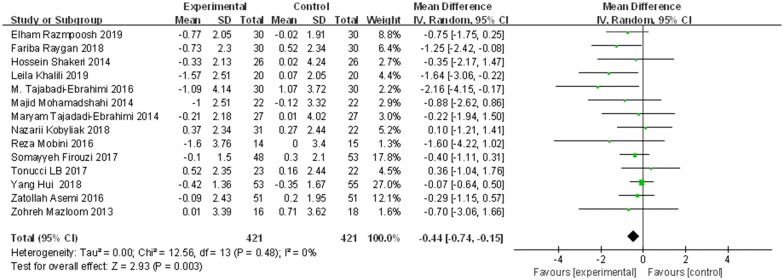
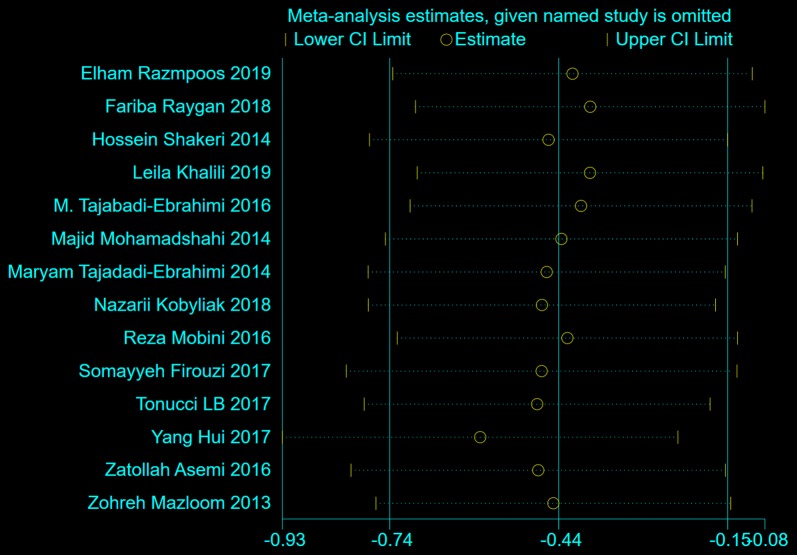
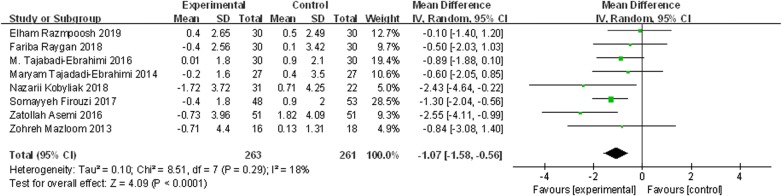
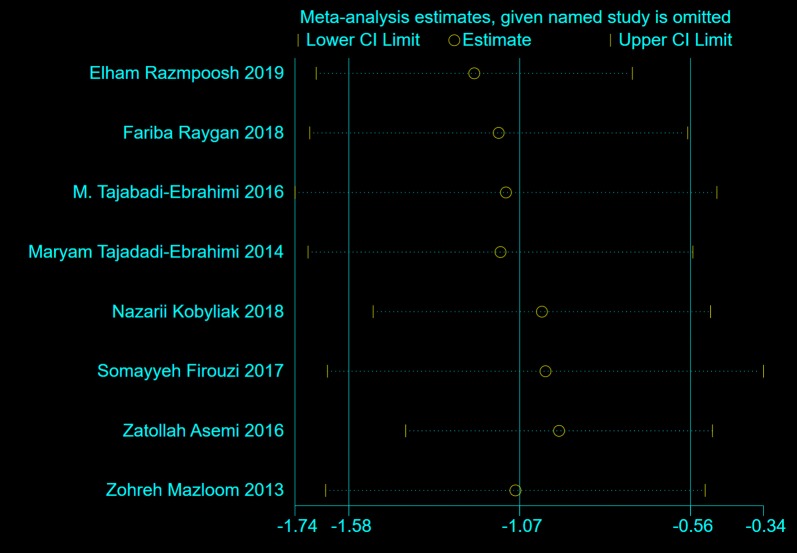
Objective: The purpose of the present study was to evaluate the effectiveness of probiotics on type II diabetes mellitus (T2DM). Methods: We performed a comprehensive search on PubMed, Web of Science, China National Knowledge Infrastructure, Chinese Scientific Journal Databases, Wan Fang database and China biology medicine disc for relevant studies published before June 2019. Glycated hemoglobin A1c (HbA1c), homeostasis model assessment of insulin resistance (HOMA-IR) and fasting blood glucose (FBG) were used as indicators for T2DM. Inverse-variance weighted mean difference (WMD) with 95% confidence interval (CI) was calculated for the mean HbA1c, FBG and HOMA-IR changes from baseline. Results: 15 randomized controlled trials (RCT) with a total of 902 participants were included into the meta-analysis. Considering the clinical heterogeneity caused by variation of dosage and duration of probiotic treatment, random-effects model was used to estimate the pooled WMD. Significantly greater reduction in HbA1c% (WMD = − 0.24, 95% CI [− 0.44, − 0.04], p = 0.02), FBG (WMD = − 0.44 mmol/L, 95% CI [− 0.74, − 0.15], p = 0.003) and HOMA-IR (WMD = − 1.07, 95% CI [− 1.58, − 0.56], p < 0.00001) were observed in probiotics treated group. Further sensitivity analysis verified the reliability and stability of our results. Conclusion: The results of our meta-analysis indicated that probiotics treatment may reduce HbA1c, FBG and insulin resistance level in T2DM patients. More clinical data and research into the mechanism of probiotics are needed to clarify the role of probiotics in T2DM.
Overview
The claims and statistics of this paper haven’t been checked yet.
Free: it reads the open-access text and checks the first 5 claims that cite a source we can check. Create a free account to check every claim.
Integrity signals
Registry
Cites
Statistics
Figures
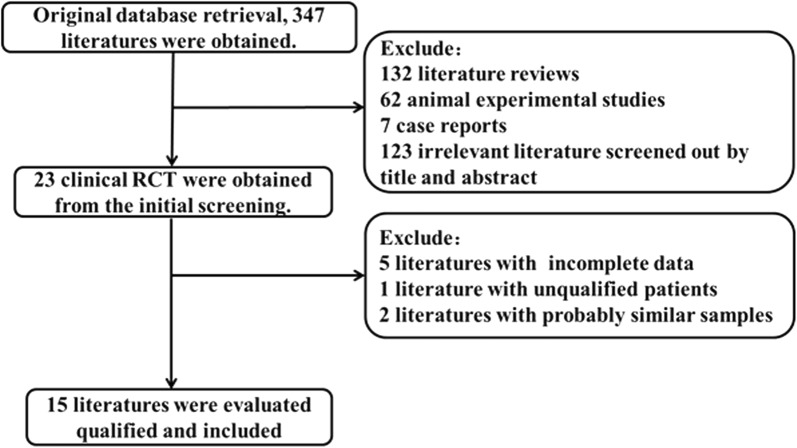
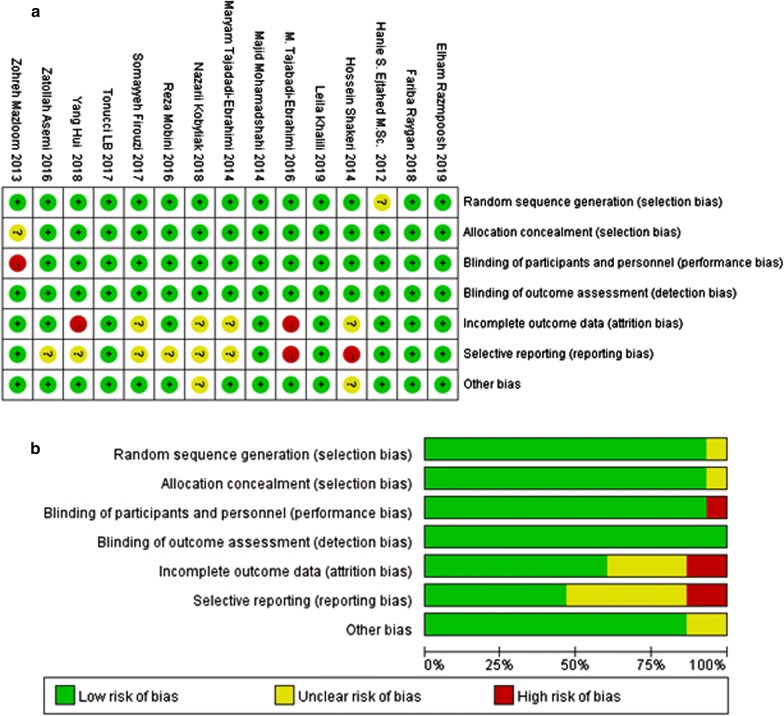
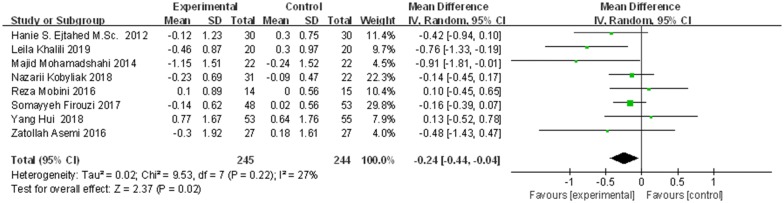
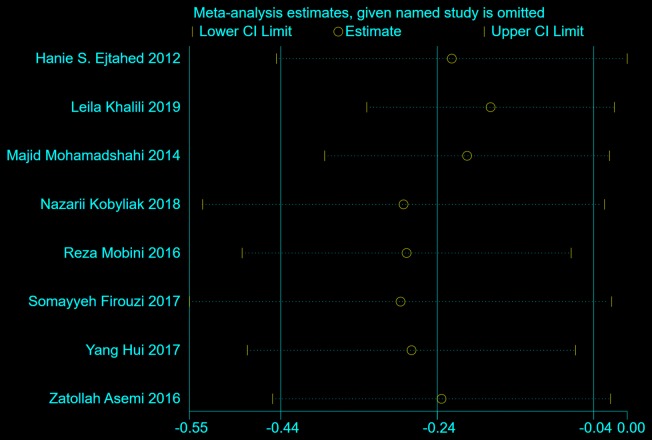
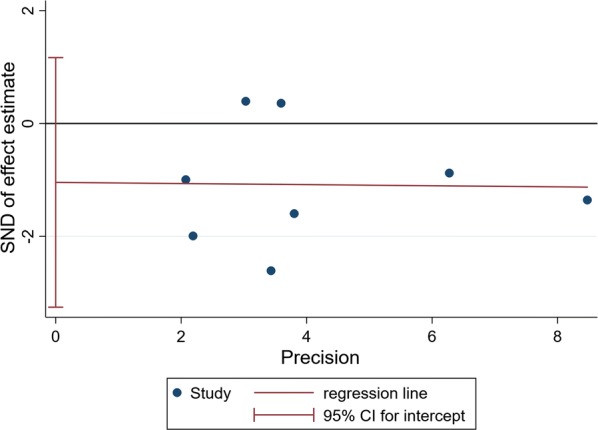
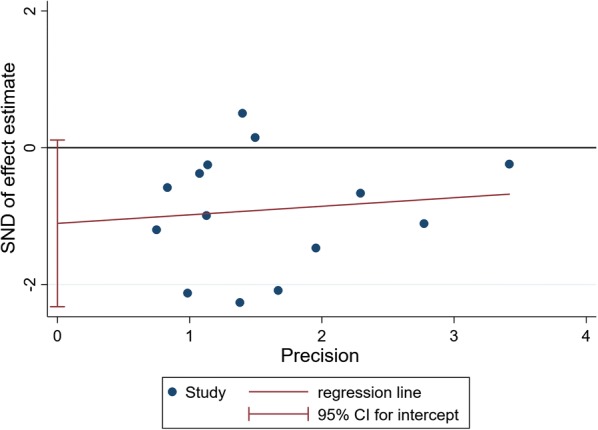
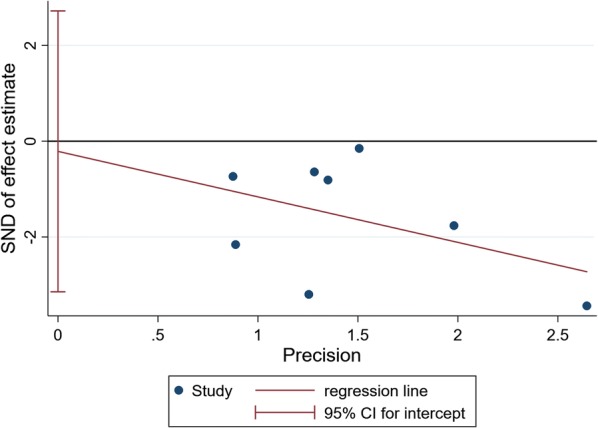
Verification
Claims the paper makes
The claims and statistics of this paper haven’t been checked yet.
Free: it reads the open-access text and checks the first 5 claims that cite a source we can check. Create a free account to check every claim.
Claims other papers make about this one
Each is checked against this paper’s own text: does it say what the citing paper says it does?
The check wasn’t confident either way, so it gives no verdict — never disputed.
In the citing paper
“Although specific data on L. gasseri BNR17 and GLP-1 are limited, related Lactobacillus strains increased intestinal GLP-1 expression in animal studies[145,147,222,256,258].”
From Nutritional Approaches to Enhance GLP-1 Analogue Therapy in Obesity: A Narrative Review (2025) · cites this paper as [258]
Experimental — accuracy not yet measured
Self-check
Percentages, sums and reported differences re-computed from the paper’s own numbers.
The self-check needs the paper’s full text.
Citations
Cites
A metagenome-wide association study of gut microbiota in type 2 diabetes
Qin, J., Li, Y., Cai, Z., Li, S., Zhu, J., Zhang, F., Liang, S., Zhang, W., Guan, Y., Shen, D., et al. (2012) · Nature · doi:10.1038/nature11450 · Cited by 6,762
Role of the normal gut microbiota
Jandhyala, S. M. (2015) · World Journal of Gastroenterology · doi:10.3748/wjg.v21.i29.8787 · Cited by 3,001
Pathogenesis of type 2 diabetes mellitus
DeFronzo, R. A. (2004) · Medical Clinics of North America · doi:10.1016/j.mcna.2004.04.013 · Cited by 1,342
Probiotic yogurt improves antioxidant status in type 2 diabetic patients
Ejtahed, H. S., Mohtadi-Nia, J., Homayouni-Rad, A., Niafar, M., Asghari-Jafarabadi, M., & Mofid, V. (2012) · Nutrition · doi:10.1016/j.nut.2011.08.013 · Cited by 683
Zhou, J., Martin, R. J., Tulley, R. T., Raggio, A. M., McCutcheon, K. L., Shen, L., Danna, S. C., Tripathy, S., Hegsted, M., & Keenan, M. J. (2008) · American Journal of Physiology-Endocrinology and Metabolism · doi:10.1152/ajpendo.90637.2008 · Cited by 460
Gastric and oesophageal emptying in patients with Type 2 (non-insulin-dependent) diabetes mellitus
Horowitz, M., Harding, P. E., Maddox, A. F., Wishart, J. M., Akkermans, L. M. A., Chatterton, B. E., & Shearman, D. J. C. (1989) · Diabetologia · doi:10.1007/bf00265086 · Cited by 392
Tonucci, L. B., Olbrich dos Santos, K. M., Licursi de Oliveira, L., Rocha Ribeiro, S. M., & Duarte Martino, H. S. (2017) · Clinical Nutrition · doi:10.1016/j.clnu.2015.11.011 · Cited by 381
Andreasen, A. S., Larsen, N., Pedersen-Skovsgaard, T., Berg, R. M. G., Møller, K., Svendsen, K. D., Jakobsen, M., & Pedersen, B. K. (2010) · British Journal of Nutrition · doi:10.1017/s0007114510002874 · Cited by 347
Probiotics in prevention and treatment of obesity: a critical view
Kobyliak, N., Conte, C., Cammarota, G., Haley, A. P., Styriak, I., Gaspar, L., Fusek, J., Rodrigo, L., & Kruzliak, P. (2016) · Nutrition & Metabolism · doi:10.1186/s12986-016-0067-0 · Cited by 346
Mobini, R., Tremaroli, V., Ståhlman, M., Karlsson, F., Levin, M., Ljungberg, M., Sohlin, M., Bertéus Forslund, H., Perkins, R., Bäckhed, F., et al. (2017) · Diabetes, Obesity and Metabolism · doi:10.1111/dom.12861 · Cited by 263
Research works printed but not linked: 2
- Yang H Yang H Hao HW Zeng Q Guo FF Wang N Wang BH Ma XX Effect on blood glucose of yogurt supplemented with probiotics N1115 in type 2 diabetes mellitus Food Sci Technol 2018 43 14 19
- Mobini R Tremaroli V Ståhlman M Karlsson F PhD MLM Ljungberg M Sohlin M Forslund HB Perkins R Bäckhed F Metabolic effects of Lactobacillus reuteri DSM 17938 in people with type 2 diabetes: a randomized controlled trial Diabetes Obes Metab 2016 19 579 10.1111/dom.12861 28009106 · DOI · Paper page
Cited by
Młynarska, E., Czarnik, W., Dzieża, N., Jędraszak, W., Majchrowicz, G., Prusinowski, F., Stabrawa, M., Rysz, J., & Franczyk, B. (2025) · International Journal of Molecular Sciences · doi:10.3390/ijms26031094 · Cited by 328
“Non-pharmacological methods of treatment for T2DM [124,126,129,131,135,139].”
Microbiota medicine: towards clinical revolution
Gebrayel, P., Nicco, C., Al Khodor, S., Bilinski, J., Caselli, E., Comelli, E. M., Egert, M., Giaroni, C., Karpinski, T. M., Loniewski, I., et al. (2022) · Journal of Translational Medicine · doi:10.1186/s12967-022-03296-9 · Cited by 276
“Such administration of beneficial microorganism was shown to reduce HbA1c and the insulin resistance level in T2 diabetes mellitus patients [180, 181].”
BackgroundGut microbiota influence in type 2 diabetes mellitus (T2DM)
Cunningham, A. L., Stephens, J. W., & Harris, D. A. (2021) · Gut Pathogens · doi:10.1186/s13099-021-00446-0 · Cited by 270
Gut Microbiota and Type 2 Diabetes Mellitus: Association, Mechanism, and Translational Applications
Zhang, L., Chu, J., Hao, W., Zhang, J., Li, H., Yang, C., Yang, J., Chen, X., & Wang, H. (2021) · Mediators of Inflammation · doi:10.1155/2021/5110276 · Cited by 201
“AMC shows superior e ff ects in improving insulin resistance (HOMA-IR) and plasma tri-glycerides and plays a vital role in regulating gut microbiota, and only AMC increases the symbiotic bacteria using Faeca-libacterium spp.”
Self-citationGut microbiota: A new target for T2DM prevention and treatment
Liu, L., Zhang, J., Cheng, Y., Zhu, M., Xiao, Z., Ruan, G., & Wei, Y. (2022) · Frontiers in Endocrinology · doi:10.3389/fendo.2022.958218 · Cited by 176
Human microbiome and metabolic health: An overview of systematic reviews
Michels, N., Zouiouich, S., Vanderbauwhede, B., Vanacker, J., Ruiz, B. I. I., & Huybrechts, I. (2022) · Obesity Reviews · doi:10.1111/obr.13409 · Cited by 163
Espino-González, E., Dalbram, E., Mounier, R., Gondin, J., Farup, J., Jessen, N., & Treebak, J. T. (2024) · Cell Metabolism · doi:10.1016/j.cmet.2024.02.014 · Cited by 154
Rittiphairoj, T., Pongpirul, K., Janchot, K., Mueller, N. T., & Li, T. (2020) · Advances in Nutrition · doi:10.1093/advances/nmaa133 · Cited by 144
“However, the literature searches in these systematic reviews were not comprehensive and the trials included had a short treatment duration and follow-up period (14, 15, 16, 17, 18, 19, 20).”
BackgroundResultLi, G., Feng, H., Mao, X.-L., Deng, Y., Wang, X.-B., Zhang, Q., Guo, Y., & Xiao, S. (2023) · Journal of Translational Medicine · doi:10.1186/s12967-023-04306-0 · Cited by 130
“systematically summarised 15 RCTs with 902 individuals, and the results of the meta-analysis indicated that probiotic supplementation reduced HbA1c, FBG and insulin resistance levels in T2DM patients [14].”
Self-citationRoles of the gut microbiome in weight management
Carmody, R. N., & Bisanz, J. E. (2023) · Nature Reviews Microbiology · doi:10.1038/s41579-023-00888-0 · Cited by 118
The Metabolic Role and Therapeutic Potential of the Microbiome
Olofsson, L. E., & Bäckhed, F. (2022) · Endocrine Reviews · doi:10.1210/endrev/bnac004 · Cited by 92
López‐Moreno, A., Suárez, A., Avanzi, C., Monteoliva‐Sánchez, M., & Aguilera, J. (2020) · Nutrients · doi:10.3390/nu12071921 · Cited by 100
Probiotics: Should All Patients Take Them?
Katkowska, M., Garbacz, K., & Kusiak, A. (2021) · Microorganisms · doi:10.3390/microorganisms9122620 · Cited by 77
“Consumption of probiotics concerns not only protection against gastrointestinal diseases but also includes the alleviation of disorders related to cardiovascular health [9], depression/anxiety [10], cancer metastasis [11], lowering cholesterol levels [12], type 2 diabetes [13], and obesity [14].”
BackgroundZhang, C., Jiang, J., Wang, C., Li, S., Yu, L., Tian, F., Zhao, J., Zhang, H., Chen, W., & Zhai, Q. (2021) · Clinical Nutrition · doi:10.1016/j.clnu.2021.11.037 · Cited by 87
Ayesha, I. E., Monson, N. R., Klair, N., Patel, U. P., Saxena, A., Patel, D. N., & Venugopal, S. (2023) · Cureus · doi:10.7759/cureus.46741 · Cited by 94
“Previous studies have conducted a multitude of systematic reviews and meta-analyses to elucidate the immediate impacts of probiotics on individuals diagnosed with T2DM; there is at least one systematic review on the long-term effect of this proposed treatment in humans [22-25].”
BackgroundSalari, A., Ghodrat, S., Gheflati, A., Jarahi, L., Hashemi, M. B., & Afshari, A. (2021) · Complementary Therapies in Clinical Practice · doi:10.1016/j.ctcp.2021.101443 · Cited by 79
Lactobacilli Infection Case Reports in the Last Three Years and Safety Implications
Rossi, F., Amadoro, C., Gasperi, M., & Colavita, G. (2022) · Nutrients · doi:10.3390/nu14061178 · Cited by 64
Potential health benefits of fermented blueberry: A review of current scientific evidence
Sivapragasam, N., Neelakandan, N., & Rupasinghe, H. P. V. (2023) · Trends in Food Science & Technology · doi:10.1016/j.tifs.2023.01.002 · Cited by 72
Lactobacilli Infection Case Reports in the Last Three Years and Safety Implications
Rossi, F., Amadoro, C., & Colavita, G. (2022) · doi:10.20944/preprints202202.0248.v1 · Cited by 65
Naseri, K., Saadati, S., Ashtary‐Larky, D., Asbaghi, O., Ghaemi, F., Pashayee-Khamene, F., Yari, Z., & de Courten, B. V. (2022) · Pharmacological Research · doi:10.1016/j.phrs.2022.106399 · Cited by 63
Healthy Gut, Healthy Bones: Targeting the Gut Microbiome to Promote Bone Health
Cooney, O. D., Nagareddy, P. R., Murphy, A. J., & Lee, M. K. S. (2021) · Frontiers in Endocrinology · doi:10.3389/fendo.2020.620466 · Cited by 64
Akkermansia muciniphila is Negatively Correlated with Hemoglobin A1c in Refractory Diabetes
Shih, C., Yeh, Y., Lin, C., Yang, L., & Chiang, C.-P. (2020) · Microorganisms · doi:10.3390/microorganisms8091360 · Cited by 63
“In T2D patients, probiotic supplements have been widely studied, and several trials have demonstrated that probiotic intervention could improve fasting blood glucose, HbA1c and insulin sensitivity [56,57].”
BackgroundFan, Y., Liu, Y., Shao, C., Jiang, C., Wu, L., Xiao, J., & Tang, L. (2025) · International Journal of Molecular Sciences · doi:10.3390/ijms26125486 · Cited by 62
“A meta-analysis by Tao et al. [107] revealed that probiotics significantly reduced fasting blood glucose, HbA1c and HOMA-IR in patients with T2DM.”
Lim, J.-J., Jung, A.-H., Suh, H. J., Choi, H., & Kim, H. (2022) · Food Research International · doi:10.1016/j.foodres.2022.111066 · Cited by 58
Wu, W.-G., Zhao, Z., Zhao, Z., Zhang, D., Zhang, Q., Zhang, J., Fang, Z., Bai, Y., & Guo, X. (2023) · Nutrients · doi:10.3390/nu15234901 · Cited by 51
“…of mucin-associated bacteria such as butyrate-producing The results showed that probiotic treatment can reduce glycosylated hemoglobin, fasting blood glucose, and insulin resistance and improve glucose metabolism disorders in patients with type 2 diabetes [110–113]. butyrate-producing clostridia.”
BackgroundProbiotic Mechanisms Affecting Glucose Homeostasis: A Scoping Review
Pintarič, M., & Langerholc, T. (2022) · Life · doi:10.3390/life12081187 · Cited by 54
“[76] proposed that more clinical data and research on the mechanisms of probiotic are needed.”
BackgroundByndloss, M. X., Devkota, S., Duca, F. A., Niess, J. H., Nieuwdorp, M., Orho‐Melander, M., Sanz, Y., Tremaroli, V., & Zhao, L. (2024) · Diabetologia · doi:10.1007/s00125-024-06198-1 · Cited by 63
da Silva, L. D. F. R., de Oliveira, Y., de Souza, E. L., Freire, M. O. D. L., Braga, V. A., Magnani, M., & Alves, J. L. D. B. (2020) · Food & Function · doi:10.1039/d0fo01661f · Cited by 53
Zarezadeh, M., Musazadeh, V., Faghfouri, A. H., Sarmadi, B., Jamilian, P., Jamilian, P., Tutunchi, H., & Dehghan, P. (2022) · Pharmacological Research · doi:10.1016/j.phrs.2022.106397 · Cited by 49
Diabetes and Its Complications: Therapies Available, Anticipated and Aspired
Grover, A., Sharma, K., Gautam, S., Gautam, S., Gulati, M., & Singh, S. K. (2020) · Current Diabetes Reviews · doi:10.2174/1573399816666201103144231 · Cited by 55
Stability of probiotics through encapsulation: Comparative analysis of current methods and solutions
de Deus, C., Duque-Soto, C. M., Rueda‐Robles, A., Martínez-Baena, D., Borrás‐Linares, I., Quirantes‐Piné, R., de Menezes, C. R., & Lozano‐Sánchez, J. (2024) · Food Research International · doi:10.1016/j.foodres.2024.115183 · Cited by 50
García-Gutiérrez, E., O’Mahony, A. K., dos Santos, R. S., Marroquí, L., & Cotter, P. D. (2024) · Gut Microbes · doi:10.1080/19490976.2024.2401654 · Cited by 52
“255,256 In T1D, a study supplementing probiotics to a cohort of children reported a reduction in islet autoimmunity.”
BackgroundByndloss, M. X., Devkota, S., Duca, F. A., Niess, J. H., Nieuwdorp, M., Orho‐Melander, M., Sanz, Y., Tremaroli, V., & Zhao, L. (2024) · Diabetes Care · doi:10.2337/dci24-0052 · Cited by 51
“It is clear that future studies also need to focus on small intestine microbiota function as well as developing adequate bioinformatic pipelines and correctly assembling genomes (Table 1).”
BackgroundMaternal microbiota and gestational diabetes: impact on infant health
Singh, P., Elhag, D. A., Ibrahim, I., Abdullahi, H., & Khodor, S. A. (2023) · Journal of Translational Medicine · doi:10.1186/s12967-023-04230-3 · Cited by 45
Ghorbani, Y., Schwenger, K. J. P., & Allard, J. P. (2021) · European Journal of Nutrition · doi:10.1007/s00394-021-02520-4 · Cited by 43
Kim, H., Lim, J.-J., Shin, H. Y., Suh, H. J., & Choi, H. (2021) · Journal of Functional Foods · doi:10.1016/j.jff.2021.104824 · Cited by 39
Understanding the Functionality of Probiotics on the Edge of Artificial Intelligence (AI) Era
Asar, R., Erenler, S., Devecioglu, D., Ispirli, H., Karbancioglu-Guler, F., Ozturk, H. I., & Dertli, E. (2025) · Fermentation · doi:10.3390/fermentation11050259 · Cited by 37
“According to a meta-analysis by Tao et al. [174], probiotic treatment helps glycemic regulation in patients with Type 2 diabetes.”
Dietary regulations for microbiota dysbiosis among post-menopausal women with type 2 diabetes
Singh, V., Park, Y.-J., Lee, G., Unno, T., & Shin, J. (2022) · Critical Reviews in Food Science and Nutrition · doi:10.1080/10408398.2022.2076651 · Cited by 39
“Clinical studies in T2D patients have also found that probiotics are effective in improving the glycemic condition and dyslipidemia (Kocsis et al. 2020; Tao et al. 2020).”
BackgroundGuo, M., Li, J., Zhang, L., Chen, C., Wei, Y., & Shen, Z. (2025) · Scientific Reports · doi:10.1038/s41598-025-90820-8 · Cited by 38
“At the same time, some previously published meta-analyses have positive results on the issue that probiotics can improve BMI values 36,37 .”
Self-citationVakilpour, A., Amini‐Salehi, E., Moghadam, A. S., Keivanlou, M., Letafatkar, N., Habibi, A., Hashemi, M., Eslami, N., Zare, R., Norouzi, N., et al. (2024) · Nutrition and Diabetes · doi:10.1038/s41387-024-00281-7 · Cited by 35
Targeting the gut microbiota by Asian and Western dietary constituents: a new avenue for diabetes
Conteh, A. R., & Huang, R. (2020) · Toxicology Research · doi:10.1093/toxres/tfaa065 · Cited by 36
“[98] revealed that probiotics treatment may reduce insulin resistance levels in type II patients.”
BackgroundRen, X., Hua, H., Wu, Y., Zhang, W., Long, X., Bai, Y., & Cheng, N. (2025) · Scientific Reports · doi:10.1038/s41598-025-09807-0 · Cited by 38
Rithi, A. T., Mitra, A., Banerjee, A., Ilanchoorian, D., Marotta, F., & Radhakrishnan, A. (2024) · Functional Food Science · doi:10.31989/ffs.v4i1.1271 · Cited by 32
“The results of the meta-analysis showed that among those with type 2 diabetes, probiotic therapy was linked with reduced levels of insulin resistance, fasting blood glucose levels (FBG), and HbA1c [88].”
ResultZhong, H., Wang, L., Jia, F., Yan, Y., Xiong, F., Li, Y., Hidayat, K., & Guan, R. (2024) · Clinical Nutrition ESPEN · doi:10.1016/j.clnesp.2024.04.009 · Cited by 33
Therapeutic Strategies for Diabetes: Immune Modulation in Pancreatic β Cells
Jo, S., & Fang, S. (2021) · Frontiers in Endocrinology · doi:10.3389/fendo.2021.716692 · Cited by 36
Myricetin alleviates diabetic cardiomyopathy by regulating gut microbiota and their metabolites
Zhu, J., Bao, Z., Hu, Z., Wu, S., Tian, C., Zhou, Y., Ding, Z., & Tan, X. (2024) · Nutrition and Diabetes · doi:10.1038/s41387-024-00268-4 · Cited by 31
Byndloss, M. X., Devkota, S., Duca, F. A., Niess, J. H., Nieuwdorp, M., Orho‐Melander, M., Sanz, Y., Tremaroli, V., & Zhao, L. (2024) · Diabetes · doi:10.2337/dbi24-0028 · Cited by 35
“In type 2 diabetes, a recent meta-analysis described some efficacy of these probiotic strains in metabolic control and reduced insulin resistance (210).”
BackgroundProbiotic Effector Compounds: Current Knowledge and Future Perspectives
Daliri, E. B., Ofosu, F. K., Xiuqin, C., Chelliah, R., & Oh, D. (2021) · Frontiers in Microbiology · doi:10.3389/fmicb.2021.655705 · Cited by 34
“Over the years, many randomized clinical studies have reported the health benefits of probiotic consumption (Chugh et al., 2020; Tao et al., 2020; Tenorio-Jiménez et al., 2020), yet monitoring targeted health benefits of administered probiotic have rather been difficult to establish.”
BackgroundPan, T., Zheng, S., Zheng, W., Shi, C., Ning, K., Zhang, Q., Xie, Y., Xiang, H., & Xie, Q. (2022) · Frontiers in Microbiology · doi:10.3389/fmicb.2022.1022403 · Cited by 31
“Bifidobacterium has long been used as a probiotic to improve metabolic diseases because of its possible role in improving the intestinal barrier and enhancing immunity (Hampe and Roth, 2017; Wen et al., 2021).”
BackgroundRole of gut microbe-derived metabolites in cardiometabolic diseases: Systems based approach
Cao, Y., Aquino-Martínez, R., Hutchison, E. R., Allayee, H., Lusis, A. J., & Rey, F. E. (2022) · Molecular Metabolism · doi:10.1016/j.molmet.2022.101557 · Cited by 29
Xiao, R., Wang, L., Tian, P., Jin, X., Zhao, J., Zhang, H., Wang, G., & Zhu, M. (2023) · Nutrients · doi:10.3390/nu15143240 · Cited by 27
An Updated Review on Probiotic Production and Applications
Venkatesh, G. P., Gouthami, K., Syed, K., & Reddy, V. D. (2024) · Gastroenterology Insights · doi:10.3390/gastroent15010016 · Cited by 32
“Additional clinical data and research into the probiotic mechanism is needed to clarify the importance of probiotics in T2DM [52].”
BackgroundSanborn, V. E., Azcárate-Peril, M. A., & Gunstad, J. (2020) · Diabetes & Metabolic Syndrome Clinical Research & Reviews · doi:10.1016/j.dsx.2020.05.034 · Cited by 27
Mrozińska, S., Kapusta, P., Gosiewski, T., Sroka-Oleksiak, A., Ludwig‐Słomczyńska, A. H., Matejko, B., Kieć‐Wilk, B., Bulanda, M., Malecki, M. T., Wołkow, P. P., et al. (2021) · Microorganisms · doi:10.3390/microorganisms9010155 · Cited by 28
“A recent meta-analysis has shown that the modification of gut microbiome following probiotics usage may improve glycemic status in T2DM [18].”
MethodInfluentialHolistic perspective of the role of gut microbes in diabetes mellitus and its management
Alagiakrishnan, K., & Halverson, T. (2021) · World Journal of Diabetes · doi:10.4239/wjd.v12.i9.1463 · Cited by 29
Rustanti, N., Murdiati, A., Juffrie, M., & Rahayu, E. S. (2022) · Microorganisms · doi:10.3390/microorganisms10091806 · Cited by 26
“According to meta-analysis research, treatment with probiotics can lower the HbA1c level, fasting blood glucose (FBS) level, and insulin resistance in T2D patients [6,7].”
BackgroundMethodBenefits of Biotics for Cardiovascular Diseases
Hijová, E. (2023) · International Journal of Molecular Sciences · doi:10.3390/ijms24076292 · Cited by 26
Arellano-García, L., Macarulla, M. T., Cuevas‐Sierra, A., Martínez, J. A., Portillo, M. P., & Milton‐Laskibar, I. (2023) · Food & Function · doi:10.1039/d3fo01307c · Cited by 27
Teo, Y. Q. J., Chong, B., Soong, R. Y., Yong, C. L., Chew, N., & Chew, H. S. J. (2024) · Clinical Nutrition · doi:10.1016/j.clnu.2024.05.019 · Cited by 25
Salari, A., Mahdavi‐Roshan, M., Kheirkhah, J., & Ghorbani, Z. (2021) · PharmaNutrition · doi:10.1016/j.phanu.2021.100261 · Cited by 29
Gut microbiome: A revolution in type II diabetes mellitus
Jeyaraman, M., Mariappan, T., Jeyaraman, N., Muthu, S., Ramasubramanian, S., Santos, G. S., da Fonseca, L. F., & Lana, J. F. (2024) · World Journal of Diabetes · doi:10.4239/wjd.v15.i9.1874 · Cited by 24
Lopez-Escalera, S., Lund, M. L., Hermes, G. D. A., Choi, B. S.-Y., Sakamoto, K., & Wellejus, A. (2023) · Nutrients · doi:10.3390/nu15102361 · Cited by 23
“of NAFLD and T2DM with varying outcomes, and although recent meta-analyses suggest that probiotics can reduce HbA1c, fasting blood glucose and insulin resistance in T2DM patients [48] and reduce aminotransferases in NAFLD patients [49], efficacy seems to be strain dependent, suggesting that a careful preclinical scree…”
ResultProbiotics: A Potential Strategy for Preventing and Managing Cardiovascular Disease
López‐Yerena, A., Villaplana, V. D. S., Badimón, L., Vilahur, G., & Padró, T. (2024) · Nutrients · doi:10.3390/nu17010052 · Cited by 25
“The level of HbA1c in T2DM patients can accurately reflect the patient’s glycemic control [83].”
Seicaru, E. M., Ilie, I. R. P., Cătinean, A., Craciun, A. M., & Ghervan, C. (2022) · Journal of Gastrointestinal and Liver Diseases · doi:10.15403/jgld-4248 · Cited by 23
Gut microbiota interventions in type 2 diabetes mellitus: An umbrella review of glycemic indices
Keivanlou, M., Amini‐Salehi, E., Sattari, N., Hashemi, M., Saberian, P., Prabhu, S. V., Javid, M., Mirdamadi, A., Heidarzad, F., Bakhshi, A., et al. (2024) · Diabetes & Metabolic Syndrome Clinical Research & Reviews · doi:10.1016/j.dsx.2024.103110 · Cited by 23
Mularczyk, M., Bourebaba, Y., Kowalczuk, A. P., Marycz, K., & Bourebaba, L. (2021) · Biomedicine & Pharmacotherapy · doi:10.1016/j.biopha.2021.111560 · Cited by 24
Mendis, B. I. L. M., Sarvananda, L., Jayasinghe, T. N., Rajapakse, I. H., & Dissanayake, A. S. (2025) · Medicine in Microecology · doi:10.1016/j.medmic.2025.100144 · Cited by 21
The predicted mechanisms and evidence of probiotics on type 2 diabetes mellitus (T2DM)
Bajinka, O., Dovi, K. S., Simbilyabo, L., Conteh, I., & Tan, Y. (2023) · Archives of Physiology and Biochemistry · doi:10.1080/13813455.2022.2163260 · Cited by 24
“These findings are consistent with recent studies that demonstrated the potential of probiotics in the management of T2DM (Kocsis et al. 2020; Tao et al. 2020; Liang et al. 2021; Rittiphairoj et al. 2021).”
Evaluating the Role of Probiotics in the Prevention and Management of Age-Related Diseases
Kiousi, D. E., Kouroutzidou, A. Z., Neanidis, K., Matthaios, D., Pappa, A., & Galanis, Α. (2022) · International Journal of Molecular Sciences · doi:10.3390/ijms23073628 · Cited by 21
“…a systematic metanalysis on the effect of probiotic supplementation in markers of metabolic disease, showed that the participants presented decreased insulin resistance and lower concentration of plasma glucose, suggesting that probiotics could act complementary to T2DM medication [114].”
BackgroundLimosilactobacillus fermentum MG4295 Improves Hyperglycemia in High-Fat Diet-Induced Mice
Kim, J. E., Lee, J. Y., & Kang, C.-H. (2022) · Foods · doi:10.3390/foods11020231 · Cited by 20
Mechanism of actions of probiotics on type 2 diabetes: Development and complications
Ağagündüz, D., Çelik, E., Cemali, Ö., Yeşildemir, Ö., Demirci, K. Ş., Akkuş, G., Esatbeyoglu, T., & Özoğul, F. (2025) · Biomedicine & Pharmacotherapy · doi:10.1016/j.biopha.2025.118421 · Cited by 21
Microbiome Changes after Type 2 Diabetes Treatment: A Systematic Review
Merkevičius, K., Kundelis, R., Maleckas, A., & Veličkienė, D. (2021) · Medicina · doi:10.3390/medicina57101084 · Cited by 20
“Although some authors indicate that 6 weeks is a cut-off point when probiotics take effect, most significant alterations were observed after at least 8 weeks [81,84].”
BackgroundWassenaar, T. M., Juncos, V. A., & Zimmermann, K. (2021) · International Journal of Molecular Sciences · doi:10.3390/ijms22189700 · Cited by 19
Abdollahi, S., Meshkini, F., Clark, C. C. T., Heshmati, J., & Soltani, S. (2021) · British Journal Of Nutrition · doi:10.1017/s0007114521003780 · Cited by 19
Li, X., Xia, Y., Song, X., Xiong, Z., Ai, L., & Wang, G. (2024) · Critical Reviews in Food Science and Nutrition · doi:10.1080/10408398.2024.2387765 · Cited by 22
“Numerous reviews have focused solely on the role of gut microbiota in probiotics for diabetes (Tao et al. 2020; Lau et al. 2021; de Vos et al. 2022).”
Tong, K., Yin, S., Yu, Y., Yang, X., Hu, G., Zhang, F., & Liu, Z. (2023) · Medicine · doi:10.1097/md.0000000000035488 · Cited by 18
“[31] Meanwhile, probiotics Meta-analysis and trial sequential analysis results of tirzepatide vs placebo for very common gastrointestinal adverse events.”
BackgroundHoungbédji, M., Jespersen, J. S., Padonou, S. W., & Jespersen, L. (2024) · Critical Reviews in Food Science and Nutrition · doi:10.1080/10408398.2024.2365342 · Cited by 18
Allam, A. R., Helal, M. B., Alhateem, M. S., Shehab, M. A., Elshaar, A. G., Saeda, M. A., Ibrahim, F. M., Khalil, A. A., & Mahmoud, A. M. (2025) · Diabetology & Metabolic Syndrome · doi:10.1186/s13098-025-01841-2 · Cited by 17
The Role of Probiotics in Modulating the Gut Microbiome in Alzheimer’s Disease: A Review
Dong, Y., Wu, X., Zhang, Y., Hu, A., Zhou, Q., Yue, X., Liu, Z., & Li, M. (2025) · Foods · doi:10.3390/foods14091531 · Cited by 19
“In addition, a meta-analysis by Tao et al. [174] concluded that probiotics can reduce three important indices of patients with type 2 diabetes (fasting blood glucose, glycosylated hemoglobin A1c, and insulin resistance).”
Modulating the Gut Microbiome in Type 2 Diabetes: Nutritional and Therapeutic Strategies
Nikolaidis, C. G., Gyriki, D., Stavropoulou, E., Karlafti, E., Didangelos, T., Tsigalou, C., & Thanopoulou, A. C. (2025) · Nutrients · doi:10.3390/nu18010089 · Cited by 14
“Nevertheless, due to the limitations inherent in individual trials, they are not yet a direct substitute for conventional therapies, and further research is needed to determine the optimal bacterial strains, doses, and duration [43,53].”
Alemzadeh, I., Afarin, M., Dehghan, A., Sani, M. A., Teimouri, M., Seilani, F., Abbasi, P., & Vaziri, A. S. (2021) · Applied food biotechnology · doi:10.22037/afb.v8i3.33749 · Cited by 18
“Recent meta-analysis studies on data of clinical trials have shown that probiotic treatment can decrease glycosylated hemoglobin, FBS and insulin resistance in T2DM patients [39] and improve lipid profile, hypertension and other”
BackgroundAzuma, N., Saito, Y., Nishijima, T., Aoki, R., & Nishihira, J. (2023) · Bioscience Biotechnology and Biochemistry · doi:10.1093/bbb/zbad148 · Cited by 14
Probiotics and Prebiotics as Dietary Supplements for the Adjunctive Treatment of Type 2 Diabetes
Wang, Y., Wen, L., Tang, H., Qu, J., & Rao, B. (2023) · Polish Journal of Microbiology · doi:10.33073/pjm-2023-013 · Cited by 21
“A total of 15 randomized controlled trials and 902 patients showed that probiotics treatment could reduce glycated hemoglobin A1c (HbA1c), fasting blood glucose (FBG), and insulin resistance levels in T2D patients quite robust and stable (Tao et al. 2020).”
BackgroundLi, X., Zhang, L., He, Y., Zhang, D., & Zhang, S. (2024) · Biomolecules and Biomedicine · doi:10.17305/bb.2024.10377 · Cited by 14
Self-citationAljutaily, T., Aladhadh, M. A., Alsaleem, K. A., Alharbi, H. F., Barakat, H., Aljumayi, H., Moustafa, M. M. A., & Rehan, M. (2025) · Scientific Reports · doi:10.1038/s41598-025-96893-9 · Cited by 13
Dietary recommendations for persons with type 2 diabetes mellitus
Skurk, T., Bosy‐Westphal, A., Grünerbel, A., Kabisch, S., Keuthage, W., Kleinridders, A., Kronsbein, P., Müssig, K., Nussbaumer, H., Pfeiffer, A. F. H., et al. (2022) · Experimental and Clinical Endocrinology & Diabetes · doi:10.1055/a-1624-5095 · Cited by 13
Yang, J., Ma, Y., Li, T., Pang, Y., Zhang, H., Xie, Y., Liu, H., Sun, Y., Ren, J., & Jin, J. (2022) · Nutrients · doi:10.3390/nu15010170 · Cited by 13
Lyon, J., Connell, M., Chandrasekaran, K., & Srivastava, S. (2023) · Obesity · doi:10.1002/oby.23801 · Cited by 14
“It is imperative as previous studies showed a positive effect of probiotics on HOMA-IR in an insulin resistant population [26, 27].”
ResultCorrection to: Effects of probiotics on type II diabetes mellitus: a meta-analysis
Tao, Y., Gu, Y.-L., Mao, X.-Q., Zhang, L., & Pei, Y. (2020) · Journal of Translational Medicine · doi:10.1186/s12967-020-02274-3 · Cited by 11
Self-citationFang, X., Zhang, Y., Huang, X., Miao, R., Zhang, Y., & Tian, J. (2025) · Diabetes Obesity and Metabolism · doi:10.1111/dom.16387 · Cited by 11
“127 The second category is new probiotics, such as Akkermansia muciniphila and Faecalibacterium prausnitzii .”
Liu, B., Tomtong, P., Charoensiddhi, S., & Vongsangnak, W. (2025) · International Journal of Biological Macromolecules · doi:10.1016/j.ijbiomac.2025.144910 · Cited by 17
Sayers, B., Wijeyesekera, A., & Gibson, G. R. (2021) · Journal of Functional Foods · doi:10.1016/j.jff.2021.104753 · Cited by 11
Ren, Z., Okyere, S. K., Xie, L., Wen, J., Wang, J., Chen, Z., Ni, X., Deng, J., & Hu, Y. (2022) · Frontiers in Immunology · doi:10.3389/fimmu.2022.837237 · Cited by 10
Empfehlungen zur Ernährung von Personen mit Typ-2-Diabetes mellitus
Skurk, T., Bosy‐Westphal, A., Grünerbel, A., Kabisch, S., Keuthage, W., Kronsbein, P., Müssig, K., Pfeiffer, A. F. H., Simon, M., Tombek, A., et al. (2021) · Diabetologie und Stoffwechsel · doi:10.1055/a-1543-1293 · Cited by 11
Impact of probiotics in alleviating type 2 diabetes risk in clinical trials: A meta-analysis study
Singh, J., ., P., Kumar, P., Singh, J., & Dhanda, S. (2023) · Human Gene · doi:10.1016/j.humgen.2023.201149 · Cited by 11
Pereira, E. D. S., Raphaelli, C. D. O., Massaut, K. B., Camargo, T. M., Radünz, M., Hoffmann, J. F., Vizzotto, M., Pieniz, S., & Fiorentini, Â. M. (2024) · Plant Foods for Human Nutrition · doi:10.1007/s11130-024-01149-y · Cited by 9
Nutritional Approaches to Enhance GLP-1 Analogue Therapy in Obesity: A Narrative Review
Dias, D. D., Vasconcelos, A. R., Souza, A. C. R., Menezes, C. D., Silva, I. S. T. E., & Name, J. J. (2025) · Obesities · doi:10.3390/obesities5040088 · Cited by 8
“Probiotics have also attracted interest for obesity and diabetes management due to their influence on energy metabolism and gut-derived satiety signals [144,145,147,255,256].”
Zhan, Y., Zhang, N., Wang, K., Li, J., Jin, M., Shah, N. P., Wei, H., & Zhang, Z. (2025) · Microbiological Research · doi:10.1016/j.micres.2025.128174 · Cited by 8
Probiotics and functional foods in metabolic disease: emerging solutions for obesity and diabetes
Maqsood, S., Asif, M., Alvi, T., Shakoor, S., & Zahir, A. (2025) · Journal of Diabetes & Metabolic Disorders · doi:10.1007/s40200-025-01694-6 · Cited by 11
“Notably, butyrates, a type of SCFA, improve the synthesis of insulin and glucose absorption through the stimulation of G-protein coupled receptors (GPR41 and GPR43) [121].”
Xia, Q., Lei, Y., Wang, J., & Wang, Q. (2023) · Open Life Sciences · doi:10.1515/biol-2022-0741 · Cited by 8
Metadata
- Authors
- Tao, Y.-W., Gu, Y.-L., Mao, X.-Q., Zhang, L., & Pei, Y.-F.
- Affiliations
- Soochow University (CN)
- Corresponding author
- Zhang, Lei
- Pei, Yu-Fang
- Venue
- Journal of Translational Medicine
- Published
- 2020-01-17
- Volume
- 18
- Issue
- 1
- Pages
- 30-30
- ISSN
- 1479-5876 (ISSN-L)
- PMC
- PMC6966830
- OpenAlex
- W3007815550
- Semantic Scholar
- 580b93459f0cbe25dae33fe4b5fc8873aeab67c6
- Cited by
- 173
- References
- 30
- Citations by year
- 2026: 16 · 2025: 30 · 2024: 32 · 2023: 34 · 2022: 26 · 2021: 24 · 2020: 11
- FWCI
- 2.01
- Type
- journal article
- Language
- en
- Update notices
- correction (2020-02-28)
- Open access
- gold
- doi.org
- Licence
- cc-by
- creativecommons.org/licenses/by/4.0/ (tdm)
- creativecommons.org/licenses/by/4.0/ (vor)
- Locations
- Journal of Translational Medicine (publishedVersion, cc-by)
- PubMed Central (publishedVersion, cc-by)
- PubMed (publishedVersion)
- DOAJ (DOAJ: Directory of Open Access Journals) (submittedVersion, cc-by-sa)
- Funders
- National Natural Science Foundation of China (31771417, 31571291)
- Topics
- Life Sciences › Agricultural and Biological Sciences › Food Science › Probiotics and Fermented Foods
- Health Sciences › Medicine › Endocrinology, Diabetes and Metabolism › Natural Antidiabetic Agents Studies
- Life Sciences › Biochemistry, Genetics and Molecular Biology › Molecular Biology › Gut microbiota and health
- Keywords
- probiotics, type 2 diabetes, HbA1c, insulin resistance, fasting blood glucose, glycemic control, gut microbiota
- MeSH terms
- Blood Glucose, China, Diabetes Mellitus, Type 2, Glycated Hemoglobin, Humans, Randomized Controlled Trials as Topic, Probiotics
About these checks
Registry, retraction, Cites and statistics results are computed, not judged, with one exception: a printed reference that no index lists is read once by a model before it counts as a citation error. Claims are extracted by a model and kept only when their quote appears verbatim in the text; each cited source is then checked, with a model’s help, for whether it says what the claim relies on. Those verdicts can be wrong — read the claim’s quote and the cited source before relying on one.
Statistics and arithmetic are recomputed, not judged.
Confidence bands are shown only for fields calibrated on our annotated test set. None is calibrated yet, so no band is shown.
What counts as a claim ›How we measure confidence ›How we check this ›
Are you an author, or do you see a problem with this page? Request a review
Data sources
Bibliographic data: Semantic Scholar, OpenAlex, Crossref.
Contains information from the Semantic Scholar Academic Graph Datasets, made available under the ODC Attribution License (ODC-BY 1.0).
Semantic Scholar’s data is described in: Kinney, R., et al. (2023). The Semantic Scholar Open Data Platform. arXiv:2301.10140.
