

The DOI matches its Crossref record; 468 of the 468 references it cites were found in a registry or an index.
Hypoxia and the phenomenon of immune exclusion
Open accessAbstract
Over the last few years, cancer immunotherapy experienced tremendous developments and it is nowadays considered a promising strategy against many types of cancer. However, the exclusion of lymphocytes from the tumor nest is a common phenomenon that limits the efficiency of immunotherapy in solid tumors. Despite several mechanisms proposed during the years to explain the immune excluded phenotype, at present, there is no integrated understanding about the role played by different models of immune exclusion in human cancers. Hypoxia is a hallmark of most solid tumors and, being a multifaceted and complex condition, shapes in a unique way the tumor microenvironment, affecting gene transcription and chromatin remodeling. In this review, we speculate about an upstream role for hypoxia as a common biological determinant of immune exclusion in solid tumors. We also discuss the current state of ex vivo and in vivo imaging of hypoxic determinants in relation to T cell distribution that could mechanisms of immune exclusion and discover functional-morphological tumor features that could support clinical monitoring.
Overview
The claims and statistics of this paper haven’t been checked yet.
Run the check — free, no account needed. It reads the open-access text and checks the sources it cites.
Integrity signals
Registry
Cites
Statistics
Figures
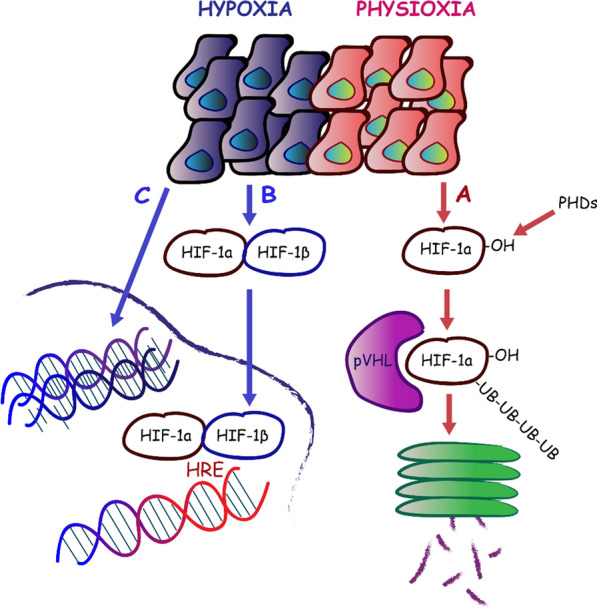
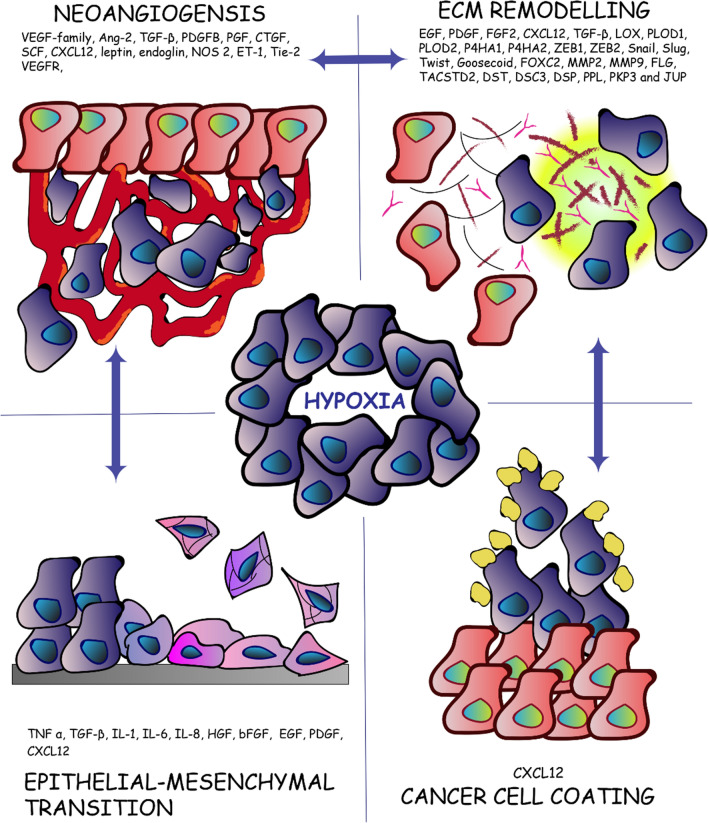
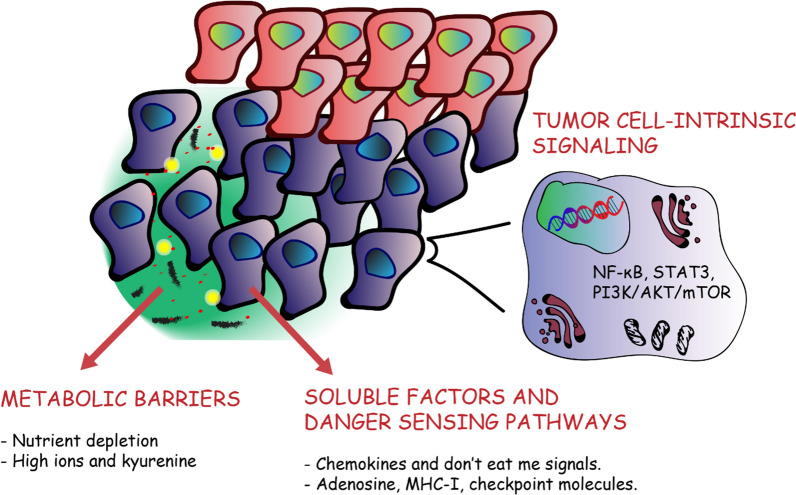
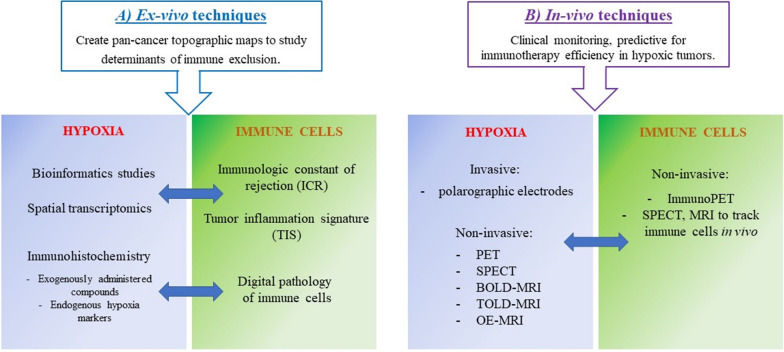
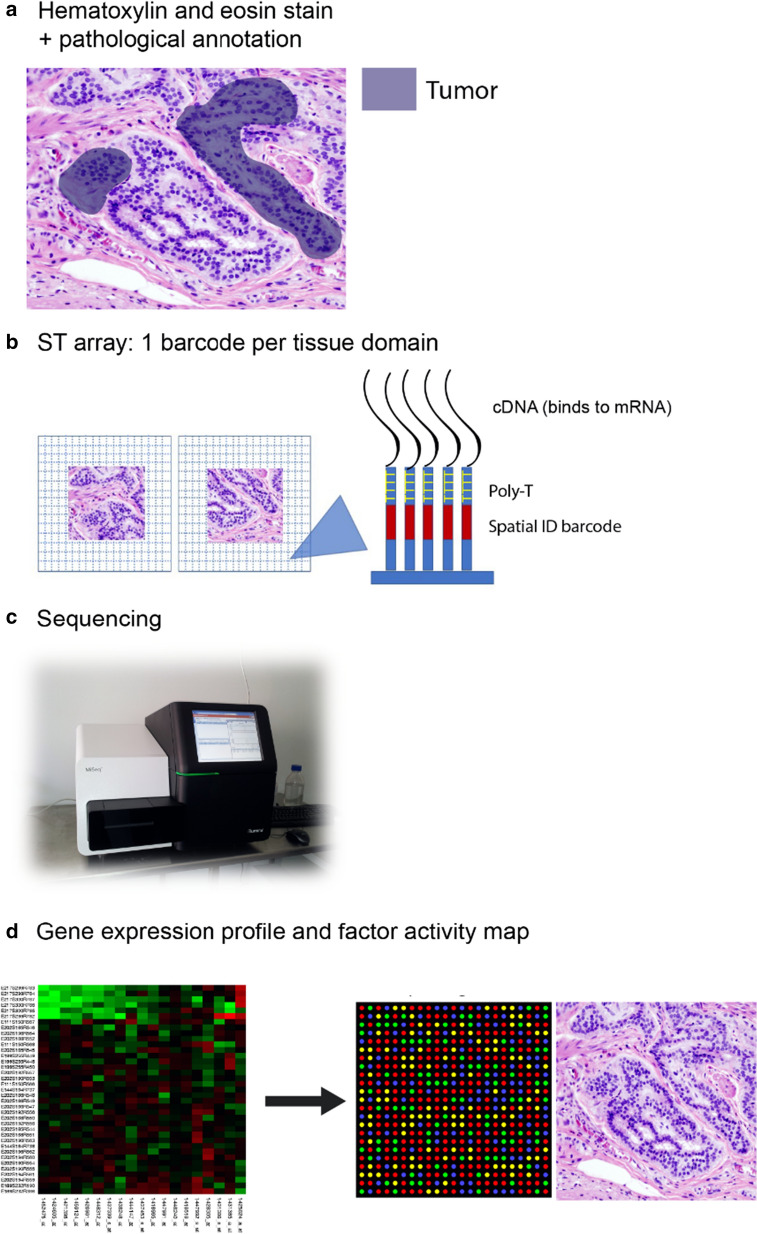
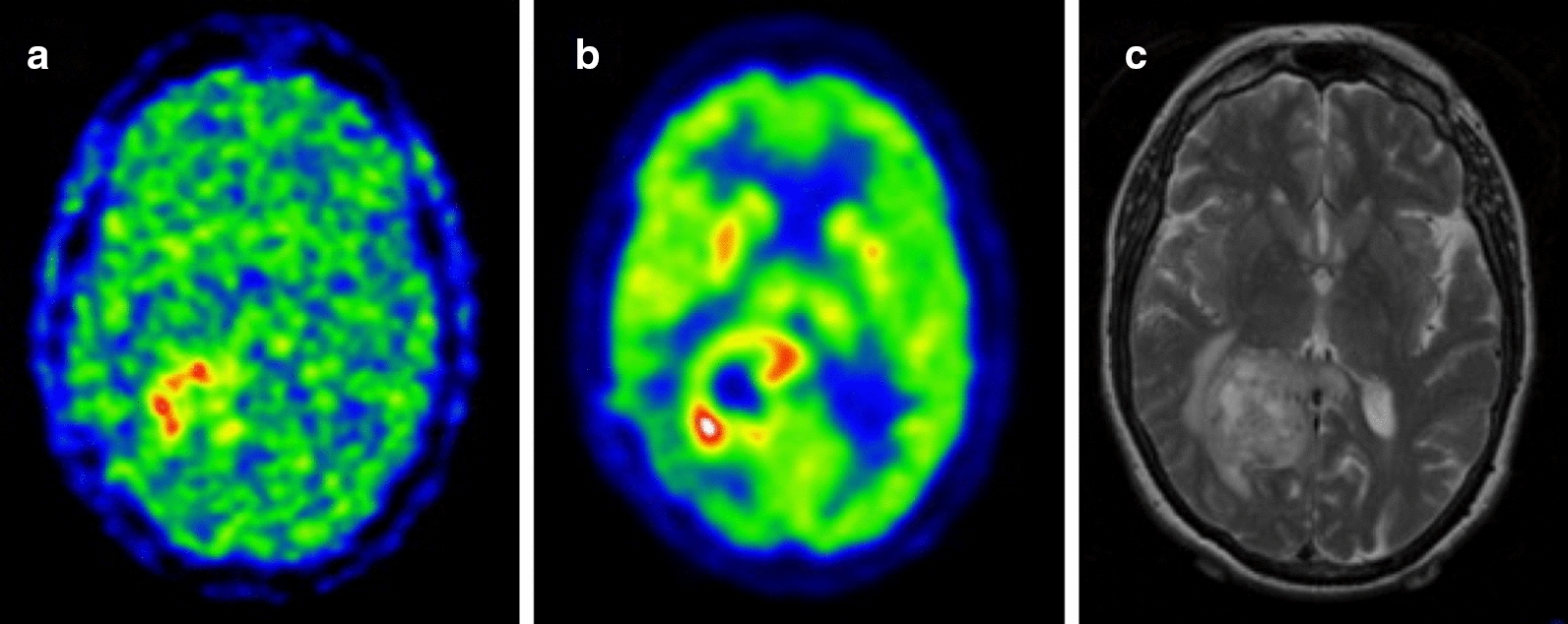
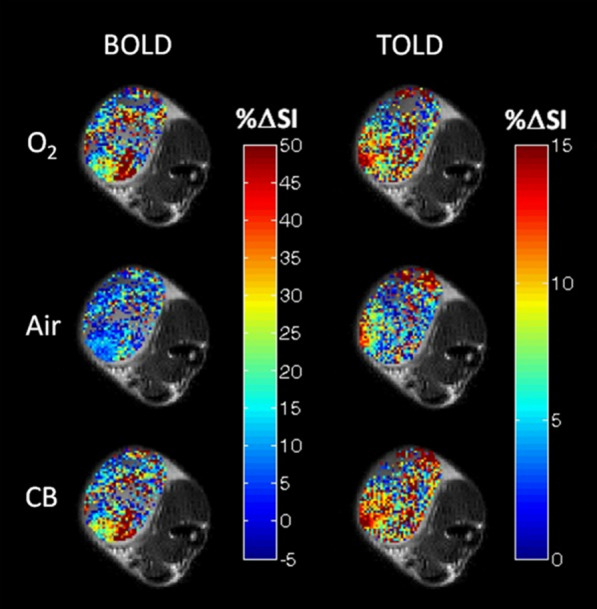
Verification
Claims the paper makes
The claims and statistics of this paper haven’t been checked yet.
Run the check — free, no account needed. It reads the open-access text and checks the sources it cites.
Claims other papers make about this one
Each is checked against this paper’s own text: does it say what the citing paper says it does?
In the citing paper
“Hypoxia is a hallmark of most solid tumors and a common trait of TME that is associated with cancer progression and metastasis8–10.”
In the citing paper
“clinical studies have consistently demonstrated that hypoxia is associated with immune exclusion and resistance to immune checkpoint blockade therapy10,20,21,51.”
Self-check
Percentages, sums and reported differences re-computed from the paper’s own numbers.
The self-check needs the paper’s full text.
Citations
Cites
2 retracted
RETRACTED: Collagen Prolyl Hydroxylases Are Essential for Breast Cancer Metastasis
Gilkes, D. M., Chaturvedi, P., Bajpai, S., Wong, C. C., Wei, H., Pitcairn, S., Hubbi, M. E., Wirtz, D., & Semenza, G. L. (2013) · Cancer Research · doi:10.1158/0008-5472.can-12-3963 · Cited by 296
RetractedProcollagen lysyl hydroxylase 2 is essential for hypoxia-induced breast cancer metastasis
Gilkes, D. M., Bajpai, S., Wong, C. C., Chaturvedi, P., Hubbi, M. E., Wirtz, D., & Semenza, G. L. (2013) · Molecular Cancer Research · doi:10.1158/1541-7786.mcr-12-0629 · Cited by 252
RetractedPD-1 and PD-L1 Immune Checkpoint Blockade to Treat Breast Cancer
Hartkopf, A. D., Taran, F., Wallwiener, M., Walter, C. B., Krämer, B., Grischke, E., & Brucker, S. Y. (2016) · Breast Care · doi:10.1159/000453569 · Cited by 30,989
Improved Survival with Ipilimumab in Patients with Metastatic Melanoma
Hodi, F. S., O'Day, S. J., McDermott, D. F., Weber, R. W., Sosman, J. A., Haanen, J. B., Gonzalez, R., Robert, C., Schadendorf, D., Hassel, J. C., et al. (2010) · New England Journal of Medicine · doi:10.1056/nejmoa1003466 · Cited by 15,155
Safety and activity of anti-PD-L1 antibody in patients with advanced cancer
Brahmer, J. R., Tykodi, S. S., Chow, L. Q. M., Hwu, W.-J., Topalian, S. L., Hwu, P., Drake, C. G., Camacho, L. H., Kauh, J., Odunsi, K., et al. (2012) · New England Journal of Medicine · doi:10.1056/nejmoa1200694 · Cited by 7,945
Mutational landscape determines sensitivity to PD-1 blockade in non–small cell lung cancer
Rizvi, N. A., Hellmann, M. D., Snyder, A., Kvistborg, P., Makarov, V., Havel, J. J., Lee, W., Yuan, J., Wong, P., Ho, T. S., et al. (2015) · Science · doi:10.1126/science.aaa1348 · Cited by 7,802
Molecular Mechanisms of Stress-Responsive Changes in Collagen and Elastin Networks in Skin
Aziz, J., Shezali, H., Radzi, Z., Yahya, N. A., Abu Kassim, N. H., Czernuszka, J., & Rahman, M. T. (2016) · Skin Pharmacology and Physiology · doi:10.1159/000447017 · Cited by 7,323
Mismatch repair deficiency predicts response of solid tumors to PD-1 blockade
Le, D. T., Durham, J. N., Smith, K. N., Wang, H., Bartlett, B. R., Aulakh, L. K., Lu, S., Kemberling, H., Wilt, C., Luber, B. S., et al. (2017) · Science · doi:10.1126/science.aan6733 · Cited by 6,645
Type, Density, and Location of Immune Cells Within Human Colorectal Tumors Predict Clinical Outcome
Galon, J., Costes, A., Sanchez-Cabo, F., Kirilovsky, A., Mlecnik, B., Lagorce-Pagès, C., Tosolini, M., Camus, M., Berger, A., Wind, P., et al. (2006) · Science · doi:10.1126/science.1129139 · Cited by 6,516
Wang, G. L., Jiang, B. H., Rue, E. A., & Semenza, G. L. (1995) · Proceedings of the National Academy of Sciences · doi:10.1073/pnas.92.12.5510 · Cited by 6,212
Research works printed but not linked: 2
- Wang Z, et al. Transglutaminase-2 of pancreatic cancer cells assembles a CXCL12-keratin 19-coat that mediates the resistance to immunotherapy. bioRxiv, 2019;2:776419.
- Zhang Z, et al. PI3K/Akt and HIF1 signaling pathway in hypoxiaischemia (Review). Mol Med Rep. 2018;18(4):3547–54.
Cited by
Sorted by citations
Hypoxia as a driver of resistance to immunotherapy
Kopecka, J., Salaroglio, I. C., Pérez-Ruiz, E., Sarmento‐Ribeiro, A. B., Saponara, S., Rivas, J. D. L., & Riganti, C. (2021) · Drug Resistance Updates · doi:10.1016/j.drup.2021.100787 · Cited by 264
Ma, S., Zhao, Y., Lee, W. C., Ong, L.-T., Lee, P. L., Jiang, Z., Oguz, G., Niu, Z., Liu, M., Goh, J. Y., et al. (2022) · Nature Communications · doi:10.1038/s41467-022-31764-9 · Cited by 200
Hypoxia: The Cornerstone of Glioblastoma
Doménech, M., Hernández, A., Plaja, A., Martinez‐Balibrea, E., & Balañá, C. (2021) · International Journal of Molecular Sciences · doi:10.3390/ijms222212608 · Cited by 187
Role of hypoxia in the tumor microenvironment and targeted therapy
Chen, G., Wu, K., Li, H., Xia, D., & He, T. (2022) · Frontiers in Oncology · doi:10.3389/fonc.2022.961637 · Cited by 148
Fu, Z., Mowday, A. M., Smaill, J. B., Hermans, I. F., & Patterson, A. V. (2021) · Cells · doi:10.3390/cells10051006 · Cited by 133
Improving CAR T-Cell Persistence
Pietrobon, V., Todd, L. A., Goswami, A., Stefanson, O., Yang, Z., & Marincola, F. M. (2021) · International Journal of Molecular Sciences · doi:10.3390/ijms221910828 · Cited by 124
Self-citationBassiouni, R., Idowu, M. O., Gibbs, L. D., Robila, V., Grizzard, P. J., Webb, M. G., Song, J., Noriega, A., Craig, D. W., & Carpten, J. D. (2022) · Cancer Research · doi:10.1158/0008-5472.can-22-2682 · Cited by 119
Crosstalk between angiogenesis and immune regulation in the tumor microenvironment
Kim, H. J., Ji, Y. R., & Lee, Y. M. (2022) · Archives of Pharmacal Research · doi:10.1007/s12272-022-01389-z · Cited by 105
Alleviating hypoxia to improve cancer immunotherapy
Fan, P., Zhang, N., Candi, E., Agostini, M., Piacentini, M., Bernassola, F., Bove, P., Alessandro, M., Giuseppe, N., Valentina, R., et al. (2023) · Oncogene · doi:10.1038/s41388-023-02869-2 · Cited by 101
Nanomedicine Strategies in Conquering and Utilizing the Cancer Hypoxia Environment
Pan, Y., Liu, L., Mou, X., & Cai, Y. (2023) · ACS Nano · doi:10.1021/acsnano.3c07763 · Cited by 98
Davis, L., Recktenwald, M., Hutt, E., Fuller, S., Briggs, M., Goel, A., & Daringer, N. (2022) · Cancers · doi:10.3390/cancers14051259 · Cited by 83
Khouzam, R. A., Zaarour, R. F., Brodaczewska, K. K., Azakir, B., Venkatesh, G. H., Thiery, J., Terry, S., & Chouaı̈b, S. (2022) · Frontiers in Immunology · doi:10.3389/fimmu.2022.828875 · Cited by 80
Two-dimensional nanomaterials for tumor microenvironment modulation and anticancer therapy
Wu, M., Niu, X., Zhang, R., & Xu, Z. P. (2022) · Advanced Drug Delivery Reviews · doi:10.1016/j.addr.2022.114360 · Cited by 76
Vaupel, P. W., Flood, A. B., & Swartz, H. M. (2021) · Applied Magnetic Resonance · doi:10.1007/s00723-021-01383-6 · Cited by 75
Hypoxia, a key factor in the immune microenvironment
Hu, J., Li, X., Yang, L., & Li, H. (2022) · Biomedicine & Pharmacotherapy · doi:10.1016/j.biopha.2022.113068 · Cited by 67
Hypoxia promotes tumor immune evasion by suppressing MHC-I expression and antigen presentation
Estéphan, H., Tailor, A., Parker, R., Kreamer, M., Papandreou, I., Campo, L., Easton, A., Moon, E. J., Denko, N. C., Ternette, N., et al. (2025) · The EMBO Journal · doi:10.1038/s44318-024-00319-7 · Cited by 55
Tumour hypoxia in driving genomic instability and tumour evolution
Suvac, A., Ashton, J., & Bristow, R. G. (2025) · Nature reviews. Cancer · doi:10.1038/s41568-024-00781-9 · Cited by 60
Xiang, Y., Chen, Q., Nan, Y., Liu, M., Xiao, Z., Yang, Y., Zhang, J., Ying, X., Long, X., Wang, S., et al. (2023) · Advanced Functional Materials · doi:10.1002/adfm.202312092 · Cited by 44
Gandini, A., Puglisi, S., Pirrone, C., Martelli, V., Catalano, F., Nardin, S., Seeber, A., Puccini, A., & Sciallero, S. (2023) · Frontiers in Oncology · doi:10.3389/fonc.2023.1161048 · Cited by 42
Tumor microenvironment in glioblastoma: The central role of the hypoxic–necrotic core
Bayona, C., Ranđelović, T., & Ochoa, I. (2025) · Cancer Letters · doi:10.1016/j.canlet.2025.218216 · Cited by 52
Abadi, B., Yazdanpanah, N., Nokhodchi, A., & Rezaei, N. (2021) · Advanced Drug Delivery Reviews · doi:10.1016/j.addr.2021.114035 · Cited by 38
Cluff, E., Magdaleno, C., Fernandez, E., House, T., Swaminathan, S., Varadaraj, A., & Rajasekaran, N. (2022) · Cancer Immunology Immunotherapy · doi:10.1007/s00262-021-03126-9 · Cited by 41
Hypoxia-activated prodrug derivatives of anti-cancer drugs: a patent review 2006 – 2021
Anduran, E., Dubois, L. J., Lambin, P., & Winum, J. (2021) · Expert Opinion on Therapeutic Patents · doi:10.1080/13543776.2021.1954617 · Cited by 35
(Im)maturity in Tumor Ecosystem
Mortezaee, K., & Majidpoor, J. (2022) · Frontiers in Oncology · doi:10.3389/fonc.2021.813897 · Cited by 34
Wu, S., Zhan, W., Liu, L., Xie, D., Yao, L., Yao, H., Liao, G., Huang, L., Zhou, Y., You, P., et al. (2023) · Journal for ImmunoTherapy of Cancer · doi:10.1136/jitc-2023-007369 · Cited by 38
Liberini, V., Mariniello, A., Righi, L., Capozza, M., Delcuratolo, M. D., Terreno, E., Farsad, M., Volante, M., Novello, S., & Deandreis, D. (2021) · Cancers · doi:10.3390/cancers13184543 · Cited by 33
Cui, H., Su, Y., Wei, W., Xu, F., Gao, J., & Zhang, W. (2022) · International Journal of Nanomedicine · doi:10.2147/ijn.s368763 · Cited by 32
Multifaceted Interplay between Hormones, Growth Factors and Hypoxia in the Tumor Microenvironment
Lappano, R., Todd, L. A., Stanic, M., Cai, Q., Maggiolini, M., Marincola, F., & Pietrobon, V. (2022) · Cancers · doi:10.3390/cancers14030539 · Cited by 32
Self-citationSadozai, H., Acharjee, A., Kayani, H. Z., Gruber, T., Gorczynski, R. M., & Burke, B. (2024) · Frontiers in Immunology · doi:10.3389/fimmu.2024.1360629 · Cited by 32
Progress and perspectives of platinum nanozyme in cancer therapy
Wang, X., He, X., Liu, C., Zhao, W., Yuan, X., & Li, R. (2022) · Frontiers in Chemistry · doi:10.3389/fchem.2022.1092747 · Cited by 30
Yang, Z., Pietrobon, V., Bobbin, M. L., Stefanson, O., Yang, J., Goswami, A., Alphson, B., Choi, H., Magallanes, K., Cai, Q., et al. (2023) · Journal of Translational Medicine · doi:10.1186/s12967-023-04014-9 · Cited by 29
Self-citationTargeting hypoxic and acidic tumor microenvironment by nanoparticles: A review
Saadh, M. J., Mustafa, M. A., Qassem, L. Y., Ghadir, G. K., Alaraj, M., Alubiady, M. H. S., Al‐Abdeen, S. H. Z., Shakier, H. G., Alshahrani, M. Y., & Zwamel, A. H. (2024) · Journal of Drug Delivery Science and Technology · doi:10.1016/j.jddst.2024.105660 · Cited by 31
Development and validation of a hypoxia-associated signature for lung adenocarcinoma
Lane, B. S., Khan, M. T., Choudhury, A., Salem, A., & West, C. (2022) · Scientific Reports · doi:10.1038/s41598-022-05385-7 · Cited by 23
Imaging to predict checkpoint inhibitor outcomes in cancer. A systematic review
ter Maat, L. S., van Duin, I. A. J., Elias, S. G., van Diest, P. J., Pluim, J. P. W., Verhoeff, J. J. C., de Jong, P. A., Leiner, T., Veta, M., & Suijkerbuijk, K. P. M. (2022) · European Journal of Cancer · doi:10.1016/j.ejca.2022.07.034 · Cited by 21
Pereira, M., Matuszewska, K., Jamieson, C., & Petrik, J. (2021) · Frontiers in Endocrinology · doi:10.3389/fendo.2021.772349 · Cited by 21
The role of tumor immune microenvironment in chordoma: promising immunotherapy strategies
Xu, J., Shi, Q., Wang, B., Ji, T., Guo, W., Ren, T., & Tang, X. (2023) · Frontiers in Immunology · doi:10.3389/fimmu.2023.1257254 · Cited by 21
McCaffrey, E., Delmastro, A. C., Fitzhugh, I., Ranek, J. S., Douglas, S., Peters, J. M., Fullaway, C. C., Bosse, M. M., Liu, C. C., Gillen, C., et al. (2026) · Nature Immunology · doi:10.1038/s41590-026-02431-8 · Cited by 37
Guo, N., Yang, A., Farooq, F. B., Kalaria, S., Moss, E., DeVorkin, L., Lesperance, M., Bénard, F., Wilson, D. C., Tinker, A. V., et al. (2023) · Scientific Reports · doi:10.1038/s41598-023-30655-3 · Cited by 21
The role of metabolic reprogramming in immune escape of triple-negative breast cancer
Bao, R., Qu, H., Li, B., Cheng, K., Miao, Y., & Wang, J. (2024) · Frontiers in Immunology · doi:10.3389/fimmu.2024.1424237 · Cited by 22
Cesano, A., Augustin, R. C., Barrea, L., Bedognetti, D., Bruno, T. C., Carturan, A., Hammer, C., Ho, W. S., Kather, J. N., Kirchhoff, T., et al. (2025) · Journal for ImmunoTherapy of Cancer · doi:10.1136/jitc-2024-008876 · Cited by 20
Self-citationMechanisms of HIF-driven immunosuppression in tumour microenvironment
Bandopadhyay, S., & Patranabis, S. (2023) · Journal of the Egyptian National Cancer Institute · doi:10.1186/s43046-023-00186-z · Cited by 20
Setting “cold” tumors on fire: Cancer therapy with live tumor-targeting bacteria
Manole, S., Nguyen, D.-H., Min, J.-J., Zhou, S., & Forbes, N. (2024) · Med · doi:10.1016/j.medj.2024.11.002 · Cited by 17
Engineering T cells to survive and thrive in the hostile tumor microenvironment
Kim, G. B., Riley, J. L., & Levine, B. L. (2021) · Current Opinion in Biomedical Engineering · doi:10.1016/j.cobme.2021.100360 · Cited by 17
How the histological structure of some lung cancers shaped almost 70 years of radiobiology
Worth, K. R., Papandreou, I., & Hammond, E. M. (2022) · British Journal of Cancer · doi:10.1038/s41416-022-02041-9 · Cited by 15
Autophagy in Tumor Immunity and Viral-Based Immunotherapeutic Approaches in Cancer
Amiri, A. Z., Malone, K., Beug, S. T., Alain, T., & Yeganeh, B. (2021) · Cells · doi:10.3390/cells10102672 · Cited by 14
RETRACTED ARTICLE: Palmitoyl transferases act as novel drug targets for pancreatic cancer
Lin, Z., Lv, Z., Liu, X., & Huang, K. (2023) · Journal of Translational Medicine · doi:10.1186/s12967-023-04098-3 · Cited by 13
RetractedRevisiting mechanisms of resistance to immunotherapies in metastatic clear-cell renal-cell carcinoma
Chatwal, M. S., Chahoud, J., & Spiess, P. E. (2023) · Cancer Drug Resistance · doi:10.20517/cdr.2023.09 · Cited by 12
Chimeric antigen receptor T cells in the treatment of osteosarcoma (Review)
Yu, T., Jiang, W., Wang, Y., Zhou, Y. Y., Jiao, J., & Wu, M. (2024) · International Journal of Oncology · doi:10.3892/ijo.2024.5628 · Cited by 12
Zhang, Y., Liang, L., Li, H., Cao, Y., Du, M., Li, X., Wang, M., Wang, J., Yao, Y., Zhang, S., et al. (2024) · Aggregate · doi:10.1002/agt2.545 · Cited by 13
Metabolic landscape of the healthy pancreas and pancreatic tumor microenvironment
Bonilla, M. E., Radyk, M. D., Perricone, M. D., Elhossiny, A. M., Harold, A. C., Medina-Cabrera, P. I., Kadiyala, P., Shi, J., Frankel, T. L., Carpenter, E. S., et al. (2024) · JCI Insight · doi:10.1172/jci.insight.180114 · Cited by 12
Altrawy, A., Khalifa, M. M., Abdelmaksoud, A., khaled, Y., Saleh, Z. M., Sobhy, H., Abdel-Ghany, S. E., Alqosaibi, A. I., Almuhanna, A., Almulhim, J., et al. (2024) · Cancers · doi:10.3390/cancers16244132 · Cited by 13
Zhang, Y., Yang, F., Peng, X., Li, X., Luo, N., Zhu, W., Fu, M., Li, Q., & Hu, G. (2021) · Frontiers in Cell and Developmental Biology · doi:10.3389/fcell.2021.665364 · Cited by 12
Tailoring therapies to counter the divergent immune landscapes of breast cancer
Attalla, S. S., Taifour, T., & Muller, W. J. (2023) · Frontiers in Cell and Developmental Biology · doi:10.3389/fcell.2023.1111796 · Cited by 13
Gut dysbiosis from high-salt diet promotes glioma via propionate-mediated TGF-β activation
Kim, C. W., Kim, H.-J., Kang, I., Ku, K. B., Kim, Y., Park, J. H., Lim, J., Kang, B. H., Park, W. H., La, J., et al. (2025) · The Journal of Experimental Medicine · doi:10.1084/jem.20241135 · Cited by 10
The Therapeutic Potential of Physical Exercise in Cancer: The Role of Chemokines
Buzaglo, G. B. B., Telles, G. D., Araújo, R. B., Dias, G., Ruberti, O. M., Ferreira, M. L. V., Derchain, S., VECHIN, F. C., & Conceição, M. S. (2024) · International Journal of Molecular Sciences · doi:10.3390/ijms252413740 · Cited by 12
Wang, C., Wu, L., Li, X., Mao, S., Wang, Z., Xie, H., Xu, J., Li, D., Yang, H., Wang, T., et al. (2025) · Journal for ImmunoTherapy of Cancer · doi:10.1136/jitc-2024-009621 · Cited by 10
Tumor hypoxia shapes natural killer cell anticancer activities
Retamal, M. A., Salazar‐Onfray, F., González, F. E., & Tittarelli, A. (2025) · Journal of Molecular Medicine · doi:10.1007/s00109-025-02557-6 · Cited by 10
Tay, A. H. M., Cinotti, R., Sze, N. S. K., & Lundqvist, A. (2023) · Frontiers in Immunology · doi:10.3389/fimmu.2023.1264012 · Cited by 9
Sharafabad, B. E., Abdoli, A., Jamour, P., & Dilmaghani, A. (2024) · BMC Complementary Medicine and Therapies · doi:10.1186/s12906-024-04742-5 · Cited by 8
A comprehensive review of mechanisms underlying resistance to immune checkpoint inhibitors
Bertucci, A., -, D. T. K., Billon, E., Fernez, T., & Rochigneux, P. (2026) · Frontiers in Immunology · doi:10.3389/fimmu.2026.1735741 · Cited by 11
Analyses of hypoxia-related risk factors and clinical relevance in breast cancer
Li, Y., Yu, H., Han, X., & Pan, Y. (2024) · Frontiers in Oncology · doi:10.3389/fonc.2024.1350426 · Cited by 9
Shifting the paradigm: engaging multicellular networks for cancer therapy
Hu, J. K., Ascierto, P. A., Cesano, A., Herrmann, V., & Marincola, F. M. (2024) · Journal of Translational Medicine · doi:10.1186/s12967-024-05043-8 · Cited by 8
Self-citationSchmidt, K., Thatcher, A., Grobe, A. C., Broussard, P., Hicks, L. D., Gu, H., Ellies, L. G., Sears, D. D., Kalachev, L. V., & Kroll, E. (2024) · Translational Medicine Communications · doi:10.1186/s41231-024-00178-8 · Cited by 9
Montecchi, T., Nannini, G., Tommaso, D. D., Cassioli, C., Coppola, F., Ringressi, M. N., Carraro, F., Naldini, A., Taddei, A., Marotta, G., et al. (2024) · Cancer Immunology Immunotherapy · doi:10.1007/s00262-023-03614-0 · Cited by 7
Biophysical Properties of the Extracellular Matrix in Cancer: Insights Into Immunotherapy
Zheng, X., Ke, F., Yao, M., Yang, H., Luo, Y., Liu, X., Chen, C., Zhang, J., Guo, X., Song, C., et al. (2025) · Frontiers in Bioscience-Landmark · doi:10.31083/fbl44127 · Cited by 8
Montironi, C., Jacobs, C. F., Cretenet, G., Peters, F. S., Schomakers, B. V., van Weeghel, M., Kater, A. P., Simon‐Molas, H., & Eldering, E. (2023) · Blood Advances · doi:10.1182/bloodadvances.2023010305 · Cited by 7
Metabolic reprogramming in the CLL TME; potential for new therapeutic targets
Simon‐Molas, H., Montironi, C., Kabanova, A., & Eldering, E. (2024) · Seminars in Hematology · doi:10.1053/j.seminhematol.2024.02.001 · Cited by 7
Parkins, K. M., Krishnamachary, B., Jacob, D., Kakkad, S. M., Solaiyappan, M., Mishra, A., Mironchik, Y., Penet, M., McMahon, M. T., Knopf, P., et al. (2023) · Radiology Imaging Cancer · doi:10.1148/rycan.220138 · Cited by 7
Elliot, T. A. E., Lecky, D. A. J., & Bending, D. (2023) · Essays in Biochemistry · doi:10.1042/ebc20220247 · Cited by 6
Potiron, S., Iturri, L., Lamirault, C., Santos, M. D., Angela, C., Fernandez‐Rodriguez, A., Marzi, L. D., Espenon, J., Gilbert, C., Juchaux, M., et al. (2025) · International Journal of Radiation Oncology*Biology*Physics · doi:10.1016/j.ijrobp.2025.06.3859 · Cited by 6
Chamani, F. K., Etebari, A., Hajivalili, M., Mosaffa, N., & Jalali, S. A. (2024) · Molecular Biology Reports · doi:10.1007/s11033-023-08947-8 · Cited by 6
Zhu, X., Heng, Y., Zhang, D., Tang, D., Zhou, J., Lin, H., Ma, J., Ding, X., Tao, L., & Lu, L. (2024) · Human Cell · doi:10.1007/s13577-024-01024-7 · Cited by 6
The signature of extracellular vesicles in hypoxic breast cancer and their therapeutic engineering
Zhu, B., Xiang, K., Li, T., Li, X., & Shi, F. (2024) · Cell Communication and Signaling · doi:10.1186/s12964-024-01870-w · Cited by 5
Hydrogel‐Based Strategies to Enhance T‐Cell Performance for Solid Tumor Immunotherapy
Oh, S. W., & Kim, P. (2023) · Advanced Therapeutics · doi:10.1002/adtp.202300094 · Cited by 5
Ray, S. K., & Mukherjee, S. (2022) · Current Drug Targets · doi:10.2174/1389450123666220111114649 · Cited by 6
Immunotherapy in Localized Colorectal Cancer: Current Practice and Future Directions
Wong, E. Y. T., Damle, S., Shiu, K., Cohen, S. A., & Lieu, C. H. (2026) · American Society of Clinical Oncology Educational Book · doi:10.1200/edbk-26-520600 · Cited by 5
ADAM10 modulates the efficacy of T‐cell‐mediated therapy in solid tumors
Abdalla, A. M. E., Miao, Y., Ming, N., & Ouyang, C. (2024) · Immunology and Cell Biology · doi:10.1111/imcb.12826 · Cited by 5
Zhang, H., Luo, P., Jiang, H., Jiang, A., Wei, W., & Wu, C. (2025) · The International Journal of Biochemistry & Cell Biology · doi:10.1016/j.biocel.2025.106801 · Cited by 4
Zhang, X., Fan, C., Li, J., Zhang, X., Li, Q., & Wang, Z. (2022) · Frontiers in Marine Science · doi:10.3389/fmars.2022.851098 · Cited by 5
Yavartanoo, M., & Yi, G. (2021) · International Journal of Molecular Sciences · doi:10.3390/ijms222112025 · Cited by 4
First-Line Nivolumab Plus Ipilimumab in Recurrent/Metastatic Head and Neck Cancer—What Happened?
Burtness, B. A. (2023) · Journal of Clinical Oncology · doi:10.1200/jco.22.02349 · Cited by 4
Clinically oriented immune heterogeneity in prostate cancer: emerging targets and strategies
Zhan, M., Zhao, B., Wu, J., Li, K., Chen, Y., Chen, H., Zhao, L., & Zhu, J. (2026) · Frontiers in Immunology · doi:10.3389/fimmu.2026.1753718 · Cited by 3
Kong, X., Cheng, R., Zhang, W., Lu, Y., Kan, Y., Fang, Y., Gao, J., Wang, J., & Hwang, K. C. (2026) · Drug Resistance Updates · doi:10.1016/j.drup.2026.101392 · Cited by 4
Yang, Y.-H., Ansel, S., Meerveld-Eggink, A., Jackson‐Spence, F., Rallis, K. S., Brian, P., Choy, J., Sng, C. C. T., Adeniran, P., Amin, J., et al. (2023) · Clinical Genitourinary Cancer · doi:10.1016/j.clgc.2023.02.001 · Cited by 4
Rosis, S. D., Monaco, G., Hu, J. K., Hett, E., Lappano, R., Marincola, F. M., Asadi, A., & Maggiolini, M. (2025) · Journal of Translational Medicine · doi:10.1186/s12967-025-06839-y · Cited by 4
Self-citationZuo, D., Chen, Z.-H., Jin, Y.-M., Sang, M., Sun, X.-D., Guo, A., Li, X.-Y., Wu, J., Ji, K., & Zhou, H. (2026) · World Journal of Clinical Oncology · doi:10.5306/wjco.v17.i2.115451 · Cited by 2
Immune niches in brain tumors: glial–immune cell interactions and spatial microdomains
Guo, Q., Shen, S., Zhang, Z., Shan, M., Pan, B., Yu, X., & Chen, Y. (2026) · Acta Neuropathologica Communications · doi:10.1186/s40478-026-02373-0 · Cited by 3
Albogami, S. M., Hassan, A. M., Abdel‐Aziem, S. H., Alotaibi, S. S., Althobaiti, F., El‐Shehawi, A. M., Alnefaie, A., & Alhamed, R. A. (2022) · PeerJ · doi:10.7717/peerj.13990 · Cited by 2
Epigenetic Regulation of Immune Responses in Endocrine-Related Cancers and Its Role in Immunotherapy
Akyuz, E. M., Gultekin, M., Ramage, J. M., Spendlove, I., Jackson, A. M., Adhikaree, J., & Malecka, A. A. (2025) · Cancers · doi:10.3390/cancers17203342 · Cited by 3
The potential longevity-promoting hypoxic-hypercapnic environment as a measure for radioprotection
David, E., Wolfson, M., Muradian, K. K., & Fraifeld, V. E. (2024) · Biogerontology · doi:10.1007/s10522-024-10129-3 · Cited by 3
González-Pereira, P., Trinh, R. K., Vasuthasawat, A., Bartsch‐Jiménez, A., Núñez-Soto, C., & Altamirano, C. (2024) · Bioengineering · doi:10.3390/bioengineering11030201 · Cited by 1
Schooten, T. S. G.-V., Cabeza-Segura, M., Ferreira, R. M., Martínez‐Ciarpaglini, C., Barros, R., Santos‐Antunes, J., da Costa, A. G., Fernández-Figueroa, E. A., Lino-Silva, L. S., Hernández-Guerrero, A., et al. (2025) · British Journal of Cancer · doi:10.1038/s41416-025-02979-6 · Cited by 1
Immune Cells and Their Role in Immunosuppressive Tumor Microenvironment of Head and Neck Cancer
Litsou, E. V. (2025) · IntechOpen eBooks · doi:10.5772/intechopen.1010971 · Cited by 1
Upregulation of ADAM10 reinforces CD8 + T cells toward exhaustion in the TME
Abdalla, A. M. E., Miao, Y., Taha, Y. A., Meng, N., & Ouyang, C. (2026) · International Reviews of Immunology · doi:10.1080/08830185.2026.2669732 · Cited by 1
Recent progress of biocompatible carbon dots in hypoxia-related fields
Huang, Q., Lv, Q., Jiang, L., Chen, Q., & Zhang, K. (2022) · Journal of Biomaterials Applications · doi:10.1177/08853282221125313 · Cited by 1
VEGF Gene Expression and Angiogenesis in the Chorioallantoic Membrane: the Role of Cloprostenol
Abdullah, N. K., Shindala, M. K., & Mustafa, N. G. (2023) · Egyptian Journal of Veterinary Science · doi:10.21608/ejvs.2023.183294.1420 · Cited by 1
Correction of hypoxic effects on target organs in pneumonia with phytotherapy
Philippova, A., Aringazina, R. A., Lozano, R., & Тихонова, Ю. А. (2024) · Journal of Complementary and Integrative Medicine · doi:10.1515/jcim-2024-0214 · Cited by 1
Chimeric antigen receptor engineered T-cell therapy for central nervous system lymphoma
Sun, T., Zhou, M., & Huang, L. (2022) · Hematology and Oncology Discovery · doi:10.15212/hod-2022-0001
Intra-Tumor Cell Heterogeneity: Different Immune Responses for Different Cells
Roerden, M., & Lengerke, C. (2022) · Springer eBooks · doi:10.1007/978-3-030-80962-1_40-1
Intra-tumor Cell Heterogeneity: Different Immune Responses for Different Cells
Roerden, M., & Lengerke, C. (2025) · Springer eBooks · doi:10.1007/978-3-032-00759-9_40
Metadata
- Authors
- Pietrobon, V., & Marincola, F. M.
- Affiliations
- Refuge Biotechnologies (United States) (US)
- Corresponding author
- Pietrobon, Violena
- Venue
- Journal of Translational Medicine
- Published
- 2021-01-06
- Volume
- 19
- Issue
- 1
- Pages
- 9-9
- ISSN
- 1479-5876 (ISSN-L)
- PMC
- PMC7788724
- OpenAlex
- W3120650952
- Cited by
- 119
- References
- 467
- Citations by year
- 2026: 21 · 2025: 17 · 2024: 23 · 2023: 22 · 2022: 23 · 2021: 13
- FWCI
- 2.45
- Type
- journal article
- Language
- en
- Open access
- gold
- doi.org
- Locations
- Journal of Translational Medicine (publishedVersion, cc-by)
- Europe PMC (PubMed Central) (publishedVersion, other-oa)
- PubMed Central (publishedVersion, cc-by)
- PubMed (publishedVersion)
- DOAJ (DOAJ: Directory of Open Access Journals) (submittedVersion, cc-by-sa)
- Topics
- Health Sciences › Medicine › Oncology › Cancer Immunotherapy and Biomarkers
- Life Sciences › Biochemistry, Genetics and Molecular Biology › Cancer Research › Cancer, Hypoxia, and Metabolism
- Life Sciences › Immunology and Microbiology › Immunology › Immune cells in cancer
- Keywords
- tumor hypoxia, immune exclusion, solid tumors, tumor microenvironment, cancer immunotherapy, T cell distribution, chromatin remodeling, gene transcription, hypoxia imaging
- MeSH terms
- Hypoxia, Humans, Immunotherapy, Neoplasms, T-Lymphocytes, Cell Hypoxia, Tumor Microenvironment
About these checks
Registry, retraction, Cites and statistics results are computed, not judged, with one exception: a printed reference that no index lists is read once by a model before it counts as a citation error. Claims are extracted by a model and kept only when their quote appears verbatim in the text; each cited source is then checked, with a model’s help, for whether it says what the claim relies on. Those verdicts can be wrong — read the claim’s quote and the cited source before relying on one.
Statistics and arithmetic are recomputed, not judged.
Confidence bands are shown only for fields calibrated on our annotated test set. None is calibrated yet, so no band is shown.
What counts as a claim ›How we measure confidence ›How we check this ›
Are you an author, or do you see a problem with this page? Request a review
