

The DOI matches its Crossref record; 468 of the 468 references it cites were found in a registry or an index.
Hypoxia and the phenomenon of immune exclusion
Open accessAbstract
Over the last few years, cancer immunotherapy experienced tremendous developments and it is nowadays considered a promising strategy against many types of cancer. However, the exclusion of lymphocytes from the tumor nest is a common phenomenon that limits the efficiency of immunotherapy in solid tumors. Despite several mechanisms proposed during the years to explain the immune excluded phenotype, at present, there is no integrated understanding about the role played by different models of immune exclusion in human cancers. Hypoxia is a hallmark of most solid tumors and, being a multifaceted and complex condition, shapes in a unique way the tumor microenvironment, affecting gene transcription and chromatin remodeling. In this review, we speculate about an upstream role for hypoxia as a common biological determinant of immune exclusion in solid tumors. We also discuss the current state of ex vivo and in vivo imaging of hypoxic determinants in relation to T cell distribution that could mechanisms of immune exclusion and discover functional-morphological tumor features that could support clinical monitoring.
Overview
The claims and statistics of this paper haven’t been checked yet.
Run the check — free, no account needed. It reads the open-access text and checks the sources it cites.
Integrity signals
Registry
Cites
Statistics
Figures
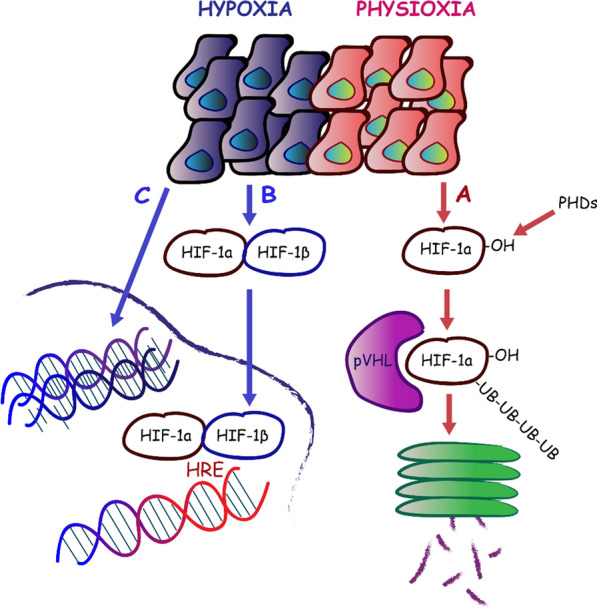
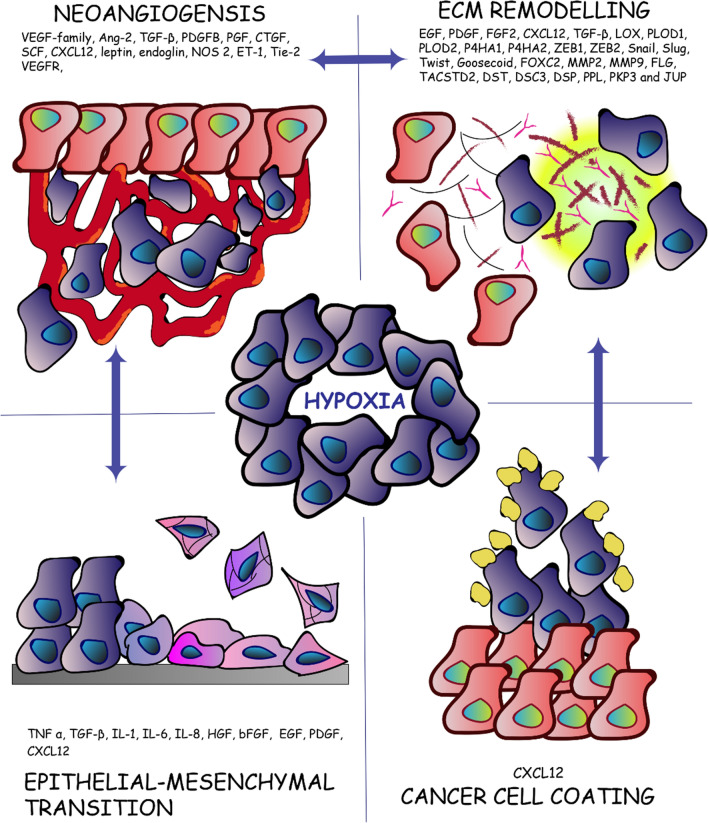
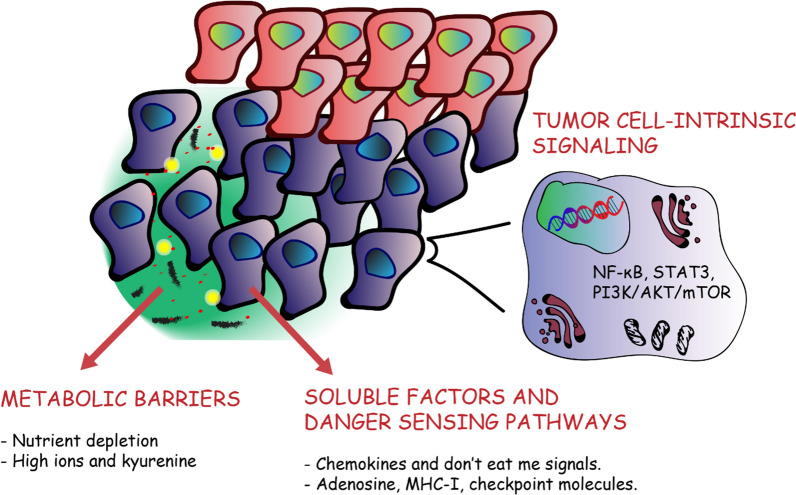
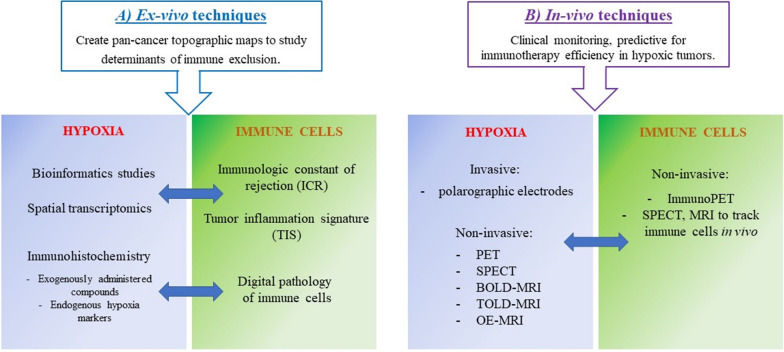
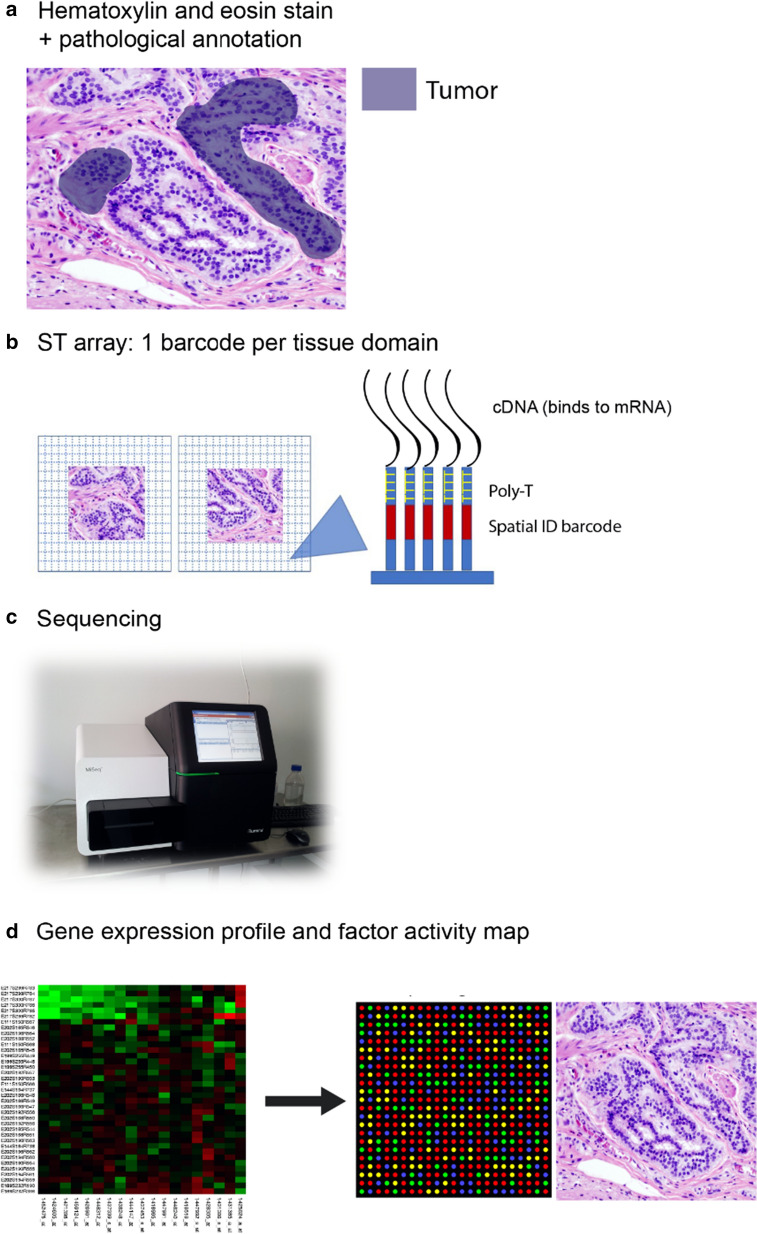
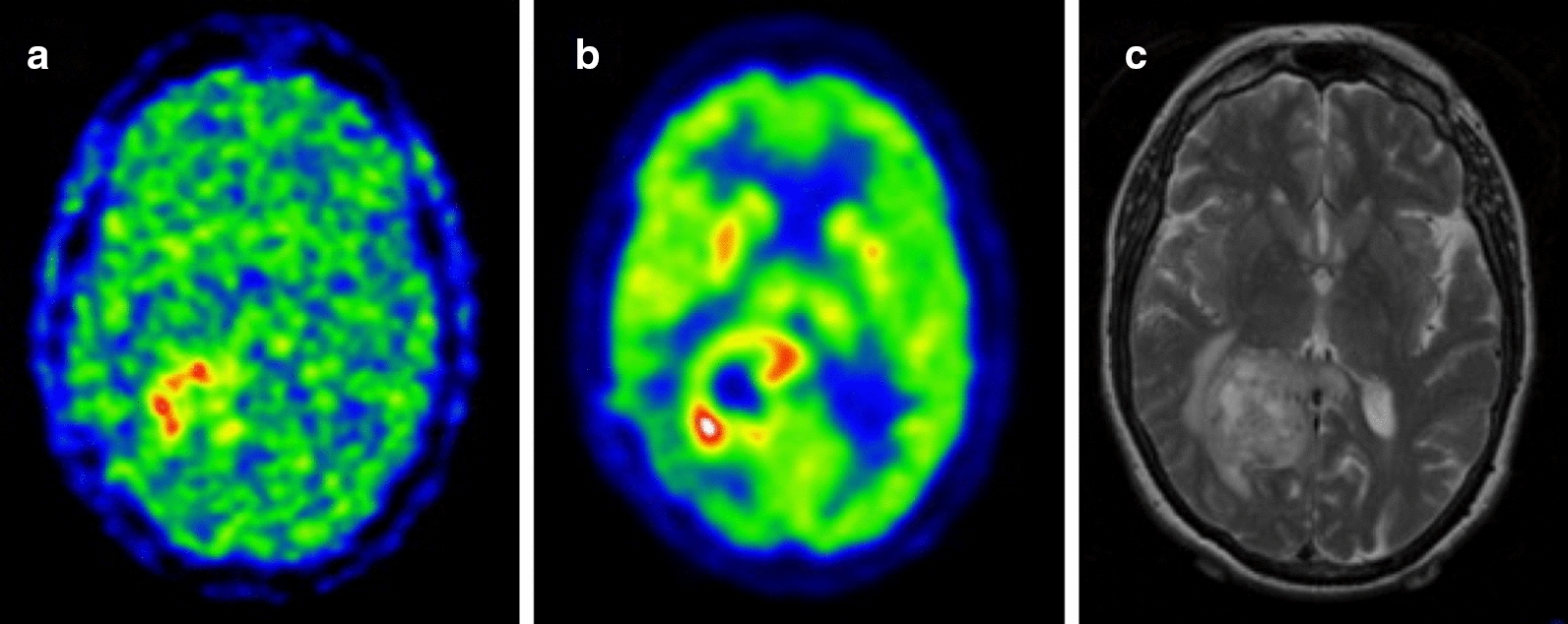
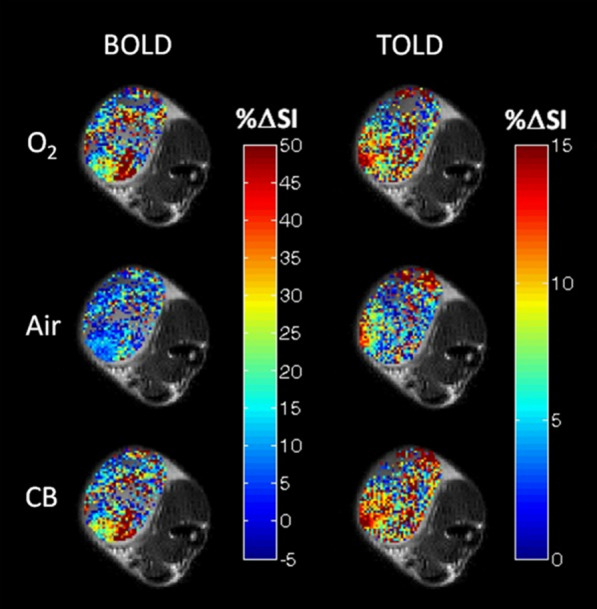
Verification
Claims the paper makes
The claims and statistics of this paper haven’t been checked yet.
Run the check — free, no account needed. It reads the open-access text and checks the sources it cites.
Claims other papers make about this one
Each is checked against this paper’s own text: does it say what the citing paper says it does?
In the citing paper
“Hypoxia is a hallmark of most solid tumors and a common trait of TME that is associated with cancer progression and metastasis8–10.”
In the citing paper
“clinical studies have consistently demonstrated that hypoxia is associated with immune exclusion and resistance to immune checkpoint blockade therapy10,20,21,51.”
Self-check
Percentages, sums and reported differences re-computed from the paper’s own numbers.
The self-check needs the paper’s full text.
Citations
Cites
2 retracted
RETRACTED: Collagen Prolyl Hydroxylases Are Essential for Breast Cancer Metastasis
Gilkes, D. M., Chaturvedi, P., Bajpai, S., Wong, C. C., Wei, H., Pitcairn, S., Hubbi, M. E., Wirtz, D., & Semenza, G. L. (2013) · Cancer Research · doi:10.1158/0008-5472.can-12-3963 · Cited by 296
RetractedProcollagen lysyl hydroxylase 2 is essential for hypoxia-induced breast cancer metastasis
Gilkes, D. M., Bajpai, S., Wong, C. C., Chaturvedi, P., Hubbi, M. E., Wirtz, D., & Semenza, G. L. (2013) · Molecular Cancer Research · doi:10.1158/1541-7786.mcr-12-0629 · Cited by 252
RetractedPD-1 and PD-L1 Immune Checkpoint Blockade to Treat Breast Cancer
Hartkopf, A. D., Taran, F., Wallwiener, M., Walter, C. B., Krämer, B., Grischke, E., & Brucker, S. Y. (2016) · Breast Care · doi:10.1159/000453569 · Cited by 30,989
Improved Survival with Ipilimumab in Patients with Metastatic Melanoma
Hodi, F. S., O'Day, S. J., McDermott, D. F., Weber, R. W., Sosman, J. A., Haanen, J. B., Gonzalez, R., Robert, C., Schadendorf, D., Hassel, J. C., et al. (2010) · New England Journal of Medicine · doi:10.1056/nejmoa1003466 · Cited by 15,155
Safety and activity of anti-PD-L1 antibody in patients with advanced cancer
Brahmer, J. R., Tykodi, S. S., Chow, L. Q. M., Hwu, W.-J., Topalian, S. L., Hwu, P., Drake, C. G., Camacho, L. H., Kauh, J., Odunsi, K., et al. (2012) · New England Journal of Medicine · doi:10.1056/nejmoa1200694 · Cited by 7,945
Mutational landscape determines sensitivity to PD-1 blockade in non–small cell lung cancer
Rizvi, N. A., Hellmann, M. D., Snyder, A., Kvistborg, P., Makarov, V., Havel, J. J., Lee, W., Yuan, J., Wong, P., Ho, T. S., et al. (2015) · Science · doi:10.1126/science.aaa1348 · Cited by 7,802
Molecular Mechanisms of Stress-Responsive Changes in Collagen and Elastin Networks in Skin
Aziz, J., Shezali, H., Radzi, Z., Yahya, N. A., Abu Kassim, N. H., Czernuszka, J., & Rahman, M. T. (2016) · Skin Pharmacology and Physiology · doi:10.1159/000447017 · Cited by 7,323
Mismatch repair deficiency predicts response of solid tumors to PD-1 blockade
Le, D. T., Durham, J. N., Smith, K. N., Wang, H., Bartlett, B. R., Aulakh, L. K., Lu, S., Kemberling, H., Wilt, C., Luber, B. S., et al. (2017) · Science · doi:10.1126/science.aan6733 · Cited by 6,645
Type, Density, and Location of Immune Cells Within Human Colorectal Tumors Predict Clinical Outcome
Galon, J., Costes, A., Sanchez-Cabo, F., Kirilovsky, A., Mlecnik, B., Lagorce-Pagès, C., Tosolini, M., Camus, M., Berger, A., Wind, P., et al. (2006) · Science · doi:10.1126/science.1129139 · Cited by 6,516
Wang, G. L., Jiang, B. H., Rue, E. A., & Semenza, G. L. (1995) · Proceedings of the National Academy of Sciences · doi:10.1073/pnas.92.12.5510 · Cited by 6,212
Jaakkola, P., Mole, D. R., Tian, Y.-M., Wilson, M. I., Gielbert, J., Gaskell, S. J., Kriegsheim, A. V., Hebestreit, H. F., Mukherji, M., Schofield, C. J., et al. (2001) · Science · doi:10.1126/science.1059796 · Cited by 5,535
Chimeric Antigen Receptor T Cells for Sustained Remissions in Leukemia
Maude, S. L., Frey, N., Shaw, P. A., Aplenc, R., Barrett, D. M., Bunin, N. J., Chew, A., Gonzalez, V. E., Zheng, Z., Lacey, S. F., et al. (2014) · New England Journal of Medicine · doi:10.1056/nejmoa1407222 · Cited by 5,413
TGFβ attenuates tumour response to PD-L1 blockade by contributing to exclusion of T cells
Mariathasan, S., Turley, S. J., Nickles, D., Castiglioni, A., Yuen, K., Wang, Y., Kadel III, E. E., Koeppen, H., Astarita, J. L., Cubas, R., et al. (2018) · Nature · doi:10.1038/nature25501 · Cited by 5,400
Targeting Hypoxia-Inducible Factors for the Treatment of Anemia in Chronic Kidney Disease Patients
Locatelli, F., Fishbane, S. N., Block, G. A., & Macdougall, I. C. (2017) · American Journal of Nephrology · doi:10.1159/000455166 · Cited by 4,836
HIFα Targeted for VHL-Mediated Destruction by Proline Hydroxylation: Implications for O 2 Sensing
Ivan, M., Kondo, K., Yang, H., Kim, W., Valiando, J., Ohh, M., Salic, A., Asara, J. M., Lane, W. S., & Kaelin Jr., W. G. (2001) · Science · doi:10.1126/science.1059817 · Cited by 4,735
Genetic Basis for Clinical Response to CTLA-4 Blockade in Melanoma
Snyder, A., Makarov, V., Merghoub, T., Yuan, J., Zaretsky, J. M., Desrichard, A., Walsh, L. A., Postow, M. A., Wong, P., Ho, T. S., et al. (2014) · New England Journal of Medicine · doi:10.1056/nejmoa1406498 · Cited by 4,286
Activation of vascular endothelial growth factor gene transcription by hypoxia-inducible factor 1
Forsythe, J. A., Jiang, B.-H., Iyer, N. V., Agani, F., Leung, S. W., Koos, R. D., & Semenza, G. L. (1996) · Molecular and Cellular Biology · doi:10.1128/mcb.16.9.4604 · Cited by 3,981
Visualization and analysis of gene expression in tissue sections by spatial transcriptomics
Ståhl, P. L., Salmén, F., Vickovic, S., Lundmark, A., Navarro, J. F., Magnusson, J., Giacomello, S., Asp, M., Westholm, J. O., Huss, M., et al. (2016) · Science · doi:10.1126/science.aaf2403 · Cited by 3,834
IFN-γ–related mRNA profile predicts clinical response to PD-1 blockade
Ayers, M., Lunceford, J., Nebozhyn, M., Murphy, E., Loboda, A., Kaufman, D. R., Albright, A., Cheng, J. D., Kang, S. P., Shankaran, V., et al. (2017) · Journal of Clinical Investigation · doi:10.1172/jci91190 · Cited by 3,788
Hypoxia-inducible factors in physiology and medicine
Semenza, G. L. (2012) · Cell · doi:10.1016/j.cell.2012.01.021 · Cited by 3,645
PD-1 Blockade with Nivolumab in Relapsed or Refractory Hodgkin's Lymphoma
Ansell, S. M., Lesokhin, A. M., Borrello, I., Halwani, A. S., Scott, E. C., Gutierrez, M. E., Schuster, S. J., Millenson, M. M., Cattry, D., Freeman, G. J., et al. (2014) · New England Journal of Medicine · doi:10.1056/nejmoa1411087 · Cited by 3,621
The complexity of NF-κB signaling in inflammation and cancer
Hoesel, B., & Schmid, J. A. (2013) · Molecular Cancer · doi:10.1186/1476-4598-12-86 · Cited by 3,277
Melanoma-intrinsic β-catenin signalling prevents anti-tumour immunity
Spranger, S., Bao, R., & Gajewski, T. F. (2015) · Nature · doi:10.1038/nature14404 · Cited by 2,830
Semenza, G. L., & Wang, G. L. (1992) · Molecular and Cellular Biology · doi:10.1128/mcb.12.12.5447 · Cited by 2,617
IKKβ Links Inflammation and Tumorigenesis in a Mouse Model of Colitis-Associated Cancer
Greten, F. R., Eckmann, L., Greten, T. F., Park, J. M., Li, Z.-W., Egan, L. J., Kagnoff, M. F., & Karin, M. (2004) · Cell · doi:10.1016/j.cell.2004.07.013 · Cited by 2,433
MPDL3280A (anti-PD-L1) treatment leads to clinical activity in metastatic bladder cancer
Powles, T. B., Eder, J. P., Fine, G. D., Braiteh, F. S., Loriot, Y., Cruz, C., Joaquim Bellmunt, B., Burris, H. A., Petrylak, D. P., Teng, S.-L. M., et al. (2014) · Nature · doi:10.1038/nature13904 · Cited by 2,410
The Histological Structure of Some Human Lung Cancers and the Possible Implications for Radiotherapy
Thomlinson, R. H., & Gray, L. H. (1955) · British Journal of Cancer · doi:10.1038/bjc.1955.55 · Cited by 2,228
(1999) · PubMed · Cited by 2,204
Noman, M. Z., Desantis, G., Janji, B., Hasmim, M., Karray, S., Dessen, P., Bronte, V., & Chouaib, S. (2014) · Journal of Experimental Medicine · doi:10.1084/jem.20131916 · Cited by 2,166
Effector Memory T Cells, Early Metastasis, and Survival in Colorectal Cancer
Pagès, F., Berger, A., Camus, M., Sanchez-Cabo, F., Costes, A., Molidor, R., Mlecnik, B., Kirilovsky, A., Nilsson, M., Damotte, D., et al. (2005) · New England Journal of Medicine · doi:10.1056/nejmoa051424 · Cited by 2,135
Huang, L. E., Gu, J., Schau, M., & Bunn, H. F. (1998) · Proceedings of the National Academy of Sciences · doi:10.1073/pnas.95.14.7987 · Cited by 2,113
CD19 CAR–T cells of defined CD4+:CD8+ composition in adult B cell ALL patients
Turtle, C. J., Hanafi, L.-A., Berger, C., Gooley, T. A., Cherian, S., Hudecek, M., Sommermeyer, D., Melville, K., Pender, B., Budiarto, T. M., et al. (2016) · Journal of Clinical Investigation · doi:10.1172/jci85309 · Cited by 2,112
Purification and Characterization of Hypoxia-inducible Factor 1
Wang, G. L., & Semenza, G. L. (1995) · Journal of Biological Chemistry · doi:10.1074/jbc.270.3.1230 · Cited by 2,094
Pagès, F., Mlecnik, B., Marliot, F., Bindea, G., Ou, F.-S., Bifulco, C., Lugli, A., Zlobec, I., Rau, T. T., Berger, M. D., et al. (2018) · The Lancet · doi:10.1016/s0140-6736(18)30789-x · Cited by 2,075
Self-citationThe role of hypoxia in cancer progression, angiogenesis, metastasis, and resistance to therapy
Muz, B., de la Puente, P., Azab, F., & Azab, A. K. (2015) · Hypoxia · doi:10.2147/hp.s93413 · Cited by 2,066
Brabletz, T., Kalluri, R., Nieto, M. A., & Weinberg, R. A. (2018) · Nature Reviews Cancer · doi:10.1038/nrc.2017.118 · Cited by 1,961
Targeting cancer stem cell pathways for cancer therapy
Yang, L., Shi, P., Zhao, G., Xu, J., Peng, W., Zhang, J., Zhang, G., Wang, X., Dong, Z., Chen, F., et al. (2020) · Signal Transduction and Targeted Therapy · doi:10.1038/s41392-020-0110-5 · Cited by 1,957
Signaling mechanisms of the epithelial-mesenchymal transition
Gonzalez, D. M., & Medici, D. (2014) · Science Signaling · doi:10.1126/scisignal.2005189 · Cited by 1,721
Willingham, S. B., Volkmer, J.-P., Gentles, A. J., Sahoo, D., Dalerba, P. D., Mitra, S. S., Wang, J., Contreras-Trujillo, H., Martin, R. K., Cohen, J. D., et al. (2012) · Proceedings of the National Academy of Sciences · doi:10.1073/pnas.1121623109 · Cited by 1,706
NF-κB links innate immunity to the hypoxic response through transcriptional regulation of HIF-1α
Rius, J., Guma, M., Schachtrup, C., Akassoglou, K., Zinkernagel, A. S., Nizet, V., Johnson, R. S., Haddad, G. G., & Karin, M. (2008) · Nature · doi:10.1038/nature06905 · Cited by 1,614
Wound healing - A literature review
Gonzalez, A. C. D. O., Costa, T. F., Andrade, Z. D. A., & Medrado, A. R. A. P. (2016) · Anais Brasileiros de Dermatologia · doi:10.1590/abd1806-4841.20164741 · Cited by 1,605
The unique physiology of solid tumors: opportunities (and problems) for cancer therapy.
Brown, J. M., & Giaccia, A. J. (1998) · PubMed · Cited by 1,499
PI3K/AKT/mTOR Pathway in Angiogenesis
Karar, J., & Maity, A. (2011) · Frontiers in Molecular Neuroscience · doi:10.3389/fnmol.2011.00051 · Cited by 1,493
General involvement of hypoxia-inducible factor 1 in transcriptional response to hypoxia.
Wang, G. L., & Semenza, G. L. (1993) · Proceedings of the National Academy of Sciences · doi:10.1073/pnas.90.9.4304 · Cited by 1,468
Pyruvate Kinase M2 Is a PHD3-Stimulated Coactivator for Hypoxia-Inducible Factor 1
Luo, W., Hu, H., Chang, R., Zhong, J., Knabel, M., O'Meally, R., Cole, R. N., Pandey, A., & Semenza, G. L. (2011) · Cell · doi:10.1016/j.cell.2011.03.054 · Cited by 1,463
(2000) · PubMed · Cited by 1,445
PD-L1 Expression in Triple-Negative Breast Cancer
Mittendorf, E. A., Philips, A. V., Meric‐Bernstam, F., Qiao, N., Wu, Y., Harrington, S. M., Su, X., Wang, Y., Gonzalez-Angulo, A. M., Akçakanat, A., et al. (2014) · Cancer Immunology Research · doi:10.1158/2326-6066.cir-13-0127 · Cited by 1,420
Differential Roles of Hypoxia-Inducible Factor 1α (HIF-1α) and HIF-2α in Hypoxic Gene Regulation
Hu, C.-J., Wang, L.-Y., Chodosh, L. A., Keith, B., & Simon, M. C. (2003) · Molecular and Cellular Biology · doi:10.1128/mcb.23.24.9361-9374.2003 · Cited by 1,386
Tian, H., McKnight, S. L., & Russell, D. W. (1997) · Genes & Development · doi:10.1101/gad.11.1.72 · Cited by 1,351
Davoli, T., Uno, H., Wooten, E. C., & Elledge, S. J. (2017) · Science · doi:10.1126/science.aaf8399 · Cited by 1,347
Loss of tumor suppressor PTEN function increases B7-H1 expression and immunoresistance in glioma
Parsa, A. T., Waldron, J. S., Panner, A., Crane, C. A., Parney, I. F., Barry, J. J., Cachola, K. E., Murray, J. C., Tihan, T., Jensen, M. C., et al. (2006) · Nature Medicine · doi:10.1038/nm1517 · Cited by 1,341
HIF-1 mediates metabolic responses to intratumoral hypoxia and oncogenic mutations
Semenza, G. L. (2013) · Journal of Clinical Investigation · doi:10.1172/jci67230 · Cited by 1,335
Talks, K. L., Turley, H., Gatter, K. C., Maxwell, P. H., Pugh, C. W., Ratcliffe, P. J., & Harris, A. L. (2000) · The American Journal of Pathology · doi:10.1016/s0002-9440(10)64554-3 · Cited by 1,312
REST, M. V. D., & Garrone, R. (1991) · The FASEB Journal · doi:10.1096/fasebj.5.13.1916105 · Cited by 1,302
Brentjens, R. J., Rivière, I., Park, J. H., Davila, M. L., Wang, X., Stefanski, J., Taylor, C., Yeh, R., Bartido, S. M., Bórquez-Ojeda, O., et al. (2011) · Blood · doi:10.1182/blood-2011-04-348540 · Cited by 1,293
Laughner, E., Taghavi, P., Chiles, K., Mahon, P. C., & Semenza, G. L. (2001) · Molecular and Cellular Biology · doi:10.1128/mcb.21.12.3995-4004.2001 · Cited by 1,256
Why is the partial oxygen pressure of human tissues a crucial parameter? Small molecules and hypoxia
Carreau, A., Hafny‐Rahbi, B. E., Matejuk, A., Grillon, C., & Kieda, C. (2011) · Journal of Cellular and Molecular Medicine · doi:10.1111/j.1582-4934.2011.01258.x · Cited by 1,246
Hypoxia-Induced Angiogenesis: Good and Evil
Krock, B. L., Skuli, N., & Simon, M. C. (2011) · Genes & Cancer · doi:10.1177/1947601911423654 · Cited by 1,236
Erler, J. T., Bennewith, K. L., Cox, T. R., Lang, G., Bird, D., Koong, A., Le, Q.-T., & Giaccia, A. J. (2009) · Cancer Cell · doi:10.1016/j.ccr.2008.11.012 · Cited by 1,231
Hallmarks of cancer: Interactions with the tumor stroma
Pietras, K., & Östman, A. (2010) · Experimental Cell Research · doi:10.1016/j.yexcr.2010.02.045 · Cited by 1,187
Hudson, C. C., Liu, M., Chiang, G. G., Otterness, D. M., Loomis, D. C., Kaper, F., Giaccia, A. J., & Abraham, R. T. (2002) · Molecular and Cellular Biology · doi:10.1128/mcb.22.20.7004-7014.2002 · Cited by 1,186
Regulation of the innate and adaptive immune responses by Stat-3 signaling in tumor cells
Wang, T., Niu, G., Kortylewski, M., Burdelya, L. G., Shain, K. H., Zhang, S., Bhattacharya, R., Gabrilovich, D. I., Heller, R. F., Coppola, D., et al. (2003) · Nature Medicine · doi:10.1038/nm976 · Cited by 1,182
Hypoxia-Inducible Factors, Stem Cells, and Cancer
Keith, B., & Simon, M. C. (2007) · Cell · doi:10.1016/j.cell.2007.04.019 · Cited by 1,179
Louis, C. U., Savoldo, B., Dotti, G., Pulè, M. A., Yvon, E. S., Myers, G. D., Rössig, C., Russell, H. V., Diouf, O., Liu, E., et al. (2011) · Blood · doi:10.1182/blood-2011-05-354449 · Cited by 1,174
Du, R., Lu, K. V., Petritsch, C. K., Liu, P., Ganß, R., Passegue, E. A., Song, H., VandenBerg, S. R., Johnson, R. S., Werb, Z., et al. (2008) · Cancer Cell · doi:10.1016/j.ccr.2008.01.034 · Cited by 1,166
HIF-1 and tumor progression: pathophysiology and therapeutics
Semenza, G. L. (2002) · Trends in Molecular Medicine · doi:10.1016/s1471-4914(02)02317-1 · Cited by 1,060
Defining normoxia, physoxia and hypoxia in tumours—implications for treatment response
McKeown, S. R. (2014) · The British Journal of Radiology · doi:10.1259/bjr.20130676 · Cited by 1,050
Moncada, R., Barkley, D., Wagner, F., Chiodin, M., Devlin, J. C., Baron, M., Hajdu, C. H., Simeone, D. M., & Yanai, I. (2020) · Nature Biotechnology · doi:10.1038/s41587-019-0392-8 · Cited by 1,045
Ema, M., Taya, S., Yokotani, N., Sogawa, K., Matsuda, Y., & Fujii-Kuriyama, Y. (1997) · Proceedings of the National Academy of Sciences · doi:10.1073/pnas.94.9.4273 · Cited by 1,016
Mlecnik, B., Tosolini, M., Kirilovsky, A., Berger, A., Bindea, G., Meatchi, T., Bruneval, P., Trajanoski, Z., Fridman, W.-H., Pagès, F., et al. (2011) · Journal of Clinical Oncology · doi:10.1200/jco.2010.30.5425 · Cited by 1,009
Ahmed, N., Brawley, V. S., Hegde, M., Robertson, C., Ghazi, A., Gerken, C., Liu, E., Dakhova, O., Ashoori, A., Corder, A., et al. (2015) · Journal of Clinical Oncology · doi:10.1200/jco.2014.58.0225 · Cited by 1,004
Garris, C. S., Arlauckas, S. P., Kohler, R. H., Trefny, M. P., Garren, S., Piot, C., Engblom, C., Pfirschke, C., Siwicki, M., Gungabeesoon, J., et al. (2018) · Immunity · doi:10.1016/j.immuni.2018.09.024 · Cited by 966
Hypoxia-Inducible Factors: Master Regulators of Cancer Progression
Schito, L., & Semenza, G. L. (2016) · Trends in Cancer · doi:10.1016/j.trecan.2016.10.016 · Cited by 962
Vaupel, P. W., Schlenger, K., Knoop, C., & Höckel, M. (1991) · PubMed · Cited by 952
The PTEN–PI3K pathway: of feedbacks and cross-talks
Carracedo, A., & Pandolfi, P. P. (2008) · Oncogene · doi:10.1038/onc.2008.247 · Cited by 908
Immunobiology of the TAM receptors
Lemke, G., & Rothlin, C. V. (2008) · Nature reviews. Immunology · doi:10.1038/nri2303 · Cited by 893
The Continuum of Cancer Immunosurveillance: Prognostic, Predictive, and Mechanistic Signatures
Galon, J., Angell, H. K., Bedognetti, D., & Marincola, F. M. (2013) · Immunity · doi:10.1016/j.immuni.2013.07.008 · Cited by 887
Self-citationChow, L. Q. M., Haddad, R. I., Gupta, S., Mahipal, A., Mehra, R., Tahara, M., Berger, R., Eder, J. P., Burtness, B. A., Lee, S., et al. (2016) · Journal of Clinical Oncology · doi:10.1200/jco.2016.68.1478 · Cited by 868
Takubo, K., Nagamatsu, G., Kobayashi, C. I., Nakamura‐Ishizu, A., Kobayashi, H., Ikeda, E., Goda, N., Rahimi, Y., Johnson, R. S., Soga, T., et al. (2013) · Cell stem cell · doi:10.1016/j.stem.2012.10.011 · Cited by 864
Characterization of hypoxia-inducible factor 1 and regulation of DNA binding activity by hypoxia.
Wang, G. L., & Semenza, G. L. (1993) · Journal of Biological Chemistry · doi:10.1016/s0021-9258(20)80571-7 · Cited by 863
Cancer cells compress intratumour vessels
Padera, T. P., Stoll, B. R., Tooredman, J. B., Capen, D., Tomaso, E. D., & Jain, R. K. (2004) · Nature · doi:10.1038/427695a · Cited by 857
Covello, K. L., Kehler, J., Yu, H., Gordan, J. D., Arsham, A. M., Hu, C., Labosky, P. A., Simon, M. C., & Keith, B. (2006) · Genes & Development · doi:10.1101/gad.1399906 · Cited by 850
Regulation of the Chemokine Receptor CXCR4 by Hypoxia
Schioppa, T., Uranchimeg, B., Saccani, A., Biswas, S. K., Doni, A., Rapisarda, A., Bernasconi, S., Saccani, S., Nebuloni, M., Vago, L., et al. (2003) · The Journal of Experimental Medicine · doi:10.1084/jem.20030267 · Cited by 841
Walenta, S., Wetterling, M., Lehrke, M., Schwickert, G., Sundfør, K., Rofstad, E. K., & Mueller‐Klieser, W. (2000) · PubMed · Cited by 817
Transcriptional regulation by hypoxia inducible factors
Dengler, V. L., Galbraith, M. D., & Espinosa, J. M. (2013) · Critical Reviews in Biochemistry and Molecular Biology · doi:10.3109/10409238.2013.838205 · Cited by 816
TGF-β signaling and epithelial–mesenchymal transition in cancer progression
Katsuno, Y., Lamouille, S., & Derynck, R. (2012) · Current Opinion in Oncology · doi:10.1097/cco.0b013e32835b6371 · Cited by 806
Gatenby, R. A., Kessler, H. B., Rosenblum, J. S., Coia, L. R., Moldofsky, P. J., Hartz, W. H., & Broder, G. J. (1988) · International Journal of Radiation Oncology*Biology*Physics · doi:10.1016/0360-3016(88)90002-8 · Cited by 798
Lyford-Pike, S., Peng, S., Young, G. D., Taube, J. M., Westra, W. H., Akpeng, B., Bruno, T. C., Richmon, J. D., Wang, H., Bishop, J. A., et al. (2013) · Cancer Research · doi:10.1158/0008-5472.can-12-2384 · Cited by 787
Rodrı́guez, P. C., Ernstoff, M. S., Hernandez, C., Atkins, M. B., Zabaleta, J., Sierra, R. A., & Ochoa, A. C. (2009) · Cancer Research · doi:10.1158/0008-5472.can-08-1921 · Cited by 774
Regulation of glut1 mRNA by Hypoxia-inducible Factor-1
Chen, C., Pore, N., Behrooz, A., Ismail‐Beigi, F., & Maity, A. M. (2001) · Journal of Biological Chemistry · doi:10.1074/jbc.m010144200 · Cited by 769
A mechanism of hypoxia-mediated escape from adaptive immunity in cancer cells
Barsoum, I. B., Smallwood, C. A., Siemens, D. R., & Graham, C. H. (2014) · Cancer Research · doi:10.1158/0008-5472.can-13-0992 · Cited by 767
RAS Interaction with PI3K: More Than Just Another Effector Pathway
Castellano, E., & Downward, J. (2011) · Genes & Cancer · doi:10.1177/1947601911408079 · Cited by 762
Xiong, G., Deng, L., Zhu, J., Rychahou, P. G., & Xu, R. (2014) · BMC Cancer · doi:10.1186/1471-2407-14-1 · Cited by 759
Rodrı́guez, P. C., & Ochoa, A. C. (2008) · Immunological Reviews · doi:10.1111/j.1600-065x.2008.00608.x · Cited by 743
Wnt/beta-catenin pathway: modulating anticancer immune response
Pai, S. G., Carneiro, B. A., Mota, J. M., da Costa, R. B., Leite, C. A., Barroso‐Sousa, R., Kaplan, J. B., Chae, Y. K., & Giles, F. J. (2017) · Journal of Hematology & Oncology · doi:10.1186/s13045-017-0471-6 · Cited by 733
Detection and Characterization of Tumor Hypoxia Using pO 2 Histography
Vaupel, P., Höckel, M., & Mayer, A. (2007) · Antioxidants & Redox Signaling · doi:10.1089/ars.2007.1628 · Cited by 728
Tryptophan Catabolism in Cancer: Beyond IDO and Tryptophan Depletion
Platten, M., Wick, W., & den Eynde, B. J. V. (2012) · Cancer Research · doi:10.1158/0008-5472.can-12-0569 · Cited by 725
Hypoxia activates the capacity of tumor-associated carbonic anhydrase IX to acidify extracellular pH
Švastová, E., Hulı́ková, A., Rafajová, M., Zat'ovičová, M., Gibadulinová, A., Casini, A., Cecchi, A., Scozzafava, A., Supuran, C. T., Pastorek, J., et al. (2004) · FEBS Letters · doi:10.1016/j.febslet.2004.10.043 · Cited by 711
Inhibitory PAS domain protein is a negative regulator of hypoxia-inducible gene expression
Makino, Y., Cao, R., Svensson, K., Bertilsson, G., Asman, M., Tanaka, H., Cao, Y., Berkenstam, A., & Poellinger, L. (2001) · Nature · doi:10.1038/35107085 · Cited by 705
Tumour hypoxia induces a metabolic shift causing acidosis: a common feature in cancer
Chiche, J., Brahimi-Horn, M. C., & Pouysségur, J. (2010) · Journal of Cellular and Molecular Medicine · doi:10.1111/j.1582-4934.2009.00994.x · Cited by 700
Monteran, L., & Erez, N. (2019) · Frontiers in Immunology · doi:10.3389/fimmu.2019.01835 · Cited by 675
Energy Metabolism in Human Pluripotent Stem Cells and Their Differentiated Counterparts
Varum, S., Rodrigues, A. S., Moura, M. B., Momcilovic, O., Easley, C. A., Ramalho-Santos, J., Van Houten, B., & Schatten, G. (2011) · PLoS ONE · doi:10.1371/journal.pone.0020914 · Cited by 671
Stromal cells in tumor microenvironment and breast cancer
Mao, Y., Keller, E. T., Garfield, D. H., Shen, K., & Wang, J. (2013) · Cancer and Metastasis Reviews · doi:10.1007/s10555-012-9415-3 · Cited by 671
DNA Damage and Repair Biomarkers of Immunotherapy Response
Mouw, K. W., Goldberg, M. S., Konstantinopoulos, P. A., & D’Andrea, A. D. (2017) · Cancer Discovery · doi:10.1158/2159-8290.cd-17-0226 · Cited by 664
Hypoxia-inducible factors enhance the effector responses of CD8(+) T cells to persistent antigen
Doedens, A. L., Phan, A. T., Stradner, M. H., Fujimoto, J. K., Nguyen, J. V., Yang, E., Johnson, R. S., & Goldrath, A. W. (2013) · Nature Immunology · doi:10.1038/ni.2714 · Cited by 660
Hypoxia, Clonal Selection, and the Role of HIF-1 in Tumor Progression
Semenza, G. L. (2000) · Critical Reviews in Biochemistry and Molecular Biology · doi:10.1080/10409230091169186 · Cited by 657
The Role of Hypoxia in Development of the Mammalian Embryo
Dunwoodie, S. L. (2009) · Developmental Cell · doi:10.1016/j.devcel.2009.11.008 · Cited by 651
Transactivation and Inhibitory Domains of Hypoxia-inducible Factor 1α
Jiang, B.-H., Zheng, J. Z., Leung, S. W., Roe, R., & Semenza, G. L. (1997) · Journal of Biological Chemistry · doi:10.1074/jbc.272.31.19253 · Cited by 629
Defining the role of the tumor vasculature in antitumor immunity and immunotherapy
Schaaf, M. B., Garg, A. D., & Agostinis, P. (2018) · Cell Death & Disease · doi:10.1038/s41419-017-0061-0 · Cited by 629
Casazza, A., Laoui, D., Wenes, M., Rizzolio, S., Bassani, N., Mambretti, M., Deschoemaeker, S., Ginderachter, J. A. V., Tamagnone, L., & Mazzone, M. (2013) · Cancer Cell · doi:10.1016/j.ccr.2013.11.007 · Cited by 627
Chi, J., Wang, Z., Nuyten, D. S. A., Rodriguez, E. H., Schaner, M. E., Salim, A., Wang, Y., Kristensen, G. B., Helland, Å., Børresen‐Dale, A., et al. (2006) · PLoS Medicine · doi:10.1371/journal.pmed.0030047 · Cited by 625
Kelly, B. D., Hackett, S. F., Hirota, K., Oshima, Y., Cai, Z., Berg-Dixon, S., Rowan, A., Yan, Z., Campochiaro, P. A., & Semenza, G. L. (2003) · Circulation Research · doi:10.1161/01.res.0000102937.50486.1b · Cited by 611
Erdag, G., Schaefer, J. T., Smolkin, M. E., Deacon, D. H., Shea, S. M., Dengel, L. T., Patterson, J. W., & Slingluff, C. L. (2012) · Cancer Research · doi:10.1158/0008-5472.can-11-3218 · Cited by 610
Recent molecular discoveries in angiogenesis and antiangiogenic therapies in cancer
Welti, J. C., Loges, S., Dimmeler, S., & Carmeliet, P. (2013) · Journal of Clinical Investigation · doi:10.1172/jci70212 · Cited by 601
Immunological mechanisms of the antitumor effects of supplemental oxygenation
Hatfield, S. M., Kjaergaard, J., Lukashev, D., Schreiber, T. H., Belikoff, B., Abbott, R., Sethumadhavan, S., Philbrook, P., Ko, K., Cannici, R., et al. (2015) · Science Translational Medicine · doi:10.1126/scitranslmed.aaa1260 · Cited by 600
Lemke, G. (2013) · Cold Spring Harbor Perspectives in Biology · doi:10.1101/cshperspect.a009076 · Cited by 598
Brizel, D. M., Schroeder, T., Scher, R. L., Walenta, S., Clough, R. W., Dewhirst, M. W., & Mueller‐Klieser, W. (2001) · International Journal of Radiation Oncology*Biology*Physics · doi:10.1016/s0360-3016(01)01630-3 · Cited by 596
Graham, K., & Unger, E. C. (2018) · International Journal of Nanomedicine · doi:10.2147/ijn.s140462 · Cited by 594
Passing the baton: the HIF switch
Koh, M. Y., & Powis, G. (2012) · Trends in Biochemical Sciences · doi:10.1016/j.tibs.2012.06.004 · Cited by 589
EMT and inflammation: inseparable actors of cancer progression
Suarez‐Carmona, M., Lesage, J., Cataldo, D. D., & Gilles, C. (2017) · Molecular Oncology · doi:10.1002/1878-0261.12095 · Cited by 588
Gu, Y.-Z., Moran, S. M., Hogenesch, J. B., Wartman, L. D., & Bradfield, C. A. (1998) · Europe PMC (PubMed Central) · Cited by 577
Buckanovich, R. J., Facciabene, A., Kim, S., Benencia, F., Sasaroli, D., Balint, K., Katsaros, D., O’Brien-Jenkins, A., Gimotty, P. A., & Coukos, G. (2007) · Nature Medicine · doi:10.1038/nm1699 · Cited by 566
Targeting YAP-Dependent MDSC Infiltration Impairs Tumor Progression
Wang, G., Lü, X., Dey, P., Deng, P., Wu, C.-C., Jiang, S., Fang, Z., Zhao, K., Konaparthi, R., Hua, S., et al. (2015) · Cancer Discovery · doi:10.1158/2159-8290.cd-15-0224 · Cited by 566
Tsujikawa, T., Kumar, S., Borkar, R. N., Azimi, V., Thibault, G., Chang, Y. H., Balter, A. I., Kawashima, R., Choe, G. H., Sauer, D., et al. (2017) · Cell Reports · doi:10.1016/j.celrep.2017.03.037 · Cited by 560
Spatial maps of prostate cancer transcriptomes reveal an unexplored landscape of heterogeneity
Berglund, E., Maaskola, J., Schultz, N., Friedrich, S., Marklund, M., Bergenstråhle, J., Tarish, F., Tanoglidi, A., Vicković, S., Larsson, L., et al. (2018) · Nature Communications · doi:10.1038/s41467-018-04724-5 · Cited by 558
A peek into cancer-associated fibroblasts: origins, functions and translational impact
LeBleu, V. S., & Kalluri, R. (2018) · Disease Models & Mechanisms · doi:10.1242/dmm.029447 · Cited by 557
Buffa, F. M., Harris, A. L., West, C., & Miller, C. J. (2010) · British Journal of Cancer · doi:10.1038/sj.bjc.6605450 · Cited by 545
Role of Oxidants in NF-κB Activation and TNF-α Gene Transcription Induced by Hypoxia and Endotoxin
Chandel, N. S., Trzyna, W., McClintock, D. S., & Schumacker, P. T. (2000) · The Journal of Immunology · doi:10.4049/jimmunol.165.2.1013 · Cited by 542
Regulation of tumor pH and the role of carbonic anhydrase 9
Swietach, P., Vaughan-Jones, R. D., & Harris, A. L. (2007) · Cancer and Metastasis Reviews · doi:10.1007/s10555-007-9064-0 · Cited by 539
Imaging of Phosphorescence: A Novel Method for Measuring Oxygen Distribution in Perfused Tissue
Rumsey, W. L., Vanderkooi, J. M., & Wilson, D. F. (1988) · Science · doi:10.1126/science.3420417 · Cited by 538
TSC2 regulates VEGF through mTOR-dependent and -independent pathways
Brugarolas, J. B., Vazquez, F., Reddy, A., Sellers, W. R., & Kaelin, W. G. (2003) · Cancer Cell · doi:10.1016/s1535-6108(03)00187-9 · Cited by 528
Current Progress in CAR-T Cell Therapy for Solid Tumors
Ma, S., Li, X., Wang, X., Cheng, L., Li, Z., Zhang, C., Ye, Z., & Qian, Q. (2019) · International Journal of Biological Sciences · doi:10.7150/ijbs.34213 · Cited by 507
Krohn, K. A., Link, J. M., & Mason, R. P. (2008) · Journal of Nuclear Medicine · doi:10.2967/jnumed.107.045914 · Cited by 506
ImmunoPET: Concept, Design, and Applications
Wei, W., Rosenkrans, Z. T., Liu, J., Huang, G., Luo, Q., & Cai, W. (2020) · Chemical Reviews · doi:10.1021/acs.chemrev.9b00738 · Cited by 504
Myers, K. V., Amend, S. R., & Pienta, K. J. (2019) · Molecular Cancer · doi:10.1186/s12943-019-1022-2 · Cited by 490
Corpechot, C., Barbu, V., Wendum, D., Kinnman, N., Rey, C., Poupon, R. Y., Housset, C., & Rosmorduc, O. (2002) · Hepatology · doi:10.1053/jhep.2002.32524 · Cited by 483
Hypoxic gene expression and metastasis
Le, Q., Denko, N. C., & Giaccia, A. J. (2004) · Cancer and Metastasis Reviews · doi:10.1023/b:canc.0000031768.89246.d7 · Cited by 467
Collagen density regulates the activity of tumor-infiltrating T cells
Kuczek, D. E., Larsen, A. M. H., Thorseth, M., Carretta, M., Kalviša, A., Siersbæk, M. S., Simões, A. M. C., Roslind, A., Engelholm, L. H., Noeßner, E., et al. (2019) · Journal for ImmunoTherapy of Cancer · doi:10.1186/s40425-019-0556-6 · Cited by 466
Stein, I., Neeman, M., Shweiki, D., Itin, A., & Keshet, E. (1995) · Molecular and Cellular Biology · doi:10.1128/mcb.15.10.5363 · Cited by 460
Philippeos, C., Telerman, S. B., Oulès, B., Pisco, A. O., Shaw, T. J., Elgueta, R., Lombardi, G., Driskell, R. R., Soldin, M., Lynch, M. D., et al. (2018) · Journal of Investigative Dermatology · doi:10.1016/j.jid.2018.01.016 · Cited by 454
Cancer-Associated Fibroblasts Build and Secure the Tumor Microenvironment
Liu, T., Zhou, L., Li, D., Andl, T., & Zhang, Y. (2019) · Frontiers in Cell and Developmental Biology · doi:10.3389/fcell.2019.00060 · Cited by 446
Hypoxia-inducible factor 1 is a master regulator of breast cancer metastatic niche formation
Wong, C. C.-L., Gilkes, D. M., Zhang, H., Chen, J., Wei, H., Chaturvedi, P., Fraley, S. I., Wong, C.-M., Khoo, U.-S., Ng, I. O.-L., et al. (2011) · Proceedings of the National Academy of Sciences · doi:10.1073/pnas.1113483108 · Cited by 437
Intermittent blood flow in a murine tumor: radiobiological effects.
Chaplin, D. J., Olive, P. L., & Durand, R. E. (1987) · PubMed · Cited by 435
Walsh, J. C., Lebedev, A. Y., Aten, E., Madsen, K. S., Marciano, L., & Kolb, H. C. (2014) · Antioxidants and Redox Signaling · doi:10.1089/ars.2013.5378 · Cited by 432
STAT3 is a potential modulator of HIF‐1‐mediated VEGF expression in human renal carcinoma cells
Jung, J. E., Lee, H. S., Cho, I., Chung, D. H., Yoon, S., Yang, Y. M., Lee, S. E., Choi, S., Park, J., Ye, S., et al. (2005) · The FASEB Journal · doi:10.1096/fj.04-3099fje · Cited by 431
Spatiotemporal dynamics of molecular pathology in amyotrophic lateral sclerosis
Maniatis, S., Äijö, T., Vickovic, S., Braine, C., Kang, K., Mollbrink, A., Fagegaltier, D., Andrusivová, Ž., Saarenpää, S., Saiz-Castro, G., et al. (2019) · Science · doi:10.1126/science.aav9776 · Cited by 429
BelAiba, R. S., Bonello, S., Zähringer, C., Schmidt, S., Hess, J., Kietzmann, T., & Görlach, A. (2007) · Molecular Biology of the Cell · doi:10.1091/mbc.e07-04-0391 · Cited by 423
Danaher, P. J., Warren, S. E., Lu, R. O., Samayoa, J. A., Sullivan, A. H., Pekker, I., Wallden, B., Marincola, F. M., & Cesano, A. (2018) · Journal for ImmunoTherapy of Cancer · doi:10.1186/s40425-018-0367-1 · Cited by 419
Self-citationPI3K/Akt and HIF‑1 signaling pathway in hypoxia‑ischemia (Review)
Zhang, Z., Li, Y., Yang, J., Wang, Z., & Du, G. (2018) · Molecular Medicine Reports · doi:10.3892/mmr.2018.9375 · Cited by 419
Hypoxia and radiotherapy: opportunities for improved outcomes in cancer treatment
Moeller, B. J., Richardson, R. A., & Dewhirst, M. W. (2007) · Cancer and Metastasis Reviews · doi:10.1007/s10555-007-9056-0 · Cited by 417
IRE1α–XBP1 controls T cell function in ovarian cancer by regulating mitochondrial activity
Song, M., Sandoval, T. A., Chae, C.-S., Chopra, S., Tan, C., Rutkowski, M. R., Raundhal, M., Chaurio, R. A., Payne, K. K., Konrad, C., et al. (2018) · Nature · doi:10.1038/s41586-018-0597-x · Cited by 413
Targeting HIF1α Eliminates Cancer Stem Cells in Hematological Malignancies
Wang, Y., Liu, Y., Malek, S. N., Zheng, P., & Liu, Y. (2011) · Cell stem cell · doi:10.1016/j.stem.2011.02.006 · Cited by 410 · cited 1×
“HIF proteins activate the transcription of genes involved in stem cell maintenance [90], apoptosis, cell immortalization, epithelial to mesenchymal transition [91], genetic instability [92], erythropoiesis and angiogenesis [93], glycolysis [94], pH regulation [95], immune evasion [96], invasion and metastasis [97] and…”
BackgroundAlteration of the Antitumor Immune Response by Cancer-Associated Fibroblasts
Ziani, L., Chouaïb, S., & Thiery, J. (2018) · Frontiers in Immunology · doi:10.3389/fimmu.2018.00414 · Cited by 391
Makino, Y., Kanopka, A., Wilson, W. J., Tanaka, H., & Poellinger, L. (2002) · Journal of Biological Chemistry · doi:10.1074/jbc.c200328200 · Cited by 383
Mak, P., Leav, I., Pursell, B. M., Bae, D., Yang, X., Taglienti, C. A., Gouvin, L. M., Sharma, V. M., & Mercurio, A. M. (2010) · Cancer Cell · doi:10.1016/j.ccr.2010.02.030 · Cited by 380
Flamme, I., Fröhlich, T., von Reutern, M., Kappel, A., Damert, A., & Risau, W. (1997) · Mechanisms of Development · doi:10.1016/s0925-4773(97)00674-6 · Cited by 373
Clifford, S. C. (2001) · Human Molecular Genetics · doi:10.1093/hmg/10.10.1029 · Cited by 373
In vivo assessment of tumor hypoxia in lung cancer with 60Cu-ATSM
Dehdashti, F., Mintun, M. A., Lewis, J. S., Bradley, J. D., Govindan, R., Laforest, R. A., Welch, M. J., & Siegel, B. A. (2003) · European Journal of Nuclear Medicine and Molecular Imaging · doi:10.1007/s00259-003-1130-4 · Cited by 368
Down-Regulation of Rad51 and Decreased Homologous Recombination in Hypoxic Cancer Cells
Bindra, R. S., Schaffer, P. J., Meng, A. X., Woo, J. M. P., Måseide, K., Roth, M. E., Lizardi, P. M., Hedley, D. W., Bristow, R. G., & Glazer, P. M. (2004) · Molecular and Cellular Biology · doi:10.1128/mcb.24.19.8504-8518.2004 · Cited by 368
Pimonidazole binding and tumor vascularity predict for treatment outcome in head and neck cancer.
Kaanders, J. H. A. M., Wijffels, K. I. E. M., Marres, H. A. M., Ljungkvist, A. S. E., Pop, L. A. M., van den Hoogen, F. J. A., de Wilde, P. C. M., Bussink, J., Raleigh, J. A., & van der Kogel, A. J. (2002) · PubMed · Cited by 357
Delile, J., Rayon, T., Melchionda, M., Edwards, A., Briscoe, J., & Sagner, A. (2019) · Development · doi:10.1242/dev.173807 · Cited by 356
Hu, C.-J., Sataur, A., Wang, L., Chen, H., & Simon, M. C. (2007) · Molecular Biology of the Cell · doi:10.1091/mbc.e06-05-0419 · Cited by 355
Koh, M. Y., Lemos, R., Liu, X., & Powis, G. (2011) · Cancer Research · doi:10.1158/0008-5472.can-10-4142 · Cited by 350
The molecular regulation of Janus kinase (JAK) activation
Babon, J. J., Lucet, I. S., Murphy, J. M., Nicola, N. A., & Varghese, L. N. (2014) · Biochemical Journal · doi:10.1042/bj20140712 · Cited by 347
Varia, M. A., Calkins-Adams, D. P., Rinker, L. H., Kennedy, A. S., Novotny, D. B., Fowler, W. C., & Raleigh, J. A. (1998) · Gynecologic Oncology · doi:10.1006/gyno.1998.5163 · Cited by 346
Hypoxia-Induced Down-regulation of BRCA1 Expression by E2Fs
Bindra, R. S., Gibson, S. L., Meng, A. X., Westermark, U., Jasin, M., Pierce, A. J., Bristow, R. G., Classon, M. K., & Glazer, P. M. (2005) · Cancer Research · doi:10.1158/0008-5472.can-05-2119 · Cited by 346
Molecular Regulation of the Endothelin-1 Gene by Hypoxia
Yamashita, K., Discher, D. J., Hu, J., Bishopric, N. H., & Webster, K. A. (2001) · Journal of Biological Chemistry · doi:10.1074/jbc.m011344200 · Cited by 340
Liao, D., Corle, C., Seagroves, T. N., & Johnson, R. S. (2007) · Cancer Research · doi:10.1158/0008-5472.can-06-2701 · Cited by 339
Imaging tumour hypoxia with positron emission tomography
Fleming, I. N., Manavaki, R., Blower, P. J., West, C., Williams, K. J., Harris, A. L., Domarkas, J., Lord, S., Baldry, C., & Gilbert, F. J. (2014) · British Journal of Cancer · doi:10.1038/bjc.2014.610 · Cited by 332
Immuno-PET: A Navigator in Monoclonal Antibody Development and Applications
van Dongen, G. A. M. S., Visser, G. W. M., Hooge, M. N. L., de Vries, E. G. E., & Perk, L. R. (2007) · The Oncologist · doi:10.1634/theoncologist.12-12-1379 · Cited by 331
Thrane, K., Eriksson, H., Maaskola, J., Hansson, J., & Lundeberg, J. (2018) · Cancer Research · doi:10.1158/0008-5472.can-18-0747 · Cited by 331
Oxygen saturation in the bone marrow of healthy volunteers
Harrison, J. S., Rameshwar, P., Chang, V. T.-S., & Bandari, P. S. (2002) · Blood · doi:10.1182/blood.v99.1.394 · Cited by 328
Clinical Experience with 118 Brain Tissue Oxygen Partial Pressure Catheter Probes
Dings, J. T. A., Meixensberger, J., Jäger, A., & Roosen, K. (1998) · Neurosurgery · doi:10.1097/00006123-199811000-00045 · Cited by 323
The Role of Endothelin-1 and Endothelin Receptor Antagonists in Inflammatory Response and Sepsis
Kowalczyk, A., Kleniewska, P., Kołodziejczyk, M. K., Skibska, B., & Gorąca, A. (2014) · Archivum Immunologiae et Therapiae Experimentalis · doi:10.1007/s00005-014-0310-1 · Cited by 315
A review of the development of tumor vasculature and its effects on the tumor microenvironment
Forster, J. C., Harriss-Phillips, W. M., Douglass, M. J. J., & Bezak, E. (2017) · Hypoxia · doi:10.2147/hp.s133231 · Cited by 315
Immunity, Hypoxia, and Metabolism–the Ménage à Trois of Cancer: Implications for Immunotherapy
Riera-Domingo, C., Audigé, A., Granja, S., Cheng, W.-C., Ho, P.-C., Baltazar, F., Stockmann, C., & Mazzone, M. (2020) · Physiological Reviews · doi:10.1152/physrev.00018.2019 · Cited by 310
Mortensen, L. S., Johansen, J., Kallehauge, J. F., Primdahl, H., Busk, M., Lassen, P., Alsner, J., Sørensen, B. S., Toustrup, K., Jakobsen, S., et al. (2012) · Radiotherapy and Oncology · doi:10.1016/j.radonc.2012.09.015 · Cited by 307
Krishna, M. C., English, S. J., Yamada, K., Yoo, J. J., Murugesan, R., Devasahayam, N., Cook, J. A., Golman, K., Ardenkjær‐Larsen, J. H., Subramanian, S., et al. (2002) · Proceedings of the National Academy of Sciences · doi:10.1073/pnas.042671399 · Cited by 304
Stone, H. B., Brown, J. M., Phillips, T. L., & Sutherland, R. M. (1993) · Radiation Research · doi:10.2307/3578556 · Cited by 303
Samanta, D., Park, Y., Ni, X., Li, H., Zahnow, C. A., Gabrielson, E., Pan, F., & Semenza, G. L. (2018) · Proceedings of the National Academy of Sciences · doi:10.1073/pnas.1718197115 · Cited by 302
Sutter, T. R., Laughner, E., & Semenza, G. L. (2000) · Proceedings of the National Academy of Sciences · doi:10.1073/pnas.080072497 · Cited by 299
Feng, K., Guo, Y., Dai, H., Wang, Y., Li, X., Jia, H., & Han, W. (2016) · Science China Life Sciences · doi:10.1007/s11427-016-5023-8 · Cited by 297
Reactive oxygen species in the control of hypoxia-inducible factor-mediated gene expression
Kietzmann, T., & Görlach, A. (2005) · Seminars in Cell & Developmental Biology · doi:10.1016/j.semcdb.2005.03.010 · Cited by 295
Le, Q., Chen, E. Y., Salim, A., Cao, H., Kong, C. S., Whyte, R. I., Donington, J. S., Cannon, W., Wakelee, H. A., Tibshirani, R. J., et al. (2006) · Clinical Cancer Research · doi:10.1158/1078-0432.ccr-05-2049 · Cited by 293
Hammond, E. M., Dorie, M. J., & Giaccia, A. J. (2003) · Journal of Biological Chemistry · doi:10.1074/jbc.m212360200 · Cited by 288
Oxyphor R2 and G2: phosphors for measuring oxygen by oxygen-dependent quenching of phosphorescence
Dunphy, I., Vinogradov, S. A., & Wilson, D. F. (2002) · Analytical Biochemistry · doi:10.1016/s0003-2697(02)00384-6 · Cited by 288
Koh, W.-J., Bergman, K. S., Rasey, J. S., Peterson, L. M., Evans, M. L., Graham, M. M., Grierson, J. R., Lindsley, K. L., Lewellen, T. K., Krohn, K. A., et al. (1995) · International Journal of Radiation Oncology*Biology*Physics · doi:10.1016/0360-3016(95)00170-4 · Cited by 288
Braun, R. D., Lanzen, J. L., Snyder, S. A., & Dewhirst, M. W. (2001) · American Journal of Physiology-Heart and Circulatory Physiology · doi:10.1152/ajpheart.2001.280.6.h2533 · Cited by 285
Partial pressure of oxygen in the human body: a general review.
Ortiz‐Prado, E., Dunn, J. F., Vásconez-González, J., Castillo, D., & Viscor, G. (2019) · Europe PMC (PubMed Central) · Cited by 285
Topography of cancer-associated immune cells in human solid tumors
Kather, J. N., Suarez‐Carmona, M., Charoentong, P., Weis, C., Hirsch, D. D., Bankhead, P., Horning, M., Ferber, D., Kel, I., Herpel, E., et al. (2018) · eLife · doi:10.7554/elife.36967 · Cited by 283
Unravelling the Interplay between Extracellular Acidosis and Immune Cells
Díaz, F. A. E., Dantas, E., & Geffner, J. R. (2018) · Mediators of Inflammation · doi:10.1155/2018/1218297 · Cited by 282
Hypoxia, gene expression, and metastasis
Chan, D. A., & Giaccia, A. J. (2007) · Cancer and Metastasis Reviews · doi:10.1007/s10555-007-9063-1 · Cited by 280
Hypoxia-Dependent Modification of Collagen Networks Promotes Sarcoma Metastasis
Eisinger‐Mathason, T. S. K., Zhang, M., Qiu, Q., Skuli, N., Nakazawa, M. S., Karakasheva, T. A., Mucaj, V., Shay, J. E. S., Stangenberg, L., Sadri, N., et al. (2013) · Cancer Discovery · doi:10.1158/2159-8290.cd-13-0118 · Cited by 279
Tumor Angiogenesis: A Possible Control Point in Tumor Growth
Folkman, J. (1975) · Annals of Internal Medicine · doi:10.7326/0003-4819-82-1-96 · Cited by 278
Molecular SPECT Imaging: An Overview
Khalil, M. M., Tremoleda, J. L., Bayomy, T., & Gsell, W. (2011) · International Journal of Molecular Imaging · doi:10.1155/2011/796025 · Cited by 276
Elvert, G., Kappel, A., Heidenreich, R., Englmeier, U., Lanz, S., Acker, T., Rauter, M., Plate, K. H., Sieweke, M. H., Breier, G., et al. (2003) · Journal of Biological Chemistry · doi:10.1074/jbc.m211298200 · Cited by 275
Direct regulation of GAS6/AXL signaling by HIF promotes renal metastasis through SRC and MET
Rankin, E. B., Fuh, K. C., Castellini, L., Viswanathan, K., Finger, E. C., Diep, A. N., LaGory, E. L., Kariolis, M. S., Chan, A., Lindgren, D., et al. (2014) · Proceedings of the National Academy of Sciences · doi:10.1073/pnas.1404848111 · Cited by 269
The Lysyl Oxidases LOX and LOXL2 Are Necessary and Sufficient to Repress E-cadherin in Hypoxia
Schietke, R. E., Warnecke, C., Wacker, I., Schödel, J., Mole, D. R., Câmpean, V., Amann, K., Goppelt‐Struebe, M., Behrens, J., Eckardt, K., et al. (2009) · Journal of Biological Chemistry · doi:10.1074/jbc.m109.042424 · Cited by 266
Acute hypoxia in tumors: Implications for modifiers of radiation effects
Chaplin, D. J., Durand, R. E., & Olive, P. L. (1986) · International Journal of Radiation Oncology*Biology*Physics · doi:10.1016/0360-3016(86)90153-7 · Cited by 264
Kellum, J. A., Song, M., & Li, J. (2004) · Critical Care · doi:10.1186/cc2900 · Cited by 262
Research works printed but not linked: 2
- Wang Z, et al. Transglutaminase-2 of pancreatic cancer cells assembles a CXCL12-keratin 19-coat that mediates the resistance to immunotherapy. bioRxiv, 2019;2:776419.
- Zhang Z, et al. PI3K/Akt and HIF1 signaling pathway in hypoxiaischemia (Review). Mol Med Rep. 2018;18(4):3547–54.
Cited by
Sorted by citations
Hypoxia as a driver of resistance to immunotherapy
Kopecka, J., Salaroglio, I. C., Pérez-Ruiz, E., Sarmento‐Ribeiro, A. B., Saponara, S., Rivas, J. D. L., & Riganti, C. (2021) · Drug Resistance Updates · doi:10.1016/j.drup.2021.100787 · Cited by 264
Ma, S., Zhao, Y., Lee, W. C., Ong, L.-T., Lee, P. L., Jiang, Z., Oguz, G., Niu, Z., Liu, M., Goh, J. Y., et al. (2022) · Nature Communications · doi:10.1038/s41467-022-31764-9 · Cited by 200
Hypoxia: The Cornerstone of Glioblastoma
Doménech, M., Hernández, A., Plaja, A., Martinez‐Balibrea, E., & Balañá, C. (2021) · International Journal of Molecular Sciences · doi:10.3390/ijms222212608 · Cited by 187
Role of hypoxia in the tumor microenvironment and targeted therapy
Chen, G., Wu, K., Li, H., Xia, D., & He, T. (2022) · Frontiers in Oncology · doi:10.3389/fonc.2022.961637 · Cited by 148
Fu, Z., Mowday, A. M., Smaill, J. B., Hermans, I. F., & Patterson, A. V. (2021) · Cells · doi:10.3390/cells10051006 · Cited by 133
Metadata
- Authors
- Pietrobon, V., & Marincola, F. M.
- Affiliations
- Refuge Biotechnologies (United States) (US)
- Corresponding author
- Pietrobon, Violena
- Venue
- Journal of Translational Medicine
- Published
- 2021-01-06
- Volume
- 19
- Issue
- 1
- Pages
- 9-9
- ISSN
- 1479-5876 (ISSN-L)
- PMC
- PMC7788724
- OpenAlex
- W3120650952
- Cited by
- 119
- References
- 467
- Citations by year
- 2026: 21 · 2025: 17 · 2024: 23 · 2023: 22 · 2022: 23 · 2021: 13
- FWCI
- 2.45
- Type
- journal article
- Language
- en
- Open access
- gold
- doi.org
- Locations
- Journal of Translational Medicine (publishedVersion, cc-by)
- Europe PMC (PubMed Central) (publishedVersion, other-oa)
- PubMed Central (publishedVersion, cc-by)
- PubMed (publishedVersion)
- DOAJ (DOAJ: Directory of Open Access Journals) (submittedVersion, cc-by-sa)
- Topics
- Health Sciences › Medicine › Oncology › Cancer Immunotherapy and Biomarkers
- Life Sciences › Biochemistry, Genetics and Molecular Biology › Cancer Research › Cancer, Hypoxia, and Metabolism
- Life Sciences › Immunology and Microbiology › Immunology › Immune cells in cancer
- Keywords
- tumor hypoxia, immune exclusion, solid tumors, tumor microenvironment, cancer immunotherapy, T cell distribution, chromatin remodeling, gene transcription, hypoxia imaging
- MeSH terms
- Hypoxia, Humans, Immunotherapy, Neoplasms, T-Lymphocytes, Cell Hypoxia, Tumor Microenvironment
About these checks
Registry, retraction, Cites and statistics results are computed, not judged, with one exception: a printed reference that no index lists is read once by a model before it counts as a citation error. Claims are extracted by a model and kept only when their quote appears verbatim in the text; each cited source is then checked, with a model’s help, for whether it says what the claim relies on. Those verdicts can be wrong — read the claim’s quote and the cited source before relying on one.
Statistics and arithmetic are recomputed, not judged.
Confidence bands are shown only for fields calibrated on our annotated test set. None is calibrated yet, so no band is shown.
What counts as a claim ›How we measure confidence ›How we check this ›
Are you an author, or do you see a problem with this page? Request a review
