

Asperosaponin VI ameliorates the CMS-induced depressive-like behaviors by inducing a neuroprotective microglial phenotype in hippocampus via PPAR-γ pathway
Open accessThe DOI matches its Crossref record; 67 of the 67 references it cites were found in a registry or an index.
Abstract
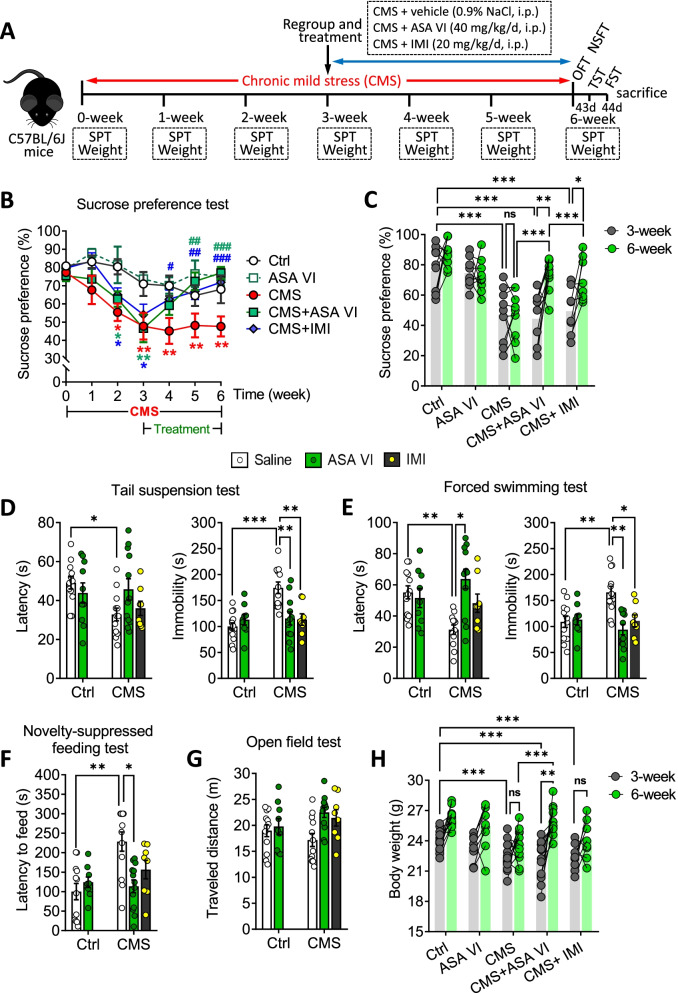
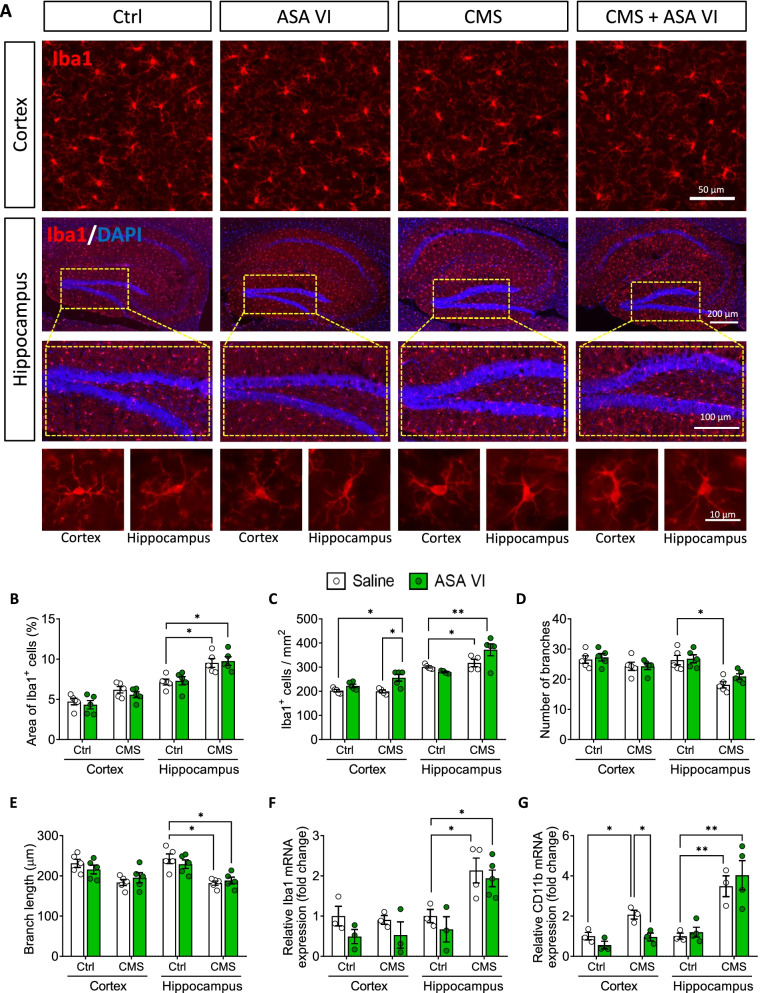
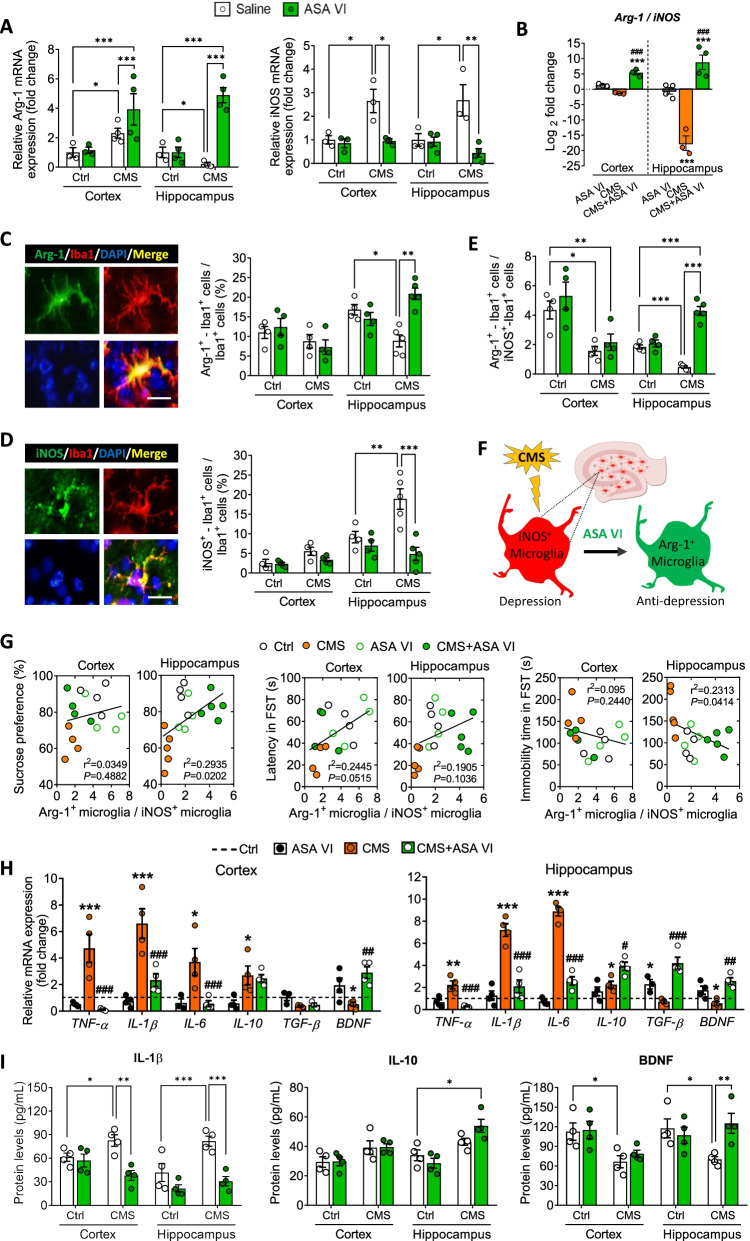
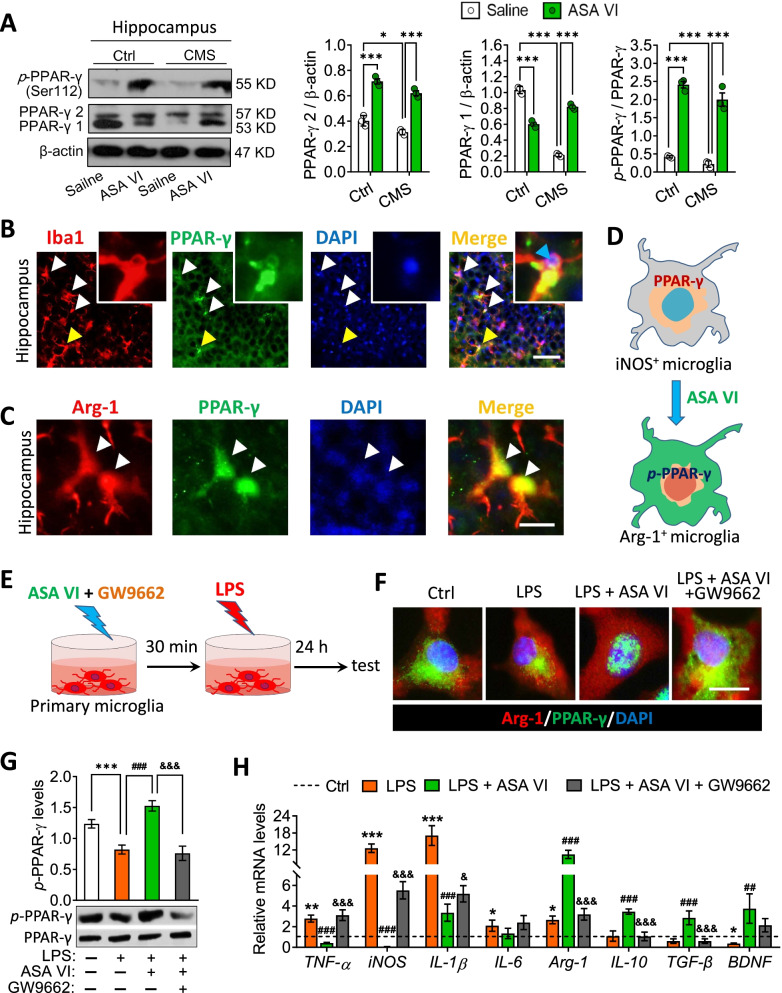
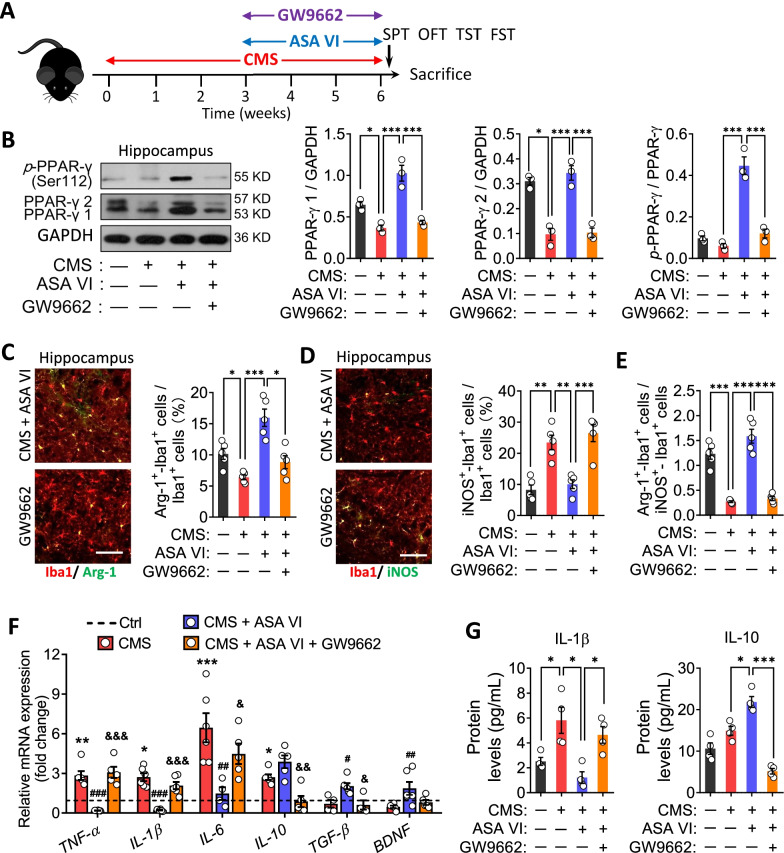
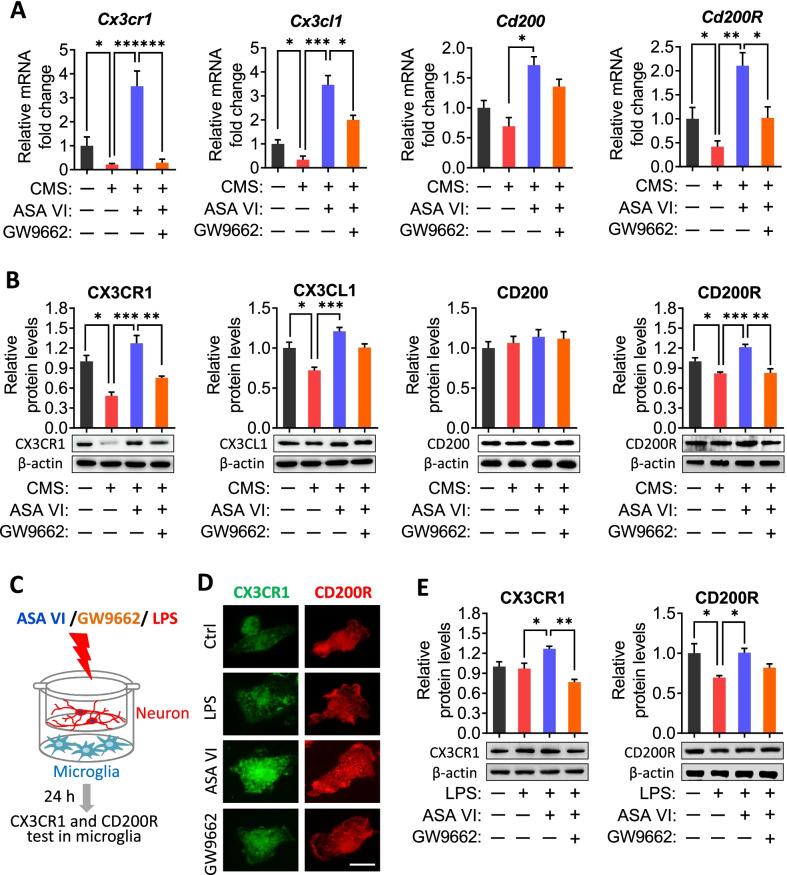
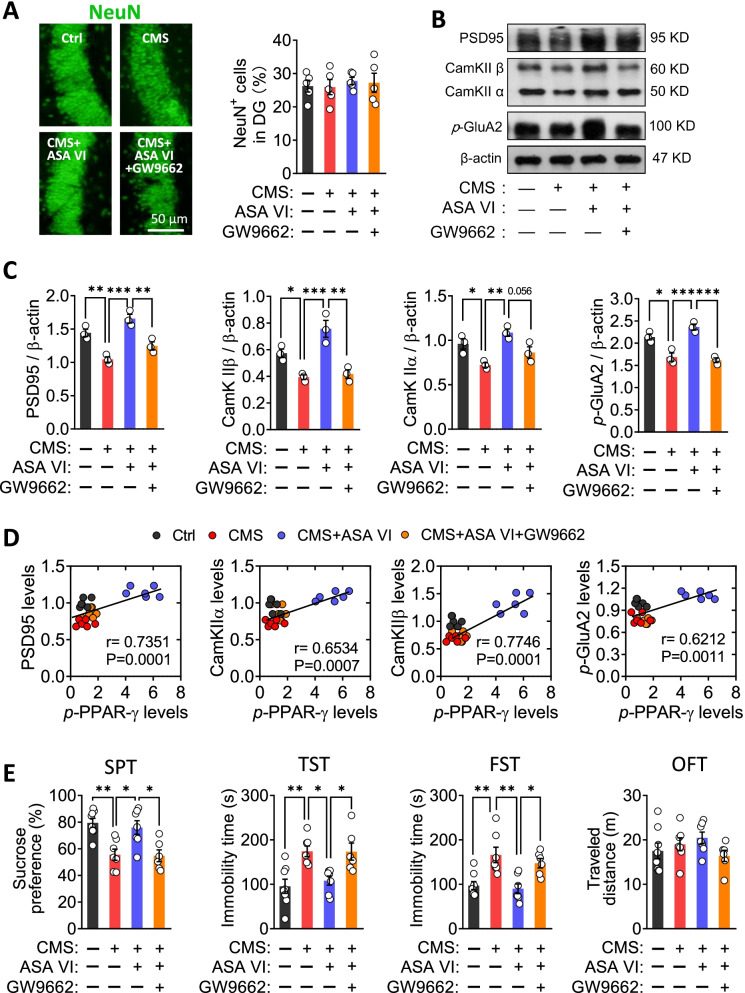
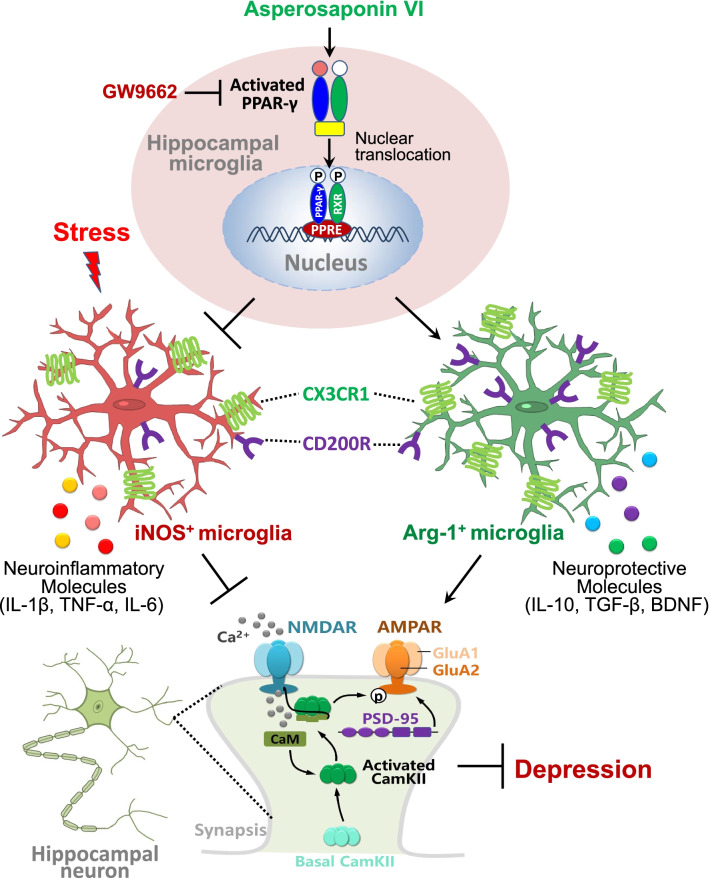
Background: The natural compound asperosaponin VI has shown potential as an antidepressant, but how it works is unclear. Here, we explored its effects on mice exposed to chronic mild stress (CMS) and the underlying molecular pathways. Methods: Mice were exposed to CMS for 3 weeks followed by asperosaponin VI (40 mg/kg) or imipramine (20 mg/kg) for another 3 weeks. Depression-like behaviors were assessed in the forced swimming test (FST), sucrose preference test (SPT), tail suspension test (TST). Microglial phenotypes were evaluated using immunofluorescence staining, real-time quantitative PCR and enzyme-linked immunosorbent assays in hippocampus of mice. In some experiments, stressed animals were treated with the PPAR-γ antagonist GW9662 to examine its involvement in the effects of asperosaponin VI. Blockade of PPAR-γ in asperosaponin VI-treated primary microglia in the presence of lipopolysaccharide (LPS) was executed synchronously. The nuclear transfer of PPAR-γ in microglia was detected by immunofluorescence staining in vitro and in vivo. A co-cultured model of neuron and microglia was used for evaluating the regulation of ASA VI on the microglia–neuron crosstalk molecules. Results: Asperosaponin VI ameliorated depression-like behaviors of CMS mice based on SPT, TST and FST, and this was associated with a switch of hippocampal microglia from a pro-inflammatory (iNOS+-Iba1+) to neuroprotective (Arg-1+-Iba1+) phenotype. CMS reduced the expression levels of PPAR-γ and phosphorylated PPAR-γ in hippocampus, which asperosaponin VI partially reversed. GW9662 treatment prevented the nuclear transfer of PPAR-γ in asperosaponin VI-treated microglia and inhibited the induction of Arg-1+ microglia. Blockade of PPAR-γ signaling also abolished the ability of asperosaponin VI to suppress pro-inflammatory cytokines while elevating anti-inflammatory cytokines in the hippocampus of CMS mice. The asperosaponin VI also promoted interactions between hippocampal microglia and neurons by enhancing CX3CL1/CX3CR1 and CD200/CD200R, and preserved synaptic function based on PSD95, CamKII β and GluA levels, but not in the presence of GW9662. Blockade of PPAR-γ signaling also abolished the antidepressant effects of asperosaponin VI in the SPT, TST and FST. Conclusion: CMS in mice induces a pro-inflammatory microglial phenotype that causes reduced crosstalk between microglia and neuron, inflammation and synaptic dysfunction in the hippocampus, ultimately leading to depression-like behaviors. Asperosaponin VI may ameliorate the effects of CMS by inducing microglia to adopt a PPAR-γ-dependent neuroprotective phenotype.
Overview
The claims and statistics of this paper haven’t been checked yet.
Free: it reads the open-access text and checks the first 5 claims that cite a source we can check. Create a free account to check every claim.
Integrity signals
Registry
Cites
Statistics
Figures
Verification
Claims the paper makes
The claims and statistics of this paper haven’t been checked yet.
Free: it reads the open-access text and checks the first 5 claims that cite a source we can check. Create a free account to check every claim.
Claims other papers make about this one
Each is checked against this paper’s own text: does it say what the citing paper says it does?
The source backs part of the claim, not all of it — or backs it for a different population, condition or comparison.
In the citing paper
“CX3CL1 and CD200 are mainly expressed in neurons, and their receptors CX3CR1 and CD200R are expressed on microglia. 182”
From Major depressive disorder: hypothesis, mechanism, prevention and treatment (2024) · cites this paper as [182]
Experimental — accuracy not yet measured
Self-check
Percentages, sums and reported differences re-computed from the paper’s own numbers.
The self-check needs the paper’s full text.
Citations
Cites
Inflammation and Its Discontents: The Role of Cytokines in the Pathophysiology of Major Depression
Miller, A. H., Maletic, V., & Raison, C. L. (2009) · Biological Psychiatry · doi:10.1016/j.biopsych.2008.11.029 · Cited by 3,848 · cited 1×
“Stress or immunostimulation has been shown to induce neuroinflammation, which appears to involve microglial activation, particularly in the hippocampus [38, 39].”
BackgroundThe Bidirectional Relationship of Depression and Inflammation: Double Trouble
Beurel, E., Toups, M., & Nemeroff, C. B. (2020) · Neuron · doi:10.1016/j.neuron.2020.06.002 · Cited by 2,136
Cryan, J. F., Mombereau, C., & Vassout, A. (2005) · Neuroscience & Biobehavioral Reviews · doi:10.1016/j.neubiorev.2005.03.009 · Cited by 1,674
Inflammatory cytokines in depression: neurobiological mechanisms and therapeutic implications
Felger, J. C., & Lotrich, F. E. (2013) · Neuroscience · doi:10.1016/j.neuroscience.2013.04.060 · Cited by 1,180
Sucrose preference test for measurement of stress-induced anhedonia in mice
Liu, M.-Y., Yin, C.-Y., Zhu, L.-J., Zhu, X.-H., Xu, C., Luo, C.-X., Chen, H., Zhu, D.-Y., & Zhou, Q.-G. (2018) · Nature Protocols · doi:10.1038/s41596-018-0011-z · Cited by 1,026
Forced swimming test in mice: A review of antidepressant activity
Petit-Demouliere, B., Chenu, F., & Bourin, M. (2005) · Psychopharmacology · doi:10.1007/s00213-004-2048-7 · Cited by 1,003 · cited 1×
“In addition to the SPT, we used the FST and TST to assess passive stress-coping behavioral despair [29, 30].”
MethodDepression as a Microglial Disease
Yirmiya, R., Rimmerman, N., & Reshef, R. (2015) · Trends in Neurosciences · doi:10.1016/j.tins.2015.08.001 · Cited by 944 · cited 1×
“When continuously stimulated by immune responses, microglia can adopt a proinflammatory phenotype, secreting pro-inflammatory cytokines and neurotoxic substances, which damage synapses, induce apoptosis, inhibit neurogenesis, and eventually lead to depression symptoms [14].”
BackgroundNeuroinflammation induced by lipopolysaccharide causes cognitive impairment in mice
Zhao, J., Bi, W., Xiao, S., Lan, X., Cheng, X., Zhang, J., Lu, D., Wei, W., Wang, Y., Li, H., et al. (2019) · Scientific Reports · doi:10.1038/s41598-019-42286-8 · Cited by 896
Self-citationKim, Y.-K., Na, K.-S., Myint, A.-M., & Leonard, B. E. (2016) · Progress in Neuro-Psychopharmacology and Biological Psychiatry · doi:10.1016/j.pnpbp.2015.06.008 · Cited by 620
Inflammation in Depression and the Potential for Anti-Inflammatory Treatment
Kohler, O., Krogh, J., Mors, O., & Eriksen Benros, M. (2016) · Current Neuropharmacology · doi:10.2174/1570159x14666151208113700 · Cited by 516 · cited 1×
“MDD is associated with neuroinflammation, such as the increased concentrations of pro-inflammatory cytokines [8, 9].”
Background
Cited by
Major depressive disorder: hypothesis, mechanism, prevention and treatment
Cui, L., Li, S., Wang, S., Wu, X., Liu, Y., Yu, W., Wang, Y., Tang, Y., Xia, M., & Li, B. (2024) · Signal Transduction and Targeted Therapy · doi:10.1038/s41392-024-01738-y · Cited by 1,244
Zhang, J., Li, L., Liu, Q., Zhao, Z., Su, D., Xiao, C., Jin, T., Chen, L., Xu, C., You, Z., et al. (2023) · Phytomedicine · doi:10.1016/j.phymed.2023.154725 · Cited by 74
Self-citationHe, H., He, H., Mo, L., You, Z., & Zhang, J. (2023) · Brain Behavior and Immunity · doi:10.1016/j.bbi.2023.10.031 · Cited by 68
Self-citationLiu, Q., Zhang, J., Xiao, C., Su, D., Li, L., Yang, C., Zhao, Z., Jiang, W., You, Z., & Zhou, T. (2022) · Frontiers in Pharmacology · doi:10.3389/fphar.2022.927419 · Cited by 58
Self-citationMicroglial Responses to Stress-Induced Depression: Causes and Consequences
Afridi, R., & Suk, K. (2023) · Cells · doi:10.3390/cells12111521 · Cited by 69
Ma, Y., Zhao, Y., Luo, M., Jiang, Q., Liu, S., Jia, Q., Bai, Z., Wu, F., & Xie, J. (2024) · Frontiers in Pharmacology · doi:10.3389/fphar.2024.1393409 · Cited by 44
Quan, H., & Zhang, R. (2023) · Frontiers in Immunology · doi:10.3389/fimmu.2023.1320271 · Cited by 51
Microglial priming by IFN ‐γ involves STAT1 ‐mediated activation of the NLRP3 inflammasome
He, H., Zhang, X., He, H., Xu, G., Li, L., Yang, C., Liu, Y., You, Z., & Zhang, J. (2024) · CNS Neuroscience & Therapeutics · doi:10.1111/cns.70061 · Cited by 43
Self-citationChen, X., Cui, Q., Hu, X.-H., Ye, J., Liu, Z.-C., Mei, Y.-X., Wang, F., Hu, Z., & Chen, J. (2023) · Journal of Neuroinflammation · doi:10.1186/s12974-023-02836-4 · Cited by 38
Zhang, H., Xie, X., Xu, S., Wang, C., Sun, S., Song, X., Li, R., Li, N., Feng, Y., Duan, H., et al. (2024) · CNS Neuroscience & Therapeutics · doi:10.1111/cns.14661 · Cited by 41
Targeting autophagy to counteract neuroinflammation: A novel antidepressant strategy
Gan, H. T., Ma, Q., Hao, W., Yang, N., Chen, Z., Deng, L., & Chen, J. (2024) · Pharmacological Research · doi:10.1016/j.phrs.2024.107112 · Cited by 32
He, H., He, H., Mo, L., Yuan, Q., Xiao, C., Ma, Q., Yi, S., Zhou, T., You, Z., & Zhang, J. (2024) · Brain Behavior & Immunity - Health · doi:10.1016/j.bbih.2024.100729 · Cited by 33
Self-citationZhang, J., Liu, Q., Su, D., Li, L., Xiao, C., He, H., You, Z., & Zhou, T. (2023) · CNS Neuroscience & Therapeutics · doi:10.1111/cns.14196 · Cited by 24
Self-citationZhou, Y., Xu, Y., Yang, J., Yu, Z., Wang, W., Yuan, M., Wang, Y., Bai, Q., & Li, Z. (2023) · Frontiers in Molecular Neuroscience · doi:10.3389/fnmol.2023.1061220 · Cited by 27
Yu, S., Gan, C., Li, W., Zhang, Q., Cai, Y., Xu, J., Huang, R., Yao, S., Cheng, L. J., & Cheng, H. (2024) · Biochimica et Biophysica Acta (BBA) - Molecular Basis of Disease · doi:10.1016/j.bbadis.2024.167581 · Cited by 31
Yuan, N., Zhu, W., Ma, Q., Huang, M.-Y., Huo, R.-R., She, K.-J., Pan, J.-P., Wang, J., & Chen, J. (2024) · Acta Pharmacologica Sinica · doi:10.1038/s41401-024-01402-9 · Cited by 29
Su, D., Jiang, W., Yuan, Q., Guo, L., Liu, Q., Zhang, M., Kang, C., Xiao, C., Yang, C., Li, L., et al. (2023) · Ecotoxicology and Environmental Safety · doi:10.1016/j.ecoenv.2023.114991 · Cited by 26
Self-citationEmerging role of microglia in the developing dopaminergic system: Perturbation by early life stress
She, K., Yuan, N., Huang, M., Zhu, W., Tang, M., Ma, Q., & Chen, J. (2024) · Neural Regeneration Research · doi:10.4103/nrr.nrr-d-24-00742 · Cited by 24
Han, W., Wang, N., Han, M., Ban, M., Sun, T., & Xu, J. (2022) · Frontiers in Neuroscience · doi:10.3389/fnins.2022.1029495 · Cited by 21
Zhou, S., Liu, Y., Xue, B., & Yuan, P.-G. (2023) · Behavioural Brain Research · doi:10.1016/j.bbr.2023.114782 · Cited by 22
Neuroprotective effects of gypenosides on LPS-induced anxiety and depression-like behaviors
Guo, M., Pei, W., Liu, L., Chen, K., Cheng, Y., & Piao, X. (2024) · International Immunopharmacology · doi:10.1016/j.intimp.2024.113367 · Cited by 24
Ji, J., Li, S., Jiang, Z., Yu, J., Sun, Y., Cai, Z., Dong, Y., & Sun, X. (2022) · International Journal of Molecular Sciences · doi:10.3390/ijms231810822 · Cited by 19
Skała, E., & Szopa, A. (2023) · Molecules · doi:10.3390/molecules28093754 · Cited by 23
Ding, Y., Wang, Y., Qi, M., Zhang, X., & Wu, D. (2024) · Molecular Neurobiology · doi:10.1007/s12035-024-04664-w · Cited by 20
Wang, Y., Lai, H., Zhang, T., Wu, J., Tang, H., Liang, X., Ren, D., Huang, J., & Li, W. (2023) · Neuroscience & Biobehavioral Reviews · doi:10.1016/j.neubiorev.2023.105403 · Cited by 17
Zhao, M., Duan, J., Shen, Y. L., Liu, Y., & Zeng, K. (2024) · British Journal of Pharmacology · doi:10.1111/bph.16404 · Cited by 18
Liu, M., Fan, G., & Liu, H. (2023) · Metabolic Brain Disease · doi:10.1007/s11011-023-01308-1 · Cited by 14
Liu, Y., Zhou, X., Xue, K., Sun, R., Tang, Y., & Tang, C. (2024) · Journal of Psychiatry and Neuroscience · doi:10.1503/jpn.230079 · Cited by 14
The application of telmisartan in central nervous system disorders
Quan, W., Zhang, S.-X., Zhang, X.-Y., Chen, X., Yang, C., Li, Z., & Hu, R. (2025) · Pharmacological Reports · doi:10.1007/s43440-025-00737-2 · Cited by 19
Zhu, Z., Guan, Y., Gao, S., Guo, F., Liu, D., & Zhang, H. (2024) · European Journal of Medicinal Chemistry · doi:10.1016/j.ejmech.2024.117170 · Cited by 12
Zhang, Z., Yuan, D., Jin, X., Chang, W., Zhang, Y., & Xie, W. (2025) · Frontiers in Pharmacology · doi:10.3389/fphar.2025.1539092 · Cited by 19
Yu, W., Lv, Y., Xuan, R., Han, P., Xu, H., & Ma, X. (2024) · Biochemical Pharmacology · doi:10.1016/j.bcp.2024.116547 · Cited by 11
Cao, L.-H., Wang, Z.-Z., Zhao, H., Tian, S., He, H., Miao, J., Huang, S., Wang, X., Song, Y.-G., Kang, L., et al. (2025) · Phytomedicine · doi:10.1016/j.phymed.2025.156718 · Cited by 13
Li, C., Munalisa, R., Lee, H.-Y., Lien, T.-S., Chan, H., Hung, S., Sun, D., Cheng, C., & Chang, H. (2023) · International Journal of Molecular Sciences · doi:10.3390/ijms241612877 · Cited by 12
The Roles of Long Noncoding RNA in Depression
Wang, S., Tang, L., Huang, N., & Wang, H. (2023) · Frontiers in Bioscience-Landmark · doi:10.31083/j.fbl2811321 · Cited by 9
ASA VI controls osteoarthritis in mice by maintaining mitochondrial homeostasis through Sirtuin 3
Qiao, J., Zhong, C., Zhang, Q., Yang, G., Li, S., & Jin, J. (2024) · International Immunopharmacology · doi:10.1016/j.intimp.2024.112858 · Cited by 8
Spanoudaki, M., Chrysafi, M., Papadopoulou, S. Κ., Tsourouflis, G. S., Pritsa, A. A., & Giaginis, C. (2024) · Applied Sciences · doi:10.3390/app14219994 · Cited by 10
Li, Z., Liang, S., Cui, X., Shen, C., Xu, Z., Chen, W. J., Wu, M., Liang, C., Liu, J., Huang, J., et al. (2024) · Frontiers in Psychiatry · doi:10.3389/fpsyt.2024.1414242 · Cited by 11
Yang, X., Liang, J., Shu, Y. L., Wei, L., Wen, C., Luo, H., Ma, L., Qin, T., Wang, B., Zeng, S., et al. (2023) · Journal of Cellular Biochemistry · doi:10.1002/jcb.30510 · Cited by 9
NEFA can serve as good biological markers for the diagnosis of depression in adolescents
Liu, G., Li, Z., Lin, S., Luo, Z.-Y., Yin, Y., Zhou, Y., & Ning, Y. (2024) · Journal of Affective Disorders · doi:10.1016/j.jad.2024.01.274 · Cited by 7
Advances in the multifunctional roles of CX3CL1 in the central nervous system
Chen, Y., Liu, J., Zhang, S., Gao, M., Wang, F., Cai, M., Lu, C., Li, S. A., & Zhao, J. (2026) · Frontiers in Aging Neuroscience · doi:10.3389/fnagi.2026.1696689 · Cited by 10
Priming of hippocampal microglia by IFN-γ/STAT1 pathway impairs social memory in mice
He, H., Zhang, X., He, H., Xiao, C., Xu, G., Li, L., Li, L., Yang, C., Zhou, T., You, Z., et al. (2024) · International Immunopharmacology · doi:10.1016/j.intimp.2024.112191 · Cited by 7
Self-citationDong, R., Wei, J., Tian, S., Ma, Y., Wang, J., Tu, X., Li, G., & Liu, Y. (2025) · Phytotherapy Research · doi:10.1002/ptr.8523 · Cited by 6
Yang, R., Fu, C., Zhao, X., Xiang, G., Song, W., Baldwin, T. C., Chen, G., Wang, Y., Zhao, Y., Shu, Y., et al. (2025) · Plant Physiology and Biochemistry · doi:10.1016/j.plaphy.2025.110166 · Cited by 6
Gao, Z., Peng, J., Zhang, Y., Chen, Z., Song, R., Song, Z., Feng, Q., Sun, M., Zhu, H., Lu, X., et al. (2024) · Neuropharmacology · doi:10.1016/j.neuropharm.2024.110203 · Cited by 8
Role of soluble epoxide hydrolase in pain and depression comorbidity
Bu, Y., Yang, S., Wang, D., Hu, S.-W., Zhang, Q., Wu, Z., & Yang, C. (2024) · Neurobiology of Disease · doi:10.1016/j.nbd.2024.106443 · Cited by 7
Yang, R., Deng, M., Yang, L.-K., Wang, G., Ma, J., Wen, Q., Gao, N., & Qiao, H. (2025) · Free Radical Biology and Medicine · doi:10.1016/j.freeradbiomed.2025.03.032 · Cited by 6
Huang, M., Chen, F., Zhou, L., Zhang, Q., Wang, L., Li, L., Yang, L., Gao, M., Li, L., Wang, Y., et al. (2025) · Frontiers in Pharmacology · doi:10.3389/fphar.2025.1569888 · Cited by 10
Self-citationLi, S., Guo, Y., Zhang, J., Zhang, R., & Li, Y. (2025) · Phytomedicine · doi:10.1016/j.phymed.2025.157338 · Cited by 7
Self-citationXu, X., Fang, H., Fang, L., Zhou, Y., Wen, Y., Wang, X., Du, D., Lu, L., Yin, J., Sun, T., et al. (2026) · Phytomedicine · doi:10.1016/j.phymed.2026.157829 · Cited by 8
Lei, X., Zhao, D., Chen, T., Li, Q., Xue, A., Hu, Z., jia, F., & Li, X. (2025) · Phytomedicine · doi:10.1016/j.phymed.2025.156365 · Cited by 6
Chai, C., Jin, B. R., Bi, J., Cui, Y., Cui, X., Shan, C., Sheng, Y., & Wen, H. (2025) · Analytical Science Advances · doi:10.1002/ansa.70002 · Cited by 6
Gastrodin enhances stress resilience through promoting Wnt/β-Catenin-dependent neurogenesis
Zhang, H., Zhao, Z., Liu, P., Wang, M., Liu, Y., He, H., Ge, Y., Zhou, T., Xiao, C., You, Z., et al. (2025) · Journal of Advanced Research · doi:10.1016/j.jare.2025.04.017 · Cited by 13
Self-citationYang, C., Jiang, W., Su, D., Yang, C., Yuan, Q., Kang, C., Xiao, C., Wang, L., Peng, C. Y., Zhou, T., et al. (2024) · Ecotoxicology and Environmental Safety · doi:10.1016/j.ecoenv.2024.116831 · Cited by 5
Self-citationLiu, Y.-E., Zhao, Z., He, H., Li, L., Xiao, C., Zhou, T., You, Z., & Zhang, J. (2024) · Frontiers in Microbiology · doi:10.3389/fmicb.2024.1381423 · Cited by 9
Self-citationZhu, W., Chang, J., Tian, L., Yang, X., & Li, W. (2025) · CNS Neuroscience & Therapeutics · doi:10.1111/cns.70394 · Cited by 6
Guo, Z., Wang, Q., Cao, Y., Wang, B., Zhang, B., Huang, J., Niu, Y., Huang, J., Wang, Z., & Feng, S. (2025) · Frontiers in Microbiology · doi:10.3389/fmicb.2025.1708868 · Cited by 3
Metabolic Reprogramming of Microglia in Neuroinflammation and Depression
Wu, Q., Tian, J., Gu, Y., Bi, X., & Zhang, H. (2026) · International Journal of Molecular Sciences · doi:10.3390/ijms27093984 · Cited by 3
Luo, S., Qi, Z., Wu, F., Tao, D., Huang, S., Shi, C., Yang, C., Shi, Y., & Luo, Y. (2025) · Neuropharmacology · doi:10.1016/j.neuropharm.2025.110508 · Cited by 3
Tang, M., Ai, Y., Song, N., Xu, X., Geng, L., Chen, D., Ren, L., Chen, X., Chen, J., Zhang, L., et al. (2024) · Journal of Essential Oil Bearing Plants · doi:10.1080/0972060x.2024.2302410 · Cited by 5
Xu, X., Tan, L. H., & Zhang, X. (2025) · ALPHA PSYCHIATRY · doi:10.31083/ap39444 · Cited by 3
Zhao, H., Liang, K., Yu, Z., Wen, Y., Shi, J., Zhang, T., Yu, X., Zu, X., & Fang, Y. (2024) · Neuroscience Research · doi:10.1016/j.neures.2024.05.004 · Cited by 2
Wang, Q., Zeng, F., Fang, C., Sun, Y., Zhao, X., Rong, X., Zhang, H., & Xu, Y. (2024) · Brain Research · doi:10.1016/j.brainres.2024.149106 · Cited by 5
Madeshiya, A. K., Quintanilla, B., Whitehead, C., Tomlinson, S., & Pillai, A. (2024) · Cells · doi:10.3390/cells13231988 · Cited by 2
Hippocampal GPR17 down regulation ameliorates CMS-induced depression-like behaviors in mice
Xie, Z., Fan, B., Zhi, T., Wu, Y., Yang, Y., Wu, L., & Wu, X. G. (2025) · Neuropharmacology · doi:10.1016/j.neuropharm.2025.110757 · Cited by 1
Role of chemokines in depression: Highlights on CX 3 CL1/CX 3 CR1 signaling
Yin, Y., & Li, Y. (2025) · Journal of Psychopharmacology · doi:10.1177/02698811251389532 · Cited by 1
“Furthermore, many studies have implicated the CX 3 CL1/CX 3 CR1 signaling in the antidepressant actions of several drugs (Alamo et al., 2019; Alboni et al., 2016; Jiang et al., 2022; Qin et al., 2023).”
Asperosaponin VI enhances stress resilience by activating hippocampal neural stem cells
Liu, Y., Fu, Y., Fu, J., Liu, Q., Wang, M., Liu, P., He, H., Zhang, H., Liao, H., Ge, Y., et al. (2026) · Phytomedicine · doi:10.1016/j.phymed.2026.157874 · Cited by 1
Self-citationZhou, Y., Zeng, X., Zheng, Y., Liu, Q., Lu, C., Shan, S., & Sun, Q. (2026) · Phytomedicine · doi:10.1016/j.phymed.2026.157957 · Cited by 1
Self-citationTong, B., Song, Y., Li, Z., Cai, M., Qi, H., Su, K., & Xu, H. A. (2025) · Neural Regeneration Research · doi:10.4103/nrr.nrr-d-24-01599 · Cited by 1
Li, J., Liang, Y., Li, X., Chen, L., Zhang, C., Li, Y., Liu, Y., & Zhou, C. (2026) · Phytomedicine · doi:10.1016/j.phymed.2026.158348 · Cited by 1
Wang, M., Zhang, K. Y., Zhang, Y., Gu, Y., & Liu, C. (2026) · Cytotechnology · doi:10.1007/s10616-026-01002-x · Cited by 1
Martins, A. M. D. O., Soares, M. F. D. S., de Oliveira, L. N., Barbosa, N. M. M. V., Matos, A. L. L. D. S., Gonçalves, M. C. F., Golzio, A. M. F. D. O., Felipe, C. F. B., Scotti, M. T., da Silva, P. R., et al. (2026) · Journal of Xenobiotics · doi:10.3390/jox16040129 · Cited by 1
Shi, L., Zhou, H., & Zheng, R. (2026) · Frontiers in Immunology · doi:10.3389/fimmu.2026.1793796 · Cited by 2
“This complex binds PPAR response elements in target-gene promoters and drives the transcription of type 2 effector-program genes, including ARG1, CD206 and IL10 (108, 109).”
Ghanekar, S., Raj, J. A. T., Thiruselvan, G. K., Kulkarni, R., Soni, M., Chatterjee, A., Patro, I., & Goda, J. S. (2026) · Annals of Neurosciences · doi:10.1177/09727531261452006 · Cited by 1
Shi, J., Wu, P., Li, Y., & Li, X.-R. (2023) · Pharmacognosy Magazine · doi:10.1177/09731296231190691
Qifuyin alleviates anxiety and depression in 3×Tg-AD mice by modulating neuroendocrine function
Yu, T., Yu, Y., Zhao, J., Li, H., Lu, H., Li, Y., Peng, Y., Wang, S., Wei, W., & Cheng, X. (2025) · Frontiers in Psychiatry · doi:10.3389/fpsyt.2025.1554866
Qiu, Z., Hu, L., Yuan, E., Ai, Z., Liu, R., & Li, H. (2025) · Journal of Ethnopharmacology · doi:10.1016/j.jep.2025.120745
Chen, X., Cui, Q.-Q., Hu, X.-H., Ye, J., Liu, Z.-C., Mei, Y.-X., Wang, F., Hu, Z.-L., & Chen, J.-G. (2023) · Figshare · doi:10.6084/m9.figshare.23612412
Yu, F., Gao, Y., Du, X., Liu, S., & Xu, Y. (2026) · Neuropsychiatric Disease and Treatment · doi:10.2147/ndt.s586668
Ge, Y., Yang, C., Wang, M., Liu, P., Zhao, Z., Zhang, H., Lu, S., He, H., Fu, Y., Xiao, C., et al. (2026) · Journal of Advanced Research · doi:10.1016/j.jare.2026.06.025
Self-citationAmeliorated potential and possible mechanisms of medicine food homology for depression
Huo, C., Li, Q., Cai, N., Teng, C., & Kou, J. (2026) · 3 Biotech · doi:10.1007/s13205-026-04912-x
Gao, X., Wang, R., Chen, H., Chen, X., & Wang, X. (2026) · Frontiers in Pharmacology · doi:10.3389/fphar.2026.1817366
Asperosaponin VI promotes flap survival through HIF-1α/VEGF-associated angiogenesis
Deng, J., Chen, K., Yang, J., Wang, A., & Wang, H. (2026) · International Immunopharmacology · doi:10.1016/j.intimp.2026.117300
Yu, Q., Zhou, L., Li, Q., Cao, K., Yang, L., Ye, M., Shi, Y., Deng, D., & Zhang, R. (2026) · Phytomedicine · doi:10.1016/j.phymed.2026.158751
Microgliopathy in poststroke depression: exploring mechanisms and therapeutic strategies
Yang, C., Wu, S., Cao, H., Yin, Y., Zhang, Y., Zhang, L., Chen, R., & Tao, X. (2026) · Neuroscience · doi:10.1016/j.neuroscience.2026.08.046
Maciel, V. C. B. D. O., Arruda, J. D. M., da Silva, R. C. T., & da Rosa, M. M. (2026) · Neurochemical Research · doi:10.1007/s11064-026-04908-2
Yao, S.-X., Xu, Z.-Y., Zhao, H.-Q., Deng, D.-F., Yang, Y., Tang, L., Tan, H., & Liu, J. (2026) · Frontiers in Immunology · doi:10.3389/fimmu.2026.1972377
Yang, C., Ma, G., Yin, Y., Xie, Z., Yang, L., Jiang, Y., & Rao, Y. (2026) · Frontiers in Pediatrics · doi:10.3389/fped.2026.1937383
Zhao, Y., Chang, M., Hu, C., Chen, X., Wang, C., Zhang, W., Li, Y., Ju, J., Chen, S., Kong, L., et al. (2026) · Journal of Advanced Research · doi:10.1016/j.jare.2026.10.038
Metadata
- Authors
- Jiang, X., Yi, S., Liu, Q., Su, D., Li, L., Xiao, C., & Zhang, J.
- Affiliations
- Guizhou University (CN)
- Corresponding author
- Zhang, Jinqiang
- Venue
- Journal of Neuroinflammation
- Published
- 2022-05-24
- Volume
- 19
- Issue
- 1
- Pages
- 115-115
- ISSN
- 1742-2094 (ISSN-L)
- PMC
- PMC9131532
- OpenAlex
- W4281392930
- Cited by
- 89
- References
- 67
- Citations by year
- 2026: 21 · 2025: 20 · 2024: 28 · 2023: 17 · 2022: 3
- FWCI
- 5.97
- Type
- journal article
- Language
- en
- Open access
- gold
- doi.org
- Licence
- cc-by
- creativecommons.org/licenses/by/4.0 (tdm)
- creativecommons.org/licenses/by/4.0 (vor)
- Locations
- Journal of Neuroinflammation (publishedVersion, cc-by)
- PubMed Central (publishedVersion, cc-by)
- PubMed (publishedVersion)
- DOAJ (DOAJ: Directory of Open Access Journals) (submittedVersion, cc-by-sa)
- Funders
- National Natural Science Foundation of China (81960811, 82060726)
- PhD Start-up Fund of the Guizhou University of Traditional Chinese Medicine ([2019]31)
- Guizhou Science and Technology Plan Project ([2019]5611)
- Department of Science and Technology of Guizhou High-level Innovative Talents ([2018]5638-2)
- Department of Science and Technology of Guizhou basic research ([2019]1026)
- Topics
- Life Sciences › Neuroscience › Neurology › Neuroinflammation and Neurodegeneration Mechanisms
- Health Sciences › Medicine › Pharmacology (medical) › Treatment of Major Depression
- Life Sciences › Neuroscience › Biological Psychiatry › Tryptophan and brain disorders
- Keywords
- asperosaponin VI, chronic mild stress, depression-like behavior, antidepressants, microglial phenotype, neuroprotection, PPARγ signaling, hippocampus, Arg1, inflammatory cytokines, anti-inflammatory cytokines, CX3CL1/CX3CR1, synaptic function, PSD-95, CaMKII, imipramine, natural products, neuroinflammation
- MeSH terms
- Animals, Antidepressive Agents, Depression, Hippocampus, Phenotype, Saponins, Stress, Psychological, Cytokines, Microglia, PPAR gamma, Mice
About these checks
Registry, retraction, Cites and statistics results are computed, not judged, with one exception: a printed reference that no index lists is read once by a model before it counts as a citation error. Claims are extracted by a model and kept only when their quote appears verbatim in the text; each cited source is then checked, with a model’s help, for whether it says what the claim relies on. Those verdicts can be wrong — read the claim’s quote and the cited source before relying on one.
Statistics and arithmetic are recomputed, not judged.
Confidence bands are shown only for fields calibrated on our annotated test set. None is calibrated yet, so no band is shown.
What counts as a claim ›How we measure confidence ›How we check this ›
Are you an author, or do you see a problem with this page? Request a review
Data sources
Bibliographic data: Semantic Scholar, OpenAlex, Crossref.
Contains information from the Semantic Scholar Academic Graph Datasets, made available under the ODC Attribution License (ODC-BY 1.0).
Semantic Scholar’s data is described in: Kinney, R., et al. (2023). The Semantic Scholar Open Data Platform. arXiv:2301.10140.
