

Source control in emergency general surgery: WSES, GAIS, SIS-E, SIS-A guidelines
Open accessThe DOI matches its Crossref record; 129 of the 129 references it cites were found in a registry or an index.
Abstract
Intra-abdominal infections (IAI) are among the most common global healthcare challenges and they are usually precipitated by disruption to the gastrointestinal (GI) tract. Their successful management typically requires intensive resource utilization, and despite the best therapies, morbidity and mortality remain high. One of the main issues required to appropriately treat IAI that differs from the other etiologies of sepsis is the frequent requirement to provide physical source control. Fortunately, dramatic advances have been made in this aspect of treatment. Historically, source control was left to surgeons only. With new technologies non-surgical less invasive interventional procedures have been introduced. Alternatively, in addition to formal surgery open abdomen techniques have long been proposed as aiding source control in severe intra-abdominal sepsis. It is ironic that while a lack or even delay regarding source control clearly associates with death, it is a concept that remains poorly described. For example, no conclusive definition of source control technique or even adequacy has been universally accepted. Practically, source control involves a complex definition encompassing several factors including the causative event, source of infection bacteria, local bacterial flora, patient condition, and his/her eventual comorbidities. With greater understanding of the systemic pathobiology of sepsis and the profound implications of the human microbiome, adequate source control is no longer only a surgical issue but one that requires a multidisciplinary, multimodality approach. Thus, while any breach in the GI tract must be controlled, source control should also attempt to control the generation and propagation of the systemic biomediators and dysbiotic influences on the microbiome that perpetuate multi-system organ failure and death. Given these increased complexities, the present paper represents the current opinions and recommendations for future research of the World Society of Emergency Surgery, of the Global Alliance for Infections in Surgery of Surgical Infection Society Europe and Surgical Infection Society America regarding the concepts and operational adequacy of source control in intra-abdominal infections.
Overview
The claims and statistics of this paper haven’t been checked yet.
Free: it reads the open-access text and checks the first 5 claims that cite a source we can check. Create a free account to check every claim.
Integrity signals
Registry
Cites
Statistics
Figures
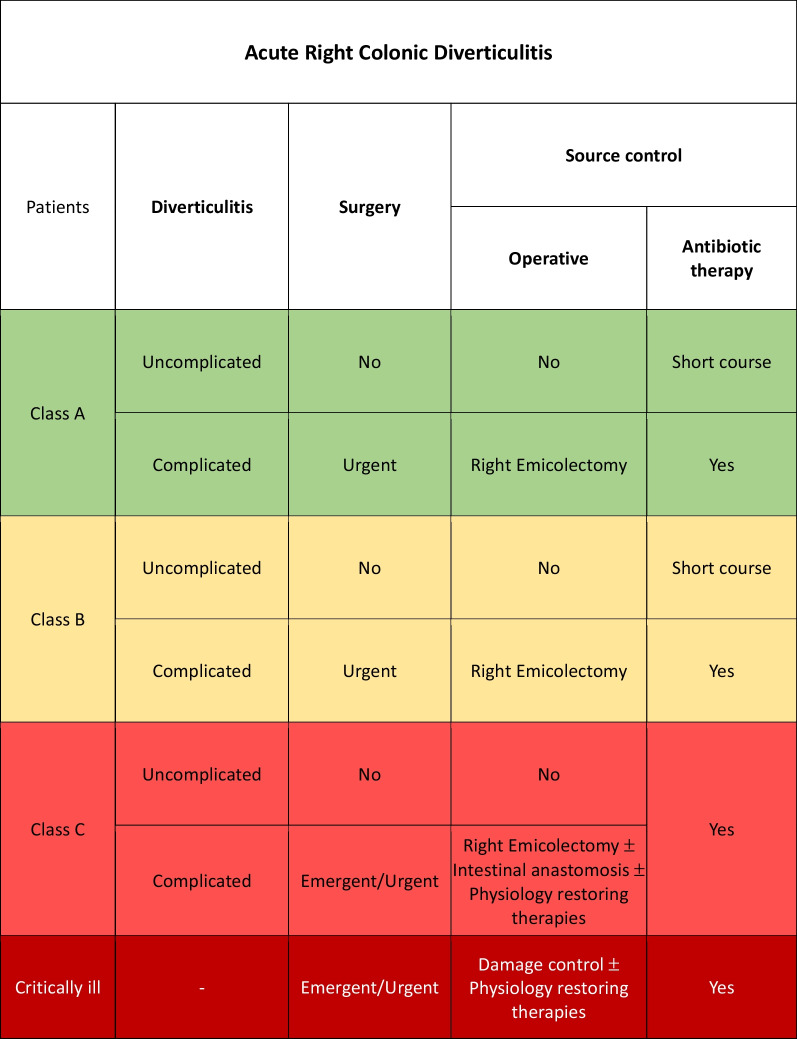
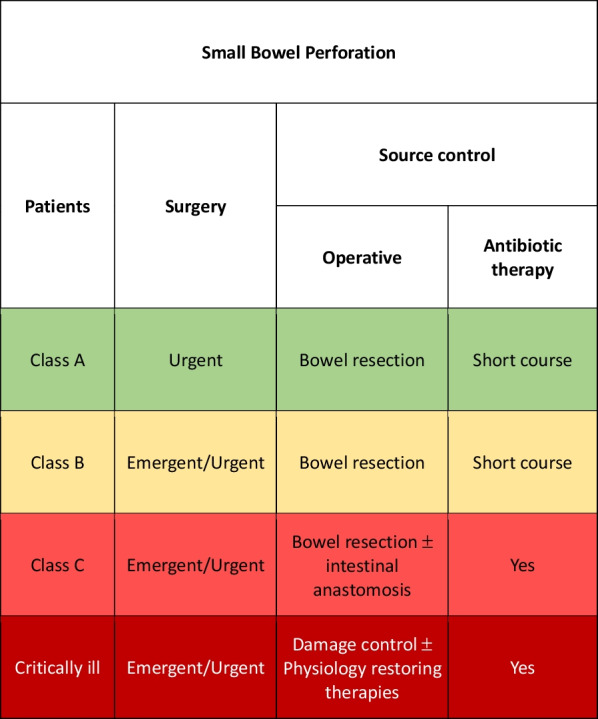
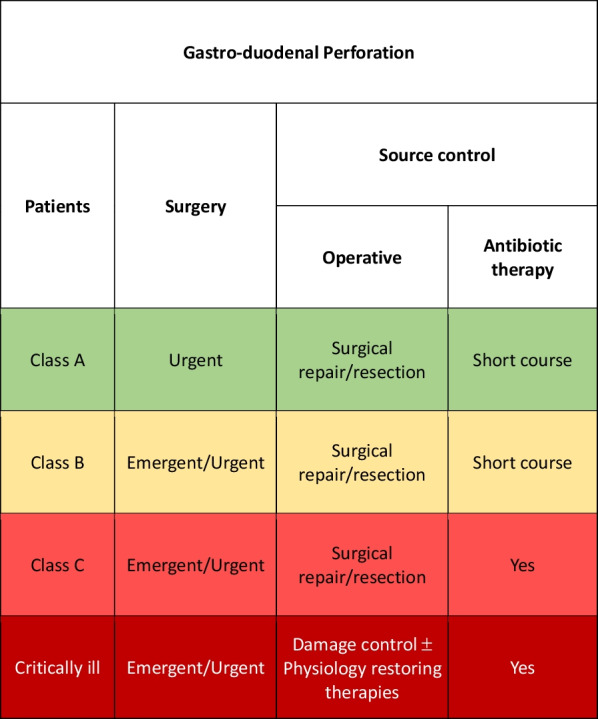
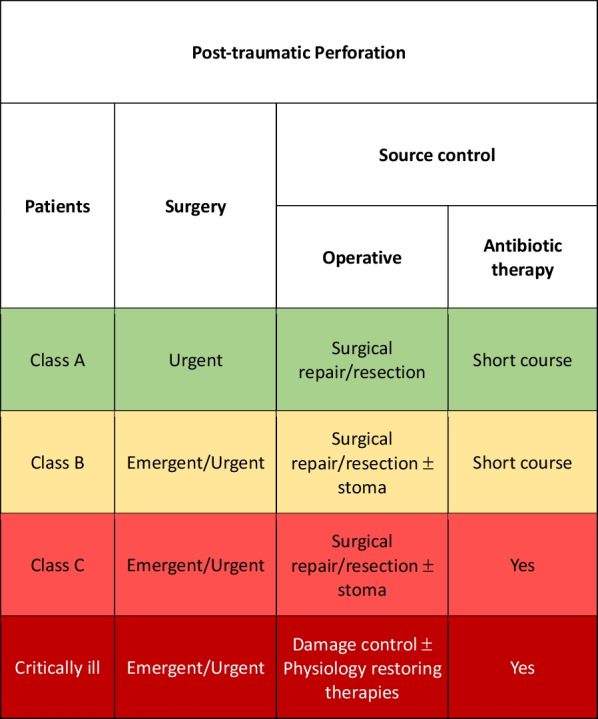
Verification
Claims the paper makes
The claims and statistics of this paper haven’t been checked yet.
Free: it reads the open-access text and checks the first 5 claims that cite a source we can check. Create a free account to check every claim.
Claims other papers make about this one
Each is checked against this paper’s own text: does it say what the citing paper says it does?
The source backs part of the claim, not all of it — or backs it for a different population, condition or comparison.
In the citing paper
“Delay in adequate SC directly increases mortality; each hour delay in upper GI perforation raises mortality by 6% (Coccolini et al., 2023).”
From Progress on the correlation between sepsis and gut microbiota: a narrative review (2026) · cites this paper as Coccolini et al., 2023
Experimental — accuracy not yet measuredThe cited source says what the claim attributes to it.
In the citing paper
“each hour delay in upper GI perforation raises mortality by 6% (Coccolini et al., 2023).”
From Progress on the correlation between sepsis and gut microbiota: a narrative review (2026) · cites this paper as Coccolini et al., 2023
The cited source says what the claim attributes to it.
In the citing paper
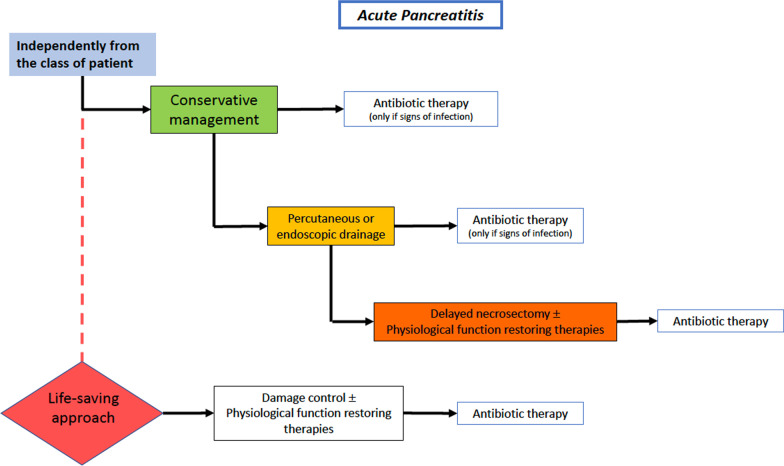
“The WSES/GAIS/SIS-E/SIS-A guidelines classify patients into three categories to guide aggressiveness (Coccolini et al., 2023):”
From Progress on the correlation between sepsis and gut microbiota: a narrative review (2026) · cites this paper as Coccolini et al., 2023
The cited source says what the claim attributes to it.
In the citing paper
“Intra-abdominal infections (IAIs) are the second most common cause of sepsis.”
From Progress on the correlation between sepsis and gut microbiota: a narrative review (2026) · cites this paper as Coccolini et al., 2023
Self-check
Percentages, sums and reported differences re-computed from the paper’s own numbers.
The self-check needs the paper’s full text.
Citations
Cites
The third international consensus definitions for sepsis and septic shock (Sepsis-3).
Singer, M., Deutschman, C. S., Seymour, C. W., Shankar-Hari, M., Annane, D., Bauer, M., Bellomo, R., Bernard, G. R., Chiche, J.-D., Coopersmith, C. M., et al. (2016) · JAMA · doi:10.1001/jama.2016.0287 · Cited by 28,250
Self-citationRudd, K. E., Johnson, S. C., Agesa, K. M., Shackelford, K. A., Tsoi, D., Kievlan, D. R., Colombara, D. V., Ikuta, K. S., Kissoon, N., Finfer, S., et al. (2020) · The Lancet · doi:10.1016/s0140-6736(19)32989-7 · Cited by 7,971 · cited 1×
“Out of a Global burden of 50 million septic cases and 11 million sepsisrelated deaths worldwide [3], IAS constitutes the second leading cause.”
BackgroundThe Pediatric Guidelines Sub-Committee for the World Society of the Abdominal Compartment Syndrome, Kirkpatrick, A. W., Roberts, D. J., De Waele, J., Jaeschke, R., Malbrain, M. L. N. G., De Keulenaer, B., Duchesne, J., Bjorck, M., Leppaniemi, A., et al. (2013) · Intensive Care Medicine · doi:10.1007/s00134-013-2906-z · Cited by 1,624
Self-citationFerrer, R., Martin-Loeches, I., Phillips, G., Osborn, T. M., Townsend, S., Dellinger, R. P., Artigas, A., Schorr, C., & Levy, M. M. (2014) · Critical Care Medicine · doi:10.1097/ccm.0000000000000330 · Cited by 1,480
Diagnosis and treatment of acute appendicitis: 2020 update of the WSES Jerusalem guidelines
Di Saverio, S., Podda, M., De Simone, B., Ceresoli, M., Augustin, G., Gori, A., Boermeester, M., Sartelli, M., Coccolini, F., Tarasconi, A., et al. (2020) · World Journal of Emergency Surgery · doi:10.1186/s13017-020-00306-3 · Cited by 1,446
Self-citationLevy, M. M., Dellinger, R. P., Townsend, S. R., Linde-Zwirble, W. T., Marshall, J. C., Bion, J., Schorr, C., Artigas, A., Ramsay, G., Beale, R., et al. (2010) · Critical Care Medicine · doi:10.1097/ccm.0b013e3181cb0cdc · Cited by 950
Petrov, M. S., Shanbhag, S., Chakraborty, M., Phillips, A. R. J., & Windsor, J. A. (2010) · Gastroenterology · doi:10.1053/j.gastro.2010.06.010 · Cited by 846
Guidelines of Diagnostics and Treatment of Acute Left-Sided Colonic Diverticulitis
Andeweg, C. S., Mulder, I. M., Felt-Bersma, R. J. F., Verbon, A., van der Wilt, G. J., van Goor, H., Lange, J. F., Stoker, J., Boermeester, M. A., & Bleichrodt, R. P. (2013) · Digestive Surgery · doi:10.1159/000354035 · Cited by 844
Self-citationCalandra, T., & Cohen, J. (2005) · Critical Care Medicine · doi:10.1097/01.ccm.0000168253.91200.83 · Cited by 839 · cited 1×
“Upon our review, it was defined most recently in 2005 as ongoing peritonitis: “peritonitis that persists or recurs ≥ 48 h following apparently successful management of primary or secondary peritonitis” [28].”
BackgroundSalminen, P., Paajanen, H., Rautio, T., Nordström, P., Aarnio, M., Rantanen, T., Tuominen, R., Hurme, S., Virtanen, J., Mecklin, J.-P., et al. (2015) · JAMA · doi:10.1001/jama.2015.6154 · Cited by 817
Research works printed but not linked: 5
- Coccolini F Roberts D Ansaloni L Ivatury R Gamberini E Kluger Y The open abdomen in trauma and non-trauma patients: WSES guidelines World J Emerg Surg 2018 13 7 10.1186/s13017-018-0167-4 29434652 PMC5797335 · DOI · Paper page
- Sartelli M Abu-Zidan FM Catena F Global validation of the WSES Sepsis Severity Score for patients with complicated intra-abdominal infections: a prospective multicentre study (WISS Study) World J Emerg Surg 2015 10 1 61 10.1186/s13017-015-0055-0 26677396 PMC4681030 · DOI · Paper page
- Sartelli M Coccolini F Kluger Y WSES/GAIS/SIS-E/WSIS/AAST global clinical pathways for patients with intra-abdominal infections World J Emerg Surg 2021 16 1 49 10.1186/s13017-021-00387-8 34563232 PMC8467193 · DOI · Paper page
- Ho VP Kaafarani H Rattan R Namias N Evans H Zakrison TL Sepsis 2019: what surgeons need to know Surg Infect 2020 21 3 195 204 10.1089/sur.2019.126 PMC7366317 31755816 · DOI
- Jimenez MF Marshall JC Source control in the management of sepsis Intensive Care Med 2001 27 14 S49 S62 10.1007/PL00003797 11307370 · DOI · Paper page
Cited by
Surviving Sepsis Campaign: International Guidelines for Management of Sepsis and Septic Shock 2026
Prescott, H. C., Antonelli, M., Alhazzani, W., Møller, M. H., Alshamsi, F., Azevedo, L. C. P., Belley-Cote, E., De Waele, J., Derde, L., Dionne, J. C., et al. (2026) · Intensive Care Medicine · doi:10.1007/s00134-026-08361-1 · Cited by 141
Self-citationSurviving Sepsis campaign: international guidelines for Management of Sepsis and Septic Shock 2026
Prescott, H. C., Antonelli, M., Alhazzani, W., Møller, M. H., Alshamsi, F., Azevedo, L. C. P., Belley-Cote, E., De Waele, J., Derde, L., Dionne, J. C., et al. (2026) · Critical Care Medicine · doi:10.1097/ccm.0000000000007075 · Cited by 117
Self-citationSartelli, M., Tascini, C., Coccolini, F., Dellai, F., Ansaloni, L., Antonelli, M. M., Bartoletti, M., Bassetti, M., Boncagni, F., Carlini, M., et al. (2024) · World Journal of Emergency Surgery · doi:10.1186/s13017-024-00551-w · Cited by 77
“Patients can thus be categorized into three classes [26]: 1.”
BackgroundSelf-citationSartelli, M., Barie, P. S., Agnoletti, V., Al‐Hasan, M. N., Ansaloni, L., Biffl, W. L., Buonomo, L. A., Blot, S. I., Cheadle, W. G., Coimbra, R. S. M., et al. (2024) · World Journal of Emergency Surgery · doi:10.1186/s13017-024-00552-9 · Cited by 69
“Recent multi-society source control guidelines [9] proposed a categorization of patients into 3 classes according to current condition, comorbidities, and ongoing therapies (e.g., anticoagulants or steroids), together with their immunologic state (Table 1).”
BackgroundSelf-citationCurrent management of acute appendicitis in adults: What you need to know
Diaz, J. J., Ceresoli, M., Herron, T., & Coccolini, F. (2025) · The Journal of Trauma: Injury, Infection, and Critical Care · doi:10.1097/ta.0000000000004471 · Cited by 36
Self-citationRevolution in sepsis: a symptoms-based to a systems-based approach?
Dobson, G. P., Letson, H. L., & Morris, J. L. (2024) · Journal of Biomedical Science · doi:10.1186/s12929-024-01043-4 · Cited by 32
“Today, despite new molecular-based technologies, nano-technology diagnostics, thousands of research papers and hundreds of clinical trials, unacceptably high mortality rates still remain [27, 155].”
BackgroundCheng, L., Cao, Y., Liu, S., Lv, L., Zhang, J., Bao, J., Wang, G., & Xu, P. (2025) · International Journal of Surgery · doi:10.1097/js9.0000000000002668 · Cited by 36
“These measures are based on debridement, drainage, decompression, and restoration of anatomical function [ 300 , 301 ] .”
Status of Sepsis Care in European Hospitals: Results from an International Cross-Sectional Survey
Scheer, C., Giamarellos‐Bourboulis, E. J., Ferrer, R., Srceva, M. J., Annane, D., Artigas, A., Aslan, A. T., Bottari, G., Bouma, H. R., Černý, V., et al. (2025) · American Journal of Respiratory and Critical Care Medicine · doi:10.1164/rccm.202406-1167oc · Cited by 30
“Furthermore, imaging and surgical and/or interventional source control are guideline recommendations (2, 26, 27, 45).”
Self-citationSource Control and Antibiotics in Intra-Abdominal Infections
Bova, R., Griggio, G., Vallicelli, C., Santandrea, G., Coccolini, F., Ansaloni, L., Sartelli, M., Agnoletti, V., Bravi, F., & Catena, F. (2024) · Antibiotics · doi:10.3390/antibiotics13080776 · Cited by 24
“The current guidelines published in the World Journal of Emergency Surgery propose three levels of SC urgency [2]:”
BackgroundInfluentialSelf-citationCoccolini, F., Sartelli, M., & Kirkpatrick, A. W. (2024) · The Journal of Trauma: Injury, Infection, and Critical Care · doi:10.1097/ta.0000000000004253 · Cited by 18
Self-citationJiang, Z., Luo, F., Liu, Y., Sun, X., Tan, G., Chen, Z., & Chen, Y. (2023) · Shock · doi:10.1097/shk.0000000000002235 · Cited by 12
“Patients with intra-abdominal infection usually require more complex source control measures and are prone to source control failure (26).”
BackgroundCoccolini, F., Brogi, E., Ceresoli, M., Catena, F., Gurrado, A., Forfori, F., Ghiadoni, L., Melai, E., IRIS study group, Cremonini, C., et al. (2025) · World Journal of Emergency Surgery · doi:10.1186/s13017-025-00590-x · Cited by 10
“The therapeutical pressure variates according to the severity of the infection, to the physiologic deranging effects and to the patients baseline conditions [41, 42].”
Self-citationSource control in intra-abdominal infections: What you need to know
Coccolini, F., Kirkpatrick, A. W., Cremonini, C., & Sartelli, M. (2025) · The Journal of Trauma: Injury, Infection, and Critical Care · doi:10.1097/ta.0000000000004654 · Cited by 12
Self-citationTabah, A., Waele, J. J. D., Kai, N. S. Y., Aslan, A. T., Buetti, N., Timsit, J., Ballard, E. L., Eriksson, L., Laupland, K. B., & Lipman, J. (2025) · Intensive Care Medicine · doi:10.1007/s00134-025-08026-5 · Cited by 11
“This oversimplification is problematic for complex sources like intra-abdominal infections, which may require staged procedures, such as damage control surgery followed by several interventions [10, 46, 47].”
Rajabaleyan, P., Vang, A., Möller, S., Khalaf, S., Ladegaard, A. G., Qvist, N., & Ellebæk, M. B. (2025) · World Journal of Surgery · doi:10.1002/wjs.12472 · Cited by 9
Diaz, J. J., Napolitano, L. M., Livingston, D. H., Costantini, T. W., Inaba, K., Biffl, W. L., Winchell, R. J., Salim, A., & Coimbra, R. S. M. (2025) · The Journal of Trauma: Injury, Infection, and Critical Care · doi:10.1097/ta.0000000000004569 · Cited by 11
Self-citationPodda, M., Ceresoli, M., Martino, M. D., Ortenzi, M., Pellino, G., Pata, F., Ielpo, B., Murzi, V., Balla, A., Lepiane, P., et al. (2024) · Surgical Endoscopy · doi:10.1007/s00464-024-10793-z · Cited by 12
Self-citationMETHODS OF IMMUNOPROPHYLAXIS IN COMPLICATED COURSE OF DISSEMINATED PERITONITIS
Raximov, O., Zarifovich, K. B., & Dadayev, S. (2025) · Scientific and Innovative Therapy · doi:10.64582/ivit.uz.232 · Cited by 7
Stabilini, C., Theodorou, A., Pawlak, M., Antoniou, S. A., Berrevoet, F. C., Bougard, H., Bracale, U. M., Giovannini, S. C., Fortelny, R. H., Gaarder, C., et al. (2026) · Journal of Abdominal Wall Surgery · doi:10.3389/jaws.2026.16228 · Cited by 8
“…measures adopted to control a focus of infection, to modify factors in the infectious milieu that promote microbial growth or impair host antimicrobial defences, and to allow the organism to recover homeostasis or at least a sort of “physiological equilibrium” [31].”
Guagni, T., Prosperi, P., Marzano, M., Falcone, A., Bussotti, M., Bergamini, C., Mastronardi, M., & Giordano, A. B. F. (2025) · Langenbeck s Archives of Surgery · doi:10.1007/s00423-025-03693-w · Cited by 6
“Although the effort to clearly define the “adequate source control” in which OA may be used [10 ], in clinical practice the lack of definitive guidelines could expose to a misuse of this strategy.”
Diagnosis and surgical management of septic peritonitis in small animals: A review
Campbell, B. G., & O'Marra, S. K. (2025) · Veterinary Surgery · doi:10.1111/vsu.70024 · Cited by 12
“129,131,132 Even when imaging identifies a source of infection, complete abdominal explore is indicated to ensure all sources are found.”
Ciuntu, B. M., Tanevski, A., Buescu, D. O., Luțenco, V., Mihailov, R., Ciuntu, M. S., Zuzu, M. M., Vintila, D., Zabara, M., Trofin, A.-M., et al. (2024) · Journal of Clinical Medicine · doi:10.3390/jcm13020470 · Cited by 5
“Certain results can further aid in confirming or ruling out the diagnosis and, therefore, direct the physician toward the pertinent treatment [2,7].”
BackgroundInfluentialFirst do no harm: Predicting futility of intervention in geriatric emergency general surgery
Lagazzi, E., Yi, A., Nzenwa, I. C., Panossian, V. S., Rafaqat, W., Abiad, M., Hoekman, A. H., Arnold, S. C., Luckhurst, C. M., Parks, J. J., et al. (2024) · The American Journal of Surgery · doi:10.1016/j.amjsurg.2024.115841 · Cited by 6
Rajabaleyan, P., Cuk, P., Möller, S., Qvist, N., & Ellebæk, M. B. (2025) · World Journal of Emergency Surgery · doi:10.1186/s13017-025-00615-5 · Cited by 5
“VAC has been associated with complications such as delayed abdominal closure, enteroatmospheric fistula (EAF), prolonged hospitalization, non-physiologic catabolic drainage and ventral hernia formation [4, 8–13].”
Influentialde Simone, B. D., Abu‐Zidan, F. M., Kasongo, L., Moore, E. E., Podda, M., Sartelli, M., Işık, A., Bala, M., Coimbra, R. S. M., Balogh, Z. J., et al. (2025) · World Journal of Emergency Surgery · doi:10.1186/s13017-025-00591-w · Cited by 7
“Source control pillars in managing septic patients include (1) antibiotic/ anti-infective therapy, (2) adequate surgery, (3) minimally invasive nonsurgical/radiological procedures, and (4) proper hemodynamic support and restoration [30].”
Self-citationPersonalized Approaches to Patients with Intra-Abdominal Infections
Sartelli, M., Coccolini, F., Labricciosa, F. M., Siquini, W., Pipitone, G., Palmieri, M., Sbacco, V., Vallicelli, C., Marmorale, C., & Catena, F. (2025) · Journal of Clinical Medicine · doi:10.3390/jcm14217774 · Cited by 5
“Recent multi-society guidelines [119] recommend categorizing patients based on their clinical condition, comorbidities, ongoing therapies (e.g., anticoagulants or steroids), and immune status to guide source control.”
Self-citationLaroche, S., Voron, T., Raimbert, P., Collard, M. K., Debove, C., Paye, F., Lefèvre, J. H., & Parc, Y. R. (2025) · Annals of Surgery · doi:10.1097/sla.0000000000006693 · Cited by 3
McLaughlin, C. J., Kaplan, L. J., Martínez-Casas, I., Mohseni, S., Cimino, M., Kurihara, H., Lee, M. J., & Bass, G. A. (2026) · Surgical Infections · doi:10.1177/10962964251380382 · Cited by 3
Reese, M. W., Hogge, R. L., Roess, B. J., Hepner, J. M., Luke, R. D., Rendel, R. E., Kabir, I. K., Nguyen, T. M., Snyder, K. N., Heaton, J. A., et al. (2025) · The American Surgeon · doi:10.1177/00031348251339700 · Cited by 3
“9,10 iNPWT is a technique to decrease wound infection rates that was fi rst described in 2006 by Gomoll et al for use in orthopedic surgery.”
Дроняк, М. М., Shevchuk, І. М., Сніжко, С. С., Sadovyi, I. Y., Федорків, Н., & Кузенко, Р. Т. (2023) · Medicni perspektivi · doi:10.26641/2307-0404.2023.3.288963 · Cited by 3
Nechay, T. V., Tyagunov, A. E., Li, A. S., Pozdniakova, A. A., Yuldashev, A. G., & Alieva, Z. M. (2025) · Pirogov Russian Journal of Surgery · doi:10.17116/hirurgia202508197 · Cited by 2
Rajabaleyan, P., Kaalby, L., Deding, U., Al‐Najami, I., & Ellebæk, M. B. (2025) · BJS Open · doi:10.1093/bjsopen/zraf118 · Cited by 2
Xu, T., Lin, C., Huang, H., Xu, Y., Chen, J., Han, S., Rong, Y., Kuang, T., & Wang, D. (2026) · Shock · doi:10.1097/shk.0000000000002829 · Cited by 2
Ayed, A., Alwadai, R. I., Sohail, S. K., Rizvi, S. F., Alshahrani, N. Z., Ahmed, O. B., & Ibrahim, M. E. (2024) · Journal of Men s Health · doi:10.22514/jomh.2024.066 · Cited by 2
“It is essential to emphasize that appropriate source control encompasses draining abscesses and removing infected fluids, which can significantly improve patient outcomes and help in the selection of appropriate antimicrobial therapy [36].”
BackgroundICU imperatives in open abdomen management after trauma or emergency surgery
Leonard, J. M., Cecconi, M., & Kaplan, L. J. (2025) · Current Opinion in Critical Care · doi:10.1097/mcc.0000000000001264 · Cited by 2
Perioperative risk assessment for emergency general surgery in those with multimorbidity or frailty
Arda, Y., & Kaafarani, H. M. A. (2025) · Current Opinion in Critical Care · doi:10.1097/mcc.0000000000001269 · Cited by 2
Histotripsy of the hepatic capsule and the gastric wall: acute treatment effects in a swine model
Kisting, M. A., Kisting, A. L., Kurichety, S. L., Couillard, A. B., Sorensen, A. M., Knott, E. A., White, J. K., Bradley, C. W., Falk, K. L., Hinshaw, J. L., et al. (2025) · International Journal of Hyperthermia · doi:10.1080/02656736.2025.2572364 · Cited by 2
“However, histopathology is known to be an adequate surrogate for the clinical significance of a particular gastric injury [30,31].”
Ji, W., Li, Y. N., Zhou, W., Ali, S. I., Chang, L., Wang, C., Wu, S., & Wei, W. (2025) · Current Problems in Surgery · doi:10.1016/j.cpsurg.2025.101789 · Cited by 4
Kim, H. G., Lee, H.-K., & Park, E. K. (2023) · Medicina · doi:10.3390/medicina59091516 · Cited by 2
Progress on the correlation between sepsis and gut microbiota: a narrative review
Yuan, Y., Li, J., & Yang, C. (2026) · Frontiers in microbiology · doi:10.3389/fmicb.2026.1862891 · Cited by 1
“The WSES/GAIS/SIS-E/SIS-A guidelines classify patients into three categories to guide aggressiveness (Coccolini et al., 2023): • Class A: Healthy, infection is the main problem → standard surgery.”
InfluentialSurgical approach to intraabdominal sepsis: a damage control approach can reduce stoma rates
Smet, H., Hirt, J., Hahnloser, D., & Grass, F. (2025) · Surgical Endoscopy · doi:10.1007/s00464-025-12303-1 · Cited by 1
Utility of Colonoscopy After Acute Colonic Diverticulitis
Suarez, M., Martínez, R., Torres, A. M., & Mateo, J. (2026) · Diagnostics · doi:10.3390/diagnostics16071051 · Cited by 1
Compartmental immunity in intra-abdominal infection: from peritoneal defense to systemic sepsis
Wang, X., Yu, X., Chen, Z., Chang, Y., & Ma, T. (2026) · Frontiers in Immunology · doi:10.3389/fimmu.2026.1827984 · Cited by 1
Lan, B., Song, Z., Xu, H., Song, J., Dai, F., Yang, J., Wang, X., & Du, X. (2026) · Chemical Engineering Journal · doi:10.1016/j.cej.2026.177105 · Cited by 1
Li, J., Shen, J., Ge, W., Yu, X., & Yu, H. (2026) · Journal of Controlled Release · doi:10.1016/j.jconrel.2026.115027 · Cited by 1
Antibiotic use in emergency general surgery: What you need to know
Krebs, E. D., & Sawyer, R. G. (2026) · The Journal of Trauma: Injury, Infection, and Critical Care · doi:10.1097/ta.0000000000004954 · Cited by 1
Self-citationde Simone, B. D., Catena, F., Abu-Zidan, F., Saeidi, S., Okocha, M., Kaafarani, H. M. A., Podda, M., Sugrue, M., Chouillard, E. K., Sartelli, M., et al. (2026) · World Journal of Emergency Surgery · doi:10.1186/s13017-026-00696-w · Cited by 1
“This supports the growing evidence that laparoscopy may be safe and effective even in generalized peritonitis, provided adequate source control can be achieved [27, 34].”
Self-citationGoolam, Q., Wondoh, P. M., & Hansen, W. (2026) · South African Journal of Surgery · doi:10.36303/sajs.03279 · Cited by 1
Systematic review on techniques for the creation of pneumoperitoneum in laparoscopic surgeries
Naqvi, A. Z., Balasubaramaniam, V., Raza, W., Rai, L., & Whiteley, G. (2024) · Asian Journal of Medical Sciences · doi:10.3126/ajms.v15i5.62482 · Cited by 1
Кryvoruchko, І. А., Lurin, I. A., Boyko, V. V., Catena, F., Sartelli, M., Cocollini, F., Ivanova, Y. V., Gramatiuk, S. M., Лобойко, К. М., Nessonova, M., et al. (2024) · Український радіологічний та онкологічний журнал · doi:10.46879/ukroj.3.2024.299-320 · Cited by 1
Self-citationEarly source control of infection in patients seen in the emergency department: a systematic review
Julián-Jiménez, A., Lorenzo-Álvarez, R., Bueno, V. G., Trujillo, M. S., & García, D. E. (2024) · Revista Española de Quimioterapia · doi:10.37201/req/027.2024 · Cited by 4
“En general, se debe buscar la opción menos invasiva que pudiera lograr un control efectivo de la fuente [2,6,13].”
BackgroundInfluentialRisinger, W. B., & Smith, J. W. (2024) · The Journal of Trauma: Injury, Infection, and Critical Care · doi:10.1097/ta.0000000000004280 · Cited by 1
Postoperative Fever in the Digestive Oncology Patient
Ruíz-Tóvar, J., Ramírez-Zárate, D. Y., González, G., V, & Llavero, C. (2025) · Encyclopedia · doi:10.3390/encyclopedia5030103 · Cited by 1
Grynchuk, F. V., Grynchuk, A., Grynchuk, F. V., & Bocharov, A. (2023) · International Journal of Diabetes Research · doi:10.33545/26648822.2023.v5.i1a.11 · Cited by 3
Parshin, D., Mykhaylichenko, V., Mukaramov, I., Alibekov, R., Kerimov, E. Y., & Trofimov, P. (2024) · Archiv Euromedica · doi:10.35630/2024/14/1.105
Open Abdomen is the Equal of Catastrophic or Hostile?
Ricardo, L. G. B., Itzel, L. G. E., Mariana, G. V., Gema, M. B., Rogelio, O. R. M., de Jesús, U. C. J., Montserrat, H. M. J., Astrid, O. V., Atzimba, Z. C. C., Adolfo, G. S. M., et al. (2024) · British journal of healthcare and medical research · doi:10.14738/bjhmr.112.16821
Au, L. (2024) · Russian Journal of Pediatric Surgery Anesthesia and Intensive Care · doi:10.17816/psaic1814
Das aktute Abdomen auf der Intensivstation
Fischer, L., Iber, T., Billeter, A. T., Hofer, S., Müller-Stich, B. P., Kolb, G., & Apitz, M. (2024) · Allgemein- und Viszeralchirurgie up2date · doi:10.1055/a-2367-3718
“Im Zuge des septischen Geschehens kann es jedoch zu einer massiven positiven Flüssigkeitsbilanz und somit zu einem Anschwellen des Darms kommen.”
Strambi, S., Cremonini, C., Tartaglia, D., Chiarugi, M., & Coccolini, F. (2024) · Updates in surgery/Updates in surgery series · doi:10.1007/978-3-031-60462-1_14
Self-citationDas aktute Abdomen auf der Intensivstation
Fischer, L., Iber, T., Billeter, A. T., Hofer, S., Müller-Stich, B. P., Kolb, G., & Apitz, M. (2024) · Intensivmedizin up2date · doi:10.1055/a-2435-1940
“Im Zuge des septischen Geschehens kann es jedoch zu einer massiven positiven Flüssigkeitsbilanz und somit zu einem Anschwellen des Darms kommen.”
Ciclos cortos de antibióticos en infección intrabdominal: revisión y actualización
Santos, A. I. O. D. L., Díaz, E. C., Torres, D. A. T., & Díaz, D. A. D. (2024) · Cirujano General · doi:10.35366/118727
Abordajes Quirúrgicos: Urgencias y Oncología
Córdova, G. N. M., Delgado, K. E. A., Briones, L. C. V., Anchundia, S. A. S., & Vega, M. F. V. (2025) · doi:10.56470/978-9942-695-86-4
Burgos, L. M., Thomas, A., Fluss, W., & Sharma, A. D. (2025) · Cureus · doi:10.7759/cureus.81498
“Early diagnosis and management are critical to prevent serious complications, such as intra-abdominal infections, abscess formation, surgical site infections, hernia recurrence, and prolonged recovery [6].”
Antibiothérapie probabiliste en réanimation
Soulier-Zaninka, Q., Bouhlal, M., Alloir, C., Viart, C., Malaquin, S., & Dupont, H. (2025) · EMC-Anesthésie réanimation/Encyclopédie médico-chirurgicale. Anesthésie, réanimation · doi:10.1016/s0246-0289(24)47125-9
A rare presentation of perforated Meckel diverticulitis in adulthood
Plasencia, A. V., & Motola, D. (2025) · Journal of Surgical Case Reports · doi:10.1093/jscr/rjaf348
Garrido, P., Cueto, P., Piris, J. B., Mañosa, E. G., Basurto, K. M., Sanchez, R. E., Perapoch, I. V., & Andreu, J. C. (2025) · Journal of Emergency Medicine · doi:10.1016/j.jemermed.2025.05.019 · Cited by 1
Adams, U., Luo, W. Y., Wang, K. C., Li, D., Udekwu, P. O., & Charles, A. G. (2025) · The American Surgeon · doi:10.1177/00031348251353804
Caracterización de las tasas de egreso hospitalario por peritonitis en Chile en los años 2019 a 2022
Pohl, N. V., Salgado, M. P., Oviedo, F. S., Ascencio, J. E., & Ríos, E. N. (2025) · Revista Confluencia · doi:10.52611/confluencia.2025.1290
Terapia antibiotica probabilistica in rianimazione
Soulier-Zaninka, Q., Bouhlal, M., Alloir, C., Viart, C., Malaquin, S., & Dupont, H. (2025) · EMC - Anestesia-Rianimazione · doi:10.1016/s1283-0771(25)50690-4
Lavanderos, S., Moraga-Arias, B., Muñoz-Baeza, F., Cifuentes-Espinoza, S., & Córdova-Padilla, V. (2025) · Revista Colombiana de Obstetricia y Ginecología · doi:10.18597/rcog.4349
“In cases involving severe uterine infection, such as septic abortion or chorioamnionitis, the use of antibiotics is essential, but surgical intervention, including hysterectomy, may be required to control infection (8).”
Antibioticoterapia probabilista en reanimación
Soulier-Zaninka, Q., Bouhlal, M., Alloir, C., Viart, C., Malaquin, S., & Dupont, H. (2025) · EMC - Anestesia-Reanimación · doi:10.1016/s1280-4703(25)50766-1
Frequency of Wound Infection in Patients with Typhoid Ileal Perforation Undergoing Primary Repair
Alam, B. E., Khan, A., Rahman, A., Nabi, M., & Rahman, A. (2025) · Indus journal of bioscience research. · doi:10.70749/ijbr.v3i6.2488
Surgical treatment of complicated colorectal cancer: a retrospective study
Кryvoruchko, І. А., Ivanova, Y. V., Syvozhelіzov, A. V., Nessonova, M., & Knyhin, M. V. (2025) · Український радіологічний та онкологічний журнал · doi:10.46879/ukroj.2.2025.154-170
Prete, F. P., Luca, G. M. D., Sgaramella, L. I., Poli, E., Malerba, S., Puglisi, G. R., Moschou, M., Saponara, B., Marano, L., Gurrado, A., et al. (2025) · World Journal of Emergency Surgery · doi:10.1186/s13017-025-00660-0
“…as successful, mainly upon failure to control a persistent source of chemical or infectious contamination of the abdomen: the first surgical approach to control of the source of an IAI may not be sufficient, and further procedures may be necessary to control contamination or infection [36, [37].”
Self-citationSurgical Infection Society Guidelines for the Management of Intra-Abdominal Infection: 2024 Update
Кryvoruchko, І. А., Sa, A., & Knyhin, M. V. (2025) · The Ukrainian Journal of Clinical Surgery · doi:10.26779/2786-832x.2025.6.55
Вакуум-ассистированная лапаростомия в лечении распространенного гнойного перитонита
ю (2026) · The Bulletin of Emergency Medicine · doi:10.54185/tbem/vol18_iss3/a14
Defects in surgical care for patients with abdominal sepsis
Anisimov, A. A., Ибрагимов, Р. А., Andreev, A. I., & Anisimov, A. Y. (2025) · Russian surgical journal · doi:10.18705/3034-7270-2025-1-4-49-58
Giuliani, J., Cremonini, C., Musetti, S., Zocco, G., Cengeli, I., Tartaglia, D., Chiarugi, M., Salamone, A., Melai, E., Forfori, F., et al. (2026) · Antibiotics · doi:10.3390/antibiotics15020147
Self-citationJahan, Y., & Ghafoor, M. T. (2025) · Biological and Clinical Sciences Research Journal · doi:10.54112/bcsrj.v6i6.2159
Optimal Approach to Source Control in Intensive Care Unit Patients
Cunnion, M., & Bonne, S. L. (2026) · Critical Care Clinics · doi:10.1016/j.ccc.2025.12.008
Rosati, L. F., Rosati, A. L. M., Rosati, A. L. M., Rocha, L. E. M. R., & Rocha, F. M. D. S. (2026) · Brazilian Journal of Clinical Medicine and Review · doi:10.52600/2965-0968.bjcmr.2026.4.1.bjcmr54
“Modern whole-body CT can be efficient in stable or transient responders and should not be discouraged when physiologic criteria for imaging are met [11].”
Application of multilayer drug-loaded hydrogels in protection of open abdomen wounds
Wang, R., Chen, K., Yu, Y., Qu, G., He, Q., Lu, H., Wang, R., Zhao, Y., Huang, J., & Zheng, T. (2026) · RSC Advances · doi:10.1039/d5ra09472k
Advances and Challenges in Sepsis Care in Low-Resource Settings
Maves, R. C., & Siddiqui, S. Z. (2026) · Critical Care Clinics · doi:10.1016/j.ccc.2026.01.005
Ariyasiri, A., Altaf, A., Mirza, H., & Rehman, M. (2026) · Pakistan Journal of Medical Sciences · doi:10.12669/pjms.42.(11aasc).15677
Perforated diverticulitis with right-sided empyema: a case report
Hayashi, M., Kawakami, D., Okazaki, T., Kuwano, K., & Yoshino, S. (2026) · Journal of the Japanese Society of Intensive Care Medicine · doi:10.3918/jsicm.33_r18
Chen, G.-B., Wang, Z., Wang, K., Guang-ming, X., Chen, L.-J., & Yu-zhi, H. (2026) · World Journal of Gastrointestinal Surgery · doi:10.4240/wjgs.118795
Open abdomen as a method of source control in peritonitis: indications and risks
Lebedev, N. V., Климов, А. Е., Parshin, D., Jaghnoun, K. M., Synkova, M. D., & Абуладзе, И. О. (2026) · Pirogov Russian Journal of Surgery · doi:10.17116/hirurgia202606115
Algorithm for the Surgical Management of Patients with Secondary Peritonitis
Shevchuk, I. M., Дроняк, М. М., Сніжко, С. С., Shapoval, A. L., Кузенко, Р. Т., & Novitsky, O. V. (2026) · The Ukrainian Journal of Clinical Surgery · doi:10.26779/2786-832x.2026.3.67
Moreno, H. E. M., Garcia, M. S., Flores, O. J. M., Ramírez, C. A. D., & Godinez, M. A. C. (2026) · Cureus · doi:10.7759/cureus.111123
“In this setting, surgical management should prioritize timely source control, evacuation of contaminated fluid, repair of the gastrointestinal defect, and adequate peritoneal lavage [9].”
Soeur, C. (2026) · Journal of Surgical Case Reports · doi:10.1093/jscr/rjag561
“Hemo-dynamic instability, vasopressor requirement, hypothermia, acidosis, and coagulopathy favor delayed anastomosis or stoma creation [ 1, 4].”
InfluentialGe, J.-K., Tian, H.-B., Zou, H., & He, L.-Y. (2026) · World Journal of Gastrointestinal Surgery · doi:10.4240/wjgs.122761
Surgical management of severe secondary peritonitis following caesarean section: a case report
Soeur, C. (2026) · Research Connections · doi:10.1093/rescon/vmag119
Martínez, M. L., Torrents, E., Camprubí–Rimblas, M., Bringué, J., Ceccato, A., Ferrer, R., Artigas, A., & Guillamat‐Prats, R. (2026) · Intensive Care Medicine Experimental · doi:10.1186/s40635-026-00941-1
Zuo, W., Bai, J., Yin, F. C., & Long, C. (2026) · Frontiers in Medicine · doi:10.3389/fmed.2026.1872114
“Hartmann’s procedure is among the most frequently reported surgical approaches in patients with severe contamination and generalized peritonitis (16, 17).”
Maseda, E., Candel, F. J., Navarro, D., Clari, M. Á., Adalia, R., Rico-Feijoó, J., Aguilar, G., Varela, M., Ramasco, F., Aldecoa, C., et al. (2026) · Revista Española de Anestesiología y Reanimación · doi:10.1016/j.redar.2026.502210
Toma, E.-A., Enciu, O., Matache, I., Poroșnicu, A. L., Calu, V., Miron, A., Delawan, M., Bydon, M., & Popa, M. I. (2026) · Antibiotics · doi:10.3390/antibiotics15080727
“A substantial proportion of cIAIs are postoperative in origin [8,9].”
Kikh, A. Y., Smyk, O., Salenko, M., & Burianov, О. A. (2026) · EMERGENCY MEDICINE · doi:10.22141/2224-0586.22.5.2026.2043
Penetrating traumatic injuries in the horse: Challenging cases demanding thoughtful solutions
Radcliffe, R. M., McOnie, R. C., Delvescovo, B., & Countrymann, K. E. (2026) · Equine Veterinary Education · doi:10.1111/eve.70158
Mallouka, G., Hanna, K., Tawadros, V. E., Zubedi, M. S., & Picazo-Yeste, J. (2026) · Cureus · doi:10.7759/cureus.114322
Morohara, K., Hanai, T., Oshima, K., Kitagawa, Y., Okada, S., Mochizuki, K., Horiguchi, K., Tani, H., Kunimura, Y., Imanaka, T., et al. (2026) · Journal of Clinical Medicine · doi:10.3390/jcm15166427
“Access may be open or laparoscopic; robot-assisted repair should remain exceptional because evidence is largely noncomparative and platform preparation must not delay treatment [42,44].”
Metadata
- Authors
- Coccolini, F., Sartelli, M., Sawyer, R., Rasa, K., Viaggi, B., Abu-Zidan, F., Soreide, K., Hardcastle, T., Gupta, D., Bendinelli, C., Ceresoli, M., Shelat, V. G., Broek, R. T., Baiocchi, G. L., Moore, E. E., Sall, I., Podda, M., Bonavina, L., Kryvoruchko, I. A., Stahel, P., Inaba, K., Montravers, P., Sakakushev, B., Sganga, G., Ballestracci, P., Malbrain, M. L. N. G., Vincent, J.-L., Pikoulis, M., Beka, S. G., Doklestic, K., Chiarugi, M., Falcone, M., Bignami, E., Reva, V., Demetrashvili, Z., Di Saverio, S., Tolonen, M., Navsaria, P., Bala, M., Balogh, Z., Litvin, A., Hecker, A., Wani, I., Fette, A., De Simone, B., Ivatury, R., Picetti, E., Khokha, V., Tan, E., Ball, C., Tascini, C., Cui, Y., Coimbra, R., Kelly, M., Martino, C., Agnoletti, V., Boermeester, M. A., De’Angelis, N., Chirica, M., Biffl, W. L., Ansaloni, L., Kluger, Y., Catena, F., & Kirkpatrick, A. W.
- Affiliations
- Azienda Ospedaliera Universitaria Pisana (IT)
- Ospedale di Macerata (IT)
- Western Michigan University (US)
- Azienda Ospedaliero-Universitaria Careggi (IT)
- University of KwaZulu-Natal (ZA)
- All India Institute of Medical Sciences (IN)
- John Hunter Hospital (AU)
- Azienda Ospedaliera San Gerardo (IT)
- Tan Tock Seng Hospital (SG)
- University of Brescia (IT)
- Hôpital Principal de Dakar (SN)
- University of Cagliari (IT)
- East Carolina University (US)
- LAC+USC Medical Center (US)
- Hôpital Bichat-Claude-Bernard (FR)
- Plovdiv University (BG)
- Università Cattolica del Sacro Cuore (IT)
- Medical University of Lublin (PL)
- Erasmus Hospital (BE)
- National and Kapodistrian University of Athens (GR)
- University of Otago (NZ)
- University of Parma (IT)
- Tbilisi State Medical University (GE)
- University of Cape Town (ZA)
- Hadassah Medical Center (IL)
- Immanuel Kant Baltic Federal University (RU)
- Universitätsklinikum Gießen und Marburg (DE)
- Virginia Commonwealth University (US)
- Ospedale di Parma (IT)
- Radboud University Medical Center (NL)
- Foothills Medical Centre (CA)
- University of Udine (IT)
- Tianjin Nankai Hospital (CN)
- Loma Linda University (US)
- Albury Wodonga Health (AU)
- Ospedale “M. Bufalini” di Cesena (IT)
- University of Amsterdam (NL)
- Université Paris-Est Créteil (FR)
- Centre Hospitalier Universitaire de Grenoble (FR)
- Scripps Memorial Hospital (US)
- University of Pavia (IT)
- Rambam Health Care Campus (IL)
- Corresponding author
- Coccolini, Federico
- ORCID
- Coccolini, Federico
- Sartelli, Massimo
- Sawyer, Robert
- Viaggi, Bruno
- Hardcastle, Timothy
- Gupta, Deepak
- Bendinelli, Cino
- Ceresoli, Marco
- Shelat, Vishal G.
- Baiocchi, Gian Luca
- Moore, Ernest E.
- Sall, Ibrahima
- Podda, Mauro
- Bonavina, Luigi
- Inaba, Kenji
- Montravers, Philippe
- Sakakushev, Boris
- Sganga, Gabriele
- Malbrain, Manu L. N. G.
- Vincent, Jean-Louis
- Beka, Solomon Gurmu
- Chiarugi, Massimo
- Falcone, Marco
- Bignami, Elena
- Demetrashvili, Zaza
- Tolonen, Matti
- Navsaria, Pradeep
- Bala, Miklosh
- Balogh, Zsolt
- Litvin, Andrey
- Hecker, Andreas
- Wani, Imtiaz
- Ivatury, Rao
- Picetti, Edoardo
- Tan, Edward
- Ball, Chad
- Tascini, Carlo
- Coimbra, Raul
- Kelly, Michael
- Martino, Costanza
- Agnoletti, Vanni
- Boermeester, Marja A.
- De’Angelis, Nicola
- Ansaloni, Luca
- Kluger, Yoram
- Kirkpatrick, Andrew W.
- Venue
- World Journal of Emergency Surgery
- Published
- 2023-07-21
- Volume
- 18
- Issue
- 1
- Pages
- 41-41
- ISSN
- 1749-7922 (ISSN-L)
- PMC
- PMC10362628
- OpenAlex
- W4385063856
- Semantic Scholar
- a565ff72197a836e5b3a5ed2e51fe2b723f6b4f2
- Cited by
- 99
- References
- 129
- Citations by year
- 2026: 40 · 2025: 35 · 2024: 21 · 2023: 3
- FWCI
- 4.61
- Type
- journal article
- Language
- en
- Open access
- gold
- doi.org
- Licence
- cc-by
- creativecommons.org/licenses/by/4.0 (tdm)
- creativecommons.org/licenses/by/4.0 (vor)
- Locations
- World Journal of Emergency Surgery (publishedVersion, cc-by)
- PubMed Central (publishedVersion, cc-by)
- PubMed (publishedVersion)
- Pure Amsterdam UMC (acceptedVersion, other-oa)
- Kharkiv National Medical University Repository (Kharkiv National Medical University) (submittedVersion, other-oa)
- BOA (University of Milano-Bicocca) (submittedVersion, cc-by)
- NORA - Norwegian Open Research Archives (submittedVersion, cc-by)
- Radboud Repository (Radboud University) (submittedVersion, other-oa)
- Institutional Research Information System University of Ferrara (University of Ferrara) (submittedVersion, cc-by)
- CINECA IRIS Institutial research information system (University of Pisa) (submittedVersion)
- Archivio istituzionale della ricerca (Alma Mater Studiorum Università di Bologna) (submittedVersion)
- DOAJ (DOAJ: Directory of Open Access Journals) (submittedVersion, cc-by-sa)
- Figshare (submittedVersion, cc-by)
- Institutional Research Information System (Università degli Studi di Brescia) (submittedVersion)
- UNICA IRIS Institutional Research Information System (University of Cagliari) (submittedVersion)
- Libraries and Cultural Resources (University of Calgary) (submittedVersion)
- NOVA (University of Newcastle Australia) (submittedVersion, cc-by)
- Topics
- Health Sciences › Medicine › Surgery › Abdominal Surgery and Complications
- Health Sciences › Medicine › Critical Care and Intensive Care Medicine › Sepsis Diagnosis and Treatment
- Health Sciences › Medicine › Surgery › Abdominal vascular conditions and treatments
- Keywords
- source control, intra-abdominal infection, abdominal sepsis, emergency general surgery, open abdomen, sepsis management guidelines, gut microbiota, dysbiosis, multiple organ failure
- MeSH terms
- Female, Humans, Male, Abdominal Cavity, Intraabdominal Infections, Surgeons
About these checks
Registry, retraction, Cites and statistics results are computed, not judged, with one exception: a printed reference that no index lists is read once by a model before it counts as a citation error. Claims are extracted by a model and kept only when their quote appears verbatim in the text; each cited source is then checked, with a model’s help, for whether it says what the claim relies on. Those verdicts can be wrong — read the claim’s quote and the cited source before relying on one.
Statistics and arithmetic are recomputed, not judged.
Confidence bands are shown only for fields calibrated on our annotated test set. None is calibrated yet, so no band is shown.
What counts as a claim ›How we measure confidence ›How we check this ›
Are you an author, or do you see a problem with this page? Request a review
Data sources
Bibliographic data: Semantic Scholar, OpenAlex, Crossref.
Contains information from the Semantic Scholar Academic Graph Datasets, made available under the ODC Attribution License (ODC-BY 1.0).
Semantic Scholar’s data is described in: Kinney, R., et al. (2023). The Semantic Scholar Open Data Platform. arXiv:2301.10140.
