

Source control in emergency general surgery: WSES, GAIS, SIS-E, SIS-A guidelines
Open accessThe DOI matches its Crossref record; 129 of the 129 references it cites were found in a registry or an index.
Abstract
Intra-abdominal infections (IAI) are among the most common global healthcare challenges and they are usually precipitated by disruption to the gastrointestinal (GI) tract. Their successful management typically requires intensive resource utilization, and despite the best therapies, morbidity and mortality remain high. One of the main issues required to appropriately treat IAI that differs from the other etiologies of sepsis is the frequent requirement to provide physical source control. Fortunately, dramatic advances have been made in this aspect of treatment. Historically, source control was left to surgeons only. With new technologies non-surgical less invasive interventional procedures have been introduced. Alternatively, in addition to formal surgery open abdomen techniques have long been proposed as aiding source control in severe intra-abdominal sepsis. It is ironic that while a lack or even delay regarding source control clearly associates with death, it is a concept that remains poorly described. For example, no conclusive definition of source control technique or even adequacy has been universally accepted. Practically, source control involves a complex definition encompassing several factors including the causative event, source of infection bacteria, local bacterial flora, patient condition, and his/her eventual comorbidities. With greater understanding of the systemic pathobiology of sepsis and the profound implications of the human microbiome, adequate source control is no longer only a surgical issue but one that requires a multidisciplinary, multimodality approach. Thus, while any breach in the GI tract must be controlled, source control should also attempt to control the generation and propagation of the systemic biomediators and dysbiotic influences on the microbiome that perpetuate multi-system organ failure and death. Given these increased complexities, the present paper represents the current opinions and recommendations for future research of the World Society of Emergency Surgery, of the Global Alliance for Infections in Surgery of Surgical Infection Society Europe and Surgical Infection Society America regarding the concepts and operational adequacy of source control in intra-abdominal infections.
Overview
The claims and statistics of this paper haven’t been checked yet.
Free: it reads the open-access text and checks the first 5 claims that cite a source we can check. Create a free account to check every claim.
Integrity signals
Registry
Cites
Statistics
Figures
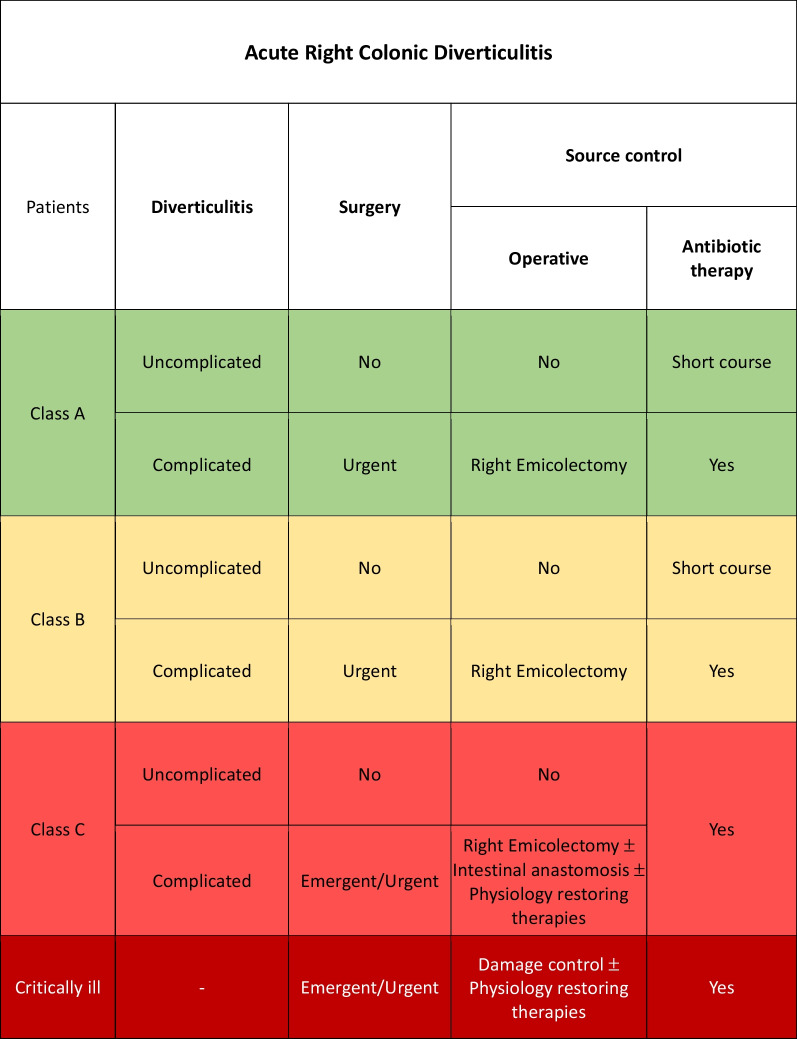
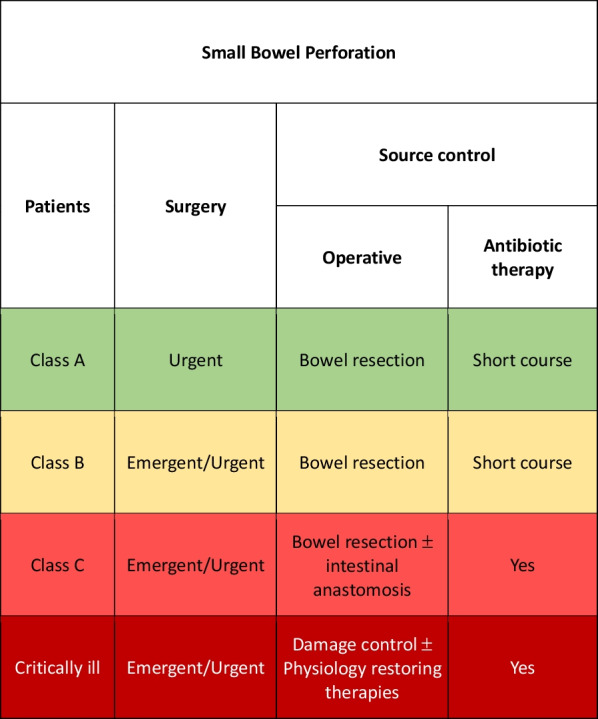
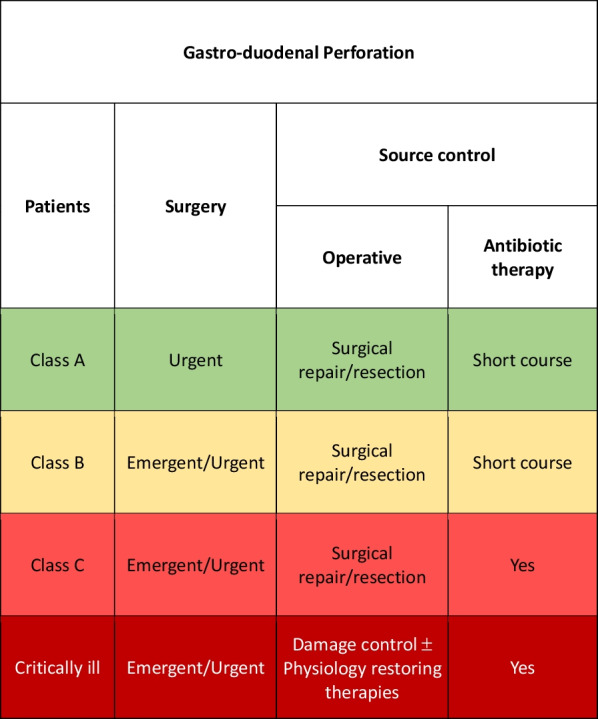
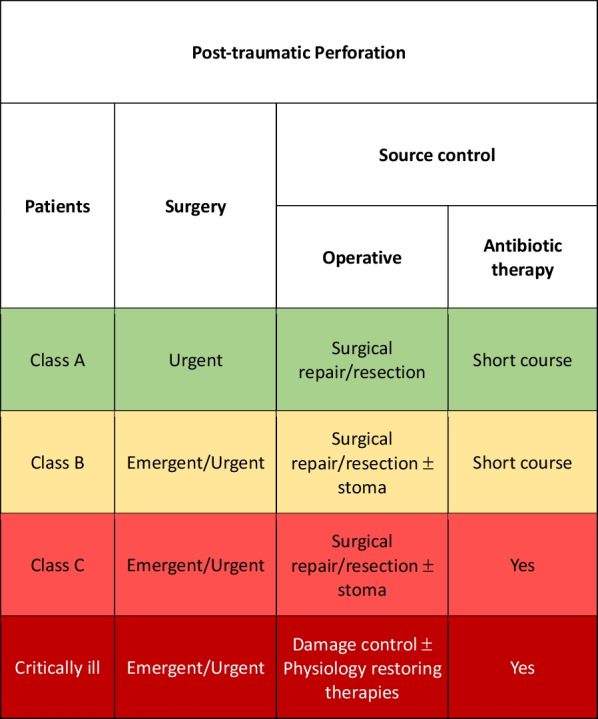
Verification
Claims the paper makes
The claims and statistics of this paper haven’t been checked yet.
Free: it reads the open-access text and checks the first 5 claims that cite a source we can check. Create a free account to check every claim.
Claims other papers make about this one
Each is checked against this paper’s own text: does it say what the citing paper says it does?
The source backs part of the claim, not all of it — or backs it for a different population, condition or comparison.
In the citing paper
“Delay in adequate SC directly increases mortality; each hour delay in upper GI perforation raises mortality by 6% (Coccolini et al., 2023).”
From Progress on the correlation between sepsis and gut microbiota: a narrative review (2026) · cites this paper as Coccolini et al., 2023
Experimental — accuracy not yet measuredThe cited source says what the claim attributes to it.
In the citing paper
“each hour delay in upper GI perforation raises mortality by 6% (Coccolini et al., 2023).”
From Progress on the correlation between sepsis and gut microbiota: a narrative review (2026) · cites this paper as Coccolini et al., 2023
The cited source says what the claim attributes to it.
In the citing paper
“The WSES/GAIS/SIS-E/SIS-A guidelines classify patients into three categories to guide aggressiveness (Coccolini et al., 2023):”
From Progress on the correlation between sepsis and gut microbiota: a narrative review (2026) · cites this paper as Coccolini et al., 2023
The cited source says what the claim attributes to it.
In the citing paper
“Intra-abdominal infections (IAIs) are the second most common cause of sepsis.”
From Progress on the correlation between sepsis and gut microbiota: a narrative review (2026) · cites this paper as Coccolini et al., 2023
Self-check
Percentages, sums and reported differences re-computed from the paper’s own numbers.
The self-check needs the paper’s full text.
Citations
Cites
The third international consensus definitions for sepsis and septic shock (Sepsis-3).
Singer, M., Deutschman, C. S., Seymour, C. W., Shankar-Hari, M., Annane, D., Bauer, M., Bellomo, R., Bernard, G. R., Chiche, J.-D., Coopersmith, C. M., et al. (2016) · JAMA · doi:10.1001/jama.2016.0287 · Cited by 28,250
Self-citationRudd, K. E., Johnson, S. C., Agesa, K. M., Shackelford, K. A., Tsoi, D., Kievlan, D. R., Colombara, D. V., Ikuta, K. S., Kissoon, N., Finfer, S., et al. (2020) · The Lancet · doi:10.1016/s0140-6736(19)32989-7 · Cited by 7,971 · cited 1×
“Out of a Global burden of 50 million septic cases and 11 million sepsisrelated deaths worldwide [3], IAS constitutes the second leading cause.”
BackgroundThe Pediatric Guidelines Sub-Committee for the World Society of the Abdominal Compartment Syndrome, Kirkpatrick, A. W., Roberts, D. J., De Waele, J., Jaeschke, R., Malbrain, M. L. N. G., De Keulenaer, B., Duchesne, J., Bjorck, M., Leppaniemi, A., et al. (2013) · Intensive Care Medicine · doi:10.1007/s00134-013-2906-z · Cited by 1,624
Self-citationFerrer, R., Martin-Loeches, I., Phillips, G., Osborn, T. M., Townsend, S., Dellinger, R. P., Artigas, A., Schorr, C., & Levy, M. M. (2014) · Critical Care Medicine · doi:10.1097/ccm.0000000000000330 · Cited by 1,480
Diagnosis and treatment of acute appendicitis: 2020 update of the WSES Jerusalem guidelines
Di Saverio, S., Podda, M., De Simone, B., Ceresoli, M., Augustin, G., Gori, A., Boermeester, M., Sartelli, M., Coccolini, F., Tarasconi, A., et al. (2020) · World Journal of Emergency Surgery · doi:10.1186/s13017-020-00306-3 · Cited by 1,446
Self-citationLevy, M. M., Dellinger, R. P., Townsend, S. R., Linde-Zwirble, W. T., Marshall, J. C., Bion, J., Schorr, C., Artigas, A., Ramsay, G., Beale, R., et al. (2010) · Critical Care Medicine · doi:10.1097/ccm.0b013e3181cb0cdc · Cited by 950
Petrov, M. S., Shanbhag, S., Chakraborty, M., Phillips, A. R. J., & Windsor, J. A. (2010) · Gastroenterology · doi:10.1053/j.gastro.2010.06.010 · Cited by 846
Guidelines of Diagnostics and Treatment of Acute Left-Sided Colonic Diverticulitis
Andeweg, C. S., Mulder, I. M., Felt-Bersma, R. J. F., Verbon, A., van der Wilt, G. J., van Goor, H., Lange, J. F., Stoker, J., Boermeester, M. A., & Bleichrodt, R. P. (2013) · Digestive Surgery · doi:10.1159/000354035 · Cited by 844
Self-citationCalandra, T., & Cohen, J. (2005) · Critical Care Medicine · doi:10.1097/01.ccm.0000168253.91200.83 · Cited by 839 · cited 1×
“Upon our review, it was defined most recently in 2005 as ongoing peritonitis: “peritonitis that persists or recurs ≥ 48 h following apparently successful management of primary or secondary peritonitis” [28].”
BackgroundSalminen, P., Paajanen, H., Rautio, T., Nordström, P., Aarnio, M., Rantanen, T., Tuominen, R., Hurme, S., Virtanen, J., Mecklin, J.-P., et al. (2015) · JAMA · doi:10.1001/jama.2015.6154 · Cited by 817
Trial of short-course antimicrobial therapy for intraabdominal infection.
Sawyer, R. G., Claridge, J. A., Nathens, A. B., Rotstein, O. D., Duane, T. M., Evans, H. L., Cook, C. H., O’Neill, P. J., Mazuski, J. E., Askari, R., et al. (2015) · New England Journal of Medicine · doi:10.1056/nejmoa1411162 · Cited by 747
Self-citationTamma, P. D., Aitken, S. L., Bonomo, R. A., Mathers, A. J., van Duin, D., & Clancy, C. J. (2023) · Clinical Infectious Diseases · doi:10.1093/cid/ciad428 · Cited by 740
Endoscopic Biliary Drainage for Severe Acute Cholangitis
Lai, E. C. S., Mok, F. P. T., Tan, E. S. Y., Lo, C.-M., Fan, S.-T., You, K.-T., & Wong, J. (1992) · New England Journal of Medicine · doi:10.1056/nejm199206113262401 · Cited by 587
Self-citationRhee, C., Jones, T. M., Hamad, Y., Pande, A., Varon, J., O’Brien, C., Anderson, D. J., Warren, D. K., Dantes, R. B., Epstein, L., et al. (2019) · JAMA Network Open · doi:10.1001/jamanetworkopen.2018.7571 · Cited by 584
Pisano, M., Allievi, N., Gurusamy, K., Borzellino, G., Cimbanassi, S., Boerna, D., Coccolini, F., Tufo, A., Di Martino, M., Leung, J., et al. (2020) · World Journal of Emergency Surgery · doi:10.1186/s13017-020-00336-x · Cited by 581
Self-citationNew β-Lactam–β-Lactamase Inhibitor Combinations
Yahav, D., Giske, C. G., Grāmatniece, A., Abodakpi, H., Tam, V. H., & Leibovici, L. (2020) · Clinical Microbiology Reviews · doi:10.1128/cmr.00115-20 · Cited by 521
Sartelli, M., Chichom-Mefire, A., Labricciosa, F. M., Hardcastle, T., Abu-Zidan, F. M., Adesunkanmi, A. K., Ansaloni, L., Bala, M., Balogh, Z. J., Beltrán, M. A., et al. (2017) · World Journal of Emergency Surgery · doi:10.1186/s13017-017-0141-6 · Cited by 494 · cited 1×
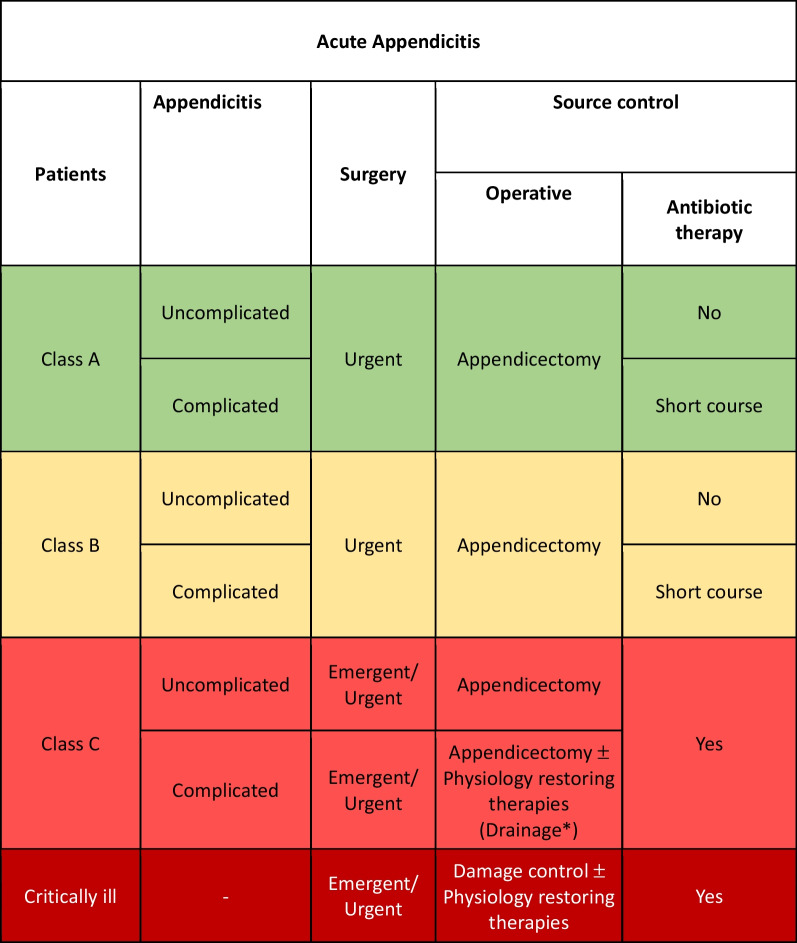
“Patients with major comorbidities unfit for surgery and peri-appendiceal abscess and with stable hemodynamic condition may be managed with percutaneous imageguided drainage associated to antibiotic therapy [90].”
BackgroundSelf-citationJawad, I., Lukšić, I., & Rafnsson, S. B. (2012) · Journal of Global Health · doi:10.7189/jogh.01.010404 · Cited by 389
Dellinger, E. P., Tellado, J. M., Soto, N. E., Ashley, S. W., Barie, P. S., Dugernier, T., Imrie, C. W., Johnson, C. D., Knaebel, H.-P., Laterre, P.-F., et al. (2007) · Annals of Surgery · doi:10.1097/01.sla.0000250414.09255.84 · Cited by 378
The open abdomen in trauma and non-trauma patients: WSES guidelines
Coccolini, F., Roberts, D., Ansaloni, L., Ivatury, R., Gamberini, E., Kluger, Y., Moore, E. E., Coimbra, R., Kirkpatrick, A. W., Pereira, B. M., et al. (2018) · World Journal of Emergency Surgery · doi:10.1186/s13017-018-0167-4 · Cited by 354
Self-citationPerforated peptic ulcer - an update
Chung, K. T., & Shelat, V. G. (2017) · World Journal of Gastrointestinal Surgery · doi:10.4240/wjgs.v9.i1.1 · Cited by 335
Self-citationDaniels, L., Ünlü, Ç., de Korte, N., van Dieren, S., Stockmann, H. B., Vrouenraets, B. C., Consten, E. C., van der Hoeven, J. A., Eijsbouts, Q. A., Faneyte, I. F., et al. (2017) · Journal of British Surgery · doi:10.1002/bjs.10309 · Cited by 329
Self-citation2013 WSES guidelines for management of intra-abdominal infections
Sartelli, M., Viale, P., Catena, F., Ansaloni, L., Moore, E., Malangoni, M., Moore, F. A., Velmahos, G., Coimbra, R., Ivatury, R., et al. (2013) · World Journal of Emergency Surgery · doi:10.1186/1749-7922-8-3 · Cited by 314
Self-citationComplicated intra-abdominal infections worldwide: the definitive data of the CIAOW Study
Sartelli, M., Catena, F., Ansaloni, L., Coccolini, F., Corbella, D., Moore, E. E., Malangoni, M., Velmahos, G., Coimbra, R., Koike, K., et al. (2014) · World Journal of Emergency Surgery · doi:10.1186/1749-7922-9-37 · Cited by 313 · cited 1×
“IAS is defined as severe when associated with organ dysfunction [6, 31] and as complicated when the inflammation or contamination spreads beyond a single organ, causing either localized or diffuse peritonitis [32].”
BackgroundSelf-citationSource control in the management of severe sepsis and septic shock: An evidence-based review
Marshall, J. C., Maier, R. V., Jimenez, M., & Dellinger, E. P. (2004) · Critical Care Medicine · doi:10.1097/01.ccm.0000143119.41916.5d · Cited by 291
Jawad, I., Lukšić, I., & Rafnsson, S. B. (2012) · PubMed · doi:10.7189/jogh.02.010404 · Cited by 288
Fink, M. P., & Delude, R. L. (2005) · Critical Care Clinics · doi:10.1016/j.ccc.2005.01.005 · Cited by 280 · cited 1×
“Less appreciated are the consequences of toxic bio-mediator generation, which drives multi-system organ failure (MSOF), even after source control is achieved [23].”
BackgroundMeta-analysis of antibiotics versus appendicectomy for non-perforated acute appendicitis
Sallinen, V, Akl, E. A., You, J. J., Agarwal, A., Shoucair, S., Vandvik, P. O., Agoritsas, T., Heels-Ansdell, D., Guyatt, G. H., & Tikkinen, K. A. O. (2016) · British Journal of Surgery · doi:10.1002/bjs.10147 · Cited by 261 · cited 1×
“Conservative treatment with antibiotic therapy and no surgical intervention may be considered in selected cases, but there are studies where it is detected less effective in the long-term due to significant recurrence rates [88, 89] (Fig.”
BackgroundImpact of CT-Guided Drainage in the Treatment of Diverticular Abscesses: Size Matters
Siewert, B., Tye, G., Kruskal, J., Sosna, J., & Opelka, F. (2006) · American Journal of Roentgenology · doi:10.2214/ajr.04.1708 · Cited by 249
Angenete, E., Thornell, A., Burcharth, J., Pommergaard, H.-C., Skullman, S., Bisgaard, T., Jess, P., Läckberg, Z., Matthiessen, P., Heath, J., et al. (2016) · Annals of Surgery · doi:10.1097/sla.0000000000001061 · Cited by 239
Sartelli, M., Abu-Zidan, F. M., Catena, F., Griffiths, E. A., Di Saverio, S., Coimbra, R., Ordoñez, C. A., Leppaniemi, A., Fraga, G. P., Coccolini, F., et al. (2015) · World Journal of Emergency Surgery · doi:10.1186/s13017-015-0055-0 · Cited by 212 · cited 1×
“About two-thirds of AA are classified as uncomplicated [87].”
BackgroundSelf-citationLaparoscopic repair for perforated peptic ulcer disease
Sanabria, A., Villegas, M. I., & Morales Uribe, C. H. (2013) · Cochrane Database of Systematic Reviews · doi:10.1002/14651858.cd004778.pub3 · Cited by 209
WSES/GAIS/SIS-E/WSIS/AAST global clinical pathways for patients with intra-abdominal infections
Sartelli, M., Coccolini, F., Kluger, Y., Agastra, E., Abu-Zidan, F. M., Abbas, A. E. S., Ansaloni, L., Adesunkanmi, A. K., Atanasov, B., Augustin, G., et al. (2021) · World Journal of Emergency Surgery · doi:10.1186/s13017-021-00387-8 · Cited by 207
Self-citationAzuhata, T., Kinoshita, K., Kawano, D., Komatsu, T., Sakurai, A., Chiba, Y., & Tanjho, K. (2014) · Critical Care · doi:10.1186/cc13854 · Cited by 206
Mulier, S., Penninckx, F., Verwaest, C., Filez, L., Aerts, R., Fieuws, S., & Lauwers, P. (2003) · World Journal of Surgery · doi:10.1007/s00268-002-6705-x · Cited by 204
Brandt, D., Gervaz, P., Durmishi, Y., Platon, A., Morel, P., & Poletti, P. A. (2006) · Diseases of the Colon & Rectum · doi:10.1007/s10350-006-0613-3 · Cited by 204
Biondo, S., Golda, T., Kreisler, E., Espin, E., Vallribera, F., Oteiza, F., Codina-Cazador, A., Pujadas, M., & Flor, B. (2014) · Annals of Surgery · doi:10.1097/sla.0b013e3182965a11 · Cited by 200
Management of intra-abdominal infections: recommendations by the WSES 2016 consensus conference
Sartelli, M., Catena, F., Abu-Zidan, F. M., Ansaloni, L., Biffl, W. L., Boermeester, M. A., Ceresoli, M., Chiara, O., Coccolini, F., De Waele, J. J., et al. (2017) · World Journal of Emergency Surgery · doi:10.1186/s13017-017-0132-7 · Cited by 199
Self-citationSartelli, M., Weber, D. G., Ruppé, E., Bassetti, M., Wright, B. J., Ansaloni, L., Catena, F., Coccolini, F., Abu-Zidan, F. M., Coimbra, R., et al. (2016) · World Journal of Emergency Surgery · doi:10.1186/s13017-016-0089-y · Cited by 197
Self-citationReintam Blaser, A., Regli, A., De Keulenaer, B., Kimball, E. J., Starkopf, L., Davis, W. A., Greiffenstein, P., & Starkopf, J. (2019) · Critical Care Medicine · doi:10.1097/ccm.0000000000003623 · Cited by 196
Cheatham, M. L., Demetriades, D., Fabian, T. C., Kaplan, M. J., Miles, W. S., Schreiber, M. A., Holcomb, J. B., Bochicchio, G., Sarani, B., & Rotondo, M. F. (2013) · World Journal of Surgery · doi:10.1007/s00268-013-2080-z · Cited by 191
Kubiak, B. D., Albert, S. P., Gatto, L. A., Snyder, K. P., Maier, K. G., Vieau, C. J., Roy, S., & Nieman, G. F. (2010) · Shock · doi:10.1097/shk.0b013e3181e14cd2 · Cited by 180
Source control in the management of sepsis.
Jimenez, M. F., & Marshall, J. C. (2001) · Intensive Care Medicine · doi:10.1007/pl00003797 · Cited by 180
Krezalek, M. A., DeFazio, J., Zaborina, O., Zaborin, A., & Alverdy, J. C. (2016) · Shock · doi:10.1097/shk.0000000000000534 · Cited by 170 · cited 3×
“They further recommend that any required source control intervention be implemented as soon as medically and logistically practical after the diagnosis is made (BPS) [30].”
BackgroundColorectal anastomotic leakage: Aspects of prevention, detection and treatment
Daams, F. (2013) · World Journal of Gastroenterology · doi:10.3748/wjg.v19.i15.2293 · Cited by 167
Timing of antibiotic therapy in the ICU
Kollef, M. H., Shorr, A. F., Bassetti, M., Timsit, J.-F., Micek, S. T., Michelson, A. P., & Garnacho-Montero, J. (2021) · Critical Care · doi:10.1186/s13054-021-03787-z · Cited by 161 · cited 1×
“The use of rapid molecular tests might reduce the need for broad-spectrum empiric antibiotic therapy [35, 39].”
BackgroundClements, T. W., Tolonen, M., Ball, C. G., & Kirkpatrick, A. W. (2021) · Scandinavian Journal of Surgery · doi:10.1177/1457496920984078 · Cited by 157 · cited 5×
“Primary peritonitis is defined as spontaneous bacterial seeding of the peritoneal cavity, which typically requires the presence of a bacterial medium within the peritoneal cavity, such as cirrhotic ascites or peritoneal dialysate [24].”
BackgroundInfluentialSelf-citationWSES/GAIS/WSIS/SIS-E/AAST global clinical pathways for patients with skin and soft tissue infections
Sartelli, M., Coccolini, F., Kluger, Y. S., Agastra, E., Abu‐Zidan, F. M., Abbas, A., Ansaloni, L., Adesunkanmi, A. R. K., Augustin, G., Bala, M., et al. (2022) · World Journal of Emergency Surgery · doi:10.1186/s13017-022-00406-2 · Cited by 157
Self-citationThe role of open abdomen in non-trauma patient: WSES Consensus Paper
Coccolini, F., Montori, G., Ceresoli, M., Catena, F., Moore, E. E., Ivatury, R. R., Biffl, W. L., Peitzman, A. B., Coimbra, R. S. M., Rizoli, S. B., et al. (2017) · World Journal of Emergency Surgery · doi:10.1186/s13017-017-0146-1 · Cited by 155
Self-citationCarbapenem-Sparing Strategies for ESBL Producers: When and How
Karaiskos, I., & Giamarellou, H. (2020) · Antibiotics · doi:10.3390/antibiotics9020061 · Cited by 153 · cited 2×
“Despite the controversies related to the MERINO trial, piperacillin/tazobactam should not be deprescribed, as post hoc results account for its efficacy in certain contexts [42, 47], to reduce the use of carbapenems, especially in countries with high level of CRE when low inoculum is suspected and for MIC > 4 mg/L.”
BackgroundMethodTreatment of Abdominal Abscesses
Johnson, W. C., Gerzof, S. G., Robbins, A. H., & Nabseth, D. C. (1981) · Annals of Surgery · doi:10.1097/00000658-198110000-00014 · Cited by 151 · cited 1×
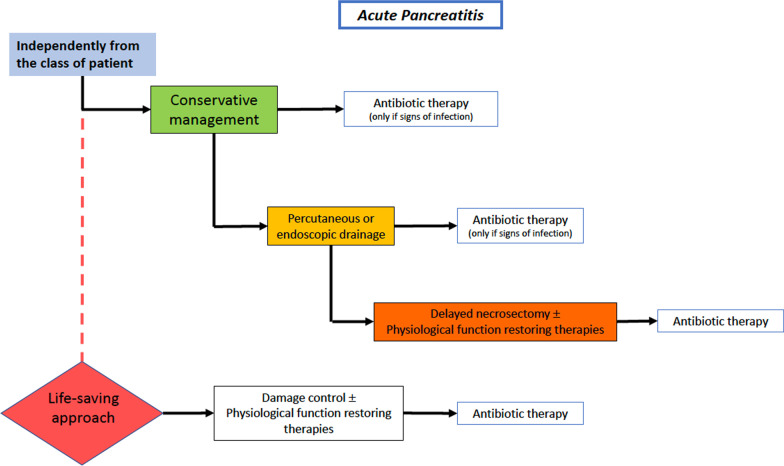
“This allows to the infected materials to be evacuated and continue to drain in the subsequent days [52, 53].”
BackgroundSartelli, M., C. Hardcastle, T., Catena, F., Chichom-Mefire, A., Coccolini, F., Dhingra, S., Haque, M., Hodonou, A., Iskandar, K., Labricciosa, F. M., et al. (2020) · Antibiotics · doi:10.3390/antibiotics9080497 · Cited by 149
Self-citationHanau, L. H., & Steigbigel, N. H. (2000) · Infectious Disease Clinics of North America · doi:10.1016/s0891-5520(05)70119-7 · Cited by 147
Current concept of abdominal sepsis: WSES position paper
Sartelli, M., Catena, F., Saverio, S. D., Ansaloni, L., Malangoni, M. A., Moore, E. E., Moore, F. A., Ivatury, R. R., Coimbra, R. S. M., Leppäniemi, A. K., et al. (2014) · World Journal of Emergency Surgery · doi:10.1186/1749-7922-9-22 · Cited by 144 · cited 8×
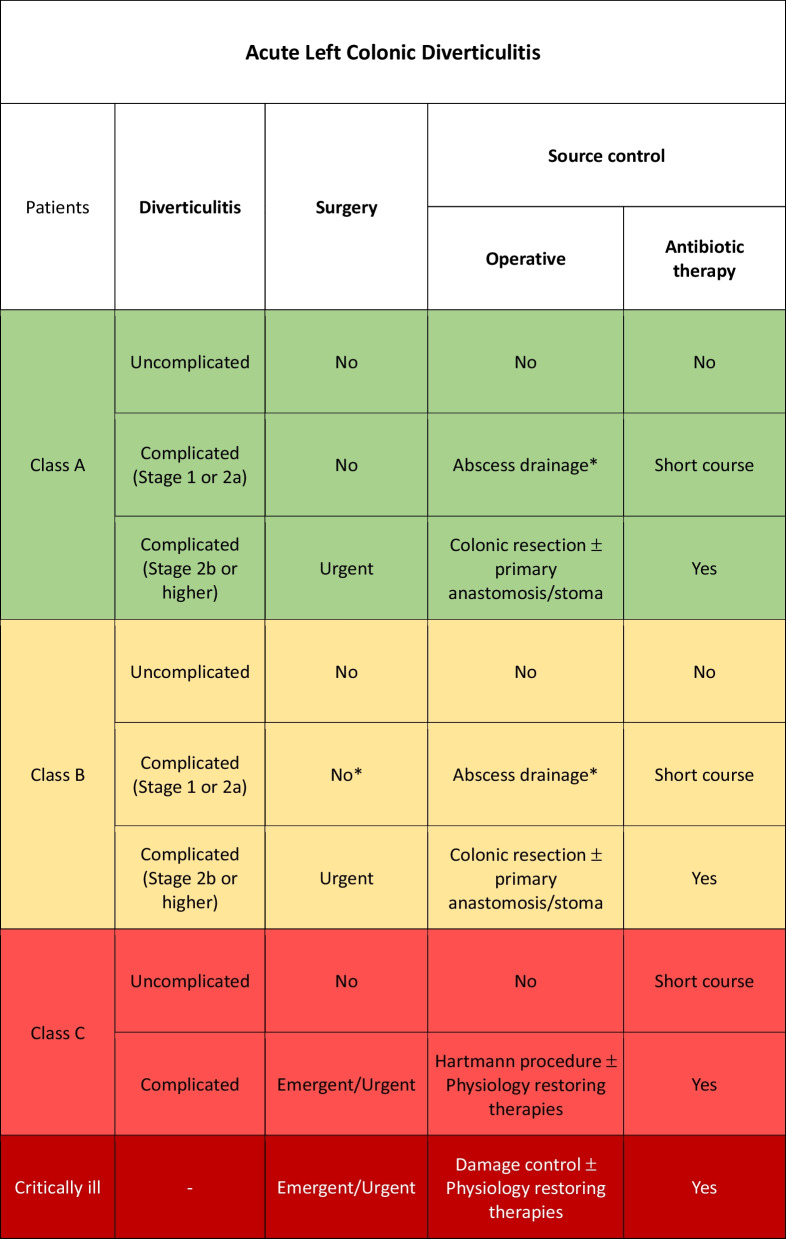
“Acute left colonic diverticulitis Acute left colonic diverticulitis (ALCD) [78] may be classified into: Uncomplicated:”
BackgroundInfluentialSelf-citationThe gut microbiome and the mechanism of surgical infection
Alverdy, J. C., Hyoju, S. K., Weigerinck, M., & Gilbert, J. A. (2017) · British journal of surgery · doi:10.1002/bjs.10405 · Cited by 134 · cited 1×
“However, it appears that the concepts related to ongoing peritonitis predate the evolving appreciation of the human microbiome and more importantly, the consequences of its devolution to a pathologic dysbiome in critical illness [8, 29, 30].”
BackgroundKobayashi, L., Konstantinidis, A., Shackelford, S., Chan, L. S., Talving, P., Inaba, K., & Demetriades, D. (2011) · Journal of Trauma: Injury, Infection & Critical Care · doi:10.1097/ta.0b013e31820db8fd · Cited by 132
Self-citationShimasaki, T., Seekatz, A., Bassis, C., Rhee, Y., Yelin, R. D., Fogg, L., Dangana, T., Cisneros, E. C., Weinstein, R. A., Okamoto, K., et al. (2019) · Clinical Infectious Diseases · doi:10.1093/cid/ciy796 · Cited by 130
An international survey: Public awareness and perception of sepsis*
Rubulotta, F. M., Ramsay, G., Parker, M. M., Dellinger, R. P., Levy, M. M., & Poeze, M. (2009) · Critical Care Medicine · doi:10.1097/ccm.0b013e3181926883 · Cited by 119 · cited 1×
“Intra-abdominal sepsis (IAS) is a severe medical/surgical emergency that affects the entire body, still in 2022 has dismal outcomes, and is misunderstood and generally poorly appreciated by the public and medical professionals alike [2].”
BackgroundRaising concerns about the Sepsis-3 definitions
Sartelli, M., Kluger, Y., Ansaloni, L., Hardcastle, T. C., Rello, J., Watkins, R. R., Bassetti, M., Giamarellou, E., Coccolini, F., Abu-Zidan, F. M., et al. (2018) · World Journal of Emergency Surgery · doi:10.1186/s13017-018-0165-6 · Cited by 119 · cited 1×
“Thus, the combination and timing of different physical techniques are strongly influenced by the conditions of the patients that are better reflected by the previous sepsis definition [4].”
BackgroundSelf-citationTellor, B., Skrupky, L. P., Symons, W., High, E., Micek, S. T., & Mazuski, J. E. (2015) · Surgical Infections · doi:10.1089/sur.2014.166 · Cited by 117
Relaparotomy for suspected intraperitoneal sepsis after abdominal surgery
Hutchins, R., Gunning, M. P., Lucas, D. N., Allen-Mersh, T. G., & Soni, N. C. (2004) · World Journal of Surgery · doi:10.1007/s00268-003-7067-8 · Cited by 117
Association Between Time to Source Control in Sepsis and 90-Day Mortality
Reitz, K. M., Kennedy, J., Li, S. R., Handzel, R., Tonetti, D. A., Neal, M. D., Zuckerbraun, B. S., Hall, D. E., Sperry, J. L., Angus, D. C., et al. (2022) · JAMA Surgery · doi:10.1001/jamasurg.2022.2761 · Cited by 112
for The Closed Or Open after Laparotomy (COOL) after Source Control for Severe Complicated Intra-Abdominal Sepsis Investigators, Kirkpatrick, A. W., Coccolini, F., Ansaloni, L., Roberts, D. J., Tolonen, M., McKee, J. L., Leppaniemi, A., Faris, P., Doig, C. J., et al. (2018) · World Journal of Emergency Surgery · doi:10.1186/s13017-018-0183-4 · Cited by 110
Self-citationAntimicrobial stewardship: a call to action for surgeons
Sartelli, M., Duane, T. M., Catena, F., Tessier, J. M., Coccolini, F., Kao, L. S., De Simone, B., Labricciosa, F. M., May, A. K., Ansaloni, L., et al. (2016) · Surgical Infections · doi:10.1089/sur.2016.187 · Cited by 107
Self-citationKohl, A., Rosenberg, J., Bock, D., Bisgaard, T., Skullman, S., Thornell, A., Gehrman, J., Angenete, E., & Haglind, E. (2018) · British Journal of Surgery · doi:10.1002/bjs.10839 · Cited by 106
Percutaneous postoperative intra-abdominal abscess drainage after elective colorectal surgery
Baig, M. K., Zhao, R. H., Batista, O., Uriburu, J. P., Singh, J. J., Weiss, E. G., Nogueras, J. J., & Wexner, S. D. (2002) · Techniques in Coloproctology · doi:10.1007/s101510200036 · Cited by 98
The Long-Term Results of Percutaneous Drainage of Diverticular Abscess
Singh, B., May, K. N., Coltart, I., Moore, N., & Cunningham, C. (2008) · Annals of The Royal College of Surgeons of England · doi:10.1308/003588408x285928 · Cited by 92
Surgical management of necrotizing pancreatitis: An overview
Kokosis, G., Perez, A., & Pappas, T. N. (2014) · World Journal of Gastroenterology · doi:10.3748/wjg.v20.i43.16106 · Cited by 90
Management of abdominal sepsis — a paradigm shift?
Leppäniemi, A. K., Kimball, E. J., laet, I. D., Malbrain, M. L. N. G., Balogh, Z. J., & Waele, J. J. D. (2015) · Anestezjologia, Intensywna Terapia · doi:10.5603/ait.a2015.0026 · Cited by 85
Self-citationCoccolini, F., Ceresoli, M., Kluger, Y. S., Kirkpatrick, A. W., Montori, G., Salvetti, F., Fugazzola, P., Tomasoni, M., Sartelli, M., Ansaloni, L., et al. (2018) · Injury · doi:10.1016/j.injury.2018.09.040 · Cited by 85 · cited 1×
“These benefits must be balanced against the potential increased costs of the technique and potential increased risks of entero-atmospheric fistulae although modern TAC dressings have largely prevented this complication [61].”
BackgroundSelf-citationAcute abdomen in the immunocompromised patient: WSES, SIS-E, WSIS, AAST, and GAIS guidelines
Coccolini, F., Improta, M., Sartelli, M., Rasa, H. K., Sawyer, R. G., Coimbra, R. S. M., Chiarugi, M., Litvin, A., Hardcastle, T. C., Forfori, F., et al. (2021) · World Journal of Emergency Surgery · doi:10.1186/s13017-021-00380-1 · Cited by 84 · cited 2×
“We can grossly define a high-risk population based on patient’s conditions (low serum albumin concentration, older age, obesity, smoking, diabetes mellitus, and ischemia secondary to vascular disease or irradiation) or on surgical risk factors (prolonged or delayed/late procedures) [75, 76].”
BackgroundSelf-citationPeritonitis - the Eastern experience.
Gupta, S. K., & Kaushik, R. (2006) · World Journal of Emergency Surgery · doi:10.1186/1749-7922-1-13 · Cited by 83
Coccolini, F., Improta, M., Cicuttin, E., Catena, F., Sartelli, M., Bova, R., de’Angelis, N., Gitto, S., Tartaglia, D., Cremonini, C., et al. (2021) · World Journal of Emergency Surgery · doi:10.1186/s13017-021-00375-y · Cited by 81
Self-citationSurgical Treatment of Complicated Duodenal Ulcers: Controlled Trials
Millat, B., Fingerhut, A. L., & Borie, F. (2000) · World Journal of Surgery · doi:10.1007/s002689910048 · Cited by 80
Blaser, A. R., Björck, M., Keulenaer, B. L. D., & Regli, A. (2015) · The Journal of Trauma: Injury, Infection, and Critical Care · doi:10.1097/ta.0000000000000616 · Cited by 79 · cited 2×
“When the intra-abdominal volume increases due to visceral swelling, intra-peritoneal leakage or hematoma, or for any other reason; intra-abdominal pressure (IAP) rises on an asymptotic basis [17].”
BackgroundColonic Resection in the Setting of Damage Control Laparotomy: Is Delayed Anastomosis Safe?
Miller, P. R., Chang, M., Hoth, J. J., Holmes, J. H., & Meredith, J. W. (2007) · The American Surgeon · doi:10.1177/000313480707300613 · Cited by 78
SCANDIV Study Group, Schultz, J. K., Wallon, C., Blecic, L., Forsmo, H. M., Folkesson, J., Buchwald, P., Kørner, H., Dahl, F. A., Øresland, T., et al. (2017) · British Journal of Surgery · doi:10.1002/bjs.10567 · Cited by 78
Early source control in sepsis
Waele, J. J. D. (2010) · Langenbeck s Archives of Surgery · doi:10.1007/s00423-010-0650-1 · Cited by 72
Lyu, Y., Cheng, Y., Wang, B., Zhao, S., & Liang, C. (2018) · Surgical Endoscopy · doi:10.1007/s00464-018-6400-0 · Cited by 70
Laparoscopic repair for perforated peptic ulcer disease
Sanabria, Á., Villegas, M. I., & Uribe, C. H. M. (2005) · Cochrane Database of Systematic Reviews · doi:10.1002/14651858.cd004778.pub2 · Cited by 69
Nonoperative Treatment of Perforated Duodenal Ulcer
Berne, T. V. (1989) · Archives of Surgery · doi:10.1001/archsurg.1989.01410070084017 · Cited by 68
Patel, J. J., Rosenthal, M. D., Miller, K. R., & Martindale, R. G. (2016) · Current Opinion in Critical Care · doi:10.1097/mcc.0000000000000331 · Cited by 67 · cited 2×
“are 150-fold more bacterial genes than our own, in the human microbiome [8, 25].”
BackgroundDesai, M., Fathallah, J., Nutalapati, V., & Saligram, S. (2019) · Diseases of the Colon & Rectum · doi:10.1097/dcr.0000000000001324 · Cited by 66
Carbapenem-sparing strategy: carbapenemase, treatment, and stewardship
Corcione, S., Lupia, T., Maraolo, A. E., Pinna, S. M., Gentile, I., & Rosa, F. G. D. (2019) · Current Opinion in Infectious Diseases · doi:10.1097/qco.0000000000000598 · Cited by 65 · cited 1×
“In all those settings in which resistances are diffused Carbapenem-sparing strategies are therefore desirable [41].”
BackgroundRoberts, D., Ball, C., & Kirkpatrick, A. (2016) · Current Opinion in Critical Care · doi:10.1097/mcc.0000000000000289 · Cited by 64 · cited 2×
“Anatomically, all these catastrophic changes occur within the semirigid confines of the abdominal cavity, which can tolerate small volume changes, but becomes exponentially tight inducing catastrophic IAH, with resultant severe ischemia [17, 19].”
BackgroundSelf-citationBetsch, A., Wiskirchen, J., TRÜBENBACH, J., Manncke, K., Belka, C., Claussen, C. D., & Duda, S. H. (2002) · European Radiology · doi:10.1007/s00330-002-1398-y · Cited by 61 · cited 1×
“This allows to the infected materials to be evacuated and continue to drain in the subsequent days [52, 53].”
BackgroundZimmer, V., & Lammert, F. (2015) · Visceral Medicine · doi:10.1159/000430965 · Cited by 61 · cited 1×
“clinical presentation, and the availability and feasibility of drainage techniques [85, 86] (Fig.”
BackgroundFrom the Closed Or Open after Laparotomy (COOL) for Source Control in Severe Complicated Intra-Abdominal Sepsis Investigators, Tolonen, M., Coccolini, F., Ansaloni, L., Sartelli, M., Roberts, D. J., McKee, J. L., Leppäniemi, A. K., Doig, C. J., Catena, F., et al. (2018) · World Journal of Emergency Surgery · doi:10.1186/s13017-018-0177-2 · Cited by 59
Self-citationEmr, B. M., Sadowsky, D., Azhar, N., Gatto, L. A., An, G. C., Nieman, G. F., & Yoram Vodovotz, B. (2014) · Shock · doi:10.1097/shk.0000000000000121 · Cited by 57
Tartaglia, D., Costa, G., Camillò, A., Castriconi, M., Andreano, M., Lanza, M., Fransvea, P., Ruscelli, P., Rimini, M., Galatioto, C., et al. (2019) · World Journal of Emergency Surgery · doi:10.1186/s13017-019-0238-1 · Cited by 56 · cited 1×
“Physiological restoring procedures should be associated to the surgical and pharmacological SC [102, 103].”
BackgroundSelf-citationManagement of Colon Wounds in the Setting of Damage Control Laparotomy: A Cautionary Tale
Weinberg, J. A., Griffin, R. L., Vandromme, M. J., Melton, S. M., George, R. L., Reiff, D. A., Kerby, J. D., & Rue, L. W. (2009) · The Journal of Trauma: Injury, Infection, and Critical Care · doi:10.1097/ta.0b013e3181991ab0 · Cited by 55
Boyd‐Carson, H., Doleman, B., Cromwell, D. A., Lockwood, S., Williams, J. P., Tierney, G. M., Lund, J. N., & Anderson, I. D. (2019) · World Journal of Surgery · doi:10.1007/s00268-019-05254-x · Cited by 51 · cited 2×
“Thus, a patient who arrived in an operating theater within 6 h was 18% more likely to die compared to a patient operated within 1 h [71].”
Backgroundvan Dijk, S. T., Chabok, A., Dijkgraaf, M. G. W., Boermeester, M. A., & Smedh, K. (2020) · British journal of surgery · doi:10.1002/bjs.11465 · Cited by 50
Self-citationShen, H.-N., & Lu, C. (2010) · BMC Infectious Diseases · doi:10.1186/1471-2334-10-151 · Cited by 49
Sohn, M., Iesalnieks, I., Agha, A., Steiner, P., Hochrein, A., Pratschke, J., Ritschl, P. V., & Aigner, F. (2018) · World Journal of Surgery · doi:10.1007/s00268-018-4585-y · Cited by 49 · cited 1×
“Physiological restoring procedures should be associated to the surgical and pharmacological SC [102, 103].”
BackgroundSepsis 2019: What Surgeons Need to Know
Ho, V. P., Kaafarani, H. M. A., Rattan, R., Namias, N., Evans, H. L., & Zakrison, T. L. (2020) · Surgical Infections · doi:10.1089/sur.2019.126 · Cited by 43
Kao, A. M., Cetrulo, L. N., Baimas‐George, M. R., Prasad, T., Heniford, B. T., Davis, B. R., & Kasten, K. R. (2019) · The Journal of Trauma: Injury, Infection, and Critical Care · doi:10.1097/ta.0000000000002345 · Cited by 38 · cited 1×
“Peritonitis Clinicians typically recognize IAS as peritonitis clinically but classify the condition as IAS once managing the patient [26].”
BackgroundLaparoscopic repair of small bowel perforation.
Sinha, R., Sharma, N., & Joshi, M. (2006) · PubMed · Cited by 36
Rausei, S., Pappalardo, V., Ruspi, L., Colella, A., Giudici, S., Ardita, V., Frattini, F., Rovera, F. A., Boni, L., & Dionigi, G. (2017) · World Journal of Surgery · doi:10.1007/s00268-017-4233-y · Cited by 36
Nguyen, C. P., Dan, T. N., Brüggemann, R. J. M., ten Oever, J., Kolwijck, E., Adang, E., & Wertheim, H. F. L. (2019) · International Journal of Antimicrobial Agents · doi:10.1016/j.ijantimicag.2019.07.003 · Cited by 36 · cited 1×
“Other novel BL-BLICs can be valid therapeutic tools [48], ceftolozane/tazobactam may preserve its activity against ampC and ESBL producers.”
BackgroundPrognostic factors of the mortality of postoperative intraabdominal infections
Törer, N., Yorgancı, K., Elker, D., & Sayek, I. (2010) · Infection · doi:10.1007/s15010-010-0021-4 · Cited by 35
Chung, B. H., Ha, G. W., Lee, M. R., & Kim, J. H. (2016) · Annals of Coloproctology · doi:10.3393/ac.2016.32.6.228 · Cited by 35
Cruz-López, F., Martínez-Meléndez, A., Morfín‐Otero, R., Rodríguez-Noriega, E., Maldonado-Garza, H. J., & Garza‐González, E. (2022) · Frontiers in Cellular and Infection Microbiology · doi:10.3389/fcimb.2022.884365 · Cited by 34
Efficacy of conservative management in patients with right colonic diverticulitis
Ha, G. W., Lee, M. R., & Kim, J. H. (2015) · ANZ Journal of Surgery · doi:10.1111/ans.13028 · Cited by 31 · cited 1×
“Uncomplicated acute right colon diverticulitis Uncomplicated right colonic diverticulitis should be treated with initial antibiotic therapy [105, 106].”
BackgroundInfections of the Biliary Tract
Kochar, R., & Banerjee, S. (2013) · Gastrointestinal Endoscopy Clinics of North America · doi:10.1016/j.giec.2012.12.008 · Cited by 31 · cited 1×
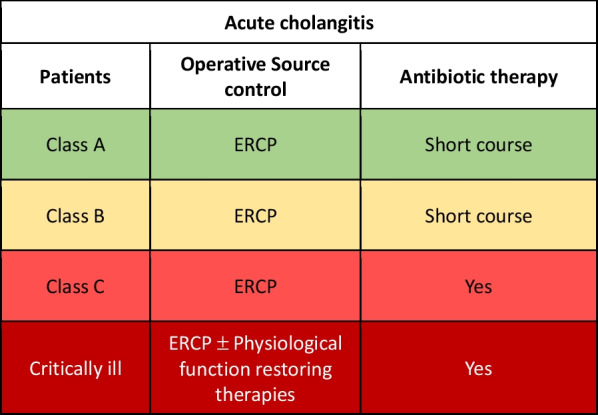
“Acute cholangitis Acute cholangitis is a frequent biliary IAI commonly caused by choledocholithiasis, caused by a combination of biliary obstruction and bacterial growth in bile [83, 84].”
BackgroundKim, J. Y., Park, S. G., Kang, H. J., Lim, Y. A., Pak, K. H., Yoo, T., Cho, W. T., Shin, D. W., & Kim, J. W. (2019) · International Journal of Colorectal Disease · doi:10.1007/s00384-019-03343-w · Cited by 27 · cited 1×
“Uncomplicated acute right colon diverticulitis Uncomplicated right colonic diverticulitis should be treated with initial antibiotic therapy [105, 106].”
BackgroundKirkpatrick, A. W., Hamilton, D. R., McKee, J. L., McDonald, B., Pelosi, P. P., Ball, C. G., Roberts, D. J., McBeth, P. B., Coccolini, F., Ansaloni, L., et al. (2020) · Canadian Journal of Surgery · doi:10.1503/cjs019219 · Cited by 27
Self-citationCan necrotizing soft tissue infection be reliably diagnosed in the emergency department?
Henry, S. M., Davis, K. A., Morrison, J. J., & Scalea, T. M. (2018) · Trauma Surgery & Acute Care Open · doi:10.1136/tsaco-2017-000157 · Cited by 25
Ethical considerations in conducting surgical research in severe complicated intra-abdominal sepsis
the Closed Or Open after Laparotomy (COOL) after Source Control for Severe Complicated Intra-Abdominal Sepsis Investigators, Doig, C. J., Page, S. A., McKee, J. L., Moore, E. E., Abu-Zidan, F. M., Carroll, R., Marshall, J. C., Faris, P., Tolonen, M., et al. (2019) · World Journal of Emergency Surgery · doi:10.1186/s13017-019-0259-9 · Cited by 24
Self-citationMild to moderate intra-abdominal hypertension: Does it matter?
Maddison, L., Starkopf, J., & Blaser, A. R. (2016) · World Journal of Critical Care Medicine · doi:10.5492/wjccm.v5.i1.96 · Cited by 23 · cited 1×
“Even if IAH is mild, it still associates with adverse outcomes in critically ill patients [20].”
BackgroundMcStay, C. M., Ringwelski, A., Levy, P. D., & Legome, E. L. (2009) · Journal of Emergency Medicine · doi:10.1016/j.jemermed.2009.03.017 · Cited by 22
Is intra-abdominal hypertension a missing factor that drives multiple organ dysfunction syndrome?
Kirkpatrick, A. W., Roberts, D. J., Waele, J. J. D., & Laupland, K. B. (2014) · Critical Care · doi:10.1186/cc13785 · Cited by 22 · cited 1×
“IAH should be equated with visceral ischemia and not ignored [18, 19].”
BackgroundSelf-citationCurrent progress of source control in the management of intra-abdominal infections
Wu, X., Zheng, T., Hong, Z., Ren, H., Wu, L., Wang, G., Gu, G., & Ren, J. (2020) · Chinese Journal of Traumatology · doi:10.1016/j.cjtee.2020.07.003 · Cited by 22
Tomar, G., Sethi, A., Debbarma, M., Narang, N., Saxena, A., & Mahobia, M. (2017) · Anesthesia Essays and Researches · doi:10.4103/aer.aer_190_17 · Cited by 21 · cited 1×
“It has historically been recommended that patients with septic shock from a presumed intra-abdominal source and who are physiologically unstable undergo a period of resuscitation and “optimization” prior to operative SC, with little hard data [69].”
BackgroundOrdoñez, C. A., Parra, M. W., García, A. F., Rodríguez, F., Caicedo, Y., Serna, J. J., Salcedo, A., Franco, J., Toro, L. E., Ordoñez, J. M., et al. (2020) · World Journal of Surgery · doi:10.1007/s00268-020-05854-y · Cited by 18
Ayite, A., Dosseh, D., Katakoa, G., Tekou, H., & James, K. (2005) · Annales de Chirurgie · doi:10.1016/j.anchir.2005.11.008 · Cited by 15
Vu, C., Venugopalan, V., Santevecchi, B. A., Voils, S. A., Ramphal, R., Cherabuddi, K., & DeSear, K. (2022) · Antimicrobial Stewardship & Healthcare Epidemiology · doi:10.1017/ash.2022.21 · Cited by 15 · cited 1×
“Despite the controversies related to the MERINO trial, piperacillin/tazobactam should not be deprescribed, as post hoc results account for its efficacy in certain contexts [42, 47], to reduce the use of carbapenems, especially in countries with high level of CRE when low inoculum is suspected and for MIC > 4 mg/L.”
BackgroundChirurgische Therapie der Rechtsdivertikulitis
Hildebrand, P., Birth, M., Bruch, H.-P., & Schwandner, O. (2005) · Zentralblatt für Chirurgie - Zeitschrift für Allgemeine Viszeral- Thorax- und Gefäßchirurgie · doi:10.1055/s-2005-836337 · Cited by 12 · cited 1×
“Laparoscopic approach is preferable in experienced centers and in fit patients [108].”
BackgroundEarly goal-directed treatment versus standard care in management of early septic shock
Coccolini, F., Sartelli, M., Catena, F., Ceresoli, M., Montori, G., & Ansaloni, L. (2016) · The Journal of Trauma: Injury, Infection, and Critical Care · doi:10.1097/ta.0000000000001246 · Cited by 12 · cited 1×
“Further data moreover showed no improvements in mortality and complication rate with a goal directed early sepsis management [68].”
BackgroundSelf-citationJang, J. Y., Kang, W. S., Keum, M. A., Sul, Y. H., Lee, D.-S., Cho, H. J., Lee, G. J., Lee, J. G., & Hong, S. (2018) · Annals of Surgical Treatment and Research · doi:10.4174/astr.2019.96.1.1 · Cited by 11
Kumar, A., Kazmi, M., Ronald, J., Seleman, M., Roberts, D., Gurka, D., Wood, K., Suppes, R., Feinstein, D., Taiberg, L., et al. (2004) · Critical Care Medicine · doi:10.1097/00003246-200412001-00560 · Cited by 9
Evaluation of the Adequacy of Source Control
Marshall, J. C., & Lowry, S. F. (1995) · Update in intensive care and emergency medicine · doi:10.1007/978-3-642-79224-3_21 · Cited by 8 · cited 1×
“Source control definition The authors propose that “Source control” be understood as the set of all physiological/pharmacological/interventive measures adopted to control a focus of infection, to modify factors in the infectious milieu promoting microbial growth or impair host antimicrobial defenses, and to allow the…”
Background(2003) · Springer eBooks · doi:10.1007/978-3-642-55914-3 · Cited by 8
Che, H., Wang, J., Wang, R., & Cai, Y. (2020) · Open Forum Infectious Diseases · doi:10.1093/ofid/ofaa591 · Cited by 7
Oñate, J., Pallares, C., Esparza, G., Jiménez, A., Berrío, I., Osorio-Pinzón, J., Cataño, J. C., Álvarez, C., Rodríguez, J. E., Guevara, F. O., et al. (2021) · Infectio · doi:10.22354/in.v25i4.954 · Cited by 7
Solitary caecal diverticulitis. Recognition and management.
Al-Hilaly, M. A., Ha, R., Ji, E.-S., Fm, A.-Z., & al-Manee, M. S. (1989) · PubMed · Cited by 6
Ng-Kamstra, J. S., Rennert‐May, E., McKee, J. L., Lundgren, S., Manns, B., & Kirkpatrick, A. W. (2020) · World Journal of Emergency Surgery · doi:10.1186/s13017-020-00294-4 · Cited by 5
Self-citationSource Control in Intra-Abdominal Infections
Jaramillo, J. D., Forrester, J. D., & Spain, D. A. (2021) · Hot topics in acute care surgery and trauma · doi:10.1007/978-3-030-62116-2_11 · Cited by 3 · cited 1×
“With very few exceptions, patients presenting with diffuse peritonitis require immediate surgical exploration, while those with localized clinical signs may be able to undergo further evaluation [24, 27].”
BackgroundComplicated Intra-abdominal Infections: Principles of Antimicrobial Therapy
Bassetti, M., Righi, E., & Sartelli, M. (2017) · Hot topics in acute care surgery and trauma · doi:10.1007/978-3-319-59704-1_16 · Cited by 2 · cited 1×
“Hence, in this setting, metronidazole should be added only when carbapenems are not used [49, 50].”
BackgroundSelf-citation
Research works printed but not linked: 5
- Coccolini F Roberts D Ansaloni L Ivatury R Gamberini E Kluger Y The open abdomen in trauma and non-trauma patients: WSES guidelines World J Emerg Surg 2018 13 7 10.1186/s13017-018-0167-4 29434652 PMC5797335 · DOI · Paper page
- Sartelli M Abu-Zidan FM Catena F Global validation of the WSES Sepsis Severity Score for patients with complicated intra-abdominal infections: a prospective multicentre study (WISS Study) World J Emerg Surg 2015 10 1 61 10.1186/s13017-015-0055-0 26677396 PMC4681030 · DOI · Paper page
- Sartelli M Coccolini F Kluger Y WSES/GAIS/SIS-E/WSIS/AAST global clinical pathways for patients with intra-abdominal infections World J Emerg Surg 2021 16 1 49 10.1186/s13017-021-00387-8 34563232 PMC8467193 · DOI · Paper page
- Ho VP Kaafarani H Rattan R Namias N Evans H Zakrison TL Sepsis 2019: what surgeons need to know Surg Infect 2020 21 3 195 204 10.1089/sur.2019.126 PMC7366317 31755816 · DOI
- Jimenez MF Marshall JC Source control in the management of sepsis Intensive Care Med 2001 27 14 S49 S62 10.1007/PL00003797 11307370 · DOI · Paper page
Cited by
Surviving Sepsis Campaign: International Guidelines for Management of Sepsis and Septic Shock 2026
Prescott, H. C., Antonelli, M., Alhazzani, W., Møller, M. H., Alshamsi, F., Azevedo, L. C. P., Belley-Cote, E., De Waele, J., Derde, L., Dionne, J. C., et al. (2026) · Intensive Care Medicine · doi:10.1007/s00134-026-08361-1 · Cited by 141
Self-citationSurviving Sepsis campaign: international guidelines for Management of Sepsis and Septic Shock 2026
Prescott, H. C., Antonelli, M., Alhazzani, W., Møller, M. H., Alshamsi, F., Azevedo, L. C. P., Belley-Cote, E., De Waele, J., Derde, L., Dionne, J. C., et al. (2026) · Critical Care Medicine · doi:10.1097/ccm.0000000000007075 · Cited by 117
Self-citationSartelli, M., Tascini, C., Coccolini, F., Dellai, F., Ansaloni, L., Antonelli, M. M., Bartoletti, M., Bassetti, M., Boncagni, F., Carlini, M., et al. (2024) · World Journal of Emergency Surgery · doi:10.1186/s13017-024-00551-w · Cited by 77
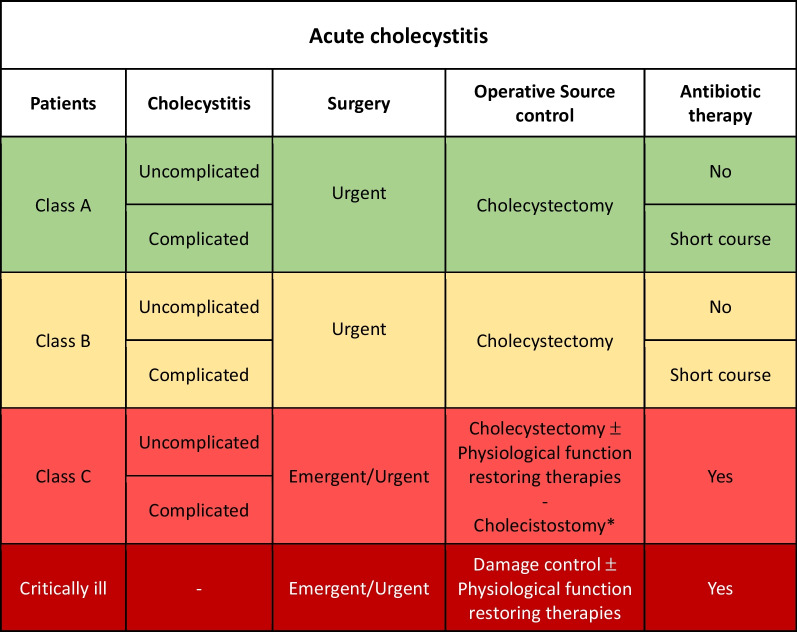
“Patients can thus be categorized into three classes [26]: 1.”
BackgroundSelf-citationSartelli, M., Barie, P. S., Agnoletti, V., Al‐Hasan, M. N., Ansaloni, L., Biffl, W. L., Buonomo, L. A., Blot, S. I., Cheadle, W. G., Coimbra, R. S. M., et al. (2024) · World Journal of Emergency Surgery · doi:10.1186/s13017-024-00552-9 · Cited by 69
“Recent multi-society source control guidelines [9] proposed a categorization of patients into 3 classes according to current condition, comorbidities, and ongoing therapies (e.g., anticoagulants or steroids), together with their immunologic state (Table 1).”
BackgroundSelf-citationCurrent management of acute appendicitis in adults: What you need to know
Diaz, J. J., Ceresoli, M., Herron, T., & Coccolini, F. (2025) · The Journal of Trauma: Injury, Infection, and Critical Care · doi:10.1097/ta.0000000000004471 · Cited by 36
Self-citation
Metadata
- Authors
- Coccolini, F., Sartelli, M., Sawyer, R., Rasa, K., Viaggi, B., Abu-Zidan, F., Soreide, K., Hardcastle, T., Gupta, D., Bendinelli, C., Ceresoli, M., Shelat, V. G., Broek, R. T., Baiocchi, G. L., Moore, E. E., Sall, I., Podda, M., Bonavina, L., Kryvoruchko, I. A., Stahel, P., Inaba, K., Montravers, P., Sakakushev, B., Sganga, G., Ballestracci, P., Malbrain, M. L. N. G., Vincent, J.-L., Pikoulis, M., Beka, S. G., Doklestic, K., Chiarugi, M., Falcone, M., Bignami, E., Reva, V., Demetrashvili, Z., Di Saverio, S., Tolonen, M., Navsaria, P., Bala, M., Balogh, Z., Litvin, A., Hecker, A., Wani, I., Fette, A., De Simone, B., Ivatury, R., Picetti, E., Khokha, V., Tan, E., Ball, C., Tascini, C., Cui, Y., Coimbra, R., Kelly, M., Martino, C., Agnoletti, V., Boermeester, M. A., De’Angelis, N., Chirica, M., Biffl, W. L., Ansaloni, L., Kluger, Y., Catena, F., & Kirkpatrick, A. W.
- Affiliations
- Azienda Ospedaliera Universitaria Pisana (IT)
- Ospedale di Macerata (IT)
- Western Michigan University (US)
- Azienda Ospedaliero-Universitaria Careggi (IT)
- University of KwaZulu-Natal (ZA)
- All India Institute of Medical Sciences (IN)
- John Hunter Hospital (AU)
- Azienda Ospedaliera San Gerardo (IT)
- Tan Tock Seng Hospital (SG)
- University of Brescia (IT)
- Hôpital Principal de Dakar (SN)
- University of Cagliari (IT)
- East Carolina University (US)
- LAC+USC Medical Center (US)
- Hôpital Bichat-Claude-Bernard (FR)
- Plovdiv University (BG)
- Università Cattolica del Sacro Cuore (IT)
- Medical University of Lublin (PL)
- Erasmus Hospital (BE)
- National and Kapodistrian University of Athens (GR)
- University of Otago (NZ)
- University of Parma (IT)
- Tbilisi State Medical University (GE)
- University of Cape Town (ZA)
- Hadassah Medical Center (IL)
- Immanuel Kant Baltic Federal University (RU)
- Universitätsklinikum Gießen und Marburg (DE)
- Virginia Commonwealth University (US)
- Ospedale di Parma (IT)
- Radboud University Medical Center (NL)
- Foothills Medical Centre (CA)
- University of Udine (IT)
- Tianjin Nankai Hospital (CN)
- Loma Linda University (US)
- Albury Wodonga Health (AU)
- Ospedale “M. Bufalini” di Cesena (IT)
- University of Amsterdam (NL)
- Université Paris-Est Créteil (FR)
- Centre Hospitalier Universitaire de Grenoble (FR)
- Scripps Memorial Hospital (US)
- University of Pavia (IT)
- Rambam Health Care Campus (IL)
- Corresponding author
- Coccolini, Federico
- ORCID
- Coccolini, Federico
- Sartelli, Massimo
- Sawyer, Robert
- Viaggi, Bruno
- Hardcastle, Timothy
- Gupta, Deepak
- Bendinelli, Cino
- Ceresoli, Marco
- Shelat, Vishal G.
- Baiocchi, Gian Luca
- Moore, Ernest E.
- Sall, Ibrahima
- Podda, Mauro
- Bonavina, Luigi
- Inaba, Kenji
- Montravers, Philippe
- Sakakushev, Boris
- Sganga, Gabriele
- Malbrain, Manu L. N. G.
- Vincent, Jean-Louis
- Beka, Solomon Gurmu
- Chiarugi, Massimo
- Falcone, Marco
- Bignami, Elena
- Demetrashvili, Zaza
- Tolonen, Matti
- Navsaria, Pradeep
- Bala, Miklosh
- Balogh, Zsolt
- Litvin, Andrey
- Hecker, Andreas
- Wani, Imtiaz
- Ivatury, Rao
- Picetti, Edoardo
- Tan, Edward
- Ball, Chad
- Tascini, Carlo
- Coimbra, Raul
- Kelly, Michael
- Martino, Costanza
- Agnoletti, Vanni
- Boermeester, Marja A.
- De’Angelis, Nicola
- Ansaloni, Luca
- Kluger, Yoram
- Kirkpatrick, Andrew W.
- Venue
- World Journal of Emergency Surgery
- Published
- 2023-07-21
- Volume
- 18
- Issue
- 1
- Pages
- 41-41
- ISSN
- 1749-7922 (ISSN-L)
- PMC
- PMC10362628
- OpenAlex
- W4385063856
- Semantic Scholar
- a565ff72197a836e5b3a5ed2e51fe2b723f6b4f2
- Cited by
- 99
- References
- 129
- Citations by year
- 2026: 40 · 2025: 35 · 2024: 21 · 2023: 3
- FWCI
- 4.61
- Type
- journal article
- Language
- en
- Open access
- gold
- doi.org
- Licence
- cc-by
- creativecommons.org/licenses/by/4.0 (tdm)
- creativecommons.org/licenses/by/4.0 (vor)
- Locations
- World Journal of Emergency Surgery (publishedVersion, cc-by)
- PubMed Central (publishedVersion, cc-by)
- PubMed (publishedVersion)
- Pure Amsterdam UMC (acceptedVersion, other-oa)
- Kharkiv National Medical University Repository (Kharkiv National Medical University) (submittedVersion, other-oa)
- BOA (University of Milano-Bicocca) (submittedVersion, cc-by)
- NORA - Norwegian Open Research Archives (submittedVersion, cc-by)
- Radboud Repository (Radboud University) (submittedVersion, other-oa)
- Institutional Research Information System University of Ferrara (University of Ferrara) (submittedVersion, cc-by)
- CINECA IRIS Institutial research information system (University of Pisa) (submittedVersion)
- Archivio istituzionale della ricerca (Alma Mater Studiorum Università di Bologna) (submittedVersion)
- DOAJ (DOAJ: Directory of Open Access Journals) (submittedVersion, cc-by-sa)
- Figshare (submittedVersion, cc-by)
- Institutional Research Information System (Università degli Studi di Brescia) (submittedVersion)
- UNICA IRIS Institutional Research Information System (University of Cagliari) (submittedVersion)
- Libraries and Cultural Resources (University of Calgary) (submittedVersion)
- NOVA (University of Newcastle Australia) (submittedVersion, cc-by)
- Topics
- Health Sciences › Medicine › Surgery › Abdominal Surgery and Complications
- Health Sciences › Medicine › Critical Care and Intensive Care Medicine › Sepsis Diagnosis and Treatment
- Health Sciences › Medicine › Surgery › Abdominal vascular conditions and treatments
- Keywords
- source control, intra-abdominal infection, abdominal sepsis, emergency general surgery, open abdomen, sepsis management guidelines, gut microbiota, dysbiosis, multiple organ failure
- MeSH terms
- Female, Humans, Male, Abdominal Cavity, Intraabdominal Infections, Surgeons
About these checks
Registry, retraction, Cites and statistics results are computed, not judged, with one exception: a printed reference that no index lists is read once by a model before it counts as a citation error. Claims are extracted by a model and kept only when their quote appears verbatim in the text; each cited source is then checked, with a model’s help, for whether it says what the claim relies on. Those verdicts can be wrong — read the claim’s quote and the cited source before relying on one.
Statistics and arithmetic are recomputed, not judged.
Confidence bands are shown only for fields calibrated on our annotated test set. None is calibrated yet, so no band is shown.
What counts as a claim ›How we measure confidence ›How we check this ›
Are you an author, or do you see a problem with this page? Request a review
Data sources
Bibliographic data: Semantic Scholar, OpenAlex, Crossref.
Contains information from the Semantic Scholar Academic Graph Datasets, made available under the ODC Attribution License (ODC-BY 1.0).
Semantic Scholar’s data is described in: Kinney, R., et al. (2023). The Semantic Scholar Open Data Platform. arXiv:2301.10140.
