

New approaches to symptomatic treatments for Alzheimer’s disease
Open accessThe DOI matches its Crossref record; 127 of the 128 references it cites were found in a registry or an index.
Abstract
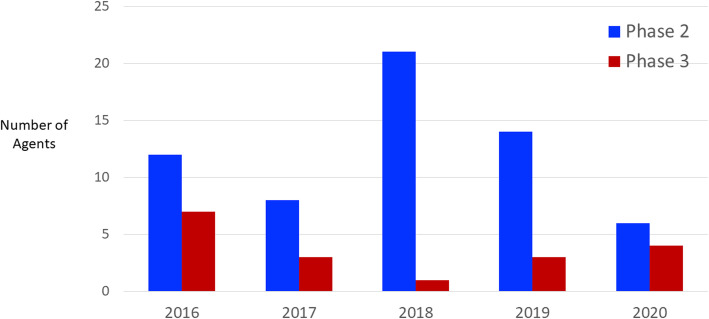
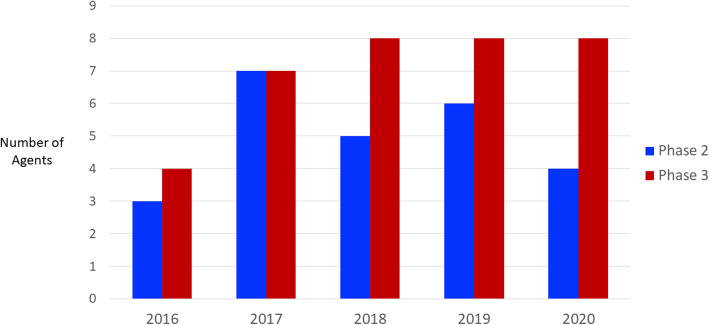
Background: Successful development of agents that improve cognition and behavior in Alzheimer’s disease (AD) is critical to improving the lives of patients manifesting the symptoms of this progressive disorder. Discussion: There have been no recent approvals of cognitive enhancing agents for AD. There are currently 6 cognitive enhancers in Phase 2 trials and 4 in phase 3. They represent a variety of novel mechanisms. There has been progress in developing new treatments for neuropsychiatric symptoms in AD with advances in treatment of insomnia, psychosis, apathy, and agitation in AD. There are currently 4 AD-related psychotropic agents in Phase 2 trials and 7 in Phase 3 trials. Many novel mechanisms are being explored for the treatment of cognitive and behavioral targets. Progress in trial designs, outcomes measures, and population definitions are improving trial conduct for symptomatic treatment of AD. Conclusions: Advances in developing new agents for cognitive and behavioral symptoms of AD combined with enhanced trial methods promise to address the unmet needs of patients with AD for improved cognition and amelioration of neuropsychiatric symptoms.
Overview
The claims and statistics of this paper haven’t been checked yet.
Free: it reads the open-access text and checks the first 5 claims that cite a source we can check. Create a free account to check every claim.
Integrity signals
Registry
Cites
Statistics
Figures
Verification
Claims the paper makes
The claims and statistics of this paper haven’t been checked yet.
Free: it reads the open-access text and checks the first 5 claims that cite a source we can check. Create a free account to check every claim.
Claims other papers make about this one
Each is checked against this paper’s own text: does it say what the citing paper says it does?
The cited source says what the claim attributes to it.
In the citing paper
“Patients with AD exhibit a substantial accumulation of amyloid-β (Aβ) plaques and neurofibrillary tangles (NFTs) within their brains, accompanied by a cascade of pathological processes such as neuroinflammation, synaptic dysfunction, mitochondrial and bioenergetic disturbances, as well as vascular abnormalities.”
From Recent advances in Alzheimer's disease: Mechanisms, clinical trials and new drug development strategies. (2024) · cites this paper as [6]
Self-check
Percentages, sums and reported differences re-computed from the paper’s own numbers.
The self-check needs the paper’s full text.
Citations
Cites
Folstein, M. F., Folstein, S. E., & McHugh, P. R. (1975) · Journal of Psychiatric Research · doi:10.1016/0022-3956(75)90026-6 · Cited by 88,282
Hirono, N., Mori, E., Ikejiri, Y., Imamura, T., Shimomura, T., Hashimoto, M., Yamashita, H., & Ikeda, M. (1997) · Brain and nerve · Cited by 21,030
Kok, J. S., Berg, I. J., & Scherder, E. J. A. (2013) · Dementia and Geriatric Cognitive Disorders Extra · doi:10.1159/000353441 · Cited by 20,589
Older Adults' Reasons for Using Technology while Aging in Place
Peek, S. T. M., Luijkx, K. G., Rijnaard, M. D., Nieboer, M. E., van der Voort, C. S., Aarts, S., van Hoof, J., Vrijhoef, H. J. M., & Wouters, E. J. M. (2016) · Gerontology · doi:10.1159/000430949 · Cited by 19,690
Sensitivity and False Alarm Rate of a Fall Sensor in Long-Term Fall Detection in the Elderly
Kangas, M., Korpelainen, R., Vikman, I., Nyberg, L., & Jämsä, T. (2015) · Gerontology · doi:10.1159/000362720 · Cited by 18,909
Neuroinflammation in Alzheimer's disease
Heneka, M. T., Carson, M. J., Khoury, J. E., Landreth, G. E., Brosseron, F., Feinstein, D. L., Jacobs, A. H., Wyss-Coray, T., Vitorica, J., Ransohoff, R. M., et al. (2015) · The Lancet Neurology · doi:10.1016/s1474-4422(15)70016-5 · Cited by 6,226
A new rating scale for Alzheimer's disease
(1984) · American Journal of Psychiatry · doi:10.1176/ajp.141.11.1356 · Cited by 4,175
Alzheimer's Disease and Senile Dementia: Loss of Neurons in the Basal Forebrain
Whitehouse, P., Price, D., Struble, R., Clark, A., Coyle, J., & DeLong, M. R. (1982) · Science · doi:10.1126/science.7058341 · Cited by 3,627
Scheltens, P., Blennow, K., Breteler, M. M. B., de Strooper, B., Frisoni, G. B., Salloway, S., & Van der Flier, W. M. (2016) · The Lancet · doi:10.1016/s0140-6736(15)01124-1 · Cited by 3,125
The cholinergic system in the pathophysiology and treatment of Alzheimer’s disease
Hampel, H., Mesulam, M.-M., Cuello, A. C., Farlow, M. R., Giacobini, E., Grossberg, G. T., Khachaturian, A. S., Vergallo, A., Cavedo, E., Snyder, P. J., et al. (2018) · Brain · doi:10.1093/brain/awy132 · Cited by 1,918
Cited by
Items 101–200 of 247
Novel techniques for early diagnosis and monitoring of Alzheimer’s disease
Parul, P., Singh, A. K., & Shukla, S. (2024) · Expert Review of Neurotherapeutics · doi:10.1080/14737175.2024.2415985 · Cited by 17
“Patients may be prescribed N-methyl-D-aspartate receptor antagonists (memantine) and acetylcholinesterase inhibitors (donepezil, rivastigmine, and galantamine) to temporarily arrest symptoms of AD dementia, such as cognitive and functional decline [60–62].”
Ebrahimi, R., Soltani, S. M., Masouri, M. M., Seifi, M., Ghafourian, K., & Noori, S. (2025) · BMC Neurology · doi:10.1186/s12883-025-04375-2 · Cited by 18
“Moreover, Aβ and tau pathology further exacerbate this dysfunction by enhancing NMDA receptor activity and impairing metabotropic glutamate receptor (mGluR) signaling, respectively [13–15].”
AlGhamdi, S. A., Al-Abbasi, F. A., Alghamdi, A. M., Omer, A. B., Afzal, O., Altamimi, A. S. A., Alamri, A. M., Alzarea, S. I., Almalki, W. H., & Kazmi, I. A. (2023) · Royal Society Open Science · doi:10.1098/rsos.230013 · Cited by 15
“However, the current therapeutic options largely treat symptoms, slowing the progression of AD [2,8,9].”
BackgroundWang, M., He, A., Kang, Y., Wang, Z., He, Y., Lim, K., Zhang, C., & Lu, L. (2024) · Neural Regeneration Research · doi:10.4103/nrr.nrr-d-23-02004 · Cited by 12
“…presence of the so-called ATN framework, namely extracellular amyloid beta (Aβ) plaques (A), intracellular neurofibrillary tangles (NFTs) of tau (T), and neurodegeneration (N), which is often accompanied by diminished memory and cognition (Cummings, 2021; Jiang et al., 2022; Luquez et al., 2022).”
Yu, M., Ma, H., Lai, X., Wu, J., Shen, M., & Yan, J. (2025) · Frontiers in Aging Neuroscience · doi:10.3389/fnagi.2025.1592578 · Cited by 12
“This neuroinflammatory environment leads to excessive tau phosphorylation, tangle formation, and subsequent neuronal death (Cummings, 2021; Wang C. et al., 2022; Zhao et al., 2024).”
New Approaches to the Treatment of Alzheimer’s Disease
Kruk-Słomka, M., Kuceł, D., Małysz, M., Machnikowska, A., Orzelska‐Górka, J., & Biała, G. (2025) · Pharmaceuticals · doi:10.3390/ph18081117 · Cited by 15
“These advances hold significant promise for improving the feasibility of more homogeneous clinical trials aiming to evaluate symptomatic treatments [36].”
Moayedi, K., Orandi, S., Ebrahimi, R., Tanhapour, M., Moradi, M., Abbastabar, M., & Golestani, A. (2022) · Journal of Cellular Physiology · doi:10.1002/jcp.30779 · Cited by 13
“Considering treatment, unfortunately, there is currently no approved therapy for AD (Cummings, 2021).”
BackgroundBiomarkers as Endpoints in Clinical Trials for Alzheimer’s Disease
Elghanam, Y., Purja, S., & Kim, E. Y. (2024) · Journal of Alzheimer s Disease · doi:10.3233/jad-240008 · Cited by 11
“Alzheimer’s disease (AD) is a neurodegenerative cognition that is characterized by a progressive decline in cognitive and functional abilities, along with the manifestation of neuropsychiatric symptoms [1, 2].”
Alotaibi, J. A. M., Sirwi, A., Halawany, A. M. E., Esmat, A., Mohamed, G. A., Ibrahim, S. R. M., Alzain, A. A., Halawa, T. F., Safo, M. K., & Abdallah, H. M. (2024) · Saudi Pharmaceutical Journal · doi:10.1016/j.jsps.2024.102106 · Cited by 13
“Based on the cholinergic hypothesis, dementia could be managed by elevating synaptic acetylcholine via inhibition of its specific enzyme acetylcholinesterase, leading to relative improvement of mental abilities (Cummings, 2021).”
Tang, H., Shaaban, C. E., DeKosky, S. T., Smith, G. E., Hu, X., Jaffee, M. S., Salloum, R. G., Bian, J., & Guo, J. S. (2024) · Alzheimer s Research & Therapy · doi:10.1186/s13195-024-01569-7 · Cited by 12
Zhou, Y. J., Mu, B., Chen, X., Liu, L., Wu, Q.-L., Lu, M., & Qiao, F.-L. (2025) · Journal of Computer-Aided Molecular Design · doi:10.1007/s10822-025-00637-w · Cited by 11
“Current therapeutic approaches fall into two main categories: symptomatic management through neurotransmitter modulation (e.g., acetylcholinesterase inhibitors and NMDA receptor antagonists) and disease-modifying therapies targeting pathological mechanisms [6–8].”
Thakur, A., Rana, M., Vanjani, S., Liou, K.-C., Taliyan, R., Nepali, K., & Yang, C. (2026) · Medicinal Research Reviews · doi:10.1002/med.70047 · Cited by 12
Karati, D., Mukherjee, S., & Roy, S. (2023) · Molecular Neurobiology · doi:10.1007/s12035-023-03441-5 · Cited by 12
The aquaporin-4 water channel and updates on its potential as a drug target for Alzheimer’s disease
Silverglate, B., Gao, X., Lee, H., Maliha, P., & Grossberg, G. T. (2023) · Expert Opinion on Therapeutic Targets · doi:10.1080/14728222.2023.2240017 · Cited by 12
“(AChEIs), donepezil, galantamine, rivastigmine as well as an N-methyl-D-aspartate (NMDA) receptor antagonist memantine [1,2,72].”
Mosalam, E. M., Elberri, A. I., Abdallah, M. S., Abdel‐Bar, H. M., Zidan, A. A., Batakoushy, H. A., & Mansour, H. E. A. (2024) · International Journal of Molecular Sciences · doi:10.3390/ijms25147790 · Cited by 13
“These medications can temporarily improve or stabilize cognitive and functional abilities in patients with mild to moderate AD [6–8].”
BackgroundBayraktar, G., Bartolini, M., Bolognesi, M. L., Erdoğan, M. A., Armağan, G., Bayır, E., Şendemir, A., Bagetta, D., Alcaro, S., & Alptüzün, V. (2024) · Archiv der Pharmazie · doi:10.1002/ardp.202300575 · Cited by 11
Cornford, N., & Charnley, M. (2025) · Nutrition Research Reviews · doi:10.1017/s0954422425000058 · Cited by 10
Emerging therapies for treatment of agitation, psychosis, or apathy in Alzheimer’s disease
Wang, H. J., Chinna‐Meyyappan, A., Feldman, O. J., & Lanctôt, K. L. (2024) · Expert Opinion on Emerging Drugs · doi:10.1080/14728214.2024.2363215 · Cited by 12
“Meanwhile, no drugs have been approved by the FDA for the treatment of AD-associated psychosis and apathy [40].”
News & views: anti-amyloid antibodies and novel emerging approaches to Alzheimer’s disease in 2023
Gandy, S. (2023) · Molecular Neurodegeneration · doi:10.1186/s13024-023-00656-x · Cited by 10
“The eventual possibility of combining anti-amyloid, anti-tau, and other strategies remains attractive [11, 12].”
Neuroprotective evaluation of diospyrin against drug-induced Alzheimer’s disease
Alam, A., Ali, G., Nawaz, A., AlOmar, T. S., Rauf, A., Ayaz, M., Ahmad, S., Almasoud, N., AlOmar, A. S., Khalil, A. A., et al. (2023) · Fitoterapia · doi:10.1016/j.fitote.2023.105703 · Cited by 9
Alzheimer’s Disease: Understanding Its Novel Drug Delivery Systems and Treatments
Dhingra, H., & Choudhari, S. G. (2022) · Cureus · doi:10.7759/cureus.31394 · Cited by 11
“A range of additional paths to enhance cognitive performance in Alzheimer's disease are being investigated [26].”
BackgroundMoebius, H. J., & Church, K. J. (2023) · Journal of Alzheimer s Disease · doi:10.3233/jad-220871 · Cited by 10
“Some statistically significant effects on select BPSD also have been observed, e.g., with memantine [37].”
BackgroundInfluentialTariq, R., Kansal, B., Shaikh, R., Datta, S., Anadkat, H., & Bista, S. (2023) · Current Alzheimer Research · doi:10.2174/1567205020666230601095957 · Cited by 9
The Quest for Neurodegenerative Disease Treatment—Focusing on Alzheimer’s Disease Personalised Diets
Palimariciuc, M., Balmuș, I.-M., Gireadă, B., Ciobica, A. S., Chiriță, R., Iordache, A.-C., Apostu, M., & Dobrin, R. (2023) · Current Issues in Molecular Biology · doi:10.3390/cimb45020098 · Cited by 10
Anjum, M., Shahab, S., & Yu, Y. (2023) · Diagnostics · doi:10.3390/diagnostics13050887 · Cited by 9
“Other concerns are the efficacy of different treatment approaches, with some researchers advocating for more pharmaceutical interventions [7] and others focusing on lifestyle changes [8] and alternative therapies [9].”
BackgroundChen, Y., Sun, J., Yang, Z., & Bi, H. (2023) · Advances in Clinical and Experimental Medicine · doi:10.17219/acem/161159 · Cited by 10
C/EBPβ in Alzheimer’s disease: An integrative regulator of pathological mechanisms
Luo, X., Liang, J., Lei, X., Sun, F., Gong, M., Liu, B., & Zhou, Z. (2025) · Brain Research Bulletin · doi:10.1016/j.brainresbull.2025.111198 · Cited by 8
Targeting Alzheimer's pathophysiology with carbon dots: from mechanisms to therapy
Tripathi, S., Singh, R., Jaiswal, S., Sethi, M., Rana, R., Mishra, K., & Chourasia, M. K. (2026) · Journal of Materials Chemistry B · doi:10.1039/d5tb02134k · Cited by 8
Huang, Z., Wang, H., Wang, D., Zhao, X., Liu, W., Zhong, X., He, D., Mu, B., & Lu, M. (2022) · Journal of Cellular and Molecular Medicine · doi:10.1111/jcmm.17593 · Cited by 9
Rajagopal, L., Huang, M., Mahjour, S., Ryan, C., Elzokaky, A., Svensson, K. A., & Meltzer, H. Y. (2023) · Behavioural Brain Research · doi:10.1016/j.bbr.2023.114766 · Cited by 9
Bian, Z.-Y., Li, P., Feng, X.-Y., Zhou, Y., Cheng, F.-Y., Dong, W.-X., Xiang, P., & Tang, J. (2024) · European Journal of Medicinal Chemistry · doi:10.1016/j.ejmech.2024.116794 · Cited by 8
Chortani, S., Hajlaoui, A., Jlizi, S., Harrath, A. H., Jannet, H. B., & Romdhane, A. (2022) · Journal of Molecular Structure · doi:10.1016/j.molstruc.2022.133693 · Cited by 10
Clemente-Velasco, S., de Lucas, B., Tabone, M., Bressa, C., González-Soltero, R., Martínez‐López, S., Bailén, M., Domínguez-Balmaseda, D., Castellanos, N. P., Díez, G. G., et al. (2025) · Frontiers in Nutrition · doi:10.3389/fnut.2025.1653841 · Cited by 8
Rongala, G., Rongala, D. S., & Rongala, A. N. (2025) · Journal of Pharmaceutical and BioTech Industry · doi:10.3390/jpbi2040019 · Cited by 7
“Together, these disruptions can ultimately lead to the death of neurons [135,138,139].”
Zou, Y., Sang, Y., Zheng, M., & Shi, B. (2026) · Cell Reports Medicine · doi:10.1016/j.xcrm.2026.102685 · Cited by 8
Wang, Y., Li, P., Liang, Y., & Wang, D. (2025) · Cell Biochemistry and Biophysics · doi:10.1007/s12013-025-01748-9 · Cited by 7
Mario, A., Leccisotti, I., Claudia, M. M., Bellomo, A., Panza, F., Tommaso, C., & Madia, L. (2025) · Biomedicine & Pharmacotherapy · doi:10.1016/j.biopha.2025.118199 · Cited by 9
Correction to: New approaches to symptomatic treatments for Alzheimer’s disease
Cummings, J. L. (2021) · Molecular Neurodegeneration · doi:10.1186/s13024-021-00446-3 · Cited by 7
Self-citationNiziński, P., Szalast, K., Makuch‐Kocka, A., Paruch, K., Ciechanowska, M. O., & Plech, T. (2026) · Molecules · doi:10.3390/molecules31020320 · Cited by 7
“However, although the terms ‘repurposing’ and ‘repositioning’ are often used interchangeably, repurposing refers to drugs that have already been approved and marketed, while repositioning also covers drug candidates that have been discontinued or failed in their original applications [279].”
Ţînţaş, M.-L., Peauger, L., Barré, A., Papamicaël, C. A., Besson, T., Santos, J. S. O., Gembus, V., & Levacher, V. (2024) · RSC Medicinal Chemistry · doi:10.1039/d3md00708a · Cited by 7
Unveiling the neuroprotective benefits of biochanin-A
Tripathi, S., Mishra, R., Shrivastava, R., & Singh, G. (2024) · Elsevier eBooks · doi:10.1016/b978-0-443-23763-8.00028-2 · Cited by 6
Tóth, G., Nguyen, J. B. N., BENAZZOUZ, M. S., Chaves, M. M. P., & Grill, A. (2021) · Drug Discovery Today · doi:10.1016/j.drudis.2021.04.027 · Cited by 6
Balki, S., Gautam, A. S., Balaji, P. G., Yadav, A. K., & Singh, R. K. (2025) · Psychopharmacology · doi:10.1007/s00213-025-06865-0 · Cited by 5
Dong, Y., Jin, H., Wang, S., & Xu, Y. (2026) · Frontiers in Behavioral Neuroscience · doi:10.3389/fnbeh.2026.1802923 · Cited by 5
“Current FDA-approved treatments, including cholinesterase inhibitors and memantine, oer only symptomatic relief without halting underlying neurodegeneration (Breijyeh and Karaman, 2020; Cummings, 2021).”
Papay, R. S., Stauffer, S. R., & Perez, D. M. (2023) · Current Research in Pharmacology and Drug Discovery · doi:10.1016/j.crphar.2023.100160 · Cited by 5
“Thus, synaptic dysfunction is likely the most significant factor contributing to the initial and progressive stages of AD memory loss (Dickson et al., 1995; Flood and Coleman, 1990; Masliah et al., 2001; Cummings, 2021).”
BackgroundTau fibril with membrane lipids: Insight from computational modeling and simulations
Barredo, P. A., Fernandez, M. J. F., Ambe, C. E., & Balanay, M. P. (2021) · PLoS ONE · doi:10.1371/journal.pone.0258692 · Cited by 5
“As of to date, there are four drugs that have been approved and currently used in symptomatic treatment for AD [4].”
BackgroundPostnatal neuronalBace1deletion impairs neuroblast and oligodendrocyte maturation
Benoit, M., Darboe, M., Das, B., Ge, Y., Zhou, J., Yao, A. Y., He, W., Yan, R., & Hu, X. (2022) · Human Molecular Genetics · doi:10.1093/hmg/ddac282 · Cited by 6
Bergamini, G., Coloma, P. M., Massinet, H., & Steiner, M. A. (2022) · Frontiers in Psychiatry · doi:10.3389/fpsyt.2022.1052233 · Cited by 5
Duan, X., Wang, F., Liu, W., Xie, Y., Yang, M., Ping, Y., Pan, Y., Wei, Z., Li, H., Zhang, Q.-P., et al. (2025) · Journal of Neurology · doi:10.1007/s00415-025-13346-z · Cited by 5
“…number of beta-amyloid (Aβ) plaques and neurofibrillary tangles in the brain, along with a cascade of pathological processes, such as neuroinflammation, synaptic dysfunction, mitochondrial and bioenergetic disorders, and vascular abnormalities, which may ultimately lead to neuronal death [3, 4].”
Park, I., Lee, D., Hong, R. S., Kim, H. R., & Kim, Y. (2026) · Experimental Neurobiology · doi:10.5607/en25040 · Cited by 4
“In a transgenic AD mouse model, low-dose efavirenz enhanced cholesterol turnover and improved memory performance [71].”
Jazuli, I., Hing, G. B., Selvaratnam, L., Han, L. L., Alex, D., & Kumari, Y. (2023) · Journal of Functional Foods · doi:10.1016/j.jff.2023.105764 · Cited by 5
Zhang, T., Wu, J., Wang, Y., Zhang, H., & Zhan, X. (2024) · International Journal of Biological Macromolecules · doi:10.1016/j.ijbiomac.2024.133862 · Cited by 5
Recent Molecular Targets and their Ligands for the Treatment of Alzheimer Disease
Bayraktar, G., & Alptüzün, V. (2024) · Current Topics in Medicinal Chemistry · doi:10.2174/0115680266318722240809050235 · Cited by 4
A New Tool for the Analysis of the Effect of Intracerebrally Injected Anti-Amyloid-β Compounds
Upīte, J., Brüning, T., Möhle, L., Brackhan, M., Bascuñana, P., Jansone, B., & Pahnke, J. (2021) · Journal of Alzheimer s Disease · doi:10.3233/jad-215180 · Cited by 4
“Alzheimer’s disease (AD) is a yet incurable neurodegenerative disease and the most common type of dementia in the aging population, affecting approximately 56 million people worldwide [1, 2].”
BackgroundTrends in the application of “omics” to Alzheimer’s disease: a bibliometric and visualized study
Tan, Y., Nie, D., Cao, Y., Ke, C., Pan, J., Shi, W. Y., & Zhang, W. (2023) · Neurological Sciences · doi:10.1007/s10072-023-07079-y · Cited by 5
“Since the pathogenesis of 1 3 AD has not been fully elucidated, although countries around the world have invested a lot of money and efforts in the research and development of related drugs, there is still no drug that can treat the disease [11].”
Namasivayam, A. A., Fischer, C. E., Abler, V., Creese, B., Gastiazoro, M. P., Hermida, A. P., Ikeda, M., Ismail, Z., Jeste, D. V., McDermid, J., et al. (2025) · International Psychogeriatrics · doi:10.1016/j.inpsyc.2025.100133 · Cited by 3
“…Guidelines routinely recommend non-pharmacological interventions for DRP [45], and the relatively high rate of placebo responses in trials of antipsychotic medications for the treatment of AD-related psychosis suggests that non-Namasivayam pharmacological interventions may be effective [46].”
Self-citationBiswal, B., Pattnaik, S., Satapathy, B. S., & Maharana, L. (2025) · ACS Omega · doi:10.1021/acsomega.5c09438 · Cited by 3
Shajahan, S. R., Hein, Z. M., Muhammad, H., Mustafa, M. Z., Kumari, Y., Jazuli, I., Zulkapli, A., Shari, N. B., Nassir, C. M. N. C. M., & Ramli, M. D. C. (2026) · AIMS neuroscience · doi:10.3934/neuroscience.2026001 · Cited by 3
Ultrasound-mediated blood-brain barrier opening for targeted neurological drug delivery
Qin, Z., Wang, Z., Gao, C., Yong, X., Hua, Y., Zhou, Y., & Xie, J. (2026) · Biomaterials Advances · doi:10.1016/j.bioadv.2026.214754 · Cited by 3
Endocytic scaffolds at the crossroads of Alzheimer’s disease and neuronal aging
Shergill, J. K., & Tehran, D. A. (2026) · Biological Chemistry · doi:10.1515/hsz-2025-0250 · Cited by 3
“These neuropathological hallmarks are accompanied by neuroin fl ammation, synaptic dysfunction, bioenergetic failure, and vascular abnormalities, ultimately leading to neuronal death (Cummings 2021).”
Amrutha, S., Prasad, T. S. K., & Modi, P. K. (2026) · Cells · doi:10.3390/cells15050436 · Cited by 3
Lai, L., Tang, Y., Song, G., Long, Y., Chen, C., Chen, C., & Li, W. (2026) · Acta Neurologica Belgica · doi:10.1007/s13760-026-03064-2 · Cited by 3
Utility of animal models of Alzheimer's disease in food bioactive research
Lange, K. W. (2021) · Journal of Food Bioactives · doi:10.31665/jfb.2020.13255 · Cited by 3
“The frequent failure to translate successful therapy from preclinical to human studies in AD research (Cummings et al., 2014; Cummings, 2021) may be the result of too limited a mirroring of human pathology in animal models (Banik et al., 2015).”
BackgroundTouati, I., Boulaamane, Y., Britel, M. R., & Maurady, A. (2024) · Pharmacological Research - Modern Chinese Medicine · doi:10.1016/j.prmcm.2024.100495 · Cited by 4
Saleh, A. Y., Saputra, D. A. Y., Valentina, R., & Susanto, T. D. (2025) · F1000Research · doi:10.12688/f1000research.160416.3 · Cited by 4
Head impacts in youth national hockey leagues in Slovakia: a retrospective analysis of four seasons
Majdán, M., Tóth, I., Barila, P., Peráček, P., Peráčková, J., Parničan, S., Cente, M., & Filipčík, P. (2021) · General Physiology and Biophysics · doi:10.4149/gpb_2021041 · Cited by 3
Baruth, J. M., Lapid, M. I., Clarke, B. L., Shin, A. Y., Atkinson, E. J., Eberhard, J., Zavatta, G., & Åstrand, J. (2022) · Osteoporosis International · doi:10.1007/s00198-022-06497-6 · Cited by 4
“In addtion, novel cognitive enhancers are being developed as are treatments for managing the neuropsychiatic symptoms of dementia [22].”
BackgroundSubcellular proteomics insights into Alzheimer's disease development
Liang, Z., Zhuang, H., Cao, X., Ma, G., & Shen, L. (2023) · PROTEOMICS - CLINICAL APPLICATIONS · doi:10.1002/prca.202200112 · Cited by 3
Impact of Diabetes Mellitus Type 2 on the Development of Alzheimer’s Disease
Gomez-Coral, M. I. (2024) · Open access Journal of Neurology & Neurosurgery · doi:10.19080/oajnn.2024.19.556004 · Cited by 3
de Andrade, Á. D. B., Ide, F. C., Mangia, A. S., Martins, A. C., Nascimento, A. Q., & do Nascimento, I. B. (2024) · Revista Brasileira de Geriatria e Gerontologia · doi:10.1590/1981-22562024027.240007.en · Cited by 2
“These behavioral changes result from dysfunctions in complex brain circuits influenced by neurotoxic proteins such as amyloid, tau, alpha-synuclein, and TDP-43 (Transactive DNA-binding protein 43) 18 .”
BackgroundProgress of Chinese Medicine in Regulating Microglial Polarization against Alzheimer’s Disease
Yang, F., Gao, W., Wang, J. Z., Li, X., & Li, H. (2024) · The American Journal of Chinese Medicine · doi:10.1142/s0192415x24500873 · Cited by 3
Molecular pathways and biomarkers associated with age-related cognitive decline
Mitra, S., Pandey, S., Gill, A., Roy, A., Dutta, S., Kumar, A., Ali, M., & Chawla, G. (2025) · Academia Biology · doi:10.20935/acadbiol7909 · Cited by 2
Casey, C. S., Patel, N. P., Vasileva-Metodiev, S. Z., Cotton, S. E., Walker, C., & Nilforooshan, R. (2025) · Journal of Alzheimer s Disease Reports · doi:10.1177/25424823251370708 · Cited by 2
Liu, X., & Casasola, J. C. E. S. (2025) · Neurological Sciences · doi:10.1007/s10072-025-08543-7 · Cited by 2
Hui, S., Long, Y., Zhu, L., Shi, W., Zheng, Q., & Liang, L. (2025) · Brain Research · doi:10.1016/j.brainres.2025.150067 · Cited by 5
Pharmacotherapy for Alzheimer’s disease: what’s new on the horizon?
Khoury, R., Gallop, A., Roberts, K., Grysman, N., Lu, J., & Grossberg, G. T. (2022) · Expert Opinion on Pharmacotherapy · doi:10.1080/14656566.2022.2097868 · Cited by 2
“Shorter trials with smaller sample sizes of symptomatic therapies can be sufficient to detect a drug-placebo difference [119].”
BackgroundMethodAjay, B. N., Manu, K. S., & Preethi, M. (2023) · International Conference on Recent Advances in Science and Engineering Technology (ICRASET) · doi:10.1109/icraset59632.2023.10420351 · Cited by 3
“Segmenting the images is done with K-means clustering [13] .”
MethodShan, G., & Zhang, Y. (2024) · Journal of Applied Statistics · doi:10.1080/02664763.2024.2385997 · Cited by 2
“The SPCD was successfully applied to many clinical trials, including a trial for treatment-resistant major depressive disorder (MDD) [14,15] and an Alzheimer’s Disease agitation trial [4,5,20].”
Early Diagnosis of Alzheimer’s Disease Using Adaptive Neuro K-Means Clustering Technique
Kumar, K., Agrawal, S., Suwalka, I., Iwendi, C., & Biamba, C. N. (2025) · IEEE Access · doi:10.1109/access.2025.3533638 · Cited by 5
Cummings, J. L., Zhong, K., Ballard, C. G., Sano, M. C., & Mintzer, J. E. (2025) · International Psychogeriatrics · doi:10.1016/j.inpsyc.2025.100107 · Cited by 2
Self-citationEMF Antenna Exposure on a Multilayer Human Head Simulation for Alzheimer Disease Treatments
Perez, F. P., Rahmani, M., Emberson, J., Weber, M., Morisaki, J., Amran, F., Bakri, S., Halim, A., Dsouza, A., Yusuff, N. M., et al. (2022) · Journal of Biomedical Science and Engineering · doi:10.4236/jbise.2022.155013 · Cited by 2
“Research efforts have also examined strategies with antibody treatment against Aβ and alternative modalities to slow down the disease progress [3, 4].”
BackgroundPrachayasittikul, V., Pingaew, R., Prachayasittikul, S., & Prachayasittikul, V. (2022) · Heterocycles · doi:10.3987/rev-22-sr(r)6 · Cited by 2
Rumo a uma nova era no diagnóstico e tratamento da doença de Alzheimer
Ferrari‐Souza, J. P., & Schilling, L. P. (2023) · PAJAR - Pan-American Journal of Aging Research · doi:10.15448/2357-9641.2023.1.44542 · Cited by 3
Zhang, Z., Yang, X. H., Zhang, L., Zhu, H., Huang, B., Chen, Q., Wang, Y., Chen, Y., Bi, L., Geng, M., et al. (2023) · Bioanalysis · doi:10.4155/bio-2023-0026 · Cited by 1
de Andrade, Á. D. B., Ide, F. C., Mangia, A. S., Martins, A. C., Nascimento, A. Q., & do Nascimento, I. B. (2024) · Revista Brasileira de Geriatria e Gerontologia · doi:10.1590/1981-22562024027.240007.pt · Cited by 41
Chang, Y.-H., Huang, S.-F., Yang, H.-R., & Liao, J. (2025) · Dementia · doi:10.1177/14713012251367079 · Cited by 1
“NPIs are often employed as alternative approaches to address and manage behavioral and psychological symptoms of dementia, given the limited ef fi cacy and potential adverse side effects of pharmacological treatments (Cummings, 2021).”
Liu, Y., Song, N., Wang, Q., Cui, P., & Min, D. (2025) · Brain and Behavior · doi:10.1002/brb3.70772 · Cited by 2
“It also involves neuroinflammation, dysfunctioninsynapsesandcircuits,mitochondrialdisturbances, energy metabolism issues, epigenetic alterations, and vascular irregularities (Knopman et al. 2021; Cummings 2021; Pimenova et al. 2018).”
Progress and challenges in drug delivery for the treatment of Alzheimer’s disease
Haghighi, F. H., Xie, J., Ebert, E., & Siahaan, T. J. (2026) · Expert Opinion on Drug Delivery · doi:10.1080/17425247.2026.2663114 · Cited by 1
Pharmacological Effects and Molecular Mechanisms of Lignans in the Treatment of Alzheimer’s Disease
Sun, L., Zhu, X., Fan, C., Wang, Y., Chen, Q., Zhang, L., Zhang, Y., & Liu, Y. (2026) · Molecules · doi:10.3390/molecules31152594 · Cited by 1
Muhammad, N., Ai, R., Yang, L., Cui, Y., Wang, L., Weng, S., Wang, Y., Kakar, M. U., Khan, S., Ahmad, S., et al. (2026) · Frontiers in Aging Neuroscience · doi:10.3389/fnagi.2026.1877358 · Cited by 2
“Current therapies, including cholinesterase inhibitors and memantine, provide modest symptomatic relief but do not prevent disease progression, highlighting the urgent need for novel multi-targeted therapeutic approaches (Cummings, 2021; Xu et al., 2021; Xiao and Zhang, 2024).”
The Level of Knowledge and Attitudes Toward Dementia Among Senior Medical Students in Recife, Brazil
Filho, I. W., Segundo, Z. E. F., Fraga, A. F. C., Tebet, M. L. C., Gomes, E. R. I., & da Fonte, E. J. A. (2023) · Cureus · doi:10.7759/cureus.45294 · Cited by 1
“However, the main references indicate that these medications lead to symptomatic improvement without altering the disease’s course [1,22,23].”
BackgroundAraújo, A. C. O., Heinzen, R. S., & Moreira, C. E. (2024) · Brazilian Journal of Health Review · doi:10.34119/bjhrv7n1-618 · Cited by 1
Challenges and proposed solutions to conducting Alzheimer’s disease psychosis trials
Ballard, C. G., Tariot, P. N., Soto‐Martin, M., Pathak, S. S., & Liu, I.-Y. (2024) · Frontiers in Psychiatry · doi:10.3389/fpsyt.2024.1384176 · Cited by 2
Update on the pharmacological management of neurodegenerative diseases: Alzheimer’s disease
Flepisi, B. T., Hanser, S., & Balmith, M. (2024) · SA pharmaceutical journal. · doi:10.36303/sapj.0492 · Cited by 1
Saleh, A. Y., Saputra, D. A. Y., Valentina, R., & Susanto, T. D. (2025) · F1000Research · doi:10.12688/f1000research.160416.1 · Cited by 1
Khalid, H., Mohamed, H., Eltoukhy, A., Saeed, M. T., & Song, Y. (2025) · European Journal of Pharmacology · doi:10.1016/j.ejphar.2025.177611 · Cited by 1
Photolytic disruption of Alzheimer’s amyloid Aβ42-fibrils by sialic-acid decorated glycodendrimers
Das, R., Roy, S., Das, R., & Mukhopadhyay, B. (2026) · Communications Chemistry · doi:10.1038/s42004-026-02098-0 · Cited by 1
S, S. M., Rayan, A. X. A., & Geetha, T. V. (2021) · Natural Language Processing · doi:10.5121/csit.2021.112306
“Currently, the arrival of new diseases is increased and most of those are not treating with proper vaccine or medicine (Cummings J. 2021).”
BackgroundExploring the Efficacy of Anti-amyloid-β Therapeutics in Treating Alzheimer Disease
Downey, C. (2022) · Youth STEM Matters · doi:10.51892/ysm.1.202201
Supportive Pharmacological Treatment
Otoni, K. M., MORMINO, K. B. N. T., dos Santos, S. L. F., & Pereira, M. L. L. (2022) · Springer eBooks · doi:10.1007/978-3-030-94383-7_6
Metadata
- Authors
- Cummings, J.
- Affiliations
- University of Nevada, Las Vegas (US)
- Corresponding author
- Cummings, Jeffrey
- ORCID
- Cummings, Jeffrey
- Venue
- Molecular Neurodegeneration
- Published
- 2021-01-13
- Volume
- 16
- Issue
- 1
- Pages
- 2-2
- ISSN
- 1750-1326 (ISSN-L)
- PMC
- PMC7805095
- OpenAlex
- W3120244708
- Semantic Scholar
- e90773fc4de41e406e2e3577a4493481c97eb6fd
- Cited by
- 226
- References
- 128
- Citations by year
- 2026: 25 · 2025: 39 · 2024: 47 · 2023: 42 · 2022: 45 · 2021: 28
- FWCI
- 5.50
- Type
- journal article
- Language
- en
- Update notices
- correction (2021-04-01)
- Open access
- gold
- doi.org
- Licence
- cc-by
- creativecommons.org/licenses/by/4.0 (tdm)
- creativecommons.org/licenses/by/4.0 (vor)
- Locations
- Molecular Neurodegeneration (publishedVersion, cc-by)
- PubMed Central (publishedVersion, cc-by)
- PubMed (publishedVersion)
- Digital Scholarship - UNLV (University of Nevada Reno) (submittedVersion, cc-by)
- DOAJ (DOAJ: Directory of Open Access Journals) (submittedVersion, cc-by-sa)
- Funders
- National Institute of General Medical Sciences (P20GM109025)
- National Institute of Neurological Disorders and Stroke (U01NS093334)
- National Institute on Aging (R01AG053798)
- Topics
- Life Sciences › Neuroscience › Cellular and Molecular Neuroscience › Alzheimer's disease research and treatments
- Health Sciences › Medicine › Psychiatry and Mental health › Dementia and Cognitive Impairment Research
- Health Sciences › Medicine › Pharmacology (medical) › Cholinesterase and Neurodegenerative Diseases
- Keywords
- Alzheimer's disease, symptomatic treatment, nootropic drugs, neuropsychiatric symptoms, psychotropic drugs, insomnia, psychosis, apathy, agitation, clinical trial design, outcome measures
- MeSH terms
- Aged, Alzheimer Disease, Anxiety, Cognition, Depression, Humans, Psychomotor Agitation, Apathy
About these checks
Registry, retraction, Cites and statistics results are computed, not judged, with one exception: a printed reference that no index lists is read once by a model before it counts as a citation error. Claims are extracted by a model and kept only when their quote appears verbatim in the text; each cited source is then checked, with a model’s help, for whether it says what the claim relies on. Those verdicts can be wrong — read the claim’s quote and the cited source before relying on one.
Statistics and arithmetic are recomputed, not judged.
Confidence bands are shown only for fields calibrated on our annotated test set. None is calibrated yet, so no band is shown.
What counts as a claim ›How we measure confidence ›How we check this ›
Are you an author, or do you see a problem with this page? Request a review
Data sources
Bibliographic data: Semantic Scholar, OpenAlex, Crossref.
Contains information from the Semantic Scholar Academic Graph Datasets, made available under the ODC Attribution License (ODC-BY 1.0).
Semantic Scholar’s data is described in: Kinney, R., et al. (2023). The Semantic Scholar Open Data Platform. arXiv:2301.10140.
