

New approaches to symptomatic treatments for Alzheimer’s disease
Open accessThe DOI matches its Crossref record; 127 of the 128 references it cites were found in a registry or an index.
Abstract
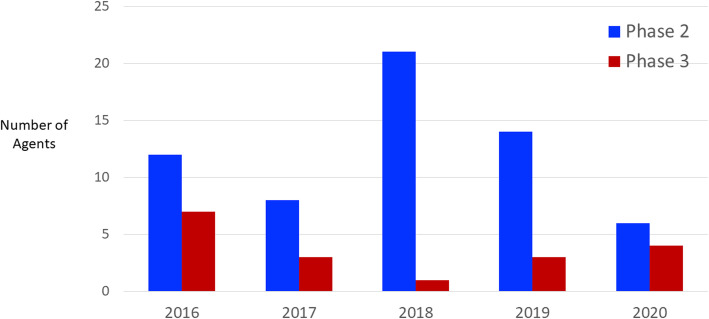
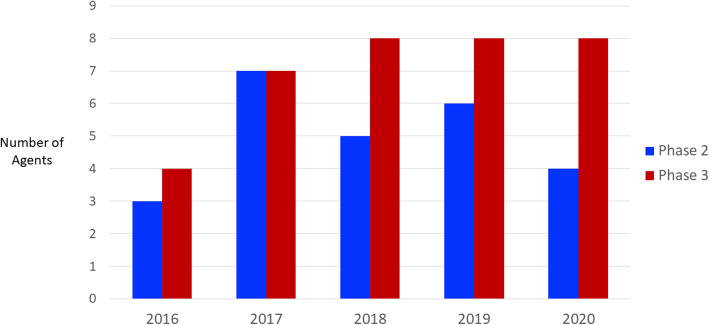
Background: Successful development of agents that improve cognition and behavior in Alzheimer’s disease (AD) is critical to improving the lives of patients manifesting the symptoms of this progressive disorder. Discussion: There have been no recent approvals of cognitive enhancing agents for AD. There are currently 6 cognitive enhancers in Phase 2 trials and 4 in phase 3. They represent a variety of novel mechanisms. There has been progress in developing new treatments for neuropsychiatric symptoms in AD with advances in treatment of insomnia, psychosis, apathy, and agitation in AD. There are currently 4 AD-related psychotropic agents in Phase 2 trials and 7 in Phase 3 trials. Many novel mechanisms are being explored for the treatment of cognitive and behavioral targets. Progress in trial designs, outcomes measures, and population definitions are improving trial conduct for symptomatic treatment of AD. Conclusions: Advances in developing new agents for cognitive and behavioral symptoms of AD combined with enhanced trial methods promise to address the unmet needs of patients with AD for improved cognition and amelioration of neuropsychiatric symptoms.
Overview
The claims and statistics of this paper haven’t been checked yet.
Free: it reads the open-access text and checks the first 5 claims that cite a source we can check. Create a free account to check every claim.
Integrity signals
Registry
Cites
Statistics
Figures
Verification
Claims the paper makes
The claims and statistics of this paper haven’t been checked yet.
Free: it reads the open-access text and checks the first 5 claims that cite a source we can check. Create a free account to check every claim.
Claims other papers make about this one
Each is checked against this paper’s own text: does it say what the citing paper says it does?
The cited source says what the claim attributes to it.
In the citing paper
“Patients with AD exhibit a substantial accumulation of amyloid-β (Aβ) plaques and neurofibrillary tangles (NFTs) within their brains, accompanied by a cascade of pathological processes such as neuroinflammation, synaptic dysfunction, mitochondrial and bioenergetic disturbances, as well as vascular abnormalities.”
From Recent advances in Alzheimer's disease: Mechanisms, clinical trials and new drug development strategies. (2024) · cites this paper as [6]
Self-check
Percentages, sums and reported differences re-computed from the paper’s own numbers.
The self-check needs the paper’s full text.
Citations
Cites
Folstein, M. F., Folstein, S. E., & McHugh, P. R. (1975) · Journal of Psychiatric Research · doi:10.1016/0022-3956(75)90026-6 · Cited by 88,282
Hirono, N., Mori, E., Ikejiri, Y., Imamura, T., Shimomura, T., Hashimoto, M., Yamashita, H., & Ikeda, M. (1997) · Brain and nerve · Cited by 21,030
Kok, J. S., Berg, I. J., & Scherder, E. J. A. (2013) · Dementia and Geriatric Cognitive Disorders Extra · doi:10.1159/000353441 · Cited by 20,589
Older Adults' Reasons for Using Technology while Aging in Place
Peek, S. T. M., Luijkx, K. G., Rijnaard, M. D., Nieboer, M. E., van der Voort, C. S., Aarts, S., van Hoof, J., Vrijhoef, H. J. M., & Wouters, E. J. M. (2016) · Gerontology · doi:10.1159/000430949 · Cited by 19,690
Sensitivity and False Alarm Rate of a Fall Sensor in Long-Term Fall Detection in the Elderly
Kangas, M., Korpelainen, R., Vikman, I., Nyberg, L., & Jämsä, T. (2015) · Gerontology · doi:10.1159/000362720 · Cited by 18,909
Neuroinflammation in Alzheimer's disease
Heneka, M. T., Carson, M. J., Khoury, J. E., Landreth, G. E., Brosseron, F., Feinstein, D. L., Jacobs, A. H., Wyss-Coray, T., Vitorica, J., Ransohoff, R. M., et al. (2015) · The Lancet Neurology · doi:10.1016/s1474-4422(15)70016-5 · Cited by 6,226
A new rating scale for Alzheimer's disease
(1984) · American Journal of Psychiatry · doi:10.1176/ajp.141.11.1356 · Cited by 4,175
Alzheimer's Disease and Senile Dementia: Loss of Neurons in the Basal Forebrain
Whitehouse, P., Price, D., Struble, R., Clark, A., Coyle, J., & DeLong, M. R. (1982) · Science · doi:10.1126/science.7058341 · Cited by 3,627
Scheltens, P., Blennow, K., Breteler, M. M. B., de Strooper, B., Frisoni, G. B., Salloway, S., & Van der Flier, W. M. (2016) · The Lancet · doi:10.1016/s0140-6736(15)01124-1 · Cited by 3,125
The cholinergic system in the pathophysiology and treatment of Alzheimer’s disease
Hampel, H., Mesulam, M.-M., Cuello, A. C., Farlow, M. R., Giacobini, E., Grossberg, G. T., Khachaturian, A. S., Vergallo, A., Cavedo, E., Snyder, P. J., et al. (2018) · Brain · doi:10.1093/brain/awy132 · Cited by 1,918
Cited by
Zhang, J., Zhang, Y., Wang, J., Xia, Y., Zhang, J., & Chen, L. (2024) · Signal Transduction and Targeted Therapy · doi:10.1038/s41392-024-01911-3 · Cited by 1,138
“5,6 Clinically, the primary hallmark of AD is amnestic cognitive impairment.”
BackgroundDiagnosis of Early Alzheimer's Disease: Clinical Practice in 2021
Porsteinsson, A. P., Isaacson, R. S., Knox, S., Sabbagh, M. N., & Rubino, I. (2021) · The Journal of Prevention of Alzheimer's Disease · doi:10.14283/jpad.2021.23 · Cited by 744
“Acetylcholinesterase inhibitors (donepezil, rivastigmine, and galantamine) and N-methyl-D-aspartate receptor antagonists (memantine) can be prescribed to patients to temporarily ameliorate the symptoms of AD dementia such as cognitive and functional decline (92–96).”
Wang, C., Chen, S., Guo, H., Jiang, H., Liu, H., Fu, H., & Wang, D. (2022) · International Journal of Biological Sciences · doi:10.7150/ijbs.69714 · Cited by 327
“Rotigotine, a DA agonist, has demonstrated beneficial effects on frontal-executive function in a phase 2 trial for AD [4].”
BackgroundNeuroinflammation in Alzheimer’s Disease
Onyango, I. G., Jauregui, G. V., Čarná, M., Bennett, J. P., & Stokin, G. B. (2021) · Biomedicines · doi:10.3390/biomedicines9050524 · Cited by 330
“There are currently no effective therapies for AD [38,39].”
BackgroundSolving neurodegeneration: common mechanisms and strategies for new treatments
Wareham, L. K., Liddelow, S. A., Temple, S., Benowitz, L. I., Di Polo, A., Wellington, C., Goldberg, J. L., He, Z., Duan, X., Bu, G., et al. (2022) · Molecular Neurodegeneration · doi:10.1186/s13024-022-00524-0 · Cited by 324
The State of The Art on Acetylcholinesterase Inhibitors in the Treatment of Alzheimer’s Disease
Vecchio, I., Sorrentino, L., Paoletti, A., Marra, R., & Arbitrio, M. (2021) · Journal of Central Nervous System Disease · doi:10.1177/11795735211029113 · Cited by 178
Palanisamy, C. P., Pei, J., Alugoju, P., Anthikapalli, N. V. A., Jayaraman, S., Veeraraghavan, V. P., Gopathy, S., Roy, J. R., Janaki, C. S., Thalamati, D., et al. (2023) · Theranostics · doi:10.7150/thno.83066 · Cited by 165
“In conjunction with cognitive improvements, cholinergic augmentation can be used to achieve functional post-synaptic stimulation [91].”
BackgroundThe promise of microRNA-based therapies in Alzheimer’s disease: challenges and perspectives
Walgrave, H., Zhou, L., De Strooper, B., & Salta, E. (2021) · Molecular Neurodegeneration · doi:10.1186/s13024-021-00496-7 · Cited by 131
Neuroinflammation in neurological disorders: pharmacotherapeutic targets from bench to bedside
Mishra, A., Bandopadhyay, R., Singh, P. K., Mishra, P. S., Sharma, N., & Khurana, N. (2021) · Metabolic Brain Disease · doi:10.1007/s11011-021-00806-4 · Cited by 141
“According to prevailing amyloid and tau cascade hypotheses, the accumulation of Aβ deposits and neurofibrillary tangle containing hyperphosphorylated Tau in the brain initiates the cellular events in AD (Leng and Edison 2021; Cummings 2021).”
BackgroundItzhaki, R. F. (2021) · Vaccines · doi:10.3390/vaccines9060679 · Cited by 123
“[8], is yielding encouraging results: a phase 2 trial of GV971, a compound derived from brown algae which consists of polysaccharides—linear sodium oligomannate molecules—of a range of sizes.”
ResultMishra, A., Mishra, P. S., Bandopadhyay, R., Khurana, N., Angelopoulou, E., Paudel, Y. N., & Piperi, C. (2021) · Molecules · doi:10.3390/molecules26216456 · Cited by 111
“These abnormal protein aggregates initiate a variety of cellular responses (neuroinflammation, mitochondrial dysfunction, epigenetic alterations, and BBB changes), and eventually lead to neuronal death [108].”
BackgroundAlzheimer’s disease – the journey of a healthy brain into organ failure
Golde, T. E. (2022) · Molecular Neurodegeneration · doi:10.1186/s13024-022-00523-1 · Cited by 88
Therapeutic potential of quinazoline derivatives for Alzheimer's disease: A comprehensive review
Haghighijoo, Z., Zamani, L., Moosavi, F., & Emami, S. (2021) · European Journal of Medicinal Chemistry · doi:10.1016/j.ejmech.2021.113949 · Cited by 83
TFEB in Alzheimer's disease: From molecular mechanisms to therapeutic implications
Gu, Z., Cao, H., Zuo, C., Huang, Y., Miao, J., Song, Y., Yang, Y., Zhu, L., & Wang, F. (2022) · Neurobiology of Disease · doi:10.1016/j.nbd.2022.105855 · Cited by 71
“Since its discovery in 1906, extensive studies have emerged; however, the etiology and pathogenesis of AD remain unclear and currently, there is no effective treatment (Cummings, 2021).”
BackgroundAlzheimer’s disease clinical trial update 2019–2021
Pleen, J., & Townley, R. A. (2021) · Journal of Neurology · doi:10.1007/s00415-021-10790-5 · Cited by 75
Li, J., Huang, Q., Chen, J., Qi, H., Liu, J., Chen, Z., Zhao, D., Wang, Z., & Li, X. (2021) · Frontiers in Pharmacology · doi:10.3389/fphar.2021.688490 · Cited by 73
“…mice TNF-α, activated microglia cells, activated astrocytes, ASC, caspase-1, iNOS, Aβ↓ Oxidative stress, neuroinflammation Han et al. (2019) F1 AD Old APP/PS1 mice Aβ plaque↓ Amyloid protein (Aβ) accumulationpCREB, BDNF↑ Du et al. (2018) Rf AD Aβ42 N2A cells ROS, Ca2+, IFN-γ↓ Apoptosis,…”
BackgroundDiagnosis and Treatment of Alzheimer’s Disease:
Bomasang-Layno, E., & Bronsther, R. (2021) · Delaware Journal of Public Health · doi:10.32481/djph.2021.09.009 · Cited by 76
ApoE4 reduction: An emerging and promising therapeutic strategy for Alzheimer's disease
Li, Y., Macyczko, J. R., Liu, C.-C., & Bu, G. (2022) · Neurobiology of Aging · doi:10.1016/j.neurobiolaging.2022.03.011 · Cited by 61
Therapeutic Potential of Allicin and Aged Garlic Extract in Alzheimer’s Disease
Tedeschi, P., Nigro, M., Travagli, A., Catani, M., Cavazzini, A., Merighi, S., & Gessi, S. (2022) · International Journal of Molecular Sciences · doi:10.3390/ijms23136950 · Cited by 63
Emotional and Neuropsychiatric Disorders Associated with Alzheimer's Disease
Heilman, K. M., & Nadeau, S. E. (2022) · Neurotherapeutics · doi:10.1007/s13311-021-01172-w · Cited by 64
Recent Advances in Therapeutics for the Treatment of Alzheimer’s Disease
Thawabteh, A. M., Ghanem, A. W., AbuMadi, S., Thaher, D., Jaghama, W., Karaman, D., & Karaman, R. (2024) · Molecules · doi:10.3390/molecules29215131 · Cited by 56
“By re-versibly binding to acetylcholinesterase, it slows the hydrolysis of acetylcholine, increasing the concentration of ACh at synapses [106,107].”
BackgroundPharmacotherapy of Alzheimer’s disease: an overview of systematic reviews
Majidazar, R., Rezazadeh‐Gavgani, E., Sadigh‐Eteghad, S., & Naseri, A. (2022) · European Journal of Clinical Pharmacology · doi:10.1007/s00228-022-03363-6 · Cited by 55
“Pharmacological modulation of inflammatory responses could bring some potential agents into AD treatment plans [85, 86].”
BackgroundCummings, J. L., Lanctôt, K. L., Grossberg, G. T., & Ballard, C. G. (2024) · JAMA Neurology · doi:10.1001/jamaneurol.2024.0586 · Cited by 54
Self-citationPuranik, N., & Song, M. (2024) · Molecules · doi:10.3390/molecules29235744 · Cited by 55
Kucwaj‐Brysz, K., Baltrukevich, H., Czarnota-Łydka, K., & Handzlik, J. (2021) · Bioorganic & Medicinal Chemistry Letters · doi:10.1016/j.bmcl.2021.128275 · Cited by 52
Artificial intelligence for dementia drug discovery and trials optimization
Doherty, T., Yao, Z., Khleifat, A. A. L., Tantiangco, H., Tamburin, S., Albertyn, C., Thakur, L., Llewellyn, D. J., Oxtoby, N. P., Lourida, I., et al. (2023) · Alzheimer's & Dementia · doi:10.1002/alz.13428 · Cited by 48
Small-molecule theranostics in Alzheimer's disease
Sarabia‐Vallejo, Á., López‐Alvarado, P., & Menéndez, J. C. (2023) · European Journal of Medicinal Chemistry · doi:10.1016/j.ejmech.2023.115382 · Cited by 54
Amyloid Precursor Protein: A Regulatory Hub in Alzheimer's Disease
Chen, J., Chen, J.-S., Li, S., Zhang, F., Deng, J., Zeng, L., & Tan, J. (2023) · Aging and Disease · doi:10.14336/ad.2023.0308 · Cited by 62
“Therefore, many have argued that Aβ is not the sole cause of the disease and that interplay between APP and its fragments is required for the observed toxicities of these molecules [14].”
BackgroundIyaswamy, A., Krishnamoorthi, S. K., Zhang, H., Sreenivasmurthy, S. G., Zhu, Z., Liu, J., Su, C.-F., Guan, X.-J., Wang, Z., Cheung, K., et al. (2021) · Phytomedicine · doi:10.1016/j.phymed.2021.153648 · Cited by 47
Therapeutic approaches for improving cognitive function in the aging brain
Chen, L., Jiao, J., & Zhang, Y. (2022) · Frontiers in Neuroscience · doi:10.3389/fnins.2022.1060556 · Cited by 44
“Potential drugs with novel mechanisms Drug development for AD has been challenging for the last two decades, although a variety of potential drug targets have been identified (Cummings, 2021; van Bokhoven et al., 2021).”
BackgroundMarine Sources of DHA-Rich Phospholipids with Anti-Alzheimer Effect
Ferreira, I., Rauter, A. P., & Bandarra, N. M. (2022) · Marine Drugs · doi:10.3390/md20110662 · Cited by 45
“Many causes are associated with AD, such as accumulation of extracellular β-amyloid peptides forming β-amyloid plaques, intracellular tau neurofibrillary tangles (NFTs) and brain atrophy [13,16,17].”
BackgroundThe Possible Application of Ketamine in the Treatment of Depression in Alzheimer’s Disease
Mohammad Shehata, I., Masood, W., Nemr, N., Anderson, A., Bhusal, K., Edinoff, A. N., Cornett, E. M., Kaye, A. M., & Kaye, A. D. (2022) · Neurology International · doi:10.3390/neurolint14020025 · Cited by 41
“However, the drug pimavanserin is a serotonin receptor antagonist that may soon receive approval by the FDA to treat AD-related psychosis [22].”
BackgroundInfluentialA review of brain imaging biomarker genomics in Alzheimer’s disease: implementation and perspectives
Li, L., Yu, X., Sheng, C., Jiang, X., Zhang, Q., Han, Y., & Jiang, J. (2022) · Translational Neurodegeneration · doi:10.1186/s40035-022-00315-z · Cited by 43
“In addition, no effective therapeutic strategies are available for AD [2].”
BackgroundLi, Z., Lu, Y., Zhen, Y., Jin, W., Ma, X., Yuan, Z., Liu, B., Zhou, X.-L., & Zhang, L. (2024) · Phytomedicine · doi:10.1016/j.phymed.2024.156209 · Cited by 42
Sun, M., Qin, F., Bu, Q., Zhao, Y., Yang, X., Zhang, D., & Cen, X. (2025) · MedComm · doi:10.1002/mco2.70386 · Cited by 47
“The therapeutic responses to these agents exhibit considerable variability among patients and tend to decline over time, frequently accompanied by adverse side effects [354].”
Carbamate as a potential anti‐Alzheimer's pharmacophore: A review
Singh, Y. P., Kumar, N., Chauhan, B. S., & Garg, P. (2023) · Drug Development Research · doi:10.1002/ddr.22113 · Cited by 43
“Currently available treatments only provide symptomatic relief for a period, after that disease progression continues (Cummings, 2021).”
BackgroundA2A Adenosine Receptor Antagonists in Neurodegenerative Diseases
Merighi, S., Borea, P. A., Varani, K., Vincenzi, F., Jacobson, K. A., & Gessi, S. (2021) · Current Medicinal Chemistry · doi:10.2174/0929867328666211129122550 · Cited by 39
Liu, H., Huo, X., Wang, S., & Yin, Z. (2022) · Colloids and Surfaces B Biointerfaces · doi:10.1016/j.colsurfb.2022.112360 · Cited by 38
Caffeine for Prevention of Alzheimer’s Disease: Is the A2A Adenosine Receptor Its Target?
Merighi, S., Travagli, A., Nigro, M., Pasquini, S., Cappello, M., Contri, C., Varani, K., Vincenzi, F., Borea, P. A., & Gessi, S. (2023) · Biomolecules · doi:10.3390/biom13060967 · Cited by 42
“To promote the removal of tau protein and amyloid peptide or to disrupt neurodegenerative biological mechanisms, many new pharmaceutical targets have been developed [45].”
BackgroundXi, M., Sun, T., Chai, S., Xie, M., Chen, S., Deng, L., Du, K., Shen, R., & Sun, H. (2022) · European Journal of Medicinal Chemistry · doi:10.1016/j.ejmech.2022.114170 · Cited by 37
LncRNAs as the Regulators of Brain Function and Therapeutic Targets for Alzheimer’s Disease
Liu, Y., Chen, X., Che, Y., Li, H., Zhang, Z., Peng, W., & Yang, J. (2022) · Aging and Disease · doi:10.14336/ad.2021.1119 · Cited by 37
“Furthermore, the accuracy of diagnosis and potential treatment is discussed to help overcome the major challenges in neurobiology, although an effective treatment for AD is currently nonexistent [10].”
BackgroundThe complex effects of miR-146a in the pathogenesis of Alzheimer’s disease
Long, Y., Liu, J., Wang, Y., Guo, H.-D., & Cui, G.-H. (2024) · Neural Regeneration Research · doi:10.4103/nrr.nrr-d-23-01566 · Cited by 40
Multitarget-Directed Ligands for Alzheimer’s Disease: Recent Novel MTDLs and Mechanistic Insights
Almaghrabi, M. (2025) · Pharmaceuticals · doi:10.3390/ph18111685 · Cited by 40
“Critically, these agents primarily manage symptoms rather than altering the disease’s underlying pathological course [25,26].”
Some Candidate Drugs for Pharmacotherapy of Alzheimer’s Disease
Miziak, B., Błaszczyk, B., & Czuczwar, S. J. (2021) · Pharmaceuticals · doi:10.3390/ph14050458 · Cited by 37
Alzheimer’s Disease: From Molecular Mechanisms to Promising Therapeutic Strategies
Ivanova, A. V., Kutuzova, A. D., Kuzmichev, I. A., & Abakumov, M. A. (2025) · International Journal of Molecular Sciences · doi:10.3390/ijms26199444 · Cited by 35
Cummings, J. L., Brubaker, M., Selzler, K. J., Gonzalez, S. T., Patel, M., & Stahl, S. M. (2024) · CNS Spectrums · doi:10.1017/s1092852924000427 · Cited by 35
Self-citationLi, Y., Fan, H., Ni, M., Zhang, W., Fang, F., Sun, J., Lyu, P., & Ma, P. (2021) · Neuroscience · doi:10.1016/j.neuroscience.2021.11.001 · Cited by 32
Cao, B., Zeng, M., Hao, F.-X., Hao, Z., Zhang, Z.-K., Liang, X.-W., Wu, Y., Zhang, Y., Feng, W., & Zheng, X. (2023) · Biomedicine & Pharmacotherapy · doi:10.1016/j.biopha.2023.115825 · Cited by 31
Kalita, S., Bergman, H., Dubey, K. D., & Shaik, S. S. (2023) · Journal of the American Chemical Society · doi:10.1021/jacs.2c12305 · Cited by 30
Mattke, S., Gustavsson, A., Jacobs, L., Kern, S., Palmqvist, S., Eriksdotter, M., Skoog, I. G., Winblad, B. G., Wimo, A. B., & Jönsson, L. (2023) · The Journal of Prevention of Alzheimer s Disease · doi:10.14283/jpad.2023.94 · Cited by 33
“In the absence of effective DMTs today, this management has focused on symptomatic relief and supportive care (9), in addition to non-pharmacological disease prevention strategies which have shown to reduce risks of developing dementia (10, Estimates of Current Capacity for Diagnosing Alzheimer’s…”
Psychosis as a Treatment Target in Dementia: A Roadmap for Designing Interventions
Agüera-Ortíz, L., Babulal, G. M., Bruneau, M., Creese, B., D’Antonio, F., Fischer, C. E., Gatchel, J. R., Ismail, Z., Kumar, S., McGeown, W. J., et al. (2022) · Journal of Alzheimer s Disease · doi:10.3233/jad-215483 · Cited by 30
“[242] and that studies differed in the tools applied for response measurement, potentially contributing to negative results.”
ResultTakasugi, N., Komai, M., Kaneshiro, N., Ikeda, A., Kamikubo, Y., & Uehara, T. (2023) · Cells · doi:10.3390/cells12030454 · Cited by 29
“Alzheimer’s disease (AD) is characterized by progressive cognitive decline and various behavioral abnormalities [1,2].”
BackgroundNavigating the brain: the role of exosomal shuttles in precision therapeutics
Fatima, S., Qaiser, A., Andleeb, S., Hashmi, A. H., & Manzoor, S. (2024) · Frontiers in Neurology · doi:10.3389/fneur.2023.1324216 · Cited by 30
“They also have adverse side effects (87).”
Singh, K., Kaur, A., Goyal, B., & Goyal, D. (2024) · ACS Chemical Neuroscience · doi:10.1021/acschemneuro.4c00246 · Cited by 30
Sargsyan, T. H., Simonyan, H. M., Stepanyan, L., Tsaturyan, A., Vicidomini, C., Pastore, R., Guerra, G., & Roviello, G. N. (2025) · Biomolecules · doi:10.3390/biom15030452 · Cited by 29
Vaghari, D., Mohankumar, G., Tan, K., Lowe, A., Shering, C., Tiňo, P., & Kourtzi, Z. (2025) · Nature Communications · doi:10.1038/s41467-025-61355-3 · Cited by 33
Apathy in Alzheimer’s disease: A neurocircuitry based perspective
Mehak, S. F., Shivakumar, A. B., Saraf, V., Johansson, M., & Gangadharan, G. (2023) · Ageing Research Reviews · doi:10.1016/j.arr.2023.101891 · Cited by 30
Li, J., Ebrahimi, A., & Ali, A. B. (2024) · International Journal of Molecular Sciences · doi:10.3390/ijms25105169 · Cited by 32
“Furthermore, recent research indicates the significant potential of combination therapies for AD, which can be extremely beneficial in slowing the progression of the disease and improving quality of life [26,27].”
Merighi, S., Borea, P. A., Varani, K., Vincenzi, F., Travagli, A., Nigro, M., Pasquini, S., Suresh, R. R., Kim, S. W., Volkow, N. D., et al. (2022) · Molecules · doi:10.3390/molecules27092680 · Cited by 30
“Various novel pharmacological targets aim to accelerate the clearance of β amyloid (Aβ) peptide and tau protein, or to impede neurodegenerative molecular pathways [17,18].”
BackgroundSynaptic Effects of Palmitoylethanolamide in Neurodegenerative Disorders
Assogna, M., Lorenzo, F. D., Martorana, A., & Koch, G. (2022) · Biomolecules · doi:10.3390/biom12081161 · Cited by 28
“So far, the pharmacological treatment for AD and other neurodegenerative dementias has been mostly based on symptomatic drugs enhancing cognition and reducing behavioral alterations (antipsychotic drugs, acetylcholinesterase inhibitors, and NMDA receptor antagonist) with contrasting results and no efficacy in modifyin…”
BackgroundBaazaoui, N., & Iqbal, K. (2022) · Biomolecules · doi:10.3390/biom12101409 · Cited by 30
Pathogenesis of miR-155 on nonmodifiable and modifiable risk factors in Alzheimer’s disease
Liu, J.-J., Long, Y.-F., Xu, P., Guo, H.-D., & Cui, G.-H. (2023) · Alzheimer s Research & Therapy · doi:10.1186/s13195-023-01264-z · Cited by 29
Dementia Prevention in Clinical Practice
Niotis, K., Akiyoshi, K., Carlton, C., & Isaacson, R. (2022) · Seminars in Neurology · doi:10.1055/s-0042-1759580 · Cited by 28
Licochalcone A: A Potential Multitarget Drug for Alzheimer’s Disease Treatment
Olloquequi, J., Ettcheto, M., Cano, A. C., Fortuna, A. C., Bicker, J., Sánchez‐López, E., Paz, C., Ureña, J. M., Verdaguer, E., Auladell, C., et al. (2023) · International Journal of Molecular Sciences · doi:10.3390/ijms241814177 · Cited by 26
“Symptomatic therapy is the primary approach, focusing on controlling cognitive and behavioral symptoms [5].”
MicroRNAs in Learning and Memory and Their Impact on Alzheimer’s Disease
Wang, I., Ho, P., & Tsai, K. (2022) · Biomedicines · doi:10.3390/biomedicines10081856 · Cited by 28
Gohel, D., Zhang, P., Gupta, A. K., Li, Y., Chiang, C., Li, L., Hou, Y., Pieper, A. A., Cummings, J. L., & Cheng, F. (2024) · Journal of Alzheimer s Disease · doi:10.3233/jad-231391 · Cited by 26
“Treatment options for AD historically focus on symptomatic relief by cholinesterase inhibitors and N-methyl-D-aspartate antagonists [7, 8].”
BackgroundSelf-citationComprehensive Bibliometric Analysis of Stem Cell Research in Alzheimer’s Disease from 2004 to 2022
Wang, R., Zhu, Y., Qin, L.-F., Xu, Z., Gao, X.-R., Liu, C., Xu, G., & Chen, Y. (2023) · Dementia and Geriatric Cognitive Disorders · doi:10.1159/000528886 · Cited by 26
Ulbl, J., & Rakuša, M. (2023) · International Journal of Molecular Sciences · doi:10.3390/ijms241210158 · Cited by 26
“Developing novel biological treatments for AD requires the recognition of the cognitive decline in its early stages to effectively intervene and slow down the progression of the disease [6].”
BackgroundGriñán‐Ferré, C., Bellver‐Sanchís, A., Olivares-Martín, M., Bañuelos, Ó., & Pallàs, M. (2021) · Nutrients · doi:10.3390/nu13072411 · Cited by 25
“Although the controversial aducanumab was recently Food and Drug Administration (FDA) approved for the treatment of AD [16], there is still no cure for age-related cognitive decline and AD [59,60].”
BackgroundMitochondrially-Targeted Therapeutic Strategies for Alzheimer’s Disease
Onyango, I. G., Bennett, J. P., & Stokin, G. B. (2021) · Current Alzheimer Research · doi:10.2174/1567205018666211208125855 · Cited by 22
Menden, A., Hall, D., Hahn-Townsend, C., Broedlow, C. A., Joshi, U., Pearson, A., Crawford, F., Evans, J. E., Klatt, N. R., Crynen, S., et al. (2022) · Scientific Reports · doi:10.1038/s41598-022-08840-7 · Cited by 23
Protein aggregation and neurodegenerative disease: Structural outlook for the novel therapeutics
Arar, S. H., Haque, M. A., & Kayed, R. (2023) · Proteins Structure Function and Bioinformatics · doi:10.1002/prot.26561 · Cited by 23
HDAC3 as an Emerging Therapeutic Target for Alzheimer's Disease and other Neurological Disorders
Li, Y., Izhar, T., & Kanekiyo, T. (2025) · Molecular Neurobiology · doi:10.1007/s12035-025-04866-w · Cited by 22
“The current AD treatment is mostly limited to symptomatic therapies [2, 3].”
Punyakoti, P., Behl, T., Sehgal, A., Yadav, S., Sachdeva, M., Anwer, M. K., Vargas-De-La-Cruz, C. B., Venkatachalam, T., Naqvi, M., Verma, R., et al. (2022) · Cellular Signalling · doi:10.1016/j.cellsig.2022.110539 · Cited by 21
Modulation of neural circuits by melatonin in neurodegenerative and neuropsychiatric disorders
Giri, A., Mehan, S., Khan, Z., Gupta, G. D., Narula, A. S., & Kalfin, R. E. (2024) · Naunyn-Schmiedeberg s Archives of Pharmacology · doi:10.1007/s00210-023-02939-y · Cited by 23
“Cummings (2021) highlights progress in the development of new agents for AD, with several in phase 2 and 3 trials, promising advances in trial designs and outcomes for better management of AD symptoms and improved patient lives.”
Ahmed, T. (2024) · European Journal of Neuroscience · doi:10.1111/ejn.16336 · Cited by 23
“There are two main categories of treatment currently used: symptomatic therapies (Buccellato et al., 2023; Cummings, 2021; Wechsler et al., 2019) and antibody-based approaches (Liu et al., 2016; Pul et al., 2011).”
BackgroundYe, J., Wu, J., Ai, L., Zhu, M., Li, Y., Yin, D., & Huang, Q. (2024) · Biochemical Pharmacology · doi:10.1016/j.bcp.2024.116296 · Cited by 22
Zhu, L., Liu, C., Wang, Y., Zhu, X., Wu, L., Chen, L.-H., Zhou, J., & Wang, F. (2025) · Neurochemistry International · doi:10.1016/j.neuint.2025.105964 · Cited by 22
Lin, C.-J., Yeh, M., Wu, S. V., Chung, Y., & Lee, J. C.-H. (2022) · Clinical Rehabilitation · doi:10.1177/02692155221079117 · Cited by 20
“However, medication for Alzheimer’s disease has been shown to slow the cognitive decline but not modify the disease’s course.(4) Non-pharmacological interventions are crucial options for treating Alzheimer’s disease.”
BackgroundPostu, P. A., Mihăşan, M., Gorgan, L., Sadiki, F. Z., Idrissi, M. E., & Hriţcu, L. (2022) · Biomedicines · doi:10.3390/biomedicines10092300 · Cited by 21
“Moreover, the general lack of known symptom-specific biology for the AD neuropsychiatric impairments raises difficulties in targeting these behaviors with agents unique to AD [53].”
BackgroundTargeting phosphodiesterase 4 as a therapeutic strategy for cognitive improvement
Wei, X., Yu, G., Shen, H., Luo, Y., Shang, T., Shen, R., Xi, M., & Sun, H. (2022) · Bioorganic Chemistry · doi:10.1016/j.bioorg.2022.106278 · Cited by 19
Jain, S., Bhushan, B., Mishra, A. K., & Singh, R. (2024) · Journal of Drug Delivery Science and Technology · doi:10.1016/j.jddst.2024.106413 · Cited by 20
Atypical Presentations of Alzheimer Disease
Jones, D. T., Pelak, V. S., & Rogalski, E. J. (2024) · CONTINUUM Lifelong Learning in Neurology · doi:10.1212/con.0000000000001504 · Cited by 21
Qian, X., Liu, X., Chen, S., & Tang, H. (2022) · Frontiers in Aging Neuroscience · doi:10.3389/fnagi.2022.887168 · Cited by 19
“Alzheimer’s disease (AD), the most commontype of dementia, is a progressive neurodegenerative disease that is characterized by impairment in multiple cognitive domains, executive functioning disorders, and a range of neuropsychiatric symptoms (Cummings, 2021; Seto et al., 2021).”
BackgroundTau in Alzheimer's disease: Shaping the future patient journey
Mummery, C. J., Li-Hsian, C. C., Lasagna‐Reeves, C. A., Ossenkoppele, R., Rowe, C. C., Scharre, D. W., Wang, H., Kyaga, S., & Cummings, J. L. (2026) · The Journal of Prevention of Alzheimer s Disease · doi:10.1016/j.tjpad.2025.100447 · Cited by 19
“Prior to this, the only treatment options available to patients with AD were symptomatic (i.e., did not interrupt the cascade that characterizes the disease pathophysiology) [11].”
Self-citationDeuterated dextromethorphan/quinidine for agitation in Alzheimer's disease
Khoury, R. (2022) · Neural Regeneration Research · doi:10.4103/1673-5374.324842 · Cited by 16
Diagnosing and Treating Alzheimer Disease During the Early Stage
Burke, A. D., & Goldfarb, D. (2023) · The Journal of Clinical Psychiatry · doi:10.4088/jcp.li21019ah3c · Cited by 19
Kim, D., Kang, S., Moon, N. R., Shin, B.-K., & Park, S. (2024) · International Journal of Molecular Sciences · doi:10.3390/ijms25189828 · Cited by 19
“Medications currently approved for AD provide only modest symptomatic relief without targeting the underlying disease mechanisms [8,9].”
BackgroundBansal, K., Singh, V., Singh, S., & Mishra, S. (2023) · Current Molecular Medicine · doi:10.2174/1566524023666230320144722 · Cited by 17
Paradigm Shift: Multiple Potential Pathways to Neurodegenerative Dementia
Perna, A., Montine, K. S., White, L. R., Montine, T. J., & Cholerton, B. (2023) · Neurotherapeutics · doi:10.1007/s13311-023-01441-w · Cited by 16
“Ongoing investigations encompass strategically designed cognition enhancers, including modulators of other neurotransmitters, new combinations for potential synergy, and prodrugs with less toxicity [50].”
BackgroundDrug Gene-Set Analysis Identifies Established and Emerging Therapeutic MechanismsPreprint
Bell, N. Y., Uffelmann, E., van Walree, E. S., Schipper, M., Heilbron, K., de Leeuw, C., & Posthuma, D. (2022) · medRxiv · doi:10.1101/2022.09.06.22279660 · Cited by 16
Emerging pharmacological approaches for Huntington's disease
Singh, K., Jain, D., Sethi, P., Gupta, J. K., Tripathi, A. K., Kumar, S., Sarker, S. D., Nahar, L., & Guru, A. (2024) · European Journal of Pharmacology · doi:10.1016/j.ejphar.2024.176873 · Cited by 18
Sadr, N. K. S., Bakhtiarzadeh, F., Shahpasand, K., Mirnajafi‐Zadeh, J., & Behmanesh, M. (2025) · Behavioral and Brain Functions · doi:10.1186/s12993-025-00271-4 · Cited by 16
“Nonetheless, the exigent challenge in AD research is the development of interventions that delay disease onset or decelerate its progression, presenting substantial hurdles in pharmacological research [8, 9].”
Griñán‐Ferré, C., Jarné‐Ferrer, J., Bellver‐Sanchís, A., Codony, S., Puigoriol‐Illamola, D., Sanfeliu, C., Oh, Y., Lee, S., Vázquez, S., & Pallàs, M. (2023) · CNS Neuroscience & Therapeutics · doi:10.1111/cns.14511 · Cited by 16
“52 Unlike current treatments for AD, pharmacological inhibition of sEH focuses on reducing the neurodegenerative processes that trigger cognitive decline, neuroinflammation and, eventually, the clinical manifestations of dementia.”
BackgroundBenetik, S. F., Knez, D., Obreza, A., Košak, U., & Gobec, S. (2024) · Pharmacology & Therapeutics · doi:10.1016/j.pharmthera.2024.108748 · Cited by 15
Lazar, S. V., Mor, S., Wang, D., Goldbloom‐Helzner, L., Clark, K. C., Hao, D., Farmer, D. L., & Wang, A. (2021) · WIREs Mechanisms of Disease · doi:10.1002/wsbm.1541 · Cited by 15
A Comprehensive Review on Therapeutic Potential of Chrysin in Brain Related Disorders
Goyal, A., Singh, G., & Verma, A. (2022) · CNS & Neurological Disorders - Drug Targets · doi:10.2174/1871527321666220602111935 · Cited by 14
The Dual Role of Astrocyte-Derived Exosomes and Their Contents in the Process of Alzheimer’s Disease
Liu, Z., Zhang, H., Liu, S., Hou, Y., & Chi, G. (2022) · Journal of Alzheimer s Disease · doi:10.3233/jad-220698 · Cited by 14
APC/C-Cdh1-targeted substrates as potential therapies for Alzheimer’s disease
Lapresa, R., Agulla, J., Bolaños, J. P., & Almeida, Á. (2022) · Frontiers in Pharmacology · doi:10.3389/fphar.2022.1086540 · Cited by 14
“Increasing prevalence coupled with a lack of effective treatments make this disease an important socio-economic problem for states and families (Cummings 2021).”
BackgroundAng, J.-J., Low, B., & Wong, P. (2024) · Pharmacological Research - Natural Products · doi:10.1016/j.prenap.2024.100050 · Cited by 14
Metadata
- Authors
- Cummings, J.
- Affiliations
- University of Nevada, Las Vegas (US)
- Corresponding author
- Cummings, Jeffrey
- ORCID
- Cummings, Jeffrey
- Venue
- Molecular Neurodegeneration
- Published
- 2021-01-13
- Volume
- 16
- Issue
- 1
- Pages
- 2-2
- ISSN
- 1750-1326 (ISSN-L)
- PMC
- PMC7805095
- OpenAlex
- W3120244708
- Semantic Scholar
- e90773fc4de41e406e2e3577a4493481c97eb6fd
- Cited by
- 226
- References
- 128
- Citations by year
- 2026: 25 · 2025: 39 · 2024: 47 · 2023: 42 · 2022: 45 · 2021: 28
- FWCI
- 5.50
- Type
- journal article
- Language
- en
- Update notices
- correction (2021-04-01)
- Open access
- gold
- doi.org
- Licence
- cc-by
- creativecommons.org/licenses/by/4.0 (tdm)
- creativecommons.org/licenses/by/4.0 (vor)
- Locations
- Molecular Neurodegeneration (publishedVersion, cc-by)
- PubMed Central (publishedVersion, cc-by)
- PubMed (publishedVersion)
- Digital Scholarship - UNLV (University of Nevada Reno) (submittedVersion, cc-by)
- DOAJ (DOAJ: Directory of Open Access Journals) (submittedVersion, cc-by-sa)
- Funders
- National Institute of General Medical Sciences (P20GM109025)
- National Institute of Neurological Disorders and Stroke (U01NS093334)
- National Institute on Aging (R01AG053798)
- Topics
- Life Sciences › Neuroscience › Cellular and Molecular Neuroscience › Alzheimer's disease research and treatments
- Health Sciences › Medicine › Psychiatry and Mental health › Dementia and Cognitive Impairment Research
- Health Sciences › Medicine › Pharmacology (medical) › Cholinesterase and Neurodegenerative Diseases
- Keywords
- Alzheimer's disease, symptomatic treatment, nootropic drugs, neuropsychiatric symptoms, psychotropic drugs, insomnia, psychosis, apathy, agitation, clinical trial design, outcome measures
- MeSH terms
- Aged, Alzheimer Disease, Anxiety, Cognition, Depression, Humans, Psychomotor Agitation, Apathy
About these checks
Registry, retraction, Cites and statistics results are computed, not judged, with one exception: a printed reference that no index lists is read once by a model before it counts as a citation error. Claims are extracted by a model and kept only when their quote appears verbatim in the text; each cited source is then checked, with a model’s help, for whether it says what the claim relies on. Those verdicts can be wrong — read the claim’s quote and the cited source before relying on one.
Statistics and arithmetic are recomputed, not judged.
Confidence bands are shown only for fields calibrated on our annotated test set. None is calibrated yet, so no band is shown.
What counts as a claim ›How we measure confidence ›How we check this ›
Are you an author, or do you see a problem with this page? Request a review
Data sources
Bibliographic data: Semantic Scholar, OpenAlex, Crossref.
Contains information from the Semantic Scholar Academic Graph Datasets, made available under the ODC Attribution License (ODC-BY 1.0).
Semantic Scholar’s data is described in: Kinney, R., et al. (2023). The Semantic Scholar Open Data Platform. arXiv:2301.10140.
