

Sodium oligomannate alters gut microbiota, reduces cerebral amyloidosis and reactive microglia in a sex-specific manner
Open accessThe DOI matches its Crossref record; 67 of the 67 references it cites were found in a registry or an index.
Abstract
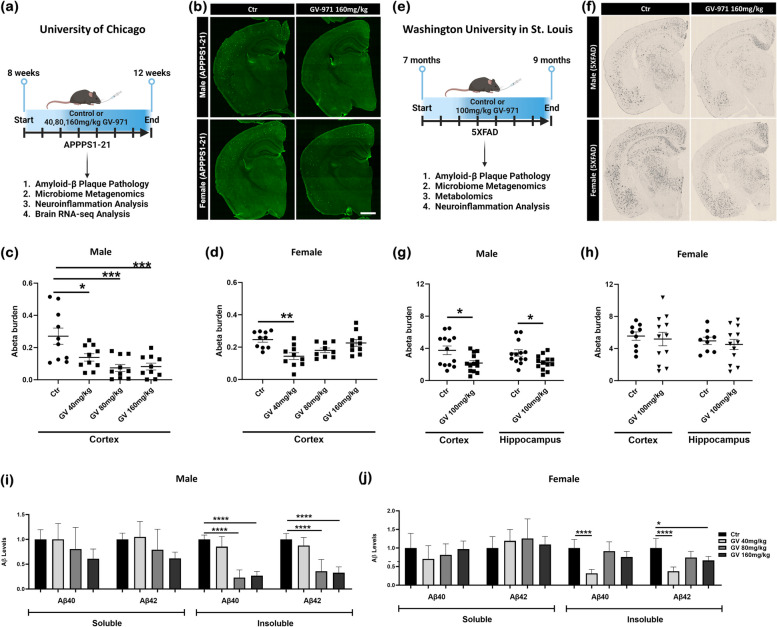
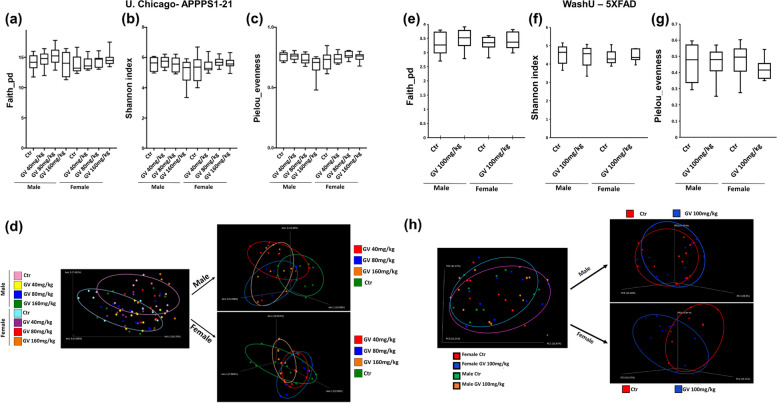
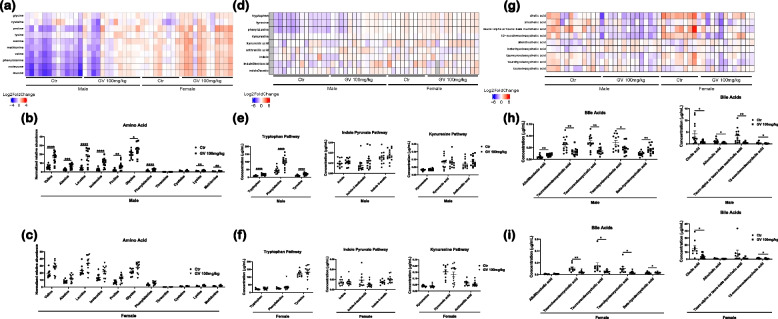
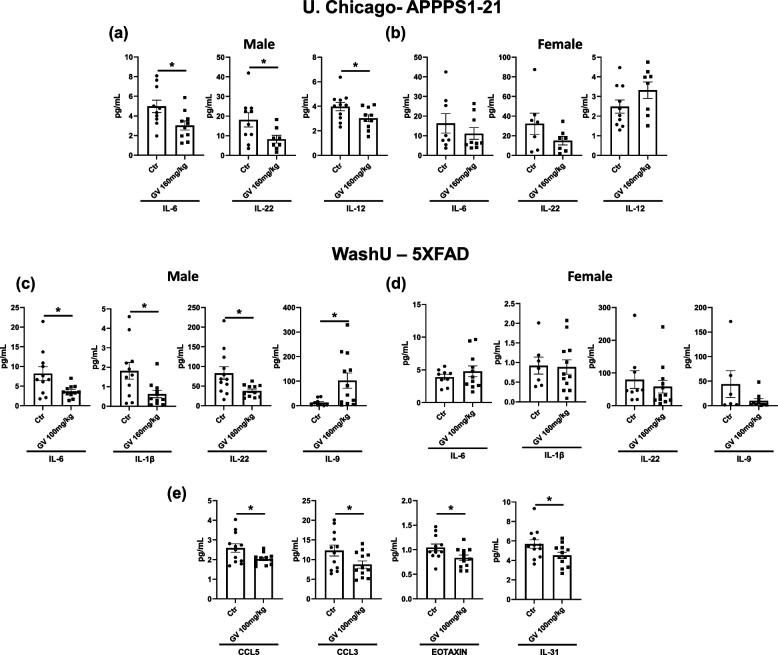
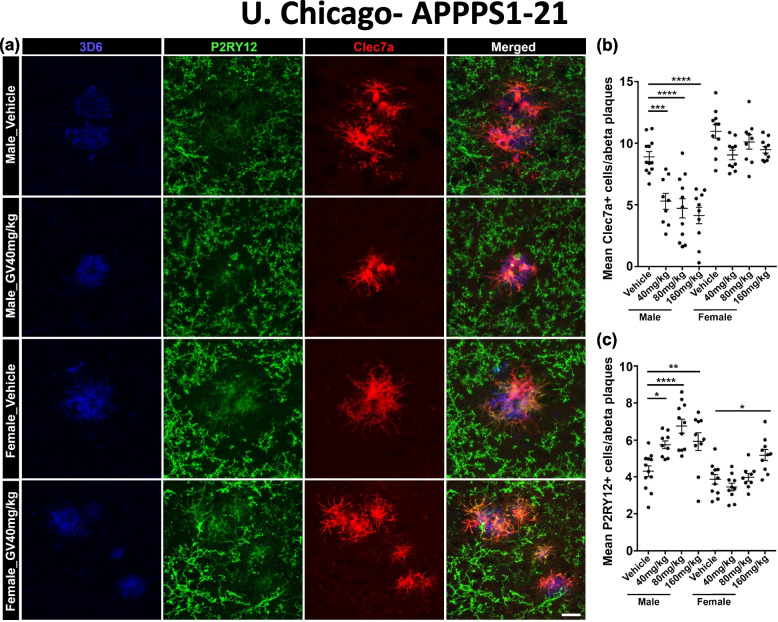
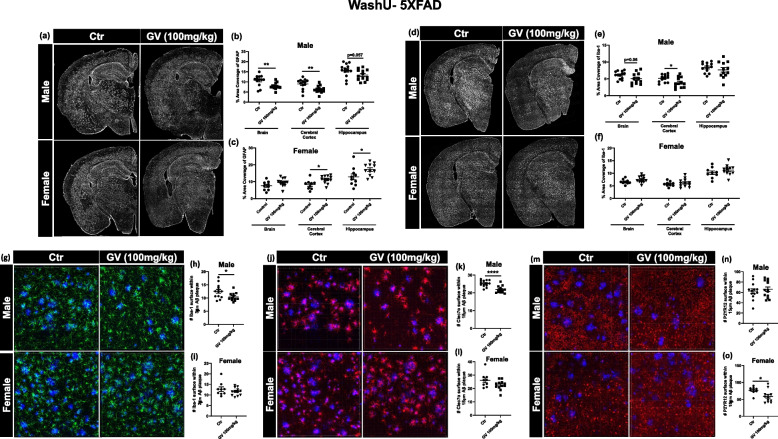
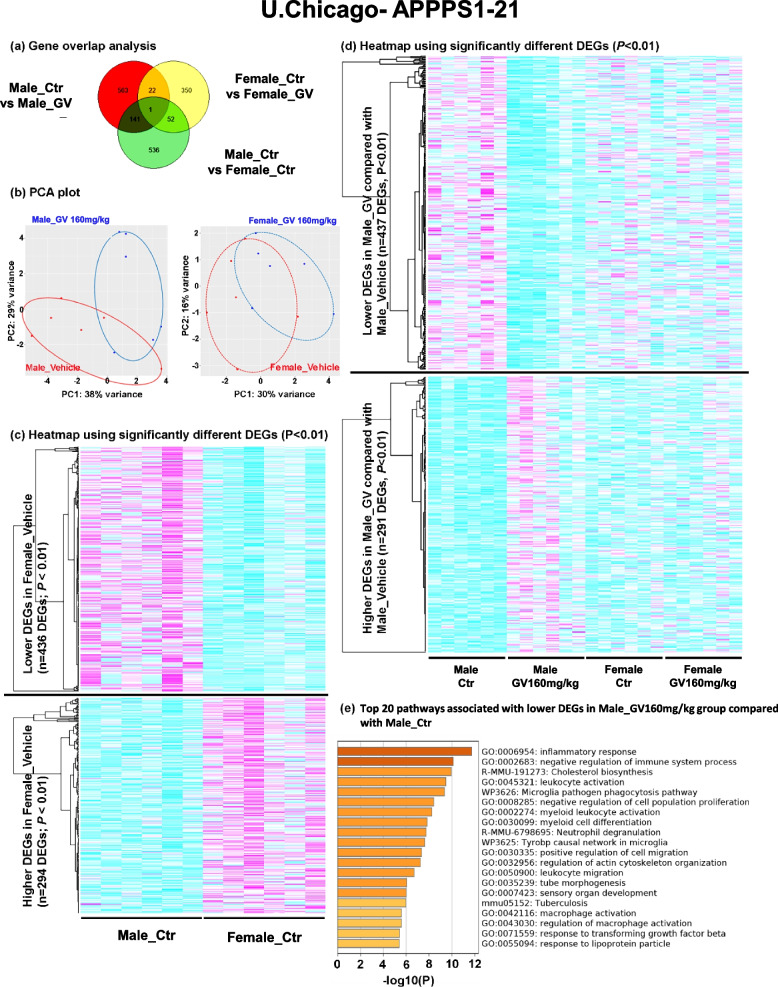
It has recently become well-established that there is a connection between Alzheimer’s disease pathology and gut microbiome dysbiosis. We have previously demonstrated that antibiotic-mediated gut microbiota perturbations lead to attenuation of Aβ deposition, phosphorylated tau accumulation, and disease-associated glial cell phenotypes in a sex-dependent manner. In this regard, we were intrigued by the finding that a marine-derived oligosaccharide, GV-971, was reported to alter gut microbiota and reduce Aβ amyloidosis in the 5XFAD mouse model that were treated at a point when Aβ burden was near plateau levels. Utilizing comparable methodologies, but with distinct technical and temporal features, we now report on the impact of GV-971 on gut microbiota, Aβ amyloidosis and microglial phenotypes in the APPPS1-21 model, studies performed at the University of Chicago, and independently in the 5X FAD model, studies performed at Washington University, St. Louis. Methods To comprehensively characterize the effects of GV-971 on the microbiota-microglia-amyloid axis, we conducted two separate investigations at independent institutions. There was no coordination of the experimental design or execution between the two laboratories. Indeed, the two laboratories were not aware of each other’s experiments until the studies were completed. Male and female APPPS1-21 mice were treated daily with 40, 80, or 160 mg/kg of GV-971 from 8, when Aβ burden was detectable upto 12 weeks of age when Aβ burden was near maximal levels. In parallel, and to corroborate existing published studies and further investigate sex-related differences, male and female 5XFAD mice were treated daily with 100 mg/kg of GV-971 from 7 to 9 months of age when Aβ burden was near peak levels. Subsequently, the two laboratories independently assessed amyloid-β deposition, metagenomic, and neuroinflammatory profiles. Finally, studies were initiated at the University of Chicago to evaluate the metabolites in cecal tissue from vehicle and GV-971-treated 5XFAD mice. Results These studies showed that independent of the procedural differences (dosage, timing and duration of treatment) between the two laboratories, cerebral amyloidosis was reduced primarily in male mice, independent of strain. We also observed sex-specific microbiota differences following GV-971 treatment. Interestingly, GV-971 significantly altered multiple overlapping bacterial species at both institutions. Moreover, we discovered that GV-971 significantly impacted microbiome metabolism, particularly by elevating amino acid production and influencing the tryptophan pathway. The metagenomics and metabolomics changes correspond with notable reductions in peripheral pro-inflammatory cytokine and chemokine profiles. Furthermore, GV-971 treatment dampened astrocyte and microglia activation, significantly decreasing plaque-associated reactive microglia while concurrently increasing homeostatic microglia only in male mice. Bulk RNAseq analysis unveiled sex-specific changes in cerebral cortex transcriptome profiles, but most importantly, the transcriptome changes in the GV-971-treated male group revealed the involvement of microglia and inflammatory responses. Conclusions In conclusion, these studies demonstrate the connection between the gut microbiome, neuroinflammation, and Alzheimer’s disease pathology while highlighting the potential therapeutic effect of GV-971. GV-971 targets the microbiota-microglia-amyloid axis, leading to the lowering of plaque pathology and neuroinflammatory signatures in a sex-dependent manner when given at the onset of Aβ deposition or when given after Aβ deposition is already at higher levels.
Overview
The claims and statistics of this paper haven’t been checked yet.
Free: it reads the open-access text and checks the first 5 claims that cite a source we can check. Create a free account to check every claim.
Integrity signals
Registry
Cites
Statistics
Figures
Verification
Claims the paper makes
The claims and statistics of this paper haven’t been checked yet.
Free: it reads the open-access text and checks the first 5 claims that cite a source we can check. Create a free account to check every claim.
Claims other papers make about this one
Each is checked against this paper’s own text: does it say what the citing paper says it does?
The source backs part of the claim, not all of it — or backs it for a different population, condition or comparison.
In the citing paper
“Further research indicated that sodium oligomannate (9, GV-971) altered the composition and abundance of the gut microbiome in a sex-dependent manner in both APPPS1-21 and 5xFAD models. This modulation influenced microbial metabolism and peripheral inflammation, regulated the activation state and functionality of microglia, and thereby reduced neuroinflammation and amyloidosis.415”
From Recent advances in Alzheimer's disease: Mechanisms, clinical trials and new drug development strategies. (2024) · cites this paper as [415]
Experimental — accuracy not yet measured
Self-check
Percentages, sums and reported differences re-computed from the paper’s own numbers.
The self-check needs the paper’s full text.
Citations
Cites
Moderated estimation of fold change and dispersion for RNA-seq data with DESeq2
Love, M. I., Huber, W., & Anders, S. (2014) · Genome Biology · doi:10.1186/s13059-014-0550-8 · Cited by 95,106
STAR: ultrafast universal RNA-seq aligner
Dobin, A., Davis, C. A., Schlesinger, F., Drenkow, J., Zaleski, C., Jha, S., Batut, P., Chaisson, M., & Gingeras, T. R. (2013) · Bioinformatics · doi:10.1093/bioinformatics/bts635 · Cited by 51,709
MAFFT Multiple Sequence Alignment Software Version 7: Improvements in Performance and Usability
Katoh, K., & Standley, D. M. (2013) · Molecular Biology and Evolution · doi:10.1093/molbev/mst010 · Cited by 46,209 · cited 1×
“Followed by quality control, sequences were aligned using mafft [35] and a phylogenetic tree was constructed using fasttree [36].”
MethodDADA2: High–resolution sample inference from Illumina amplicon data
Callahan, B. J., McMurdie, P. J., Rosen, M. J., Han, A. W., Johnson, A. J. A., & Holmes, S. P. (2016) · Nature Methods · doi:10.1038/nmeth.3869 · Cited by 35,698 · cited 2×
“Levels of Aβ peptides were analyzed through protocols previously reported [33].”
MethodReproducible, interactive, scalable and extensible microbiome data science using QIIME 2
Bolyen, E., Rideout, J. R., Dillon, M. R., Bokulich, N. A., Abnet, C. C., Al-Ghalith, G. A., Alexander, H., Alm, E. J., Arumugam, M., Asnicar, F., et al. (2019) · Nature Biotechnology · doi:10.1038/s41587-019-0209-9 · Cited by 23,742 · cited 2×
“For sequencing analysis, Earth Microbi-ome Project raw sequences were imported into Qiime2 [34] and analyses were performed by HBD.”
MethodHTSeq—a Python framework to work with high-throughput sequencing data
Anders, S., Pyl, P. T., & Huber, W. (2015) · Bioinformatics · doi:10.1093/bioinformatics/btu638 · Cited by 21,464 · cited 2×
“The quality of RNA reads, in FASTQ format, was evaluated using FastQC [29] and similar to our published work [19].”
MethodFastTree 2 – Approximately Maximum-Likelihood Trees for Large Alignments
Price, M. N., Dehal, P. S., & Arkin, A. P. (2010) · PLoS ONE · doi:10.1371/journal.pone.0009490 · Cited by 14,894 · cited 1×
“Followed by quality control, sequences were aligned using mafft [35] and a phylogenetic tree was constructed using fasttree [36].”
MethodMetascape provides a biologist-oriented resource for the analysis of systems-level datasets
Zhou, Y., Zhou, B., Pache, L., Chang, M., Khodabakhshi, A. H., Tanaseichuk, O., Benner, C., & Chanda, S. K. (2019) · Nature Communications · doi:10.1038/s41467-019-09234-6 · Cited by 14,611 · cited 1×
“GO analysis and identification of DEGs belonging to specific pathways were performed using Metascape [32].”
MethodUniFrac: a New Phylogenetic Method for Comparing Microbial Communities
Lozupone, C., & Knight, R. (2005) · Applied and Environmental Microbiology · doi:10.1128/aem.71.12.8228-8235.2005 · Cited by 8,227
Neuroinflammation in Alzheimer's disease
Heneka, M. T., Carson, M. J., Khoury, J. E., Landreth, G. E., Brosseron, F., Feinstein, D. L., Jacobs, A. H., Wyss-Coray, T., Vitorica, J., Ransohoff, R. M., et al. (2015) · The Lancet Neurology · doi:10.1016/s1474-4422(15)70016-5 · Cited by 6,226
Research works printed but not linked: 2
- Pedregosa F, Varoquaux G, Gramfort A, Michel V, Thirion B, Grisel O, Blondel M, Prettenhofer P, Weiss R, Dubourg V, Vanderplas J, Passos A, Cournapeau D, Brucher M, Perrot M, Duchesnay E. Scikit-learn: machine learning in Python. J Mach Learn Res. 2011;12:2825–30.
- Seo DO, O’Donnell D, Jain N, Ulrich JD, Herz J, Li Y, et al. ApoE isoform- and microbiota-dependent progression of neurodegeneration in a mouse model of tauopathy. Science. 2023;379(6628):eadd1236. 36634180 PMC9901565 · DOI · Paper page
Cited by
Zhang, J., Zhang, Y., Wang, J., Xia, Y., Zhang, J., & Chen, L. (2024) · Signal Transduction and Targeted Therapy · doi:10.1038/s41392-024-01911-3 · Cited by 1,138
Zha, X., Liu, X., Wei, M., Huang, H., Cao, J., Liu, S., Bian, X., Zhang, Y., Xiao, F., Xie, Y., et al. (2025) · Cell Metabolism · doi:10.1016/j.cmet.2024.10.006 · Cited by 159
Self-citationChen, C., Wang, G., Li, D., & Zhang, F. (2025) · Molecular Biomedicine · doi:10.1186/s43556-025-00307-1 · Cited by 150
The Oral–Gut Microbiome–Brain Axis in Cognition
Adil, N. A., Omo-erigbe, C., Yadav, H., & Jain, S. (2025) · Microorganisms · doi:10.3390/microorganisms13040814 · Cited by 69
“Sodium oligo-mannate (GV-971) has also shown promise in reversing cognitive impairment, correcting gut dysbiosis, and reducing neuroinflammation while penetrating the blood–brain barrier to inhibit A β fibril formation [118].”
Sasmita, A. O., Ong, E. C., Nazarenko, T., Mao, S., Komarek, L., Thalmann, M., Hantakova, V., Spieth, L., Berghoff, S. A., Barr, H. J., et al. (2025) · Neuron · doi:10.1016/j.neuron.2024.12.025 · Cited by 42
Systemic inflammation as a central player in the initiation and development of Alzheimer’s disease
Bayraktaroğlu, I., Ortí-Casañ, N., Dam, D. V., Deyn, P. P. D., & Eisel, U. L. M. (2025) · Immunity & Ageing · doi:10.1186/s12979-025-00529-5 · Cited by 54
“Estrogen levels might modulate these microbiome changes and subsequent amyloid pathology, suggesting complex crosstalk between sex hormones, gut microbiota, and AD progression [304, 305].”
Puranik, N., & Song, M. (2024) · Molecules · doi:10.3390/molecules29235744 · Cited by 55
“Allophysics, including sodium oligomannate (GV-971), work on the mechanism of neuroinflammation by modulating gut microbiota, and have potential to decrease amyloidosis and neuroinflammation in animal models [183,184].”
The mechanisms, hallmarks, and therapies for brain aging and age-related dementia
Jin, S., Lü, W., Zhang, J., Zhang, L., Tao, F., Zhang, Y., Hu, X., & Liu, Q. (2024) · Science Bulletin · doi:10.1016/j.scib.2024.09.005 · Cited by 45
How the gut microbiota impacts neurodegenerative diseases by modulating CNS immune cells
Schaible, P., Henschel, J., & Erny, D. (2025) · Journal of Neuroinflammation · doi:10.1186/s12974-025-03371-0 · Cited by 35
“Although the beneficial effect on Aβ accumulation was less pronounced in females [14].”
Jy, L., Wong, C.-Y., Koh, R. Y., Lim, C. L., Kok, Y.-Y., & Chye, S. M. (2024) · The Yale Journal of Biology and Medicine · doi:10.59249/jnkb9714 · Cited by 29
“Previously, it was demonstrated that pretreatment of κ-carrageenan and its desulphated derivatives in LPS-induced microglial cells can inhibit microglial cell activation and migration [116], suggesting a possible application in attenuating neuroinflammation in neuro - mice and 5XFAD mice [100].”
BackgroundChandra, S., Popović, J., Singhal, N. K., Watkins, E. A., Dodiya, H. B., Weigle, I. Q., Salvo, M. A., Ramakrishnan, A., Chen, Z., Watson, T., et al. (2025) · Journal of Clinical Investigation · doi:10.1172/jci180826 · Cited by 26
“However, it has been previously shown that, although GMBs between facilities may be different, similar effects on amyloidosis and neuroinflammation are achieved when using the same combination of ABX or other GMB-targeted interventions (3–7, 9, 13).”
Self-citationJia, C., Chai, J., Zhang, S., Sun, Y., He, L., Sang, Z., Chen, D., & Zheng, X. (2025) · Marine Drugs · doi:10.3390/md23030091 · Cited by 24
“However, animal studies have shown that GV-971 has sexual differences, exhibiting more pronounced effects in male GV ‐ 971, effectively restores gut microbiota and reduces the phenylalanine and isoleucine levels in both feces and blood. mice compared to female mice [128].”
Duan, X., Nie, Y., Xie, X., Zhang, Q., Zhu, C., Zhu, H., Chen, R., Xu, J. J., Zhang, J., Yang, C., et al. (2024) · Frontiers in Microbiology · doi:10.3389/fmicb.2024.1421608 · Cited by 26
“Bosch et al. (2024) found that sodium oligomeric mannitate has sex-specific effects on gut microbiota, reducing amyloidosis and reactive microglia in the brain.”
BackgroundGut microbiota metabolites: potential therapeutic targets for Alzheimer’s disease?
Zhang, S., Lu, J., Jin, Z., Xu, H., Zhang, D., Chen, J., & Wang, J. (2024) · Frontiers in Pharmacology · doi:10.3389/fphar.2024.1459655 · Cited by 30
The role of gut microbiota‐derived metabolites in neuroinflammation
Mu, L., & Wang, Y. (2025) · Neuroprotection/Neuroprotection (Chichester, England. Print) · doi:10.1002/nep3.70001 · Cited by 23
Zhang, Y., Liu, T., Pan, F., Li, Y., Wang, D., Pang, J., Sang, H., Xi, Y., Shi, L. S., & Liu, Z. (2025) · Journal of Agricultural and Food Chemistry · doi:10.1021/acs.jafc.4c09878 · Cited by 23
Alginate Oligosaccharide and Gut Microbiota: Exploring the Key to Health
Song, M., Chen, L., Chen, D., Tang, M., Wei, Y., Lv, D., Li, Q., & Chen, Z. (2025) · Nutrients · doi:10.3390/nu17121977 · Cited by 21
Wang, X., Xie, Z., Yuan, J., Jin, E., Lian, W., Chang, S., Sun, G., Feng, Z., Xu, H., Du, C., et al. (2024) · Cell Discovery · doi:10.1038/s41421-024-00725-5 · Cited by 22
“More recently, an independent study also validated the modulatory effect of GV-971 on gut microbiota to reduce cerebral amyloidosis and reactive microglia 14 .”
The role of brain–liver–gut Axis in neurological disorders
Li, P., Xie, L., Yang, W., Feng, S., Mao, W., Ye, L., Cheng, H., Wu, X., & Mao, X. (2025) · Burns & Trauma · doi:10.1093/burnst/tkaf011 · Cited by 18
“Researchers have already started exploring methods to regulate this axis, such as the use of sodium oligomannate to reshape the gut microbiota and mitigate neuroinflammation, thereby treating AD [5].”
Crosstalk Between Microbiome and Ferroptosis in Diseases: From Mechanism to Therapy
Ding, S., Lei, Y., Zhao, Z., Li, X., Lang, J., Zhang, J., Li, Y., Zhang, C., & Dai, D. (2025) · Comprehensive physiology · doi:10.1002/cph4.70042 · Cited by 17
“Microbiome dysbiosis also induces multiple human diseases (Ambat et al. 2024; Thibaut et al. 2025; Bosch et al. 2024; Kambara et al. 2024; Essex et al. 2024).”
Self-citationDunham, S. J. B., Avelar‐Barragan, J., Rothman, J. A., Adams, E. D., Faraci, G., Forner, S., Kawauchi, S., Tenner, A. J., Green, K. N., LaFerla, F. M., et al. (2024) · Alzheimer s & Dementia · doi:10.1002/alz.13794 · Cited by 13
Costa, M., Soares, C. M. D., Silva, A., Barroso, M. F., Simões, P. C., Ferreira, M. C., Gameiro, P., Grosso, C., & Delerue-Matos, C. M. (2025) · Marine Drugs · doi:10.3390/md23040147 · Cited by 14
“Further research is necessary to elucidate its systemic bioavailability, brain penetration, and precise mechanisms of action in neurodegenerative diseases [9,11].”
Translating Alzheimer’s Disease Mechanisms into Therapeutic Opportunities
Li, J., Wang, L., Zhang, X., Shi, J., Zhu, Y. Z., Wang, H., Zhu, X., Zhu, Q., & Luo, J. (2025) · Biomolecules · doi:10.3390/biom15091290 · Cited by 16
“A recent experimental study using AD mouse models (APPPS1-21 and 5XFAD) revealed that GV-971 (sodium oligomannate) modulates gut microbiota, reduces amyloid pathology, attenuates reactive microglia and astrocytes, and alleviates neuroinflammation in a sex-dependent manner [136].”
Self-citationZamanian, M. Y., Khachatryan, L., Heidari, M., Darabi, R., Golmohammadi, M., Al-Aouadi, R. F. A., & Akkol, E. K. (2025) · BioFactors · doi:10.1002/biof.70047 · Cited by 15
The role of the gut microbiota in neuropsychiatric disorders and therapy
Zhang, F., Ding, K., Zhang, L., Liu, D., Dong, X., Wang, M., Zhou, F.-L., Sun, Y., Zhang, W., Yu, Y., et al. (2025) · Ageing Research Reviews · doi:10.1016/j.arr.2025.102894 · Cited by 12
Huang, J., Qin, T.-S., Bo, Y., Li, Y., Liu, R.-S., Yu, Y., Li, X.-D., He, J.-C., Ma, A.-X., Tao, D., et al. (2024) · Molecular Neurobiology · doi:10.1007/s12035-024-04322-1 · Cited by 12
Alzheimer's Disease Has Its Origins in Early Life via a Perturbed Microbiome
Ginsberg, S. D., & Blaser, M. J. (2024) · The Journal of Infectious Diseases · doi:10.1093/infdis/jiae200 · Cited by 10
Cao, W., Zhu, B., Liu, Z., Jia, X.-T., Zhao, H., Gu, N., Chang, H., Xi, J., Li, R., Guo, K., et al. (2024) · Neuroscience · doi:10.1016/j.neuroscience.2024.11.029 · Cited by 14
Keshavarzian, A., & Sisodia, S. S. (2024) · Neurotherapeutics · doi:10.1016/j.neurot.2024.e00478 · Cited by 12
Self-citationZhang, S., Jin, Z., Jiang, L., Zhang, Y., Wu, T., Xu, P., Cui, Y., Zhang, D., & Lu, J. (2025) · Frontiers in Immunology · doi:10.3389/fimmu.2025.1643524 · Cited by 17
Qu, J., Jiang, X. S., Ma, Y., Sheng, X., Changyi, P., Wang, Y., Xu, Q., Li, R., Wang, P., Qian, D., et al. (2026) · Journal of Hazardous Materials · doi:10.1016/j.jhazmat.2026.141087 · Cited by 10
Diet as a Modulator of Gut Microbiota May Reduce Alzheimer’s Disease Risk
Ochocińska, A., Podstawka, I., Kępka, A., & Waszkiewicz, N. (2025) · Nutrients · doi:10.3390/nu17193053 · Cited by 6
“A reduction in the amount of pro-inflammatory cytokines and chemicals that reduce neuroinflammation was also found [76].”
Wei, X., Li, L., Zhao, G., Luan, Y., Wang, Q., & Ning, W. (2025) · Clinical and Experimental Hypertension · doi:10.1080/10641963.2025.2595154 · Cited by 7
“78”
The role of gut microbiota in neuropathic pain: insights into immune mechanisms
Gong, Z., Zou, J., Fang, Y., Li, J., Luo, Y., Xue, Q., Yu, B., Hua, B., & Liu, Z. (2025) · The Journal of Headache and Pain · doi:10.1186/s10194-025-02260-4 · Cited by 10
Zheng, M., Su, W., Tian, L., & Gao, W. (2026) · Brain Research · doi:10.1016/j.brainres.2026.150221 · Cited by 7
Alshehri, Z. S. (2025) · Neuroscience · doi:10.1016/j.neuroscience.2025.08.055 · Cited by 7
Leng, L., Liao, Z., Lu, P., Sun, Y., Weng, Q., Fan, W., Zhu, H., Wu, W., Liu, P., Liu, X., et al. (2025) · Journal of Alzheimer s Disease · doi:10.1177/13872877251406619 · Cited by 8
Lin, P., Zhao, J., Cai, C., & Yu, G. (2026) · Glycoscience & Therapy · doi:10.1016/j.glycos.2026.100047 · Cited by 5
Polymers for the treatment of Alzheimer’s disease
Zhu, Y., Xu, H., Yu, C., Jiang, W., Hou, X., Ma, M., & Wu, J. (2025) · Frontiers in Pharmacology · doi:10.3389/fphar.2025.1512941 · Cited by 5
Chemical Synthesis of β‐(1,4)‐ d ‐Oligomannurarates with Purported Anti‐Alzheimer Activity
Shao, X., Xu, P. H., & Yu, B. (2024) · European Journal of Organic Chemistry · doi:10.1002/ejoc.202401125 · Cited by 4
El-Sheekh, M. M., Ramadan, N. E., Elshikh, F. M., R.Youssef, F., Salem, J. W., Sharaf, M., Elmor, S. H., & Ali, S. S. (2026) · International Journal of Biological Macromolecules · doi:10.1016/j.ijbiomac.2026.150688 · Cited by 6
The complex of gut microbial metabolites and sex hormones in Alzheimer’s disease
Bahar, A., Khazaei, M., & Tahmasebi, H. (2026) · Seminars in Immunopathology · doi:10.1007/s00281-026-01076-x · Cited by 5
Luo, S., Guo, J., Xu, J., Song, J., Dai, Y., & Xu, S. (2026) · Phytomedicine · doi:10.1016/j.phymed.2026.158585 · Cited by 3
Li, Z., Liu, Y., Wang, Y., Cai, Q., Wang, Y., Bai, Y., Liu, H., Xu, C., & Zhang, F. (2024) · Biology of Reproduction · doi:10.1093/biolre/ioae058 · Cited by 3
“Moreover, GV-971 significantly impacted microbiome metabolism, particularly by elevating amino acid production and influencing the tryptophan pathway [19].”
Chávez-López, L. M., Silvestre-Martínez, J. H., Lugo-Ibarra, K. C., & Castro-Ceseña, A. B. (2025) · Brain Research · doi:10.1016/j.brainres.2025.149718 · Cited by 3
Liu, X., Sun, C., Dai, Y., Duan, F., He, T., Zhen, M., Liang, E., Zhang, S., Xia, Y., Hu, N., et al. (2025) · Frontiers in Microbiology · doi:10.3389/fmicb.2025.1620784 · Cited by 4
Principle and Application of Novel Negative Air (Oxygen) Ion Storage and Release Products
Li, A., Wang, J., Zhu, W., Liu, M., & Liu, S. (2025) · Molecular Pharmaceutics · doi:10.1021/acs.molpharmaceut.5c00361 · Cited by 2
Targeting neurodegenerative diseases with bioactive oligosaccharides: Mechanisms and prospects
Ni, Q., Zhang, S., Jia, G., Wang, Y., Guo, Y., & Liu, Y. (2025) · International Immunopharmacology · doi:10.1016/j.intimp.2025.115560 · Cited by 2
Bacterial infection hypothesis-based therapies for Alzheimer's disease
Teng, M., Ma, R., Liu, S., Zhang, G., Zou, J., & Fu, Q. (2025) · Chemical Engineering Journal · doi:10.1016/j.cej.2025.169535 · Cited by 3
Liu, C., Zhu, Z., Lin, H., Bush, W. S., Jenq, R. R., Cominelli, F., Pillai, J. A., Haines, J. L., Zhu, X., Xu, R., et al. (2026) · Frontiers in Molecular Biosciences · doi:10.3389/fmolb.2026.1735332 · Cited by 2
“…mainly in relatively controlled AD settings rather than in populations with substantial multimorbidity or medication burden, limiting direct translation to real-world older adults (Yajing et al., 2024; Bosch et al., 2024; Yang et al., 2024; Wang et al., 2024; Xiao et al., 2021; Wang et al., 2020).”
Hao, L., Li, Z., Qu, Y.-N., Zhao, F. J., Lu, S., Li, B., Zhang, H., & Wang, H. (2026) · Pharmacological Research · doi:10.1016/j.phrs.2026.108284 · Cited by 3
Gut-Brain Axis and a Systematic Approach to Alzheimer’s Disease Therapies
Li, J., Mou, H., & Yao, R. (2025) · Brain Science Advances · doi:10.26599/bsa.2024.9050031 · Cited by 2
“Moreover, research by Holtzman and Sisodia has demonstrated that GV ‐ 971 impacts the microbiota–microglia– amyloid pathway, reducing plaque formation and inflammatory markers in a sex ‐ specific manner [38].”
Guo, X., Zhao, Y., Pan, Y., Huang, J., Wang, Z., Li, P., Yuan, W., He, Y., Qiu, J., Dong, J., et al. (2025) · Clinical Nutrition ESPEN · doi:10.1016/j.clnesp.2025.10.021 · Cited by 2
Self-citationThe 2024 yearbook of Neurorestoratology
Huang, H., Sanberg, P. R., Sharma, H. S., Bach, J. R., Saberi, H., Shetty, A. K., Otom, A. H., Ramón‐Cueto, A., Kuffler, D., Guo, X., et al. (2025) · Journal of Neurorestoratology · doi:10.1016/j.jnrt.2025.100250 · Cited by 4
Liu, J., Zhang, C., Zhao, L., Liu, R., Cao, T., Zhang, D., Liu, Z., Sun, D., Zhang, Y., Yu, X., et al. (2026) · Brain Behavior and Immunity · doi:10.1016/j.bbi.2026.106486 · Cited by 1
Self-citationMechanisms and Therapeutic Targeting of the Gut Microbiota-Immune-Brain Axis in Alzheimer’s Disease
Wang, S., Yuan, X., Wang, T., Yang, M., Dong, P., & Han, H. (2026) · Immunological Investigations · doi:10.1080/08820139.2026.2669375 · Cited by 1
“Current evidence remains limited and primarily stems from preclinical studies, with only a small amount of human data to support these findings (Bosch et al., 2024; Jiang et al., 2021; Jo et al., 2022; Nguyen et al., 2021; Wang et al., 2019).”
Lv, Y., Shao, M., Fu, Z., Lv, D., Shang, Q., Yang, Y., Wang, C. P., Guo, P., Lin, S., Zhang, X., et al. (2026) · Food & Function · doi:10.1039/d6fo01790h · Cited by 1
Self-citationWeglarz, P., Pathak, S., Dhanasekaran, M., Vijayarani, K. R., Ameen, R. S., & Bhupathyraaj, M. (2026) · Nutritional neurosciences · doi:10.1007/978-981-95-5791-2_4
Lee, J. Y., Lim, L. W. C., Wong, C.-Y., Koh, R. Y., Lim, C. L., Kok, Y.-Y., & Chye, S. M. (2026) · CNS & Neurological Disorders - Drug Targets · doi:10.2174/0118715273403412251202093934 · Cited by 1
Pal, T., Mukherjee, S., Karati, D., Pahari, N., Hossain, C. M., & Naskar, S. (2026) · BENTHAM SCIENCE PUBLISHERS eBooks · doi:10.2174/9798898815646126010017
Zhou, Y., Diao, Y., Yan, Z., Shui, X., Huang, Z., Sun, Y., Wang, S. W., Xia, Y., Lee, T. H., & Wang, L. (2026) · Biomolecules · doi:10.3390/biom16081075
Gut Microbial Metabolism as a Dynamic Interface in Neurodegenerative Diseases
Kang, Z., Meng, R., Nie, M., & Wang, T. (2026) · Metabolites · doi:10.3390/metabo16090642
“Sodium oligomannate produced sex-dependent changes in the gut microbiota, metabolites, cerebral amyloidosis, and reactive microglia [155].”
Cui, X., Wei, Z., Wang, Q., Du, S., Lin, Z., Chen, Z., Zhang, J., Li, C., Tang, L., Dai, X., et al. (2026) · Frontiers in Pharmacology · doi:10.3389/fphar.2026.1830927 · Cited by 1
“To enhance experimental consistency and minimize the confounding influence of sex differences (Bosch et al., 2024), particularly the effect of estrogen (Bostick et al., 2025), we chose to use male mice in this study.”
Polysaccharides targeting organelle network dysfunction in Alzheimer's disease: A review
Yu, X., Gao, P., Yao, Q., Yuan, F., & 经维新 (2026) · International Journal of Biological Macromolecules · doi:10.1016/j.ijbiomac.2026.154255
Yi, Y., Chen, C., He, Y., Yu-zhou, S., Cheng, R., Liu, M., Liu, Z., & Zhang, X. (2026) · Medicinal Research Reviews · doi:10.1002/med.70103
Self-citationWang, H., & Ishii, S. (2026) · Applied and Environmental Microbiology · doi:10.1128/aem.01222-26
Fan, X., Li, J., Manjiao, M., Li, R., 江佳恩, Yang, L., Liu, W., Wang, Z., Cao, L., Li, H., et al. (2026) · International Journal of Biological Macromolecules · doi:10.1016/j.ijbiomac.2026.155016
Zhang, D., Chu, H., Zhang, Y., Wang, Y., Zhang, Y., Guo, Y., Wan, P., Yue, H., Sun, G., Chao, Y., et al. (2026) · Gut · doi:10.1136/gutjnl-2026-339603
Huang, X., Zhang, X., & Qi, Z. (2026) · Frontiers in Microbiology · doi:10.3389/fmicb.2026.1828118
“Subsequent experimental studies have examined microglial and neuroinflammatory responses under GV-971 treatment; these findings support immune modulation as a possible mediator but do not establish a single mechanism of action (Bosch et al., 2024).”
Self-citation
Metadata
- Authors
- Bosch, M. E., Dodiya, H. B., Michalkiewicz, J., Lee, C., Shaik, S. M., Weigle, I. Q., Zhang, C., Osborn, J., Nambiar, A., Patel, P., Parhizkar, S., Zhang, X., Laury, M. L., Mondal, P., Gomm, A., Schipma, M. J., Mallah, D., Butovsky, O., Chang, E. B., Tanzi, R. E., Gilbert, J. A., Holtzman, D. M., & Sisodia, S. S.
- Affiliations
- Washington University in St. Louis (US)
- University of Chicago (US)
- Harvard University (US)
- Northwestern University (US)
- Brigham and Women's Hospital (US)
- Scripps Institution of Oceanography (US)
- Corresponding author
- Holtzman, David M.
- Sisodia, Sangram S.
- ORCID
- Bosch, Megan E.
- Dodiya, Hemraj B.
- Michalkiewicz, Julia
- Lee, Choonghee
- Shaik, Shabana M.
- Weigle, Ian Q.
- Zhang, Can
- Nambiar, Aishwarya
- Patel, Priyam
- Parhizkar, Samira
- Zhang, Xiaoqiong
- Laury, Marie L.
- Mondal, Prasenjit
- Gomm, Ashley
- Schipma, Matthew John
- Butovsky, Oleg
- Chang, Eugene B.
- Tanzi, Rudolph E.
- Gilbert, Jack A.
- Holtzman, David M.
- Sisodia, Sangram S.
- Venue
- Molecular Neurodegeneration
- Published
- 2024-02-17
- Volume
- 19
- Issue
- 1
- Pages
- 18-18
- ISSN
- 1750-1326 (ISSN-L)
- PMC
- PMC10874048
- OpenAlex
- W4394740014
- Semantic Scholar
- eb84d1d1081e97ebcfe6c41ecfef69d1381c8393
- Cited by
- 70
- References
- 67
- Citations by year
- 2026: 23 · 2025: 32 · 2024: 15
- FWCI
- 19.68
- Type
- journal article
- Language
- en
- Update notices
- correction (2024-10-10)
- Open access
- gold
- doi.org
- Licence
- cc-by
- creativecommons.org/licenses/by/4.0 (tdm)
- creativecommons.org/licenses/by/4.0 (vor)
- Locations
- Molecular Neurodegeneration (publishedVersion, cc-by)
- PubMed Central (publishedVersion, cc-by)
- PubMed (publishedVersion)
- eScholarship (California Digital Library) (submittedVersion, cc-by)
- Digital Commons@Becker (Washington University School of Medicine) (submittedVersion, cc-by)
- DOAJ (DOAJ: Directory of Open Access Journals) (submittedVersion, cc-by-sa)
- Knowledge@UChicago (University of Chicago) (submittedVersion)
- University of Chicago (cc-by)
- Funders
- National Institute on Aging (T32AG05851804)
- Open Philanthropy Project
- Good Ventures Foundation
- BrightFocus Foundation (A2019032F)
- Alzheimer's Association
- Shanghai Green Valley Pharmaceuticals
- Cure Alzheimer's Fund
- Luminescence Foundation
- Topics
- Life Sciences › Neuroscience › Cellular and Molecular Neuroscience › Alzheimer's disease research and treatments
- Life Sciences › Neuroscience › Neurology › Neuroinflammation and Neurodegeneration Mechanisms
- Life Sciences › Biochemistry, Genetics and Molecular Biology › Molecular Biology › Gut microbiota and health
- Keywords
- Alzheimer's disease, gut microbiota, cerebral amyloidosis, amyloid-beta deposition, microglia, reactive microglia, sex differences, 5xFAD mice, neuroinflammation, cecal metabolites
- MeSH terms
- Gastrointestinal Microbiome, Alzheimer Disease, Amyloid, Amyloidosis, Animals, Disease Models, Animal, Female, Humans, Male, Mice, Transgenic, Amyloid beta-Peptides, Microglia, Mice, Plaque, Amyloid, Amyloidogenic Proteins
About these checks
Registry, retraction, Cites and statistics results are computed, not judged, with one exception: a printed reference that no index lists is read once by a model before it counts as a citation error. Claims are extracted by a model and kept only when their quote appears verbatim in the text; each cited source is then checked, with a model’s help, for whether it says what the claim relies on. Those verdicts can be wrong — read the claim’s quote and the cited source before relying on one.
Statistics and arithmetic are recomputed, not judged.
Confidence bands are shown only for fields calibrated on our annotated test set. None is calibrated yet, so no band is shown.
What counts as a claim ›How we measure confidence ›How we check this ›
Are you an author, or do you see a problem with this page? Request a review
Data sources
Bibliographic data: Semantic Scholar, OpenAlex, Crossref.
Contains information from the Semantic Scholar Academic Graph Datasets, made available under the ODC Attribution License (ODC-BY 1.0).
Semantic Scholar’s data is described in: Kinney, R., et al. (2023). The Semantic Scholar Open Data Platform. arXiv:2301.10140.
