

Sodium oligomannate alters gut microbiota, reduces cerebral amyloidosis and reactive microglia in a sex-specific manner
Open accessThe DOI matches its Crossref record; 67 of the 67 references it cites were found in a registry or an index.
Abstract
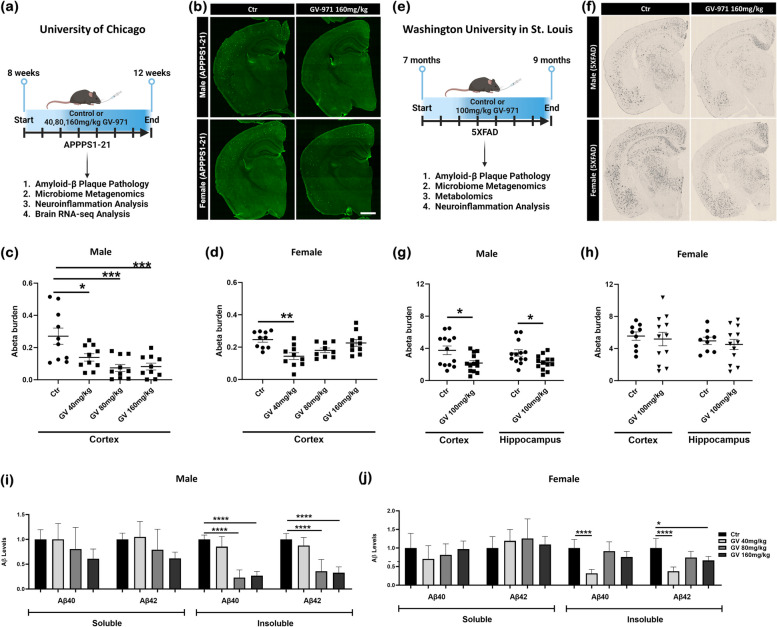
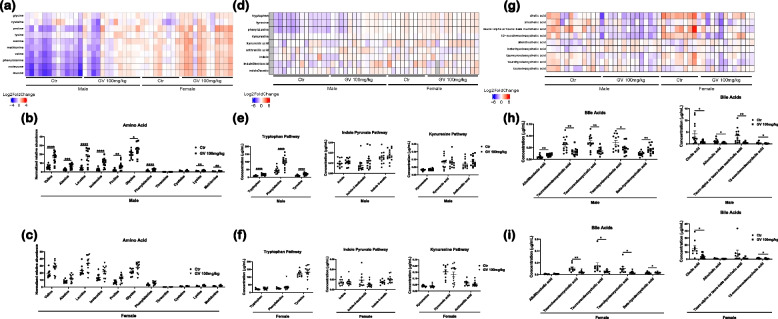
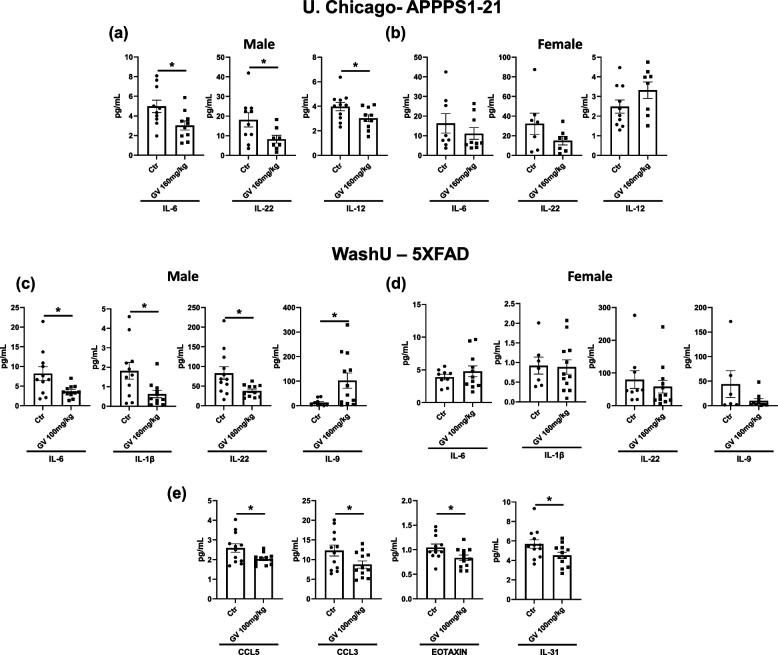
It has recently become well-established that there is a connection between Alzheimer’s disease pathology and gut microbiome dysbiosis. We have previously demonstrated that antibiotic-mediated gut microbiota perturbations lead to attenuation of Aβ deposition, phosphorylated tau accumulation, and disease-associated glial cell phenotypes in a sex-dependent manner. In this regard, we were intrigued by the finding that a marine-derived oligosaccharide, GV-971, was reported to alter gut microbiota and reduce Aβ amyloidosis in the 5XFAD mouse model that were treated at a point when Aβ burden was near plateau levels. Utilizing comparable methodologies, but with distinct technical and temporal features, we now report on the impact of GV-971 on gut microbiota, Aβ amyloidosis and microglial phenotypes in the APPPS1-21 model, studies performed at the University of Chicago, and independently in the 5X FAD model, studies performed at Washington University, St. Louis. Methods To comprehensively characterize the effects of GV-971 on the microbiota-microglia-amyloid axis, we conducted two separate investigations at independent institutions. There was no coordination of the experimental design or execution between the two laboratories. Indeed, the two laboratories were not aware of each other’s experiments until the studies were completed. Male and female APPPS1-21 mice were treated daily with 40, 80, or 160 mg/kg of GV-971 from 8, when Aβ burden was detectable upto 12 weeks of age when Aβ burden was near maximal levels. In parallel, and to corroborate existing published studies and further investigate sex-related differences, male and female 5XFAD mice were treated daily with 100 mg/kg of GV-971 from 7 to 9 months of age when Aβ burden was near peak levels. Subsequently, the two laboratories independently assessed amyloid-β deposition, metagenomic, and neuroinflammatory profiles. Finally, studies were initiated at the University of Chicago to evaluate the metabolites in cecal tissue from vehicle and GV-971-treated 5XFAD mice. Results These studies showed that independent of the procedural differences (dosage, timing and duration of treatment) between the two laboratories, cerebral amyloidosis was reduced primarily in male mice, independent of strain. We also observed sex-specific microbiota differences following GV-971 treatment. Interestingly, GV-971 significantly altered multiple overlapping bacterial species at both institutions. Moreover, we discovered that GV-971 significantly impacted microbiome metabolism, particularly by elevating amino acid production and influencing the tryptophan pathway. The metagenomics and metabolomics changes correspond with notable reductions in peripheral pro-inflammatory cytokine and chemokine profiles. Furthermore, GV-971 treatment dampened astrocyte and microglia activation, significantly decreasing plaque-associated reactive microglia while concurrently increasing homeostatic microglia only in male mice. Bulk RNAseq analysis unveiled sex-specific changes in cerebral cortex transcriptome profiles, but most importantly, the transcriptome changes in the GV-971-treated male group revealed the involvement of microglia and inflammatory responses. Conclusions In conclusion, these studies demonstrate the connection between the gut microbiome, neuroinflammation, and Alzheimer’s disease pathology while highlighting the potential therapeutic effect of GV-971. GV-971 targets the microbiota-microglia-amyloid axis, leading to the lowering of plaque pathology and neuroinflammatory signatures in a sex-dependent manner when given at the onset of Aβ deposition or when given after Aβ deposition is already at higher levels.
Overview
The claims and statistics of this paper haven’t been checked yet.
Free: it reads the open-access text and checks the first 5 claims that cite a source we can check. Create a free account to check every claim.
Integrity signals
Registry
Cites
Statistics
Figures
Verification
Claims the paper makes
The claims and statistics of this paper haven’t been checked yet.
Free: it reads the open-access text and checks the first 5 claims that cite a source we can check. Create a free account to check every claim.
Claims other papers make about this one
Each is checked against this paper’s own text: does it say what the citing paper says it does?
The source backs part of the claim, not all of it — or backs it for a different population, condition or comparison.
In the citing paper
“Further research indicated that sodium oligomannate (9, GV-971) altered the composition and abundance of the gut microbiome in a sex-dependent manner in both APPPS1-21 and 5xFAD models. This modulation influenced microbial metabolism and peripheral inflammation, regulated the activation state and functionality of microglia, and thereby reduced neuroinflammation and amyloidosis.415”
From Recent advances in Alzheimer's disease: Mechanisms, clinical trials and new drug development strategies. (2024) · cites this paper as [415]
Experimental — accuracy not yet measured
Self-check
Percentages, sums and reported differences re-computed from the paper’s own numbers.
The self-check needs the paper’s full text.
Citations
Cites
Moderated estimation of fold change and dispersion for RNA-seq data with DESeq2
Love, M. I., Huber, W., & Anders, S. (2014) · Genome Biology · doi:10.1186/s13059-014-0550-8 · Cited by 95,106
STAR: ultrafast universal RNA-seq aligner
Dobin, A., Davis, C. A., Schlesinger, F., Drenkow, J., Zaleski, C., Jha, S., Batut, P., Chaisson, M., & Gingeras, T. R. (2013) · Bioinformatics · doi:10.1093/bioinformatics/bts635 · Cited by 51,709
MAFFT Multiple Sequence Alignment Software Version 7: Improvements in Performance and Usability
Katoh, K., & Standley, D. M. (2013) · Molecular Biology and Evolution · doi:10.1093/molbev/mst010 · Cited by 46,209 · cited 1×
“Followed by quality control, sequences were aligned using mafft [35] and a phylogenetic tree was constructed using fasttree [36].”
MethodDADA2: High–resolution sample inference from Illumina amplicon data
Callahan, B. J., McMurdie, P. J., Rosen, M. J., Han, A. W., Johnson, A. J. A., & Holmes, S. P. (2016) · Nature Methods · doi:10.1038/nmeth.3869 · Cited by 35,698 · cited 2×
“Levels of Aβ peptides were analyzed through protocols previously reported [33].”
MethodReproducible, interactive, scalable and extensible microbiome data science using QIIME 2
Bolyen, E., Rideout, J. R., Dillon, M. R., Bokulich, N. A., Abnet, C. C., Al-Ghalith, G. A., Alexander, H., Alm, E. J., Arumugam, M., Asnicar, F., et al. (2019) · Nature Biotechnology · doi:10.1038/s41587-019-0209-9 · Cited by 23,742 · cited 2×
“For sequencing analysis, Earth Microbi-ome Project raw sequences were imported into Qiime2 [34] and analyses were performed by HBD.”
MethodHTSeq—a Python framework to work with high-throughput sequencing data
Anders, S., Pyl, P. T., & Huber, W. (2015) · Bioinformatics · doi:10.1093/bioinformatics/btu638 · Cited by 21,464 · cited 2×
“The quality of RNA reads, in FASTQ format, was evaluated using FastQC [29] and similar to our published work [19].”
MethodFastTree 2 – Approximately Maximum-Likelihood Trees for Large Alignments
Price, M. N., Dehal, P. S., & Arkin, A. P. (2010) · PLoS ONE · doi:10.1371/journal.pone.0009490 · Cited by 14,894 · cited 1×
“Followed by quality control, sequences were aligned using mafft [35] and a phylogenetic tree was constructed using fasttree [36].”
MethodMetascape provides a biologist-oriented resource for the analysis of systems-level datasets
Zhou, Y., Zhou, B., Pache, L., Chang, M., Khodabakhshi, A. H., Tanaseichuk, O., Benner, C., & Chanda, S. K. (2019) · Nature Communications · doi:10.1038/s41467-019-09234-6 · Cited by 14,611 · cited 1×
“GO analysis and identification of DEGs belonging to specific pathways were performed using Metascape [32].”
MethodUniFrac: a New Phylogenetic Method for Comparing Microbial Communities
Lozupone, C., & Knight, R. (2005) · Applied and Environmental Microbiology · doi:10.1128/aem.71.12.8228-8235.2005 · Cited by 8,227
Neuroinflammation in Alzheimer's disease
Heneka, M. T., Carson, M. J., Khoury, J. E., Landreth, G. E., Brosseron, F., Feinstein, D. L., Jacobs, A. H., Wyss-Coray, T., Vitorica, J., Ransohoff, R. M., et al. (2015) · The Lancet Neurology · doi:10.1016/s1474-4422(15)70016-5 · Cited by 6,226
A Unique Microglia Type Associated with Restricting Development of Alzheimer’s Disease
Keren-Shaul, H., Spinrad, A., Weiner, A., Matcovitch-Natan, O., Dvir-Szternfeld, R., Ulland, T. K., David, E., Baruch, K., Lara-Astaiso, D., Toth, B., et al. (2017) · Cell · doi:10.1016/j.cell.2017.05.018 · Cited by 5,493
Cryan, J. F., O'Riordan, K. J., Cowan, C. S. M., Sandhu, K. V., Bastiaanssen, T. F. S., Boehme, M., Codagnone, M. G., Cussotto, S., Fulling, C., Golubeva, A. V., et al. (2019) · Physiological Reviews · doi:10.1152/physrev.00018.2018 · Cited by 5,286
McDonald, D., Price, M. N., Goodrich, J., Nawrocki, E. P., DeSantis, T. Z., Probst, A., Andersen, G. L., Knight, R., & Hugenholtz, P. (2012) · The ISME Journal · doi:10.1038/ismej.2011.139 · Cited by 5,064
Host microbiota constantly control maturation and function of microglia in the CNS
Erny, D., Hrabě de Angelis, A. L., Jaitin, D., Wieghofer, P., Staszewski, O., David, E., Keren-Shaul, H., Mahlakoiv, T., Jakobshagen, K., Buch, T., et al. (2015) · Nature Neuroscience · doi:10.1038/nn.4030 · Cited by 3,569 · cited 1×
“Studies utilizing germ-free (GF) mice have shown that the absence of microbiota results in the cessation of microglial development, as evidenced by immature phenotype and high levels of expression of genes characteristic of early and pre-microglia in adult mice [45, 53, 56].”
BackgroundOakley, H., Cole, S. L., Logan, S., Maus, E., Shao, P., Craft, J., Guillozet-Bongaarts, A., Ohno, M., Disterhoft, J., Van Eldik, L., et al. (2006) · The Journal of Neuroscience · doi:10.1523/jneurosci.1202-06.2006 · Cited by 3,530 · cited 1×
“Cg-Tg (APPSwFf1Lon, PSEN1*M146L*L286V) 6799Vas/Mmjax (5XFAD) mice [26]were purchased from Jackson Laboratory (MMRRC Strain #034840-JAX).”
MethodGut microbiota, metabolites and host immunity
Rooks, M. G., & Garrett, W. S. (2016) · Nature reviews. Immunology · doi:10.1038/nri.2016.42 · Cited by 3,409 · cited 1×
“The gut microbiome plays a crucial role in regulating metabolic functions, such as digestion and absorption of metabolites, while also producing key metabolites such as short-chain fatty acids [48].”
BackgroundAlzheimer Disease: An Update on Pathobiology and Treatment Strategies
Long, J. M., & Holtzman, D. M. (2019) · Cell · doi:10.1016/j.cell.2019.09.001 · Cited by 3,204
Self-citationKrasemann, S., Madore, C., Cialic, R., Baufeld, C., Calcagno, N., El Fatimy, R., Beckers, L., O’Loughlin, E., Xu, Y., Fanek, Z., et al. (2017) · Immunity · doi:10.1016/j.immuni.2017.08.008 · Cited by 2,979 · cited 2×
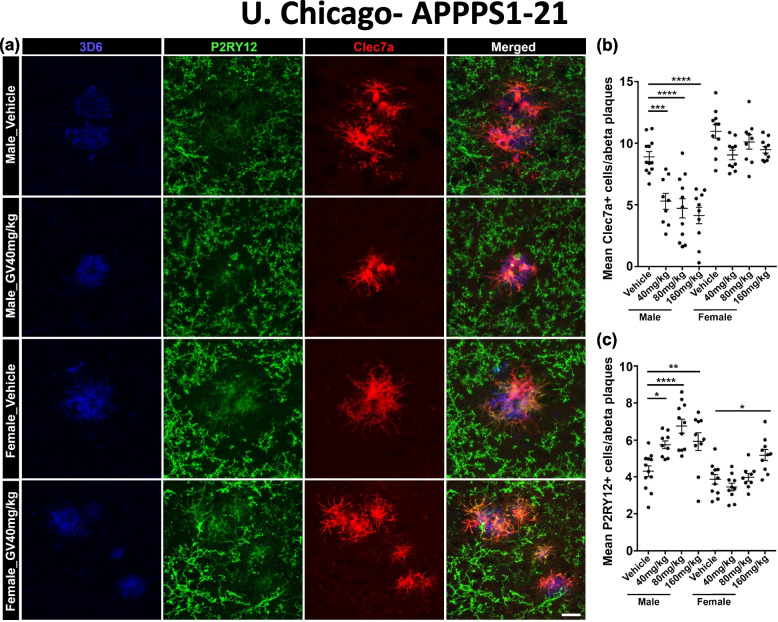
“…microglia in male mice only Several studies have shown that microglia in degenerative conditions (MGnD) express Clec7a, or Dectin1, a pattern recognition receptor expressed by myeloid phagocytes, while microglia under homeostatic condi - tions express P2ry12, a chemoreceptor for ADP [53– 55].”
BackgroundSelf-citationNormalization and microbial differential abundance strategies depend upon data characteristics
Weiss, S., Xu, Z. Z., Peddada, S., Amir, A., Bittinger, K., Gonzalez, A., Lozupone, C., Zaneveld, J. R., Vázquez-Baeza, Y., Birmingham, A., et al. (2017) · Microbiome · doi:10.1186/s40168-017-0237-y · Cited by 2,051 · cited 1×
“Sampling depth was rarefied at 9000sequences per sample for combined comparison irrespective of sexes and separately at 14400sequences per sample for male groups and 9000sequences per sample for female groups to maximize depth while prioritizing equal retention of samples across groups [37].”
BackgroundAnalysis of composition of microbiomes: a novel method for studying microbial composition
Mandal, S., Van Treuren, W., White, R. A., Eggesbø, M., Knight, R., & Peddada, S. D. (2015) · Microbial Ecology in Health & Disease · doi:10.3402/mehd.v26.27663 · Cited by 1,942 · cited 1×
“…an analysis of the composition of microbes (ANCOM for APPPS1-21 mice and MVISION and QIIME for 5XFAD mice) to identify amplicon sequence variants (ASVs) with significantly different proportions in the APPPS1-21 160 mg/kg treatment group as well as the 5XFAD 100 mg/kg treated group [34, 47].”
MethodGlobal patterns in bacterial diversity
Lozupone, C. A., & Knight, R. (2007) · Proceedings of the National Academy of Sciences · doi:10.1073/pnas.0611525104 · Cited by 1,825 · cited 1×
“Alpha diversity and β diversity were calculated as per established protocols [38–40].”
MethodCattaneo, A., Cattane, N., Galluzzi, S., Provasi, S., Lopizzo, N., Festari, C., Ferrari, C., Guerra, U. P., Paghera, B., Muscio, C., et al. (2017) · Neurobiology of Aging · doi:10.1016/j.neurobiolaging.2016.08.019 · Cited by 1,382 · cited 1×
“In patients with AD [8–13] and several transgenic mouse models of Aβ amyloidosis and tau accumulation, differences in gut microbiota composition compared with controls, have been documented indicating a connection between gut microbiota and Alzheimer’s pathophysiology [14–18].”
BackgroundLinking the Human Gut Microbiome to Inflammatory Cytokine Production Capacity
Schirmer, M., Smeekens, S. P., Vlamakis, H., Jaeger, M., Oosting, M., Franzosa, E. A., ter Horst, R., Jansen, T., Jacobs, L., Bonder, M. J., et al. (2016) · Cell · doi:10.1016/j.cell.2016.10.020 · Cited by 1,157 · cited 2×
“Gut dysbiosis strongly correlates with irregular immune responses accompanied by increased production of inflammatory cytokines [51].”
BackgroundWang, X., Sun, G., Feng, T., Zhang, J., Huang, X., Wang, T., Xie, Z., Chu, X., Yang, J., Wang, H., et al. (2019) · Cell Research · doi:10.1038/s41422-019-0216-x · Cited by 1,144
Tryptophan Metabolism: A Link Between the Gut Microbiota and Brain
Gao, K., Mu, C.-L., Farzi, A., & Zhu, W.-Y. (2020) · Advances in Nutrition · doi:10.1093/advances/nmz127 · Cited by 1,029 · cited 1×
“Tryptophan serves a precursor to the neurotransmitter serotonin, playing a role in neurotransmission and enteric functions [49].”
BackgroundAβ42‐driven cerebral amyloidosis in transgenic mice reveals early and robust pathology
Radde, R., Bolmont, T., Kaeser, S. A., Coomaraswamy, J., Lindau, D., Stoltze, L., Calhoun, M. E., Jäggi, F., Wolburg, H., Gengler, S., et al. (2006) · The EMBO Reports · doi:10.1038/sj.embor.7400784 · Cited by 986 · cited 1×
“To validate and extend these findings focusing on microglial function and neuroinflammatory profiles, we employed APPPS1-21 and 5XFAD transgenic models of Aβ amyloidosis [25].”
MethodInflammation in Alzheimer Disease--A Brief Review of the Basic Science and Clinical Literature
Wyss-Coray, T., & Rogers, J. (2012) · Cold Spring Harbor Perspectives in Medicine · doi:10.1101/cshperspect.a006346 · Cited by 975
Reduction of Abeta amyloid pathology in APPPS1 transgenic mice in the absence of gut microbiota
Harach, T., Marungruang, N., Duthilleul, N., Cheatham, V., Mc Coy, K. D., Frisoni, G., Neher, J. J., Fåk, F., Jucker, M., Lasser, T., et al. (2017) · Scientific Reports · doi:10.1038/srep41802 · Cited by 901 · cited 2×
“Most importantly, when ABX-treated or GF mice were re-colonized with AD mouse gut microbiota, the levels of amyloidosis were restored, thus establishing a causal link between gut microbiota, amyloidosis, and tau pathology [20, 22, 23].”
BackgroundGut Microbiota is Altered in Patients with Alzheimer’s Disease
Zhuang, Z.-Q., Shen, L.-L., Li, W.-W., Fu, X., Zeng, F., Gui, L., Lü, Y., Cai, M., Zhu, C., Tan, Y.-L., et al. (2018) · Journal of Alzheimer's Disease · doi:10.3233/jad-180176 · Cited by 885 · cited 1×
“In patients with AD [8–13] and several transgenic mouse models of Aβ amyloidosis and tau accumulation, differences in gut microbiota composition compared with controls, have been documented indicating a connection between gut microbiota and Alzheimer’s pathophysiology [14–18].”
BackgroundMicrobiome Influences Prenatal and Adult Microglia in a Sex-Specific Manner
Thion, M. S., Low, D., Silvin, A., Chen, J., Grisel, P., Schulte-Schrepping, J., Blecher, R., Ulas, T., Squarzoni, P., Hoeffel, G., et al. (2018) · Cell · doi:10.1016/j.cell.2017.11.042 · Cited by 779
Tryptophan and the immune response
Moffett, J. R., & Namboodiri, M. A. (2003) · Immunology & Cell Biology · doi:10.1046/j.1440-1711.2003.t01-1-01177.x · Cited by 760 · cited 2×
“Changes in bile acid composition have been connected with dysbiosis [50].”
BackgroundThirty years of Alzheimer's disease genetics: the implications of systematic meta-analyses
Bertram, L., & Tanzi, R. E. (2008) · Nature Reviews Neuroscience · doi:10.1038/nrn2494 · Cited by 747 · cited 1×
“…neurodegenerative disorder that is pathologically characterized by the presence of abundant amyloid plaques, composed of amyloid-β (Aβ) peptides, and neurofibrillary tangles, composed of hyperphosphorylated/aggregated forms of tau in the cortex and hippocampus of affected individuals [1–3].”
BackgroundSelf-citationMinter, M. R., Zhang, C., Leone, V., Ringus, D. L., Zhang, X., Oyler-Castrillo, P., Musch, M. W., Liao, F., Ward, J. F., Holtzman, D. M., et al. (2016) · Scientific Reports · doi:10.1038/srep30028 · Cited by 655 · cited 1×
“Our previous work also established that ABX-induced perturbations of gut microbiota are associated with sex-specific alterations in microglial phenotypes [15, 19, 58].”
BackgroundSelf-citationKim, M.-S., Kim, Y., Choi, H., Kim, W., Park, S., Lee, D., Kim, D. K., Kim, H. J., Choi, H., Hyun, D.-W., et al. (2020) · Gut · doi:10.1136/gutjnl-2018-317431 · Cited by 614 · cited 2×
“In patients with AD [8–13] and several transgenic mouse models of Aβ amyloidosis and tau accumulation, differences in gut microbiota composition compared with controls, have been documented indicating a connection between gut microbiota and Alzheimer’s pathophysiology [14–18].”
BackgroundMUTANT GENES IN FAMILIAL ALZHEIMER'S DISEASE AND TRANSGENIC MODELS
Price, D. L., & Sisodia, S. S. (1998) · Annual Review of Neuroscience · doi:10.1146/annurev.neuro.21.1.479 · Cited by 572 · cited 1×
“…neurodegenerative disorder that is pathologically characterized by the presence of abundant amyloid plaques, composed of amyloid-β (Aβ) peptides, and neurofibrillary tangles, composed of hyperphosphorylated/aggregated forms of tau in the cortex and hippocampus of affected individuals [1–3].”
BackgroundSelf-citationSun, J., Xu, J., Ling, Y., Wang, F., Gong, T., Yang, C., Ye, S., Ye, K., Wei, D., Song, Z., et al. (2019) · Translational Psychiatry · doi:10.1038/s41398-019-0525-3 · Cited by 532
Mild cognitive impairment has similar alterations as Alzheimer's disease in gut microbiota
Li, B., He, Y., Ma, J., Huang, P., Du, J., Cao, L., Wang, Y., Xiao, Q., Tang, H., & Chen, S. (2019) · Alzheimer's & Dementia · doi:10.1016/j.jalz.2019.07.002 · Cited by 478
Microbiome–microglia connections via the gut–brain axis
Abdel-Haq, R., Schlachetzki, J. C. M., Glass, C. K., & Mazmanian, S. K. (2019) · Journal of Experimental Medicine · doi:10.1084/jem.20180794 · Cited by 471
Altered Gut Microbiota in a Mouse Model of Alzheimer’s Disease
Zhang, L., Wang, Y., Xiayu, X., Shi, C., Chen, W., Song, N., Fu, X., Zhou, R., Xu, Y.-F., Huang, L., et al. (2017) · Journal of Alzheimer s Disease · doi:10.3233/jad-170020 · Cited by 449 · cited 2×
“In patients with AD [8–13] and several transgenic mouse models of Aβ amyloidosis and tau accumulation, differences in gut microbiota composition compared with controls, have been documented indicating a connection between gut microbiota and Alzheimer’s pathophysiology [14–18].”
BackgroundHaran, J. P., Bhattarai, S. K., Foley, S. E., Dutta, P., Ward, D. V., Bucci, V., & McCormick, B. A. (2019) · mBio · doi:10.1128/mbio.00632-19 · Cited by 412
Hanamsagar, R., Alter, M. D., Block, C. S., Sullivan, H., Bolton, J. L., & Bilbo, S. D. (2017) · Glia · doi:10.1002/glia.23176 · Cited by 384 · cited 2×
“Demultiplexed reads from the 7 amplicons were analyzed using the MVRSION pipeline [44] to generate a list of microbial species with their corresponding number of reads for each sample.”
BackgroundMethodq2-longitudinal: Longitudinal and Paired-Sample Analyses of Microbiome Data
Bokulich, N. A., Dillon, M. R., Zhang, Y., Rideout, J. R., Bolyen, E., Li, H., Albert, P. S., & Caporaso, J. G. (2018) · mSystems · doi:10.1128/msystems.00219-18 · Cited by 319 · cited 1×
“Tax-onomy was compiled using the classify-sklearn plugin with greengenes Greengenes 13_8 99% OTUs pre-trained Naïve Bayes classifier [41–43].”
MethodMicroglia, Lifestyle Stress, and Neurodegeneration
Madore, C., Yin, Z., Leibowitz, J., & Butovsky, O. (2020) · Immunity · doi:10.1016/j.immuni.2019.12.003 · Cited by 311 · cited 1×
“Studies utilizing germ-free (GF) mice have shown that the absence of microbiota results in the cessation of microglial development, as evidenced by immature phenotype and high levels of expression of genes characteristic of early and pre-microglia in adult mice [45, 53, 56].”
BackgroundSelf-citationDodiya, H. B., Forsyth, C. B., Voigt, R. M., Engen, P. A., Patel, J., Shaikh, M., Green, S. J., Naqib, A., Roy, A., Kordower, J. H., et al. (2020) · Neurobiology of Disease · doi:10.1016/j.nbd.2018.12.012 · Cited by 305 · cited 2×
“Histology was performed as per the established procedure [19, 20, 28].”
MethodSelf-citationEmerging roles of innate and adaptive immunity in Alzheimer’s disease
Chen, X., & Holtzman, D. M. (2022) · Immunity · doi:10.1016/j.immuni.2022.10.016 · Cited by 297 · cited 1×
“In addition to these pathological hallmarks, neuroinflammation accompanied by microgliosis, reactive astrogliosis, and upregulated proinflammatory cytokines are considered significant aspects of AD pathophysiology [4–6].”
BackgroundSelf-citationHanamsagar, R., Alter, M. D., Block, C. S., Sullivan, H., Bolton, J. L., & Bilbo, S. D. (2018) · Glia · doi:10.1002/glia.23277 · Cited by 295
Minter, M. R., Hinterleitner, R., Meisel, M., Zhang, C., Leone, V., Zhang, X., Oyler-Castrillo, P., Zhang, X., Musch, M. W., Shen, X., et al. (2017) · Scientific Reports · doi:10.1038/s41598-017-11047-w · Cited by 292 · cited 1×
“Surprisingly, the reduction in Aβ amyloidosis and suppression of cerebral neuroinflammation is only observed in male mice [19–21].”
BackgroundSelf-citationSex-specific effects of microbiome perturbations on cerebral Aβ amyloidosis and microglia phenotypes
Dodiya, H. B., Kuntz, T., Shaik, S. M., Baufeld, C., Leibowitz, J., Zhang, X., Gottel, N., Zhang, X., Butovsky, O., Gilbert, J. A., et al. (2019) · Journal of Experimental Medicine · doi:10.1084/jem.20182386 · Cited by 288 · cited 7×
“Recent publications from our labs have shown a direct correlation between the gut microbiome and the severity of amyloid beta plaque deposition and phosphorylated tau accumulation [19, 46].”
BackgroundMethodInfluentialSelf-citationSeo, D.-O., O’Donnell, D., Jain, N., Ulrich, J. D., Herz, J., Li, Y., Lemieux, M., Cheng, J., Hu, H., Serrano, J. R., et al. (2023) · Science · doi:10.1126/science.add1236 · Cited by 254 · cited 1×
“Our previous work also established that ABX-induced perturbations of gut microbiota are associated with sex-specific alterations in microglial phenotypes [15, 19, 58].”
BackgroundSelf-citationXiao, S., Chan, P., Wang, T., Hong, Z., Wang, S., Kuang, W., He, J., Pan, X., Zhou, Y., Ji, Y., et al. (2021) · Alzheimer's Research & Therapy · doi:10.1186/s13195-021-00795-7 · Cited by 224 · cited 2×
“However, GV-971, a marine-derived oligosaccharide that was developed and extensively studied [17, 24] by the company Shanghai Green Valley Pharmaceuticals (GV), was shown to improve spatial learning and memory in mouse models of AD, inhibited neuroinflammation by markedly altering the composition…”
BackgroundSelf-citationActivated microglia mitigate Aβ-associated tau seeding and spreading
Gratuze, M., Chen, Y., Parhizkar, S., Jain, N., Strickland, M. R., Serrano, J. R., Colonna, M., Ulrich, J. D., & Holtzman, D. M. (2021) · Journal of Experimental Medicine · doi:10.1084/jem.20210542 · Cited by 215 · cited 2×
“Histology was performed as established in [27].”
MethodSelf-citationHestad, K., Alexander, J., Rootwelt, H., & Aaseth, J. O. (2022) · Biomolecules · doi:10.3390/biom12070998 · Cited by 200 · cited 1×
“Importantly, an imbalance of tryptophan metabolism and downstream pathways have been implicated in multiple neurodegenerative and neuropsychiatric diseases [61].”
BackgroundMicrobial dysbiosis in the gut drives systemic autoimmune diseases
Mousa, W. K., Chehadeh, F., & Husband, S. (2022) · Frontiers in Immunology · doi:10.3389/fimmu.2022.906258 · Cited by 185 · cited 1×
“Gut dysbiosis has been implicated in multiple autoimmune diseases and is a primary driver of local inflammation [52].”
BackgroundGuo, M., Peng, J., Huang, X., Xiao, L., Huang, F., & Zuo, Z. (2021) · Journal of Alzheimer's Disease · doi:10.3233/jad-201040 · Cited by 176
SYSTEMATICS AND CONSERVATION: ON PREDICTING THE FEATURE DIVERSITY OF SUBSETS OF TAXA
Faith, D. P. (1992) · Cladistics · doi:10.1111/j.1096-0031.1992.tb00078.x · Cited by 153 · cited 1×
“Alpha diversity and β diversity were calculated as per established protocols [38–40].”
MethodSaji, N., Murotani, K., Hisada, T., Tsuduki, T., Sugimoto, T., Kimura, A., Niida, S., Toba, K., & Sakurai, T. (2019) · Scientific Reports · doi:10.1038/s41598-019-55851-y · Cited by 152
Bordt, E. A., Ceasrine, A. M., & Bilbo, S. D. (2020) · Glia · doi:10.1002/glia.23753 · Cited by 125 · cited 1×
“The reasons for the relative sparing in female animals are likely complex and could involve roles for ovarian hormones, differences in gut microbiota profiles compared with males [62], and differences in transcriptional outcomes in microglia [44, 63].”
BackgroundMezö, C., Dokalis, N., Mossad, O., Staszewski, O., Neuber, J., Yilmaz, B., Schnepf, D., de Agüero, M. G., Ganal-Vonarburg, S. C., Macpherson, A. J., et al. (2020) · Acta Neuropathologica Communications · doi:10.1186/s40478-020-00988-5 · Cited by 120 · cited 2×
“Most importantly, when ABX-treated or GF mice were re-colonized with AD mouse gut microbiota, the levels of amyloidosis were restored, thus establishing a causal link between gut microbiota, amyloidosis, and tau pathology [20, 22, 23].”
BackgroundGut microbiota–driven brain Aβ amyloidosis in mice requires microglia
Dodiya, H. B., Lutz, H. L., Weigle, I. Q., Patel, P., Michalkiewicz, J., Roman-Santiago, C. J., Zhang, C. M., Liang, Y., Srinath, A., Zhang, X., et al. (2022) · Journal of Experimental Medicine · doi:10.1084/jem.20200895 · Cited by 120 · cited 6×
“We have shown that ABX-mediated gut microbiota perturbations failed to reduce Aβ amyloidosis in mice fed with a colony-stimulating factor-1 receptor (CSF-1R) antagonist that depletes microglia [20], indicating an essential role for microglia in the microbiota-amyloid axis.”
BackgroundMethodResultInfluentialSelf-citationGuo, W., Mao, B., Cui, S., Tang, X., Zhang, Q., Zhao, J., & Zhang, H. (2022) · Foods · doi:10.3390/foods11111551 · Cited by 120 · cited 1×
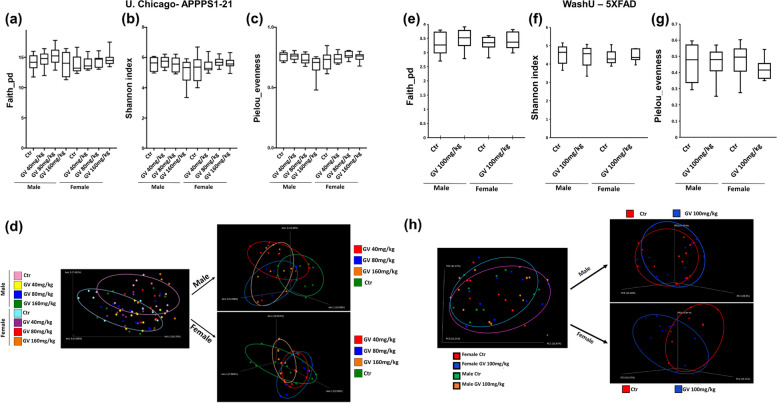
“For example, GV-971 significantly reduced Des-ulfovibrio (phylum Protobacteria) while increasing Bifidobacterium pseudolongum (phylum Actinobacteria), a common probiotic bacteria [59] in both the APPPS1-21 and 5XFAD mouse models (Table 1).”
BackgroundAPC/C-Cdh1 coordinates neurogenesis and cortical size during development
Delgado‐Esteban, M., García-Higuera, I., Maestre, C., Moreno, S., & Almeida, Á. (2013) · Nature Communications · doi:10.1038/ncomms3879 · Cited by 110
Peng, C., Xu, X., Li, Y., Li, X., Yang, X., Chen, H., Zhu, Y., Lü, N., & He, C. (2020) · Biology of Sex Differences · doi:10.1186/s13293-020-0281-3 · Cited by 96 · cited 1×
“The reasons for the relative sparing in female animals are likely complex and could involve roles for ovarian hormones, differences in gut microbiota profiles compared with males [62], and differences in transcriptional outcomes in microglia [44, 63].”
BackgroundNanoscale structure of amyloid-β plaques in Alzheimer’s disease
Querol‐Vilaseca, M., Colom‐Cadena, M., Pegueroles, J., Núñez‐Llaves, R., Luque-Cabecerans, J., Muñoz, L., Andilla, J., Belbin, O., Spires‐Jones, T. L., Gelpí, E., et al. (2019) · Scientific Reports · doi:10.1038/s41598-019-41443-3 · Cited by 89 · cited 1×
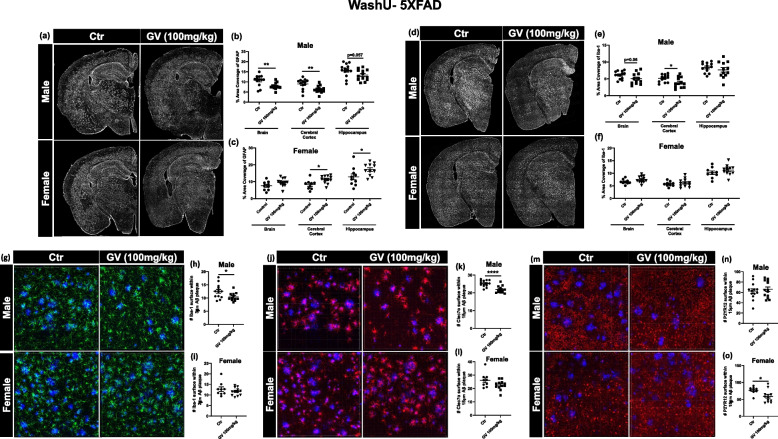
“Specifically, in 5X FAD mice, we found that GV-971 reduced Aβ plaque halo which contains non-fibrillar Aβ protein [68].”
BackgroundRegulation of APC/C-Cdh1 and Its Function in Neuronal Survival
Almeida, Á. (2012) · Molecular Neurobiology · doi:10.1007/s12035-012-8309-2 · Cited by 68 · cited 1×
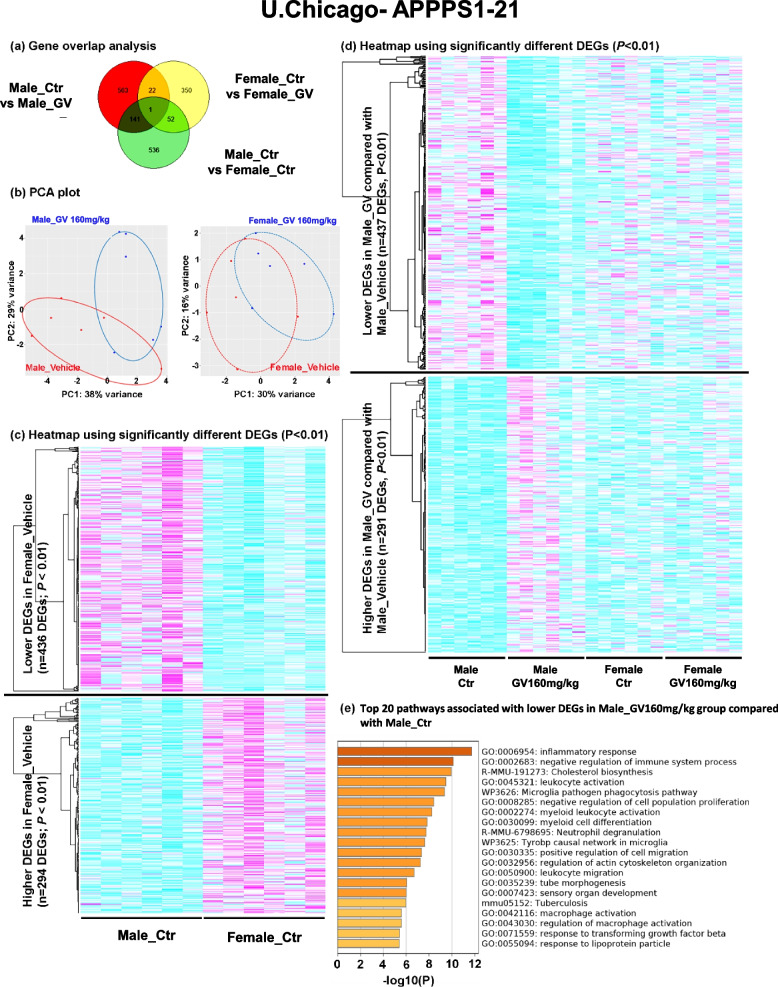
“Surprisingly, our data also suggests that the genes responsible for neuronal development e.g., Cdh1 and Cdh11 [64–66] are upregulated in male and female APPPS1-21 mice treated with GV-971.”
BackgroundLi, Y., Liu, N., Ge, Y., Yang, Y., Ren, F., & Wu, Z. (2022) · European Journal of Immunology · doi:10.1002/eji.202149401 · Cited by 60 · cited 1×
“Interestingly, it has been reported that microbiota-derived tryptophan as well as other metabolites mediates immune cell responses and cytokine production [50, 60].”
BackgroundLu, J., Pan, Q., Zhou, J., Weng, Y., Chen, K., Shi, L., Zhu, G., Chen, C., Li, L., Geng, M., et al. (2022) · Journal of Pharmaceutical Analysis · doi:10.1016/j.jpha.2021.06.001 · Cited by 30 · cited 1×
“Of these, GV-971, a mixture of oligo-saccharides with a degree of polymerization (dp) from 2 to 10 [67] was shown to be present in the cerebral spinal fluid following intraperitoneal injection, but information pertaining to the levels present in the brain are not known but will be critical as…”
BackgroundCadherin-11 Is Required for Neural Crest Specification and Survival
Manohar, S., Camacho‐Magallanes, A., Echeverria, C. V., & Rogers, C. D. (2020) · Frontiers in Physiology · doi:10.3389/fphys.2020.563372 · Cited by 29 · cited 1×
“Surprisingly, our data also suggests that the genes responsible for neuronal development e.g., Cdh1 and Cdh11 [64–66] are upregulated in male and female APPPS1-21 mice treated with GV-971.”
Background
Research works printed but not linked: 2
- Pedregosa F, Varoquaux G, Gramfort A, Michel V, Thirion B, Grisel O, Blondel M, Prettenhofer P, Weiss R, Dubourg V, Vanderplas J, Passos A, Cournapeau D, Brucher M, Perrot M, Duchesnay E. Scikit-learn: machine learning in Python. J Mach Learn Res. 2011;12:2825–30.
- Seo DO, O’Donnell D, Jain N, Ulrich JD, Herz J, Li Y, et al. ApoE isoform- and microbiota-dependent progression of neurodegeneration in a mouse model of tauopathy. Science. 2023;379(6628):eadd1236. 36634180 PMC9901565 · DOI · Paper page
Cited by
Zhang, J., Zhang, Y., Wang, J., Xia, Y., Zhang, J., & Chen, L. (2024) · Signal Transduction and Targeted Therapy · doi:10.1038/s41392-024-01911-3 · Cited by 1,138
Zha, X., Liu, X., Wei, M., Huang, H., Cao, J., Liu, S., Bian, X., Zhang, Y., Xiao, F., Xie, Y., et al. (2025) · Cell Metabolism · doi:10.1016/j.cmet.2024.10.006 · Cited by 159
Self-citationChen, C., Wang, G., Li, D., & Zhang, F. (2025) · Molecular Biomedicine · doi:10.1186/s43556-025-00307-1 · Cited by 148
The Oral–Gut Microbiome–Brain Axis in Cognition
Adil, N. A., Omo-erigbe, C., Yadav, H., & Jain, S. (2025) · Microorganisms · doi:10.3390/microorganisms13040814 · Cited by 69
“Sodium oligo-mannate (GV-971) has also shown promise in reversing cognitive impairment, correcting gut dysbiosis, and reducing neuroinflammation while penetrating the blood–brain barrier to inhibit A β fibril formation [118].”
Sasmita, A. O., Ong, E. C., Nazarenko, T., Mao, S., Komarek, L., Thalmann, M., Hantakova, V., Spieth, L., Berghoff, S. A., Barr, H. J., et al. (2025) · Neuron · doi:10.1016/j.neuron.2024.12.025 · Cited by 42
Metadata
- Authors
- Bosch, M. E., Dodiya, H. B., Michalkiewicz, J., Lee, C., Shaik, S. M., Weigle, I. Q., Zhang, C., Osborn, J., Nambiar, A., Patel, P., Parhizkar, S., Zhang, X., Laury, M. L., Mondal, P., Gomm, A., Schipma, M. J., Mallah, D., Butovsky, O., Chang, E. B., Tanzi, R. E., Gilbert, J. A., Holtzman, D. M., & Sisodia, S. S.
- Affiliations
- Washington University in St. Louis (US)
- University of Chicago (US)
- Harvard University (US)
- Northwestern University (US)
- Brigham and Women's Hospital (US)
- Scripps Institution of Oceanography (US)
- Corresponding author
- Holtzman, David M.
- Sisodia, Sangram S.
- ORCID
- Bosch, Megan E.
- Dodiya, Hemraj B.
- Michalkiewicz, Julia
- Lee, Choonghee
- Shaik, Shabana M.
- Weigle, Ian Q.
- Zhang, Can
- Nambiar, Aishwarya
- Patel, Priyam
- Parhizkar, Samira
- Zhang, Xiaoqiong
- Laury, Marie L.
- Mondal, Prasenjit
- Gomm, Ashley
- Schipma, Matthew John
- Butovsky, Oleg
- Chang, Eugene B.
- Tanzi, Rudolph E.
- Gilbert, Jack A.
- Holtzman, David M.
- Sisodia, Sangram S.
- Venue
- Molecular Neurodegeneration
- Published
- 2024-02-17
- Volume
- 19
- Issue
- 1
- Pages
- 18-18
- ISSN
- 1750-1326 (ISSN-L)
- PMC
- PMC10874048
- OpenAlex
- W4394740014
- Cited by
- 70
- References
- 67
- Citations by year
- 2026: 23 · 2025: 32 · 2024: 15
- FWCI
- 19.68
- Type
- journal article
- Language
- en
- Update notices
- correction (2024-10-10)
- Open access
- gold
- doi.org
- Licence
- cc-by
- creativecommons.org/licenses/by/4.0 (tdm)
- creativecommons.org/licenses/by/4.0 (vor)
- Locations
- Molecular Neurodegeneration (publishedVersion, cc-by)
- PubMed Central (publishedVersion, cc-by)
- PubMed (publishedVersion)
- eScholarship (California Digital Library) (submittedVersion, cc-by)
- Digital Commons@Becker (Washington University School of Medicine) (submittedVersion, cc-by)
- DOAJ (DOAJ: Directory of Open Access Journals) (submittedVersion, cc-by-sa)
- Knowledge@UChicago (University of Chicago) (submittedVersion)
- University of Chicago (cc-by)
- Funders
- National Institute on Aging (T32AG05851804)
- Open Philanthropy Project
- Good Ventures Foundation
- BrightFocus Foundation (A2019032F)
- Alzheimer's Association
- Shanghai Green Valley Pharmaceuticals
- Cure Alzheimer's Fund
- Luminescence Foundation
- Topics
- Life Sciences › Neuroscience › Cellular and Molecular Neuroscience › Alzheimer's disease research and treatments
- Life Sciences › Neuroscience › Neurology › Neuroinflammation and Neurodegeneration Mechanisms
- Life Sciences › Biochemistry, Genetics and Molecular Biology › Molecular Biology › Gut microbiota and health
- Keywords
- Alzheimer's disease, gut microbiota, cerebral amyloidosis, amyloid-beta deposition, microglia, reactive microglia, sex differences, 5xFAD mice, neuroinflammation, cecal metabolites
- MeSH terms
- Gastrointestinal Microbiome, Alzheimer Disease, Amyloid, Amyloidosis, Animals, Disease Models, Animal, Female, Humans, Male, Mice, Transgenic, Amyloid beta-Peptides, Microglia, Mice, Plaque, Amyloid, Amyloidogenic Proteins
About these checks
Registry, retraction, Cites and statistics results are computed, not judged, with one exception: a printed reference that no index lists is read once by a model before it counts as a citation error. Claims are extracted by a model and kept only when their quote appears verbatim in the text; each cited source is then checked, with a model’s help, for whether it says what the claim relies on. Those verdicts can be wrong — read the claim’s quote and the cited source before relying on one.
Statistics and arithmetic are recomputed, not judged.
Confidence bands are shown only for fields calibrated on our annotated test set. None is calibrated yet, so no band is shown.
What counts as a claim ›How we measure confidence ›How we check this ›
Are you an author, or do you see a problem with this page? Request a review
Data sources
Bibliographic data: Semantic Scholar, OpenAlex, Crossref.
Contains information from the Semantic Scholar Academic Graph Datasets, made available under the ODC Attribution License (ODC-BY 1.0).
Semantic Scholar’s data is described in: Kinney, R., et al. (2023). The Semantic Scholar Open Data Platform. arXiv:2301.10140.
