

Changes in fatigue, autonomic functions, and blood biomarkers due to sitting isometric yoga in patients with chronic fatigue syndrome
Open accessThe DOI matches its Crossref record; 59 of the 59 references it cites were found in a registry or an index.
Abstract
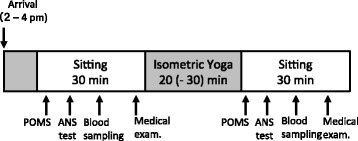
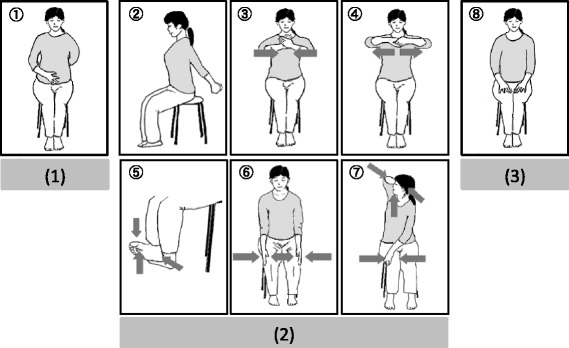
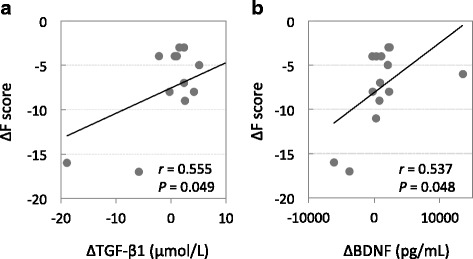
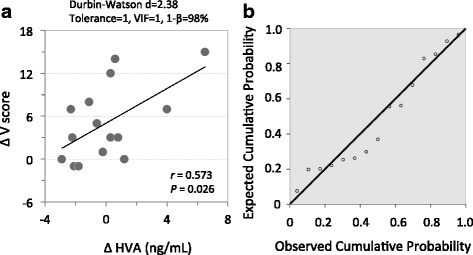
BACKGROUND: In a previous randomized controlled trial, we found that sitting isometric yoga improves fatigue in patients with chronic fatigue syndrome (CFS) who are resistant to conventional therapy. The aim of this study was to investigate possible mechanisms behind this finding, focusing on the short-term fatigue-relieving effect, by comparing autonomic nervous function and blood biomarkers before and after a session of isometric yoga. METHODS: Fifteen patients with CFS who remained symptomatic despite at least 6 months of conventional therapy practiced sitting isometric yoga (biweekly 20 min practice with a yoga instructor and daily home practice) for eight weeks. Acute effects of sitting isometric yoga on fatigue, autonomic function, and blood biomarkers were investigated after the final session with an instructor. The effect of a single session of sitting isometric yoga on fatigue was assessed by the Profile of Mood Status (POMS) questionnaire immediately before and after the session. Autonomic nervous function (heart rate (HR) variability) and blood biomarkers (cortisol, DHEA-S, TNF-α, IL-6, IFN-γ, IFN-α, prolactin, carnitine, TGF-β1, BDNF, MHPG, and HVA) were compared before and after the session. RESULTS: < 0.1). Decreases in fatigue scores correlated with changes in plasma levels of TGF-β1 and BDNF. In contrast, increased vigor positively correlated with HVA. CONCLUSIONS: A single session of sitting isometric yoga reduced fatigue and increased vigor in patients with CFS. Yoga also increased vagal nerve function and changed blood biomarkers in a pattern that suggested anti-stress and anti-inflammatory effects. These changes appear to be related to the short-term fatigue-relieving effect of sitting isometric yoga in patients with CFS. Furthermore, dopaminergic nervous system activation might account for sitting isometric yoga-induced increases in energy in this patient population. TRIAL REGISTRATION: University Hospital Medical Information Network (UMIN CTR) UMIN000009646. Registered Dec 27, 2012.
Overview
The claims and statistics of this paper haven’t been checked yet.
Free: it reads the open-access text and checks the first 5 claims that cite a source we can check. Create a free account to check every claim.
Integrity signals
Registry
Cites
Statistics
Figures
Verification
Claims the paper makes
The claims and statistics of this paper haven’t been checked yet.
Free: it reads the open-access text and checks the first 5 claims that cite a source we can check. Create a free account to check every claim.
Self-check
Percentages, sums and reported differences re-computed from the paper’s own numbers.
The self-check needs the paper’s full text.
Citations
Cites
Molecular Mechanisms of Depression: Perspectives on New Treatment Strategies
Lang, U. E., & Borgwardt, S. (2013) · Cellular Physiology and Biochemistry · doi:10.1159/000350094 · Cited by 8,475
The Chronic Fatigue Syndrome: A Comprehensive Approach to Its Definition and Study
Fukuda, K., Straus, S. E., Hickie, I., Sharpe, M. C., Dobbins, J. G., Komaroff, A., & and International Chronic Fatigue Syndrome Study Group. (1994) · Annals of Internal Medicine · doi:10.7326/0003-4819-121-12-199412150-00009 · Cited by 4,969
Shaffer, F., McCraty, R., & Zerr, C. L. (2014) · Frontiers in Psychology · doi:10.3389/fpsyg.2014.01040 · Cited by 1,866
Myalgic encephalomyelitis: International Consensus Criteria
Carruthers, B. M., van de Sande, M. I., De Meirleir, K. L., Klimas, N. G., Broderick, G., Mitchell, T., Staines, D., Powles, A. C. P., Speight, N., Vallings, R., et al. (2011) · Journal of Internal Medicine · doi:10.1111/j.1365-2796.2011.02428.x · Cited by 1,235
Shimizu, E., Hashimoto, K., Okamura, N., Koike, K., Komatsu, N., Kumakiri, C., Nakazato, M., Watanabe, H., Shinoda, N., Okada, S.-I., et al. (2003) · Biological Psychiatry · doi:10.1016/s0006-3223(03)00181-1 · Cited by 1,151
Dopamine as a Prolactin (PRL) Inhibitor
Ben-Jonathan, N., & Hnasko, R. (2001) · Endocrine Reviews · doi:10.1210/edrv.22.6.0451 · Cited by 983 · cited 1×
“as a PRL inhibiting hormone [57], this finding suggests that sitting isometric yoga may activate dopaminergic neuron activity.”
BackgroundCatecholamine metabolism: basic aspects and clinical significance.
Kopin, I. J. (1985) · Pharmacological Reviews · doi:10.1016/s0031-6997(25)06859-0 · Cited by 582
Yoga for persistent fatigue in breast cancer survivors: A randomized controlled trial
Bower, J. E., Garet, D., Sternlieb, B., Ganz, P. A., Irwin, M. R., Olmstead, R., & Greendale, G. (2012) · Cancer · doi:10.1002/cncr.26702 · Cited by 352 · cited 1×
“cordance with these findings, yoga has been shown to reduce fatigue and increase energy in current cancer patients and in survivors [21, 24].”
ResultDecreased plasma BDNF level in depressive patients
Lee, B.-H., Kim, H., Park, S.-H., & Kim, Y.-K. (2007) · Journal of Affective Disorders · doi:10.1016/j.jad.2006.11.005 · Cited by 326
Aydemir, O., Deveci, A., & Taneli, F. (2005) · Progress in Neuro-Psychopharmacology and Biological Psychiatry · doi:10.1016/j.pnpbp.2004.11.009 · Cited by 325
Research works printed but not linked: 3
- Oka T Efficacy and limitations of autogenic training as a treatment of chronic fatigue syndrome Jpn J Autogenic Ther 2015 35 1 12 19
- Institute-of-Medicine. Beyond Myalgic encephalomyelitis/chronic fatigue syndrome: Redefining an Illness. Committee on the Diagnostic Criteria for Myalgic Encephalomyelitis/Chronic Fatigue Syndrome; Board on the Health of Select Populations; Washington (DC): The National Academies Press; 2015. 25695122
- McNair D Lorr M Droppleman L Mannual for the profile of mood states (POMS) 1971 San Diego Educational and Industrial Testing Service
Cited by
VanElzakker, M. B., Brumfield, S. A., & Mejia, P. S. L. (2019) · Frontiers in Neurology · doi:10.3389/fneur.2018.01033 · Cited by 139
Wormgoor, M. E. A., & Rodenburg, S. C. (2021) · Journal of Translational Medicine · doi:10.1186/s12967-020-02683-4 · Cited by 123
“One study reported autonomic function indices and blood biomarkers solely in the intervention group [80].”
BackgroundEscorihuela, R. M., Capdevila, L., Ramos-Castro, J. J., Zaragozá, M. C., Maurel, S., Alegre, J., & Castro‐Marrero, J. (2020) · Journal of Translational Medicine · doi:10.1186/s12967-019-02184-z · Cited by 124
VanElzakker, M. B., Brumfield, S. A., & Mejia, P. S. L. (2020) · Frontiers in Neurology · doi:10.3389/fneur.2020.00863 · Cited by 81
Moonaz, S. H., Nault, D., Cramer, H., & Ward, L. (2021) · BMJ Open · doi:10.1136/bmjopen-2020-045812 · Cited by 80
Mitochondria and immunity in chronic fatigue syndrome
Anderson, G., & Maes, M. H. J. (2020) · Progress in Neuro-Psychopharmacology and Biological Psychiatry · doi:10.1016/j.pnpbp.2020.109976 · Cited by 70
Glial Activation and Expression of the Serotonin Transporter in Chronic Fatigue Syndrome
Noda, M., Ifuku, M., Hossain, M. S., & Katafuchi, T. (2018) · Frontiers in Psychiatry · doi:10.3389/fpsyt.2018.00589 · Cited by 44
“However, activation of astrocytes turned out to be secondary to TLR3 signaling in the CNS (48).”
BackgroundInfluentialCasagrande, P. D. O., Coimbra, D. R., de Souza, L. C., & Andrade, A. (2022) · PM&R · doi:10.1002/pmrj.12867 · Cited by 49
“TAB LE 4 Outcomes of yoga intervention on depressive symptoms, anxiety, sleep quality, and mood of patients with rheumatic diseases Study author (year) Disease Groups Instruments (Outcome) M DP (post) Park and Herron (2021)45 Osteoarthritis YG:66 HEP:65 PROMIS (depressive symptom) NR Gautam et al. (2019)46 Rheumatoid…”
InfluentialKhanpour Ardestani, S., Karkhaneh, M., Stein, E., Punja, S., Junqueira, D. R., Kuzmyn, T., Pearson, M., Smith, L., Olson, K., & Vohra, S. (2021) · Medicina · doi:10.3390/medicina57070652 · Cited by 30
“USA [45] Physician referrals,community Design: RCT Sample size: 69/58/58 Treatment duration: 12 weeks Patients diagnosed with CFS by CDC diagnostic criteria for CFS [52], Age (mean ±SD): 45.9 ± 9.3 88.4% female Cognitive-behavioral stress management Frequency: Weekly Duration: Two hours Self-practice: Workbook and rel…”
BackgroundMethodInfluentialMindfulness with paced breathing reduces blood pressure
Brenner, J., LeBlang, S., Lizotte‐Waniewski, M., Schmidt, B., Espinosa, P. S., DeMets, D. L., Newberg, A. B., & Hennekens, C. H. (2020) · Medical Hypotheses · doi:10.1016/j.mehy.2020.109780 · Cited by 35
You, T., & Ogawa, E. F. (2020) · Sports Medicine and Health Science · doi:10.1016/j.smhs.2020.03.001 · Cited by 27
Oka, T., Tanahashi, T., Lkhagvasuren, B., & Yamada, Y. (2019) · BioPsychoSocial Medicine · doi:10.1186/s13030-019-0168-x · Cited by 25
“In our previous study, we demonstrated that a single session of seated isometric yoga significantly decreased the serum cortisol levels, suggesting short-term anti-stress effects [26].”
BackgroundResultInfluentialSelf-citationRelationship between truck driver fatigue and rear-end collision risk
Mizuno, K., Ojiro, D., Tanaka, T., Minusa, S., Kuriyama, H., Yamano, E., Kuratsune, H., & Watanabe, Y. (2020) · PLoS ONE · doi:10.1371/journal.pone.0238738 · Cited by 30
“[39], and hydrogen-rich water intake [40], etc.”
Yoga for COVID-19: An ancient practice for a new condition – A literature review
dos Santos, D. C., Jaconiano, S., Macedo, S., Ribeiro, F. M., Ponte, S. C. B., Soares, P., & Boaventura, P. (2022) · Complementary Therapies in Clinical Practice · doi:10.1016/j.ctcp.2022.101717 · Cited by 31
Perceived benefit of yoga among adults who have practiced yoga for a long time: a qualitative study
Akdeniz, Ş., & Kastan, O. Z. (2023) · BioPsychoSocial Medicine · doi:10.1186/s13030-023-00276-3 · Cited by 21
“It is generally accepted in the literature that yoga creates physical and psychological benefits, and it is generally reported that it can be used for strengthening muscles, reducing stress, and maintaining the physical and psychological well-being of the person, and relieving the ailments such as fatigue, pain, diffi…”
BackgroundRaanes, E. F. W., & Stiles, T. C. (2021) · Frontiers in Psychiatry · doi:10.3389/fpsyt.2021.716320 · Cited by 23
Gomutbutra, P., Srikamjak, T., Sapinun, L., Kunaphanh, S., Yingchankul, N., Apaijai, N., Shinlapawittayatorn, K., Phuackchantuck, R., Chattipakorn, N., & Chattipakorn, S. C. (2022) · Comprehensive Psychoneuroendocrinology · doi:10.1016/j.cpnec.2022.100137 · Cited by 25
Zheng, X., Peng, P., Wang, Y., Bian, L., Zhao, K., Shi, A., Jiang, Z., Zhao, L., Jiang, J., & Zhang, S. (2024) · International Journal of Nursing Studies · doi:10.1016/j.ijnurstu.2024.104990 · Cited by 22
Wu, T., Yan, F., Wei, Y., Yuan, C., Jiao, Y., Pan, Y., Zhang, Y., Zhang, H., Ma, Y., & Han, L. (2023) · American Journal of Physical Medicine & Rehabilitation · doi:10.1097/phm.0000000000002277 · Cited by 25
“98 However, this systematic review involved numerous types of yoga namely, restorative yoga, mindfulness yoga, Iyengar yoga, and Hatha yoga, and the intensity and style of the different yoga categories may vary considerably.”
BackgroundTakakura, S., Oka, T., & Sudo, N. (2019) · BioPsychoSocial Medicine · doi:10.1186/s13030-019-0171-2 · Cited by 16
Self-citationCase report: The use of medical yoga for adolescent mental health
Stephens, I. (2019) · Complementary Therapies in Medicine · doi:10.1016/j.ctim.2019.01.006 · Cited by 18
Evaluation of the psychophysiological effects of the Cupressaceae family wood odor
Matsubara, E., Matsui, N., & Ohira, T. (2019) · Wood Science and Technology · doi:10.1007/s00226-019-01151-7 · Cited by 13
Increase in rear-end collision risk by acute stress-induced fatigue in on-road truck driving
Minusa, S., Mizuno, K., Ojiro, D., Tanaka, T., Kuriyama, H., Yamano, E., Kuratsune, H., & Watanabe, Y. (2021) · PLoS ONE · doi:10.1371/journal.pone.0258892 · Cited by 16
“, performing yoga [65], Zen meditation [66]) can be expected to contribute to the reduction of traffic crashes caused by poor physiological conditions, via ANF improvement.”
BackgroundRecent research in myalgic encephalomyelitis/chronic fatigue syndrome: an evidence map
Todhunter‐Brown, A., Campbell, P., Broderick, C. A., Cowie, J., Davis, B., Fenton, C., Markham, S., Sellers, C., & Thomson, K. (2025) · Health Technology Assessment · doi:10.3310/btbd8846 · Cited by 14
TAKEMURA, A., Nobuhiko, E. D. A., SAITO, T., & SHIMIZU, K. (2022) · The Journal of Sports Medicine and Physical Fitness · doi:10.23736/s0022-4707.21.11971-1 · Cited by 11
Assessing changes in mood state in university students following short-term study abroad
Yamanaka, T., Yamagishi, N., Nawa, N. E., & Anderson, S. J. (2021) · PLoS ONE · doi:10.1371/journal.pone.0261762 · Cited by 7
“Mood states, as measured by scales such as the POMS, have been shown to be enhanced using a variety of different manipulations, including meditation [34-35], sitting isometric yoga [36], massage therapy [37], exposure to nature [38] and physical activities [39].”
BackgroundOka, T., & Lkhagvasuren, B. (2021) · BioPsychoSocial Medicine · doi:10.1186/s13030-021-00216-z · Cited by 10
Self-citationBrodén, M., Welfordsson, P., Niemi, M., Diwan, V. K., Shah, K. H., Pattanadara, V., & Hallgren, M. Å. (2024) · BMJ Open · doi:10.1136/bmjopen-2024-085525 · Cited by 8
“14 Few treatment options offer integrated health benefits to the same extent as yoga practice.”
Oka, T., Lkhagvasuren, B., & Yamada, Y. (2025) · BioPsychoSocial Medicine · doi:10.1186/s13030-025-00339-7 · Cited by 4
“Our previous study demonstrated that a single session of seated isometric yoga practice reduced cortisol and tumor necrosis factor-α and increased dehydroepiandrosterone sulfate in the blood [28].”
Self-citationÖZTÜRK, D., & Turan, G. B. (2026) · European Journal of Integrative Medicine · doi:10.1016/j.eujim.2025.102607 · Cited by 4
Inoue, T., Shinba, T., Itokawa, M., Sun, G., Nishikawa, M., Miyashita, M., Suzuki, K., Kariya, N., Arai, M., & Matsui, T. (2022) · Frontiers in Physiology · doi:10.3389/fphys.2022.902979 · Cited by 3
““; and 3) 5 min of breathing exercise: two breathing techniques (humming breathing and 1:2 breathing) (Oka et al., 2018).”
BackgroundChronic fatigue syndrome against the background of the COVID-19 pandemic
Nikitina, A. Y., & Levin, O. S. (2021) · S S Korsakov Journal of Neurology and Psychiatry · doi:10.17116/jnevro202112110292 · Cited by 3
Prashanth, S., Nalini, V., Priyanka, S., Thanalakshmi, J., Subbulakshmi, V., Amalraj, A., & Kuppusamy, M. (2024) · International Journal of Clinical Trials · doi:10.18203/2349-3259.ijct20242005 · Cited by 4
Oka, T., & Lkhagvasuren, B. (2025) · BioPsychoSocial Medicine · doi:10.1186/s13030-025-00336-w · Cited by 2
“Our previous studies have suggested that postisometric muscular relaxation [17, 18], anti-inflammatory effects [15, 16], and improvement in negative affect such as depression [16] that were induced by the regular practice of isometric yoga may contribute to improvement of the fatigue of ME/CFS…”
Self-citationEFFECT OF YOGA-BASED INTERVENTION ON STRESS AMONG UNIVERSITY STUDENTS: A RANDOMIZED CONTROL TRIALPreprint
Bhimavarapu, S. C. R., Rathore, A., Ahlawat, K., Rai, K. J., Rastogi, N., & saifi, V. (2025) · medRxiv · doi:10.1101/2025.11.27.25340139 · Cited by 1
THE THERAPEUTIC USE OF MEDITATIVE PRACTICES IN STRESS: METHODOLOGICAL AND INVESTIGATIVE ASPECTS
Alfonsi, J., Conde, E. F. Q., & Troncoso, A. C. (2021) · Psicologia Saúde & Doenças · doi:10.15309/21psd220224
Oka, T. (2020) · Research Square · doi:10.21203/rs.3.rs-136517/v1
Self-citationKesehatan Mental Dan Regulasi Diri Kebiasaan Makan Member Yoga Dan Gym
Anggraeni, W. A., Noordia, A., Pudjijuniarto, P., Dewi, R. C., Susanto, I. H., & Mustar, Y. S. (2024) · Jendela Olahraga · doi:10.26877/jo.v9i1.15678 · Cited by 1
Revisión sistemática de la metodología de tratamiento del síndrome de fatiga crónica
Barbeta, S. L., Martínez, M. C., Mesa, A. L., Vieira, A. D., & Díaz-Rodríguez, C. (2024) · Revista Científica de la Sociedad Española de Enfermería Neurológica · doi:10.1016/j.sedene.2024.04.002
Systematic review of chronic fatigue syndrome treatment methodology
Barbeta, S. L., Martínez, M. C., Mesa, A. L., Vieira, A. D., & Díaz-Rodríguez, C. (2024) · Revista Científica de la Sociedad de Enfermería Neurológica (English ed ) · doi:10.1016/j.sedeng.2024.100164
Exercise in Breast Cancer: A Key Factor for the Management of Side Effects of Breast Cancer
Kaya, G., & Tuğral, A. (2024) · Springer eBooks · doi:10.1007/978-3-031-75480-7_17 · Cited by 1
Yoga as a Fatigue Intervention for Children Who Are Deaf and Hard of Hearing
Werfel, K. L., Mattingly, J., & Lund, E. (2025) · Perspectives of the ASHA Special Interest Groups · doi:10.1044/2025_persp-25-00008 · Cited by 1
Cheshire, A., & Cartwright, T. (2026) · BMC Complementary Medicine and Therapies · doi:10.1186/s12906-026-05430-2
“…research demonstrating the effects of yoga on the biological mechanisms implicated in long-COVID (e.g. dysautonomia and chronic inflammation [26, 27]), related health conditions (e.g. chronic fatigue syndrome [28]), key long-COVID symptoms (e.g. fatigue [29–33], pulmonary issues [34– 37]),…”
Welfordsson, P., Brodén, M., Niemi, M., Diwan, V. K., Shah, K., Pattanadara, V., & Hallgren, M. Å. (2026) · Complementary Therapies in Medicine · doi:10.1016/j.ctim.2026.103367
Dai, Z., Zhang, Y., Wang, Z., Chen, X., & Gao, P. (2026) · Frontiers in Public Health · doi:10.3389/fpubh.2026.1795975 · Cited by 1
“Additionally, yoga has been shown to reduce tumor necrosis factor-α (TNF-α ) a biomarker that may be associated with fatigue (55).”
Dmoch, W., Kisielewska, P., Sawicka, J., Chmiela, S., Banas, Z., Dzięcioł, J., Kamińska, G., Bołtralik, N., Hajduk, M., Dzioba, K., et al. (2026) · International Journal of Innovative Technologies in Social Science · doi:10.31435/ijitss.2(50).2026.5032
Zhang, Y., Huang, H., Li, D., & Chen, X. (2026) · Seminars in Oncology Nursing · doi:10.1016/j.soncn.2026.152354
Metadata
- Authors
- Oka, T., Tanahashi, T., Sudo, N., Lkhagvasuren, B., & Yamada, Y.
- Affiliations
- Kyushu University (JP)
- Corresponding author
- Oka, Takakazu
- Venue
- BioPsychoSocial Medicine
- Published
- 2018-04-10
- Volume
- 12
- Issue
- 1
- Pages
- 3-3
- ISSN
- 1751-0759 (ISSN-L)
- PMC
- PMC5891891
- OpenAlex
- W2803316330
- Cited by
- 47
- References
- 59
- Citations by year
- 2026: 6 · 2025: 5 · 2024: 7 · 2023: 2 · 2022: 5 · 2021: 9 · 2020: 7 · 2019: 5 · 2018: 1
- FWCI
- 4.33
- Type
- journal article
- Language
- en
- Open access
- gold
- doi.org
- Licence
- cc-by
- creativecommons.org/licenses/by/4.0/ (tdm)
- Locations
- BioPsychoSocial Medicine (publishedVersion, cc-by)
- Europe PMC (PubMed Central) (publishedVersion, cc-by)
- PubMed Central (publishedVersion, cc-by)
- PubMed (publishedVersion)
- DOAJ (DOAJ: Directory of Open Access Journals) (submittedVersion)
- Funders
- Japan Agency for Medical Research and Development Grant for integrative medicine (H27 15lk0310013h0001, H28 16lk0310017h001, H29 17lk0310034h0001)
- Topics
- Health Sciences › Medicine › Psychiatry and Mental health › Fibromyalgia and Chronic Fatigue Syndrome Research
- Health Sciences › Medicine › Clinical Neurology › Long-Term Effects of COVID-19
- Health Sciences › Medicine › Cardiology and Cardiovascular Medicine › Cardiovascular Syncope and Autonomic Disorders
- Keywords
- chronic fatigue syndrome, fatigue, autonomic function, heart rate variability, blood biomarkers, TGF-β1, brain-derived neurotrophic factor, homovanillic acid, anti-inflammatory activity, anti-stress effects, Profile of Mood States, cortisol, dehydroepiandrosterone sulfate
About these checks
Registry, retraction, Cites and statistics results are computed, not judged, with one exception: a printed reference that no index lists is read once by a model before it counts as a citation error. Claims are extracted by a model and kept only when their quote appears verbatim in the text; each cited source is then checked, with a model’s help, for whether it says what the claim relies on. Those verdicts can be wrong — read the claim’s quote and the cited source before relying on one.
Statistics and arithmetic are recomputed, not judged.
Confidence bands are shown only for fields calibrated on our annotated test set. None is calibrated yet, so no band is shown.
What counts as a claim ›How we measure confidence ›How we check this ›
Are you an author, or do you see a problem with this page? Request a review
Data sources
Bibliographic data: Semantic Scholar, OpenAlex, Crossref.
Contains information from the Semantic Scholar Academic Graph Datasets, made available under the ODC Attribution License (ODC-BY 1.0).
Semantic Scholar’s data is described in: Kinney, R., et al. (2023). The Semantic Scholar Open Data Platform. arXiv:2301.10140.
