

Changes in fatigue, autonomic functions, and blood biomarkers due to sitting isometric yoga in patients with chronic fatigue syndrome
Open accessThe DOI matches its Crossref record; 59 of the 59 references it cites were found in a registry or an index.
Abstract
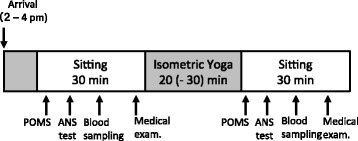
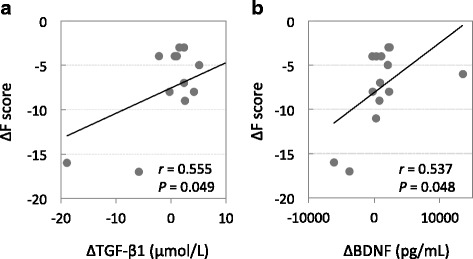
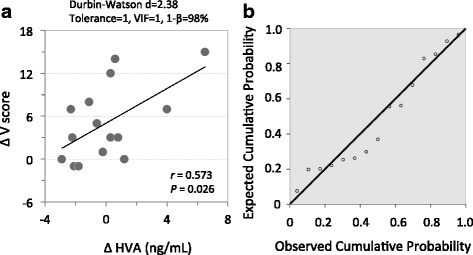
BACKGROUND: In a previous randomized controlled trial, we found that sitting isometric yoga improves fatigue in patients with chronic fatigue syndrome (CFS) who are resistant to conventional therapy. The aim of this study was to investigate possible mechanisms behind this finding, focusing on the short-term fatigue-relieving effect, by comparing autonomic nervous function and blood biomarkers before and after a session of isometric yoga. METHODS: Fifteen patients with CFS who remained symptomatic despite at least 6 months of conventional therapy practiced sitting isometric yoga (biweekly 20 min practice with a yoga instructor and daily home practice) for eight weeks. Acute effects of sitting isometric yoga on fatigue, autonomic function, and blood biomarkers were investigated after the final session with an instructor. The effect of a single session of sitting isometric yoga on fatigue was assessed by the Profile of Mood Status (POMS) questionnaire immediately before and after the session. Autonomic nervous function (heart rate (HR) variability) and blood biomarkers (cortisol, DHEA-S, TNF-α, IL-6, IFN-γ, IFN-α, prolactin, carnitine, TGF-β1, BDNF, MHPG, and HVA) were compared before and after the session. RESULTS: < 0.1). Decreases in fatigue scores correlated with changes in plasma levels of TGF-β1 and BDNF. In contrast, increased vigor positively correlated with HVA. CONCLUSIONS: A single session of sitting isometric yoga reduced fatigue and increased vigor in patients with CFS. Yoga also increased vagal nerve function and changed blood biomarkers in a pattern that suggested anti-stress and anti-inflammatory effects. These changes appear to be related to the short-term fatigue-relieving effect of sitting isometric yoga in patients with CFS. Furthermore, dopaminergic nervous system activation might account for sitting isometric yoga-induced increases in energy in this patient population. TRIAL REGISTRATION: University Hospital Medical Information Network (UMIN CTR) UMIN000009646. Registered Dec 27, 2012.
Overview
The claims and statistics of this paper haven’t been checked yet.
Free: it reads the open-access text and checks the first 5 claims that cite a source we can check. Create a free account to check every claim.
Integrity signals
Registry
Cites
Statistics
Figures
Verification
Claims the paper makes
The claims and statistics of this paper haven’t been checked yet.
Free: it reads the open-access text and checks the first 5 claims that cite a source we can check. Create a free account to check every claim.
Self-check
Percentages, sums and reported differences re-computed from the paper’s own numbers.
The self-check needs the paper’s full text.
Citations
Cites
Molecular Mechanisms of Depression: Perspectives on New Treatment Strategies
Lang, U. E., & Borgwardt, S. (2013) · Cellular Physiology and Biochemistry · doi:10.1159/000350094 · Cited by 8,475
The Chronic Fatigue Syndrome: A Comprehensive Approach to Its Definition and Study
Fukuda, K., Straus, S. E., Hickie, I., Sharpe, M. C., Dobbins, J. G., Komaroff, A., & and International Chronic Fatigue Syndrome Study Group. (1994) · Annals of Internal Medicine · doi:10.7326/0003-4819-121-12-199412150-00009 · Cited by 4,969
Shaffer, F., McCraty, R., & Zerr, C. L. (2014) · Frontiers in Psychology · doi:10.3389/fpsyg.2014.01040 · Cited by 1,866
Myalgic encephalomyelitis: International Consensus Criteria
Carruthers, B. M., van de Sande, M. I., De Meirleir, K. L., Klimas, N. G., Broderick, G., Mitchell, T., Staines, D., Powles, A. C. P., Speight, N., Vallings, R., et al. (2011) · Journal of Internal Medicine · doi:10.1111/j.1365-2796.2011.02428.x · Cited by 1,235
Shimizu, E., Hashimoto, K., Okamura, N., Koike, K., Komatsu, N., Kumakiri, C., Nakazato, M., Watanabe, H., Shinoda, N., Okada, S.-I., et al. (2003) · Biological Psychiatry · doi:10.1016/s0006-3223(03)00181-1 · Cited by 1,151
Dopamine as a Prolactin (PRL) Inhibitor
Ben-Jonathan, N., & Hnasko, R. (2001) · Endocrine Reviews · doi:10.1210/edrv.22.6.0451 · Cited by 983 · cited 1×
“as a PRL inhibiting hormone [57], this finding suggests that sitting isometric yoga may activate dopaminergic neuron activity.”
BackgroundCatecholamine metabolism: basic aspects and clinical significance.
Kopin, I. J. (1985) · Pharmacological Reviews · doi:10.1016/s0031-6997(25)06859-0 · Cited by 582
Yoga for persistent fatigue in breast cancer survivors: A randomized controlled trial
Bower, J. E., Garet, D., Sternlieb, B., Ganz, P. A., Irwin, M. R., Olmstead, R., & Greendale, G. (2012) · Cancer · doi:10.1002/cncr.26702 · Cited by 352 · cited 1×
“cordance with these findings, yoga has been shown to reduce fatigue and increase energy in current cancer patients and in survivors [21, 24].”
ResultDecreased plasma BDNF level in depressive patients
Lee, B.-H., Kim, H., Park, S.-H., & Kim, Y.-K. (2007) · Journal of Affective Disorders · doi:10.1016/j.jad.2006.11.005 · Cited by 326
Aydemir, O., Deveci, A., & Taneli, F. (2005) · Progress in Neuro-Psychopharmacology and Biological Psychiatry · doi:10.1016/j.pnpbp.2004.11.009 · Cited by 325
Dehydroepiandrosterone (DHEA) treatment of depression
Wolkowitz, O. M., Reus, V. I., Roberts, E., Manfredi, F., Chan, T., Raum, W. J., Ormiston, S., Johnson, R., Canick, J., Brizendine, L., et al. (1997) · Biological Psychiatry · doi:10.1016/s0006-3223(96)00043-1 · Cited by 314
Morgan, C. A., Southwick, S., Hazlett, G., Rasmusson, A., Hoyt, G., Zimolo, Z., & Charney, D. (2004) · Archives of General Psychiatry · doi:10.1001/archpsyc.61.8.819 · Cited by 304 · cited 1×
“increasing acetylcholine release from the hippocampus [42, 43] and it buffers the negative effects of stress [44].”
BackgroundCahn, B. R., Goodman, M. S., Peterson, C. T., Maturi, R., & Mills, P. J. (2017) · Frontiers in Human Neuroscience · doi:10.3389/fnhum.2017.00315 · Cited by 292 · cited 1×
“From the current study, it is unclear if a single yoga session can improve these dysfunctions; however, regular practice of yoga has been demonstrated to recover the diurnal cortisol rhythm in cancer patients [21] and increase the cortisol awakening response in healthy subjects [41].”
BackgroundBower, J. E., Greendale, G., Crosswell, A. D., Garet, D., Sternlieb, B., Ganz, P. A., Irwin, M. R., Olmstead, R., Arevalo, J., & Cole, S. W. (2014) · Psychoneuroendocrinology · doi:10.1016/j.psyneuen.2014.01.019 · Cited by 283 · cited 15×
“We found that DHEA-S significantly increased (from 177.7 ± 63.3 μg/dL to 191.1 ± 73.5 μg/dL, P = 0.012), whereas cortisol and TNF-α significantly decreased (from 11.0 ± 6.4 μg/dL to 7.9 ± 3.5 μg/dL, P = 0.016 and 0.9 ± 0.18 pg/mL to 0.8 ± 0.18 pg/mL, P = 0.035, respectively) and PRL had a tendency to decrease (from 11…”
BackgroundInfluentialHypothalamic-pituitary-adrenal axis dysfunction in chronic fatigue syndrome
Papadopoulos, A. S., & Cleare, A. J. (2012) · Nature Reviews Endocrinology · doi:10.1038/nrendo.2011.153 · Cited by 280 · cited 2×
“Dysfunctions of the HPA axis in patients with CFS include attenuated diurnal changes in cortisol [7, 8] and decreased dehydroepiandrosterone sulfate (DHEA-S) [9–11].”
BackgroundRandomized, Controlled Trial of Yoga in Women With Breast Cancer Undergoing Radiotherapy
Chandwani, K. D., Perkins, G., Nagendra, H. R., Raghuram, N. V., Spelman, A., Nagarathna, R., Johnson, K., Fortier, A., Arun, B., Wei, Q., et al. (2014) · Journal of Clinical Oncology · doi:10.1200/jco.2012.48.2752 · Cited by 246 · cited 3×
“From the current study, it is unclear if a single yoga session can improve these dysfunctions; however, regular practice of yoga has been demonstrated to recover the diurnal cortisol rhythm in cancer patients [21] and increase the cortisol awakening response in healthy subjects [41].”
BackgroundResultEffects of dehydroepiandrosterone and its sulfate on brain tissue in culture and on memory in mice
Roberts, E., Bologa, L., Flood, J. F., & Smith, G. E. (1987) · Brain Research · doi:10.1016/0006-8993(87)90807-9 · Cited by 192 · cited 1×
“increasing acetylcholine release from the hippocampus [42, 43] and it buffers the negative effects of stress [44].”
BackgroundMaes, M. H. J., Twisk, F., Kubera, M., & Ringel, K. (2011) · Journal of Affective Disorders · doi:10.1016/j.jad.2011.09.004 · Cited by 172 · cited 15×
“We found that DHEA-S significantly increased (from 177.7 ± 63.3 μg/dL to 191.1 ± 73.5 μg/dL, P = 0.012), whereas cortisol and TNF-α significantly decreased (from 11.0 ± 6.4 μg/dL to 7.9 ± 3.5 μg/dL, P = 0.016 and 0.9 ± 0.18 pg/mL to 0.8 ± 0.18 pg/mL, P = 0.035, respectively) and PRL had a tendency to decrease (from 11…”
BackgroundInfluentialExercise Capacity in Chronic Fatigue Syndrome
De Becker, P., Roeykens, J., Reynders, M., McGregor, N., & De Meirleir, K. (2000) · Archives of Internal Medicine · doi:10.1001/archinte.160.21.3270 · Cited by 159
Chronic fatigue syndrome and circulating cytokines: A systematic review
Blundell, S., Ray, K. K., Buckland, M., & White, P. D. (2015) · Brain, Behavior, and Immunity · doi:10.1016/j.bbi.2015.07.004 · Cited by 159 · cited 3×
“TGF-β1 has both proand anti-inflammatory effects [45].”
BackgroundCarnitine Metabolism and Deficiency Syndromes
Rebouche, C. J., & Engel, A. G. (1983) · Mayo Clinic Proceedings · doi:10.1016/s0025-6196(25)18819-8 · Cited by 156 · cited 1×
“Carnitine plays an important role in mitochondrial energy metabolism [58].”
BackgroundBoneva, R. S., Decker, M. J., Maloney, E. M., Lin, J.-M. S., Jones, J. F., Helgason, H. G., Heim, C. C., Rye, D. B., & Reeves, W. C. (2007) · Autonomic Neuroscience · doi:10.1016/j.autneu.2007.08.002 · Cited by 150 · cited 2×
“Previous studies have demonstrated that, when compared with healthy subjects, patients with CFS have significantly higher resting HR [4–6], tend to have higher plasma levels of noradrenaline [4], and have significantly lower cardiac vagal indices as assessed by HRV [5, 38, 39].”
BackgroundResultSawada, Y., Ohtomo, N., Tanaka, Y., Tanaka, G., Yamakoshi, K.-I., Terachi, S., Shimamoto, K., Nakagawa, M., Sato, S., Kuroda, S., et al. (1997) · Medical & Biological Engineering & Computing · doi:10.1007/bf02534083 · Cited by 137 · cited 1×
“The MemCalc method [34] is a new technique for time series analysis.”
MethodTNF-α and Chronic Fatigue Syndrome
Moss, R. B., Mercandetti, A. J., & Vojdani, A. (1999) · Journal of Clinical Immunology · doi:10.1023/a:1020595709352 · Cited by 133
Pal, R., Singh, S. N., Chatterjee, A., & Saha, M. (2014) · AGE · doi:10.1007/s11357-014-9683-7 · Cited by 130 · cited 1×
“Previous studies have demonstrated that regular yoga practice increases blood levels of BDNF [47, 48].”
BackgroundAcylcarnitine Deficiency in Chronic Fatigue Syndrome
Kuratsune, H., Yamaguti, K., Takahashi, M., Misaki, H., Tagawa, S., & Kitani, T. (1994) · Clinical Infectious Diseases · doi:10.1093/clinids/18.supplement_1.s62 · Cited by 120 · cited 2×
“Several studies have suggested that CFS is associated with a reduction in plasma levels of free carnitine [59], total carnitine [59], and acylcarnitine [18, 19], whereas other studies have reported no differences between CFS patients and healthy subjects [60, 61].”
BackgroundResultPowell, D. J. H., Liossi, C., Moss-Morris, R., & Schlotz, W. (2013) · Psychoneuroendocrinology · doi:10.1016/j.psyneuen.2013.07.004 · Cited by 94 · cited 2×
“Dysfunctions of the HPA axis in patients with CFS include attenuated diurnal changes in cortisol [7, 8] and decreased dehydroepiandrosterone sulfate (DHEA-S) [9–11].”
BackgroundMiller, A. H., Jones, J. F., Drake, D. F., Tian, H., Unger, E. R., & Pagnoni, G. (2014) · PLoS ONE · doi:10.1371/journal.pone.0098156 · Cited by 90 · cited 2×
“Dysfunctions of the CNS include hypoactivity of the dopaminergic nervous system to reward stimuli [16, 17].”
BackgroundMethodNagendra, H., Kumar, V., & Mukherjee, S. (2015) · Computational and Mathematical Methods in Medicine · doi:10.1155/2015/821061 · Cited by 89 · cited 1×
“For example, yoga is known to change autonomic function from a sympathetic nerve-dominant state to a parasympathetic nerve-dominant state in healthy subjects [20].”
BackgroundDifferences in adrenal steroid profile in chronic fatigue syndrome, in depression and in health
Scott, L. V., Salahuddin, F. F., Cooney, J. M., Svec, F., & Dinan, T. G. (1999) · Journal of Affective Disorders · doi:10.1016/s0165-0327(98)00169-4 · Cited by 88
Reduced Cardiac Vagal Modulation Impacts on Cognitive Performance in Chronic Fatigue Syndrome
Beaumont, A., Burton, A. R., Lemon, J., Bennett, B. K., Lloyd, A., & Vollmer-Conna, U. (2012) · PLoS ONE · doi:10.1371/journal.pone.0049518 · Cited by 88 · cited 3×
“Previous studies have demonstrated that, when compared with healthy subjects, patients with CFS have significantly higher resting HR [4–6], tend to have higher plasma levels of noradrenaline [4], and have significantly lower cardiac vagal indices as assessed by HRV [5, 38, 39].”
BackgroundResultLee, M., Moon, W., & Kim, J. (2014) · Evidence-Based Complementary and Alternative Medicine · doi:10.1155/2014/203173 · Cited by 85 · cited 1×
“Previous studies have demonstrated that regular yoga practice increases blood levels of BDNF [47, 48].”
BackgroundVagal tone is reduced during paced breathing in patients with the chronic fatigue syndrome
Sisto, S. A., Tapp, W. N., Drastal, S. D., Bergen, M. A., DeMasi, I., Cordero, D. C., & Natelson, B. H. (1995) · Clinical Autonomic Research · doi:10.1007/bf01826195 · Cited by 78 · cited 10×
“To address these issues, we conducted this study between 2 pm and 4 pm, when diurnal changes in parameters such as cortisol and HRV and the effect of diet on HRV were minimal.”
ResultInfluentialGarcia, M. N., Hause, A. M., Walker, C. M., Orange, J. S., Hasbun, R., & Murray, K. O. (2014) · Viral Immunology · doi:10.1089/vim.2014.0035 · Cited by 73 · cited 8×
“Several studies have suggested low-grade inflammation in patients with CFS, i.e. increased levels of several proinflammatory cytokines such as TNF-α [12, 13, 15], IL-6 [14, 15], and IFN-γ [14, 15], although these observations require confirmation [45].”
BackgroundInfluentialKhaiboullina, S. F., DeMeirleir, K. L., Rawat, S., Berk, G. S., Gaynor-Berk, R. S., Mijatovic, T., Blatt, N., Rizvanov, A. A., Young, S. G., & Lombardi, V. C. (2015) · Cytokine · doi:10.1016/j.cyto.2014.11.019 · Cited by 72
Increased neutrophil apoptosis in chronic fatigue syndrome: Table 1
Kennedy, G., Spence, V, Underwood, C., & Belch, J. J. F. (2004) · Journal of Clinical Pathology · doi:10.1136/jcp.2003.015511 · Cited by 72 · cited 1×
“Several studies have reported that patients with CFS have higher TGF-β1 levels than healthy subjects [45, 46], which supports our finding that decreased fatigue was associated with decreased TGF-β1.”
BackgroundDemitrack, M. A., Gold, P. W., Dale, J. K., Krahn, D. D., Kling, M. A., & Straus, S. E. (1992) · Biological Psychiatry · doi:10.1016/0006-3223(92)90187-5 · Cited by 72 · cited 9×
“Previous studies have demonstrated that patients with CFS have significantly lower basal levels of plasma MHPG [56].”
BackgroundInfluentialMusic Attenuated a Decrease in Parasympathetic Nervous System Activity after Exercise
Jia, T., Ogawa, Y., Miura, M., Ito, O., & Kohzuki, M. (2016) · PLoS ONE · doi:10.1371/journal.pone.0148648 · Cited by 72
Raghuram, N., Rao, R., Nagendra, H., Vinay, C., Chandrashekara, S., Gopinath, K., & Srinath, B. (2008) · International Journal of Yoga · doi:10.4103/0973-6131.36795 · Cited by 59 · cited 15×
“We found that DHEA-S significantly increased (from 177.7 ± 63.3 μg/dL to 191.1 ± 73.5 μg/dL, P = 0.012), whereas cortisol and TNF-α significantly decreased (from 11.0 ± 6.4 μg/dL to 7.9 ± 3.5 μg/dL, P = 0.016 and 0.9 ± 0.18 pg/mL to 0.8 ± 0.18 pg/mL, P = 0.035, respectively) and PRL had a tendency to decrease (from 11…”
BackgroundInfluentialOka, T., Tanahashi, T., Chijiwa, T., Lkhagvasuren, B., Sudo, N., & Oka, K. (2014) · BioPsychoSocial Medicine · doi:10.1186/s13030-014-0027-8 · Cited by 59 · cited 7×
“The study included 15 patients with CFS who were enrolled in the yoga group of our previous randomized, controlled trial [2].”
BackgroundMethodInfluentialSelf-citationSerum Levels of Carnitine in Chronic Fatigue Syndrome: Clinical Correlates
Plioplys, A. V., & Plioplys, S. (1995) · Neuropsychobiology · doi:10.1159/000119226 · Cited by 57 · cited 1×
“Several studies have suggested that CFS is associated with a reduction in plasma levels of free carnitine [59], total carnitine [59], and acylcarnitine [18, 19], whereas other studies have reported no differences between CFS patients and healthy subjects [60, 61].”
ResultNagaoka, S., Iwamoto, N., & Arai, H. (1997) · Biological Psychiatry · doi:10.1016/s0006-3223(96)00244-2 · Cited by 55
Dehydroepiandrosterone sulfate deficiency in chronic fatigue syndrome.
Kuratsune, H., Yamaguti, K., Sawada, M., Kodate, S., Machii, T., Kanakura, Y., & Kitani, T. (1998) · International Journal of Molecular Medicine · doi:10.3892/ijmm.1.1.143 · Cited by 52
van Rensburg, S. J., Potocnik, F. C. V., Kiss, T., Hugo, F., van Zijl, P., Mansvelt, E. P. G., Carstens, M. E., Theodorou, P., Hurly, P. R., Emsley, R. A., et al. (2001) · Brain Research Bulletin · doi:10.1016/s0361-9230(01)00478-6 · Cited by 49
Umene-Nakano, W., Yoshimura, R., Ueda, N., Suzuki, A., Ikenouchi-Sugita, A., Hori, H., Otani, K., & Nakamura, J. (2010) · Journal of Psychopharmacology · doi:10.1177/0269881109106899 · Cited by 46
Kuratsune, H., Yamaguti, K., Lindh, G., Evengard, B., Takahashi, M., Machii, T., Matsumura, K., Takaishi, J., Kawata, S., Långström, B., et al. (1998) · International Journal of Molecular Medicine · doi:10.3892/ijmm.2.1.51 · Cited by 43 · cited 2×
“Several studies have suggested that CFS is associated with a reduction in plasma levels of free carnitine [59], total carnitine [59], and acylcarnitine [18, 19], whereas other studies have reported no differences between CFS patients and healthy subjects [60, 61].”
BackgroundResultPlasma and urinary carnitine and acylcarnitines in chronic fatigue syndrome
Jones, M. G., Goodwin, C. S., Amjad, S., & CHALMERS, R. A. (2005) · Clinica Chimica Acta · doi:10.1016/j.cccn.2005.04.029 · Cited by 40 · cited 1×
“Several studies have suggested that CFS is associated with a reduction in plasma levels of free carnitine [59], total carnitine [59], and acylcarnitine [18, 19], whereas other studies have reported no differences between CFS patients and healthy subjects [60, 61].”
ResultMiwa, K., & Fujita, M. (2009) · Journal of Cardiology · doi:10.1016/j.jjcc.2009.02.008 · Cited by 40 · cited 1×
“Considering the previous findings that resting HR during CFS remission was lower than during an exacerbation [40] and that reduced cardiac vagal tone was associated with cognitive impairments in patients with CFS [5], yogainduced autonomic changes may be beneficial for patients with CFS.”
ResultA large-scale survey of adverse events experienced in yoga classes
Matsushita, T., & Oka, T. (2015) · BioPsychoSocial Medicine · doi:10.1186/s13030-015-0037-1 · Cited by 39 · cited 1×
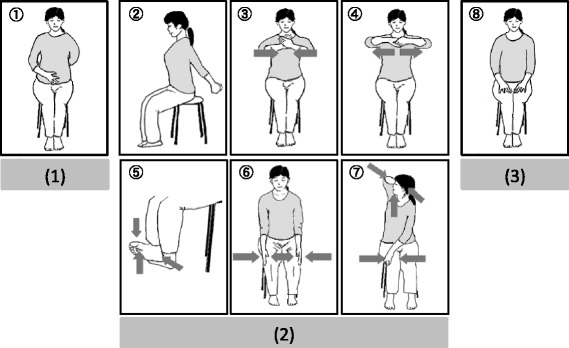
“We developed a 20-min sitting isometric yoga program for patients with CFS so as not to induce post-exertional malaise [2] and adverse events [30, 31].”
MethodSelf-citationEffects of Kampo on functional gastrointestinal disorders
Oka, T., Okumi, H., Nishida, S., Ito, T., Morikiyo, S., Kimura, Y., Murakami, M., & JOPM-EBM Working Team (2014) · BioPsychoSocial Medicine · doi:10.1186/1751-0759-8-5 · Cited by 38
Self-citationLow putamen activity associated with poor reward sensitivity in childhood chronic fatigue syndrome
Mizuno, K., Kawatani, J., Tajima, K., Sasaki, A. T., Yoneda, T., Komi, M., Hirai, T., Tomoda, A., Joudoi, T., & Watanabe, Y. (2016) · NeuroImage: Clinical · doi:10.1016/j.nicl.2016.09.016 · Cited by 38 · cited 2×
“Dysfunctions of the CNS include hypoactivity of the dopaminergic nervous system to reward stimuli [16, 17].”
BackgroundYoshimura, R., Nakamura, J., Shinkai, K., & Ueda, N. (2004) · Progress in Neuro-Psychopharmacology and Biological Psychiatry · doi:10.1016/j.pnpbp.2004.01.008 · Cited by 37
Oka, T., Kanemitsu, Y., Sudo, N., Hayashi, H., & Oka, K. (2013) · BioPsychoSocial Medicine · doi:10.1186/1751-0759-7-7 · Cited by 28 · cited 1×
“symptoms [3, 25], yoga-induced decreases in cortisol”
Self-citationLegey, S., Lamego, M. K., Lattari, E., Campos, C., Paes, F., Sancassiani, F., Mura, G., Carta, M. G., Rocha, N., Nardi, A. E., et al. (2016) · Clinical Practice and Epidemiology in Mental Health · doi:10.2174/1745017901612010177 · Cited by 23 · cited 1×
“05 and with at least 80% power, an appropriate sample size of 15 was calculated using the mean and standard deviation between two groups with different POMS scores reported in a previous study [37].”
MethodKobayashi, Y., Fujikawa, T., Kobayashi, H., Sumida, K., Suzuki, S., Kagimoto, M., Okuyama, Y., Ehara, Y., Katsumata, M., Fujita, M., et al. (2016) · Journal of Atherosclerosis and Thrombosis · doi:10.5551/jat.34645 · Cited by 20 · cited 2×
“, Yokohama, Japan) [33], which included a HR monitor LRR-03 (GMS, Tokyo, Japan).”
Oka, T., Wakita, H., & Kimura, K. (2017) · BioPsychoSocial Medicine · doi:10.1186/s13030-017-0090-z · Cited by 19 · cited 1×
“We developed a 20-min sitting isometric yoga program for patients with CFS so as not to induce post-exertional malaise [2] and adverse events [30, 31].”
MethodSelf-citationAutonomic Dysfunction in Chronic Fatigue Syndrome
Yamaguti, K., Tajima, S., & Kuratsune, H. (2013) · Advances in Neuroimmune Biology · doi:10.3233/nib-130072 · Cited by 15 · cited 10×
“To address these issues, we conducted this study between 2 pm and 4 pm, when diurnal changes in parameters such as cortisol and HRV and the effect of diet on HRV were minimal.”
ResultInfluentialAbnormalities of carnitine metabolism in chronic fatigue syndrome
Majeed, T., Simone, C. D., Famularo, G., Marcellini, S., & Behan, P. O. (1995) · European Journal of Neurology · doi:10.1111/j.1468-1331.1995.tb00151.x · Cited by 13 · cited 1×
“Several studies have suggested that CFS is associated with a reduction in plasma levels of free carnitine [59], total carnitine [59], and acylcarnitine [18, 19], whereas other studies have reported no differences between CFS patients and healthy subjects [60, 61].”
ResultInfluence of Psychological Stress on Chronic Fatigue Syndrome
Oka, T. (2013) · Advances in Neuroimmune Biology · doi:10.3233/nib-130077 · Cited by 10 · cited 5×
“Dysfunctions of the CNS include hypoactivity of the dopaminergic nervous system to reward stimuli [16, 17].”
BackgroundInfluentialSelf-citation
Research works printed but not linked: 3
- Oka T Efficacy and limitations of autogenic training as a treatment of chronic fatigue syndrome Jpn J Autogenic Ther 2015 35 1 12 19
- Institute-of-Medicine. Beyond Myalgic encephalomyelitis/chronic fatigue syndrome: Redefining an Illness. Committee on the Diagnostic Criteria for Myalgic Encephalomyelitis/Chronic Fatigue Syndrome; Board on the Health of Select Populations; Washington (DC): The National Academies Press; 2015. 25695122
- McNair D Lorr M Droppleman L Mannual for the profile of mood states (POMS) 1971 San Diego Educational and Industrial Testing Service
Cited by
VanElzakker, M. B., Brumfield, S. A., & Mejia, P. S. L. (2019) · Frontiers in Neurology · doi:10.3389/fneur.2018.01033 · Cited by 139
Wormgoor, M. E. A., & Rodenburg, S. C. (2021) · Journal of Translational Medicine · doi:10.1186/s12967-020-02683-4 · Cited by 123
“One study reported autonomic function indices and blood biomarkers solely in the intervention group [80].”
BackgroundEscorihuela, R. M., Capdevila, L., Ramos-Castro, J. J., Zaragozá, M. C., Maurel, S., Alegre, J., & Castro‐Marrero, J. (2020) · Journal of Translational Medicine · doi:10.1186/s12967-019-02184-z · Cited by 124
VanElzakker, M. B., Brumfield, S. A., & Mejia, P. S. L. (2020) · Frontiers in Neurology · doi:10.3389/fneur.2020.00863 · Cited by 81
Moonaz, S. H., Nault, D., Cramer, H., & Ward, L. (2021) · BMJ Open · doi:10.1136/bmjopen-2020-045812 · Cited by 80
Metadata
- Authors
- Oka, T., Tanahashi, T., Sudo, N., Lkhagvasuren, B., & Yamada, Y.
- Affiliations
- Kyushu University (JP)
- Corresponding author
- Oka, Takakazu
- Venue
- BioPsychoSocial Medicine
- Published
- 2018-04-10
- Volume
- 12
- Issue
- 1
- Pages
- 3-3
- ISSN
- 1751-0759 (ISSN-L)
- PMC
- PMC5891891
- OpenAlex
- W2803316330
- Cited by
- 47
- References
- 59
- Citations by year
- 2026: 6 · 2025: 5 · 2024: 7 · 2023: 2 · 2022: 5 · 2021: 9 · 2020: 7 · 2019: 5 · 2018: 1
- FWCI
- 4.33
- Type
- journal article
- Language
- en
- Open access
- gold
- doi.org
- Licence
- cc-by
- creativecommons.org/licenses/by/4.0/ (tdm)
- Locations
- BioPsychoSocial Medicine (publishedVersion, cc-by)
- Europe PMC (PubMed Central) (publishedVersion, cc-by)
- PubMed Central (publishedVersion, cc-by)
- PubMed (publishedVersion)
- DOAJ (DOAJ: Directory of Open Access Journals) (submittedVersion)
- Funders
- Japan Agency for Medical Research and Development Grant for integrative medicine (H27 15lk0310013h0001, H28 16lk0310017h001, H29 17lk0310034h0001)
- Topics
- Health Sciences › Medicine › Psychiatry and Mental health › Fibromyalgia and Chronic Fatigue Syndrome Research
- Health Sciences › Medicine › Clinical Neurology › Long-Term Effects of COVID-19
- Health Sciences › Medicine › Cardiology and Cardiovascular Medicine › Cardiovascular Syncope and Autonomic Disorders
- Keywords
- chronic fatigue syndrome, fatigue, autonomic function, heart rate variability, blood biomarkers, TGF-β1, brain-derived neurotrophic factor, homovanillic acid, anti-inflammatory activity, anti-stress effects, Profile of Mood States, cortisol, dehydroepiandrosterone sulfate
About these checks
Registry, retraction, Cites and statistics results are computed, not judged, with one exception: a printed reference that no index lists is read once by a model before it counts as a citation error. Claims are extracted by a model and kept only when their quote appears verbatim in the text; each cited source is then checked, with a model’s help, for whether it says what the claim relies on. Those verdicts can be wrong — read the claim’s quote and the cited source before relying on one.
Statistics and arithmetic are recomputed, not judged.
Confidence bands are shown only for fields calibrated on our annotated test set. None is calibrated yet, so no band is shown.
What counts as a claim ›How we measure confidence ›How we check this ›
Are you an author, or do you see a problem with this page? Request a review
Data sources
Bibliographic data: Semantic Scholar, OpenAlex, Crossref.
Contains information from the Semantic Scholar Academic Graph Datasets, made available under the ODC Attribution License (ODC-BY 1.0).
Semantic Scholar’s data is described in: Kinney, R., et al. (2023). The Semantic Scholar Open Data Platform. arXiv:2301.10140.
