

The design and development of covalent protein-protein interaction inhibitors for cancer treatment
Open accessThe DOI matches its Crossref record; 138 of the 142 references it cites were found in a registry or an index, and 1 are not checked yet; 38 of the 122 sources its claims cite were checked for support.
Abstract
Protein-protein interactions (PPIs) are central to a variety of biological processes, and their dysfunction is implicated in the pathogenesis of a range of human diseases, including cancer. Hence, the inhibition of PPIs has attracted significant attention in drug discovery. Covalent inhibitors have been reported to achieve high efficiency through forming covalent bonds with cysteine or other nucleophilic residues in the target protein. Evidence suggests that there is a reduced risk for the development of drug resistance against covalent drugs, which is a major challenge in areas such as oncology and infectious diseases. Recent improvements in structural biology and chemical reactivity have enabled the design and development of potent and selective covalent PPI inhibitors. In this review, we will highlight the design and development of therapeutic agents targeting PPIs for cancer therapy.
Verified 2026-10-05 · 1 reference not checked yet
Overview
CoChat Summary
TL;DR
This review discusses the design and development of covalent protein–protein interaction (PPI) inhibitors for cancer, covering structure-guided design, activity-based protein profiling, covalent docking, and screening strategies. It argues that covalent PPI inhibitors can provide durable inhibition and reduced resistance risk, but face challenges including off-target toxicity, immunogenicity, and metabolic liabilities.
Key findings
- PPIs are central to cancer biology: there are nearly 650,000 PPIs in humans, 20% of proteins exist in network hubs and interact with at least 24 partners, and PPI hotspots typically span 250–900 Ų while small-molecule PPI interfaces are often 1500–3000 Ų.
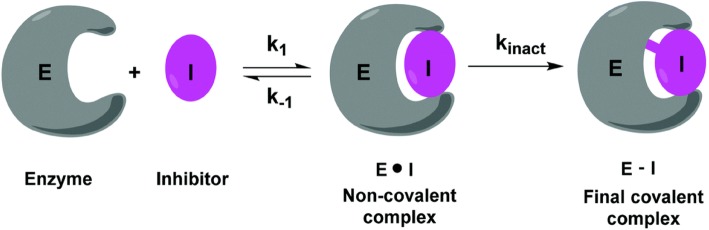
- Covalent PPI inhibitors form covalent bonds with cysteine or other nucleophilic residues and can offer sustained inhibition, longer residence times, high selectivity, and a reduced risk of drug resistance; drawbacks include off-target toxicity, potential immunogenicity, reactive metabolite formation, and poor pharmacokinetics such as high clearance.
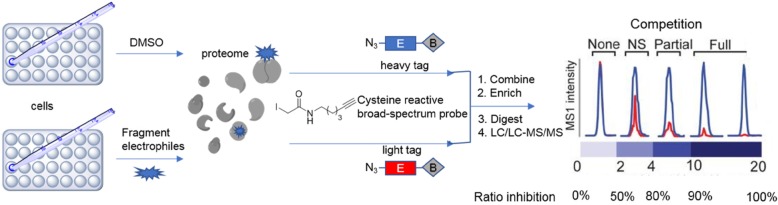
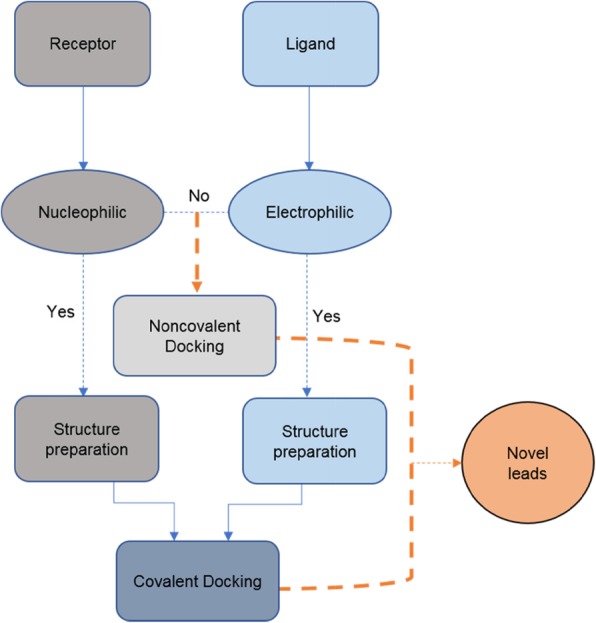
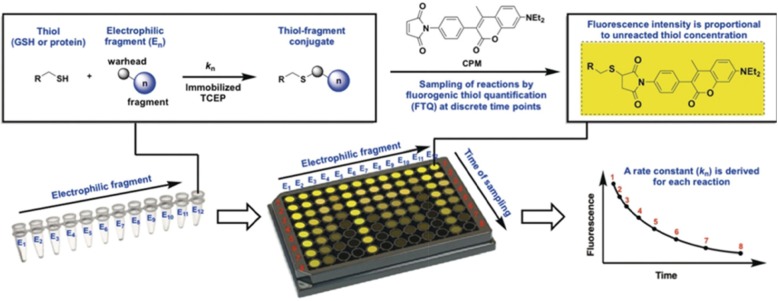
- Design and discovery strategies include structure-guided design, activity-based protein profiling (including isoTOP-ABPP), covalent docking programs such as MOE, CovDock, AutoDock4, FITTED, GOLD, and ICM-Pro, and screening methods including fragment-based screening, high-throughput screening, phenotypic screening, and quantitative irreversible tethering (qIT) with fluorogenic thiol quantification.
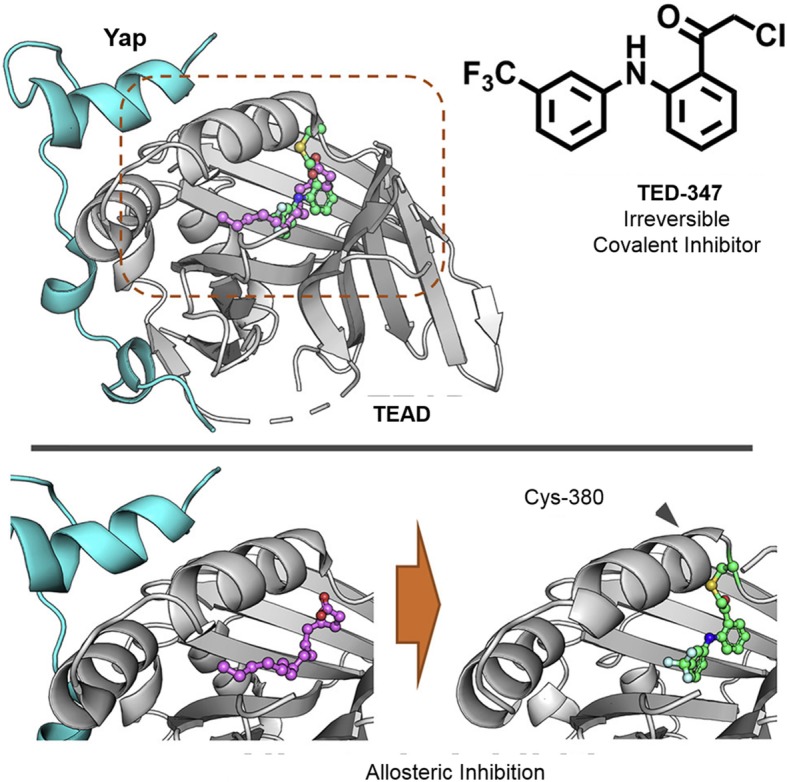
- Examples in cancer include COH000 targeting SUMO E1 with anticancer activity in colorectal cancer cells and mouse/patient-derived xenograft models, TED-347 allosterically targeting the TEAD–Yap PPI, a covalent Mcl-1 inhibitor reacting with Lys234, the Grb2–Sos1 peptide inhibitor targeting Cys32, and THZ531 inhibiting CDK12–CDK13; the review states that one covalent PPI inhibitor has been approved by the FDA in oncology while others have entered clinical trials.
Methods
- This is a narrative review, not a primary research study; no experimental design, sample, or dataset is reported.
- It synthesizes literature on covalent PPI inhibitor design and development for cancer, including structure-guided design, ABPP, covalent docking, screening technologies, and tables of successful covalent PPI inhibitors and non-covalent PPI candidates in cancer.
- The main analysis is qualitative and descriptive, with no systematic search strategy or quantitative meta-analysis described.
Limitations
- Stated in the paper: isoTOP-ABPP is limited by the range of identifiable cellular cysteines and cannot evaluate compound selectivity across the total cellular cysteinome; cell lysates under non-reducing conditions may oxidize or aggregate reactive cysteines. Covalent docking suffers from poor scoring functions and limitations in torsional entropy, speed, and accuracy, and requires substantial preparatory work not easily automated. Covalent inhibitors can cause off-target toxicity, immunogenicity, reactive metabolites, and high clearance, and their pharmacological and toxicological mechanisms remain unclear.
- Evident from the text: as a narrative review, it does not provide a systematic or exhaustive search protocol, and the examples and tables are selected illustrations rather than a comprehensive quantitative synthesis.
Model-written summary. Check it against the paper before relying on it.
Integrity signals
Registry
Cites
Statistics
Figures
Verification
Claims the paper makes
15 Valid · 3 Not valid · 55 Not checked · 10 Own results and interpretations
Some cited sources support this claim and some don’t — read each source’s verdict below.
In the paper
“In addition, some analytical techniques such as click chemistry, activity probes, and mass spectrometry-based proteomics to evaluate binding activity and selectivity in vitro and in vivo are only available for covalent compounds [120–124].”
§ The design and development of covalent protein-protein interaction inhibitors for cancer treatment > Conclusion remarks and perspectives > Perspective and predicament for study PPI inhibitors in cancers
What the sources say
- Disputedcites [120] Moellering RE Cravatt BF How chemoproteomics can enable drug discovery and development Chem Biol 2012 19 1 11 22 10.1016/j.chembiol.2012.01.001 22284350 PMC3312051 sourceExperimental — accuracy not yet measured
In 'Competitive ABPP to develop serine hydrolase inhibitors' the paper states that ex vivo assessment of inhibitor activity by competitive ABPP is merely 'technically more straightforward to perform with irreversible enzyme inhibitors (due to the stability of the covalent enzyme-inhibitor interaction)' but 'should also be applicable to tight-binding reversible inhibitors that display slow off-rates' — directly contrary to the claim that these methods are only available for covalent compounds. The same section describes competitive ABPP used to evaluate activity and selectivity 'in a range of biological systems' including in vivo/in cells, and elsewhere (Chemoproteomics applied to other enzyme classes; Chemoproteomics for target discovery in phenotypic screens) the authors present non-covalent-based chemoproteomic formats (immobilized broad-spectrum inhibitors, SILAC affinity enrichment) for selectivity profiling. So our copy supports a preference for covalent/irreversible inhibitors, not the exclusivity asserted. (LLM, conf=0.75)
Checked by a reasoning model — may be wrong.
- Not checked yetcites [121] Li N Overkleeft HS Florea BI Activity-based protein profiling: an enabling technology in chemical biology research Curr Opin Chem Biol 2012 16 1-2 227 233 10.1016/j.cbpa.2012.01.008 22325363 source
- Partly supportedcites [122] Sanman LE Bogyo M Activity-based profiling of proteases Annu Rev Biochem 2014 83 249 273 10.1146/annurev-biochem-060713-035352 24905783 sourceExperimental — accuracy not yet measured
Our copy supports the mechanism underlying the claim: activity-based probes covalently attach to active proteases via an electrophile or photocrosslinker, and 'the covalent linkage of a probe to the enzyme is the major advantage of activity-based profiling because it enables direct isolation and identification of the target protease' (Activity-Based Probes), with affinity-tagged ABPs feeding mass-spectrometry identification (Fig. 4) and azide/alkyne 'clickable' handles converted by copper-catalyzed click chemistry into affinity probes (Considerations for selection of an affinity handle); competitive ABPP is described as assessing potency and selectivity in a complex proteome or intact cell (Drug Discovery and Development; Summary Points 6). What our copy does not state is the exclusivity the claim turns on — that such evaluation is 'only available for covalent compounds': the requirement it describes is that the probe be covalent/reactive, while the drug candidate being tested is measured by loss of or blocked ABP labeling (competitive ABPP, fluopol-ABPP, which 'assess[es] the ability of a compound to bind and inhibit a target protease'), a readout not restricted to covalent ligands. So the covalent-probe/MS/click-chemistry apparatus is supported, but the blanket limitation to covalent compounds is attributed beyond what this review says. (LLM, conf=0.72)
- Not checked yetcites [123] Schirle M Bantscheff M Kuster B Mass spectrometry-based proteomics in preclinical drug discovery Anal Chem 2012 19 1 72 84 22284356
- Could not verifycites [124] Law FC Yao M Bi HC Lam S Physiologically based pharmacokinetic modeling of tea catechin mixture in rats and humans Pharmacol Res Perspect 2017 5 3 e00305 10.1002/prp2.305 28603626 PMC5464336 sourceExperimental — accuracy not yet measured
Our copy of Law et al. (2017) is a physiologically based pharmacokinetic modelling paper for tea catechins; its Methods (Sources of experimental data; Computer simulation and data fitting; Statistical and sensitivity analyses) describe HPLC/ESA assay data, AcslXtreme simulation and log-normalized sensitivity parameters, and its Discussion addresses only enzyme-inhibition/interaction pathways (glucuronyltransferases, COMT, CYP1A2). No passage mentions click chemistry, activity-based probes, mass spectrometry-based proteomics, or the restriction of such methods to covalent compounds (searched: 'click chemistry activity probes mass spectrometry-based proteomics covalent', 'covalent binding ... protein targets', 'mass spectrometry proteomics electrophilic covalent inhibitors', 'bioorthogonal tagging alkyne azide copper-catalyzed cycloaddition'). The paper therefore neither supports nor contradicts the attributed point. (LLM, conf=0.72)
plain- Asserted: passes — The authors put it forward as true.
- Checkable: passes — It can be checked against evidence.
- Load-bearing: unclear — It is unclear whether the paper’s conclusions depend on it.
- Based: passes — The paper gives a reason why it holds.
- Disputed
The cited sources support only part of this claim — read each source’s verdict below.
In the paper
“The abnormal regulation of PPIs contributes to the majority of cancers.”
§ The design and development of covalent protein-protein interaction inhibitors for cancer treatment > Background
What the sources say
- Partly supportedcites [13] Ivanov AA Khuri FR Fu H Targeting protein–protein interactions as an anticancer strategy Trends Pharmacol Sci 2013 34 7 393 400 10.1016/j.tips.2013.04.007 23725674 PMC3773978 sourceExperimental — accuracy not yet measured
Our copy supports the general premise: the section 'PPI interfaces constitute basic units in oncogenic signaling networks' states that 'a large number of PPIs are involved in driving tumorigenesis through the regulation of oncogenic networks,' and 'Rising interest in targeting PPIs' plus the Abstract describe re-wired/hub PPIs as critical for acquiring and maintaining cancer characteristics, with 'Cancer genomics' noting PPIs that 'act as major drivers of cancer.' However, no passage in our copy carries the quantifier 'the majority of cancers' — the paper never states a proportion of cancer types attributable to aberrant PPI regulation, so that element of the citing sentence is unsupported by this source. The claim also recasts the source's network-level 're-programming/dysregulation' language as 'abnormal regulation of PPIs,' which is close enough in content. (LLM, conf=0.70)
- Not checked yetcites [14] Hanahan D Weinberg RA Hallmarks of cancer: the next generation Cell 2011 144 5 646 674 10.1016/j.cell.2011.02.013 21376230 source
plainstates a cause- Asserted: passes — The authors put it forward as true.
- Checkable: passes — It can be checked against evidence.
- Load-bearing: passes — The paper’s conclusions depend on it.
- Based: passes — The paper gives a reason why it holds.
- Partly supported
The cited sources support only part of this claim — read each source’s verdict below.
In the paper
“Recent improvements in structural biology and chemical reactivity have enabled the design and development of potent and selective covalent PPI inhibitors.”
§ The design and development of covalent protein-protein interaction inhibitors for cancer treatment > Abstract
What the sources say
- Not checked yetcites [37] Singh J Petter RC Baillie TA Whitty A The resurgence of covalent drugs Nat Rev Drug Discov 2011 10 4 307 317 10.1038/nrd3410 21455239 source
- Partly supportedcites [38] Zhong HJ Lu L Leung KH Wong CC Peng C Yan SC An iridium (III)-based irreversible protein–protein interaction inhibitor of BRD4 as a potent anticancer agent Chem Sci 2015 6 10 5400 5408 10.1039/C5SC02321A 28757943 PMC5510529 sourceExperimental — accuracy not yet measured
The Introduction links growing molecular-biology knowledge and the tunable, reactive properties of metal complexes to targeting proteins and PPIs. The Results and discussion report a potent, selective BRD4 inhibitor that binds covalently. The paper does not establish the broader claim that recent improvements in structural biology and chemical reactivity enabled the development of potent and selective covalent PPI inhibitors generally. (LLM, conf=0.84)
plainstates a cause- Asserted: passes — The authors put it forward as true.
- Checkable: passes — It can be checked against evidence.
- Load-bearing: passes — The paper’s conclusions depend on it.
- Based: passes — The paper gives a reason why it holds.
The sources with a verdict support this claim; the rest weren’t checked yet, have no full text we could read, or their verdicts aren’t rated yet.
In the paper
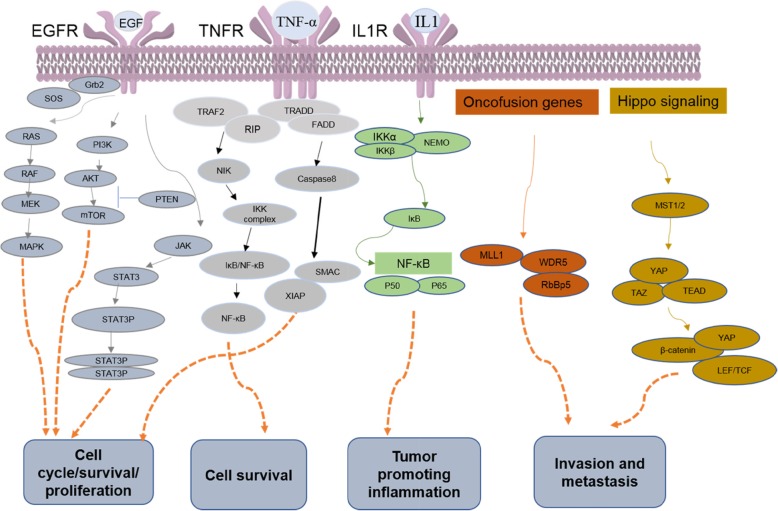
“PPIs are involved in all phases of oncogenesis, from cell proliferation, cell survival, and inflammation to invasion and metastasis (Fig. 1) [13, 14].”
§ The design and development of covalent protein-protein interaction inhibitors for cancer treatment > Background
What the sources say
- Supportedcites [13] Ivanov AA Khuri FR Fu H Targeting protein–protein interactions as an anticancer strategy Trends Pharmacol Sci 2013 34 7 393 400 10.1016/j.tips.2013.04.007 23725674 PMC3773978 source
The section “PPI interfaces constitute basic units in oncogenic signaling networks” links PPIs to cancer-cell proliferation and survival and identifies a PPI complex involved in proinflammation. “Rising interest in targeting PPIs” also links them to tumor progression, invasion, and metastasis. Page numbers are not provided in our copy. (LLM, conf=0.91)
- Not checked yetcites [14] Hanahan D Weinberg RA Hallmarks of cancer: the next generation Cell 2011 144 5 646 674 10.1016/j.cell.2011.02.013 21376230 source
plainstates an association- Asserted: passes — The authors put it forward as true.
- Checkable: passes — It can be checked against evidence.
- Load-bearing: passes — The paper’s conclusions depend on it.
- Based: passes — The paper gives a reason why it holds.
- Supported
Every source the paper cites for this claim was checked and supports it.
In the paper
“Evidence suggests that there is a reduced risk for the development of drug resistance against covalent drugs, which is a major challenge in areas such as oncology and infectious diseases.”
§ The design and development of covalent protein-protein interaction inhibitors for cancer treatment > Abstract
What the sources say
- Supportedcites [39] Bjij I Ramharack P Khan S Cherqaoui D Soliman MEJM Tracing potential covalent inhibitors of an E3 ubiquitin ligase through target-focused modelling Molecules 2019 24 17 3125 10.3390/molecules24173125 PMC6749425 31466292 source
The Abstract says covalent inhibitors have an ability to prevent drug resistance, supporting the hedged claim that covalent drugs may carry a reduced risk of resistance. The paper presents this as background motivation, not as a resistance outcome measured in its computational study. (LLM, conf=0.91)
hedgedstates a possible cause- Asserted: passes — The authors put it forward as true.
- Checkable: passes — It can be checked against evidence.
- Load-bearing: unclear — It is unclear whether the paper’s conclusions depend on it.
- Based: passes — The paper gives a reason why it holds.
- Supported
50 more claims · 9 with their cited sources checked
Create a free account to see all 83 claims and to verify the 84 references still open.
- Probably not a substantial claim. 11
- It may state two separate claims as one. 21
Claims other papers make about this one
Each is checked against this paper’s own text: does it say what the citing paper says it does?
In the citing paper
“In terms of structure types, existing PPI inhibitors can be classified into several categories, including small molecules, antibodies, peptides or recombinant proteins, each of which has its advantages and disadvantages.317”
From Recent advances in targeting the “undruggable” proteins: from drug discovery to clinical trials (2023) · cites this paper as [317]
Citations
Cites
Hallmarks of Cancer: The Next Generation
Hanahan, D., & Weinberg, R. A. (2011) · Cell · doi:10.1016/j.cell.2011.02.013 · Cited by 66,590
The amyloid hypothesis of Alzheimer's disease at 25 years
Selkoe, D. J., & Hardy, J. (2016) · EMBO Molecular Medicine · doi:10.15252/emmm.201606210 · Cited by 6,164
How to improve R&D productivity: the pharmaceutical industry's grand challenge
Paul, S. M., Mytelka, D. S., Dunwiddie, C. T., Persinger, C. C., Munos, B. H., Lindborg, S. R., & Schacht, A. L. (2010) · Nature Reviews Drug Discovery · doi:10.1038/nrd3078 · Cited by 3,566 · cited 1×
“As PPI interfaces are generally wide, therapeutic antibodies have attracted attention as candidates for PPI inhibition [34, 35].”
BackgroundHow many drug targets are there?
Overington, J. P., Al-Lazikani, B., & Hopkins, A. L. (2006) · Nature Reviews Drug Discovery · doi:10.1038/nrd2199 · Cited by 3,505 · cited 1×
“Covalent molecules may not be able to effectively target GPCRs during this turnover process [127].”
BackgroundControl of apoptosis by the BCL-2 protein family: implications for physiology and therapy
Czabotar, P. E., Lessene, G., Strasser, A., & Adams, J. M. (2014) · Nature Reviews Molecular Cell Biology · doi:10.1038/nrm3722 · Cited by 3,219 · cited 2×
“Moreover, the inhibitor could target endogenous Grb2 and significantly inhibit mobility and viability in SK-BR-3 human breast cancer cells [95].”
BackgroundK-Ras(G12C) inhibitors allosterically control GTP affinity and effector interactions
Ostrem, J. M., Peters, U., Sos, M. L., Wells, J. A., & Shokat, K. M. (2013) · Nature · doi:10.1038/nature12796 · Cited by 2,557 · cited 4×
“Zeng M, Lu J, Li L, Feru F, Quan C, Gero TW, et al. Potent and selective covalent quinazoline inhibitors of KRAS G12C.”
BackgroundInfluentialThe resurgence of covalent drugs
Singh, J., Petter, R. C., Baillie, T. A., & Whitty, A. (2011) · Nature Reviews Drug Discovery · doi:10.1038/nrd3410 · Cited by 1,873 · cited 3×
“In the 1970s, researchers reported that covalent drugs produce hepatotoxicity resulting from off-target effects via unselectively modifying non-target proteins with their highly reactive groups [37, 45].”
BackgroundHow were new medicines discovered?
Swinney, D. C., & Anthony, J. (2011) · Nature Reviews Drug Discovery · doi:10.1038/nrd3480 · Cited by 1,812 · cited 1×
“Secondly, the biological target does not have to be known before screening [81].”
BackgroundQuantitative reactivity profiling predicts functional cysteines in proteomes
Weerapana, E., Wang, C., Simon, G. M., Richter, F., Khare, S., Dillon, M. B. D., Bachovchin, D. A., Mowen, K., Baker, D., & Cravatt, B. F. (2010) · Nature · doi:10.1038/nature09472 · Cited by 1,684 · cited 1×
“accelerated by combining the platforms of isoTOP-ABPP with cysteine-reactive ligand libraries [66].”
MethodFluorescent and colorimetric probes for detection of thiols
Chen, X., Zhou, Y., Peng, X., & Yoon, J. (2010) · Chemical Society Reviews · doi:10.1039/b925092a · Cited by 1,580 · cited 1×
“Importantly, the site on the protein can be predefined and is not limited by protein function [83].”
Background
Cited by
Items 101–111 of 111
IN SILICO STUDY ON PEDIATRIC HIGH-GRADE GLIOMAS
Braga, R. F. R., Casotti, M. C., Altoé, L. S. C., Campanharo, C. V., Queiroz, M. E. S., Louro, I. D., & Meira, D. D. (2026) · RECIMA21 - Revista Científica Multidisciplinar · doi:10.47820/recima21.v7i9.8918
Tasmia, S. A., Sultana, N., Kibria, M. K., & Mollah, M. N. H. (2026) · Current Proteomics · doi:10.1016/j.curpro.2026.100152
Applications of structural biology in drug discovery
Hamid, S., Siddiquah, S., Shaz, H., & Hassan, I. (2026) · Elsevier eBooks · doi:10.1016/b978-0-443-44988-8.00013-7
BindingDB (2026) · UC San Diego · doi:10.7270/q22n575t
BindingDB (2025) · UC San Diego · doi:10.7270/q2086b0s
BindingDB Entry 50018533: Pharmacological inhibition of KDM5A for cancer treatment.
BindingDB (2024) · UC San Diego · doi:10.7270/q2n01brw
BindingDB (2022) · UC San Diego · doi:10.7270/q27h1pcj
BindingDB Entry 50023549: Classifying covalent protein binders by their targeted binding site.
BindingDB (2026) · UC San Diego · doi:10.7270/q2xk8mgm
Metadata
- Authors
- Cheng, S.-S., Yang, G.-J., Wang, W., Leung, C.-H., & Ma, D.-L.
- Affiliations
- University of Macau (MO)
- Hong Kong Baptist University (HK)
- Corresponding author
- Leung, Chung-Hang
- Ma, Dik-Lung
- Venue
- Journal of Hematology & Oncology
- Published
- 2020-03-30
- Volume
- 13
- Issue
- 1
- Pages
- 26-26
- ISSN
- 1756-8722 (ISSN-L)
- PMC
- PMC7106679
- OpenAlex
- W3013096229
- Cited by
- 98
- References
- 142
- Citations by year
- 2026: 12 · 2025: 13 · 2024: 20 · 2023: 13 · 2022: 16 · 2021: 19 · 2020: 5
- FWCI
- 1.29
- Type
- journal article
- Language
- en
- Update notices
- correction (2020-07-24)
- Open access
- gold
- doi.org
- Licence
- cc-by
- creativecommons.org/licenses/by/4.0/ (tdm)
- creativecommons.org/licenses/by/4.0/ (vor)
- Locations
- Journal of Hematology & Oncology (publishedVersion, cc-by)
- PubMed Central (publishedVersion, cc-by)
- PubMed (publishedVersion)
- DOAJ (DOAJ: Directory of Open Access Journals) (submittedVersion, cc-by-sa)
- Funders
- Hong Kong Baptist University (C5026-16G, RC-IRCS-17-18/03, FRG2/17, RC-IRMS/16-17/03, SKLP_1920_P02)
- National Natural Science Foundation of China (21575121, 21775131)
- Universidade de Macau (MYRG2018–00187–ICMS, MYRG2019-00002-ICMS and MYRG2018-00187-ICMS, MYRG2019-00002-ICMS)
- Health and Medical Research Fund (14150561, HMRF / 14150561)
- Topics
- Life Sciences › Biochemistry, Genetics and Molecular Biology › Molecular Biology › Protein Degradation and Inhibitors
- Physical Sciences › Chemistry › Organic Chemistry › Chemical Synthesis and Analysis
- Physical Sciences › Chemistry › Organic Chemistry › Click Chemistry and Applications
- Keywords
- protein-protein interaction inhibitors, covalent inhibitors, cancer therapy, drug resistance, inhibitor design, anticancer drug discovery
- MeSH terms
- Drug Development, Animals, Antineoplastic Agents, Humans, Models, Molecular, Neoplasms, Drug Design, Protein Interaction Maps
About these checks
Registry, retraction, Cites and statistics results are computed, not judged, with one exception: a printed reference that no index lists is read once by a model before it counts as a citation error. Claims are extracted by a model and kept only when their quote appears verbatim in the text; each cited source is then checked, with a model’s help, for whether it says what the claim relies on. Those verdicts can be wrong — read the claim’s quote and the cited source before relying on one.
The claim verdicts this report counts are experimental: their accuracy is not yet measured.
A language model drew the claims from the paper on 2026-10-05, under version 3 of the claim definition (model deepseek-v4.1-flash, prompt extract-v3).
A second model labelled each claim on 2026-10-05 (model jev-1.13-20260917, definition revision gold-guideline-v0.2).
Cited sources are checked with a language model’s help (qwen3.8-omni-flash and gpt-6-sol).
Statistics and arithmetic are recomputed, not judged.
Confidence bands are shown only for fields calibrated on our annotated test set. None is calibrated yet, so no band is shown.
What counts as a claim ›How we measure confidence ›How we check this ›
Are you an author, or do you see a problem with this page? Request a review
Data sources
Bibliographic data: Semantic Scholar, OpenAlex, Crossref.
Contains information from the Semantic Scholar Academic Graph Datasets, made available under the ODC Attribution License (ODC-BY 1.0).
Semantic Scholar’s data is described in: Kinney, R., et al. (2023). The Semantic Scholar Open Data Platform. arXiv:2301.10140.
