

The DOI matches its Crossref record; 2 of the 2 references it cites were found in a registry or an index.
HMGB1 knockdown increases MM cell vulnerability by regulating autophagy and DNA damage repair
Open accessAbstract
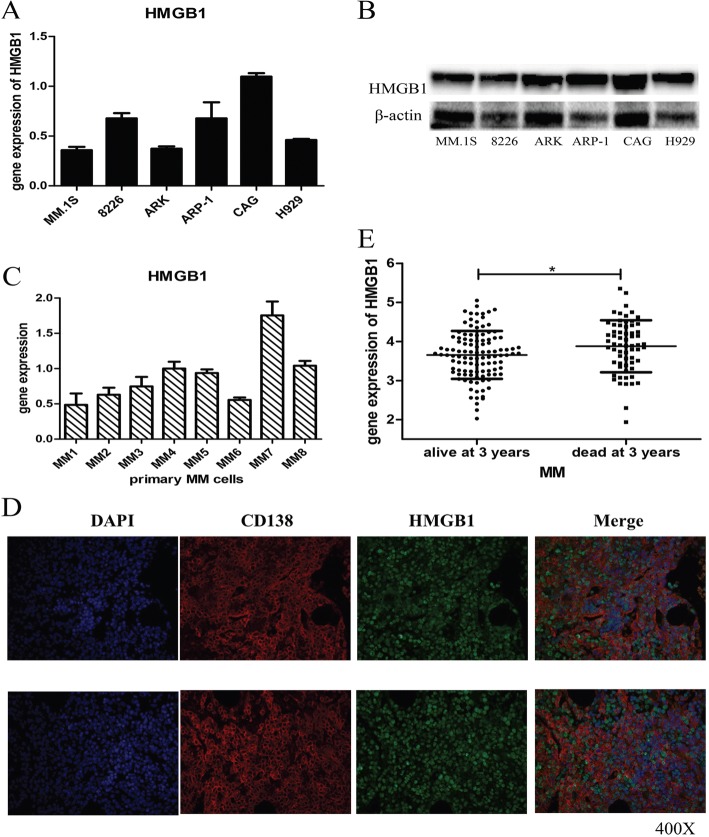
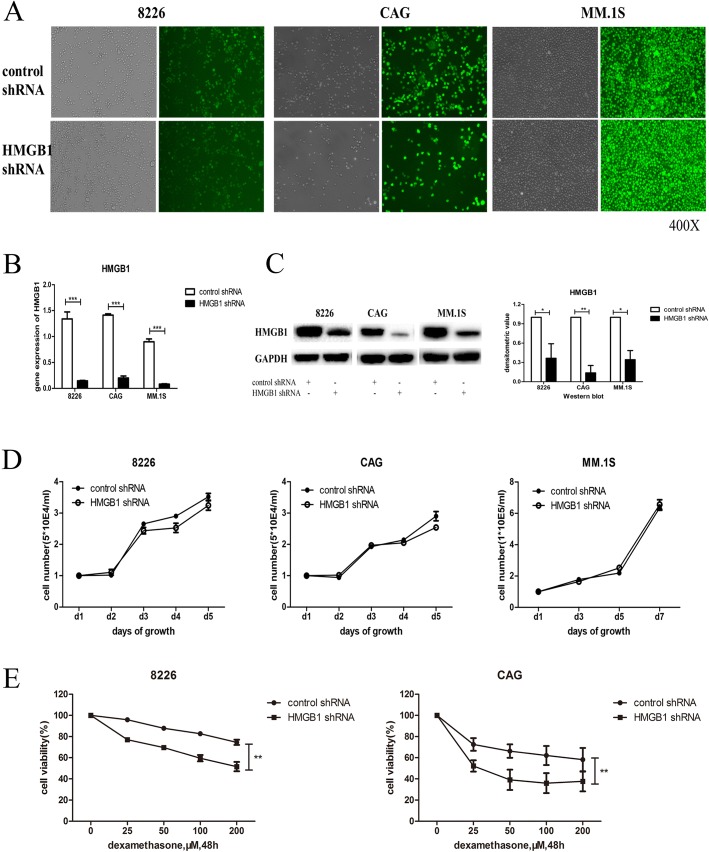
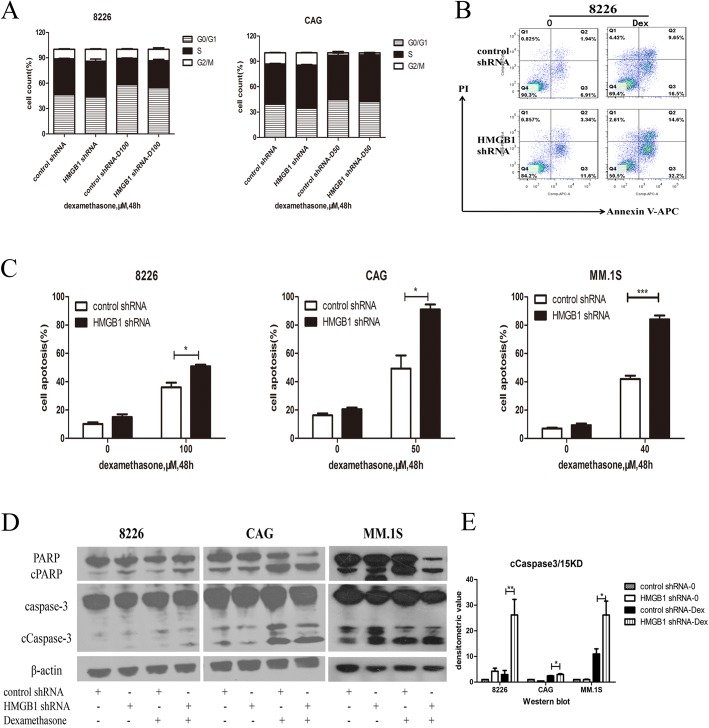
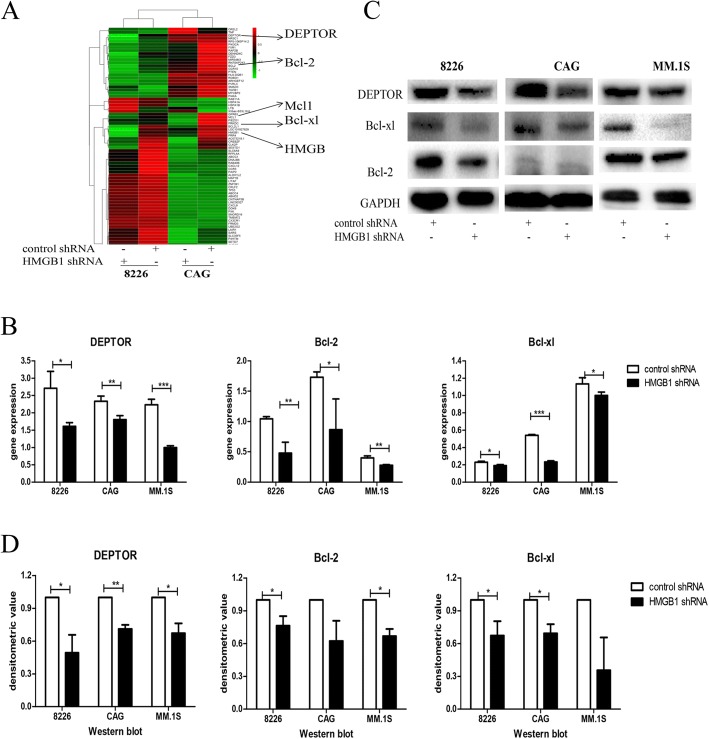
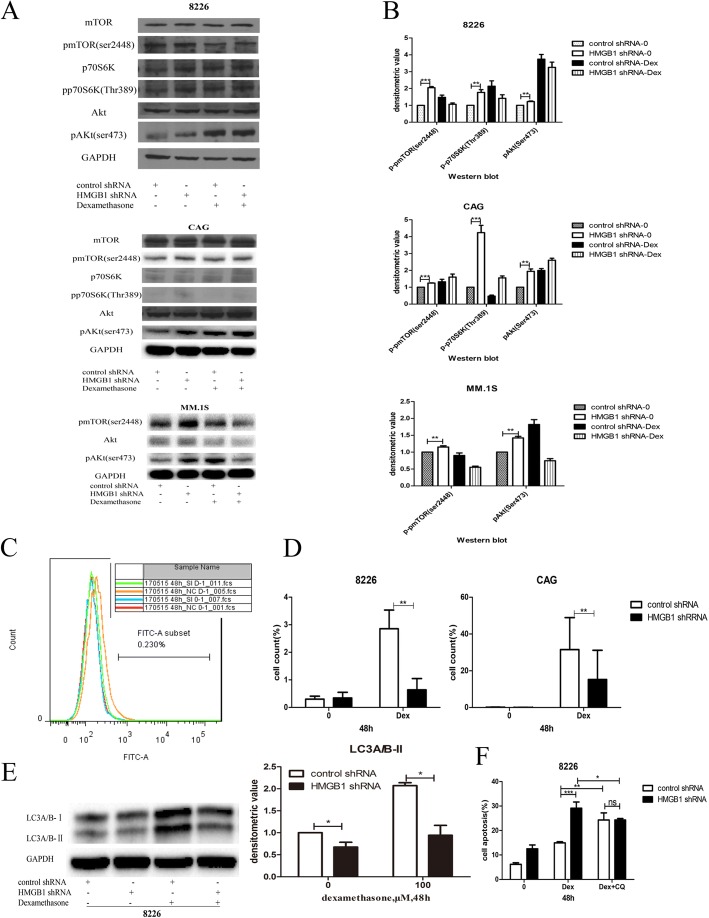
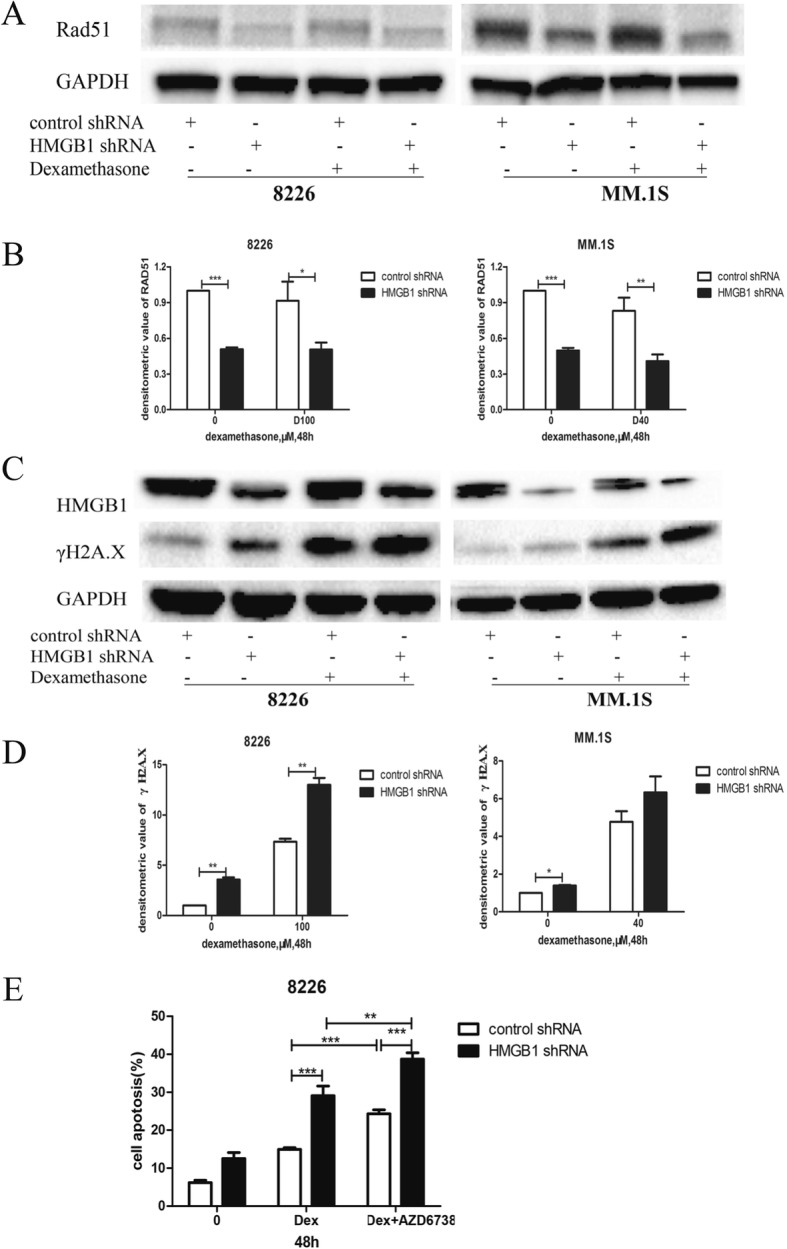
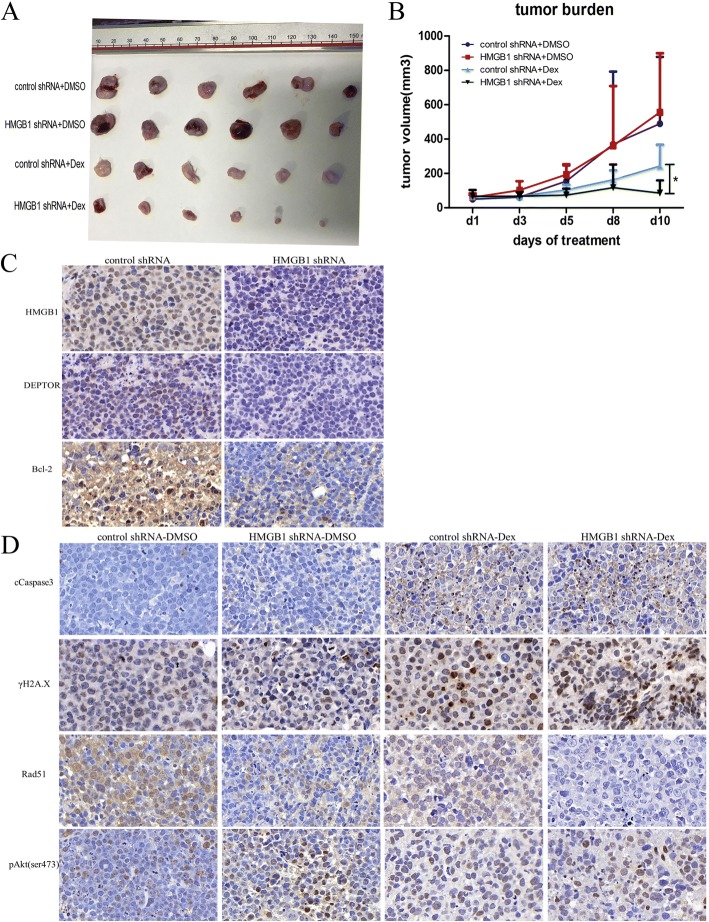
BACKGROUND: With the development of novel therapeutic agents, the survival of multiple myeloma (MM) patients has much improved. However, the disease is incurable due to drug resistance. Previous studies have found that high-mobility group box 1 (HMGB1) is involved in inflammation, angiogenesis, DNA damage repair, and cancer invasion, progression, metastasis and drug resistance and that high HMGB1 expression is associated with poor MM prognosis, yet the role and mechanism of HMGB1 in MM remains unclear. METHODS: Through gene expression and Oncomine database analyses, we found that HMGB1 is associated with a poor prognosis in MM patients. RNA interference together with gene array analysis, cell proliferation and apoptosis assays, autophagy detection assays, western blotting, and in vivo xenograft models were employed to evaluate the effect of HMGB1 and the mechanism involved in MM drug resistance. RESULTS: MM cell lines and primary MM samples were found to express high levels of HMGB1, which was negatively associated with the 3-year survival of MM patients. HMGB1 knockdown in MM cells enhanced the inhibitory effect of chemotherapy with dexamethasone (Dex) via apoptosis induction. Furthermore, downregulation of HMGB1 activated the mTOR pathway, inhibited autophagy and increased DNA damage induced by Dex by modulating expression of related genes. In vivo, xenograft models showed that after Dex treatment, the tumor burden of HMGB1-knockdown mice was decreased compared with that of control mice. CONCLUSIONS: Our research shows that HMGB1 participates in autophagy and DNA damage repair and that downregulation of HMGB1 enhances the sensitivity of MM cells to Dex, suggesting that HMGB1 may serve as a target for MM treatment.
Overview
The claims and statistics of this paper haven’t been checked yet.
Run the check — free, no account needed. It reads the open-access text and checks the sources it cites.
Integrity signals
Registry
Cites
Statistics
Figures
Verification
Claims the paper makes
The claims and statistics of this paper haven’t been checked yet.
Run the check — free, no account needed. It reads the open-access text and checks the sources it cites.
Claims other papers make about this one
Each is checked against this paper’s own text: does it say what the citing paper says it does?
The source backs part of the claim, not all of it — or backs it for a different population, condition or comparison.
In the citing paper
“Bortezomib-resistant MM cells also exhibited elevated HMGB1 expression, and MM cells responded better to treatment in vivo when HMGB1 levels were lowered [250].”
From Mesenchymal stromal cells in bone marrow niche of patients with multiple myeloma: a double-edged sword (2025) · cites this paper as [250]
Experimental — accuracy not yet measuredThe cited source says what the claim attributes to it.
In the citing paper
“The expression of HMGB1, which was increased in MM cells, was negatively linked with the lifetime of MM patients.”
From Mesenchymal stromal cells in bone marrow niche of patients with multiple myeloma: a double-edged sword (2025) · cites this paper as [250]
The cited source says what the claim attributes to it.
In the citing paper
“Bortezomib-resistant MM cells also exhibited elevated HMGB1 expression, and MM cells responded better to treatment in vivo when HMGB1 levels were lowered [250].”
From Mesenchymal stromal cells in bone marrow niche of patients with multiple myeloma: a double-edged sword (2025) · cites this paper as [250]
Self-check
Percentages, sums and reported differences re-computed from the paper’s own numbers.
The self-check needs the paper’s full text.
Citations
Cites
Daratumumab, Lenalidomide, and Dexamethasone for Multiple Myeloma.
Dimopoulos, M. A., Oriol, A., Nahi, H., San-Miguel, J., Bahlis, N. J., Usmani, S. Z., Rabin, N., Orlowski, R. Z., Komarnicki, M., Suzuki, K., et al. (2016) · New England Journal of Medicine · doi:10.1056/nejmoa1607751 · Cited by 1,445
Masquerader: High Mobility Group Box-1 and Cancer
Ellerman, J. E., Brown, C. K., de Vera, M., Zeh, H. J., Billiar, T., Rubartelli, A., & Lotze, M. T. (2007) · Clinical Cancer Research · doi:10.1158/1078-0432.ccr-06-1953 · Cited by 355
Research works printed but not linked: 42
- Kumar SK, Rajkumar V, Kyle RA, van Duin M, Sonneveld P, Mateos MV, Gay F, Anderson KC. Multiple myeloma. Nat Rev Dis Primers. 2017;3:17046. · DOI
- Rollig C, Knop S, Bornhauser M. Multiple myeloma. Lancet. 2015;385(9983):2197–208. · DOI
- Dingli D, Ailawadhi S, Bergsagel PL, Buadi FK, Dispenzieri A, Fonseca R, Gertz MA, Gonsalves WI, Hayman SR, Kapoor P, Kourelis T, Kumar SK, Kyle RA, Lacy MQ, Leung N, Lin Y, Lust JA, Mikhael JR, Reeder CB, Roy V, Russell SJ, Sher T, Stewart AK, Warsame R, Zeldenrust SR, Rajkumar SV, Chanan Khan AA. Therapy for relapsed multiple myeloma: Guidelines From the Mayo Stratification for Myeloma and Risk-Adapted Therapy. Mayo Clin Proc. 2017;92(4):578–98. · DOI
- Goodwin GH, Johns EW. The isolation and purification of the high mobility group (HMG) nonhistone chromosomal proteins. Methods Cell Biol. 1977;16:257–67. · DOI
- Kang R, Chen R, Zhang Q, Hou W, Wu S, Cao L, Huang J, Yu Y, Fan XG, Yan Z, Sun X, Wang H, Wang Q, Tsung A, Billiar TR, Zeh HJ 3rd, Lotze MT, Tang D. HMGB1 in health and disease. Mol Asp Med. 2014;40:1–116. · DOI · Paper page
- Venereau E, De Leo F, Mezzapelle R, Careccia G, Musco G, Bianchi ME. HMGB1 as biomarker and drug target. Pharmacol Res. 2016;111:534–44. · DOI
- Yang H, Antoine DJ, Andersson U, Tracey KJ. The many faces of HMGB1: molecular structure-functional activity in inflammation, apoptosis, and chemotaxis. J Leukoc Biol. 2013;93(6):865–73. · DOI · Paper page
- Zhu X, Messer JS, Wang Y, Lin F, Cham CM, Chang J, Billiar TR, Lotze MT, Boone DL, Chang EB. Cytosolic HMGB1 controls the cellular autophagy/apoptosis checkpoint during inflammation. J Clin Invest. 2015;125(3):1098–110. · DOI
- Brezniceanu ML, Volp K, Bosser S, Solbach C, Lichter P, Joos S, Zornig M. HMGB1 inhibits cell death in yeast and mammalian cells and is abundantly expressed in human breast carcinoma. FASEB J. 2003;17(10):1295–7. · DOI
- Gnanasekar M, Thirugnanam S, Ramaswamy K. Short hairpin RNA (shRNA) constructs targeting high mobility group box-1 (HMGB1) expression leads to inhibition of prostate cancer cell survival and apoptosis. Int J Oncol. 2009;34(2):425–31.
- Yang L, Yu Y, Kang R, Yang M, Xie M, Wang Z, Tang D, Zhao M, Liu L, Zhang H, Cao L. Up-regulated autophagy by endogenous high mobility group box-1 promotes chemoresistance in leukemia cells. Leuk Lymphoma. 2012;53(2):315–22. · DOI
- Mao X-J, Wang G-F, Chen Z-J, Wang L-N, Zhang J-B, Wang H-L. Expression of HMGB1 and its clinical significance in T-cell lymphoma. Asian Pac J Cancer Prev. 2012;13(11):5569–71. · DOI
- Wang Z, Zhong J, Inuzuka H, Gao D, Shaik S, Sarkar FH, Wei W. An evolving role for DEPTOR in tumor development and progression. Neoplasia. 2012;14(5):368–75. · DOI
- Catena V, Fanciulli M. Deptor: not only a mTOR inhibitor. J Exp Clin Cancer Res. 2017;36(1):12. · DOI
- Mukherjee A, Vasquez KM. HMGB1 interacts with XPA to facilitate the processing of DNA interstrand crosslinks in human cells. Nucleic Acids Res. 2016;44(3):1151–60. · DOI
- Geric M, Gajski G, Garaj-Vrhovac V. Gamma-H2AX as a biomarker for DNA double-strand breaks in ecotoxicology. Ecotoxicol Environ Saf. 2014;105:13–21. · DOI
- Gachechiladze M, Skarda J, Soltermann A, Joerger M. RAD51 as a potential surrogate marker for DNA repair capacity in solid malignancies. Int J Cancer. 2017;141(7):1286–94. · DOI
- Zhan Z, Li Q, Wu P, Ye Y, Tseng HY, Zhang L, Zhang XD. Autophagy-mediated HMGB1 release antagonizes apoptosis of gastric cancer cells induced by vincristine via transcriptional regulation of Mcl-1. Autophagy. 2012;8(1):109–21. · DOI
- Shrivastava S, Mansure JJ, Almajed W, Cury F, Ferbeyre G, Popovic M, Seuntjens J, Kassouf W. The role of HMGB1 in Radioresistance of bladder Cancer. Mol Cancer Ther. 2016;15(3):471–9. · DOI
- Zhang R, Li Y, Wang Z, Chen L, Dong X, Nie X. Interference with HMGB1 increases the sensitivity to chemotherapy drugs by inhibiting HMGB1-mediated cell autophagy and inducing cell apoptosis. Tumour Biol. 2015;36(11):8585–92. · DOI
- Wang Z, Wang X, Li J, Yang C, Xing Z, Chen R, Xu F. HMGB1 knockdown effectively inhibits the progression of rectal cancer by suppressing HMGB1 expression and promoting apoptosis of rectal cancer cells. Mol Med Rep. 2016;14(1):1026–32. · DOI
- Chen X, Wang Y, Liu J, Xu P, Zhang XM, Tian YY, Xue YM, Gao XY, Liu Y, Wang JH. Synergistic effect of HMGB1 knockdown and cordycepin in the K562 human chronic myeloid leukemia cell line. Mol Med Rep. 2015;12(3):4462–8. · DOI
- Oakervee HE, Popat R, Curry N, Smith P, Morris C, Drake M, Agrawal S, Stec J, Schenkein D, Esseltine DL, Cavenagh JD. PAD combination therapy (PS-341/bortezomib, doxorubicin and dexamethasone) for previously untreated patients with multiple myeloma. Br J Haematol. 2005;129(6):755–62. · DOI
- Jagannath S, Durie BG, Wolf J, Camacho E, Irwin D, Lutzky J, McKinley M, Gabayan E, Mazumder A, Schenkein D, Crowley J. Bortezomib therapy alone and in combination with dexamethasone for previously untreated symptomatic multiple myeloma. Br J Haematol. 2005;129(6):776–83. · DOI
- Peterson TR, Laplante M, Thoreen CC, Sancak Y, Kang SA, Kuehl WM, Gray NS, Sabatini DM. DEPTOR is an mTOR inhibitor frequently overexpressed in multiple myeloma cells and required for their survival. Cell. 2009;137(5):873–86. · DOI · Paper page
- Boyd KD, Walker BA, Wardell CP, Ross FM, Gregory WM, Davies FE, Morgan GJ. High expression levels of the mammalian target of rapamycin inhibitor DEPTOR are predictive of response to thalidomide in myeloma. Leuk Lymphoma. 2010;51(11):2126–9. · DOI
- Lamy L. Multiple myeloma and autophagy. Med Sci (Paris). 2013;29(8–9):685–7. · DOI
- Thirukkumaran CM, Shi ZQ, Luider J, Kopciuk K, Gao H, Bahlis N, Neri P, Pho M, Stewart D, Mansoor A, Morris DG. Reovirus modulates autophagy during oncolysis of multiple myeloma. Autophagy. 2013;9(3):413–4. · DOI
- Shi Y, Daniels-Wells TR, Frost P, Lee J, Finn RS, Bardeleben C, Penichet ML, Jung ME, Gera J, Lichtenstein A. Cytotoxic properties of a DEPTOR-mTOR inhibitor in multiple myeloma cells. Cancer Res. 2016;76(19):5822–31. · DOI
- Yang Y, Bardeleben C, Frost P, Hoang B, Shi Y, Finn R, Gera J, Lichtenstein A. DEPTOR is linked to a TORC1-p21 survival proliferation pathway in multiple myeloma cells. Genes Cancer. 2014;5(11–12):407–19. · DOI
- Zhang HR, Chen JM, Zeng ZY, Que WZ. Knockdown of DEPTOR inhibits cell proliferation and increases chemosensitivity to melphalan in human multiple myeloma RPMI-8226 cells via inhibiting PI3K/AKT activity. J Int Med Res. 2013;41(3):584–95. · DOI
- Ran X, Yang J, Liu C, Zhou P, Xiao L, Zhang K. MiR-218 inhibits HMGB1-mediated autophagy in endometrial carcinoma cells during chemotherapy. Int J Clin Exp Pathol. 2015;8(6):6617–26.
- Liu Z, Xu Y, Long J, Guo K, Ge C, Du R. microRNA-218 suppresses the proliferation, invasion and promotes apoptosis of pancreatic cancer cells by targeting HMGB1. Chin J Cancer Res. 2015;27(3):247–57.
- Liu L, Yang M, Kang R, Wang Z, Zhao Y, Yu Y, Xie M, Yin X, Livesey KM, Lotze MT, Tang D, Cao L. HMGB1-induced autophagy promotes chemotherapy resistance in leukemia cells. Leukemia. 2011;25(1):23–31. · DOI
- Roy M, Liang L, Xiao X, Peng Y, Luo Y, Zhou W, Zhang J, Qiu L, Zhang S, Liu F, Ye M, Liu J. Lycorine downregulates HMGB1 to inhibit autophagy and enhances Bortezomib activity in multiple myeloma. Theranostics. 2016;6(12):2209–24. · DOI
- Shammas MA, Shmookler Reis RJ, Koley H, Batchu RB, Li C, Munshi NC. Dysfunctional homologous recombination mediates genomic instability and progression in myeloma. Blood. 2009;113(10):2290–7. · DOI
- Gourzones-Dmitriev C, Kassambara A, Sahota S, Reme T, Moreaux J, Bourquard P, Hose D, Pasero P, Constantinou A, Klein B. DNA repair pathways in human multiple myeloma: role in oncogenesis and potential targets for treatment. Cell Cycle. 2013;12(17):2760–73. · DOI
- Spanswick VJ, Craddock C, Sekhar M, Mahendra P, Shankaranarayana P, Hughes RG, Hochhauser D, Hartley JA. Repair of DNA interstrand crosslinks as a mechanism of clinical resistance to melphalan in multiple myeloma. Blood. 2002;100(1):224–9. · DOI
- Chen Q, Van der Sluis PC, Boulware D, Hazlehurst LA, Dalton WS. The FA/BRCA pathway is involved in melphalan-induced DNA interstrand cross-link repair and accounts for melphalan resistance in multiple myeloma cells. Blood. 2005;106(2):698–705. · DOI
- Yarde DN, Oliveira V, Mathews L, Wang X, Villagra A, Boulware D, Shain KH, Hazlehurst LA, Alsina M, Chen DT, Beg AA, Dalton WS. Targeting the Fanconi anemia/BRCA pathway circumvents drug resistance in multiple myeloma. Cancer Res. 2009;69(24):9367–75. · DOI
- Pallier C, Scaffidi P, Chopineau-Proust S, Agresti A, Nordmann P, Bianchi ME, Marechal V. Association of chromatin proteins high mobility group box (HMGB) 1 and HMGB2 with mitotic chromosomes. Mol Biol Cell. 2003;14(8):3414–26. · DOI
- Bohlander SK, Kakadia PM. DNA repair and chromosomal translocations. Recent Results Cancer Res. 2015;200:1–37. · DOI
Cited by
Sorted by citations
Kamrani, S., Naseramini, R., Khani, P., Razavi, Z. S., Afkhami, H., Atashzar, M. R., Nasri, F., Alavimanesh, S., Saeidi, F., & Ronaghi, H. (2025) · Cancer Cell International · doi:10.1186/s12935-025-03741-x · Cited by 27
“Bortezomib-resistant MM cells also exhibited elevated HMGB1 expression, and MM cells responded better to treatment in vivo when HMGB1 levels were lowered [250].”
Metadata
- Authors
- Guo, X., He, D., Zhang, E., Chen, J., Chen, Q., Li, Y., Yang, L., Yang, Y., Zhao, Y., Wang, G., He, J., & Cai, Z.
- Affiliations
- First Affiliated Hospital Zhejiang University (CN)
- Quzhou City People's Hospital (CN)
- Corresponding author
- Cai, Zhen
- ORCID
- Venue
- Journal of Experimental & Clinical Cancer Research
- Published
- 2018-08-29
- Volume
- 37
- Issue
- 1
- Pages
- 205-205
- ISSN
- 0392-9078 (ISSN-L)
- 1756-9966
- PMC
- PMC6114506
- OpenAlex
- W2888919844
- Cited by
- 36
- References
- 2
- Citations by year
- 2025: 6 · 2024: 3 · 2023: 9 · 2022: 4 · 2021: 5 · 2020: 4 · 2019: 5
- FWCI
- 2.51
- Type
- journal article
- Language
- en
- Open access
- gold
- doi.org
- Licence
- Locations
- Journal of Experimental & Clinical Cancer Research (publishedVersion, cc-by)
- Europe PMC (PubMed Central) (publishedVersion, cc-by)
- PubMed Central (publishedVersion, cc-by)
- PubMed (publishedVersion)
- DOAJ (DOAJ: Directory of Open Access Journals) (submittedVersion, cc-by-sa)
- Funders
- National Natural Science Foundation of China (81201868, 81471532, 31311380)
- Specialized Research Fund for the Doctoral Program of Higher Education (20120101120100)
- Zhejiang Provincial Natural Science Foundation of China (LY16H080001)
- Topics
- Health Sciences › Medicine › Hematology › Multiple Myeloma Research and Treatments
- Life Sciences › Biochemistry, Genetics and Molecular Biology › Clinical Biochemistry › Advanced Glycation End Products research
- Health Sciences › Medicine › Pathology and Forensic Medicine › Lymphoma Diagnosis and Treatment
- Keywords
- HMGB1, multiple myeloma, autophagy, DNA repair, dexamethasone, drug resistance, mTOR signaling, apoptosis, prognosis, therapeutic target
- MeSH terms
- Animals, Autophagy, Dexamethasone, DNA Damage, DNA Repair, Humans, Multiple Myeloma, Gene Expression Regulation, Neoplastic, Apoptosis, Drug Resistance, Neoplasm, Xenograft Model Antitumor Assays, HMGB1 Protein, RNA, Small Interfering, Cell Line, Tumor, Cell Proliferation, Mice
About these checks
Registry, retraction, Cites and statistics results are computed, not judged, with one exception: a printed reference that no index lists is read once by a model before it counts as a citation error. Claims are extracted by a model and kept only when their quote appears verbatim in the text; each cited source is then checked, with a model’s help, for whether it says what the claim relies on. Those verdicts can be wrong — read the claim’s quote and the cited source before relying on one.
Statistics and arithmetic are recomputed, not judged.
Confidence bands are shown only for fields calibrated on our annotated test set. None is calibrated yet, so no band is shown.
What counts as a claim ›How we measure confidence ›How we check this ›
Are you an author, or do you see a problem with this page? Request a review
