

Up-regulation of IGF2BP2 by multiple mechanisms in pancreatic cancer promotes cancer proliferation by activating the PI3K/Akt signaling pathway
Open accessThe DOI matches its Crossref record; 25 of the 25 references it cites were found in a registry or an index.
Abstract
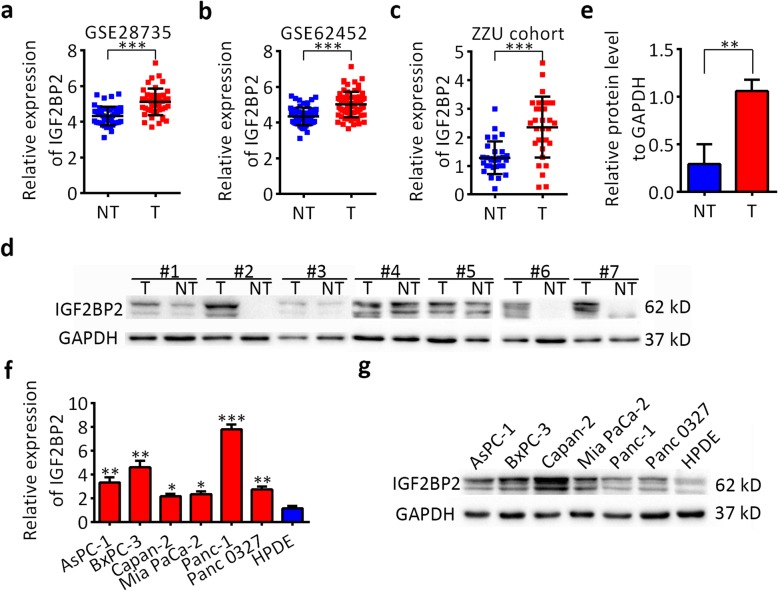
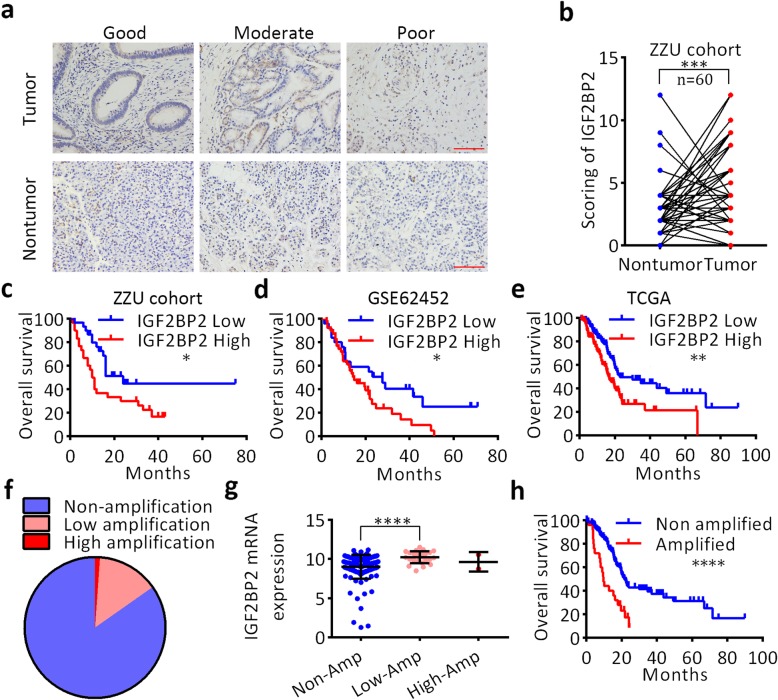
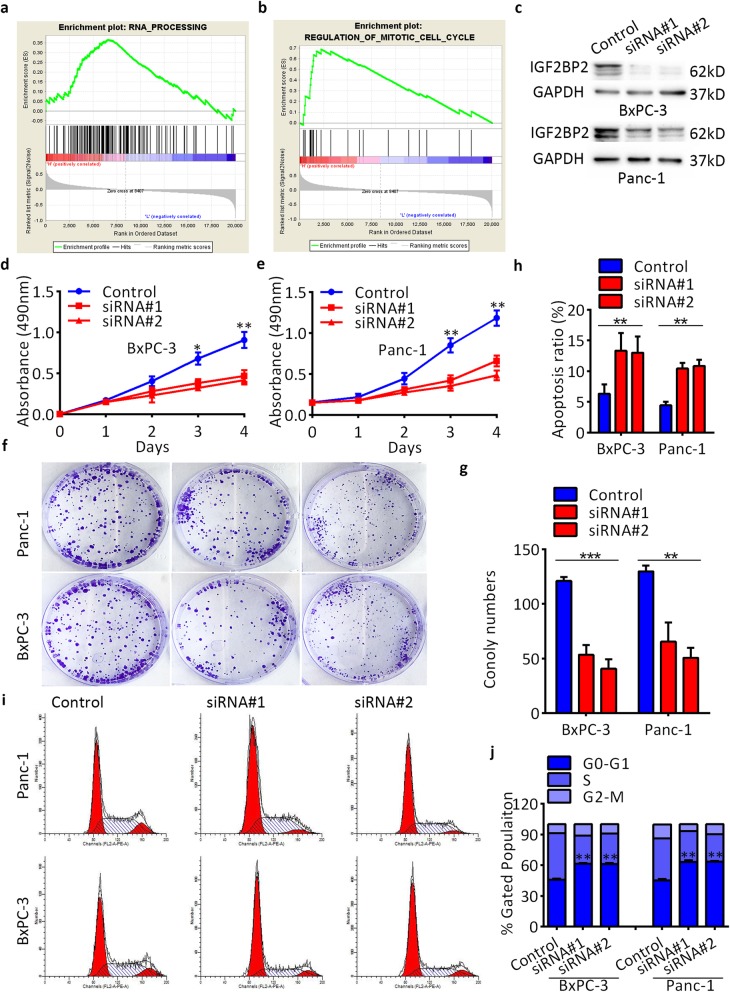
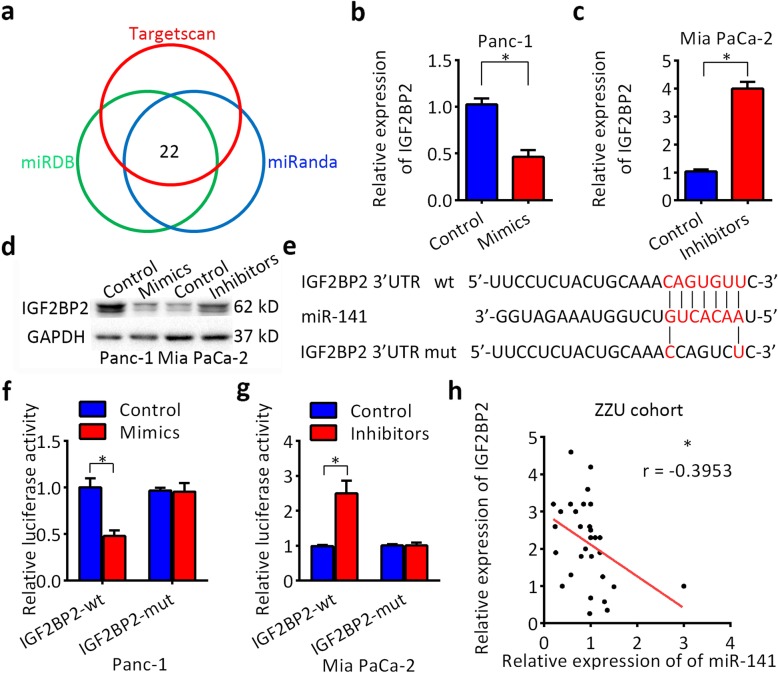
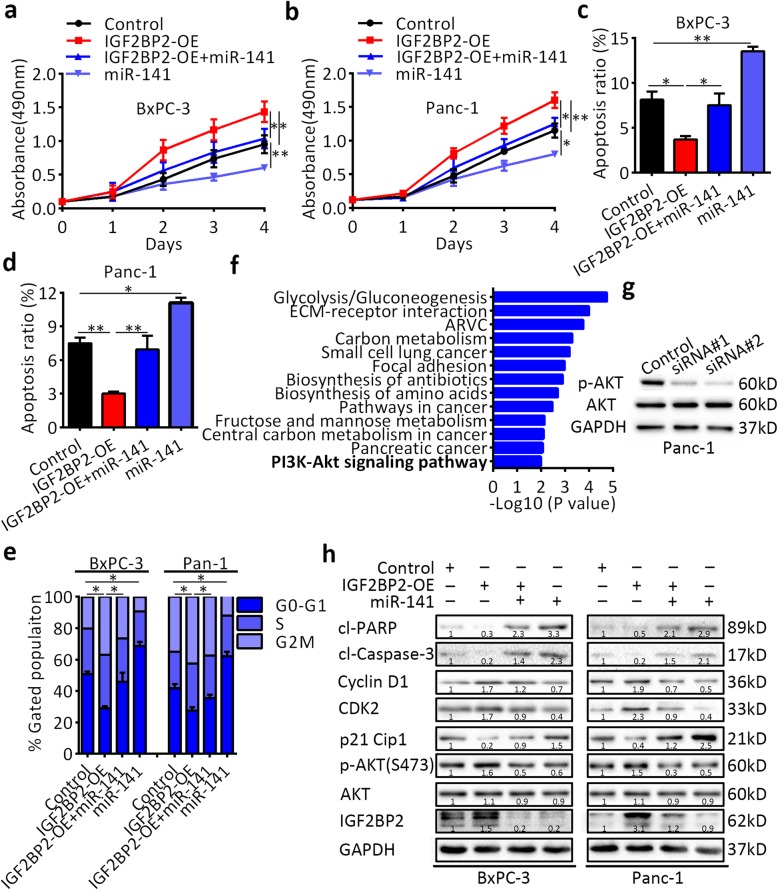
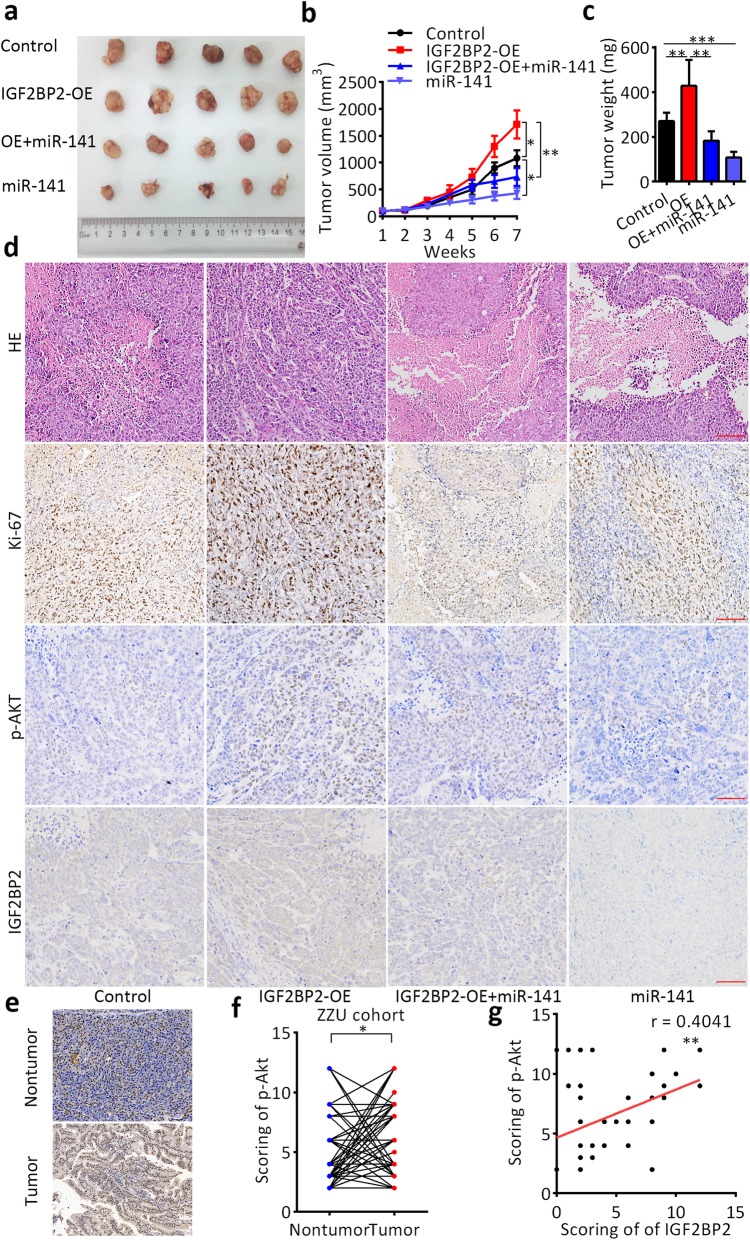
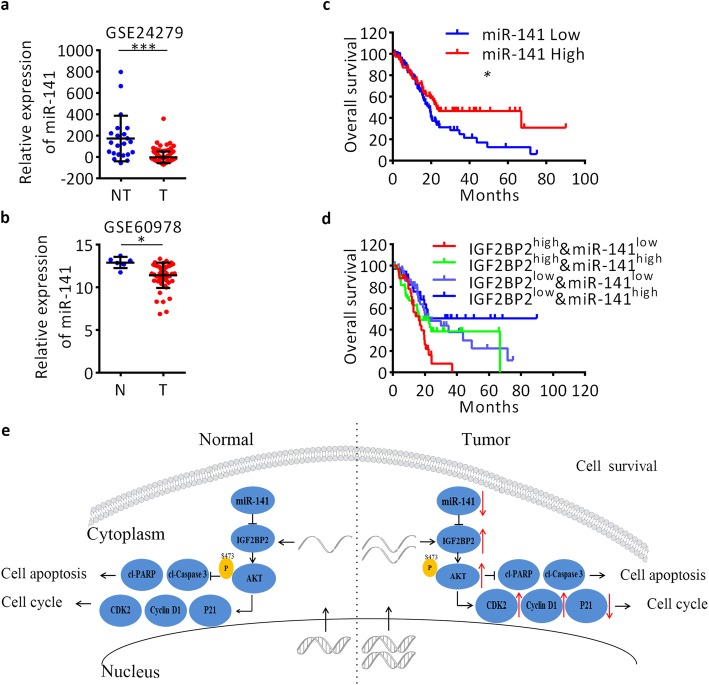
Background: The survival of pancreatic cancer patients remains poor. However, the underlying molecular mechanism and new therapeutic target of pancreatic cancer are still needed to be found. Many studies have shown that the IGF2 mRNA-binding protein 2 (IGF2BP2) plays oncogenic roles in cancers. However, the clinical significance, role and molecular mechanisms of IGF2BP2 in pancreatic cancer remain unclear. Methods: The expression of IGF2BP2 and miR-141 was detected in pancreatic cancer, and clinical significances were analyzed by statistical analysis. The function of IGF2BP2 and miR-141 was determined in vitro and in vivo, and the underlying mechanism was investigated. The gene copy number variation (CNV) of IGF2BP2 was analyzed based on The Cancer Genome Atlas (TCGA) dataset. microRNAs (miRNAs) regulating IGF2BP2 were predicted by online tools and confirmed by experiments. Results: IGF2BP2 is overexpressed in pancreatic cancer tissues compared with control tissues. Upregulation of IGF2BP2 predicts shorter overall survival (OS) in pancreatic cancer patients by statistical analysis. IGF2BP2 overexpression is partially due to genomic amplification. Bioinformatics analyses and validation experiments showed that IGF2BP2 is a direct target of miR-141. A negative correlation between IGF2BP2 mRNA expression and the expression of miR-141 was observed in pancreatic cancer tissues and more importantly, reexpression of miR-141 rescued the oncogenic role of IGF2BP2. Moreover, upregulating IGF2BP2 expression promotes pancreatic cancer cell growth by activating the PI3K/Akt signaling pathway in vitro and in vivo. Conclusions: We comprehensively reveal the oncogenic role of IGF2BP2 in pancreatic cancer carcinogenesis and confirm that genomic amplification and the silencing of miR-141 contribute to its activation. Our findings highlight that IGF2BP2 may be a promising molecular target for the treatment of pancreatic cancer.
Overview
The claims and statistics of this paper haven’t been checked yet.
Free: it reads the open-access text and checks the first 5 claims that cite a source we can check. Create a free account to check every claim.
Integrity signals
Registry
Cites
Statistics
Figures
Verification
Claims the paper makes
The claims and statistics of this paper haven’t been checked yet.
Free: it reads the open-access text and checks the first 5 claims that cite a source we can check. Create a free account to check every claim.
Claims other papers make about this one
Each is checked against this paper’s own text: does it say what the citing paper says it does?
The source backs part of the claim, not all of it — or backs it for a different population, condition or comparison.
In the citing paper
“Multiple microRNAs act as negative regulators of IMP2 across a variety of biological processes and diseases, including breast, pancreatic, and hepatocellular carcinoma, as well as keratinocyte migration, demonstrating the extensive regulatory network controlling its activity [55,56,57,58,59,60,61].”
From IMPlications of IMP2 in RNA Biology and Disease (2025) · cites this paper as [57]
Experimental — accuracy not yet measured
Self-check
Percentages, sums and reported differences re-computed from the paper’s own numbers.
The self-check needs the paper’s full text.
Citations
Cites
1 retracted
miR-141-3p is a key negative regulator of the EGFR pathway in osteosarcoma
Wang, J., Wang, G., Li, B., Qiu, C., & He, M. (2018) · OncoTargets and Therapy · doi:10.2147/ott.s171304 · Cited by 28
RetractedSiegel, R. L., Miller, K. D., & Jemal, A. (2016) · CA: A Cancer Journal for Clinicians · doi:10.3322/caac.21332 · Cited by 16,003
Bell, J. L., Wächter, K., Mühleck, B., Pazaitis, N., Köhn, M., Lederer, M., & Hüttelmaier, S. (2013) · Cellular and Molecular Life Sciences · doi:10.1007/s00018-012-1186-z · Cited by 783
Ren, J., Ding, L., Zhang, D., Shi, G., Xu, Q., Shen, S., Wang, Y., Wang, T., & Hou, Y. (2018) · Theranostics · doi:10.7150/thno.25541 · Cited by 698
IGF2 mRNA-binding protein 2: biological function and putative role in type 2 diabetes
Christiansen, J., Kolte, A. M., Hansen, T. V. O., & Nielsen, F. C. (2009) · Journal of Molecular Endocrinology · doi:10.1677/jme-09-0016 · Cited by 182
Huang, S., Wa, Q., Pan, J., Peng, X., Ren, D., Huang, Y., Chen, X., & Tang, Y. (2017) · Journal of Experimental & Clinical Cancer Research · doi:10.1186/s13046-017-0645-7 · Cited by 118
Gao, S., Sun, Y. K., Zhang, X., Hu, L., Liu, Y., Chua, C. Y. X., Phillips, L. M., Ren, H., Fleming, J. B., Wang, H., et al. (2016) · Cancer Research · doi:10.1158/0008-5472.can-16-0438 · Cited by 116 · cited 1×
“1 Jianshe east Road, Zhengzhou 450000, China Full list of author information is available at the end of the article are frequently found in pancreatic cancer and associated with the aberrant activation of tumor driver genes [6, 7].”
BackgroundRegulation of tumor angiogenesis by microRNAs: State of the art
Goradel, N. H., Mohammadi, N., Haghi‐Aminjan, H., Farhood, B., Negahdari, B., & Sahebkar, A. (2018) · Journal of Cellular Physiology · doi:10.1002/jcp.27051 · Cited by 113
Zheng, L., Xu, M., Xu, J., Wu, K., Fang, Q., Liang, Y., Zhou, S., Cen, D., Ji, L., Han, W., et al. (2018) · Cell Death & Disease · doi:10.1038/s41419-018-0399-y · Cited by 106
Dai, N., Ji, F., Wright, J., Minichiello, L., Sadreyev, R., & Avruch, J. (2017) · eLife · doi:10.7554/elife.27155 · Cited by 103
Cited by
Wang, S., Zheng, Y., Yang, F., Zhu, L., Zhu, X.-Q., Wang, Z.-F., Wu, X.-L., Zhou, C.-H., Yan, J.-Y., Hu, B.-Y., et al. (2021) · Signal Transduction and Targeted Therapy · doi:10.1038/s41392-021-00659-4 · Cited by 369
Novel insights into the interplay between m6A modification and noncoding RNAs in cancer
Yi, Y.-C., Chen, X.-Y., Zhang, J., & Zhu, J.-S. (2020) · Molecular Cancer · doi:10.1186/s12943-020-01233-2 · Cited by 252
The role of IGF2BP2, an m6A reader gene, in human metabolic diseases and cancers
Wang, J., Chen, L., & Qiang, P. (2021) · Cancer Cell International · doi:10.1186/s12935-021-01799-x · Cited by 221
“HNSCC ↑ Oncogene Scavenging and degradation, synthesis and metabolism, cell growth, death and motility / / [67] PDAC ↑ Oncogene Aerobic glycolysis, proliferation / GLUT1 [68] ↑ Oncogene Cell growth miR-141 PI3K/Akt [20] ↑ Oncogene Proliferation, stemness-like properties LncRNA DANCR [70] GBC ↑ Oncogene Tumor growth /…”
BackgroundInfluentialOverview of current targeted therapy in gallbladder cancer
Song, X., Hu, Y., Li, Y., Shao, R., Liu, F., & Liu, Y. (2020) · Signal Transduction and Targeted Therapy · doi:10.1038/s41392-020-00324-2 · Cited by 202
Liu, Y., Shi, M., He, X., Cao, Y., Liu, P., Li, F., Zou, S., Wen, C., Zhan, Q., Xu, Z., et al. (2022) · Journal of Hematology & Oncology · doi:10.1186/s13045-022-01272-w · Cited by 202
“It has been reported that IGF2BP2 could represent an independent predictor of pancreatic cancer [50].”
BackgroundRNA m6A Modification in Cancers: Molecular Mechanisms and Potential Clinical Applications
Gu, C., Shi, X., Dai, C., Shen, F., Rocco, G., Chen, J., Huang, Z., Chen, C., He, C., Huang, T., et al. (2020) · The Innovation · doi:10.1016/j.xinn.2020.100066 · Cited by 189
“Many studies have proved that IGF2BP2 was overexpressed in pancreas cancer and promoted cancer proliferation.(137,138) A case-control study demonstrated that variants in the FTO gene was associated with pancreatic cancer risk.”
BackgroundThe IGF2BP family of RNA binding proteins links epitranscriptomics to cancer
Ramesh-Kumar, D., & Guil, S. (2022) · Seminars in Cancer Biology · doi:10.1016/j.semcancer.2022.05.009 · Cited by 167
Dolton, G., Rius, C., Wall, A., Szomolay, B., Bianchi, V., Galloway, S. A. E., Hasan, M. S., Morin, T., Caillaud, M. E., Thomas, H. L., et al. (2023) · Cell · doi:10.1016/j.cell.2023.06.020 · Cited by 153
“42 However, other data suggest that some healthy tissues might express BST2 and/or IMP2, suggesting that therapeutic targeting of such antigens could be dangerous.”
The biological function of m6A reader YTHDF2 and its role in human disease
Wang, J., & Lu, A.-Q. (2021) · Cancer Cell International · doi:10.1186/s12935-021-01807-0 · Cited by 150
“On account of tumor metastasis and recurrence and lack of effective treatments, the clinical outcomes of pancreatic cancer remain poor [43].”
BackgroundYu, D., Pan, M., Li, Y., Lu, T., Wang, Z., Liu, C., & Hu, G. (2022) · Journal of Experimental & Clinical Cancer Research · doi:10.1186/s13046-021-02212-1 · Cited by 120
“Previous studies have reported that IGF2BP2 is amplified and overexpressed in multiple cancers, and closely associated with clinical characteristics and poor prognosis [15, 52, 53].”
Backgroundm6A Regulators Is Differently Expressed and Correlated With Immune Response of Esophageal Cancer
Zhao, H., Xu, Y., Xie, Y., Zhang, L., Gao, M., Li, S., & Wang, F. (2021) · Frontiers in Cell and Developmental Biology · doi:10.3389/fcell.2021.650023 · Cited by 136
The role of Insulin-like growth factor 2 mRNA-binding proteins (IGF2BPs) as m6A readers in cancer
Sun, C., Cao, D., Du, B.-B., Chen, C., & Liu, D. (2022) · International Journal of Biological Sciences · doi:10.7150/ijbs.70458 · Cited by 110
“Nonetheless, all three IGF2BPs are highly expressed and function as independent prognostic factors in a variety of cancers, including lung cancer [89, 90], liver cancer [91-93], breast cancer [94, 95], colorectal cancer [96-98], pancreatic cancer [99-101], prostate cancer [102], bladder cancer [103-105], thyroid cance…”
BackgroundLiu, Y., Shi, C., He, Z., Zhu, F., Wang, M., He, R., Zhao, C., Shi, X., Zhou, M., Pan, S., et al. (2021) · International Journal of Biological Sciences · doi:10.7150/ijbs.49514 · Cited by 106
“Previous studies have reported that the PI3K/AKT signaling pathway plays an important role in cell proliferation and survival through downstream signal transduction cascades in PC [21, 22].”
BackgroundDuan, M., Liu, H., Xu, S., Yang, Z., Zhang, F., Wang, G., Wang, Y., Zhao, S., & Jiang, X. (2023) · Genes & Diseases · doi:10.1016/j.gendis.2023.06.017 · Cited by 100
Pan, X., Huang, B., Ma, Q., Ren, J., Liu, Y., Wang, C., Zhang, D., Fu, J., Ran, L., Yu, T., et al. (2022) · Clinical and Translational Medicine · doi:10.1002/ctm2.994 · Cited by 98
IGF2BP2 promotes the progression of colorectal cancer through a YAP‐dependent mechanism
Cui, J., Tian, J., Wang, W., He, T., Li, X., Gu, C., Wang, L., Wu, J., & Shang, A. (2021) · Cancer Science · doi:10.1111/cas.15083 · Cited by 90
RNA modification systems as therapeutic targets
Zhang, L., Wei, J., Zou, Z., & He, C. (2025) · Nature Reviews Drug Discovery · doi:10.1038/s41573-025-01280-8 · Cited by 79
First Small-Molecule Inhibitors Targeting the RNA-Binding Protein IGF2BP2/IMP2 for Cancer Therapy
Dahlem, C., Abuhaliema, A., Kessler, S. M., Kröhler, T., Zoller, B. G. E., Chanda, S., Wu, Y., Both, S., Müller, F., Lepikhov, K., et al. (2022) · ACS Chemical Biology · doi:10.1021/acschembio.1c00833 · Cited by 70
Li, W., Gao, Y., Jin, X., Wang, H., Lan, T., Wei, M., Yan, W., Wang, G., Li, Z., Zhao, Z., et al. (2021) · Molecular Therapy — Nucleic Acids · doi:10.1016/j.omtn.2021.12.007 · Cited by 68
“revealed that IGF2BP2 overexpression is partially caused by genomic amplification, and the oncogenic role of IGF2BP2 in pancreatic cancer contributed to the miR-141-mediated PI3K/Akt signaling pathway.(26) In CRC, HK2 and SLC2A1, stabilized by the m6A reader IGF2BP2, might activate the glycolysis pathway and induce tu…”
BackgroundMetabolic reprogramming of immune cells in pancreatic cancer progression
Xiang, H., Yang, R., Tu, J., Yan, X., Yang, S., Lv, L., Zhai, X., Zhu, Y., Dong, D., & Tao, X. (2022) · Biomedicine & Pharmacotherapy · doi:10.1016/j.biopha.2022.113992 · Cited by 69
Wang, L., Zhang, S., Li, H., Xu, Y. Y., Wu, Q., Shen, J., Li, T., & Xu, Y. (2021) · BMC Cancer · doi:10.1186/s12885-021-08550-9 · Cited by 67
“The results from GSEA showed that overexpression of IGF2BP2 and IGF2BP3 was related to the progression of cancer, IGF2BP3 may involve rearrangement of peripheral actin, which led to the formation of additional membrane protrusions, promoting cell invasiveness and tumor metastasis of pancreatic cancer [40], IGF2BP2 was…”
ResultMa, Y., Shi, B., Guo, J., Liu, J., Yang, X., Xin, R., Shi, Y., Zhang, D., Lu, G., Jia, C., et al. (2021) · Carcinogenesis · doi:10.1093/carcin/bgab023 · Cited by 63
Pu, Z., Duda, D. G., Zhu, Y., Pei, S., Wang, X., Huang, Y., Yi, P., Huang, Z., Peng, F., Hu, X., et al. (2022) · Journal of Translational Medicine · doi:10.1186/s12967-022-03416-5 · Cited by 60
Wang, X., Fu, X., Zhang, J., Xiong, C., Zhang, S., & Lv, Y. (2020) · Cancer Cell International · doi:10.1186/s12935-020-01283-y · Cited by 59
Li, H. R., Wang, D., Yi, B., Cai, H., Wang, Y., Lou, X., Xi, Z., & Li, Z. (2021) · International Journal of Biological Sciences · doi:10.7150/ijbs.58035 · Cited by 58
“For example, in pancreatic cancer, up-regulation of IGF2BP2 promotes tumor cell proliferation by involved the PI3K/Akt signaling pathway activation(23).”
BackgroundRNA m 6 A methylation in cancer
Wang, Z., Zhou, J., Zhang, H., Ge, L., Li, J., & Wang, H. (2022) · Molecular Oncology · doi:10.1002/1878-0261.13326 · Cited by 53
Arumugam, P., George, R. K., & Priyadharsini, J. V. (2021) · PubMed Central · Cited by 53
Identification of the function and mechanism of m6A reader IGF2BP2 in Alzheimer’s disease
Deng, Y., Zhu, H., Xiao, L., Liu, C., Liu, Y., & Gao, W. (2021) · Aging · doi:10.18632/aging.203652 · Cited by 54
“com 24093 AGING including colorectal cancer [55], gastrointestinal cancer [56], endometrial cancer [57], pancreas cancer [58],”
BackgroundClinical Significance of an m6A Reader Gene, IGF2BP2, in Head and Neck Squamous Cell Carcinoma
Deng, X., Jiang, Q., Liu, Z., & Chen, W. (2020) · Frontiers in Molecular Biosciences · doi:10.3389/fmolb.2020.00068 · Cited by 45
RRP9 promotes gemcitabine resistance in pancreatic cancer via activating AKT signaling pathway
Zhang, Z., Yu, H., Yao, W., Zhu, N., Miao, R., Liu, Z., Song, X., Xue, C., Cai, C., Cheng, M. H., et al. (2022) · Cell Communication and Signaling · doi:10.1186/s12964-022-00974-5 · Cited by 49
“Furthermore, in vitro and in vivo experiments have demonstrated that IGF2BP1 could promote PDAC cell proliferation via AKT signaling pathway [32, 33].”
BackgroundInfluentialXia, C., Li, Q., Cheng, X., Wu, T., Gao, P., & Gu, Y. (2022) · Bioengineered · doi:10.1080/21655979.2021.2012918 · Cited by 49
“cells’ growth through the activation of the PI3K/ Akt signaling pathway in vitro and in vivo [42].”
BackgroundSelf-citationLiu, T., Hu, C., Han, C., Mao, S., Zhang, W., Xu, Y., Sun, Y., Jiang, D., Zhang, X.-Y., Zhang, J., et al. (2023) · Biology Direct · doi:10.1186/s13062-023-00373-x · Cited by 49
“In particular, IGF2BP2 promotes the proliferation of tumor cells [5].”
BackgroundMir, W. R., Bhat, B. A., Kumar, A., Dhiman, R., Alkhanani, M., Almilaibary, A., Dar, M. Y., Ganie, S. A., & Mir, M. A. (2023) · Frontiers in Pharmacology · doi:10.3389/fphar.2023.1135898 · Cited by 48
“Recent research has demonstrated that the PI3K/Akt signalling pathways, which play a role in the above-mentioned processes, are frequently disrupted in various human malignancies (Xu et al., 2019).”
BackgroundNovel Regulators of the IGF System in Cancer
Mancarella, C., Morrione, A., & Scotlandi, K. (2021) · Biomolecules · doi:10.3390/biom11020273 · Cited by 43
“IGF2BP2 binds the IGF2 5-’untranslated region (UTR), thus favoring IGF2 translation [119] and promoting tumorigenesis and cell proliferation via the PI3K/Akt pathway [118,120,121].”
BackgroundCrosstalk between N6-methyladenosine (m6A) modification and noncoding RNA in tumor microenvironment
Wang, D., Han, Y., Peng, L., Huang, T., He, X., Wang, J., & Ou, C. (2023) · International Journal of Biological Sciences · doi:10.7150/ijbs.79651 · Cited by 42
“miR-141 regulates IGF2BP2 in PDAC, and IGF2BP2 activates the PI3K-Akt pathway in vivo and promotes pancreatic cancer growth [117].”
BackgroundIGF2BP2 promotes gastric cancer progression by regulating the IGF1R-RhoA-ROCK signaling pathway
Liu, D., Xia, A.-D., Wu, L.-P., Li, S., Zhang, K., & Chen, D. (2022) · Cellular Signalling · doi:10.1016/j.cellsig.2022.110313 · Cited by 40
Liu, X., Chen, B., Chen, J., Su, Z., & Sun, S. (2022) · Cancer Science · doi:10.1111/cas.15326 · Cited by 39
Zhou, H., Sun, Q., Feng, M., Gao, Z., Jia, S., Cao, L., Yu, X., Gao, S., Wu, H., & Li, K. (2023) · Theranostics · doi:10.7150/thno.86528 · Cited by 39
“25% of patients, indicating that the overexpression of IGF2BP2 is highly correlated with CNV [107].”
Influentialm6A reader IGF2BP2 promotes lymphatic metastasis by stabilizing DPP4 in papillary thyroid carcinoma
Wang, W., Ding, Y., Zhao, Y., & Li, X. (2023) · Cancer Gene Therapy · doi:10.1038/s41417-023-00702-2 · Cited by 38
“Unlike YTHDF, which may accelerate the decay of the recognized RNA [11], IGF2BPs, as a distinct family of m6A readers, can target numerous RNAs and maintain their stability to drive tumor progression in an m6A-dependent manner [12].”
N 6 -methyladenosine (m 6 A) in pancreatic cancer: Regulatory mechanisms and future direction
Li, J., Wang, F., Liu, Y., Wang, H., & Ni, B. (2021) · International Journal of Biological Sciences · doi:10.7150/ijbs.60115 · Cited by 38
“showed that IGF2BP2 was identified as a direct target of miR-141, and the miR-141/IGF2BP2 axis promoted pancreatic cancer cell proliferation by activating the PI3K/Akt pathway in vitro and in vivo [90].”
BackgroundEpi‐miRNAs : Modern mediators of methylation status in human cancers
Papadimitriou, M., Panoutsopoulou, K., Pilala, K., Scorilas, A., & Avgeris, M. (2022) · Wiley Interdisciplinary Reviews - RNA · doi:10.1002/wrna.1735 · Cited by 38
Copy Number Variations in Pancreatic Cancer: From Biological Significance to Clinical Utility
Oketch, D. J. A., Giulietti, M., & Piva, F. (2023) · International Journal of Molecular Sciences · doi:10.3390/ijms25010391 · Cited by 37
Meng, X.-Y., Zhang, H., Ren, Y., Wang, K., Chen, J., Su, R., Jiang, J., Wang, P., & Ma, Q. (2021) · American Journal of Cancer Research · Cited by 37
Dong, L., Geng, Z., Liu, Z., Tao, M., Pan, M., & Lu, X. (2021) · Pathology - Research and Practice · doi:10.1016/j.prp.2021.153550 · Cited by 36
Wang, X., Li, X., Zhou, Y., Huang, X., & Jiang, X. (2021) · Cell Biology and Toxicology · doi:10.1007/s10565-021-09614-z · Cited by 35
Li, F., Zhao, C., Diao, Y., Wang, Z., Peng, J., Yang, N., Qiu, C., Kong, B., & Li, Y. (2022) · Cell Death and Disease · doi:10.1038/s41419-022-05000-7 · Cited by 37
“RNA-binding protein (RBP) is a significant part of posttranscriptional regulation and plays a key role in regulating all kinds of RNA processes, including splicing, transport, degradation of noncoding RNA, and translation [6].”
BackgroundJia, J., Wu, S., Jia, Z., Wang, C., Ju, C., Sheng, J., He, F., Zhou, M., & He, J. (2022) · International Journal of Biological Sciences · doi:10.7150/ijbs.73093 · Cited by 35
“PAC Oncogene Up PI3K/Akt HCC tissues and cells, mouse [200]”
BackgroundLu, Y., Mao, J., Xu, Y., Pan, H., Wang, Y., & Li, W. (2022) · Human & Experimental Toxicology · doi:10.1177/09603271221120652 · Cited by 34
Zhuang, H., Wang, S., Chen, B., Zhang, Z., Ma, Z., Li, Z., Liu, C., Zhou, Z., Gong, Y., Huang, S., et al. (2021) · Frontiers in Immunology · doi:10.3389/fimmu.2021.790661 · Cited by 28
“IGF2BP2 overexpression promotes PDAC progression through the PI3K/Akt signaling pathway (53).”
BackgroundDiscussion on the Structural Modification and Anti-tumor Activity of Flavonoids
Zhou, Z., Li, D., Chen, Y., Chen, X., & Man, R. (2022) · Current Topics in Medicinal Chemistry · doi:10.2174/1568026622666220308162049 · Cited by 28
Functional mechanism and clinical implications of miR-141 in human cancers
Luo, Q., Tian, Y., Qu, G., Kun-Huang, & Luo, S. (2022) · Cellular Signalling · doi:10.1016/j.cellsig.2022.110354 · Cited by 28
The Potential Roles of RNA N6-Methyladenosine in Urological Tumors
Yang, L., Ge, Y., Xu, L., Xu, Z., Dou, Q., & Jia, R.-P. (2020) · Frontiers in Cell and Developmental Biology · doi:10.3389/fcell.2020.579919 · Cited by 27
“In pancreatic cancer, IGF2BP2 could promote cell growth through activating the PI3K/Akt signaling pathway and be negatively regulated by miR-141 (Xu et al., 2019).”
BackgroundHe, C., Huang, F., Zhang, K., Wei, J., Hu, K., & Liang, M. (2021) · Journal of Ovarian Research · doi:10.1186/s13048-021-00777-1 · Cited by 27
“They regulate the critical metabolic processes of RNA maturation, transport, stability, and degradation [43].”
BackgroundCao, P., Wu, Y., Sun, D., Zhang, W., Qiu, J., Tang, Z., Xue, X., & Qin, L. (2022) · Cancer Medicine · doi:10.1002/cam4.5096 · Cited by 27
Jin, X., Feng, J., & Xiao, C. (2022) · Journal of Assisted Reproduction and Genetics · doi:10.1007/s10815-022-02638-2 · Cited by 27
Ouyang, J., Li, J., Li, D., Jiang, J., Hao, T., Xia, Y., Lu, X., Zhang, C., & He, Y. (2022) · Cancers · doi:10.3390/cancers14215381 · Cited by 28
“It has been reported that IGF2BP2 is associated with the development of glioblastoma [28], colorectal cancer [8], breast cancer [6], non-small-cell lung cancer [7], and pancreatic cancer [29].”
BackgroundShi, Y., Xiong, X., Sun, Y., Geng, Z., Chen, X., Cui, X., Lv, J., Ge, L., Jia, X., & Xu, J. (2023) · The FASEB Journal · doi:10.1096/fj.202202145rrr · Cited by 27
Ning, W., Yang, J., Ni, R., Yin, Q., Zhang, M., Zhang, F., Yang, Y., Zhang, Y., Cao, M., Jin, L., et al. (2024) · Oncogene · doi:10.1038/s41388-024-03213-y · Cited by 25
Shi, R., Zhao, R., Shen, Y., Wei, S., Zhang, T., Zhang, J., Shu, W., Cheng, S., Teng, H., & Wang, H. (2024) · Cancer Gene Therapy · doi:10.1038/s41417-024-00781-9 · Cited by 24
“However, simultaneous transfection of sh-circCHD7 and overexpression of PDGFRB may counteract this effect (Fig.”
BackgroundPAQR4 promotes the development of hepatocellular carcinoma by activating PI3K/AKT pathway
Zhao, G., Shi, X., Sun, Z., Zhao, P., & Lu, Z. (2021) · Acta Biochimica et Biophysica Sinica · doi:10.1093/abbs/gmab143 · Cited by 24
Wu, Y., Zhang, J., Tian, Y., Cho, W. C. S., Xu, H., Lin, Z., & Xian, Y. (2024) · Journal of Advanced Research · doi:10.1016/j.jare.2024.09.006 · Cited by 24
IGF2BP2 maybe a novel prognostic biomarker in oral squamous cell carcinoma
Wang, X., Xu, H., Zhou, Z., Guo, S., & Chen, R. (2022) · Bioscience Reports · doi:10.1042/bsr20212119 · Cited by 23
Research advances of N6 ‐methyladenosine in diagnosis and therapy of pancreatic cancer
Chen, S., Ren, H., Zhang, X., Chang, L., Wang, Z., Wu, H., Zhang, J., Ren, J., & Zhou, L. (2022) · Journal of Clinical Laboratory Analysis · doi:10.1002/jcla.24611 · Cited by 22
Sheng, Z., Luo, S., Huang, L., Deng, Y., Zhang, N., Luo, Y., Zhao, X., Chen, Y., Li, Q., Dai, R., et al. (2025) · Oncogene · doi:10.1038/s41388-025-03302-6 · Cited by 22
Ren, J., Wang, C., Ye, M., Yuan, Q., Wang, C., & Feng, X. (2022) · Combinatorial Chemistry & High Throughput Screening · doi:10.2174/1386207325666220404125228 · Cited by 23
Xing, Q., Luan, J., Liu, S., Ma, L., & Wang, Y. (2022) · Biomolecules and Biomedicine · doi:10.17305/bjbms.2021.6097 · Cited by 21
“As for IGF2BP2, it was reported that IGF2BP2 was differentially expressed in pancreatic cancer, and its upregulation promotes cancer cells’ growth through stimulating the PI3K/Akt pathway [32].”
BackgroundA five-m6A regulatory gene signature is a prognostic biomarker in lung adenocarcinoma patients
Wu, X. X., Sheng, H., Wang, L., Xia, P., Wang, Y., Li, Y., Lv, W., & Hu, J. (2021) · Aging · doi:10.18632/aging.202761 · Cited by 21
“IGF2BP2 overexpression is associated with worse OS in pancreatic cancer patients and promotes growth of pancreatic cancer cells by activating the PI3K/Akt signaling pathway [67].”
BackgroundYang, X., & Liu, J. (2021) · Bioengineered · doi:10.1080/21655979.2021.1983278 · Cited by 21
Yao, Y., Luo, L., Xiang, G., Xiong, J., Ke, N., Tan, C., Chen, Y., & Liu, X. (2022) · Gland Surgery · doi:10.21037/gs-21-859 · Cited by 20
Modulator-Dependent RBPs Changes Alternative Splicing Outcomes in Kidney Cancer
Wang, Y., Chen, S., Rao, X., & Liu, Y. (2020) · Frontiers in Genetics · doi:10.3389/fgene.2020.00265 · Cited by 20
tRNA modifications and their potential roles in pancreatic cancer
Huang, H., Li, H., Pan, R., Wang, S., & Liu, X. (2021) · Archives of Biochemistry and Biophysics · doi:10.1016/j.abb.2021.109083 · Cited by 20
CAPG facilitates diffuse large B-cell lymphoma cell progression through PI3K/AKT signaling pathway
Wang, G., Liu, H., An, L. K., Hou, S., & Zhang, Q. (2022) · Human Immunology · doi:10.1016/j.humimm.2022.10.001 · Cited by 20
Zhang, Y., Chen, D., Zhang, G., Wu, X., Zhou, L.-Y., Lin, Y., Ding, J., An, F., & Zhan, Q. (2020) · Oncology Letters · doi:10.3892/ol.2020.12021 · Cited by 21
Exploring the dual role of circRNA and PI3K/AKT pathway in tumors of the digestive system
Li, P., Huang, D., & Gu, X. (2023) · Biomedicine & Pharmacotherapy · doi:10.1016/j.biopha.2023.115694 · Cited by 19
Banik, K., Khatoon, E., Hegde, M., Thakur, K. K., Puppala, E. R., Naidu, V. G. M., & Kunnumakkara, A. B. (2021) · Life Sciences · doi:10.1016/j.lfs.2021.120074 · Cited by 19
Zheng, D., Huang, X., Peng, J., Zhuang, Y., Li, Y., Qu, J., Zhang, S., & Huang, F. (2021) · Cell Death Discovery · doi:10.1038/s41420-021-00759-8 · Cited by 19
Chen, Z., Zhong, X., Xia, M. H., Liu, C., Tang, W., Liu, G., Yi, Y., Guo, Y., Jiang, Q., Zu, X., et al. (2024) · Cell Death and Disease · doi:10.1038/s41419-024-07097-4 · Cited by 18
“Accumulating evidence has revealed the oncogenic role of IGF2BP2 in tumorigenesis and metastasis [56 – 58].”
Geng, X., Zhang, Y., Zeng, Z., Zhu, Z., Wang, H., Yu, W., & Li, Q. (2021) · Frontiers in Oncology · doi:10.3389/fonc.2021.629718 · Cited by 18
Sa, R., Guo, M., Liu, D., & Guan, F. (2021) · Frontiers in Pharmacology · doi:10.3389/fphar.2021.795386 · Cited by 18
“IHC scoring> 6 and≤ 6were defined as high and low expression, respectively (Xu et al., 2019).”
BackgroundSa, R., Liang, R., Qiu, X., He, Z., Liu, Z., & Chen, L. (2022) · Cancers · doi:10.3390/cancers14051268 · Cited by 18
“IHC scores >6 and ≤6 were considered high and low expression, respectively [14].”
BackgroundLu, F., Chen, W., Jiang, T., Cheng, C., Wang, B., Lu, Z., Huang, G., Qiu, J.-M., Wei, W., Yang, M., et al. (2022) · Experimental and Therapeutic Medicine · doi:10.3892/etm.2022.11177 · Cited by 17
“A previous study demonstrated that miR‐141 silencing induced the upregulation of IGF2BP2, which promoted pancreatic cancer cell proliferation and survival through the PI3K/AKT signaling pathway (37).”
BackgroundZhang, T., Sheng, P., & Jiang, Y. (2022) · Journal of Cancer Research and Clinical Oncology · doi:10.1007/s00432-022-04150-7 · Cited by 17
Targeting insulin-like growth factor 2 mRNA-binding proteins (IGF2BPs) for the treatment of cancer
Cai, Y., Wang, Y., Mao, B., You, Q., & Guo, X. (2024) · European Journal of Medicinal Chemistry · doi:10.1016/j.ejmech.2024.116241 · Cited by 16
Gu, M., Liu, Y., Xin, P., Guo, W., Zhao, Z., Xu, Y., Ma, R., Jiao, T., & Zheng, W. (2024) · Cancer Letters · doi:10.1016/j.canlet.2024.216738 · Cited by 16
A Risk Signature Consisting of Eight m6A Methylation Regulators Predicts the Prognosis of Glioma
Guan, S., He, Y., Su, Y., & Zhou, L. (2021) · Cellular and Molecular Neurobiology · doi:10.1007/s10571-021-01135-x · Cited by 16
“Moreover, the oncogenic role of IGF2BP2 has been reported by previous researches (Deng et al. 2020; Xu et al. 2019).”
ResultHe, R., Jiang, J., Hu, X., Lei, M., Li, J., Luo, W., Duan, L., Hu, Z., Mo, Y., Luo, D., et al. (2021) · Cancer Cell International · doi:10.1186/s12935-021-02288-x · Cited by 16
“For example, the up-regulated IGF2BP2 promotes pancreatic cancer cell proliferation by activating the PI3K/Akt signaling pathway [47].”
BackgroundIslam, R., Mishra, J., Polavaram, N. S., Bhattacharya, S., Hong, Z., Bodas, S., Sharma, S., Bouska, A. C., Gilbreath, T. J., Said, A. M., et al. (2022) · Cell Reports · doi:10.1016/j.celrep.2022.111097 · Cited by 16
“…NCAM1, EPHA7, NRAS, and ABCE1, which have roles in cancer progression, aggressiveness, and therapy resistance (Li et al., 2020; Shiota et al., 2021; Xu et al., 2019; Liang et al., 2020; Guan et al., 2020; Huang et al., 2010; Kara et al., 2015; Wang et al., 2019), were downregulated in the…”
Zhou, Z., Zhu, T., Chen, S., Qin, S., Huang, Y., & Liu, D. (2022) · Current Cancer Drug Targets · doi:10.2174/1568009622666220301145013 · Cited by 15
Tumor-suppressive miR-29c binds to MAPK1 inhibiting the ERK/MAPK pathway in pancreatic cancer
Si, H., Zhang, N., Shi, C., Luo, Z., & Hou, S. (2022) · Clinical & Translational Oncology · doi:10.1007/s12094-022-02991-9 · Cited by 16
“Increasing evidence has demonstrated that microRNAs (miRNAs) are dysregulated in multiple human cancers, including pancreatic cancer [5, 6].”
BackgroundAlmawi, W. Y., Zidi, S., Sghaier, I., El-Ghali, R. M., Daldoul, A., & Midlenko, A. (2023) · Clinical Breast Cancer · doi:10.1016/j.clbc.2022.12.017 · Cited by 13
Oncogenic Role of miR-217 During Clear Cell Renal Carcinoma Progression
Zamora-Fuentes, J. M., Lemus, E. H., & Enríquez, J. E. (2022) · Frontiers in Oncology · doi:10.3389/fonc.2022.934711 · Cited by 13
“IGF2BP2 also promotes tumor cell proliferation through the PI3K-Akt pathway (69).”
BackgroundLi, Y., Xiao, Z., Wang, Y., Zhang, D., & Chen, Z. (2024) · Cancer Cell International · doi:10.1186/s12935-024-03349-7 · Cited by 13
“IGF2BP2 belongs to the IGF2 mRNA-binding protein family, which regulates the localization, stability, and translation of mRNA in cells [12, 13].”
BackgroundHu, G., Jiang, Q., Liu, L., Peng, H., Wang, Y., Li, S., Tang, Y., Yu, J., Yang, J., & Liu, Z. (2021) · Frontiers in Genetics · doi:10.3389/fgene.2020.571403 · Cited by 13
“IGF2BP2 overexpression was observed in pancreatic cancer, colorectal cancer, and SCCHN, which promoted cancer cell proliferation by activating the PI3K/Akt signaling pathway (Ye et al., 2016; Wang et al., 2019; Xu et al., 2019; Deng et al., 2020).”
BackgroundChen, W., Shan, Y., Wang, M., Liang, R., & Sa, R. (2024) · British Journal of Pharmacology · doi:10.1111/bph.17354 · Cited by 12
“For example, a previous study showed that up-regulation of IGF2BP2 expression promoted pancreatic cancer cell growth by activating the PI3K / Akt signalling pathway in vitro and in vivo (Xu et al., 2019).”
Zhang, J., Zhang, M., Qiu, A., Li, C., Chen, Q., Li, J., Zeng, Y., Zhu, J., Huang, J.-A., Zhang, X., et al. (2025) · International Journal of Biological Sciences · doi:10.7150/ijbs.104097 · Cited by 12
“It is involved in a number of biological processes, such as stemness maintenance(46), cell proliferation(47) and metastasis(48).”
Shi, H., Peng, Q., Zhou, X., He, Y., & Sun, S. (2022) · Frontiers in Genetics · doi:10.3389/fgene.2022.848747 · Cited by 12
The Emerging Role of RNA N6-Methyladenosine Modification in Pancreatic Cancer
Hu, X., Lei, X., Guo, J., Fu, W., Sun, W. Y., Lu, Q., Su, W., Xu, Q., & Tu, K. (2022) · Frontiers in Oncology · doi:10.3389/fonc.2022.927640 · Cited by 12
“IGF2BP2 was subsequently revealed as a potential target of miR-141 and to be involved in miR-141-induced PC cell growth via activating the PI3K-Akt signaling pathway (171) (Table 4; Figure 2).”
BackgroundCui, Y., Wen, Y. C., Lv, C., Zhao, D., Yang, Y. P., Qiu, H., & Wang, C. (2022) · Molecular Medicine Reports · doi:10.3892/mmr.2022.12802 · Cited by 13
“Upregulation of IGF2BP2 in pancreatic cancer via multiple mechanisms has also been reported to promote tumor cell proliferation through activation of the PI3K/Akt signaling pathway (19).”
BackgroundWu, Z., Yue, J., Zhou, T., & Xiao, H. (2021) · BioFactors · doi:10.1002/biof.1722 · Cited by 12
“By activating PI3K/Akt signaling pathway in vitro and in vivo, upregulating IGF2BP2 expression can promote the growth of pancreatic cancer cells.(23) Study also found lncRNA DANCR is a novel target for IGF2BP2 through m6A modification in pancreatic cancer.”
BackgroundMultifaceted roles of insulin‑like growth factor 2 mRNA binding protein 2 in human cancer (Review)
Shen, J., & Ding, Y. (2025) · Molecular Medicine Reports · doi:10.3892/mmr.2025.13441 · Cited by 12
Metadata
- Authors
- Xu, X., Yu, Y., Zong, K., Lv, P., & Gu, Y.
- Affiliations
- First Affiliated Hospital of Zhengzhou University (CN)
- Corresponding author
- Lv, Pengwei
- ORCID
- Venue
- Journal of Experimental & Clinical Cancer Research
- Published
- 2019-12
- Volume
- 38
- Issue
- 1
- Pages
- 497-497
- ISSN
- 0392-9078 (ISSN-L)
- 1756-9966
- PMC
- PMC6921559
- OpenAlex
- W2995202505
- Cited by
- 203
- References
- 25
- Citations by year
- 2026: 9 · 2025: 17 · 2024: 27 · 2023: 28 · 2022: 68 · 2021: 42 · 2020: 12
- FWCI
- 13.27
- Type
- journal article
- Language
- en
- Open access
- gold
- doi.org
- Licence
- cc-by
- creativecommons.org/licenses/by/4.0/ (tdm)
- creativecommons.org/licenses/by/4.0/ (vor, 17 d)
- Locations
- Journal of Experimental & Clinical Cancer Research (publishedVersion, cc-by)
- PubMed Central (publishedVersion, cc-by)
- PubMed (publishedVersion)
- DOAJ (DOAJ: Directory of Open Access Journals) (submittedVersion)
- Topics
- Health Sciences › Medicine › Oncology › Pancreatic and Hepatic Oncology Research
- Life Sciences › Biochemistry, Genetics and Molecular Biology › Cancer Research › MicroRNA in disease regulation
- Life Sciences › Biochemistry, Genetics and Molecular Biology › Cancer Research › Cancer-related molecular mechanisms research
- Keywords
- IGF2BP2, pancreatic cancer, miR-141, PI3K/Akt signaling, gene amplification, oncogenes, tumor cell proliferation, overall survival, microRNA regulation, therapeutic target
- MeSH terms
- Aged, Aged, 80 and over, Animals, Cell Cycle, Cell Movement, Disease Models, Animal, Female, Gene Amplification, Humans, Middle Aged, Models, Biological, Pancreatic Neoplasms, Prognosis, Biomarkers, Tumor, Signal Transduction, Gene Expression Regulation, Neoplastic, RNA-Binding Proteins, Apoptosis, Phosphatidylinositol 3-Kinases, RNA Interference, MicroRNAs, Cell Line, Tumor, Cell Proliferation, Proto-Oncogene Proteins c-akt, Mice, Heterografts
About these checks
Registry, retraction, Cites and statistics results are computed, not judged, with one exception: a printed reference that no index lists is read once by a model before it counts as a citation error. Claims are extracted by a model and kept only when their quote appears verbatim in the text; each cited source is then checked, with a model’s help, for whether it says what the claim relies on. Those verdicts can be wrong — read the claim’s quote and the cited source before relying on one.
Statistics and arithmetic are recomputed, not judged.
Confidence bands are shown only for fields calibrated on our annotated test set. None is calibrated yet, so no band is shown.
What counts as a claim ›How we measure confidence ›How we check this ›
Are you an author, or do you see a problem with this page? Request a review
Data sources
Bibliographic data: Semantic Scholar, OpenAlex, Crossref.
Contains information from the Semantic Scholar Academic Graph Datasets, made available under the ODC Attribution License (ODC-BY 1.0).
Semantic Scholar’s data is described in: Kinney, R., et al. (2023). The Semantic Scholar Open Data Platform. arXiv:2301.10140.
