

The simultaneous targeted Inhibition of ISG15 and HMGCR disrupts cancer stemness through metabolic collapse and induces synthetic lethality in pancreatic ductal adenocarcinoma
Open accessThe DOI matches its Crossref record; 39 of the 39 references it cites were found in a registry or an index.
Abstract
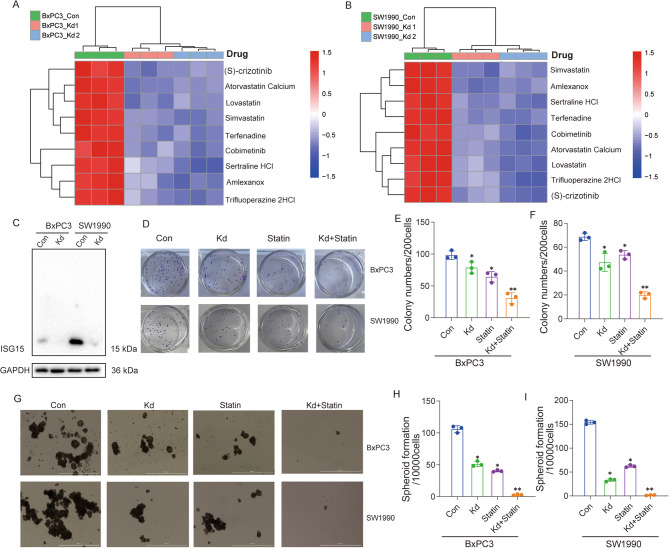
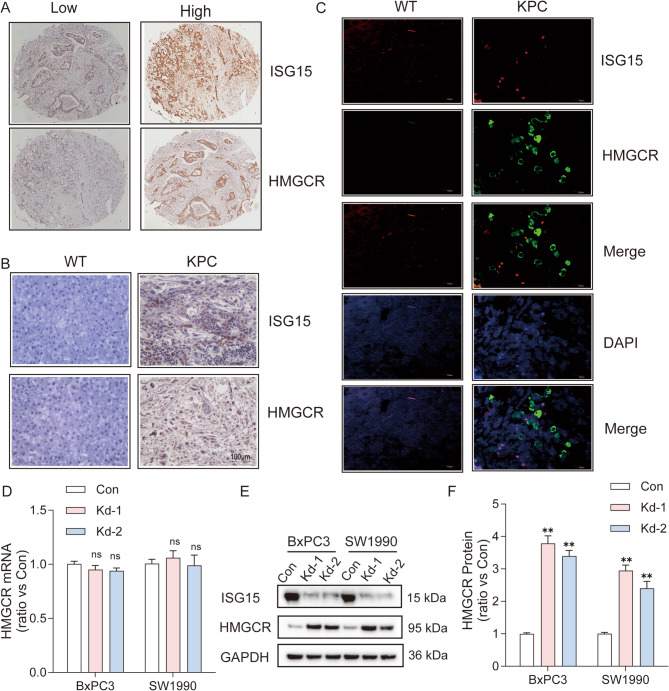
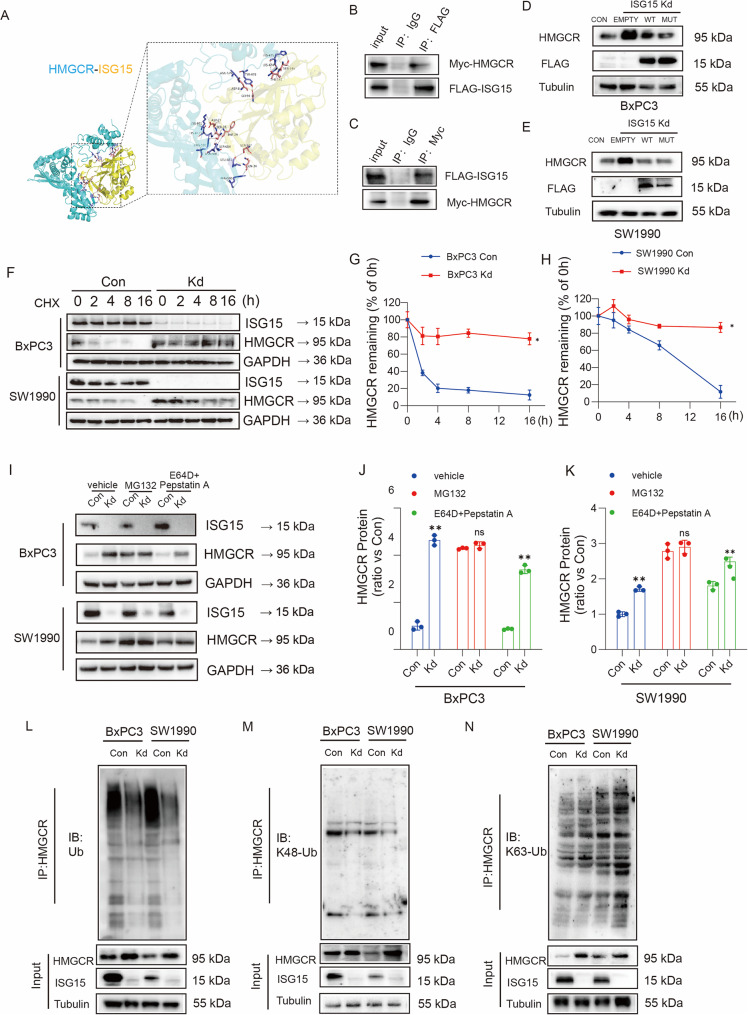
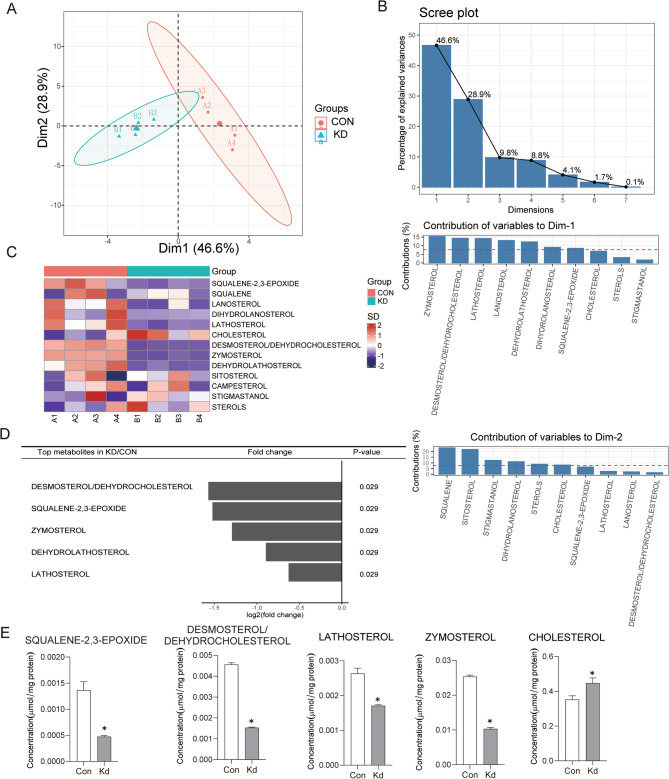
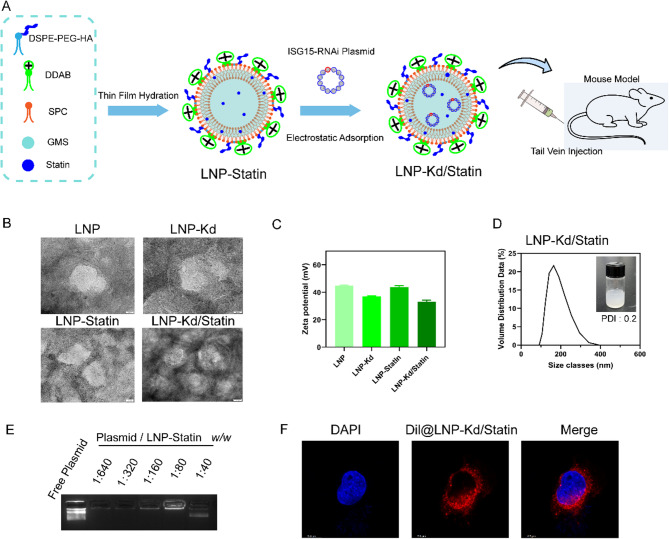
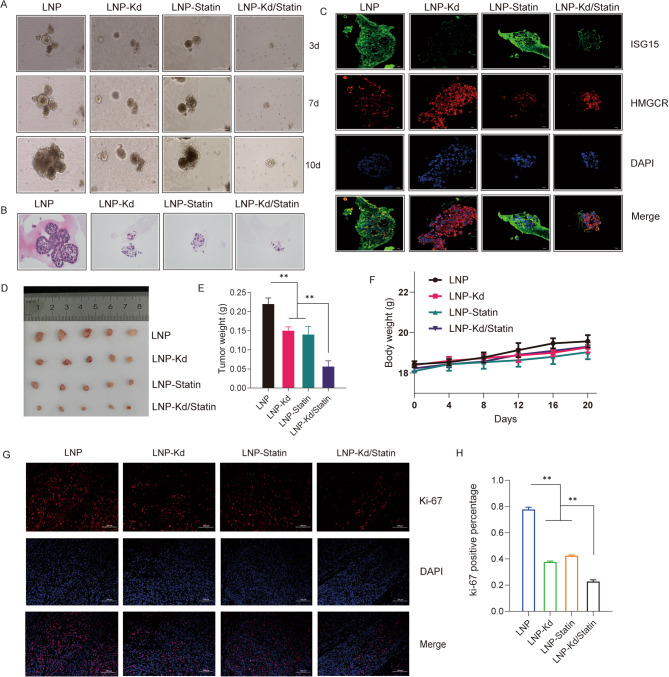
Precision oncology, a transformative paradigm in cancer therapeutics, leverages molecular profiling to design personalized interventions. Building on our prior discovery of ISG15’s role in pancreatic cancer stem cell (CSC) generation, we identified co-upregulation of ISG15 and HMGCR in pancreatic ductal adenocarcinoma (PDAC). Dual suppression of ISG15 and HMGCR triggered synthetic lethality, effectively eradicating CSCs and impairing tumor progression. To exploit this synergy, we engineered a hyaluronic acid-coated liposomal nanoplatform (LNP-Kd/Statin) for co-delivery of ISG15-targeting siRNA and HMGCR-inhibiting statins. Mechanistically, ISG15 directly interacts with HMGCR, and the knockdown of ISG15 stabilizes the HMGCR protein by inhibiting K48 ubiquitin-proteasomal degradation, a process that occurs independently of ISGylation, paradoxically elevating cholesterol levels to sustain cell survival while depleting metabolic intermediates, thereby inducing vulnerability. Sterolomics profiling confirmed this metabolic rewiring, linking cholesterol flux collapse to CSC elimination. Our findings not only elucidate a novel ISG15-HMGCR regulatory axis in PDAC pathogenesis but also establish a nanotechnology-enabled strategy to disrupt cancer stemness through metabolic targeting. This work advances the translational potential of synthetic lethality in precision oncology for aggressive malignancies.
Overview
The claims and statistics of this paper haven’t been checked yet.
Free: it reads the open-access text and checks the first 5 claims that cite a source we can check. Create a free account to check every claim.
Integrity signals
Registry
Cites
Statistics
Figures
Verification
Claims the paper makes
The claims and statistics of this paper haven’t been checked yet.
Free: it reads the open-access text and checks the first 5 claims that cite a source we can check. Create a free account to check every claim.
Claims other papers make about this one
Each is checked against this paper’s own text: does it say what the citing paper says it does?
The source backs part of the claim, not all of it — or backs it for a different population, condition or comparison.
In the citing paper
“Sun et al. demonstrated a synthetic lethal interaction between ISG15 and statins by delivering hyaluronic acid-coated nanoparticle of ISG15-siRNA + atorvastatin in cell cultures”
From The antitumoral effect of statins in pancreatic ductal adenocarcinoma: a scoping review (2026) · cites this paper as Sun et al., 2025
Experimental — accuracy not yet measuredThe source backs part of the claim, not all of it — or backs it for a different population, condition or comparison.
In the citing paper
“interferon-stimulated gene 15 (ISG15) knockdown in pancreatic cancer stem cells (CSCs) by siRNA results in the stabilization of HMGCR, increasing the cell cholesterol, making ISG15 low CSCs more susceptible to the action of statin”
From The antitumoral effect of statins in pancreatic ductal adenocarcinoma: a scoping review (2026) · cites this paper as Sun et al., 2025
Experimental — accuracy not yet measuredThe cited source says what the claim attributes to it.
In the citing paper
“newer delivery platforms such as the DZ-SIM nanoconjugate (Ou et al., 2022) and hyaluronic acid-coated nanoparticles (Sun et al., 2025) are of particular interest, because they may help overcome these pharmacokinetic limitations”
From The antitumoral effect of statins in pancreatic ductal adenocarcinoma: a scoping review (2026) · cites this paper as Sun et al., 2025
Self-check
Percentages, sums and reported differences re-computed from the paper’s own numbers.
The self-check needs the paper’s full text.
Citations
Cites
Siegel, R. L., Giaquinto, A. N., & Jemal, A. (2024) · CA: A Cancer Journal for Clinicians · doi:10.3322/caac.21820 · Cited by 9,533 · cited 1×
“Pancreatic ductal adenocarcinoma (PDAC), ranking as the third leading cause of cancer-related deaths [27], remains a therapeutic enigma.”
Park, W., Chawla, A., & O’Reilly, E. M. (2021) · JAMA · doi:10.1001/jama.2021.13027 · Cited by 1,882
Pancreatic cancer: Advances and challenges
Halbrook, C. J., Lyssiotis, C. A., Pasca di Magliano, M., & Maitra, A. (2023) · Cell · doi:10.1016/j.cell.2023.02.014 · Cited by 1,321 · cited 1×
“Pancreatic cancer (PC) remains one of the most lethal malignancies, with a five-year survival rate below 10% due to late diagnosis, aggressive progression, and therapy resistance [1–3].”
Pancreatic Adenocarcinoma, Version 2.2021, NCCN Clinical Practice Guidelines in Oncology
Tempero, M. A., Malafa, M. P., Al-Hawary, M., Behrman, S. W., Benson, A. B., Cardin, D. B., Chiorean, E. G., Chung, V., Czito, B., Del Chiaro, M., et al. (2021) · Journal of the National Comprehensive Cancer Network · doi:10.6004/jnccn.2021.0017 · Cited by 1,304
Targeting Metabolism for Cancer Therapy
Luengo, A., Gui, D. Y., & Vander Heiden, M. G. (2017) · Cell Chemical Biology · doi:10.1016/j.chembiol.2017.08.028 · Cited by 971
Liposome composition in drug delivery design, synthesis, characterization, and clinical application
Large, D. E., Abdelmessih, R. G., Fink, E. A., & Auguste, D. T. (2021) · Advanced Drug Delivery Reviews · doi:10.1016/j.addr.2021.113851 · Cited by 877 · cited 1×
“…irinotecan and nab-paclitaxel have validated nanomedicine in PDACs [23–25], our HA-coated By co-delivering ISG15 -siRNA and statins, we achieve tumor-specific targeting via CD44 receptor-mediated uptake [35–37], bypassing the dense stromal barrier that plagues conventional therapies [38, 39].”
Stoffel, E. M., Brand, R. E., & Goggins, M. (2023) · Gastroenterology · doi:10.1053/j.gastro.2023.02.012 · Cited by 512
Finley, L. W. S. (2023) · Cell · doi:10.1016/j.cell.2023.01.038 · Cited by 322
Loh, J.-J., & Ma, S. (2024) · Cell Stem Cell · doi:10.1016/j.stem.2024.04.004 · Cited by 314
Lam, S. M., Zhang, C., Wang, Z., Ni, Z., Zhang, S., Yang, S., Huang, X., Mo, L., Li, J., Lee, B., et al. (2021) · Nature Metabolism · doi:10.1038/s42255-021-00425-4 · Cited by 284 · cited 2×
“Sterolomic analysis was performed by LipidALL Technologies following established protocols [26].”
InfluentialSelf-citationEmerging therapies in cancer metabolism
Xiao, Y., Yu, T.-J., Xu, Y., Ding, R., Wang, Y.-P., Jiang, Y.-Z., & Shao, Z.-M. (2023) · Cell Metabolism · doi:10.1016/j.cmet.2023.07.006 · Cited by 256 · cited 1×
“It also involves utilizing tumor-specific metabolic preferences to facilitate the uptake of toxic analogues, thereby creating lethal metabolic traps [17, 18].”
Labori, K. J., Bratlie, S. O., Andersson, B., Angelsen, J.-H., Biörserud, C., Björnsson, B., Bringeland, E. A., Elander, N., Garresori, H., Grønbech, J. E., et al. (2024) · The Lancet Gastroenterology & Hepatology · doi:10.1016/s2468-1253(23)00405-3 · Cited by 225 · cited 2×
“This dual immunometabolic action positions LNP-Kd/Statin as a bridge between targeted therapy and immunotherapy, potentially overcoming the immunosuppressive PDAC microenvironment [28–32].”
Cancer Stem Cells: Significance in Origin, Pathogenesis and Treatment of Glioblastoma
Biserova, K., Jakovlevs, A., Uljanovs, R., & Strumfa, I. (2021) · Cells · doi:10.3390/cells10030621 · Cited by 220
Cancer stem cell mimicry for immune evasion and therapeutic resistance
Saw, P. E., Liu, Q., Wong, P., & Song, E. (2024) · Cell stem cell · doi:10.1016/j.stem.2024.06.003 · Cited by 185 · cited 1×
“Cancer stem cells (CSCs), a subpopulation driving tumor initiation, metastasis, recurrence, and chemoresistance, are central to these challenges and represent a critical therapeutic target [4–6].”
Kang, X., Bu, F., Feng, W., Liu, F., Yang, X., Li, H., Yu, Y., Li, G., Xiao, H., & Wang, X. (2022) · Advanced Materials · doi:10.1002/adma.202206765 · Cited by 167 · cited 1×
“…irinotecan and nab-paclitaxel have validated nanomedicine in PDACs [23–25], our HA-coated By co-delivering ISG15 -siRNA and statins, we achieve tumor-specific targeting via CD44 receptor-mediated uptake [35–37], bypassing the dense stromal barrier that plagues conventional therapies [38, 39].”
ISG15 and ISGylation is required for pancreatic cancer stem cell mitophagy and metabolic plasticity
Alcalá, S., Sancho, P., Martinelli, P., Navarro, D., Pedrero, C., Martín-Hijano, L., Valle, S., Earl, J., Rodríguez‐Serrano, M., Ruíz-Cañas, L., et al. (2020) · Nature Communications · doi:10.1038/s41467-020-16395-2 · Cited by 142 · cited 2×
“Unlike prior studies focusing on ISG15’s roles in autophagy or immune evasion [14, 33, 34], we identify its novel function as a regulator of cholesterol flux.”
ISG15 and ISGylation in Human Diseases
Mirzalieva, O., Juncker, M. A., Schwartzenburg, J., & Desai, S. D. (2022) · Cells · doi:10.3390/cells11030538 · Cited by 141
Consensus, debate, and prospective on pancreatic cancer treatments
Wang, J., Yang, J., Narang, A. K., He, J., Wolfgang, C. L., Li, K., & Zheng, L. (2024) · Journal of Hematology & Oncology · doi:10.1186/s13045-024-01613-x · Cited by 109 · cited 1×
“Pancreatic cancer (PC) remains one of the most lethal malignancies, with a five-year survival rate below 10% due to late diagnosis, aggressive progression, and therapy resistance [1–3].”
Self-citationHERC5 and the ISGylation Pathway: Critical Modulators of the Antiviral Immune Response
Mathieu, N. A., Paparisto, E., Barr, S. D., & Spratt, D. E. (2021) · Viruses · doi:10.3390/v13061102 · Cited by 100 · cited 1×
“Furthermore, ISG15 exists in both intracellularly and extracellularly in its monomeric form [9–12].”
Liposome-based diagnostic and therapeutic applications for pancreatic cancer
Raza, F., Evans, L., Motallebi, M., Zafar, H., Pereira‐Silva, M., Saleem, K., Peixoto, D., Rahdar, A., Sharifi, E., Veiga, F., et al. (2022) · Acta Biomaterialia · doi:10.1016/j.actbio.2022.12.013 · Cited by 92
Synthetic lethal strategies for the development of cancer therapeutics
Ngoi, N. Y. L., Gallo, D., Torrado, C., Nardo, M., Durocher, D., & Yap, T. A. (2024) · Nature Reviews Clinical Oncology · doi:10.1038/s41571-024-00966-z · Cited by 88
New Horizons of Synthetic Lethality in Cancer: Current Development and Future Perspectives
Previtali, V., Bagnolini, G., Ciamarone, A., Ferrandi, G., Rinaldi, F., Myers, S. H., Roberti, M., & Cavalli, A. (2024) · Journal of Medicinal Chemistry · doi:10.1021/acs.jmedchem.4c00113 · Cited by 88 · cited 1×
“Synthetic lethality, a strategy where simultaneous inactivation of two genes induces cell death while individual inhibition does not, has emerged as a promising approach to eradicate CSCs while sparing normal cells [7, 8].”
Statins as anti‐tumor agents: A paradigm for repurposed drugs
Tripathi, S., Gupta, E., & Galande, S. (2024) · Cancer Reports · doi:10.1002/cnr2.2078 · Cited by 80 · cited 1×
“Intriguingly, our drug sensitivity screens revealed that ISG15 -knockdown PC cells exhibit heightened sensitivity to statins, inhibitors of 3-hydroxy-3-methylglutaryl-coenzyme A reductase ( HMGCR ), the rate-limiting enzyme in cholesterol biosynthesis [19, 20].”
Zhao, X., Yang, X., Wang, X., Zhao, X., Zhang, Y., Liu, S., Anderson, G. J., Kim, S.-J., Li, Y., & Nie, G. (2021) · ACS Nano · doi:10.1021/acsnano.0c08860 · Cited by 70 · cited 1×
“Nanotechnology has revolutionized drug delivery in PC, enabling targeted therapy and reduced systemic toxicity [21, 22].”
Clinical immunotherapy in pancreatic cancer
Ye, X., Yu, Y., Zheng, X., & Ma, H. (2024) · Cancer Immunology Immunotherapy · doi:10.1007/s00262-024-03632-6 · Cited by 62
Qin, Y., Meng, X., Wang, M., Liang, W., Xu, R., Chen, J., Song, H., Fu, Y., Li, J., Gao, C., et al. (2023) · Journal of Clinical Investigation · doi:10.1172/jci161935 · Cited by 55
Sun, J. T., Yan, J. Y., Qiao, H.-Y., Zhao, F.-Y., Li, C., Jiang, J., Liu, B.-Q., Meng, X., & Wang, H. (2019) · Oncogene · doi:10.1038/s41388-019-0992-2 · Cited by 54 · cited 1×
“Although ISG15 is overexpressed in PC and contributes to the maintenance of CSC phenotypes [13, 14], its role in regulating metabolic vulnerabilities remains poorly understood.”
Self-citationBurks, J., Fleury, A., Livingston, S., & Smith, J. P. (2019) · Cancer Immunology Immunotherapy · doi:10.1007/s00262-019-02422-9 · Cited by 44 · cited 1×
“Unlike prior studies focusing on ISG15’s roles in autophagy or immune evasion [14, 33, 34], we identify its novel function as a regulator of cholesterol flux.”
Cancer Stem Cells in Pancreatic Ductal Adenocarcinoma
Bubin, R., Uljanovs, R., & Štrumfa, I. (2023) · International Journal of Molecular Sciences · doi:10.3390/ijms24087030 · Cited by 42 · cited 1×
“…irinotecan and nab-paclitaxel have validated nanomedicine in PDACs [23–25], our HA-coated By co-delivering ISG15 -siRNA and statins, we achieve tumor-specific targeting via CD44 receptor-mediated uptake [35–37], bypassing the dense stromal barrier that plagues conventional therapies [38, 39].”
ISGylation by HERCs facilitates STING activation
Qin, Y., Wang, M., Meng, X., Wang, M., Jiang, H., Gao, Y., Li, J., Zhao, C., Han, C., Zhao, W., et al. (2024) · Cell Reports · doi:10.1016/j.celrep.2024.114135 · Cited by 41 · cited 1×
“Furthermore, ISG15 exists in both intracellularly and extracellularly in its monomeric form [9–12].”
Statins in Mitigating Anticancer Treatment-Related Cardiovascular Disease
Jiang, R., Lou, L., Shi, W., Chen, Y., Fu, Z., Liu, S., Sok, T., Li, Z., Zhang, X., & Yang, J. (2024) · International Journal of Molecular Sciences · doi:10.3390/ijms251810177 · Cited by 34 · cited 1×
“Intriguingly, our drug sensitivity screens revealed that ISG15 -knockdown PC cells exhibit heightened sensitivity to statins, inhibitors of 3-hydroxy-3-methylglutaryl-coenzyme A reductase ( HMGCR ), the rate-limiting enzyme in cholesterol biosynthesis [19, 20].”
Exploiting the metabolic vulnerability of circulating tumour cells
Merteroglu, M., & Santoro, M. M. (2024) · Trends in cancer · doi:10.1016/j.trecan.2024.03.004 · Cited by 23
Epigenetic regulation of cancer stem cell and tumorigenesis
Zhu, K., Xie, V. K., & Huang, S. (2020) · Advances in cancer research · doi:10.1016/bs.acr.2020.05.001 · Cited by 22 · cited 1×
“Cancer stem cells (CSCs), a subpopulation driving tumor initiation, metastasis, recurrence, and chemoresistance, are central to these challenges and represent a critical therapeutic target [4–6].”
Theranostic nanoparticles for detection and treatment of pancreatic cancer
Agarwal, H., Bynum, R. C., Saleh, N., Harris, D., MacCuaig, W. M., Kim, V., Sanderson, E. J., Dennahy, I. S., Singh, R., Behkam, B., et al. (2024) · Wiley Interdisciplinary Reviews Nanomedicine and Nanobiotechnology · doi:10.1002/wnan.1983 · Cited by 21 · cited 2×
“Notably, nano-formulated irinotecan has entered clinical use [23–25].”
Won, E.-J., Park, H., Yoon, T., & Cho, Y. (2022) · Pharmaceutics · doi:10.3390/pharmaceutics14010137 · Cited by 19 · cited 1×
“Nanotechnology has revolutionized drug delivery in PC, enabling targeted therapy and reduced systemic toxicity [21, 22].”
ISG15 Promotes Progression and Gemcitabine Resistance of Pancreatic Cancer Cells Through ATG7
Meng, Y., Bian, L., Zhang, M., Zhou, P., Zhang, S., Ying, Y., Yang, S., Liu, Y., Yao, Y., & Li, D. (2024) · International Journal of Biological Sciences · doi:10.7150/ijbs.85424 · Cited by 17 · cited 2×
“Unlike prior studies focusing on ISG15’s roles in autophagy or immune evasion [14, 33, 34], we identify its novel function as a regulator of cholesterol flux.”
CAR-T Cell Therapy in Pancreatic and Biliary Tract Cancers: An Updated Review of Clinical Trials
Drougkas, K., Karampinos, K. I., Karavolias, I., Gomatou, G., Koumprentziotis, I., Ploumaki, I., Triantafyllou, E., & Kotteas, E. A. (2024) · Journal of Gastrointestinal Cancer · doi:10.1007/s12029-024-01054-2 · Cited by 16 · cited 2×
“This dual immunometabolic action positions LNP-Kd/Statin as a bridge between targeted therapy and immunotherapy, potentially overcoming the immunosuppressive PDAC microenvironment [28–32].”
Giordano, G., Milella, M., Landriscina, M., Bergamo, F., Tirino, G., Santaniello, A., Zaniboni, A., Vasile, E., Vita, F. D., Re, G. L., et al. (2024) · Cancer Medicine · doi:10.1002/cam4.7345 · Cited by 10
Polysaccharides as therapeutic vehicles in pancreatic cancer
Kumari, S., Peela, S., Nagaraju, G. P., & Srilatha, M. (2025) · Drug Discovery Today · doi:10.1016/j.drudis.2025.104320 · Cited by 5
Cited by
Tackling cancer stemness with nanotechnology in the era of precision medicine
Guo, S., Yao, S., Meng, L., Chen, C., Lu, Y. L., Lu, R., Zahid, K. R., Raza, U., Wu, Q., & Chen, W. (2026) · BMEMat · doi:10.1002/bmm2.70099 · Cited by 2
Yu, Z., Qing, H., Wang, T., Xing, Z., Hou, Y., Ma, Y., Wang, T., Chen, S., Shi, W., Qin, L., et al. (2026) · Gut · doi:10.1136/gutjnl-2026-338277 · Cited by 2
“Indeed, elevated HMGCR activity has been reported to fuel membrane biogenesis and oncogenic signalling to support rapid tumour growth, 53 while ULK1-driven autophagy is well-established as a cytoprotective mechanism that enables KRAS-driven tumours to withstand metabolic starvation and cytotoxic…”
The antitumoral effect of statins in pancreatic ductal adenocarcinoma: a scoping review
Pîntea, A.-I., Croitoru, A. E., Dinu-Pîrvu, C. E., & Dima, S. O. (2026) · Frontiers in Pharmacology · doi:10.3389/fphar.2026.1815366
“In that context, newer delivery platforms such as the DZ-SIM nanoconjugate (Ou et al., 2022) and hyaluronic acid-coated nanoparticles (Sun et al., 2025) are of particular interest, because they may help overcome these pharmacokinetic limitations.”
Metabolic Crosstalk Between Host and Tumor as a Circuit of Resilience in Cancer Therapy
Wang, J., Wu, H., Wang, T., & Nie, M. (2026) · Cells · doi:10.3390/cells15111008
Self-citationSun, H., Qu, C., Yang, C., Chen, J., Yue, N., Du, J., Gong, R., Yu, Q., Gao, C., Zhao, C., et al. (2026) · Journal of the National Cancer Center · doi:10.1016/j.jncc.2026.06.003
Metadata
- Authors
- Sun, J., Wang, J.-M., Zhang, Q., Lin, W.-Y., Tang, L., Lu, S.-Y., Li, B.-Q., Du, Z.-X., & Wang, H.-Q.
- Affiliations
- Nanjing University of Chinese Medicine (CN)
- Criminal Investigation Police University of China (CN)
- First Hospital of China Medical University (CN)
- China Medical University (CN)
- Corresponding author
- Du, Zhen-Xian
- Wang, Hua-Qin
- Venue
- Journal of Experimental & Clinical Cancer Research
- Published
- 2025-12-09
- Volume
- 44
- Issue
- 1
- Pages
- 317-317
- ISSN
- 0392-9078 (ISSN-L)
- 1756-9966
- PMC
- PMC12690959
- OpenAlex
- W4417230833
- Cited by
- 5
- References
- 36
- Citations by year
- 2026: 5
- FWCI
- 2.25
- Type
- journal article
- Language
- en
- Open access
- gold
- doi.org
- Licence
- cc-by
- creativecommons.org/licenses/by/4.0 (tdm)
- creativecommons.org/licenses/by/4.0 (vor)
- Locations
- Journal of Experimental & Clinical Cancer Research (publishedVersion, cc-by)
- PubMed (publishedVersion)
- PubMed Central (publishedVersion, cc-by)
- DOAJ (DOAJ: Directory of Open Access Journals) (submittedVersion, cc-by-sa)
- Funders
- National Natural Science Foundation of China (82203337)
- Natural Science Foundation of Liaoning Province (2024-MSLH-542, 2023JH2/20200160)
- Applied Basic Research Program (2023JH2/101600012)
- Liaoning Province Central Guidance Local Science and Technology Development Fund Plan (2024JH6/100800018)
- Topics
- Life Sciences › Biochemistry, Genetics and Molecular Biology › Cancer Research › Cancer, Lipids, and Metabolism
- Health Sciences › Medicine › Oncology › Pancreatic and Hepatic Oncology Research
- Health Sciences › Medicine › Oncology › Cancer Cells and Metastasis
- Keywords
- ISG15, HMGCR, pancreatic ductal adenocarcinoma, cancer stem cells, synthetic lethality, cholesterol metabolism, K48-linked ubiquitination, protein stability, siRNA delivery, statins, metabolic targeting, precision oncology
- MeSH terms
- Synthetic Lethal Mutations, Animals, Humans, Hydroxymethylglutaryl CoA Reductases, Pancreatic Neoplasms, Neoplastic Stem Cells, Ubiquitins, Cytokines, Carcinoma, Pancreatic Ductal, Cell Line, Tumor, Mice
About these checks
Registry, retraction, Cites and statistics results are computed, not judged, with one exception: a printed reference that no index lists is read once by a model before it counts as a citation error. Claims are extracted by a model and kept only when their quote appears verbatim in the text; each cited source is then checked, with a model’s help, for whether it says what the claim relies on. Those verdicts can be wrong — read the claim’s quote and the cited source before relying on one.
Statistics and arithmetic are recomputed, not judged.
Confidence bands are shown only for fields calibrated on our annotated test set. None is calibrated yet, so no band is shown.
What counts as a claim ›How we measure confidence ›How we check this ›
Are you an author, or do you see a problem with this page? Request a review
Data sources
Bibliographic data: Semantic Scholar, OpenAlex, Crossref.
Contains information from the Semantic Scholar Academic Graph Datasets, made available under the ODC Attribution License (ODC-BY 1.0).
Semantic Scholar’s data is described in: Kinney, R., et al. (2023). The Semantic Scholar Open Data Platform. arXiv:2301.10140.
