

The DOI matches its Crossref record; 169 of the 169 references it cites were found in a registry or an index.
Opportunities and challenges in long-read sequencing data analysis
Open accessAbstract
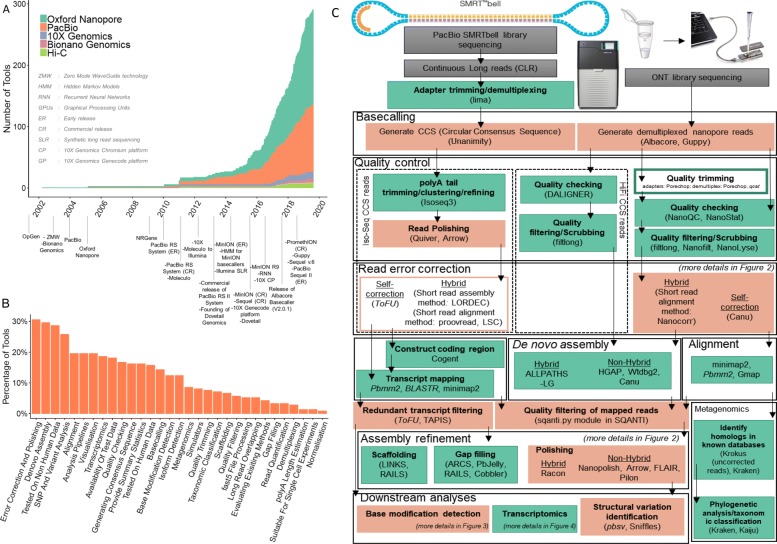
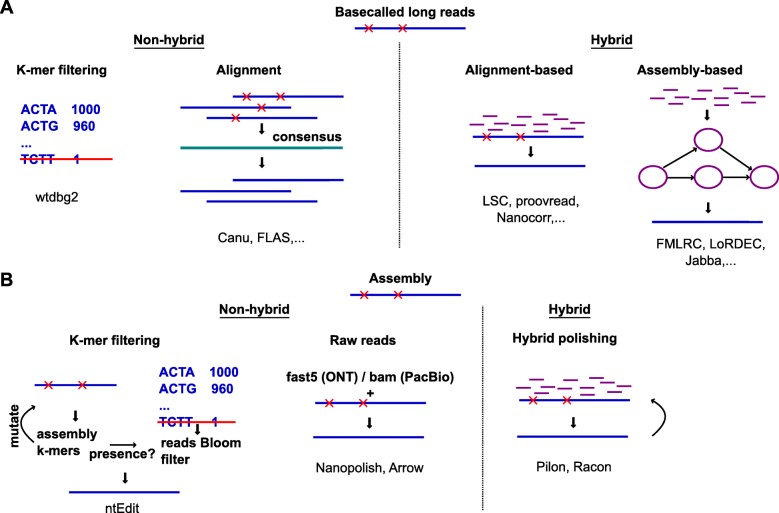
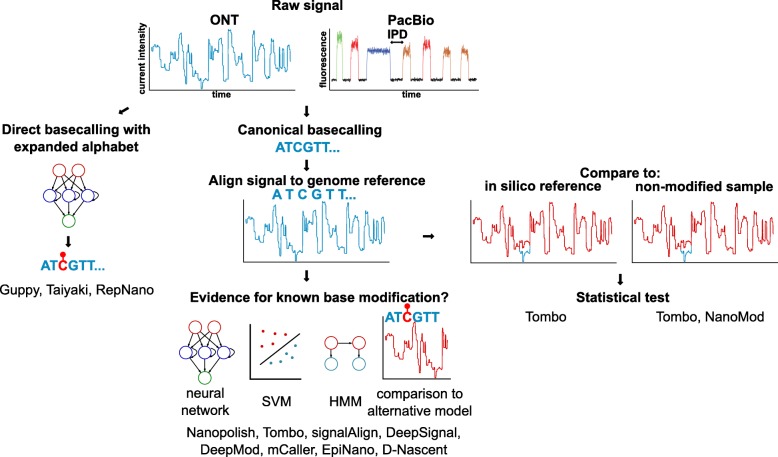
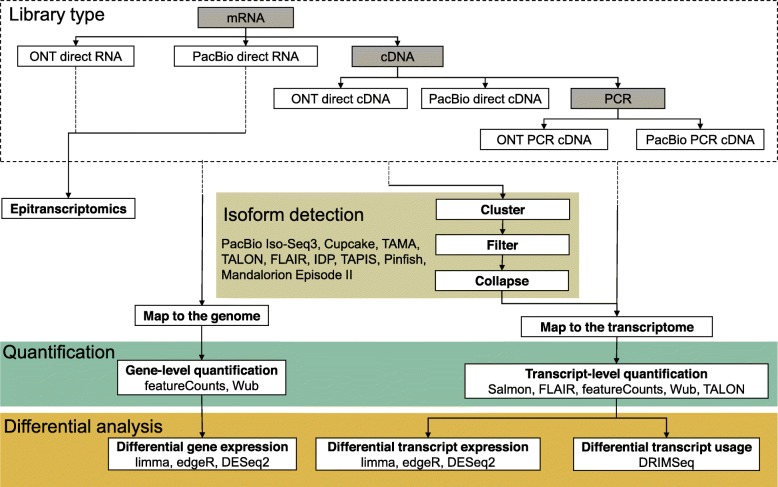
Long-read technologies are overcoming early limitations in accuracy and throughput, broadening their application domains in genomics. Dedicated analysis tools that take into account the characteristics of long-read data are thus required, but the fast pace of development of such tools can be overwhelming. To assist in the design and analysis of long-read sequencing projects, we review the current landscape of available tools and present an online interactive database, long-read-tools.org, to facilitate their browsing. We further focus on the principles of error correction, base modification detection, and long-read transcriptomics analysis and highlight the challenges that remain.
Overview
The claims and statistics of this paper haven’t been checked yet.
Run the check — free, no account needed. It reads the open-access text and checks the sources it cites.
Integrity signals
Registry
Cites
Statistics
Figures
Verification
Claims the paper makes
The claims and statistics of this paper haven’t been checked yet.
Run the check — free, no account needed. It reads the open-access text and checks the sources it cites.
Claims other papers make about this one
Each is checked against this paper’s own text: does it say what the citing paper says it does?
The source backs part of the claim, not all of it — or backs it for a different population, condition or comparison.
In the citing paper
“Conventional single-cell transcriptomics assays capture information at the gene level, thereby missing much of the biological diversity and regulatory mechanisms that occurs at the isoform level.30”
From hdWGCNA identifies co-expression networks in high-dimensional transcriptomics data (2023) · cites this paper as [30]
Experimental — accuracy not yet measuredIn the citing paper
“Although there exist batch-effect correction methods, it's still challenging to distinguish true biological diversity from technical differences and thus preserve important biological variations 13 .”
From scBERT as a Large-scale Pretrained Deep Language Model for Cell Type Annotation of Single-cell RNA-seq Data (2021) · cites this paper as [13]
Self-check
Percentages, sums and reported differences re-computed from the paper’s own numbers.
The self-check needs the paper’s full text.
Citations
Cites
Moderated estimation of fold change and dispersion for RNA-seq data with DESeq2
Love, M. I., Huber, W., & Anders, S. (2014) · Genome Biology · doi:10.1186/s13059-014-0550-8 · Cited by 95,106
Robinson, M. D., McCarthy, D. J., & Smyth, G. K. (2010) · Bioinformatics · doi:10.1093/bioinformatics/btp616 · Cited by 41,364
limma powers differential expression analyses for RNA-sequencing and microarray studies
Ritchie, M. E., Phipson, B., Wu, D., Hu, Y., Law, C. W., Shi, W., & Smyth, G. K. (2015) · Nucleic Acids Research · doi:10.1093/nar/gkv007 · Cited by 40,458
Self-citationfeatureCounts: an efficient general purpose program for assigning sequence reads to genomic features
Liao, Y., Smyth, G. K., & Shi, W. (2014) · Bioinformatics · doi:10.1093/bioinformatics/btt656 · Cited by 27,219
Salmon provides fast and bias-aware quantification of transcript expression
Patro, R., Duggal, G., Love, M. I., Irizarry, R. A., & Kingsford, C. (2017) · Nature Methods · doi:10.1038/nmeth.4197 · Cited by 12,700
Walker, B. J., Abeel, T., Shea, T., Priest, M., Abouelliel, A., Sakthikumar, S., Cuomo, C. A., Zeng, Q., Wortman, J. R., Young, S., et al. (2014) · PLoS ONE · doi:10.1371/journal.pone.0112963 · Cited by 9,130
Unicycler: Resolving bacterial genome assemblies from short and long sequencing reads
Wick, R. R., Judd, L. M., Gorrie, C. L., & Holt, K. E. (2017) · PLoS Computational Biology · doi:10.1371/journal.pcbi.1005595 · Cited by 8,728
Canu: scalable and accurate long-read assembly via adaptive k -mer weighting and repeat separationPreprint
Koren, S., Walenz, B. P., Berlin, K., Miller, J. R., Bergman, N. H., & Phillippy, A. M. (2017) · Genome Research · doi:10.1101/gr.215087.116 · Cited by 7,260
Assembly of long, error-prone reads using repeat graphs
Kolmogorov, M., Yuan, J., Lin, Y., & Pevzner, P. A. (2019) · Nature Biotechnology · doi:10.1038/s41587-019-0072-8 · Cited by 5,986
McCarthy, D. J., Chen, Y., & Smyth, G. K. (2012) · Nucleic Acids Research · doi:10.1093/nar/gks042 · Cited by 5,195
Research works printed but not linked: 1
- Oxford Nanopore Technologies. Clive Brown’s keynote at Nanopore Community Meeting 2018. 2018. https://nanoporetech.com/resource-centre/clive-brown-ncm-2018. Accessed 6 June 2019.
Cited by
Sorted by citations
Items 701–800 of 1,003
Schell, T., Greve, C., & Podsiadłowski, L. (2025) · Frontiers in Zoology · doi:10.1186/s12983-025-00561-7 · Cited by 24
Genetic architecture of sugarcane traits in a polyploid genomics framework
Wang, J., Li, X., Wang, Y., Lin, J., Chen, S., Liu, H., Chen, X., Chai, K., Dong, A., Zhao, T., et al. (2026) · Nature · doi:10.1038/s41586-026-10576-7 · Cited by 19
van Lier, Y. F., van den Brink, M. R. M., Hazenberg, M. D., & Markey, K. A. (2021) · Haematologica · doi:10.3324/haematol.2020.270835 · Cited by 18
Of mice and human-specific long noncoding RNAs
Ghanam, A. R., Bryant, W. B., & Miano, J. M. (2022) · Mammalian Genome · doi:10.1007/s00335-022-09943-2 · Cited by 17
Brückner, A., Barnett, A. A., Bhat, P., Antoshechkin, I. A., & Kitchen, S. A. (2022) · Acarologia · doi:10.24349/pjye-gkeo · Cited by 14
Gene Expression and Transcriptome Sequencing: Basics, Analysis, Advances
Magar, N. D., Shah, P., Harish, K., Bosamia, T. C., Barbadikar, K. M., Shukla, Y., Phule, A. S., Zala, H. N., Madhav, M. S., Mangrauthia, S. K., et al. (2022) · IntechOpen eBooks · doi:10.5772/intechopen.105929 · Cited by 17
Multi-omics approach to identifying isoform variants as therapeutic targets in cancer patients
Shaw, T. I., Zhao, B., Li, Y., Wang, H., Wang, L., Manley, B. J., Stewart, P. A., & Karolak, A. M. (2022) · Frontiers in Oncology · doi:10.3389/fonc.2022.1051487 · Cited by 16
Transposon control as a checkpoint for tissue regeneration
Angileri, K. M., Bagia, N. A., & Feschotte, C. (2022) · Development · doi:10.1242/dev.191957 · Cited by 15
Testing for Phylogenetic Signal in Single-Cell RNA-Seq Data
Moravec, J. C., Lanfear, R., Spector, D. L., Diermeier, S. D., & Gavryushkin, A. (2022) · Journal of Computational Biology · doi:10.1089/cmb.2022.0357 · Cited by 16
Qu, J., Betting, V., van Iterson, R., Kwaschik, F. M., & van Rij, R. P. (2023) · Cell Reports · doi:10.1016/j.celrep.2023.112257 · Cited by 16
Sources of variability in the human platelet transcriptome
Thibord, F., & Johnson, A. D. (2023) · Thrombosis Research · doi:10.1016/j.thromres.2023.06.009 · Cited by 17
NanopoReaTA: a user-friendly tool for nanopore-seq real-time transcriptional analysis
Wierczeiko, A., Pastore, S., Mündnich, S., Busch, A., Dietrich, V., Helm, M., Butto, T., & Gerber, S. (2023) · Bioinformatics · doi:10.1093/bioinformatics/btad492 · Cited by 17
Host DNA depletion methods and genome-centric metagenomics of bovine hindmilk microbiome
Duarte, V. D. S., & Porcellato, D. (2023) · mSphere · doi:10.1128/msphere.00470-23 · Cited by 17
Guiglielmoni, N., Villegas, L. I., Kirangwa, J., & Schiffer, P. H. (2024) · Frontiers in Genetics · doi:10.3389/fgene.2024.1308527 · Cited by 18
Lenormand, T., & Roze, D. (2024) · Peer Community Journal · doi:10.24072/pcjournal.373 · Cited by 17
Braytee, A., He, S., Tang, S., Sun, Y., Jiang, X., Yu, X., Khatri, I., Chaturvedi, K., Prasad, M., & Anaissi, A. (2024) · Scientific Reports · doi:10.1038/s41598-024-59670-8 · Cited by 17
Allometric scaling of somatic mutation and epimutation rates in trees
Johannes, F. M. (2024) · Evolution · doi:10.1093/evolut/qpae150 · Cited by 17
Uncovering functional lncRNAs by scRNA-seq with ELATUS
Goñi, E., Mas, A. M., González, J., Abad, A., Santisteban, M., Fortes, P., Huarte, M., & Hernáez, M. (2024) · Nature Communications · doi:10.1038/s41467-024-54005-7 · Cited by 17
Dubois, B., Delitte, M., Lengrand, S., Bragard, C., Legrève, A., & Debode, F. (2024) · Frontiers in Bioinformatics · doi:10.3389/fbinf.2024.1483255 · Cited by 23
Schlieben, L. D., Prokisch, H., & Yépez, V. A. (2021) · Frontiers in Molecular Biosciences · doi:10.3389/fmolb.2021.647277 · Cited by 17
Terrazas, R. A., Robertson-Albertyn, S., Corral, A. M., Escudero-Martinez, C., Kapadia, R., Balbirnie-Cumming, K., Morris, J., Hedley, P. E., Barret, M., Torres, G., et al. (2019) · bioRxiv (Cold Spring Harbor Laboratory) · doi:10.1101/605204 · Cited by 17
Alterations of multiple alveolar macrophage states in chronic obstructive pulmonary diseasePreprint
Bassler, K. E., Fujii, W., Kapellos, T. S., Horne, A., Reiz, B., Dudkin, E., Luecken, M. D., Reusch, N., Osei-Sarpong, C., Warnat‐Herresthal, S., et al. (2020) · bioRxiv (Cold Spring Harbor Laboratory) · doi:10.1101/2020.05.28.121541 · Cited by 16
Deep Learning Applications in Single-Cell Omics Data AnalysisPreprint
Erfanian, N., Heydari, A. A., Picazo, P. I., Derakhshani, A., GhasemiGol, M., Farahpour, M., Nasseri, S., Safarpour, H., & Sahebkar, A. (2021) · bioRxiv (Cold Spring Harbor Laboratory) · doi:10.1101/2021.11.26.470166 · Cited by 17
Native RNA sequencing in fission yeast reveals frequent alternative splicing isoformsPreprint
Montañés, J. C., Huertas, M., Moro, S. G., Blevins, W. R., Carmona, M., Ayté, J., Hidalgo, E., & Albà, M. M. (2022) · Genome Research · doi:10.1101/gr.276516.121 · Cited by 17
Efficient minimizer orders for large values of k using minimum decycling setsPreprint
Pellow, D., Pu, L., Ekim, B., Kotlar, L., Berger, B., Ron Shamir, A., & Orenstein, Y. (2023) · Genome Research · doi:10.1101/gr.277644.123 · Cited by 19
Advances in DNA/RNA Sequencing and Their Applications in Acute Myeloid Leukemia (AML)
Ahmed, F., & Zhong, J. F. (2024) · International Journal of Molecular Sciences · doi:10.3390/ijms26010071 · Cited by 17
The technology landscape for detection of DNA methylation in cancer liquid biopsies
Neefs, I., Ibrahim, J., Peeters, M., Camp, G. V., & de Beeck, K. O. (2025) · Epigenetics · doi:10.1080/15592294.2025.2453273 · Cited by 16
Kinimi, E., Mahapatra, M., Kgotlele, T., Makange, M., Tennakoon, C., Njeumi, F., Odongo, S., Muyldermans, S., Kock, R. A., Parida, S., et al. (2021) · Animals · doi:10.3390/ani11102976 · Cited by 16
Unravelling the genetic potential of untapped crop wild genetic resources for crop improvement
Salgotra, R. K., Thompson, M., & Chauhan, B. S. (2021) · Conservation Genetics Resources · doi:10.1007/s12686-021-01242-3 · Cited by 16
Li, C., Qiao, L., Lu, Y., Xing, G., Wang, X., Zhang, G., Qian, H., Shen, Y., Zhang, Y., Yao, W., et al. (2023) · Microbiology Spectrum · doi:10.1128/spectrum.02828-22 · Cited by 19
Exploration of whole genome amplification generated chimeric sequences in long-read sequencing data
Lü, N., Qiao, Y., An, P., Luo, J., Bi, C., Li, M., Lu, Z., & Tu, J. (2023) · Briefings in Bioinformatics · doi:10.1093/bib/bbad275 · Cited by 17
Hawkins‐Hooker, A., Visonà, G., Narendra, T., Rojas-Carulla, M., Schölkopf, B., & Schweikert, G. (2023) · Nature Communications · doi:10.1038/s41467-023-40211-2 · Cited by 19
scReadSim: a single-cell RNA-seq and ATAC-seq read simulator
Yan, G., Song, D., & Li, J. J. (2023) · Nature Communications · doi:10.1038/s41467-023-43162-w · Cited by 17
Mackenzie, A., Norman, M., Kebede, M., Chen, C., Sørensen, C. K., Hovmøller, M. S., Ma, L., Forrest, K., Hickey, L. T., Bariana, H. S., et al. (2023) · BMC Plant Biology · doi:10.1186/s12870-023-04576-2 · Cited by 16
Molecular docking and metagenomics assisted mitigation of microplastic pollution
Parida, D., Katare, K., Ganguly, A., Chakraborty, D., Konar, O., Nogueira, R., & Bala, K. (2024) · Chemosphere · doi:10.1016/j.chemosphere.2024.141271 · Cited by 18
Mihajlović, K., Ceddia, G., Malod‐Dognin, N., Novak, G., Kyriakis, D., Skupin, A., & Pržulj, N. (2024) · Scientific Reports · doi:10.1038/s41598-024-61844-3 · Cited by 16
Deng, E.-Z., Shen, Q., Zhang, J., Fang, Y., Chang, L., Luo, G., & Fan, X. (2024) · Journal of Advanced Research · doi:10.1016/j.jare.2024.05.020 · Cited by 15
Bulka, O., Picott, K. J., Mahadevan, R., & Edwards, E. A. (2024) · Applied and Environmental Microbiology · doi:10.1128/aem.00732-24 · Cited by 16
Dodge, T. O., Kim, B. Y., Baczenas, J. J., Banerjee, S. M., Gunn, T. R., Donny, A. E., Given, L. A., Rice, A., Cox, S. K. H., Weinstein, M. L., et al. (2024) · Current Biology · doi:10.1016/j.cub.2024.08.053 · Cited by 16
Gao, Y., Wei, Z., Dong, K., Chen, K., Yang, J., Chuai, G., & Liu, Q. (2024) · Nature Computational Science · doi:10.1038/s43588-024-00698-1 · Cited by 18
Wang, R., Zheng, Y., Zhang, Z., Song, K., Wu, E., Zhu, X., Wu, T., & Ding, J. (2024) · Nature Communications · doi:10.1038/s41467-024-53114-7 · Cited by 19
TargetCall: eliminating the wasted computation in basecalling via pre-basecalling filtering
Cavlak, M. B., Singh, G., Alser, M., Fırtına, C., Lindegger, J., Sadrosadati, M., Ghiasi, N. M., Alkan, C., & Mutlu, O. (2024) · Frontiers in Genetics · doi:10.3389/fgene.2024.1429306 · Cited by 16
Nyaga, D. M., Tsai, P., Gebbie, C., Phua, H. H., Yap, P., Stabej, P. L. Q., Farrow, S. L., Rong, J., Toldi, G., Thorstensen, E. B., et al. (2024) · npj Genomic Medicine · doi:10.1038/s41525-024-00445-5 · Cited by 18
Comparison of spermatozoal RNA extraction methods in goats
Sahoo, B., Guttula, P. K., & Gupta, M. K. (2020) · Analytical Biochemistry · doi:10.1016/j.ab.2020.114059 · Cited by 16
Customized optical mapping by CRISPR–Cas9 mediated DNA labeling with multiple sgRNAs
Abid, H. Z., Young, E., McCaffrey, J., Raseley, K., Varapula, D. T., Wang, H.-Y., Piazza, D., Mell, J. C., & Xiao, M. (2020) · Nucleic Acids Research · doi:10.1093/nar/gkaa1088 · Cited by 15
A machine learning approach for accurate and real-time DNA sequence identification
Wang, Y., Alangari, M., Hihath, J., Das, A., & Anantram, M. P. (2021) · BMC Genomics · doi:10.1186/s12864-021-07841-6 · Cited by 16
Discovery of genomic variation across a generation
Trost, B., Loureiro, L. O., & Scherer, S. W. (2021) · Human Molecular Genetics · doi:10.1093/hmg/ddab209 · Cited by 20
Revollo, J. R., Miranda, J. A., & Dobrovolsky, V. N. (2021) · Environmental and Molecular Mutagenesis · doi:10.1002/em.22462 · Cited by 16
Genome assembly, annotation, and comparative analysis of the cattail Typha latifolia
Widanagama, S. D., Freeland, J. R., Xu, X., & Shafer, A. B. A. (2021) · G3 Genes Genomes Genetics · doi:10.1093/g3journal/jkab401 · Cited by 17
Dsouza, K. B., Maslova, A., Al-Jibury, E., Merkenschlager, M., Bhargava, V. K., & Libbrecht, M. W. (2022) · Nature Communications · doi:10.1038/s41467-022-31337-w · Cited by 15
Fiol, A., Jurado-Ruiz, F., Girona, E. L., & Aranzana, M. J. (2022) · Plant Methods · doi:10.1186/s13007-022-00937-4 · Cited by 20
Interspecific introgression of MHC genes in Triturus newts: Evidence from multiple contact zones
Gaczorek, T. S., Marszałek, M., Dudek, K., Arntzen, J. W., Wielstra, B., & Babik, W. (2022) · Molecular Ecology · doi:10.1111/mec.16804 · Cited by 15
A versatile toolkit for molecular QTL mapping and meta-analysis at scalePreprint
Quick, C., Guan, L., Li, Z., Li, X., Dey, R., Liu, Y., Scott, L. J., & Lin, X. (2020) · bioRxiv (Cold Spring Harbor Laboratory) · doi:10.1101/2020.12.18.423490 · Cited by 16
Gorin, G., Chari, T., Carilli, M., Vastola, J. J., & Pachter, L. S. (2022) · bioRxiv (Cold Spring Harbor Laboratory) · doi:10.1101/2022.06.11.495771 · Cited by 16
Koo, H., Lee, G.-W., Ko, S.-R., Go, S., Kwon, S., Kim, Y., & Shin, A.-Y. (2023) · Scientific Data · doi:10.1038/s41597-023-02631-z · Cited by 15
Long-read Ribo-STAMP simultaneously measures transcription and translation with isoform resolutionPreprint
Jagannatha, P., Tankka, A. T., Lorenz, D. A., Yu, T., Yee, B. A., Brannan, K. W., Zhou, C. J., Underwood, J. G., & Yeo, G. W.-M. (2024) · Genome Research · doi:10.1101/gr.279176.124 · Cited by 18
Comprehensive analysis of the circadian nuclear and cytoplasmic transcriptome in mouse liver
Hurni, C., Weger, B. D., Gobet, C., & Naef, F. (2022) · PLOS Genetics · doi:10.1371/journal.pgen.1009903 · Cited by 14
Inferring cell differentiation maps from lineage tracing data
Sashittal, P., Zhang, R. Y., Law, B. K., Schmidt, H., Strzalkowski, A. J., Bolondi, A., Chan, M. M., & Raphael, B. J. (2025) · Nature Methods · doi:10.1101/2024.09.09.611835 · Cited by 21
Baek, S., Sung, E., Kim, G., Hong, M. H., Lee, C. Y., Shim, H. S., Park, S. Y., Kim, H. R., & Lee, I. (2025) · 癌症:英文版 · doi:10.1002/cac2.12658 · Cited by 16
Boroujeni, M. E., Łopacinska, N., Antonczyk, A., Kluzek, K., Wesoły, J., & Bluyssen, H. A. R. (2025) · Frontiers in Immunology · doi:10.3389/fimmu.2025.1590953 · Cited by 16
Liu, S., Chen, Y., Zhang, K., Tang, D., Zhang, J., Wang, Y., Zhao, J., Li, D., & Wang, T. (2025) · Frontiers in Microbiology · doi:10.3389/fmicb.2025.1578681 · Cited by 18
Designing RNA sequencing experiments: A practical guide to reproducible gene expression analysis
Antoszewski, K., Chmielewska, K., Jagiełło, K., & Puzyn, T. (2025) · Computational and Structural Biotechnology Journal · doi:10.1016/j.csbj.2025.12.015 · Cited by 18
A comprehensive survey of genome language models in bioinformatics
Shu, L., Tang, J., Guan, X., & Zhang, D. (2025) · Briefings in Bioinformatics · doi:10.1093/bib/bbaf724 · Cited by 22
Perspectives on transcriptomics in animal physiology studies
Martyniuk, C. J. (2020) · Comparative Biochemistry and Physiology Part B Biochemistry and Molecular Biology · doi:10.1016/j.cbpb.2020.110490 · Cited by 17
Neuromuscular disorders: finding the missing genetic diagnoses
Koczwara, K. E., Lake, N. J., DeSimone, A. M., & Lek, M. (2022) · Trends in Genetics · doi:10.1016/j.tig.2022.07.001 · Cited by 16
Sex-specific transcriptomic and epitranscriptomic signatures of PTSD-like fear acquisition
Reis, A. L. M., Hammond, J. W., Stevanovski, I., Arnold, J. C., McGregor, I. S., Deveson, I. W., & Gururajan, A. (2022) · iScience · doi:10.1016/j.isci.2022.104861 · Cited by 16
Spealman, P., De, T., Chuong, J. N., & Gresham, D. (2023) · Journal of Molecular Evolution · doi:10.1007/s00239-023-10102-7 · Cited by 16
Li, C., Zhang, B., Schaafsma, E., Reuben, A., Wang, L., Turk, M. J., Zhang, J., & Cheng, C. (2023) · Cell Reports Medicine · doi:10.1016/j.xcrm.2023.101121 · Cited by 15
Kaufmann, P., Wiberg, R. A. W., Papachristos, K., Scofield, D. G., Tellgren‐Roth, C., & Immonen, E. (2023) · Molecular Biology and Evolution · doi:10.1093/molbev/msad167 · Cited by 14
Vachon, A., Seo, G., Patel, N. H., Coffin, C. S., Marinier, E., Eyras, E., & Osiowy, C. (2023) · Frontiers in Microbiology · doi:10.3389/fmicb.2023.1233178 · Cited by 15
decOM: similarity-based microbial source tracking of ancient oral samples using k-mer-based methods
González, C. D., Vicedomini, R., Lemane, T., Rascovan, N., Richard, H., & Chikhi, R. (2023) · Microbiome · doi:10.1186/s40168-023-01670-3 · Cited by 16
A zero-agnostic model for copy number evolution in cancer
Schmidt, H., Sashittal, P., & Raphael, B. J. (2023) · PLoS Computational Biology · doi:10.1371/journal.pcbi.1011590 · Cited by 14
LEF1 isoforms regulate cellular senescence and aging
Jia, M., Sayed, K., Kapetanaki, M. G., Dion, W. A., Rosas, L., Irfan, S., Valenzi, E., Mora, A. L., Lafyatis, R., Rojas, M. M., et al. (2023) · Aging Cell · doi:10.1111/acel.14024 · Cited by 16
Innovations and trends in antibody repertoire analysis
Townsend, D. R., Towers, D. M., Lavinder, J. J., & Ippolito, G. C. (2024) · Current Opinion in Biotechnology · doi:10.1016/j.copbio.2024.103082 · Cited by 17
DANCE: a deep learning library and benchmark platform for single-cell analysis
Ding, J., Liu, R., Wen, H., Tang, W., Li, Z., Venegas, J., Su, R., Molho, D., Jin, W., Wang, Y., et al. (2024) · Genome biology · doi:10.1186/s13059-024-03211-z · Cited by 18
Comparative study on chromatin loop callers using Hi-C data reveals their effectiveness
Chowdhury, H. M. A. M., Boult, T. E., & Oluwadare, O. (2023) · bioRxiv · doi:10.1186/s12859-024-05713-w · Cited by 12
Lessons and pitfalls of whole genome sequencing
Record, C. J., & Reilly, M. M. (2024) · Practical Neurology · doi:10.1136/pn-2023-004083 · Cited by 20
Multiplexed single-cell lineage tracing of mitotic kinesin inhibitor resistance in glioblastoma
Cheng, Y. L., Banu, M. A., Zhao, W., Rosenfeld, S. S., Canoll, P., & Sims, P. A. (2024) · Cell Reports · doi:10.1016/j.celrep.2024.114139 · Cited by 15
Improving Bacterial Metagenomic Research through Long-Read Sequencing
Greenman, N., Hassouneh, S. A.-D., Abdelli, L. S., Johnston, C., & Azarian, T. (2024) · Microorganisms · doi:10.3390/microorganisms12050935 · Cited by 15
Divergent landscapes of A-to-I editing in postmortem and living human brain
Santos, M. R. D. L., Kopell, B. H., Grice, A. B., Ganesh, G., Yang, A., Amini, P., Liharska, L. E., Vornholt, E., Fullard, J. F., Dong, P., et al. (2024) · Nature Communications · doi:10.1038/s41467-024-49268-z · Cited by 17
Gumińska, N., Matylla-Kulińska, K., Krawczyk, P. S., Maj, M., Orzeł, W., Mackiewicz, Z., Brouze, A., Mroczek, S., & Dziembowski, A. (2025) · Nature Communications · doi:10.1038/s41467-025-57787-6 · Cited by 14
Thirumoorthy, T. P., Jacob, J. J., Velmurugan, A., Teekaraman, M. P., Shah, B. S., Iyer, V. J., Maheshwari, G., Trivedi, U. H., Shah, A., Patel, P. R., et al. (2025) · Microbiology Spectrum · doi:10.1128/spectrum.00875-24 · Cited by 17
Tafazoli, A., Hemmati, M., Rafigh, M., Alimardani, M., Khaghani, F., Korostyński, M., & Karnes, J. H. (2025) · Frontiers in Genetics · doi:10.3389/fgene.2025.1435416 · Cited by 18
Blurred lines: integrating emerging technologies to advance plant biosecurity
Hu, Y., Wilson, S., Schwessinger, B., & Rathjen, J. P. (2020) · Current Opinion in Plant Biology · doi:10.1016/j.pbi.2020.04.011 · Cited by 15
From Transcriptomics to Treatment in Inherited Optic Neuropathies
Gilhooley, M. J., Owen, N., Moosajee, M., & Yu‐Wai‐Man, P. (2021) · Genes · doi:10.3390/genes12020147 · Cited by 17
Rodríguez-Anaya, L. Z., Félix-Sastré, Á. J., Villa, F. L., Lares‐Jiménez, L. F., & González-Galavíz, J. R. (2021) · Parasite · doi:10.1051/parasite/2021033 · Cited by 15
Considerations for Initiating a Wildlife Genomics Research Project in South and South-East Asia
Khan, A., & Tyagi, A. (2021) · Journal of the Indian Institute of Science · doi:10.1007/s41745-021-00243-3 · Cited by 15
Experimental and Bioinformatic Approaches to Studying DNA Methylation in Cancer
Merkel, A., & Esteller, M. (2022) · Cancers · doi:10.3390/cancers14020349 · Cited by 16
A neural network-based method for exhaustive cell label assignment using single cell RNA-seq data
Li, Z., & Feng, H. (2022) · Scientific Reports · doi:10.1038/s41598-021-04473-4 · Cited by 14
In Depth Exploration of the Alternative Proteome of Drosophila melanogaster
Fabre, B., Choteau, S. A., Duboé, C., Pichereaux, C., Montigny, A., Korona, D., Deery, M. J., Camus, M., Brun, C., Burlet‐Schiltz, O., et al. (2022) · Frontiers in Cell and Developmental Biology · doi:10.3389/fcell.2022.901351 · Cited by 15
Structure and Evolution of Diatom Nuclear Genes and Genomes
Möck, T., Hodgkinson, K., Wu, T., Moulton, V., Duncan, A., van Oosterhout, C., & Pichler, M. (2022) · Springer eBooks · doi:10.1007/978-3-030-92499-7_5 · Cited by 14
Strain level microbial detection and quantification with applications to single cell metagenomics
Zhu, K., Schäffer, A. A., Robinson, W., Xu, J., Ruppin, E., Ergün, F., Ye, Y., & Şahinalp, S. C. (2022) · Nature Communications · doi:10.1038/s41467-022-33869-7 · Cited by 14
Sequence to Graph Alignment Using Gap-Sensitive Co-linear Chaining
Chandra, G., & Jain, C. (2023) · Lecture notes in computer science · doi:10.1007/978-3-031-29119-7_4 · Cited by 15
Somatic mutation rates scale with time not growth rate in long-lived tropical trees
Satake, A., Imai, R., Fujino, T., Tomimoto, S., Ohta, K., Na’iem, M., Indrioko, S., Widiyatno, W., Purnomo, S., Mollá‐Morales, A., et al. (2023) · eLife · doi:10.7554/elife.88456.3 · Cited by 38
Datanator: an integrated database of molecular data for quantitatively modeling cellular behavior
Roth, Y. D., Lian, Z., Pochiraju, S., Shaikh, B., & Karr, J. R. (2020) · Nucleic Acids Research · doi:10.1093/nar/gkaa1008 · Cited by 15
Batch correction methods used in single cell RNA-sequencing analyses are often poorly calibratedPreprint
Antonsson, S. E., & Melsted, P. (2024) · bioRxiv (Cold Spring Harbor Laboratory) · doi:10.1101/2024.03.19.585562 · Cited by 15
Unraveling the hidden complexity of cancer through long-read sequencingPreprint
Li, Q., Keşküş, A. G., Wagner, J., Izydorczyk, M., Timp, W., Sedlazeck, F. J., Klein, A. P., Zook, J. M., Kolmogorov, M., & Schatz, M. C. (2025) · Genome Research · doi:10.1101/gr.280041.124 · Cited by 19
Cavanagh, M., Amabebe, E., Kulkarni, N., Papageorgiou, M. D., Walker, H. J., Wyles, M. D., & Anumba, D. O. C. (2025) · npj Biofilms and Microbiomes · doi:10.1038/s41522-025-00671-4 · Cited by 15
Odell, S. G., Hudson, A. I., Praud, S., Dubreuil, P., Tixier, M.-H., Ross‐Ibarra, J., & Runcie, D. E. (2022) · G3 Genes Genomes Genetics · doi:10.1093/g3journal/jkac011 · Cited by 14
Cohen, Z., Chen, Y. H., Groves, R. L., & Schoville, S. D. (2022) · Evolutionary Applications · doi:10.1111/eva.13498 · Cited by 15
Metadata
- Authors
- Amarasinghe, S. L., Su, S., Dong, X., Zappia, L., Ritchie, M. E., & Gouil, Q.
- Affiliations
- The University of Melbourne (AU)
- Corresponding author
- Gouil, Quentin
- Venue
- Genome Biology
- Published
- 2020-02-07
- Volume
- 21
- Issue
- 1
- Pages
- 30-30
- ISSN
- 1465-6906 (ISSN-L)
- 1474-760X
- PMC
- PMC7006217
- OpenAlex
- W3007172120
- Cited by
- 2,530
- References
- 167
- Citations by year
- 2026: 253 · 2025: 439 · 2024: 498 · 2023: 437 · 2022: 441 · 2021: 356 · 2020: 100
- FWCI
- 32.42
- Type
- journal article
- Language
- en
- Open access
- gold
- doi.org
- Locations
- Genome biology (publishedVersion, cc-by)
- Europe PMC (PubMed Central) (publishedVersion, cc-by)
- PubMed Central (publishedVersion, cc-by)
- PubMed (publishedVersion)
- Minerva Access (University of Melbourne) (submittedVersion, cc-by)
- DOAJ (DOAJ: Directory of Open Access Journals) (submittedVersion)
- Topics
- Life Sciences › Biochemistry, Genetics and Molecular Biology › Molecular Biology › Genomics and Phylogenetic Studies
- Life Sciences › Biochemistry, Genetics and Molecular Biology › Molecular Biology › Single-cell and spatial transcriptomics
- Life Sciences › Biochemistry, Genetics and Molecular Biology › Genetics › Genomic variations and chromosomal abnormalities
- Keywords
- long-read sequencing, error correction, sequencing accuracy, sequencing throughput
- MeSH terms
- Whole Genome Sequencing, Data Science, Nanopore Sequencing, Animals, Humans, Genomics
About these checks
Registry, retraction, Cites and statistics results are computed, not judged, with one exception: a printed reference that no index lists is read once by a model before it counts as a citation error. Claims are extracted by a model and kept only when their quote appears verbatim in the text; each cited source is then checked, with a model’s help, for whether it says what the claim relies on. Those verdicts can be wrong — read the claim’s quote and the cited source before relying on one.
Statistics and arithmetic are recomputed, not judged.
Confidence bands are shown only for fields calibrated on our annotated test set. None is calibrated yet, so no band is shown.
What counts as a claim ›How we measure confidence ›How we check this ›
Are you an author, or do you see a problem with this page? Request a review
