

A novel and efficient fungal delignification strategy based on versatile peroxidase for lignocellulose bioconversion
Open accessThe DOI matches its Crossref record; 77 of the 77 references it cites were found in a registry or an index.
Abstract
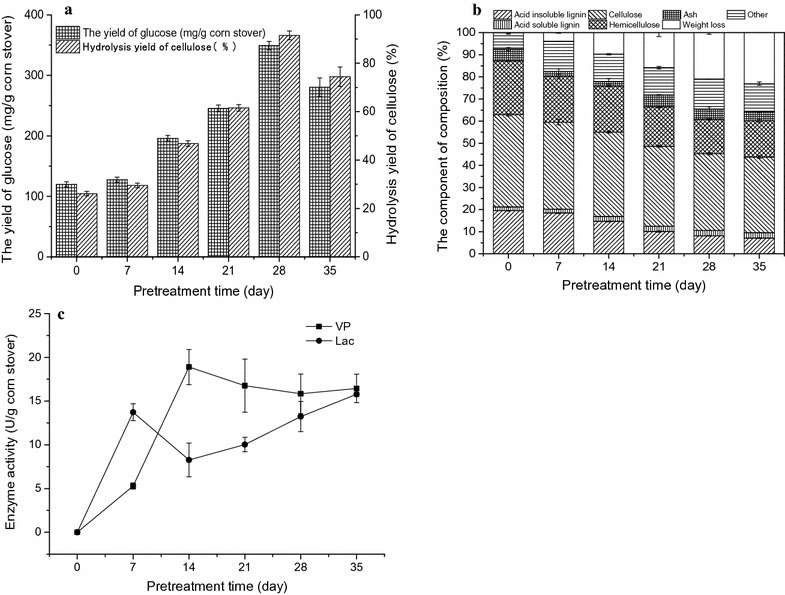
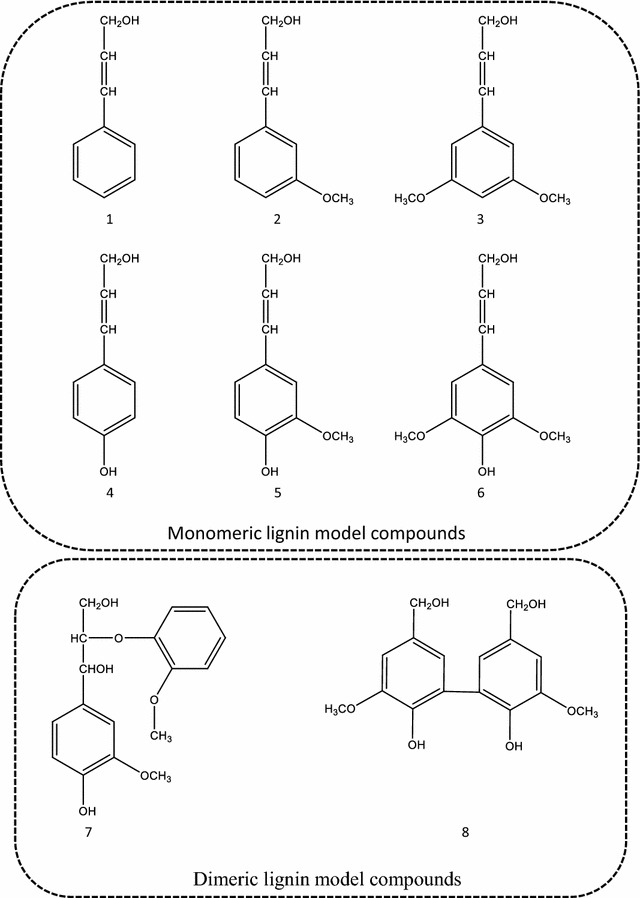
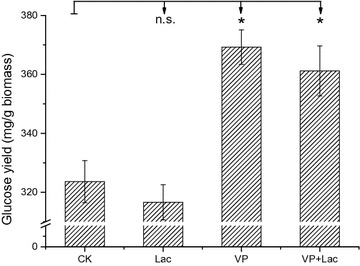
The selective lignin-degrading white-rot fungi are regarded to be the best lignin degraders and have been widely used for reducing the saccharification recalcitrance of lignocellulose. However, the biological delignification and conversion of lignocellulose in biorefinery is still limited. It is necessary to develop novel and more efficient bio-delignification systems. Physisporinus vitreus relies on a new versatile peroxidase (VP)-based delignification strategy to remove enzymatic recalcitrance of corn stover efficiently, so that saccharification of corn stover was significantly enhanced to 349.1 mg/g biomass (yield of glucose) and 91.5% (hydrolysis yield of cellulose) at 28 days, as high as levels reached by thermochemical treatment. Analysis of the lignin structure using pyrolysis–gas chromatography–mass spectrometry (Py–GC/MS) showed that the total abundance of lignin-derived compounds decreased by 54.0% and revealed a notable demethylation during lignin degradation by P. vitreus. Monomeric and dimeric lignin model compounds were used to confirm the ligninolytic capabilities of extracellular ligninases secreted by P. vitreus. The laccase (Lac) from P. vitreus could not oxidize nonphenolic lignin compounds and polymerized β-O-4 and 5-5′ dimers to precipitate which had a negative effect on the enzymatic hydrolysis of corn stover in vitro. However, the VP from P. vitreus could oxidize both phenolic and nonphenolic lignin model compounds as well as break the β-O-4 and 5-5′ dimers into monomeric compounds, which were measured by high-performance liquid chromatography–electrospray ionization–mass spectrometry (LC–ESI–MS). Moreover, we showed that addition of purified VP in vitro improved the enzymatic hydrolysis of corn stover by 14.1%. From the highly efficient system of enzymatic recalcitrance removal by new white-rot fungus, we identified a new delignification strategy based on VP which could oxidize both phenolic and nonphenolic lignin units and break different linkages in lignin. In addition, this is the first evidence that VP could break 5-5′ linkage efficiently in vitro. Moreover, VP improved the enzymatic hydrolysis of corn stover in vitro. The remarkable lignin-degradative potential makes VP attractive for biotechnological applications.
Overview
The claims and statistics of this paper haven’t been checked yet.
Free: it reads the open-access text and checks the first 5 claims that cite a source we can check. Create a free account to check every claim.
Integrity signals
Registry
Cites
Statistics
Figures
Verification
Claims the paper makes
The claims and statistics of this paper haven’t been checked yet.
Free: it reads the open-access text and checks the first 5 claims that cite a source we can check. Create a free account to check every claim.
Claims other papers make about this one
Each is checked against this paper’s own text: does it say what the citing paper says it does?
The source backs part of the claim, not all of it — or backs it for a different population, condition or comparison.
In the citing paper
“Lignin generated from bio-treatments (e.g., using cellular ligninolytic enzymes like laccase and peroxidases) can obtain certain structural modifications, of which the mechanism is based on the lignin structure oxidation and degradation (e.g., lignin side chains oxidation, demethoxylation, demethylation, and some linkages cleavage) [246–248].”
From A review on lignin pyrolysis: pyrolytic behavior, mechanism, and relevant upgrading for improving process efficiency (2022) · cites this paper as [246]
Experimental — accuracy not yet measured
Self-check
Percentages, sums and reported differences re-computed from the paper’s own numbers.
The self-check needs the paper’s full text.
Citations
Cites
GARDES, M., & BRUNS, T. D. (1993) · Molecular Ecology · doi:10.1111/j.1365-294x.1993.tb00005.x · Cited by 10,480 · cited 1×
“vitreus was further confirmed by comparing the nucleotide sequence of the internal transcribed spacer (ITS) region of the nuclear ribosomal RNA gene with that of related strains in the GenBank database [66, 67].”
BackgroundHydrolysis of lignocellulosic materials for ethanol production: a review
Sun, Y., & Cheng, J. (2002) · Bioresource Technology · doi:10.1016/s0960-8524(01)00212-7 · Cited by 6,070 · cited 1×
“However, most biological delignification processes have very low hydrolysis yields [10, 11]; thus, novel and more efficient bio-delignification systems are necessary.”
BackgroundAlvira, P., Tomás-Pejó, E., Ballesteros, M., & Negro, M. J. (2010) · Bioresource Technology · doi:10.1016/j.biortech.2009.11.093 · Cited by 3,912 · cited 2×
“does not produce inhibitors to fermentation [7].”
BackgroundMethods for Pretreatment of Lignocellulosic Biomass for Efficient Hydrolysis and Biofuel Production
Kumar, P., Barrett, D. M., Delwiche, M. J., & Stroeve, P. (2009) · Industrial & Engineering Chemistry Research · doi:10.1021/ie801542g · Cited by 3,772 · cited 4×
“The conversion of cellulose to glucose was higher than the fungal pretreatments reported previously [28, 29], and similar to that of biomass pretreated with thermochemical processes [5, 6, 30].”
BackgroundResultInfluentialLignin Biosynthesis and Structure
Vanholme, R., Demedts, B., Morreel, K., Ralph, J., & Boerjan, W. (2010) · Plant Physiology · doi:10.1104/pp.110.155119 · Cited by 2,664 · cited 1×
“31– 6), which represented three types of units in the lignin structure, are referred to as H, G, and S [52].”
BackgroundBiomass pretreatment: Fundamentals toward application
Agbor, V. B., Cicek, N., Sparling, R., Berlin, A., & Levin, D. B. (2011) · Biotechnology Advances · doi:10.1016/j.biotechadv.2011.05.005 · Cited by 1,985 · cited 2×
“The VP used in this study could oxidize nonphenolic lignin units and break main linkages in lignin, which possibly improves the accessibility of cellulase to cellulose within the biomass [2, 3, 63].”
BackgroundMethodLignocellulosic residues: Biodegradation and bioconversion by fungi
Sánchez, C. (2009) · Biotechnology Advances · doi:10.1016/j.biotechadv.2008.11.001 · Cited by 1,685 · cited 1×
“Laccases have a low redox potential, and it does not have sufficient energy to extract electrons from the nonphenolic aromatic substrates [54].”
Backgrounddel Río, J. C., Rencoret, J., Prinsen, P., Martínez, Á. T., Ralph, J., & Gutiérrez, A. (2012) · Journal of Agricultural and Food Chemistry · doi:10.1021/jf301002n · Cited by 835 · cited 1×
“In both samples, syringyl(S-) and guaiacyl (G-)-type phenols were released, with a predominance of the latter and similar distribution patterns, together with minor amounts of p-hydroxyphenyl (H-)-type phenols, which is in agreement with previous reports [46, 47].”
ResultHow Does Plant Cell Wall Nanoscale Architecture Correlate with Enzymatic Digestibility?
Ding, S.-Y., Liu, Y.-S., Zeng, Y., Himmel, M. E., Baker, J. O., & Bayer, E. A. (2012) · Science · doi:10.1126/science.1227491 · Cited by 738 · cited 2×
“The VP used in this study could oxidize nonphenolic lignin units and break main linkages in lignin, which possibly improves the accessibility of cellulase to cellulose within the biomass [2, 3, 63].”
BackgroundMethodJoelsson, E., Erdei, B., Galbe, M., & Wallberg, O. (2016) · Biotechnology for Biofuels · doi:10.1186/s13068-015-0423-8 · Cited by 669
Cited by
Lignin utilization: A review of lignin depolymerization from various aspects
Chio, C., Sain, M., & Qin, W. (2019) · Renewable and Sustainable Energy Reviews · doi:10.1016/j.rser.2019.03.008 · Cited by 1,209
“delignification of biomass and decolorization of industrial waste [228,229].”
Lu, X., & Gu, X. (2022) · Biotechnology for Biofuels and Bioproducts · doi:10.1186/s13068-022-02203-0 · Cited by 354
Weng, C., Peng, X., & Han, Y. (2021) · Biotechnology for Biofuels · doi:10.1186/s13068-021-01934-w · Cited by 345
Oxidoreductases and Reactive Oxygen Species in Conversion of Lignocellulosic Biomass
Bissaro, B., Várnai, A., Røhr, Å. K., & Eijsink, V. G. H. (2018) · Microbiology and Molecular Biology Reviews · doi:10.1128/mmbr.00029-18 · Cited by 303
Peroxidase enzymes as green catalysts for bioremediation and biotechnological applications: a review
Sellami, K., Couvert, A., Nasrallah, N., Maachi, R., Abouseoud, M., & Amrane, A. (2022) · Science of The Total Environment · doi:10.1016/j.scitotenv.2021.150500 · Cited by 205
Rath, S., Pradhan, D., Du, H., Mohapatra, S., & Thatoi, H. (2024) · Advanced Composites and Hybrid Materials · doi:10.1007/s42114-024-00836-3 · Cited by 194
“However, the impediments in production of these value-added products is the chemical structure of lignin that is not ideal for bioconversion, taking into account its inefficient fractionation, the poor lignin processibility, and lower yields of target products [76, 77].”
Liu, Z.-H., Hao, N., Wang, Y.-Y., Dou, C., Lin, F., Shen, R., Bura, R., Hodge, D. B., Dale, B. E., Ragauskas, A. J., et al. (2021) · Nature Communications · doi:10.1038/s41467-021-23920-4 · Cited by 190
Creative biological lignin conversion routes toward lignin valorization
Liu, Z.-H., Li, B.-Z., Yuan, J. S., & Yuan, Y.-J. (2022) · Trends in Biotechnology · doi:10.1016/j.tibtech.2022.09.014 · Cited by 188
Li, X., Shi, Y., Kong, W., Wei, J., Song, W., & Wang, S. (2022) · Energy Reports · doi:10.1016/j.egyr.2021.12.015 · Cited by 187
Self-citationEnzymatic saccharification of lignocellulosic biorefinery: Research focuses
Guo, H., Chang, Y., & Lee, D. (2017) · Bioresource Technology · doi:10.1016/j.biortech.2017.12.062 · Cited by 165
Organic solid waste biorefinery: Sustainable strategy for emerging circular bioeconomy in China
Duan, Y., Pandey, A., Zhang, Z., Awasthi, M. K., Bhatia, S. K., & Taherzadeh, M. J. (2020) · Industrial Crops and Products · doi:10.1016/j.indcrop.2020.112568 · Cited by 144
Singh, A. K., Bilal, M., Iqbal, H. M. N., & Raj, A. (2021) · International Journal of Biological Macromolecules · doi:10.1016/j.ijbiomac.2021.02.032 · Cited by 116
Saini, S., & Sharma, K. K. (2021) · International Journal of Biological Macromolecules · doi:10.1016/j.ijbiomac.2021.11.063 · Cited by 125
Microbial lignin peroxidases: Applications, production challenges and future perspectives
Biko, O. D., Viljoen‐Bloom, M., & van Zyl, W. H. (2020) · Enzyme and Microbial Technology · doi:10.1016/j.enzmictec.2020.109669 · Cited by 109
Anaerobic Digestion of Lignocellulosic Waste Materials
Kamperidou, V., & Terzopoulou, P. (2021) · Sustainability · doi:10.3390/su132212810 · Cited by 105
Impact of Antibiotics as Waste, Physical, Chemical, and Enzymatical Degradation: Use of Laccases
Mora-Gamboa, M. P. C., Rincón-Gamboa, S. M., Ardila-Leal, L. D., Poutou‐Piñales, R. A., Pedroza-Rodríguez, A. M., & Quevedo-Hidalgo, B. E. (2022) · Molecules · doi:10.3390/molecules27144436 · Cited by 100
Lignin depolymerization and biotransformation to industrially important chemicals/biofuels
Radhika, N. L., Sachdeva, S., & Kumar, M. (2022) · Fuel · doi:10.1016/j.fuel.2021.122935 · Cited by 88
Li, F., Ma, F., Zhao, H., Zhang, S., Wang, L., Zhang, X., & Yu, H. (2019) · Applied and Environmental Microbiology · doi:10.1128/aem.02803-18 · Cited by 90
Self-citationVenkatesagowda, B., & Dekker, R. F. H. (2021) · Enzyme and Microbial Technology · doi:10.1016/j.enzmictec.2021.109780 · Cited by 78
Hasanin, M. S., Darwesh, O. M., Matter, I. A., & El‐Saied, H. (2018) · Biocatalysis and Agricultural Biotechnology · doi:10.1016/j.bcab.2018.11.012 · Cited by 80
Park, G. W., Gong, G., Joo, J. C., Song, J., Lee, J., Lee, J.-P., Kim, H. T., Ryu, M. H., Sirohi, R., Zhuang, X., et al. (2021) · Renewable and Sustainable Energy Reviews · doi:10.1016/j.rser.2021.112025 · Cited by 80
Challenges of Biomass Utilization for Bioenergy in a Climate Change Scenario
de Freitas, E. N., Salgado, J. C. S., Alnoch, R. C., Contato, A. G., Habermann, E., Michelin, M., Martínez, C. A., & Polizeli, M. D. L. T. D. M. (2021) · Biology · doi:10.3390/biology10121277 · Cited by 79
Fungal co-cultures in the lignocellulosic biorefinery context: A review
Sperandio, G. B., & Filho, E. X. F. (2019) · International Biodeterioration & Biodegradation · doi:10.1016/j.ibiod.2019.05.014 · Cited by 78
Extremophiles and extremozymes in lignin bioprocessing
Zhu, D., Qaria, M. A., Zhu, B., Sun, J., & Yang, B. (2022) · Renewable and Sustainable Energy Reviews · doi:10.1016/j.rser.2021.112069 · Cited by 68
Yoav, S., Salame, T. M., Feldman, D., Levinson, D., Ioelovich, M., Morag, E., Yarden, O., Bayer, E. A., & Hadar, Y. (2018) · Biotechnology for Biofuels · doi:10.1186/s13068-018-1209-6 · Cited by 75
Bioethanol a Microbial Biofuel Metabolite; New Insights of Yeasts Metabolic Engineering
Selim, K. A., El-Ghwas, D. E., Easa, S., & Hassan, M. I. A. (2018) · Fermentation · doi:10.3390/fermentation4010016 · Cited by 73
Enzymatic demethylation of lignin for potential biobased polymer applications
Venkatesagowda, B. (2019) · Fungal Biology Reviews · doi:10.1016/j.fbr.2019.06.002 · Cited by 50
Ullah, M., Liu, P., Xie, S., & Sun, S. (2022) · Molecules · doi:10.3390/molecules27186055 · Cited by 65
Use of bacteria for improving the lignocellulose biorefinery process: importance of pre-erosion
Zhuo, S., Xu, Y., Liu, D., Si, M., Zhang, K., Liu, M., Peng, B., & Shi, Y. (2018) · Biotechnology for Biofuels · doi:10.1186/s13068-018-1146-4 · Cited by 56
Gao, Y., Shah, K., Kwok, I. Y., Wang, M., Rome, L. H., & Mahendra, S. (2022) · Biotechnology Advances · doi:10.1016/j.biotechadv.2022.107936 · Cited by 56
Bilal, M., Qamar, S. A., Yadav, V., Cheng, H., Khan, M., Adil, S. F., Taherzadeh, M. J., & Iqbal, H. M. N. (2021) · Journal of Cleaner Production · doi:10.1016/j.jclepro.2021.129420 · Cited by 63
Ma, J., Yue, H., Li, H., Zhang, J., Zhang, Y., Wang, X., Gong, S., & Liu, G. (2021) · Biotechnology for Biofuels · doi:10.1186/s13068-021-01986-y · Cited by 55
Self-citationAn overview of Trichoderma reesei co-cultures for the production of lignocellulolytic enzymes
Sperandio, G. B., & Filho, E. X. F. (2021) · Applied Microbiology and Biotechnology · doi:10.1007/s00253-021-11261-7 · Cited by 51
“reesei is a good cellulose degrader, but lacks enzymes responsible for lignin degradation, which are present in white rot fungi (Kong et al. 2017).”
BackgroundProteomic researches for lignocellulose-degrading enzymes: A mini-review
Guo, H., Wang, X., & Lee, D. (2018) · Bioresource Technology · doi:10.1016/j.biortech.2018.05.101 · Cited by 52
Karnaouri, A., Antonopoulou, I., Zerva, A., Dimarogona, M., Topakas, E., Rova, U., & Christakopoulos, P. (2019) · Bioresource Technology · doi:10.1016/j.biortech.2019.01.062 · Cited by 55
Singh, A. K., Iqbal, H. M. N., Cardullo, N., Muccilli, V., Fernández‐Lucas, J., Schmidt, J. E., Jesionowski, T., & Bilal, M. (2023) · International Journal of Biological Macromolecules · doi:10.1016/j.ijbiomac.2023.124968 · Cited by 47
Biocatalysis for Lignin Conversion and Valorization: Driving Sustainability in the Circular Economy
Nargotra, P., Sharma, V., Wang, H., Shieh, C., Liu, Y., & Kuo, C. (2025) · Catalysts · doi:10.3390/catal15010091 · Cited by 37
Sun, S., Li, F., Li, M., Zhang, W., Jiang, Z., Zhao, H., Pu, Y., Ragauskas, A. J., Dai, S. Y., Zhang, X., et al. (2023) · iScience · doi:10.1016/j.isci.2023.107870 · Cited by 36
“20 The oxidation rate of the compound was calculated as: oxidation rate (”
Self-citationHeterologous Expression of Lignocellulose-Modifying Enzymes in Microorganisms: Current Status
Lopes, A. M. M., Martins, M., & Goldbeck, R. (2021) · Molecular Biotechnology · doi:10.1007/s12033-020-00288-2 · Cited by 37
Utility of lignin‐modifying enzymes: a green technology for organic compound mycodegradation
Dhagat, S., & Eswari, S. (2021) · Journal of Chemical Technology & Biotechnology · doi:10.1002/jctb.6807 · Cited by 30
Extracellular Fungal Peroxidases and Laccases for Waste Treatment: Recent Improvement
Shanmugapriya, S., Manivannan, G., Selvakumar, G., & Sivakumar, N. (2019) · Fungal biology · doi:10.1007/978-3-030-25506-0_6 · Cited by 34
Advances in Catalytic Depolymerization of Lignin
Wan, Z., Zhang, H., Guo, Y., & Li, H. (2022) · ChemistrySelect · doi:10.1002/slct.202202582 · Cited by 35
Fu, X. Y., Zhang, J., Gu, X., Yu, H., & Chen, S. (2021) · Biotechnology for Biofuels · doi:10.1186/s13068-021-02024-7 · Cited by 31
“01 mM/g biomass) and treatment time were chosen based on the optimal results of previous experiments [9, 15].”
MethodSelf-citationEnzymatic treatment improves fast pyrolysis product selectivity of softwood and hardwood lignin
Wang, L., Ni, H., Zhang, J., Shi, Q., Zhang, R., Yu, H., & Li, M. (2020) · Science of The Total Environment · doi:10.1016/j.scitotenv.2020.137241 · Cited by 25
Self-citationXiao, Q., Yu, H., Zhang, J., Li, F., Li, C., Zhang, X., & Ma, F. (2018) · Industrial Crops and Products · doi:10.1016/j.indcrop.2018.12.057 · Cited by 29
Self-citationZhou, Q., Fransen, A., & de Winde, J. H. (2025) · Microorganisms · doi:10.3390/microorganisms13040935 · Cited by 26
“Amongst fungi, the versatile peroxidases (VPs) in Physisporinus vitreus , were also observed to cleave the 5-5 bond of dehydrodivanillic alcohol (5-5 ′ dimer) in vitro for the first time [119].”
Valadares, F. L., Gonçalves, T. A., Damásio, A., Milagres, A. M., Squina, F. M., Segato, F., & Ferraz, A. (2019) · Enzyme and Microbial Technology · doi:10.1016/j.enzmictec.2019.109370 · Cited by 21
Vaporization thermodynamics of compounds modeling lignin structural units
Russo, A. Y., Konnova, M. E., Andreeva, I. V., & Verevkin, S. P. (2019) · Fluid Phase Equilibria · doi:10.1016/j.fluid.2019.03.004 · Cited by 20
Álvarez, C., Duque, A., Sánchez-Monedero, A., González, E. J., González‐Miquel, M., & Cañadas, R. (2024) · Processes · doi:10.3390/pr12112514 · Cited by 23
Nie, H., Nie, M., Diwu, Z., Wang, L., Qiao, Q., Zhang, B., & Yang, X. (2020) · Environmental Research · doi:10.1016/j.envres.2020.110159 · Cited by 19
Self-citationGopalakrishnan, R. M., Manavalan, T., Ramesh, J., Thangavelu, K. P., & Heese, K. (2020) · Microorganisms · doi:10.3390/microorganisms8020159 · Cited by 19
“These advantages have drawn attention to delignification applications using VP [18,19].”
BackgroundMicrobe assisted depolymerization of lignin rich waste and its conversion to gaseous biofuel
Radhika, N. L., Sachdeva, S., & Kumar, M. (2021) · Journal of Environmental Management · doi:10.1016/j.jenvman.2021.113684 · Cited by 22
Bronikowski, A., Koschorreck, K., & Urlacher, V. B. (2018) · ChemBioChem · doi:10.1002/cbic.201800500 · Cited by 19
Mohammadi, M., Soleimani, A., Lin, Y., Alian, M., Hosseinzadeh, H., Suman, S. K., Rahimi, M., & Balan, V. (2025) · Biotechnology Advances · doi:10.1016/j.biotechadv.2025.108647 · Cited by 18
Ijoma, G. N., Heri, S. M., Matambo, T. S., & Tekere, M. (2021) · Journal of Fungi · doi:10.3390/jof7090700 · Cited by 20
Kang, B. R., Kim, M. S., & Lee, T. K. (2019) · Microorganisms · doi:10.3390/microorganisms7080264 · Cited by 11
Microbial conversion of biomass to value-added chemicals
Rabha, J., Devi, S. P., Das, S., Roy, N., & Jha, D. K. (2023) · Elsevier eBooks · doi:10.1016/b978-0-323-89928-4.00018-3 · Cited by 22
Zhuo, S., Peng, B., Xu, Y., Zhang, K., Si, M., Liu, M., & Shi, Y. (2018) · Process Biochemistry · doi:10.1016/j.procbio.2018.09.012 · Cited by 9
Kong, W., Wang, S., Zhang, X., Fu, X. Y., & Zhang, W. (2022) · Journal of Fungi · doi:10.3390/jof9010043 · Cited by 8
Self-citationWang, Y., Wang, C., Ma, Z., Qin, L., Xu, L., Zhao, P., & Li, K. (2025) · Biomass and Bioenergy · doi:10.1016/j.biombioe.2025.108231 · Cited by 10
A cellulosomal yeast reaction system of lignin-degrading enzymes for cellulosic ethanol fermentation
Ye, Y., Liu, H., Wang, Z., Qi, Q., Du, J., & Tian, S. (2024) · Biotechnology Letters · doi:10.1007/s10529-024-03485-0 · Cited by 7
“…oxidase that catalyzes the oxidation of various phenolic and non-phenolic substrates associated with the lignin structure and can degrade melanin and three typical phenolic lignin model compounds, including p-coumaric acid, ferulic acid, erucic acid (Kong et al. 2017; Shin et al. 2019).”
Anaerobic Digestion of Lignocellulosic Substrates: Benefits of Pre-Treatments
Principi, P., König, R., & Cuomo, M. (2019) · Current Sustainable/Renewable Energy Reports · doi:10.1007/s40518-019-00131-6 · Cited by 8
Towle, Z., Cruickshank, F. L., Mackay, C. L., Clarke, D. J., & Horsfall, L. (2024) · The Analyst · doi:10.1039/d4an00124a · Cited by 8
Coelho, B. C. S., da Silva, D. M. M. C., Hermosilla, E., Teixeira, R. S. S., Bon, E. P. S., Diez, M. C., Ferreira-Leitão, V. S., & da Silva, A. S. (2022) · Waste and Biomass Valorization · doi:10.1007/s12649-022-01834-6 · Cited by 6
“Thus, ligninolytic fungi, also known as white-rot fungi, can excrete ligninolytic enzymes (laccases and peroxidases) coupled with low production of cellulases, resulting in lignin removal and minor degradation of the biomass cellulosic fraction [13, 14].”
BackgroundYang, W., Deng, Y., Wang, Z., Zhou, Q., Wang, L., Tan, J., Zhang, Q., Luo, X., Zhou, W., & Xu, C. (2025) · International Journal of Biological Macromolecules · doi:10.1016/j.ijbiomac.2025.146014 · Cited by 5
Self-citationMohotloane, M. M., Alexander, O. T., Pletschke, B. I., & Mafa, M. S. (2023) · Biologia · doi:10.1007/s11756-023-01424-4 · Cited by 4
“Agricultural wastes such as rooibos (Aspalathus linearis) residues are carbon-rich biomass that can be used to produce second-generation biofuels without affecting food supply due to their high abundance (Kong et al. 2017; Malhotra and Suman 2021).”
BackgroundInfluentialMohotloane, M. M., Alexander, O. T., Adoons, V. N., Pletschke, B. I., & Mafa, M. S. (2024) · Carbohydrate Polymer Technologies and Applications · doi:10.1016/j.carpta.2024.100426 · Cited by 7
Yuan, R., Wu, Q., Li, J., Niu, D., Ren, J., Lei, T., Huhe, T., & Chen, Y. (2025) · Chemical Engineering Journal · doi:10.1016/j.cej.2025.166913 · Cited by 4
Nawaz, A., Mukhtar, H., Haq, I. U., Mazhar, Z., & Mumtaz, M. W. (2019) · Current Organic Chemistry · doi:10.2174/1385272823666190722163046 · Cited by 5
Alhujaily, A., Mawad, A. M. M., Albasri, H. M., & Ma, F. (2024) · World Journal of Microbiology and Biotechnology · doi:10.1007/s11274-024-03953-9 · Cited by 4
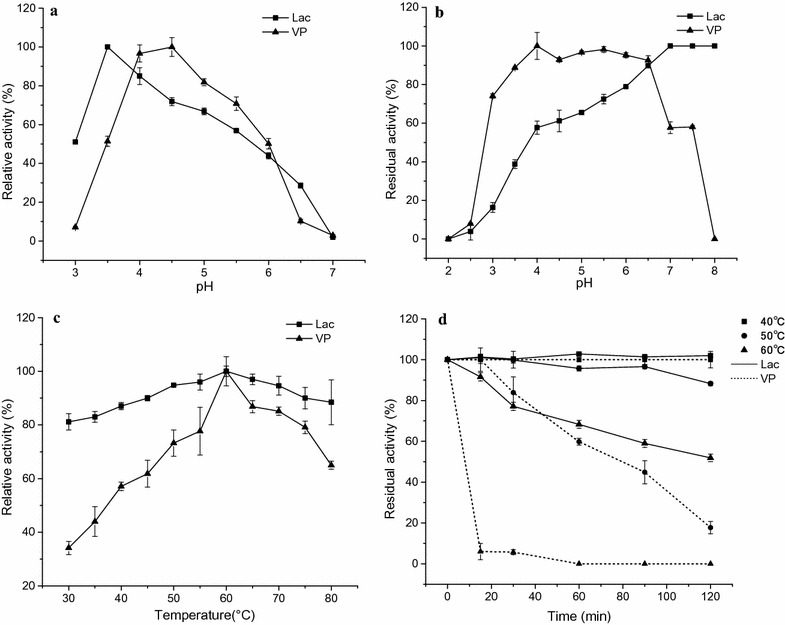
“At the optimal pH and temperature that was previously applied by the authors (Kong et al. 2017), the impact of various metal ions (CuSO 4, FeSO 4, MnSO 4, MgSO 4, NaCl, KCl, ZnCl 2, NiCl 2, CoCl 2 and HgCl 2 ) on the activity of purified PHYS-L was determined at concentrations of 1 mM, 5 mM and 10…”
Self-citationJohnson, J., & Choi, K. (2021) · 3 Biotech · doi:10.1007/s13205-021-02902-9 · Cited by 3
Afrakomah, G. S., Afedzi, A. E. K., Gyan, K., Puthson, P., Wanmolee, W., & Parakulsuksatid, P. (2025) · Bioresource Technology Reports · doi:10.1016/j.biteb.2025.102189 · Cited by 4
Lignin Synthesis and Degradation
Ahuja, V., & Roy, R. (2020) · Springer series on polymer and composite materials · doi:10.1007/978-3-030-40663-9_3 · Cited by 3
Spasojević, D., Prodanović, O., Mutavdžić, D. R., Šekuljica, N. Ž., Jovanović, J. R., Maksimović, V. M., & Radotić, K. (2023) · Biotechnology Journal · doi:10.1002/biot.202300312 · Cited by 3
Tajrishi, I. Z., Oladi, R., Tarmian, A., & Bari, E. (2023) · Wood Material Science and Engineering · doi:10.1080/17480272.2023.2291539 · Cited by 2
“The selective delignification by P. vitreus is attributed to its unique enzymatic system that involves the interplay of various enzymes, with versatile peroxidase and laccase playing crucial roles (Schwarze and Schubert 2011, Kong 2017).”
Research progress on white-rot fungi pretreatment of lignocellulose based on bibliometric analysis
Yuan, R., Wu, Q., Li, J., Niu, D., Ren, J., & Huhe, T. (2026) · Systems Microbiology and Biomanufacturing · doi:10.1007/s43393-026-00435-x · Cited by 1
“Moreover, researchers Xiaoyu Fuying Ma, and Hongbo from Huazhong University of Science and Technology have investigated WRF lignin degradation and its mechanisms [19, 30].”
Bioprospecting of microorganisms with lignocellulolytic enzyme activity for leaf litter degradation
Priyanka, S. A., Subhashini, R., Jayashree, R., & Vendan, R. T. (2021) · The Pharma Innovation · doi:10.22271/tpi.2021.v10.i11g.8702 · Cited by 1
Microbial-Assisted Systems for Lignin-Based Product Generation
Jha, H., & Arora, R. (2022) · Springer eBooks · doi:10.1007/978-981-16-5214-1_19 · Cited by 1
Biovolarization: a microbial miracle
Belorkar, S. A. (2020) · Elsevier eBooks · doi:10.1016/b978-0-12-819597-0.00007-6
The Route of Lignin Biodegradation for Its Valorization
Qiu, W. (2021) · Springer eBooks · doi:10.1007/978-3-030-65584-6_12
de Freitas, E. N. (2021) · Digital Library of Theses and Dissertations (Universidade de São Paulo) · doi:10.11606/t.17.2021.tde-11042022-140556
Fungal enzymes and biotechnological approaches to enhance their production in yeasts
Chityala, S., Nandana, V., & Jayachandran, D. (2023) · Elsevier eBooks · doi:10.1016/b978-0-323-95449-5.00001-1 · Cited by 5
Microbial Production of Critical Enzymes of Lignolytic Functions
Indira, M., Krupanidhi, S., Prabhakar, K., Venkateswarulu, T. C., & Peele, K. A. (2023) · Wiley eBooks · doi:10.1002/9781119874096.ch8
Lignin Depolymerization Technologies
Bajpai, P. (2023) · Wiley eBooks · doi:10.1002/9781394191666.ch3
Ma, J., Yue, H., Li, H., Zhang, J., Zhang, Y., Wang, X., Gong, S., & Liu, G. (2021) · Figshare · doi:10.6084/m9.figshare.14775402
Self-citationMa, J., Yue, H., Li, H., Zhang, J., Zhang, Y., Wang, X., Gong, S., & Liu, G. (2021) · Figshare · doi:10.6084/m9.figshare.14775405
Self-citationMa, J., Yue, H., Li, H., Zhang, J., Zhang, Y., Wang, X., Gong, S., & Liu, G. (2021) · Figshare · doi:10.6084/m9.figshare.14775399
Self-citationMa, J., Yue, H., Li, H., Zhang, J., Zhang, Y., Wang, X., Gong, S., & Liu, G. (2021) · Figshare · doi:10.6084/m9.figshare.14775408
Self-citationMa, J., Yue, H., Li, H., Zhang, J., Zhang, Y., Wang, X., Gong, S., & Liu, G. (2021) · Figshare · doi:10.6084/m9.figshare.14775396
Self-citationEnzymatic and Microbial-Based Systems for Bioremediation of Wastewater
Suhaimi, S., Ramlee, N. N., & Rahman, N. H. A. (2025) · Springer eBooks · doi:10.1007/978-981-96-6699-7_15 · Cited by 3
Functionalization of Lignin by Demethylation
Zhao, Y., Liu, L., Khong, H. Y., Fong, I. L., & Zhang, B. (2025) · Springer eBooks · doi:10.1007/978-981-97-2664-6_31-1
753 Biobased levulinic acidlevulinic acid production
Boumghar, Y., & Benyagoub, M. (2025) · De Gruyter eBooks · doi:10.1515/9783111383446-003
Bajpai, P. (2025) · Elsevier eBooks · doi:10.1016/b978-0-443-27463-3.00011-3
Functionalization of Lignin by Demethylation
Zhao, Y., Liu, L., Khong, H. Y., Fong, I. L., & Zhang, B. (2025) · Springer eBooks · doi:10.1007/978-981-96-7633-0_31
Fu, X., Zhang, J., Gu, X., Yu, H., & Chen, S. (2021) · Figshare · doi:10.6084/m9.figshare.16575726
Self-citationMa, J., Yue, H., Li, H., Zhang, J., Zhang, Y., Wang, X., Gong, S., & Liu, G.-Q. (2021) · Figshare · doi:10.6084/m9.figshare.14775414
Self-citationMa, J., Yue, H., Li, H., Zhang, J., Zhang, Y., Wang, X., Gong, S., & Liu, G.-Q. (2021) · Figshare · doi:10.6084/m9.figshare.14775387
Self-citationMa, J., Yue, H., Li, H., Zhang, J., Zhang, Y., Wang, X., Gong, S., & Liu, G.-Q. (2021) · Figshare · doi:10.6084/m9.figshare.14775417
Self-citationMa, J., Yue, H., Li, H., Zhang, J., Zhang, Y., Wang, X., Gong, S., & Liu, G. (2021) · Figshare · doi:10.6084/m9.figshare.14775390
Self-citation
Metadata
- Authors
- Kong, W., Fu, X., Wang, L., Alhujaily, A., Zhang, J., Ma, F., Zhang, X., & Yu, H.
- Affiliations
- Huazhong University of Science and Technology (CN)
- Wuhan University of Technology (CN)
- Corresponding author
- Yu, Hongbo
- Venue
- Biotechnology for Biofuels
- Published
- 2017-09-13
- Volume
- 10
- Issue
- 1
- Pages
- 218-218
- ISSN
- 1754-6834 (ISSN-L)
- PMC
- PMC5598073
- OpenAlex
- W2755736165
- Cited by
- 103
- References
- 77
- Citations by year
- 2026: 6 · 2025: 12 · 2024: 6 · 2023: 9 · 2022: 11 · 2021: 30 · 2020: 8 · 2019: 11 · 2018: 9 · 2017: 1
- FWCI
- 3.57
- Type
- journal article
- Language
- en
- Open access
- gold
- doi.org
- Licence
- cc-by
- Locations
- Biotechnology for Biofuels (publishedVersion, cc-by)
- Europe PMC (PubMed Central) (publishedVersion, cc-by)
- PubMed Central (publishedVersion, cc-by)
- PubMed (publishedVersion)
- DOAJ (DOAJ: Directory of Open Access Journals) (submittedVersion, cc-by-sa)
- Funders
- National Natural Science Foundation of China (31570577, 21404083)
- China Postdoctoral Science Foundation (2016M602278)
- Topics
- Physical Sciences › Engineering › Biomedical Engineering › Biofuel production and bioconversion
- Physical Sciences › Chemical Engineering › Process Chemistry and Technology › Lignin and Wood Chemistry
- Life Sciences › Immunology and Microbiology › Applied Microbiology and Biotechnology › Enzyme-mediated dye degradation
- Keywords
- versatile peroxidase, Physisporinus vitreus, white-rot fungi, lignocellulose conversion, corn stover, enzymatic saccharification, lignin demethylation, β-O-4 linkages, lignin model compounds, laccase, lignin degradation
About these checks
Registry, retraction, Cites and statistics results are computed, not judged, with one exception: a printed reference that no index lists is read once by a model before it counts as a citation error. Claims are extracted by a model and kept only when their quote appears verbatim in the text; each cited source is then checked, with a model’s help, for whether it says what the claim relies on. Those verdicts can be wrong — read the claim’s quote and the cited source before relying on one.
Statistics and arithmetic are recomputed, not judged.
Confidence bands are shown only for fields calibrated on our annotated test set. None is calibrated yet, so no band is shown.
What counts as a claim ›How we measure confidence ›How we check this ›
Are you an author, or do you see a problem with this page? Request a review
Data sources
Bibliographic data: Semantic Scholar, OpenAlex, Crossref.
Contains information from the Semantic Scholar Academic Graph Datasets, made available under the ODC Attribution License (ODC-BY 1.0).
Semantic Scholar’s data is described in: Kinney, R., et al. (2023). The Semantic Scholar Open Data Platform. arXiv:2301.10140.
