

A novel and efficient fungal delignification strategy based on versatile peroxidase for lignocellulose bioconversion
Open accessThe DOI matches its Crossref record; 77 of the 77 references it cites were found in a registry or an index.
Abstract
The selective lignin-degrading white-rot fungi are regarded to be the best lignin degraders and have been widely used for reducing the saccharification recalcitrance of lignocellulose. However, the biological delignification and conversion of lignocellulose in biorefinery is still limited. It is necessary to develop novel and more efficient bio-delignification systems. Physisporinus vitreus relies on a new versatile peroxidase (VP)-based delignification strategy to remove enzymatic recalcitrance of corn stover efficiently, so that saccharification of corn stover was significantly enhanced to 349.1 mg/g biomass (yield of glucose) and 91.5% (hydrolysis yield of cellulose) at 28 days, as high as levels reached by thermochemical treatment. Analysis of the lignin structure using pyrolysis–gas chromatography–mass spectrometry (Py–GC/MS) showed that the total abundance of lignin-derived compounds decreased by 54.0% and revealed a notable demethylation during lignin degradation by P. vitreus. Monomeric and dimeric lignin model compounds were used to confirm the ligninolytic capabilities of extracellular ligninases secreted by P. vitreus. The laccase (Lac) from P. vitreus could not oxidize nonphenolic lignin compounds and polymerized β-O-4 and 5-5′ dimers to precipitate which had a negative effect on the enzymatic hydrolysis of corn stover in vitro. However, the VP from P. vitreus could oxidize both phenolic and nonphenolic lignin model compounds as well as break the β-O-4 and 5-5′ dimers into monomeric compounds, which were measured by high-performance liquid chromatography–electrospray ionization–mass spectrometry (LC–ESI–MS). Moreover, we showed that addition of purified VP in vitro improved the enzymatic hydrolysis of corn stover by 14.1%. From the highly efficient system of enzymatic recalcitrance removal by new white-rot fungus, we identified a new delignification strategy based on VP which could oxidize both phenolic and nonphenolic lignin units and break different linkages in lignin. In addition, this is the first evidence that VP could break 5-5′ linkage efficiently in vitro. Moreover, VP improved the enzymatic hydrolysis of corn stover in vitro. The remarkable lignin-degradative potential makes VP attractive for biotechnological applications.
Overview
The claims and statistics of this paper haven’t been checked yet.
Free: it reads the open-access text and checks the first 5 claims that cite a source we can check. Create a free account to check every claim.
Integrity signals
Registry
Cites
Statistics
Figures
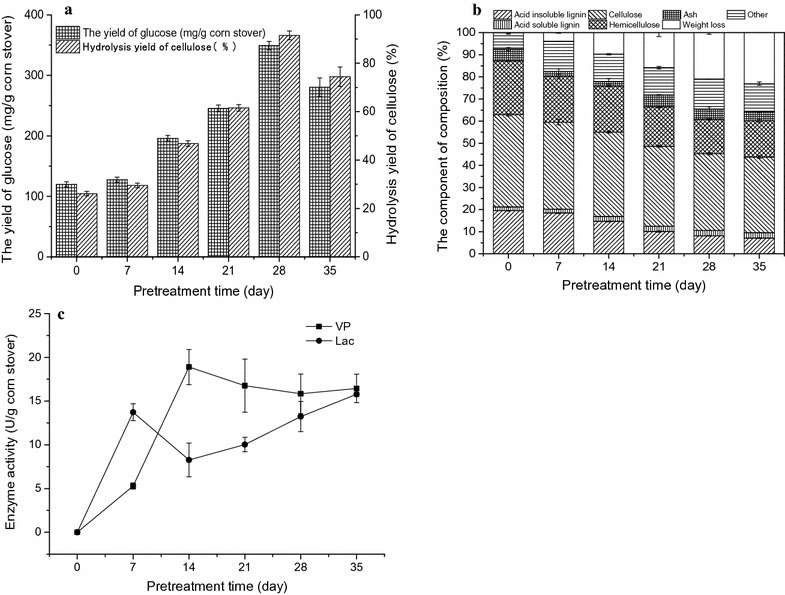
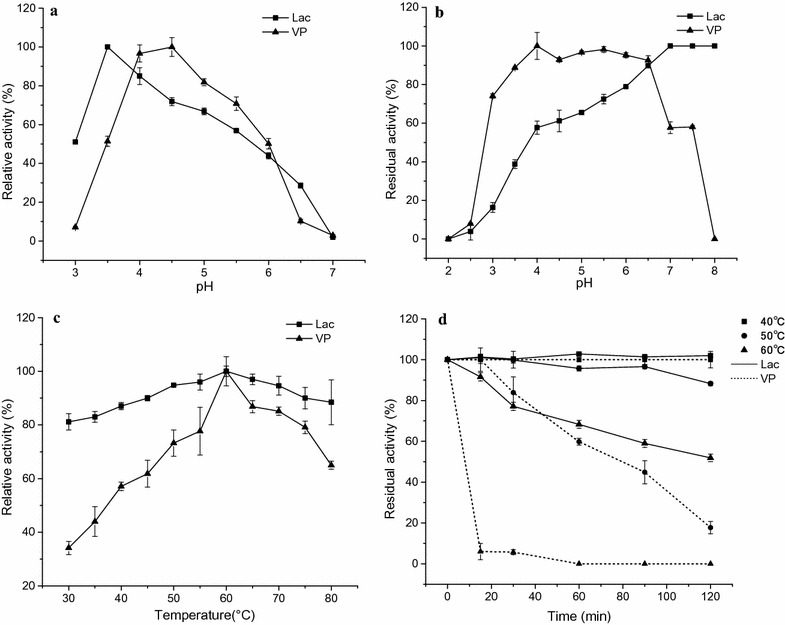
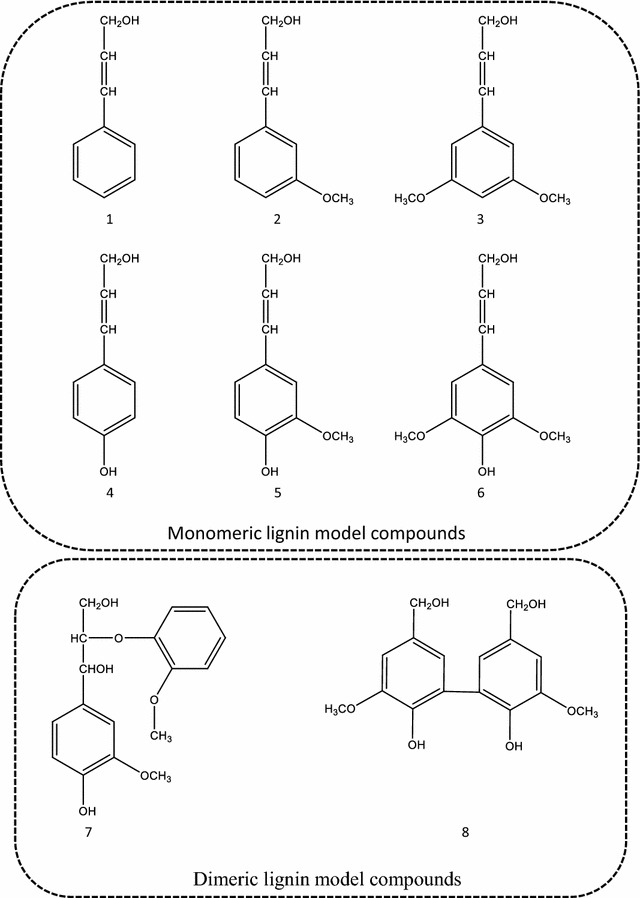
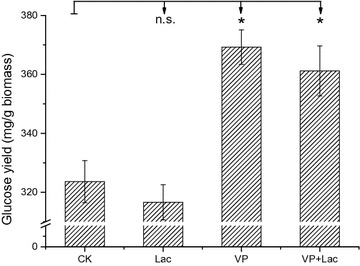
Verification
Claims the paper makes
The claims and statistics of this paper haven’t been checked yet.
Free: it reads the open-access text and checks the first 5 claims that cite a source we can check. Create a free account to check every claim.
Claims other papers make about this one
Each is checked against this paper’s own text: does it say what the citing paper says it does?
The source backs part of the claim, not all of it — or backs it for a different population, condition or comparison.
In the citing paper
“Lignin generated from bio-treatments (e.g., using cellular ligninolytic enzymes like laccase and peroxidases) can obtain certain structural modifications, of which the mechanism is based on the lignin structure oxidation and degradation (e.g., lignin side chains oxidation, demethoxylation, demethylation, and some linkages cleavage) [246–248].”
From A review on lignin pyrolysis: pyrolytic behavior, mechanism, and relevant upgrading for improving process efficiency (2022) · cites this paper as [246]
Experimental — accuracy not yet measured
Self-check
Percentages, sums and reported differences re-computed from the paper’s own numbers.
The self-check needs the paper’s full text.
Citations
Cites
GARDES, M., & BRUNS, T. D. (1993) · Molecular Ecology · doi:10.1111/j.1365-294x.1993.tb00005.x · Cited by 10,480 · cited 1×
“vitreus was further confirmed by comparing the nucleotide sequence of the internal transcribed spacer (ITS) region of the nuclear ribosomal RNA gene with that of related strains in the GenBank database [66, 67].”
BackgroundHydrolysis of lignocellulosic materials for ethanol production: a review
Sun, Y., & Cheng, J. (2002) · Bioresource Technology · doi:10.1016/s0960-8524(01)00212-7 · Cited by 6,070 · cited 1×
“However, most biological delignification processes have very low hydrolysis yields [10, 11]; thus, novel and more efficient bio-delignification systems are necessary.”
BackgroundAlvira, P., Tomás-Pejó, E., Ballesteros, M., & Negro, M. J. (2010) · Bioresource Technology · doi:10.1016/j.biortech.2009.11.093 · Cited by 3,912 · cited 2×
“does not produce inhibitors to fermentation [7].”
BackgroundMethods for Pretreatment of Lignocellulosic Biomass for Efficient Hydrolysis and Biofuel Production
Kumar, P., Barrett, D. M., Delwiche, M. J., & Stroeve, P. (2009) · Industrial & Engineering Chemistry Research · doi:10.1021/ie801542g · Cited by 3,772 · cited 4×
“The conversion of cellulose to glucose was higher than the fungal pretreatments reported previously [28, 29], and similar to that of biomass pretreated with thermochemical processes [5, 6, 30].”
BackgroundResultInfluentialLignin Biosynthesis and Structure
Vanholme, R., Demedts, B., Morreel, K., Ralph, J., & Boerjan, W. (2010) · Plant Physiology · doi:10.1104/pp.110.155119 · Cited by 2,664 · cited 1×
“31– 6), which represented three types of units in the lignin structure, are referred to as H, G, and S [52].”
BackgroundBiomass pretreatment: Fundamentals toward application
Agbor, V. B., Cicek, N., Sparling, R., Berlin, A., & Levin, D. B. (2011) · Biotechnology Advances · doi:10.1016/j.biotechadv.2011.05.005 · Cited by 1,985 · cited 2×
“The VP used in this study could oxidize nonphenolic lignin units and break main linkages in lignin, which possibly improves the accessibility of cellulase to cellulose within the biomass [2, 3, 63].”
BackgroundMethodLignocellulosic residues: Biodegradation and bioconversion by fungi
Sánchez, C. (2009) · Biotechnology Advances · doi:10.1016/j.biotechadv.2008.11.001 · Cited by 1,685 · cited 1×
“Laccases have a low redox potential, and it does not have sufficient energy to extract electrons from the nonphenolic aromatic substrates [54].”
Backgrounddel Río, J. C., Rencoret, J., Prinsen, P., Martínez, Á. T., Ralph, J., & Gutiérrez, A. (2012) · Journal of Agricultural and Food Chemistry · doi:10.1021/jf301002n · Cited by 835 · cited 1×
“In both samples, syringyl(S-) and guaiacyl (G-)-type phenols were released, with a predominance of the latter and similar distribution patterns, together with minor amounts of p-hydroxyphenyl (H-)-type phenols, which is in agreement with previous reports [46, 47].”
ResultHow Does Plant Cell Wall Nanoscale Architecture Correlate with Enzymatic Digestibility?
Ding, S.-Y., Liu, Y.-S., Zeng, Y., Himmel, M. E., Baker, J. O., & Bayer, E. A. (2012) · Science · doi:10.1126/science.1227491 · Cited by 738 · cited 2×
“The VP used in this study could oxidize nonphenolic lignin units and break main linkages in lignin, which possibly improves the accessibility of cellulase to cellulose within the biomass [2, 3, 63].”
BackgroundMethodJoelsson, E., Erdei, B., Galbe, M., & Wallberg, O. (2016) · Biotechnology for Biofuels · doi:10.1186/s13068-015-0423-8 · Cited by 669
New and classic families of secreted fungal heme peroxidases
Hofrichter, M., Ullrich, R., Pecyna, M. J., Liers, C., & Lundell, T. (2010) · Applied Microbiology and Biotechnology · doi:10.1007/s00253-010-2633-0 · Cited by 527
Pollegioni, L., Tonin, F., & Rosini, E. (2015) · The FEBS Journal · doi:10.1111/febs.13224 · Cited by 492
Cell wall structural changes in wheat straw pretreated for bioethanol production
Kristensen, J. B., Thygesen, L. G., Felby, C., Jorgensen, H., & Elder, T. (2008) · Biotechnology for Biofuels · doi:10.1186/1754-6834-1-5 · Cited by 482 · cited 1×
“This allowed more cellulase to infiltrate into the lignocellulosic matrix to access cellulose [33, 34], thus improving saccharification of corn stover from 7 to 28 days of biological pretreatment.”
BackgroundEvaluation of pretreatment with Pleurotus ostreatus for enzymatic hydrolysis of rice straw
Taniguchi, M., Suzuki, H., Watanabe, D., Sakai, K., Hoshino, K., & Tanaka, T. (2005) · Journal of Bioscience and Bioengineering · doi:10.1263/jbb.100.637 · Cited by 415 · cited 1×
“On one hand, fungal pretreatment can reduce saccharification recalcitrance of lignocellulosic biomass by lignin degradation [39].”
BackgroundBiological valorization of low molecular weight lignin
Abdelaziz, O. Y., Brink, D. P., Prothmann, J., Ravi, K., Sun, M., García-Hidalgo, J., Sandahl, M., Hulteberg, C. P., Turner, C., Lidén, G., et al. (2016) · Biotechnology Advances · doi:10.1016/j.biotechadv.2016.10.001 · Cited by 412 · cited 1×
“VP combined the catalytic properties of both LiP and MnP with high redox potential [20], which broadens the substrate specificity of VP and enabled it to attack both phenolic and nonphenolic compounds, which comprise 80–90% of the lignin [55].”
BackgroundKarlsson, H., Ahlgren, S., Sandgren, M., Passoth, V., Wallberg, O., & Hansson, P.-A. (2016) · Biotechnology for Biofuels · doi:10.1186/s13068-016-0640-9 · Cited by 408
Camarero, S., Sarkar, S., Ruiz-Dueñas, F. J., Martı́nez, M. J., & Martı́nez, Á. T. (1999) · Journal of Biological Chemistry · doi:10.1074/jbc.274.15.10324 · Cited by 396 · cited 1×
“The activities of Lac and VP were determined spectrometrically using the corresponding wavelengths and absorption coefficients for each substrate [71, 72] (Table 3).”
MethodCan laccases catalyze bond cleavage in lignin?
Munk, L., Sitarz, A. K., Kalyani, D. C., Mikkelsen, J. D., & Meyer, A. S. (2015) · Biotechnology Advances · doi:10.1016/j.biotechadv.2014.12.008 · Cited by 395 · cited 4×
“To be representative of more condensed lignin structures, many researchers have studied 5-5′ model compounds, which resulted in bond cleavage through oxidative side-chain reactions, but no cleavage of the actual 5-5′ bond [19, 57, 58].”
BackgroundMethodInfluentialRole of fungal peroxidases in biological ligninolysis
HAMMEL, K., & CULLEN, D. (2008) · Current Opinion in Plant Biology · doi:10.1016/j.pbi.2008.02.003 · Cited by 394 · cited 4×
“The ability of white-rot fungi to degrade lignin is mainly attributed to the release of a battery of ligninolytic enzymes [12, 13].”
BackgroundMethodInfluentialPurification and Catalytic Properties of Two Manganese Peroxidase Isoenzymes from Pleurotus eryngii
Martínez, M. J., Ruiz‐Dueñas, F. J., Guillén, F., & Martínez, Á. T. (1996) · European Journal of Biochemistry · doi:10.1111/j.1432-1033.1996.0424k.x · Cited by 361
Substrate oxidation sites in versatile peroxidase and other basidiomycete peroxidases
Ruiz-Duenas, F. J., Morales, M., Garcia, E., Miki, Y., Martinez, M. J., & Martinez, A. T. (2009) · Journal of Experimental Botany · doi:10.1093/jxb/ern261 · Cited by 277
Mester, T., & Field, J. A. (1998) · Journal of Biological Chemistry · doi:10.1074/jbc.273.25.15412 · Cited by 272
Characterization of Lignocellulolytic Enzymes from White-Rot Fungi
Manavalan, T., Manavalan, A., & Heese, K. (2015) · Current Microbiology · doi:10.1007/s00284-014-0743-0 · Cited by 253 · cited 2×
“The ability of white-rot fungi to degrade lignin is mainly attributed to the release of a battery of ligninolytic enzymes [12, 13].”
BackgroundZhang, X., Yu, H., Huang, H., & Liu, Y. (2007) · International Biodeterioration & Biodegradation · doi:10.1016/j.ibiod.2007.02.003 · Cited by 248 · cited 1×
“These patterns included predominant polysaccharide degradation (brown-rot), simultaneous degradation of all biomass components (white-rot), and selective degradation of lignin with cellulose preservation (selective white-rot) [8, 9].”
BackgroundSelf-citationMicrobial pretreatment of cotton stalks by solid state cultivation of Phanerochaete chrysosporium
SHI, J., CHINN, M., & SHARMASHIVAPPA, R. (2008) · Bioresource Technology · doi:10.1016/j.biortech.2007.11.069 · Cited by 220 · cited 1×
“However, most biological delignification processes have very low hydrolysis yields [10, 11]; thus, novel and more efficient bio-delignification systems are necessary.”
BackgroundHeinfling, A., Ruiz-Dueñas, F. J., Martı́nez, M. J., Bergbauer, M., Szewzyk, U., & Martı́nez, A. T. (1998) · FEBS Letters · doi:10.1016/s0014-5793(98)00512-2 · Cited by 208
Roles of Small Laccases from Streptomyces in Lignin Degradation
Majumdar, S., Lukk, T., Solbiati, J. O., Bauer, S., Nair, S. K., Cronan, J. E., & Gerlt, J. A. (2014) · Biochemistry · doi:10.1021/bi500285t · Cited by 203
Effect of Lignin Chemistry on the Enzymatic Hydrolysis of Woody Biomass
Yu, Z., Gwak, K., Treasure, T., Jameel, H., Chang, H., & Park, S. (2014) · ChemSusChem · doi:10.1002/cssc.201400042 · Cited by 187 · cited 1×
“However, changes on the lignin surface take place during the pretreatment process that might increase the nonproductive absorption of cellulase could negatively influenced hydrolysis yields from 28 to 35 days of biological pretreatment [35, 36].”
BackgroundQuality carbon fibers from fractionated lignin
Li, Q., Xie, S., Serem, W. K., Naik, M. T., Liu, L., & Yuan, J. S. (2017) · Green Chemistry · doi:10.1039/c6gc03555h · Cited by 171 · cited 1×
“Lignin with relatively high numbers of C–C linkages compared to ether linkages are often referred to as condensed lignin [59].”
BackgroundSalvach�a, D., Prieto, A., Mart�nez, Ï. T., & Mart�nez, M. J. (2013) · Applied and Environmental Microbiology · doi:10.1128/aem.00699-13 · Cited by 151 · cited 1×
“The VP used in this study could oxidize nonphenolic lignin units and break main linkages in lignin, which possibly improves the accessibility of cellulase to cellulose within the biomass [2, 3, 63].”
MethodLu, X., Zheng, X., Li, X., & Zhao, J. (2016) · Biotechnology for Biofuels · doi:10.1186/s13068-016-0531-0 · Cited by 148 · cited 1×
“However, changes on the lignin surface take place during the pretreatment process that might increase the nonproductive absorption of cellulase could negatively influenced hydrolysis yields from 28 to 35 days of biological pretreatment [35, 36].”
BackgroundPolysialic acid biosynthesis and production in Escherichia coli: current state and perspectives
Lin, B., Qiao, Y., Shi, B., & Tao, Y. (2015) · Applied Microbiology and Biotechnology · doi:10.1007/s00253-015-7019-x · Cited by 147
The DFRC Method for Lignin Analysis. 2. Monomers from Isolated Lignins
Lu, F., & Ralph, J. (1998) · Journal of Agricultural and Food Chemistry · doi:10.1021/jf970676m · Cited by 145
Rodrı́guez, E., Nuero, O. M., Guillén, F., Martı́nez, Á. T., & Martı́nez, M. J. (2004) · Soil Biology and Biochemistry · doi:10.1016/j.soilbio.2004.02.005 · Cited by 144 · cited 2×
“Thus, VPs possess extraordinarily wide substrate specificity and can oxidize both low and high redox potential compounds [23, 24].”
BackgroundKnop, D., Yarden, O., & Hadar, Y. (2014) · Applied Microbiology and Biotechnology · doi:10.1007/s00253-014-6256-8 · Cited by 142 · cited 2×
“Thus, VPs possess extraordinarily wide substrate specificity and can oxidize both low and high redox potential compounds [23, 24].”
BackgroundThe early oxidative biodegradation steps of residual kraft lignin models with laccase
Crestini, C., & Argyropoulos, D. S. (1998) · Bioorganic & Medicinal Chemistry · doi:10.1016/s0968-0896(98)00173-4 · Cited by 139 · cited 2×
“Phenolic 5-5′ dimer can also further polymerize via phenoxy radical coupling to precipitate [57, 60].”
BackgroundBiological pretreatment of lignocellulosics: potential, progress and challenges
Chen, S., Zhang, X., Singh, D., Yu, H., & Yang, X. (2010) · Biofuels · doi:10.4155/bfs.09.13 · Cited by 134 · cited 4×
“To date, only several fungi strains can improve the saccharification efficiency significantly as high as levels reached by thermochemical treatment [28, 29].”
BackgroundResultInfluentialSelf-citationRahmanpour, R., Rea, D., Jamshidi, S., Fülöp, V., & Bugg, T. D. H. (2016) · Archives of Biochemistry and Biophysics · doi:10.1016/j.abb.2016.02.019 · Cited by 133 · cited 1×
“Lac caused polymerization via phenoxy radical coupling [61, 62], and the most likely structure formed by C–C coupling of the free phenolic coupling would be the biphenyl structure [18, 60, 61].”
BackgroundMachado, A. D. S., & Ferraz, A. (2016) · Bioresource Technology · doi:10.1016/j.biortech.2016.11.053 · Cited by 130 · cited 1×
“These patterns included predominant polysaccharide degradation (brown-rot), simultaneous degradation of all biomass components (white-rot), and selective degradation of lignin with cellulose preservation (selective white-rot) [8, 9].”
BackgroundOn the Mechanism of the Laccase–Mediator System in the Oxidation of Lignin
Crestini, C., Jurasek, L., & Argyropoulos, D. S. (2003) · Chemistry - A European Journal · doi:10.1002/chem.200304818 · Cited by 127 · cited 1×
“Although Lac mediator systems have extended the substrate range of Lac to include the oxidation of nonphenolic lignin model compounds, some studies demonstrated that the presence of 1-hydroxybenzotriazole (HBT), a common mediator, strongly favors the oxidation reaction pathways over the coupling reactions that lead to…”
BackgroundInteractive forces between lignin and cellulase as determined by atomic force microscopy
Qin, C., Clarke, K., & Li, K. (2014) · Biotechnology for Biofuels · doi:10.1186/1754-6834-7-65 · Cited by 124 · cited 1×
“In lignocellulosic biomass, cellulose and hemicellulose are densely packed by lignin layers, which protect them against enzymatic hydrolysis [37].”
BackgroundHarnessing the potential of ligninolytic enzymes for lignocellulosic biomass pretreatment
Masran, R., Zanirun, Z., Bahrin, E. K., Ibrahim, M. F., Phang, L.-Y., & Abd‐Aziz, S. (2016) · Applied Microbiology and Biotechnology · doi:10.1007/s00253-016-7545-1 · Cited by 124 · cited 3×
“The conversion of cellulose to glucose was higher than the fungal pretreatments reported previously [28, 29], and similar to that of biomass pretreated with thermochemical processes [5, 6, 30].”
BackgroundResultBiological Pretreatment of Corn Stover by Irpex lacteus for Enzymatic Hydrolysis
Xu, C., Ma, F., Zhang, X., & Chen, S. (2010) · Journal of Agricultural and Food Chemistry · doi:10.1021/jf1021187 · Cited by 123 · cited 1×
“This allowed more cellulase to infiltrate into the lignocellulosic matrix to access cellulose [33, 34], thus improving saccharification of corn stover from 7 to 28 days of biological pretreatment.”
BackgroundSelf-citationMartínez, A. T., Rencoret, J., Nieto, L., Jiménez‐Barbero, J., Gutiérrez, A., & del Río, J. C. (2011) · Environmental Microbiology · doi:10.1111/j.1462-2920.2010.02312.x · Cited by 122 · cited 1×
“The pyrolysis products were identified based on the reported literature and by comparing the mass spectra with the NIST mass spectrum library [69, 70].”
MethodHakala, T. K., Lundell, T., Galkin, S., Maijala, P., Kalkkinen, N., & Hatakka, A. I. (2004) · Enzyme and Microbial Technology · doi:10.1016/j.enzmictec.2004.10.004 · Cited by 121 · cited 1×
“, a white-rot basidiomycete, degrades lignin selectively and has a noteworthy biotechnological potential [25].”
BackgroundThe laccase-catalyzed modification of lignin for enzymatic hydrolysis
Moilanen, U., Kellock, M., Galkin, S., & Viikari, L. (2011) · Enzyme and Microbial Technology · doi:10.1016/j.enzmictec.2011.09.012 · Cited by 113 · cited 2×
“On the other hand, biological pretreatment has also been shown to promote lignin modifications, such as changes in lignin hydrophobicity, which then decreased the unproductive adsorption of cellulase onto lignin [32].”
BackgroundRalph, J., & Lu, F. (1998) · Journal of Agricultural and Food Chemistry · doi:10.1021/jf980680d · Cited by 106 · cited 1×
“In both samples, syringyl(S-) and guaiacyl (G-)-type phenols were released, with a predominance of the latter and similar distribution patterns, together with minor amounts of p-hydroxyphenyl (H-)-type phenols, which is in agreement with previous reports [46, 47].”
ResultDu, W., Yu, H., Song, L., Zhang, J., Weng, C., Ma, F., & Zhang, X. (2011) · Biotechnology for Biofuels · doi:10.1186/1754-6834-4-37 · Cited by 94 · cited 1×
“Lignin content was the summation of ASL and AIL contents [68].”
BackgroundSelf-citationShrestha, P., Rasmussen, M. L., Khanal, S. K., Pometto, A. L., & Leeuwen, J. V. (2008) · Journal of Agricultural and Food Chemistry · doi:10.1021/jf0728404 · Cited by 91 · cited 1×
“Fungal pretreatment has some advantages, it is low-cost, environmentally friendly, and does not produce inhibitors to fermentation, while the potential loss in sugar content and long incubation times hinder its industrial applications [64, 65].”
BackgroundRole of laccase as an enzymatic pretreatment method to improve lignocellulosic saccharification
Heap, L., Green, A. P., Brown, D., van Dongen, B. E., & Turner, N. J. (2014) · Catalysis Science & Technology · doi:10.1039/c4cy00046c · Cited by 83 · cited 2×
“A typical lignin polymer is 10–15% phenolic in composition, while the remaining 85–90% consist of nonphenolic polymer, which possesses a high redox potential [16].”
BackgroundTwo Oxidation Sites for Low Redox Potential Substrates
Morales, M., Mate, M. J., Romero, A., Martínez, M. J., Martínez, Á. T., & Ruiz-Dueñas, F. J. (2012) · Journal of Biological Chemistry · doi:10.1074/jbc.m112.405548 · Cited by 79
The pretreatment of corn stover with Gloeophyllum trabeum KU-41 for enzymatic hydrolysis
Gao, Z., Mori, T., & Kondo, R. (2012) · Biotechnology for Biofuels · doi:10.1186/1754-6834-5-28 · Cited by 78 · cited 1×
“Hemicellulose serves as a connection between lignin and cellulose fibrils and its degradation may contribute to reducing the natural recalcitrance of lignocellulosic substrates [40].”
BackgroundLai, C.-Y., Wu, C., Chui-Ting, M., & Lin, C. (2016) · Applied Energy · doi:10.1016/j.apenergy.2016.12.044 · Cited by 78 · cited 1×
“The oxidation–reduction potentials of Lac and VP were determined by Cyclic voltammetry (CV) experiments [73].”
MethodPandiyan, K., Tiwari, R., Rana, S., Arora, A., Singh, S., Saxena, A. K., & Nain, L. (2013) · World Journal of Microbiology and Biotechnology · doi:10.1007/s11274-013-1422-1 · Cited by 71 · cited 2×
“The conversion of cellulose to glucose was higher than the fungal pretreatments reported previously [28, 29], and similar to that of biomass pretreated with thermochemical processes [5, 6, 30].”
BackgroundResultKong, W., Chen, H., Lyu, S., Ma, F., Yu, H., & Zhang, X. (2016) · Process Biochemistry · doi:10.1016/j.procbio.2016.01.007 · Cited by 70 · cited 3×
“2c), which is similar to most ligninolytic enzymes [48].”
BackgroundMethodResultInfluentialSelf-citationEnhanced delignification of steam-pretreated poplar by a bacterial laccase
Singh, R., Hu, J., Regner, M. R., Round, J. W., Ralph, J., Saddler, J. N., & Eltis, L. D. (2017) · Scientific Reports · doi:10.1038/srep42121 · Cited by 68 · cited 2×
“The efficiency of pretreatment depended on fungus species due to versatile delignification strategies of white-rot fungi, and the delignification abilities of different fungi species vary greatly [31].”
BackgroundMicrobial pretreatment of cotton stalks by submerged cultivation of Phanerochaete chrysosporium
Shi, J., Sharma-Shivappa, R. R., & Chinn, M. S. (2009) · Bioresource Technology · doi:10.1016/j.biortech.2008.10.060 · Cited by 66 · cited 1×
“Fungal pretreatment has some advantages, it is low-cost, environmentally friendly, and does not produce inhibitors to fermentation, while the potential loss in sugar content and long incubation times hinder its industrial applications [64, 65].”
BackgroundSong, L., Ma, F., Zeng, Y., Zhang, X., & Yu, H. (2012) · Bioresource Technology · doi:10.1016/j.biortech.2012.09.004 · Cited by 63 · cited 4×
“To date, only several fungi strains can improve the saccharification efficiency significantly as high as levels reached by thermochemical treatment [28, 29].”
BackgroundMethodResultInfluentialSelf-citationXie, S., Syrenne, R., Sun, S., & Yuan, J. S. (2014) · Current Opinion in Biotechnology · doi:10.1016/j.copbio.2014.02.007 · Cited by 62
Lahtinen, M. H., Kruus, K., Boer, H., Kemell, M., Andberg, M. B., Viikari, L., & Sipilä, J. (2008) · Journal of Molecular Catalysis B Enzymatic · doi:10.1016/j.molcatb.2008.09.004 · Cited by 61 · cited 2×
“Differences in substitution were expected to cause differences in the redox potentials of the lignin model compounds, which might have been reflected in the reactivity with the two different ligninolytic enzymes [53].”
BackgroundSzentiványi, O., Kiss, L., Russell, J. C., Kovács, G. M., Varga, K., Jankovics, T., Lesemann, S., Xu, X., & Jeffries, P. (2005) · Mycological Research · doi:10.1017/s0953756204001820 · Cited by 53 · cited 1×
“vitreus was further confirmed by comparing the nucleotide sequence of the internal transcribed spacer (ITS) region of the nuclear ribosomal RNA gene with that of related strains in the GenBank database [66, 67].”
Novy, V., Krahulec, S., Wegleiter, M., Müller, G., Longus, K., Klimacek, M., & Nidetzky, B. (2014) · Biotechnology for Biofuels · doi:10.1186/1754-6834-7-49 · Cited by 46 · cited 1×
“The decrease in hemicellulose content is likely a consequence of lignin degradation, which enhances the accessibility of hemicellulose for enzyme hydrolysis by xylanase [41].”
BackgroundYan, K., Liu, F., Chen, Q., Ke, M., Huang, X., Hu, W., Zhou, B., Zhang, X., & Yu, H. (2016) · Biotechnology for Biofuels · doi:10.1186/s13068-016-0489-y · Cited by 46 · cited 1×
“Thus, the degradation of lignin by thermochemical reaction is critical to remove enzymatic recalcitrance of lignocellulose and enhance the hydrolysis of cellulose [4, 5], but it is very expensive and produces a series of toxic compounds, such as black liquor which are harmful for the environment or human health, and f…”
BackgroundSelf-citationZeng, J., Mills, M. J. L., Simmons, B. A., Kent, M. S., & Sale, K. L. (2017) · Green Chemistry · doi:10.1039/c6gc03379b · Cited by 46 · cited 2×
“Sale and Kenneth [56] recently reported that VP could convert β-O-4 lignin dimer to monomeric products, but this reaction was competing with repolymerization.”
BackgroundLahtinen, M. H., Kruus, K., Heinonen, P., & Sipilä, J. (2009) · Journal of Agricultural and Food Chemistry · doi:10.1021/jf901511k · Cited by 41 · cited 5×
“Lahtinen M, Kruus K, Heinonen P, Sipilä J.”
BackgroundInfluentialElegir, G., Daina, S., Zoia, L., Bestetti, G., & Orlandi, M. E. (2005) · Enzyme and Microbial Technology · doi:10.1016/j.enzmictec.2005.02.017 · Cited by 39 · cited 1×
“To be representative of more condensed lignin structures, many researchers have studied 5-5′ model compounds, which resulted in bond cleavage through oxidative side-chain reactions, but no cleavage of the actual 5-5′ bond [19, 57, 58].”
BackgroundKe, J., Laskar, D. D., & Chen, S. (2011) · Biomacromolecules · doi:10.1021/bm2000132 · Cited by 39
Yu, H., Liu, F., Ke, M., & Zhang, X. (2015) · Bioresource Technology · doi:10.1016/j.biortech.2015.03.005 · Cited by 38
Self-citationChoi, J., Choi, D., Ahn, S.-H., Lee, S.-S., Kim, M.-K., Meier, D., Faix, O., & Scott, G. M. (2006) · European Journal of Wood and Wood Products · doi:10.1007/s00107-006-0133-9 · Cited by 34 · cited 1×
“and H units in the treated sample might be derived from the fungal demethoxylation of S units [49].”
BackgroundPhysisporinus vitreus: a versatile white rot fungus for engineering value-added wood products
Schwarze, F. W. M. R., & Schubert, M. (2011) · Applied Microbiology and Biotechnology · doi:10.1007/s00253-011-3539-1 · Cited by 34 · cited 2×
“which has no potential hazards for plants and has been reported for engineering value-added wood products [27].”
BackgroundRamalingam, B., Sana, B., Seayad, J., Ghadessy, F. J., & Sullivan, M. B. (2017) · RSC Advances · doi:10.1039/c6ra26975c · Cited by 34 · cited 3×
“Although Lac mediator systems have extended the substrate range of Lac to include the oxidation of nonphenolic lignin model compounds, some studies demonstrated that the presence of 1-hydroxybenzotriazole (HBT), a common mediator, strongly favors the oxidation reaction pathways over the coupling reactions that lead to…”
BackgroundMechanism for Oxidation of High-Molecular-Weight Substrates by a Fungal Versatile Peroxidase, MnP2
Tsukihara, T., Honda, Y., Sakai, R., Watanabe, T., & Watanabe, T. (2008) · Applied and Environmental Microbiology · doi:10.1128/aem.02080-07 · Cited by 32 · cited 1×
“VP combined the catalytic properties of both LiP and MnP with high redox potential [20], which broadens the substrate specificity of VP and enabled it to attack both phenolic and nonphenolic compounds, which comprise 80–90% of the lignin [55].”
BackgroundTaboada‐Puig, R., Lu-Chau, T. A., Moreira, M. T., Feijóo, G., Martı́nez, M. J., & Lema, J. M. (2010) · World Journal of Microbiology and Biotechnology · doi:10.1007/s11274-010-0435-2 · Cited by 32
Purification and Characterization of a Versatile Peroxidase from Edible Mushroom Pleurotus eryngii
Min, C. H. E. N., Yao, S., Zhang, H., & Liang, X. (2010) · Chinese Journal of Chemical Engineering · doi:10.1016/s1004-9541(09)60134-8 · Cited by 26
Schubert, M., Haunreiter, V. D., Mourad, S., & Schwarze, F. W. M. R. (2009) · Journal of Applied Microbiology · doi:10.1111/j.1365-2672.2008.04138.x · Cited by 26 · cited 1×
“The white-rot fungus Physisporinus vitreus is currently tested for several biotechnological applications such as biopulping of softwood, permeability improvement of refractory wood species, and biopretreatment [26].”
BackgroundInduction of wheat straw delignification by Trametes species
Knežević, A., Stajić, M. M., Jovanović, V., Kovačević, V., Ćilerdžić, J. L., Milovanović, I., & Vukojević, J. B. (2016) · Scientific Reports · doi:10.1038/srep26529 · Cited by 22 · cited 1×
“Differences in the catalytic properties of these enzymes strongly affect lignin degradation [14].”
BackgroundCatalytic activity of versatile peroxidase fromBjerkandera fumosaat different pH
Jarosz‐Wilkołazka, A., Luterek, J., & Olszewska, A. (2008) · Biocatalysis and Biotransformation · doi:10.1080/10242420701830082 · Cited by 21 · cited 1×
“The activities of Lac and VP were determined spectrometrically using the corresponding wavelengths and absorption coefficients for each substrate [71, 72] (Table 3).”
Method
Cited by
Lignin utilization: A review of lignin depolymerization from various aspects
Chio, C., Sain, M., & Qin, W. (2019) · Renewable and Sustainable Energy Reviews · doi:10.1016/j.rser.2019.03.008 · Cited by 1,209
“delignification of biomass and decolorization of industrial waste [228,229].”
Lu, X., & Gu, X. (2022) · Biotechnology for Biofuels and Bioproducts · doi:10.1186/s13068-022-02203-0 · Cited by 354
Weng, C., Peng, X., & Han, Y. (2021) · Biotechnology for Biofuels · doi:10.1186/s13068-021-01934-w · Cited by 345
Oxidoreductases and Reactive Oxygen Species in Conversion of Lignocellulosic Biomass
Bissaro, B., Várnai, A., Røhr, Å. K., & Eijsink, V. G. H. (2018) · Microbiology and Molecular Biology Reviews · doi:10.1128/mmbr.00029-18 · Cited by 303
Peroxidase enzymes as green catalysts for bioremediation and biotechnological applications: a review
Sellami, K., Couvert, A., Nasrallah, N., Maachi, R., Abouseoud, M., & Amrane, A. (2022) · Science of The Total Environment · doi:10.1016/j.scitotenv.2021.150500 · Cited by 205
Metadata
- Authors
- Kong, W., Fu, X., Wang, L., Alhujaily, A., Zhang, J., Ma, F., Zhang, X., & Yu, H.
- Affiliations
- Huazhong University of Science and Technology (CN)
- Wuhan University of Technology (CN)
- Corresponding author
- Yu, Hongbo
- Venue
- Biotechnology for Biofuels
- Published
- 2017-09-13
- Volume
- 10
- Issue
- 1
- Pages
- 218-218
- ISSN
- 1754-6834 (ISSN-L)
- PMC
- PMC5598073
- OpenAlex
- W2755736165
- Cited by
- 103
- References
- 77
- Citations by year
- 2026: 6 · 2025: 12 · 2024: 6 · 2023: 9 · 2022: 11 · 2021: 30 · 2020: 8 · 2019: 11 · 2018: 9 · 2017: 1
- FWCI
- 3.57
- Type
- journal article
- Language
- en
- Open access
- gold
- doi.org
- Licence
- cc-by
- Locations
- Biotechnology for Biofuels (publishedVersion, cc-by)
- Europe PMC (PubMed Central) (publishedVersion, cc-by)
- PubMed Central (publishedVersion, cc-by)
- PubMed (publishedVersion)
- DOAJ (DOAJ: Directory of Open Access Journals) (submittedVersion, cc-by-sa)
- Funders
- National Natural Science Foundation of China (31570577, 21404083)
- China Postdoctoral Science Foundation (2016M602278)
- Topics
- Physical Sciences › Engineering › Biomedical Engineering › Biofuel production and bioconversion
- Physical Sciences › Chemical Engineering › Process Chemistry and Technology › Lignin and Wood Chemistry
- Life Sciences › Immunology and Microbiology › Applied Microbiology and Biotechnology › Enzyme-mediated dye degradation
- Keywords
- versatile peroxidase, Physisporinus vitreus, white-rot fungi, lignocellulose conversion, corn stover, enzymatic saccharification, lignin demethylation, β-O-4 linkages, lignin model compounds, laccase, lignin degradation
About these checks
Registry, retraction, Cites and statistics results are computed, not judged, with one exception: a printed reference that no index lists is read once by a model before it counts as a citation error. Claims are extracted by a model and kept only when their quote appears verbatim in the text; each cited source is then checked, with a model’s help, for whether it says what the claim relies on. Those verdicts can be wrong — read the claim’s quote and the cited source before relying on one.
Statistics and arithmetic are recomputed, not judged.
Confidence bands are shown only for fields calibrated on our annotated test set. None is calibrated yet, so no band is shown.
What counts as a claim ›How we measure confidence ›How we check this ›
Are you an author, or do you see a problem with this page? Request a review
Data sources
Bibliographic data: Semantic Scholar, OpenAlex, Crossref.
Contains information from the Semantic Scholar Academic Graph Datasets, made available under the ODC Attribution License (ODC-BY 1.0).
Semantic Scholar’s data is described in: Kinney, R., et al. (2023). The Semantic Scholar Open Data Platform. arXiv:2301.10140.
