

A review on lignin pyrolysis: pyrolytic behavior, mechanism, and relevant upgrading for improving process efficiency
Open accessThe DOI matches its Crossref record; 337 of the 339 references it cites were found in a registry or an index, and 2 are not checked yet; 36 of the 372 sources its claims cite were checked for support.
Abstract
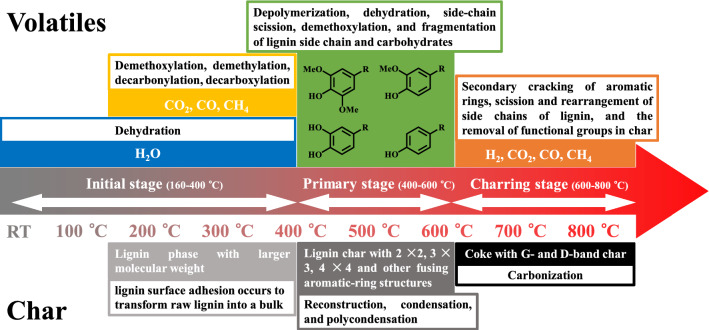
Through TG analysis, three main stages of lignin pyrolysis can be obtained, including water evaporation (<200 °C), primary decomposition (at 250–500 °C), and carbonization (>500 °C). Pyrolytic temperature significantly influences phenol generation and char formation.
Verified 2026-11-25 · 2 references not checked yet
Overview
CoChat Summary
## TL;DR
This review synthesizes how lignin pyrolysis proceeds in three stages and how temperature, time, lignin type, and functional groups shape gas, phenolic oil, and char formation. It also reviews upgrading routes—especially zeolite catalysis and co-pyrolysis with hydrogen-rich feedstocks—to increase aromatic hydrocarbons and improve oil quality.
## Key findings
- Lignin pyrolysis is described as three stages: initial, primary, and charring; the review states that light gases, phenolic compounds, and char with fused aromatic-ring structures are produced across these stages.
- The paper reports that in the primary stage, phenolic compounds are major products at about 400–600 °C, with a maximum phenolic yield at 450 °C in one cited study.
- In a cited example on catalytic pyrolysis with zeolites, HZSM-5 (25) gave the highest BTX selectivity at 56.56%; another zeolite modification study reports 29.3% MAHs over Co-HZSM-5.
- For other catalysts, the review reports 13.26 wt% MAHs with >98% toluene selectivity and >95% deoxygenation over biomass-Mo2C, and 11.2 wt% AHs with 94% MAHs selectivity over Nb2O5.
- Co-pyrolysis with hydrogen-rich feedstocks is presented as a way to raise aromatic hydrocarbons by increasing the feedstock H/Ceffective ratio and supplying hydrogen radicals; the paper cites improved yields and broader product distributions, including MAHs and PAHs.
## Methods
- Not an experimental paper; this is a review that synthesizes prior studies on lignin pyrolysis, lignin types, catalytic upgrading, and co-pyrolysis.
- The review draws on multiple analytical methods used in the cited literature, including TGA/TG-DTG, FTIR, GC/MS, Py-GC/MS, Raman, and NMR.
- The main analysis is qualitative synthesis of published results, organized around pyrolysis mechanism, influencing factors, catalyst effects, and product upgrading.
## Limitations
- The paper explicitly notes that the high oxygen content, acidity, and corrosiveness of lignin oils mean that further upgrading is necessary.
- It also states that lignin pyrolysis faces challenges because lignin is complex and low-reactivity, and that over 90% of lignin is burned with low efficiency while only 2% is efficiently utilized; this is a limitation of the field as described in the paper.
- The text makes evident, but does not frame as a formal limitation: many reported yields and selectivities come from different cited studies with different feedstocks, reactors, and catalysts, so direct comparison across results is constrained.
Model-written summary. Check it against the paper before relying on it.
Integrity signals
Registry
Cites
Statistics
Figures
Verification
Claims the paper makes
30 Valid · 5 Not valid · 199 Not checked · 23 Own results and interpretations
At least one cited source doesn’t support this claim or points to a different paper, and none confirmed it — see the verdicts below.
In the paper
“the yield of liquid products is proportional to the reaction temperature [157]”
§ A review on lignin pyrolysis: pyrolytic behavior, mechanism, and relevant upgrading for improving process efficiency > Lignin pyrolysis > Lignin pyrolysis mechanism
What the sources say
- Disputedcites [157] Marathe PS Westerhof RJM Kersten SRA Fast pyrolysis of lignins with different molecular weight: experiments and modelling Appl Energy 2019 236 1125 1137 10.1016/j.apenergy.2018.12.058 sourceExperimental — accuracy not yet measured
Section 5.4 (p. 9) reports that oil yield became constant above 530 °C at 500 Pa and was independent of temperature across the tested range at 10⁵ Pa. Although yield rose over part of the range at 500 Pa, the paper does not support a general proportional relationship between liquid-product yield and reaction temperature. (LLM, conf=0.90)
Checked by a reasoning model — may be wrong.
plainstates an association- Asserted: passes — The authors put it forward as true.
- Checkable: passes — It can be checked against evidence.
- Load-bearing: unclear — It is unclear whether the paper’s conclusions depend on it.
- Based: passes — The paper gives a reason why it holds.
- Disputed
The cited sources support only part of this claim — read each source’s verdict below.
In the paper
“Lignin is a promising alternative to traditional fossil resources for producing biofuels due to its aromaticity and renewability.”
- Also stated in: § Introduction · plain
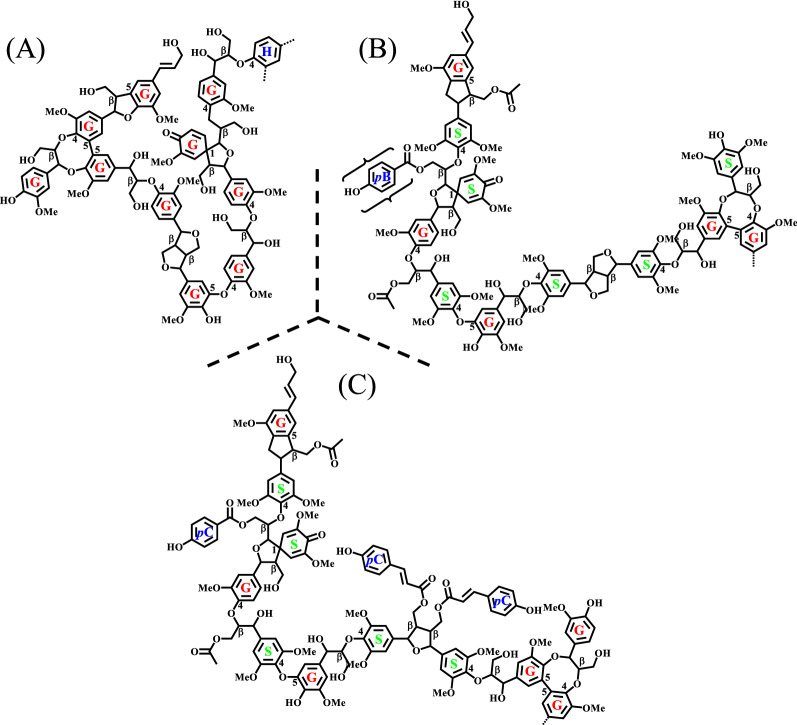
“Due to the natural aromatic polystructure, lignin (which can mainly be extracted from softwood, hardwood, and grass, and the model lignin structures is shown in Fig. 1 [1]) has been regarded as a sustainable alternative to fossil-derived resources to provide valuable biochemicals [2–7].”
§ A review on lignin pyrolysis: pyrolytic behavior, mechanism, and relevant upgrading for improving process efficiency > Abstract
What the sources say
- Not checked — no full text of the sourcecites [2] Sethupathy S Murillo Morales G Gao L Wang H Yang B Jiang J Lignin valorization: status, challenges and opportunities Bioresour Technol 2022 347 126696 10.1016/j.biortech.2022.126696 35026423 source
- Not checked — no full text of the sourcecites [3] Radhika NL Sachdeva S Kumar M Lignin depolymerization and biotransformation to industrially important chemicals/biofuels Fuel 2022 312 122935 10.1016/j.fuel.2021.122935 source
- Not checked — no full text of the sourcecites [4] Kim HU Kim JW Tran NT Limarta SO Ha J-M Park Y-K Direct conversion of lignin to high-quality biofuels by carbon dioxide-assisted hydrolysis combined with transfer hydrogenolysis over supported ruthenium catalysts Energy Convers Manag 2022 261 115607 10.1016/j.enconman.2022.115607 source
- Not checked — no full text of the sourcecites [5] Yang L Zheng T Huang C Yao J Using deep eutectic solvent pretreatment for enhanced enzymatic saccharification and lignin utilization of masson pine Renew Energy 2022 195 681 687 10.1016/j.renene.2022.06.066 source
- Not checked — no full text of the sourcecites [6] Roberto Paz Cedeno F Belon de Siqueira B Gabriel Solorzano Chavez E Ulises Miranda Roldán I Moreira Ropelato L Paul Martínez Galán J Recovery of cellulose and lignin from Eucalyptus by-product and assessment of cellulose enzymatic hydrolysis Renew Energy 2022 193 807 820 10.1016/j.renene.2022.05.027 source
- Partly supportedcites [7] Yuan Y Jiang B Chen H Wu W Wu S Jin Y Recent advances in understanding the effects of lignin structural characteristics on enzymatic hydrolysis Biotechnol Biofuels 2021 14 1 205 10.1186/s13068-021-02054-1 34670604 PMC8527784 sourceExperimental — accuracy not yet measured
The Background describes lignin as an aromatic polymer and lignocellulose as a renewable resource used to produce bioethanol in place of fossil fuels. It identifies cellulose and hemicelluloses—not lignin—as the main polysaccharides for biofuel production, and describes lignin as an obstacle to their conversion. The cited paper therefore does not support the claim that lignin itself is a promising biofuel feedstock because of its aromaticity and renewability. (LLM, conf=0.86)
plainstates a cause- Asserted: passes — The authors put it forward as true.
- Checkable: passes — It can be checked against evidence.
- Load-bearing: passes — The paper’s conclusions depend on it.
- Based: passes — The paper gives a reason why it holds.
- Also stated in: § Introduction · plain
The cited sources support only part of this claim — read each source’s verdict below.
In the paper
“Recently, catalytic pyrolysis has been applied as an efficient method for improving oil quality and stability via deoxygenation reactions with assistance of suitable catalysts [45, 46].”
§ A review on lignin pyrolysis: pyrolytic behavior, mechanism, and relevant upgrading for improving process efficiency > Introduction
What the sources say
- Not checked — no full text of the sourcecites [45] Ryu HW Lee HW Jae J Park Y-K Catalytic pyrolysis of lignin for the production of aromatic hydrocarbons: effect of magnesium oxide catalyst Energy 2019 179 669 675 10.1016/j.energy.2019.05.015 source
- Partly supportedcites [46] Zheng A Huang Z Wei G Zhao K Jiang L Zhao Z Controlling deoxygenation pathways in catalytic fast pyrolysis of biomass and its components by using metal-oxide nanocomposites iScience 2020 23 1 100814 10.1016/j.isci.2019.100814 31954322 PMC6962703 sourceExperimental — accuracy not yet measured
The Introduction (page unavailable) describes catalytic fast pyrolysis as a promising way to produce highly deoxygenated molecules and reports that catalytic pyrolysis can reduce the oxygen content of bio-oil. This supports the deoxygenation and oil-quality aspects of the claim, but the paper does not establish improved bio-oil stability; its mention of stability in Limitations of the Study concerns the catalysts, not the oil. (LLM, conf=0.84)
plainstates a cause- Asserted: passes — The authors put it forward as true.
- Checkable: passes — It can be checked against evidence.
- Load-bearing: passes — The paper’s conclusions depend on it.
- Based: passes — The paper gives a reason why it holds.
The cited sources that could be checked couldn’t confirm or dispute this claim.
In the paper
“Besides, C–O bonds are the most abundant linkages in native lignin, accounting for two-thirds or more of total linkages [9–12].”
§ A review on lignin pyrolysis: pyrolytic behavior, mechanism, and relevant upgrading for improving process efficiency > Introduction
What the sources say
- Not checked — no full text of the sourcecites [9] Li C Zhao X Wang A Huber GW Zhang T Catalytic transformation of lignin for the production of chemicals and fuels Chem Rev 2015 115 21 11559 11624 10.1021/acs.chemrev.5b00155 26479313 source
- Not checked — no full text of the sourcecites [10] Chakar FS Ragauskas AJ Review of current and future softwood kraft lignin process chemistry Ind Crop Prod 2004 20 2 131 141 10.1016/j.indcrop.2004.04.016 source
- Not checked — no full text of the sourcecites [11] Lin F Ma Y Sun Y Song Z Men X Wu Y Selective hydrodeoxygenation of lignin model compound to renewable fuel precursors using two-dimensional nanosheet Ni/HZ5-NS catalyst Renew Energy 2022 189 1278 1291 10.1016/j.renene.2022.02.097 source
- Could not verifycites [12] Umar Y Velasco O Abdelaziz OY Aboelazayem O Gadalla MA Hulteberg CP A renewable lignin-derived bio-oil for boosting the oxidation stability of biodiesel Renew Energy 2022 182 867 878 10.1016/j.renene.2021.10.061 sourceExperimental — accuracy not yet measured
The Introduction (p. 4) describes lignin as an abundant aromatic biopolymer, while the Methods (p. 7) describe its depolymerisation. Neither passage addresses which bonds predominate in native lignin or gives a fraction of total linkages; searches for “linkages,” “two-thirds,” and C–O or ether bonds found no supporting passage in our copy. (LLM, conf=0.77)
plain- Asserted: passes — The authors put it forward as true.
- Checkable: passes — It can be checked against evidence.
- Load-bearing: unclear — It is unclear whether the paper’s conclusions depend on it.
- Based: passes — The paper gives a reason why it holds.
Every source the paper cites for this claim was checked and supports it.
In the paper
“the increasing molecular weight of lignin would decrease the oil yield due to higher yields of gases and solids obtained”
§ A review on lignin pyrolysis: pyrolytic behavior, mechanism, and relevant upgrading for improving process efficiency > Lignin pyrolysis > Lignin pyrolysis mechanism
What the sources say
- Supportedcites [157] Marathe PS Westerhof RJM Kersten SRA Fast pyrolysis of lignins with different molecular weight: experiments and modelling Appl Energy 2019 236 1125 1137 10.1016/j.apenergy.2018.12.058 source
The Conclusions (p. 11) state that as lignin’s number-average molecular weight increased, oil yield decreased while char and gas yields increased. Section 5.2 (p. 8) also reports the decrease in oil yield at both tested pressures. (LLM, conf=0.94)
hedgedstates a cause- Asserted: passes — The authors put it forward as true.
- Checkable: passes — It can be checked against evidence.
- Load-bearing: unclear — It is unclear whether the paper’s conclusions depend on it.
- Based: passes — The paper gives a reason why it holds.
- Supported
133 more claims · 11 with their cited sources checked
Create a free account to see all 257 claims and to verify the 5 references still open.
- It may state two separate claims as one. 105
- Probably not a substantial claim. 29
- The quote only partly states this claim. 2
Claims other papers make about this one
Each is checked against this paper’s own text: does it say what the citing paper says it does?
The cited source doesn’t support the claim as written.
In the citing paper
“Lignin depolymerisation, initiated in the 200-400 • C zone, reached completion within this phase [91].”
From Pilot-Scale Slow Pyrolysis, Post-Heat Treatment, and Self-Heating Performance of Biochar Fuels Derived from Construction, Renovation, and Demolition (CRD) Wood Waste (2026) · cites this paper as [91]
Checked by a reasoning model — may be wrong.
Experimental — accuracy not yet measured
Citations
Cites
Pyrolysis of Wood/Biomass for Bio-oil: A Critical Review
Mohan, D., Pittman, C. U., & Steele, P. H. (2006) · Energy & Fuels · doi:10.1021/ef0502397 · Cited by 5,663
Review of fast pyrolysis of biomass and product upgrading
Bridgwater, A. V. (2012) · Biomass and Bioenergy · doi:10.1016/j.biombioe.2011.01.048 · Cited by 4,856
Dissolution of Cellose with Ionic Liquids
Swatloski, R. P., Spear, S. K., Holbrey, J. D., & Rogers, R. D. (2002) · Journal of the American Chemical Society · doi:10.1021/ja025790m · Cited by 4,728 · cited 1×
“Some ILs have been used as solvents for lignocellulosic biomass pretreatment, such as 1-butyl-3-methylimidazolium chloride ([Bmin][Cl]), 1-hexyl-3-methylimidazolium chloride [Hmin][Cl], 1-octyl-3-methylimidazolium chloride ([Omin][Cl]) [262], 1-ethyl-3-methylimidazolium acetate [Emin][OAc] [263, 264], and 1-butyl-3-me…”
MethodCatalytic Transformation of Lignin for the Production of Chemicals and Fuels
Li, C., Zhao, X., Wang, A., Huber, G. W., & Zhang, T. (2015) · Chemical Reviews · doi:10.1021/acs.chemrev.5b00155 · Cited by 2,951 · cited 2×
“, BDE = 481 kJ/mol), large amounts of methoxylated phenols are generated [9, 164].”
BackgroundChemicals from lignin: an interplay of lignocellulose fractionation, depolymerisation, and upgrading
Schutyser, W., Renders, T., Van den Bosch, S., Koelewijn, S.-F., Beckham, G. T., & Sels, B. F. (2018) · Chemical Society Reviews · doi:10.1039/c7cs00566k · Cited by 2,552
Kan, T., Strezov, V., & Evans, T. J. (2016) · Renewable and Sustainable Energy Reviews · doi:10.1016/j.rser.2015.12.185 · Cited by 2,239 · cited 1×
“Lignocellulosic biomass pyrolysis Background Lignocellulosic biomass is a narrow concept of biomass materials, broadly including forestry/agricultural residues, industrial waste biomass, and grasses [62, 63], which is the most popular material for preparing biofuels [64, 65].”
BackgroundPaving the Way for Lignin Valorisation: Recent Advances in Bioengineering, Biorefining and Catalysis
Rinaldi, R., Jastrzebski, R., Clough, M. T., Ralph, J., Kennema, M., Bruijnincx, P. C. A., & Weckhuysen, B. M. (2016) · Angewandte Chemie International Edition · doi:10.1002/anie.201510351 · Cited by 2,138
A review on pyrolysis of plastic wastes
Anuar Sharuddin, S. D., Abnisa, F., Wan Daud, W. M. A., & Aroua, M. K. (2016) · Energy Conversion and Management · doi:10.1016/j.enconman.2016.02.037 · Cited by 2,126
Chemical modification of lignins: Towards biobased polymers
Laurichesse, S., & Avérous, L. (2014) · Progress in Polymer Science · doi:10.1016/j.progpolymsci.2013.11.004 · Cited by 2,058 · cited 1×
“, by adding excessive water in the obtained previous liquid containing hemicellulose and lignin fractions) and collected by centrifugation/filtration, which contains better solubility (in many organic solvents) and higher purity with lower structural modification compared to those of lignin obtained Kraft and soda pro…”
BackgroundCatalytic conversion of lignocellulosic biomass to fine chemicals and fuels
Zhou, C.-H., Xia, X., Lin, C.-X., Tong, D.-S., & Beltramini, J. (2011) · Chemical Society Reviews · doi:10.1039/c1cs15124j · Cited by 1,420 · cited 1×
“Commonly, strategies for lignin conversion to biofuels or biochemicals can be summarized into pyrolysis (thermal and catalytic pyrolysis), hydroprocessing (hydrogenolysis, hydrodeoxygenation, hydrogenation, and integrated hydrogen processing), oxidation (organometallic catalysis, metal-free organocatalytic system, bas…”
Background
Research works printed but not linked: 3
- Ma Z Sun Q Ye J Yao Q Zhao C Study on the thermal degradation behaviors and kinetics of alkali lignin for production of phenolic-rich bio-oil using TGA-FTIR and Py-GC/MS J Anal Appl Pyrol 2016 117 116 124 10.1016/j.jaap.2015.12.007 · DOI · Paper page
- Brebu M Vasile C Thermal degradation of lignin—a review Cell Chem Technol 2010 44 9 353 363
- Yan K Liu F Chen Q Ke M Huang X Hu W Pyrolysis characteristics and kinetics of lignin derived from enzymatic hydrolysis residue of bamboo pretreated with white-rot fungus Biotechnol Biofuel 2016 9 1 76 10.1186/s13068-016-0489-y PMC4815148 27034714 · DOI · Paper page
Cited by
Apaydın Varol, E., & Mutlu, Ü. (2023) · Energies · doi:10.3390/en16093674 · Cited by 361
“Since it is more difficult to break down these aromatic rings during pyrolysis, lignin produces fewer amounts of condensable volatiles, and hence the bio-oil yield is the lowest among the other constituents [43,71].”
BackgroundLignins as Promising Renewable Biopolymers and Bioactive Compounds for High-Performance Materials
Vasile, C., & Baican, M. (2023) · Polymers · doi:10.3390/polym15153177 · Cited by 251
Zhang, Y., Liang, Y., Li, S., Yuan, Y., Zhang, D., Wu, Y., Xie, H., Brindhadevi, K., Pugazhendhi, A., & Xia, C. (2023) · Fuel · doi:10.1016/j.fuel.2023.128461 · Cited by 241
Verdía Barbará, P., Choudhary, H., Nakasu, P. S., Al-Ghatta, A., Han, Y., Hopson, C., Aravena, R. I., Mishra, D. K., Ovejero-Pérez, A., Simmons, B. A., et al. (2025) · Chemical Reviews · doi:10.1021/acs.chemrev.4c00754 · Cited by 181
Brienza, F., Cannella, D., Montesdeoca, D., Cybulska, I., & Debecker, D. P. (2024) · RSC Sustainability · doi:10.1039/d3su00140g · Cited by 172
From waste to resource: advancements in sustainable lignin modification
Libretti, C., Santos Correa, L., & Meier, M. A. R. (2024) · Green Chemistry · doi:10.1039/d4gc00745j · Cited by 161
“29 Numerous concomitant reactions take place during pyrolysis, such as a major degradation of the lignin structure, resulting in phenolic compounds and char formation.”
Nawaz, A., & Razzak, S. A. (2024) · Renewable Energy · doi:10.1016/j.renene.2024.120103 · Cited by 153
Alam, M. M., Greco, A., Rajabimashhadi, Z., & Corcione, C. E. (2024) · Cleaner Materials · doi:10.1016/j.clema.2024.100253 · Cited by 154
Ungureanu, N., VLĂDUT, N.-V., BIRIȘ, S. Ș., Gheorghiță, N. E., & IONESCU, M. (2025) · Sustainability · doi:10.3390/su17177806 · Cited by 136
Shahzad, H. M. A., Asim, Z., Khan, S. J., AlMomani, F. A., Mahmoud, K. A., Mustafa, M. R. U., & Rasool, K. (2024) · Discover Environment · doi:10.1007/s44274-024-00171-w · Cited by 110
“Pyrolysis gas has various potential applications, including heat or electricity generation, CH 4 and H 2 production, and liquid biofuel synthesis [120].”
Research on the application of catalytic materials in biomass pyrolysis
Cai, J., Lin, N., Li, Y., Xue, J., Li, F., Wei, L., Yu, M., Zha, X., & Li, W. (2023) · Journal of Analytical and Applied Pyrolysis · doi:10.1016/j.jaap.2023.106321 · Cited by 79
Xue, Y., Li, Y., Zhong, F., et al. (2025) · Polymer Degradation and Stability · doi:10.1016/j.polymdegradstab.2025.111542 · Cited by 68
Lignin from Plant-Based Agro-Industrial Biowastes: From Extraction to Sustainable Applications
Mateo, S., Fabbrizi, G., & Moya, A. J. (2025) · Polymers · doi:10.3390/polym17070952 · Cited by 83
Jiju, P. S., Patel, A. K., Shruthy, N. S., Shalu, S., Dong, C.-D., & Singhania, R. R. (2025) · Bioresources and Bioprocessing · doi:10.1186/s40643-025-00929-x · Cited by 81
“This structural refinement contributes to improved efficiency and selectivity in the lignin depolymerization process (Lu and Gu 2022).”
Mosaffa, E., Banerjee, A., & Ghafuri, H. (2023) · Environmental Science Water Research & Technology · doi:10.1039/d3ew00464c · Cited by 76
Waste-to-energy: Co-pyrolysis of potato peel and macroalgae for biofuels and biochemicals
Fardi, Z., Shahbeik, H., Nosrati, M., Motamedian, E., Tabatabaei, M., & Aghbashlo, M. (2023) · Environmental Research · doi:10.1016/j.envres.2023.117614 · Cited by 48
Recent evolution in thermochemical transformation of municipal solid wastes to alternate fuels
Sarker, T. R., Khatun, M. L., Ethen, D. Z., Ali, M. R., Islam, M. S., Chowdhury, S., Rahman, K. S., Sayem, N. S., & Rahman, A. S. (2024) · Heliyon · doi:10.1016/j.heliyon.2024.e37105 · Cited by 50
“The pyrolysis of cellulose and hemicellulose yields acids, alcohols, aldehydes, esters, ethers, furans, ketones, sugars, and mixed oxygenates [51].”
BackgroundKraft Lignin-Derived Microporous Nitrogen-Doped Carbon Adsorbent for Air and Water Purification
Tkachenko, O., Nikolaichuk, A., Fihurka, N., Backhaus, A., Zimmerman, J. B., Strømme, M., & Budnyak, T. M. (2024) · ACS Applied Materials & Interfaces · doi:10.1021/acsami.3c15659 · Cited by 50
Fabrication of lignin-derived high-rate hard carbon anodes for sodium-ion batteries
Huang, J., Jian, W., Zhong, L., Li, H., Liu, Q., Fu, F., Wang, J., Zu, X., Qiu, X., & Zhang, W. (2025) · Chemical Engineering Science · doi:10.1016/j.ces.2025.122343 · Cited by 53
Li, G., Wang, Z., Zuo, L., Zhang, T., Xiao, W., Yang, T., Tursunov, O. B., Zhao, N., & Zhou, Y. (2024) · Bioresource Technology · doi:10.1016/j.biortech.2024.131259 · Cited by 48
Characterization of slow pyrolysis products from three different cashew wastes
Kaur, R., Kumar, V. T., Krishna, B. B., & Bhaskar, T. (2023) · Bioresource Technology · doi:10.1016/j.biortech.2023.128859 · Cited by 50
Sun, P., Wang, Z., Li, C., Tang, B., & Peng, C. (2023) · Fuel · doi:10.1016/j.fuel.2023.130726 · Cited by 38
Alves, A. K., Hauschild, T., Basegio, T. M., & Berutti, F. A. (2024) · Scientific Reports · doi:10.1038/s41598-024-65959-5 · Cited by 47
Qi, P., Su, Y., Yang, L., Wang, J., Jiang, M. Y., & Xiong, Y. (2024) · Energy · doi:10.1016/j.energy.2024.131427 · Cited by 36
Recent Advances in Depolymerization and High-Value Utilization of Lignin: A Review
Ji, D., Wang, Y., Peng, J., Yuan, D., Li, Z., Ji, D., & Wu, H. (2024) · Industrial & Engineering Chemistry Research · doi:10.1021/acs.iecr.4c02617 · Cited by 37
Harnessing Agri-Food Waste as a Source of Biopolymers for Agriculture
Valle, C., Voss, M., Gaudino, E. C., Forte, C., Cravotto, G., & Tabasso, S. (2024) · Applied Sciences · doi:10.3390/app14104089 · Cited by 39
Chacón-Patiño, M. L., Mase, C., Maillard, J. F., Barrère‐Mangote, C., Dayton, D. C., Afonso, C., Giusti, P., & Rodgers, R. P. (2023) · Energy & Fuels · doi:10.1021/acs.energyfuels.3c02599 · Cited by 38
A review of thermochemical decomposition techniques for biochar production
Do, P. T. M., & Loc, N. X. (2024) · Environment Development and Sustainability · doi:10.1007/s10668-024-05841-6 · Cited by 57
Yi, B., Guo, F., Wei, Q., Huang, F., Senadheera, S. S., Mašek, O., Sarmah, A. K., Rinklebe, J., & Ok, Y. S. (2025) · ACS ES&T Water · doi:10.1021/acsestwater.5c00416 · Cited by 40
Catalytic pyrolysis of bio-waste in synthesis of value-added products: A systematic review
Awodun, K., He, Y., Wu, C., & Soltani, S. M. (2025) · Fuel Processing Technology · doi:10.1016/j.fuproc.2025.108258 · Cited by 44
Song, G., Liu, L., Madadi, M., Elsayed, M., Sun, C., Liu, Q., Zhang, J., Sun, F., & Ashori, A. (2024) · Energy Conversion and Management · doi:10.1016/j.enconman.2024.118896 · Cited by 28
Structural insights into S-lignin O-demethylation via a rare class of heme peroxygenase enzymes
Harlington, A. C., Das, T., Shearwin, K. E., Bell, S. G., & Whelan, F. (2025) · Nature Communications · doi:10.1038/s41467-025-57129-6 · Cited by 28
“…to this effect: “At an OD 600 of 2, 1% v/v ethanol and 0.02% v/v benzyl alcohol were added to induce chaperone expression 51 ,…” “… and the cultures incubated at 18 °C with shaking 80 rpm. Additionally, 1 mM L-cysteine and 0.5 mM ferric ammonium citrate were added to aid cofactor incorporation.””
InfluentialThe S-lignin O -demethylase SyoA: Structural insights into a new class of heme peroxygenase enzymes
(2024) · doi:10.1101/2024.07.14.603228 · Cited by 28
Mengesha, T. T., Ancha, V. R., Sundar, L. S., & Pollex, A. (2024) · Journal of Analytical and Applied Pyrolysis · doi:10.1016/j.jaap.2024.106699 · Cited by 33
Loebsack, G., Yeung, K. K. ‐., Berruti, F., & Klinghoffer, N. B. (2025) · Biomass and Bioenergy · doi:10.1016/j.biombioe.2025.107617 · Cited by 34
Enhanced Nanocarbon Crystallization from Lignin
Rocha, D., Luzardo, J., Aguiar, D., de Oliveira, S. M., Valaski, R., Silva, A., Ferreira, E. H. M., Simão, R. A., Archanjo, B. S., Kuznetsov, A. Y., et al. (2022) · Carbon · doi:10.1016/j.carbon.2022.11.036 · Cited by 30
Jiang, D. Y., Li, H., Cheng, X., Bartocci, P., Babadi, A. A., Xu, M., Pan, Y., Cao, B., Senneca, O., & Wang, S. (2025) · Chemical Engineering Journal · doi:10.1016/j.cej.2025.166613 · Cited by 28
Song, G., Teng, P., Madadi, M., Hadiyanto, H., Sun, C., Hu, J., & Sun, F. (2025) · Carbohydrate Polymers · doi:10.1016/j.carbpol.2025.124363 · Cited by 29
Yuan, H., Li, C., Shan, R., Zhang, J., & Chen, Y. (2023) · Industrial Crops and Products · doi:10.1016/j.indcrop.2023.116753 · Cited by 29
Najafi, H., Sani, A. G., & Sobati, M. A. (2023) · Industrial Crops and Products · doi:10.1016/j.indcrop.2023.117112 · Cited by 32
Recent Progress in Development of Functionalized Lignin Towards Sustainable Applications
Taib, M. N. A. M., Rahman, M. M., Ruwoldt, J., Arnata, I. W., Sartika, D., Salleh, T. A., & Hussin, M. H. (2024) · Journal of Polymers and the Environment · doi:10.1007/s10924-024-03338-x · Cited by 23
“Moreover, some limitation from this process is low thermal stability and corrosive liquid products [90].”
Jiang, D., Lin, M., Yan, Y., Zhan, L., Li, R., & Wu, Y. (2024) · Renewable Energy · doi:10.1016/j.renene.2024.121637 · Cited by 26
Mapping techno-economic prospects of biochar production through biomass waste pyrolysis pathway
Bahiri, I., Ibrahim, M. M., Gautam, & Zaabout, A. (2025) · Energy Conversion and Management · doi:10.1016/j.enconman.2025.119526 · Cited by 28
Recent progress towards fuels and value-added chemicals through lignin depolymerization
Yin, Y., Suo, C., Ma, C., & Liu, S. (2025) · Journal of environmental chemical engineering · doi:10.1016/j.jece.2025.116321 · Cited by 27
Atomistic Modeling of Lignocellulosic and Carbonaceous Fuels and Their Pyrolysis Reactions: A Review
Sierra-Jiménez, V., Mathews, J. P., Chejne, F., Dufour, A., & Garcìa-Pèrez, M. (2023) · Energy & Fuels · doi:10.1021/acs.energyfuels.3c02901 · Cited by 23
Soldatos, P. G., Margellou, A. G., Pappa, C. P., Torofias, S. A., Μάτσακας, Λ., Rova, U., Christakopoulos, P., & Triantafyllidis, K. S. (2024) · Sustainable Chemistry for the Environment · doi:10.1016/j.scenv.2024.100107 · Cited by 27
Najafi, H., Laye, Z. R., & Sobati, M. A. (2024) · Journal of environmental chemical engineering · doi:10.1016/j.jece.2024.113906 · Cited by 21
Ma, G., Ma, C., Yang, P., Zhang, B., Zhang, R., Yang, B., & Wu, Z. (2023) · Fuel · doi:10.1016/j.fuel.2023.129836 · Cited by 19
Tan, Y., Madadi, M., Song, G., Sun, C., Elsayed, M., Sun, F., & Gupta, V. K. (2025) · Green Chemistry · doi:10.1039/d5gc00199d · Cited by 22
Choi, W., Lee, S., Cho, K., Sim, J., Kim, H., Bae, J.-Y., Kim, D. W., & Kim, H. (2025) · Composites Part B Engineering · doi:10.1016/j.compositesb.2025.112933 · Cited by 20
Chen, Y., Wang, H., Wang, J., Hou, D., Lu, Y., Yang, F., Liu, C., Lin, X., Zheng, Z., & Zheng, Y. (2024) · Fuel Processing Technology · doi:10.1016/j.fuproc.2024.108034 · Cited by 20
Su, W., Liu, Z., Huang, S., Wang, D., Feng, X., Liu, Y., & Ni, L. (2024) · Food Chemistry · doi:10.1016/j.foodchem.2024.141498 · Cited by 24
Characterization and Comparison of Some Kraft Lignins Isolated from Different Sources
Olgun, Ç., & Ateş, S. (2023) · Forests · doi:10.3390/f14050882 · Cited by 20
Hu, L., Li, T., & Jing, Y. (2024) · The Journal of Physical Chemistry C · doi:10.1021/acs.jpcc.3c07218 · Cited by 17
Ervilha, R., Campos, D., Macêdo, B. D. S., Bertuol, D. A., Tanabe, E. H., Yaseen, Z. M., Bodini, M., Saporetti, C. M., & Goliatt, L. (2025) · Biomass and Bioenergy · doi:10.1016/j.biombioe.2025.108280 · Cited by 18
Rattana‐amron, T., Laosiripojana, N., & Kangwansupamonkon, W. (2024) · Industrial Crops and Products · doi:10.1016/j.indcrop.2024.119096 · Cited by 16
Ewuzie, R. N., Genza, J. R., & Abdullah, A. Z. (2024) · International Journal of Biological Macromolecules · doi:10.1016/j.ijbiomac.2024.131084 · Cited by 18
Efficiency of Metal-Incorporated Carbonaceous Adsorbents in the Presence of Phenolic Compounds
Mousavi, M., Kaur, H., Ackerman, L. K. G., Park, K.-B., Kim, J.-S., & Fini, E. H. (2024) · ACS Applied Engineering Materials · doi:10.1021/acsaenm.4c00066 · Cited by 17
Qi, S., Zhang, X., Liu, S., Ran, L., Yi, W., Li, Z., Zhang, A., Zhang, D., & Wang, L. (2024) · Journal of Analytical and Applied Pyrolysis · doi:10.1016/j.jaap.2024.106936 · Cited by 19
Guo, Y., Wang, C., Chen, J., & Yi, L. (2025) · Energy · doi:10.1016/j.energy.2025.135036 · Cited by 18
Bedru, T. K., Meshesha, B. T., Mohammed, S. A., Demesa, A. G., & Jayakumar, M. (2025) · International Journal of Chemical Engineering · doi:10.1155/ijce/3120449 · Cited by 20
Petrovič, A., Vohl, S., Gruber, S., Rola, K., Predikaka, T. C., Čuček, L., & Urbancl, D. (2025) · Renewable Energy · doi:10.1016/j.renene.2025.123041 · Cited by 23
Kakku, S., Jonna, N., Chakinala, A. G., Joshi, J. B., Vinu, R., Thota, C., & Sharma, A. (2024) · Industrial & Engineering Chemistry Research · doi:10.1021/acs.iecr.4c03309 · Cited by 17
Yue, Q., Guo, Y. R., Chen, S., & Chen, B. (2026) · AIP Advances · doi:10.1063/5.0306825 · Cited by 26
Bio-phenol production from lignin via TiO2/Al2O3 catalytic pyrolysis
Wang, Y., Li, S., Wu, S., Cui, J., Bian, X., Tang, J., Zhang, Y., & Wang, L. (2025) · Industrial Crops and Products · doi:10.1016/j.indcrop.2025.120696 · Cited by 15
Tang, Y., Yang, Y., Pan, M., Xiao, M., Jiang, G., Tan, Z., Yao, X., Wu, J., Zhang, X., Zhang, W., et al. (2025) · Advanced Functional Materials · doi:10.1002/adfm.202513322 · Cited by 21
Li, P., Wang, B., Hu, J., Chen, W., Fang, S., Chang, C., & Pang, S. (2024) · Journal of the Energy Institute · doi:10.1016/j.joei.2024.101618 · Cited by 15
Robertson, D., Nousiainen, P., Pitkänen, L., Schlapp‐Hackl, I., Rusakov, D., & Hummel, M. (2024) · Journal of Analytical and Applied Pyrolysis · doi:10.1016/j.jaap.2024.106811 · Cited by 12
Branca, C., & Blasi, C. D. (2024) · Fuel · doi:10.1016/j.fuel.2024.132469 · Cited by 12
Kaur, R., Kumar, V. T., Krishna, B. B., & Bhaskar, T. (2024) · Journal of Chemical Sciences · doi:10.1007/s12039-024-02293-3 · Cited by 11
CO2 boost aromatic-rich bio-oil production in biomass catalytic stepwise pyrolysis over Y zeolite
Chen, L., Huang, F., Wu, L. M., Liu, J., Fan, X., Feng, Y., & Liang, J. (2024) · Chemical Engineering Journal · doi:10.1016/j.cej.2024.158429 · Cited by 16
Colina, J. R., Ortega, M., Norambuena-Contreras, J., Ghysels, S., Ronsse, F., & Arteaga-Pérez, L. E. (2024) · Biomass and Bioenergy · doi:10.1016/j.biombioe.2024.107547 · Cited by 12
Albert, C. M., & Liew, K. C. (2025) · Wood Science and Technology · doi:10.1007/s00226-025-01665-3 · Cited by 17
“For example, hardwoods with dense cellular structures and complex vessel arrangements generally demonstrate better thermal stability than softwoods (Chen et al. 2019; Albert and Liew 2020, 2022a; Lu and Gu 2022).”
InfluentialMenegazzo, F., Snyders, R., Bittencourt, C., Pinzon, M. D. C. B., Ghedini, E., & Signoretto, M. (2025) · Bioresource Technology · doi:10.1016/j.biortech.2025.133367 · Cited by 12
Li, E., Lin, X., Sun, S., & Qiu, X. (2023) · Industrial & Engineering Chemistry Research · doi:10.1021/acs.iecr.3c02129 · Cited by 11
Zhang, Q., Sun, Y., Jin, G., Cao, Y., & Han, Y. (2024) · Chemical Engineering Research and Design · doi:10.1016/j.cherd.2024.01.039 · Cited by 10
Modak, S., Katiyar, P., & Yadav, S. (2024) · Journal of Analytical and Applied Pyrolysis · doi:10.1016/j.jaap.2024.106660 · Cited by 13
Koçer, A. T., Karacaoğlu, B., Karaca, G. A., İnan, B., & Özçimen, D. B. (2024) · Algal Research · doi:10.1016/j.algal.2024.103674 · Cited by 14
Miao, G., Wong, J. L., Chew, J. J., Khaerudini, D. S., Sunarso, J., & Xu, F. (2024) · International Journal of Biological Macromolecules · doi:10.1016/j.ijbiomac.2024.138847 · Cited by 13
Dayarathne, N. K., Shi, C., Song, X., Cheng, Y., Wang, D., Wang, H., Zhong, Y. L., & Zhang, Z. (2025) · Energy storage materials · doi:10.1016/j.ensm.2025.104705 · Cited by 25
Biomass pyrolysis for phenolic compound production: Feedstock, process, and comprehensive mechanism
Tao, X., Shi, X., Pan, Z., Zhao, X., Zhu, Z., Xu, L., Gao, S., Chen, W., & Fang, Z. (2025) · Separation and Purification Technology · doi:10.1016/j.seppur.2025.136273 · Cited by 14
Lignin valorization through the oxidative activity of β-etherases: Recent advances and perspectives
Rahman, M. U., Ullah, M. W., Alabbosh, K. F., Shah, J. A., Muhammad, N., Zahoor, Z., Shah, S. W. A., Nawab, S., Sethupathy, S., Abdikakharovich, S. A., et al. (2024) · International Journal of Biological Macromolecules · doi:10.1016/j.ijbiomac.2024.136383 · Cited by 11
Wang, H., Luo, C., Rahim, D. A., Yang, Y., Kong, X., Zhu, G., Qian, X., & Yan, M. (2024) · Process Safety and Environmental Protection · doi:10.1016/j.psep.2024.10.119 · Cited by 12
Zhao, S., Wei, S., Zhao, X., et al. (2025) · Journal of Building Engineering · doi:10.1016/j.jobe.2025.112142 · Cited by 10
Mengesha, T. T., Ancha, V. R., Nigussie, A., Afessa, M. M., & Bhandari, R. (2025) · Sustainability · doi:10.3390/su17114962 · Cited by 17
Razzak, S. A., Hossain, M. M., Hossain, S. M. Z., Lardhi, M., & Haq, B. (2026) · Biomass Futures · doi:10.1016/j.bmf.2026.100021 · Cited by 15
Yi, B., Sun, Z., Deng, J., Lim, J. Y., Senadheera, S. S., Yuan, Q., Yuan, X., Shang, J., & Ok, Y. S. (2026) · Sustainable Carbon Materials · doi:10.48130/scm-0026-0003 · Cited by 19
Zhong, Y., Lu, M., Zhao, Y., et al. (2026) · Chemical Engineering Science · doi:10.1016/j.ces.2026.124814 · Cited by 9
Quantitative investigation of the formation of oxygenated aromatics in an anisole-doped flame
Sood, K., Gosselin, S., Bakali, A. E., et al. (2024) · Proceedings of the Combustion Institute · doi:10.1016/j.proci.2024.105289 · Cited by 9
Effect of pyrolysis temperature on the transformation of phosphorus forms in sludge biochar
Yu, Z., Yu, W., Sun, X., Xu, R., Liang, M., Wang, J., Yuan, L., & Li, F. (2024) · Water Science & Technology · doi:10.2166/wst.2024.224 · Cited by 8
Silica biomineralization in plants alters the structure of lignin
Palakurthy, S., Elbaum, M., & Elbaum, R. (2025) · Faraday Discussions · doi:10.1039/d5fd00011d · Cited by 11
Khodaeiaminjan, M., Gomes, C., Pagano, A., Kruszka, D., Sulima, P., Przyborowski, J. A., Krajewski, P., & Paiva, J. A. P. (2024) · Physiologia Plantarum · doi:10.1111/ppl.14403 · Cited by 9
Pourhoseinian, M., KOLUR, N. A., & Sharifian, S. (2023) · Biomass and Bioenergy · doi:10.1016/j.biombioe.2023.107026 · Cited by 8
Chávez-Sifontes, M., & Ventura, M. (2024) · Catalysts · doi:10.3390/catal14020146 · Cited by 11
Rabah, M., Ali, L., Kuttiyathil, M. S., & Altarawneh, M. (2025) · Biomass and Bioenergy · doi:10.1016/j.biombioe.2025.107848 · Cited by 8
Park, S., Kang, K. S., Oh, K. C., et al. (2025) · PLoS ONE · doi:10.1371/journal.pone.0323940 · Cited by 8
“The pyrolysis kinetics of biomass are represented by a simplified lumped kinetic model, which is derived from the more intricate kinetics of cellulose, hemicellulose, and lignin degradation seen in previous studies [39–41].”
Roles of lignin in conversion of poplar via pyrolysis, hydrothermal carbonization, and activation
Li, C., Guo, Y., Zhang, Y., Shao, Y., Wei, T., Zhang, S., Tursunov, O. B., Lv, B., Zhu, J., & Hu, X. (2026) · Fuel · doi:10.1016/j.fuel.2026.139428 · Cited by 11
Карманов, А. П., Shaposhnikova, L. M., Kocheva, L. S., Rachkova, N. G., Belyy, V. A., & Lutoev, V. P. (2023) · Biocatalysis and Agricultural Biotechnology · doi:10.1016/j.bcab.2023.102677 · Cited by 11
Dong, L., Gao, Y., Liu, C., et al. (2024) · International Journal of Biological Macromolecules · doi:10.1016/j.ijbiomac.2024.133739 · Cited by 7
Fujii, Y., Yoshimo, H., Tatara, R., Gossage, Z. T., Koizumi, A., & Komaba, S. (2025) · ACS Applied Energy Materials · doi:10.1021/acsaem.5c00491 · Cited by 10
Metadata
- Authors
- Lu, X., & Gu, X.
- Affiliations
- Nanjing Forestry University (CN)
- Corresponding author
- Gu, Xiaoli
- ORCID
- Venue
- Biotechnology for Biofuels and Bioproducts
- Published
- 2022-10-11
- Volume
- 15
- Issue
- 1
- Pages
- 106-106
- ISSN
- 2731-3654 (ISSN-L)
- PMC
- PMC9552425
- OpenAlex
- W4304175550
- Semantic Scholar
- 71ab39e6ab57d4e834bf76bbbc96d80fcbbbbfe8
- Cited by
- 354
- References
- 337
- Citations by year
- 2026: 152 · 2025: 114 · 2024: 60 · 2023: 26 · 2022: 2
- FWCI
- 4.50
- Type
- journal article
- Language
- en
- Open access
- gold
- doi.org
- Licence
- cc-by
- creativecommons.org/licenses/by/4.0 (tdm)
- creativecommons.org/licenses/by/4.0 (vor)
- Locations
- Biotechnology for Biofuels and Bioproducts (publishedVersion, cc-by)
- PubMed Central (publishedVersion, cc-by)
- PubMed (publishedVersion)
- DOAJ (DOAJ: Directory of Open Access Journals) (submittedVersion, cc-by-sa)
- Funders
- China Scholarship Council (202108320294)
- National Natural Science Foundation of China (21774059)
- Priority Academic Program Development of Jiangsu Higher Education Institutions
- Topics
- Physical Sciences › Energy › Fuel Technology › Thermochemical Biomass Conversion Processes
- Physical Sciences › Chemical Engineering › Process Chemistry and Technology › Lignin and Wood Chemistry
- Physical Sciences › Energy › Fuel Technology › Coal Properties and Utilization
- Keywords
- lignin pyrolysis, pyrolysis mechanism, lignin valorization, aromatic hydrocarbons, phenolic compounds, demethoxylation, decarboxylation, char formation, co-pyrolysis, pyrolysis temperature, lignin functional groups, biofuel additives, lignin-derived compounds
About these checks
Registry, retraction, Cites and statistics results are computed, not judged, with one exception: a printed reference that no index lists is read once by a model before it counts as a citation error. Claims are extracted by a model and kept only when their quote appears verbatim in the text; each cited source is then checked, with a model’s help, for whether it says what the claim relies on. Those verdicts can be wrong — read the claim’s quote and the cited source before relying on one.
The claim verdicts this report counts are experimental: their accuracy is not yet measured.
A language model drew the claims from the paper on 2026-09-30, under version 3 of the claim definition (model deepseek-v4.1-flash, prompt extract-v3).
A second model labelled each claim on 2026-09-30 (model jev-1.13-20260917, definition revision gold-guideline-v0.2).
Cited sources are checked with a language model’s help (gpt-6-sol).
Statistics and arithmetic are recomputed, not judged.
Confidence bands are shown only for fields calibrated on our annotated test set. None is calibrated yet, so no band is shown.
What counts as a claim ›How we measure confidence ›How we check this ›
Are you an author, or do you see a problem with this page? Request a review
Data sources
Bibliographic data: Semantic Scholar, OpenAlex, Crossref.
Contains information from the Semantic Scholar Academic Graph Datasets, made available under the ODC Attribution License (ODC-BY 1.0).
Semantic Scholar’s data is described in: Kinney, R., et al. (2023). The Semantic Scholar Open Data Platform. arXiv:2301.10140.
