

A review on lignin pyrolysis: pyrolytic behavior, mechanism, and relevant upgrading for improving process efficiency
Open accessThe DOI matches its Crossref record; 337 of the 339 references it cites were found in a registry or an index, and 2 are not checked yet; 36 of the 372 sources its claims cite were checked for support.
Abstract
Through TG analysis, three main stages of lignin pyrolysis can be obtained, including water evaporation (<200 °C), primary decomposition (at 250–500 °C), and carbonization (>500 °C). Pyrolytic temperature significantly influences phenol generation and char formation.
Verified 2026-11-25 · 2 references not checked yet
Overview
CoChat Summary
## TL;DR
This review synthesizes how lignin pyrolysis proceeds in three stages and how temperature, time, lignin type, and functional groups shape gas, phenolic oil, and char formation. It also reviews upgrading routes—especially zeolite catalysis and co-pyrolysis with hydrogen-rich feedstocks—to increase aromatic hydrocarbons and improve oil quality.
## Key findings
- Lignin pyrolysis is described as three stages: initial, primary, and charring; the review states that light gases, phenolic compounds, and char with fused aromatic-ring structures are produced across these stages.
- The paper reports that in the primary stage, phenolic compounds are major products at about 400–600 °C, with a maximum phenolic yield at 450 °C in one cited study.
- In a cited example on catalytic pyrolysis with zeolites, HZSM-5 (25) gave the highest BTX selectivity at 56.56%; another zeolite modification study reports 29.3% MAHs over Co-HZSM-5.
- For other catalysts, the review reports 13.26 wt% MAHs with >98% toluene selectivity and >95% deoxygenation over biomass-Mo2C, and 11.2 wt% AHs with 94% MAHs selectivity over Nb2O5.
- Co-pyrolysis with hydrogen-rich feedstocks is presented as a way to raise aromatic hydrocarbons by increasing the feedstock H/Ceffective ratio and supplying hydrogen radicals; the paper cites improved yields and broader product distributions, including MAHs and PAHs.
## Methods
- Not an experimental paper; this is a review that synthesizes prior studies on lignin pyrolysis, lignin types, catalytic upgrading, and co-pyrolysis.
- The review draws on multiple analytical methods used in the cited literature, including TGA/TG-DTG, FTIR, GC/MS, Py-GC/MS, Raman, and NMR.
- The main analysis is qualitative synthesis of published results, organized around pyrolysis mechanism, influencing factors, catalyst effects, and product upgrading.
## Limitations
- The paper explicitly notes that the high oxygen content, acidity, and corrosiveness of lignin oils mean that further upgrading is necessary.
- It also states that lignin pyrolysis faces challenges because lignin is complex and low-reactivity, and that over 90% of lignin is burned with low efficiency while only 2% is efficiently utilized; this is a limitation of the field as described in the paper.
- The text makes evident, but does not frame as a formal limitation: many reported yields and selectivities come from different cited studies with different feedstocks, reactors, and catalysts, so direct comparison across results is constrained.
Model-written summary. Check it against the paper before relying on it.
Integrity signals
Registry
Cites
Statistics
Figures
Verification
Claims the paper makes
30 Valid · 5 Not valid · 199 Not checked · 23 Own results and interpretations
At least one cited source doesn’t support this claim or points to a different paper, and none confirmed it — see the verdicts below.
In the paper
“the yield of liquid products is proportional to the reaction temperature [157]”
§ A review on lignin pyrolysis: pyrolytic behavior, mechanism, and relevant upgrading for improving process efficiency > Lignin pyrolysis > Lignin pyrolysis mechanism
What the sources say
- Disputedcites [157] Marathe PS Westerhof RJM Kersten SRA Fast pyrolysis of lignins with different molecular weight: experiments and modelling Appl Energy 2019 236 1125 1137 10.1016/j.apenergy.2018.12.058 sourceExperimental — accuracy not yet measured
Section 5.4 (p. 9) reports that oil yield became constant above 530 °C at 500 Pa and was independent of temperature across the tested range at 10⁵ Pa. Although yield rose over part of the range at 500 Pa, the paper does not support a general proportional relationship between liquid-product yield and reaction temperature. (LLM, conf=0.90)
Checked by a reasoning model — may be wrong.
plainstates an association- Asserted: passes — The authors put it forward as true.
- Checkable: passes — It can be checked against evidence.
- Load-bearing: unclear — It is unclear whether the paper’s conclusions depend on it.
- Based: passes — The paper gives a reason why it holds.
- Disputed
The cited sources support only part of this claim — read each source’s verdict below.
In the paper
“Lignin is a promising alternative to traditional fossil resources for producing biofuels due to its aromaticity and renewability.”
- Also stated in: § Introduction · plain
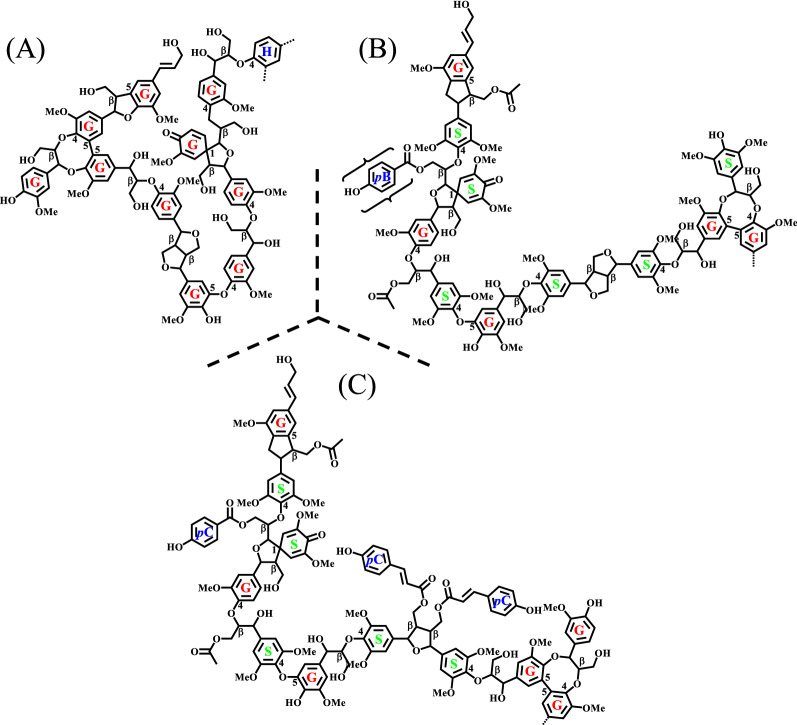
“Due to the natural aromatic polystructure, lignin (which can mainly be extracted from softwood, hardwood, and grass, and the model lignin structures is shown in Fig. 1 [1]) has been regarded as a sustainable alternative to fossil-derived resources to provide valuable biochemicals [2–7].”
§ A review on lignin pyrolysis: pyrolytic behavior, mechanism, and relevant upgrading for improving process efficiency > Abstract
What the sources say
- Not checked — no full text of the sourcecites [2] Sethupathy S Murillo Morales G Gao L Wang H Yang B Jiang J Lignin valorization: status, challenges and opportunities Bioresour Technol 2022 347 126696 10.1016/j.biortech.2022.126696 35026423 source
- Not checked — no full text of the sourcecites [3] Radhika NL Sachdeva S Kumar M Lignin depolymerization and biotransformation to industrially important chemicals/biofuels Fuel 2022 312 122935 10.1016/j.fuel.2021.122935 source
- Not checked — no full text of the sourcecites [4] Kim HU Kim JW Tran NT Limarta SO Ha J-M Park Y-K Direct conversion of lignin to high-quality biofuels by carbon dioxide-assisted hydrolysis combined with transfer hydrogenolysis over supported ruthenium catalysts Energy Convers Manag 2022 261 115607 10.1016/j.enconman.2022.115607 source
- Not checked — no full text of the sourcecites [5] Yang L Zheng T Huang C Yao J Using deep eutectic solvent pretreatment for enhanced enzymatic saccharification and lignin utilization of masson pine Renew Energy 2022 195 681 687 10.1016/j.renene.2022.06.066 source
- Not checked — no full text of the sourcecites [6] Roberto Paz Cedeno F Belon de Siqueira B Gabriel Solorzano Chavez E Ulises Miranda Roldán I Moreira Ropelato L Paul Martínez Galán J Recovery of cellulose and lignin from Eucalyptus by-product and assessment of cellulose enzymatic hydrolysis Renew Energy 2022 193 807 820 10.1016/j.renene.2022.05.027 source
- Partly supportedcites [7] Yuan Y Jiang B Chen H Wu W Wu S Jin Y Recent advances in understanding the effects of lignin structural characteristics on enzymatic hydrolysis Biotechnol Biofuels 2021 14 1 205 10.1186/s13068-021-02054-1 34670604 PMC8527784 sourceExperimental — accuracy not yet measured
The Background describes lignin as an aromatic polymer and lignocellulose as a renewable resource used to produce bioethanol in place of fossil fuels. It identifies cellulose and hemicelluloses—not lignin—as the main polysaccharides for biofuel production, and describes lignin as an obstacle to their conversion. The cited paper therefore does not support the claim that lignin itself is a promising biofuel feedstock because of its aromaticity and renewability. (LLM, conf=0.86)
plainstates a cause- Asserted: passes — The authors put it forward as true.
- Checkable: passes — It can be checked against evidence.
- Load-bearing: passes — The paper’s conclusions depend on it.
- Based: passes — The paper gives a reason why it holds.
- Also stated in: § Introduction · plain
The cited sources support only part of this claim — read each source’s verdict below.
In the paper
“Recently, catalytic pyrolysis has been applied as an efficient method for improving oil quality and stability via deoxygenation reactions with assistance of suitable catalysts [45, 46].”
§ A review on lignin pyrolysis: pyrolytic behavior, mechanism, and relevant upgrading for improving process efficiency > Introduction
What the sources say
- Not checked — no full text of the sourcecites [45] Ryu HW Lee HW Jae J Park Y-K Catalytic pyrolysis of lignin for the production of aromatic hydrocarbons: effect of magnesium oxide catalyst Energy 2019 179 669 675 10.1016/j.energy.2019.05.015 source
- Partly supportedcites [46] Zheng A Huang Z Wei G Zhao K Jiang L Zhao Z Controlling deoxygenation pathways in catalytic fast pyrolysis of biomass and its components by using metal-oxide nanocomposites iScience 2020 23 1 100814 10.1016/j.isci.2019.100814 31954322 PMC6962703 sourceExperimental — accuracy not yet measured
The Introduction (page unavailable) describes catalytic fast pyrolysis as a promising way to produce highly deoxygenated molecules and reports that catalytic pyrolysis can reduce the oxygen content of bio-oil. This supports the deoxygenation and oil-quality aspects of the claim, but the paper does not establish improved bio-oil stability; its mention of stability in Limitations of the Study concerns the catalysts, not the oil. (LLM, conf=0.84)
plainstates a cause- Asserted: passes — The authors put it forward as true.
- Checkable: passes — It can be checked against evidence.
- Load-bearing: passes — The paper’s conclusions depend on it.
- Based: passes — The paper gives a reason why it holds.
The cited sources that could be checked couldn’t confirm or dispute this claim.
In the paper
“Besides, C–O bonds are the most abundant linkages in native lignin, accounting for two-thirds or more of total linkages [9–12].”
§ A review on lignin pyrolysis: pyrolytic behavior, mechanism, and relevant upgrading for improving process efficiency > Introduction
What the sources say
- Not checked — no full text of the sourcecites [9] Li C Zhao X Wang A Huber GW Zhang T Catalytic transformation of lignin for the production of chemicals and fuels Chem Rev 2015 115 21 11559 11624 10.1021/acs.chemrev.5b00155 26479313 source
- Not checked — no full text of the sourcecites [10] Chakar FS Ragauskas AJ Review of current and future softwood kraft lignin process chemistry Ind Crop Prod 2004 20 2 131 141 10.1016/j.indcrop.2004.04.016 source
- Not checked — no full text of the sourcecites [11] Lin F Ma Y Sun Y Song Z Men X Wu Y Selective hydrodeoxygenation of lignin model compound to renewable fuel precursors using two-dimensional nanosheet Ni/HZ5-NS catalyst Renew Energy 2022 189 1278 1291 10.1016/j.renene.2022.02.097 source
- Could not verifycites [12] Umar Y Velasco O Abdelaziz OY Aboelazayem O Gadalla MA Hulteberg CP A renewable lignin-derived bio-oil for boosting the oxidation stability of biodiesel Renew Energy 2022 182 867 878 10.1016/j.renene.2021.10.061 sourceExperimental — accuracy not yet measured
The Introduction (p. 4) describes lignin as an abundant aromatic biopolymer, while the Methods (p. 7) describe its depolymerisation. Neither passage addresses which bonds predominate in native lignin or gives a fraction of total linkages; searches for “linkages,” “two-thirds,” and C–O or ether bonds found no supporting passage in our copy. (LLM, conf=0.77)
plain- Asserted: passes — The authors put it forward as true.
- Checkable: passes — It can be checked against evidence.
- Load-bearing: unclear — It is unclear whether the paper’s conclusions depend on it.
- Based: passes — The paper gives a reason why it holds.
Every source the paper cites for this claim was checked and supports it.
In the paper
“the increasing molecular weight of lignin would decrease the oil yield due to higher yields of gases and solids obtained”
§ A review on lignin pyrolysis: pyrolytic behavior, mechanism, and relevant upgrading for improving process efficiency > Lignin pyrolysis > Lignin pyrolysis mechanism
What the sources say
- Supportedcites [157] Marathe PS Westerhof RJM Kersten SRA Fast pyrolysis of lignins with different molecular weight: experiments and modelling Appl Energy 2019 236 1125 1137 10.1016/j.apenergy.2018.12.058 source
The Conclusions (p. 11) state that as lignin’s number-average molecular weight increased, oil yield decreased while char and gas yields increased. Section 5.2 (p. 8) also reports the decrease in oil yield at both tested pressures. (LLM, conf=0.94)
hedgedstates a cause- Asserted: passes — The authors put it forward as true.
- Checkable: passes — It can be checked against evidence.
- Load-bearing: unclear — It is unclear whether the paper’s conclusions depend on it.
- Based: passes — The paper gives a reason why it holds.
- Supported
133 more claims · 11 with their cited sources checked
Create a free account to see all 257 claims and to verify the 5 references still open.
- It may state two separate claims as one. 105
- Probably not a substantial claim. 29
- The quote only partly states this claim. 2
Claims other papers make about this one
Each is checked against this paper’s own text: does it say what the citing paper says it does?
The cited source doesn’t support the claim as written.
In the citing paper
“Lignin depolymerisation, initiated in the 200-400 • C zone, reached completion within this phase [91].”
From Pilot-Scale Slow Pyrolysis, Post-Heat Treatment, and Self-Heating Performance of Biochar Fuels Derived from Construction, Renovation, and Demolition (CRD) Wood Waste (2026) · cites this paper as [91]
Checked by a reasoning model — may be wrong.
Experimental — accuracy not yet measured
Citations
Cites
Pyrolysis of Wood/Biomass for Bio-oil: A Critical Review
Mohan, D., Pittman, C. U., & Steele, P. H. (2006) · Energy & Fuels · doi:10.1021/ef0502397 · Cited by 5,663
Review of fast pyrolysis of biomass and product upgrading
Bridgwater, A. V. (2012) · Biomass and Bioenergy · doi:10.1016/j.biombioe.2011.01.048 · Cited by 4,856
Dissolution of Cellose with Ionic Liquids
Swatloski, R. P., Spear, S. K., Holbrey, J. D., & Rogers, R. D. (2002) · Journal of the American Chemical Society · doi:10.1021/ja025790m · Cited by 4,728 · cited 1×
“Some ILs have been used as solvents for lignocellulosic biomass pretreatment, such as 1-butyl-3-methylimidazolium chloride ([Bmin][Cl]), 1-hexyl-3-methylimidazolium chloride [Hmin][Cl], 1-octyl-3-methylimidazolium chloride ([Omin][Cl]) [262], 1-ethyl-3-methylimidazolium acetate [Emin][OAc] [263, 264], and 1-butyl-3-me…”
MethodCatalytic Transformation of Lignin for the Production of Chemicals and Fuels
Li, C., Zhao, X., Wang, A., Huber, G. W., & Zhang, T. (2015) · Chemical Reviews · doi:10.1021/acs.chemrev.5b00155 · Cited by 2,951 · cited 2×
“, BDE = 481 kJ/mol), large amounts of methoxylated phenols are generated [9, 164].”
BackgroundChemicals from lignin: an interplay of lignocellulose fractionation, depolymerisation, and upgrading
Schutyser, W., Renders, T., Van den Bosch, S., Koelewijn, S.-F., Beckham, G. T., & Sels, B. F. (2018) · Chemical Society Reviews · doi:10.1039/c7cs00566k · Cited by 2,552
Kan, T., Strezov, V., & Evans, T. J. (2016) · Renewable and Sustainable Energy Reviews · doi:10.1016/j.rser.2015.12.185 · Cited by 2,239 · cited 1×
“Lignocellulosic biomass pyrolysis Background Lignocellulosic biomass is a narrow concept of biomass materials, broadly including forestry/agricultural residues, industrial waste biomass, and grasses [62, 63], which is the most popular material for preparing biofuels [64, 65].”
BackgroundPaving the Way for Lignin Valorisation: Recent Advances in Bioengineering, Biorefining and Catalysis
Rinaldi, R., Jastrzebski, R., Clough, M. T., Ralph, J., Kennema, M., Bruijnincx, P. C. A., & Weckhuysen, B. M. (2016) · Angewandte Chemie International Edition · doi:10.1002/anie.201510351 · Cited by 2,138
A review on pyrolysis of plastic wastes
Anuar Sharuddin, S. D., Abnisa, F., Wan Daud, W. M. A., & Aroua, M. K. (2016) · Energy Conversion and Management · doi:10.1016/j.enconman.2016.02.037 · Cited by 2,126
Chemical modification of lignins: Towards biobased polymers
Laurichesse, S., & Avérous, L. (2014) · Progress in Polymer Science · doi:10.1016/j.progpolymsci.2013.11.004 · Cited by 2,058 · cited 1×
“, by adding excessive water in the obtained previous liquid containing hemicellulose and lignin fractions) and collected by centrifugation/filtration, which contains better solubility (in many organic solvents) and higher purity with lower structural modification compared to those of lignin obtained Kraft and soda pro…”
BackgroundCatalytic conversion of lignocellulosic biomass to fine chemicals and fuels
Zhou, C.-H., Xia, X., Lin, C.-X., Tong, D.-S., & Beltramini, J. (2011) · Chemical Society Reviews · doi:10.1039/c1cs15124j · Cited by 1,420 · cited 1×
“Commonly, strategies for lignin conversion to biofuels or biochemicals can be summarized into pyrolysis (thermal and catalytic pyrolysis), hydroprocessing (hydrogenolysis, hydrodeoxygenation, hydrogenation, and integrated hydrogen processing), oxidation (organometallic catalysis, metal-free organocatalytic system, bas…”
BackgroundReview of current and future softwood kraft lignin process chemistry
Chakar, F. S., & Ragauskas, A. J. (2004) · Industrial Crops and Products · doi:10.1016/j.indcrop.2004.04.016 · Cited by 1,203
Ionic liquids: solvent properties and organic reactivity
Chiappe, C., & Pieraccini, D. (2005) · Journal of Physical Organic Chemistry · doi:10.1002/poc.863 · Cited by 1,169 · cited 1×
“Also, their nature and properties can be adjusted by changing the chemical structures of both cations and anions according to specific applications [258, 259].”
BackgroundA sustainable wood biorefinery for low–carbon footprint chemicals production
Liao, Y., Koelewijn, S.-F., Van den Bossche, G., Van Aelst, J., Van den Bosch, S., Renders, T., Navare, K., Nicolaï, T., Van Aelst, K., Maesen, M., et al. (2020) · Science · doi:10.1126/science.aau1567 · Cited by 1,126
Lignin depolymerisation strategies: towards valuable chemicals and fuels
Xu, C., Arancon, R. A. D., Labidi, J., & Luque, R. (2014) · Chem. Soc. Rev. · doi:10.1039/c4cs00235k · Cited by 1,031
Guidelines for performing lignin-first biorefining
Abu-Omar, M. M., Barta, K., Beckham, G. T., Luterbacher, J. S., Ralph, J., Rinaldi, R., Román-Leshkov, Y., Samec, J. S. M., Sels, B. F., & Wang, F. (2021) · Energy & Environmental Science · doi:10.1039/d0ee02870c · Cited by 913 · cited 2×
“1 Model lignin structures containing 11 units for A a softwood, B hardwood, and C grass [1]”
BackgroundChen, D., Cen, K., Zhuang, X., Gan, Z., Zhou, J., Zhang, Y., & Zhang, H. (2022) · Combustion and Flame · doi:10.1016/j.combustflame.2022.112142 · Cited by 902
Challenges in industrial applications of technical lignins
Vishtal, A., & Kraslawski, A. (2011) · BioResources · doi:10.15376/biores.6.3.3547-3568 · Cited by 721 · cited 1×
“, sulfuric acid) is commonly used [177].”
Conversion of Lignocellulosic Biomass to Nanocellulose: Structure and Chemical Process
Lee, H. V., Hamid, S. B. A., & Zain, S. K. (2014) · The Scientific World Journal · doi:10.1155/2014/631013 · Cited by 700
Kinetics and Mechanism of Cellulose Pyrolysis
Lin, Y.-C., Cho, J., Tompsett, G. A., Westmoreland, P. R., & Huber, G. W. (2009) · The Journal of Physical Chemistry C · doi:10.1021/jp906702p · Cited by 698
Pyrolysis characteristics of biomass and biomass components
Raveendran, K. (1996) · Fuel · doi:10.1016/0016-2361(96)00030-0 · Cited by 693
A review on operating parameters for optimum liquid oil yield in biomass pyrolysis
Akhtar, J., & Saidina Amin, N. (2012) · Renewable and Sustainable Energy Reviews · doi:10.1016/j.rser.2012.05.033 · Cited by 692 · cited 2×
“On the other hand, the reaction equilibrium would also lead to no obvious enhancement of products generation at 600 °C with the extension of residence time [127, 155].”
BackgroundBiswas, B., Pandey, N., Bisht, Y., Singh, R., Kumar, J., & Bhaskar, T. (2017) · Bioresource Technology · doi:10.1016/j.biortech.2017.02.046 · Cited by 674 · cited 1×
“, corn cob, wheat straw, rice straw and rice husk, with further drying, crushing and sieving) contain their own ideal pyrolytic temperatures to generate the highest yield of biofuels [98, 99].”
BackgroundKawamoto, H. (2017) · Journal of Wood Science · doi:10.1007/s10086-016-1606-z · Cited by 664 · cited 3×
“In the process of linkages cleavage, hydroxyl radicals are produced from scission of aliphatic side chains, and hydrogen radicals can be generated from β-scission reactions (from C–OH to C=O), which might migrate to either aliphatic side chains or aromatic rings with oxygen radicals [162, 163].”
BackgroundKunwar, B., Cheng, H. N., Chandrashekaran, S. R., & Sharma, B. K. (2016) · Renewable and Sustainable Energy Reviews · doi:10.1016/j.rser.2015.10.015 · Cited by 639
A review on bio-oil production from biomass by using pyrolysis method
Isahak, W. N. R. W., Hisham, M. W. M., Yarmo, M. A., & Yun Hin, T.-Y. (2012) · Renewable and Sustainable Energy Reviews · doi:10.1016/j.rser.2012.05.039 · Cited by 624 · cited 1×
“It is suggested that increasing the pyrolytic temperature makes a positive effect on the production of biofuels, while the opposite trend would be found at a very high temperature due to the occurrence of the secondary cracking reactions [83].”
BackgroundFast pyrolysis of rice husk: Product yields and compositions
TSAI, W., LEE, M., & CHANG, Y. (2007) · Bioresource Technology · doi:10.1016/j.biortech.2005.12.005 · Cited by 525
Characterization and analysis of the molecular weight of lignin for biorefining studies
Tolbert, A., Akinosho, H., Khunsupat, R., Naskar, A. K., & Ragauskas, A. J. (2014) · Biofuels, Bioproducts and Biorefining · doi:10.1002/bbb.1500 · Cited by 504 · cited 1×
“Herbaceous-derived lignin shows higher molecular weight and dispersity compared to other lignin obtained from softwood and hardwood, suggesting the generation of heterogeneous lignin structure [213].”
BackgroundCatalytic co-pyrolysis of lignocellulosic biomass with polymers: a critical review
Zhang, X., Lei, H., Chen, S., & Wu, J. (2016) · Green Chemistry · doi:10.1039/c6gc00911e · Cited by 497 · cited 3×
“, MAHs, PAHs, and other long-chain hydrocarbons) of pyrolytic products as compared to those of single lignin used due to the synergistic effect (Table 6) [64, 322].”
BackgroundMahmood, N., Yuan, Z., Schmidt, J., & Xu, C. (. (2016) · Renewable and Sustainable Energy Reviews · doi:10.1016/j.rser.2016.01.037 · Cited by 487
Lv, D., Xu, M., Liu, X., Zhan, Z., Li, Z., & Yao, H. (2010) · Fuel Processing Technology · doi:10.1016/j.fuproc.2009.09.014 · Cited by 479 · cited 1×
“For condensed phase, char conversion with temperature indicates that both two Na chemical forms benefit gasification reaction due to their significant catalytic effects [202].”
BackgroundLignin valorization: Status, challenges and opportunities
Sethupathy, S., Murillo Morales, G., Gao, L., Wang, H., Yang, B., Jiang, J., Sun, J., & Zhu, D. (2022) · Bioresource Technology · doi:10.1016/j.biortech.2022.126696 · Cited by 473
Product Distribution from the Fast Pyrolysis of Hemicellulose
Patwardhan, P. R., Brown, R. C., & Shanks, B. H. (2011) · ChemSusChem · doi:10.1002/cssc.201000425 · Cited by 463 · cited 1×
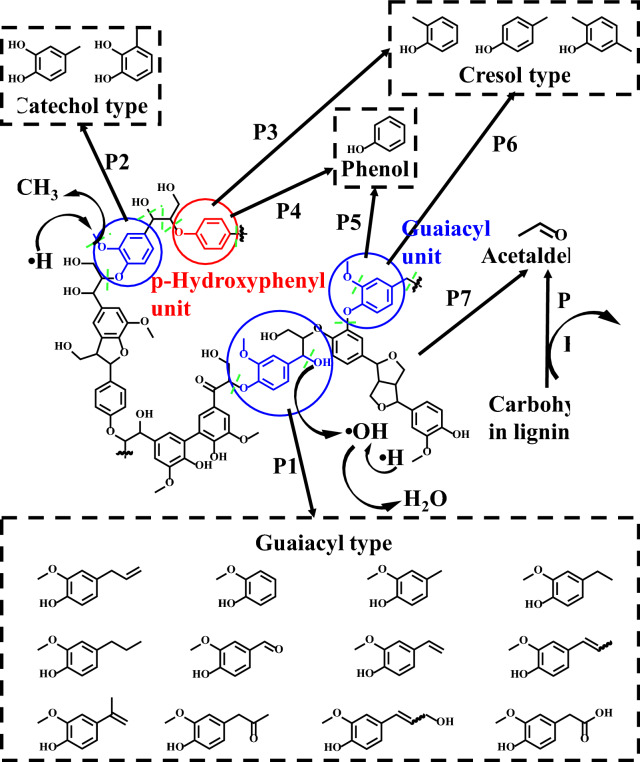
“Phenol-type compounds are created by demethoxylation (P5) of guaiacyl units [168], and acetaldehyde is suggested to be formed from carbohydrate fractions and side chains via dehydration (P8) and fragmentation (P7), respectively [77, 149, 169].”
BackgroundVolatile production from pyrolysis of cellulose, hemicellulose and lignin
Zhao, C., Jiang, E., & Chen, A. (2017) · Journal of the Energy Institute · doi:10.1016/j.joei.2016.08.004 · Cited by 458 · cited 1×
“used commercial cellulose, hemicellulose, and lignin as raw materials without any pretreatments and found that the pyrolytic characteristics can be significantly influenced by the pyrolytic temperature [79].”
BackgroundChemical aspects of kraft pulping
Gierer, J. (1980) · Wood Science and Technology · doi:10.1007/bf00383453 · Cited by 455 · cited 1×
“Although these sulfur-containing components would be decomposed at the later stage of cooking process, the formed elemental sulfur can combine with hydrogen sulfide to produce polysulfide, which still leads to 2–3% sulfur content in the Kraft lignin [178].”
BackgroundA Photochemical Strategy for Lignin Degradation at Room Temperature
Nguyen, J. D., Matsuura, B. S., & Stephenson, C. R. J. (2014) · Journal of the American Chemical Society · doi:10.1021/ja4113462 · Cited by 454
Stabilization strategies in biomass depolymerization using chemical functionalization
Questell-Santiago, Y. M., Galkin, M. V., Barta, K., & Luterbacher, J. S. (2020) · Nature Reviews Chemistry · doi:10.1038/s41570-020-0187-y · Cited by 430
Nichols, J. M., Bishop, L. M., Bergman, R. G., & Ellman, J. A. (2010) · Journal of the American Chemical Society · doi:10.1021/ja106101f · Cited by 417
Fast Pyrolysis Bio-Oils from Wood and Agricultural Residues
Oasmaa, A., Solantausta, Y., Arpiainen, V., Kuoppala, E., & Sipilä, K. (2010) · Energy & Fuels · doi:10.1021/ef901107f · Cited by 407 · cited 1×
“found that wood biomass can produce more biofuels with lower yield of aqueous and gaseous products [100].”
BackgroundIonic liquid based pretreatment of lignocellulosic biomass for enhanced bioconversion
Usmani, Z., Sharma, M., Gupta, P., Karpichev, Y., Gathergood, N., Bhat, R., & Gupta, V. K. (2020) · Bioresource Technology · doi:10.1016/j.biortech.2020.123003 · Cited by 404 · cited 1×
“Due to the high solubility of lignin (of which the mechanism is proposed to be realized by breaking H-bonds in lignin and combining the aromatic nucleus and aliphatic chain of lignin [266]), low energy consumption, environmentally friendly, solvent recycling, and low cost for synthesis [267, 268], many ILs have been u…”
MethodRecent Advances in the Catalytic Depolymerization of Lignin towards Phenolic Chemicals: A Review
Liu, X., Bouxin, F. P., Fan, J., Budarin, V. L., Hu, C., & Clark, J. H. (2020) · ChemSusChem · doi:10.1002/cssc.202001213 · Cited by 390
Catalytic fast pyrolysis of biomass over zeolites for high quality bio-oil – A review
Rahman, M. M., Liu, R., & Cai, J. (2018) · Fuel Processing Technology · doi:10.1016/j.fuproc.2018.08.002 · Cited by 383
Detailed kinetic modeling of the thermal degradation of lignins
Faravelli, T., Frassoldati, A., Migliavacca, G., & Ranzi, E. (2010) · Biomass and Bioenergy · doi:10.1016/j.biombioe.2009.10.018 · Cited by 376 · cited 1×
“The variations of activation energy of these light gases are mainly due to their formations from different sources with different bond energies [142].”
BackgroundTorrefaction, pyrolysis and two-stage thermodegradation of hemicellulose, cellulose and lignin
Chen, W.-H., Wang, C.-W., Ong, H. C., Show, P. L., & Hsieh, T.-H. (2019) · Fuel · doi:10.1016/j.fuel.2019.116168 · Cited by 358
Distinguishing primary and secondary reactions of cellulose pyrolysis
Patwardhan, P. R., Dalluge, D. L., Shanks, B. H., & Brown, R. C. (2011) · Bioresource Technology · doi:10.1016/j.biortech.2011.02.018 · Cited by 352 · cited 1×
“Phenol-type compounds are created by demethoxylation (P5) of guaiacyl units [168], and acetaldehyde is suggested to be formed from carbohydrate fractions and side chains via dehydration (P8) and fragmentation (P7), respectively [77, 149, 169].”
BackgroundBio-oil production via co-pyrolysis of almond shell as biomass and high density polyethylene
Önal, E., Uzun, B. B., & Pütün, A. E. (2014) · Energy Conversion and Management · doi:10.1016/j.enconman.2013.11.022 · Cited by 350 · cited 1×
“, MAHs, PAHs, and other long-chain hydrocarbons) of pyrolytic products as compared to those of single lignin used due to the synergistic effect (Table 6) [64, 322].”
BackgroundPyrolysis behaviors of four lignin polymers isolated from the same pine wood
Wang, S., Ru, B., Lin, H., Sun, W., & Luo, Z. (2015) · Bioresource Technology · doi:10.1016/j.biortech.2015.01.127 · Cited by 348 · cited 1×
“The volatile products distribution shows that G-type phenols are the major compounds due to the nature of Kraft lignin extracted from black liquor [230, 231].”
BackgroundYuan, Y., Jiang, B., Chen, H., Wu, W., Wu, S., Jin, Y., & Xiao, H. (2021) · Biotechnology for Biofuels · doi:10.1186/s13068-021-02054-1 · Cited by 344
Effect of the Temperature on the Composition of Lignin Pyrolysis Products
Jiang, G., Nowakowski, D. J., & Bridgwater, A. V. (2010) · Energy & Fuels · doi:10.1021/ef100363c · Cited by 332
Bio-oil production from rice husk fast pyrolysis in a conical spouted bed reactor
Alvarez, J., Lopez, G., Amutio, M., Bilbao, J., & Olazar, M. (2014) · Fuel · doi:10.1016/j.fuel.2014.02.074 · Cited by 329 · cited 2×
“observed that increasing the pyrolytic temperature would reduce the yield of ketones and acids, while increase the yield of phenols [88].”
BackgroundJi-lu, Z. (2007) · Journal of Analytical and Applied Pyrolysis · doi:10.1016/j.jaap.2006.12.030 · Cited by 320
Liu, H., Li, H., Lu, J., Zeng, S., Wang, M., Luo, N., Xu, S., & Wang, F. (2018) · ACS Catalysis · doi:10.1021/acscatal.8b00022 · Cited by 315
Qiu, B., Tao, X., Wang, J., Liu, Y., Li, S., & Chu, H. (2022) · Energy Conversion and Management · doi:10.1016/j.enconman.2022.115647 · Cited by 314
Pyrolysis of poplar wood sawdust by TG-FTIR and Py–GC/MS
Gu, X., Ma, X., Li, L., Liu, C., Cheng, K., & Li, Z. (2013) · Journal of Analytical and Applied Pyrolysis · doi:10.1016/j.jaap.2013.04.009 · Cited by 308
Self-citationYeo, J. Y., Chin, B. L. F., Tan, J. K., & Loh, Y. S. (2019) · Journal of the Energy Institute · doi:10.1016/j.joei.2017.12.003 · Cited by 304
Thermal reactions of guaiacol and syringol as lignin model aromatic nuclei
Asmadi, M., Kawamoto, H., & Saka, S. (2011) · Journal of Analytical and Applied Pyrolysis · doi:10.1016/j.jaap.2011.04.011 · Cited by 299 · cited 1×
“With the temperature rising, several interconversion reactions are all enhanced, such as (1) S-/G-type phenols converted to H-type ones via demethoxylation reaction of methoxy; (2) H-type phenols converted to aromatic hydrocarbons via dehydroxylation reaction [217, 218]; (3) monolignol compounds converted to hydrocarb…”
BackgroundPre-treatment of lignocellulosic biomass using ionic liquids: Wheat straw fractionation
da Costa Lopes, A. M., João, K. G., Rubik, D. F., Bogel-Łukasik, E., Duarte, L. C., Andreaus, J., & Bogel-Łukasik, R. (2013) · Bioresource Technology · doi:10.1016/j.biortech.2013.05.032 · Cited by 299 · cited 1×
“Some ILs have been used as solvents for lignocellulosic biomass pretreatment, such as 1-butyl-3-methylimidazolium chloride ([Bmin][Cl]), 1-hexyl-3-methylimidazolium chloride [Hmin][Cl], 1-octyl-3-methylimidazolium chloride ([Omin][Cl]) [262], 1-ethyl-3-methylimidazolium acetate [Emin][OAc] [263, 264], and 1-butyl-3-me…”
MethodLeng, E., Guo, Y., Chen, J., Liu, S., E, J., & Xue, Y. (2022) · Fuel · doi:10.1016/j.fuel.2021.122102 · Cited by 286
Patel, M., & Kumar, A. (2016) · Renewable and Sustainable Energy Reviews · doi:10.1016/j.rser.2015.12.146 · Cited by 284
Xu, Z., Lei, P., Zhai, R., Wen, Z., & Jin, M. (2019) · Biotechnology for Biofuels · doi:10.1186/s13068-019-1376-0 · Cited by 276
Fixed-bed pyrolysis of Cynara cardunculus L. Product yields and compositions
Encinar, J. M., González, J. F., & González, J. (2000) · Fuel Processing Technology · doi:10.1016/s0378-3820(00)00125-9 · Cited by 274 · cited 1×
“2 wt%) [91], olive bagasse (without any pretreatments) (46.”
Liu, C., Hu, J., Zhang, H., & Xiao, R. (2016) · Fuel · doi:10.1016/j.fuel.2016.05.104 · Cited by 269 · cited 4×
“After delignification, different kinds of lignin with high purity and homogeneity can be extracted from raw biomass and then pyrolyzed into low-molecular-weight compounds, which are the so-called pyrolytic oils (mainly composed of phenolic compounds, aldehydes, acids, and other aromatic hydrocarbons) [126, 127].”
BackgroundInfluentialShen, X.-J., Chen, T., Wang, H.-M., Mei, Q., Yue, F., Sun, S., Wen, J.-L., Yuan, T.-Q., & Sun, R.-C. (2020) · ACS Sustainable Chemistry & Engineering · doi:10.1021/acssuschemeng.9b05106 · Cited by 266 · cited 1×
“The results show that lignin molecular weight can be reduced through DES treatment via initial lignin depolymerization [237], such as β-O-4 dissociation.”
BackgroundBio-oil from fast pyrolysis of lignin: Effects of process and upgrading parameters
Fan, L., Zhang, Y., Liu, S., Zhou, N., Chen, P., Cheng, Y., Addy, M., Lu, Q., Omar, M. M., Liu, Y., et al. (2017) · Bioresource Technology · doi:10.1016/j.biortech.2017.05.129 · Cited by 265 · cited 1×
“Co‐pyrolysis with other hydrogen‐rich feedstock According to the description above (“Catalytic pyrolysis using zeolites” section), zeolite catalysts are applied widely for improving the quality of lignin-based oils via deoxygenation to increase the production of AHs, although their yields are relatively low owing to t…”
MethodShen, X., Zhang, C., Han, B., & Wang, F. (2022) · Chemical Society Reviews · doi:10.1039/d1cs00908g · Cited by 261 · cited 1×
“Recently, catalytic self-transfer hydrogenolysis has been found as a sustainable method for lignin hydrogenolysis due to the renewable H2 source produced from lignin structure [34].”
MethodEffects of feedstock characteristics on microwave-assisted pyrolysis – A review
Zhang, Y., Chen, P., Liu, S., Peng, P., Min, M., Cheng, Y., Anderson, E., Zhou, N., Fan, L., Liu, C., et al. (2017) · Bioresource Technology · doi:10.1016/j.biortech.2017.01.046 · Cited by 260 · cited 1×
“In addition, metals existing in the ash, such as kalium and calcium, can enhance the pyrolytic heating rate while reduce the yield of biofuels due to their catalyzed effect to promote the secondary cracking reactions among products in biofuels [80].”
BackgroundEngamba Esso, S. B., Xiong, Z., Chaiwat, W., Kamara, M. F., Longfei, X., Xu, J., Ebako, J., Jiang, L., Su, S., Hu, S., et al. (2022) · Biomass and Bioenergy · doi:10.1016/j.biombioe.2022.106415 · Cited by 254 · cited 2×
“The co-pyrolysis is a popular method to improve the oil quality via combination of lignin with other hydrogen-rich feedstock, such as the co-pyrolysis of lignin with plastics (a common hydrogen-rich substrate) [316, 317].”
BackgroundMethodMa, Z., Sun, Q., Ye, J., Yao, Q., & Zhao, C. (2016) · Journal of Analytical and Applied Pyrolysis · doi:10.1016/j.jaap.2015.12.007 · Cited by 248
Catalytic pyrolysis of lignocellulosic biomass for bio-oil production: A review
Wang, Y., Akbarzadeh, A., Chong, L., Du, J., Tahir, N., & Awasthi, M. K. (2022) · Chemosphere · doi:10.1016/j.chemosphere.2022.134181 · Cited by 247
A review on advances of torrefaction technologies for biomass processing
Acharya, B., Sule, I., & Dutta, A. (2012) · Biomass Conversion and Biorefinery · doi:10.1007/s13399-012-0058-y · Cited by 244
Zhang, M., Resende, F. L. P., Moutsoglou, A., & Raynie, D. E. (2012) · Journal of Analytical and Applied Pyrolysis · doi:10.1016/j.jaap.2012.05.009 · Cited by 242 · cited 1×
“investigated the pyrolytic behaviors of synthetic Kraft lignin by TG–FTIR (thermogravimetric–Fourier transform infrared spectrometry) and Py-GC/MS techniques, and the resulted volatiles include H2O, CO2, CO, alkyls, carbonyls, alkenes, and aromatics (where guaiacol is the main component) [187].”
MethodBio-oil derived from empty fruit bunches
Abdullah, N., & Gerhauser, H. (2008) · Fuel · doi:10.1016/j.fuel.2008.02.011 · Cited by 238 · cited 1×
“4 wt%) [89], neem de-oiled cake (without any pretreatments) (40.”
Garcia-Perez, M., Wang, S., Shen, J., Rhodes, M., Lee, W. J., & Li, C.-Z. (2008) · Energy & Fuels · doi:10.1021/ef7007634 · Cited by 235 · cited 1×
“5, the obtained products can be mainly categorized as guaiacyl, cresol, and catechol types, where guaiacyl units are suggested to produce G-type phenols via depolymerization and dehydration (P1) [165].”
BackgroundJung, S.-H., Kang, B.-S., & Kim, J.-S. (2008) · Journal of Analytical and Applied Pyrolysis · doi:10.1016/j.jaap.2008.04.001 · Cited by 235 · cited 1×
“used rice straw and bamboo sawdust as raw materials with further sieving into small particle sizes and pointed out that as the pyrolytic temperature of bamboo sawdust increases over 500 °C, biofuel yield would gradually decrease, and the optimal pyrolytic temperature for rice straw is 445 °C to yield more biofuels [84…”
BackgroundHong, S., Shen, X.-J., Pang, B., Xue, Z., Cao, X.-F., Wen, J.-L., Sun, Z.-H., Lam, S. S., Yuan, T.-Q., & Sun, R.-C. (2020) · Green Chemistry · doi:10.1039/d0gc00006j · Cited by 226 · cited 1×
“, the content of methoxy [191]), which indicates that the higher dispersity, the lower yield of char residue, suggesting the worse thermal stability [214].”
BackgroundQuyn, D. M., Wu, H., Hayashi, J.-I., & Li, C.-Z. (2003) · Fuel · doi:10.1016/s0016-2361(02)00323-x · Cited by 225
LI, X., HAYASHI, J., & LI, C. (2006) · Fuel · doi:10.1016/j.fuel.2006.01.011 · Cited by 224 · cited 2×
“At higher temperatures, O–Na bonding strength becomes weaker, which is beneficial for Na adsorbing on char surface for enhancing catalytic activity [203].”
BackgroundChen, Z., Bai, X., A, L., & Wan, C. (2018) · ACS Sustainable Chemistry & Engineering · doi:10.1021/acssuschemeng.8b02541 · Cited by 221
Ding, Y., Zhang, W., Yu, L., & Lu, K. (2019) · Energy · doi:10.1016/j.energy.2019.04.030 · Cited by 220
Fan, L., Chen, P., Zhang, Y., Liu, S., Liu, Y., Wang, Y., Dai, L., & Ruan, R. (2017) · Bioresource Technology · doi:10.1016/j.biortech.2016.11.072 · Cited by 218
Jiang, L., Guo, H., Li, C., Zhou, P., & Zhang, Z. (2019) · Chemical Science · doi:10.1039/c9sc00691e · Cited by 217
Characteristics and mechanism study of analytical fast pyrolysis of poplar wood
Dong, C.-Q., Zhang, Z.-F., Lu, Q., & Yang, Y.-P. (2012) · Energy Conversion and Management · doi:10.1016/j.enconman.2011.12.012 · Cited by 209 · cited 2×
“Phenol-type compounds are created by demethoxylation (P5) of guaiacyl units [168], and acetaldehyde is suggested to be formed from carbohydrate fractions and side chains via dehydration (P8) and fragmentation (P7), respectively [77, 149, 169].”
BackgroundStructural elucidation of whole lignin from Eucalyptus based on preswelling and enzymatic hydrolysis
Wen, J.-L., Sun, S.-L., Yuan, T.-Q., & Sun, R.-C. (2015) · Green Chemistry · doi:10.1039/c4gc01889c · Cited by 207 · cited 1×
“The produced Kraft lignin mainly consists of guaiacyl- and syringyl-type units, and also contains considerable amounts of phenolic hydroxyl due to the extensive cleavage of β-O-4 linkage during pulping process [185, 186].”
BackgroundAnsari, K. B., Arora, J. S., Chew, J. W., Dauenhauer, P. J., & Mushrif, S. H. (2019) · Industrial & Engineering Chemistry Research · doi:10.1021/acs.iecr.9b00920 · Cited by 198 · cited 1×
“Expect for the temperature and reaction time, lignin structure also influences the pyrolytic behavior at primary stage [155, 156].”
BackgroundQuyn, D. M., Wu, H., Bhattacharya, S. P., & Li, C.-Z. (2002) · Fuel · doi:10.1016/s0016-2361(01)00128-4 · Cited by 195
Role of methoxyl group in char formation from lignin-related compounds
Hosoya, T., Kawamoto, H., & Saka, S. (2009) · Journal of Analytical and Applied Pyrolysis · doi:10.1016/j.jaap.2008.10.024 · Cited by 193
Balasundram, V., Ibrahim, N., Kasmani, R. M., Hamid, M. K. A., Isha, R., Hasbullah, H., & Ali, R. R. (2017) · Journal of Cleaner Production · doi:10.1016/j.jclepro.2017.08.173 · Cited by 189 · cited 1×
“, NaOH), the pore properties and acidic sites density of zeolites are all changed, with the enhanced performance on cracking bulky oxygenates (such as phenols) to produce AHs with sharper selectivity [47, 286, 287].”
BackgroundXue, Z., Zhao, X., Sun, R.-C., & Mu, T. (2016) · ACS Sustainable Chemistry & Engineering · doi:10.1021/acssuschemeng.6b00639 · Cited by 184 · cited 1×
“Due to the high solubility of lignin (of which the mechanism is proposed to be realized by breaking H-bonds in lignin and combining the aromatic nucleus and aliphatic chain of lignin [266]), low energy consumption, environmentally friendly, solvent recycling, and low cost for synthesis [267, 268], many ILs have been u…”
MethodVisible-Light-Induced Oxidative Lignin C–C Bond Cleavage to Aldehydes Using Vanadium Catalysts
Liu, H., Li, H., Luo, N., & Wang, F. (2020) · ACS Catalysis · doi:10.1021/acscatal.9b03768 · Cited by 184
Bio-oil from the pyrolysis of palm and Jatropha wastes in a fluidized bed
Kim, S. W., Koo, B. S., Ryu, J. W., Lee, J. S., Kim, C. J., Lee, D. H., Kim, G. R., & Choi, S. W. (2012) · Fuel Processing Technology · doi:10.1016/j.fuproc.2012.05.002 · Cited by 182 · cited 1×
“0 wt%) [95], pistachio shell (with further drying and grinding) (20.”
BackgroundPrimary and secondary lignin pyrolysis reaction pathways
Jegers, H. E., & Klein, M. T. (1985) · Industrial & Engineering Chemistry Process Design and Development · doi:10.1021/i200028a030 · Cited by 182
Evolution of Aromatic Structures during the Low-Temperature Electrochemical Upgrading of Bio-oil
Deng, W., Xu, K., Xiong, Z., Chaiwat, W., Wang, X., Su, S., Hu, S., Qiu, J., Wang, Y., & Xiang, J. (2019) · Energy & Fuels · doi:10.1021/acs.energyfuels.9b03099 · Cited by 180
Zhang, X., Lei, H., Zhu, L., Qian, M., Zhu, X., Wu, J., & Chen, S. (2016) · Applied Energy · doi:10.1016/j.apenergy.2016.04.071 · Cited by 178 · cited 27×
“[48] used five types of parent zeolites [HZSM-5 (25), HZSM-5 (85), Al-MCM-41, HY, and USY] in lignin pyrolysis, among which HZSM-5 (25) is the most effective one to produce AHs (BTX), showing the highest selectivity of 56.56%.”
BackgroundInfluentialXu, J., Tang, H., Su, S., Liu, J., Xu, K., Qian, K., Wang, Y., Zhou, Y., Hu, S., Zhang, A., et al. (2018) · Applied Energy · doi:10.1016/j.apenergy.2017.11.094 · Cited by 174 · cited 2×
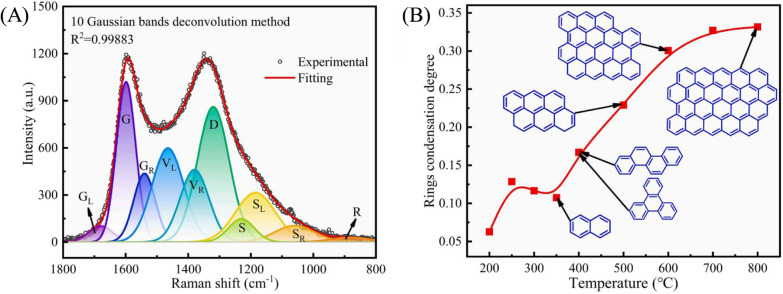
“6A show that the graphitization degree of lignin char is relatively low due to the presence of low-strength G band of graphite crystals (~ 1585 cm−1) [174].”
BackgroundPattiya, A. (2011) · Bioresource Technology · doi:10.1016/j.biortech.2010.08.117 · Cited by 170 · cited 1×
“, corn cob, wheat straw, rice straw and rice husk, with further drying, crushing and sieving) contain their own ideal pyrolytic temperatures to generate the highest yield of biofuels [98, 99].”
BackgroundGas- and solid/liquid-phase reactions during pyrolysis of softwood and hardwood lignins
Asmadi, M., Kawamoto, H., & Saka, S. (2011) · Journal of Analytical and Applied Pyrolysis · doi:10.1016/j.jaap.2011.08.003 · Cited by 169
Beste, A., & Buchanan, A. C. (2009) · The Journal of Organic Chemistry · doi:10.1021/jo9001307 · Cited by 168
Oxy-fuel combustion study of biomass fuels in a 20 kWth fluidized bed combustor
Sher, F., Pans, M. A., Sun, C., Snape, C., & Liu, H. (2018) · Fuel · doi:10.1016/j.fuel.2017.11.039 · Cited by 168 · cited 1×
“Thermal stability of different lignin samples depends on their functional groups, intermolecular bonds, extraction methods, and condensation degree [272].”
BackgroundProperties of sugarcane waste-derived bio-oils obtained by fixed-bed fire-tube heating pyrolysis
Islam, M. R., Parveen, M., & HANIU, H. (2010) · Bioresource Technology · doi:10.1016/j.biortech.2009.12.137 · Cited by 164 · cited 1×
“4 wt%) [93], cassava rhizome (with further drying, grinding and sieving) (63.”
BackgroundPretreatment of biomass using ionic liquids: Research updates
Zhang, Q., Hu, J., & Lee, D.-J. (2017) · Renewable Energy · doi:10.1016/j.renene.2017.03.093 · Cited by 163 · cited 1×
“Also, their nature and properties can be adjusted by changing the chemical structures of both cations and anions according to specific applications [258, 259].”
BackgroundRuthenium‐Catalyzed CC Bond Cleavage in Lignin Model Substrates
vom Stein, T., den Hartog, T., Buendia, J., Stoychev, S., Mottweiler, J., Bolm, C., Klankermayer, J., & Leitner, W. (2015) · Angewandte Chemie International Edition · doi:10.1002/anie.201410620 · Cited by 162
Recent Progress in Quantum Chemistry Modeling on the Pyrolysis Mechanisms of Lignocellulosic Biomass
Hu, B., Zhang, B., Xie, W.-L., Jiang, X.-Y., Liu, J., & Lu, Q. (2020) · Energy & Fuels · doi:10.1021/acs.energyfuels.0c01948 · Cited by 161 · cited 1×
“, from corn stalk and bamboo) due to the dominant H-type structure and abundant β-O-4 linkage in herbaceous lignin after organosolv fractionation, and demethylation and demethoxylation reactions during pyrolysis (to convert G-/S-type phenolic hydroxyls into H-type one via reducing the content of methoxy) [110, 215].”
BackgroundSlow pyrolysis of pistachio shell
Varol, E. A., Pütün, E., & Pütün, A. E. (2007) · Fuel · doi:10.1016/j.fuel.2006.11.041 · Cited by 159
Zhang, H., Xiao, R., Nie, J., Jin, B., Shao, S., & Xiao, G. (2015) · Bioresource Technology · doi:10.1016/j.biortech.2015.05.040 · Cited by 158
Fast microwave-assisted catalytic co-pyrolysis of microalgae and scum for bio-oil production
Xie, Q., Addy, M., Liu, S., Zhang, B., Cheng, Y., Wan, Y., Li, Y., Liu, Y., Lin, X., Chen, P., et al. (2015) · Fuel · doi:10.1016/j.fuel.2015.08.020 · Cited by 156
Formation of Aromatic Structures during the Pyrolysis of Bio-oil
Wang, Y., Li, X., Mourant, D., Gunawan, R., Zhang, S., & Li, C.-Z. (2012) · Energy & Fuels · doi:10.1021/ef201155e · Cited by 155 · cited 1×
“For THF-soluble fraction, almost the half is transformed into volatile products and the remainder is repolymerized into THF-insoluble fraction (of which the structure is composed of mono, 2–3 fused, and 3–5 fused aromatic rings [145]) when the temperature increases up to 300 °C.”
BackgroundBio-oil production from cotton stalk
Zheng, J.-L., Yi, W., & Wang, N. (2008) · Energy Conversion and Management · doi:10.1016/j.enconman.2007.11.005 · Cited by 155
Catalytic effects of NaOH and Na2CO3 additives on alkali lignin pyrolysis and gasification
Guo, D.-L., Wu, S.-B., Liu, B., Yin, X.-L., & Yang, Q. (2012) · Applied Energy · doi:10.1016/j.apenergy.2012.01.042 · Cited by 155 · cited 1×
“During cooking process, NaOH is commonly used as the chemical reagent to separate and degrade lignin fraction, wherein the cleavage of phenolic α-O-4, and nonphenolic/phenolic β-O-4 linkages, and the combination of Na+ and phenolic hydroxyl/carboxyl via chemical bonding to form phenolic-Na+ and carboxyl-Na+ groups hap…”
BackgroundYu, J., Sun, L., Berrueco, C., Fidalgo, B., Paterson, N., & Millan, M. (2018) · Journal of Analytical and Applied Pyrolysis · doi:10.1016/j.jaap.2018.01.018 · Cited by 155
Encinar, J. M., Beltrán, F. J., Ramiro, A., & González, J. F. G. (1998) · Fuel Processing Technology · doi:10.1016/s0378-3820(98)00052-6 · Cited by 152 · cited 1×
“3 wt%) [92], sugarcane bagasse (with further drying, grinding, and sieving) (61.”
Zhang, H., Xiao, R., Wang, D., Zhong, Z., Song, M., Pan, Q., & He, G. (2009) · Energy & Fuels · doi:10.1021/ef900720m · Cited by 149
Deep Eutectic Solvents (DESs) for the Isolation of Willow Lignin (Salix matsudana cv. Zhuliu)
Li, T., Lyu, G., Liu, Y., Lou, R., Lucia, L., Yang, G., Chen, J., & Saeed, H. (2017) · International Journal of Molecular Sciences · doi:10.3390/ijms18112266 · Cited by 149
Qiao, Y., Wang, B., Ji, Y., Xu, F., Zong, P., Zhang, J., & Tian, Y. (2019) · Bioresource Technology · doi:10.1016/j.biortech.2019.01.102 · Cited by 149
Yuan, C., Wang, S., Cao, B., Hu, Y., Abomohra, A. E.-F., Wang, Q., Qian, L., Liu, L., Liu, X., He, Z., et al. (2019) · Energy · doi:10.1016/j.energy.2019.02.091 · Cited by 149 · cited 1×
“Co-pyrolysis is a feasible and simple thermochemical technology for achieving the goal of high-efficiency utilization of these common wastes in our life due to the same heating system with pyrolysis technology without any significant adjustment [321].”
BackgroundZheng, Q., Zhang, D., Fu, P., Wang, A., Sun, Y., Li, Z., & Fan, Q. (2022) · Chemical Engineering Journal · doi:10.1016/j.cej.2022.135316 · Cited by 149 · cited 1×
“studied the char structure evolution during lignin fast pyrolysis from 200 to 800 °C [40].”
BackgroundPattiya, A., & Suttibak, S. (2012) · Journal of Analytical and Applied Pyrolysis · doi:10.1016/j.jaap.2012.02.010 · Cited by 147 · cited 1×
“4 wt%) [94], Jatropha seed shell cake (without any pretreatments) (48.”
BackgroundFigueirêdo, M. B., Hita, I., Deuss, P. J., Venderbosch, R. H., & Heeres, H. J. (2022) · Green Chemistry · doi:10.1039/d2gc00302c · Cited by 146
Impact of heating rates on the evolution of function groups of the biochar from lignin pyrolysis
Li, C., Hayashi, J.-I., Sun, Y., Zhang, L., Zhang, S., Wang, S., & Hu, X. (2021) · Journal of Analytical and Applied Pyrolysis · doi:10.1016/j.jaap.2021.105031 · Cited by 143 · cited 1×
“investigated the effect of heating rate on the evolution of functional groups and structural properties of lignin char, indicating that the higher heating rate would increase the oxygen content and decrease the HHV value of char, and lead to the further structural decomposition [38].”
BackgroundInvestigation on catalytic pyrolysis of pine sawdust: Catalyst screening by Py-GC-MIP-AED
Torri, C., Reinikainen, M., Lindfors, C., Fabbri, D., Oasmaa, A., & Kuoppala, E. (2010) · Journal of Analytical and Applied Pyrolysis · doi:10.1016/j.jaap.2010.02.005 · Cited by 141 · cited 1×
“Some metal oxides were also introduced in lignin catalytic pyrolysis, such as Fe2O3, CuO, ZnO, and CaO, which can also increase AHs yield and reduce heavy components in oils [299, 300].”
BackgroundZhang, X., Sun, L., Chen, L., Xie, X., Zhao, B., Si, H., & Meng, G. (2014) · Journal of Analytical and Applied Pyrolysis · doi:10.1016/j.jaap.2014.05.020 · Cited by 140 · cited 1×
“Some metal oxides were also introduced in lignin catalytic pyrolysis, such as Fe2O3, CuO, ZnO, and CaO, which can also increase AHs yield and reduce heavy components in oils [299, 300].”
BackgroundIbarra, D., Chávez, M. I., Rencoret, J., Del Río, J. C., Gutiérrez, A., Romero, J., Camarero, S., Martínez, M. J., Jiménez-Barbero, J., & Martínez, A. T. (2007) · Journal of Agricultural and Food Chemistry · doi:10.1021/jf063728t · Cited by 139 · cited 1×
“The produced Kraft lignin mainly consists of guaiacyl- and syringyl-type units, and also contains considerable amounts of phenolic hydroxyl due to the extensive cleavage of β-O-4 linkage during pulping process [185, 186].”
BackgroundFlash pyrolysis of grape residues into biofuel in a bubbling fluid bed
Xu, R., Ferrante, L., Briens, C. L., & Berruti, F. (2009) · Journal of Analytical and Applied Pyrolysis · doi:10.1016/j.jaap.2009.04.005 · Cited by 138 · cited 1×
“The generated vapor/gas flows through condenser 1, C-ESP, condenser 3, and the cotton wood filter in series, wherein the liquid yield can be obtained by measuring the weight of cyclonic condensers and C-ESP before and after each run, and oil deposit can be recovered with a specially designed scraper [337].”
MethodFast pyrolysis of Saccharina japonica alga in a fixed-bed reactor for bio-oil production
Ly, H. V., Kim, S.-S., Choi, J. H., Woo, H. C., & Kim, J. (2016) · Energy Conversion and Management · doi:10.1016/j.enconman.2016.06.019 · Cited by 135 · cited 1×
“also observed that increasing the pyrolytic temperature is beneficial for reducing oxygen content in biofuels, while increasing the content of hydrogen, showing the higher calorific value of biofuels [105, 106].”
BackgroundWen, J., Xue, B., Sun, S., & Sun, R. (2013) · Journal of Chemical Technology & Biotechnology · doi:10.1002/jctb.4017 · Cited by 132 · cited 1×
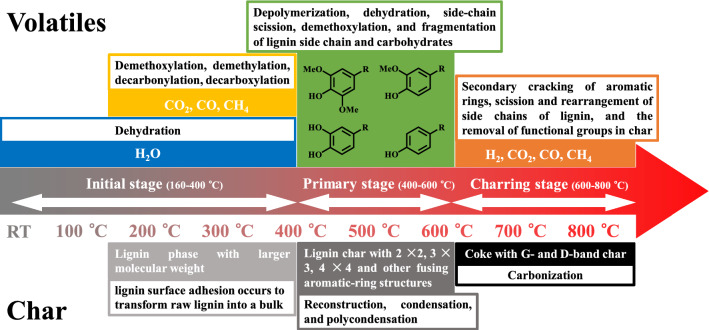
“During pyrolysis, different stages can be observed, including drying stage (from 25 to 150 °C, including moisture removing) and pyrolysis stage (from 200 to 350 °C, mainly involving β-O-4 degradation; from 350 to 400 °C, mainly involving lignin side-chain oxidation; > 400 °C, mainly involving aromatic rings saturation…”
BackgroundXiong, Z., Guo, J., Chaiwat, W., Deng, W., Hu, X., Han, H., Chen, Y., Xu, K., Su, S., Hu, S., et al. (2020) · Fuel Processing Technology · doi:10.1016/j.fuproc.2019.106299 · Cited by 132
Xu, H., Kong, Y., Peng, J., Song, X., Liu, Y., Su, Z., Li, B., Gao, C., & Tian, W. (2021) · Bioresource Technology · doi:10.1016/j.biortech.2020.124209 · Cited by 131
Yang, H., Chen, Z., Chen, W., Chen, Y., Wang, X., & Chen, H. (2020) · Energy · doi:10.1016/j.energy.2020.118646 · Cited by 130 · cited 1×
“Furthermore, AC has been investigated as an effective catalyst for the selective generation of phenols (the heavy components in bio-oils) [294, 295].”
BackgroundLignin oxidation and depolymerisation in ionic liquids
Prado, R., Brandt, A., Erdocia, X., Hallet, J., Welton, T., & Labidi, J. (2016) · Green Chemistry · doi:10.1039/c5gc01950h · Cited by 129
In situ catalytic pyrolysis of lignocellulose using alkali-modified amorphous silica alumina
Zabeti, M., Nguyen, T. S., Lefferts, L., Heeres, H. J., & Seshan, K. (2012) · Bioresource Technology · doi:10.1016/j.biortech.2012.05.034 · Cited by 129 · cited 1×
“Therefore, the quality of lignin oils obtained from pyrolysis process can be improved significantly via effective oxygen elimination [200, 201].”
BackgroundA new insight of lignin pyrolysis mechanism based on functional group evolutions of solid char
Yang, H., Dong, Z., Liu, B., Chen, Y., Gong, M., Li, S., & Chen, H. (2021) · Fuel · doi:10.1016/j.fuel.2020.119719 · Cited by 129 · cited 1×
“, from 200 to 600 °C), especially for the structural evolution of char at this stage [170].”
BackgroundValorization of lignin into phenolic compounds via fast pyrolysis: Impact of lignin structure
Yuan, J.-M., Li, H., Xiao, L.-P., Wang, T.-P., Ren, W.-F., Lu, Q., & Sun, R.-C. (2022) · Fuel · doi:10.1016/j.fuel.2022.123758 · Cited by 128
Comprehensive mechanism of initial stage for lignin pyrolysis
Li, J., Bai, X., Fang, Y., Chen, Y., Wang, X., Chen, H., & Yang, H. (2020) · Combustion and Flame · doi:10.1016/j.combustflame.2020.01.016 · Cited by 127 · cited 2×
“investigate the reaction pathway of initial stage comprehensively, revealing that a complex initial reaction of lignin pyrolysis mainly occurs at the temperature range of 160–330 °C (before 160 °C, external and internal water removing causes a light mass decrease) with mass loss of approximately 20% to form considerab…”
BackgroundAteş, F., & Işıkdağ, M. A. (2008) · Energy & Fuels · doi:10.1021/ef7006276 · Cited by 126
Huang, X., Cao, J.-P., Shi, P., Zhao, X.-Y., Feng, X.-B., Zhao, Y.-P., Fan, X., Wei, X.-Y., & Takarada, T. (2014) · Journal of Analytical and Applied Pyrolysis · doi:10.1016/j.jaap.2014.10.003 · Cited by 126 · cited 1×
“found that alkenes, alkanes, long-chain fatty acids/esters, aliphatic nitriles, and amides can be obtained at lower pyrolytic temperatures, while higher pyrolytic temperatures favor the cracking reaction among aliphatic species and the formation of aromatic compounds [102].”
BackgroundBeis, S. H., Mukkamala, S., Hill, N., Joseph, J., Baker, C., Jensen, B., Stemmler, E. A., Wheeler, C., Frederick, B. G., van Heiningen, A., et al. (2010) · BioResources · doi:10.15376/biores.5.3.1408-1424 · Cited by 125 · cited 1×
“However, the remaining sulfur content in Kraft lignin is disadvantageous for its application on pyrolysis due to the acidity of generated oils and air pollution during pyrolysis due to the release of foul-smelling sulfur compounds [152, 183].”
BackgroundProduction of bio-oil from de-oiled cakes by thermal pyrolysis
Volli, V., & Singh, R. K. (2012) · Fuel · doi:10.1016/j.fuel.2012.01.016 · Cited by 122 · cited 1×
“2 wt%) [90], Cynara cardunculus (without any pretreatments) (56.”
McMillen, D. F., Malhotra, R., Chang, S.-J., Ogier, W. C., Nigenda, S. E., & Fleming, R. H. (1987) · Fuel · doi:10.1016/0016-2361(87)90351-6 · Cited by 122 · cited 1×
“In the process of linkages cleavage, hydroxyl radicals are produced from scission of aliphatic side chains, and hydrogen radicals can be generated from β-scission reactions (from C–OH to C=O), which might migrate to either aliphatic side chains or aromatic rings with oxygen radicals [162, 163].”
BackgroundCatalytic pyrolysis of biomass in inert and steam atmospheres
Pütün, E., Ateş, F., & Pütün, A. E. (2007) · Fuel · doi:10.1016/j.fuel.2007.05.042 · Cited by 122 · cited 1×
“In addition, the pyrolytic temperature is also an important factor for determining the quality of biofuels, such as H/C ratio, which is an essential indicator for HHV (high heating value, kJ/mol) [104].”
BackgroundLi, C., Sun, Y., Dong, D., Gao, G., Zhang, S., Wang, Y., Xiang, J., Hu, S., Mortaza, G., & Hu, X. (2021) · Energy · doi:10.1016/j.energy.2021.120442 · Cited by 122 · cited 1×
“On the other hand, some studies also focused on the enhancement of oil production and char evolution via co-pyrolysis, such as lignin–collagen [331], lignin–cellulose [123, 124], lignin–waste oil [61], lignin–oil shale [332], lignin/cellulose/sawdust-coke bottle [333], and lignin–coal [334, 335], of which the detailed…”
BackgroundFenner, R. A., & Lephardt, J. O. (1981) · Journal of Agricultural and Food Chemistry · doi:10.1021/jf00106a042 · Cited by 121
Sun, R., Tomkinson, J., & Bolton, J. (1999) · Polymer Degradation and Stability · doi:10.1016/s0141-3910(98)00091-3 · Cited by 117 · cited 1×
“During cooking process, NaOH is commonly used as the chemical reagent to separate and degrade lignin fraction, wherein the cleavage of phenolic α-O-4, and nonphenolic/phenolic β-O-4 linkages, and the combination of Na+ and phenolic hydroxyl/carboxyl via chemical bonding to form phenolic-Na+ and carboxyl-Na+ groups hap…”
BackgroundFree-Radical Analysis on Thermochemical Transformation of Lignin to Phenolic Compounds
Hu, J., Shen, D., Xiao, R., Wu, S., & Zhang, H. (2013) · Energy & Fuels · doi:10.1021/ef3016602 · Cited by 116 · cited 1×
“The higher temperature would lead to more demethylation and demethoxylation reactions of guaiacyl units (P2 and P6) to increase the yield of cresol and catechol-type compounds [160, 166].”
BackgroundHalder, P., Kundu, S., Patel, S., Parthasarathy, R., Pramanik, B., Paz-Ferreiro, J., & Shah, K. (2019) · Energy Conversion and Management · doi:10.1016/j.enconman.2019.112067 · Cited by 116 · cited 1×
“confirmed that the IL treatment would lead to the cleavage of β-O-4 bond in lignin and then cause the improved generation of phenolic compounds from lignin pyrolysis [125].”
BackgroundMild Redox-Neutral Depolymerization of Lignin with a Binuclear Rh Complex in Water
Liu, Y., Li, C., Miao, W., Tang, W., Xue, D., Li, C., Zhang, B., Xiao, J., Wang, A., Zhang, T., et al. (2019) · ACS Catalysis · doi:10.1021/acscatal.9b00669 · Cited by 115
Fast Pyrolysis of Four Lignins from Different Isolation Processes Using Py-GC/MS
Lin, X., Sui, S., Tan, S., Pittman, C., Sun, J., & Zhang, Z. (2015) · Energies · doi:10.3390/en8065107 · Cited by 114 · cited 2×
“investigated the effect of temperature and time on the generation of phenolic products, illustrating that the maximum yield of phenolic products can be obtained at 450 °C [152].”
BackgroundWu, K., Wang, W., Guo, H., Yang, Y., Huang, Y., Li, W., & Li, C. (2020) · ACS Energy Letters · doi:10.1021/acsenergylett.0c00411 · Cited by 114
Ly, H. V., Kim, S.-S., Woo, H. C., Choi, J. H., Suh, D. J., & Kim, J. (2015) · Energy · doi:10.1016/j.energy.2015.10.011 · Cited by 111 · cited 1×
“found that a higher pyrolytic temperature produces biofuels with more short aliphatic carbons, low-molecular-weight alcohols, ketones, and their derivatives due to the further decomposition reaction occurring [103].”
BackgroundSlow pyrolysis of prot, alkali and dealkaline lignins for production of chemicals
Biswas, B., Singh, R., Kumar, J., Khan, A. A., Krishna, B. B., & Bhaskar, T. (2016) · Bioresource Technology · doi:10.1016/j.biortech.2016.01.131 · Cited by 111 · cited 1×
“demonstrated that increasing temperature benefits oil production, and the higher temperature prefers to alkyl phenols and catechols via demethylation, demethoxylation, and deoxygenation [204].”
BackgroundFan, L., Ruan, R., Li, J., Ma, L., Wang, C., & Zhou, W. (2020) · Applied Energy · doi:10.1016/j.apenergy.2020.114629 · Cited by 111 · cited 2×
“On the other hand, some studies also focused on the enhancement of oil production and char evolution via co-pyrolysis, such as lignin–collagen [331], lignin–cellulose [123, 124], lignin–waste oil [61], lignin–oil shale [332], lignin/cellulose/sawdust-coke bottle [333], and lignin–coal [334, 335], of which the detailed…”
BackgroundSustainable Electrochemical Depolymerization of Lignin in Reusable Ionic Liquids
Dier, T. K. F., Rauber, D., Durneata, D., Hempelmann, R., & Volmer, D. A. (2017) · Scientific Reports · doi:10.1038/s41598-017-05316-x · Cited by 110
Depolymerization of organosolv lignin using doped porous metal oxides in supercritical methanol
Warner, G., Hansen, T. S., Riisager, A., Beach, E. S., Barta, K., & Anastas, P. T. (2014) · Bioresource Technology · doi:10.1016/j.biortech.2014.02.092 · Cited by 108 · cited 1×
“Organosolv lignin Due to the low requirement for strong acids or bases, sulfur absence, simple downstream separation, and solvent recycling, organosolv fractionation using ethanol (the most commonly used) [206–209], ethyl acetate [210], acetone [211], etc.”
MethodCustodis, V. B. F., Karakoulia, S. A., Triantafyllidis, K. S., & van Bokhoven, J. A. (2016) · ChemSusChem · doi:10.1002/cssc.201600105 · Cited by 108
A Multitechnique Characterization of Lignin Softening and Pyrolysis
Shrestha, B., le Brech, Y., Ghislain, T., Leclerc, S., Carré, V., Aubriet, F., Hoppe, S., Marchal, P., Pontvianne, S., Brosse, N., et al. (2017) · ACS Sustainable Chemistry & Engineering · doi:10.1021/acssuschemeng.7b01130 · Cited by 108 · cited 1×
“With increasing temperature (over the softening temperature of lignin at ~ 140 °C [144]), the content of THF-insoluble fraction of obtained lignin char contains a larger molecular weight, indicating the occurrence of repolymerization reaction.”
BackgroundInfluence of Interactions among Three Biomass Components on the Pyrolysis Behavior
Zhao, S., Liu, M., Zhao, L., & Zhu, L. (2018) · Industrial & Engineering Chemistry Research · doi:10.1021/acs.iecr.8b00593 · Cited by 108
The pyrolysis of lignin: Pathway and interaction studies
Yu, J., Wang, D., & Sun, L. (2021) · Fuel · doi:10.1016/j.fuel.2020.120078 · Cited by 108 · cited 1×
“investigated the importance of pyrolytic temperature on lignin pyrolysis, where monophenols are the main components at the temperature range of 450– 525 °C, and higher temperatures prefer the generation of dimers [134].”
BackgroundPerformance of a conical spouted bed pilot plant for bio-oil production by poplar flash pyrolysis
Makibar, J., Fernandez-Akarregi, A. R., Amutio, M., López, G., & Olazar, M. (2015) · Fuel Processing Technology · doi:10.1016/j.fuproc.2015.03.011 · Cited by 106 · cited 1×
“0 wt%) [97] can be obtained at 450, 500, 400, 400, 600, 475, 472, 469, 470, 550, and 455 °C, respectively.”
Computational Study of Bond Dissociation Enthalpies for Substituted β‐O‐4 Lignin Model Compounds
Younker, J. M., Beste, A., & Buchanan, A. C. (2011) · ChemPhysChem · doi:10.1002/cphc.201100477 · Cited by 106
Production and chromatographic characterization of bio-oil from the pyrolysis of mango seed waste
Lazzari, E., Schena, T., Primaz, C. T., Maciel, G. P. D. S., Machado, M. E., Cardoso, C. A. L., Jacques, R. A., & Caramão, E. B. (2016) · Industrial Crops and Products · doi:10.1016/j.indcrop.2015.12.073 · Cited by 106 · cited 1×
“8 wt% when the pyrolytic temperature increasing to 650 °C [82].”
BackgroundPhenols and aromatics from fast pyrolysis of variously prepared lignins from hard- and softwoods
Custodis, V. B. F., Bährle, C., Vogel, F., & van Bokhoven, J. A. (2015) · Journal of Analytical and Applied Pyrolysis · doi:10.1016/j.jaap.2015.07.018 · Cited by 103 · cited 1×
“The behavior of carbon deposit on fusing rings would be enhanced owing to the recombination and recondensation of volatile products at higher temperatures [176].”
BackgroundKong, W., Fu, X., Wang, L., Alhujaily, A., Zhang, J., Ma, F., Zhang, X., & Yu, H. (2017) · Biotechnology for Biofuels · doi:10.1186/s13068-017-0906-x · Cited by 103
Chen, Y., Fang, Y., Yang, H., Xin, S., Zhang, X., Wang, X., & Chen, H. (2019) · Fuel · doi:10.1016/j.fuel.2019.03.070 · Cited by 103 · cited 1×
“, cellulose, hemicellulose, and lignin) [72], which can be transformed into valuable products, such as sugars, cyclopentenes, furans, phenols, and aliphatics in biofuels [73].”
BackgroundRyu, H. W., Lee, H. W., Jae, J., & Park, Y.-K. (2019) · Energy · doi:10.1016/j.energy.2019.05.015 · Cited by 103 · cited 1×
“Recently, catalytic pyrolysis has been applied as an efficient method for improving oil quality and stability via deoxygenation reactions with assistance of suitable catalysts [45, 46].”
MethodKariyawasam, T., Doran, G. S., Howitt, J. A., & Prenzler, P. D. (2022) · Chemosphere · doi:10.1016/j.chemosphere.2021.132981 · Cited by 103
Huang, M., Xu, J., Ma, Z., Yang, Y., Zhou, B., Wu, C., Ye, J., Zhao, C., Liu, X., Chen, D., et al. (2021) · Fuel Processing Technology · doi:10.1016/j.fuproc.2021.106792 · Cited by 102 · cited 1×
“[48] used five types of parent zeolites [HZSM-5 (25), HZSM-5 (85), Al-MCM-41, HY, and USY] in lignin pyrolysis, among which HZSM-5 (25) is the most effective one to produce AHs (BTX), showing the highest selectivity of 56.”
MethodSophonrat, N., Sandström, L., Zaini, I. N., & Yang, W. (2018) · Applied Energy · doi:10.1016/j.apenergy.2018.08.006 · Cited by 101 · cited 1×
“For example, lignin co-pyrolysis with low-density polyethylene over ZSM-5 [57], with polyethylene terephthalate over calcium oxide and zeolites [58], or with plastics (such as polyethylene, polypropylene and polystyrene) over LOSA-1, spent FCC, and Gamma-Al2O3 [59] showed the enhanced production of AHs owing to the sy…”
BackgroundMohtar, S. S., Tengku Malim Busu, T. N. Z., Md Noor, A. M., Shaari, N., Yusoff, N. A., Bustam@Khalil, M. A., Abdul Mutalib, M. I., & Mat, H. B. (2015) · Bioresource Technology · doi:10.1016/j.biortech.2015.05.029 · Cited by 100
Thermal Liquefaction of Lignin to Aromatics: Efficiency, Selectivity, and Product Analysis
Kozliak, E. I., Kubátová, A., Artemyeva, A. A., Nagel, E., Zhang, C., Rajappagowda, R. B., & Smirnova, A. L. (2016) · ACS Sustainable Chemistry & Engineering · doi:10.1021/acssuschemeng.6b01046 · Cited by 98 · cited 1×
“Besides, ether bonds (which can be cleaved at lower temperatures) are dominant in lignin interunit linkages, which are much easier to be decomposed compared to C–C bonds [251, 252], resulting in the significant increase of bio-oil from lignin (e.”
BackgroundLei, M., Wu, S., Liang, J., & Liu, C. (2019) · Journal of Analytical and Applied Pyrolysis · doi:10.1016/j.jaap.2019.01.004 · Cited by 98 · cited 2×
“After delignification, different kinds of lignin with high purity and homogeneity can be extracted from raw biomass and then pyrolyzed into low-molecular-weight compounds, which are the so-called pyrolytic oils (mainly composed of phenolic compounds, aldehydes, acids, and other aromatic hydrocarbons) [126, 127].”
BackgroundLiu, X., Li, T., Wu, S., Ma, H., & Yin, Y. (2020) · Bioresource Technology · doi:10.1016/j.biortech.2020.123460 · Cited by 98
Kraft-lignin pyrolysis and fractional condensation of its bio-oil vapors
Gooty, A. T., Li, D., Berruti, F., & Briens, C. L. (2013) · Journal of Analytical and Applied Pyrolysis · doi:10.1016/j.jaap.2013.12.006 · Cited by 97 · cited 1×
“, C-ESP), and a cotton wool filter for pyrolytic oils collection [336].”
BackgroundRashid, T., Gnanasundaram, N., Appusamy, A., Kait, C. F., & Thanabalan, M. (2018) · Industrial Crops and Products · doi:10.1016/j.indcrop.2018.02.056 · Cited by 95 · cited 1×
“Except for the nature of IL-extracted lignin, the secondary intra-particle reactions are also important factors in exothermic behaviors and thermal runway, thus having a significant effect on the kinetic mechanism and the magnitude of activation energy during pyrolysis [274, 278].”
BackgroundYang, M., Shao, J., Yang, Z., Yang, H., Wang, X., Wu, Z., & Chen, H. (2019) · Journal of Analytical and Applied Pyrolysis · doi:10.1016/j.jaap.2018.12.003 · Cited by 95
Wang, S., Li, Z., Yi, W., Fu, P., Zhang, A., & Bai, X. (2021) · Renewable Energy · doi:10.1016/j.renene.2020.10.108 · Cited by 95 · cited 1×
“Mixed zeolite, like HZSM-5@Al-SBA-15, was confirmed with both pre-cracking and enhanced diffusion (AlSBA-15), and shape AHs selectivity (HZSM-5), which can improve MAHs production while inhibit PAHs generation [284, 293].”
BackgroundSelective pyrolysis of Organosolv lignin over zeolites with product analysis by TG-FTIR
Luo, Z., Wang, S., & Guo, X. (2012) · Journal of Analytical and Applied Pyrolysis · doi:10.1016/j.jaap.2012.01.014 · Cited by 94
Stančin, H., Šafář, M., Růžičková, J., Mikulčić, H., Raclavská, H., Wang, X., & Duić, N. (2021) · Process Safety and Environmental Protection · doi:10.1016/j.psep.2020.07.023 · Cited by 94 · cited 1×
“The quality of formed oils can be improved via co-feeding with plastics to increase the C/H content [323], and the heating value of condensable products obtained from co-pyrolysis would also be enhanced obviously [324].”
BackgroundConversion of lignocellulosic biomass to green fuel oil over sodium based catalysts
Nguyen, T. S., Zabeti, M., Lefferts, L., Brem, G., & Seshan, K. (2013) · Bioresource Technology · doi:10.1016/j.biortech.2013.05.023 · Cited by 93 · cited 1×
“Therefore, the quality of lignin oils obtained from pyrolysis process can be improved significantly via effective oxygen elimination [200, 201].”
BackgroundXiong, S., Zhuo, J., Zhou, H., Pang, R., & Yao, Q. (2015) · Journal of Analytical and Applied Pyrolysis · doi:10.1016/j.jaap.2015.02.020 · Cited by 93
Kinetics and thermodynamic parameters of ionic liquid pretreated rubber wood biomass
Khan, A. S., Man, Z., Bustam, M. A., Kait, C. F., Ullah, Z., Nasrullah, A., Khan, M. I., Gonfa, G., Ahmad, P., & Muhammad, N. (2016) · Journal of Molecular Liquids · doi:10.1016/j.molliq.2016.09.012 · Cited by 93 · cited 2×
“Furthermore, heating rate is another important factor for lignin pyrolysis, indicating that the increasing heating rate would increase the reaction temperature and reduce the reaction period by accelerating pyrolysis [265, 276, 277].”
BackgroundMethodNon-isothermal TGA study on the combustion reaction kinetics and mechanism of low-rank coal char
Hu, Y., Wang, Z., Cheng, X., & Ma, C. (2018) · RSC Advances · doi:10.1039/c8ra02618a · Cited by 93 · cited 1×
“Furthermore, heating rate is another important factor for lignin pyrolysis, indicating that the increasing heating rate would increase the reaction temperature and reduce the reaction period by accelerating pyrolysis [265, 276, 277].”
BackgroundZhong, S., Zhang, B., Liu, C., & Shujaa aldeen, A. (2021) · Energy Conversion and Management · doi:10.1016/j.enconman.2020.113717 · Cited by 93 · cited 1×
“The quality of formed oils can be improved via co-feeding with plastics to increase the C/H content [323], and the heating value of condensable products obtained from co-pyrolysis would also be enhanced obviously [324].”
BackgroundWang, T.-P., Li, H., Yuan, J.-M., Li, W.-X., Li, K., Huang, Y.-B., Xiao, L.-P., & Lu, Q. (2021) · Industrial Crops and Products · doi:10.1016/j.indcrop.2021.113912 · Cited by 92 · cited 1×
“, from corn stalk and bamboo) due to the dominant H-type structure and abundant β-O-4 linkage in herbaceous lignin after organosolv fractionation, and demethylation and demethoxylation reactions during pyrolysis (to convert G-/S-type phenolic hydroxyls into H-type one via reducing the content of methoxy) [110, 215].”
BackgroundTang, S., Zhang, C., Xue, X., Pan, Z., Wang, D., & Zhang, R. (2019) · Journal of Analytical and Applied Pyrolysis · doi:10.1016/j.jaap.2018.11.013 · Cited by 89 · cited 1×
“, NaOH), the pore properties and acidic sites density of zeolites are all changed, with the enhanced performance on cracking bulky oxygenates (such as phenols) to produce AHs with sharper selectivity [47, 286, 287].”
BackgroundDalluge, D. L., Kim, K. H., & Brown, R. C. (2017) · Journal of Analytical and Applied Pyrolysis · doi:10.1016/j.jaap.2017.07.011 · Cited by 88
Lignin depolymerization and biotransformation to industrially important chemicals/biofuels
Radhika, N. L., Sachdeva, S., & Kumar, M. (2022) · Fuel · doi:10.1016/j.fuel.2021.122935 · Cited by 88
The radical-induced decomposition of 2-methoxyphenol
Dorrestijn, E., & Mulder, P. (1999) · Journal of the Chemical Society, Perkin Transactions 2 · doi:10.1039/a809619h · Cited by 87 · cited 1×
“On the other hand, temperature rising also makes a significant influence on phenolic selectivity via enhancing the cleavage of methoxy and other functional aromatic substituent groups [219], leading to the generation of oxygenated-alkyl methoxy phenols (OR-Ph-OCH3), alkyl methoxy phenols (R-Ph-OCH3), methoxy phenols (…”
BackgroundMechanism study on the pyrolysis of a synthetic β-O-4 dimer as lignin model compound
Wang, S., Ru, B., Dai, G., Shi, Z., Zhou, J., Luo, Z., Ni, M., & Cen, K. (2017) · Proceedings of the Combustion Institute · doi:10.1016/j.proci.2016.07.129 · Cited by 86 · cited 1×
“Among all phenolic compounds, G- and H-type phenols are generated by lignin side-chain fragmentation and free radical polymerization, while C-type phenols are mainly derived from side-chain fracture and thermal demethylation of other types of monophenols [232, 233].”
BackgroundXin, Y., Dong, L., Guo, Y., Liu, X., Hu, Y., & Wang, Y. (2019) · Journal of Catalysis · doi:10.1016/j.jcat.2019.05.007 · Cited by 86 · cited 1×
“Lewis acid sites endow niobium pentoxide with high catalytic activity in hydrodeoxygenation of lignin or its derivatives [304], exhibiting high AHs yield at 11.”
BackgroundZhong, S., Zhang, B., Liu, C., Shujaa aldeen, A., Mwenya, S., & Zhang, H. (2022) · Journal of Analytical and Applied Pyrolysis · doi:10.1016/j.jaap.2022.105544 · Cited by 86 · cited 1×
“Lignocellulosic biomass pyrolysis Background Lignocellulosic biomass is a narrow concept of biomass materials, broadly including forestry/agricultural residues, industrial waste biomass, and grasses [62, 63], which is the most popular material for preparing biofuels [64, 65].”
BackgroundLi, C., Sun, Y., Yi, Z., Zhang, L., Zhang, S., & Hu, X. (2021) · Renewable Energy · doi:10.1016/j.renene.2021.09.103 · Cited by 86 · cited 1×
“On the other hand, some studies also focused on the enhancement of oil production and char evolution via co-pyrolysis, such as lignin–collagen [331], lignin–cellulose [123, 124], lignin–waste oil [61], lignin–oil shale [332], lignin/cellulose/sawdust-coke bottle [333], and lignin–coal [334, 335], of which the detailed…”
BackgroundEffect of molecular weight on the pyrolysis characteristics of alkali lignin
Guo, D., Wu, S., Lyu, G., & Guo, H. (2017) · Fuel · doi:10.1016/j.fuel.2016.12.042 · Cited by 85 · cited 9×
“For example, a coupling analysis of TG-FTIR-GC/MS was used by Yang et al. to investigate the pyrolytic mechanism of lignin-rich residue obtained from Arundo donax.”
BackgroundMethodInfluentialCo-pyrolysis of Mixed Plastics and Cellulose: An Interaction Study by Py-GC×GC/MS
Sophonrat, N., Sandström, L., Johansson, A.-C., & Yang, W. (2017) · Energy & Fuels · doi:10.1021/acs.energyfuels.7b01887 · Cited by 84
A facile method to promote LaMnO3 perovskite catalyst for combustion of methane
Ding, Y., Wang, S., Zhang, L., Chen, Z., Wang, M., & Wang, S. (2017) · Catalysis Communications · doi:10.1016/j.catcom.2017.04.022 · Cited by 83 · cited 1×
“Finally, perovskite-type oxides, due to their high activity, high stability, strong resistance to poisoning, low cost, and excellent properties of transporting oxygen ions and electrons, have played an important role in catalytic reactions [305].”
BackgroundLi, H., Li, X., You, T., Li, D., Nawaz, H., Zhang, X., & Xu, F. (2021) · International Journal of Biological Macromolecules · doi:10.1016/j.ijbiomac.2021.10.134 · Cited by 83
Kong, L., Zhang, L., Gu, J., Gou, L., Xie, L., Wang, Y., & Dai, L. (2020) · Bioresource Technology · doi:10.1016/j.biortech.2019.122582 · Cited by 82
Influence of Pyrolysis Operating Conditions on Bio-Oil Components: A Microscale Study in a Pyroprobe
Thangalazhy-Gopakumar, S., Adhikari, S., Gupta, R. B., & Fernando, S. D. (2011) · Energy & Fuels · doi:10.1021/ef101032s · Cited by 81
Ojha, D. K., Viju, D., & Vinu, R. (2017) · Bioresource Technology · doi:10.1016/j.biortech.2017.05.084 · Cited by 81 · cited 1×
“The higher temperature would lead to more demethylation and demethoxylation reactions of guaiacyl units (P2 and P6) to increase the yield of cresol and catechol-type compounds [160, 166].”
BackgroundPark, Y.-K., Jung, J., Ryu, S., Lee, H. W., Siddiqui, M. Z., Jae, J., Watanabe, A., & Kim, Y.-M. (2019) · Applied Energy · doi:10.1016/j.apenergy.2019.05.088 · Cited by 81 · cited 1×
“For example, lignin co-pyrolysis with low-density polyethylene over ZSM-5 [57], with polyethylene terephthalate over calcium oxide and zeolites [58], or with plastics (such as polyethylene, polypropylene and polystyrene) over LOSA-1, spent FCC, and Gamma-Al2O3 [59] showed the enhanced production of AHs owing to the sy…”
BackgroundYao, T., Li, H., Ren, Y., Feng, M., Hu, Y., Yan, H., & Peng, L. (2022) · Separation and Purification Technology · doi:10.1016/j.seppur.2021.120034 · Cited by 81 · cited 1×
“extracted and recovered phenolic compounds from aqueous solution by thermo-separating magnetic ionic liquid aqueous two-phase system (two polypropylene glycol, PPG600-based thermo-separating magnetic ionic liquid aqueous), where the extraction efficiencies of phenol, o-cresol, and m-cresol were higher than 95% [339].”
BackgroundKe, L., Wang, Y., Wu, Q., Zhou, N., Dai, L., Tian, X., Huang, W., Peng, Y., Xu, J., Zou, R., et al. (2022) · Chemical Engineering Journal · doi:10.1016/j.cej.2021.134122 · Cited by 79
Thermal conversion of rice husks and sawdust to liquid fuel
Zheng, J.-L., Zhu, X.-F., Guo, Q., & Zhu, Q. (2006) · Waste Management · doi:10.1016/j.wasman.2005.10.011 · Cited by 78
Rhodium-terpyridine catalyzed redox-neutral depolymerization of lignin in water
Liu, Y., Li, C., Wang, M., Tang, W., Xue, D. Q., Xiao, J., Zhang, T., & Wang, C. (2020) · Green Chemistry · doi:10.1039/c9gc03057c · Cited by 78
Research works printed but not linked: 3
- Ma Z Sun Q Ye J Yao Q Zhao C Study on the thermal degradation behaviors and kinetics of alkali lignin for production of phenolic-rich bio-oil using TGA-FTIR and Py-GC/MS J Anal Appl Pyrol 2016 117 116 124 10.1016/j.jaap.2015.12.007 · DOI · Paper page
- Brebu M Vasile C Thermal degradation of lignin—a review Cell Chem Technol 2010 44 9 353 363
- Yan K Liu F Chen Q Ke M Huang X Hu W Pyrolysis characteristics and kinetics of lignin derived from enzymatic hydrolysis residue of bamboo pretreated with white-rot fungus Biotechnol Biofuel 2016 9 1 76 10.1186/s13068-016-0489-y PMC4815148 27034714 · DOI · Paper page
Cited by
Apaydın Varol, E., & Mutlu, Ü. (2023) · Energies · doi:10.3390/en16093674 · Cited by 361
“Since it is more difficult to break down these aromatic rings during pyrolysis, lignin produces fewer amounts of condensable volatiles, and hence the bio-oil yield is the lowest among the other constituents [43,71].”
BackgroundLignins as Promising Renewable Biopolymers and Bioactive Compounds for High-Performance Materials
Vasile, C., & Baican, M. (2023) · Polymers · doi:10.3390/polym15153177 · Cited by 251
Zhang, Y., Liang, Y., Li, S., Yuan, Y., Zhang, D., Wu, Y., Xie, H., Brindhadevi, K., Pugazhendhi, A., & Xia, C. (2023) · Fuel · doi:10.1016/j.fuel.2023.128461 · Cited by 241
Verdía Barbará, P., Choudhary, H., Nakasu, P. S., Al-Ghatta, A., Han, Y., Hopson, C., Aravena, R. I., Mishra, D. K., Ovejero-Pérez, A., Simmons, B. A., et al. (2025) · Chemical Reviews · doi:10.1021/acs.chemrev.4c00754 · Cited by 181
Brienza, F., Cannella, D., Montesdeoca, D., Cybulska, I., & Debecker, D. P. (2024) · RSC Sustainability · doi:10.1039/d3su00140g · Cited by 172
Metadata
- Authors
- Lu, X., & Gu, X.
- Affiliations
- Nanjing Forestry University (CN)
- Corresponding author
- Gu, Xiaoli
- ORCID
- Venue
- Biotechnology for Biofuels and Bioproducts
- Published
- 2022-10-11
- Volume
- 15
- Issue
- 1
- Pages
- 106-106
- ISSN
- 2731-3654 (ISSN-L)
- PMC
- PMC9552425
- OpenAlex
- W4304175550
- Semantic Scholar
- 71ab39e6ab57d4e834bf76bbbc96d80fcbbbbfe8
- Cited by
- 354
- References
- 337
- Citations by year
- 2026: 152 · 2025: 114 · 2024: 60 · 2023: 26 · 2022: 2
- FWCI
- 4.50
- Type
- journal article
- Language
- en
- Open access
- gold
- doi.org
- Licence
- cc-by
- creativecommons.org/licenses/by/4.0 (tdm)
- creativecommons.org/licenses/by/4.0 (vor)
- Locations
- Biotechnology for Biofuels and Bioproducts (publishedVersion, cc-by)
- PubMed Central (publishedVersion, cc-by)
- PubMed (publishedVersion)
- DOAJ (DOAJ: Directory of Open Access Journals) (submittedVersion, cc-by-sa)
- Funders
- China Scholarship Council (202108320294)
- National Natural Science Foundation of China (21774059)
- Priority Academic Program Development of Jiangsu Higher Education Institutions
- Topics
- Physical Sciences › Energy › Fuel Technology › Thermochemical Biomass Conversion Processes
- Physical Sciences › Chemical Engineering › Process Chemistry and Technology › Lignin and Wood Chemistry
- Physical Sciences › Energy › Fuel Technology › Coal Properties and Utilization
- Keywords
- lignin pyrolysis, pyrolysis mechanism, lignin valorization, aromatic hydrocarbons, phenolic compounds, demethoxylation, decarboxylation, char formation, co-pyrolysis, pyrolysis temperature, lignin functional groups, biofuel additives, lignin-derived compounds
About these checks
Registry, retraction, Cites and statistics results are computed, not judged, with one exception: a printed reference that no index lists is read once by a model before it counts as a citation error. Claims are extracted by a model and kept only when their quote appears verbatim in the text; each cited source is then checked, with a model’s help, for whether it says what the claim relies on. Those verdicts can be wrong — read the claim’s quote and the cited source before relying on one.
The claim verdicts this report counts are experimental: their accuracy is not yet measured.
A language model drew the claims from the paper on 2026-09-30, under version 3 of the claim definition (model deepseek-v4.1-flash, prompt extract-v3).
A second model labelled each claim on 2026-09-30 (model jev-1.13-20260917, definition revision gold-guideline-v0.2).
Cited sources are checked with a language model’s help (gpt-6-sol).
Statistics and arithmetic are recomputed, not judged.
Confidence bands are shown only for fields calibrated on our annotated test set. None is calibrated yet, so no band is shown.
What counts as a claim ›How we measure confidence ›How we check this ›
Are you an author, or do you see a problem with this page? Request a review
Data sources
Bibliographic data: Semantic Scholar, OpenAlex, Crossref.
Contains information from the Semantic Scholar Academic Graph Datasets, made available under the ODC Attribution License (ODC-BY 1.0).
Semantic Scholar’s data is described in: Kinney, R., et al. (2023). The Semantic Scholar Open Data Platform. arXiv:2301.10140.
