

A review on lignin pyrolysis: pyrolytic behavior, mechanism, and relevant upgrading for improving process efficiency
Open accessThe DOI matches its Crossref record; 337 of the 339 references it cites were found in a registry or an index, and 2 are not checked yet; 36 of the 372 sources its claims cite were checked for support.
Abstract
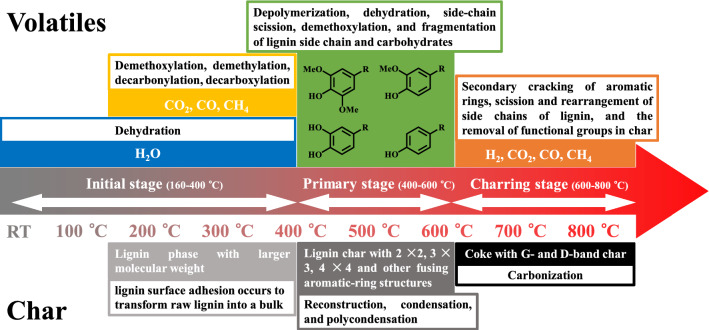
Through TG analysis, three main stages of lignin pyrolysis can be obtained, including water evaporation (<200 °C), primary decomposition (at 250–500 °C), and carbonization (>500 °C). Pyrolytic temperature significantly influences phenol generation and char formation.
Verified 2026-11-25 · 2 references not checked yet
Overview
CoChat Summary
## TL;DR
This review synthesizes how lignin pyrolysis proceeds in three stages and how temperature, time, lignin type, and functional groups shape gas, phenolic oil, and char formation. It also reviews upgrading routes—especially zeolite catalysis and co-pyrolysis with hydrogen-rich feedstocks—to increase aromatic hydrocarbons and improve oil quality.
## Key findings
- Lignin pyrolysis is described as three stages: initial, primary, and charring; the review states that light gases, phenolic compounds, and char with fused aromatic-ring structures are produced across these stages.
- The paper reports that in the primary stage, phenolic compounds are major products at about 400–600 °C, with a maximum phenolic yield at 450 °C in one cited study.
- In a cited example on catalytic pyrolysis with zeolites, HZSM-5 (25) gave the highest BTX selectivity at 56.56%; another zeolite modification study reports 29.3% MAHs over Co-HZSM-5.
- For other catalysts, the review reports 13.26 wt% MAHs with >98% toluene selectivity and >95% deoxygenation over biomass-Mo2C, and 11.2 wt% AHs with 94% MAHs selectivity over Nb2O5.
- Co-pyrolysis with hydrogen-rich feedstocks is presented as a way to raise aromatic hydrocarbons by increasing the feedstock H/Ceffective ratio and supplying hydrogen radicals; the paper cites improved yields and broader product distributions, including MAHs and PAHs.
## Methods
- Not an experimental paper; this is a review that synthesizes prior studies on lignin pyrolysis, lignin types, catalytic upgrading, and co-pyrolysis.
- The review draws on multiple analytical methods used in the cited literature, including TGA/TG-DTG, FTIR, GC/MS, Py-GC/MS, Raman, and NMR.
- The main analysis is qualitative synthesis of published results, organized around pyrolysis mechanism, influencing factors, catalyst effects, and product upgrading.
## Limitations
- The paper explicitly notes that the high oxygen content, acidity, and corrosiveness of lignin oils mean that further upgrading is necessary.
- It also states that lignin pyrolysis faces challenges because lignin is complex and low-reactivity, and that over 90% of lignin is burned with low efficiency while only 2% is efficiently utilized; this is a limitation of the field as described in the paper.
- The text makes evident, but does not frame as a formal limitation: many reported yields and selectivities come from different cited studies with different feedstocks, reactors, and catalysts, so direct comparison across results is constrained.
Model-written summary. Check it against the paper before relying on it.
Integrity signals
Registry
Cites
Statistics
Figures
Verification
Claims the paper makes
30 Valid · 5 Not valid · 199 Not checked · 23 Own results and interpretations
At least one cited source doesn’t support this claim or points to a different paper, and none confirmed it — see the verdicts below.
In the paper
“the yield of liquid products is proportional to the reaction temperature [157]”
§ A review on lignin pyrolysis: pyrolytic behavior, mechanism, and relevant upgrading for improving process efficiency > Lignin pyrolysis > Lignin pyrolysis mechanism
What the sources say
- Disputedcites [157] Marathe PS Westerhof RJM Kersten SRA Fast pyrolysis of lignins with different molecular weight: experiments and modelling Appl Energy 2019 236 1125 1137 10.1016/j.apenergy.2018.12.058 sourceExperimental — accuracy not yet measured
Section 5.4 (p. 9) reports that oil yield became constant above 530 °C at 500 Pa and was independent of temperature across the tested range at 10⁵ Pa. Although yield rose over part of the range at 500 Pa, the paper does not support a general proportional relationship between liquid-product yield and reaction temperature. (LLM, conf=0.90)
Checked by a reasoning model — may be wrong.
plainstates an association- Asserted: passes — The authors put it forward as true.
- Checkable: passes — It can be checked against evidence.
- Load-bearing: unclear — It is unclear whether the paper’s conclusions depend on it.
- Based: passes — The paper gives a reason why it holds.
- Disputed
The cited sources support only part of this claim — read each source’s verdict below.
In the paper
“Lignin is a promising alternative to traditional fossil resources for producing biofuels due to its aromaticity and renewability.”
- Also stated in: § Introduction · plain
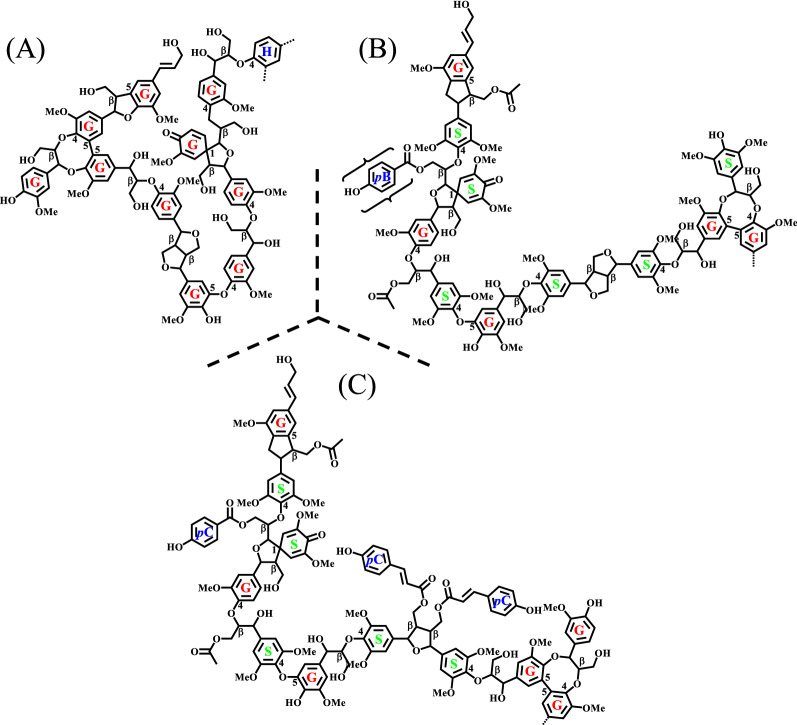
“Due to the natural aromatic polystructure, lignin (which can mainly be extracted from softwood, hardwood, and grass, and the model lignin structures is shown in Fig. 1 [1]) has been regarded as a sustainable alternative to fossil-derived resources to provide valuable biochemicals [2–7].”
§ A review on lignin pyrolysis: pyrolytic behavior, mechanism, and relevant upgrading for improving process efficiency > Abstract
What the sources say
- Not checked — no full text of the sourcecites [2] Sethupathy S Murillo Morales G Gao L Wang H Yang B Jiang J Lignin valorization: status, challenges and opportunities Bioresour Technol 2022 347 126696 10.1016/j.biortech.2022.126696 35026423 source
- Not checked — no full text of the sourcecites [3] Radhika NL Sachdeva S Kumar M Lignin depolymerization and biotransformation to industrially important chemicals/biofuels Fuel 2022 312 122935 10.1016/j.fuel.2021.122935 source
- Not checked — no full text of the sourcecites [4] Kim HU Kim JW Tran NT Limarta SO Ha J-M Park Y-K Direct conversion of lignin to high-quality biofuels by carbon dioxide-assisted hydrolysis combined with transfer hydrogenolysis over supported ruthenium catalysts Energy Convers Manag 2022 261 115607 10.1016/j.enconman.2022.115607 source
- Not checked — no full text of the sourcecites [5] Yang L Zheng T Huang C Yao J Using deep eutectic solvent pretreatment for enhanced enzymatic saccharification and lignin utilization of masson pine Renew Energy 2022 195 681 687 10.1016/j.renene.2022.06.066 source
- Not checked — no full text of the sourcecites [6] Roberto Paz Cedeno F Belon de Siqueira B Gabriel Solorzano Chavez E Ulises Miranda Roldán I Moreira Ropelato L Paul Martínez Galán J Recovery of cellulose and lignin from Eucalyptus by-product and assessment of cellulose enzymatic hydrolysis Renew Energy 2022 193 807 820 10.1016/j.renene.2022.05.027 source
- Partly supportedcites [7] Yuan Y Jiang B Chen H Wu W Wu S Jin Y Recent advances in understanding the effects of lignin structural characteristics on enzymatic hydrolysis Biotechnol Biofuels 2021 14 1 205 10.1186/s13068-021-02054-1 34670604 PMC8527784 sourceExperimental — accuracy not yet measured
The Background describes lignin as an aromatic polymer and lignocellulose as a renewable resource used to produce bioethanol in place of fossil fuels. It identifies cellulose and hemicelluloses—not lignin—as the main polysaccharides for biofuel production, and describes lignin as an obstacle to their conversion. The cited paper therefore does not support the claim that lignin itself is a promising biofuel feedstock because of its aromaticity and renewability. (LLM, conf=0.86)
plainstates a cause- Asserted: passes — The authors put it forward as true.
- Checkable: passes — It can be checked against evidence.
- Load-bearing: passes — The paper’s conclusions depend on it.
- Based: passes — The paper gives a reason why it holds.
- Also stated in: § Introduction · plain
The cited sources support only part of this claim — read each source’s verdict below.
In the paper
“Recently, catalytic pyrolysis has been applied as an efficient method for improving oil quality and stability via deoxygenation reactions with assistance of suitable catalysts [45, 46].”
§ A review on lignin pyrolysis: pyrolytic behavior, mechanism, and relevant upgrading for improving process efficiency > Introduction
What the sources say
- Not checked — no full text of the sourcecites [45] Ryu HW Lee HW Jae J Park Y-K Catalytic pyrolysis of lignin for the production of aromatic hydrocarbons: effect of magnesium oxide catalyst Energy 2019 179 669 675 10.1016/j.energy.2019.05.015 source
- Partly supportedcites [46] Zheng A Huang Z Wei G Zhao K Jiang L Zhao Z Controlling deoxygenation pathways in catalytic fast pyrolysis of biomass and its components by using metal-oxide nanocomposites iScience 2020 23 1 100814 10.1016/j.isci.2019.100814 31954322 PMC6962703 sourceExperimental — accuracy not yet measured
The Introduction (page unavailable) describes catalytic fast pyrolysis as a promising way to produce highly deoxygenated molecules and reports that catalytic pyrolysis can reduce the oxygen content of bio-oil. This supports the deoxygenation and oil-quality aspects of the claim, but the paper does not establish improved bio-oil stability; its mention of stability in Limitations of the Study concerns the catalysts, not the oil. (LLM, conf=0.84)
plainstates a cause- Asserted: passes — The authors put it forward as true.
- Checkable: passes — It can be checked against evidence.
- Load-bearing: passes — The paper’s conclusions depend on it.
- Based: passes — The paper gives a reason why it holds.
The cited sources that could be checked couldn’t confirm or dispute this claim.
In the paper
“Besides, C–O bonds are the most abundant linkages in native lignin, accounting for two-thirds or more of total linkages [9–12].”
§ A review on lignin pyrolysis: pyrolytic behavior, mechanism, and relevant upgrading for improving process efficiency > Introduction
What the sources say
- Not checked — no full text of the sourcecites [9] Li C Zhao X Wang A Huber GW Zhang T Catalytic transformation of lignin for the production of chemicals and fuels Chem Rev 2015 115 21 11559 11624 10.1021/acs.chemrev.5b00155 26479313 source
- Not checked — no full text of the sourcecites [10] Chakar FS Ragauskas AJ Review of current and future softwood kraft lignin process chemistry Ind Crop Prod 2004 20 2 131 141 10.1016/j.indcrop.2004.04.016 source
- Not checked — no full text of the sourcecites [11] Lin F Ma Y Sun Y Song Z Men X Wu Y Selective hydrodeoxygenation of lignin model compound to renewable fuel precursors using two-dimensional nanosheet Ni/HZ5-NS catalyst Renew Energy 2022 189 1278 1291 10.1016/j.renene.2022.02.097 source
- Could not verifycites [12] Umar Y Velasco O Abdelaziz OY Aboelazayem O Gadalla MA Hulteberg CP A renewable lignin-derived bio-oil for boosting the oxidation stability of biodiesel Renew Energy 2022 182 867 878 10.1016/j.renene.2021.10.061 sourceExperimental — accuracy not yet measured
The Introduction (p. 4) describes lignin as an abundant aromatic biopolymer, while the Methods (p. 7) describe its depolymerisation. Neither passage addresses which bonds predominate in native lignin or gives a fraction of total linkages; searches for “linkages,” “two-thirds,” and C–O or ether bonds found no supporting passage in our copy. (LLM, conf=0.77)
plain- Asserted: passes — The authors put it forward as true.
- Checkable: passes — It can be checked against evidence.
- Load-bearing: unclear — It is unclear whether the paper’s conclusions depend on it.
- Based: passes — The paper gives a reason why it holds.
Every source the paper cites for this claim was checked and supports it.
In the paper
“the increasing molecular weight of lignin would decrease the oil yield due to higher yields of gases and solids obtained”
§ A review on lignin pyrolysis: pyrolytic behavior, mechanism, and relevant upgrading for improving process efficiency > Lignin pyrolysis > Lignin pyrolysis mechanism
What the sources say
- Supportedcites [157] Marathe PS Westerhof RJM Kersten SRA Fast pyrolysis of lignins with different molecular weight: experiments and modelling Appl Energy 2019 236 1125 1137 10.1016/j.apenergy.2018.12.058 source
The Conclusions (p. 11) state that as lignin’s number-average molecular weight increased, oil yield decreased while char and gas yields increased. Section 5.2 (p. 8) also reports the decrease in oil yield at both tested pressures. (LLM, conf=0.94)
hedgedstates a cause- Asserted: passes — The authors put it forward as true.
- Checkable: passes — It can be checked against evidence.
- Load-bearing: unclear — It is unclear whether the paper’s conclusions depend on it.
- Based: passes — The paper gives a reason why it holds.
- Supported
133 more claims · 11 with their cited sources checked
Create a free account to see all 257 claims and to verify the 5 references still open.
- It may state two separate claims as one. 105
- Probably not a substantial claim. 29
- The quote only partly states this claim. 2
Claims other papers make about this one
Each is checked against this paper’s own text: does it say what the citing paper says it does?
The cited source doesn’t support the claim as written.
In the citing paper
“Lignin depolymerisation, initiated in the 200-400 • C zone, reached completion within this phase [91].”
From Pilot-Scale Slow Pyrolysis, Post-Heat Treatment, and Self-Heating Performance of Biochar Fuels Derived from Construction, Renovation, and Demolition (CRD) Wood Waste (2026) · cites this paper as [91]
Checked by a reasoning model — may be wrong.
Experimental — accuracy not yet measured
Citations
Cites
Pyrolysis of Wood/Biomass for Bio-oil: A Critical Review
Mohan, D., Pittman, C. U., & Steele, P. H. (2006) · Energy & Fuels · doi:10.1021/ef0502397 · Cited by 5,663
Review of fast pyrolysis of biomass and product upgrading
Bridgwater, A. V. (2012) · Biomass and Bioenergy · doi:10.1016/j.biombioe.2011.01.048 · Cited by 4,856
Dissolution of Cellose with Ionic Liquids
Swatloski, R. P., Spear, S. K., Holbrey, J. D., & Rogers, R. D. (2002) · Journal of the American Chemical Society · doi:10.1021/ja025790m · Cited by 4,728 · cited 1×
“Some ILs have been used as solvents for lignocellulosic biomass pretreatment, such as 1-butyl-3-methylimidazolium chloride ([Bmin][Cl]), 1-hexyl-3-methylimidazolium chloride [Hmin][Cl], 1-octyl-3-methylimidazolium chloride ([Omin][Cl]) [262], 1-ethyl-3-methylimidazolium acetate [Emin][OAc] [263, 264], and 1-butyl-3-me…”
MethodCatalytic Transformation of Lignin for the Production of Chemicals and Fuels
Li, C., Zhao, X., Wang, A., Huber, G. W., & Zhang, T. (2015) · Chemical Reviews · doi:10.1021/acs.chemrev.5b00155 · Cited by 2,951 · cited 2×
“, BDE = 481 kJ/mol), large amounts of methoxylated phenols are generated [9, 164].”
BackgroundChemicals from lignin: an interplay of lignocellulose fractionation, depolymerisation, and upgrading
Schutyser, W., Renders, T., Van den Bosch, S., Koelewijn, S.-F., Beckham, G. T., & Sels, B. F. (2018) · Chemical Society Reviews · doi:10.1039/c7cs00566k · Cited by 2,552
Kan, T., Strezov, V., & Evans, T. J. (2016) · Renewable and Sustainable Energy Reviews · doi:10.1016/j.rser.2015.12.185 · Cited by 2,239 · cited 1×
“Lignocellulosic biomass pyrolysis Background Lignocellulosic biomass is a narrow concept of biomass materials, broadly including forestry/agricultural residues, industrial waste biomass, and grasses [62, 63], which is the most popular material for preparing biofuels [64, 65].”
BackgroundPaving the Way for Lignin Valorisation: Recent Advances in Bioengineering, Biorefining and Catalysis
Rinaldi, R., Jastrzebski, R., Clough, M. T., Ralph, J., Kennema, M., Bruijnincx, P. C. A., & Weckhuysen, B. M. (2016) · Angewandte Chemie International Edition · doi:10.1002/anie.201510351 · Cited by 2,138
A review on pyrolysis of plastic wastes
Anuar Sharuddin, S. D., Abnisa, F., Wan Daud, W. M. A., & Aroua, M. K. (2016) · Energy Conversion and Management · doi:10.1016/j.enconman.2016.02.037 · Cited by 2,126
Chemical modification of lignins: Towards biobased polymers
Laurichesse, S., & Avérous, L. (2014) · Progress in Polymer Science · doi:10.1016/j.progpolymsci.2013.11.004 · Cited by 2,058 · cited 1×
“, by adding excessive water in the obtained previous liquid containing hemicellulose and lignin fractions) and collected by centrifugation/filtration, which contains better solubility (in many organic solvents) and higher purity with lower structural modification compared to those of lignin obtained Kraft and soda pro…”
BackgroundCatalytic conversion of lignocellulosic biomass to fine chemicals and fuels
Zhou, C.-H., Xia, X., Lin, C.-X., Tong, D.-S., & Beltramini, J. (2011) · Chemical Society Reviews · doi:10.1039/c1cs15124j · Cited by 1,420 · cited 1×
“Commonly, strategies for lignin conversion to biofuels or biochemicals can be summarized into pyrolysis (thermal and catalytic pyrolysis), hydroprocessing (hydrogenolysis, hydrodeoxygenation, hydrogenation, and integrated hydrogen processing), oxidation (organometallic catalysis, metal-free organocatalytic system, bas…”
Background
Research works printed but not linked: 3
- Ma Z Sun Q Ye J Yao Q Zhao C Study on the thermal degradation behaviors and kinetics of alkali lignin for production of phenolic-rich bio-oil using TGA-FTIR and Py-GC/MS J Anal Appl Pyrol 2016 117 116 124 10.1016/j.jaap.2015.12.007 · DOI · Paper page
- Brebu M Vasile C Thermal degradation of lignin—a review Cell Chem Technol 2010 44 9 353 363
- Yan K Liu F Chen Q Ke M Huang X Hu W Pyrolysis characteristics and kinetics of lignin derived from enzymatic hydrolysis residue of bamboo pretreated with white-rot fungus Biotechnol Biofuel 2016 9 1 76 10.1186/s13068-016-0489-y PMC4815148 27034714 · DOI · Paper page
Cited by
Items 201–300 of 349
Isailović, J., Vukićević, E., Schwarzbauer, J., Lević, S., Antić, M., Brčeski, I., Jovančićević, B., & Antić, V. (2025) · Molecules · doi:10.3390/molecules30193945 · Cited by 2
“The absence of ketones suggests that the heavy fraction contains more stable aromatic/phenolic structures, which is consistent with the general pyrolytic behavior of lignin [44].”
InfluentialAdsorption of potassium released during biomass pyrolysis using coal gasification slag: A review
Chen, L., Tian, L., Guo, Q., Yu, G., Song, X., Tan, C., Jena, M. K., Wu, Z., & Wei, J. (2025) · Journal of Analytical and Applied Pyrolysis · doi:10.1016/j.jaap.2025.107433 · Cited by 3
Alejandro-Jardón, B., Maceda, A., Cuapio-Hernández, L., Machuca-Velasco, R., Ambriz, A. C., & la Rosa, A. B.-D. (2025) · Revista Brasileira de Botânica · doi:10.1007/s40415-025-01119-x · Cited by 1
“One promising approach is pyrolysis, a ther-mochemical technique that decomposes lignin at controlled temperatures between 300 and 600 °C in oxygen-free environments to prevent complete oxidation to CO 2 (Lu and Gu 2022).”
Influence of sorghum grain tannin content on the composition and properties of pyrolysis products
Mendes, P. B., da Silva, J. T., Carolino, J. M., Miguel, R. D. A., Simeone, M. L. F., Queiróz, V. A. V., de Menezes, C. B., Machado, A. R. T., & Pimenta, L. P. S. (2025) · Biomass and Bioenergy · doi:10.1016/j.biombioe.2025.108642 · Cited by 1
Unraveling the structural evolution of lignin-carbohydrate complexes in poplar during autohydrolysis
Zheng, B., Yang, Z., Liu, P., Zhao, X., Huang, C., Lai, C., & Yong, Q. (2025) · Carbohydrate Polymers · doi:10.1016/j.carbpol.2025.124832 · Cited by 3
Liyanage, Y., Kim, S., Karanwal, N., & Kim, J. (2025) · Energy · doi:10.1016/j.energy.2025.138636 · Cited by 4
Li, X., Huang, S., Wu, R., Zhang, C., Lyu, C., Yao, H., Lian, H., & Liimatainen, H. (2026) · Bioresource Technology · doi:10.1016/j.biortech.2026.133934 · Cited by 2
Hejna, M., Łyczko, J., Koziel, J. A., Armstrong, E., Niri, V. H., Haddadi, S. H., Anyszkiewicz, J., & Białowiec, A. (2026) · Journal of Environmental Management · doi:10.1016/j.jenvman.2026.128787 · Cited by 1
Yan, Y., Suo, H., Peng, C., Wu, Z., Lou, L., Liu, S., & Yu, K. (2026) · Bioresource Technology · doi:10.1016/j.biortech.2026.134200 · Cited by 1
Effects of precursor components on the structure and properties of algal derived carbocatalyst
Xu, S., Zhang, J., Shen, W., Yuan, C., Ling, Q., Xiao, Y., Cao, B., & Wang, S. (2026) · Fuel · doi:10.1016/j.fuel.2026.138813 · Cited by 1
Lu, J., Chen, J., Lei, C., Xiao, Y., Cao, Q., Hu, H., Li, J., & Liang, Y. (2026) · Carbon · doi:10.1016/j.carbon.2026.121411 · Cited by 1
Zhuang, Z., Wei, Y., Tian, K., Jiang, K. P., Jin, H., & Guo, L. (2026) · Energy · doi:10.1016/j.energy.2026.140885 · Cited by 1
Snehanath, Swift, S., Liu, T., Carson, D., Young, B. R., & Baroutian, S. (2026) · Food and Bioprocess Technology · doi:10.1007/s11947-026-04339-5 · Cited by 6
“The number and position of the methoxy groups determine the phenolic products formed during thermal degradation (Lu & Gu, 2022).”
Souza, T. F., Ferreira, A. M., Sosa, F. H. B., Coutinho, J. A. P., Ferreira, C. B., & Ferreira, G. M. (2026) · ACS Sustainable Chemistry & Engineering · doi:10.1021/acssuschemeng.6c00062 · Cited by 1
Liang, W., Cheng, S., Cui, Y., et al. (2026) · Journal of Environmental Management · doi:10.1016/j.jenvman.2026.129747 · Cited by 1
Wang, Y., Zhao, Q., Takasu, K., Hao, Q., & Yang, Y. (2026) · Cement and Concrete Composites · doi:10.1016/j.cemconcomp.2026.106652 · Cited by 1
Karpkerd, P., Fukuda, S., & Muangthong-on, T. (2026) · Cleaner Engineering and Technology · doi:10.1016/j.clet.2026.101231 · Cited by 2
Azad, S. A., Kargaran, E., Saleknezhad, M., Cheng, Y., Quan, C., Chen, J., Sun, C., Madadi, M., & Sun, F. (2026) · Chemical Engineering Journal · doi:10.1016/j.cej.2026.176853 · Cited by 3
Castro, J. P. C., Wagner, J., & Schartel, B. (2026) · Polymer Testing · doi:10.1016/j.polymertesting.2026.109220 · Cited by 2
Bravo-Sanabria, C. A., & Ardila-Suárez, C. (2026) · Industrial & Engineering Chemistry Research · doi:10.1021/acs.iecr.6c01070 · Cited by 1
Namsar, O., Yodbunork, C., Yodying, W., Kunniyom, K., Autthawong, T., Haruta, M., & Sarakonsri, T. (2026) · Biomass and Bioenergy · doi:10.1016/j.biombioe.2026.109516 · Cited by 1
Soomro, A., Koçer, A. T., & Balkanlı, D. (2026) · Bioresources and Bioprocessing · doi:10.1186/s40643-026-01067-8 · Cited by 2
“Extended vapour residence encourages secondary reactions such as tar cracking and repolymerization, which enrich the resulting char in fixed carbon and aromatic structures (Altıkat et al. 2024; Bielecki and Zubkova 2023; Kim and Park 2020; Lu and Gu 2022; Özçimen et al. 2018; Pahnila et al. 2023).”
Min, K. J., Oh, D. Y., Lee, E., Lee, J. H., Kim, D. K., & Park, K. H. (2026) · Frontiers in Environmental Science · doi:10.3389/fenvs.2026.1826146 · Cited by 1
Xinmin, W., Shengming, Z., Wang, B., Gao, M., Yibo, P., Ruishen, Z., & Jiawei, L. (2026) · Journal of Analytical and Applied Pyrolysis · doi:10.1016/j.jaap.2026.107907 · Cited by 3
Ebadi, S., Lee, J., Nam, H., Jung, S., Seo, M. W., Lee, D., & Park, Y.-K. (2026) · Industrial Crops and Products · doi:10.1016/j.indcrop.2026.123655 · Cited by 3
Ganesan, A., Barnabé, S., Langlois, S., Rezazgui, O., Bareha, Y., & Boussabbeh, C. (2026) · Energies · doi:10.3390/en19133097 · Cited by 2
Simon, S., Yerima, J. B., & Timtere, P. (2026) · Nigerian Journal of Physics · doi:10.62292/njp.v35(s).2026.661 · Cited by 1
“…dictate the Thermal Stability Index (TSI), which serves as the definitive indicator for advanced material selection (Granados et al., 2025, Goodarzi, and Zendehboudi, 2019) The underlying pyrolytic breakdown of these composites progresses through four distinct operational regimes (Lu and Gu, 2022).”
Lee, T., Lee, J., Lee, J., Tsang, Y. F., Hwang, S.-J., & Kwon, E. E. (2025) · Energy Conversion and Management · doi:10.1016/j.enconman.2025.120152 · Cited by 2
Tkachenko, O., Nikolaichuk, A., Fihurka, N., et al. (2023) · ChemRxiv · doi:10.26434/chemrxiv-2023-pg6pq · Cited by 1
Lignin Depolymerization Technologies
Bajpai, P. (2023) · Wiley eBooks · doi:10.1002/9781394191666.ch3
General Background and Introduction
Bajpai, P. (2023) · Wiley eBooks · doi:10.1002/9781394191666.ch1
Catalytic Pyrolysis of Lignin from Residual Red Liquor
Vlaicu, A., Mîrț, A.-L., Pșenovschi, G., et al. (2023) · doi:10.3390/chemproc2023013015
“Its presence in the pyrolysis products makes lignin-rich materials an interesting feedstock for the production of value-added chemicals and biofuels [17].”
Jiang, D., Lin, M., Yan, Y., et al. (2024) · SSRN Electronic Journal · doi:10.2139/ssrn.4788372
Robertson, D., Nousiainen, P., Pitkänen, L., Schlapp‐Hackl, I., Rusakov, D., & Hummel, M. (2024) · SSRN Electronic Journal · doi:10.2139/ssrn.4868525
Krisnanti, G. Y., Gusrizal, G., & Wahyuni, N. (2024) · POSITRON · doi:10.26418/positron.v14i1.69833 · Cited by 2
“…in the pyrolysis process of lignin, higher temperatures are required for bond breaking to produce large amounts of phenolic compounds along with small amounts of acids, S BET (m 2 /g) 0,266 0,724 1,231 V tot (cc/g) 0,00588 0,00719 0,00721 alcohols, and light aromatic hydrocarbons (Figure 2c) [28].”
BackgroundWang, H., Luo, C., Rahim, D. A., et al. (2024) · SSRN Electronic Journal · doi:10.2139/ssrn.4884172
Effect of Na+ on preparation of biochars and their applications in energy storage
Li, Y., Feng, H., Li, Q., Li, L., Tan, X., Wang, S., Gu, Y., & Tan, J. (2024) · Chinese Journal of Chemical Physics · doi:10.1063/1674-0068/cjcp2404046 · Cited by 1
Extrapolation of PBBs Environmental Transformation Mechanisms and Toxicity Risks of Byproducts
Xu, B.-H., Liu, Q., Cui, W., et al. (2025) · International Journal of Molecular Sciences · doi:10.3390/ijms26041753
“In highly brominated systems, steric crowding destabilized ortho positions, while electron-withdrawing bromines reduced electron density at meta positions, accelerating their cleavage [37].”
Fan, Y., Zhang, M., Zhu, J., Qin, C., & Shi, Y. (2025) · Renewable Energy · doi:10.1016/j.renene.2025.123342
Zhao, Z., Hao, B., Zhang, W., et al. (2025) · SSRN Electronic Journal · doi:10.2139/ssrn.5243704
Co-Depolymerization of Lignin and Plastic Waste Using Hydrothermal Liquefaction ProcessPreprint
Anonyuo, S., Gunukula, S., Karunarathne, S. A., Williams, C. L., & Wheeler, M. C. (2025) · SSRN Electronic Journal · doi:10.2139/ssrn.5244597
Co-Depolymerization of Lignin and Plastic Waste Using Hydrothermal Liquefaction ProcessPreprint
Anonyuo, S., Gunukula, S., Karunarathne, S. A., Williams, C. L., & Wheeler, M. C. (2025) · SSRN Electronic Journal · doi:10.2139/ssrn.5244595
Bento, J. M. R. D. S., Oliveira, M., & Borges, A. D. D. S. (2025) · Sustainability · doi:10.3390/su17125573 · Cited by 2
Talukder, M. J., Alshami, A., Buelke, C., Tayyebi, A., Al-Goraee, A. M., Oga, E., Benarbia, A., & der Watt, J. V. (2025) · SSRN Electronic Journal · doi:10.2139/ssrn.5372751
Ashwini, K., Resmi, R., Parayangat, M., et al. (2025) · South African Journal of Chemical Engineering · doi:10.1016/j.sajce.2025.07.012
Moon, G. Y., & Um, B. H. (2025) · Clean Technologies and Environmental Policy · doi:10.1007/s10098-025-03303-9
“Additionally, Lu and Gu (2022) and Reynoso et al. (2022) suggested that dehydrogenation of both glycerol and lignin oil structures under hydrothermal conditions contributes to H 2 formation.”
Aarabi, R., Babatabar, M. A., & Tavasoli, A. (2025) · Biomass and Bioenergy · doi:10.1016/j.biombioe.2025.108350
Lee, J., Kim, M., Lee, T., Chen, W., & Kwon, E. E. (2025) · Journal of Environmental Management · doi:10.1016/j.jenvman.2025.127381 · Cited by 1
Characteristics of formacell OPEFB lignin by potassium hydroxide precipitation
Hidayati, S. A., Bakshi, M. I., Ismayati, M., Karimah, A., Solihat, N. N., Martino, A. D., Lee, S. H., Iswanto, A. H., Nurcahyani, P. R., & Fatrıasarı, W. (2025) · Green Materials · doi:10.1680/jgrma.25.00037
Co-depolymerization of lignin and plastic waste using hydrothermal liquefaction process
Anonyuo, S., Karunarathne, S. A., Williams, C. L., Wheeler, M. C., & Gunukula, S. (2025) · Journal of Analytical and Applied Pyrolysis · doi:10.1016/j.jaap.2025.107422 · Cited by 1
Lignocellulosic Biomass as Feedstock for Paper and Packaging Applications
Tongco, J. V. (2025) · Materials horizons · doi:10.1007/978-981-95-0677-4_13 · Cited by 2
Valorization of Lignin for Sustainable Biochemicals
Farobie, O., Ariyanta, H. A., Fatrıasarı, W., & Azelee, N. I. W. (2025) · Springer eBooks · doi:10.1007/978-981-96-7633-0_52
Functionalization of Lignin by Depolymerization
Murugan, A., Gokulkumar, S., Sathish, S., Jeevitha, G., & Barik, D. (2025) · Springer eBooks · doi:10.1007/978-981-96-7633-0_36
Zhang, C., Han, Y., Hu, X., Yellezuome, D., Zhang, Z., & Cai, J. (2025) · Journal of environmental chemical engineering · doi:10.1016/j.jece.2025.120585 · Cited by 1
Evaluation of Biochar derived through Hydrothermal Carbonization and Pyrolysis of Microalgae
Azmi, N. Z. M., Buthiyappan, A., Ibrahim, S. B., & Raman, A. A. A. (2025) · IOP Conference Series Earth and Environmental Science · doi:10.1088/1755-1315/1560/1/012020
“The lignin degradation is then indicated by the third stage, which occurs at a reaction temperature of 350–913 °C and a total weight loss of 30–35 wt.% for raw microalgae [25].”
Song, Y., Li, B., Guo, Y., Li, C., Zhang, S., Zhang, L., Zhang, S., & Hu, X. (2025) · Journal of environmental chemical engineering · doi:10.1016/j.jece.2025.120793 · Cited by 2
Zhang, T., Wang, Q., Zhang, W., & Zheng, D. (2025) · Journal of Analytical and Applied Pyrolysis · doi:10.1016/j.jaap.2025.107568
Onakpoma, I., Raut, S., Dahlen, J., Vasefi, S., Presley, G. N., Konkler, M. J., Mani, S., & Schimleck, L. R. (2026) · BioEnergy Research · doi:10.1007/s12155-025-10944-7
“Forest residues are composed of polysaccharides (cellulose and hemicelluloses), lignin, a smaller percentage of extractives, as well as impurities (e.g. ash) [10, 11].”
Synthesis of CeO2-doped Ni/NC catalysts for hydrodeoxygenation of guaiacol
Wen, C., Yang, Y., Zhang, W., Xu, J., Li, J., Lu, M., & Lu, X. (2026) · Journal of the Energy Institute · doi:10.1016/j.joei.2026.102450
Self-citationBranca, C., & Blasi, C. D. (2026) · Sustainable Energy Technologies and Assessments · doi:10.1016/j.seta.2026.104868 · Cited by 3
Understanding and Mitigating Stickiness in Biochar Produced through Acid Hydrolysis and Dehydration
Sardar, E. U., Patil, R., Karunarathne, S. A., et al. (2026) · Industrial & Engineering Chemistry Research · doi:10.1021/acs.iecr.5c04437
Kilning with smoke-affected air impacts the chemical and aromatic qualities of Cascade hops
Jobe, C. A., & Shellhammer, T. H. (2026) · Food Research International · doi:10.1016/j.foodres.2026.118800 · Cited by 1
Zhao, Z., Hao, B., Zhang, W., et al. (2026) · Journal of Analytical and Applied Pyrolysis · doi:10.1016/j.jaap.2026.107740
Catalytic Conversion of Lignin for the Selective Preparation of Valuable Compounds
Ház, A., Honzová, N., Jančíková, V., Majerčiak, M., & Jablonský, M. (2026) · Processes · doi:10.3390/pr14060894 · Cited by 1
Unified lumped decomposition kinetics of Klason, organosolv and milled wood lignin
Branca, C., & Blasi, C. D. (2026) · Journal of Analytical and Applied Pyrolysis · doi:10.1016/j.jaap.2026.107760
Choi, S. H., Kim, B., & Chun, S. (2026) · Journal of Energy Storage · doi:10.1016/j.est.2026.121545 · Cited by 1
Cafarov, R., Hameda, H., Fadhilah, R. Y., et al. (2026) · Journal of Chemical Learning Innovation. · doi:10.37251/jocli.v3i1.2962
Yao, G., & Li, J. (2026) · Journal of the Energy Institute · doi:10.1016/j.joei.2026.102526 · Cited by 2
Bakara, I. U., Nurhafizah, M. D., Azahar, A. A., & Noorashrina, H. A. (2026) · Comments on Inorganic Chemistry · doi:10.1080/02603594.2026.2655687
Direct pyrolysis of Dendrocalamus asper for aromatic-rich bio-oil and catalyst-grade biochar
Pendi, A. P. A. S. H., Nawawi, D. S., Prayogo, Y. H., Farobie, O., Hua, L. S., & Fatrıasarı, W. (2026) · Journal of the Indian Chemical Society · doi:10.1016/j.jics.2026.102609 · Cited by 1
Fast pyrolysis for bio-oil production: Technological advancements and challenges
Talwar, P., & Nanda, S. (2026) · Elsevier eBooks · doi:10.1016/b978-0-443-27680-4.00012-3
Garcia, L., Cerrato, D. C., Lim, L. R., Penner, M. H., Zhao, Y., & Tomasino, E. (2026) · ACS Omega · doi:10.1021/acsomega.5c10501 · Cited by 1
Guo, X., Guo, S., Guo, S., et al. (2026) · Bioresource Technology · doi:10.1016/j.biortech.2026.134734
Zeng, H., Ge, M., Sun, M., Sun, R., Meng, H., & Liu, X. (2026) · Progress in Reaction Kinetics and Mechanism · doi:10.48130/prkm-0026-0010
Nonwoody Lignin for Supercapacitors
Rosli, N. S. B., Adrus, N., Jamaluddin, J. B., Sumardi, H., Bakar, N. F. A., & Hamid, N. A. (2026) · Engineering materials · doi:10.1007/978-981-95-7568-8_11
Valorization of Nonwoody Lignin for Aromatics Production (Benzene, Toluene, and Xylene)
Fitria, Sevinc, S. D., Oduro, I. N., & Lei, H. (2026) · Engineering materials · doi:10.1007/978-981-95-7568-8_14
Sabah, C. K., & Erbil, C. (2026) · European Journal of Wood and Wood Products · doi:10.1007/s00107-026-02411-7
“The degradation onset temperature (T 5% ) are taken as 5% of mass loss while, the maximum decomposition temperature (T max ) of each stage is determined by the peak of the first derivative of the TGA curve (DTG) (Alonso et al. 2011 ; Lu and Gu 2022 ).”
Advances in catalytic pyrolysis of lignin toward aromatic hydrocarbon production
Weidong, N. I. E., daoxuan, S. U. N., Shue, T. I. A. N., Lei, C. H. E. N., 杨双霞, Li, T., Zhiguo, D. O. N. G., Xinping, X. I. E., Fuqiang, J. I. N., Xiaolu, Y. I., et al. (2026) · Journal of Fuel Chemistry and Technology · doi:10.1016/s1872-5813(25)60618-9 · Cited by 1
Chu, Z., Endo, T., Masunaga, T., Nishihara, E., & Yamamoto, S. (2026) · C – Journal of Carbon Research · doi:10.3390/c12020045 · Cited by 1
“Compared with wood-derived charred materials, straw-derived materials exhibited lower recovery efficiencies, likely due to the higher thermal sensitivity of cellulose-and protein-associated nitrogen, whereas lignin-rich wood promotes the formation of stable heterocyclic nitrogen structures [28,29].”
Tao, X., Jin, H., Wang, X., Shi, X., Gao, S., Xu, L., Chen, W., & Fang, Z. Y. (2026) · Bioresource Technology · doi:10.1016/j.biortech.2026.134996
Thermochemical Liquefaction of Hakea sericea: Experimental Evaluation and Model Development
Gonçalves, A. R. P., Dehhaoui, S., & dos Santos, R. G. (2026) · Biomass · doi:10.3390/biomass6030038
Sangaré, D., Bouarfa, N., Valette, J., Thevenon, F., STEENE, L. V. D., Commandré, J.-M., Pinta, F., & Blin, J. (2026) · Chemical Engineering Journal Advances · doi:10.1016/j.ceja.2026.101278 · Cited by 1
Potential effects of microorganisms on petroleum asphalt: a state-of-the-art review
Liu, X., Qin, Z., Shen, T., Li, X., Jia, J., Yang, Z., Han, C., & Su, H. (2026) · World Journal of Microbiology and Biotechnology · doi:10.1007/s11274-026-05062-1
“Aromatic hydrocarbons can be classified into monocyclic aromatic hydrocarbons and polycyclic aromatic hydrocarbons (PAHs), both of which occur in unsubstituted or alkyl-substituted forms (Lu and Gu 2022).”
Mehdi, D., Aldás, M., Azor, J. M. F., López, J., & Pavón, C. (2026) · Cellulose · doi:10.1007/s10570-026-07105-0
“The third decomposition stage, starting above 450 °C, is attributed to the gradual degradation of lignin, which decomposes over a very broad temperature range due to its aromatic, highly cross-linked structure (Lu and Gu 2022; Yang et al. 2007).”
InfluentialPotentiometric analysis of acidic functional groups in pyrolysis oils and HTL biocrudes
Herbst, L., Caetano, J. M. M., Ribeiro, S., Fortuny, M., Cestaro, B. I., Corazza, M. L., Santos, A. F., & Ramos, L. P. (2026) · Biomass and Bioenergy · doi:10.1016/j.biombioe.2026.109671
Lin, H., Wu, C., Ye, S., Luo, Y.-Q., Qian, J., Wang, H., Han, S., Zhang, Y., Sun, F., & Wu, X. (2026) · Polymer Bulletin · doi:10.1007/s00289-026-06509-z
“Meanwhile, lignosulfonate’s aromatic structure raises LSMP’s final degradation temperature (Ts) and increases the residual mass from 1.68% to 8.33% by forming stable char [ 28].”
InfluentialKoçer, A. T., Erarslan, A., Yurtseven, A., & Özçimen, D. B. (2026) · Journal of Thermal Analysis and Calorimetry · doi:10.1007/s10973-026-15714-x
“Lu et al. [64] reported that lignocellulosic biomass pyrolysis promotes the formation of increasingly aromatic and thermally stable carbon structures during thermal degradation, whereas keratin-containing biomass materials tend to undergo decomposition accompanied by the release of…”
Sustainable Energy Through Pyrolysis: Bridging Innovation With Implementation in Biomass Conversion
Yee, C. S., Muhammad‐Sukki, F., Adlim, M., Yazawa, T., Feisal, N. A. S., Kamarudin, M. K. A., Wan‐Mohtar, W. A. A. Q. I., & Ilham, Z. (2026) · International Journal of Energy Research · doi:10.1155/er/7797988
Li, Q., Xu, M., Xie, Y., Wu, G., & Chen, S. (2026) · ACS Applied Materials & Interfaces · doi:10.1021/acsami.6c06297
Engineering lignin-based antimicrobials: Experimental foundations and data-driven optimization
Feng, J., Kalinoski, R. M., Liu, C., Shao, Q., & Shi, J. (2026) · Biotechnology Advances · doi:10.1016/j.biotechadv.2026.108953
Sugiarto, J. R., Kurniawan, R. G., Kim, S. K., et al. (2026) · Molecular Catalysis · doi:10.1016/j.mcat.2026.116130
Bianasari, A. A., Le, M. T., Mansur, D., Saepurahman, Ja’afar, F., Bakar, S. A., Cheok, Q., & Азад, А. К. (2026) · Bioresource Technology Reports · doi:10.1016/j.biteb.2026.102907
Liu, Y., Zhang, J., Cheng, Q., Zhao, C., Сун, Т., Xie, Y., Zhang, K., & Dou, X. (2026) · Bioresource Technology Reports · doi:10.1016/j.biteb.2026.102906 · Cited by 1
Structure–Reactivity Relationship of β‐O‐4 Linkers in Lignin Model Compound Catalytic Pyrolysis
Jueckstock, M., Shen, Y., Xiao, X. Y., Ma, H. F., Huang, C. J., Cabana, J., Zhao, L., Liu, C., Pan, Y., Zhou, Z., et al. (2026) · Advanced Energy and Sustainability Research · doi:10.1002/aesr.70221
“A considerable amount of work has been devoted to furthering the understanding of how different sources of lignin convert to bio - oil [4–6], and how the presence of catalysts affects product selectivity [4, 5, 7, 8].”
Abdelaziz, O. Y. (2026) · Results in Engineering · doi:10.1016/j.rineng.2026.111712
Mohamed, H. A., Halim, S. A., Nazri, N. A. M., Razali, N. A., & Yap, P. L. (2026) · Journal of Analytical and Applied Pyrolysis · doi:10.1016/j.jaap.2026.107952
A review of the lignin conversion in thermochemical biorefining
Manrique, R., Mullen, C. A., Chejne, F., Olarte, M. V., & Garcìa-Pèrez, M. (2026) · Fuel · doi:10.1016/j.fuel.2026.140268 · Cited by 2
Janković, B., Milošević, M., & Marinović-Cincović, M. T. (2026) · Thermochimica Acta · doi:10.1016/j.tca.2026.180389
Iftikhar, K., Mohsin, M., & Khan, A. A. (2026) · Pigment & Resin Technology · doi:10.1108/prt-05-2025-0057 · Cited by 1
Metadata
- Authors
- Lu, X., & Gu, X.
- Affiliations
- Nanjing Forestry University (CN)
- Corresponding author
- Gu, Xiaoli
- ORCID
- Venue
- Biotechnology for Biofuels and Bioproducts
- Published
- 2022-10-11
- Volume
- 15
- Issue
- 1
- Pages
- 106-106
- ISSN
- 2731-3654 (ISSN-L)
- PMC
- PMC9552425
- OpenAlex
- W4304175550
- Semantic Scholar
- 71ab39e6ab57d4e834bf76bbbc96d80fcbbbbfe8
- Cited by
- 354
- References
- 337
- Citations by year
- 2026: 152 · 2025: 114 · 2024: 60 · 2023: 26 · 2022: 2
- FWCI
- 4.50
- Type
- journal article
- Language
- en
- Open access
- gold
- doi.org
- Licence
- cc-by
- creativecommons.org/licenses/by/4.0 (tdm)
- creativecommons.org/licenses/by/4.0 (vor)
- Locations
- Biotechnology for Biofuels and Bioproducts (publishedVersion, cc-by)
- PubMed Central (publishedVersion, cc-by)
- PubMed (publishedVersion)
- DOAJ (DOAJ: Directory of Open Access Journals) (submittedVersion, cc-by-sa)
- Funders
- China Scholarship Council (202108320294)
- National Natural Science Foundation of China (21774059)
- Priority Academic Program Development of Jiangsu Higher Education Institutions
- Topics
- Physical Sciences › Energy › Fuel Technology › Thermochemical Biomass Conversion Processes
- Physical Sciences › Chemical Engineering › Process Chemistry and Technology › Lignin and Wood Chemistry
- Physical Sciences › Energy › Fuel Technology › Coal Properties and Utilization
- Keywords
- lignin pyrolysis, pyrolysis mechanism, lignin valorization, aromatic hydrocarbons, phenolic compounds, demethoxylation, decarboxylation, char formation, co-pyrolysis, pyrolysis temperature, lignin functional groups, biofuel additives, lignin-derived compounds
About these checks
Registry, retraction, Cites and statistics results are computed, not judged, with one exception: a printed reference that no index lists is read once by a model before it counts as a citation error. Claims are extracted by a model and kept only when their quote appears verbatim in the text; each cited source is then checked, with a model’s help, for whether it says what the claim relies on. Those verdicts can be wrong — read the claim’s quote and the cited source before relying on one.
The claim verdicts this report counts are experimental: their accuracy is not yet measured.
A language model drew the claims from the paper on 2026-09-30, under version 3 of the claim definition (model deepseek-v4.1-flash, prompt extract-v3).
A second model labelled each claim on 2026-09-30 (model jev-1.13-20260917, definition revision gold-guideline-v0.2).
Cited sources are checked with a language model’s help (gpt-6-sol).
Statistics and arithmetic are recomputed, not judged.
Confidence bands are shown only for fields calibrated on our annotated test set. None is calibrated yet, so no band is shown.
What counts as a claim ›How we measure confidence ›How we check this ›
Are you an author, or do you see a problem with this page? Request a review
Data sources
Bibliographic data: Semantic Scholar, OpenAlex, Crossref.
Contains information from the Semantic Scholar Academic Graph Datasets, made available under the ODC Attribution License (ODC-BY 1.0).
Semantic Scholar’s data is described in: Kinney, R., et al. (2023). The Semantic Scholar Open Data Platform. arXiv:2301.10140.
