

Efficacy and safety of tirzepatide, dual GLP-1/GIP receptor agonists, in the management of type 2 diabetes: a systematic review and meta-analysis of randomized controlled trials
Open accessThe DOI matches its Crossref record; 64 of the 64 references it cites were found in a registry or an index.
Abstract
Background: Glucose-dependent insulinotropic polypeptide (GIP) and GLP-1 are the main incretin hormones, and be responsible for the insulinotropic incretin effect. The addition of a GIP agonist to a GLP-1agonist has been hypothesized to significantly potentiate the weight-losing and glycemia control effect, which might offer a new therapeutic option in the treatment of type 2 diabetes. The current meta-analysis aims to synthesize evidence of primary efficacy and safety outcomes through clinically randomized controlled trials to evaluate integrated potency and signaling properties. Method: We conducted comprehensive literature searches in Cochrane Library, Web of Science, Embase and PubMed for relevant literatures investigating the efficacy and/or safety of Tirzepatide published in the English as of May 30, 2023 was retrieved. We synthesized results using standardized mean differences (SMDs) and 95% confidence intervals (95 CIs) for continuous outcomes, and odds ratios (ORs) along with 95 Cis for dichotomous outcomes. All analyses were done using Revman version 5.3, STATA version 15.1 and the statistical package ‘meta’. Results: Participants treated with weekly Tirzepatide achieved HbA1c and body weight target values significantly lower than any other comparator without clinically significant increase in the incidence of hypoglycemic events, serious and all-cause fatal adverse events. However, gastrointestinal adverse events and decreased appetite events were reported more frequently with Tirzepatide treatment than with placebo/controls. Conclusion: The Tirzepatide, a dual GIP/GLP-1 receptor co-agonist, for diabetes therapy has opened a new era on personalized glycemia control and weight loss in a safe manner with broad and promising clinical implications.
Overview
The claims and statistics of this paper haven’t been checked yet.
Free: it reads the open-access text and checks the first 5 claims that cite a source we can check. Create a free account to check every claim.
Integrity signals
Registry
Cites
Statistics
Figures
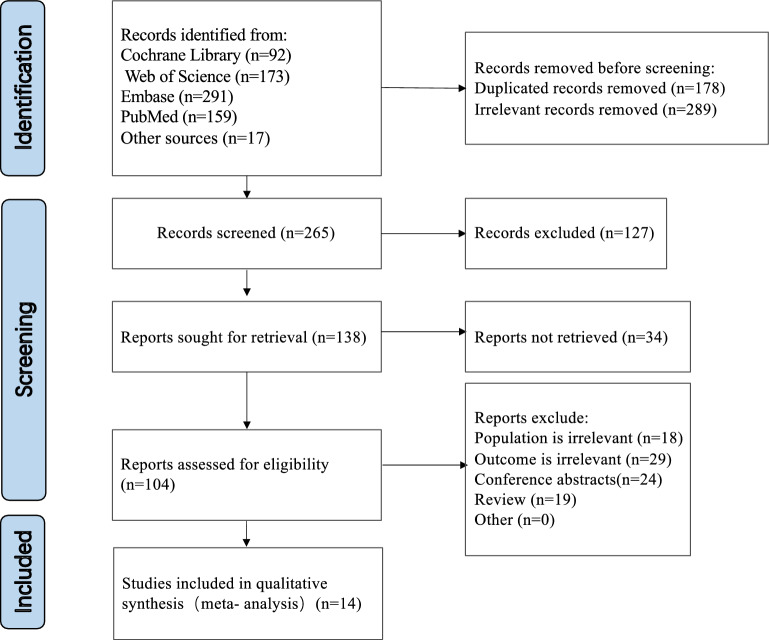
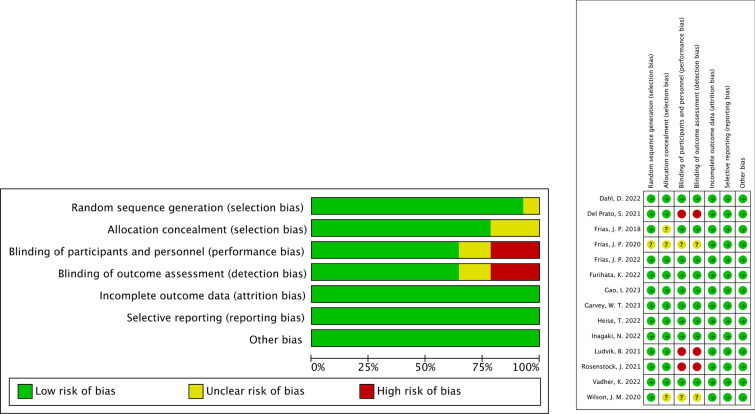
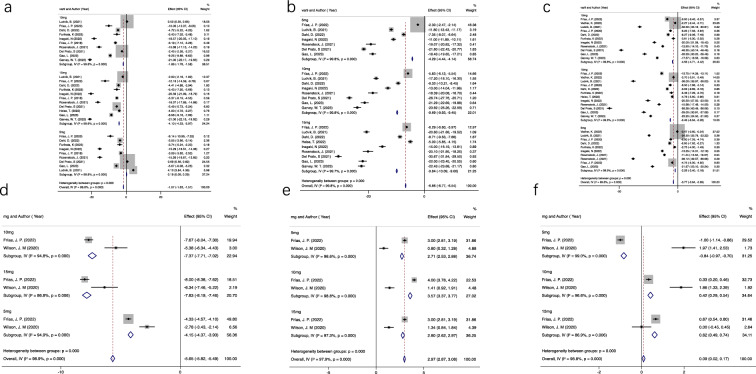
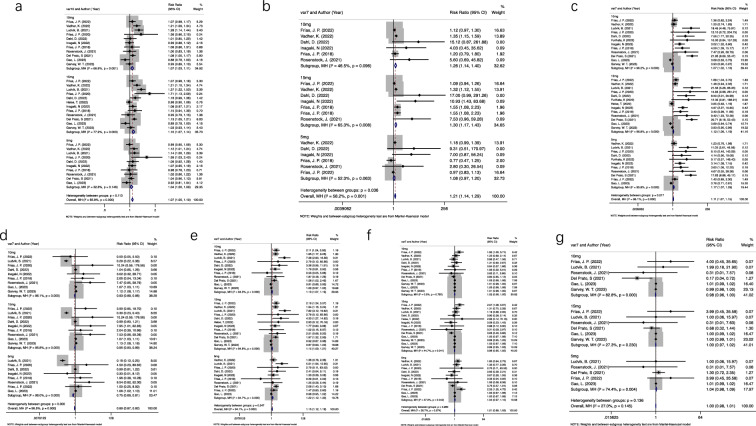
Verification
Claims the paper makes
The claims and statistics of this paper haven’t been checked yet.
Free: it reads the open-access text and checks the first 5 claims that cite a source we can check. Create a free account to check every claim.
Self-check
Percentages, sums and reported differences re-computed from the paper’s own numbers.
The self-check needs the paper’s full text.
Citations
Cites
1 retracted
Asmar, M., Asmar, A., Simonsen, L., Holst, J. J., & Bülow, J. (2018) · The Journal of Clinical Endocrinology & Metabolism · doi:10.1210/jc.2018-00389 · Cited by 4
RetractedThe PRISMA 2020 statement: An updated guideline for reporting systematic reviews
Page, M. J., McKenzie, J. E., Bossuyt, P. M., Boutron, I., Hoffmann, T. C., Mulrow, C. D., Shamseer, L., Tetzlaff, J. M., Akl, E. A., Brennan, S. E., et al. (2021) · BMJ · doi:10.1136/bmj.n71 · Cited by 108,283
(2000) · Cited by 9,198
Inzucchi, S. E., Bergenstal, R. M., Buse, J. B., Diamant, M., Ferrannini, E., Nauck, M., Peters, A. L., Tsapas, A., Wender, R., & Matthews, D. R. (2015) · Diabetes Care · doi:10.2337/dc14-2441 · Cited by 3,066 · cited 1×
“Type 2 diabetes (T2D) is a chronic metabolic condition marked by hyperglycaemia that requires stepwise addition of multiple glucose-lowering medications as the disease progression [1, 2].”
BackgroundTirzepatide versus Semaglutide Once Weekly in Patients with Type 2 Diabetes
Frías, J. P., Davies, M. J., Rosenstock, J., Pérez Manghi, F. C., Fernández Landó, L., Bergman, B. K., Liu, B., Cui, X., & Brown, K. (2021) · New England Journal of Medicine · doi:10.1056/nejmoa2107519 · Cited by 2,096
Lean, M. E., Leslie, W. S., Barnes, A. C., Brosnahan, N., Thom, G., McCombie, L., Peters, C., Zhyzhneuskaya, S., Al-Mrabeh, A., Hollingsworth, K. G., et al. (2018) · The Lancet · doi:10.1016/s0140-6736(17)33102-1 · Cited by 2,095 · cited 1×
“Although this compound with subcutaneous injection weekly have achieved unprecedented results in glucose control and weight loss employed in many clinical trials, the quantities may significantly change the potential pathogenesis of T2D [54] and is related to the remission of diabetes [55, 56].”
BackgroundA role for glucagon-like peptide-1 in the central regulation of feeding
Turton, M. D., O'Shea, D., Gunn, I., Beak, S. A., Edwards, C. M. B., Meeran, K., Choi, S. J., Taylor, G. M., Heath, M. M., Lambert, P. D., et al. (1996) · Nature · doi:10.1038/379069a0 · Cited by 1,950 · cited 1×
“Specifically, multi-functional peptides of GLP-1RAs improve glycemic control by stimulating the glucose-induced insulin secretion [34, 35], delaying gastric empty [36, 37], and limiting plasma glucagon level [38], and activating anorexigenic pathways to inhibit of appetite and food intake [39].”
BackgroundGlucagon-like peptide-1 7–36: a physiological incretin in man
Kreymann, B., Ghatei, M. A., Williams, G., & Bloom, S. R. (1987) · The Lancet · doi:10.1016/s0140-6736(87)91194-9 · Cited by 1,928
Rosenstock, J., Wysham, C., Frías, J. P., Kaneko, S., Lee, C. J., Fernández Landó, L., Mao, H., Cui, X., Karanikas, C. A., & Thieu, V. T. (2021) · The Lancet · doi:10.1016/s0140-6736(21)01324-6 · Cited by 1,080
Lean, M. E. J., Leslie, W. S., Barnes, A. C., Brosnahan, N., Thom, G., McCombie, L., Peters, C., Zhyzhneuskaya, S., Al-Mrabeh, A., Hollingsworth, K. G., et al. (2019) · The Lancet Diabetes & Endocrinology · doi:10.1016/s2213-8587(19)30068-3 · Cited by 1,017 · cited 1×
“Although this compound with subcutaneous injection weekly have achieved unprecedented results in glucose control and weight loss employed in many clinical trials, the quantities may significantly change the potential pathogenesis of T2D [54] and is related to the remission of diabetes [55, 56].”
BackgroundInhibition of gastric inhibitory polypeptide signaling prevents obesity
Miyawaki, K., Yamada, Y., Ban, N., Ihara, Y., Tsukiyama, K., Zhou, H., Fujimoto, S., Oku, A., Tsuda, K., Toyokuni, S., et al. (2002) · Nature Medicine · doi:10.1038/nm727 · Cited by 963 · cited 2×
“…is implicated in adipose tissue mass and metabolism by regulating glucose uptake [41], lipolysis [42], and the activity of lipoprotein lipases [43, 44], some of which suggest the adipogenic effect of GIP with studies indicating GIPR knockout mice and chronic elevation of serum GIP levels in a…”
BackgroundCoskun, T., Sloop, K. W., Loghin, C., Alsina-Fernandez, J., Urva, S., Bokvist, K. B., Cui, X., Briere, D. A., Cabrera, O., Roell, W. C., et al. (2018) · Molecular Metabolism · doi:10.1016/j.molmet.2018.09.009 · Cited by 882 · cited 6×
“Therefore, it is speculated that tirzepatide produced a more significant effect on glycemic control and weight loss by inhibiting appetite and food intake [11].”
BackgroundResultInfluential6. Glycemic Targets: Standards of Medical Care in Diabetes—2021
American Diabetes Association (2021) · Diabetes Care · doi:10.2337/dc21-s006 · Cited by 847
The role of incretins in glucose homeostasis and diabetes treatment
Kim, W., & Egan, J. M. (2008) · Pharmacological Reviews · doi:10.1124/pr.108.000604 · Cited by 824
Nauck, M. A., Niedereichholz, U., Ettler, R., Holst, J. J., Ørskov, C., Ritzel, R., & Schmiegel, W. H. (1997) · American Journal of Physiology-Endocrinology and Metabolism · doi:10.1152/ajpendo.1997.273.5.e981 · Cited by 817
Frias, J. P., Nauck, M. A., Van, J., Kutner, M. E., Cui, X., Benson, C., Urva, S., Gimeno, R. E., Milicevic, Z., Robins, D., et al. (2018) · The Lancet · doi:10.1016/s0140-6736(18)32260-8 · Cited by 815 · cited 2×
“…receiving subcutaneous injection of Tirzepatide 15 mg weekly returned normoglycemia (HbA1C 5.7% per the American Diabetes Association definition) and a quarter of subjects lost more than fifteen percent ( − 7 · 5 to − 12 · 9 kg for all Tirzepatide doses) of their weight in a 52-week trial [12].”
BackgroundInfluentialGarvey, W. T., Frias, J. P., Jastreboff, A. M., le Roux, C. W., Sattar, N., Aizenberg, D., Mao, H., Zhang, S., Ahmad, N. N., Bunck, M. C., et al. (2023) · The Lancet · doi:10.1016/s0140-6736(23)01200-x · Cited by 792
Unimolecular Dual Incretins Maximize Metabolic Benefits in Rodents, Monkeys, and Humans
Finan, B., Ma, T., Ottaway, N., Müller, T. D., Habegger, K. M., Heppner, K. M., Kirchner, H., Holland, J., Hembree, J., Raver, C., et al. (2013) · Science Translational Medicine · doi:10.1126/scitranslmed.3007218 · Cited by 696 · cited 1×
“A hyperglycemic clamp study has found that GLP-1R expression decreased but GIP R expression increased under the effect of acute hyper-glycemia, and is similar with the experimental results of culturing at high-glucose concentrations for 48 hours [47].”
ResultDel Prato, S., Kahn, S. E., Pavo, I., Weerakkody, G. J., Yang, Z., Doupis, J., Aizenberg, D., Wynne, A. G., Riesmeyer, J. S., Heine, R. J., et al. (2021) · The Lancet · doi:10.1016/s0140-6736(21)02188-7 · Cited by 684
A rationally designed monomeric peptide triagonist corrects obesity and diabetes in rodents
Finan, B., Yang, B., Ottaway, N., Smiley, D. L., Ma, T., Clemmensen, C., Chabenne, J., Zhang, L., Habegger, K. M., Fischer, K., et al. (2015) · Nature Medicine · doi:10.1038/nm.3761 · Cited by 645 · cited 1×
“[26] Considering the gastrointestinal system, study has suggested the lower incidence of treatment-related gastrointestinal system did seem to be associated with Lower initial dose and smaller subsequent dose increment [27].”
BackgroundA new glucagon and GLP-1 co-agonist eliminates obesity in rodents
Day, J. W., Ottaway, N., Patterson, J. T., Gelfanov, V., Smiley, D., Gidda, J., Findeisen, H., Bruemmer, D., Drucker, D. J., Chaudhary, N., et al. (2009) · Nature Chemical Biology · doi:10.1038/nchembio.209 · Cited by 641
Ludvik, B., Giorgino, F., Jódar, E., Frias, J. P., Fernández Landó, L., Brown, K., Bray, R., & Rodríguez, Á. (2021) · The Lancet · doi:10.1016/s0140-6736(21)01443-4 · Cited by 639 · cited 2×
“Five clinical trials of SURPASS 1–5 in T2DM subjects have shown that Tirzepatide at 5, 10 or 15 mg weekly reduces BW (5.4 to 11.7 kg) by amounts unprecedented for a single agent [16–18, 21, 22].”
BackgroundMethodInfluentialTruncated glucagon‐like peptide I, an insulin‐releasing hormone from the distal gut
Holst, J. J., Ørskov, C., Vagn Nielsen, O., & Schwartz, T. W. (1987) · FEBS Letters · doi:10.1016/0014-5793(87)81430-8 · Cited by 615
Dahl, D., Onishi, Y., Norwood, P., Huh, R., Bray, R., Patel, H., & Rodríguez, Á. (2022) · JAMA · doi:10.1001/jama.2022.0078 · Cited by 597 · cited 2×
“Five clinical trials of SURPASS 1–5 in T2DM subjects have shown that Tirzepatide at 5, 10 or 15 mg weekly reduces BW (5.4 to 11.7 kg) by amounts unprecedented for a single agent [16–18, 21, 22].”
BackgroundMethodInfluentialObesity management as a primary treatment goal for type 2 diabetes: time to reframe the conversation
Lingvay, I., Sumithran, P., Cohen, R. V., & le Roux, C. W. (2022) · The Lancet · doi:10.1016/s0140-6736(21)01919-x · Cited by 581 · cited 1×
“Although this compound with subcutaneous injection weekly have achieved unprecedented results in glucose control and weight loss employed in many clinical trials, the quantities may significantly change the potential pathogenesis of T2D [54] and is related to the remission of diabetes [55, 56].”
BackgroundDesign of Treatment Trials for Functional Gastrointestinal Disorders
Irvine, E. J., Tack, J., Crowell, M. D., Gwee, K. A., Ke, M., Schmulson, M. J., Whitehead, W. E., & Spiegel, B. (2016) · Gastroenterology · doi:10.1053/j.gastro.2016.02.010 · Cited by 550
Glucagon-like peptide 1 in health and disease
Andersen, A., Lund, A., Knop, F. K., & Vilsbøll, T. (2018) · Nature Reviews Endocrinology · doi:10.1038/s41574-018-0016-2 · Cited by 543
Tirzepatide is an imbalanced and biased dual GIP and GLP-1 receptor agonist
Willard, F. S., Douros, J. D., Gabe, M. B. N., Showalter, A. D., Wainscott, D. B., Suter, T. M., Capozzi, M. E., van der Velden, W. J. C., Stutsman, C., Cardona, G. R., et al. (2020) · JCI Insight · doi:10.1172/jci.insight.140532 · Cited by 541 · cited 1×
“…activation gain a broad improvement in metabolic health with the hypothesis that enhancing insulin secretion by dual actions on pancreatic β cells [50], allowing greater weight loss [11], improving glycemia [29], restoring sensitivity to GIP [51] and additional mechanisms of actions [5, 11] when…”
BackgroundGastaldelli, A., Cusi, K., Fernández Landó, L., Bray, R., Brouwers, B., & Rodríguez, Á. (2022) · The Lancet Diabetes & Endocrinology · doi:10.1016/s2213-8587(22)00070-5 · Cited by 513
Glucagon-like peptide-1 inhibits gastric emptying via vagal afferent-mediated central mechanisms
I˙meryüz, N., Yeğen, B. Ç., Bozkurt, A., Coşkun, T., Villanueva-Peñacarrillo, M. L., & Ulusoy, N. B. (1997) · American Journal of Physiology-Gastrointestinal and Liver Physiology · doi:10.1152/ajpgi.1997.273.4.g920 · Cited by 432 · cited 1×
“Specifically, multi-functional peptides of GLP-1RAs improve glycemic control by stimulating the glucose-induced insulin secretion [34, 35], delaying gastric empty [36, 37], and limiting plasma glucagon level [38], and activating anorexigenic pathways to inhibit of appetite and food intake [39].”
BackgroundHow May GIP Enhance the Therapeutic Efficacy of GLP-1?
Samms, R. J., Coghlan, M. P., & Sloop, K. W. (2020) · Trends in Endocrinology & Metabolism · doi:10.1016/j.tem.2020.02.006 · Cited by 419 · cited 2×
“…in metabolic health with the hypothesis that enhancing insulin secretion by dual actions on pancreatic β cells [50], allowing greater weight loss [11], improving glycemia [29], restoring sensitivity to GIP [51] and additional mechanisms of actions [5, 11] when compared with single GLP-1 RA or GIP.”
BackgroundHøjberg, P. V., Vilsbøll, T., Rabøl, R., Knop, F. K., Bache, M., Krarup, T., Holst, J. J., & Madsbad, S. (2009) · Diabetologia · doi:10.1007/s00125-008-1195-5 · Cited by 414
Glucagon-Like Peptide 1/Glucagon Receptor Dual Agonism Reverses Obesity in Mice
Pocai, A., Carrington, P. E., Adams, J. R., Wright, M., Eiermann, G., Zhu, L., Du, X., Petrov, A., Lassman, M. E., Jiang, G., et al. (2009) · Diabetes · doi:10.2337/db09-0278 · Cited by 409
Nauck, M. A., & D‘Alessio, D. A. (2022) · Cardiovascular Diabetology · doi:10.1186/s12933-022-01604-7 · Cited by 407
Glucose-Dependent Insulinotropic Polypeptide
Christensen, M., Vedtofte, L., Holst, J. J., Vilsbøll, T., & Knop, F. K. (2011) · Diabetes · doi:10.2337/db11-0979 · Cited by 353
Treatment of type 2 diabetes: challenges, hopes, and anticipated successes
Nauck, M. A., Wefers, J., & Meier, J. J. (2021) · The Lancet Diabetes & Endocrinology · doi:10.1016/s2213-8587(21)00113-3 · Cited by 289
Karagiannis, T., Avgerinos, I., Liakos, A., Del Prato, S., Matthews, D. R., Tsapas, A., & Bekiari, E. (2022) · Diabetologia · doi:10.1007/s00125-022-05715-4 · Cited by 272 · cited 2×
“In the meta-analysis of Thomas Karagiannis and colleagues [29], no analysis was performed on the efficacy of blood glucose and blood lipid.”
BackgroundMethodHeise, T., Mari, A., DeVries, J. H., Urva, S., Li, J., Pratt, E. J., Coskun, T., Thomas, M. K., Mather, K. J., Haupt, A., et al. (2022) · The Lancet Diabetes & Endocrinology · doi:10.1016/s2213-8587(22)00085-7 · Cited by 268
Inagaki, N., Takeuchi, M., Oura, T., Imaoka, T., & Seino, Y. (2022) · The Lancet Diabetes & Endocrinology · doi:10.1016/s2213-8587(22)00188-7 · Cited by 226
Activation of Lipoprotein Lipase by Glucose-dependent Insulinotropic Polypeptide in Adipocytes
Kim, S.-J., Nian, C., & McIntosh, C. H. S. (2007) · Journal of Biological Chemistry · doi:10.1074/jbc.m609088200 · Cited by 216 · cited 1×
“…GIP is implicated in adipose tissue mass and metabolism by regulating glucose uptake [41], lipolysis [42], and the activity of lipoprotein lipases [43, 44], some of which suggest the adipogenic effect of GIP with studies indicating GIPR knockout mice and chronic elevation of serum GIP levels in a…”
BackgroundFrias, J. P., Nauck, M. A., Van, J., Benson, C., Bray, R., Cui, X., Milicevic, Z., Urva, S., Haupt, A., & Robins, D. A. (2020) · Diabetes, Obesity and Metabolism · doi:10.1111/dom.13979 · Cited by 208 · cited 1×
“[26] Considering the gastrointestinal system, study has suggested the lower incidence of treatment-related gastrointestinal system did seem to be associated with Lower initial dose and smaller subsequent dose increment [27].”
BackgroundGIP as a Therapeutic Target in Diabetes and Obesity: Insight From Incretin Co-agonists
Holst, J. J., & Rosenkilde, M. M. (2020) · The Journal of Clinical Endocrinology & Metabolism · doi:10.1210/clinem/dgaa327 · Cited by 207 · cited 1×
“GLP-1 has been exhibited central inhibitory actions on appetite and food intake, comparatively little is seen with the central activity of GIP on appetite [10].”
BackgroundAsmar, M., Simonsen, L., Madsbad, S., Stallknecht, B., Holst, J. J., & Bülow, J. (2010) · Diabetes · doi:10.2337/db10-0098 · Cited by 184 · cited 1×
“Studies have shown that the GIP/ GLP-1Ras action did not affect the incretin effects on GIP-stimulated insulin secretion, and strengthened the inherent efficacy and broadened their therapeutic range when both the GIP receptor and GLP-1 receptor are activated [32, 33].”
BackgroundKim, S.-J., Nian, C., Karunakaran, S., Clee, S. M., Isales, C. M., & McIntosh, C. H. S. (2012) · PLoS ONE · doi:10.1371/journal.pone.0040156 · Cited by 182 · cited 2×
“Furthermore, other studies demonstrated that acute GIP infusion to human would increase adipose tissue blood flow [46], promote insulin sensitivity, glucose tolerance and β-cell function [45].”
BackgroundReappraisal of GIP Pharmacology for Metabolic Diseases
Finan, B., Müller, T. D., Clemmensen, C., Perez-Tilve, D., DiMarchi, R. D., & Tschöp, M. H. (2016) · Trends in Molecular Medicine · doi:10.1016/j.molmed.2016.03.005 · Cited by 180 · cited 1×
“Studies have shown that the GIP/ GLP-1Ras action did not affect the incretin effects on GIP-stimulated insulin secretion, and strengthened the inherent efficacy and broadened their therapeutic range when both the GIP receptor and GLP-1 receptor are activated [32, 33].”
BackgroundGastrointestinal Symptoms in Diabetes: Prevalence, Assessment, Pathogenesis, and Management
Du, Y. T., Rayner, C. K., Jones, K. L., Talley, N. J., & Horowitz, M. (2018) · Diabetes Care · doi:10.2337/dc17-1536 · Cited by 180
Wilson, J. M., Nikooienejad, A., Robins, D. A., Roell, W. C., Riesmeyer, J. S., Haupt, A., Duffin, K. L., Taskinen, M., & Ruotolo, G. (2020) · Diabetes, Obesity and Metabolism · doi:10.1111/dom.14174 · Cited by 164
Design of treatment trials for functional gastrointestinal disorders
van Zanten, S. J. O. V., Talley, N. J., Bytzer, P., Klein, K. B., Whorwell, P. J., & Zinsmeister, A. R. (1999) · Gut · doi:10.1136/gut.45.2008.ii69 · Cited by 157
Song, D. H., Getty–Kaushik, L., Tseng, E., Simon, J., Corkey, B. E., & Wolfe, M. M. (2007) · Gastroenterology · doi:10.1053/j.gastro.2007.09.005 · Cited by 137 · cited 1×
“…biological activity of GIP on adipocytes and indicated that GIP is implicated in adipose tissue mass and metabolism by regulating glucose uptake [41], lipolysis [42], and the activity of lipoprotein lipases [43, 44], some of which suggest the adipogenic effect of GIP with studies indicating…”
BackgroundGlucose-dependent insulinotropic polypeptide modulates adipocyte lipolysis and reesterification
Getty‐Kaushik, L., Song, D. H., Boylan, M. O., Corkey, B. E., & Wolfe, M. M. (2006) · Obesity · doi:10.1038/oby.2006.129 · Cited by 134
Evaluation of the incretin effect in humans using GIP and GLP-1 receptor antagonists
Gasbjerg, L. S., Bergmann, N. C., Stensen, S., Christensen, M. B., Rosenkilde, M. M., Holst, J. J., Nauck, M., & Knop, F. K. (2020) · Peptides · doi:10.1016/j.peptides.2019.170183 · Cited by 121 · cited 1×
“Glucose-dependent insulinotropic polypeptide (GIP) and GLP-1 are the main incretin hormones, potentiate glucose-induced insulin secretion and therefore be responsible for the insulinotropic incretin effect [8].”
BackgroundGao, L., Lee, B. W., Chawla, M., Kim, J., Huo, L., Du, L., Huang, Y., & Ji, L. (2023) · Nature Medicine · doi:10.1038/s41591-023-02344-1 · Cited by 104 · cited 1×
“…injection dose of basal insulin during the study duration was 10 U/ day with ID in the SURPASS-3 Randomized Clinical Trial [16], 10 U/day with IG in SURPASS-4 Trial [17], > 20 IU/d or > 0.25 IU/kg/d with IG in SURPASS-5 Trial [18], and 0.33 U kg − 1 d − 1 with IG in SURPASS-AP-Combo trial [19].”
MethodInfluentialMoon, J. S., Hong, J. H., Jung, Y. J., Ferrannini, E., Nauck, M. A., & Lim, S. K. (2022) · Trends in Endocrinology and Metabolism · doi:10.1016/j.tem.2022.03.005 · Cited by 86
English, W. J., & Williams, D. B. (2018) · Progress in Cardiovascular Diseases · doi:10.1016/j.pcad.2018.06.003 · Cited by 82
(2017) · Diabetes Care · doi:10.2337/dc17-er07a · Cited by 67
Schirra, J., Leicht, P., Hildebrand, P., Beglinger, C., Arnold, R., Goke, B., & Katschinski, M. (1998) · Journal of Endocrinology · doi:10.1677/joe.0.1560177 · Cited by 65
Peptide‐based multi‐agonists: a new paradigm in metabolic pharmacology
Brandt, S. J., Müller, T. D., DiMarchi, R. D., Tschöp, M. H., & Stemmer, K. (2018) · Journal of Internal Medicine · doi:10.1111/joim.12837 · Cited by 65
Bastin, M., & Andreelli, F. (2019) · Diabetes, Metabolic Syndrome and Obesity: Targets and Therapy · doi:10.2147/dmso.s191438 · Cited by 62
Dutta, D., Surana, V., Singla, R., Aggarwal, S., & Sharma, M. (2021) · Indian Journal of Endocrinology and Metabolism · doi:10.4103/ijem.ijem_423_21 · Cited by 60
A phase 1 multiple‐ascending dose study of tirzepatide in Japanese participants with type 2 diabetes
Furihata, K., Mimura, H., Urva, S., Oura, T., Ohwaki, K., & Imaoka, T. (2022) · Diabetes, Obesity and Metabolism · doi:10.1111/dom.14572 · Cited by 59
Bhagavathula, A. S., Vidyasagar, K., & Tesfaye, W. (2021) · Pharmaceuticals · doi:10.3390/ph14100991 · Cited by 58
Vadher, K., Patel, H., Mody, R., Levine, J. A., Hoog, M., Cheng, A. Y., Pantalone, K. M., & Sapin, H. (2022) · Diabetes, Obesity and Metabolism · doi:10.1111/dom.14775 · Cited by 56 · cited 1×
“In all included 12 literatures, only one article reported that there was no significant difference between Tirzepatide 5 mg and Semaglutide 2 mg in change from baseline in HbA1c at week 40 with an estimated treatment difference (ETD) of 0.07% (95 CI: 0.2–0.34; P = 0.606) [20].”
BackgroundInfluential„Diabesity“ – Adipositas und Typ-2-Diabetes (Update 2019)
Toplak, H., Leitner, D. R., Harreiter, J., Hoppichler, F., Wascher, T. C., Schindler, K., & Ludvik, B. H. (2019) · Wiener klinische Wochenschrift · doi:10.1007/s00508-018-1418-9 · Cited by 42
Lyu, X., Sun, F., & Zhan, S. (2018) · PubMed · doi:10.3760/cma.j.issn.0254-6450.2018.02.020 · Cited by 16
Cited by
Glucagon-like peptide-1 receptor: mechanisms and advances in therapy
Zheng, Z., Zong, Y., Ma, Y., Tian, Y., Pang, Y., Zhang, C., & Gao, J. (2024) · Signal Transduction and Targeted Therapy · doi:10.1038/s41392-024-01931-z · Cited by 1,036
AI-Driven Polypharmacology in Small-Molecule Drug Discovery
Abdelsayed, M. (2025) · International Journal of Molecular Sciences · doi:10.3390/ijms26146996 · Cited by 71
Rising tide: The global surge of type 2 diabetes in children and adolescents demands action now
Pappachan, J. M., Fernandez, C. J., & Ashraf, A. P. (2024) · World Journal of Diabetes · doi:10.4239/wjd.v15.i5.797 · Cited by 70
The Rise of Type 2 Diabetes in Children and Adolescents: An Emerging Pandemic
Goyal, S., & Vanita, V. (2025) · Diabetes/Metabolism Research and Reviews · doi:10.1002/dmrr.70029 · Cited by 50
Liu, Z., Yu, S., Jin, X., Sheng, L., Rouzi, M. R. Y., Gao, J., Lü, J., & Lei, T. (2025) · Drug Design Development and Therapy · doi:10.2147/dddt.s559919 · Cited by 35
Metadata
- Authors
- Zhou, Q., Lei, X., Fu, S., Liu, P., Long, C., Wang, Y., Li, Z., Xie, Q., & Chen, Q.
- Affiliations
- Chengdu University of Traditional Chinese Medicine (CN)
- Ya'an Polytechnic College (CN)
- Sichuan Integrative Medicine Hosipital (CN)
- Corresponding author
- Chen, Qiu
- Venue
- Diabetology & Metabolic Syndrome
- Published
- 2023-10-30
- Volume
- 15
- Issue
- 1
- Pages
- 222-222
- ISSN
- 1758-5996 (ISSN-L)
- PMC
- PMC10614386
- OpenAlex
- W4388034622
- Semantic Scholar
- 9e81d94936d82715879b27ec0d7d9608ab7a38e8
- Cited by
- 55
- References
- 64
- Citations by year
- 2026: 18 · 2025: 26 · 2024: 10 · 2023: 1
- FWCI
- 1.98
- Type
- journal article
- Language
- en
- Open access
- gold
- doi.org
- Licence
- cc-by
- creativecommons.org/licenses/by/4.0 (tdm)
- creativecommons.org/licenses/by/4.0 (vor)
- Locations
- Diabetology & Metabolic Syndrome (publishedVersion, cc-by)
- PubMed Central (publishedVersion, cc-by)
- PubMed (publishedVersion)
- DOAJ (DOAJ: Directory of Open Access Journals) (submittedVersion, cc-by-sa)
- Topics
- Health Sciences › Medicine › Endocrinology, Diabetes and Metabolism › Diabetes Treatment and Management
- Health Sciences › Medicine › Pharmacology (medical) › Pharmacology and Obesity Treatment
- Health Sciences › Medicine › Endocrinology, Diabetes and Metabolism › Diabetes Management and Research
- Keywords
- tirzepatide, type 2 diabetes, GLP-1 receptor agonists, GIP receptor agonist, GIP/GLP-1 receptor agonist, incretin-based therapy, glycemic control, HbA1c, weight loss, hypoglycemia, gastrointestinal adverse effects, appetite loss, drug safety
About these checks
Registry, retraction, Cites and statistics results are computed, not judged, with one exception: a printed reference that no index lists is read once by a model before it counts as a citation error. Claims are extracted by a model and kept only when their quote appears verbatim in the text; each cited source is then checked, with a model’s help, for whether it says what the claim relies on. Those verdicts can be wrong — read the claim’s quote and the cited source before relying on one.
Statistics and arithmetic are recomputed, not judged.
Confidence bands are shown only for fields calibrated on our annotated test set. None is calibrated yet, so no band is shown.
What counts as a claim ›How we measure confidence ›How we check this ›
Are you an author, or do you see a problem with this page? Request a review
Data sources
Bibliographic data: Semantic Scholar, OpenAlex, Crossref.
Contains information from the Semantic Scholar Academic Graph Datasets, made available under the ODC Attribution License (ODC-BY 1.0).
Semantic Scholar’s data is described in: Kinney, R., et al. (2023). The Semantic Scholar Open Data Platform. arXiv:2301.10140.
