

Exercise as ‘precision medicine’ for insulin resistance and its progression to type 2 diabetes: a research review
Open accessThe DOI matches its Crossref record; 177 of the 177 references it cites were found in a registry or an index.
Abstract
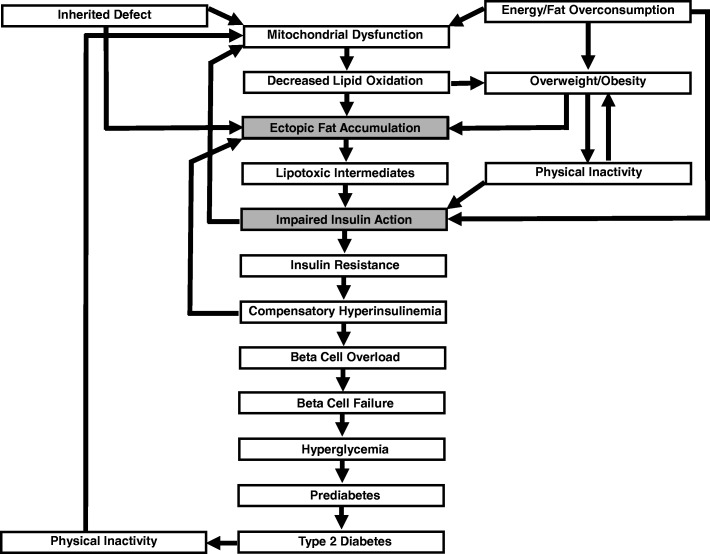
Type 2 diabetes and obesity epidemics are in effect in the United States and the two pathologies are linked. In accordance with the growing appreciation that 'exercise is medicine,' it is intuitive to suggest that exercise can play an important role in the prevention and/or treatment of these conditions. However, if exercise is to truly be considered as a viable alternative to conventional healthcare prevention/treatment strategies involving pharmaceuticals, it must be prescribed with similar scrutiny. Indeed, it seems reasonable to posit that the recent initiative calling for 'precision medicine' in the US standard healthcare system should also be applied in the exercise setting. In this narrative review, we consider a number of explanations that have been forwarded regarding the pathological progression to type 2 diabetes both with and without the concurrent influence of overweight/obesity. Our goal is to provide insight regarding exercise strategies that might be useful as 'precision medicine' to prevent/treat this disease. Although the etiology of type 2 diabetes is complex and cause/consequence characteristics of associated dysfunctions have been debated, it is well established that impaired insulin action plays a critical early role. Consequently, an exercise strategy to prevent/treat this disease should be geared toward improving insulin sensitivity both from an acute and chronic standpoint. However, research suggests that a chronic improvement in insulin sensitivity only manifests when weight loss accompanies an exercise intervention. This has resonance because ectopic fat accumulation appears to represent a central component of disease progression regardless of whether obesity is also part of the equation. The cause/consequence characteristics of the relationship between insulin resistance, pathological fat deposition and/or mobilsation, elevated and/or poorly-distributed lipid within myocytes and an impaired capacity to use lipid as fuel remains to be clarified as does the role of muscle mitochondria in the metabolic decline. Until these issues are resolved, a multidimensional exercise strategy (e.g., aerobic exercise at a range of intensities and resistance training for muscular hypertrophy) could provide the best alternative for prevention/treatment.
Overview
The claims and statistics of this paper haven’t been checked yet.
Free: it reads the open-access text and checks the first 5 claims that cite a source we can check. Create a free account to check every claim.
Integrity signals
Registry
Cites
Statistics
Figures
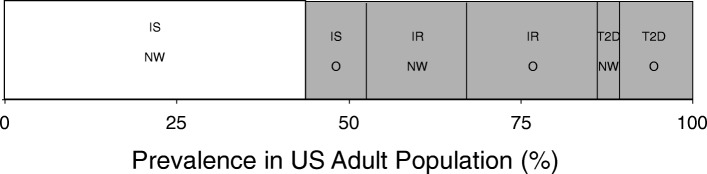
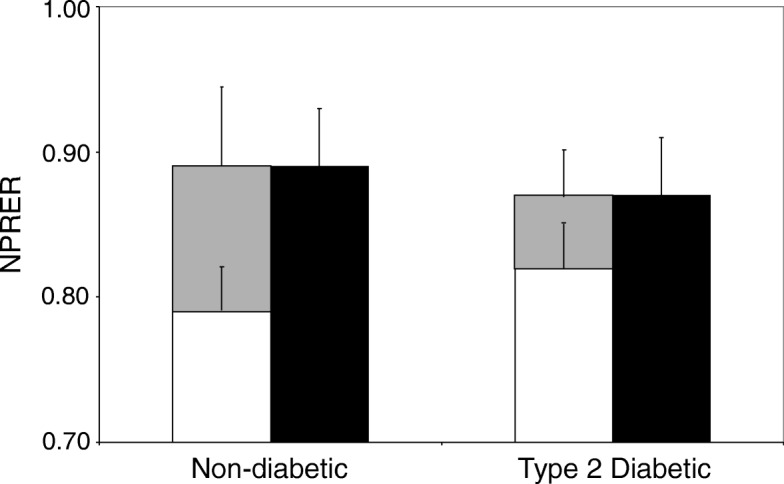
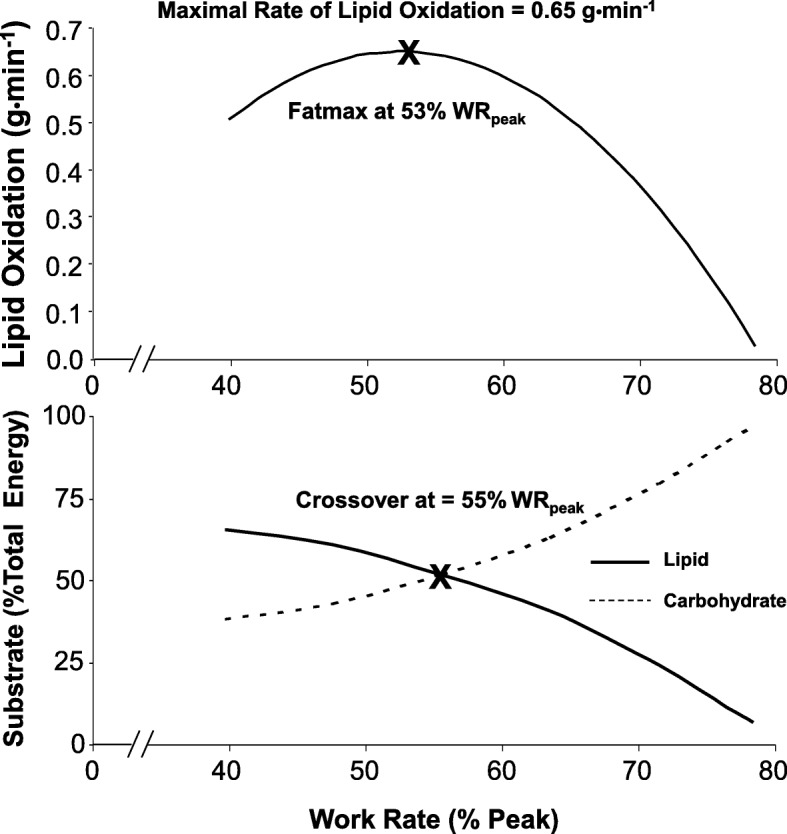
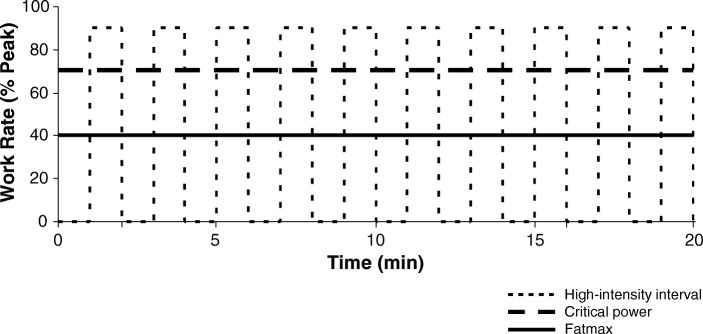
Verification
Claims the paper makes
The claims and statistics of this paper haven’t been checked yet.
Free: it reads the open-access text and checks the first 5 claims that cite a source we can check. Create a free account to check every claim.
Claims other papers make about this one
Each is checked against this paper’s own text: does it say what the citing paper says it does?
The source backs part of the claim, not all of it — or backs it for a different population, condition or comparison.
In the citing paper
“Skeletal muscle responds to contraction or exercise with a rapid insulin-independent increase in glucose uptake during exercise and a transient insulin-stimulated pathway following exercise 7-11.”
From Effect of exercise training on insulin-stimulated glucose disposal: A systematic review and meta-analysis of randomized controlled trials (2023) · cites this paper as [7]
Experimental — accuracy not yet measured
Self-check
Percentages, sums and reported differences re-computed from the paper’s own numbers.
The self-check needs the paper’s full text.
Citations
Cites
Reduction in the incidence of type 2 diabetes with lifestyle intervention or metformin
(2002) · New England Journal of Medicine · doi:10.1056/nejmoa012512 · Cited by 19,011
The metabolic phenotype in obesity: Fat mass, body fat distribution, and adipose tissue function
Goossens, G. H. (2017) · Obesity Facts · doi:10.1159/000471488 · Cited by 8,481
Randle, P. J., Garland, P. B., Hales, C. N., & Newsholme, E. A. (1963) · The Lancet · doi:10.1016/s0140-6736(63)91500-9 · Cited by 5,093
Lagouge, M., Argmann, C., Gerhart-Hines, Z., Meziane, H., Lerin, C., Daussin, F., Messadeq, N., Milne, J., Lambert, P., Elliott, P., et al. (2006) · Cell · doi:10.1016/j.cell.2006.11.013 · Cited by 4,057
Cellular mechanisms of insulin resistance
Shulman, G. I. (2000) · Journal of Clinical Investigation · doi:10.1172/jci10583 · Cited by 2,714
Dysfunction of Mitochondria in Human Skeletal Muscle in Type 2 Diabetes
Kelley, D. E., He, J., Menshikova, E. V., & Ritov, V. B. (2002) · Diabetes · doi:10.2337/diabetes.51.10.2944 · Cited by 2,321
Impaired Mitochondrial Activity in the Insulin-Resistant Offspring of Patients with Type 2 Diabetes
Petersen, K. F., Dufour, S., Befroy, D., Garcia, R., & Shulman, G. I. (2004) · New England Journal of Medicine · doi:10.1056/nejmoa031314 · Cited by 2,193
Diabetes mellitus: a "thrifty" genotype rendered detrimental by "progress"?
(1962) · PubMed Central · Cited by 2,182
Skeletal Muscle Insulin Resistance Is the Primary Defect in Type 2 Diabetes
DeFronzo, R. A., & Tripathy, D. (2009) · Diabetes Care · doi:10.2337/dc09-s302 · Cited by 2,102
Koves, T. R., Ussher, J. R., Noland, R. C., Slentz, D., Mosedale, M., Ilkayeva, O., Bain, J., Stevens, R., Dyck, J. R. B., Newgard, C. B., et al. (2008) · Cell Metabolism · doi:10.1016/j.cmet.2007.10.013 · Cited by 1,990
Research works printed but not linked: 2
- DiMenna FJ Jones, AM “linear” versus “nonlinear” O2 responses to exercise: reshaping traditional beliefs JESF 2009 7 67 84
- Jones AM DiMenna FJ Cardinale M Newton R Nosaka K Cardiovascular Assessment and Aerobic Training Prescription Strength and Conditioning: Biological Principles and Practical Applications 2011 London John Wiley & Sons, Ltd 291 304
Cited by
Exercise benefits on Alzheimer’s disease: State-of-the-science
Valenzuela, P. L., Castillo-García, A., Morales, J. S., de la Villa, P., Hampel, H., Emanuele, E., Lista, S., & Lucia, A. (2020) · Ageing Research Reviews · doi:10.1016/j.arr.2020.101108 · Cited by 337
Wahl, D., Solon-Biet, S. M., Cogger, V. C., Fontana, L., Simpson, S. J., Le Couteur, D. G., & Ribeiro, R. V. (2019) · Neurobiology of Disease · doi:10.1016/j.nbd.2019.104481 · Cited by 144
Targeting Mitochondria in Diabetes
Jakovljevic, N. K., Pavlović, K., Jotić, A., Lalic, K. S., Stoiljkovic, M. M., Lukić, L., Milicic, T. J., Macesic, M. V., Gajović, J. S., & Lalic, N. M. (2021) · International Journal of Molecular Sciences · doi:10.3390/ijms22126642 · Cited by 105
Exercise, Physical Activity, and Cardiometabolic Health: Pathophysiologic Insights
Belanger, M. J., Rao, P., & Robbins, J. (2022) · Cardiology in Review · doi:10.1097/crd.0000000000000417 · Cited by 76
“Regular ET improves insulin sensitivity by reducing adipose tissue mass; however, longitudinal studies evaluating the ability of regular exercise to confer long-term improvements in insulin sensitivity independent of weight loss are mixed.(42) While ET enhances insulin sensitivity in the post exercise period, glucose…”
BackgroundFan, X., Zhang, C., Niu, S., Fan, B., Gu, D., Jiang, K., Li, R., & Li, S.-D. (2019) · European Journal of Pharmacology · doi:10.1016/j.ejphar.2019.04.027 · Cited by 57
Exercise and Insulin Resistance
Whillier, S. (2020) · Advances in experimental medicine and biology · doi:10.1007/978-981-15-1792-1_9 · Cited by 65
Janowski, M., Zieliński, J., & Kusy, K. (2019) · The Journal of Strength and Conditioning Research · doi:10.1519/jsc.0000000000003110 · Cited by 59
Paquin, J., Lagacé, J.-C., Brochu, M., & Dionne, I. J. (2021) · Frontiers in Physiology · doi:10.3389/fphys.2021.656909 · Cited by 41
“These studies, which have been frequently replicated since, have contributed to the hypothesis that RT targeting SM hypertrophy could be as efficient as aerobic exercise performed alone for improving SM insulin sensitivity (IS) (Dela and Kjaer, 2006; Pesta et al., 2017; DiMenna and Arad, 2018).”
BackgroundThe acute vs. chronic effect of exercise on insulin sensitivity: nothing lasts forever
DiMenna, F. J., & Arad, A. D. (2020) · Cardiovascular Endocrinology & Metabolism · doi:10.1097/xce.0000000000000239 · Cited by 50
Self-citationHrubeniuk, T. J., Bouchard, D. R., Goulet, E. D. B., Gurd, B., & Sénéchal, M. (2020) · Scandinavian Journal of Medicine & Science in Sports · doi:10.1111/sms.13567 · Cited by 26
MicroRNAs in type 2 diabetes mellitus: potential role of physical exercise
Caria, A. C. I., Sousa, R. A. L. D., Roever, L., Fernandes, T. M., de Oliveira, E. M., Aras, R., & Souza, B. S. D. F. (2022) · Reviews in Cardiovascular Medicine · doi:10.31083/j.rcm2301029 · Cited by 27
“Both, aerobic or resistance PE can reduce insulin resistance and inflammatory profile in individuals with T2DM [73] or Alzheimer’s disease, potentially modulating the expression of miRNAs and signaling pathways [64].”
BackgroundImpact of Exercise–Nutritional State Interactions in Patients with Type 2 Diabetes
Verboven, K., Wens, I., Vandenabeele, F., STEVENS, A., Celie, B. M., Lapauw, B., Dendale, P., van Loon, L. J. C., Calders, P., & Hansen, D. (2019) · Medicine & Science in Sports & Exercise · doi:10.1249/mss.0000000000002165 · Cited by 28
“Copyright © 2020 by the American College of Sports Medicine degrees of insulin sensitivity (37) and the variability in metformin dose (38) may confound these findings and complicate the relationship between lipid oxidative capacity and type 2 diabetes presence in metabolic diseases.”
BackgroundFarhadnejad, H., Parastouei, K., Rostami, H., Mirmiran, P., & Azizi, F. (2021) · Diabetology & Metabolic Syndrome · doi:10.1186/s13098-021-00648-1 · Cited by 26
“The higher physical activity level has protective effects on chronic inflammation via its ability to improves plasma antioxidant capacity, increasing anti-inflammatory cytokines production, reducing vascular wall inflammation [39], desirable alteration in the lipid-deposition pattern, and lowering body fat mass throug…”
BackgroundTeymoori, F., Farhadnejad, H., Mokhtari, E., Sohouli, M. H., Moslehi, N., Mirmiran, P., & Azizi, F. (2021) · BMC Public Health · doi:10.1186/s12889-021-11327-1 · Cited by 23
Luvuno, M., Khathi, A., & Mabandla, M. V. (2020) · Scientific Reports · doi:10.1038/s41598-020-72098-0 · Cited by 22
Mirmiran, P., Farhadnejad, H., Teymoori, F., Parastouei, K., & Azizi, F. (2022) · Nutrition Bulletin · doi:10.1111/nbu.12537 · Cited by 28
Potential Mechanisms for How Long-Term Physical Activity May Reduce Insulin Resistance
Lee-Ødegård, S., Olsén, T., Norheim, F., Drevon, C. A., & Birkeland, K. I. (2022) · Metabolites · doi:10.3390/metabo12030208 · Cited by 22
Chartrand, D. J., Larose, É., Poirier, P., Mathieu, P., Alméras, N., Pîbarot, P., Lamarche, B., Rhéaume, C., & Després, J. (2020) · American Journal of Physiology-Endocrinology and Metabolism · doi:10.1152/ajpendo.00251.2020 · Cited by 22
Stress Out: Translating Real-World Stressors into Audio-Visual Stress Cues in VR for Police Training
Nguyen, Q., Jaspaert, E., Murtinger, M., Schrom-Feiertag, H., Egger-Lampl, S., & Tscheligi, M. (2021) · Lecture notes in computer science · doi:10.1007/978-3-030-85616-8_32 · Cited by 26
Footwear and elevated heel influence on barbell back squat: A review
Pangan, A. M., & Leineweber, M. (2021) · Journal of Biomechanical Engineering · doi:10.1115/1.4050820 · Cited by 17
Rebello, C. J., Zhang, D., Kirwan, J. P., Lowe, A. C., Emerson, C. J., Kracht, C. L., Steib, L. C., Greenway, F. L., Johnson, W. D., & Brown, J. C. (2023) · International Journal of Obesity · doi:10.1038/s41366-023-01283-8 · Cited by 16
Mokhtari, E., Farhadnejad, H., Teymoori, F., Mirmiran, P., & Azizi, F. (2021) · Diabetology & Metabolic Syndrome · doi:10.1186/s13098-021-00674-z · Cited by 17
“PA, either directly, by increasing the production and secretion of anti-inflammatory cytokines that reduce systemic inflammation and increase insulin sensitivity in muscles [34, 35], or indirectly by helping to lose weight, and also keeping an appropriate balance between abdominal and intramuscular adipose tissue [36]…”
BackgroundTakasawa, S., Shobatake, R., Itaya‐Hironaka, A., Makino, M., Uchiyama, T., Sakuramoto‐Tsuchida, S., Takeda, Y., Ota, H., & Yamauchi, A. (2022) · Journal of Cellular and Molecular Medicine · doi:10.1111/jcmm.17618 · Cited by 15
Mitochondrial Dysfunction in Aging: Future Therapies and Precision Medicine Approaches
Jia, L., Wei, Z., Luoqian, J., Wang, X., & Huang, C. (2025) · MedComm – Future Medicine · doi:10.1002/mef2.70026 · Cited by 18
Myths and truths on biophysics-based approach in rehabilitation of musculoskeletal disorders
Alessandro de, S. I. R. E., Lippi, L., Marotta, N., Ferrillo, M., Folli, A., Turco, A., Ammendolia, A., & Invernizzi, M. (2023) · Therapeutic Advances in Musculoskeletal Disease · doi:10.1177/1759720x231183867 · Cited by 19
Saber, N., Hosseinzadeh, M., Shab‐Bidar, S., Mirzaei, M., Najarzadeh, A., & Rahideh, S. T. (2023) · Food Science & Nutrition · doi:10.1002/fsn3.3660 · Cited by 12
“Moderate to high physical activity, however, is protective against chronic inflammation by reducing lipid deposits and reducing body fat through a negative energy balance that induces anti-inflammatory cytokines (DiMenna & Arad, 2018).”
BackgroundToth, P. P., & Banach, M. (2024) · European Heart Journal Open · doi:10.1093/ehjopen/oeae057 · Cited by 17
“37 With the advent of the glucagon-like 1 receptor agonists, obesity with or without diabetes can be treated with clear evidence for reductions in acute cardiovascular events, significant weight loss, and improvement in glycaemic indices.”
BackgroundTeymoori, F., Jahromi, M. K., Ahmadirad, H., Daftari, G., Mokhtari, E., Farhadnejad, H., Mirmiran, P., & Azizi, F. (2023) · Scientific Reports · doi:10.1038/s41598-023-33505-4 · Cited by 16
Gonzalez, C. G., Tankou, S. K., Cox, L. M., Casavant, E., Weiner, H. L., & Elias, J. E. (2019) · Scientific Reports · doi:10.1038/s41598-019-48495-5 · Cited by 12
Short Sleep Duration Disrupts Glucose Metabolism: Can Exercise Turn Back the Clock?
Maloney, A., & Kanaley, J. A. (2024) · Exercise and Sport Sciences Reviews · doi:10.1249/jes.0000000000000339 · Cited by 14
Teymoori, F., Mokhtari, E., Farhadnejad, H., Mirmiran, P., Rad, H. A., & Azizi, F. (2022) · Nutrition Metabolism and Cardiovascular Diseases · doi:10.1016/j.numecd.2022.05.022 · Cited by 13
The Harm of Metabolically Healthy Obese and the Effect of Exercise on Their Health Promotion
Su, L., Pan, Y., & Chen, H. (2022) · Frontiers in Physiology · doi:10.3389/fphys.2022.924649 · Cited by 16
Photobiomodulation Therapy on the Treatment of Insulin Resistance: A Narrative Review
Magalhães, F. D. C., & Ferraresi, C. (2022) · Photobiomodulation Photomedicine and Laser Surgery · doi:10.1089/photob.2022.0031 · Cited by 17
Ramírez‐Vélez, R., & Izquierdo, M. (2019) · Frontiers in Physiology · doi:10.3389/fphys.2019.00646 · Cited by 12
“Papers in this Research Topic highlight the notion that personalized exercise is a feasible and effective lifestyle modification strategy, for all individuals with, or at risk of, non-communicable chronic diseases (DiMenna and Arad, 2018).”
BackgroundExercise and inactivity as modifiers of β cell function and type 2 diabetes risk
Hall, L. G., Thyfault, J. P., & Johnson, J. D. (2023) · Journal of Applied Physiology · doi:10.1152/japplphysiol.00472.2022 · Cited by 15
Yin, J., Zhang, X., Wang, Z., Qu, Z., Sun, X., Song, Y., & Zhang, H. (2024) · BMC Sports Science Medicine and Rehabilitation · doi:10.1186/s13102-024-00876-8 · Cited by 14
“The relationship between mitochondrial function and CKD highlights the potential for targeted interventions to improve mitochondrial health and manage CKD, particularly in the context of comorbid conditions like diabetes [6].”
BackgroundTeymoori, F., Mokhtari, E., Jahromi, M. K., Farhadnejad, H., Mirmiran, P., Vafa, M., & Azizi, F. (2022) · BMC Public Health · doi:10.1186/s12889-022-13401-8 · Cited by 11
Hoekstra, S. P., King, J. A., Fenton, J., Kirk, N., Willis, S. A., Phillips, S. M., Webborn, N., Tolfrey, K., den Bosch, J. D. V., & Goosey-Tolfrey, V. L. (2024) · Physiological Reports · doi:10.14814/phy2.70073 · Cited by 13
“…improvement in cardiometabolic health following NMES + PRO compared to NMES suggests that although skeletal muscle plays a crucial role in these outcomes (DiMenna & Arad, 2018), a small difference in lean mass change as observed between both conditions is insufficient to induce additional benefits.”
BackgroundВасильевна, М. Г., Shilovsky, G. A., & Khokhlov, A. N. (2021) · Biochemistry (Moscow) · doi:10.1134/s0006297921100151 · Cited by 15
Teles, G. D. O., Gentil, P., Silva, L., Sousa, W. D. M., Seguro, C. S., & Rebelo, A. C. S. (2022) · International Journal of Environmental Research and Public Health · doi:10.3390/ijerph19052601 · Cited by 9
Faria, M. S. D. S. N., Pimentel, V. E., Helaehil, J. V., Bertolo, M. C., Santos, N. T. H., Silva-Neto, P. V. D., Thomazini, B. F., de Oliveira, C. A., & do Amaral, M. E. C. (2022) · Molecular Biology Reports · doi:10.1007/s11033-022-07370-9 · Cited by 10
“This, together with a lack of physical activity, provides the conditions conducive to the development of metabolic disorders such as diabetes [5, 6].”
BackgroundJowshan, M.-R., Pourjavid, A., Amirkhizi, F., Hosseini, M.-H., Zolghadrpour, M.-A., Shahraki, S. H., Motlagh, A. H., & Asghari, S. (2025) · Scientific Reports · doi:10.1038/s41598-025-89028-7 · Cited by 10
In vitro skeletal muscle models for type 2 diabetes
Sheng, C. Y., Son, Y. H., Jang, J., & Park, S. (2022) · Biophysics Reviews · doi:10.1063/5.0096420 · Cited by 9
Resting and exercise metabolic characteristics in obese children with insulin resistance
Cao, Y., Lin, Z., Chen, Z., & Xie, W. (2022) · Frontiers in Physiology · doi:10.3389/fphys.2022.1049560 · Cited by 4
“The IR population had an 80% higher intracellular triglyceride content in myocytes and a 30% lower rate of ATP synthesis in mitochondria than the insulinsensitive normal population (DiMenna and Arad, 2018).”
BackgroundCosta, J. S. R., Silva, G., Guimarães, I. C., Silva, L. F. R., da Silva, S. S., Almeida, J. P. D. P., Coimbra, C. C., Parizotto, N. A., Gripp, F., Dias‐Peixoto, M. F., et al. (2024) · Journal of Biophotonics · doi:10.1002/jbio.202400274 · Cited by 5
Brief periods of resistance training enhance insulin sensitivity in humans
Katz, A. (2019) · Experimental Physiology · doi:10.1113/ep087607 · Cited by 4
“Although the efficacy of aerobic and high-intensity interval exercise training in prevention/treatment of insulin resistance/type 2 diabetes is well documented (DiMenna & Arad, 2018), less attention has been paid to the potential efficacy of resistance training in treating insulin resistance.”
BackgroundArad, A. D., DiMenna, F. J., Kittrell, H. D., Kissileff, H. R., & Albu, J. (2022) · American Journal of Physiology-Endocrinology and Metabolism · doi:10.1152/ajpendo.00042.2022 · Cited by 4
Self-citationCavalcante, D. C. B., Scandolara, T. B., Kogure, G. S., Rodrigues, C. G., Verruma, C. G., de Moraes, M. O., dos Reis, R. M., Cavalcante, M. B., & Furtado, C. L. M. (2025) · Revista Brasileira Ginecologia e Obstetrícia · doi:10.61622/rbgo/2025rbgo56 · Cited by 7
The Effect of Aerobic Exercise on SREBP-1c Gene Expression in Skeletal Muscle in Obese Female Rats
Eftekharzadeh, M., Atashak, S., Azarbayjani, M. A., Moradi, L., & Rahmati-Ahmadabad, S. (2023) · Thrita · doi:10.5812/thrita-138382 · Cited by 5
“It is well-established that aerobic exercise triggers weight loss and reduces insulin resistance in peripheral tissues (24).”
BackgroundHrubeniuk, T. J., B̀ouchard, D. R., Gurd, B. J., & Sénéchal, M. (2024) · Applied Physiology, Nutrition, and Metabolism · doi:10.1139/apnm-2023-0495 · Cited by 3
Low, J. L., Marcotte‐Chénard, A., Tremblay, R., Islam, H., Falkenhain, K., Mampuya, W. M., Mari, A., McManus, A. M., Riesco, É., & Little, J. P. (2024) · Journal of Applied Physiology · doi:10.1152/japplphysiol.00777.2024 · Cited by 5
Kittrell, H. D., DiMenna, F. J., Arad, A. D., Oh, W., Hofer, I. S., Walker, R. W., Loos, R. J. F., Albu, J., & Nadkarni, G. N. (2023) · Nutrition Metabolism and Cardiovascular Diseases · doi:10.1016/j.numecd.2023.07.014 · Cited by 3
Self-citationForging Forward Together: Transforming Scientific Practice to Accelerate Scientific Progress
Hall, K. L. (2020) · Annals of Behavioral Medicine · doi:10.1093/abm/kaaa092 · Cited by 2
“New visions for orienting research around precision nutrition [22], precision exercise medicine [23], and precision physical therapy [24], among others have quickly emerged.”
BackgroundDietary and lifestyle indices for insulin resistance and nonalcoholic fatty liver disease
Momeni, A., Jahromi, S. R., Jahromi, M. K., Teymoori, F., Farhadnejad, H., & Haghshenas, R. (2023) · Nutrition & Food Science · doi:10.1108/nfs-11-2022-0369 · Cited by 2
Silva, L. F. R., Silva, P. H. E., do Carmo, J. O., Garcia, B. C. C., Esteves, E. A., Dias‐Peixoto, M. F., Gripp, F., Chavez, O., Jr., Tricoli, V., Mang, Z. A., et al. (2026) · European Journal of Applied Physiology · doi:10.1007/s00421-026-06131-x · Cited by 1
“In an era of precision medicine, understanding the factors that contribute to exercise response variation is the first step toward personalized exercise prescriptions (DiMenna and Arad 2018; Noone et al. 2024).”
Intensity-dependent lipidomic dynamic regulation following acute swimming exercise
Qian, J., Wu, B., Ren, Z., Tang, C., Fan, Z., Zhang, Y., & Shi, L. (2026) · Scientific Reports · doi:10.1038/s41598-026-39013-5 · Cited by 2
“The intensity-dependent lipid biomarkers identified here hold translational potential for precision exercise medicine 70 .”
Trybulski, R., Żebrowska, A., Fostiak, K., Olaniszyn, G., & Wilk, M. (2026) · Metabolism · doi:10.1016/j.metabol.2026.156671 · Cited by 1
BLOOD INSULIN LEVEL BIOSENSOR FOR ATHLETES
Deng, X. (2023) · Revista Brasileira de Medicina do Esporte · doi:10.1590/1517-8692202329012022_0441 · Cited by 1
Physical activity and exercise in the pathophysiology and treatment of bipolar disorder
Ashdown‐Franks, G., Pilieci, C., & Sabiston, C. M. (2020) · Elsevier eBooks · doi:10.1016/b978-0-12-819182-8.00035-1 · Cited by 4
Faria, M. S. D. S. N., Pimentel, V. E., Helaehil, J. V., Bertolo, M. C., Santos, N. T. H., Silva-Neto, P. V. D., Thomazini, B. F., de Oliveira, C. A., & do Amaral, M. E. C. (2021) · Research Square · doi:10.21203/rs.3.rs-1085770/v1
Васильевна, М. Г., Шиловский, Г. А., & Khokhlov, A. N. (2021) · Biochemistry (Moscow) · doi:10.31857/s0320972521100092
He, Z.-H., Tian, Y., Valenzuela, P. L., Huang, C., Zhao, J.-X., Hong, P., He, Z.-L., Yin, S., & Lucía, A. (2019) · Frontiers Research Topics · doi:10.3389/978-2-88963-063-9
Delinikolova, E., & Jankuloska, V. (2022) · Knowledge International Journal · doi:10.35120/kij5403431d
Tarnanen, S. P. (2023) · Elsevier eBooks · doi:10.1016/b978-3-437-45252-9.00017-1 · Cited by 1
(2023) · Elsevier eBooks · doi:10.1016/b978-3-437-45252-9.09976-4
Insulin resistance and cardiovascular diseases: focus on common in pathogenesis and treatment.
Zhuravlyova, L., Rogachova, T., Sokolnikova, N. V., & Yankevich, O. O. (2023) · Shidnoevropejskij zurnal vnutrisnoi ta simejnoi medicini · doi:10.15407/internalmed2023.02.046
Teymoori, F., Mokhtari, E., Jahromi, M. K., Farhadnejad, H., Mirmiran, P., Vafa, M., & Azizi, F. (2022) · Figshare · doi:10.6084/m9.figshare.19776311
Metadata
- Authors
- DiMenna, F. J., & Arad, A. D.
- Affiliations
- Columbia University (US)
- Icahn School of Medicine at Mount Sinai (US)
- Corresponding author
- DiMenna, Fred J.
- ORCID
- DiMenna, Fred J.
- Venue
- BMC Sports Science, Medicine and Rehabilitation
- Published
- 2018-11-23
- Volume
- 10
- Issue
- 1
- Pages
- 21-21
- ISSN
- 2052-1847 (ISSN-L)
- PMC
- PMC6251139
- OpenAlex
- W2901181454
- Cited by
- 68
- References
- 177
- Citations by year
- 2026: 3 · 2025: 3 · 2024: 7 · 2023: 12 · 2022: 15 · 2021: 12 · 2020: 7 · 2019: 9
- FWCI
- 1.08
- Type
- journal article
- Language
- en
- Open access
- gold
- doi.org
- Licence
- cc-by
- creativecommons.org/licenses/by/4.0/ (tdm)
- Locations
- BMC Sports Science Medicine and Rehabilitation (publishedVersion, cc-by)
- Europe PMC (PubMed Central) (publishedVersion, cc-by)
- PubMed Central (publishedVersion, cc-by)
- PubMed (publishedVersion)
- DOAJ (DOAJ: Directory of Open Access Journals) (submittedVersion, cc-by-sa)
- Columbia Academic Commons (Columbia University)
- Topics
- Health Sciences › Medicine › Endocrinology, Diabetes and Metabolism › Diabetes, Cardiovascular Risks, and Lipoproteins
- Health Sciences › Medicine › Public Health, Environmental and Occupational Health › Physical Activity and Health
- Health Sciences › Medicine › Physiology (medical) › Cardiovascular and exercise physiology
- Keywords
- physical activity, precision medicine, type 2 diabetes, insulin resistance, insulin sensitivity, obesity, ectopic fat deposition, lipid mobilization, muscle mitochondria, aerobic exercise, resistance training, muscle hypertrophy, weight loss, disease progression
About these checks
Registry, retraction, Cites and statistics results are computed, not judged, with one exception: a printed reference that no index lists is read once by a model before it counts as a citation error. Claims are extracted by a model and kept only when their quote appears verbatim in the text; each cited source is then checked, with a model’s help, for whether it says what the claim relies on. Those verdicts can be wrong — read the claim’s quote and the cited source before relying on one.
Statistics and arithmetic are recomputed, not judged.
Confidence bands are shown only for fields calibrated on our annotated test set. None is calibrated yet, so no band is shown.
What counts as a claim ›How we measure confidence ›How we check this ›
Are you an author, or do you see a problem with this page? Request a review
Data sources
Bibliographic data: Semantic Scholar, OpenAlex, Crossref.
Contains information from the Semantic Scholar Academic Graph Datasets, made available under the ODC Attribution License (ODC-BY 1.0).
Semantic Scholar’s data is described in: Kinney, R., et al. (2023). The Semantic Scholar Open Data Platform. arXiv:2301.10140.
