

Effects of intensive lifestyle changes on the progression of mild cognitive impairment or early dementia due to Alzheimer’s disease: a randomized, controlled clinical trial
Open accessThe DOI matches its Crossref record; 41 of the 41 references it cites were found in a registry or an index; none of the 16 sources its claims cite is checked for support yet.
Abstract
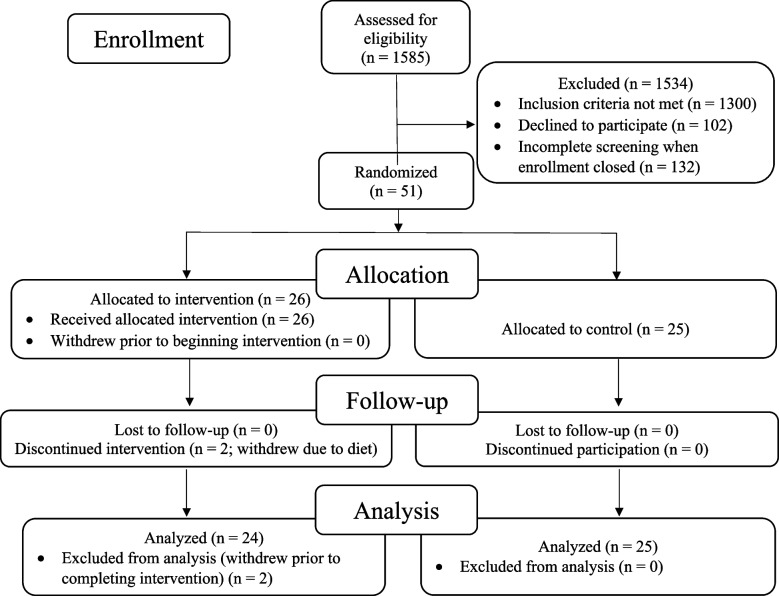
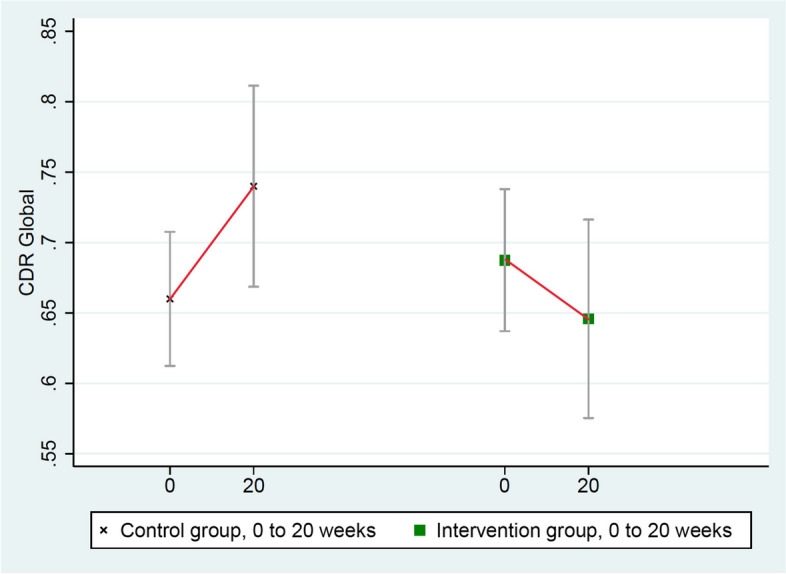
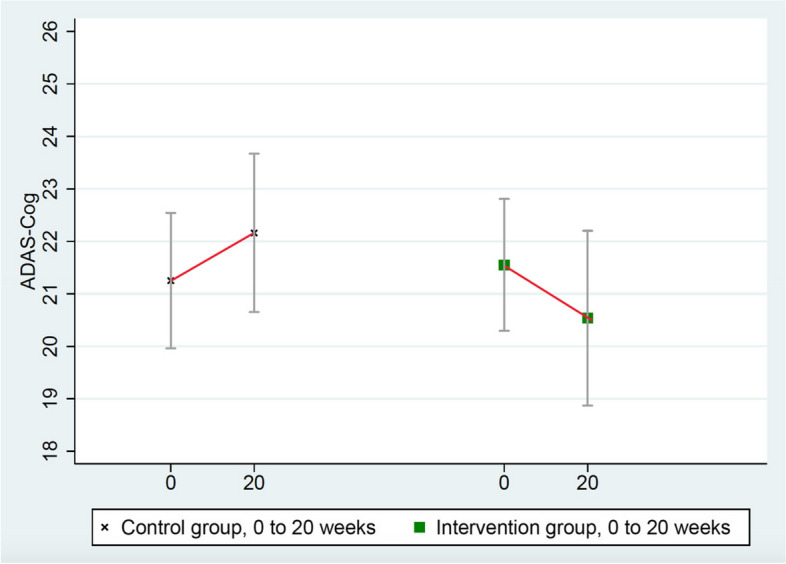
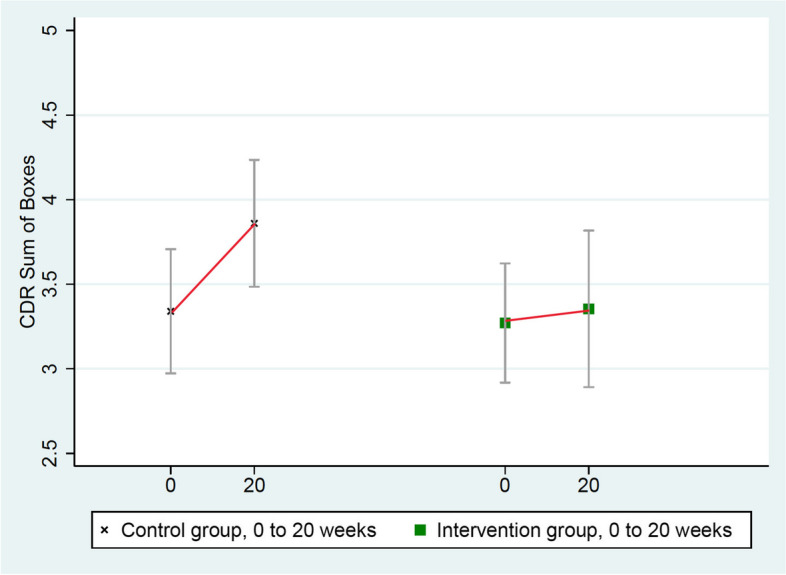
Background: Evidence links lifestyle factors with Alzheimer’s disease (AD). We report the first randomized, controlled clinical trial to determine if intensive lifestyle changes may beneficially affect the progression of mild cognitive impairment (MCI) or early dementia due to AD. Methods: A 1:1 multicenter randomized controlled phase 2 trial, ages 45-90 with MCI or early dementia due to AD and a Montreal Cognitive Assessment (MoCA) score of 18 or higher. The primary outcome measures were changes in cognition and function tests: Clinical Global Impression of Change (CGIC), Alzheimer’s Disease Assessment Scale (ADAS-Cog), Clinical Dementia Rating–Sum of Boxes (CDR-SB), and Clinical Dementia Rating Global (CDR-G) after 20 weeks of an intensive multidomain lifestyle intervention compared to a wait-list usual care control group. ADAS-Cog, CDR-SB, and CDR-Global scales were compared using a Mann-Whitney-Wilcoxon rank-sum test, and CGIC was compared using Fisher’s exact test. Secondary outcomes included plasma Aβ42/40 ratio, other biomarkers, and correlating lifestyle with the degree of change in these measures. Results: Fifty-one AD patients enrolled, mean age 73.5. No significant differences in any measures at baseline. Only two patients withdrew. All patients had plasma Aβ42/40 ratios <0.0672 at baseline, strongly supporting AD diagnosis. After 20 weeks, significant between-group differences in the CGIC ( p = 0.001), CDR-SB ( p = 0.032), and CDR Global ( p = 0.037) tests and borderline significance in the ADAS-Cog test ( p = 0.053). CGIC, CDR Global, and ADAS-Cog showed improvement in cognition and function and CDR-SB showed significantly less progression, compared to the control group which worsened in all four measures. Aβ42/40 ratio increased in the intervention group and decreased in the control group ( p = 0.003). There was a significant correlation between lifestyle and both cognitive function and the plasma Aβ42/40 ratio. The microbiome improved only in the intervention group ( p <0.0001). Conclusions: Comprehensive lifestyle changes may significantly improve cognition and function after 20 weeks in many patients with MCI or early dementia due to AD. Trial registration: Approved by Western Institutional Review Board on 12/31/2017 (#20172897) and by Institutional Review Boards of all sites. This study was registered retrospectively with clinicaltrials.gov on October 8, 2020 (NCT04606420, ID: 20172897).
Overview
CoChat Summary
TL;DR
In a 20-week randomized controlled trial of 51 patients with MCI or early dementia due to Alzheimer’s disease, an intensive multimodal lifestyle intervention was associated with significantly better cognition/function on several standard measures than a usual-care control group. The intervention group also showed a beneficial increase in plasma Aβ42/40 ratio and microbiome changes, while the control group worsened.
Key findings
- After 20 weeks, between-group differences were significant for CGIC (p = 0.001), CDR-SB (p = 0.032), and CDR Global (p = 0.037), with borderline significance for ADAS-Cog (p = 0.053); CGIC, CDR Global, and ADAS-Cog improved in the intervention group, and CDR-SB showed less progression, while the control group worsened on all four measures.
- In a sensitivity analysis excluding one intervention-group outlier, all four cognition/function measures were statistically significant: ADAS-Cog p = 0.028, CDR-SB p = 0.046, CDR-Global p = 0.037, and CGIC p = 0.001.
- Plasma Aβ42/40 ratio increased in the intervention group and decreased in the control group (p = 0.003); the microbiome improved only in the intervention group (p < 0.0001).
- Significant correlations were reported between degree of lifestyle change and change in cognition/function measures and in the plasma Aβ42/40 ratio; substantial adherence was associated with stopping progression (e.g., 71.4% for ADAS-Cog, 95.6% for CDR-Global, 120.6% for CDR-SB).
Methods
- 1:1 multicenter randomized controlled phase 2 trial enrolling adults ages 45–90 with MCI or early dementia due to AD and MoCA score ≥18; 51 enrolled (26 intervention, 25 control), 2 intervention-group withdrawals, 49 analyzed, mean age 73.5.
- Intervention: 20 weeks of intensive multimodal lifestyle changes including a whole-foods plant-based diet, exercise, stress management, group support, and supplements; control: wait-list usual care asked not to make lifestyle changes for 20 weeks.
- Primary outcomes: CGIC, ADAS-Cog, CDR-SB, and CDR Global; ADAS-Cog, CDR-SB, and CDR-Global compared with Mann-Whitney-Wilcoxon rank-sum tests, CGIC with Fisher’s exact test; secondary outcomes included plasma Aβ42/40 ratio, other biomarkers, and microbiome.
Limitations
- The paper states only 51 patients were enrolled and two withdrew; the small sample limits generalizability, especially with less racial and ethnic diversity than sought, and 20 weeks is relatively short for MCI/early dementia due to AD.
- The paper states subjects could not be blinded to lifestyle intervention, no direct measures of brain structure were included, not all intervention patients improved, and the dose-response analysis combined groups so was no longer randomized and could have unknown confounding.
- The text also makes evident protocol impacts from COVID-19: planned MRI and amyloid PET scans became infeasible, cognition/function testing was reduced, recruitment was terminated early due to recruitment challenges and limited funding, and the trial was registered retrospectively due to an administrative error.
Model-written summary. Check it against the paper before relying on it.
Integrity signals
Registry
Cites
Statistics
Figures
Verification
Claims the paper makes
0 Valid · 0 Not valid · 13 Not checked · 97 Own results and interpretations
A result the paper reports from its own data — it cites no other source for it, so there is none to check. The quote shows it is in the paper.
In the paper
“Correlation with lifestyle at 20 weeks: p < 0.0001; correlation: 0.678”
§ Effects of intensive lifestyle changes on the progression of mild cognitive impairment or early dementia due to Alzheimer’s disease: a randomized, controlled clinical trial > Correlation of lifestyle index and cognitive function > LDL-cholesterol
plainstates an association- Asserted: passes — The authors put it forward as true.
- Checkable: passes — It can be checked against evidence.
- Load-bearing: unclear — It is unclear whether the paper’s conclusions depend on it.
- Based: passes — The paper gives a reason why it holds.
A result the paper reports from its own data — it cites no other source for it, so there is none to check. The quote shows it is in the paper.
In the paper
“Correlation with degree of change in lifestyle: p = 0.068; correlation: 0.266”
§ Effects of intensive lifestyle changes on the progression of mild cognitive impairment or early dementia due to Alzheimer’s disease: a randomized, controlled clinical trial > Correlation of lifestyle index and cognitive function > Plasma Aβ42/40 ratio
plainstates an association- Asserted: passes — The authors put it forward as true.
- Checkable: passes — It can be checked against evidence.
- Load-bearing: unclear — It is unclear whether the paper’s conclusions depend on it.
- Based: passes — The paper gives a reason why it holds.
A result the paper reports from its own data — it cites no other source for it, so there is none to check. The quote shows it is in the paper.
In the paper
“Correlation with degree of change in lifestyle: p= 0.015; correlation: 0.317”
§ Effects of intensive lifestyle changes on the progression of mild cognitive impairment or early dementia due to Alzheimer’s disease: a randomized, controlled clinical trial > Correlation of lifestyle index and cognitive function > ADAS-Cog
plainstates an association- Asserted: passes — The authors put it forward as true.
- Checkable: passes — It can be checked against evidence.
- Load-bearing: unclear — It is unclear whether the paper’s conclusions depend on it.
- Based: passes — The paper gives a reason why it holds.
A result the paper reports from its own data — it cites no other source for it, so there is none to check. The quote shows it is in the paper.
In the paper
“we found statistically significant correlations between the degree of lifestyle change (from baseline to 20 weeks) and the degree of change in three of four measures of cognition and function”
§ Effects of intensive lifestyle changes on the progression of mild cognitive impairment or early dementia due to Alzheimer’s disease: a randomized, controlled clinical trial > Correlation of lifestyle index and cognitive function
plainstates an association- Asserted: passes — The authors put it forward as true.
- Checkable: passes — It can be checked against evidence.
- Load-bearing: passes — The paper’s conclusions depend on it.
- Based: passes — The paper gives a reason why it holds.
A result the paper reports from its own data — it cites no other source for it, so there is none to check. The quote shows it is in the paper.
In the paper
“Correlation with degree of change in lifestyle: p = 0.007; correlation: 0.383”
§ Effects of intensive lifestyle changes on the progression of mild cognitive impairment or early dementia due to Alzheimer’s disease: a randomized, controlled clinical trial > Correlation of lifestyle index and cognitive function > Glyc-A
plainstates an association- Asserted: passes — The authors put it forward as true.
- Checkable: passes — It can be checked against evidence.
- Load-bearing: unclear — It is unclear whether the paper’s conclusions depend on it.
- Based: passes — The paper gives a reason why it holds.
34 more claims
Create a free account to see all 110 claims and to verify the 16 references still open.
- It may state two separate claims as one. 51
- Probably not a substantial claim. 31
Claims other papers make about this one
Each is checked against this paper’s own text: does it say what the citing paper says it does?
In the citing paper
“the authors used one-tailed level 0.05 tests of their primary outcomes, a departure from the more typical two-tailed level 0.05 tests (or one-tailed level 0.025 tests) that leave open the possibility of an intervention resulting in benefit or harm”
From Effects of intensive lifestyle changes on the progression of mild cognitive impairment or early dementia due to Alzheimer’s disease: the need for rigor (2025) · cites this paper as [1]
In the citing paper
“Ornish and colleagues indicate that prespecified power calculations informed the need for a trial of no less than 100 patients, but that slow recruitment and the COVID-19 pandemic forced closure of the trial early, after just 51 participants were randomized.”
From Effects of intensive lifestyle changes on the progression of mild cognitive impairment or early dementia due to Alzheimer’s disease: the need for rigor (2025) · cites this paper as [1]
Self-check
Percentages, sums and reported differences re-computed from the paper’s own numbers.
Rated minor: it would not touch a result — a value no result rests on, a p-value that stays on the same side of the significance level, or a conflict that is clerical, resolved elsewhere in the paper, or outside its own findings.
In the paper
“| Male | 13 | 42.9 | 19 | 73.1 | 0.153 |”
§ Effects of intensive lifestyle changes on the progression of mild cognitive impairment or early dementia due to Alzheimer’s disease: a randomized, controlled clinical trial > Results
Reported 42.9 · recomputed 52
Cited works that were retracted
Works this paper cites that were later retracted, from the retraction notices publishers deposit. Major when the notice came out before this paper was published.
Rated major: it would touch a result — a value a result rests on, reported and recomputed p-values on opposite sides of the significance level, two passages that conflict with no sign which is right, or a cited work retracted before this paper was published.
In the paper
“For example, a Lancet commission on dementia prevention, intervention, and care listed 12 potentially modifiable risk factors that together account for an estimated 40% of the global burden of dementia [1].”
Cited work 10.1016/s0140-6736(20)30367-6 · retracted 2023-05-01 · notice 10.1016/s2468-2667(23)00083-x · this paper published 2024-06-07
Citations
Cites
1 retracted
Dementia prevention, intervention, and care: 2020 report of the Lancet Commission
Livingston, G., Huntley, J., Sommerlad, A., Ames, D., Ballard, C., Banerjee, S., Brayne, C., Burns, A., Cohen-Mansfield, J., Cooper, C., et al. (2020) · The Lancet · doi:10.1016/s0140-6736(20)30367-6 · Cited by 10,430 · cited 1×
“For example, a Lancet commission on dementia prevention, intervention, and care listed 12 potentially modifiable risk factors that together account for an estimated 40% of the global burden of dementia [1].”
BackgroundRetractedMcKhann, G. M., Knopman, D. S., Chertkow, H., Hyman, B. T., Jack, C. R., Kawas, C. H., Klunk, W. E., Koroshetz, W. J., Manly, J. J., Mayeux, R., et al. (2011) · Alzheimer's & Dementia · doi:10.1016/j.jalz.2011.03.005 · Cited by 18,657 · cited 1×
“An initial inclusion criterion of “current diagnosis of mild to moderate dementia due to AD (McKhann et al., 2011)” was further clarified to include a MoCA score of 18 or higher.”
BackgroundAlbert, M. S., DeKosky, S. T., Dickson, D., Dubois, B., Feldman, H. H., Fox, N. C., Gamst, A., Holtzman, D. M., Jagust, W. J., Petersen, R. C., et al. (2011) · Alzheimer's & Dementia · doi:10.1016/j.jalz.2011.03.008 · Cited by 10,152
Lecanemab in early Alzheimer's disease
van Dyck, C. H., Swanson, C. J., Aisen, P., Bateman, R. J., Chen, C., Gee, M., Kanekiyo, M., Li, D., Reyderman, L., Cohen, S., et al. (2023) · New England Journal of Medicine · doi:10.1056/nejmoa2212948 · Cited by 5,678 · cited 2×
“Anti-amyloid antibodies have shown modest effects on slowing progression, but they are expensive, have potential for adverse events, are not yet widely available, and do not result in overall cognitive improvement [40].”
BackgroundNgandu, T., Lehtisalo, J., Solomon, A., Levälahti, E., Ahtiluoto, S., Antikainen, R., Bäckman, L., Hänninen, T., Jula, A., Laatikainen, T., et al. (2015) · The Lancet · doi:10.1016/s0140-6736(15)60461-5 · Cited by 3,689 · cited 1×
“…Incidence of Dementia (CAIDE) dementia risk scores of at least 6 points and cognition at mean or slightly lower, a multimodal intervention of diet, exercise, cognitive training, vascular risk monitoring maintained cognitive function after 2 years in older adults at increased risk of dementia [8].”
BackgroundSelf-citationCan lifestyle changes reverse coronary heart disease?
Ornish, D., Brown, S. E., Billings, J. H., Scherwitz, L. W., Armstrong, W. T., Ports, T. A., McLanahan, S. M., Kirkeeide, R. L., Gould, K. L., & Brand, R. J. (1990) · The Lancet · doi:10.1016/0140-6736(90)91656-u · Cited by 2,338
Self-citationIntensive Lifestyle Changes for Reversal of Coronary Heart Disease
Ornish, D. (1998) · JAMA · doi:10.1001/jama.280.23.2001 · Cited by 1,730 · cited 1×
“…this lifestyle index (i.e., the degree of lifestyle changes) and changes in the degree of coronary atherosclerosis (percent diameter stenosis) in coronary heart disease; [41, 45] changes in PSA levels and LNCaP cell growth in men with prostate cancer; [42] and changes in telomere length [43].”
BackgroundSelf-citationConsumption of Fish and n-3 Fatty Acids and Risk of Incident Alzheimer Disease
Morris, M. C., Evans, D. A., Bienias, J. L., Tangney, C. C., Bennett, D. A., Wilson, R. S., Aggarwal, N., & Schneider, J. (2003) · Archives of Neurology · doi:10.1001/archneur.60.7.940 · Cited by 1,135 · cited 1×
“Omega-3 fatty acids: In those age 65 or older, those consuming omega-3 fatty acids once/ week or more had a 60% lower risk of developing AD, and total intake of n-3 polyunsaturated fatty acids was associated with reduced risk of Alzheimer disease [24].”
BackgroundWorld‐Wide FINGERS Network: A global approach to risk reduction and prevention of dementia
Kivipelto, M., Mangialasche, F., Snyder, H. M., Allegri, R., Andrieu, S., Arai, H., Baker, L., Belleville, S., Brodaty, H., Brucki, S. M., et al. (2020) · Alzheimer's & Dementia · doi:10.1002/alz.12123 · Cited by 553 · cited 1×
“Other large-scale multidomain intervention studies to determine if this intervention can help prevent dementia are being conducted or planned in over 60 countries worldwide, as part of the World-Wide FINGERS network, including the POINTER study in the U.S. [12, 13].”
BackgroundSelf-citationRingman, J. M., Frautschy, S. A., Teng, E., Begum, A. N., Bardens, J., Beigi, M., Gylys, K. H., Badmaev, V., Heath, D. D., Apostolova, L. G., et al. (2012) · Alzheimer's Research & Therapy · doi:10.1186/alzrt146 · Cited by 541 · cited 1×
“Curcumin targets inflammatory and antioxidant pathways as well as (directly) amyloid aggregation, [25] although there may be problems with bioavailability and crossing the blood-brain barrier [26].”
Background
Research works printed but not linked: 4
- Ornish D Ornish A UnDo It 2019 New York Ballantine Books
- Kivipelto M, Mangialasche F, Snyder H M, Allegri R, Andrieu S, Arai H, Baker L, Belleville S, Brodaty H, Brucki SM, Calandri I, Caramelli P, Chen C, Chertkow H, Chew E, Choi S H, Chowdhary N, Crivelli L, De La Torre R, Du Y, Dua T, Espeland M, Feldman H H, Hartmanis M, Hartmann T, Heffernan M, Henry C J, Hong C H, Håkansson K, Iwatsubo T, Jeong J H, Jimenez‐Maggiora G, Koo E H, Launer L J, Lehtisalo J, Lopera F, Martínez‐Lage P, Martins R, Middleton L, Molinuevo J L, Montero‐Odasso M, Moon S Y, Morales‐Pérez K, Nitrini R, Nygaard H B, Park Y K, Peltonen M, Qiu C, Quiroz Y T, Raman R, Rao N, Ravindranath V, Rosenberg A, Sakurai T, Salinas R M, Scheltens P, Sevlever G, Soininen H, Sosa A L, Suemoto C K, Tainta‐Cuezva M, Velilla L, Wang Y, Whitmer R, Xu X, Bain L J, Solomon A, Ngandu T, Carillo, M C. World‐Wide FINGERS Network: A global approach to risk reduction and prevention of dementia. Alzheimer's Dement. 2020, 10.1002/alz.12123. · DOI · Paper page
- Horsley K Unlimited Memory 2016 Granger Indiana TCK Publishing
- Ornish D Scherwitz LW Billings JH Brown SE Gould KL Merritt TA Sparler S Armstrong WT Ports TA Kirkeeide RL Hogeboom C Brand RJ Intensive lifestyle changes for reversal of coronary heart disease JAMA 1998 280 23 2001 7 10.1001/jama.280.23.2001 9863851 · DOI · Paper page
Cited by
Items 101–200 of 200
Kirk, M., Canfell, O. J., Pirbaglou, M., Chowdhury, F., Smith, M., Reid, R., Hitchcock, A. D., Baudin, J., Chang, B., Knight, H., et al. (2025) · medRxiv · doi:10.1101/2025.10.09.25337399 · Cited by 1
Wang, M., Sun, Y., Wang, X., Liu, C., Guo, T., Huang, Y., Gao, F., & Qiu, B. (2026) · BMC Neurology · doi:10.1186/s12883-026-04719-6 · Cited by 1
Daffner, K. R., Riera, K., Ghorayeb, G., McFeeley, B. M., Weizenbaum, E. L., Willment, K., & Gale, S. A. (2026) · The Journal of Prevention of Alzheimer s Disease · doi:10.1016/j.tjpad.2026.100640 · Cited by 1
“Of note, in a recent study of 51 patients with MCI or mild dementia due to AD, those who were randomized to 20 weeks of an intensive lifestyle modification intervention exhibited improvement in cognitive and functional status, whereas the usual-care control group demonstrated declines [55].”
Dhana, K., Aggarwal, N. T., Arfanakis, K., Sacks, F. M., & Barnes, L. L. (2026) · Journal of Alzheimer s Disease · doi:10.1177/13872877261442856 · Cited by 1
“32,33 17 – 20 These nutrients have been associated with neuronal integrity, supporting vascular health, and reducing oxidative stress.”
Winckler, M., & Slywitch, E. (2026) · Royal Society of Chemistry eBooks · doi:10.1039/9781837678907-00042 · Cited by 1
Tran, E., Cabán, M., Meng, A., Wetmore, J. B., Ottman, R., & Siegel, K. (2025) · International Journal of Geriatric Psychiatry · doi:10.1002/gps.70128 · Cited by 1
“There is preliminary evidence on the promising effects of this approach in improving cognitive function among people with early dementia [63, 64].”
Construction of a classification model for dementia among Brazilian adults aged 50 and over
Menezes, F., Barretto, M. C. F. G., Garcia, E. Q. C., Ferreira, T. A. E., & Alves, J. G. B. (2026) · Frontiers in Aging Neuroscience · doi:10.3389/fnagi.2026.1789012 · Cited by 1
Thompson, L. I., Eaton, C., Prieto, S., Lawrence, M., Czech, S. J., Rosenbaum, J., Anthony, D., Chandran, R. F., Kelly, L., Ngo, I., et al. (2026) · Frontiers in Digital Health · doi:10.3389/fdgth.2026.1823218 · Cited by 1
Self-citationMartínez-Orozco, H., Andrade-Guerrero, J., Pasten-Castrejón, N. J., Rodríguez‐Tanty, C., & Díaz-Cintra, S. Y. (2026) · Alzheimer s & Dementia · doi:10.1002/alz.71589 · Cited by 1
“123 These findings suggest that programs including SOPHI-AD may provide superior outcomes comparedtopharmacologicalornon-pharmacologicaltherapiesalone.”
Yin, C., Kindt, A. S. D., Harms, A. C., Hartman, R., Hankemeier, T., & de Lange, E. C. M. (2025) · Metabolomics · doi:10.1007/s11306-025-02350-z · Cited by 1
Thompson, L. I., Eaton, C. B., Prieto, S., Lawrence, M., Czech, S. J., Rosenbaum, J., Anthony, D., Chandran, R. F., Kelly, L., Ngo, I., et al. (2025) · medRxiv · doi:10.1101/2025.08.19.25333983 · Cited by 1
Self-citationHaas, J., Rogge, A., Otto, B., Michel, N., Berg, D., & Schaeffer, E. (2026) · BMC Neurology · doi:10.1186/s12883-026-04703-0 · Cited by 1
Physical Exercise as a Therapeutic Strategy in Alzheimer’s Disease: Mechanisms and Benefits
Bartoszek, A., Kopeć, K., Adamiuk, J., Marut, A., Biskup, M., Misiuk, J., Skuba, A., Załuska, K., Świdniak, A., & Nykiel, S. (2025) · Quality in Sport · doi:10.12775/qs.2025.41.58848 · Cited by 1
“Among these, exercise has emerged as one of the most promising interventions due to its profound impact on brain health, cognition, and neuronal resilience [3, 4].”
Arce, A. G. M. (2026) · Revista Tópicos · doi:10.70773/revistatopicos/787974561 · Cited by 1
Kogan, M., Frame, L. A., Devin, M. F., Prather, C. P., Alchalabi, T., Ashraf, U., Luczak, B. D., Fine, H., Ifateyo, A., Ledenac, M., et al. (2026) · Global Advances in Integrative Medicine and Health · doi:10.1177/27536130261452680 · Cited by 1
Korni, A., & Zandi, E. (2026) · Journal of Experimental Neurology · doi:10.33696/neurol.7.131 · Cited by 1
Rosenberg, A., Solomon, A., Matton, A., Lehtisalo, J., Benedet, A. L., Mangialasche, F., Levälahti, E., Arslan, B., Daniilidou, M., Peltonen, M., et al. (2026) · medRxiv · doi:10.64898/2026.10.02.26364486 · Cited by 1
Self-citationExposome contribution to the brain metabolome: importance of body brain connectionPreprint
Karu, N., Zhao, H. N., Batra, R., Arnold, M., Krumsiek, J., David, L. C., Barupal, D. K., Schimmel, L., Kueider‐Paisley, A., Blach, C., et al. (2026) · medRxiv · doi:10.64898/2026.05.05.26352469 · Cited by 1
Self-citationDibajnia, P., Fathollahzadeh, F., & Mousavi, S. Z. (2025) · Medical Journal of the Islamic Republic of Iran · doi:10.47176/mjiri.39.141 · Cited by 1
Mahwish, R., Liaquat, F., Aslam, I., & Iqbal, T. H. (2025) · Journal of Rawalpindi Medical College · doi:10.37939/jrmc.v29i3.2822 · Cited by 1
Inflammation and Integrative Primary Care
Kohatsu, W., & Win, R. (2026) · Primary Care Clinics in Office Practice · doi:10.1016/j.pop.2026.07.012
Sun, Q., He, Y., Wang, H., Wang, J., Feng, Y., Tian, H., & Feng, Y. (2026) · Behavioral Sciences · doi:10.3390/bs16071218
“…cognitive function to varying extents in specific populations, including those with age-related cognitive decline, Alzheimer’s disease, and attention-deficit hyperactivity disorder (Boa Sorte Silva et al., 2024; Brini et al., 2018; Kuo et al., 2024; Ornish et al., 2024; M. Zhang et al., 2023).”
Sun, Y., Zi, Z., Wang, S., Weng, M., Peng, J., Liu, L., Zhou, J., Wang, N., Liu, B., Liu, K., et al. (2026) · Frontiers in Aging Neuroscience · doi:10.3389/fnagi.2026.1721346
Jodłowska-Siewert, E., Liu, L., Yang, K., Ostroushko, D., Lutsey, P. L., Chekouo, T., Safo, S. E., & Initiative, A. D. N. (2026) · Journal of Alzheimer s Disease · doi:10.1177/13872877261469162
“…are a valid tool for tracking MCI progression, 23 and randomized clinical trials of new MCI and AD drugs often use a primary outcome based on cognitive scores, 24,25 because using them as outcome leads to higher power than the binary classi fi cation into MCI-converters to AD and non-converters.”
Song, W., Liu, X., Yu, T., Xiang, Y., Fu, P., Wu, M., Yin, X., Zhang, X., & Chen, Z. (2026) · Alzheimer s & Dementia · doi:10.1002/alz.71667
“34 However,traditionalCDR assessment is time-consuming and dependent on specialized personnel, restricting its current use mainly to research settings.”
Wu, J., Ziyi, Z., Sun, Z., Yuan, S., & Qiu, L. (2026) · Ageing Research Reviews · doi:10.1016/j.arr.2026.103347
Curtis, M., Alfano, A. R., Murphy, D., Pruden, S. M., Bayat, M., Graziano, P. A., & Dick, A. S. (2025) · Developmental Neuropsychology · doi:10.1080/87565641.2025.2581699
“These findings are reinforced by longitudinal studies showing that early interventions can reduce the pace of cognitive decline and improve everyday functioning and behavior (McMaster et al., 2020; Ornish et al., 2024; Porsteinsson et al., 2021).”
Gut Microbial Metabolism as a Dynamic Interface in Neurodegenerative Diseases
Kang, Z., Meng, R., Nie, M., & Wang, T. (2026) · Metabolites · doi:10.3390/metabo16090642
“An intensive lifestyle randomized trial in participants with mild cognitive impairment or early AD dementia reported improvement in several cognitive and functional measures, together with changes in the gut microbiome and plasma biomarkers [142].”
Neurological diseases: Sex and gender differences in stroke, migraine, and Alzheimer’s dementia
Madsen, T. E., & McClure, S. C. (2026) · Elsevier eBooks · doi:10.1016/b978-0-443-26712-3.00006-9
Sall, I., Foxall, R. L., Felth, L. C., Gaur, A., Whistler, J. L., & Whistler, C. A. (2026) · Gut Microbes · doi:10.1080/19490976.2026.2691347
Merino-País, M., López‐Ortiz, S., Emanuele, E., Imbimbo, C., Imbimbo, B. P., Lista, S., & Santos‐Lozano, A. (2026) · Journal of Functional Morphology and Kinesiology · doi:10.3390/jfmk11030287
“However, the results of the available studies varied widely, and only two human clinical trials have been reported to date [70,71].”
Xiao, D., Duvvuri, A., Makrigiannis, L. V., & Fuller, C. (2026) · Neurology International · doi:10.3390/neurolint18060113
“Multidomain interventions incorporating exercise, diet, and stress man‑ agement further suggest potential to slow progression in early stages of dementia [24].”
Bhattacharya, H., Chakraborty, P., & Dewanjee, S. (2026) · International review of neurobiology · doi:10.1016/bs.irn.2026.08.022
Jiakponnah, N. N., Biose, O. D., Sivebukola, I., Mbaeri, C. J., Cherry, K. E., & Biose, I. J. (2026) · Journal of Alzheimer s Disease · doi:10.1177/13872877261490593
“7,47 However, given that cohort membership captures multiple unmeasured social, behavioral, and life-course differences, and residual confounding remains a substantial concern, the observed cohort differences cannot be attributed to any single aspect of structured living within the religious orders.”
Steslow, K., & Filley, C. M. (2025) · Elsevier eBooks · doi:10.1016/b978-0-323-95702-1.00302-x
Is provision of substantial dietary interventions for brain health ethical?
Daly, T. P., & Olluri, A. (2025) · Journal of Alzheimer s Disease · doi:10.1177/13872877251313559
“33 Conclusion: The need for balanced communication, informed consent, and follow-up We argue that the ethical priorities for substantial dietary modi fi cations for dementia risk reduction should be focused on balanced communication to establish informed consent to avoid false hope, and follow-up to…”
Sweet Solutions: Unlocking the Diabetes-Dementia Connection for Better Outcomes
Pósán, E. (2025) · Journal of Insurance Medicine · doi:10.17849/insm-52-1-14-20.1
Einführung von Lecanemab in greifbarer Nähe
Nelles, G. (2025) · NeuroTransmitter · doi:10.1007/s15016-025-3991-2
Zhao, Y., Tao, D., Zhao, B., Li, W., Lv, X., Shao, S., Sun, Y., Zhao, X., Cole, A. M., & Gao, Y. (2026) · Frontiers in Physiology · doi:10.3389/fphys.2026.1782774
“Currently, treatment options for MCI are limited, and strategies to delay its progression to dementia remain inadequate (Ornish et al., 2024; Voinescu et al., 2021).”
Wu, X., Yu, T., Hu, S., & Zhang, T. (2026) · Frontiers in Medicine · doi:10.3389/fmed.2026.1857769
Divergent trends in Alzheimer’s disease burden: a comparative analysis of the US and G20 nations
Zou, Y., Wang, Q., Zhang, Q., & Cheng, X. (2026) · International Journal of Public Health · doi:10.3389/ijph.2026.1609525
“Third, the reduction in incidence and mortality may also be ascribed to positive lifestyle shifts [24, 25].”
Plant-based diets, cognitive function, and Alzheimer's disease
Austin, G., Ferguson, J. J. A., Eslick, S., Garg, M. L., & Martins, R. N. (2026) · Food & Function · doi:10.1039/d6fo01946c
Cochran, J. N., Pugh, J., Coleman, T., Kelley, W. V., Jamieson, P., Dunne, E., Smith, P., Chasteen, J., Jones, M., Turner, J., et al. (2026) · medRxiv · doi:10.64898/2026.09.19.26363495
Xu, H., Nie, Y., Li, S., Ye, J., Huang, Q., Meng, W., Li, X., & Mo, X. (2026) · Journal of Alzheimer s Disease Reports · doi:10.1177/25424823261451159
“8,9 Given that there is currently no treatment on AD, the signi fi cance of exploring lifestyle risk factors for improving cognitive health of elderly people are conducted.”
Serum Expression of miR-106b-3p and Its Diagnostic Significance in Alzheimer Disease
Hou, D., Hou, Z., Hong, Q., Sun, M. Y., & Wang, L. (2026) · Alzheimer Disease & Associated Disorders · doi:10.1097/wad.0000000000000710
Falsitta, L. V., & Pikula, A. (2026) · American Journal of Lifestyle Medicine · doi:10.1177/15598276261434176
Iešmantaitė, M., Usonis, L., Čeika, K., Šimoliūnas, E., Liudvinaitis, M., Soto-Arroyo, N., Moreno-Indias, I., Tinahones, F. J., Baltriukienė, D., & Mela, V. (2026) · Journal of Physiology and Biochemistry · doi:10.1007/s13105-026-01206-x
“Since there is no effective treatment for neu - rodegenerative diseases yet, clinicians focus their efforts of promoting healthier lifestyle habits [ 8 –10].”
Goncalo, A. K. (2026) · Journal of Alzheimer s Disease · doi:10.1177/13872877261491809
“50,51 Collectively, these fi ndings show gut health and diet as relevant, factors for ASD with potential implications for in fl ammation and AD/ADRD risk.”
From gut to brain: pioneering microbial strategies against Alzheimer’s disease
Wu, J., He, J., Liu, R., Zhang, H., Liu, L., & Peng, C. (2025) · Food Science and Human Wellness · doi:10.26599/fshw.2025.9250864
Tariot, P. N., Gitelman, D. R., Govia, I., Partrick, K. A., Scholler, E., Petersen, M. E., & Workgroup, T. C. D. C. A. (2026) · Alzheimer s & Dementia · doi:10.1002/alz.71767
Indrawanto, D., Kartikawati, D., Fauzi, M. S., Azhar, A. W., Wahyuni, S. I., Umiyati, S., Resmi, P. C., Pradapa, S. Y. F., & Ramadhani, E. (2025) · Journal of Clinical Neuroscience · doi:10.1016/j.jocn.2025.111254
Gao, Y., Zhang, C., Zhou, Z.-W., Sun, H.-S., Feng, Z.-P., Jie, S., Shao, Q.-H., Yang, S., Ai, Q., Yan, J., et al. (2026) · Food & Medicine Homology Resources · doi:10.26599/fmhr.2026.9740006
Karakaya, H. (2026) · Journal of Mental Health Disorders · doi:10.33696/mentalhealth.6.074
Gut–brain axis and cognitive health in the elderly: Contemporary evidence and Ayurvedic perspectives
Huilgol, P., Nayak, S., & Nambialil, D. V. (2026) · Journal of Research in Ayurvedic Sciences · doi:10.4103/jras.jras_323_24
Zhou, S., Liu, M., Kuai, J., Xu, Z., Bao, X., Xu, B., Guo, S., & Ji, J. (2026) · BMC Geriatrics · doi:10.1186/s12877-026-08033-1
Kubiś, N. M., Palacz, B., Teper, M. M., Perz, W., Polus, A., Wrona, J. A., Gluzicka, A., Olczyk, L., Piotrowski, J., & Korolchuk, A. (2026) · Quality in Sport · doi:10.12775/qs.2026.49.67607
“19,20”
Changes in Plasma Aβ42/40 Ratio and p-Tau181 in Amyloid-Positive Patients Treated with Sirolimus
Leibowitz, J., Kumi, F., Naseif, A., Leibowitz, E. J., & Baumeister, C. (2025) · Bratislavské lekárske listy/Bratislava medical journal · doi:10.1007/s44411-025-00323-1
Zhao, H., Li, L., Zhang, L., Li, X., Fu, S., Chen, F., Li, Y., & 左秀丽 (2026) · Singapore Medical Journal · doi:10.4103/singaporemedj.smj-2026-039
Zhou, C., Ji, Y., Wang, Y., Liang, Y., Cao, Y., Lin, L., Wang, Y., Yang, Z., Liu, S., & Chen, H. (2026) · Journal of Alzheimer s Disease · doi:10.1177/13872877261433196
Behrouzfar, H., Gholami, M., Hassani, S., Maghsoudi, A. S., & Bekheir, S. A. (2026) · Biochemistry and Biophysics Reports · doi:10.1016/j.bbrep.2026.102765
Brito, H. D. J. P., Méndez, K. D. S. C., Quiroz-Gómez, S., & Hernández, J. A. C. (2025) · Sciencevolution · doi:10.61325/ser.v4i4.220
The impact of aging, sex, and exercise on brain mitochondria
Zhang, J., Darley-Usmar, V. M., & Li, Y. (2026) · Frontiers in Aging · doi:10.3389/fragi.2026.1920914
“…et al., 2016; Zhao et al., 2020; Lee et al., 2021; Ruegsegger and Booth, 2018; Kramer et al., 2006; Churchill et al., 2002; Grill and Gillen, 2025; Ornish et al., 2024; Baker et al., 2025; Wang et al., 2022; Jian et al., 2022; Zhang et al., 2022; Mehla et al., 2022; Zhao et al., 2024; Zeng et…”
Demenz vorbeugen und behandeln: die Rolle der Ernährung
Michalsen, A. (2024) · Zeitschrift für Komplementärmedizin · doi:10.1055/a-2342-1964
Chen, S., Huang, H., Xu, X., Wang, Q., Lu, Y., Zhuang, Z., Lin, W., Zeng, Q., Wang, D., & Chen, S. (2026) · American Journal of Alzheimer s Disease & Other Dementias® · doi:10.1177/15333175261460967
Li, Z., Feng, Z., He, S., Tang, H., Zhao, C., Liu, J., Su, Y., Duan, J., Tian, X., Yan, Y. P., et al. (2025) · Asia Pacific Journal of Clinical Medical Research · doi:10.62177/apjcmr.v1i3.455
Genetic and physiological basis of Alzheimer’s disease: A review
Fakheir, Z. M., & Jasim, S. M. A. (2026) · Journal of Genetic and Environment Conservation · doi:10.63799/jgec.14.2.1
“(Ornish et al ., 2024).”
Suharyana, T., Hasan, A., & Willmare, J. (2026) · Sriwijaya Journal of Radiology and Imaging Research · doi:10.59345/sjrir.v3i2.285
Zhang, X., & Zhang, N. (2026) · Journal of Radiation Research and Applied Sciences · doi:10.1016/j.jrras.2026.102574
Intervenção psicológica em adultos mais velhos em contexto militar
Barra, F. M. D. S. (2025) · Repositório Institucional da Universidade Autónoma de Lisboa (Universidade Autónoma de Lisboa)
Anais do VI Congresso Internacional em Ciências da Saúde Única - Resumos Expandidos
Fernandes, A. P., Barbosa, F. P. D. S., & de Fontes-Junior, A. A. (2026) · doi:10.62642/tec-978-65-83199-39-3
Steenkamp, K. (2026) · Open University of Cape Town (University of Cape Town)
Berry, J. H., Berry, J., Nasreddine, Z. S., Loza, N., & Boulos, K. (2026) · BJPsych International · doi:10.1192/bji.2025.10081
Akinyemi, O. (2025) · IUScholarWorks (Indiana University)
Zhang, Y., Wang, J., Liu, X. J., & Li, J. (2026) · Research Square · doi:10.21203/rs.3.rs-8962009/v1
Ravitsemusohjaus osana ikäihmisten elämäntapaohjausta : FINGER-mallin erityispiirteet
Oivanen, M. (2025) · Theseus (Ammattikorkeakoulujen)
Tate, R. (2025) · Digital Commons - University of South Florida (University of South Florida)
Montenegro, M. L. V., Kato, C. F. P. D. A., Batista, A. R. E., de Sá, A. S., Neto, F. S. D. O., Aragão, M. D. F. V. V., Araújo, L. C., & Barbosa, B. J. A. P. (2026) · Arquivos de Neuro-Psiquiatria · doi:10.1055/s-0046-1829131
You, N., Li, J., Li, S., Miao, S., Yang, M., Wang, J., Yu, Y., & Ding, K. (2026) · Microchimica Acta · doi:10.1007/s00604-026-08518-1
Lateef, U., Junaid, A., Saeed, K., Khalil, H., Tasaddiq, M., & Malik, M. (2025) · Journal of medical & health sciences review. · doi:10.65035/w1y9ey43
“…scores on CGIC, CDR-SB, and CDR-Global tests, and an increased plasma Aβ42/40 ratio, recommend that lifestyle changes may less disease progression (22) Behavioral and physiological symptoms Alzheimer’s disease (AD), the most popular form of dementia, impact over 55 million people worldwide and…”
Scheuermann, J.-S., Graessel, E., Hanslian, E., Schiele, J. K., Dell’Oro, M., Schmitt, M., Jeitler, M., & Keßler, C. S. (2026) · Alzheimer s Research & Therapy · doi:10.1186/s13195-026-02255-6
“A recent randomized pilot trial of a comprehensive multidomain lifestyle intervention comprising a WFPB diet, moderate aerobic exercise, stress management, and enhanced social support reported improvements in cognition in individuals with MCI or early Alzheimer’s disease [56].”
Puhakka, N. (2026) · UEF eRepo (University of Eastern Finland)
Nadesar, N. (2024) · TSpace (University of Toronto)
Vicente, B. M., Soares, N. D. M., Maciel, A. V. V., Correia, J. V. F. M., de Oliveira, H. C., Venegas, R. V., Kounaris, P. A. D. T., de Carvalho, J. B. F., Tenebrão, L. D. S., & Lobo, R. F. (2026) · doi:10.22533/at.ed.5101326080912
Salvador Baranda, P. (2025) · UVaDOC UVaDOC University of Valladolid Documentary Repository (University of Valladolid)
Broadening the scope of multimodal precision prevention in Alzheimer’s disease research
Daly, T. P. (2026) · Discover Mental Health · doi:10.1007/s44192-026-00569-3
“…environmental measures to generate more accurate, and individualized predictions” [10] Evidence base Lifestyle interpretation of modifiable risk [25] Falling prevalence of AD and dementia in high-income countries [26] Clinical trials with lifestyle and pharmacological interventions [9] Ageing…”
Pemmereddy, R., Boddupally, S., Sunkara, N., Budime, P., Sireesha, K., Thakre, P., Rameshwaram, M., Nagesh, P., & Pasupulati, H. (2026) · Indian Journal of Pharmaceutical Education and Research · doi:10.5530/ijper.krupapharmacon.30
Mocked Today, Proven Tomorrow: How AI Will Validate Plant-Based Visionaries
Mulijono, D. (2025) · Advances in Nutrition & Food Science · doi:10.33140/anfs.10.02.01
Wang, C.-L., Chen, H., Xu, R.-Y., Wei, N., Su, X.-Q., Li, J., Li, C., Liu, J.-E., & Qiao, Y. (2026) · Neuroscience · doi:10.1016/j.neuroscience.2026.10.045
Militão, G. G., Braz, P. T. S., & Galvão, K. M. (2026) · Revista Ibero-Americana de Humanidades, Ciências e Educação · doi:10.51891/rease.v12i5.26719
Metabolic syndrome and Alzheimer's disease: Mechanistic links and precision prevention (Review)
Chen, H., Ding, T., Zhu, Y., Yang, M., Wang, F., 陈普文, Lin, H., Kang, H., Hu, M., Zhou, J., et al. (2026) · International Journal of Molecular Medicine · doi:10.3892/ijmm.2026.6051
“In addition, promoting active social participation and routine health examinations may delay the pathological progression of AD (133).”
Matthews, S. M., Morton, D. P., & Renfrew, M. E. (2026) · American Journal of Lifestyle Medicine · doi:10.1177/15598276261507661
Rashmi., N. G. (2024) · African Journal of Biomedical Research · doi:10.53555/ajbr.v27i4s.5795
江元兵, Uhm, H., Li, O., Wong, H. Y., Cheng, L. K. W., Cheng, E. Y. L., Wong, B. W. Y., Lo, R. M. N., Leung, S. K., Ip, F. C. F., et al. (2026) · Alzheimer s & Dementia · doi:10.1002/alz.72031
“1,2,42,43 In this study, we systematically profiled the MCI bloodproteomeandidentified496significantlyalteredproteins,some also dysregulated in AD.”
Ahsan, H., Feroz, A., & Ahmad, A. (2026) · Journal of the Pakistan Medical Association · doi:10.47391/jpma.30752
O IMPACTO DA MEDITAÇÃO NO CÉREBRO E NO DESENVOLVIMENTO COGNITIVO: UMA ABORDAGEM MULTIDISCIPLINAR
de Araújo, J. T., de Souza, C. P. F., Antonio, D. L. D. S. B., Diniz, G. B., Batista, M. C. R., Andrade, M. D. C. F., & Lima, R. F. D. S. (2025) · doi:10.22533/at.ed.0641325250414
Operationalizing Precision Medicine—Scaling the Prevention and Reversal of Chronic Disease
Burke, K. E., & Rountree, R. L. (2025) · Integrative and Complementary Therapies · doi:10.1089/ict.2025.70717.kb
Πρόληψη της νόσου Αλτσχάιμερ-ιατρική και κοινωνική πρόκληση
Κατσαρού, Μ. Σ.-Χ., & Κατσαρού, Μ. Σ.-Χ. (2025) · University of Thessaly Institutional Repository (University of Thessaly)
Potential Benefits and Limitations of Hericium erinaceus Supplementation
Barišić, M., Včelik, S., Crevar, B., Soldo, T., Miškulin, M., & Kovač, T. (2026) · Nutrients · doi:10.3390/nu18213469
“However, because the intervention included several components, the specific contribution of the mushroom cannot be determined [41].”
Metadata
- Authors
- Ornish, D., Madison, C., Kivipelto, M., Kemp, C., McCulloch, C. E., Galasko, D., Artz, J., Rentz, D., Lin, J., Norman, K., Ornish, A., Tranter, S., DeLamarter, N., Wingers, N., Richling, C., Kaddurah-Daouk, R., Knight, R., McDonald, D., Patel, L., Verdin, E., E. Tanzi, R., & Arnold, S. E.
- Affiliations
- University of California, San Francisco (US)
- California Pacific Medical Center (US)
- Karolinska University Hospital (SE)
- Preventive Medicine Research Institute (US)
- University of California San Diego (US)
- University of Nevada, Reno (US)
- Harvard University (US)
- Buck Institute for Research on Aging (US)
- Corresponding author
- Ornish, Dean
- ORCID
- Venue
- Alzheimer's Research & Therapy
- Published
- 2024-06-07
- Volume
- 16
- Issue
- 1
- Pages
- 122-122
- ISSN
- 1758-9193 (ISSN-L)
- PMC
- PMC11157928
- OpenAlex
- W4399443274
- Semantic Scholar
- a75a12fe56a01a2ad3a2f7e7d61a071a31e538c7
- Cited by
- 201
- References
- 41
- Citations by year
- 2026: 84 · 2025: 96 · 2024: 21
- FWCI
- 37.41
- Type
- journal article
- Language
- en
- Open access
- gold
- doi.org
- Licence
- cc-by
- creativecommons.org/licenses/by/4.0 (tdm)
- creativecommons.org/licenses/by/4.0 (vor)
- Locations
- Alzheimer s Research & Therapy (publishedVersion, cc-by)
- PubMed Central (publishedVersion, cc-by)
- PubMed (publishedVersion)
- DOAJ (DOAJ: Directory of Open Access Journals) (submittedVersion)
- Funders
- The Alzheimer’s Drug Discovery Foundation (GC-202102-2021459)
- Leonard A. Lauder & Judith Glickman Lauder
- Gary & Laura Lauder
- Mary Bucksbaum Scanlan Family Foundation
- Laurene Powell Jobs/Silicon Valley Community Foundation
- Pierre & Pamela Omidyar Fund/Silicon Valley Community Foundation
- George Vradenburg Foundation/Us Against Alzheimer’s
- American Endowment Foundation
- Arthur M. Blank Family Foundation
- DeJoria Peace Love & Happiness Foundation
- Maria Shriver/Women’s Alzheimer’s Movement
- Mark Pincus Family Fund/Silicon Valley Community Foundation
- Milken Family Foundation
- The Cleveland Clinic Foundation
- Greenbaum Foundation
- R. Martin Chavez
- Wonderful Company Foundation
- Daniel Socolow
- Anthony J. Robbins/Tony Robbins Foundation
- John Mackey
- John & Lisa Pritzker and the Lisa Stone Pritzker Family Foundation
- Ken Hubbard
- Greater Houston Community Foundation
- Henry Groppe
- Brock & Julie Leach Family Charitable Foundation
- Bucksbaum/Baum Foundation
- YPO Gold Los Angeles
- Lisa Holland/Betty Robertson
- The Each Foundation
- Moby Charitable Fund
- California Relief Program
- Gary & Lisa Schildhorn
- McNabb Foundation
- Renaissance Charitable Foumdation
- Around the Table Foundation
- Network for Good
- Ken & Kim Raisler Foundation
- Buckmaster Foundation
- Miner Foundation
- Craiglist Charitable Fund
- Gaurav Kapadia
- Healing Works Foundation/Wayne Jonas
- the Center for Innovative Medicine (CIMED) at the Karolinska Institutet, Hjärnfonden, Stockholms Sjukhem, Research Council for Health Working Life and Welfare
- Alzheimer Gut Microbiome Project (funded by NIA U19AG063744 & U01AG061359 & R01AG081322)
- Topics
- Health Sciences › Medicine › Psychiatry and Mental health › Dementia and Cognitive Impairment Research
- Life Sciences › Neuroscience › Cellular and Molecular Neuroscience › Alzheimer's disease research and treatments
- Health Sciences › Medicine › Oncology › Cancer-related cognitive impairment studies
- Keywords
- Alzheimer's disease, mild cognitive impairment, early-stage dementia, multidomain lifestyle intervention, disease progression, gut microbiota, cognitive function, functional capacity, lifestyle modification, biomarkers, Clinical Dementia Rating, Montreal Cognitive Assessment, Alzheimer's Disease Assessment Scale, Clinical Global Impression of Change, waitlist control, older adults
- MeSH terms
- Aged, Aged, 80 and over, Alzheimer Disease, Dementia, Female, Humans, Life Style, Male, Middle Aged, Neuropsychological Tests, Amyloid beta-Peptides, Treatment Outcome, Disease Progression, Cognitive Dysfunction
About these checks
Registry, retraction, Cites and statistics results are computed, not judged, with one exception: a printed reference that no index lists is read once by a model before it counts as a citation error. Claims are extracted by a model and kept only when their quote appears verbatim in the text; each cited source is then checked, with a model’s help, for whether it says what the claim relies on. Those verdicts can be wrong — read the claim’s quote and the cited source before relying on one.
A language model drew the claims from the paper on 2026-11-27, under version 3 of the claim definition (model deepseek-v4.1-flash, prompt extract-v3).
A second model labelled each claim on 2026-11-27 (model jev-1.13-20260917, definition revision gold-guideline-v0.2).
Statistics and arithmetic are recomputed, not judged.
Confidence bands are shown only for fields calibrated on our annotated test set. None is calibrated yet, so no band is shown.
What counts as a claim ›How we measure confidence ›How we check this ›
Are you an author, or do you see a problem with this page? Request a review
Data sources
Bibliographic data: Semantic Scholar, OpenAlex, Crossref.
Contains information from the Semantic Scholar Academic Graph Datasets, made available under the ODC Attribution License (ODC-BY 1.0).
Semantic Scholar’s data is described in: Kinney, R., et al. (2023). The Semantic Scholar Open Data Platform. arXiv:2301.10140.
