

Effects of intensive lifestyle changes on the progression of mild cognitive impairment or early dementia due to Alzheimer’s disease: a randomized, controlled clinical trial
Open accessThe DOI matches its Crossref record; 41 of the 41 references it cites were found in a registry or an index; none of the 16 sources its claims cite is checked for support yet.
Abstract
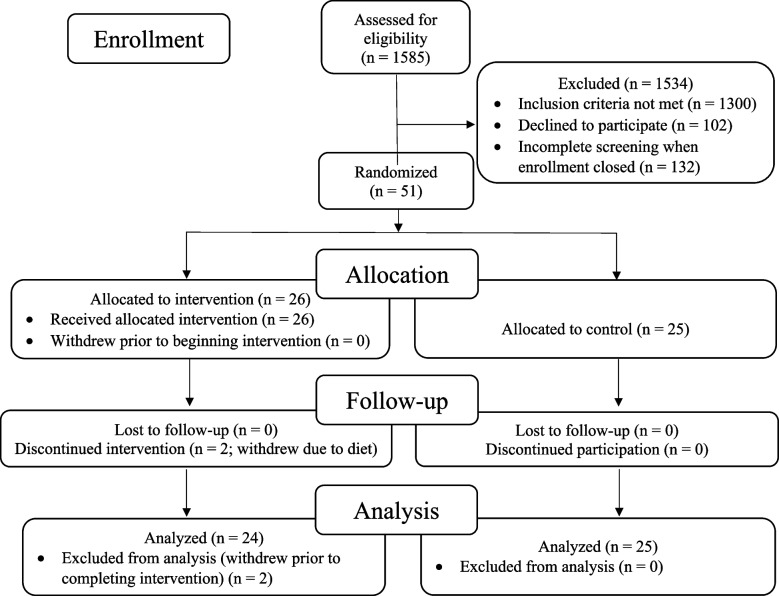
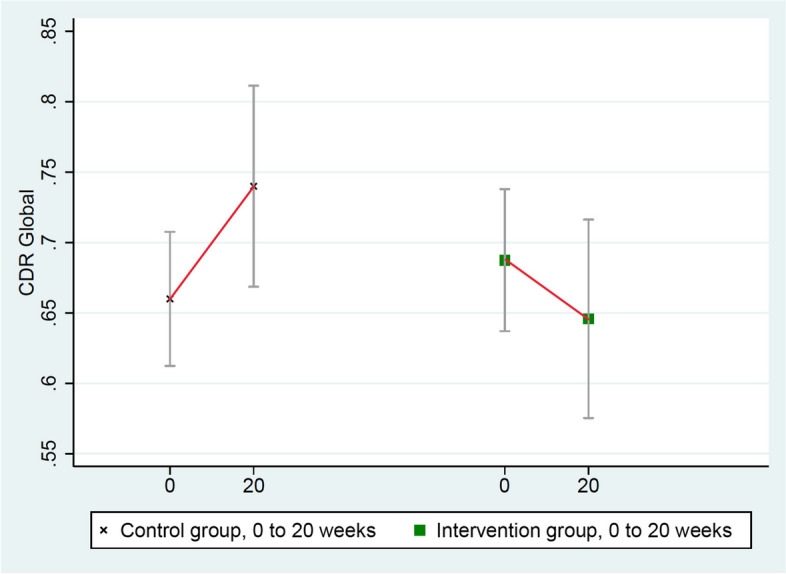
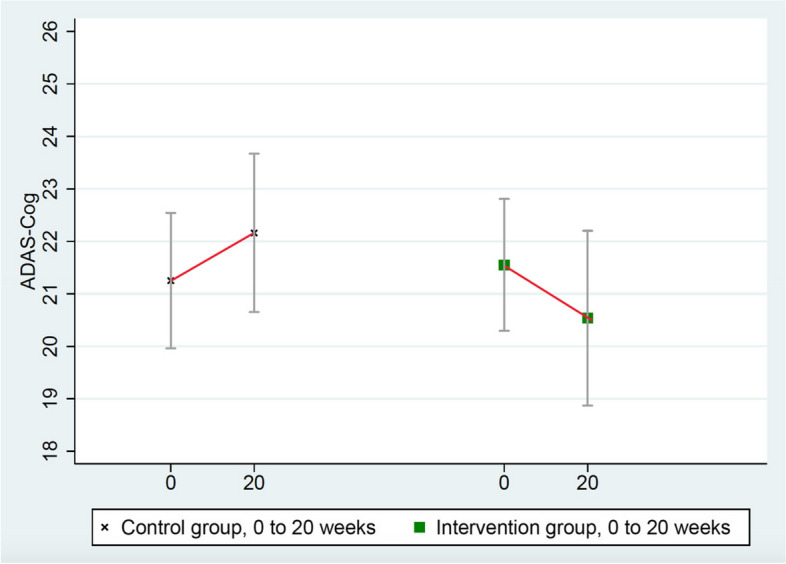
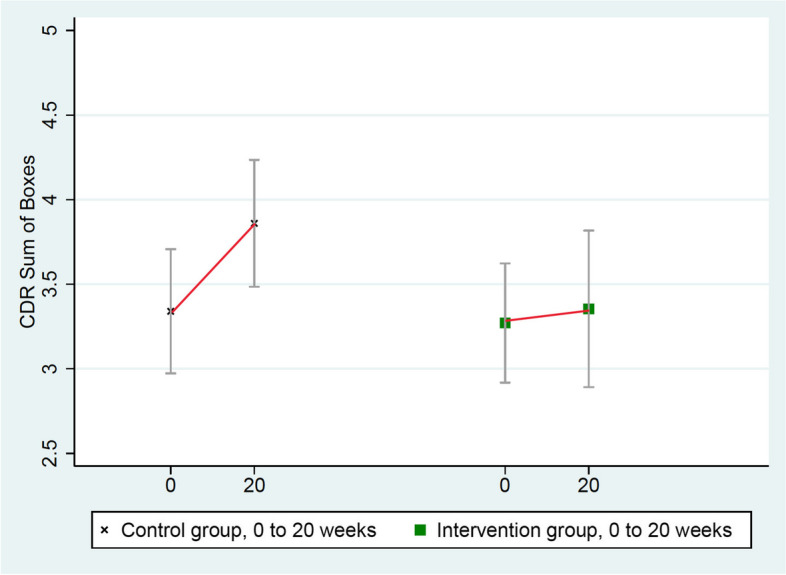
Background: Evidence links lifestyle factors with Alzheimer’s disease (AD). We report the first randomized, controlled clinical trial to determine if intensive lifestyle changes may beneficially affect the progression of mild cognitive impairment (MCI) or early dementia due to AD. Methods: A 1:1 multicenter randomized controlled phase 2 trial, ages 45-90 with MCI or early dementia due to AD and a Montreal Cognitive Assessment (MoCA) score of 18 or higher. The primary outcome measures were changes in cognition and function tests: Clinical Global Impression of Change (CGIC), Alzheimer’s Disease Assessment Scale (ADAS-Cog), Clinical Dementia Rating–Sum of Boxes (CDR-SB), and Clinical Dementia Rating Global (CDR-G) after 20 weeks of an intensive multidomain lifestyle intervention compared to a wait-list usual care control group. ADAS-Cog, CDR-SB, and CDR-Global scales were compared using a Mann-Whitney-Wilcoxon rank-sum test, and CGIC was compared using Fisher’s exact test. Secondary outcomes included plasma Aβ42/40 ratio, other biomarkers, and correlating lifestyle with the degree of change in these measures. Results: Fifty-one AD patients enrolled, mean age 73.5. No significant differences in any measures at baseline. Only two patients withdrew. All patients had plasma Aβ42/40 ratios <0.0672 at baseline, strongly supporting AD diagnosis. After 20 weeks, significant between-group differences in the CGIC ( p = 0.001), CDR-SB ( p = 0.032), and CDR Global ( p = 0.037) tests and borderline significance in the ADAS-Cog test ( p = 0.053). CGIC, CDR Global, and ADAS-Cog showed improvement in cognition and function and CDR-SB showed significantly less progression, compared to the control group which worsened in all four measures. Aβ42/40 ratio increased in the intervention group and decreased in the control group ( p = 0.003). There was a significant correlation between lifestyle and both cognitive function and the plasma Aβ42/40 ratio. The microbiome improved only in the intervention group ( p <0.0001). Conclusions: Comprehensive lifestyle changes may significantly improve cognition and function after 20 weeks in many patients with MCI or early dementia due to AD. Trial registration: Approved by Western Institutional Review Board on 12/31/2017 (#20172897) and by Institutional Review Boards of all sites. This study was registered retrospectively with clinicaltrials.gov on October 8, 2020 (NCT04606420, ID: 20172897).
Overview
CoChat Summary
TL;DR
In a 20-week randomized controlled trial of 51 patients with MCI or early dementia due to Alzheimer’s disease, an intensive multimodal lifestyle intervention was associated with significantly better cognition/function on several standard measures than a usual-care control group. The intervention group also showed a beneficial increase in plasma Aβ42/40 ratio and microbiome changes, while the control group worsened.
Key findings
- After 20 weeks, between-group differences were significant for CGIC (p = 0.001), CDR-SB (p = 0.032), and CDR Global (p = 0.037), with borderline significance for ADAS-Cog (p = 0.053); CGIC, CDR Global, and ADAS-Cog improved in the intervention group, and CDR-SB showed less progression, while the control group worsened on all four measures.
- In a sensitivity analysis excluding one intervention-group outlier, all four cognition/function measures were statistically significant: ADAS-Cog p = 0.028, CDR-SB p = 0.046, CDR-Global p = 0.037, and CGIC p = 0.001.
- Plasma Aβ42/40 ratio increased in the intervention group and decreased in the control group (p = 0.003); the microbiome improved only in the intervention group (p < 0.0001).
- Significant correlations were reported between degree of lifestyle change and change in cognition/function measures and in the plasma Aβ42/40 ratio; substantial adherence was associated with stopping progression (e.g., 71.4% for ADAS-Cog, 95.6% for CDR-Global, 120.6% for CDR-SB).
Methods
- 1:1 multicenter randomized controlled phase 2 trial enrolling adults ages 45–90 with MCI or early dementia due to AD and MoCA score ≥18; 51 enrolled (26 intervention, 25 control), 2 intervention-group withdrawals, 49 analyzed, mean age 73.5.
- Intervention: 20 weeks of intensive multimodal lifestyle changes including a whole-foods plant-based diet, exercise, stress management, group support, and supplements; control: wait-list usual care asked not to make lifestyle changes for 20 weeks.
- Primary outcomes: CGIC, ADAS-Cog, CDR-SB, and CDR Global; ADAS-Cog, CDR-SB, and CDR-Global compared with Mann-Whitney-Wilcoxon rank-sum tests, CGIC with Fisher’s exact test; secondary outcomes included plasma Aβ42/40 ratio, other biomarkers, and microbiome.
Limitations
- The paper states only 51 patients were enrolled and two withdrew; the small sample limits generalizability, especially with less racial and ethnic diversity than sought, and 20 weeks is relatively short for MCI/early dementia due to AD.
- The paper states subjects could not be blinded to lifestyle intervention, no direct measures of brain structure were included, not all intervention patients improved, and the dose-response analysis combined groups so was no longer randomized and could have unknown confounding.
- The text also makes evident protocol impacts from COVID-19: planned MRI and amyloid PET scans became infeasible, cognition/function testing was reduced, recruitment was terminated early due to recruitment challenges and limited funding, and the trial was registered retrospectively due to an administrative error.
Model-written summary. Check it against the paper before relying on it.
Integrity signals
Registry
Cites
Statistics
Figures
Verification
Claims the paper makes
0 Valid · 0 Not valid · 13 Not checked · 97 Own results and interpretations
A result the paper reports from its own data — it cites no other source for it, so there is none to check. The quote shows it is in the paper.
In the paper
“Correlation with lifestyle at 20 weeks: p < 0.0001; correlation: 0.678”
§ Effects of intensive lifestyle changes on the progression of mild cognitive impairment or early dementia due to Alzheimer’s disease: a randomized, controlled clinical trial > Correlation of lifestyle index and cognitive function > LDL-cholesterol
plainstates an association- Asserted: passes — The authors put it forward as true.
- Checkable: passes — It can be checked against evidence.
- Load-bearing: unclear — It is unclear whether the paper’s conclusions depend on it.
- Based: passes — The paper gives a reason why it holds.
A result the paper reports from its own data — it cites no other source for it, so there is none to check. The quote shows it is in the paper.
In the paper
“Correlation with degree of change in lifestyle: p = 0.068; correlation: 0.266”
§ Effects of intensive lifestyle changes on the progression of mild cognitive impairment or early dementia due to Alzheimer’s disease: a randomized, controlled clinical trial > Correlation of lifestyle index and cognitive function > Plasma Aβ42/40 ratio
plainstates an association- Asserted: passes — The authors put it forward as true.
- Checkable: passes — It can be checked against evidence.
- Load-bearing: unclear — It is unclear whether the paper’s conclusions depend on it.
- Based: passes — The paper gives a reason why it holds.
A result the paper reports from its own data — it cites no other source for it, so there is none to check. The quote shows it is in the paper.
In the paper
“Correlation with degree of change in lifestyle: p= 0.015; correlation: 0.317”
§ Effects of intensive lifestyle changes on the progression of mild cognitive impairment or early dementia due to Alzheimer’s disease: a randomized, controlled clinical trial > Correlation of lifestyle index and cognitive function > ADAS-Cog
plainstates an association- Asserted: passes — The authors put it forward as true.
- Checkable: passes — It can be checked against evidence.
- Load-bearing: unclear — It is unclear whether the paper’s conclusions depend on it.
- Based: passes — The paper gives a reason why it holds.
A result the paper reports from its own data — it cites no other source for it, so there is none to check. The quote shows it is in the paper.
In the paper
“we found statistically significant correlations between the degree of lifestyle change (from baseline to 20 weeks) and the degree of change in three of four measures of cognition and function”
§ Effects of intensive lifestyle changes on the progression of mild cognitive impairment or early dementia due to Alzheimer’s disease: a randomized, controlled clinical trial > Correlation of lifestyle index and cognitive function
plainstates an association- Asserted: passes — The authors put it forward as true.
- Checkable: passes — It can be checked against evidence.
- Load-bearing: passes — The paper’s conclusions depend on it.
- Based: passes — The paper gives a reason why it holds.
A result the paper reports from its own data — it cites no other source for it, so there is none to check. The quote shows it is in the paper.
In the paper
“Correlation with degree of change in lifestyle: p = 0.007; correlation: 0.383”
§ Effects of intensive lifestyle changes on the progression of mild cognitive impairment or early dementia due to Alzheimer’s disease: a randomized, controlled clinical trial > Correlation of lifestyle index and cognitive function > Glyc-A
plainstates an association- Asserted: passes — The authors put it forward as true.
- Checkable: passes — It can be checked against evidence.
- Load-bearing: unclear — It is unclear whether the paper’s conclusions depend on it.
- Based: passes — The paper gives a reason why it holds.
34 more claims
Create a free account to see all 110 claims and to verify the 16 references still open.
- It may state two separate claims as one. 51
- Probably not a substantial claim. 31
Claims other papers make about this one
Each is checked against this paper’s own text: does it say what the citing paper says it does?
In the citing paper
“the authors used one-tailed level 0.05 tests of their primary outcomes, a departure from the more typical two-tailed level 0.05 tests (or one-tailed level 0.025 tests) that leave open the possibility of an intervention resulting in benefit or harm”
From Effects of intensive lifestyle changes on the progression of mild cognitive impairment or early dementia due to Alzheimer’s disease: the need for rigor (2025) · cites this paper as [1]
In the citing paper
“Ornish and colleagues indicate that prespecified power calculations informed the need for a trial of no less than 100 patients, but that slow recruitment and the COVID-19 pandemic forced closure of the trial early, after just 51 participants were randomized.”
From Effects of intensive lifestyle changes on the progression of mild cognitive impairment or early dementia due to Alzheimer’s disease: the need for rigor (2025) · cites this paper as [1]
Self-check
Percentages, sums and reported differences re-computed from the paper’s own numbers.
Rated minor: it would not touch a result — a value no result rests on, a p-value that stays on the same side of the significance level, or a conflict that is clerical, resolved elsewhere in the paper, or outside its own findings.
In the paper
“| Male | 13 | 42.9 | 19 | 73.1 | 0.153 |”
§ Effects of intensive lifestyle changes on the progression of mild cognitive impairment or early dementia due to Alzheimer’s disease: a randomized, controlled clinical trial > Results
Reported 42.9 · recomputed 52
Cited works that were retracted
Works this paper cites that were later retracted, from the retraction notices publishers deposit. Major when the notice came out before this paper was published.
Rated major: it would touch a result — a value a result rests on, reported and recomputed p-values on opposite sides of the significance level, two passages that conflict with no sign which is right, or a cited work retracted before this paper was published.
In the paper
“For example, a Lancet commission on dementia prevention, intervention, and care listed 12 potentially modifiable risk factors that together account for an estimated 40% of the global burden of dementia [1].”
Cited work 10.1016/s0140-6736(20)30367-6 · retracted 2023-05-01 · notice 10.1016/s2468-2667(23)00083-x · this paper published 2024-06-07
Citations
Cites
1 retracted
Dementia prevention, intervention, and care: 2020 report of the Lancet Commission
Livingston, G., Huntley, J., Sommerlad, A., Ames, D., Ballard, C., Banerjee, S., Brayne, C., Burns, A., Cohen-Mansfield, J., Cooper, C., et al. (2020) · The Lancet · doi:10.1016/s0140-6736(20)30367-6 · Cited by 10,430 · cited 1×
“For example, a Lancet commission on dementia prevention, intervention, and care listed 12 potentially modifiable risk factors that together account for an estimated 40% of the global burden of dementia [1].”
BackgroundRetractedMcKhann, G. M., Knopman, D. S., Chertkow, H., Hyman, B. T., Jack, C. R., Kawas, C. H., Klunk, W. E., Koroshetz, W. J., Manly, J. J., Mayeux, R., et al. (2011) · Alzheimer's & Dementia · doi:10.1016/j.jalz.2011.03.005 · Cited by 18,657 · cited 1×
“An initial inclusion criterion of “current diagnosis of mild to moderate dementia due to AD (McKhann et al., 2011)” was further clarified to include a MoCA score of 18 or higher.”
BackgroundAlbert, M. S., DeKosky, S. T., Dickson, D., Dubois, B., Feldman, H. H., Fox, N. C., Gamst, A., Holtzman, D. M., Jagust, W. J., Petersen, R. C., et al. (2011) · Alzheimer's & Dementia · doi:10.1016/j.jalz.2011.03.008 · Cited by 10,152
Lecanemab in early Alzheimer's disease
van Dyck, C. H., Swanson, C. J., Aisen, P., Bateman, R. J., Chen, C., Gee, M., Kanekiyo, M., Li, D., Reyderman, L., Cohen, S., et al. (2023) · New England Journal of Medicine · doi:10.1056/nejmoa2212948 · Cited by 5,678 · cited 2×
“Anti-amyloid antibodies have shown modest effects on slowing progression, but they are expensive, have potential for adverse events, are not yet widely available, and do not result in overall cognitive improvement [40].”
BackgroundNgandu, T., Lehtisalo, J., Solomon, A., Levälahti, E., Ahtiluoto, S., Antikainen, R., Bäckman, L., Hänninen, T., Jula, A., Laatikainen, T., et al. (2015) · The Lancet · doi:10.1016/s0140-6736(15)60461-5 · Cited by 3,689 · cited 1×
“…Incidence of Dementia (CAIDE) dementia risk scores of at least 6 points and cognition at mean or slightly lower, a multimodal intervention of diet, exercise, cognitive training, vascular risk monitoring maintained cognitive function after 2 years in older adults at increased risk of dementia [8].”
BackgroundSelf-citationCan lifestyle changes reverse coronary heart disease?
Ornish, D., Brown, S. E., Billings, J. H., Scherwitz, L. W., Armstrong, W. T., Ports, T. A., McLanahan, S. M., Kirkeeide, R. L., Gould, K. L., & Brand, R. J. (1990) · The Lancet · doi:10.1016/0140-6736(90)91656-u · Cited by 2,338
Self-citationIntensive Lifestyle Changes for Reversal of Coronary Heart Disease
Ornish, D. (1998) · JAMA · doi:10.1001/jama.280.23.2001 · Cited by 1,730 · cited 1×
“…this lifestyle index (i.e., the degree of lifestyle changes) and changes in the degree of coronary atherosclerosis (percent diameter stenosis) in coronary heart disease; [41, 45] changes in PSA levels and LNCaP cell growth in men with prostate cancer; [42] and changes in telomere length [43].”
BackgroundSelf-citationConsumption of Fish and n-3 Fatty Acids and Risk of Incident Alzheimer Disease
Morris, M. C., Evans, D. A., Bienias, J. L., Tangney, C. C., Bennett, D. A., Wilson, R. S., Aggarwal, N., & Schneider, J. (2003) · Archives of Neurology · doi:10.1001/archneur.60.7.940 · Cited by 1,135 · cited 1×
“Omega-3 fatty acids: In those age 65 or older, those consuming omega-3 fatty acids once/ week or more had a 60% lower risk of developing AD, and total intake of n-3 polyunsaturated fatty acids was associated with reduced risk of Alzheimer disease [24].”
BackgroundWorld‐Wide FINGERS Network: A global approach to risk reduction and prevention of dementia
Kivipelto, M., Mangialasche, F., Snyder, H. M., Allegri, R., Andrieu, S., Arai, H., Baker, L., Belleville, S., Brodaty, H., Brucki, S. M., et al. (2020) · Alzheimer's & Dementia · doi:10.1002/alz.12123 · Cited by 553 · cited 1×
“Other large-scale multidomain intervention studies to determine if this intervention can help prevent dementia are being conducted or planned in over 60 countries worldwide, as part of the World-Wide FINGERS network, including the POINTER study in the U.S. [12, 13].”
BackgroundSelf-citationRingman, J. M., Frautschy, S. A., Teng, E., Begum, A. N., Bardens, J., Beigi, M., Gylys, K. H., Badmaev, V., Heath, D. D., Apostolova, L. G., et al. (2012) · Alzheimer's Research & Therapy · doi:10.1186/alzrt146 · Cited by 541 · cited 1×
“Curcumin targets inflammatory and antioxidant pathways as well as (directly) amyloid aggregation, [25] although there may be problems with bioavailability and crossing the blood-brain barrier [26].”
BackgroundDietary Fats and the Risk of Incident Alzheimer Disease
Morris, M. C., Evans, D. A., Bienias, J. L., Tangney, C. C., Bennett, D. A., Aggarwal, N., Schneider, J., & Wilson, R. S. (2003) · Archives of Neurology · doi:10.1001/archneur.60.2.194 · Cited by 529
Yu, J.-T., Xu, W., Tan, C.-C., Andrieu, S., Suckling, J., Evangelou, E., Pan, A., Zhang, C., Jia, J., Feng, L., et al. (2020) · Journal of Neurology, Neurosurgery & Psychiatry · doi:10.1136/jnnp-2019-321913 · Cited by 482 · cited 1×
“A systematic review and meta-analysis of 243 observational prospective studies and 153 randomized controlled trials found a similar relationship between these and similar risk factors and the onset of AD [6].”
BackgroundINTENSIVE LIFESTYLE CHANGES MAY AFFECT THE PROGRESSION OF PROSTATE CANCER
ORNISH, D., WEIDNER, G., FAIR, W. R., MARLIN, R., PETTENGILL, E. B., RAISIN, C. J., DUNN-EMKE, S., CRUTCHFIELD, L., JACOBS, F. N., BARNARD, R. J., et al. (2005) · Journal of Urology · doi:10.1097/01.ju.0000169487.49018.73 · Cited by 474 · cited 1×
“…this lifestyle index (i.e., the degree of lifestyle changes) and changes in the degree of coronary atherosclerosis (percent diameter stenosis) in coronary heart disease; [41, 45] changes in PSA levels and LNCaP cell growth in men with prostate cancer; [42] and changes in telomere length [43].”
BackgroundSelf-citationRosenberg, A., Ngandu, T., Rusanen, M., Antikainen, R., Bäckman, L., Havulinna, S., Hänninen, T., Laatikainen, T., Lehtisalo, J., Levälahti, E., et al. (2018) · Alzheimer's & Dementia · doi:10.1016/j.jalz.2017.09.006 · Cited by 421
Self-citationAssociations of vegetable and fruit consumption with age-related cognitive change
Morris, M. C., Evans, D. A., Tangney, C. C., Bienias, J. L., & Wilson, R. S. (2006) · Neurology · doi:10.1212/01.wnl.0000240224.38978.d8 · Cited by 404 · cited 1×
“…of adults 65 or older in Chicago, the risk of developing AD was 38% lower in those eating high vs low amounts of vegetables and 60% lower in those consuming omega-3 fatty acids at least once/week, [4] whereas consuming saturated fat and trans fats more than doubled the risk of developing AD [5].”
BackgroundOrnish, D., Lin, J., Chan, J. M., Epel, E., Kemp, C., Weidner, G., Marlin, R., Frenda, S. J., Magbanua, M. J. M., Daubenmier, J., et al. (2013) · The Lancet Oncology · doi:10.1016/s1470-2045(13)70366-8 · Cited by 390 · cited 1×
“…this lifestyle index (i.e., the degree of lifestyle changes) and changes in the degree of coronary atherosclerosis (percent diameter stenosis) in coronary heart disease; [41, 45] changes in PSA levels and LNCaP cell growth in men with prostate cancer; [42] and changes in telomere length [43].”
BackgroundSelf-citationGould, K. L. (1995) · JAMA: The Journal of the American Medical Association · doi:10.1001/jama.1995.03530110056036 · Cited by 329
Self-citationEffects of Stress Management Training and Dietary Changes in Treating Ischemic Heart Disease
Ornish, D. (1983) · JAMA: The Journal of the American Medical Association · doi:10.1001/jama.1983.03330250034024 · Cited by 270 · cited 1×
“…this article resulted in regression of coronary atherosclerosis as measured by quantitative coronary arteriography [15] and ventricular function, [16] improvements in myocardial perfusion as measured by cardiac PET scans, and 2.5 times fewer cardiac events after five years, all of which were…”
MethodInfluentialSelf-citationMori, K., Inatomi, S., Ouchi, K., Azumi, Y., & Tuchida, T. (2009) · Phytotherapy Research · doi:10.1002/ptr.2634 · Cited by 258 · cited 1×
“[32] and in MCI patients compared to placebo [33].”
ResultVoulgaropoulou, S. D., van Amelsvoort, T. A. M. J., Prickaerts, J., & Vingerhoets, C. (2019) · Brain Research · doi:10.1016/j.brainres.2019.146476 · Cited by 243 · cited 1×
“Curcumin targets inflammatory and antioxidant pathways as well as (directly) amyloid aggregation, [25] although there may be problems with bioavailability and crossing the blood-brain barrier [26].”
BackgroundHealthy lifestyle and the risk of Alzheimer dementia: Findings from 2 longitudinal studies
Dhana, K., Evans, D. A., Rajan, K. B., Bennett, D. A., & Morris, M. C. (2020) · Neurology · doi:10.1212/wnl.0000000000009816 · Cited by 236
Zhuang, Z., Yang, R., Wang, W., Qi, L., & Huang, T. (2020) · Journal of Neuroinflammation · doi:10.1186/s12974-020-01961-8 · Cited by 220 · cited 1×
“For example, Blautia, which increased during the intervention in the intervention group, has previously been associated with a lower risk of AD, potentially due to its involvement in increasing γ-aminobutyric acid (GABA) production [37].”
BackgroundSolomon, A., Turunen, H., Ngandu, T., Peltonen, M., Levälahti, E., Helisalmi, S., Antikainen, R., Bäckman, L., Hänninen, T., Jula, A., et al. (2018) · JAMA Neurology · doi:10.1001/jamaneurol.2017.4365 · Cited by 213
Self-citationHarrison, F. E. (2012) · Journal of Alzheimer's Disease · doi:10.3233/jad-2012-111853 · Cited by 191
Genetic correlations between Alzheimer’s disease and gut microbiome genera
Cammann, D., Lu, Y., Cummings, M. J., Zhang, M. L., Cue, J. M., Do, J., Ebersole, J., Chen, X., Oh, E. C., Cummings, J. L., et al. (2023) · Scientific Reports · doi:10.1038/s41598-023-31730-5 · Cited by 163
Mechanistic Link between Vitamin B12 and Alzheimer’s Disease
Lauer, A. A., Grimm, H. S., Apel, B., Golobrodska, N., Kruse, L., Ratanski, E., Schulten, N., Schwarze, L., Slawik, T., Sperlich, S., et al. (2022) · Biomolecules · doi:10.3390/biom12010129 · Cited by 139
Lifestyle and neurocognition in older adults with cognitive impairments: A randomized trial
Blumenthal, J. A., Smith, P. J., Mabe, S., Hinderliter, A., Lin, P.-H., Liao, L., Welsh-Bohmer, K. A., Browndyke, J. N., Kraus, W. E., Doraiswamy, P. M., et al. (2019) · Neurology · doi:10.1212/wnl.0000000000006784 · Cited by 131 · cited 1×
“…etiology and heterogeneity of AD suggest that multidomain lifestyle interventions may be more effective than single-domain ones for reducing the risk of dementia, and that more intensive multimodal lifestyle interventions may be more efficacious than moderate ones at preventing dementia [7].”
BackgroundYaffe, K., Vittinghoff, E., Dublin, S., Peltz, C. B., Fleckenstein, L. E., Rosenberg, D. E., Barnes, D. E., Balderson, B. H., & Larson, E. B. (2024) · JAMA Internal Medicine · doi:10.1001/jamainternmed.2023.6279 · Cited by 124
Improvement of cognitive functions by oral intake of Hericium erinaceus
SAITSU, Y., Nishide, A., Kikushima, K., Shimizu, K., & Ohnuki, K. (2019) · Biomedical Research · doi:10.2220/biomedres.40.125 · Cited by 114
Beyer, H. (1981) · Biometrical Journal · doi:10.1002/bimj.4710230408 · Cited by 105
Lehtisalo, J., Rusanen, M., Solomon, A., Antikaínen, R., Laatikainen, T. K., Peltonen, M., Strandberg, T. E., Tuomilehto, J., Soininen, H. S., Kivipelto, M., et al. (2022) · European Heart Journal · doi:10.1093/eurheartj/ehab922 · Cited by 103 · cited 1×
“The FINGER lifestyle intervention also resulted in a 13-20% reduction in rates of cardiovascular disease events (stroke, transient ischemic attack, or coronary), providing more evidence that “what’s good for the heart is good for the brain”(and vice versa) [11].”
BackgroundSelf-citationXiang, S., Ji, J.-L., Li, S., Cao, X.-P., Xu, W., Tan, L., & Tan, C.-C. (2022) · Frontiers in Aging Neuroscience · doi:10.3389/fnagi.2022.730036 · Cited by 89
Coenzyme Q10 a mitochondrial restorer for various brain disorders
Pradhan, N., Singh, C., & Singh, A. (2021) · Naunyn-Schmiedeberg s Archives of Pharmacology · doi:10.1007/s00210-021-02161-8 · Cited by 68
Healthy Lifestyle and Cognition in Older Adults With Common Neuropathologies of Dementia
Dhana, K., Agarwal, P., James, B. D., Leurgans, S. E., Rajan, K. B., Aggarwal, N. T., Barnes, L. L., Bennett, D. A., & Schneider, J. A. (2024) · JAMA Neurology · doi:10.1001/jamaneurol.2023.5491 · Cited by 65 · cited 1×
“A recent study reported that the association of lifestyle with cognition is mostly independent of brain pathology, though a part, estimated to be only 12%, was through β-amyloid [3].”
BackgroundMcDonald, K., Seltzer, E. W., Lu, M., Gaisenband, S. D., Fletcher, C., McLeroth, P., & Saini, K. S. (2023) · Trials · doi:10.1186/s13063-023-07277-1 · Cited by 49 · cited 1×
“However, due to challenges in recruiting patients, especially with the COVID-19 emergency and that many pharma trials began recruiting patients with similar criteria, it took longer to enroll patients than initially planned [21].”
BackgroundBorsom, E. M., Conn, K., Keefe, C. R., Herman, C., Orsini, G. M., Hirsch, A. H., Palma Avila, M., Testo, G., Jaramillo, S. A., Bolyen, E., et al. (2023) · Microbiology Spectrum · doi:10.1128/spectrum.03458-22 · Cited by 42
Du, K., Zheng, X., Ma, Z., Lv, J.-Y., Jiang, W., & Liu, M. (2022) · Frontiers in Aging Neuroscience · doi:10.3389/fnagi.2021.799824 · Cited by 40
Nutritional supplementation for Alzheimerʼs disease?
Shea, T. B., & Remington, R. (2015) · Current Opinion in Psychiatry · doi:10.1097/yco.0000000000000138 · Cited by 35
Tang, H.-Y. J., Vitiello, M. V., Perlis, M. L., Mao, J. J. J., & Riegel, B. J. (2014) · Applied Psychophysiology and Biofeedback · doi:10.1007/s10484-014-9263-8 · Cited by 35 · cited 1×
“Patients had the option of using flashing-light glasses at a theta frequency of 7.83 Hz plus soothing music as an aid to meditation and insomnia [22].”
BackgroundInfluentialIndependent study demonstrates amyloid probability score accurately indicates amyloid pathology
Fogelman, I., West, T., Braunstein, J. B., Verghese, P. B., Kirmess, K. M., Meyer, M. R., Contois, J. H., Shobin, E., Ferber, K. L., Gagnon, J., et al. (2023) · Annals of Clinical and Translational Neurology · doi:10.1002/acn3.51763 · Cited by 29 · cited 1×
“All of these 49 patients had plasma Aβ42/40 ratios 0.089 (all were 0.0672), strongly supporting the diagnosis of Alzheimer’s disease [35].”
ResultInfluentialMultimodal preventive trial for Alzheimer’s disease (MIND‐ADMINI): Pilot trial progress and results
Kivipelto, M., Sindi, S., Thunborg, C., Rosenberg, A., Coley, N., Andrieu, S., Broersen, L. M., Hartmann, T., Solomon, A., & Soininen, H. (2021) · Alzheimer's & Dementia · doi:10.1002/alz.056105 · Cited by 1 · cited 1×
“For example, comparing these results to those of the MIND-AD clinical trial provides more biological plausibility for both studies [44].”
ResultSelf-citation
Research works printed but not linked: 4
- Ornish D Ornish A UnDo It 2019 New York Ballantine Books
- Kivipelto M, Mangialasche F, Snyder H M, Allegri R, Andrieu S, Arai H, Baker L, Belleville S, Brodaty H, Brucki SM, Calandri I, Caramelli P, Chen C, Chertkow H, Chew E, Choi S H, Chowdhary N, Crivelli L, De La Torre R, Du Y, Dua T, Espeland M, Feldman H H, Hartmanis M, Hartmann T, Heffernan M, Henry C J, Hong C H, Håkansson K, Iwatsubo T, Jeong J H, Jimenez‐Maggiora G, Koo E H, Launer L J, Lehtisalo J, Lopera F, Martínez‐Lage P, Martins R, Middleton L, Molinuevo J L, Montero‐Odasso M, Moon S Y, Morales‐Pérez K, Nitrini R, Nygaard H B, Park Y K, Peltonen M, Qiu C, Quiroz Y T, Raman R, Rao N, Ravindranath V, Rosenberg A, Sakurai T, Salinas R M, Scheltens P, Sevlever G, Soininen H, Sosa A L, Suemoto C K, Tainta‐Cuezva M, Velilla L, Wang Y, Whitmer R, Xu X, Bain L J, Solomon A, Ngandu T, Carillo, M C. World‐Wide FINGERS Network: A global approach to risk reduction and prevention of dementia. Alzheimer's Dement. 2020, 10.1002/alz.12123. · DOI · Paper page
- Horsley K Unlimited Memory 2016 Granger Indiana TCK Publishing
- Ornish D Scherwitz LW Billings JH Brown SE Gould KL Merritt TA Sparler S Armstrong WT Ports TA Kirkeeide RL Hogeboom C Brand RJ Intensive lifestyle changes for reversal of coronary heart disease JAMA 1998 280 23 2001 7 10.1001/jama.280.23.2001 9863851 · DOI · Paper page
Cited by
van Zonneveld, S. M., van den Oever, E. J., Haarman, B. C. M., Grandjean, E. L., Nuninga, J. O., van de Rest, O., & Sommer, I. E. (2024) · Nutrients · doi:10.3390/nu16162646 · Cited by 96
“A recent RCT (n = 51) investigated the impact of intensive lifestyle changes, including a Mediterranean-style diet, on patients with mild cognitive impairment or early-stage AD [40].”
BackgroundGlobal Diseases Deserve Global Solutions: Alzheimer’s Disease
Twiss, E., McPherson, C., & Weaver, D. F. (2025) · Neurology International · doi:10.3390/neurolint17060092 · Cited by 72
“Among the twenty-four patients in the intervention group, ten reported improvements in their cognitive function; no patients in the control group (no lifestyle interventions) experienced any cognitive improvement [82].”
Novelties on Neuroinflammation in Alzheimer’s Disease–Focus on Gut and Oral Microbiota Involvement
Popescu, C., Munteanu, C., Anghelescu, A., Ciobanu, V., Spînu, A., Andone, I., Mandu, M., Bistriceanu, R., Băilă, M., Postoiu, R.-L., et al. (2024) · International Journal of Molecular Sciences · doi:10.3390/ijms252011272 · Cited by 63
“By tailoring interventions based on an individual’s specific microbiota profile, better clinical outcomes may be possible [109].”
BackgroundThe complex relationship between gut microbiota and Alzheimer’s disease: A systematic review
Zhou, X.-P., Sun, L.-B., Liu, W., Zhu, W.-M., Li, L.-C., Song, X., Xing, J.-P., & Gao, S. (2024) · Ageing Research Reviews · doi:10.1016/j.arr.2024.102637 · Cited by 57
Kurhaluk, N., Kołodziejska, R., Kamiński, P., & Ткаченко, Г. М. (2025) · International Journal of Molecular Sciences · doi:10.3390/ijms262311706 · Cited by 45
Metadata
- Authors
- Ornish, D., Madison, C., Kivipelto, M., Kemp, C., McCulloch, C. E., Galasko, D., Artz, J., Rentz, D., Lin, J., Norman, K., Ornish, A., Tranter, S., DeLamarter, N., Wingers, N., Richling, C., Kaddurah-Daouk, R., Knight, R., McDonald, D., Patel, L., Verdin, E., E. Tanzi, R., & Arnold, S. E.
- Affiliations
- University of California, San Francisco (US)
- California Pacific Medical Center (US)
- Karolinska University Hospital (SE)
- Preventive Medicine Research Institute (US)
- University of California San Diego (US)
- University of Nevada, Reno (US)
- Harvard University (US)
- Buck Institute for Research on Aging (US)
- Corresponding author
- Ornish, Dean
- ORCID
- Venue
- Alzheimer's Research & Therapy
- Published
- 2024-06-07
- Volume
- 16
- Issue
- 1
- Pages
- 122-122
- ISSN
- 1758-9193 (ISSN-L)
- PMC
- PMC11157928
- OpenAlex
- W4399443274
- Semantic Scholar
- a75a12fe56a01a2ad3a2f7e7d61a071a31e538c7
- Cited by
- 201
- References
- 41
- Citations by year
- 2026: 84 · 2025: 96 · 2024: 21
- FWCI
- 37.41
- Type
- journal article
- Language
- en
- Open access
- gold
- doi.org
- Licence
- cc-by
- creativecommons.org/licenses/by/4.0 (tdm)
- creativecommons.org/licenses/by/4.0 (vor)
- Locations
- Alzheimer s Research & Therapy (publishedVersion, cc-by)
- PubMed Central (publishedVersion, cc-by)
- PubMed (publishedVersion)
- DOAJ (DOAJ: Directory of Open Access Journals) (submittedVersion)
- Funders
- The Alzheimer’s Drug Discovery Foundation (GC-202102-2021459)
- Leonard A. Lauder & Judith Glickman Lauder
- Gary & Laura Lauder
- Mary Bucksbaum Scanlan Family Foundation
- Laurene Powell Jobs/Silicon Valley Community Foundation
- Pierre & Pamela Omidyar Fund/Silicon Valley Community Foundation
- George Vradenburg Foundation/Us Against Alzheimer’s
- American Endowment Foundation
- Arthur M. Blank Family Foundation
- DeJoria Peace Love & Happiness Foundation
- Maria Shriver/Women’s Alzheimer’s Movement
- Mark Pincus Family Fund/Silicon Valley Community Foundation
- Milken Family Foundation
- The Cleveland Clinic Foundation
- Greenbaum Foundation
- R. Martin Chavez
- Wonderful Company Foundation
- Daniel Socolow
- Anthony J. Robbins/Tony Robbins Foundation
- John Mackey
- John & Lisa Pritzker and the Lisa Stone Pritzker Family Foundation
- Ken Hubbard
- Greater Houston Community Foundation
- Henry Groppe
- Brock & Julie Leach Family Charitable Foundation
- Bucksbaum/Baum Foundation
- YPO Gold Los Angeles
- Lisa Holland/Betty Robertson
- The Each Foundation
- Moby Charitable Fund
- California Relief Program
- Gary & Lisa Schildhorn
- McNabb Foundation
- Renaissance Charitable Foumdation
- Around the Table Foundation
- Network for Good
- Ken & Kim Raisler Foundation
- Buckmaster Foundation
- Miner Foundation
- Craiglist Charitable Fund
- Gaurav Kapadia
- Healing Works Foundation/Wayne Jonas
- the Center for Innovative Medicine (CIMED) at the Karolinska Institutet, Hjärnfonden, Stockholms Sjukhem, Research Council for Health Working Life and Welfare
- Alzheimer Gut Microbiome Project (funded by NIA U19AG063744 & U01AG061359 & R01AG081322)
- Topics
- Health Sciences › Medicine › Psychiatry and Mental health › Dementia and Cognitive Impairment Research
- Life Sciences › Neuroscience › Cellular and Molecular Neuroscience › Alzheimer's disease research and treatments
- Health Sciences › Medicine › Oncology › Cancer-related cognitive impairment studies
- Keywords
- Alzheimer's disease, mild cognitive impairment, early-stage dementia, multidomain lifestyle intervention, disease progression, gut microbiota, cognitive function, functional capacity, lifestyle modification, biomarkers, Clinical Dementia Rating, Montreal Cognitive Assessment, Alzheimer's Disease Assessment Scale, Clinical Global Impression of Change, waitlist control, older adults
- MeSH terms
- Aged, Aged, 80 and over, Alzheimer Disease, Dementia, Female, Humans, Life Style, Male, Middle Aged, Neuropsychological Tests, Amyloid beta-Peptides, Treatment Outcome, Disease Progression, Cognitive Dysfunction
About these checks
Registry, retraction, Cites and statistics results are computed, not judged, with one exception: a printed reference that no index lists is read once by a model before it counts as a citation error. Claims are extracted by a model and kept only when their quote appears verbatim in the text; each cited source is then checked, with a model’s help, for whether it says what the claim relies on. Those verdicts can be wrong — read the claim’s quote and the cited source before relying on one.
A language model drew the claims from the paper on 2026-11-27, under version 3 of the claim definition (model deepseek-v4.1-flash, prompt extract-v3).
A second model labelled each claim on 2026-11-27 (model jev-1.13-20260917, definition revision gold-guideline-v0.2).
Statistics and arithmetic are recomputed, not judged.
Confidence bands are shown only for fields calibrated on our annotated test set. None is calibrated yet, so no band is shown.
What counts as a claim ›How we measure confidence ›How we check this ›
Are you an author, or do you see a problem with this page? Request a review
Data sources
Bibliographic data: Semantic Scholar, OpenAlex, Crossref.
Contains information from the Semantic Scholar Academic Graph Datasets, made available under the ODC Attribution License (ODC-BY 1.0).
Semantic Scholar’s data is described in: Kinney, R., et al. (2023). The Semantic Scholar Open Data Platform. arXiv:2301.10140.
